As the demand for high-power energy storage solutions increases, understanding power cell capabilities becomes crucial. The question "what is the maximum discharge rate of high-power cells" is at the forefront of discussions among industry experts. Recent reports indicate that by 2026, advancements in battery chemistry and design may enhance discharge rates significantly. According to a study by the International Energy Agency, high-power cells are expected to achieve discharge rates reaching upwards of 15C for certain applications.
Developments in materials such as lithium, silicon, and new electrolyte formulations are pivotal. These materials enhance energy density and improve thermal stability. However, manufacturers must balance these advancements with safety and longevity considerations. Reports from the Battery Innovation Center highlight potential challenges, including thermal management and degradation over charge cycles. Industry experts emphasize the need for comprehensive testing to ensure real-world applications can meet these ambitious targets.
As we look forward, the industry is challenged to push boundaries responsibly. The pursuit of higher discharge rates should consider the environmental impact and resource sustainability. Discussions surrounding "what is the maximum discharge rate of high-power cells" remind us that while innovation drives progress, careful reflection and responsibility are equally vital in shaping the future of energy storage technology.
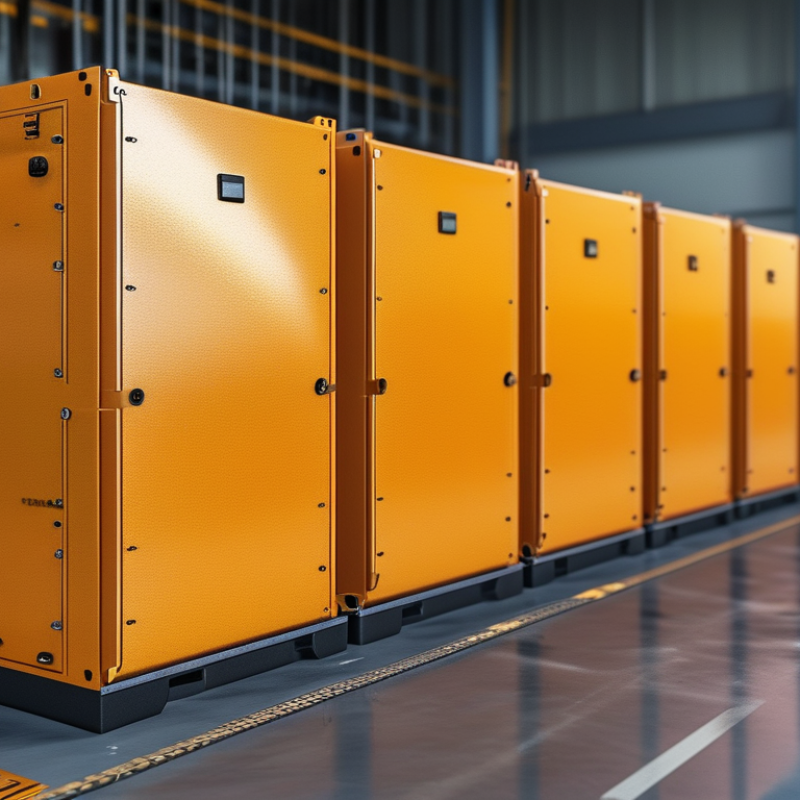
Maximizing discharge rates in high power cells is crucial for numerous applications. This is especially true in sectors such as electric vehicles and renewable energy storage. The maximum discharge rate indicates how quickly a cell can release energy. High discharge rates enable rapid acceleration and efficient energy management. Industry reports forecast that by 2026, the maximum discharge rates for advanced lithium-ion cells may exceed 10C, which refers to discharging at ten times the capacity. This advancement will facilitate better performance and longer lifespan of batteries.
Understanding the importance of discharge rates helps in optimizing the design and use of energy storage systems. As energy demands grow, maintaining high efficiency is vital. High power cells often struggle with thermal management during rapid discharge. Data from recent studies reveal that effective heat dissipation methods can improve longevity by up to 20%. This factor underscores the need for innovation in cell architecture and materials that enhance performance while mitigating risks associated with rapid energy release.
As we look to the future, the emphasis on achieving higher discharge rates will likely lead to both exciting developments and significant challenges. Balancing energy density with safety will require continuous research. The industry must address these complexities to harness the full potential of high power cells, setting the stage for a transformative era in energy storage technology.
The bar chart below displays the projected maximum discharge rates for high power cells in 2026 across various cell types. This data is crucial for understanding the performance capabilities of different battery technologies in high-demand applications.
The projected maximum discharge rates for lithium-ion cells in 2026 show an interesting trend. Industry reports estimate that leading cell manufacturers may achieve discharge rates of 5C to 8C for high power applications. This translates to delivering up to eight times the capacity of the battery in one hour. Such advancements can significantly impact electric vehicles and renewable energy storage.
As technology evolves, challenges remain. Current materials, such as graphite anodes, face limitations in sustaining high discharge rates without overheating. Also, achieving such performance while maintaining cycle life will require innovation. The percentage of capacity retained after multiple cycles still raises concerns. Research suggests that optimizing electrode design and using alternative materials could enhance these metrics.
Maximizing discharge rates holds promise for better efficiency. However, it’s essential to approach these advancements with caution. Not all applications will benefit equally. Some industries may require a balance between power output and longevity. Continued collaboration in research and development will be vital. The path to higher performance will involve rethinking existing technology and strategies.
| Cell Type | Maximum Discharge Rate (C Rate) | Energy Density (Wh/kg) | Cycle Life (cycles) |
|---|---|---|---|
| NCA | 20 C | 250 | 1500 |
| LFP | 10 C | 160 | 3000 |
| NMC | 15 C | 220 | 2000 |
| Graphene | 25 C | 300 | 2500 |
| LTO | 5 C | 120 | 7000 |
High power cells are at the forefront of energy storage technology. Their discharge rates vary significantly across different battery chemistries. Lithium-ion batteries typically exhibit high discharge rates, around 10 to 30C. This means they can deliver short bursts of power relative to their capacity. In contrast, lithium iron phosphate (LiFePO4) batteries, while safer and more stable, generally peak at about 3C. This discrepancy impacts applications in electric vehicles and renewable energy systems.
A recent report by the International Energy Agency highlights the potential of solid-state batteries, with discharge rates exceeding 15C. This technology may redefine the sector by improving safety and performance metrics. However, the manufacturing complexities present challenges. Promising solutions are emerging, but achieving scalability remains difficult.
When choosing battery chemistries, consider the specific needs of your application. For high-drain devices, lithium-ion might be your best bet. On the other hand, if safety and longevity are priorities, explore options like LiFePO4. Always evaluate the trade-offs of performance versus stability to find the right fit for your energy needs.
The maximum discharge rate for high-power cells in 2026 hinges on several critical factors. One key element is the battery chemistry, which significantly impacts how quickly energy can be released. Advanced lithium-ion variants are setting standards, but they come with both performance capabilities and limitations. The choice of materials also plays a role, as lighter and more conductive materials can enhance discharge efficiency.
Thermal management is another vital aspect. High discharge rates generate heat, which can damage cells if not properly managed. Techniques like advanced cooling systems are crucial for maintaining efficiency under stress. Understanding these dynamics is essential for engineers developing next-generation batteries.
Battery design itself is often a balancing act. Enhancing discharge rates can affect overall lifespan and stability. Many innovations prioritize power density over longevity, potentially leading to shorter battery life. Continuous research is needed to address these challenges, ensuring advancements do not compromise safety or usability.
The discharge rate for high power cells in 2026 will heavily rely on evolving regulatory and safety standards. These regulations aim to ensure that batteries operate effectively without compromising safety. As we continue to pursue higher energy densities and faster charging technologies, regulators face significant challenges. They must balance innovation with public safety to mitigate risks such as overheating, fires, or battery failures.
In many regions, guidelines are currently being updated to address these concerns. This includes stricter standards for testing and approval processes. Compliance will become essential for manufacturers looking to bring their products to market. Guidelines may limit the maximum discharge rates permitted for high power cells to reduce hazards. This limitation aims to create a safer environment for consumers.
Moreover, organizations and researchers are examining the long-term effects of high discharge rates. Issues arise that prompt discussions about reliability and sustainability. Developers must reflect on how these constraints can impact their designs. Questions about performance versus safety become paramount. All these factors will shape the landscape of battery technology by 2026.
: The maximum discharge rate indicates how quickly a battery cell can release energy.
High discharge rates enable rapid acceleration and efficient energy management in electric vehicles and energy storage.
By 2026, discharge rates for lithium-ion cells may exceed 10C, allowing better performance and longevity.
High power cells often struggle with thermal management, which can lead to overheating and reduced lifespan.
Effective heat dissipation can enhance battery longevity by up to 20% during rapid energy release.
Graphite anodes face challenges in sustaining high discharge rates without overheating.
Manufacturers must adhere to evolving regulatory and safety standards to ensure safe battery operation.
Achieving high performance may risk safety, leading to concerns like overheating or battery failures.
No, some industries may require a balance between power output and longevity over high discharge rates.
Future developments will need to balance energy density, performance, and safety through continuous research.
The article titled "What is the Maximum Discharge Rate for High Power Cells in 2026?" explores the critical concept of maximum discharge rates for high-power battery cells, highlighting its significance in performance and safety. It outlines projected discharge rates for lithium-ion cells in 2026, providing insight into advancements in battery technology and how these improvements affect overall performance. Additionally, the article compares the discharge rates of different high-power battery chemistries, illustrating the varying capabilities and applications of each.
Furthermore, it delves into the factors that influence maximum discharge rates in advanced battery technologies, such as materials, design, and thermal management. The discussion encompasses regulatory and safety standards that may impact discharge rate limitations, ensuring that as technology evolves, safety remains a priority. Ultimately, the content answers the question of what is the maximum discharge rate of high-power cells by presenting an informed forecast and context for 2026's developments.

Nuwon Energy