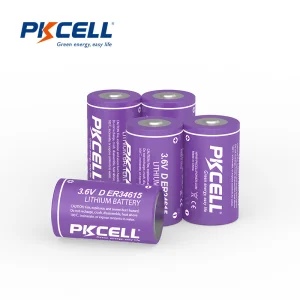

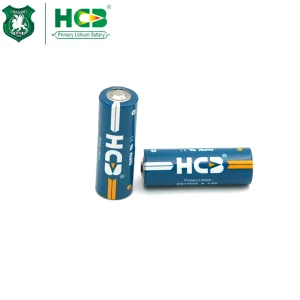
Lithium Thionyl Chloride (Li-SOCl2) electrochemistry represents one of the most mature, high-energy-density primary chemical routes available. Operating at a nominal voltage of 3.6V, with open-circuit values hovering around 3.67V, Li-SOCl2 is uniquely designed for long-term deployments that require consistent micro-ampere background currents combined with moderate pulse profiles. Unlike standard lithium-manganese dioxide (Li-MnO2) cells, Li-SOCl2 utilizes a liquid cathode system where the thionyl chloride solvent itself acts as the active cathodic reactant, working in tandem with a porous carbon current collector and a high-purity lithium metal anode.
Designed primarily for localized space constraints, wafer-type Li-SOCl2 cells offer ultra-thin form factors. They maximize energy density in small envelopes but are restricted to low-drain applications due to their relatively small active electrode surface areas.
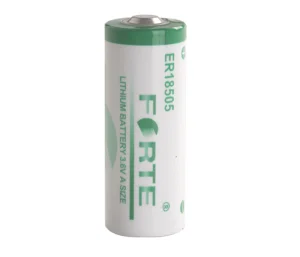
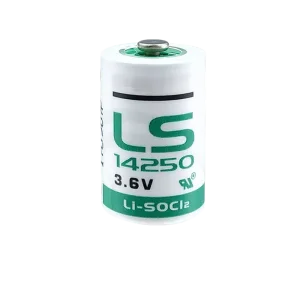
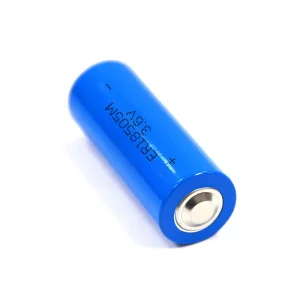
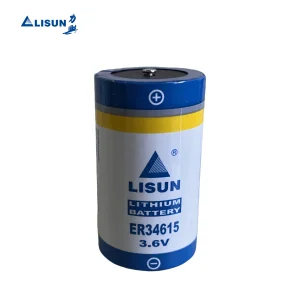
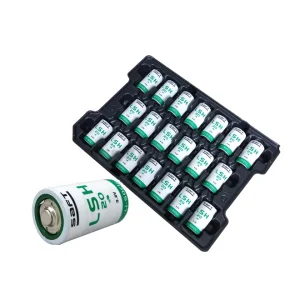
Optimized for low self-discharge and maximum capacity. The cylindrical bobbin structure utilizes a single core anode and cathode, minimizing electrode surface area to limit self-discharge, making it ideal for 10-to-20-year utility metering applications.
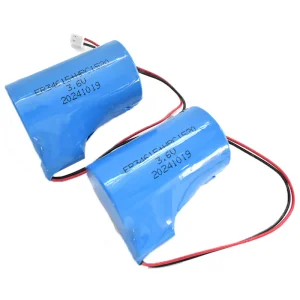
Constructed by rolling thin sheets of lithium and carbon separator together. This structure maximizes surface area, allowing high continuous and pulse currents (often exceeding several Amperes), but slightly increases the self-discharge rate.
Due to the unique thermodynamic stability of Thionyl Chloride and the physical protection mechanisms of the passivation layer, these cells perform where traditional lithium-ion or alkaline chemistries fail. Let us examine the specific localized use cases where Li-SOCl2 wafer and cylindrical systems are critical:
Deep-ocean monitoring sensors rely on Li-SOCl2 batteries to withstand high hydrostatic pressures and low temperatures (typically 2°C to 4°C). Because of the low-temperature performance, subsea acoustic modems can operate for decades without expensive underwater battery replacement missions.
Pharmaceuticals and biological materials, such as mRNA vaccines, require storage temperatures as low as -80°C. Standard batteries solidify internally and lose cell potential. Specialized Li-SOCl2 formulations sustain stable discharge profiles at these extreme cold bounds, maintaining constant sensor logs and GPS connectivity.
Advanced Metering Infrastructure (AMI) for water, gas, and thermal heat must remain sealed and maintenance-free for 15 to 20 years. Battery replacement costs exceed the meter cost itself. Li-SOCl2 bobbin cells, with their negligible self-discharge and robust casing, ensure sustained operations in concrete pits or harsh outdoor enclosures.
As the Internet of Things (IoT) matures, the hardware requires more frequent, high-current pulses to transmit data via 5G, NB-IoT, or LoRa networks. To address this demand while maintaining a long operational life, the technology roadmap is evolving in several key areas:
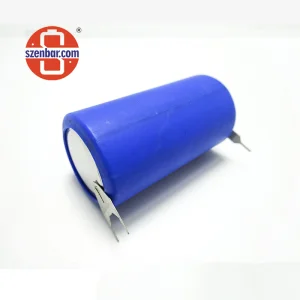
By connecting a low-rate, high-capacity bobbin-type Li-SOCl2 cell in parallel with a Super Pulse Capacitor (SPC) or Hybrid Lithium Capacitor (HLC), manufacturers can combine the best of both worlds. The Li-SOCl2 cell slowly and safely charges the capacitor during standby periods, while the capacitor delivers the high pulse currents (typically 1A to 3A) required during active radio transmission. This design eliminates the risk of voltage delay and extends battery lifetime under dynamic load profiles.
New chemical additives in the liquid electrolyte are designed to control the growth rate of lithium chloride crystals on the anode. Instead of a thick, highly resistive crystalline layer, these additives promote a thin, uniform, and easily breakable passivation film. This ensures that the Transient Minimum Voltage remains well above the micro-controller cut-off threshold (typically 2.5V to 2.8V), even when the cell is subjected to sudden loads after long periods of storage.
For downhole oil and gas drilling applications, geothermal logging, and industrial ovens, cells must operate at temperatures exceeding 130°C. Standard structural components and binders degrade under these conditions. Next-generation cells employ special ceramic seals, modified glass-to-metal hermetic closures, and customized solvent mixes to extend safe operational limits up to +150°C and +200°C.
Company Profile – Guangdong Nuwon Energy Co., Ltd.
Guangdong Nuwon Energy Co., Ltd. is a leading manufacturer and solution provider in advanced battery systems, specializing in the research, development, manufacturing, and global distribution of high-performance energy storage products. The company offers comprehensive OEM and ODM services, delivering customized battery solutions tailored to diverse industrial and commercial applications.
Backed by a highly experienced engineering and R&D team, Nuwon Energy focuses on the design and integration of cylindrical and prismatic lithium battery cells, as well as complete battery packs, modules, and energy storage systems. The company also develops and produces industrial-grade battery cells engineered for safety, durability, and long cycle life.
Guangdong Nuwon Energy serves a wide range of industries, including consumer electronics, electric mobility (such as golf carts, forklifts, UTVs/ATVs, trucks, and marine systems), medical equipment, unmanned ground vehicles (AGVs/AMRs), and emerging aerospace applications such as eVTOL aircraft. In addition, the company provides reliable residential, commercial, and industrial (C&I) energy storage solutions designed to support the global transition toward clean and sustainable energy.
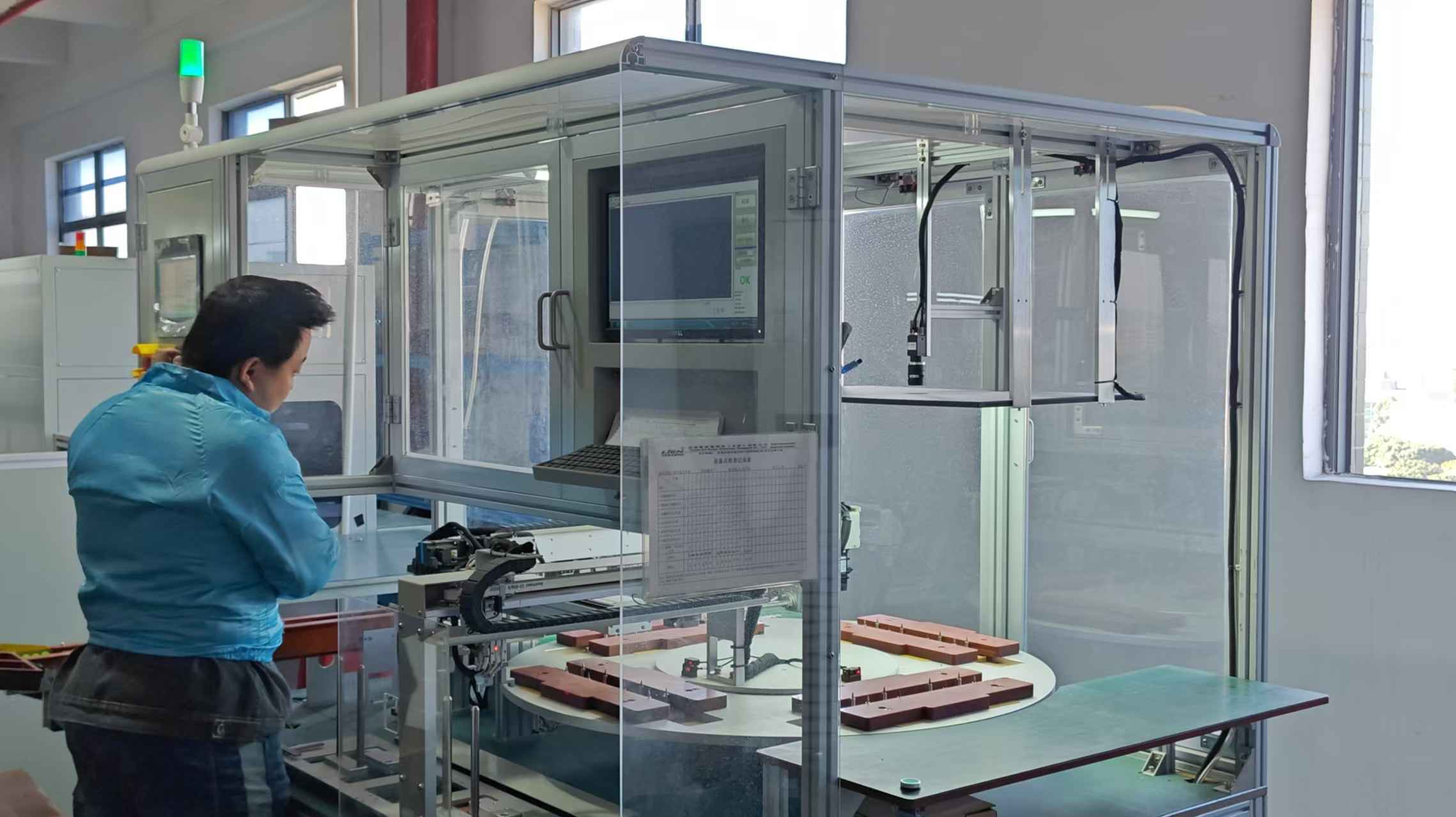
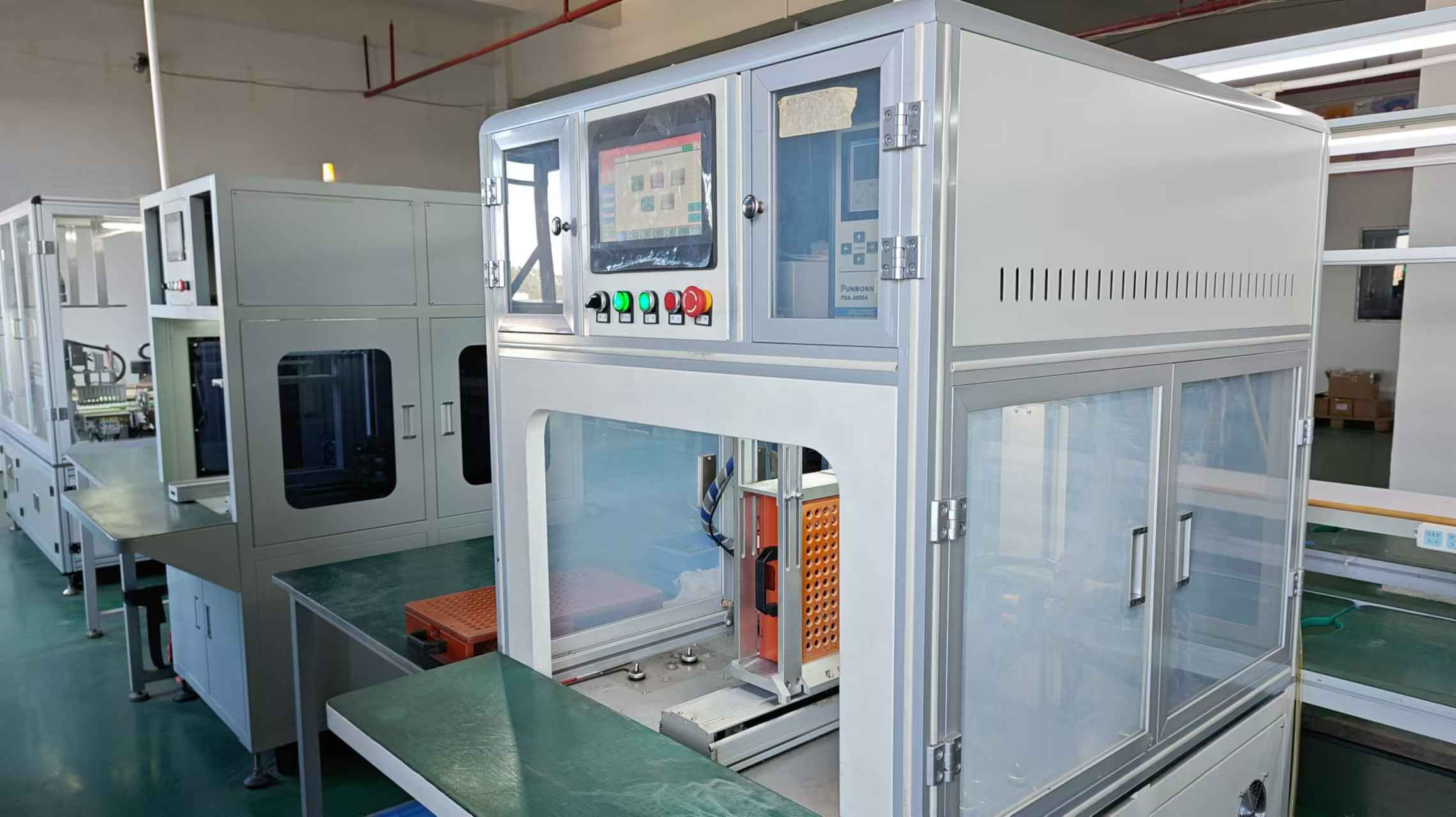
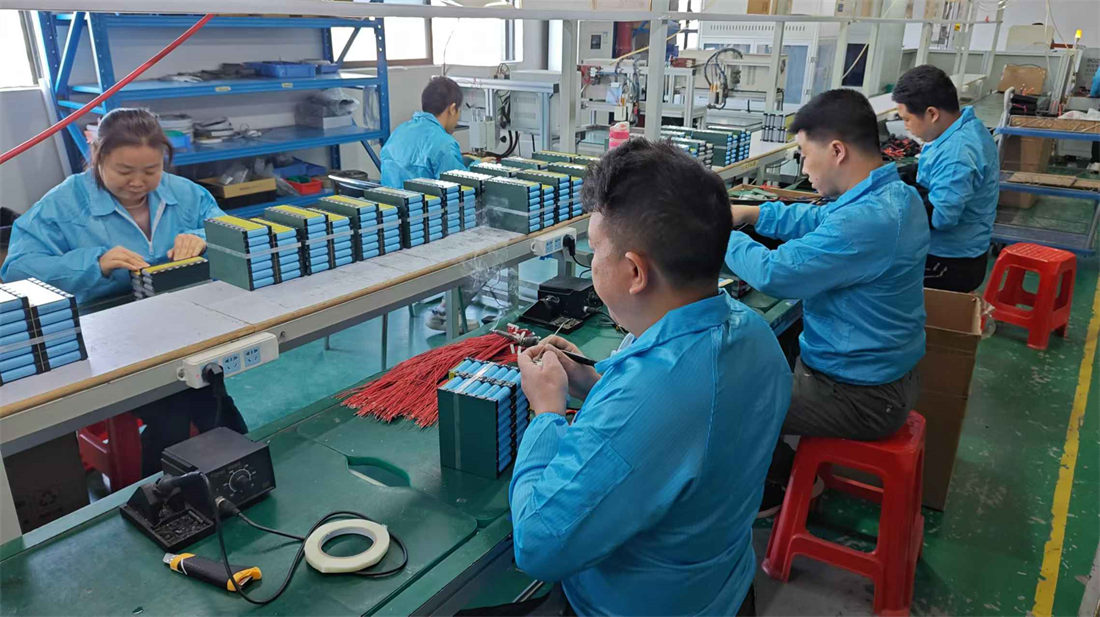
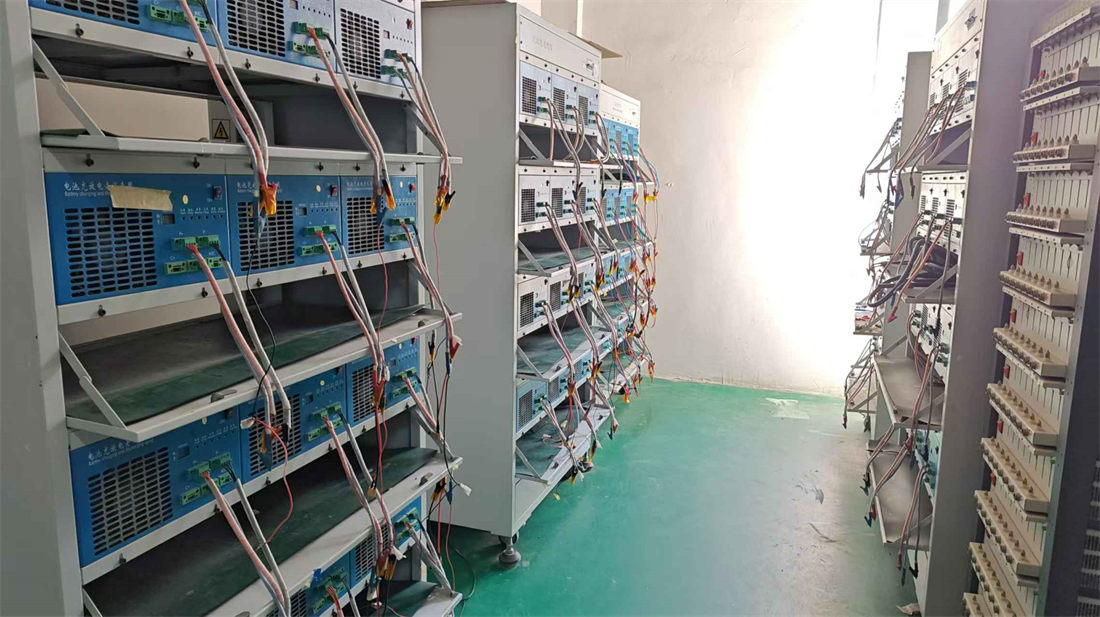
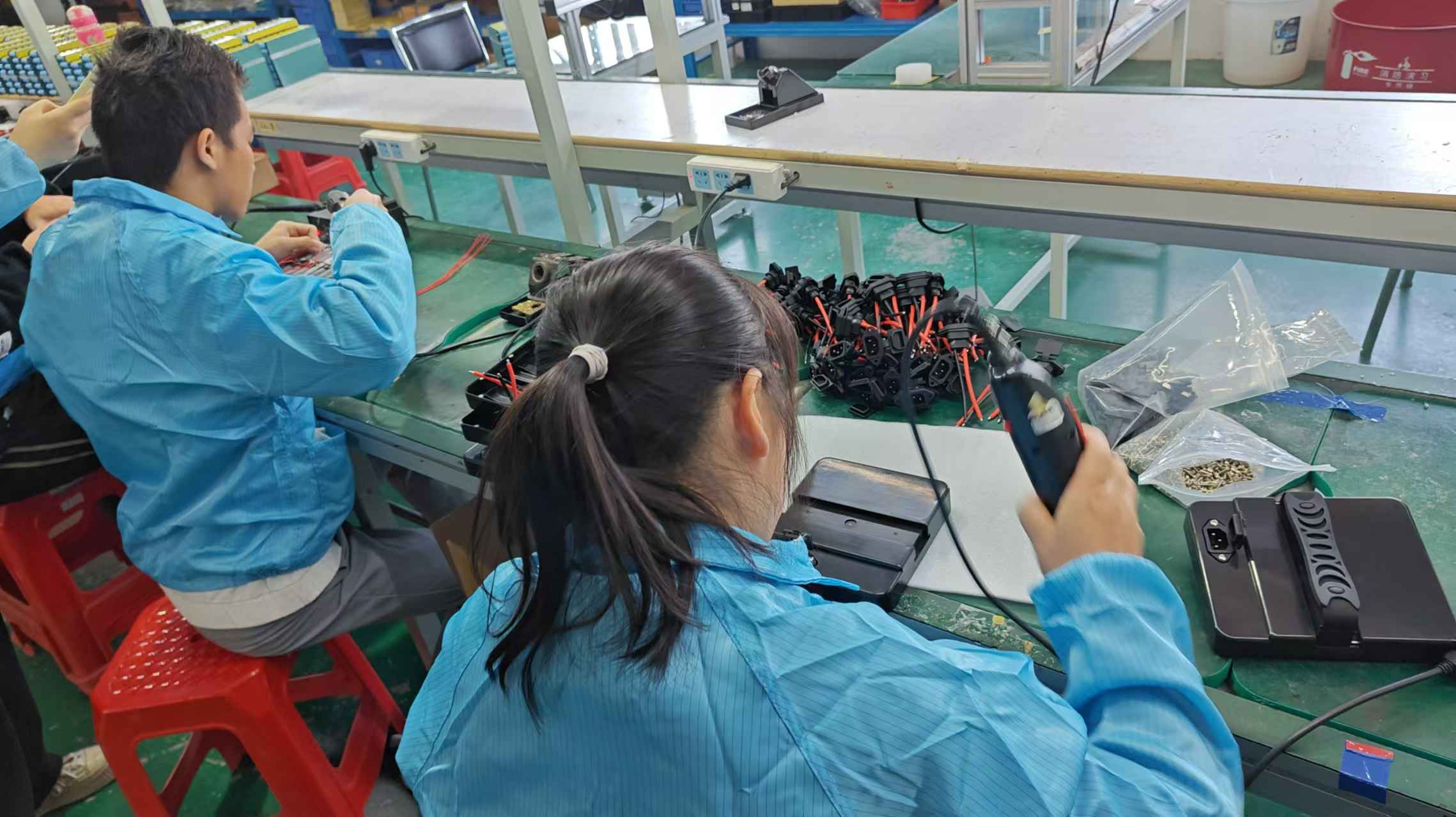
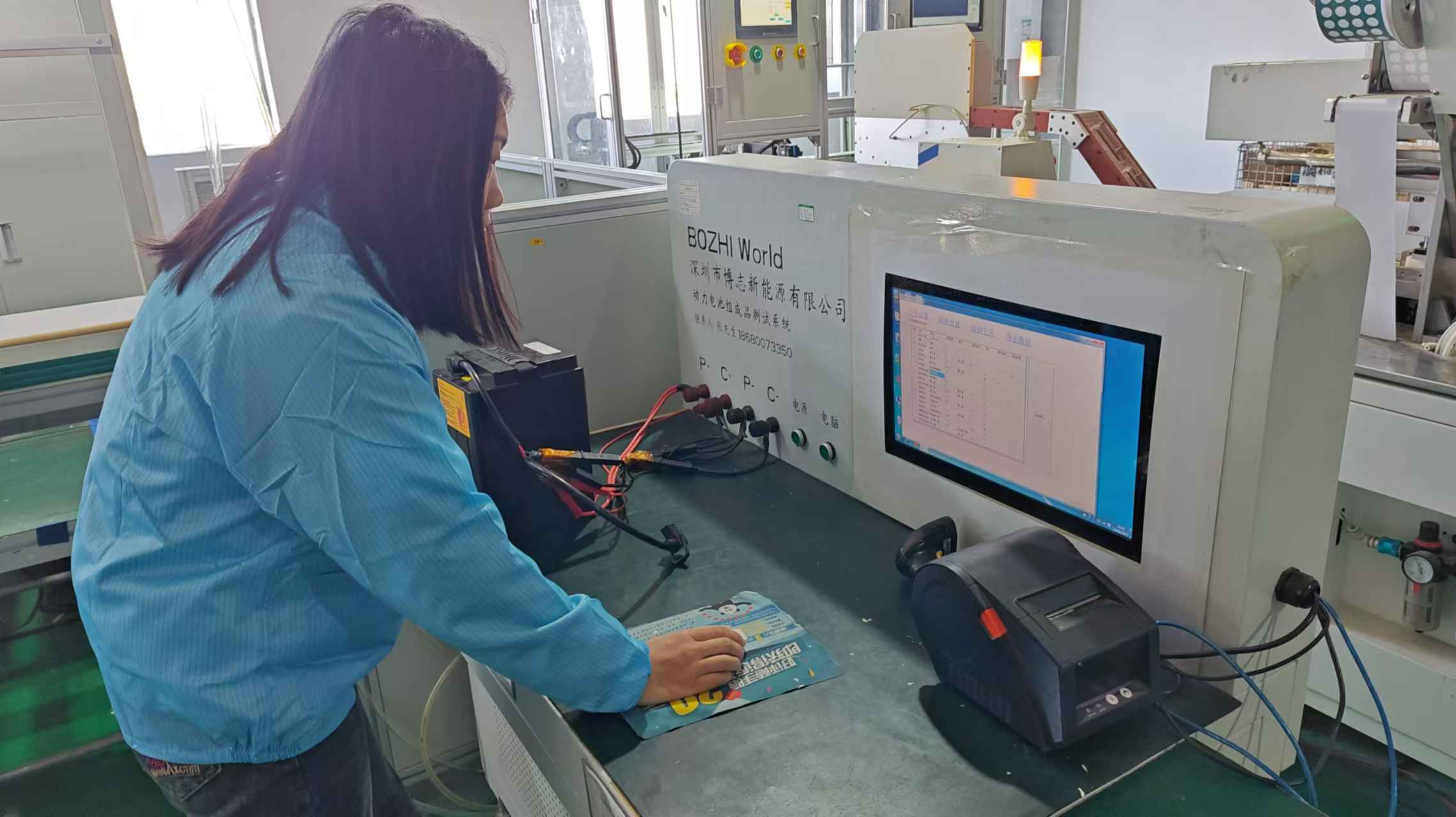
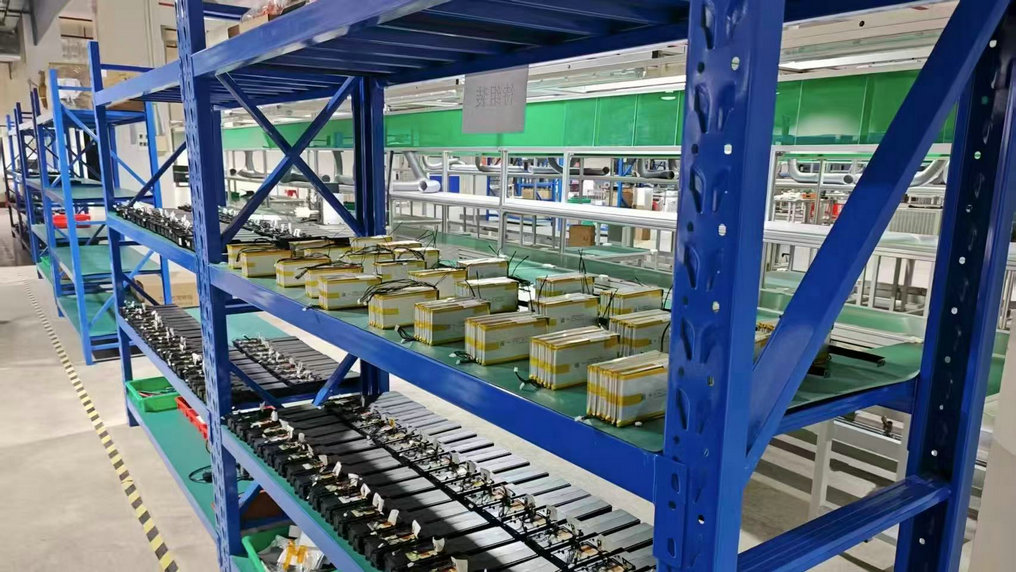
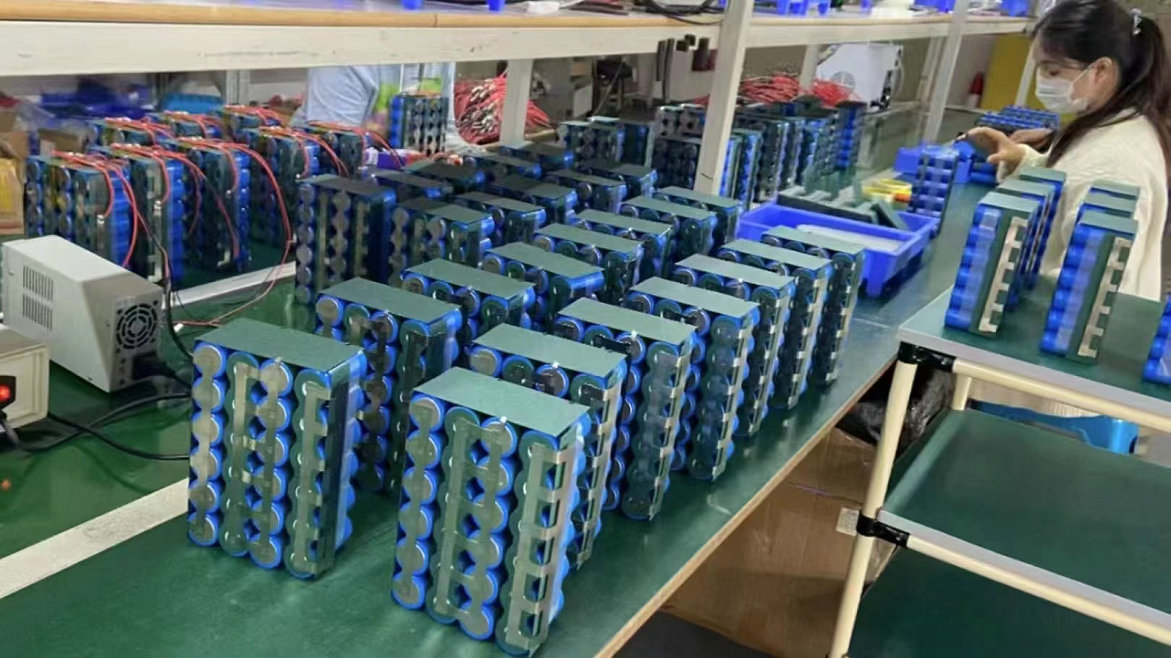
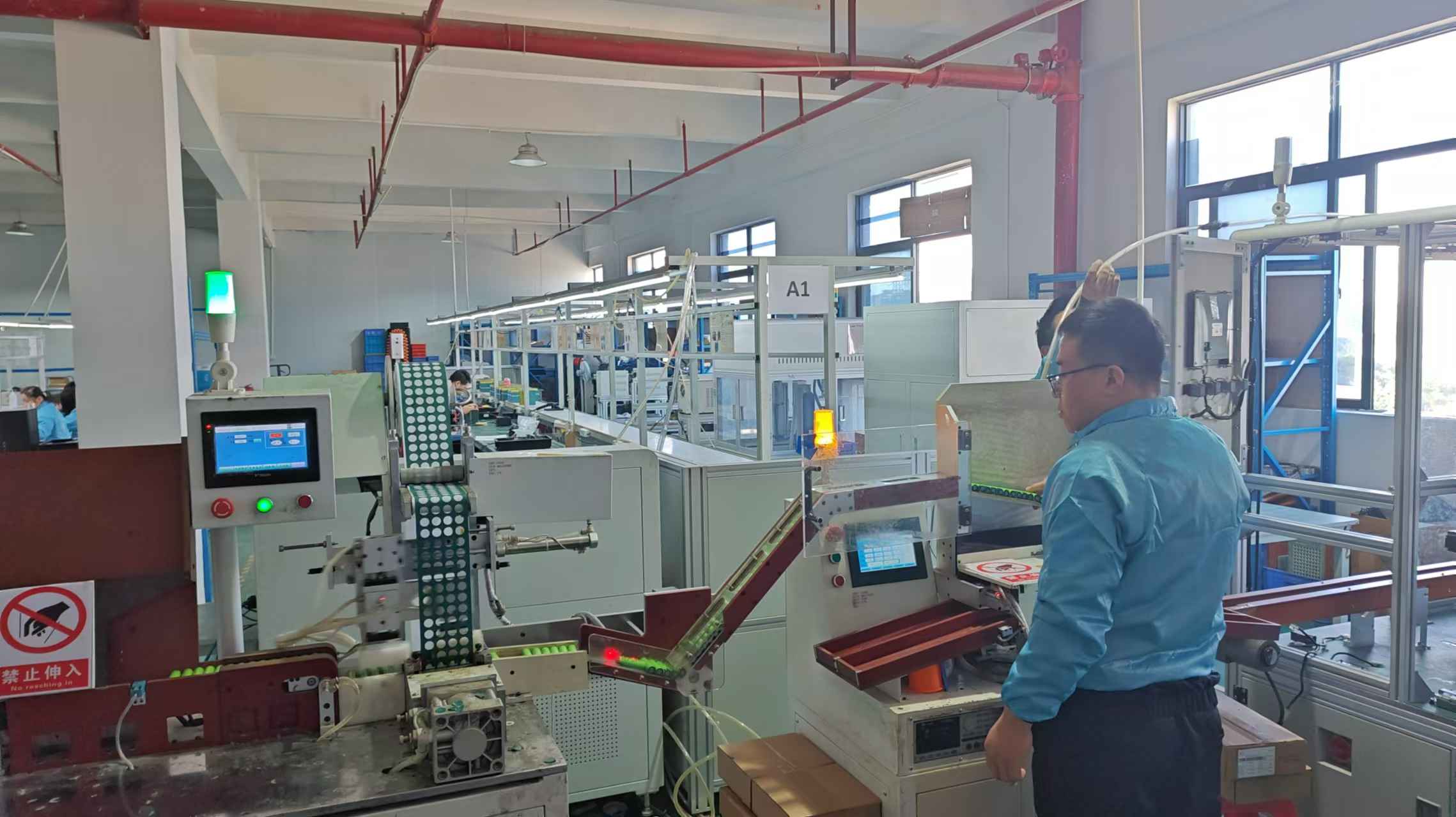
With a strong commitment to innovation, strict quality control, and customer-centric service, Guangdong Nuwon Energy continuously invests in advanced manufacturing capabilities, automated production lines, and rigorous testing systems. This ensures that every product meets international safety standards and delivers exceptional performance in demanding environments.
Driven by a vision to accelerate global electrification and energy efficiency, Guangdong Nuwon Energy Co., Ltd. is dedicated to building long-term partnerships and providing reliable, intelligent, and sustainable energy solutions to customers worldwide.
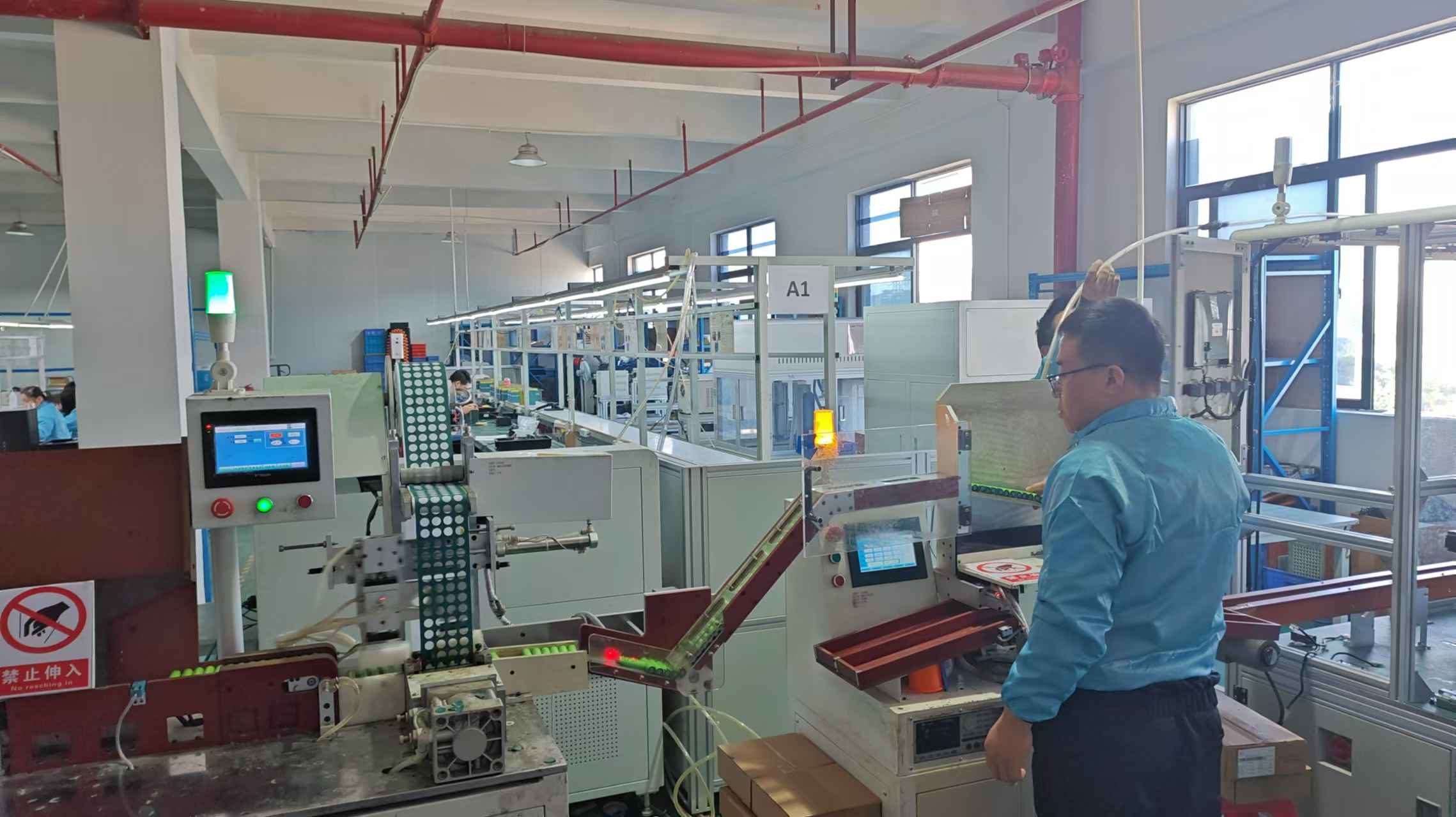
Guangdong Nuwon Energy operates inside the world's most dense electrochemical manufacturing cluster in South China. This geographic advantage translates into unmatched supply chain resilience. Access to raw materials like high-purity lithium metal, premium grade thionyl chloride solvent, and locally manufactured high-precision mechanical casings enables us to maintain continuous production schedules, even during global raw material shortages. Our fully automated assembly lines reduce human-introduced variation, ensuring consistency across millions of produced cells annually.
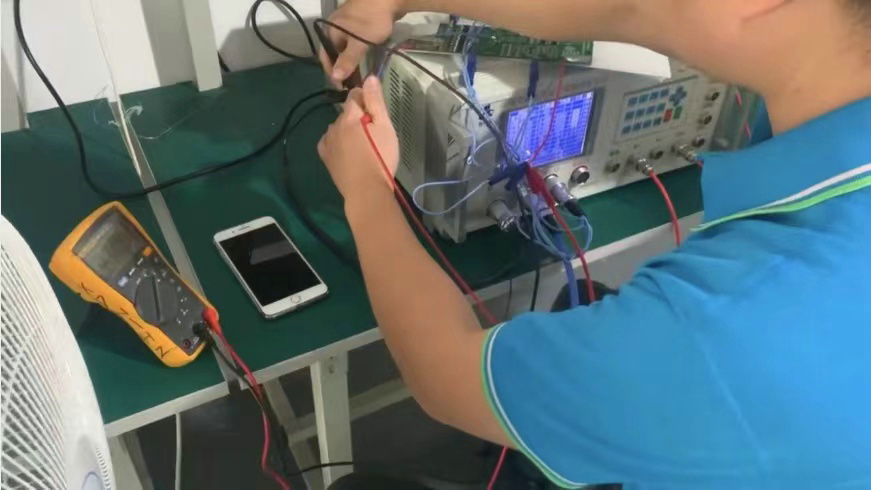
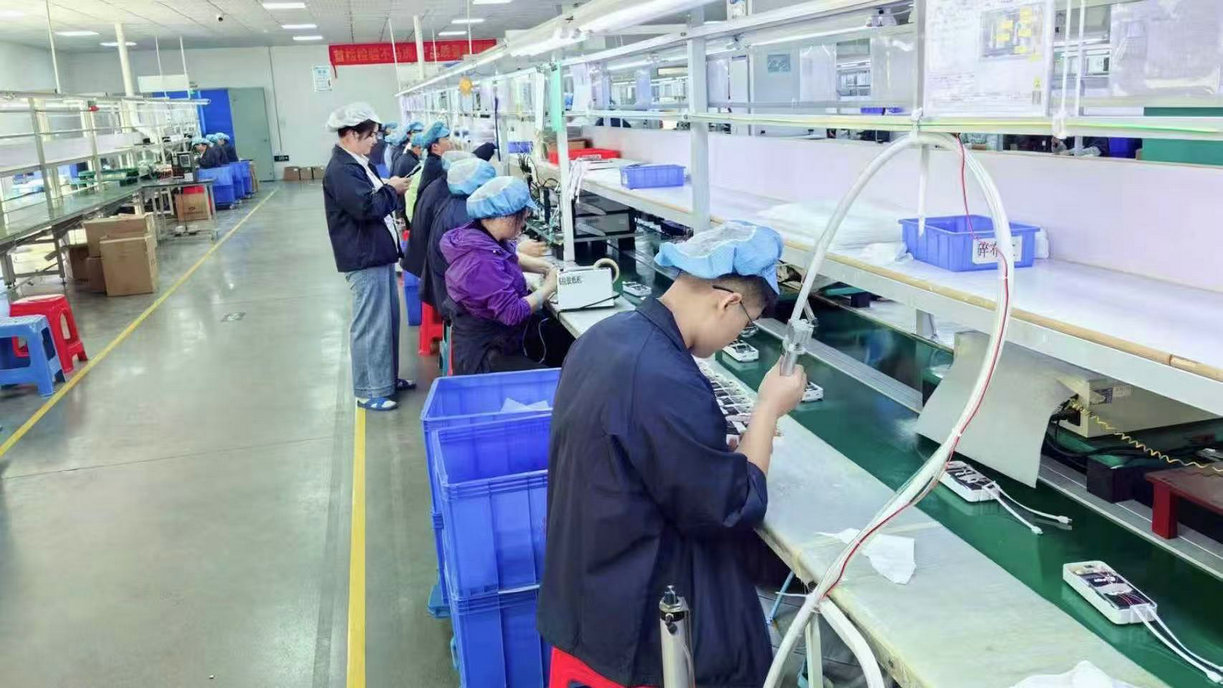
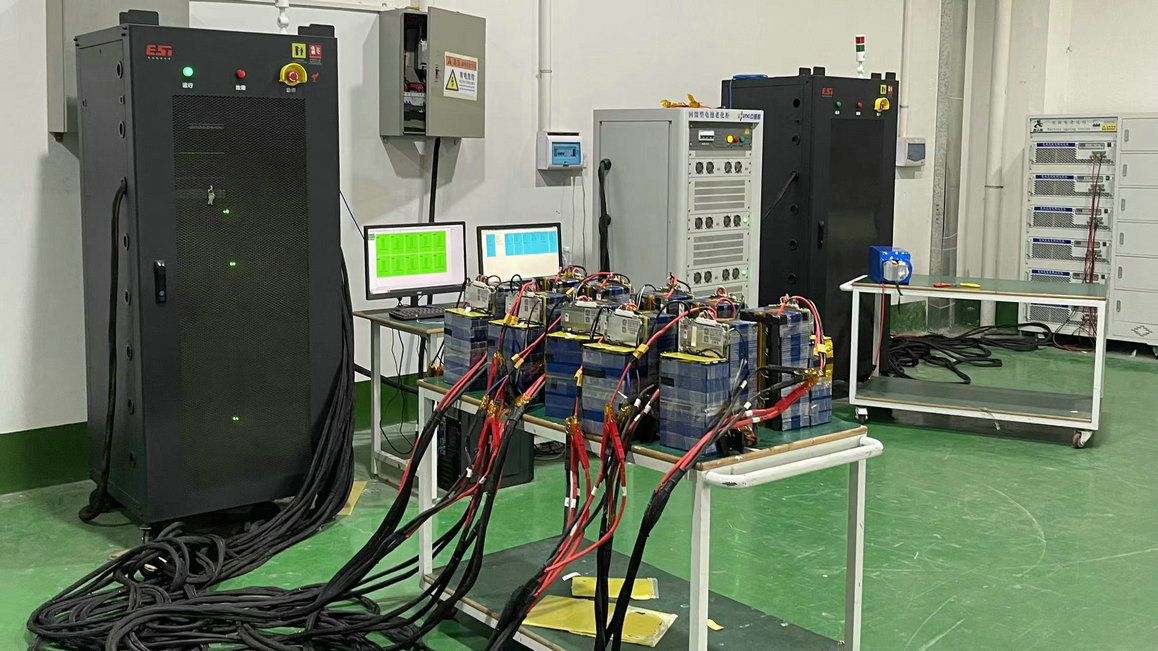
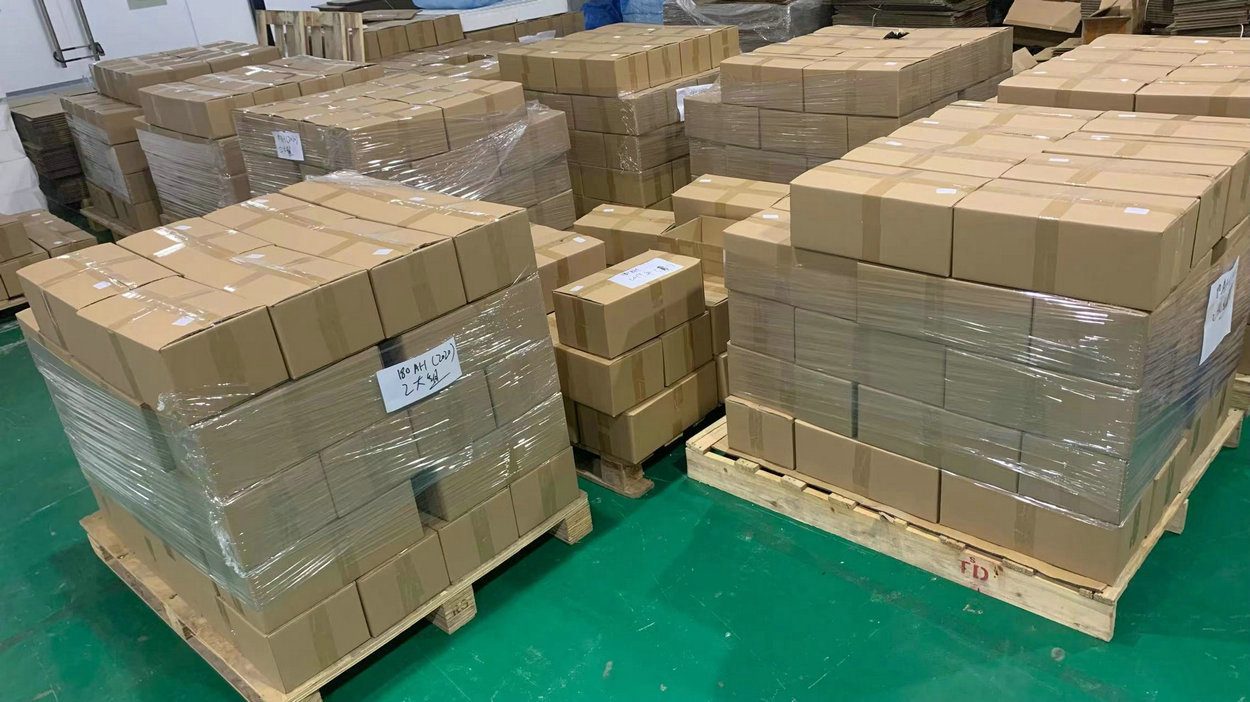
Primary lithium batteries are classified as Class 9 Dangerous Goods under international transport regulations because of their high energy density and reactive nature. Securing global market access requires strict adherence to safety and transport compliance frameworks:
All cells manufactured by Guangdong Nuwon Energy undergo and pass UN38.3 test protocols, which simulate severe transportation conditions. Testing parameters include altitude simulation, extreme thermal cycling, vibration, shock, external short circuit, impact, crush, overcharge, and forced discharge.
Our industrial cells are fully certified under UL1642 (safety standards for lithium batteries) and IEC60086-4 (safety of primary lithium batteries under normal use and foreseeable misuse). This guarantees safety design redundancy at the cell level, preventing fire or explosion even under mechanical fault conditions.
We use environmentally conscious design parameters, eliminating heavy metals such as mercury, cadmium, and lead. Our products are fully compliant with RoHS and REACH standards for global environmental distribution.
This technical FAQ section addresses key engineering and design questions that hardware designers face when integrating Li-SOCl2 batteries into long-life industrial devices.
 Nuwon Energy