Explore our curated selection of high-rate lithium-ion, LTO, and polymer pouch battery configurations engineered for instantaneous power output, precision monitoring, and structural resilience.

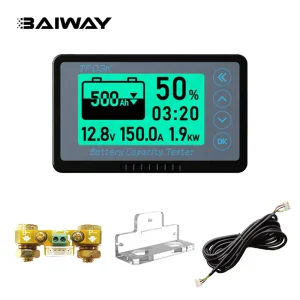
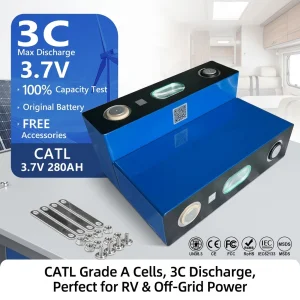
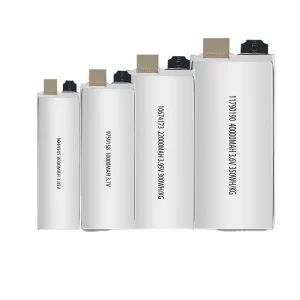
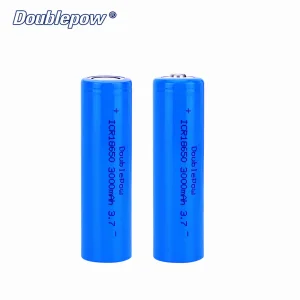
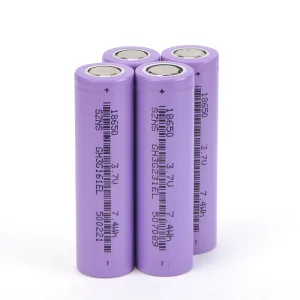
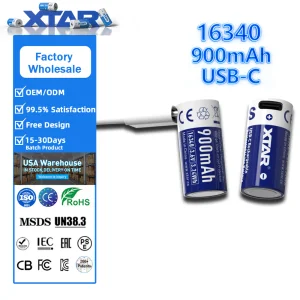
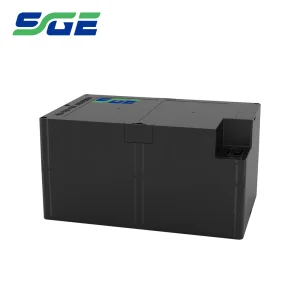
High-rate batteries undergo intense thermal stress and structural loads. Understanding their electrochemical parameters is vital for successful systems integration.
In modern industrial design, power density is as critical as energy density. High-rate discharge (HRD) batteries represent a specialized subset of lithium-based electrochemistry. They are specifically formulated to deliver rapid bursts of electrical current without triggering thermal runaway or mechanical breakdown. Unlike standard energy cells (typically designed for 0.5C to 1C discharge), HRD cells feature customized electrode coatings, minimized internal resistance (IR), and heavy-duty current collectors (tabs) capable of managing extreme thermal dissipation.
Globally, the demand for HRD systems has grown exponentially. Key drivers include the rapid electrification of heavy machinery, starter systems requiring intense cold-cranking amps (CCA), transient energy capture devices in high-power marine grids, and commercial micro-mobility platforms. To survive these operational regimes, materials such as Lithium Titanate (LTO) and specialized high-power Nickel Manganese Cobalt (NMC) or Lithium Iron Phosphate (LiFePO4) chemistry variants must be used. For instance, LTO cells can manage up to 70C continuous rates due to their zero-strain characteristics and exceptional chemical stability under massive ion transfer rates.
"High-rate discharge operations demand a fundamental trade-off: to increase discharge rate capacity (C-rate), the manufacturer must minimize the internal resistance by optimizing tab design and utilizing thin-electrode coatings, which in turn requires advanced precision manufacturing equipment."
From an engineering perspective, the performance of an HRD cell is limited by Joule heating ($P = I^2 R$). Minimizing internal resistance is the absolute priority for manufacturers. This is achieved via several mechanical and chemical improvements:
As the epicenter of the global lithium-ion supply chain, China hosts an unparalleled manufacturing ecosystem. The localized efficiency advantages of Chinese gigafactories translate directly into consistent quality and reduced lead times for global B2B procurement teams. This advantage is not merely about labor costs; it is driven by deep horizontal and vertical integration:
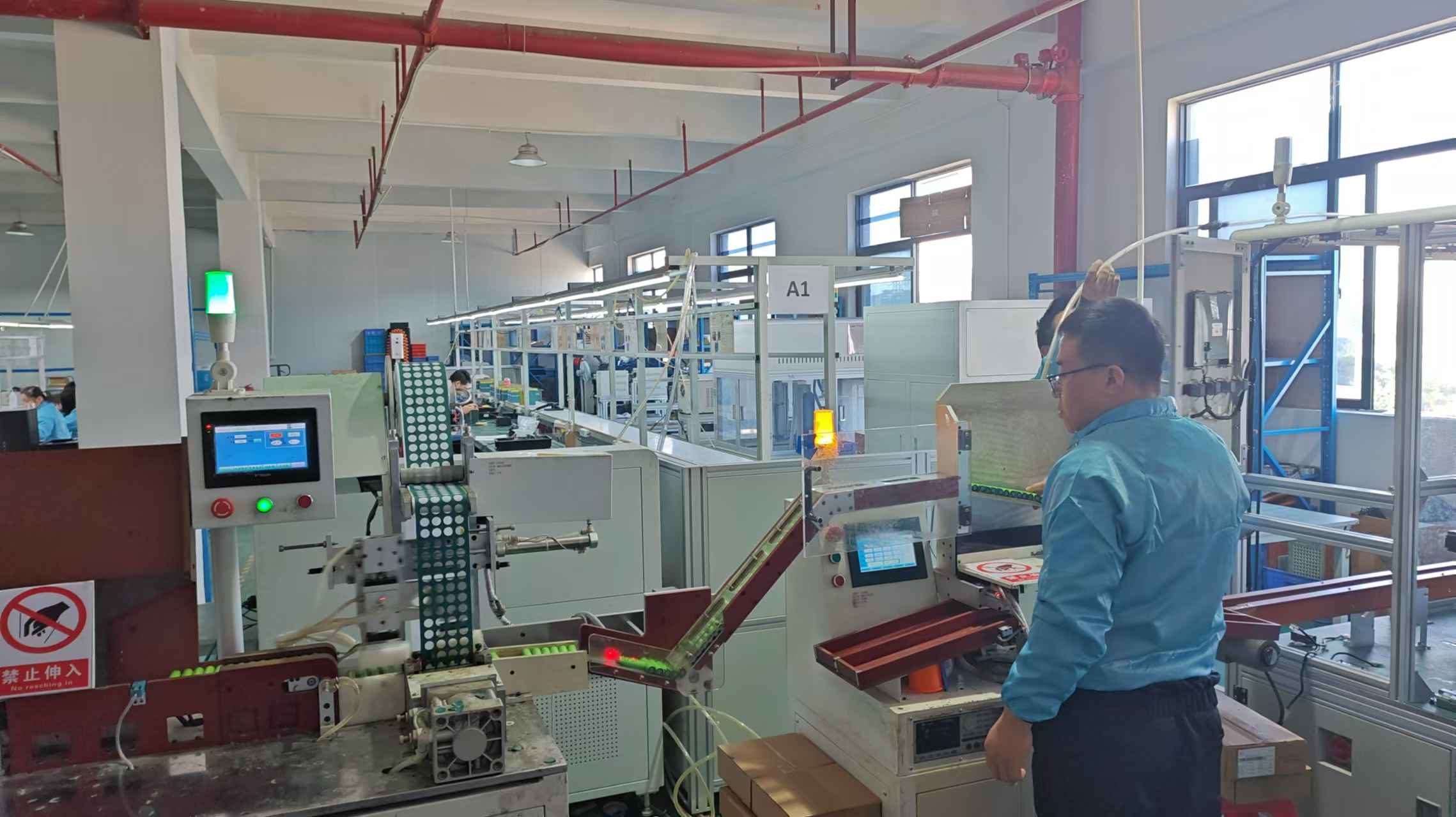
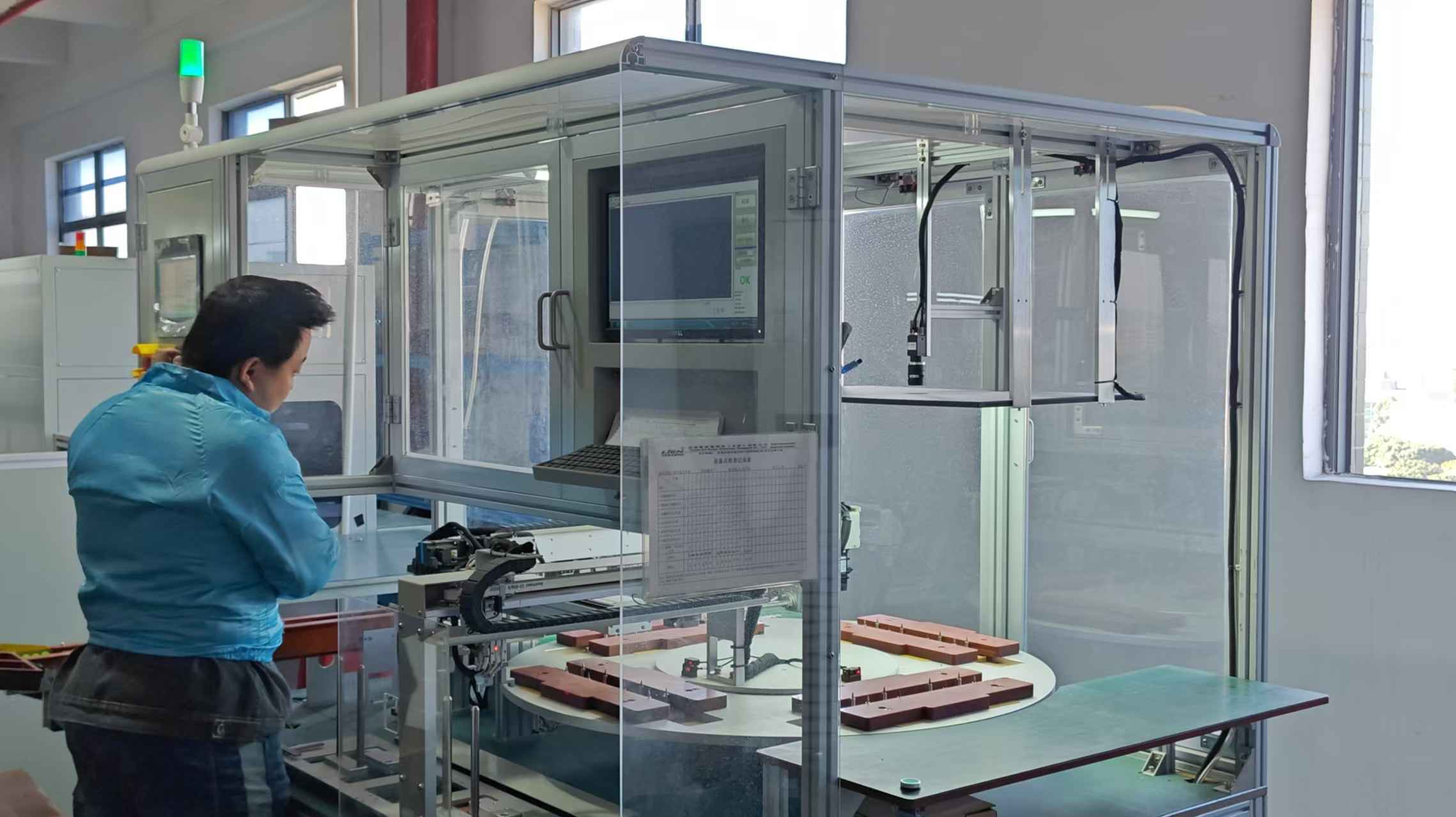
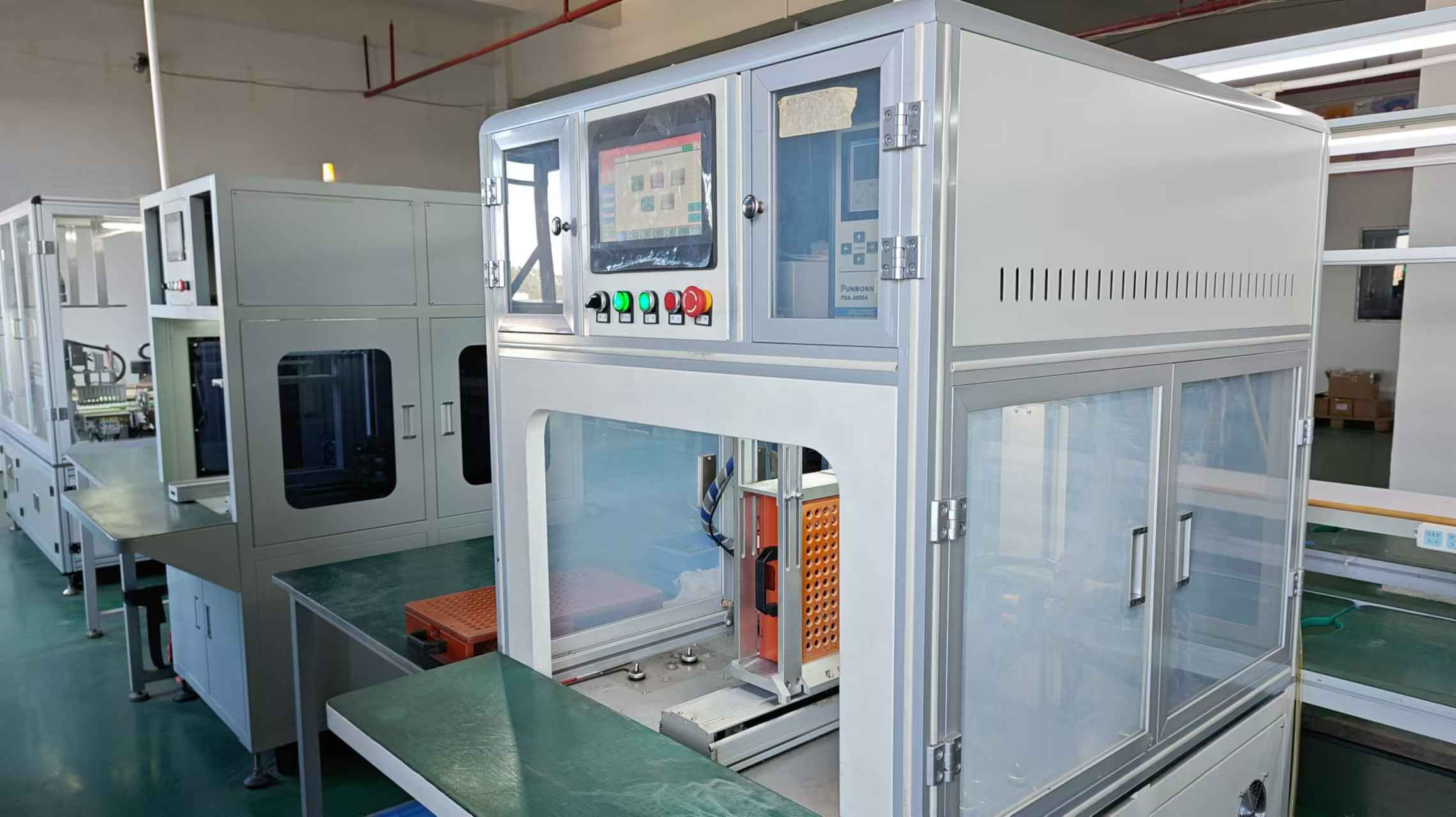
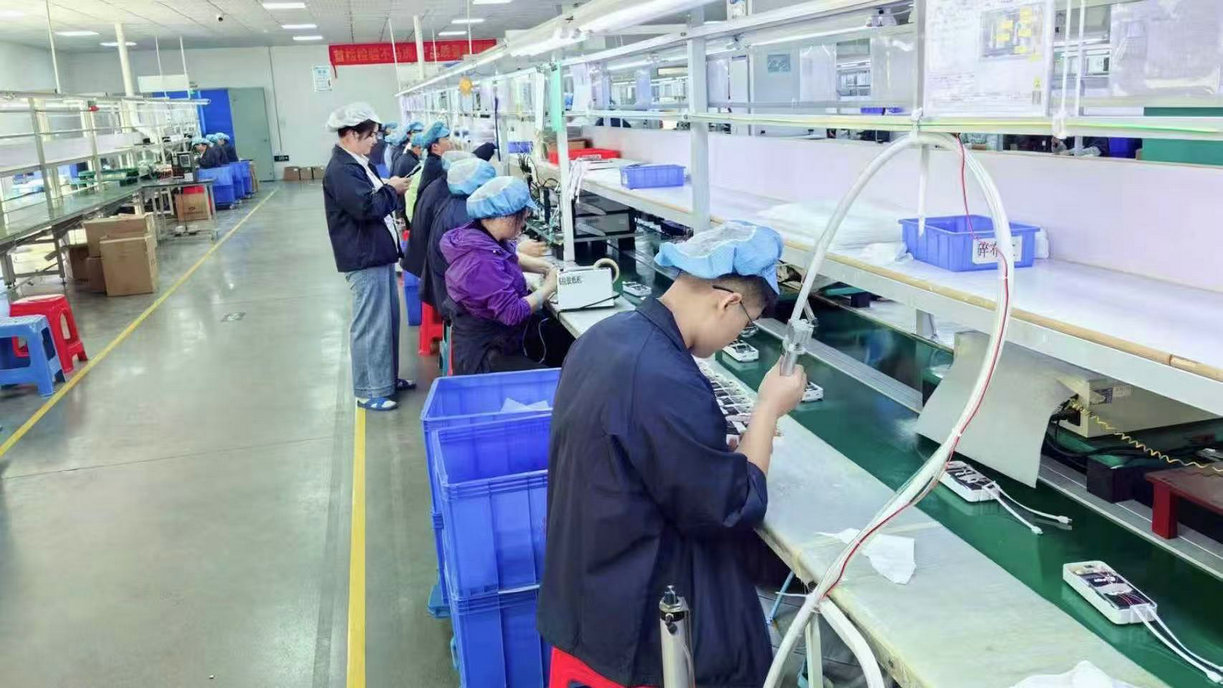
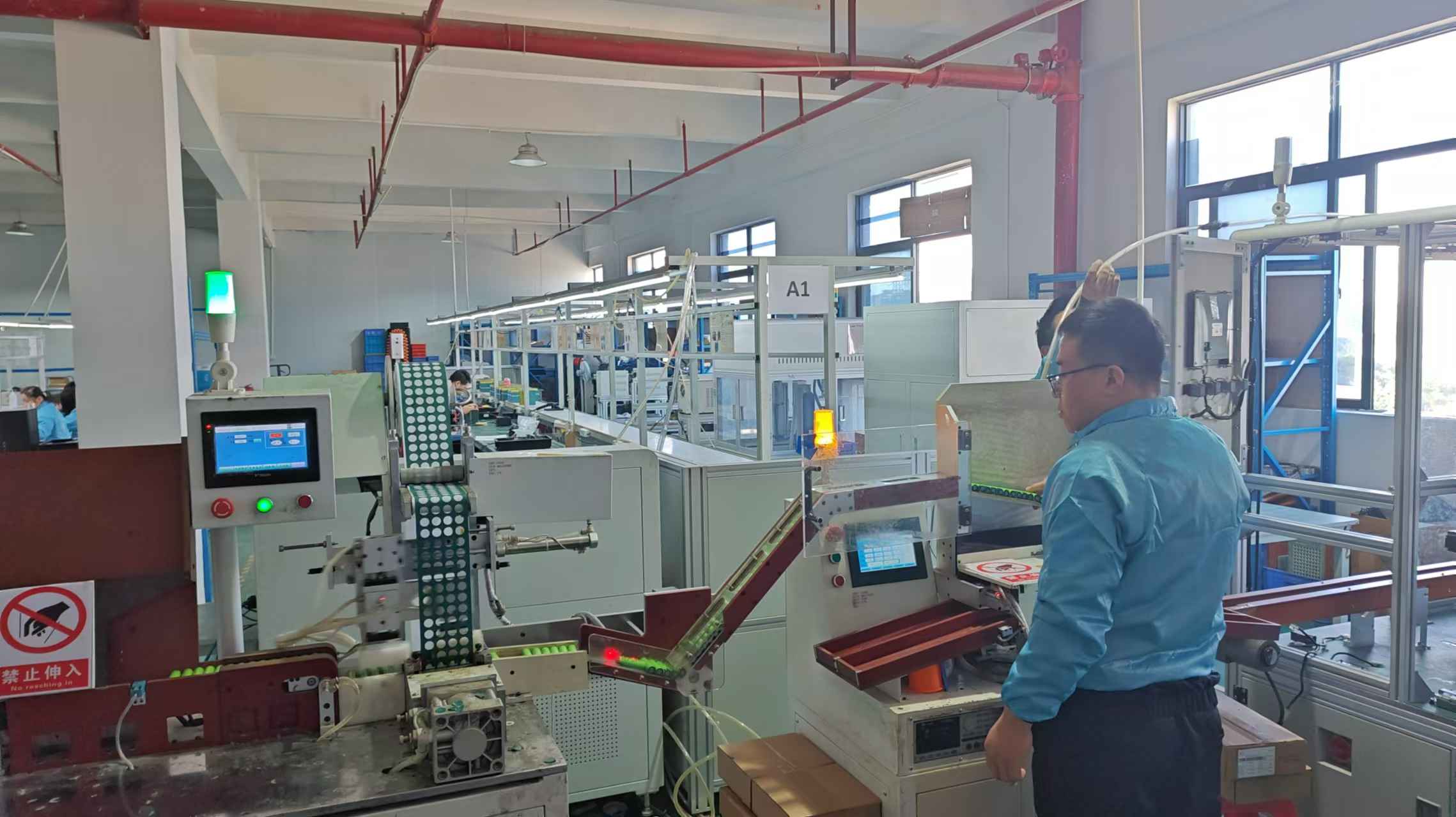
First, the proximity to raw chemical refiners (precursor materials, battery-grade lithium carbonate/hydroxide, synthetic graphite, and high-performance separators) eliminates long shipping pipelines and associated material degradation risks. Second, the automation level within Chinese hubs is unmatched. Sophisticated automated sorting equipment, advanced laser welding, and automated chemical aging systems ensure high uniformity. In high-rate packs, cell-to-cell variance must be kept near zero to prevent premature pack degradation, making automated cell matching essential.
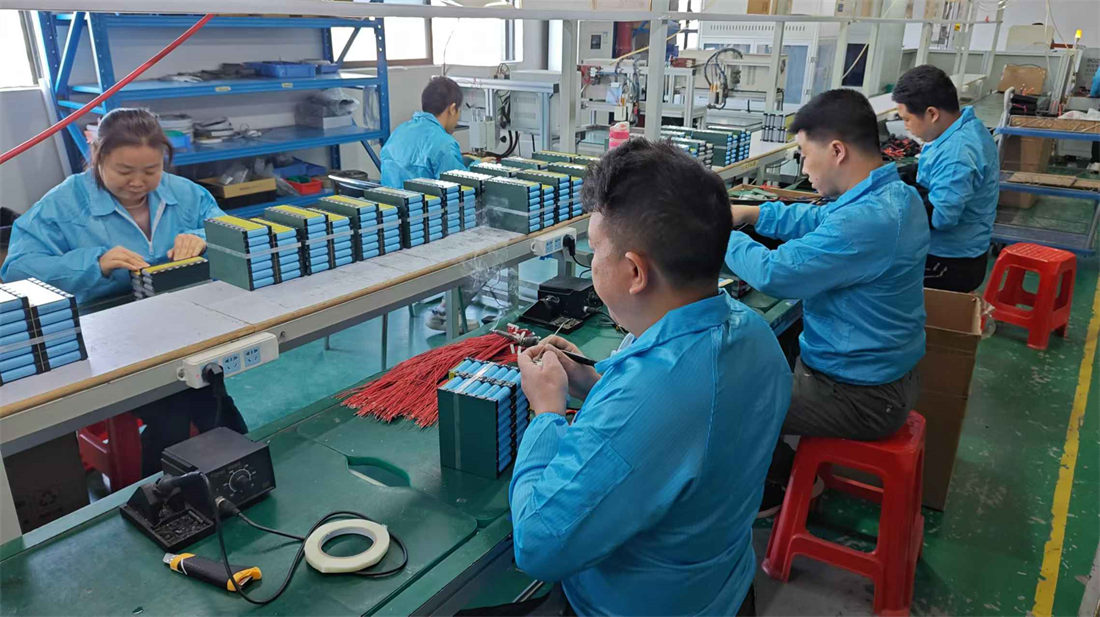
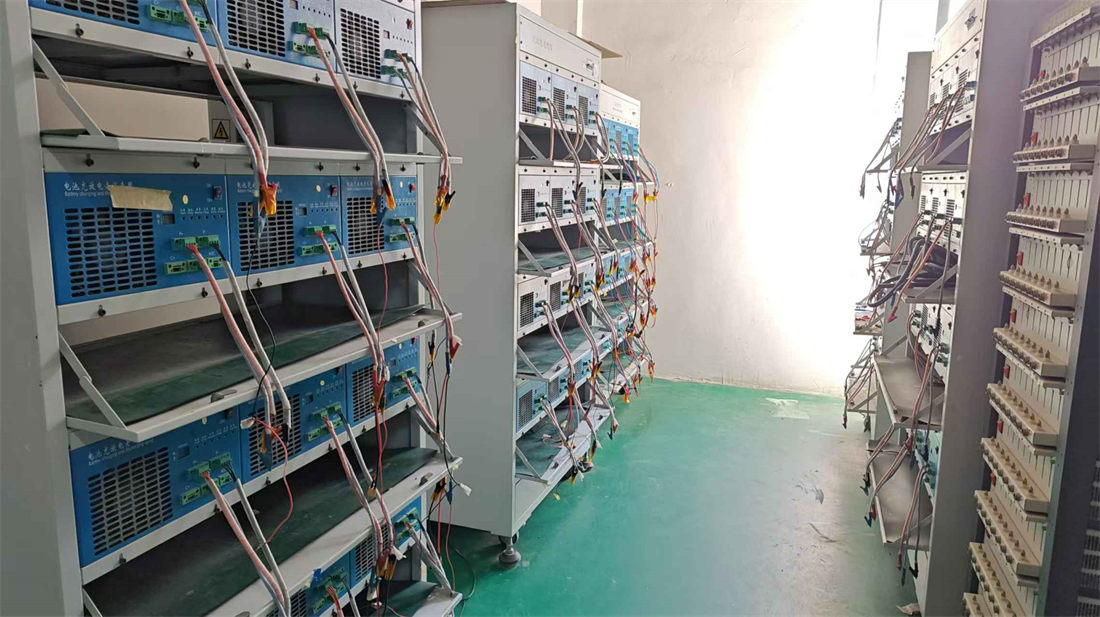
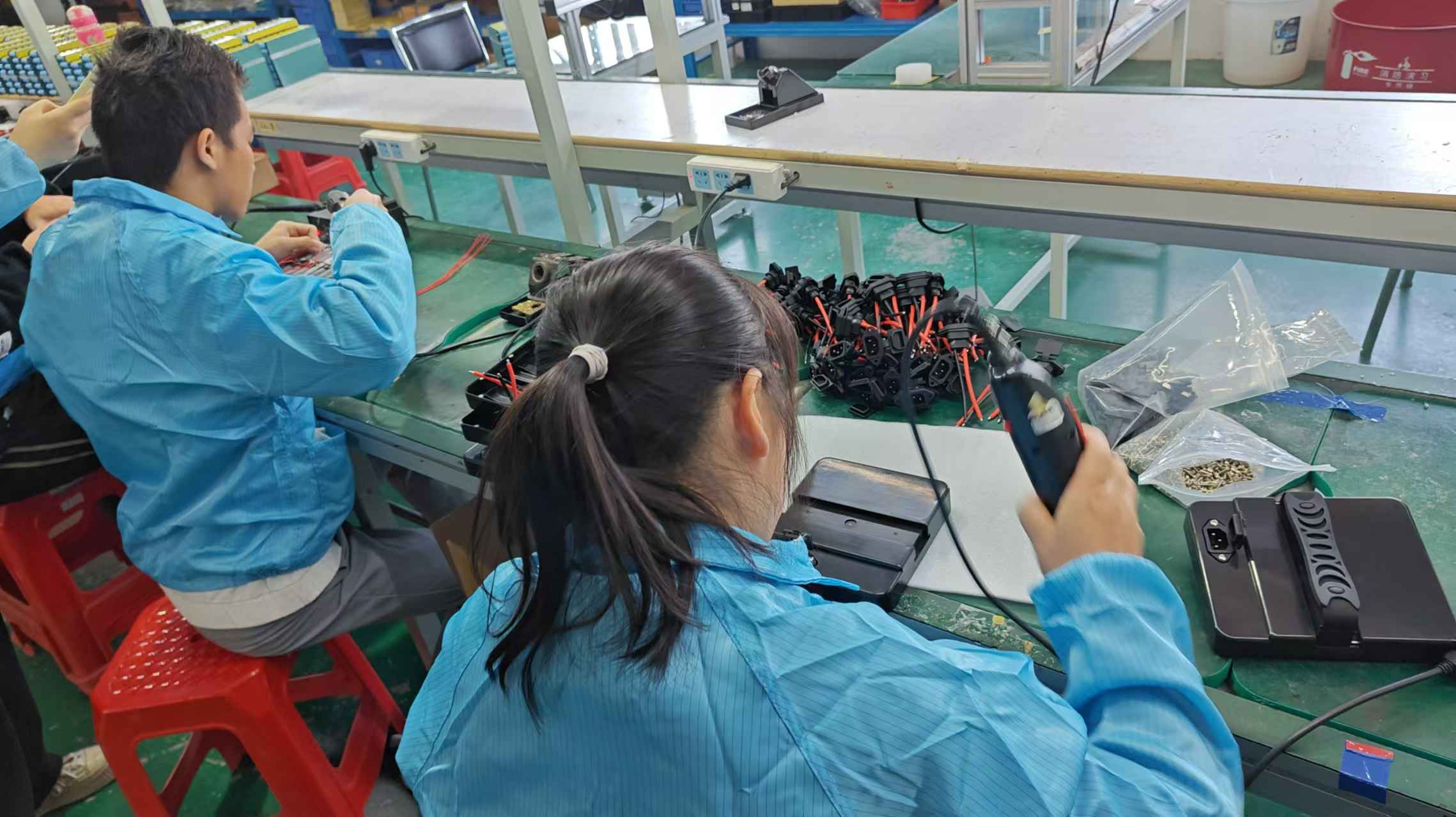
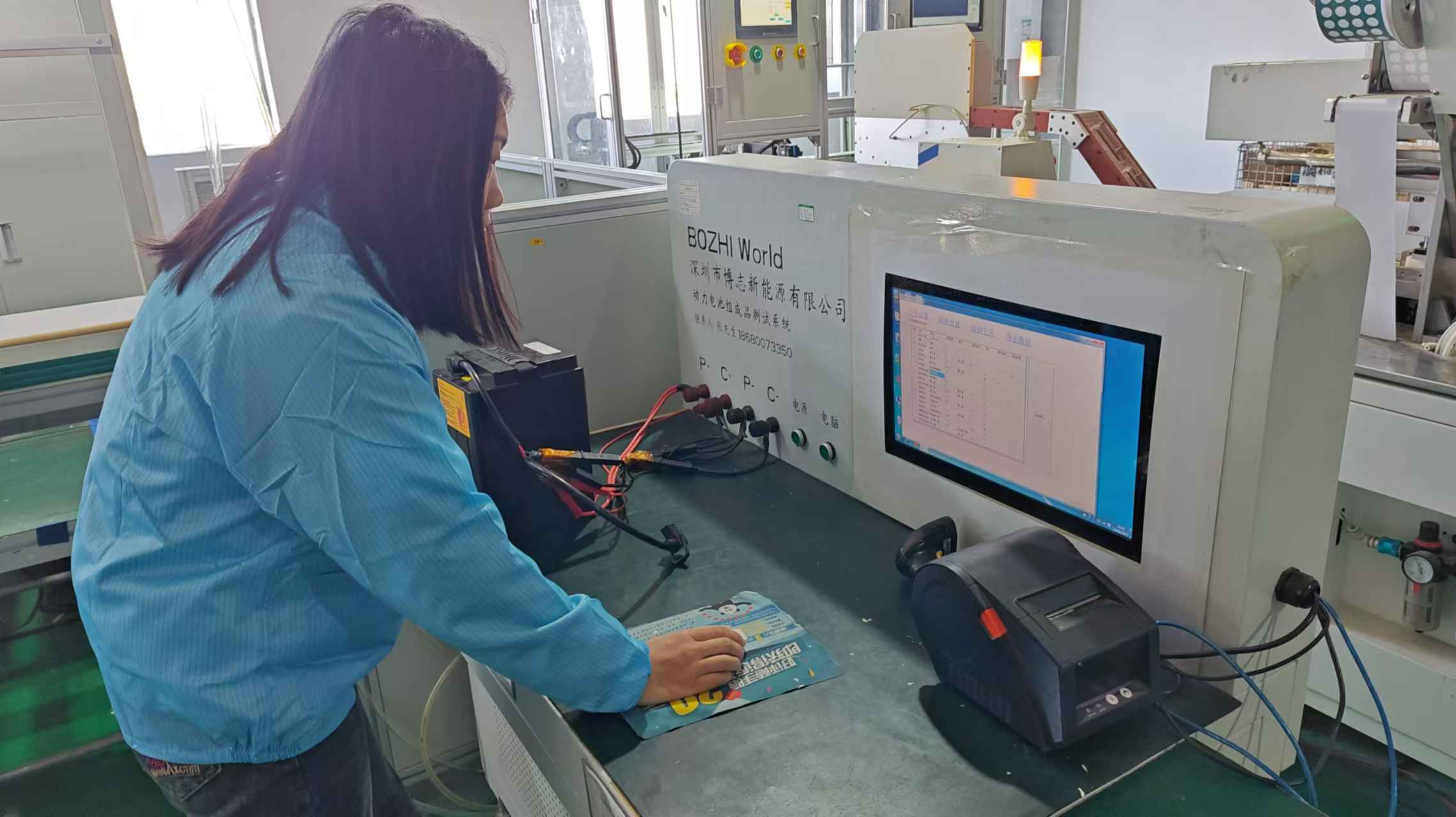
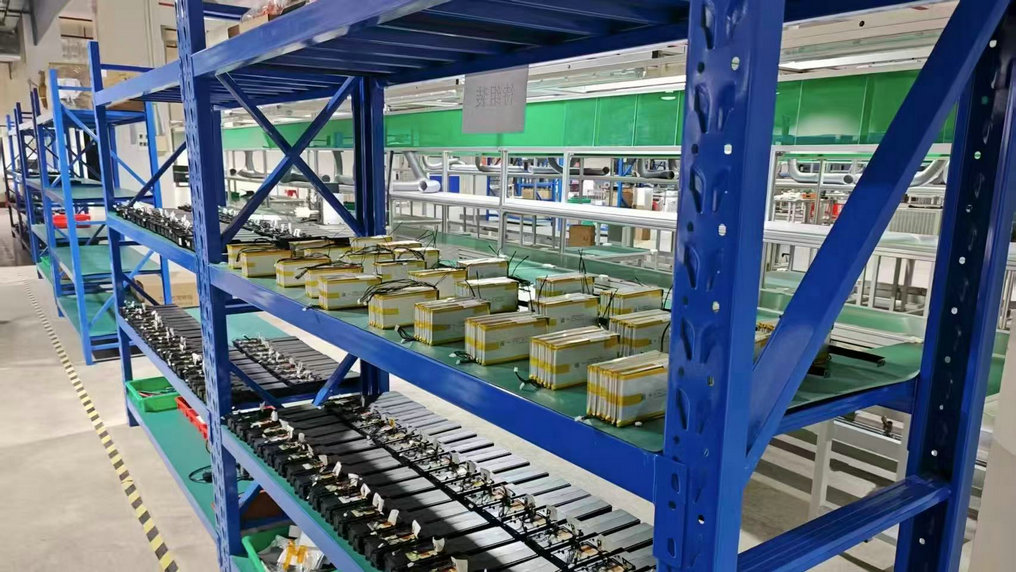
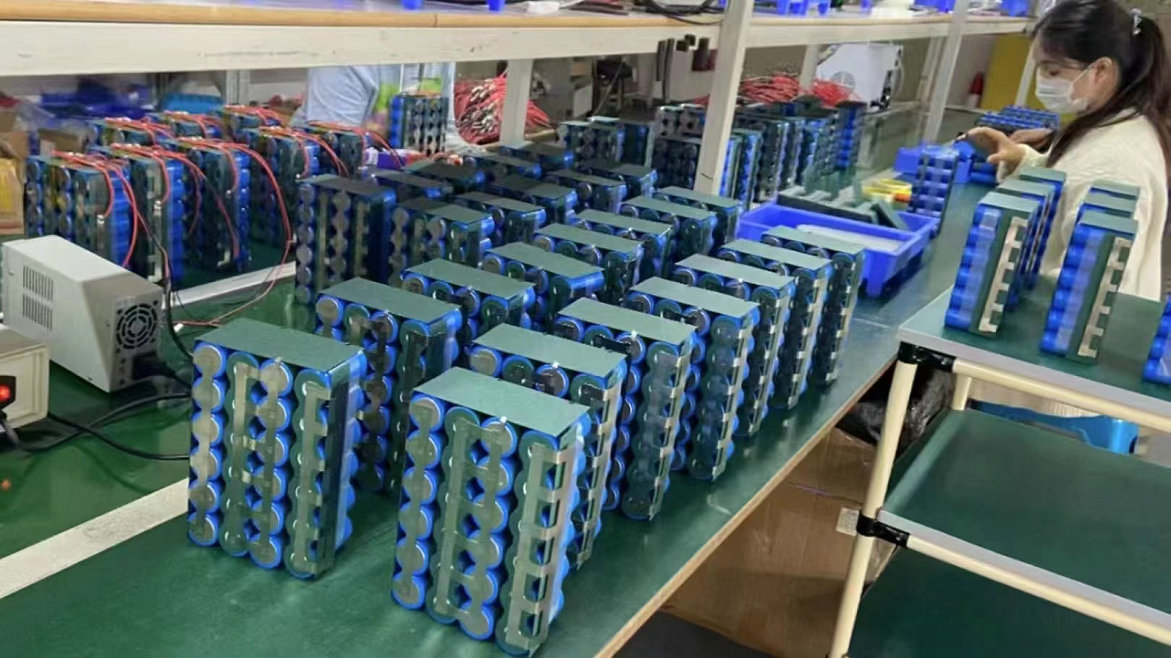
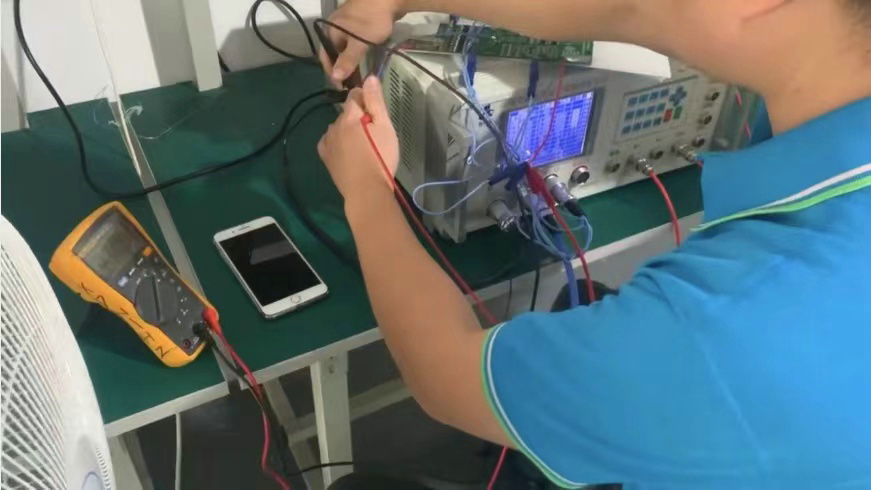
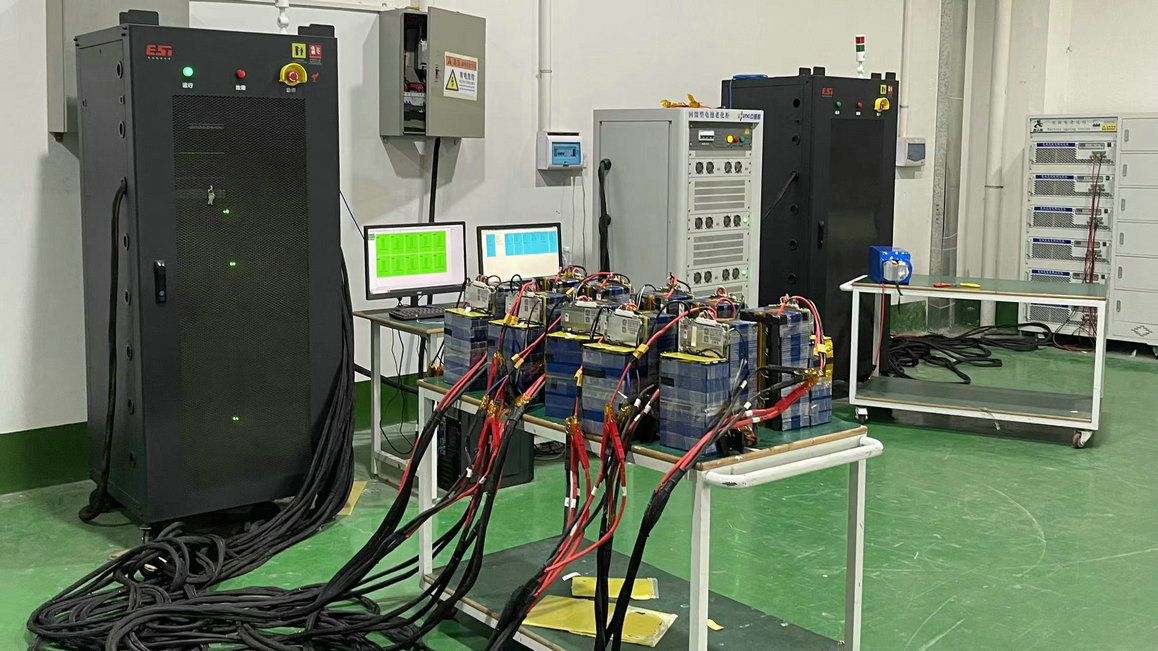
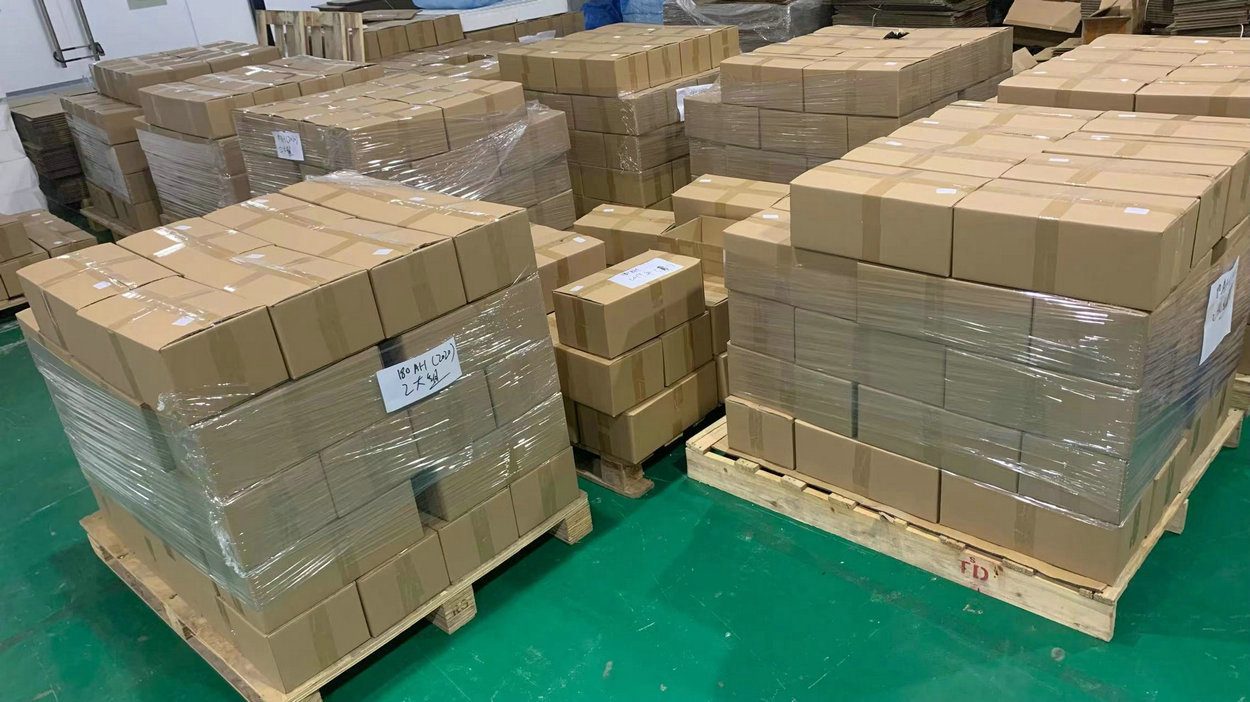
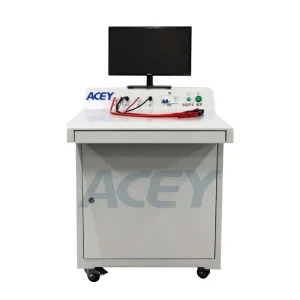
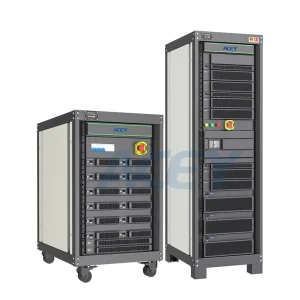
Step inside our highly controlled production and quality assurance environment. Guangdong Nuwon Energy Co., Ltd. utilizes automated assembly, precise structural laser welding, and advanced regenerative charge-discharge testing to ensure defect-free shipments.
Deploying high-rate battery packs demands system-level engineering tailored to the specific application environment. A generic cell choice can lead to thermal shutdown or catastrophic failure. Let us examine the three largest high-power consumption verticals:
Electric Vertical Take-Off and Landing (eVTOL) aircraft require batteries with high power-to-weight ratios. Take-off and landing phases require massive discharge rates (often up to 10C or 15C continuously) under strict weight limits. Pouch-style lithium polymer cells are typically preferred here because they eliminate the heavy metal casings of cylindrical designs. Standard packaging profiles must handle sustained heat without thermal transfer between neighboring pouch cells.
High-end car audio setups (with multiple multi-kilowatt amplifiers) and performance vehicle starter systems demand instantaneous currents. Standard lead-acid units suffer from voltage drops, resulting in audio clipping and slow cranking. Substituting standard units with Lithium Titanate (LTO) or high-rate LiFePO4 packs ensures near-flat discharge curves. LTO starter systems can supply currents in cold temperatures down to -30°C and handle ultra-fast regeneration cycles from vehicle alternators.
Automated Guided Vehicles (AGVs) operating in automated warehouses are built to maximize runtime. Opportunity charging (charging during a 5-to-10 minute break) requires high charge acceptance rates (typically 3C to 5C) and matching discharge capabilities for heavy lifting operations. Using reliable high-rate lithium packs with automated charging infrastructure reduces fleet sizes while maintaining constant operational throughput.
For B2B procurement professionals, engineers, and product managers, sourcing custom packs involves key quality control checks. When auditing potential factories, you must evaluate several critical processes:
High-rate discharge batteries are engineered to supply continuous discharge currents greater than 3C (where C represents the ratio of discharge current to rated capacity), with some chemistries like LTO reaching up to 70C. Standard cells are typically optimized for 0.5C to 1C continuous rates. High-rate cells feature thinner electrodes, larger tab surfaces (or tabless designs), and specialized chemical formulations to prevent overheating under load.
During high current draws, resistance within the electrolyte, separator, and active materials generates localized heat. If IR is too high, the cell voltage drops under load. Factories manage this by optimizing active materials (using conductive additives like carbon nanotubes), increasing tab connections, and utilizing thin-film coating processes on current collector foils.
The primary risk is thermal runaway caused by Joule heating. If heat generation exceeds dissipation, it can trigger separator breakdown, internal short circuits, and thermal runaway. A reliable BMS with precise temperature sensing and current limiting, combined with structural flame-retardant barriers, is essential to mitigate these risks.
LTO anode technology offers high safety, long cycle life (often over 20,000 cycles), and excellent low-temperature performance. Its zero-strain design prevents structural deformation during high-rate ion insertion and extraction. However, LTO has a lower energy density (approx. 70-90 Wh/kg) than NMC (approx. 200-260 Wh/kg), making it suitable for application profiles prioritizing lifetime and safety over lightweight packaging.
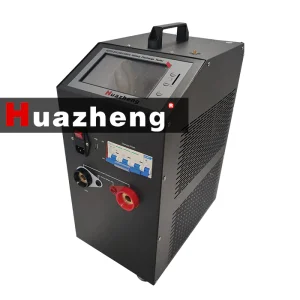
Completed packs should undergo insulation testing (dielectric testing), cycle aging, BMS calibration, and high-rate load testing. Utilizing specialized equipment like a 120V 100A regenerative charge/discharge system helps verify cell balance and ensure weld integrity under full current load.
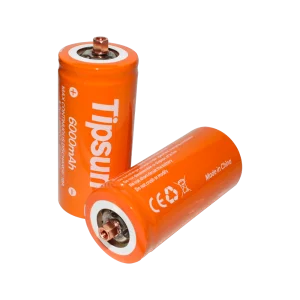
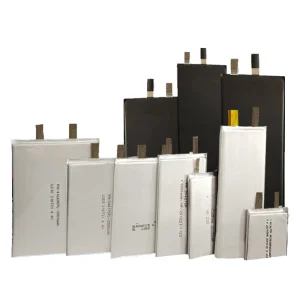
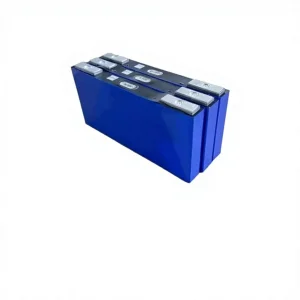
Discover our range of advanced packs, pouch modules, and industrial test platforms built to support high-discharge product development and battery pack assembly.

 Nuwon Energy