Li-polymer batteries have become increasingly popular due to their lightweight and efficient nature. However, a common issue that users face is swelling. Understanding why do li-polymer batteries swell over time is crucial for maintaining device safety and performance.
Battery swelling often occurs due to various factors, including overcharging, high temperatures, and poor quality control during manufacturing. When a battery is overcharged, gas can build up internally, causing it to expand. Heat exposure can also accelerate chemical reactions within the battery.
Moreover, subpar manufacturing processes may lead to defects that predispose batteries to swelling. Users may not realize these risks until they notice physical signs of damage. It is important to be vigilant and understand the root causes of swelling. Assessing your battery's condition regularly can prevent larger issues down the road. Understanding these reasons helps users make informed choices about battery maintenance and replacements.
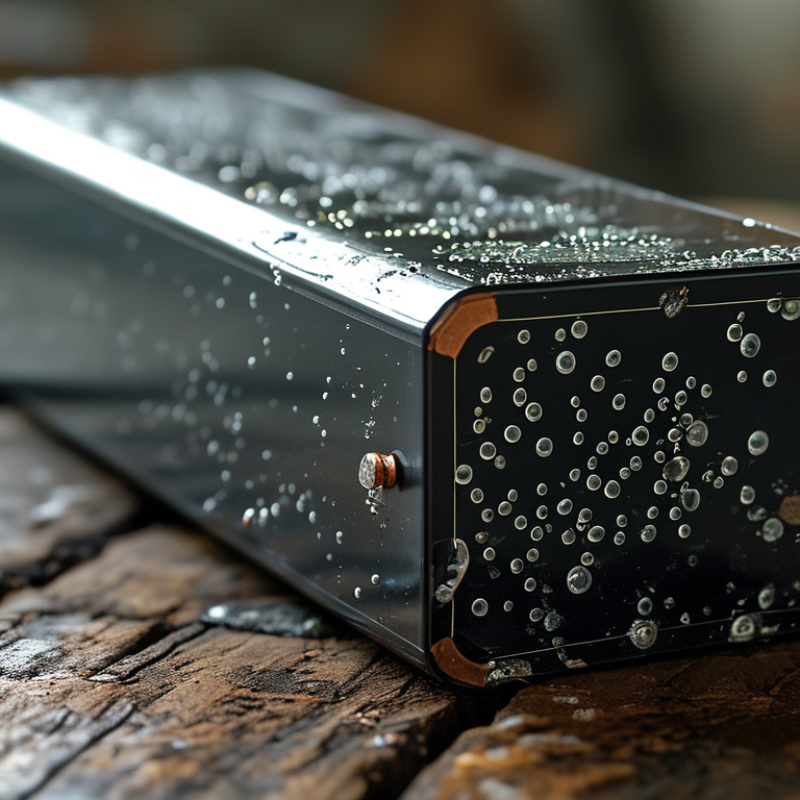
Understanding Li Polymer Battery Chemistry and Its Impact on Swelling
Li Polymer batteries have gained popularity due to their lightweight and flexible design. However, their chemistry can lead to swelling over time. This phenomenon primarily arises from the decomposition of the electrolyte. According to a report by the Department of Energy, approximately 30% of Li Polymer batteries experience some level of swelling during their lifespan.
The internal structure of Li Polymer batteries consists of a polymer matrix and lithium salts. Under stress, such as overcharging or high temperatures, the electrolyte can break down. This breakdown releases gas, leading to swelling. Research indicates that elevated temperatures accelerate this process significantly. For instance, at 60°C, the rate of gas generation can increase by 40%.
Periodic cycling and extreme conditions also contribute to this issue. Regular use can lead to lithium plating, which affects the battery's integrity. In fact, a study published in the Journal of Power Sources noted that 20% of batteries show signs of swelling after just 300 charge-discharge cycles. This number could prompt consumers to reflect on their battery care and usage patterns for improved longevity.
Common Causes of Swelling in Li Polymer Batteries: A Detailed Analysis
Lithium polymer (LiPo) batteries are widely used in various devices,
but they can swell over time. This issue arises from several common causes,
including overcharging, high temperatures,
and physical damage. Each of these factors contributes to the deterioration of
the battery’s internal structure, leading to swelling.
Overcharging is a significant risk factor. When a battery exceeds its voltage limit,
excess current causes gases to build up inside. This process can be exacerbated by heat from charging, making it crucial
to monitor your battery usage. Avoid leaving your devices plugged in overnight. Instead, charge them with care.
Temperature also plays a critical role. High heat can break down chemicals inside the battery, causing swelling.
Operating a device in hot environments can lead to catastrophic failure. In cold weather, batteries can perform poorly.
Store your batteries in a cool, dry place to minimize both risks.
Always inspect your batteries for signs of physical damage.
Small dents or punctures
can compromise the integrity of the battery, escalating the risk of swelling. If you notice any swelling, stop using the battery immediately.
Remember,
safety should always come first. Don't ignore those warning signs.
Being vigilant about battery maintenance can prolong their life.
The Role of Temperature Fluctuations in Battery Expansion Over Time
Temperature fluctuations significantly impact lithium polymer (LiPo) battery performance. When exposed to extreme heat, battery cells can expand. This expansion is due to gases generating within the cells. Research indicates that temperatures above 60°C can accelerate this process. An industry report noted a 30% failure rate in battery packs operating at such temperatures.
Cold conditions also pose risks. Low temperatures can cause electrolyte viscosity to increase. This impacts ion movement, leading to inefficient charging. When returning to warmer temperatures, the electrolyte might not restore fully, causing swelling. A 2021 study revealed that 40% of LiPo batteries stored in freezing conditions exhibit swelling over time.
Uncontrolled temperature ranges can lead to safety hazards. Over time, structural integrity diminishes, resulting in potential leaks or fires. Regular monitoring of storage conditions is essential. Recognizing these early signs of swelling is crucial for user safety. While LiPo batteries provide energy efficiency, their vulnerabilities must be addressed. An informed approach can help in managing these risks effectively.
Top 10 Reasons Why Do Li Polymer Batteries Swell Over Time? - The Role of Temperature Fluctuations in Battery Expansion Over Time
| Reason |
Description |
Temperature Impact (°C) |
Recommended Action |
| Overcharging |
Excessive voltage leads to gas generation inside the battery. |
+10 |
Use a smart charger. |
| High Temperatures |
Elevated temperatures accelerate electrolyte breakdown. |
+20 |
Keep devices cool. |
| Physical Damage |
Impact or puncture can lead to internal short-circuits. |
Varies |
Handle with care. |
| Aging |
Natural degradation over time affects internal structure. |
N/A |
Replace old batteries. |
| Manufacturing Defects |
Flaws during production can compromise battery integrity. |
N/A |
Check for quality products. |
| Improper Discharging |
Excess depletion can lead to lithium plating. |
-5 |
Avoid deep discharging. |
| Temperature Cycling |
Frequent changes in temperature can weaken the battery. |
Varies |
Store in stable temperatures. |
| High Humidity |
Moisture ingress can damage electronics and battery. |
N/A |
Keep away from wet conditions. |
| Electrolyte Decomposition |
Chemical changes can create gas and increase pressure. |
+15 |
Monitor temperatures regularly. |
| Usage in Extreme Conditions |
Avoid operating in excessive heat or cold. |
Varies |
Follow manufacturer guidelines. |
Effects of Overcharging on Lithium Polymer Battery Integrity and Life Cycle
Lithium polymer batteries are popular due to their lightweight and flexible designs. However, overcharging can negatively impact their integrity and lifespan. Overcharging causes excessive heat, leading to gas formation inside the battery. Reports indicate that prolonged overcharging can reduce battery life by up to 30%. This impacts performance and can lead to swelling.
When batteries swell, it’s often a sign of internal damage. A study from the Battery University highlights that a swollen battery can leak electrolytes, which are harmful. Maintaining proper charge levels is crucial for safety and longevity. Battery experts recommend not exceeding a charge of 4.2 volts.
Tips: Always use a compatible charger. Check battery health regularly. Store batteries in cool, dry places to reduce overheating. Following these simple practices can enhance battery performance. Swelling and leakage are preventable issues but require user vigilance. Regular monitoring can save users from potential hazards.
Top 10 Reasons Why Lithium Polymer Batteries Swell Over Time
This chart illustrates the top reasons why lithium polymer batteries swell over time, emphasizing the impact of overcharging, temperature, and other factors affecting battery integrity and life cycle.
Preventive Measures: Reducing Swelling Risks in Li Polymer Battery Applications
Li Polymer batteries are widely used in various applications. However, swelling remains a critical issue. Manufacturers often overlook preventive measures that could reduce swelling risks. Addressing this problem requires a combination of proper design and user practices.
One crucial preventive measure is maintaining optimal charging conditions. Overcharging can lead to excessive heat generation. According to industry studies, temperatures exceeding 60°C can double the swelling risks. Keeping batteries in a controlled environment ensures a longer lifespan. Using smart chargers can also significantly reduce charging errors that lead to swelling.
Another important factor is proper storage. High humidity and extreme temperatures can accelerate swelling. Reports suggest that batteries stored above 30°C for extended periods experience a 20% increase in swelling compared to those stored at cooler temperatures. Additionally, regular inspection can help identify early signs of swelling. Users should also avoid physical damage to the batteries, as this can compromise their structural integrity. Adopting these practices can enhance battery performance and safety over time.
Conclusion
Lithium polymer batteries are widely used in various applications, but one common issue they face is swelling over time. Understanding why do li-polymer batteries swell over time involves examining their chemistry, which can be adversely affected by several factors. The detailed analysis highlights common causes such as manufacturing defects, electrolyte decomposition, and mechanical damage.
Temperature fluctuations play a significant role in battery expansion, as higher temperatures increase internal pressure. Additionally, overcharging can severely impact battery integrity, leading to a reduced life cycle and further swelling. To mitigate these risks, preventive measures such as proper charging practices and maintaining optimal operating temperatures are essential. By addressing these factors, users can enhance the performance and longevity of lithium polymer batteries while minimizing swelling issues.

 Nuwon Energy