How to Safely Dispose of Industrial Lithium Batteries in China?

Time:2026-08-22 Author:Madeline
0%

The safe disposal of industrial lithium batteries is increasingly vital in China. With over 200,000 tons of lithium batteries produced annually, the environmental impact is significant. Inappropriate disposal can lead to soil and water contamination. Concerns arise, especially since lithium-ion batteries hold hazardous materials.

Understanding how to safely dispose of industrial lithium batteries is crucial. Many companies lack proper disposal protocols. They often default to inefficient methods, unaware of the repercussions. The China National Battery Safety Standard emphasizes comprehensive recycling approaches, but compliance rates remain low. This highlights a gap in knowledge and infrastructure.

Steps for safe disposal exist, yet many industries struggle to implement them. This dilemma poses risks for manufacturers and the environment. The data indicates that up to 64% of battery waste ends up in landfills, exacerbating pollution. Companies must prioritize proper recycling and disposal practices. The responsibility lies with both industry leaders and regulatory bodies to ensure a sustainable solution.
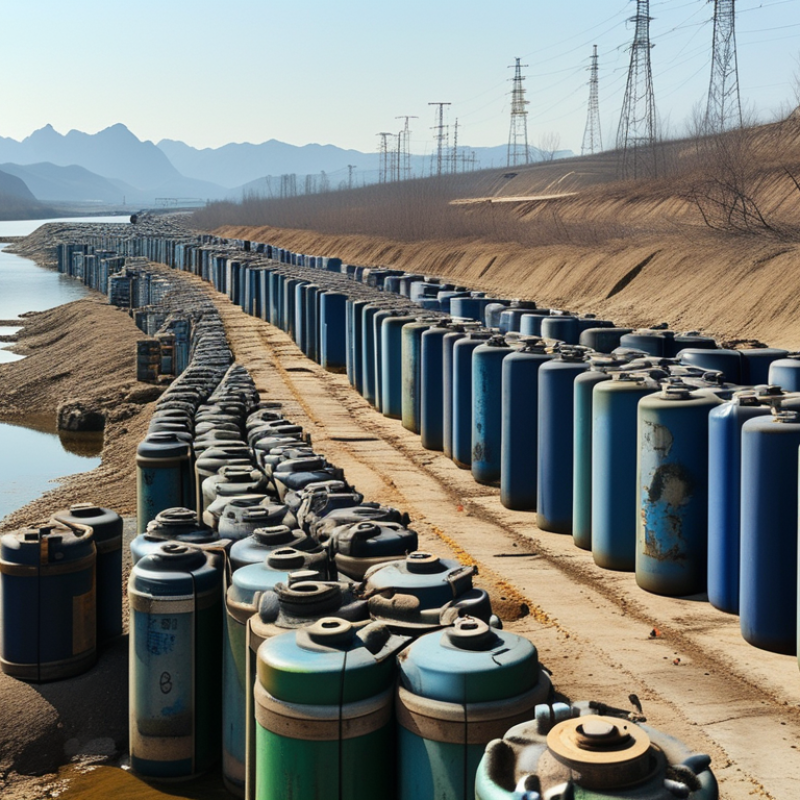
How to Safely Dispose of Industrial Lithium Batteries in China?

Understanding the Hazards of Industrial Lithium Batteries

Industrial lithium batteries pose significant hazards if not handled properly. These batteries contain hazardous materials, such as lithium and electrolytes, which can lead to environmental contamination. According to a report by the International Energy Agency, over 32% of lithium-ion batteries are mismanaged at the end of their life cycle, leading to potential leaks. Such incidents not only pose risks to public health but can also ignite fires.

Handling these batteries requires care. When disposing of industrial lithium batteries, ensure they are stored in a designated, fire-resistant area. It's important to use equipment that minimizes physical damage to the batteries. Damaged batteries can release toxic substances or even explode under pressure. The China Battery Industry Association reported a 15% increase in battery-related accidents due to improper disposal methods in recent years.

Conduct regular training for employees who manage battery disposal. Ensure they are aware of the risks and proper practices. Using sealable containers that meet safety standards helps reduce risks during transportation to disposal facilities. The environmental protection guidelines recommend that companies implement a comprehensive recycling program. This can help reclaim valuable materials while safeguarding the community and the ecosystem.

Identifying Proper Disposal Methods for Lithium Batteries in China

Disposing of industrial lithium batteries requires careful attention to safety and the environment. In China, specific regulations govern battery disposal. Understanding these methods is essential for businesses that use these power sources. Improper disposal can lead to severe consequences, including environmental pollution and legal repercussions.

Identifying proper disposal methods begins with recognizing local waste management regulations. These laws may vary by region, so it is essential to consult local authorities. Some areas may have designated collection centers for hazardous waste, including lithium batteries. Sending used batteries to these facilities ensures safer handling and recycling.

Tips for safe battery disposal include never tossing batteries in regular trash. They contain harmful substances that can leak into the environment. Utilize recycling programs offered by municipal waste services. Also, monitor your battery inventory closely to prevent unnecessary waste accumulation. Regular training for staff on battery disposal protocols can minimize risks. Understanding these practices not only protects the environment but also sustains your company’s reputation.

How to Safely Dispose of Industrial Lithium Batteries in China?

Disposal Method Description Environmental Impact Legislation Compliance
Recycling Facilities Battery materials are processed for reuse. Reduces landfill waste and conserves resources. Meets national recycling regulations.
Specialized Disposal Services Companies that handle hazardous waste. Limits environmental contamination risks. Complies with local hazardous waste laws.
Return to Manufacturer Sending used batteries back to the producer. Encourages circular economy practices. Often mandated by extended producer responsibility laws.
Storage for Future Disposal Storing batteries until proper disposal methods are available. Can be hazardous if not done correctly. Must follow regulations for hazardous material storage.

Regulatory Guidelines for Lithium Battery Disposal in Chinese Industries

Disposing of industrial lithium batteries in China requires strict adherence to regulatory guidelines. The country has implemented several laws to manage battery waste effectively. Industries are advised to classify their waste based on battery type and condition. Sorting is essential to ensure safe handling and recycling. Mismanagement can lead to environmental hazards and legal repercussions.

Moreover, understanding proper recycling channels is crucial. Facilities must collaborate with authorized disposal companies. These organizations are equipped to manage hazardous waste. They ensure that batteries are treated safely and sustainably. However, the process can be complex and sometimes inefficient. Many factories struggle with compliance, leading to potential risks.

Training employees about disposal practices is also vital. Workers should know safety protocols and the importance of proper disposal. Regular training helps reinforce these practices. Yet, some companies fail to prioritize this aspect. Addressing this gap can significantly improve waste management. Adapting industry practices to align with regulations is a journey worth undertaking.

Industrial Lithium Battery Disposal Methods in China

Best Practices for Recycling and Reusing Lithium Batteries Safely

Lithium batteries are essential for many industries, but proper disposal is crucial for safety and the environment. Recycling and reusing these batteries can significantly reduce waste and conserve resources. The process requires careful handling due to potential hazards.

Start by identifying local recycling facilities that specialize in lithium battery disposal. Many urban areas have specific drop-off points for industrial batteries. Additionally, ensure that any batteries you plan to dispose of are fully discharged. This minimizes risks during transport.

When storing used batteries, keep them in a cool, dry place. Avoid stacking them, which can lead to short circuits. Wear protective gear when handling them, especially if they are damaged. Batteries can leak hazardous materials, so handle them with care.

Regularly review your company’s battery usage policy. Encourage staff to adopt safe practices for battery storage and disposal. Consider implementing a training program on the importance of recycling lithium batteries. These small steps can lead to significant improvements in safety and environmental stewardship.

Collaborating with Certified Disposal Facilities for Safe Processing

Disposing of industrial lithium batteries safely is critical for environmental protection. Collaborating with certified disposal facilities is essential. These facilities are equipped to handle hazardous materials properly. They follow stringent regulations to ensure safe processing of lithium batteries.

When selecting a disposal facility, verify their certifications. Not all facilities meet the required standards. Research their methods for recycling and disposal. Ensure they follow established protocols. Reach out to local environmental agencies for recommendations. Networking can help in finding reliable options.

Even with certified facilities, challenges can arise. Some companies may cut corners, placing profit above safety. Regular audits and assessments of disposal practices are necessary. The goal is to minimize risks to human health and the environment. Making informed choices during the disposal process helps build a safer future.

FAQS

: What are the hazards of industrial lithium batteries?

: They can leak hazardous materials and cause environmental contamination. Improper handling may lead to fires and health risks.

How should industrial lithium batteries be stored for disposal?

Store them in a designated, fire-resistant area to minimize hazards. This keeps the surrounding environment safer.

Why is battery disposal training important for employees?

Employees must understand risks and proper practices. Regular training can reduce accidents related to battery disposal.

What should you do with damaged lithium batteries?

Handle them with extreme care to avoid leaks or explosions. Use protective gear and store them properly.

How can companies improve compliance with disposal regulations?

Regular training and adapting practices to regulations can enhance waste management. Many companies overlook these important steps.

What are the best practices for recycling lithium batteries?

Identify local recycling facilities, ensure batteries are discharged, and keep them cool and dry during storage.

Why is it important to sort battery waste?

Sorting ensures safe handling and recycling, preventing environmental hazards and legal issues. Mismanagement can have serious consequences.

How can companies promote safe battery disposal practices?

Review battery policies regularly and encourage staff training on safe storage and disposal methods. Small changes can make a big difference.

What risks are associated with improper disposal?

Mismanagement can lead to environmental hazards and increased accidents. It's crucial to follow established guidelines.

What should be done before transporting used batteries?

Ensure they are fully discharged to minimize risks during transport. This practice enhances safety significantly.

Conclusion

The article "How to Safely Dispose of Industrial Lithium Batteries in China?" provides a comprehensive guide on the essential steps for the safe disposal of these hazardous materials. It begins by outlining the potential dangers associated with industrial lithium batteries, emphasizing the need for awareness among industries. The article then identifies proper disposal methods that comply with Chinese regulations, ensuring that businesses understand the legal framework surrounding lithium battery disposal in the country.

Furthermore, best practices for recycling and reusing lithium batteries are discussed, highlighting strategies to minimize environmental impact. The importance of collaborating with certified disposal facilities is also underscored, as these partnerships are crucial for ensuring safe and responsible processing of these batteries. Overall, the article serves as a crucial resource for industries seeking guidance on how to safely dispose of industrial lithium batteries in a manner that protects both public safety and the environment.

Madeline

Madeline

Madeline is a dedicated marketing professional with a wealth of expertise in our company's core offerings. With a keen understanding of the industry, she brings a unique perspective to her role, consistently delivering high-quality content that highlights the superior aspects of our products. As......