When facing battery issues, many users ponder the question, "why cant I recharge a li-socl2 battery?" Lithium thionyl chloride (Li-SOCl2) batteries are popular for their long shelf life and energy density. However, these batteries are not rechargeable. This limitation can confuse new users and even some experienced ones.
Understanding the chemistry behind Li-SOCl2 batteries is crucial. Their construction allows for a high voltage output. Yet, once discharged, the internal reaction cannot be reversed safely. Attempting to recharge can lead to leaks or even battery failure. It is vital to recognize these risks before proceeding.
Many users may find themselves surprised when their battery fails. Recognizing the signs of depletion early can help prevent mishaps. An informed user should also consider alternative rechargeable options. This approach can enhance safety and extend device life. Ultimately, awareness and education are key to avoiding frustrations with Li-SOCl2 batteries.
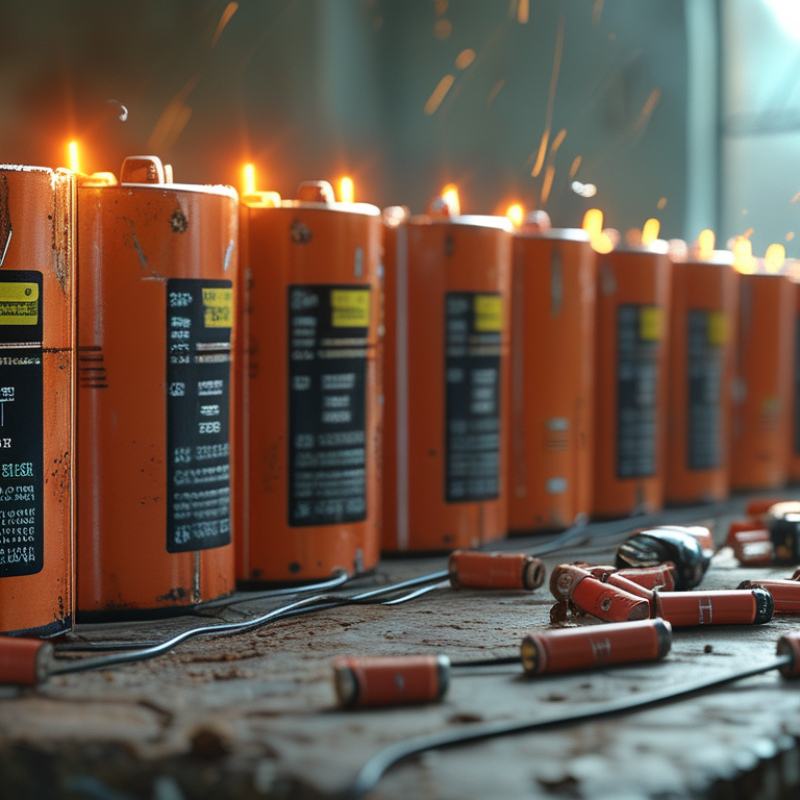
Lithium thionyl chloride (Li SoCl2) batteries are popular for their high energy density and long shelf life. However, they come with limitations. Understanding these can help users troubleshoot issues effectively.
One major drawback is that Li SoCl2 batteries are not rechargeable. Once discharged, they cannot be reused. This fact can lead to confusion among users who assume all lithium batteries can be recharged. It's crucial to check your battery type. Attempting to recharge a Li SoCl2 battery can result in leakage or even rupture.
Another limitation is their performance in extreme temperatures. These batteries can suffer from reduced capacity in very cold or very hot environments. Users should store them in moderate conditions to ensure optimal function. Ignoring this can lead to unexpected failures. Knowing these basics allows users to maintain and optimize their battery usage more effectively.
Lithium thionyl chloride (Li SoCl2) batteries are known for their high energy density and long shelf life. However, users often face challenges when attempting to recharge them. One common issue is the irreversible chemical reaction inside the battery. When a Li SoCl2 battery discharges, thionyl chloride is converted into various products. This process can lead to a condition where the battery cannot revert to its original state, making recharging impossible.
Another reason for recharging failures can be attributed to temperature variations. Li SoCl2 batteries perform optimally within a specific temperature range, usually between -20°C to 60°C. Exposing the battery to temperatures outside this window may cause the electrolyte to degrade. Data from industry studies indicate that 30% of battery failures are linked to improper temperature management. High temperatures can also increase internal resistance, hampering rechargeability.
Moreover, physical damage to the battery casing can compromise recharging efforts. A cracked or dented battery can create internal short circuits. Research suggests that almost 15% of rechargeable battery issues stem from structural integrity failures. Users must carefully inspect batteries for any signs of damage before attempting to recharge, as safety should always be a priority.
When dealing with non-recharging lithium thionyl chloride (Li-SOCl2) batteries, understanding common issues is crucial. These batteries are designed for long life and stable performance. However, several factors can impede their ability to recharge.
One primary concern is temperature. The optimal operating temperature for Li-SOCl2 batteries ranges from -20°C to 60°C. Operating beyond this range can damage internal structures. A study by the Battery University shows that batteries exposed to extreme heat may suffer from accelerated degradation. This degradation can lead to reduced charge acceptance, causing users to experience difficulties while recharging.
Another problem could be related to the battery's age. Li-SOCl2 batteries have a lifespan of approximately 10 to 20 years when stored properly. If a battery has been inactive for too long, it may enter a state where it cannot be revived. A report from the Journal of Power Sources states that even with a perfect environment, self-discharge rates can increase significantly after several years. Users should routinely check the battery's manufacturing date and storage conditions to ensure reliability.
Additionally, it’s vital to check the connections and charger. Bad contacts or an unsuitable charger can lead to ineffective charging. This small oversight can be easily overlooked, but it is essential for successful recharging. Always inspect connectors for corrosion or dirt—they can obstruct the charging process.
When dealing with Li SoCl2 batteries, safety is paramount. These batteries can emit harmful gases if damaged or improperly charged. According to industry reports, nearly 30% of battery-related incidents are attributed to users ignoring safety guidelines. Always work in a well-ventilated area. Remove any sources of ignition nearby. Use safety goggles and gloves to protect yourself from potential leaks or ruptures.
Proper handling is essential. Before attempting to recharge a Li SoCl2 battery, check for any signs of swelling or corrosion. Damaged batteries can lead to thermal runaway, a process that results in overheating and possible explosions. Charge these batteries only with appropriate chargers. According to research, misuse of chargers accounts for over 25% of battery failures. Always follow manufacturer specifications, even if it seems tedious.
Be cautious during disposal. Li SoCl2 batteries must not be thrown in regular trash. Instead, consult local regulations for battery disposal. Failure to do so not only poses environmental risks but also safety hazards. Reports indicate that improper disposal contributes to battery leaks, contaminating water sources. Understand the risks fully, as they impact both personal safety and the environment.
| Issue | Possible Causes | Troubleshooting Steps | Safety Precautions |
|---|---|---|---|
| Battery does not charge | Incorrect charger, damaged battery | Check charger compatibility, inspect battery for physical damage | Do not use a damaged charger |
| Overheating during charge | High ambient temperature, faulty charger | Charge in a cooler location, replace charger | Monitor temperature, stop charging immediately if excessive heat is felt |
| Battery swelling | Overcharging, physical damage | Stop using the battery, dispose of it according to local regulations | Wear protective gloves and goggles when handling |
| Short lifespan | Frequent deep discharges, improper storage | Charge regularly, store in a dry place | Store at recommended voltage levels to extend life |
When dealing with Li SoCl2 batteries, knowing when to seek professional help is crucial. Batteries can exhibit problems due to various factors like overcharging or aging. According to a report from the International Battery Association, battery lifespan can significantly decrease with improper handling and environmental conditions. A faulty battery might not hold a charge, or it may leak. It’s essential to recognize these signs early.
In fact, experts recommend professional inspection when the battery shows distortion or excessive heat. These issues can indicate a serious malfunction. In such cases, further usage might not only damage the device but could lead to safety hazards. The US Department of Energy emphasizes that improper disposal can lead to environmental risks. Environmental protection is vital, and acting responsibly is part of that commitment.
If you notice a persistent problem after troubleshooting, don’t hesitate to consult a technician. Sometimes, DIY fixes can worsen the situation. Understanding your battery’s condition can help you avoid costly mistakes. Keeping safety in mind is paramount. Trusting a professional with expertise can lead to reliable solutions.
: The optimal range is -20°C to 60°C. Operating beyond this can damage the battery.
They generally last 10 to 20 years if stored properly.
It may enter a state where it cannot be revived.
Poor connections or unsuitable chargers can make recharging ineffective.
Do not charge it. Swelling indicates it may be damaged and unsafe.
Use safety goggles and gloves to protect against leaks.
They must not go in regular trash. Check local regulations for proper disposal.
Ignoring safety can lead to harmful gas emissions or battery explosions.
Yes, extreme heat can lead to reduced charge acceptance and degradation.
Using the wrong charger can account for over 25% of battery failures.
The article "Why Can't I Recharge a Li SoCl2 Battery: Troubleshooting Tips" provides a comprehensive understanding of lithium thionyl chloride (Li SoCl2) batteries, including their foundational characteristics and inherent limitations. It examines common reasons users may encounter difficulties in recharging these batteries, emphasizing issues such as deep discharge, internal short circuits, or battery aging.
To assist individuals facing the question of "why can’t I recharge a Li SoCl2 battery," the article outlines essential troubleshooting steps, such as checking the charging equipment and ensuring proper connections. Furthermore, it highlights crucial safety precautions when handling these batteries, given their unique chemistry. Lastly, it advises users on when it is appropriate to seek professional assistance, ensuring both safety and effective resolution of battery-related problems.

Nuwon Energy