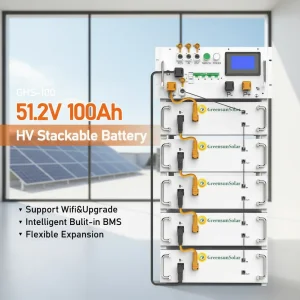
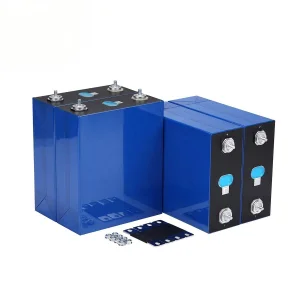
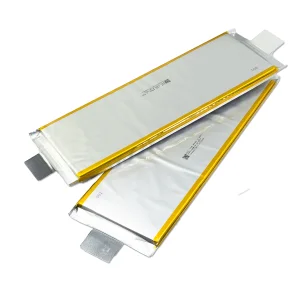
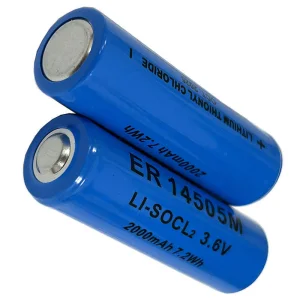
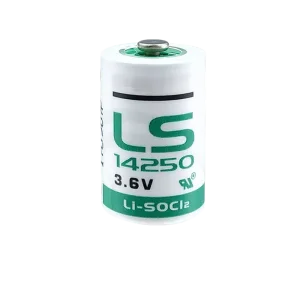
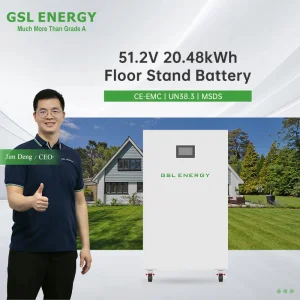
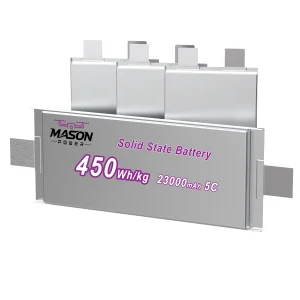
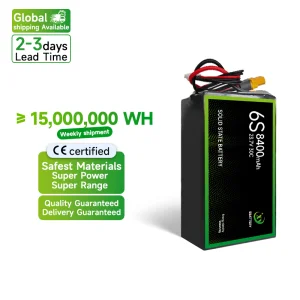
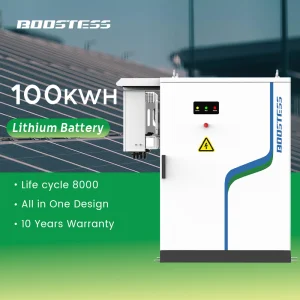
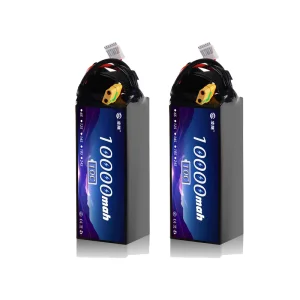
Explore our primary range of Tier-1 cells, smart pack designs, sodium-ion pouch cells, and high-voltage stacked ESS solutions engineered for high performance, deep cycling longevity, and safety compliance.
In modern commercial electrification and smart grid setups, batteries are no longer treated as passive energy storage modules. Instead, the industry has transitioned toward **Software-Defined Energy Storage Systems (SDESS)**. A smart battery system represents a synergy of high-energy-density electrochemistry, advanced structural integration, and dynamic cloud-connected monitoring. This evolution is driven by the need for enhanced safety, active cellular balancing, real-time State of Charge (SoC) and State of Health (SoH) diagnostics, and resilient thermal runaway mitigation.
As high-precision operations scale across logistics automation, marine shipping, electric aviation (such as eVTOL), and critical medical networks, standard battery topologies fall short of addressing variable loads and demanding environmental stresses. Consequently, global OEMs require customized battery solutions engineered to handle specific C-rate parameters, spatial limits, and strict regional regulatory standards.
Guangdong Nuwon Energy Co., Ltd. is a leading manufacturer and solution provider in advanced battery systems, specializing in the research, development, manufacturing, and global distribution of high-performance energy storage products. The company offers comprehensive OEM and ODM services, delivering customized battery solutions tailored to diverse industrial and commercial applications.
Backed by a highly experienced engineering and R&D team, Nuwon Energy focuses on the design and integration of cylindrical and prismatic lithium battery cells, as well as complete battery packs, modules, and energy storage systems. The company also develops and produces industrial-grade battery cells engineered for safety, durability, and long cycle life.
Guangdong Nuwon Energy serves a wide range of industries, including consumer electronics, electric mobility (such as golf carts, forklifts, UTVs/ATVs, trucks, and marine systems), medical equipment, unmanned ground vehicles (AGVs/AMRs), and emerging aerospace applications such as eVTOL aircraft. In addition, the company provides reliable residential, commercial, and industrial (C&I) energy storage solutions designed to support the global transition toward clean and sustainable energy.
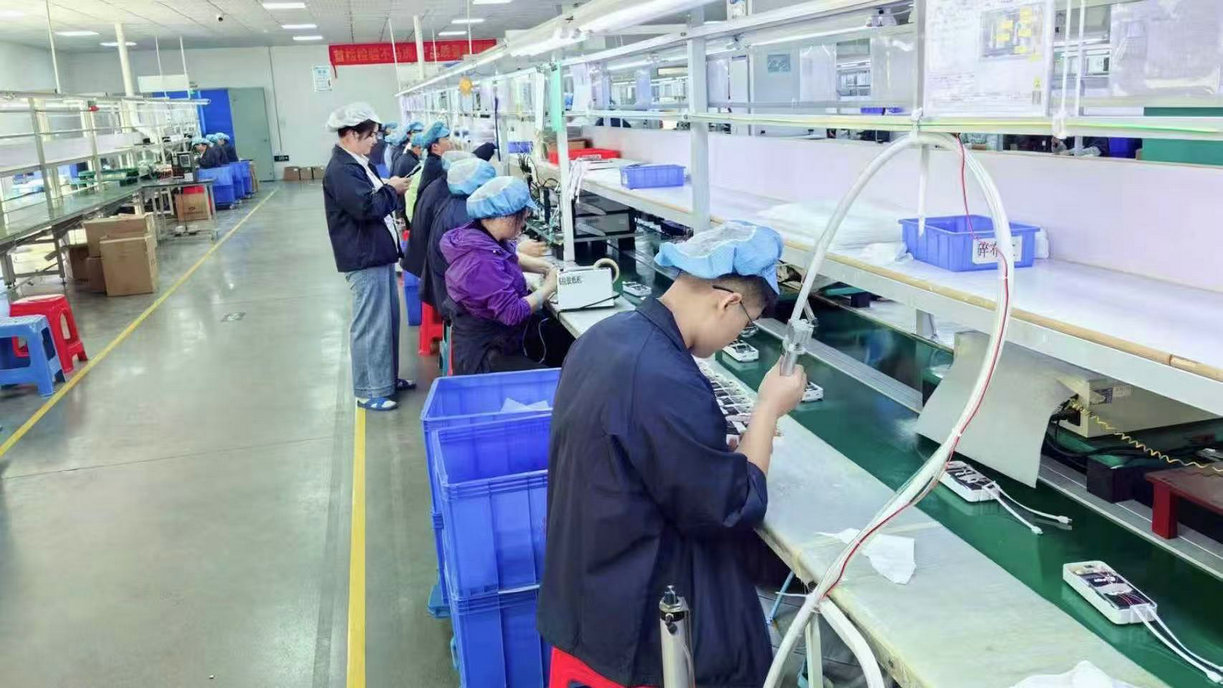
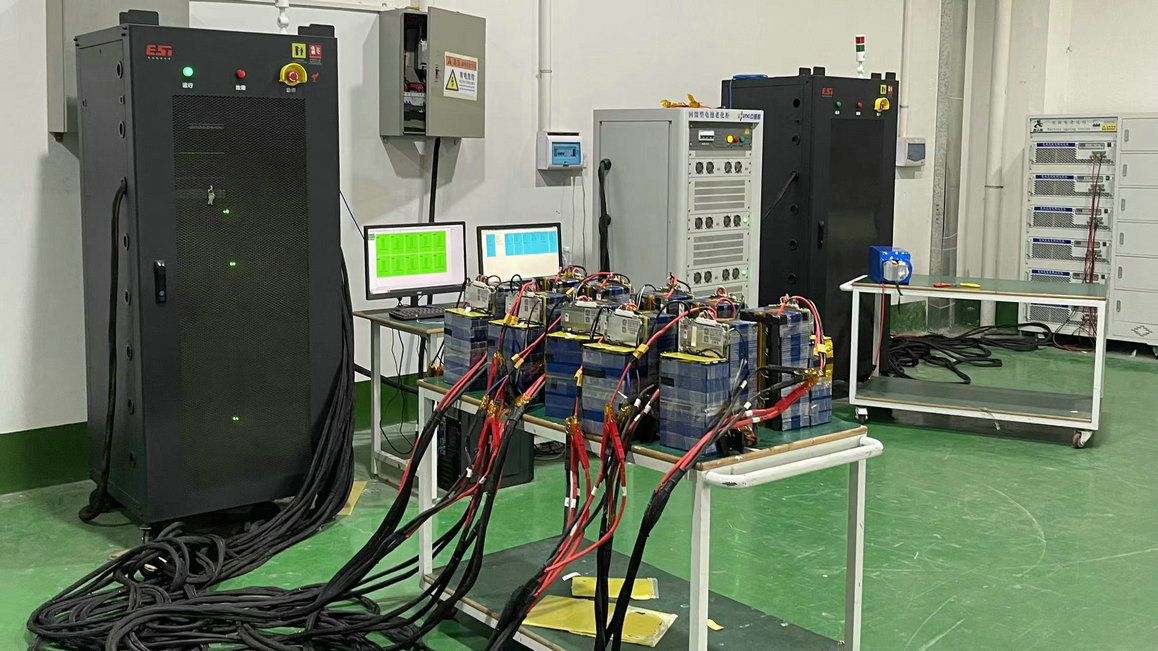
With a strong commitment to innovation, strict quality control, and customer-centric service, Guangdong Nuwon Energy continuously invests in advanced manufacturing capabilities, automated production lines, and rigorous testing systems. This ensures that every product meets international safety standards and delivers exceptional performance in demanding environments.
Driven by a vision to accelerate global electrification and energy efficiency, Guangdong Nuwon Energy Co., Ltd. is dedicated to building long-term partnerships and providing reliable, intelligent, and sustainable energy solutions to customers worldwide.
Procurement paradigms have shifted away from standard off-the-shelf cells toward specialized, application-driven chemistries. Global tier-1 logistics organizations, automotive builders, and utilities look closely at key factors that minimize their total cost of ownership (TCO). Let's review the main market drivers in industrial battery deployment:
Industrial buyers are diversifying from standard Lithium Iron Phosphate (LFP) to Sodium-ion cells for cold weather operations (-40°C), and Solid-state cells for aerospace projects requiring high energy density (>450 Wh/kg).
Multi-layered safety is standard. Using high-efficiency thermal insulation, aerogel barriers, and phase-change materials (PCM) prevents thermal propagation at both the module and cell level.
Modern Smart BMS units track telemetry parameters over CANbus, RS485, and Bluetooth, feeding historical datasets to cloud-based AI algorithms for predictive maintenance and hazard warnings.
| Battery Chemistry | Nominal Energy Density | Optimal Temperature Range | Target Core Applications |
|---|---|---|---|
| Lithium Iron Phosphate (LiFePO4) | 160 - 180 Wh/kg | -20°C to +60°C | Stationary ESS, Forklifts, AGVs, Solar Storage systems |
| Nickel Manganese Cobalt (NMC) | 240 - 300 Wh/kg | -20°C to +55°C | High discharge rate EV motors, heavy duty robotics, UAVs |
| Sodium-Ion (Na-Ion) | 120 - 160 Wh/kg | -40°C to +60°C | Low-temperature environments, light city EVs, backup telecom power |
| Solid-State Cell Technology | 400 - 460 Wh/kg | -10°C to +60°C | Professional eVTOL, advanced aerospace, UAVs, high-performance racing |
Guangdong Nuwon Energy designs tailored power solutions for demanding operating environments. We handle every step of the process, from low-level cell characterization to complex mechanical enclosure design.
High-vibration warehouse environments require rugged mechanical designs. Our LFP packs feature cast-aluminum structures, high resistance to structural shock, integrated CANbus telemetry, and opportunity-charging capabilities that eliminate shift downtime.
UAVs and eVTOL platforms demand extreme weight optimization, continuous high discharge rates (10C–25C), and reliable power output. We supply lightweight solid-state and high-density pouch configurations built for extreme power-to-weight ratios.
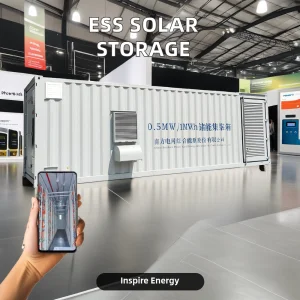
Our containerized battery energy storage systems (BESS) integrate liquid cooling, active fire suppression (NOVEC 1230 / FM200), and multi-tier BMS controls. They are designed for peak shaving, grid frequency regulation, and smooth microgrid operation.
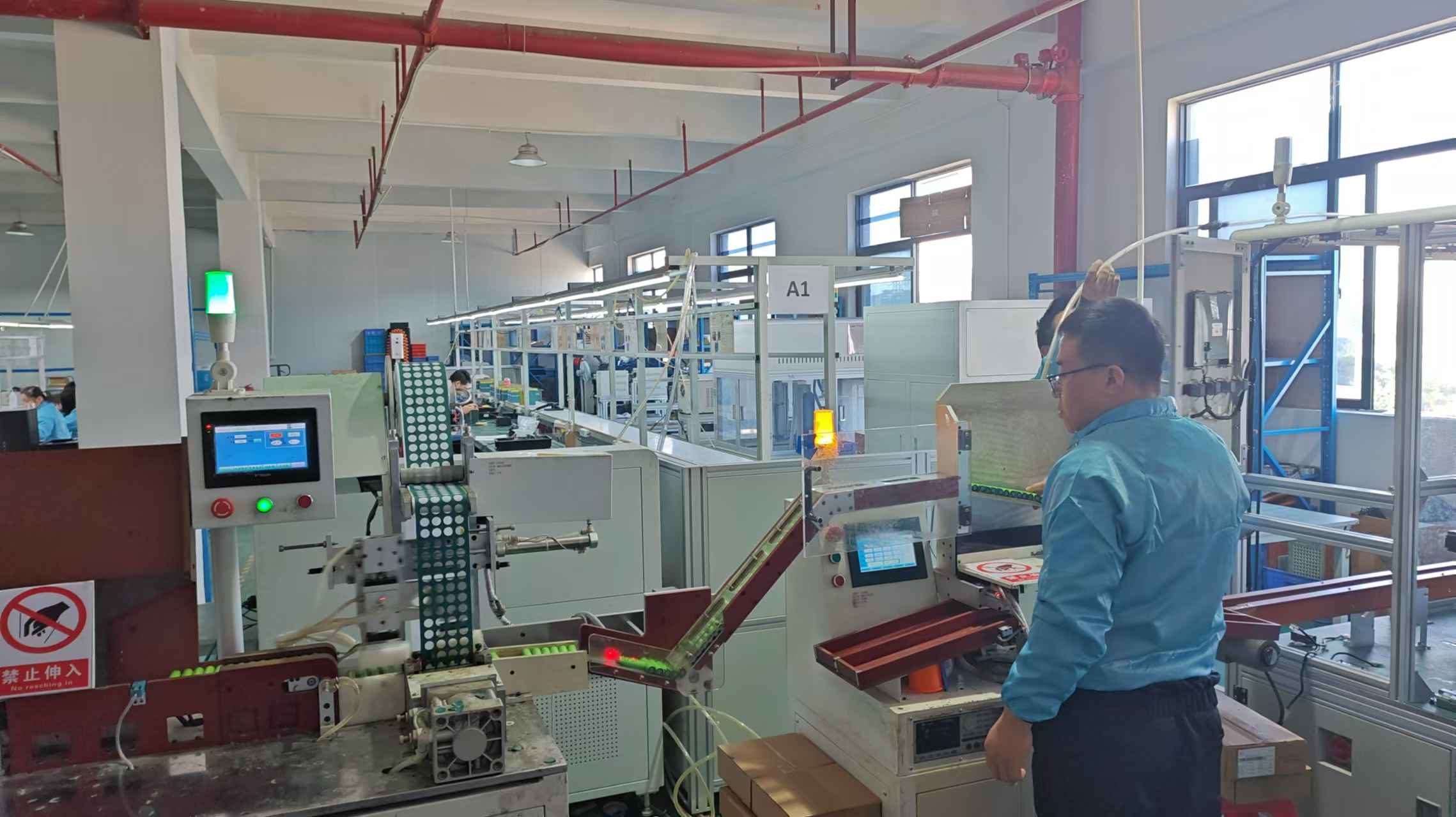
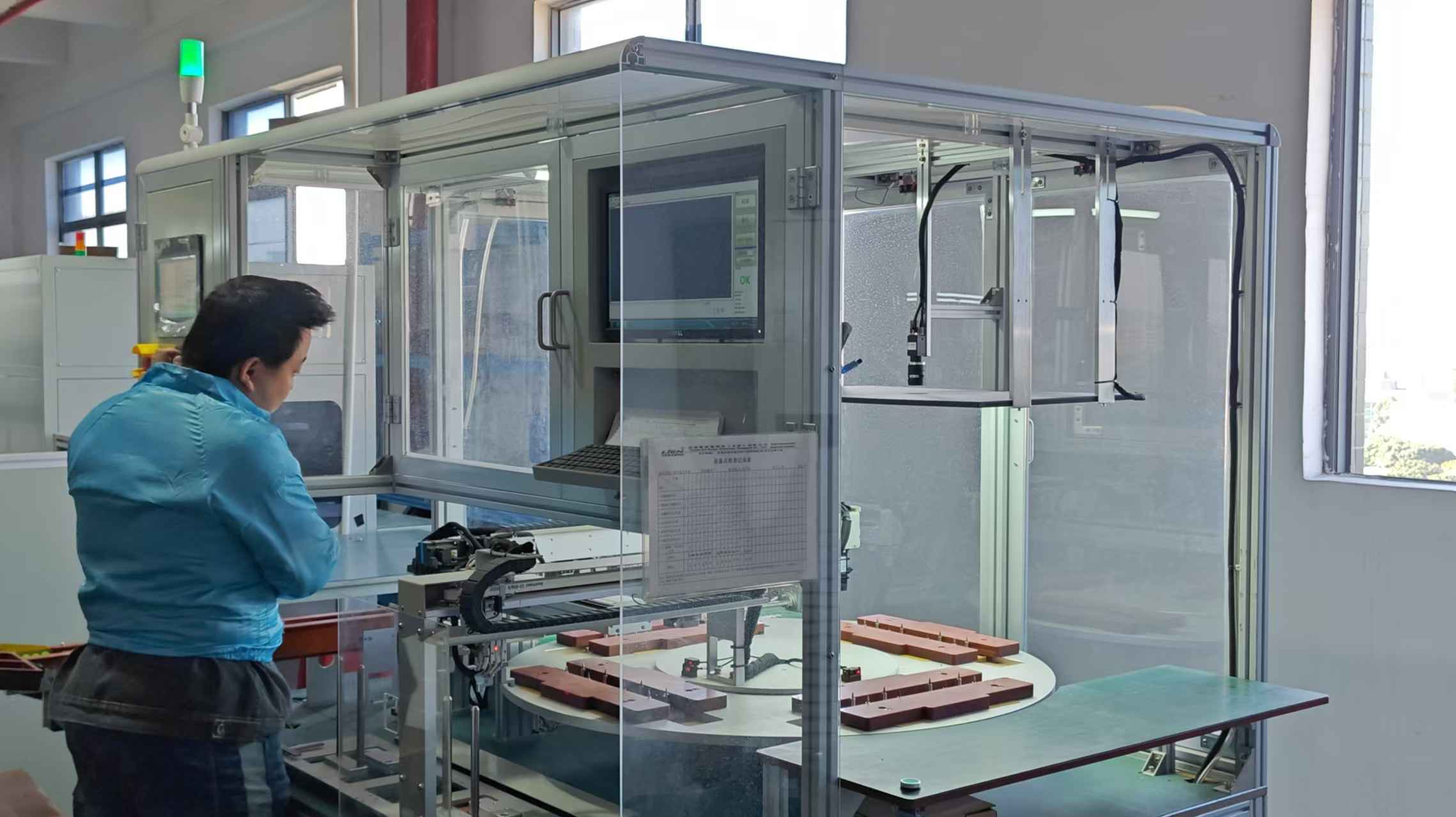
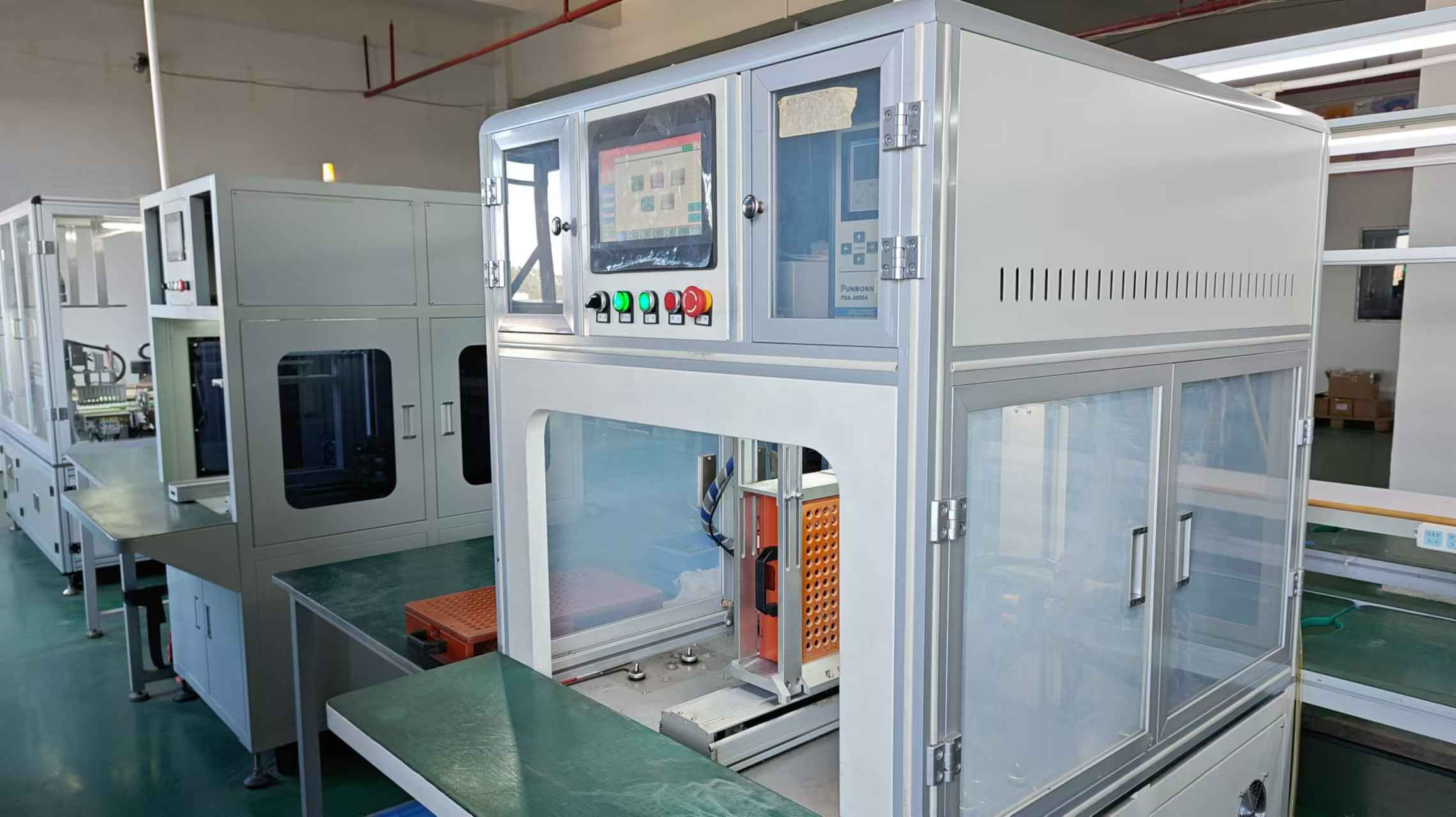
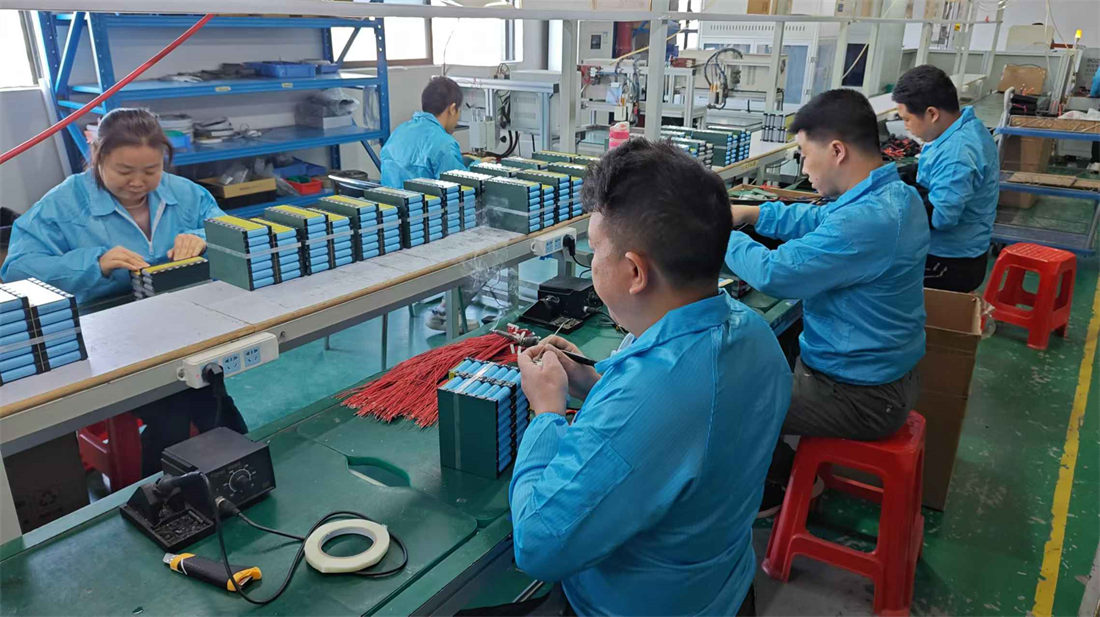
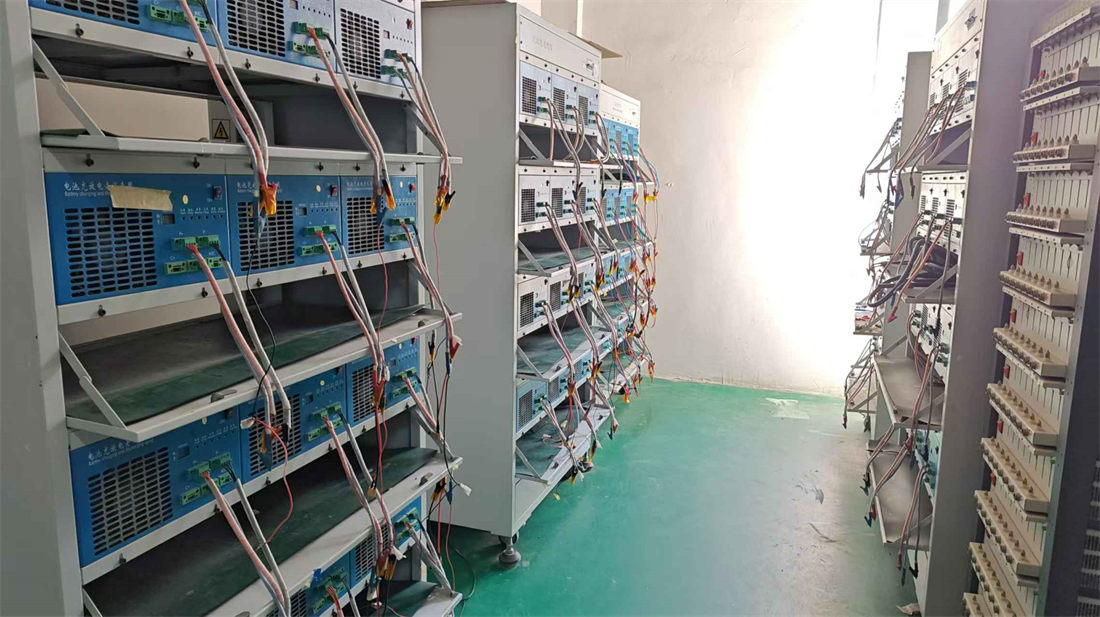
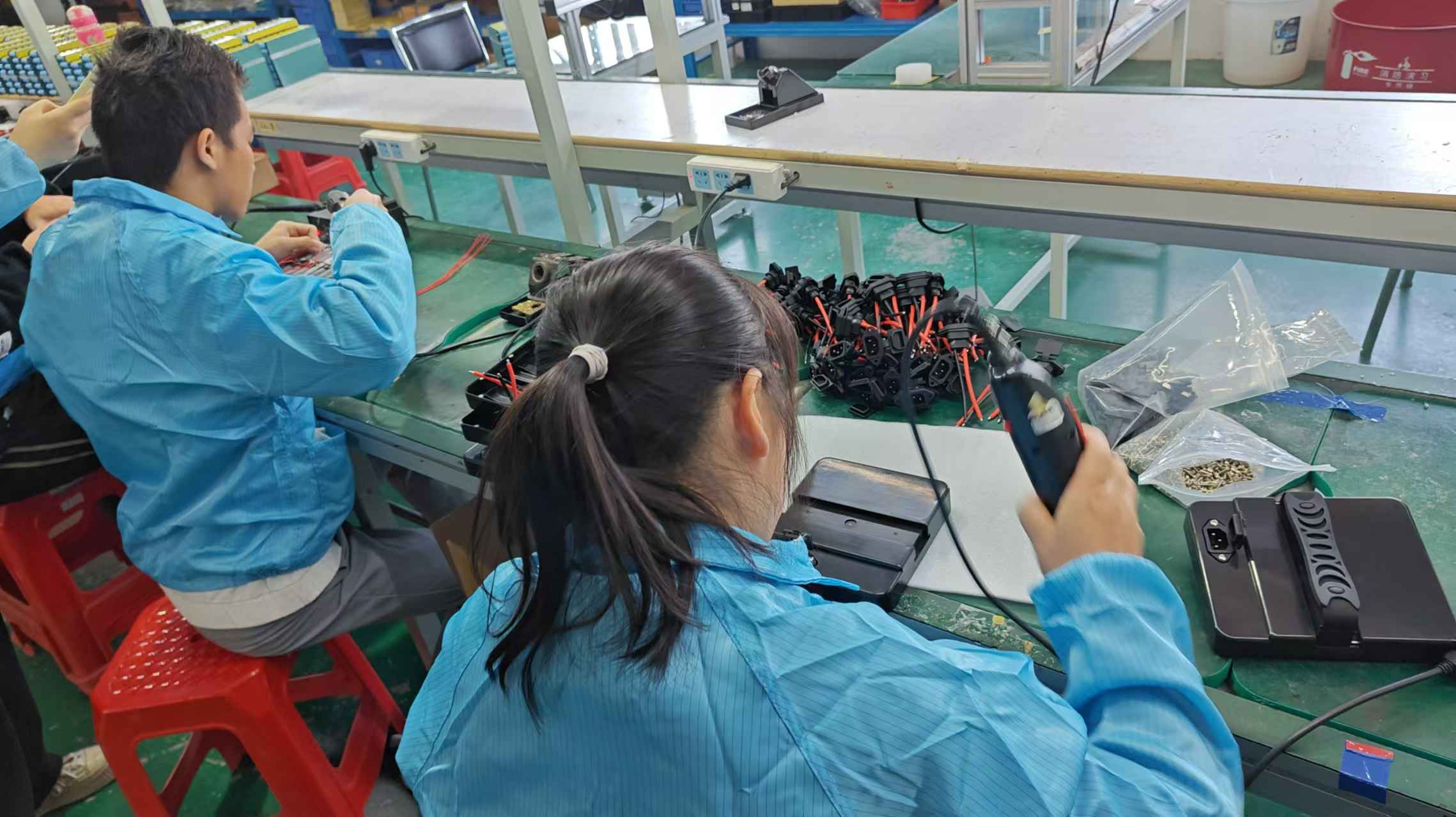
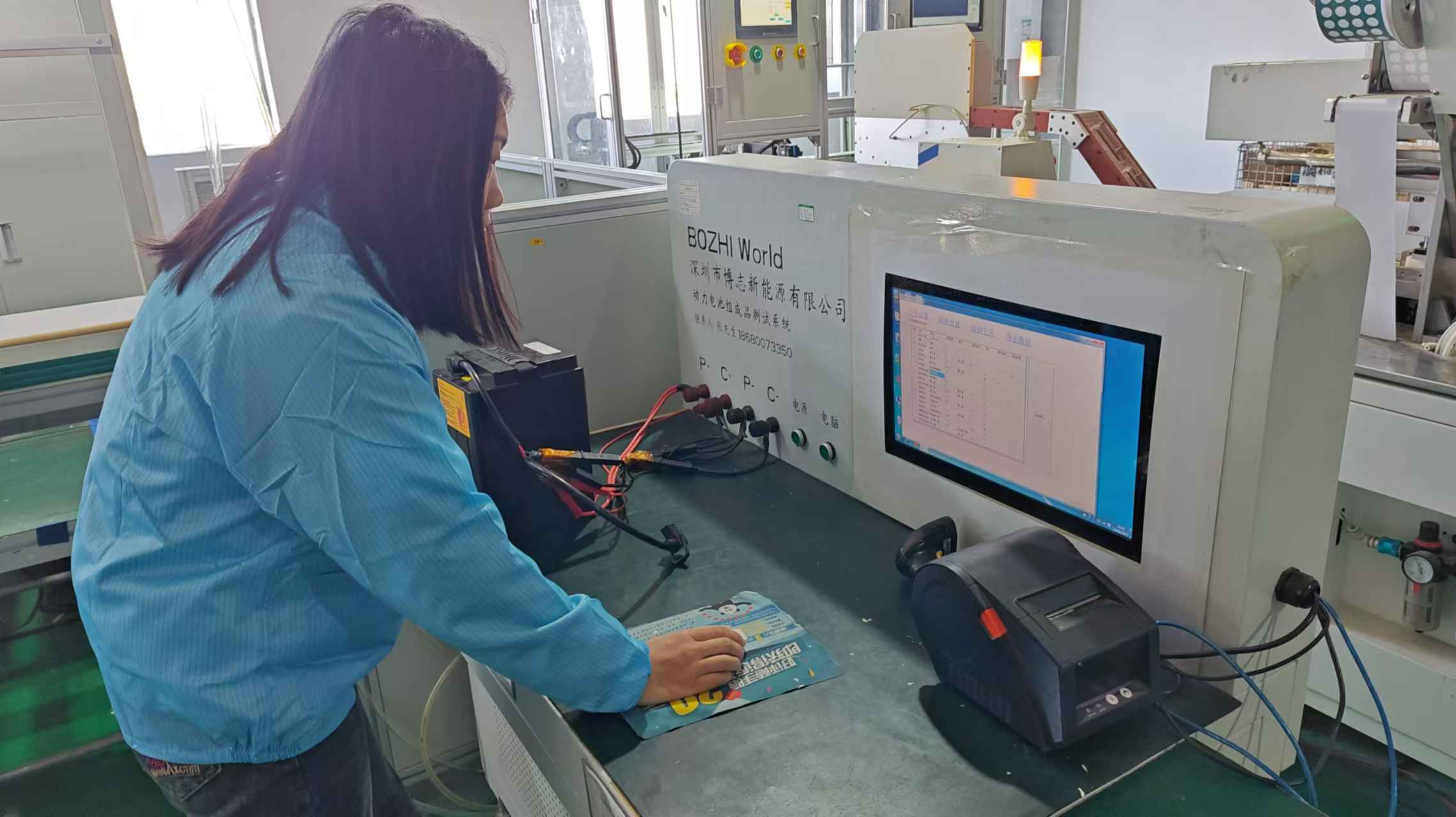
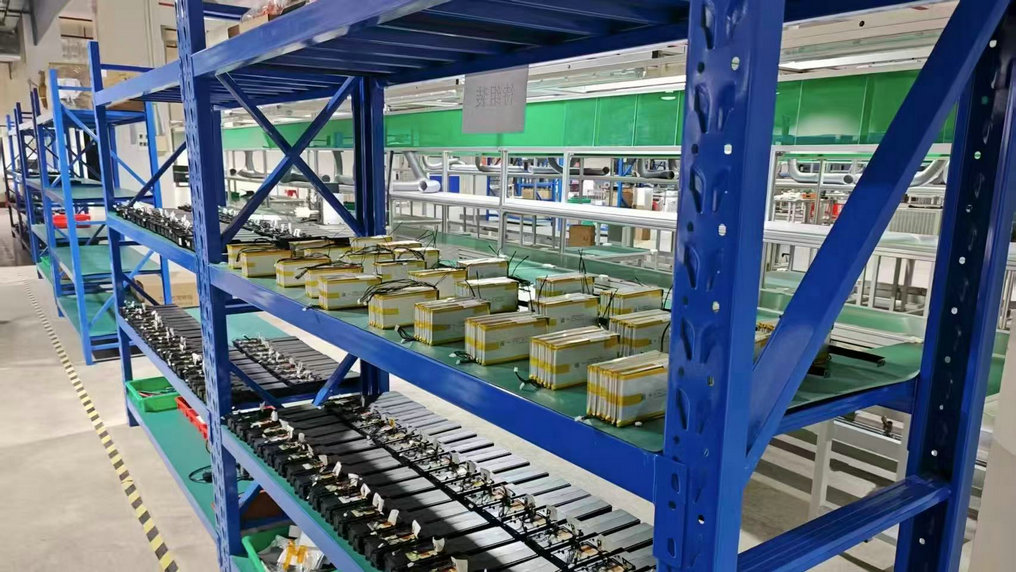
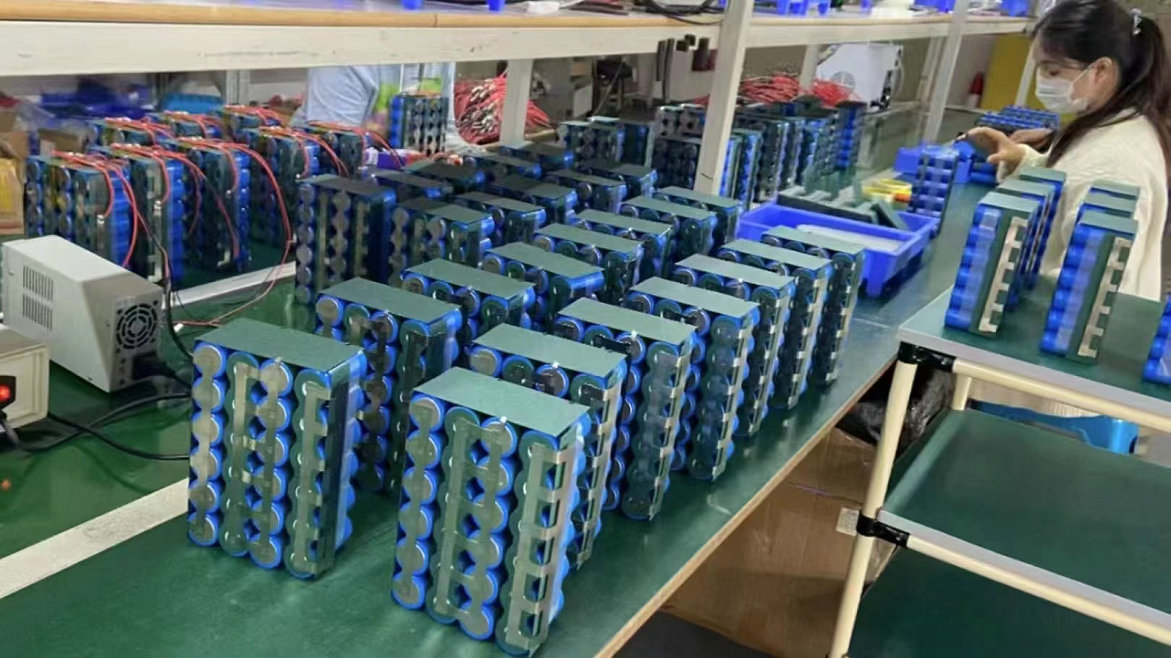
Nuwon Energy's production facilities use precision-engineered automation to ensure consistent cell parameters, long cycle life, and high safety standards across large batches. Our quality control tracking follows the battery packs from the raw material stage through to final aging.
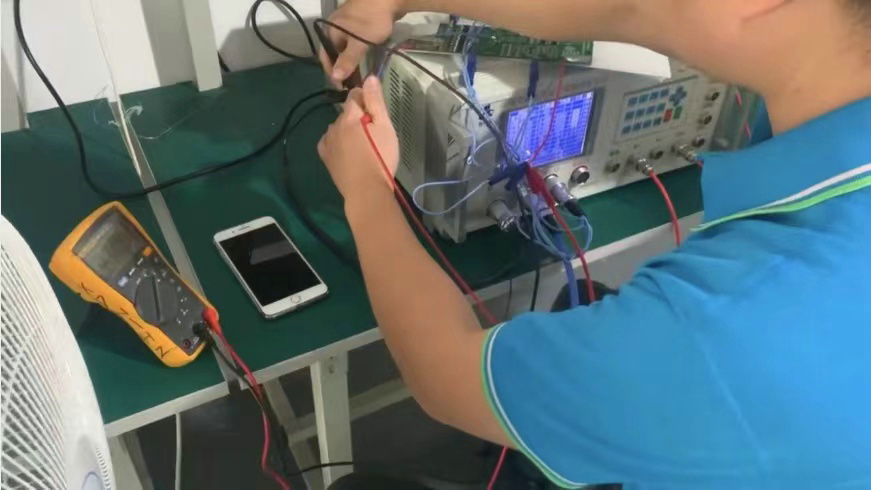
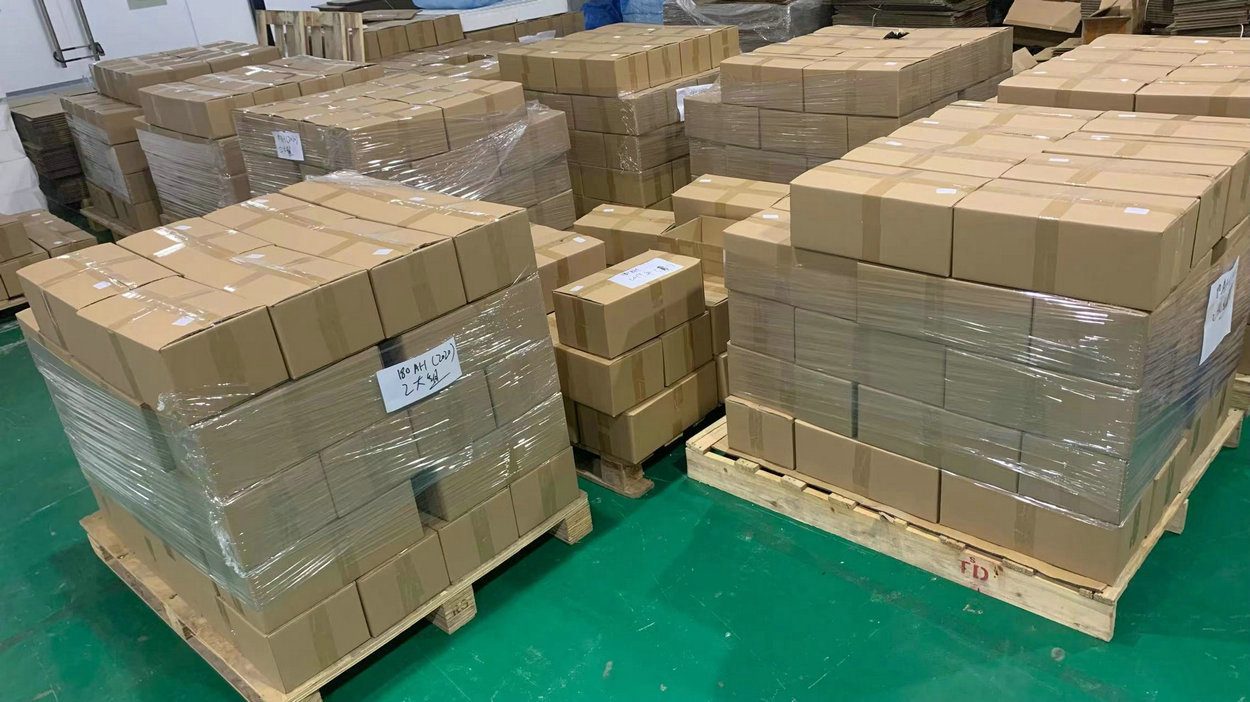
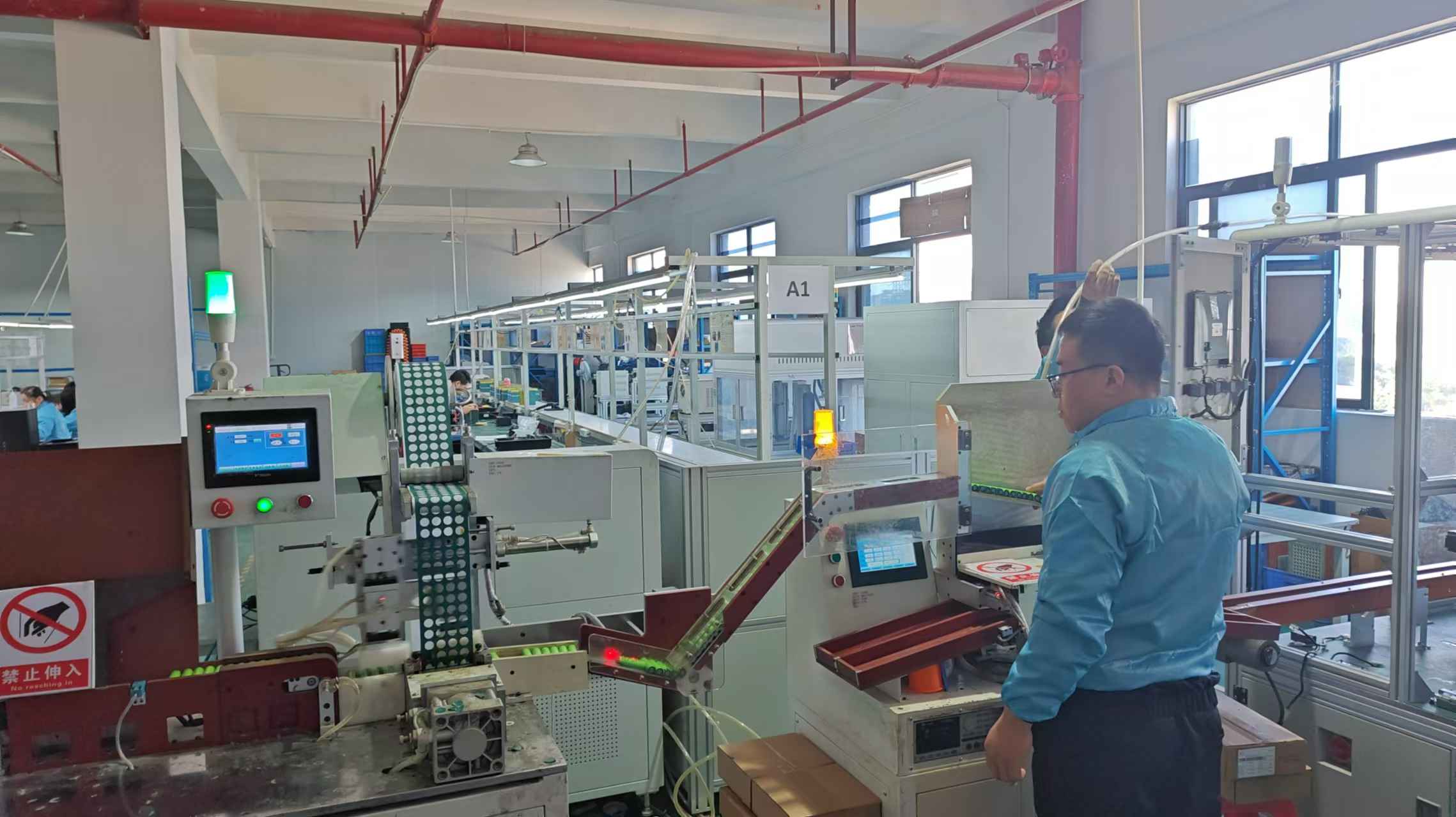
Shipping dangerous goods globally requires strict adherence to international safety rules. At Guangdong Nuwon Energy Co., Ltd., we maintain a complete compliance framework that covers chemical raw materials, cell manufacturing, and localized warehousing and logistics support.
We test all pack models to ensure they pass shock, vibration, altitude simulation, and thermal cycling requirements, securing the UN38.3 certification required for safe marine and air freight transport.
Our commercial and residential energy storage systems undergo testing for thermal runaway propagation, meeting the safety requirements of European, North American, and Australian electrical grids.
We leverage overseas warehouses (including locations in Europe and North America) to keep replacement cells and warranty components in stock, lowering shipping times and simplifies import procedures for global buyers.
The trajectory of smart energy is closely tied to advancements in materials science. At Guangdong Nuwon Energy, our R&D efforts focus on three primary areas: raising energy density, lowering manufacturing costs, and improving environmental performance.
Transitioning from polymer-based semi-solid systems to fully inorganic solid electrolytes. This design aims to achieve energy densities over 450 Wh/kg while eliminating flammable liquid solvents for safer operation.
Refining sodium-ion chemistry for mass production. Sodium-ion batteries help reduce dependence on lithium and cobalt, offering a reliable, cost-effective alternative that performs well in cold climates.
Integrating micro-sensors directly inside cell housings. This allows the BMS to collect real-time temperature and pressure data at the individual cell level, helping prevent safety issues before they develop.
Find answers to common questions about cell selection, custom BMS development, and shipping logistics for commercial projects.
For custom OEM/ODM packs, our MOQ depends on the system's size. Typically, it is 100 to 500 units for small mobility applications (like golf carts and AGVs) and 10 to 50 units for large, containerized Commercial and Industrial (C&I) energy storage systems. Small prototype batches for engineering validation (EVT/DVT phases) can be arranged after reviewing the initial project specifications.
We use automated grading machines to match cells within narrow tolerance ranges before assembly. We ensure cell variance is kept within 5mV for voltage, 20mAh for capacity, and 0.5mΩ for internal resistance. This high consistency helps maximize safety, charging efficiency, and overall pack lifespan.
Our custom BMS boards can be integrated with various industrial communication networks, including CANbus (such as CANopen and J1939), Modbus (RTU/TCP), RS485, RS232, and SMBus. We also provide customized integration to ensure compatibility with major inverters, motor controllers, and cloud-based IoT systems.
Yes, sodium-ion batteries are a viable option for specific applications. While their volumetric energy density is slightly lower than LiFePO4, they offer distinct advantages: they perform well at temperatures down to -40°C, charge quickly, and are less sensitive to lithium market pricing. They are well-suited for stationary storage in cold climates and backup power installations.
We coordinate all logistics through certified Class 9 dangerous goods freight forwarders. Our shipments are packed according to UN regulations (such as UN3480 and UN3481) and include MSDS, UN38.3 test summaries, and safe-handling documentation. Additionally, our regional warehouse partners assist with customs clearance and local delivery within the EU and North America.
Review our selection of solid-state cells, high-capacity NMC elements, modular solar storage systems, and specialized sub-zero battery packs designed for challenging industrial applications.
 Nuwon Energy