OEM/ODM Next-gen Battery Technology Manufacturers & Factories

Pioneering High-Performance Advanced Energy Solutions

Advanced Battery Products & Systems

Explore our top-tier next-generation battery architectures and raw materials engineered for peak performance.
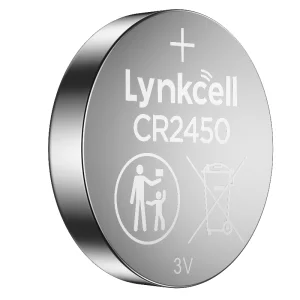
Remote Control 3V Lithium Cell Battery Cr2032

Remote Control 3V Lithium Cell Battery Cr2032 Cr2450 Cr1632 Cr1220 Button Battery Coin Cell Power Supply From Nanfu Factory Manufacturer

View Details
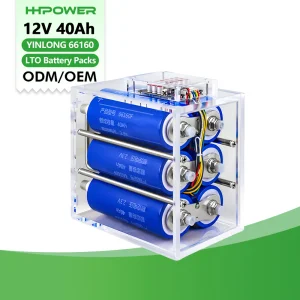
LTO 12V Lithium Titanate Battery Pack

LTO 12V 40AH 35AH 30ah Large Single Lithium Titanate Battery Pack Low Temperature Resistant Power Cylindrical Lto Battery Pack

View Details
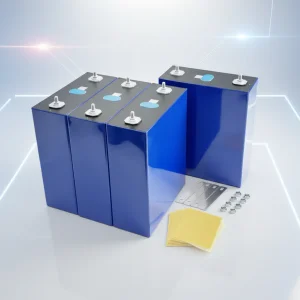
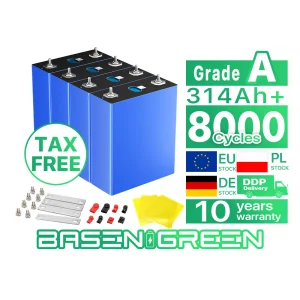
EU Prismatic Lifepo4 Battery Cell CATL

EU Prismatic Lifepo4 Battery Cell Catl 310Ah Lifepo4 Catl Cells 314ah 280Ah 302ah Lifepo4 Lithium Iron Phosphate Battery Catl

View Details
Battery Material NMC Powder

Battery Material Nickel-Manganese-Cobalt Powder Nmc Polycrystalline High Nickel Nmc Material

View Details
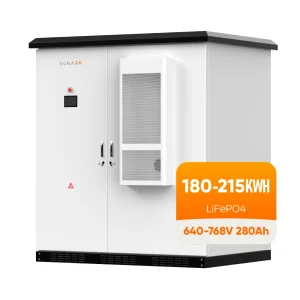
Sunark Lifepo4 Battery Energy Storage Container

Sunark All in One Deep Cycle Lifepo4 Battery 215Kwh 280Ah Energy Storage Ess Container Lithium Battery Pack

View Details
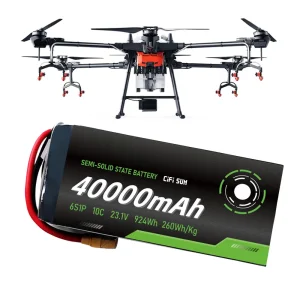
Semi-Solid State Battery Drone Pack

Semi-Solid State Battery 33000mAh Universal Voltage 6s 23.1V High-Density 10c Drone Battery Pack

View Details
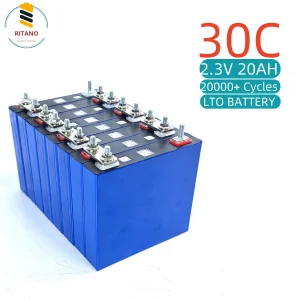
SICB High Rate Lto Battery Cells

SICB 2.3v 2.4v 10ah 20ah 23ah 20000 Cycles 30C High Rate Lto Lithium Titanate Battery Cells for Motor Starting Car Audio

View Details
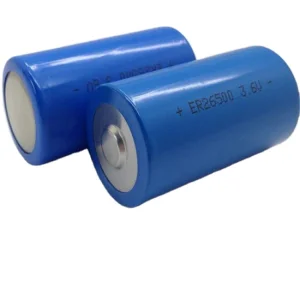
Lithium Thionyl Chloride Battery

Lithium Thionyl Chloride 3.6v c Size Lithium Battery Er26500 9000mah

View Details

Next-Generation Battery Technology: Strategic Industrial Imperatives

The global transition to clean energy systems and electric mobility has triggered a critical paradigm shift in energy storage architectures. Standard Lithium-ion platforms are rapidly approaching their theoretical limits, forcing developers and enterprise procurers to look toward next-generation battery technologies. Industrial, commercial, and mobility applications demand unprecedented safety, increased volumetric and gravimetric energy densities, faster charging rates, and resilient performance under extreme environmental stress.

Information Gain: Chemical Matrix and Anode Innovation

The transition from silicon-graphite blended anodes to high-purity silicon anodes and solid-state electrolytes represents a monumental breakthrough. Next-gen technology utilizes advanced chemical matrices such as Lithium Titanate (LTO), High-Nickel NMC (Nickel-Manganese-Cobalt), and Semi-Solid State chemistries. These architectures resolve long-standing issues of dendrite formation, thermal runaway vulnerabilities, and capacity degradation over high cycle counts.

Core Technological Transitions Driving the Industry

We are witnessing a multi-directional split in specialized battery performance criteria:

  • Extreme Cycle Life & Thermal Resilience (LTO Chemistry): Formulations like Lithium Titanate (LTO) replace carbon anodes, providing zero strain during lithium intercalation. This enables cycle lifetimes exceeding 20,000 charges, ultra-safe high-rate performance (up to 30C discharge), and operational capability at sub-zero temperatures down to -30°C.
  • Volumetric and Gravimetric Breakthroughs (Semi-Solid State): By substituting standard liquid organic electrolytes with semi-solid gel polymers or solid ceramic conductors, manufacturers are producing packs yielding over 300 Wh/kg. This chemistry provides exceptional safety against puncture and high-temperature stress, critical for unmanned ground vehicles (AGVs/AMRs) and eVTOL aerospace designs.
  • Utility-Scale Prismatic Platforms: Heavy-duty lithium iron phosphate (LiFePO4) prismatic configurations, particularly 310Ah, 314Ah, and 320Ah CATL/Hithium formats, have become the standard for utility-grade BESS (Battery Energy Storage Systems) due to their high safety margins and low levelized cost of storage (LCOS).
20k+
LTO Cycle Life
33Ah+
Semi-Solid Cells
99.8%
Automatic Sorting
100%
BMS Safety Control

Company Profile – Guangdong Nuwon Energy Co., Ltd.

Guangdong Nuwon Energy Co., Ltd. is a leading manufacturer and solution provider in advanced battery systems, specializing in the research, development, manufacturing, and global distribution of high-performance energy storage products. The company offers comprehensive OEM and ODM services, delivering customized battery solutions tailored to diverse industrial and commercial applications.

Backed by a highly experienced engineering and R&D team, Nuwon Energy focuses on the design and integration of cylindrical and prismatic lithium battery cells, as well as complete battery packs, modules, and energy storage systems. The company also develops and produces industrial-grade battery cells engineered for safety, durability, and long cycle life.

Guangdong Nuwon Energy serves a wide range of industries, including consumer electronics, electric mobility (such as golf carts, forklifts, UTVs/ATVs, trucks, and marine systems), medical equipment, unmanned ground vehicles (AGVs/AMRs), and emerging aerospace applications such as eVTOL aircraft. In addition, the company provides reliable residential, commercial, and industrial (C&I) energy storage solutions designed to support the global transition toward clean and sustainable energy.

With a strong commitment to innovation, strict quality control, and customer-centric service, Guangdong Nuwon Energy continuously invests in advanced manufacturing capabilities, automated production lines, and rigorous testing systems. This ensures that every product meets international safety standards and delivers exceptional performance in demanding environments.

Driven by a vision to accelerate global electrification and energy efficiency, Guangdong Nuwon Energy Co., Ltd. is dedicated to building long-term partnerships and providing reliable, intelligent, and sustainable energy solutions to customers worldwide.

Global Procurement Dynamics & Supply Chain Quality Control

Understanding the critical metrics and certification standards that global B2B buyers mandate for complex energy storage projects.

Modern enterprise procurement processes for next-generation batteries extend far beyond simple pricing mechanisms. When sourcing power systems for electric heavy machinery, specialized telecommunications infrastructure, or utility grid systems, engineering and procurement teams evaluate critical criteria: structural cell integrity, electrical safety parameters, supply chain traceability, and regulatory compliance.

1. Regulatory Compliance

International markets demand extensive validation. Industrial batteries must carry UN38.3 transport certifications, UL1642 for cell integrity, UL1973 for battery systems in stationary applications, and CE/RoHS approvals. These certifications verify that cell designs survive extreme impact, vibration, and thermal runaway scenarios without hazardous leakage or combustion.

2. BMS Integration

An advanced Battery Management System (BMS) is vital for ensuring longevity and system safety. Custom OEM designs require reliable communication protocols (CANbus, RS485, Modbus) to maintain thermal balancing, deliver overcurrent protection, and report SOC (State of Charge) and SOH (State of Health) metrics to system computers.

3. Long-term Reliability

Buyers calculate the total cost of ownership (TCO) based on capacity retention rates over time. High-quality cells must maintain at least 80% capacity after thousands of full discharge cycles. Achieving this level of reliability requires ultra-pure raw materials (such as high-grade NMC and LiFePO4 powders) and high manufacturing precision.

China Factory 4.0: Production Process & Automated Workflow

Step-by-step documentation of our advanced automated assembly, precision welding, and testing facilities.
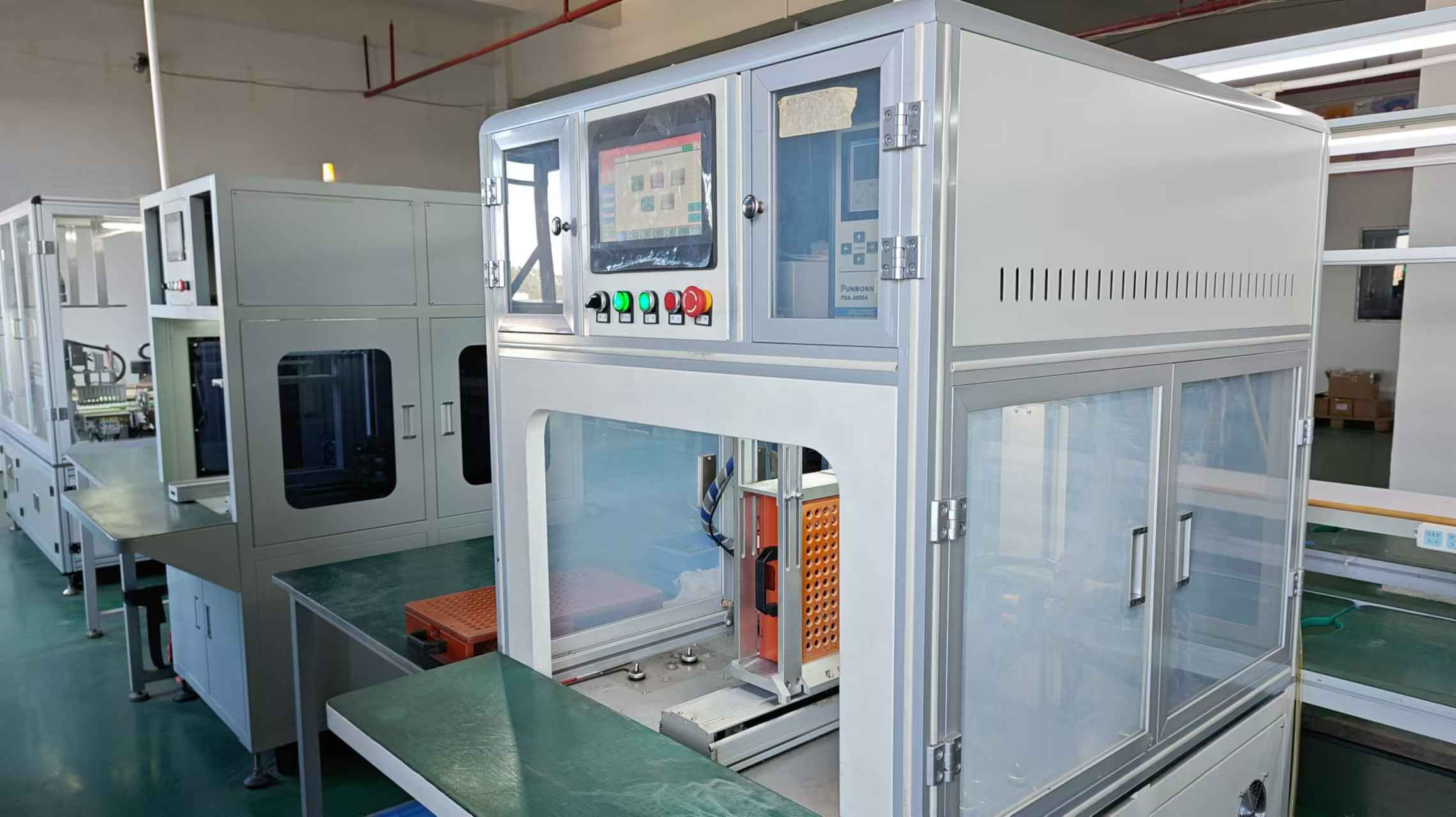
Sorting Process
Sorting
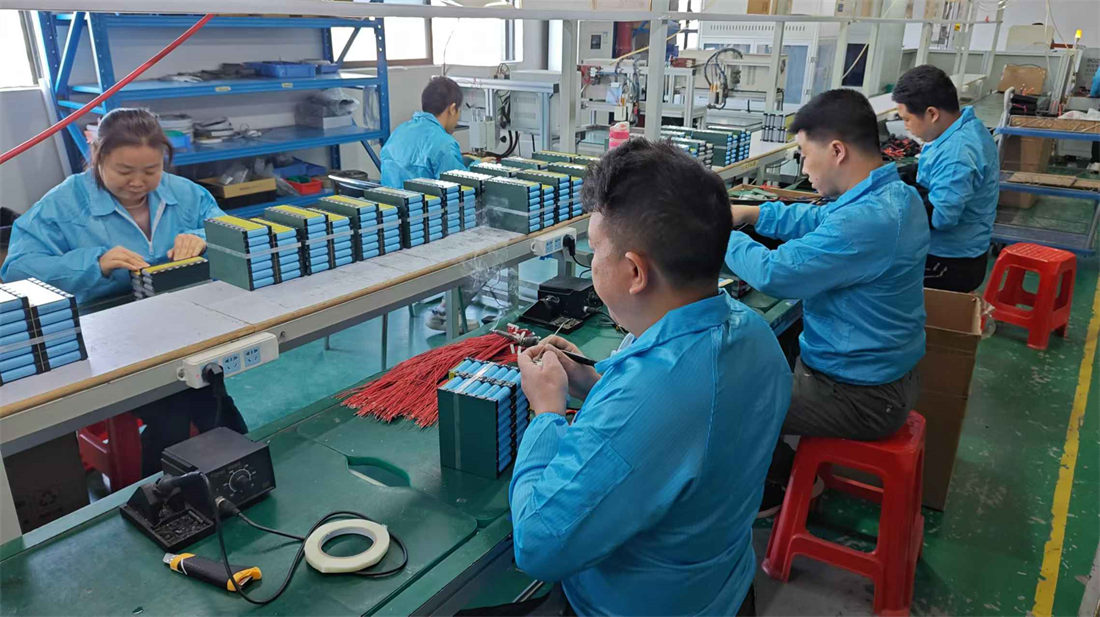
Assembling Process
Assembling
Welding Process
Welding
Assembling Process
Assembling
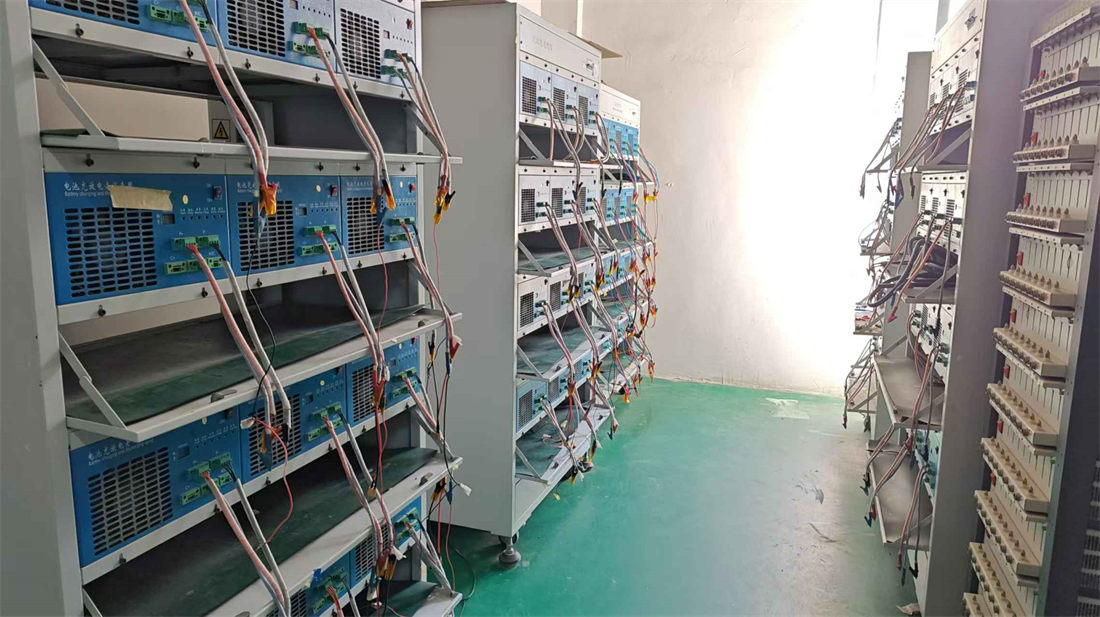
Aging Process
Aging
Assembling Process
Assembling
Testing Process
Test
Battery
Battery
Insulation Testing Process
Insulation Testing
PCB Testing Process
PCB Testing
Welding Process
Welding
Aging Process
Aging
Products
Products
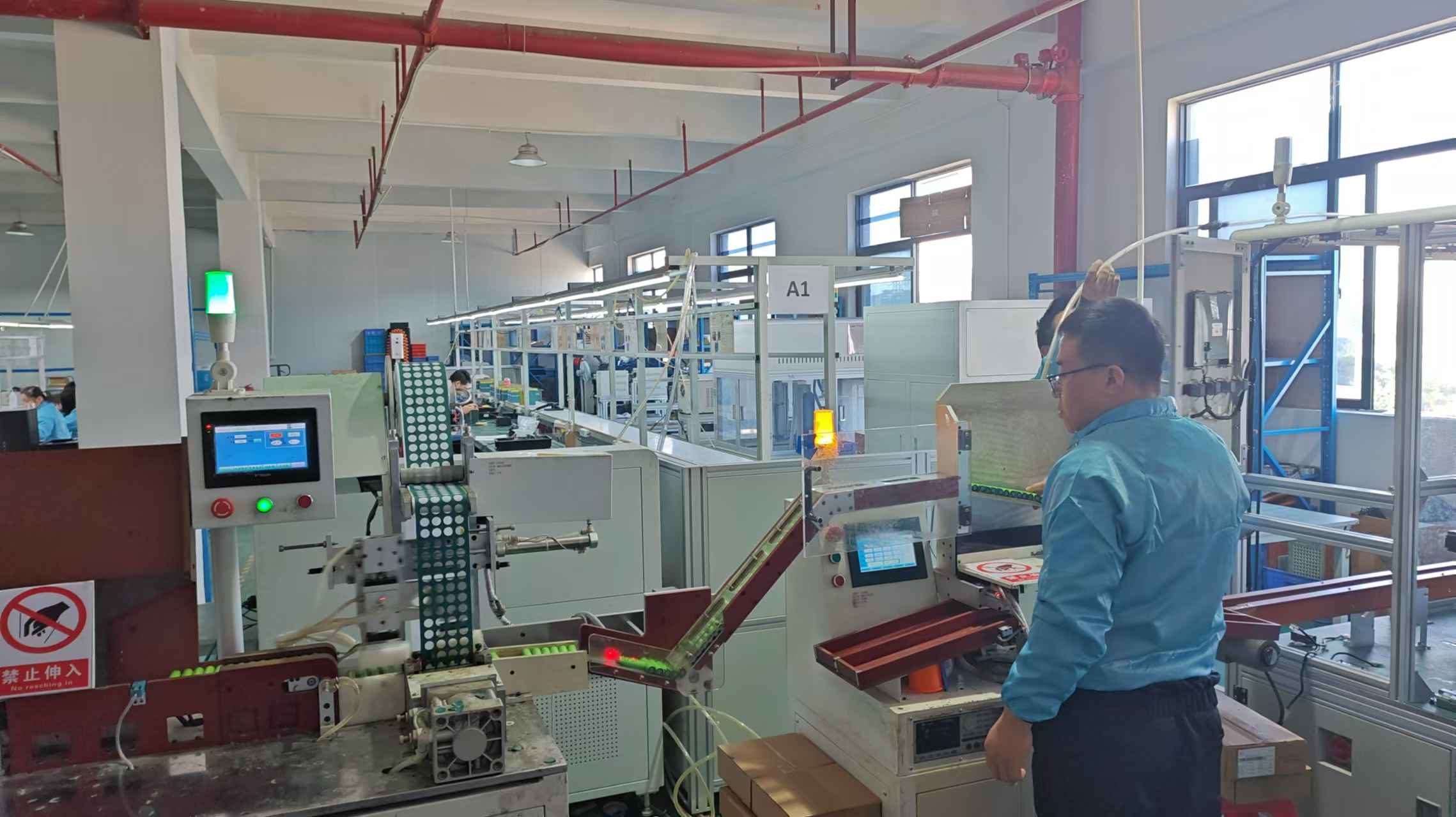
Battery Sorting Machine

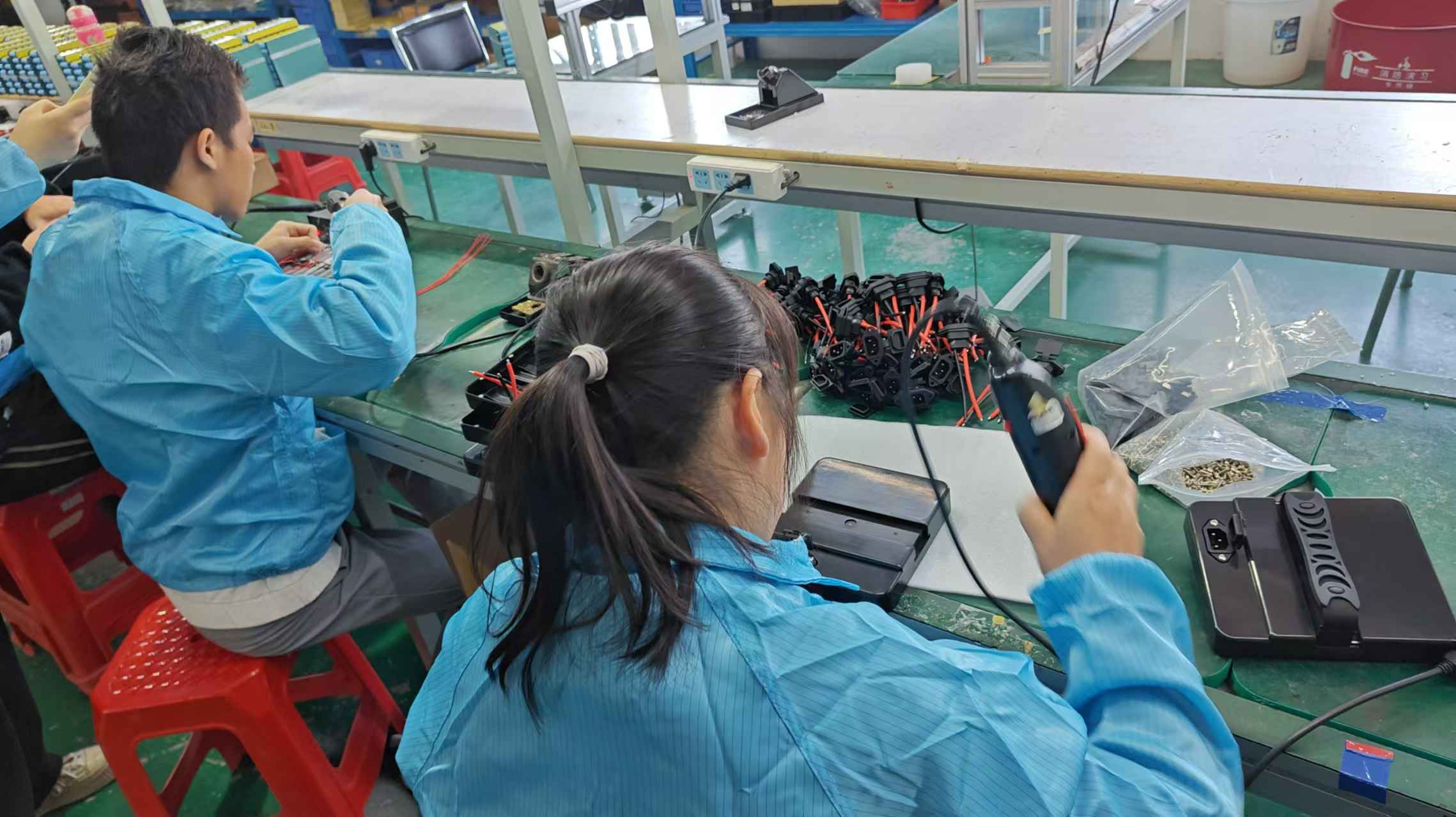
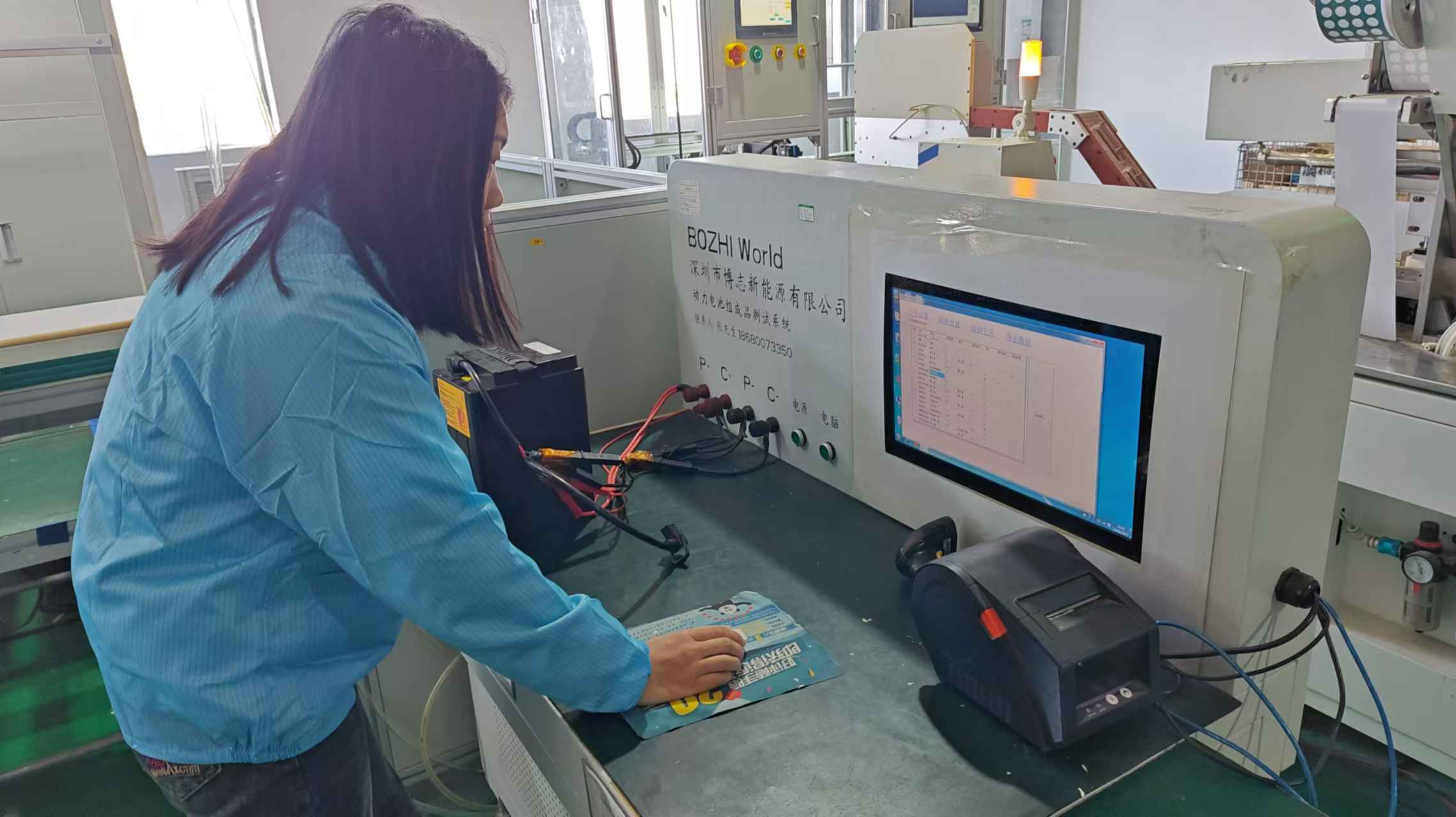
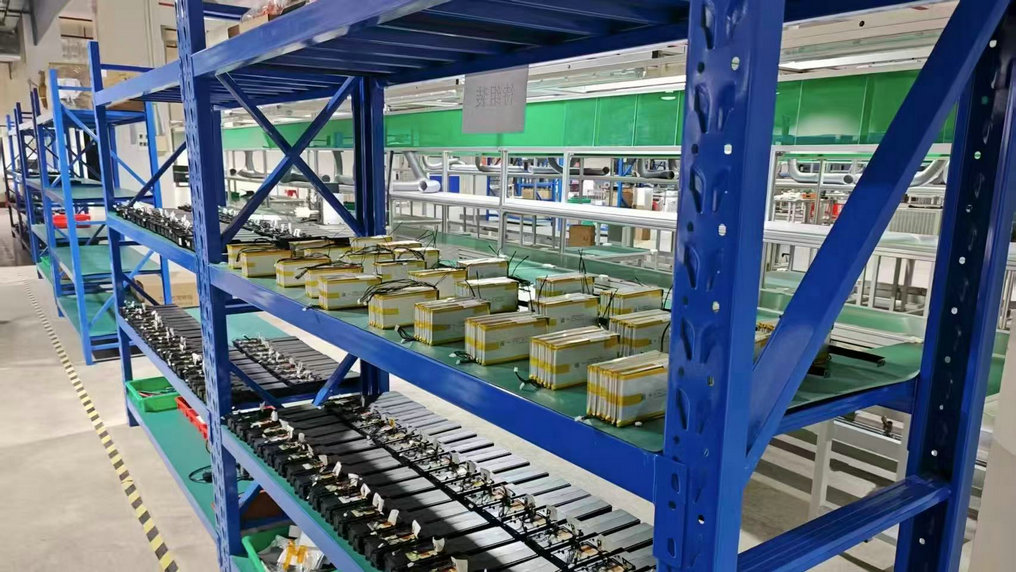
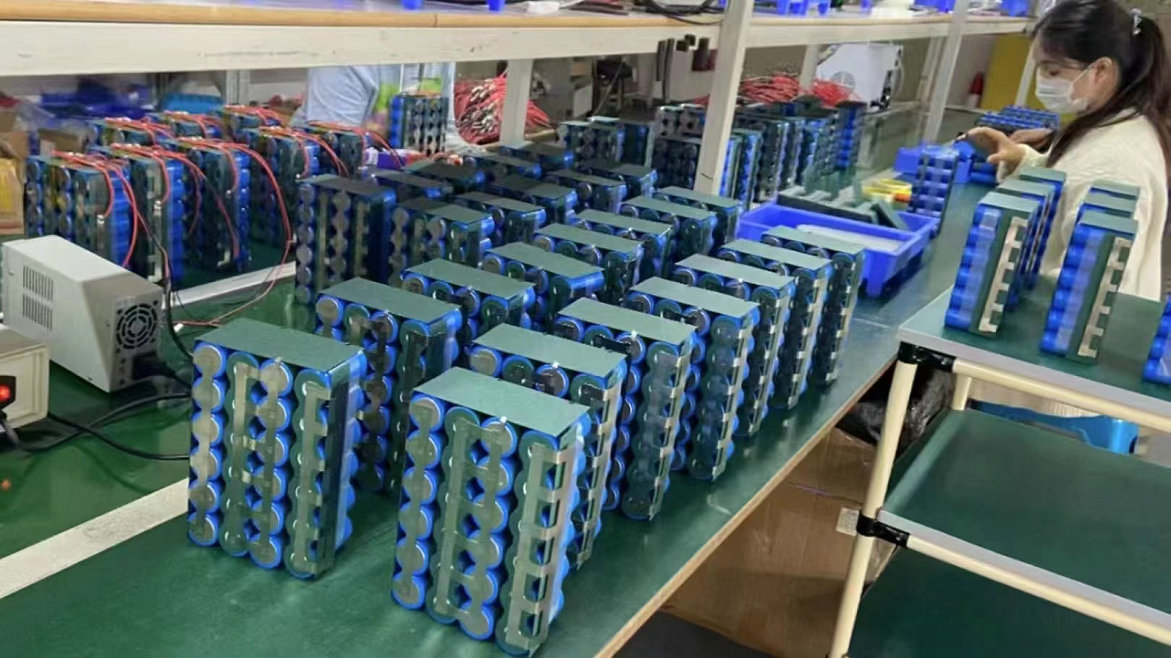
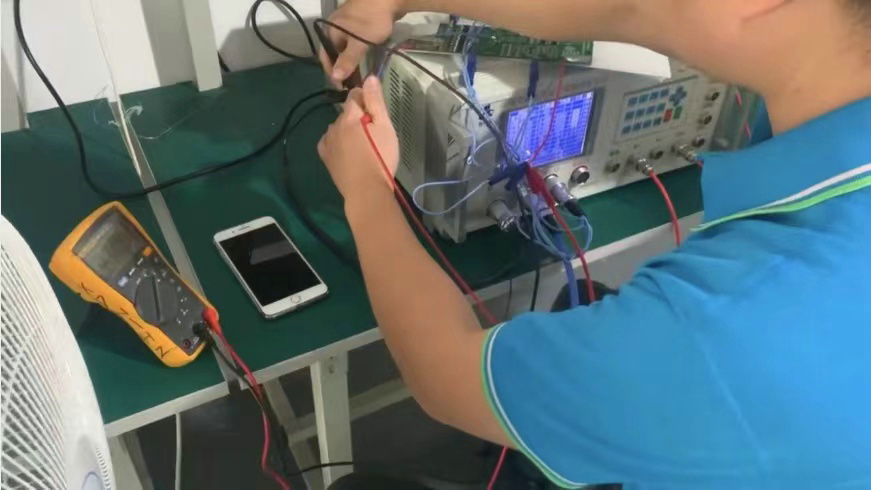
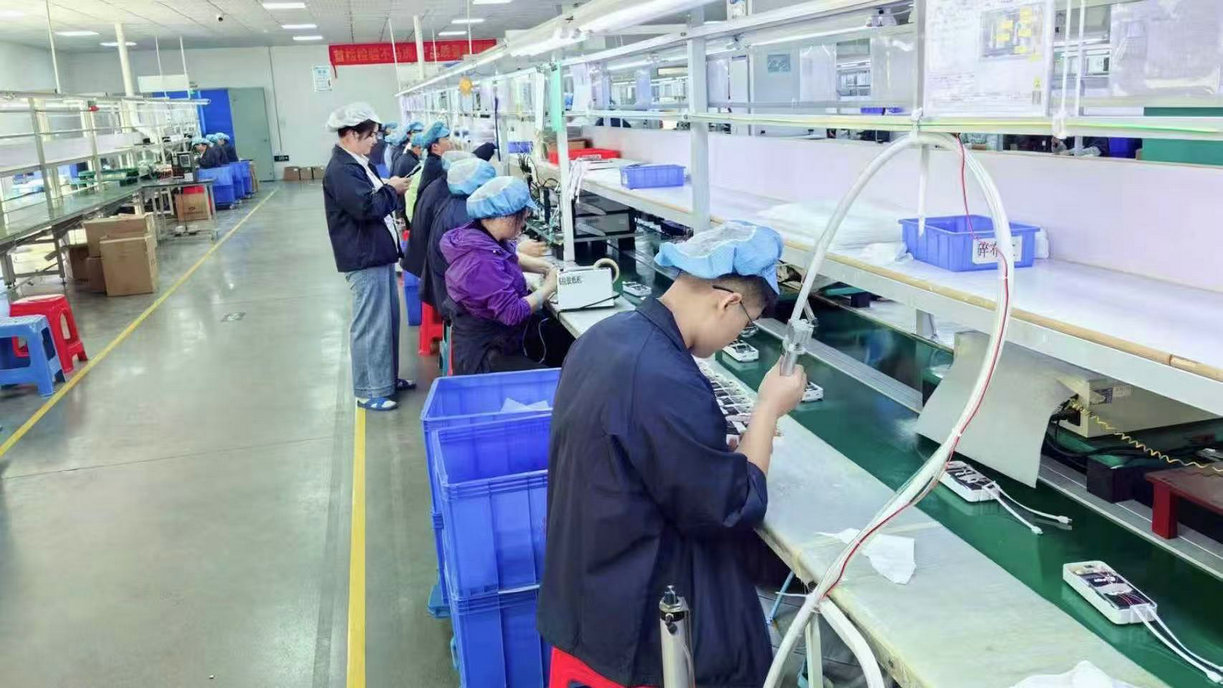
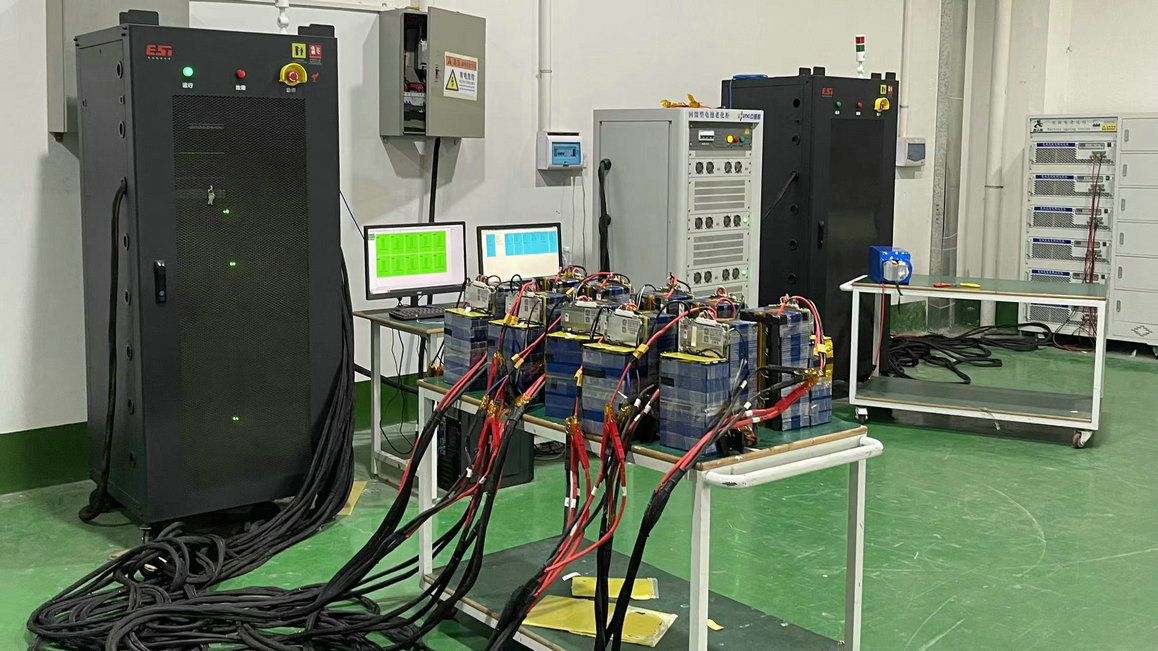
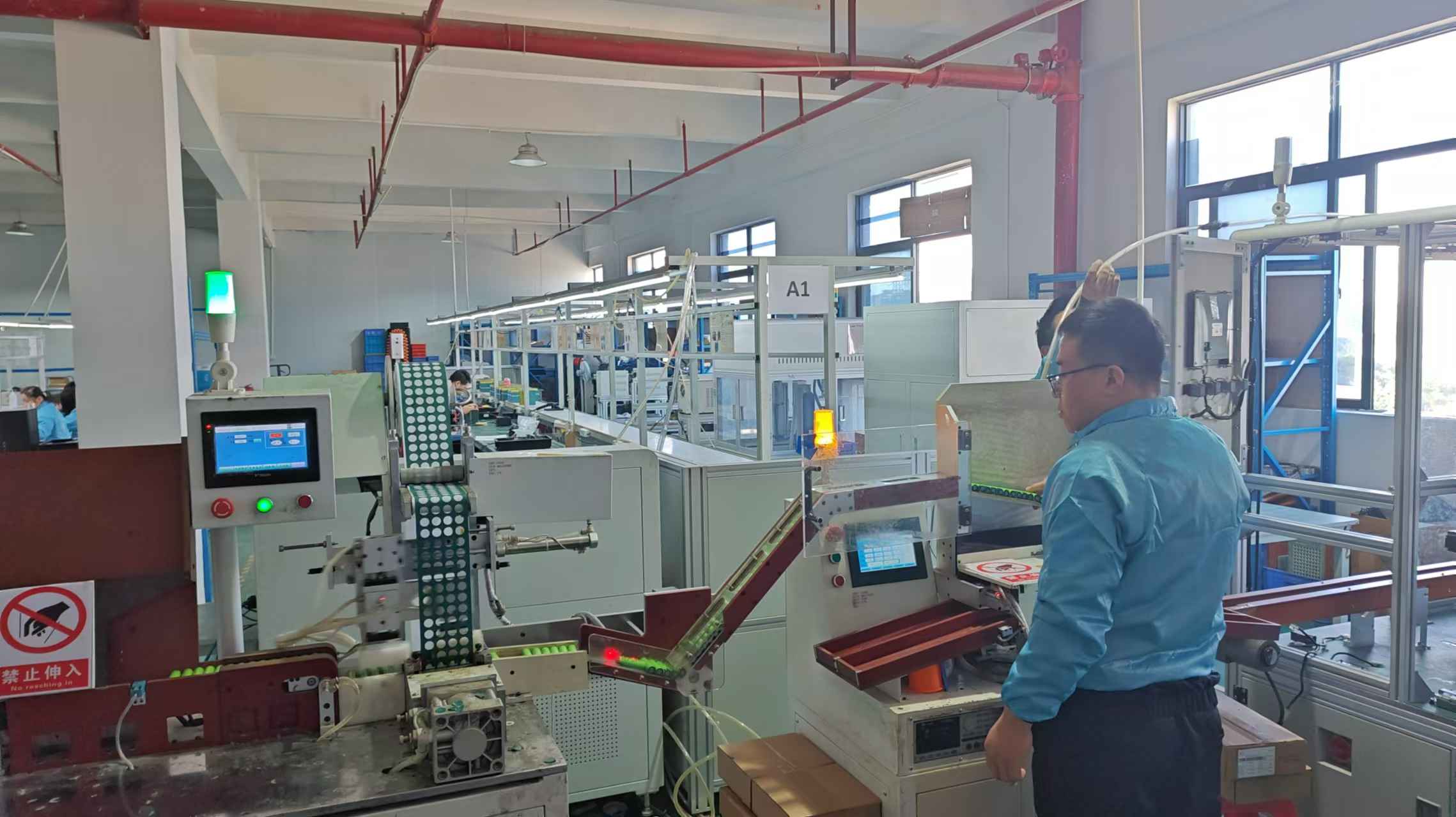
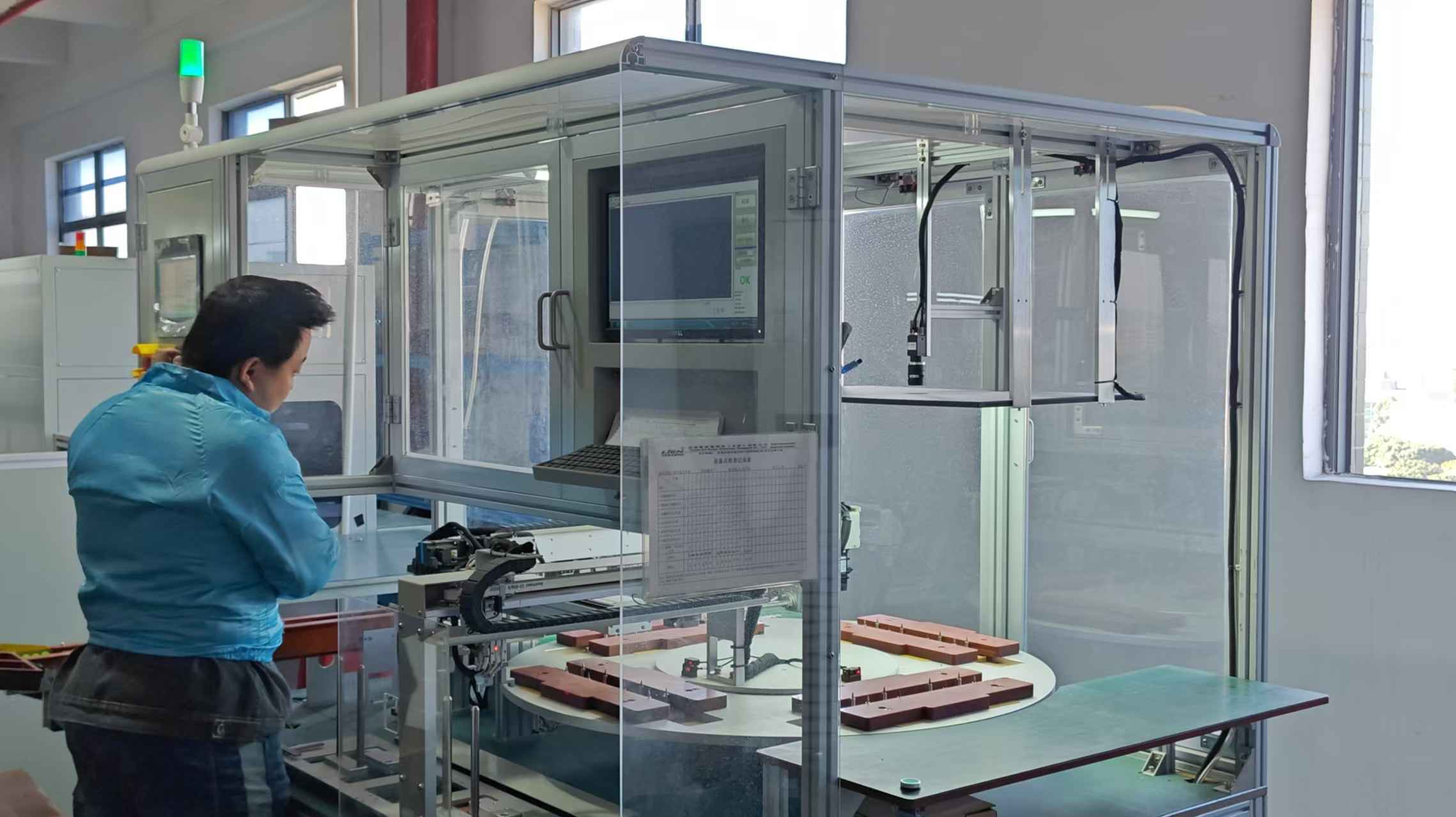
Nuwon Energy's production system employs high-precision automation at every level. The automated Battery Sorting Machine groups cells by voltage and internal resistance (IR) tolerances to ensure uniformity across the finished pack. Real-time laser welding guarantees robust interconnect links, minimizing electrical resistance. High-temperature aging chambers verify cycle stability and monitor for latent defects before final enclosure. Advanced diagnostic equipment, including PCB testing and insulation testing, ensures that each custom module is safe, reliable, and durable.

Industrial & Commercial Applications of Advanced Power Packs

How next-generation battery integrations solve challenging field problems for modern heavy equipment and storage grids.

Commercial Mobility & Heavy Equipment

Industrial logistics equipment (forklifts, AGVs, AMRs, airport tugs) requires continuous three-shift operations. Traditional lead-acid batteries need long cooling periods and dedicated ventilation spaces. High-discharge, fast-charging LiFePO4 modules and low-temperature resilient LTO systems enable rapid opportunity charging during shifts, optimizing operational efficiency and reducing downtime.

eVTOL & Unmanned Aerospace Systems

Aerospace applications demand high gravimetric energy density to maximize payload capacity and flight range. Our semi-solid-state battery technology offers an optimal energy-to-weight ratio (up to 300+ Wh/kg) while maintaining high discharge discharge currents (10C) to support vertical takeoff and landing maneuvers.

Utility, Commercial & Industrial (C&I) Energy Storage

With volatile grid pricing and increasing penetration of intermittent renewable sources, industrial facilities rely on large containerized storage systems (BESS). These container solutions, utilizing high-density 314Ah or 320Ah prismatic cells, provide peak shaving, emergency backup power, and power quality stabilization, ensuring uninterrupted plant operations.

Frequently Asked Questions: Advanced Battery Sourcing

Technical, logistical, and design questions answered by our engineering and manufacturing specialists.

What are the primary performance advantages of LTO (Lithium Titanate) batteries over LFP?
LTO (Lithium Titanate Oxide) replaces graphite anodes, which eliminates the formation of solid electrolyte interface (SEI) layers and lithium dendrites. This design delivers several key advantages: a cycle life exceeding 20,000 charges, high-rate charge and discharge capabilities (up to 30C), and stable operation in extreme low temperatures down to -30°C. However, LTO cells have a lower nominal voltage (2.3V/2.4V) and lower energy density compared to LFP cells.
Why is the industry transitioning from 280Ah to 314Ah / 320Ah prismatic LiFePO4 cells?
Transitioning to 314Ah and 320Ah formats in the same standard cell footprint increases volumetric energy density without modifying existing rack dimensions. This allows containerized BESS installations to pack more total kilowatt-hours (kWh) into the same space, lowering balance-of-system (BOS) costs and reducing the levelized cost of energy storage (LCOS).
What is a Semi-Solid State battery, and how does it improve safety?
Semi-solid state batteries replace volatile liquid electrolytes with a gel polymer or solid ceramic composite matrix. This structure prevents thermal runaway and prevents internal short-circuits caused by mechanical impacts or external penetrations, making them ideal for high-vibration environments like aerospace, UAVs, and heavy robotic machinery.
How does your factory ensure cell uniformity within a multi-cell battery module?
Our Factory 4.0 workflow utilizes automated high-throughput sorting equipment. We check and group every incoming cell based on precise voltage (within ±2mV) and internal resistance (within ±0.5mΩ) ranges. This matching process ensures uniform charge and discharge behavior, preventing premature pack failure and maximizing service life.
Which communication interfaces are available for custom OEM/ODM battery packs?
We customize our Battery Management Systems (BMS) to support common industrial communication interfaces. These include CANbus, RS485, RS232, and Modbus protocols. This allows our battery packs to integrate with external controllers, solar inverters, vehicle ECUs, and local SCADA monitoring systems.

Industrial Battery Cells & Raw Materials

Premium component-level systems and high-purity chemical precursors for global battery production lines.
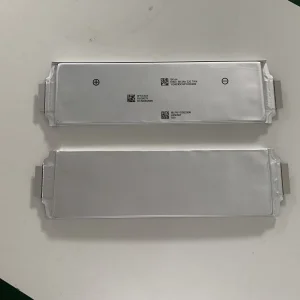

SK E603 Lithium NCM Pouch Cells

SK E603 Lithium NCM Pouch Cells SK 3.7V 55.6Ah 60.3AH Rechargeable Lipo Cell for EV Electric Vehicles UGV

View Details
Lithium Nickel Manganese Cobalt Oxide NMC Powder

Lithium Nickel Manganese Cobalt Oxide Linimncoo2 Nmc H5 Powder Ni: Mn: Co=5: 3: 2 for Li Battery Raw Materials

View Details
CBAK 26650HP LiFePO4 Battery

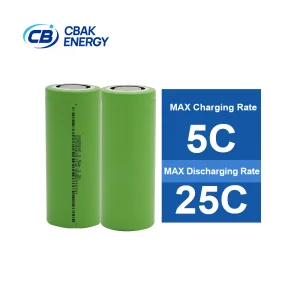
CBAK 26650HP 3.2V 2.5Ah LiFePO4 Battery 25C Discharge Rate Cylindrical Car Audio Start 3500 Cycle Life CE/ROHS Certified

View Details
ER17335 Lithium Thionyl Chloride Battery

2/3A ER17335 3.6V 2100mAh 2/3A Lithium Thionyl Chloride (Li-SOCl2) Battery for Toys Lot Security Storage Tracking Home Appliance

View Details
Calb L135F72 Prismatic LiFePO4 Battery Cell

Calb L135F72 Aerospace Aluminum Alloy 129 Prismatic LiFePO4 Lithium Ion Battery Cell 3.2V 72Ah 1C 2500 Cycles for Aerospace

View Details
Grade A Lifepo4 Battery Cells

Grade A Lifepo4 3.2V 20A 32Ah 100AH 105AH Hithium 150AH 202Ah 320Ah Lfp 117Ah Catl Calb Rept 304ah 314Ah Lithium Battery Cells

View Details
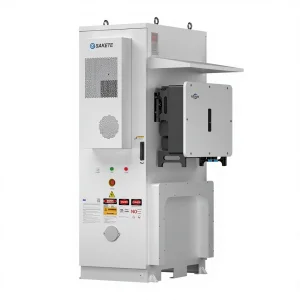
SAKETE 112kWh BESS LiFePO4 Battery

SAKETE High Capacity 112kWh BESS LiFePO4 Battery 50kW Hybrid On/Off Grid Storage With 6000+ Cycles

View Details
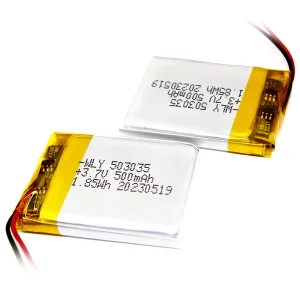
Custom Lithium Polymer Rechargeable Battery

Custom Cheap CE WLY Lithium Polymer Rechargeable 503048 Battery 3.7v 1.85wh 750 Mah 5x30x35mm

View Details