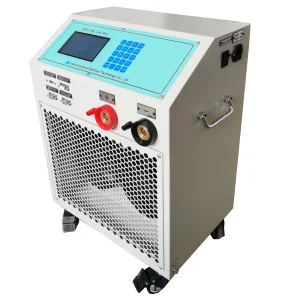
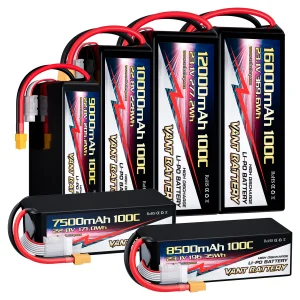
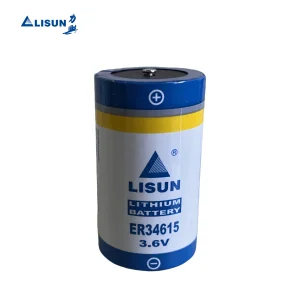
High-precision testing hardware, analytical load banks, and chemistry formulations core to battery usage analysis.



An authoritative analysis of industrial electrification diagnostics, energy performance, and degradation intelligence.
The electrification of global transportation, storage, and industrial frameworks has created an unprecedented reliance on lithium-ion, solid-state, and chemical cell packs. Managing these massive arrays requires more than just passive safety containment; it mandates predictive diagnostics. Battery Usage Analytics (BUA) stands at the convergence of electrochemistry, edge computing, and cloud-based machine learning. BUA frameworks process vital dynamic parameters including State of Charge (SoC), State of Health (SoH), State of Power (SoP), and remaining useful life (RUL) calculations.
In modern industrial utility environments, real-time analytics mitigates the risk of catastrophic failures (such as thermal runaway events) and optimizes cycle lifespan, thereby direct impact on Levelized Cost of Storage (LCOS). As international regulatory frameworks move toward requiring "Battery Passports," tracking and analytical systems have transitioned from optional operational metrics to foundational design compliance benchmarks. Organizations deploying battery storage without continuous telemetry run severe financial risks, including premature degradation and sudden capacity drop-off.
Evaluating the global leaders shaping hardware, edge testing tools, software platforms, and integrated cell diagnostics.
Pioneers of grid-scale algorithmic dispatch and internal vehicle cell-telemetry engines. Highly optimized for utility-scale monetization and thermal management integration.
Focuses on cloud twins for vehicles. By comparing individual vehicles against the wider fleet data, Bosch detects early cell degradation patterns before onboard systems can register changes.
A leading integrated manufacturer specializing in custom cell assembly, predictive testing, automated sorting machinery, and complete edge-to-cloud diagnostic packs.
Combines deep electrochemical knowledge with advanced machine learning models to simulate battery behavior across lifetime profiles.
Leverages large cloud compute infrastructures to continuously monitor stationary battery assets, verifying grid compliance and early failure detection.
Specializes in independent battery diagnostics, enabling OEMs to run analytical scripts in raw hardware logs without custom sensors.
Integrates advanced analytics modules directly inside high-voltage utility-scale packs, monitoring cycle trends on a granular level.
Provides the ultimate hardware testing frameworks, producing high-fidelity laboratory-grade usage analysis instruments for cell development.
Integrates analytics into transport fleets. Operates continuous telemetry algorithms monitoring thousands of commuter EV buses.
Supplies heavy industrial hardware-in-the-loop (HIL) battery testers, critical for validating advanced BMS algorithms under simulated operating conditions.
Guangdong Nuwon Energy Co., Ltd. — Operational precision and hardware analytics integrated in a single hub.
Guangdong Nuwon Energy Co., Ltd. is a leading manufacturer and solution provider in advanced battery systems, specializing in the research, development, manufacturing, and global distribution of high-performance energy storage products. The company offers comprehensive OEM and ODM services, delivering customized battery solutions tailored to diverse industrial and commercial applications.
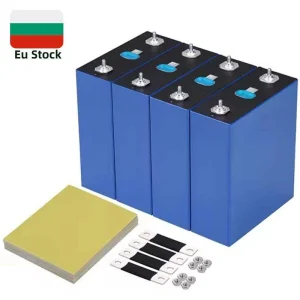
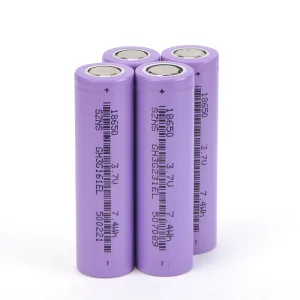
Backed by a highly experienced engineering and R&D team, Nuwon Energy focuses on the design and integration of cylindrical and prismatic lithium battery cells, as well as complete battery packs, modules, and energy storage systems. The company also develops and produces industrial-grade battery cells engineered for safety, durability, and long cycle life.
Guangdong Nuwon Energy serves a wide range of industries, including consumer electronics, electric mobility (such as golf carts, forklifts, UTVs/ATVs, trucks, and marine systems), medical equipment, unmanned ground vehicles (AGVs/AMRs), and emerging aerospace applications such as eVTOL aircraft. In addition, the company provides reliable residential, commercial, and industrial (C&I) energy storage solutions designed to support the global transition toward clean and sustainable energy. With a strong commitment to innovation, strict quality control, and customer-centric service, Guangdong Nuwon Energy continuously invests in advanced manufacturing capabilities, automated production lines, and rigorous testing systems. This ensures that every product meets international safety standards and delivers exceptional performance in demanding environments.
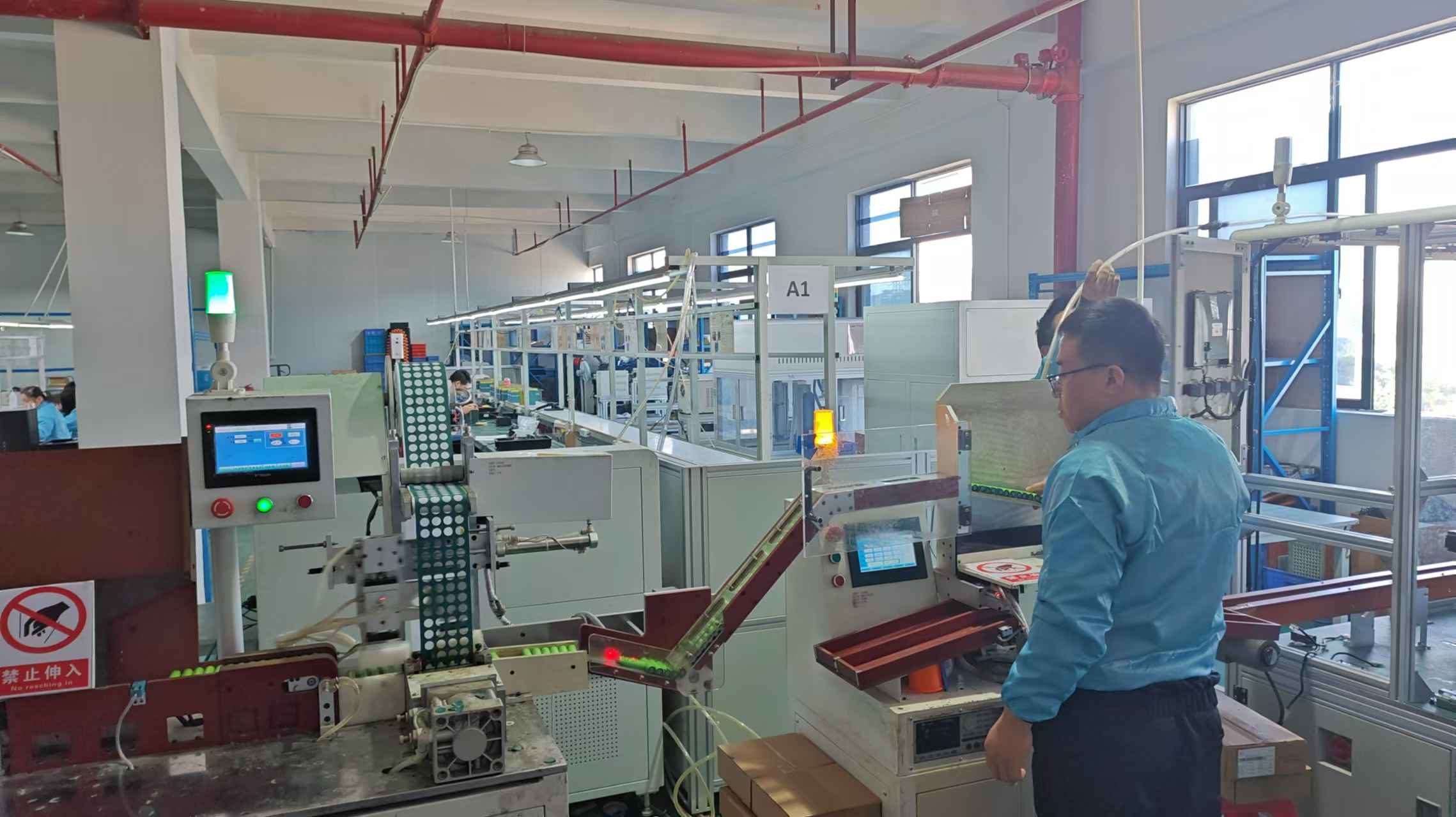
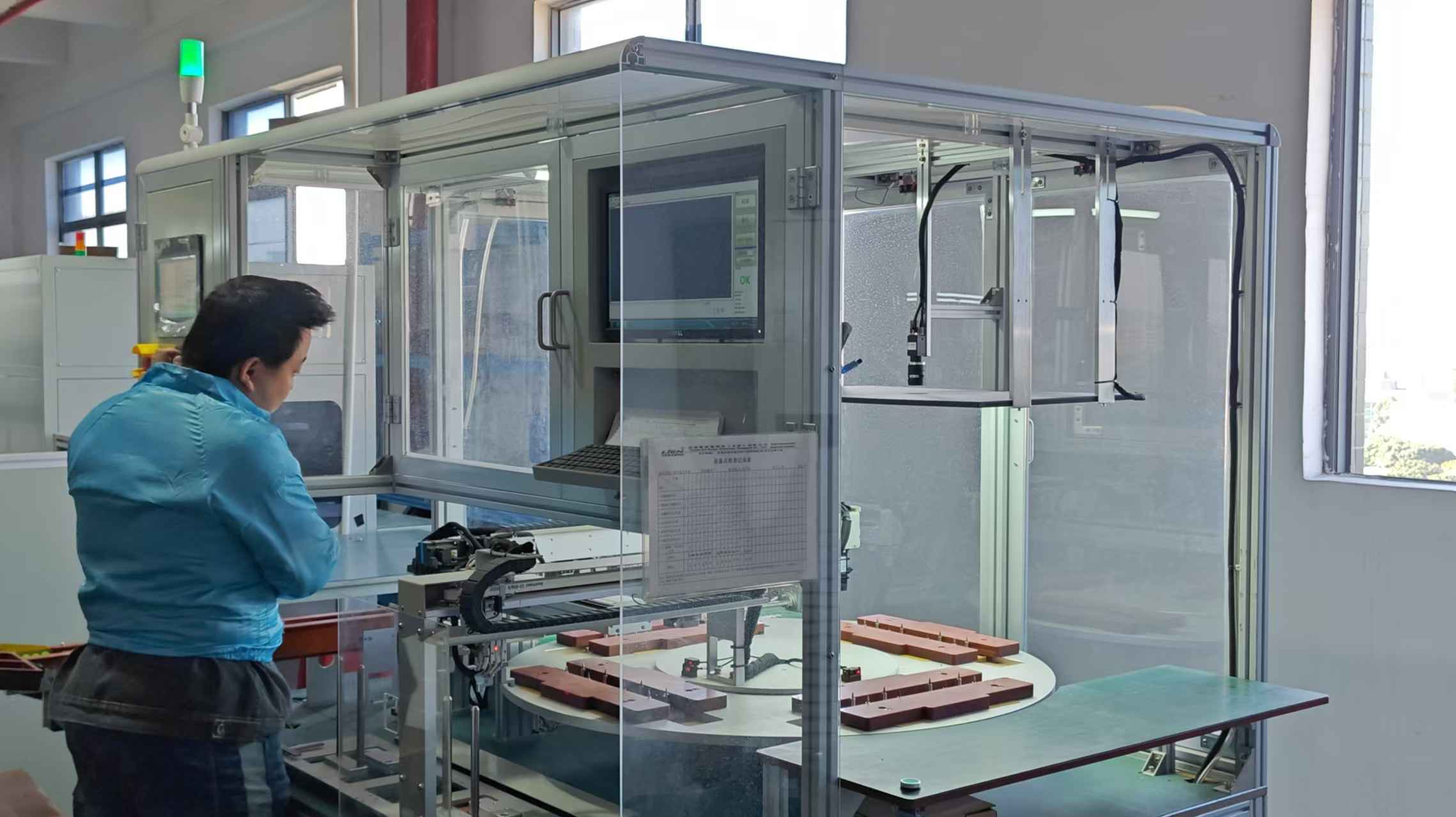
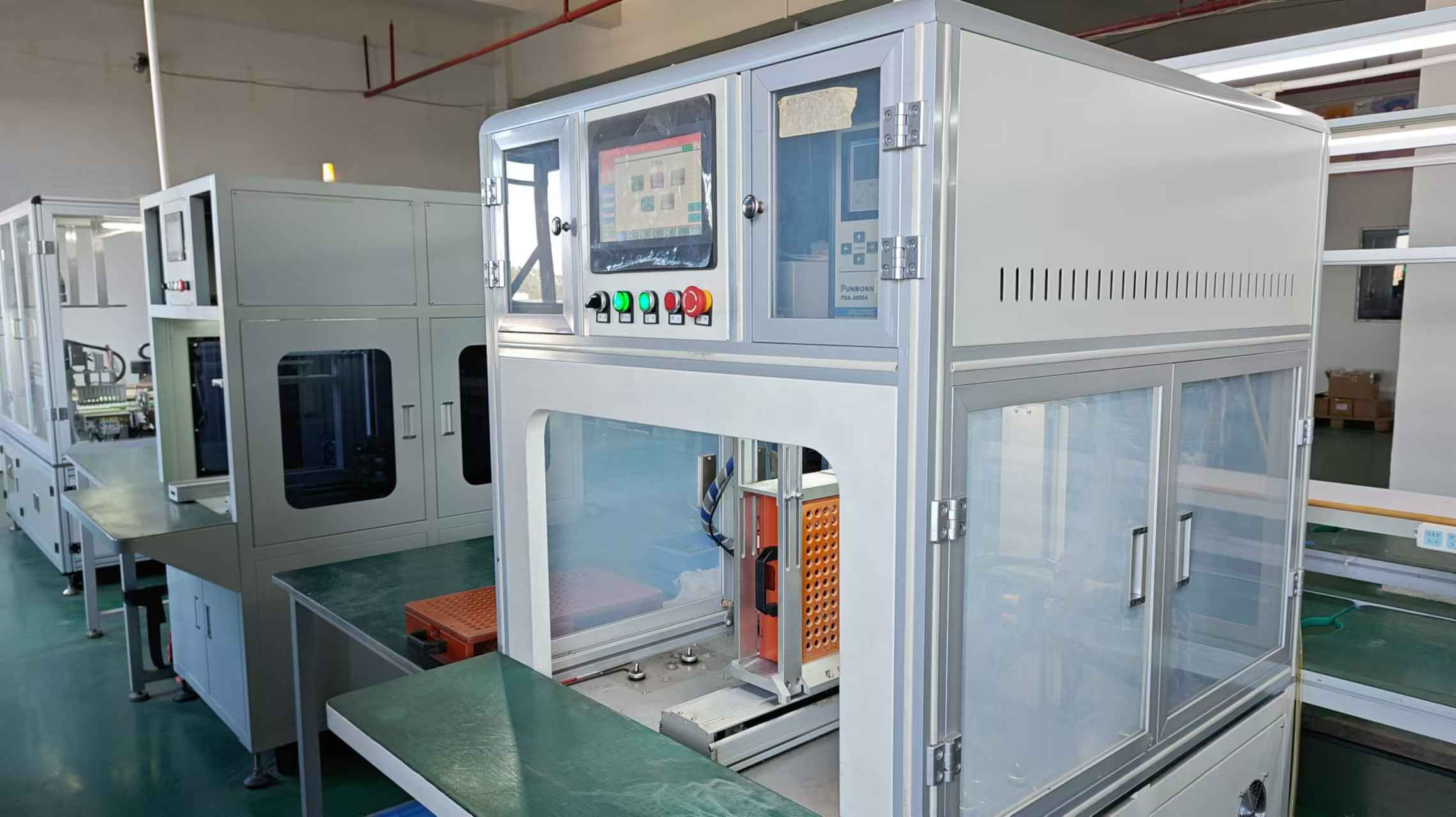
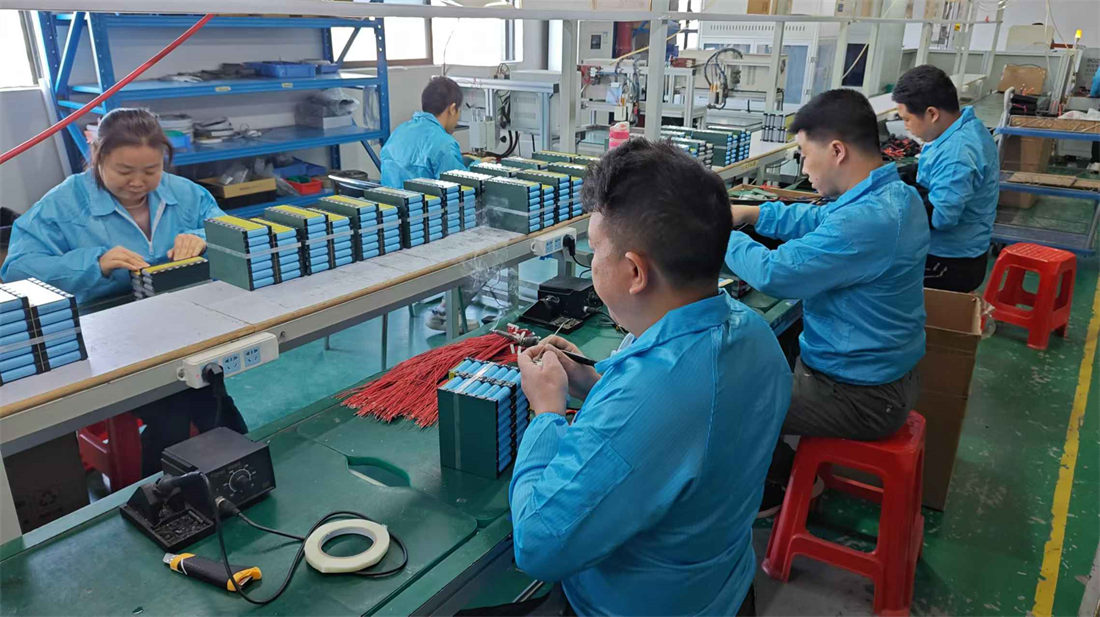
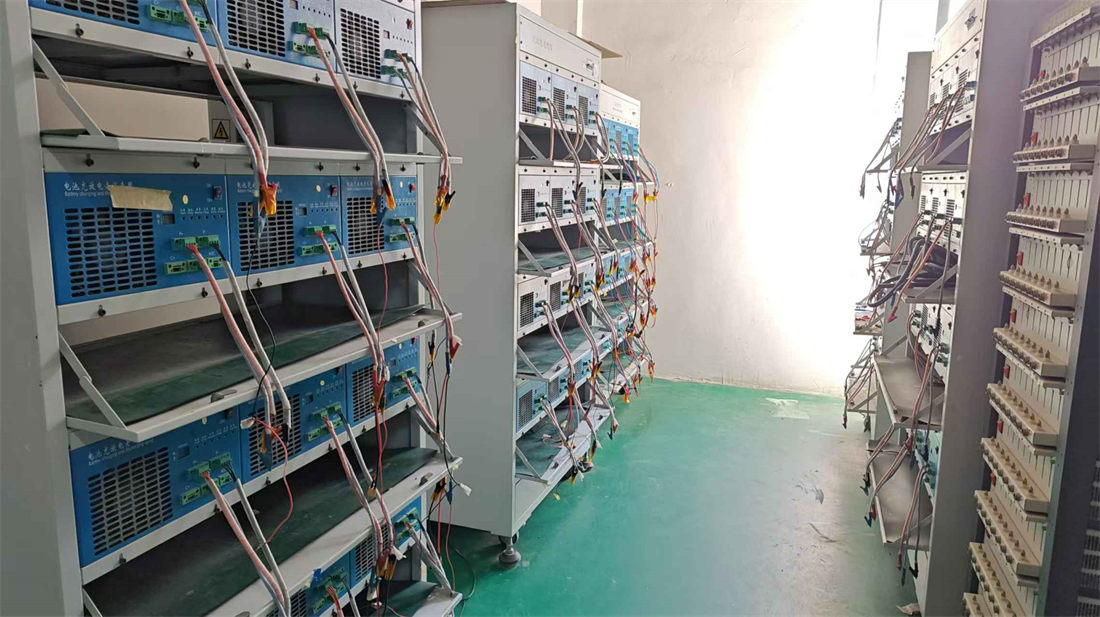
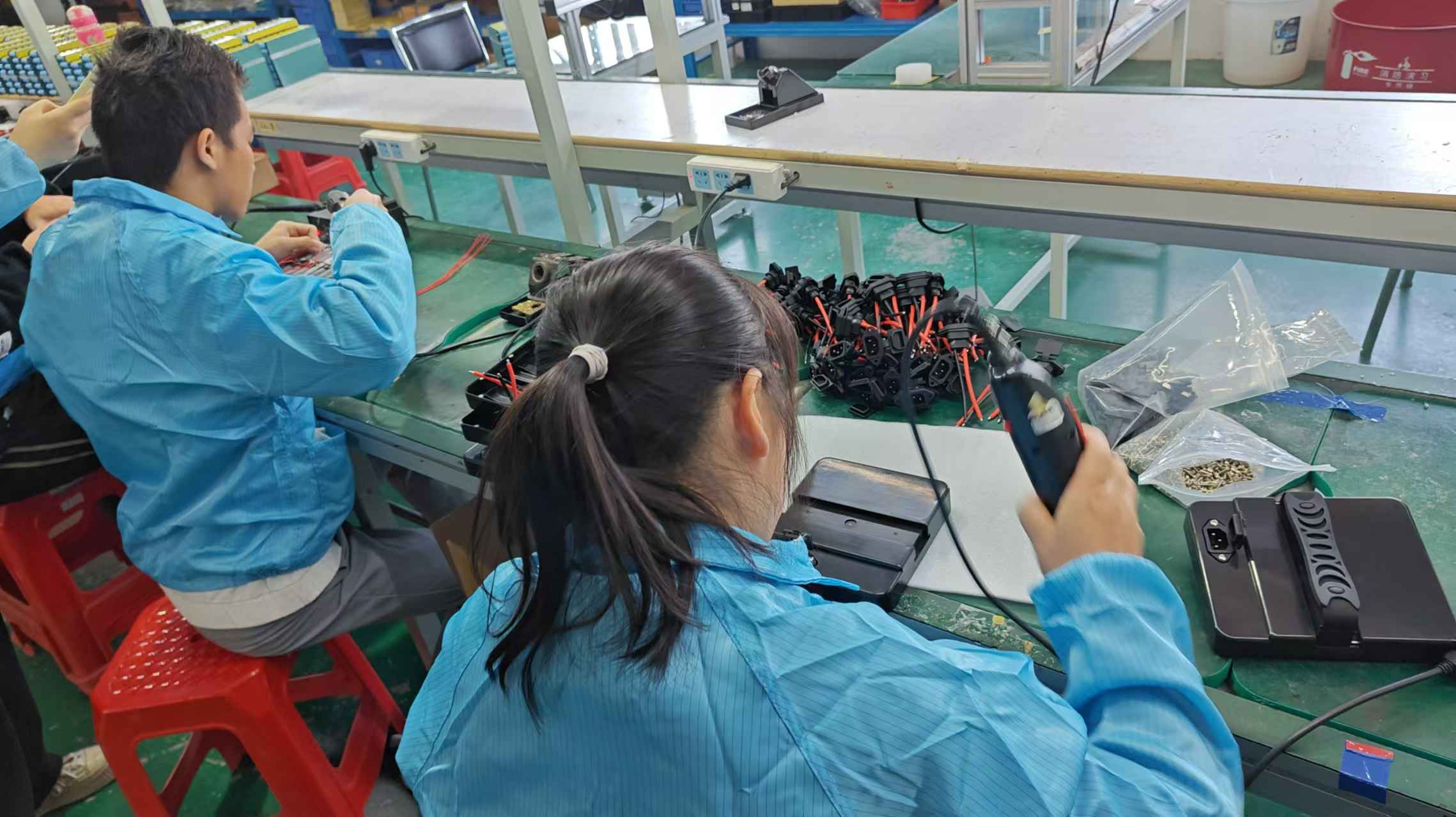
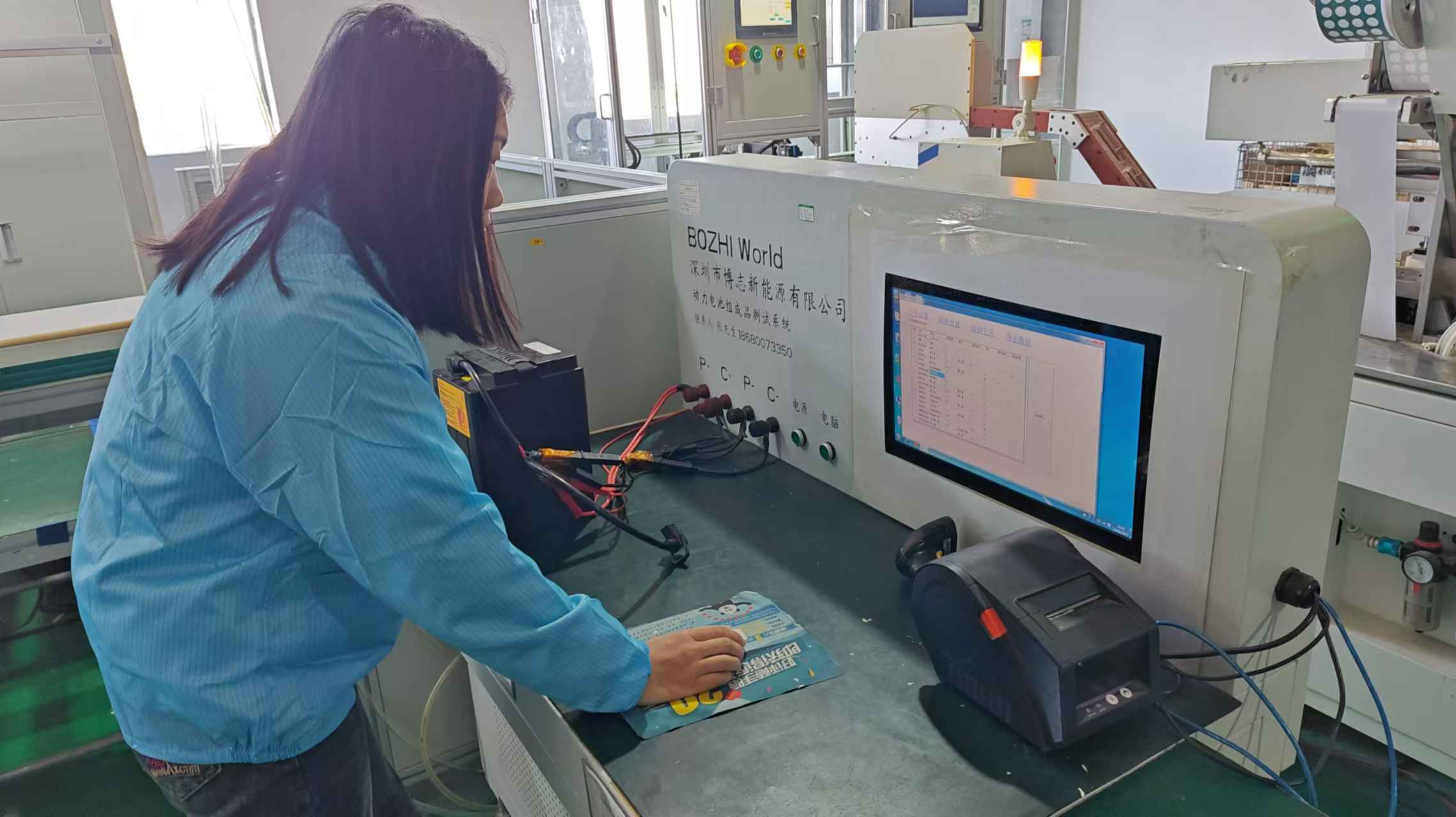
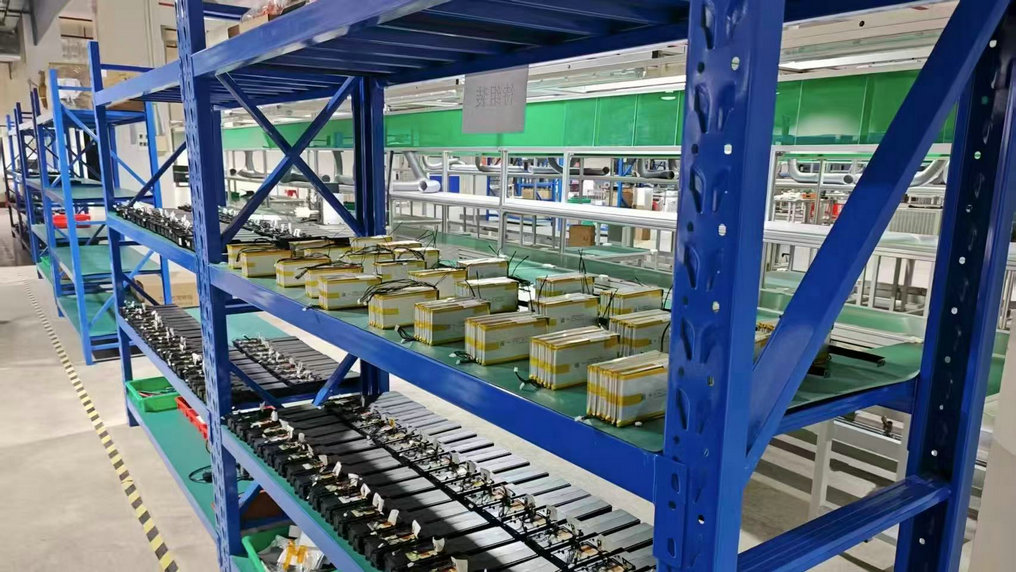
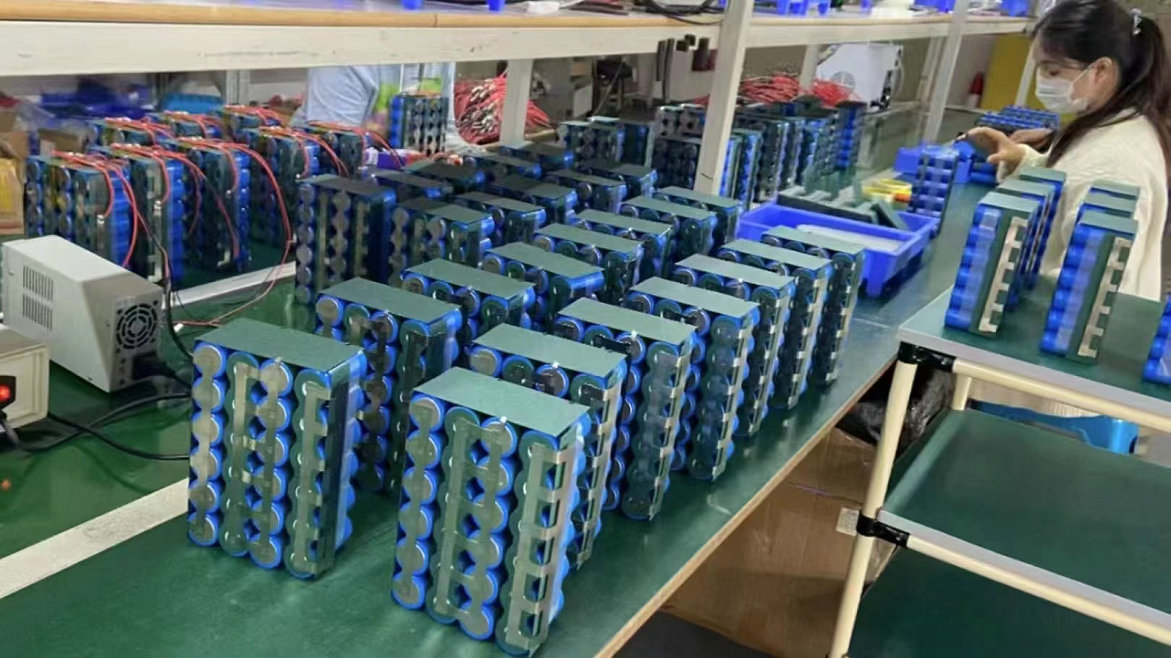
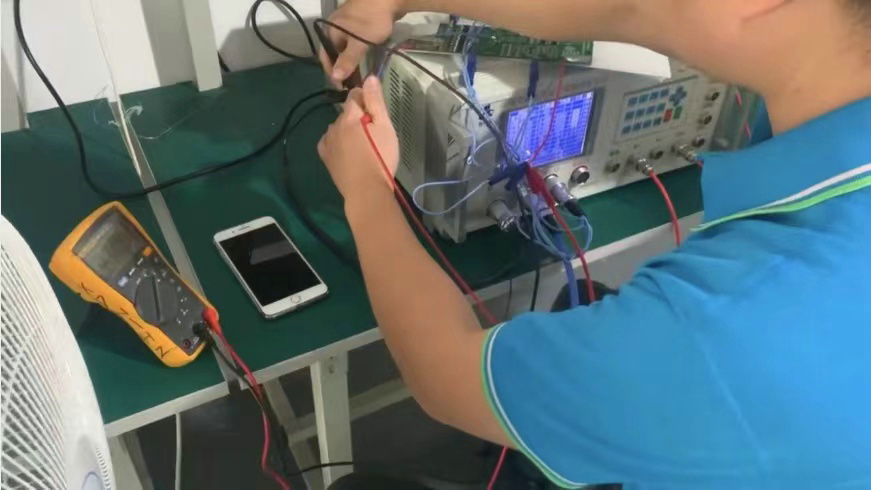
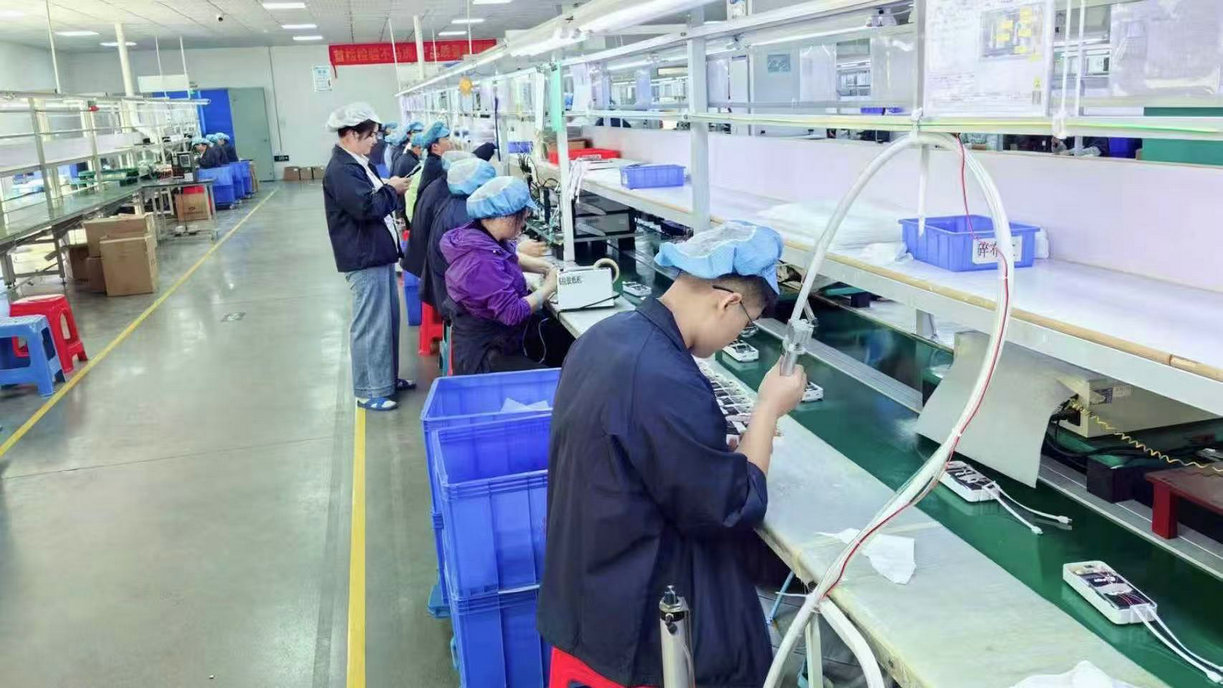
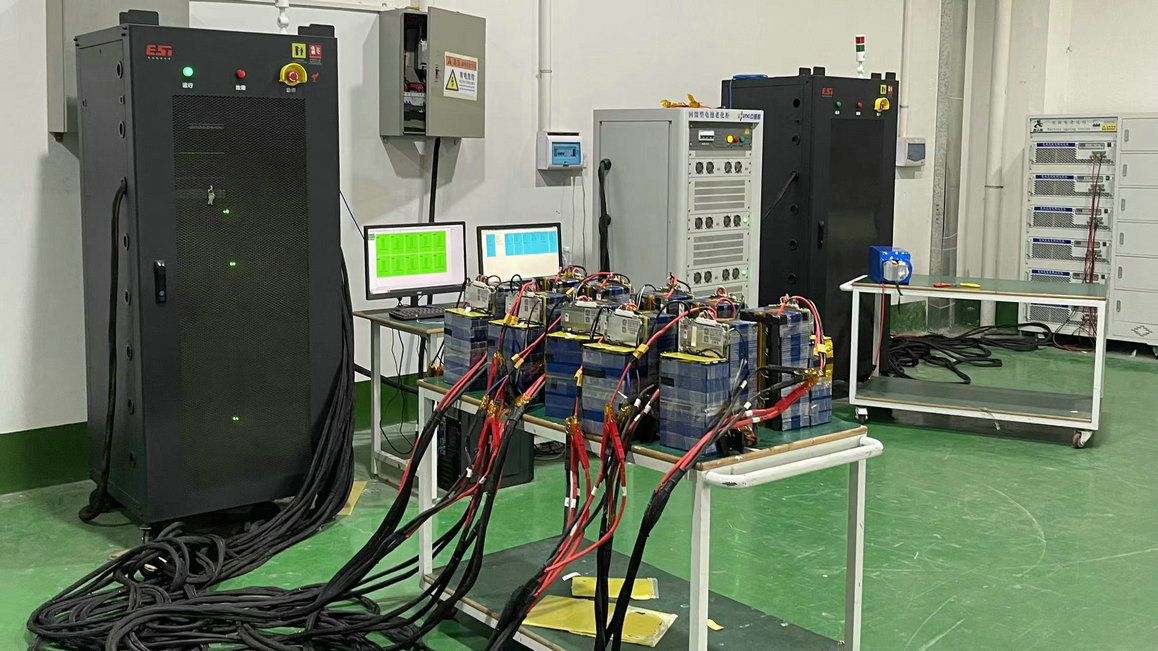
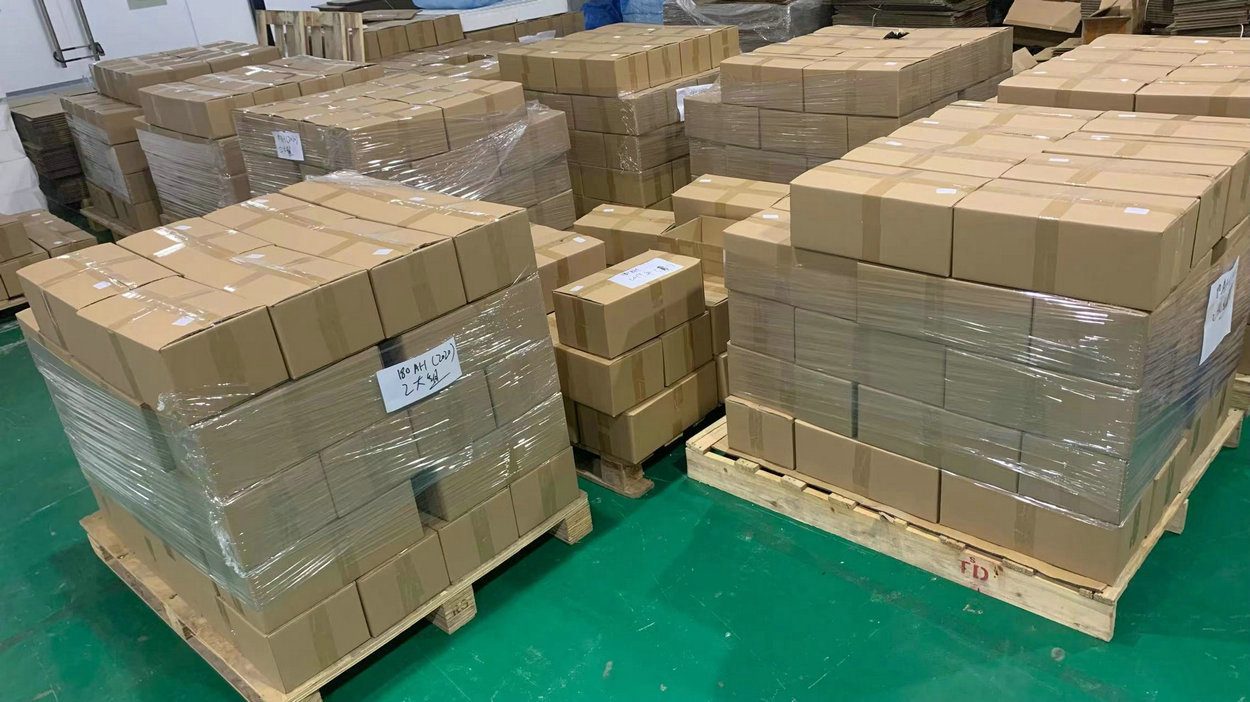
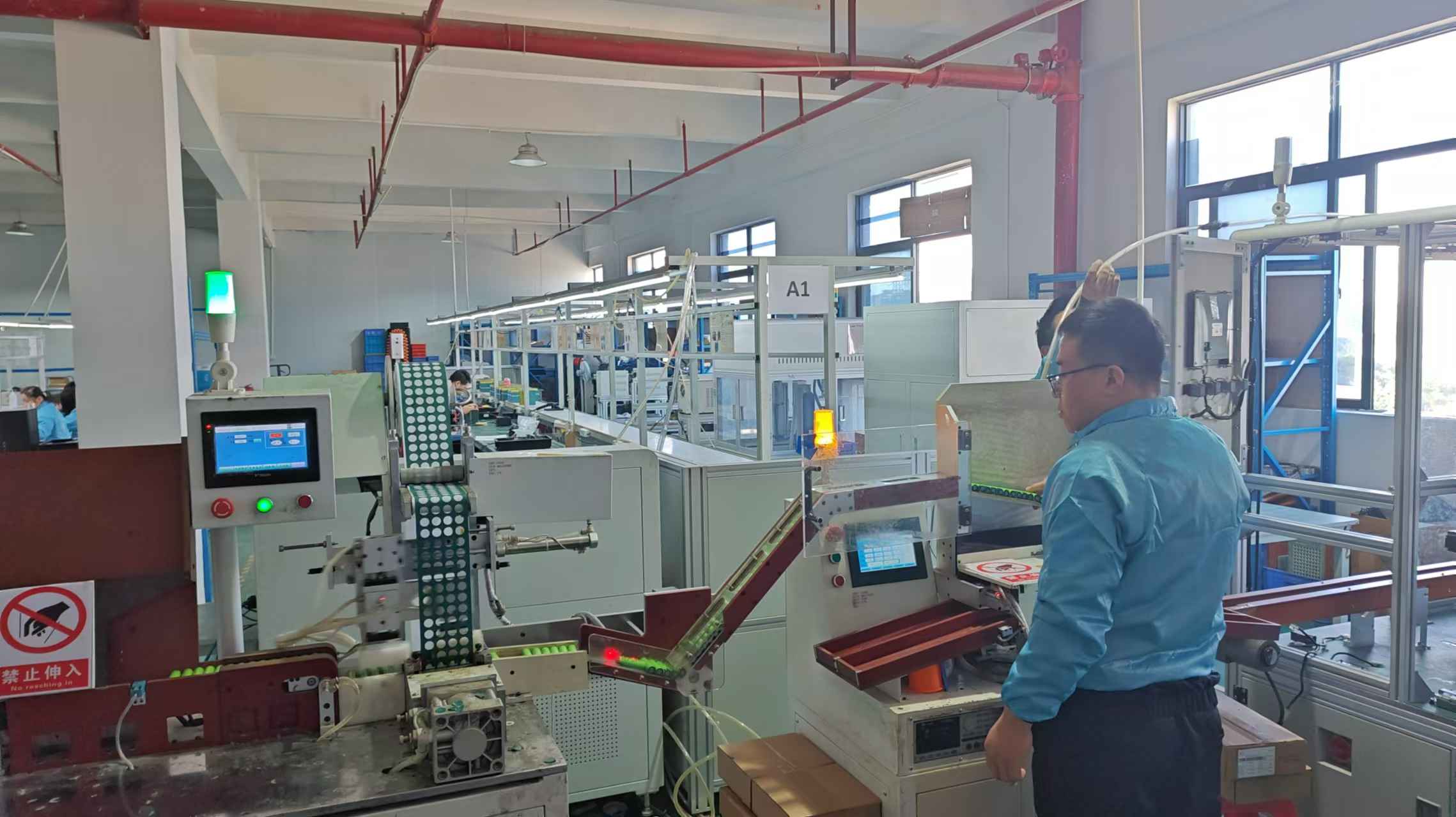
Vertical integration, scale economics, and rapid prototyping capabilities drive localized manufacturing advantages.
The concentration of battery system design and manufacturing in industrial hubs such as Guangdong, Jiangsu, and Fujian is not merely an outcome of lower labor overheads. Instead, it is the result of deep supply chain clustering. For example, a battery tester manufacturer operating in Guangdong has instant regional access to raw precursor compounds (e.g., Gelon NMC precursors), high-precision optics (e.g., Dichroic X-Cube Prisms), custom active load-bank circuit boards, and advanced lithium-polymer cells. This localization collapses development and validation times from months to weeks.
Furthermore, Chinese plants utilize automated cell sorting and insulation inspection machinery that runs continuous high-density cycles. By integrating automated optical testing (AOI) with chemical impedance parameters during cell sorting, Chinese battery factories minimize cell capacity variance to less than 0.5% in high-capacity packs. This extreme uniformity is critical to prevent premature module degradation and maximize lifetime accuracy during diagnostics.
When cells are misaligned in impedance or capacities, the weakest cell drives the performance limit of the entire parallel pack. In systems running cloud analytics, highly mismatched cells generate erratic data logs, resulting in inaccurate State of Health predictions. Integrated Chinese factories eliminate this deviation by employing multi-stage impedance sorting before the physical micro-welding phase.
Navigating real-world deployments and procurement frameworks in international markets.
Electric forklifts, golf carts, and heavy transport require rugged telemetry capable of operating under extreme vibrations. Dynamic monitoring checks for capacity variance and isolates thermal abnormalities in real-time.
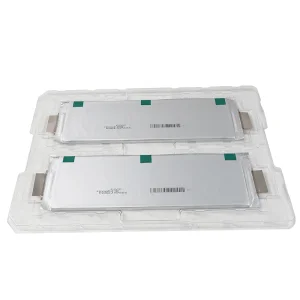
Unmanned Aerial Vehicles rely on High Discharge Rate LiHV/Lipo pouch cells. Constant flight requires precise telemetry to monitor voltage drops under high-rate load cycles (10C+), protecting flight stability.
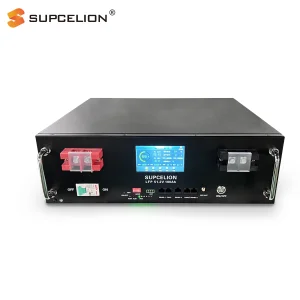
High-voltage battery racks (e.g., 51.2V 100Ah or 314Ah LiFePO4 cells) deployed in solar arrays need continuous diagnostic analysis to manage safe charge cycles and regulate peak load shaving.
| Battery Chemistry / System Type | Core Diagnostic Metric | Standard Testing Protocols | Industry Target Lifetime |
|---|---|---|---|
| Solid-State Lithium Pouch (UAV) | Volumetric Expansion & Impedance Stability | High-Rate Discharger & Sweep Telemetry | 400 - 800 Flight Hours |
| LiFePO4 Utility Packs (ESS) | Capacity Fade & Balancing Current | Regenerative Charging/Discharging Testing | 4,000 - 8,000 Cycles |
| EV Pouch Cells (NMC) | State of Health (SoH) Decay Tracking | Real-Time Cloud Diagnostics & Thermal Checks | 8 - 10 Years / 150,000 Miles |
Technological shifts rewriting cell life-prediction and diagnostic algorithms.
The next phase of battery usage analysis is driven by three main advancements. First, the integration of AI edge chips directly into battery management systems (BMS). Instead of sending raw, high-bandwidth voltage and temperature logs to the cloud, edge systems execute localized neural network models to calculate state estimations. This reduces data transmission costs and improves response time to seconds.
Second, the development of diagnostics for solid-state battery cells. Because solid-state batteries operate under high physical pressures and are prone to internal dendrite formations, traditional diagnostics are insufficient. Sensors are moving toward ultrasonic and fiber-optic telemetry embedded within the pouch layout, enabling real-time structural monitoring.
Lastly, the expansion of circular economy analytics. When batteries are retired from electric vehicle applications, they are analyzed using usage telemetry data to determine their suitability for secondary storage systems (Second Life Deployment). High-fidelity usage logs compiled throughout the battery's life cycle allow repurposing centers to quickly package modules without manual teardowns.
Expert technical insights regarding test equipment, calibration, and integration.
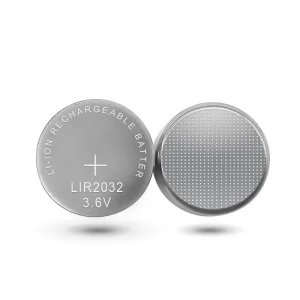
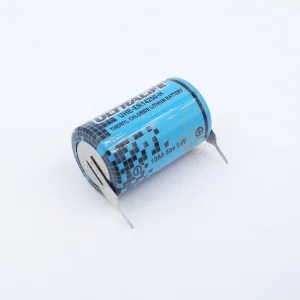
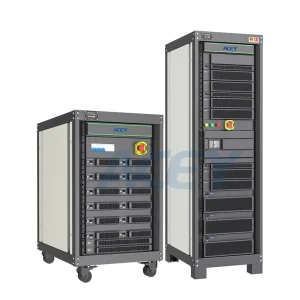
Explore our technical range of high-rate cells, solid-state designs, and multi-channel charge/discharge machines.

 Nuwon Energy