Top 10 Energy Harvesting Solutions Suppliers & Exporters

Pioneering High-Performance Storage Buffers, Micro-Energy Harvesting Enablers, and Industrial Battery Systems for Global Electrification and Automated Infrastructure.

The Global Commercial & Industrial Status of Energy Harvesting Systems

The industrial landscape is undergoing a massive shift towards self-sustaining, low-maintenance, and ultra-reliable power networks. Energy Harvesting Solutions—which capture ambient thermal energy, solar radiation, kinetic vibrations, or radio frequencies (RF) and convert them into usable electricity—are leading this technological revolution. From Smart Cities utilizing wireless sensor networks to automated factory floors deploying IoT sensors, ambient energy harvesting eliminates the dependence on physical power cables and manual battery replacement cycles.

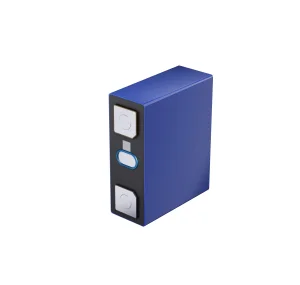
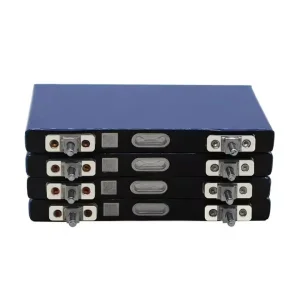
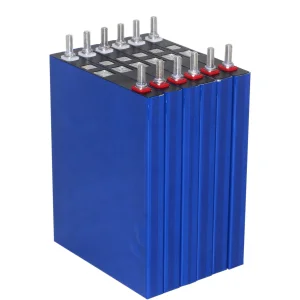
However, the key bottleneck of energy harvesting systems has always been intermittency. Solar power is unavailable at night; thermal gradients shift with operating cycles; kinetic sources are sporadic. This is where high-efficiency energy storage buffers, such as lithium-ion pouch cells, lithium titanate (LTO) packs, and prismatic LiFePO4 cells, play an indispensable role. They store harvested micro-currents and discharge them steadily during power deficits. Consequently, selecting the right storage chemistry and supplier is critical for designing robust, perpetual-power systems.

18.5%
Expected Market CAGR (2024-2030)
>20,000
LTO Cell Cycle Life
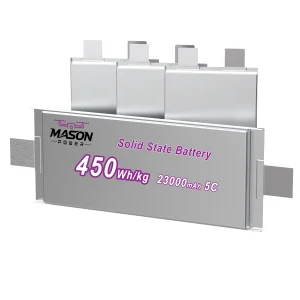
452 Wh/kg
Solid-State Max Energy Density
ZERO
Carbon Emissions from Ambient Power

Manufacturer Spotlight: Guangdong Nuwon Energy Co., Ltd.

Established as a premier technological hub in China's advanced energy corridor, Guangdong Nuwon Energy Co., Ltd. is a leading manufacturer and solution provider specializing in advanced battery systems. Nuwon Energy’s core competence lies in the rigorous research, development, and global distribution of high-performance energy storage units that serve as the critical foundation for modern energy harvesting solutions.

By offering comprehensive OEM and ODM services, the company delivers customized, high-precision battery cells, packs, and modules tailored to diverse industrial, commercial, and micro-grid architectures. Backed by a highly experienced engineering and R&D team, Nuwon Energy focuses on the design and integration of cylindrical and prismatic lithium battery cells, as well as complete industrial-grade modules engineered specifically for safety, thermal efficiency, and long cycle life.

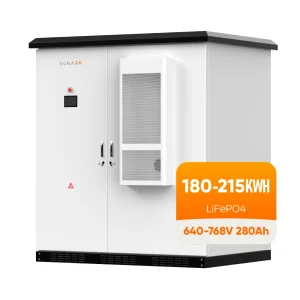
Their multi-faceted product portfolio actively serves demanding sectors including consumer electronics, electric mobility (golf carts, forklifts, UTVs/ATVs, marine systems), medical devices, unmanned ground vehicles (AGVs/AMRs), and next-generation eVTOL aerospace systems. Furthermore, their residential, commercial, and industrial (C&I) energy storage systems support the global transition toward clean, sustainable energy architectures.
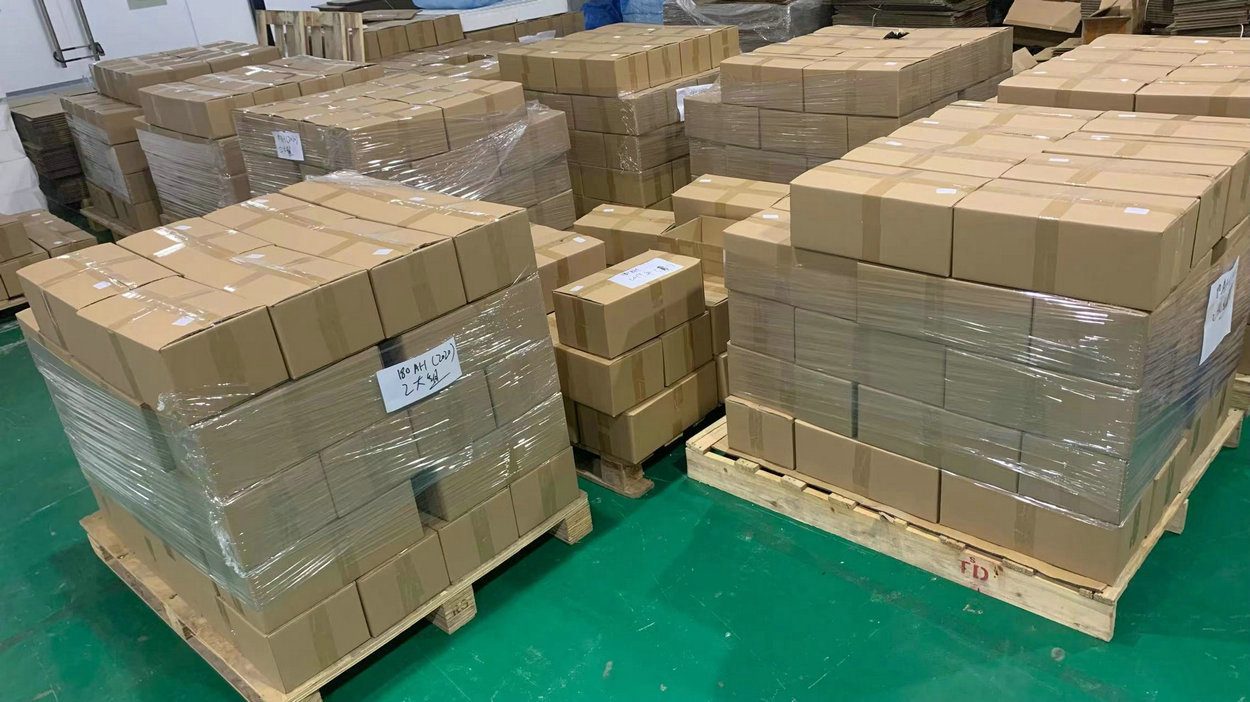
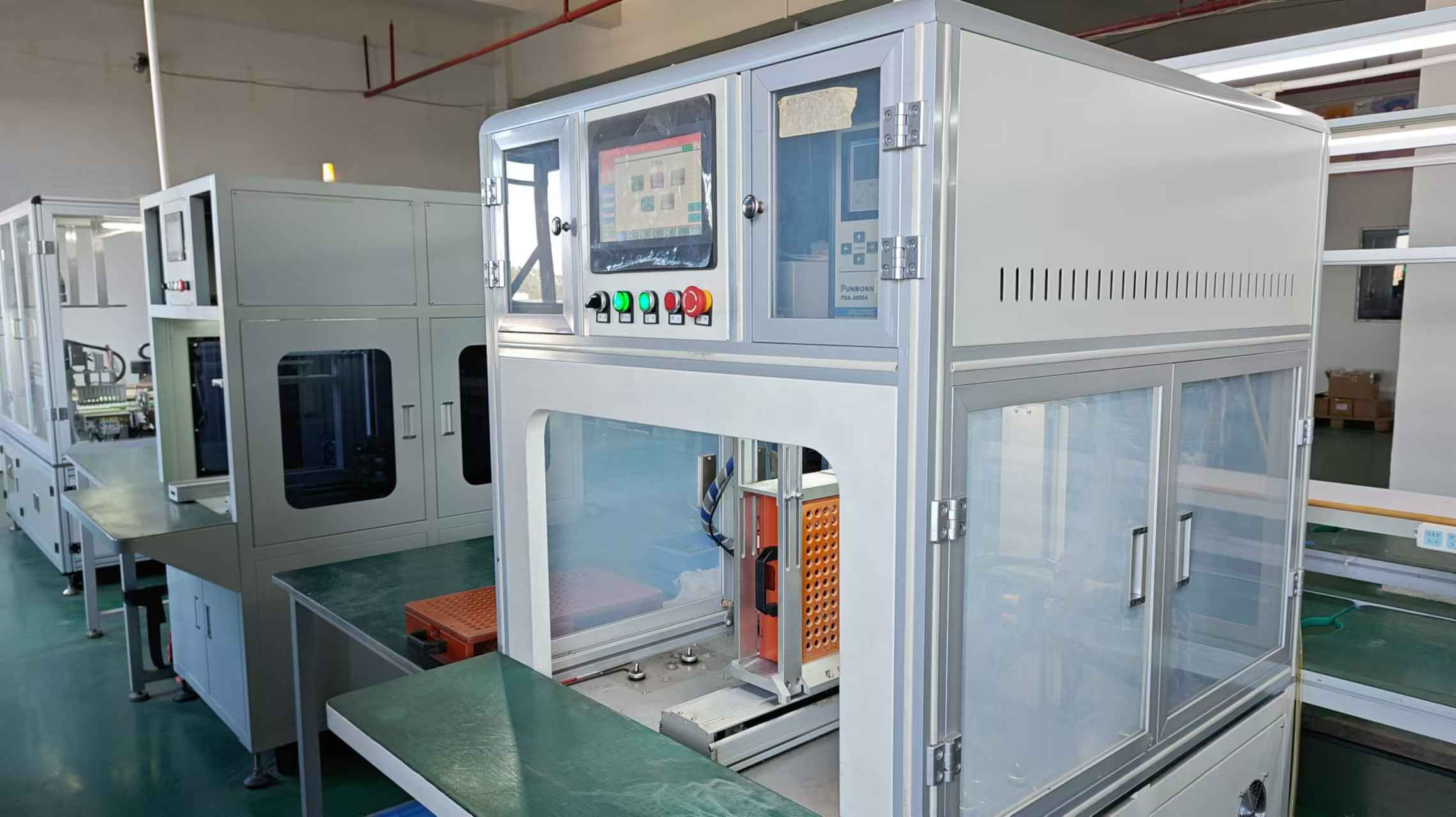
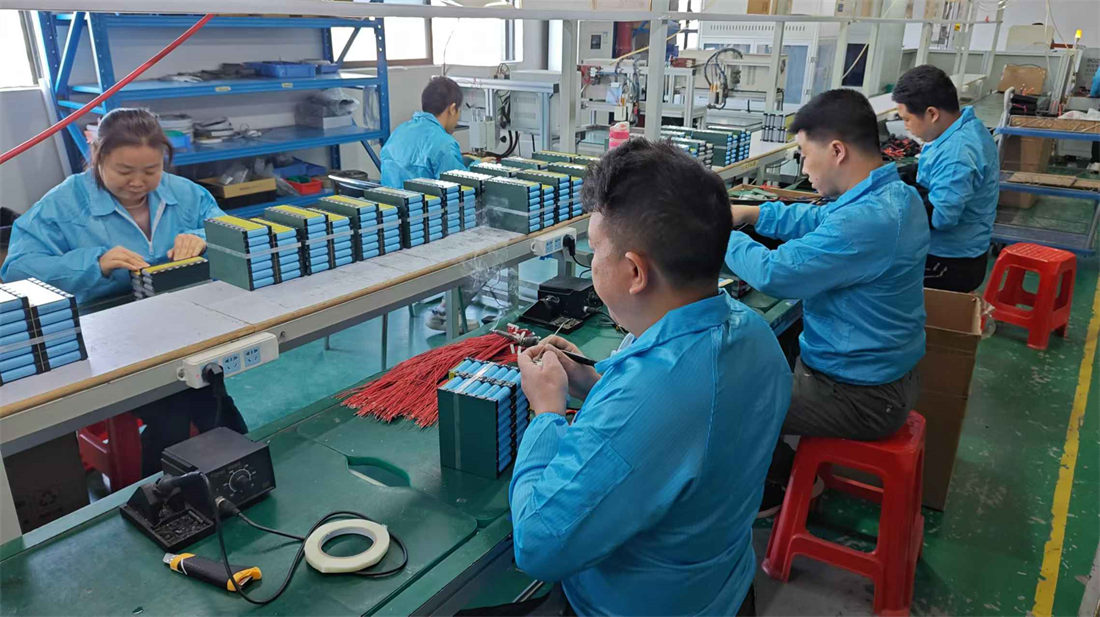
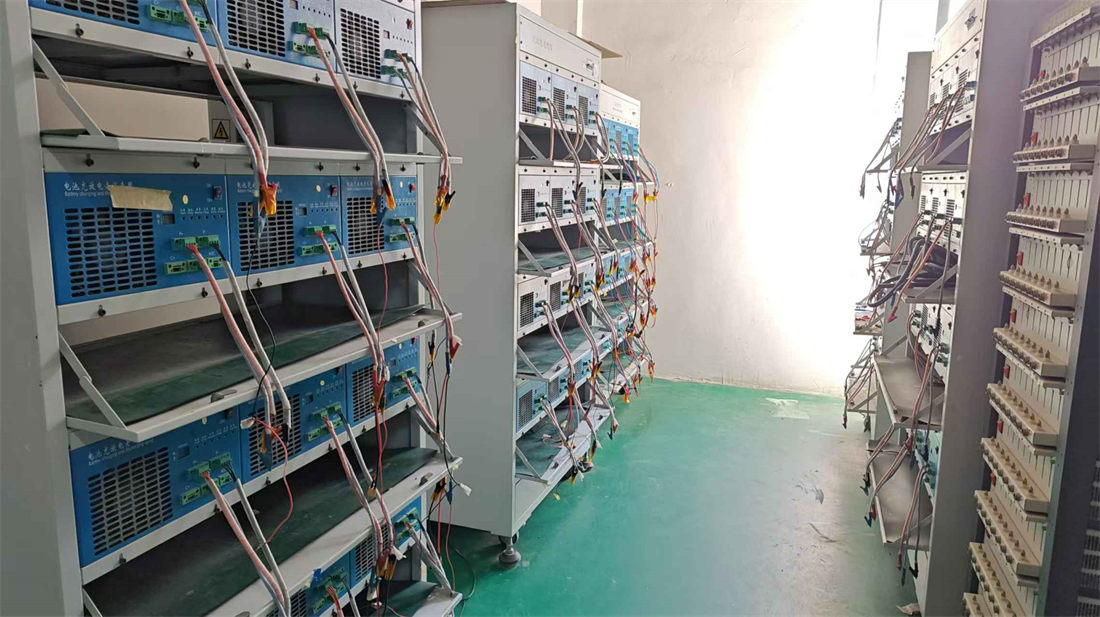
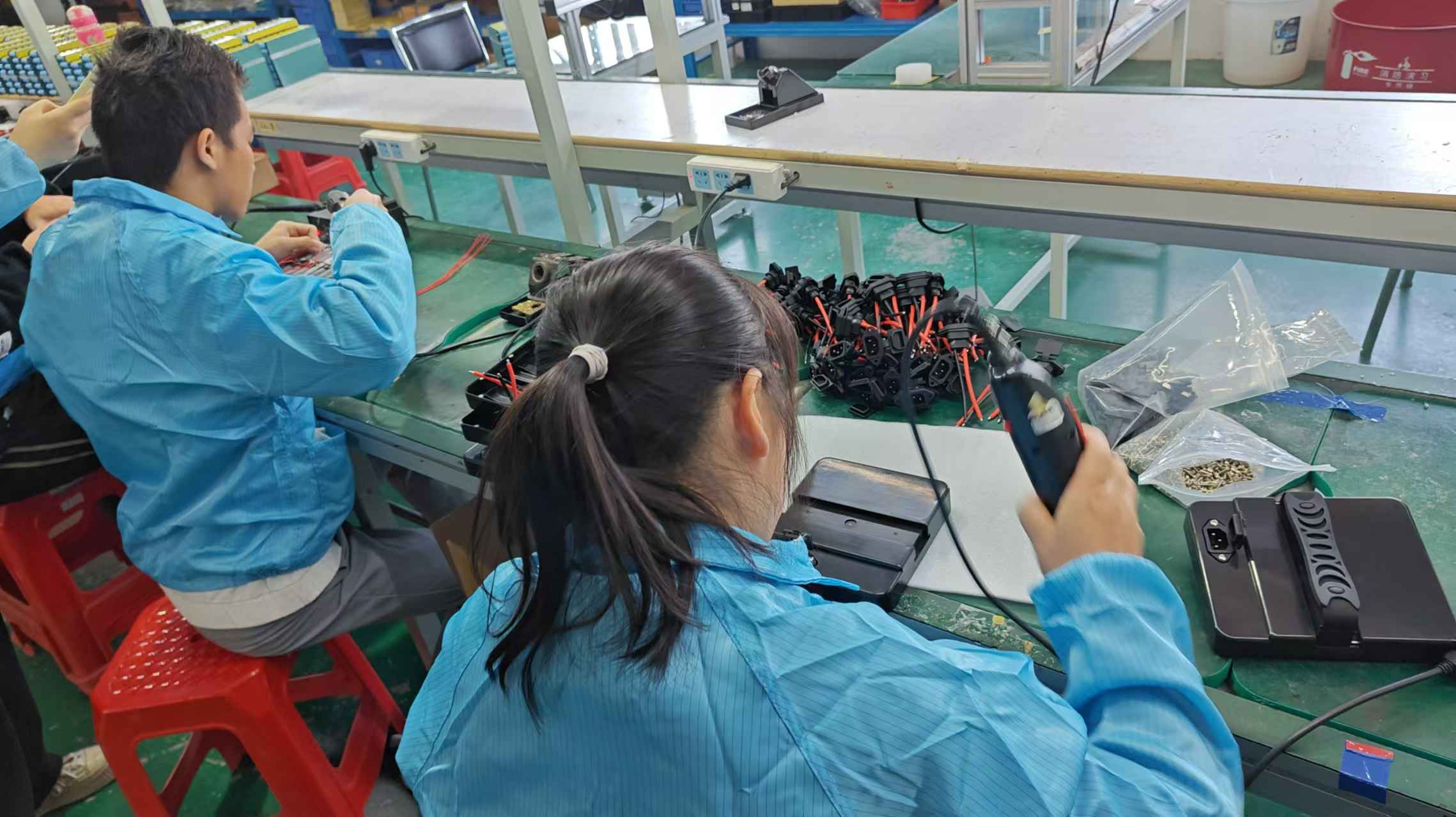
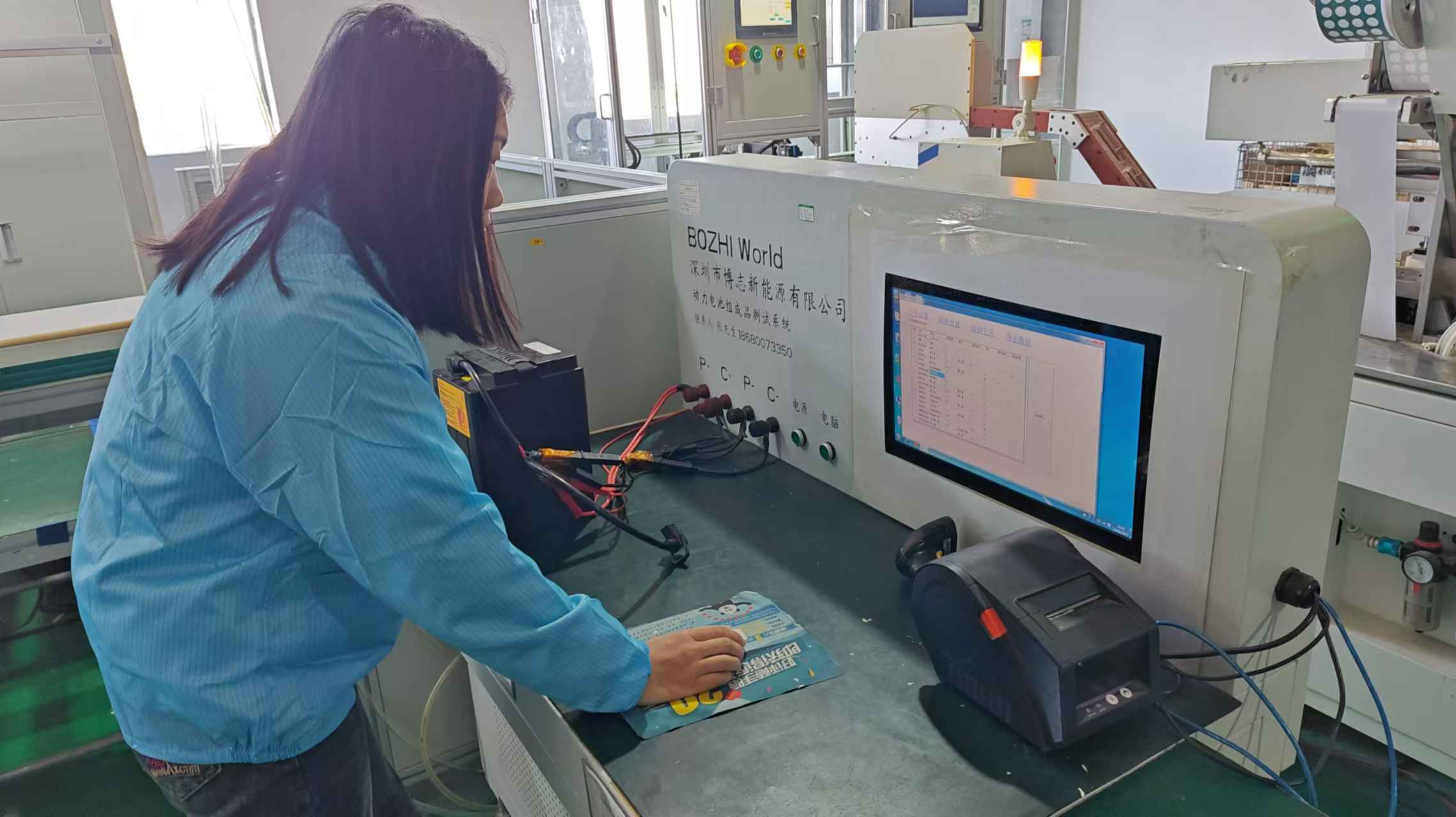
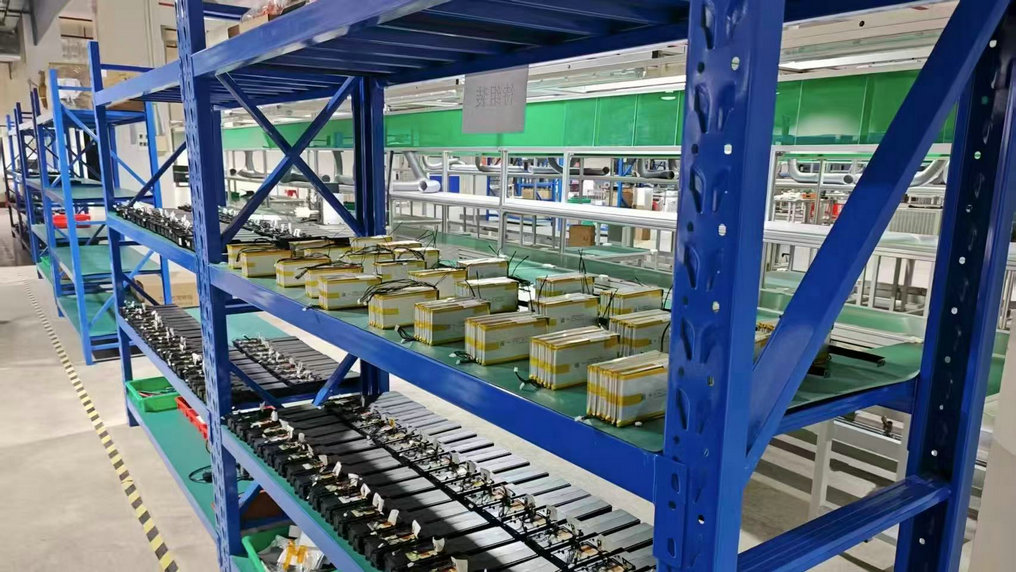
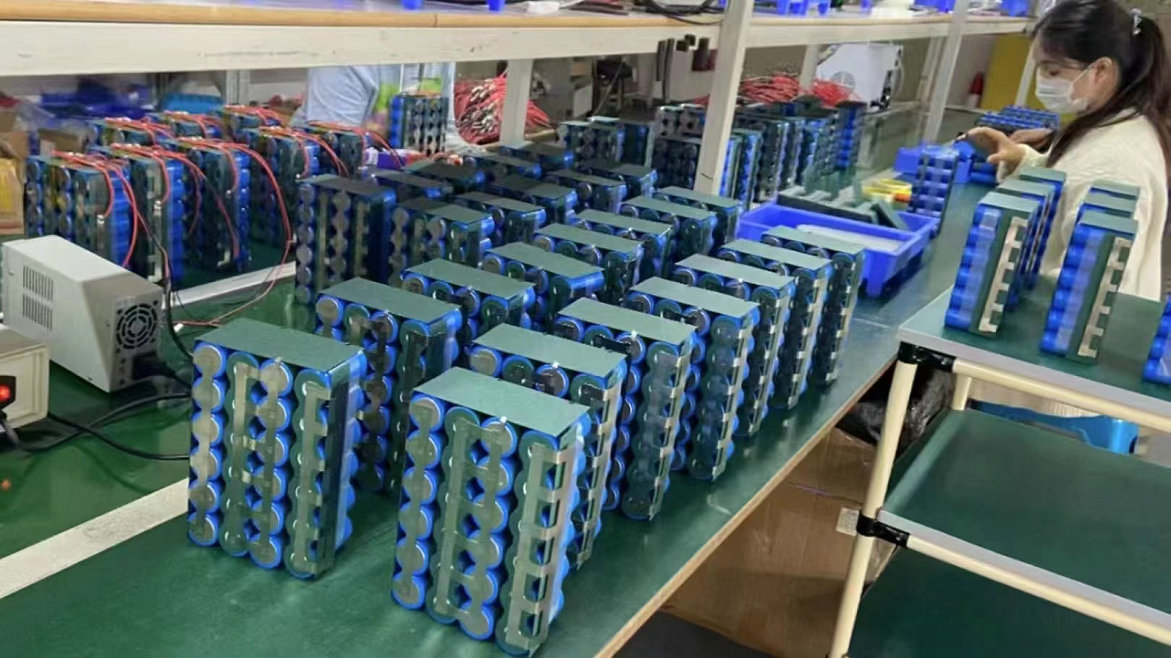
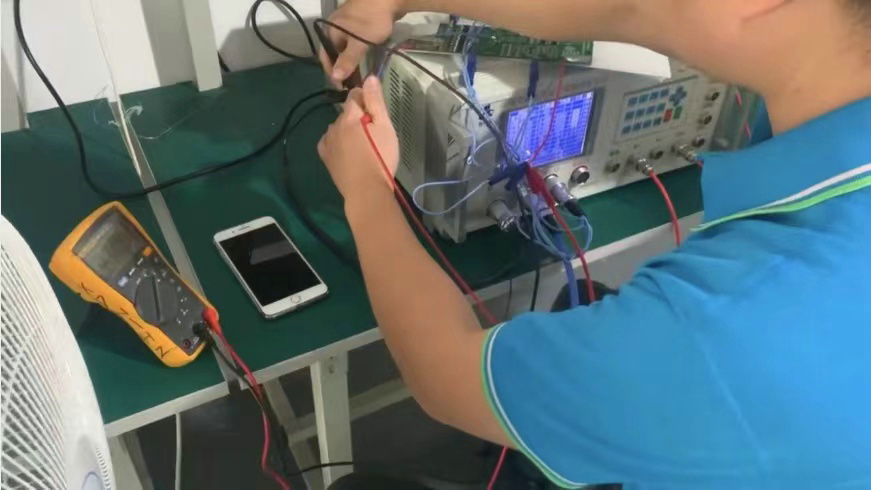
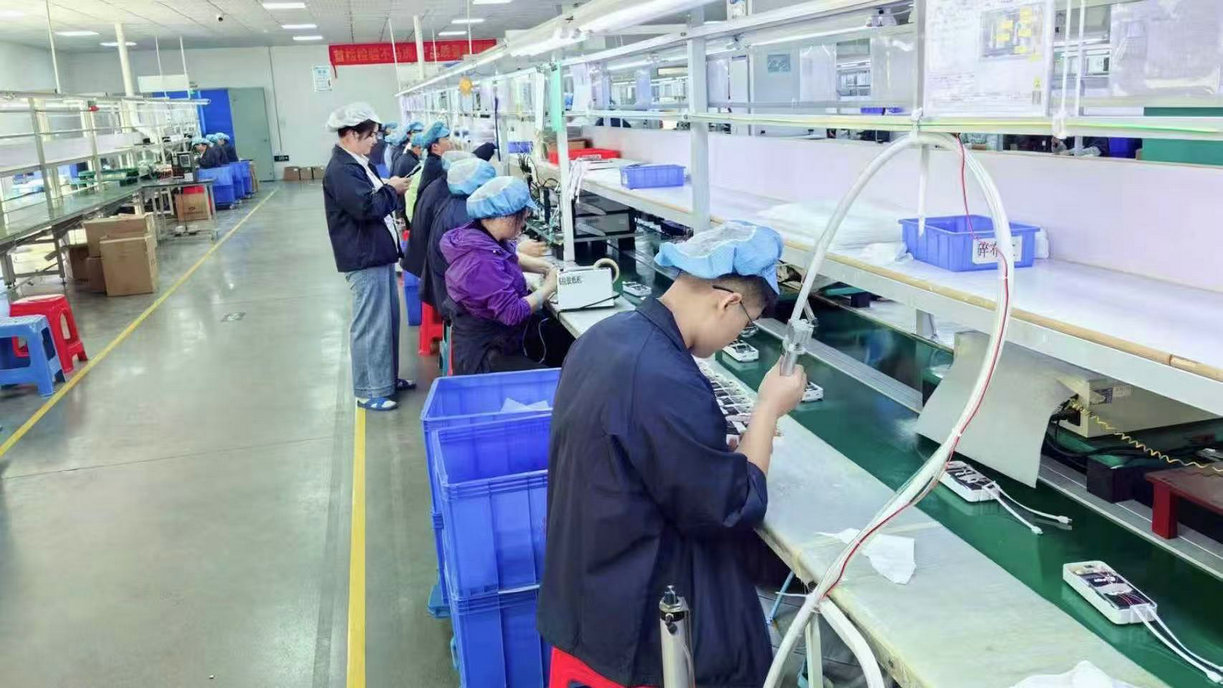
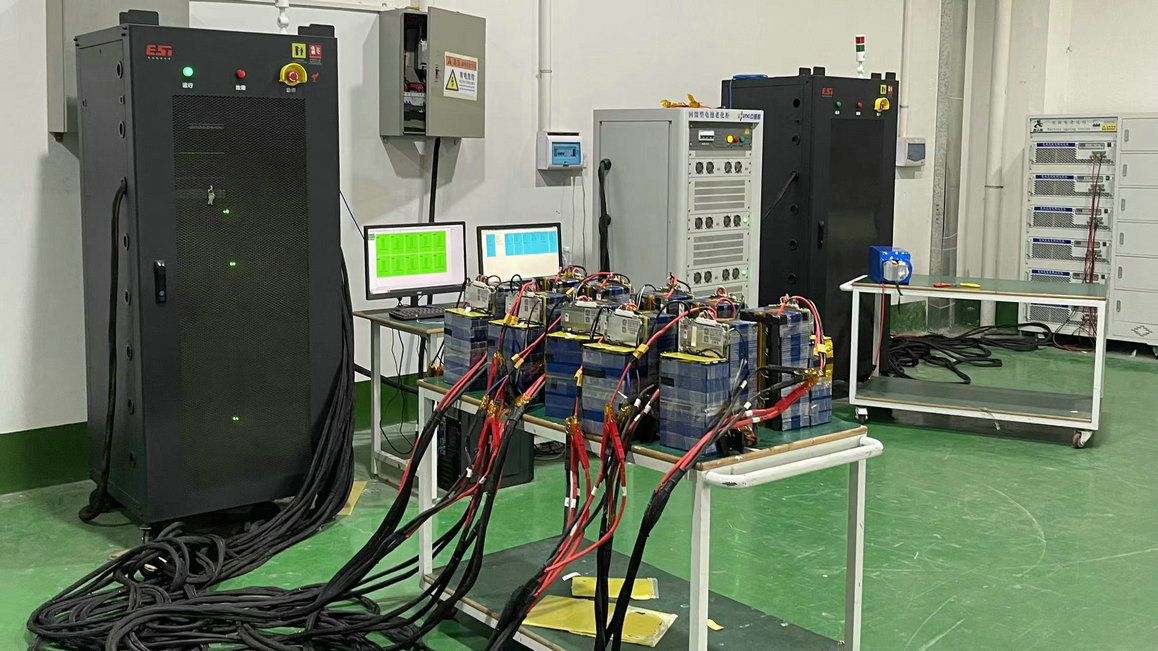
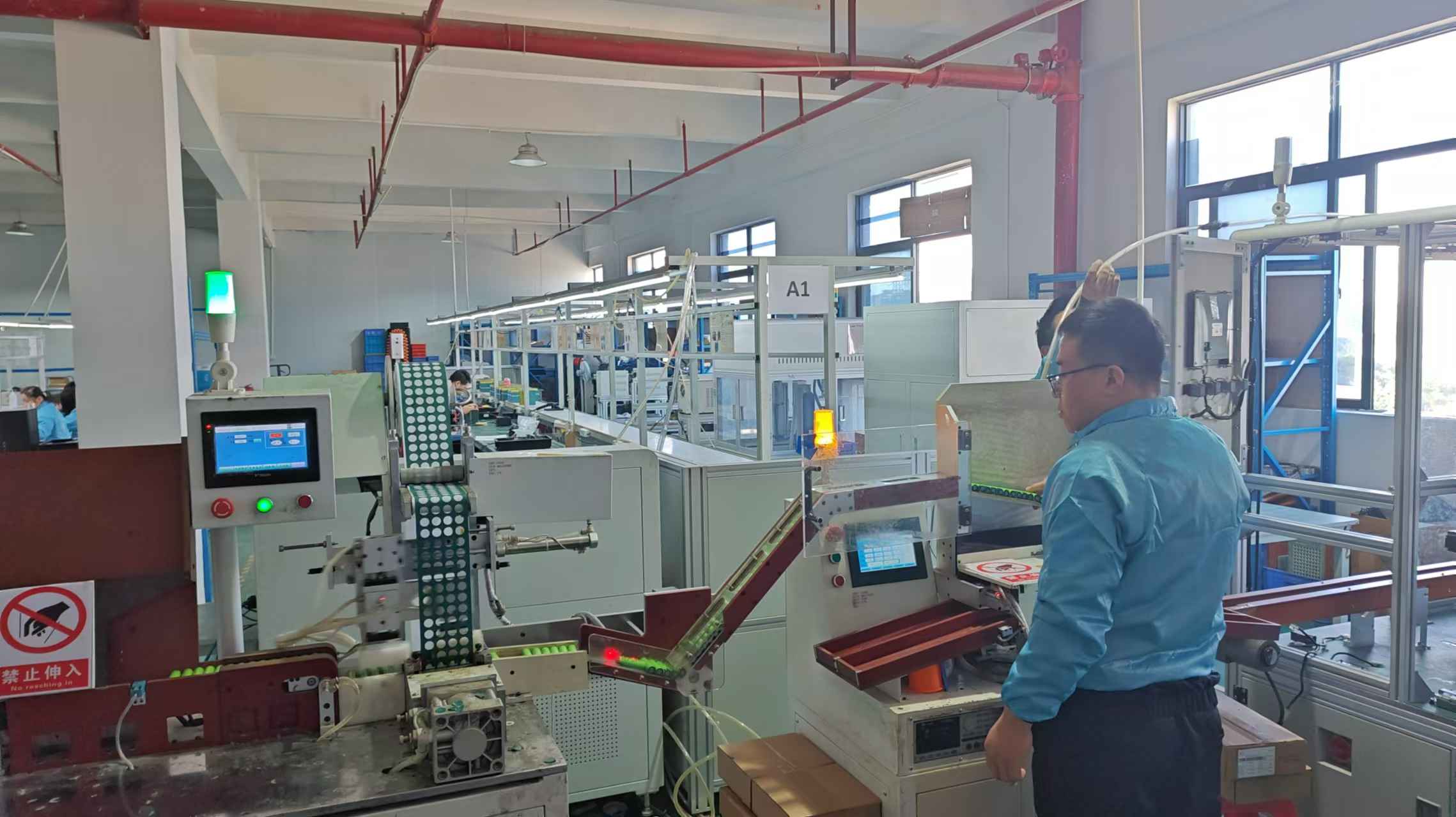
Guangdong Nuwon Energy Factory Production

China Factory Efficiency: Industrial Precision and Automated Production Workflows

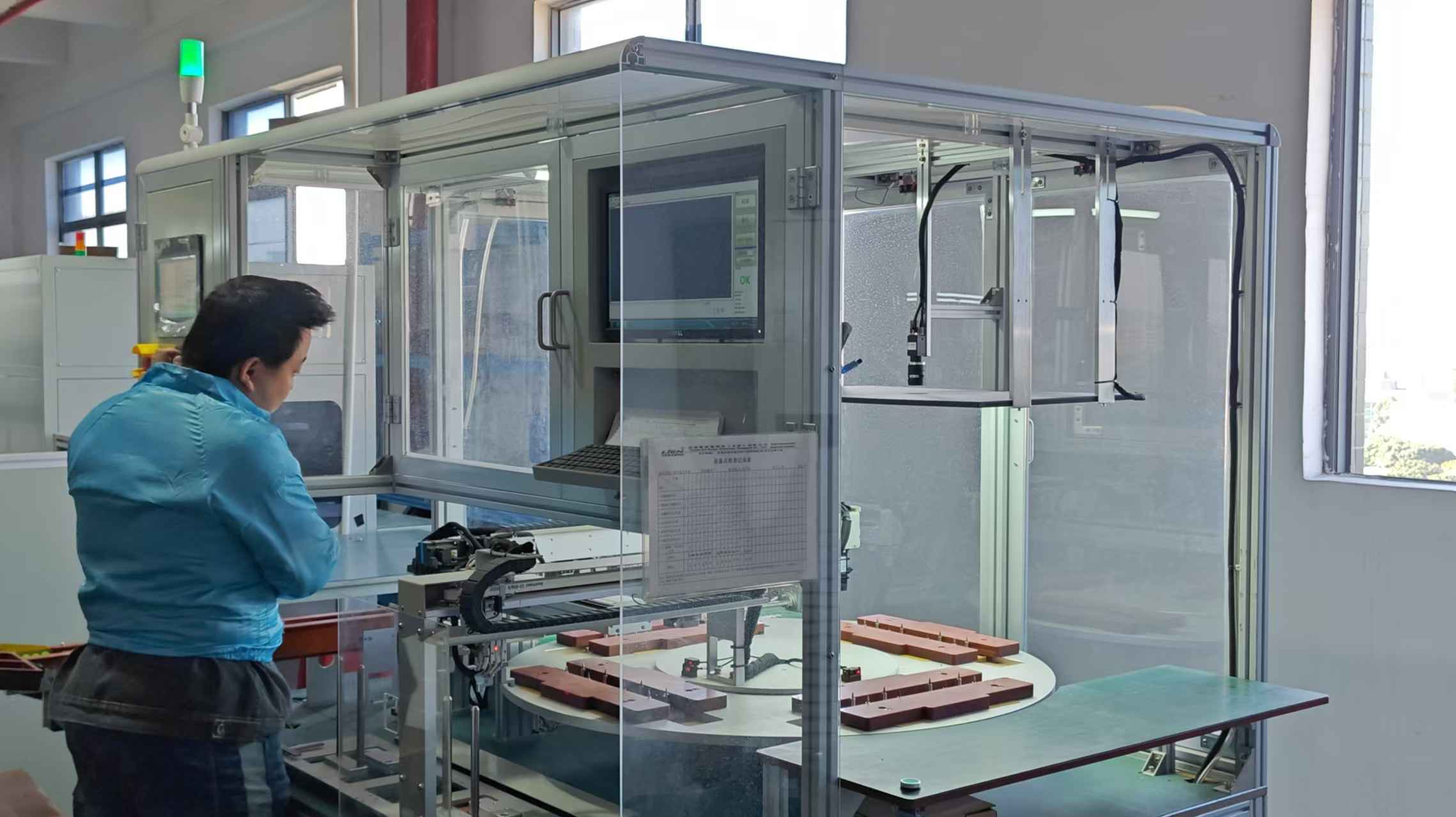
Chinese advanced energy manufacturers, especially those located in the industrial hubs of Guangdong, offer unmatched supply chain efficiency, vertical integration, and automation scale. Guangdong Nuwon Energy Co., Ltd. operates state-of-the-art production lines where strict quality controls are implemented at every stage. Below is a detailed view of the automated and specialized workflows ensuring that each battery pack meets international ISO9001, CE, and RoHS standards:
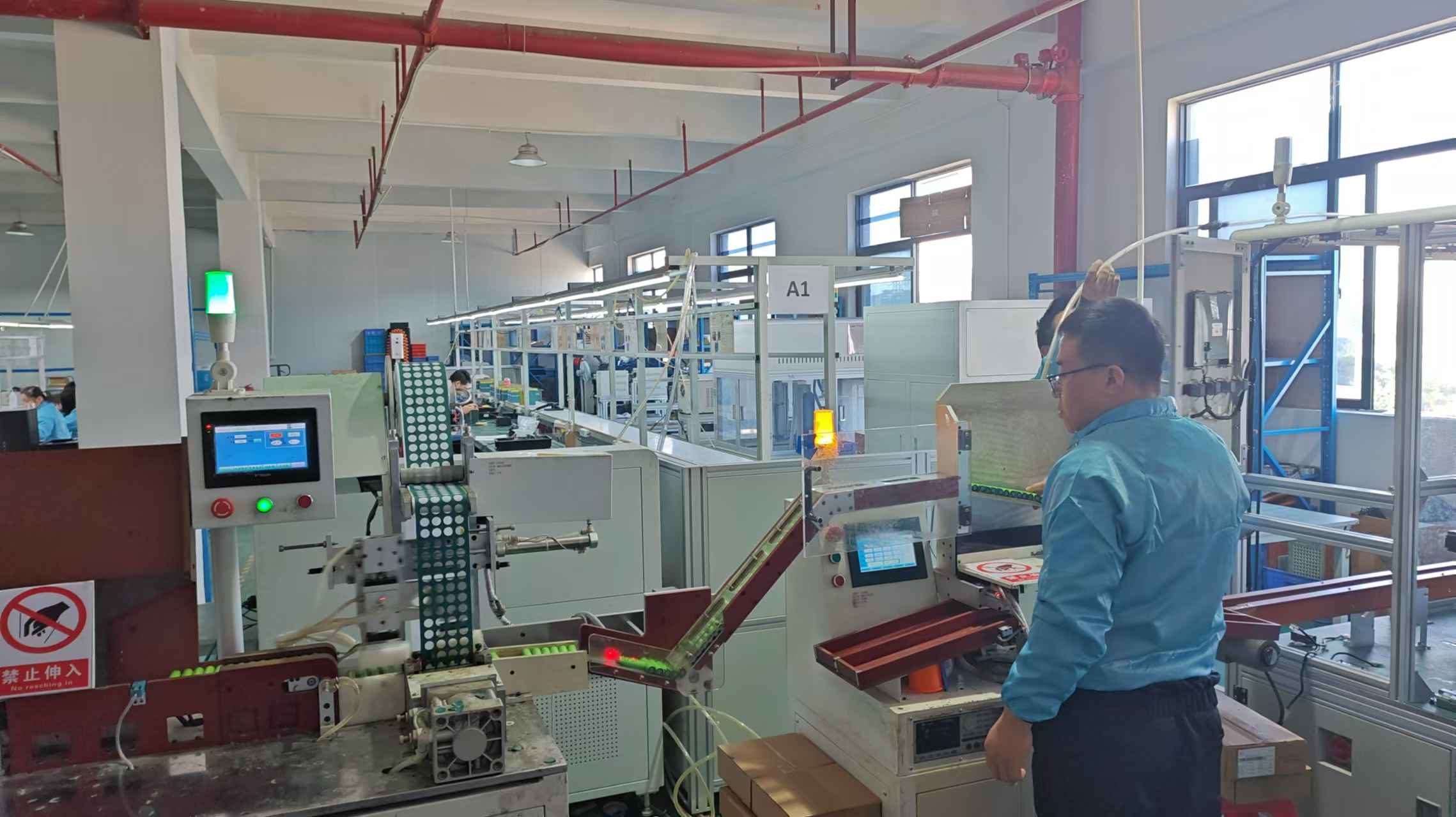
Sorting Process
Cell Sorting & Matching
Assembling Process
Module Assembling
Welding Process
Precision Laser Welding
Assembling Stage
Pack Construction
Aging Test
High-Temp Thermal Aging
Final Assembly
Structural Casing Assembly
Testing Process
Comprehensive Quality Test
Battery QC
Battery Output Quality Control
Insulation Testing
Insulation & Dielectric Testing
PCB Testing
BMS & PCB Diagnostic Testing
Secondary Welding
Terminal Connection Welding
Final Aging
Cyclic Charge/Discharge Aging
Battery Sorting Machine
Automated Sorting Grading

Localized Application Scenarios of Advanced Storage & Harvesting Solutions

Depending on the ambient environment, energy harvesting storage solutions must be configured with precise chemical properties. A standard lithium cobalt oxide cell will fail in extreme cold or high-vibration scenarios, making customized chemistry selection a necessity for international system integrators.

Off-Grid Telemetry & IoT
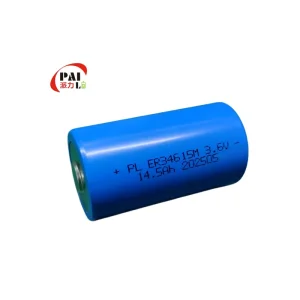
Smart utility meters, remote pipelines, and environmental sensors rely on ambient thermal gradients or solar cells. Coupled with low-self-discharge batteries like the ER34615 or ENNOPOL Li-SOCl2, these systems operate maintenance-free for over 10-15 years.
Industrial Automation & Robotics
AGVs, AMRs, and automated manufacturing arms capture kinetic braking energy. The ultra-fast charging capability and extreme cycle safety of Lithium Titanate (LTO) Cells are highly optimized for buffering this mechanical stress.
eVTOL & Aerospace Devices
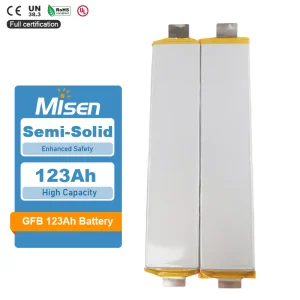
Aerospace propulsion requires maximum energy density. Integrating next-generation Solid-State Pouch Cells (452 Wh/kg) allows systems to maximize flight durations while ensuring zero risk of thermal runaway.

Industry Trends: The Convergence of Ambient Harvesting & Solid-State Storage

The energy harvesting sector is moving rapidly toward absolute autonomy. Key trends driving this evolution include:

  • Transition to Semi & All-Solid-State Batteries: Solid-state cells, with energy densities exceeding 450 Wh/kg, remove volatile liquid electrolytes, making them safer and highly suitable for aerospace and human-implantable medical devices.
  • Adoption of Lithium Titanate (LTO) for High-Frequency Cycling: For kinetic energy harvesters that cycle thousands of times a day, LTO chemistry provides a lifespan of 20,000+ cycles, minimizing battery maintenance overhead to practically zero.
  • Environmentally Adaptable Chemistries: Polar exploration, deep-space telemetry, and desert IoT grids require wide operating temperatures. High-capacity frost-resistant cells ensure power stability from -40°C up to 60°C.

Global Procurement Strategy for Commercial & Industrial Buyers

When sourcing battery solutions to backup energy harvesting electronics, global procurement managers must evaluate several technical criteria beyond purchase price:

  1. Self-Discharge Rate: For systems charging on micro-amperes, the cell's background drain (self-discharge) must be minimal. Li-SOCl2 chemistry is preferred for static micro-power applications.
  2. C-Rate Capabilities: Dynamic harvesters require storage cells capable of receiving high power surges without localized overheating.
  3. Certifications & Export Compliance: Ensure suppliers possess UN38.3, MSDS, UL, and CE certifications. Transporting lithium products internationally requires rigid testing standards.

Frequently Asked Questions (FAQ)

Q1: What is the role of storage batteries in an energy harvesting solution?
Energy harvesting systems gather electricity from intermittent ambient sources (solar, thermal, vibration). The battery acts as a crucial buffer, storing this harvested energy when ambient sources are abundant and releasing it steadily when sources are unavailable.
Q2: Why is Lithium Titanate (LTO) highly recommended for dynamic energy harvesting?
LTO batteries offer an exceptional cycle life (often exceeding 20,000 cycles) and accept rapid charge/discharge rates. For kinetic harvesting (such as piezoelectric vibration harvesting in industrial machinery), LTO cells handle frequent, intense energy spikes without degrading.
Q3: How do cold-resistant pouch cells improve industrial outdoor performance?
Standard lithium-ion batteries lose substantial capacity and internal resistance in freezing temperatures. Frost-resistant chemistries (such as semi-solid-state pouch cells) retain their operational capability down to -30°C or -40°C, ensuring continuous performance in outdoor smart grids and pipeline telemetry.
Q4: What certifications should buyers verify for industrial battery exports?
Buyers should look for international quality and safety certifications, including UN38.3 (essential for air/sea transit compliance), CE, RoHS, UL1642 (for safety), and ISO9001 factory production standards.