Direct procurement links for industrial grade cells, primary batteries, and specialized lithium configurations.
The acceleration of Industry 4.0, hyper-connectivity, and the proliferation of edge computing nodes have established Industrial Internet of Things (IIoT) devices as the backbone of modern enterprise infrastructure. From smart manufacturing facilities and automated warehouses (utilizing AGVs/AMRs) to remote pipelines and offshore assets, IIoT networks require reliable, uninterrupted, and long-lasting power sources.
Unlike standard consumer batteries, Industrial IoT batteries must be engineered to survive under extreme conditions: elevated temperatures in heavy manufacturing, sub-zero conditions in outdoor environments, continuous vibration on factory floors, and the necessity of maintenance-free operation lasting up to 10 to 20 years.
Industrial deployment environments fluctuate between -40°C and +85°C. Selecting raw materials like LTO or customized pouch cells ensures stability and safety across these ranges.
Deploying maintenance-free infrastructure means sensors must work on a single battery charge (or via primary lithium systems) for over a decade, keeping OPEX low.
Primary lithium chemistries (such as Li-SOCl2) feature self-discharge rates under 1% annually, conserving energy during long periods of sensor dormancy.
Choosing the correct chemistry is critical to the longevity, safety, and functionality of your industrial sensor or mobile logistics system. The selection matrix typically spans from highly stable rechargeable LiFePO4 cells to high-density primary lithium chemistries, and ultra-durable Lithium Titanate Oxide (LTO) structures.
| Battery Chemistry | Nominal Voltage | Energy Density | Cycle Life | Ideal Application Scenario |
|---|---|---|---|---|
| Lithium Iron Phosphate (LiFePO4) | 3.2V | 140–180 Wh/kg | 3,000 – 6,000 | Solar energy storage systems, stationary backup power, automated guided vehicles (AGVs). |
| Lithium Titanate Oxide (LTO) | 2.4V | 70–110 Wh/kg | 15,000 – 25,000 | Ultra-fast charging terminals, extreme cold environments (-40°C), heavy industrial robotics. |
| Lithium Thionyl Chloride (Li-SOCl2) | 3.6V | 300–400 Wh/kg | Primary (N/A) | Smart gas/water meters, environmental telemetry, remote asset trackers (deep sleep mode). |
| Nickel Manganese Cobalt (NMC) | 3.7V | 200–260 Wh/kg | 1,000 – 2,000 | Weight-sensitive systems, high-power drones, eVTOL systems, mobile health equipment. |
| Solid-State Lithium-Ion | 3.7V–3.8V | >350 Wh/kg | 4,000+ | High-safety environments, deep-cycle home and commercial ESS systems, aerospace. |
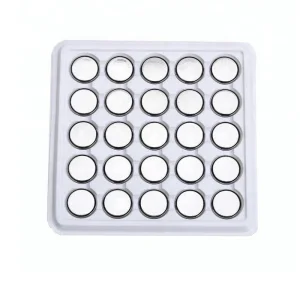
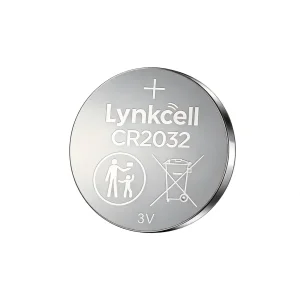
For deep underground monitoring (water utilities, structural health sensors), replacement costs dominate the total cost of ownership (TCO). Here, primary (non-rechargeable) Lithium Thionyl Chloride (Li-SOCl2) or high-quality coin cells (CR2032, CR2450) are dominant due to their high voltage (up to 3.6V) and long-term chemical stability.
Conversely, edge nodes situated in well-lit areas, or robotic applications (like AGVs, material handling carts), leverage secondary (rechargeable) chemistry. Pairing LiFePO4 or NMC packs with energy harvesting units (solar, kinetic, thermal) guarantees near-infinite operational timelines without manual intervention.
In low-power wide-area networks (LPWAN) utilizing protocols such as LoRaWAN, NB-IoT, or Sigfox, the battery remains dormant for over 99% of its operational life. During transmission bursts, it requires high pulse current capabilities without dropping below the minimum system voltage. High-performance primary button cells and small pouch cells are engineered specifically to overcome this transient voltage delay.
When engineering IIoT products or sourcing utility-grade equipment, selecting the right manufacturing partner is a critical design decision. The top factories in this space are evaluated based on their production automation, supply chain traceability, material processing technology, and quality control systems.
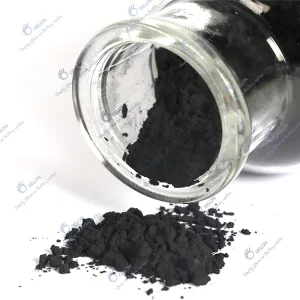
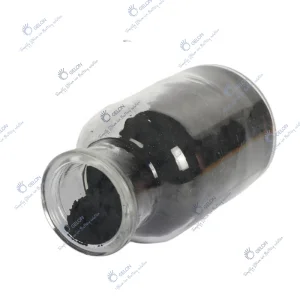
High-tier manufacturers control their supply chains down to the active chemical precursors. Using pure NMC or LiFePO4 precursor powder ensures cell uniformity and prevents internal micro-short circuits.
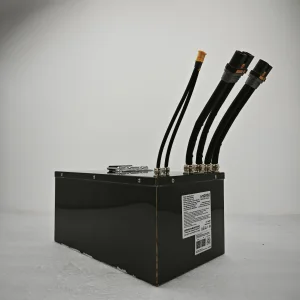
For multi-cell battery packs, capacity, internal resistance (IR), and voltage matching are essential. Reputable manufacturers implement 100% automated sorting to match cells within narrow tolerances.
Industrial markets require global safety and transport compliance, including UN38.3 (transport safety), IEC 62133 (safety standards), UL 1642 (cell safety), and KC certifications for localized Asian markets.
Guangdong Nuwon Energy Co., Ltd. is a leading manufacturer and solution provider in advanced battery systems, specializing in the research, development, manufacturing, and global distribution of high-performance energy storage products. The company offers comprehensive OEM and ODM services, delivering customized battery solutions tailored to diverse industrial and commercial applications.
Backed by a highly experienced engineering and R&D team, Nuwon Energy focuses on the design and integration of cylindrical and prismatic lithium battery cells, as well as complete battery packs, modules, and energy storage systems. The company also develops and produces industrial-grade battery cells engineered for safety, durability, and long cycle life.
Guangdong Nuwon Energy serves a wide range of industries, including consumer electronics, electric mobility (such as golf carts, forklifts, UTVs/ATVs, trucks, and marine systems), medical equipment, unmanned ground vehicles (AGVs/AMRs), and emerging aerospace applications such as eVTOL aircraft. In addition, the company provides reliable residential, commercial, and industrial (C&I) energy storage solutions designed to support the global transition toward clean and sustainable energy.
With a strong commitment to innovation, strict quality control, and customer-centric service, Guangdong Nuwon Energy continuously invests in advanced manufacturing capabilities, automated production lines, and rigorous testing systems. This ensures that every product meets international safety standards and delivers exceptional performance in demanding environments.
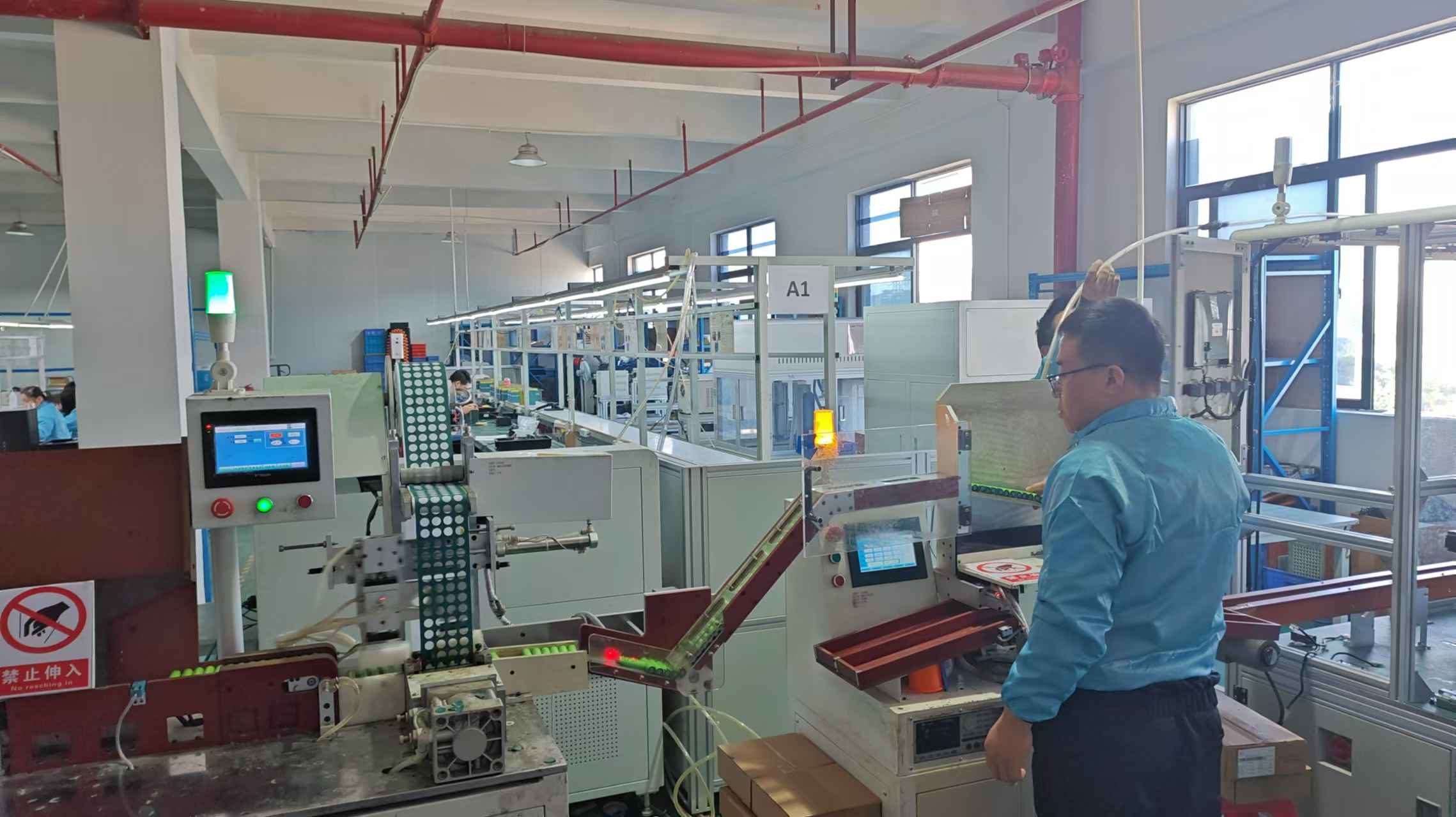
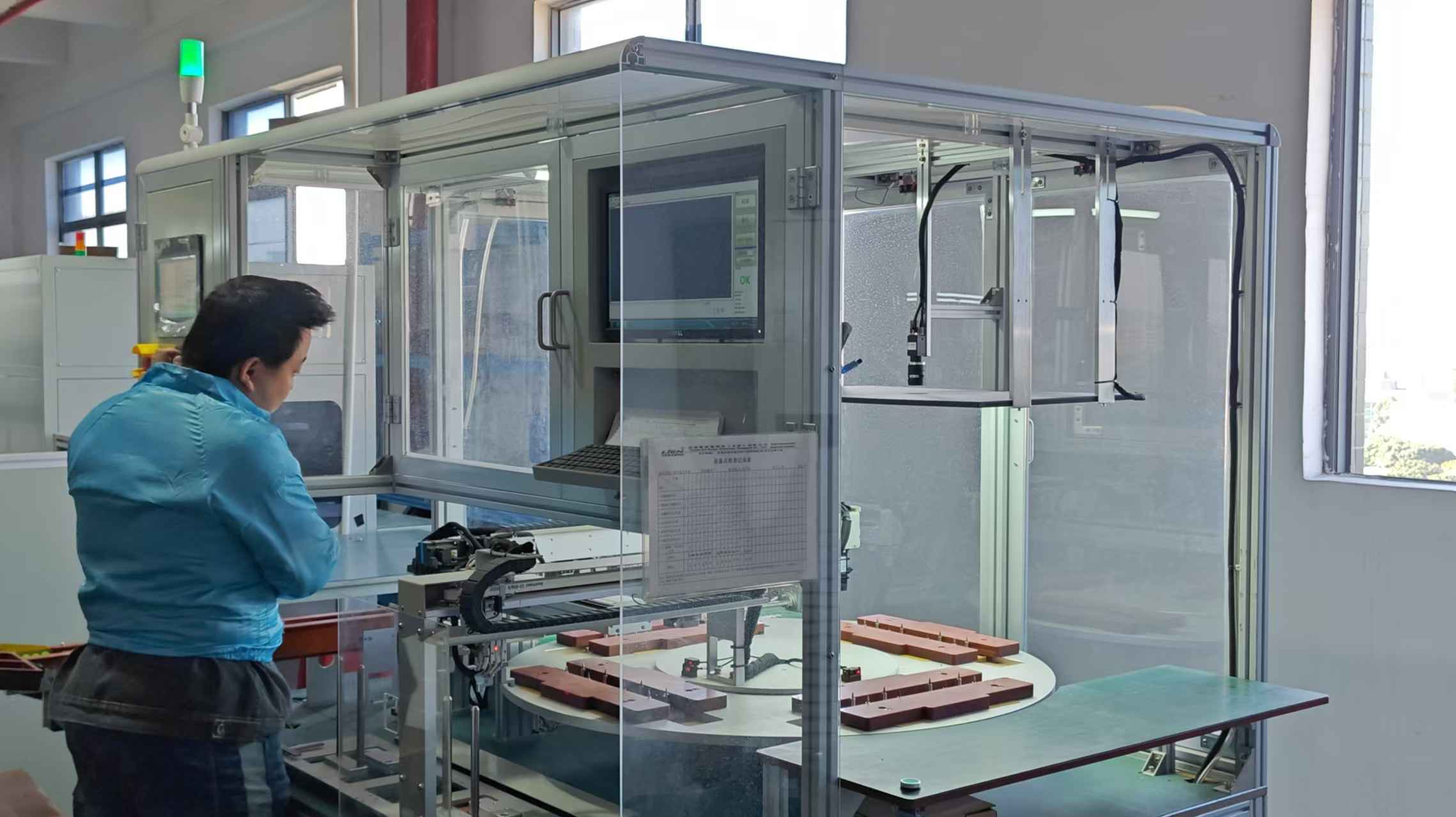
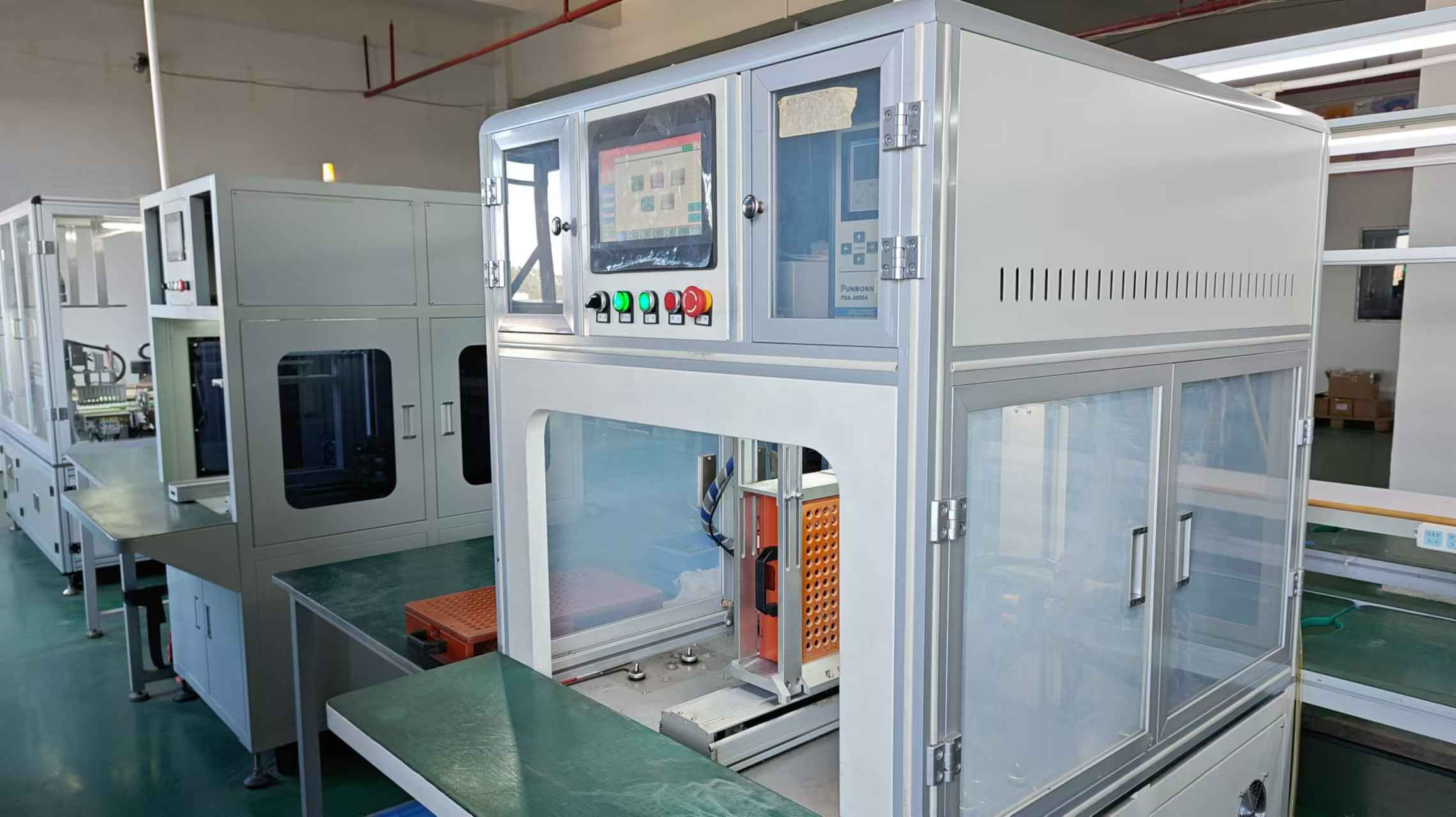
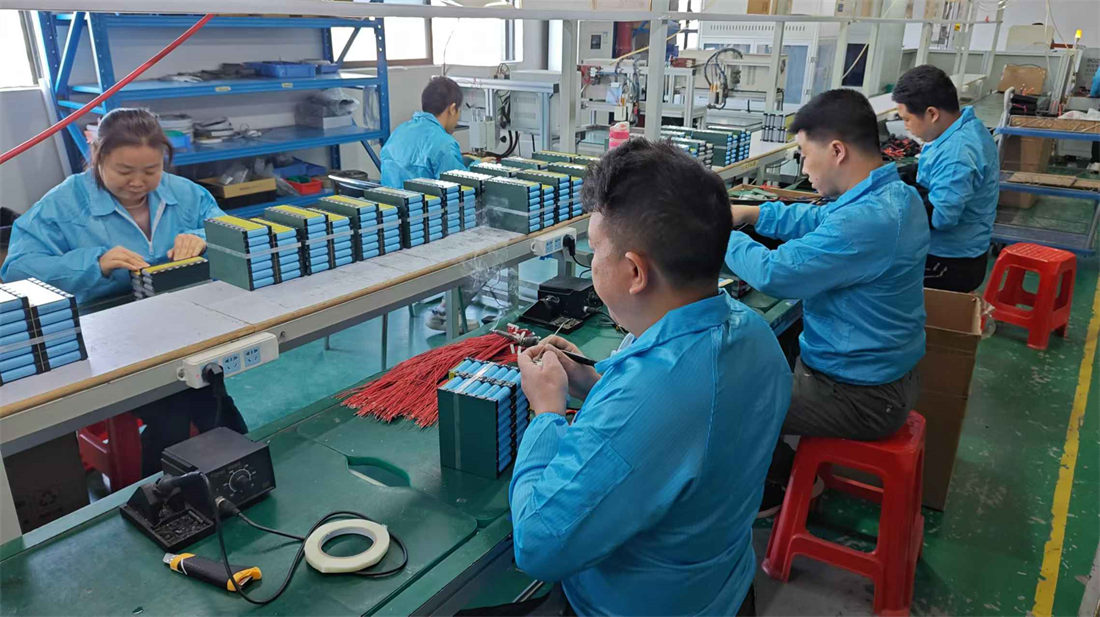
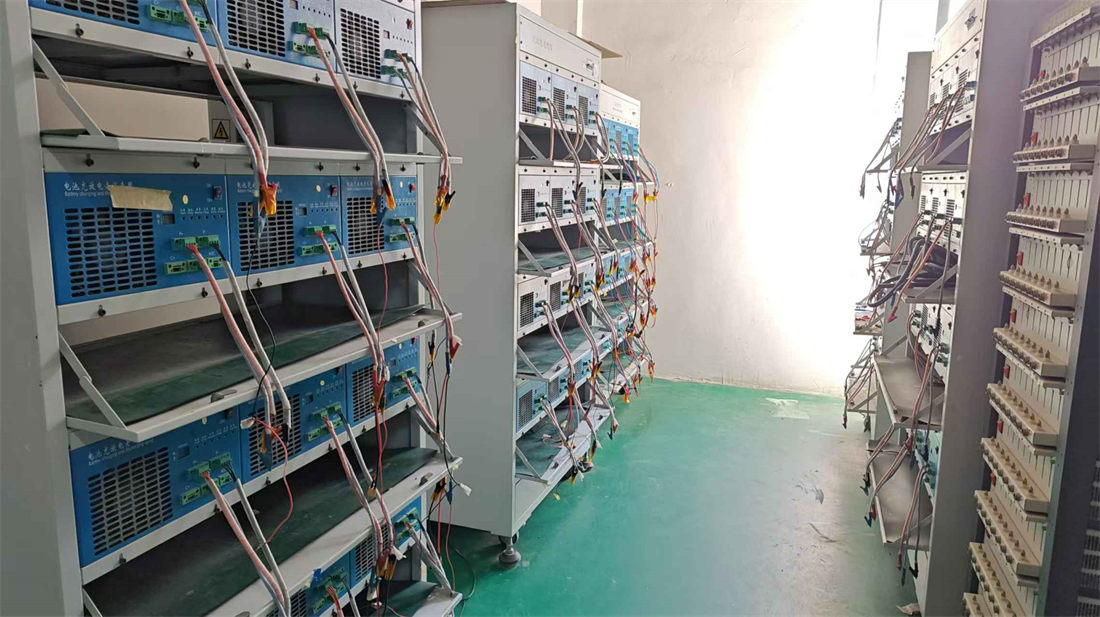
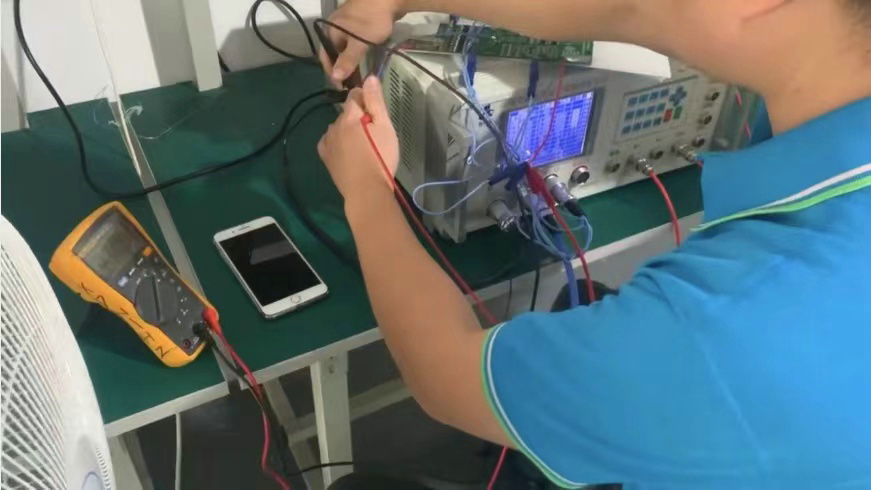
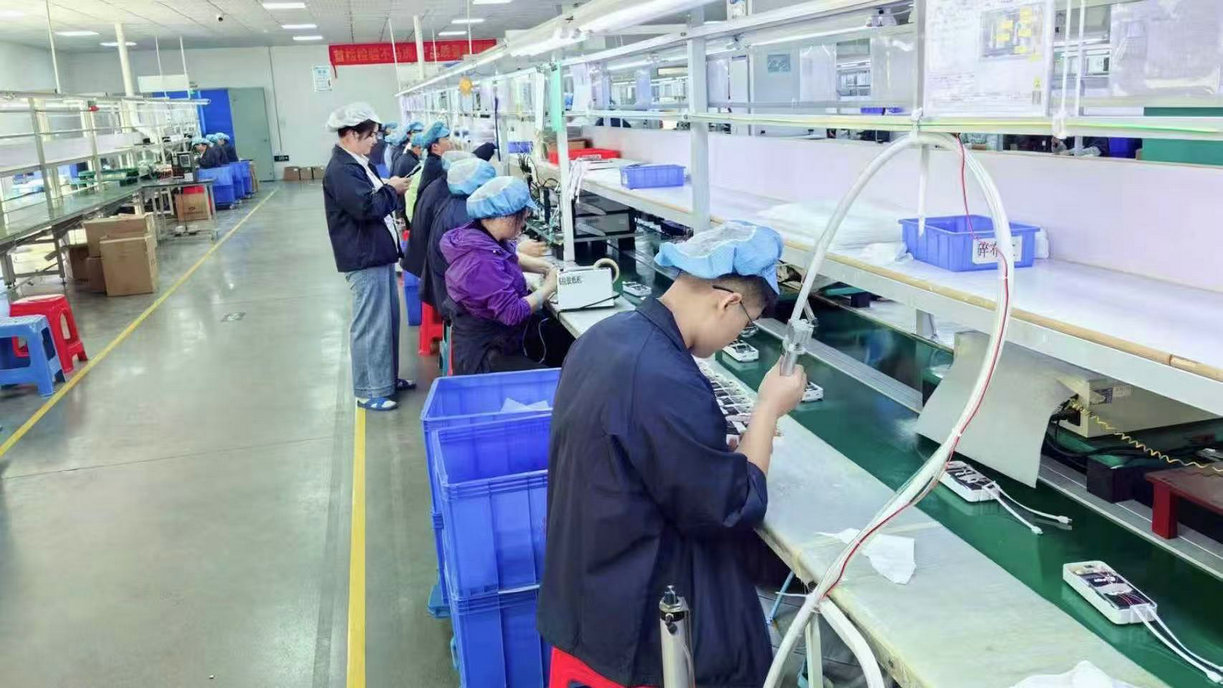
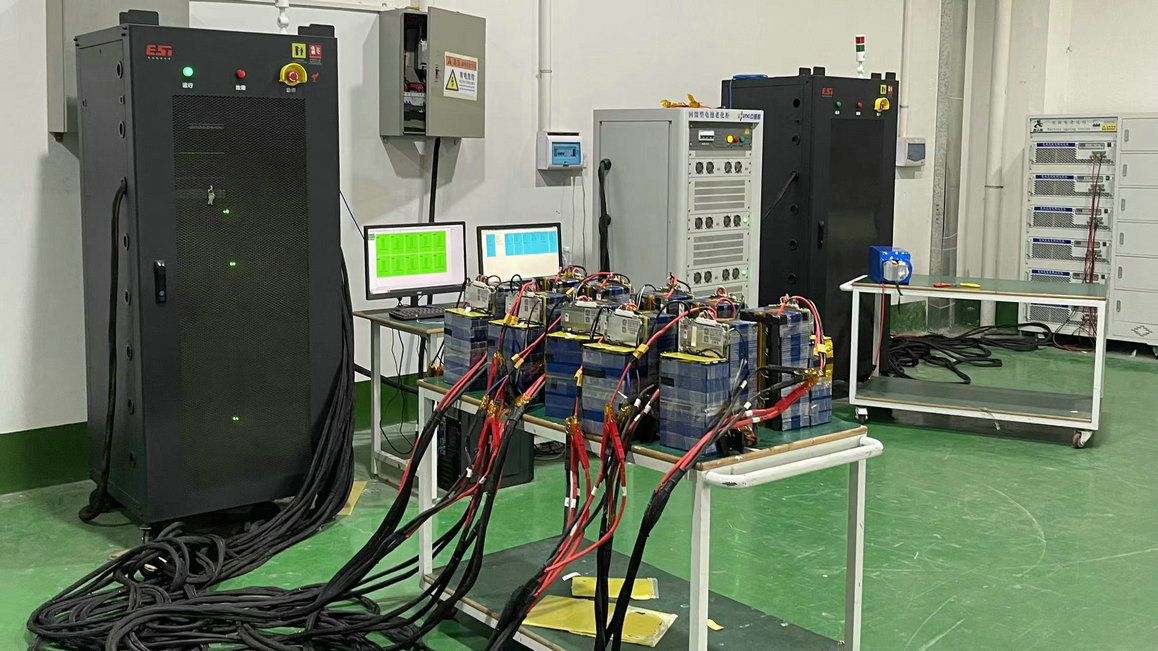
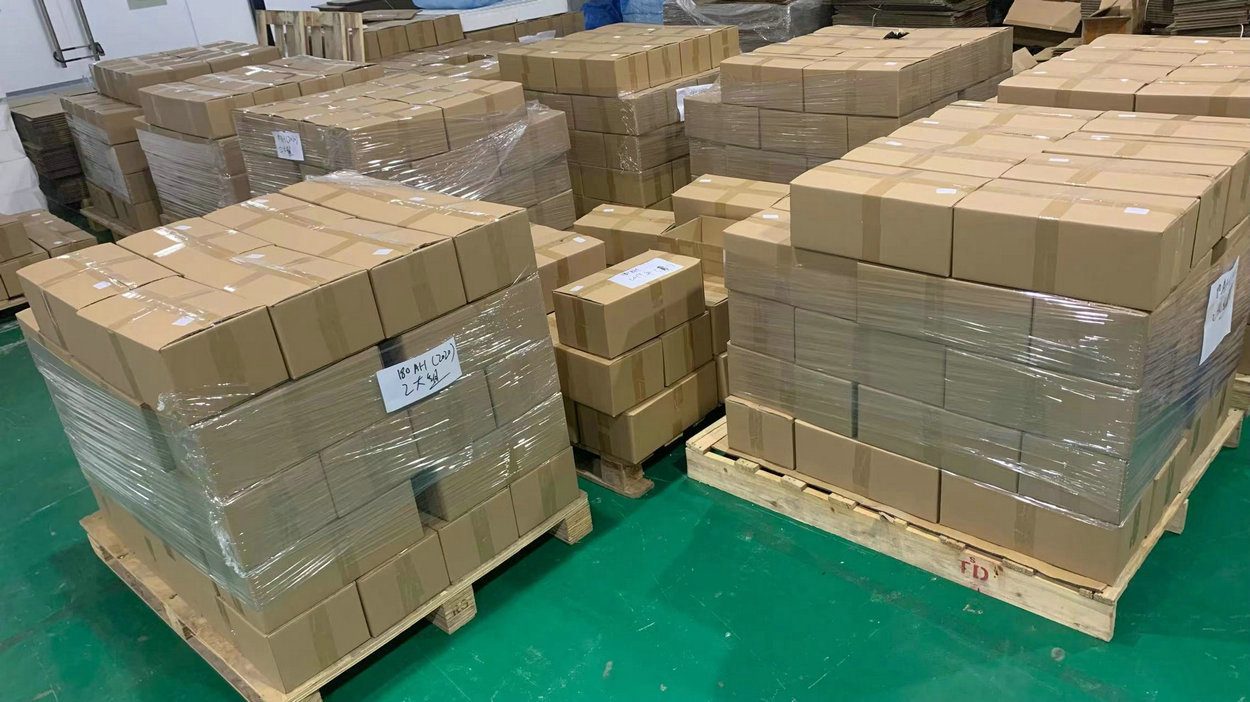
A reliable battery pack is the result of strict manufacturing standards. Underpinning Nuwon Energy's capabilities are modern production machinery, cell grading systems, high-speed spot welding, and extended environmental burn-in (aging) rooms. Below is a breakdown of our industrial factory process:
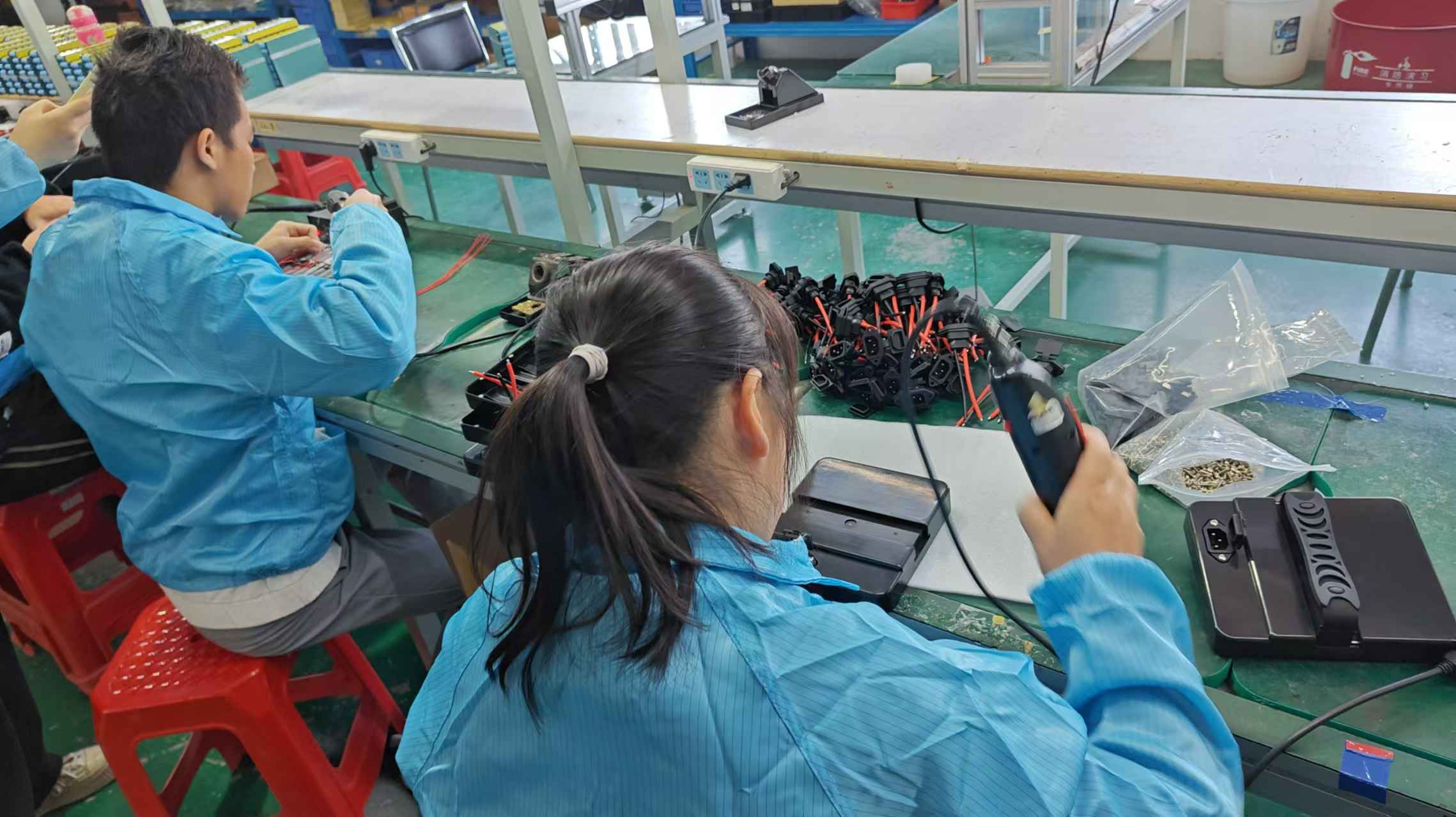
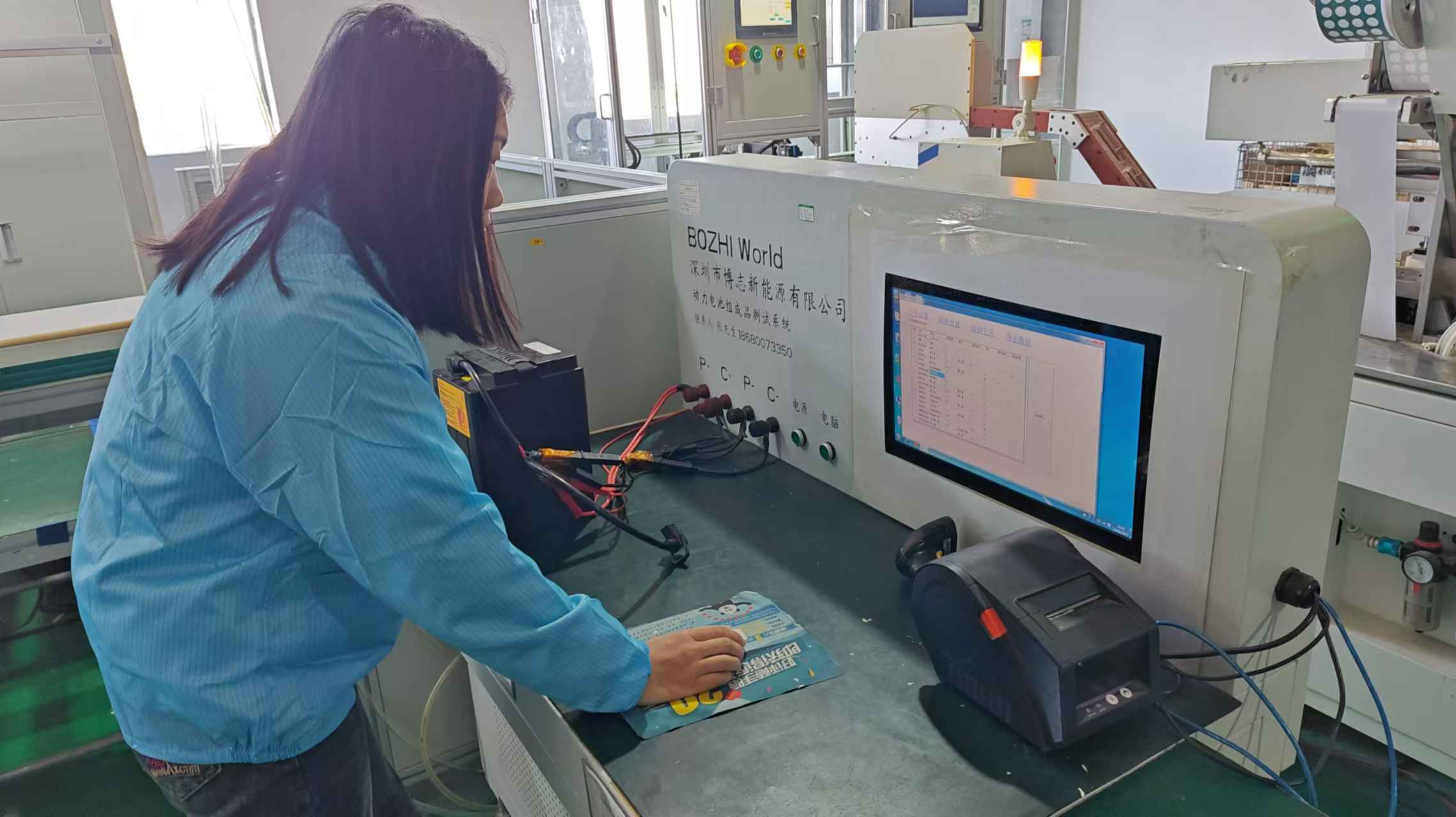
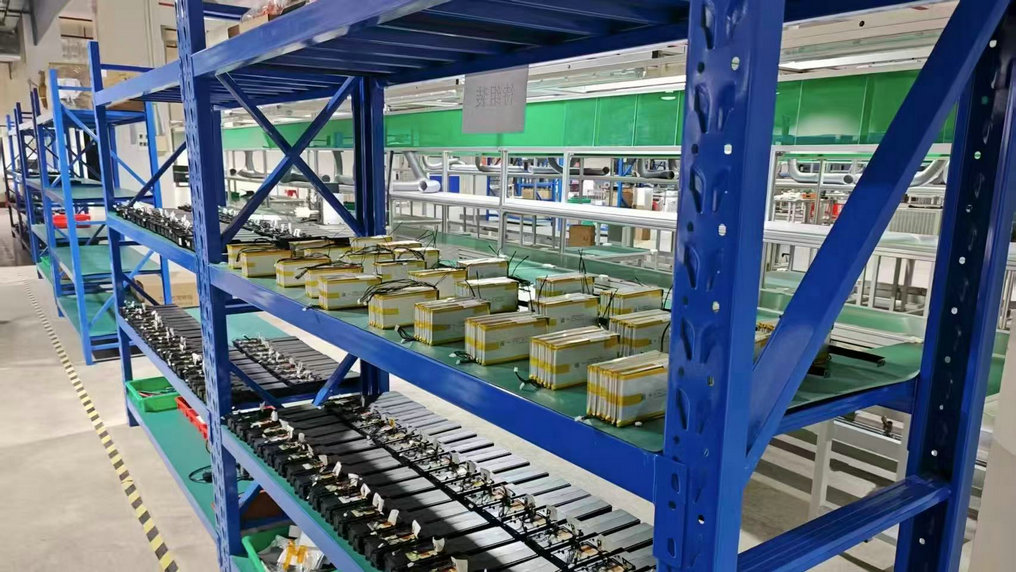
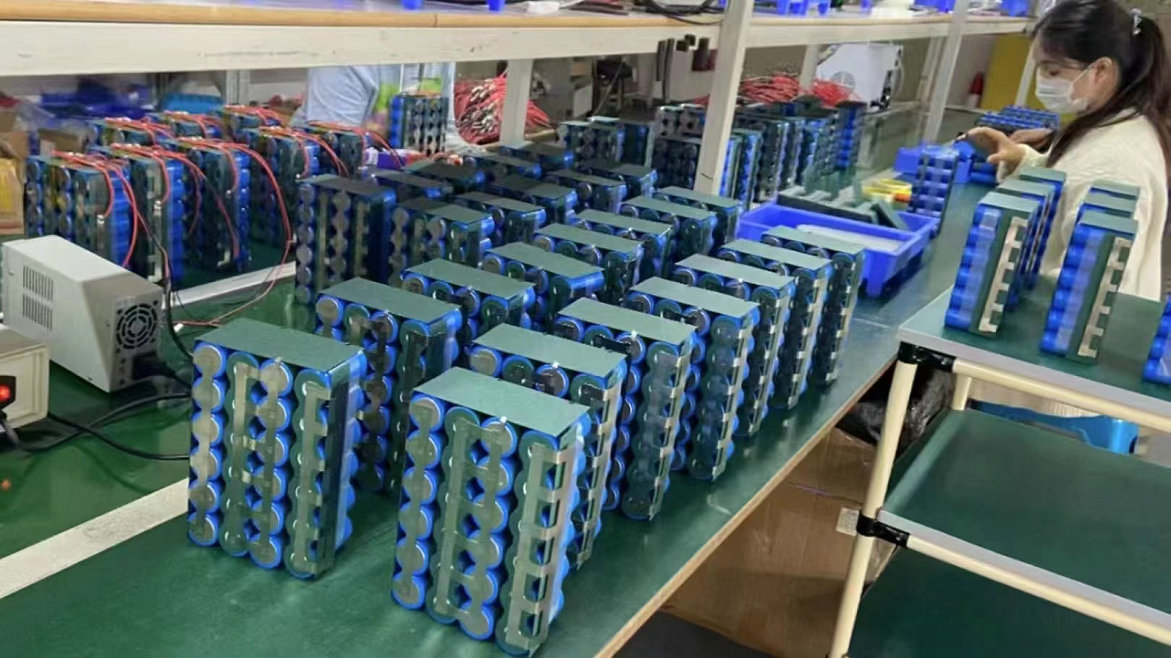
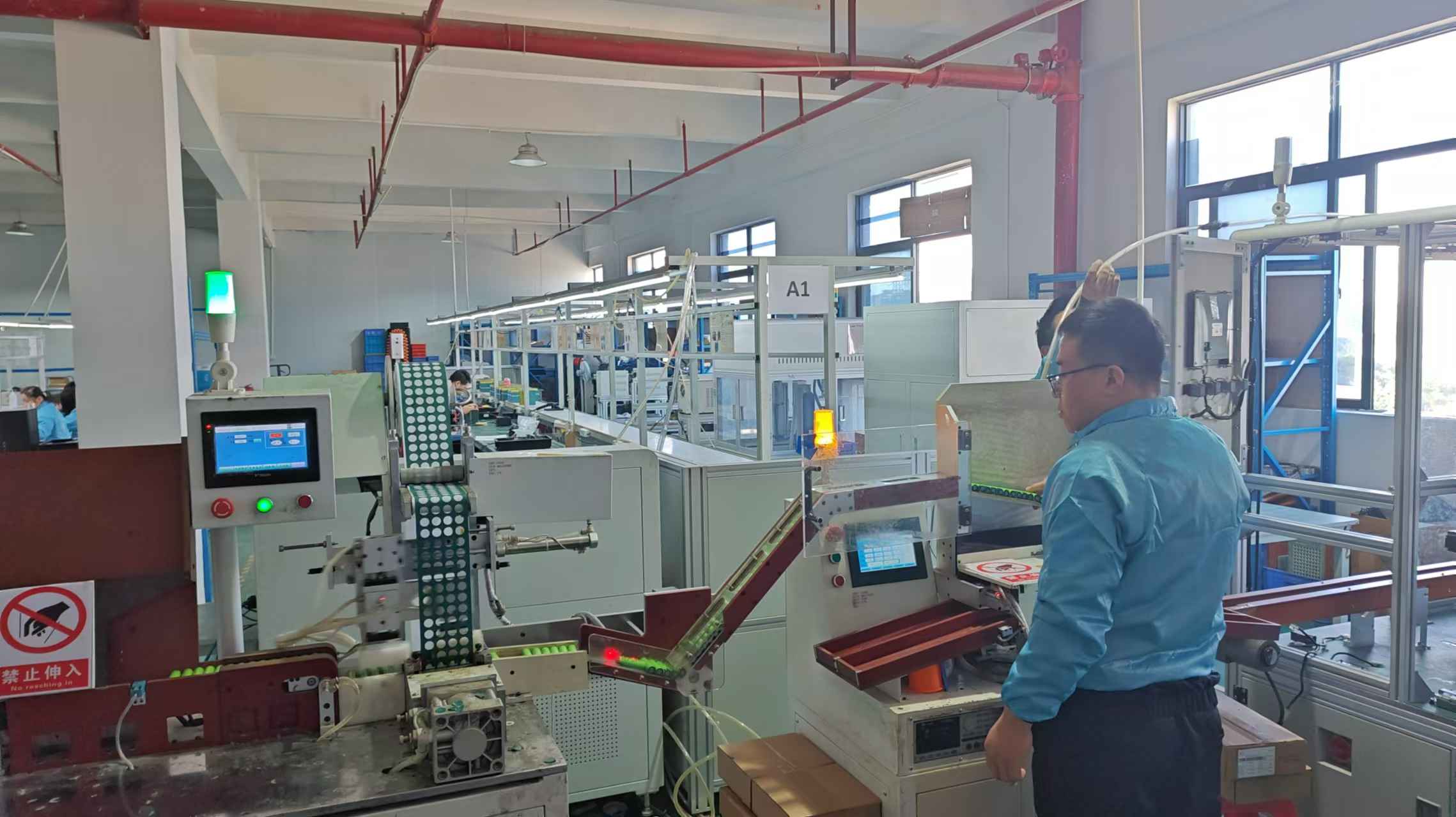
Energy systems in the IIoT landscape do not operate in a vacuum. Instead, they act as the heartbeat of critical infrastructure systems. The implementation of high-performance batteries addresses unique operational challenges across multiple sectors:
Placed inside subterranean pits or reinforced concretes, smart meters require long-term operational autonomy. Utilizing low-leakage Li-SOCl2 batteries paired with hybrid layer capacitors (HLC) allows utility companies to deploy units with a projected service life of 15 to 20 years, minimizing operational replacement costs.
Global logistics networks require monitoring environmental conditions inside refrigerated containers. Batteries must operate down to -30°C while maintaining continuous GPS and cellular connection. Specialized rechargeable low-temp lithium cells ensure assets are tracked across global supply routes without system outages.
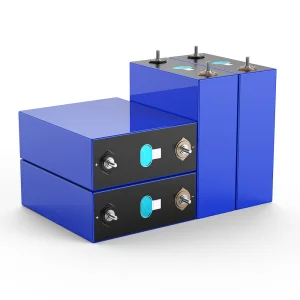
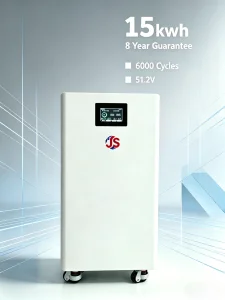
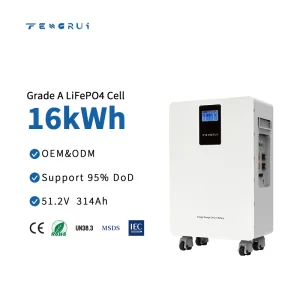
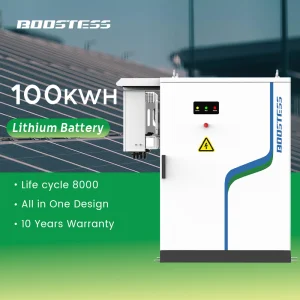
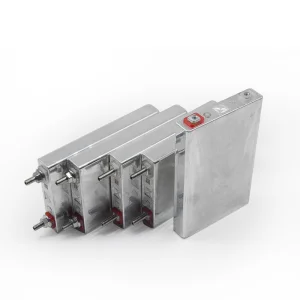
For factory scale load-leveling, micro-grids, and backup power supply, large-scale battery storage is crucial. Integrating prismatic LiFePO4 cells (such as 100Ah, 280Ah, 314Ah options) ensures highly cycle-stable configurations that support hundreds of megawatt-hours of utility-grade load smoothing.
Modern factories run 24/7. Automated Guided Vehicles (AGVs) demand quick-charge cycles (using high-power LTO or LiFePO4 cells) and long duty cycles. Robust mechanical assembly protects these battery packs against continuous shock, vibration, and thermal stress on the factory floor.
The IIoT power landscape is transitioning toward higher safety, greater energy density, and smarter management interfaces. Three primary technical developments are shaping the future of this sector:
By replacing volatile organic liquid electrolytes with solid ceramic or polymer barriers, solid-state batteries eliminate leakage risk and significantly improve thermal runaway profiles. This allows for safe deployments in sensitive environments like medical facilities and commercial aerospace systems.
Future industrial battery systems feature integrated microprocessors running edge AI models to predict Remaining Useful Life (RUL), identify internal dendritic growth, and report real-time health diagnostics via protocols like CAN bus, RS485, or wireless Bluetooth LE.
Replacing traditional graphite anodes with silicon nanocomposites increases volumetric energy density. This technological shift enables ultra-compact IoT sensors to run for twice as long without increasing battery dimensions.
Explore high-cycle commercial cells, integrated power packs, and solid-state configurations.
 Nuwon Energy