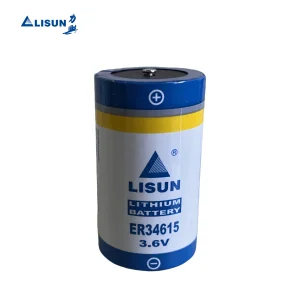
A global paradigm shift in circular value generation, safety performance, and cross-border regulatory compliance for secondary electrochemical systems.
In the transition toward comprehensive global electrification, Battery Lifecycle Management (BLM) has transformed from an environmental checklist item into a critical, high-value strategic asset. To meet the demands of carbon-neutral policies worldwide, modern battery systems require systematic management across their entire existence: from material sourcing and precision packaging to real-time telemetry diagnostics, second-life conversion, and hydrometallurgical recycling.
Tier-1 procurement organizations are no longer searching merely for component suppliers. Instead, they seek long-term strategic manufacturers capable of supplying cells designed with low-carbon footprints, high energy densities, and robust physical attributes that make them viable for subsequent reuse programs. As a result, selecting an OEM/ODM partner with vertically integrated lifecycle controls is paramount to managing long-term cost structures and meeting international sustainability requirements.
Global compliance regulations require complete chain-of-custody documentation, ensuring that manufacturers and system integrators trace and manage cell degradation pathways continuously from deployment to decommissioning.
Converting retired automotive or heavy mobility cells (e.g., LFP, LTO) into stationary energy storage systems (ESS). This approach extends system life and significantly lowers the total cost of ownership (TCO).
Integrating advanced, high-speed sorting technologies that evaluate internal resistance, capacity decay, and safety profiles. This ensures only matching, top-quality cells are grouped into modules.
Guangdong Nuwon Energy Co., Ltd. is a leading manufacturer and solution provider in advanced battery systems, specializing in the research, development, manufacturing, and global distribution of high-performance energy storage products. The company offers comprehensive OEM and ODM services, delivering customized battery solutions tailored to diverse industrial and commercial applications.
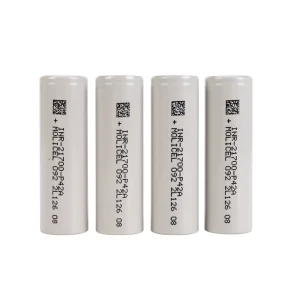
Backed by a highly experienced engineering and R&D team, Nuwon Energy focuses on the design and integration of cylindrical and prismatic lithium battery cells, as well as complete battery packs, modules, and energy storage systems. The company also develops and produces industrial-grade battery cells engineered for safety, durability, and long cycle life.
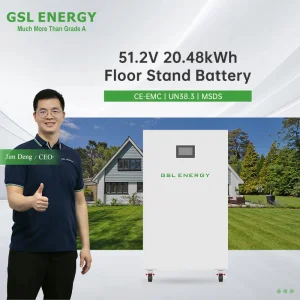
Guangdong Nuwon Energy serves a wide range of industries, including consumer electronics, electric mobility (such as golf carts, forklifts, UTVs/ATVs, trucks, and marine systems), medical equipment, unmanned ground vehicles (AGVs/AMRs), and emerging aerospace applications such as eVTOL aircraft. In addition, the company provides reliable residential, commercial, and industrial (C&I) energy storage solutions designed to support the global transition toward clean and sustainable energy.
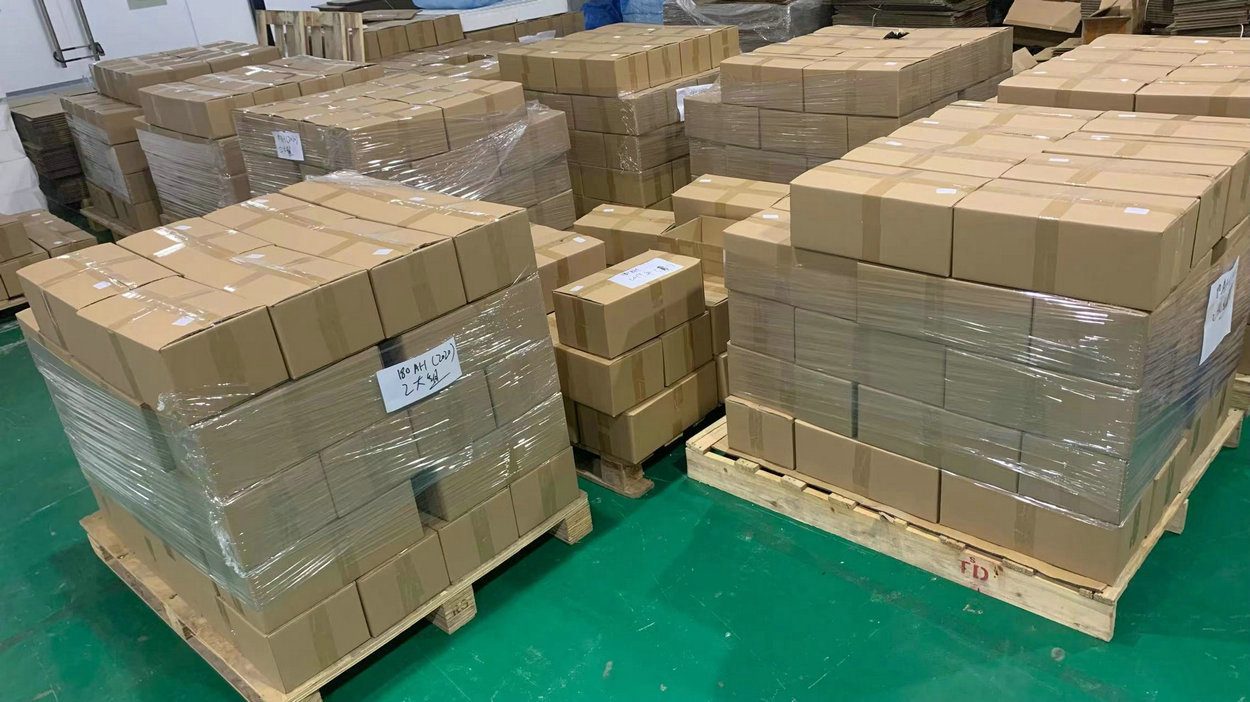 Finished Products Inventory
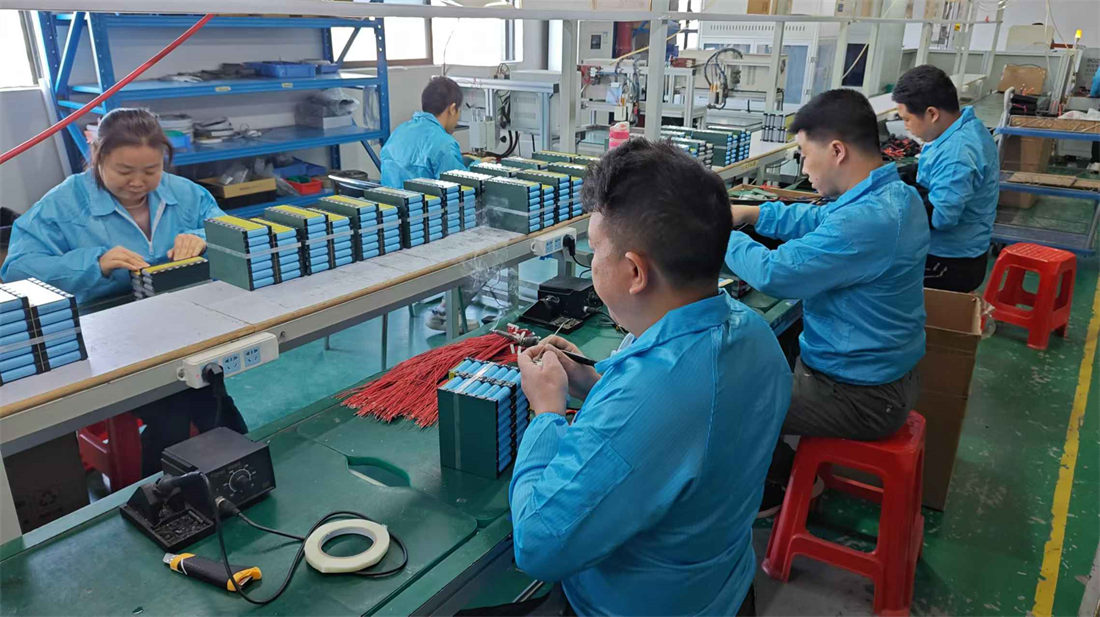
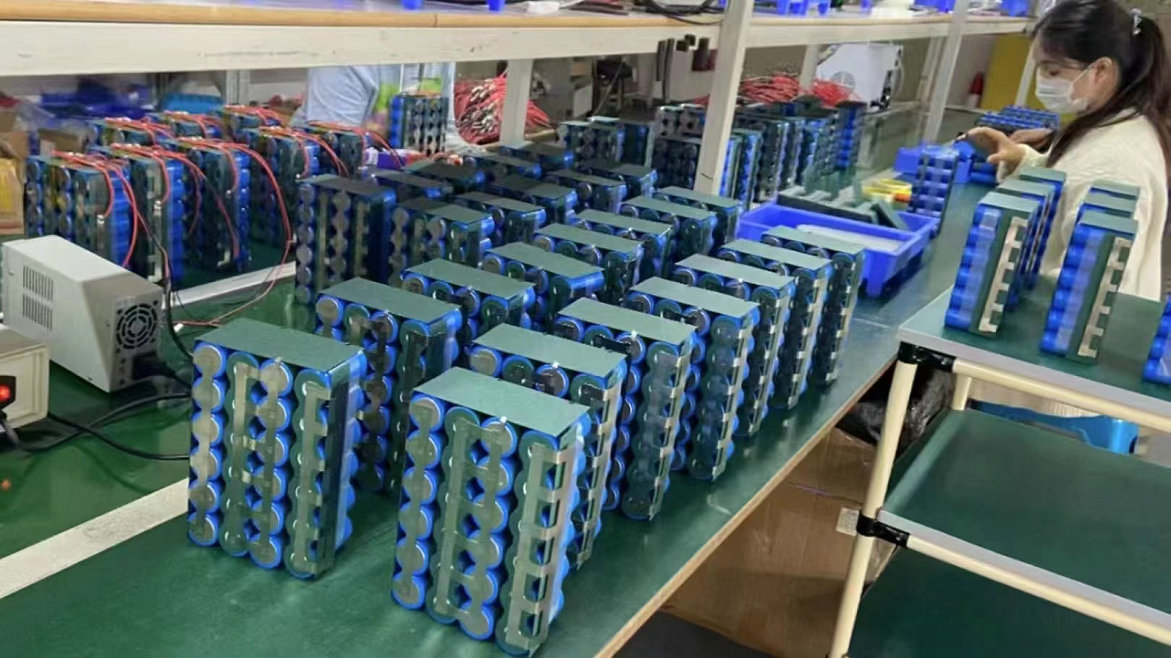
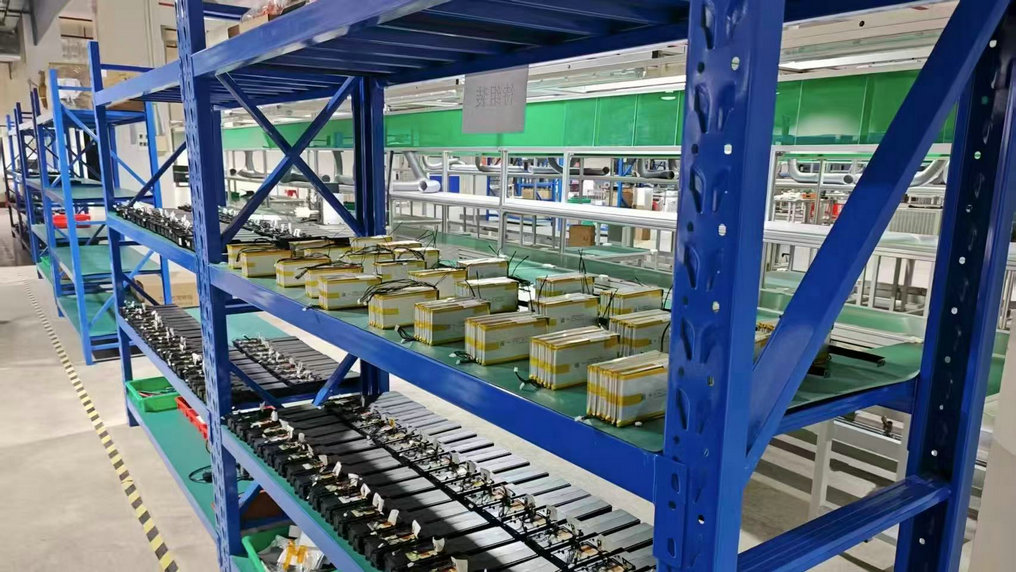 Battery System Assembly
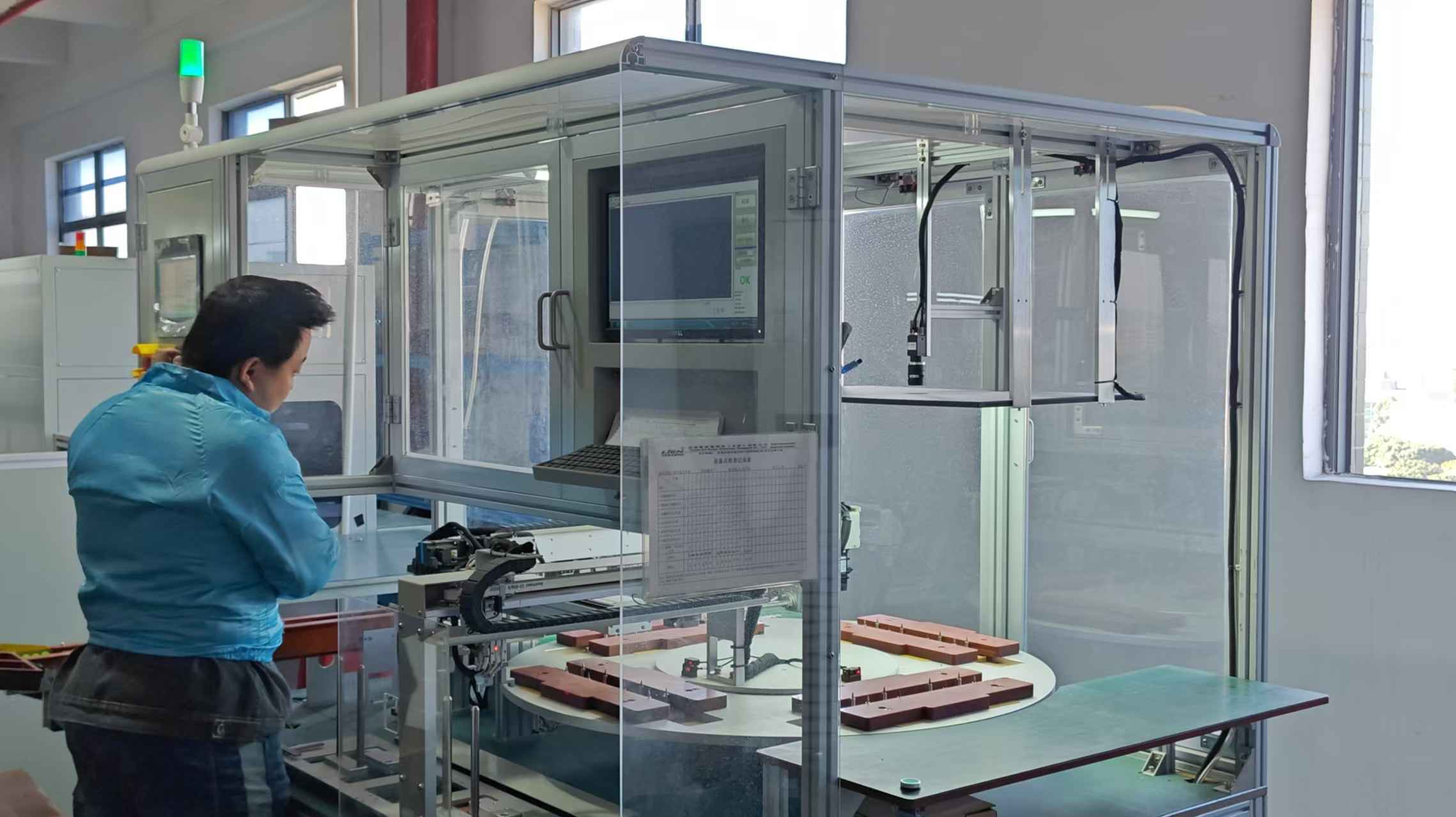
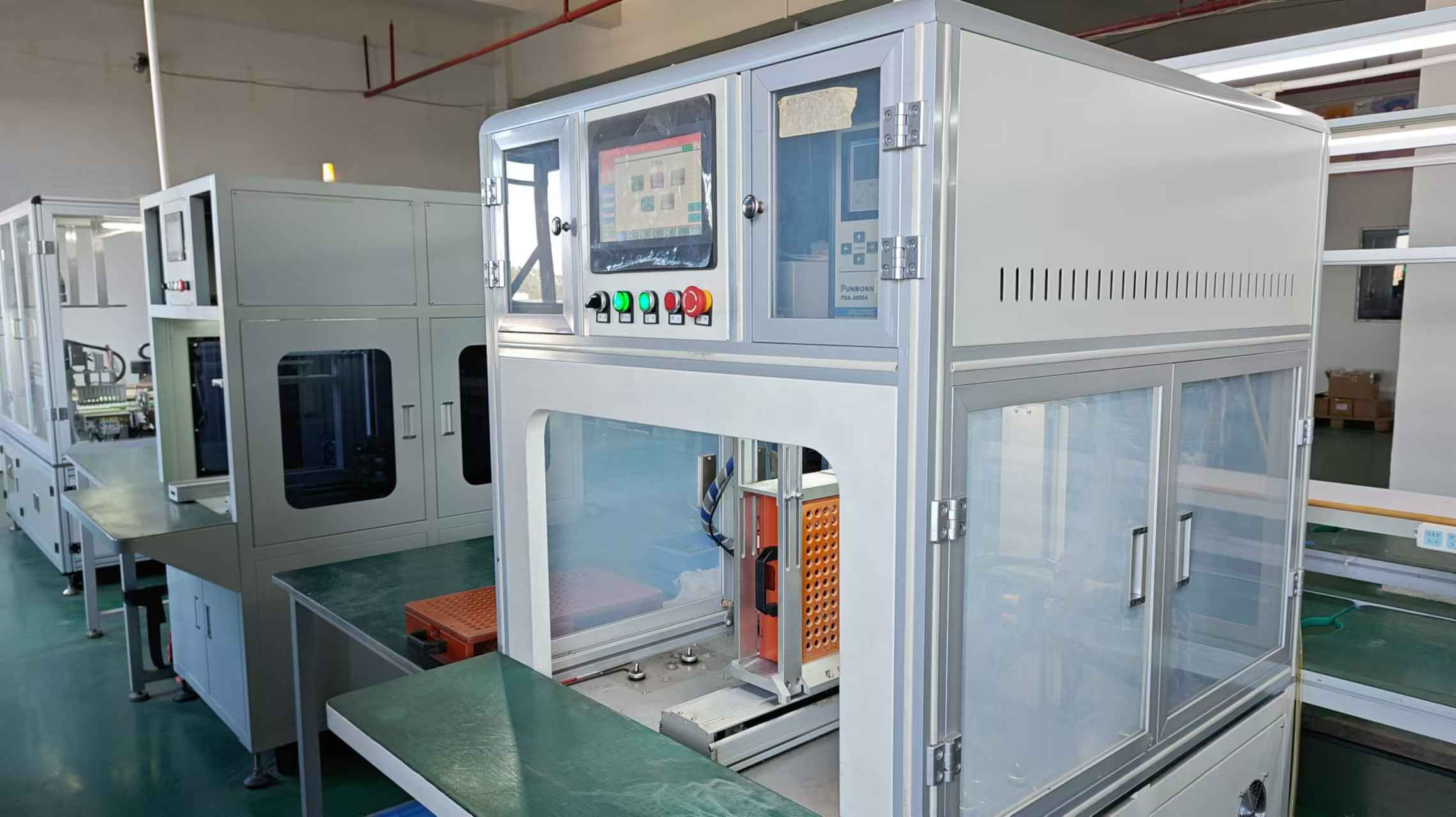
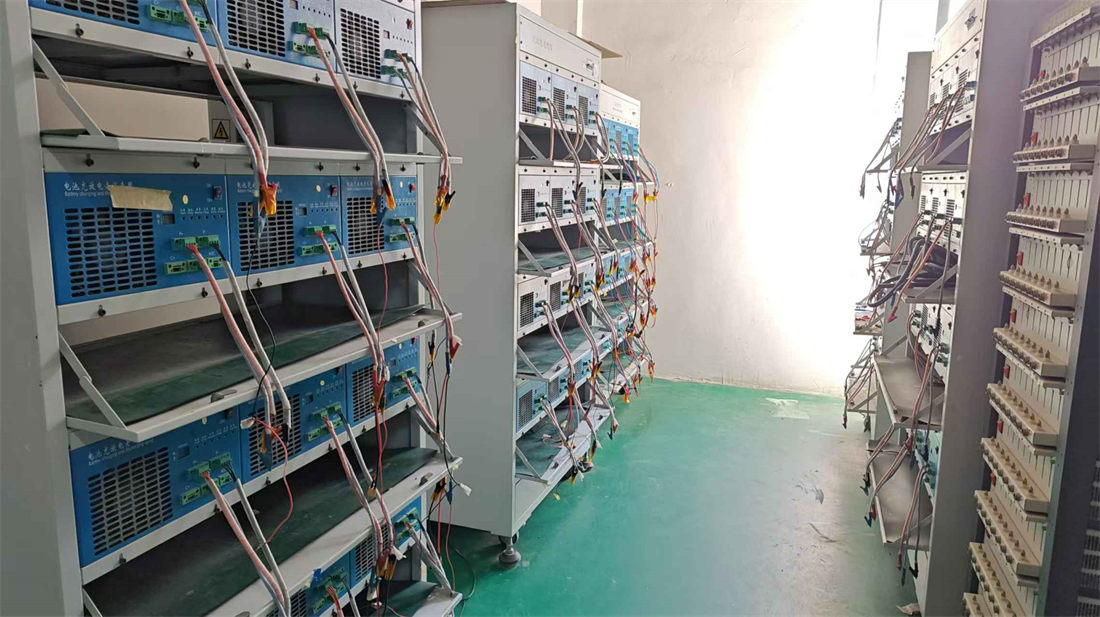
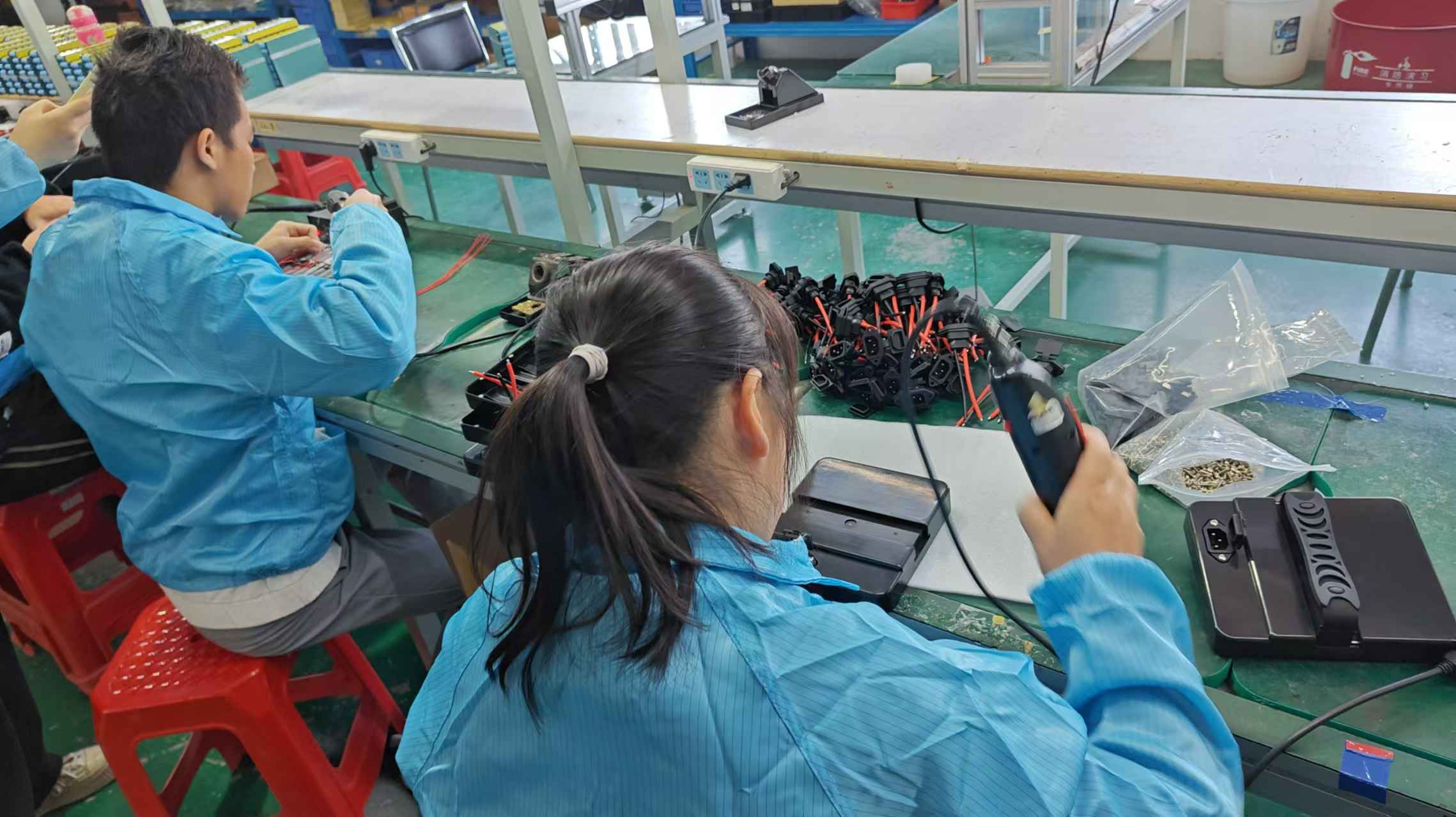
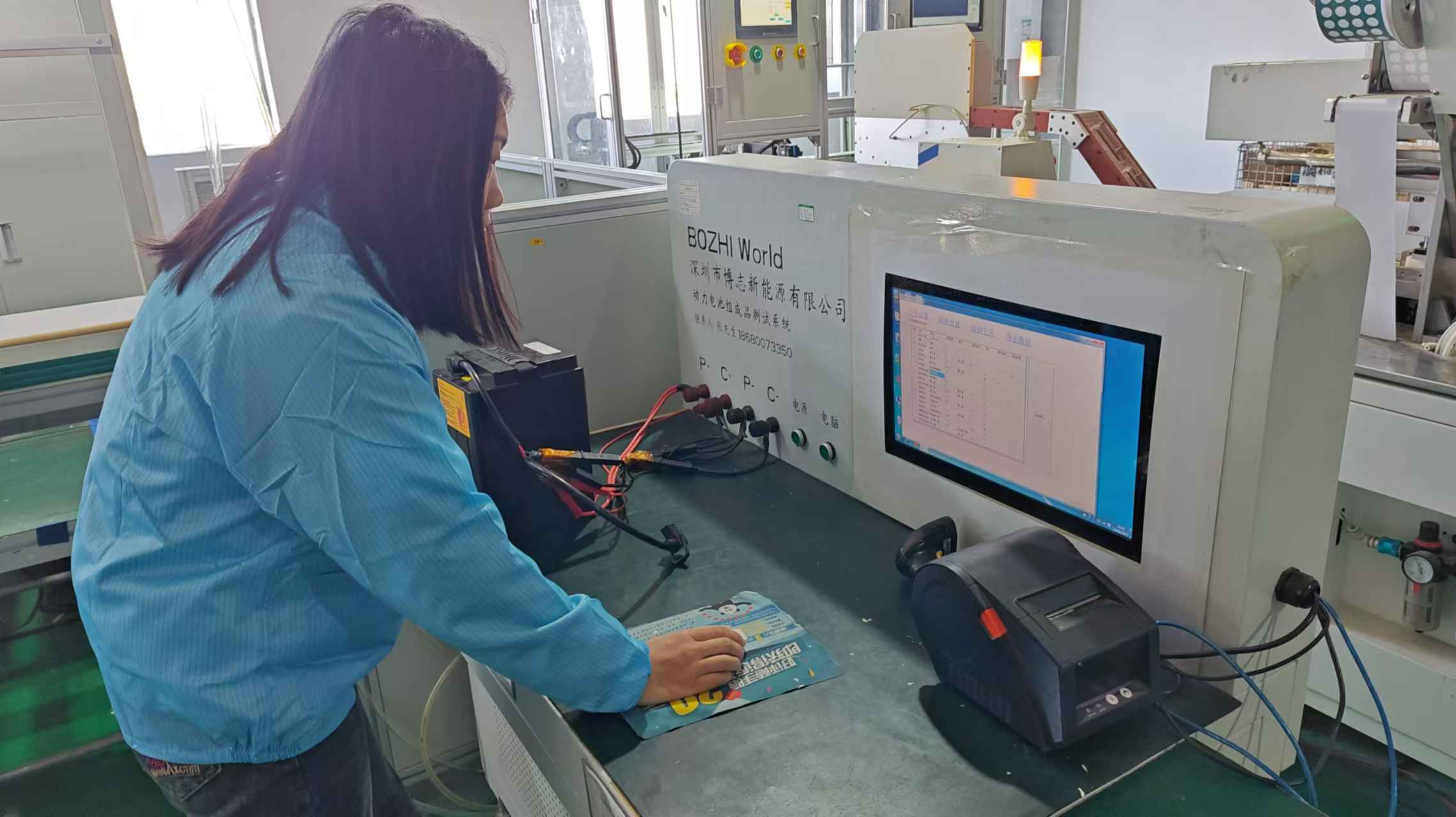
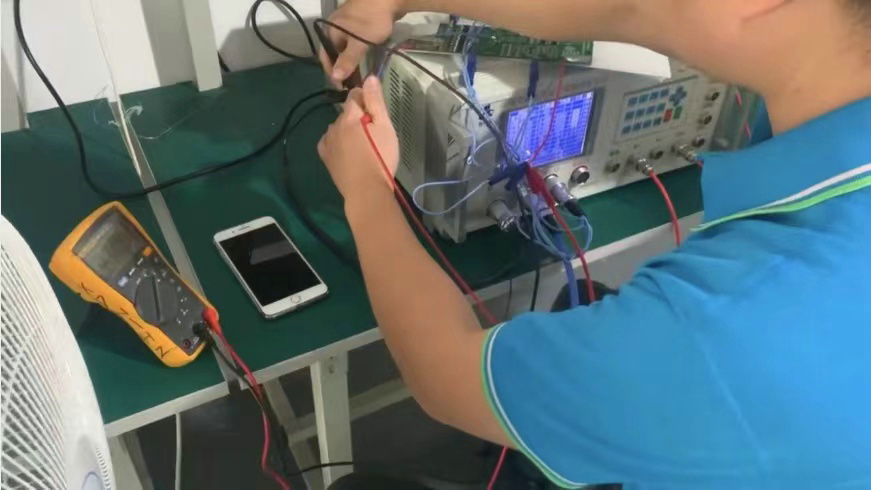
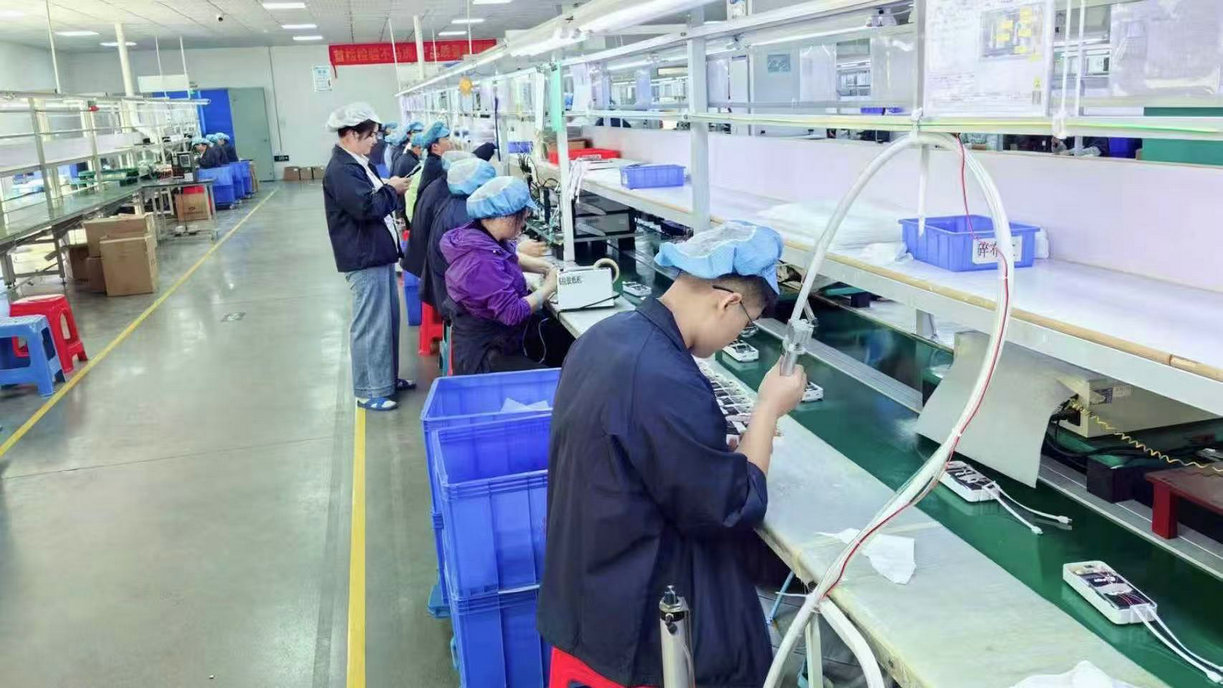
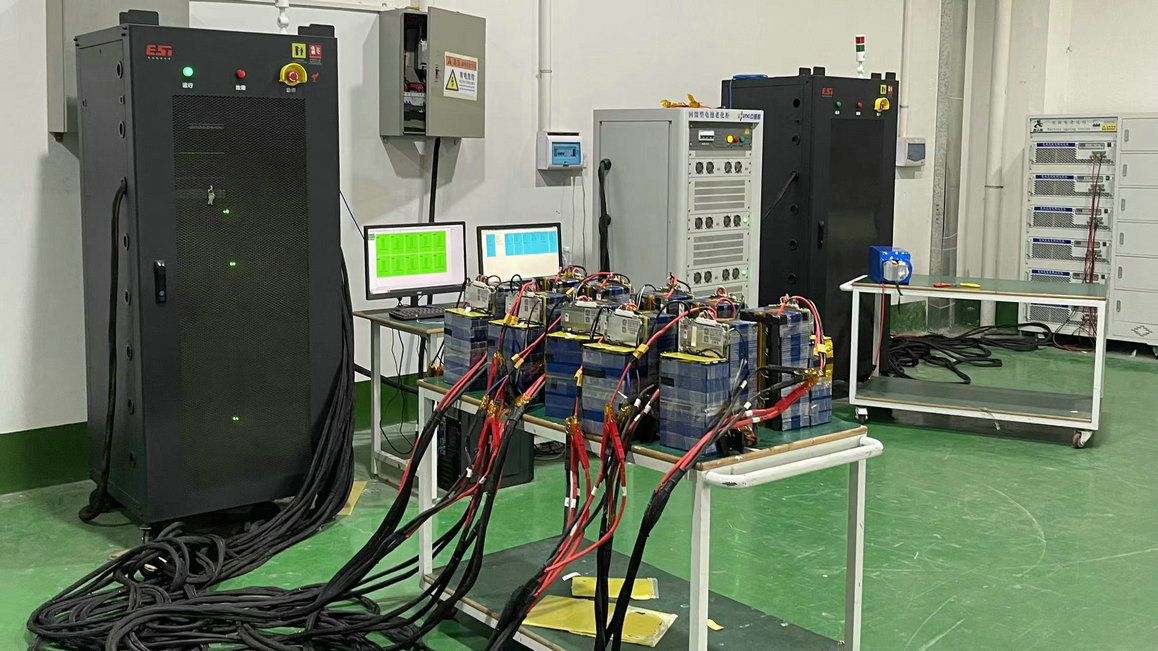
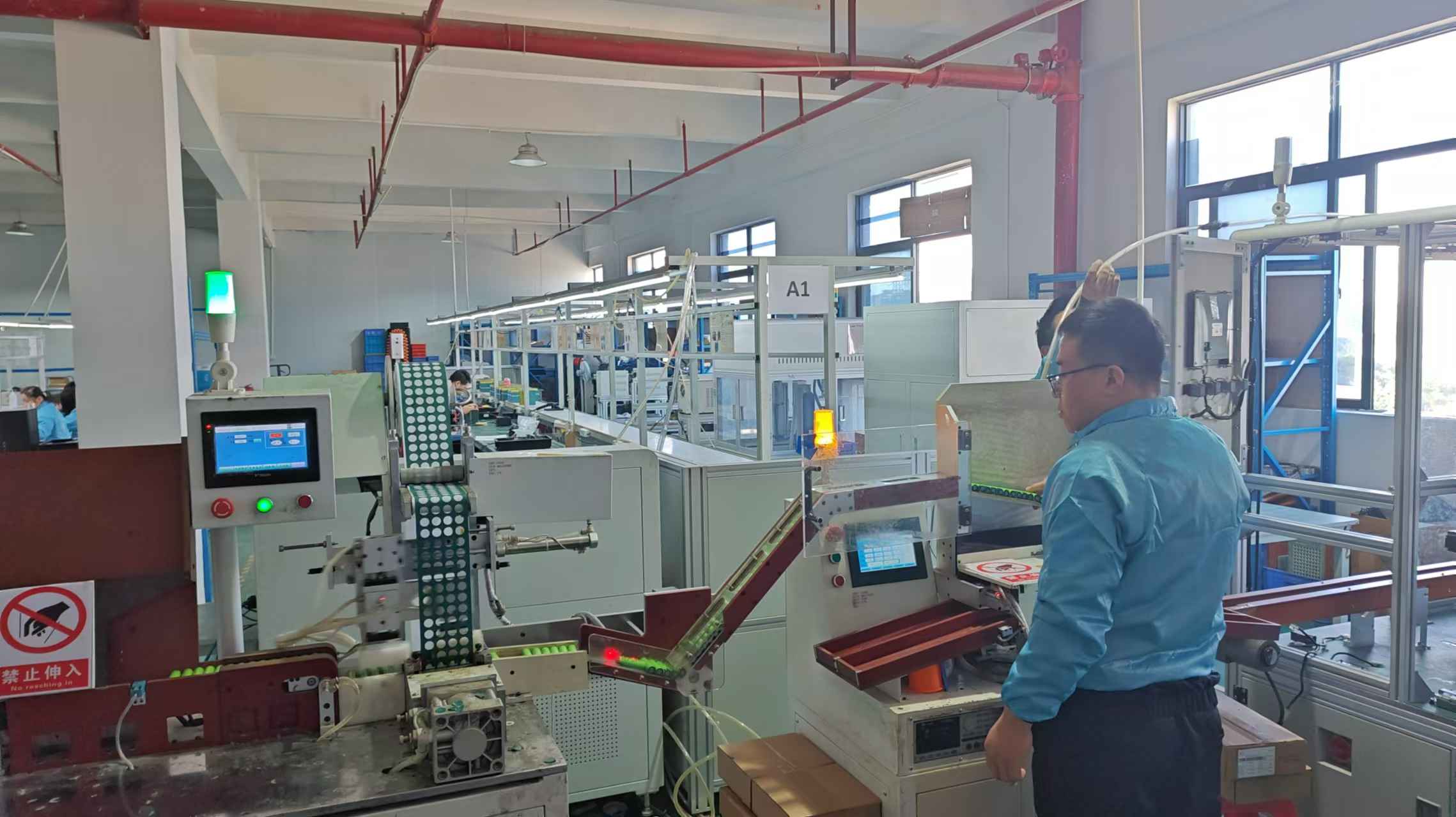
With a strong commitment to innovation, strict quality control, and customer-centric service, Guangdong Nuwon Energy continuously invests in advanced manufacturing capabilities, automated production lines, and rigorous testing systems. This ensures that every product meets international safety standards and delivers exceptional performance in demanding environments.
Driven by a vision to accelerate global electrification and energy efficiency, Guangdong Nuwon Energy Co., Ltd. is dedicated to building long-term partnerships and providing reliable, intelligent, and sustainable energy solutions to customers worldwide.
Optimizing value and reducing risks across energy storage, defense, and electric mobility operations.
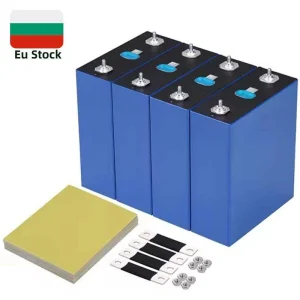
Enterprises need reliable sourcing channels with predictable lead times. Guangdong Nuwon Energy offers direct factory access and regional warehouse options (such as Poland and EU stock) to insulate clients from fluctuating global transit logistics.
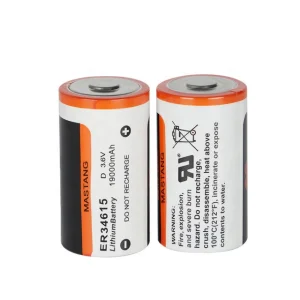
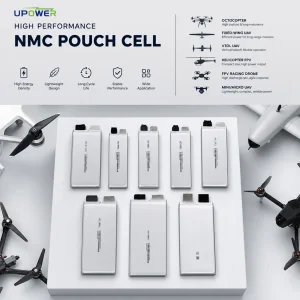
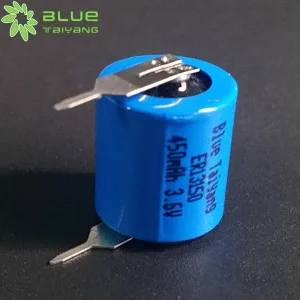
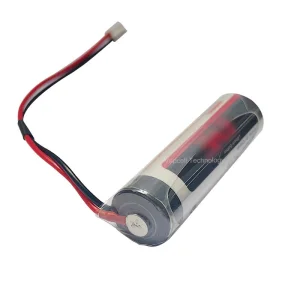
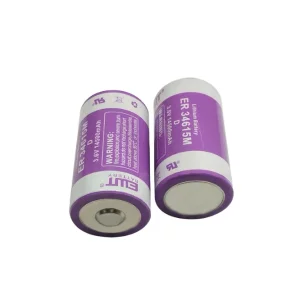
From smart utility meters utilizing high-capacity Non-Rechargeable Lithium Thionyl Chloride (Li-SOCl2) chemistry to UAV delivery drones requiring NMC semi-solid pouch cells with high energy densities, customizable form factors are crucial.
Every single module configuration must feature functional safety circuits, active cooling capabilities, and comprehensive cell-level barriers to protect systems against risks like thermal runaway propagation.
| Vertical Sector | Target Battery Chemistry | Lifecycle Value Proposition | Key Performance Indicators |
|---|---|---|---|
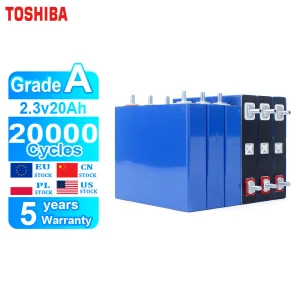
| Industrial Mobility (Forklifts, AGVs, AMRs) | LiFePO4 (LFP) / Lithium Titanate (LTO) | High charge rates, extended cycle life, low maintenance, and easy conversion to secondary battery systems. | 8,000+ deep cycles, active BMS interface, rapid 1C charging. |
| Unmanned Ground & Aerial Systems (Drones, UAVs) | NMC Pouch Cells / Semi-Solid State | Maximizing specific energy density and discharge rates while maintaining safety and durability. | Up to 350 Wh/kg specific energy, 10C sustained discharge ratings. |
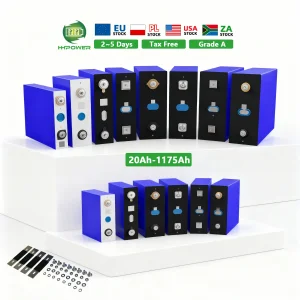
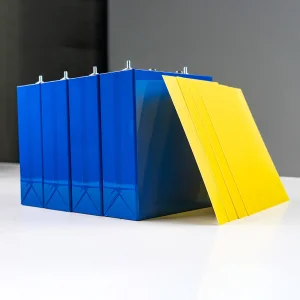
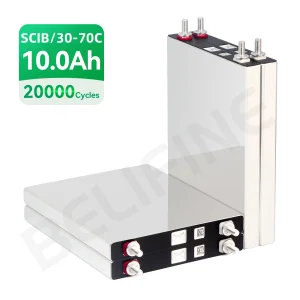
| Commercial & Utility Storage (C&I ESS) | Prismatic LiFePO4 (Grade A cells) | Reliable, long-term performance, easy capacity scaling, and direct integration with solar power grids. | 314Ah / 320Ah module densities, integrated thermal management. |
| Smart Metering & Telematics (IoT Devices) | Lithium Thionyl Chloride (Li-SOCl2) | Ultra-low self-discharge rates and extreme temperature tolerance for long-term field operations. | 10-to-15 year operational spans, wide operating temperature windows. |
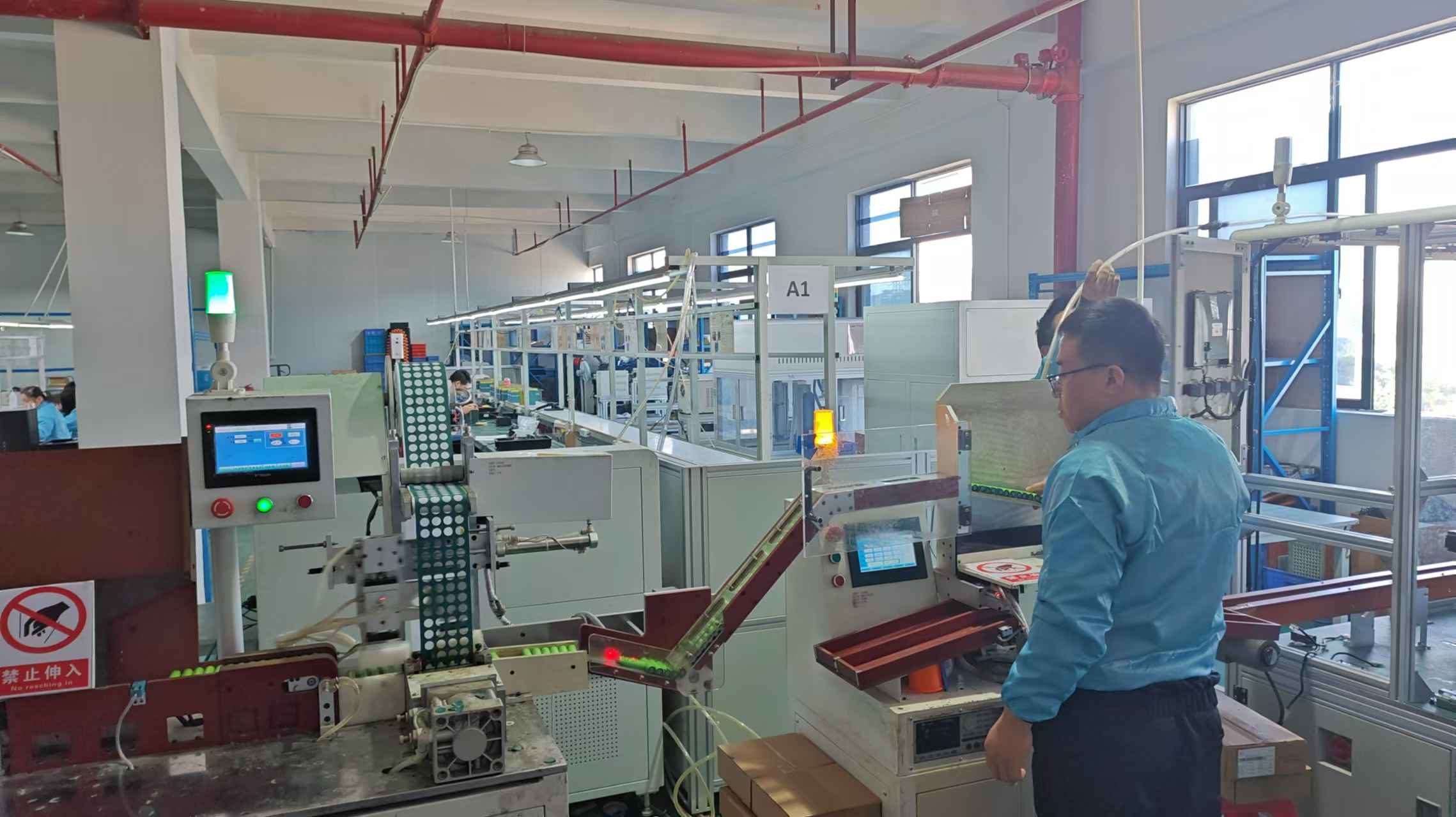
A look at Guangdong Nuwon Energy Co., Ltd.'s automated, high-precision assembly lines, and testing and validation infrastructure.
Pioneering solid-state chemistry and building a compliant, transparent value chain for the clean energy economy.
Guangdong Nuwon Energy is actively transitioning from liquid-electrolyte NMC chemistries to next-generation semi-solid-state designs. Solid-state architectures eliminate volatile solvents, preventing the formation of dendrites that can lead to internal short-circuits. Our latest 350Wh/kg NMC pouch cells are engineered for demanding delivery drone applications, maintaining structural integrity across extreme environments and thousands of operating cycles.
To meet evolving global directives (such as the EU Battery Regulation), we are integrating digital serialization into our assembly lines. Each cell pack receives an authenticated QR system identifier that records testing parameters, component origins, safety certifications, and state-of-health data. This digital profile helps tracking systems determine when a battery is ready to transition to a secondary application or go directly to high-yield material recycling.
| Standard / Regulation | Applicable Scope | Technical Verification Methods |
|---|---|---|
| UN38.3 | Safe air, sea, and land logistics | Tested under high vibration, impact, thermal cycling, external short circuits, and overcharge conditions. |
| UL1973 / UL9540A | Stationary energy storage modules | Rigorous testing for thermal runaway propagation, electrical safety, and mechanical abuse resistance. |
| IEC 62619 / 62133 | Industrial battery systems | Validates voltage and temperature control limits, safety software logic, and mechanical casing integrity. |
| RoHS & REACH Directive | Material chemistry compliance | Limits hazardous heavy metals to trace levels, ensuring safe handling during second-life conversion and recycling. |
In-depth insights into selection criteria, technological advancements, and sustainable operation procedures.
Contact the engineering division at Guangdong Nuwon Energy Co., Ltd. for custom cell sorting, module design, and comprehensive OEM/ODM assistance.

 Nuwon Energy