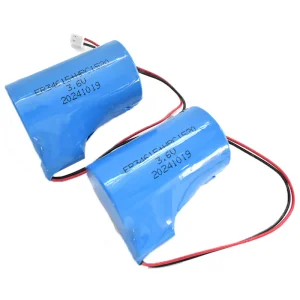
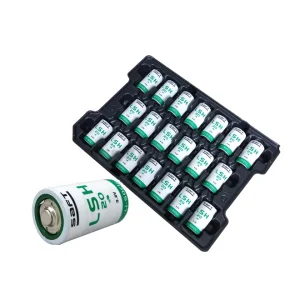
High-reliability power cells tailored for South Korea's high-density telecommunication systems, smart meters, and tracking applications.
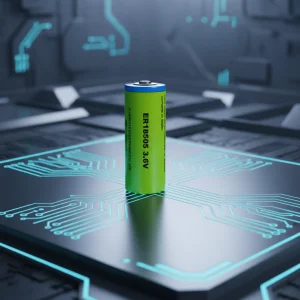
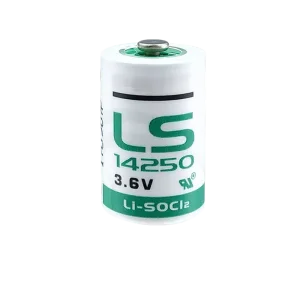
South Korea stands as a global powerhouse in heavy manufacturing, semiconductor fabrication, and high-performance computing. Yet, one of the country's most significant transformations is occurring quietly within its public infrastructure and industrial automation grids. With the government’s nationwide commitment to the K-AMI (Korea Advanced Metering Infrastructure) initiative and the integration of smart grids by KEPCO (Korea Electric Power Corporation), the demand for primary industrial batteries has reached unprecedented heights.
In this digital-first ecosystem, systems like remote gas, water, and heat meters must function without human intervention for 10 to 20 years. Battery replacement cycles in densely populated urban centers like Seoul, or rugged coastal districts like Busan, pose severe logistics costs. Therefore, engineers and procurement executives prioritizes Lithium Thionyl Chloride (Li-SOCl2) Wafer and Cylindrical Batteries over traditional lithium-ion or alkaline options. The chemistry is chosen for its high voltage profile, outstanding energy density, and superior self-discharge characteristics.
South Korea experiences severe seasonal temperature changes. Winters in regions like Gangwon-do can drop below -20°C, while summer temperatures routinely exceed 35°C in southern industrial hubs like Ulsan. Under extreme sub-zero conditions, many battery chemistries lose their nominal voltage and fail to deliver the peak current pulses required by modern LPWAN protocols (like NB-IoT, LTE-M, and Sigfox). Li-SOCl2 batteries utilize a naturally occurring lithium chloride (LiCl) passivation layer to protect the anode from corrosion during storage. However, if this layer is not engineered correctly, it can lead to a voltage delay—where the system's startup voltage drops below the threshold needed for transmission. Nuwon Energy’s customized formulation optimizes this passivation mechanism, ensuring instant power delivery even after extended exposure to sub-zero Korean winters.
Lithium Thionyl Chloride (Li-SOCl2) batteries contain a liquid electrolyte consisting of thionyl chloride ($SOCl_2$) and a lithium tetrachloroaluminate ($LiAlCl_4$) solute. The anode is pure metallic lithium, and the cathode is a high-surface-area porous carbon structure. This unique chemical structure results in the highest energy density of any commercial primary chemical cell—ranging up to 650 Wh/kg and 1280 Wh/dm³.
The primary chemical reaction that drives the cell is:
4Li + 2SOCl2 → 4LiCl + S + SO2
During periods of inactivity, a microscopic layer of Lithium Chloride (LiCl) forms on the surface of the lithium anode. This passivation layer prevents direct chemical degradation, which reduces self-discharge to less than 1% per year. However, this passivation layer must be carefully managed to prevent severe voltage delay during high-pulse operations.
| Cell Type | Nominal Voltage (V) | Typical Capacity (mAh) | Max Continuous Current (mA) | Ideal Application Scenario |
|---|---|---|---|---|
| ER14250 (1/2 AA) | 3.6 | 1200 | 25 | Smart Water Meters, Industrial IoT Sensors |
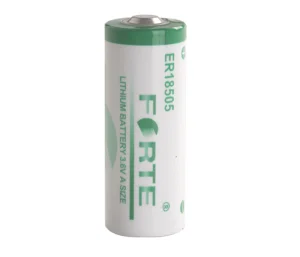
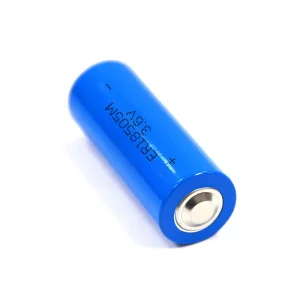
| ER18505 (A) | 3.6 | 4000 | 100 | Gas Infrastructure, Automotive Telematics |
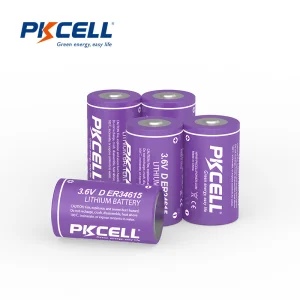
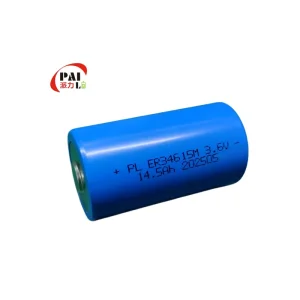
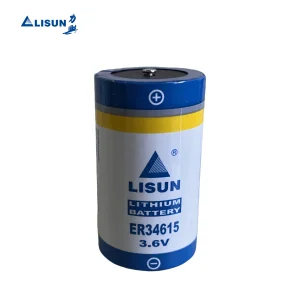
| ER34615 (D) | 3.6 | 19000 | 200 | Military Electronics, Marine Beacon Systems |
| Wafer Types | 3.6 | 400 - 1000 | 10 | Compact Electronic Toll Collection (ETC) Cards |
To support high-current transmission pulses without triggering voltage drops, Nuwon Energy offers a hybrid energy solution. For demanding smart grids in South Korea, we combine a standard Li-SOCl2 cell with a Supercapacitor (SPC) or Hybrid Layer Capacitor (HLC). Under this arrangement, the Li-SOCl2 cell continuously trickle-charges the HLC/SPC at low current, while the HLC/SPC delivers the high-current pulses (up to several amperes) required during active radio frequency transmissions. This eliminates voltage delay and extends battery life, assuring over 15 years of maintenance-free operation.
Guangdong Nuwon Energy Co., Ltd. – Global Engineering & Safety Excellence
Guangdong Nuwon Energy Co., Ltd. is a leading manufacturer and solution provider in advanced battery systems, specializing in the research, development, manufacturing, and global distribution of high-performance energy storage products. The company offers comprehensive OEM and ODM services, delivering customized battery solutions tailored to diverse industrial and commercial applications.
Backed by a highly experienced engineering and R&D team, Nuwon Energy focuses on the design and integration of cylindrical and prismatic lithium battery cells, as well as complete battery packs, modules, and energy storage systems. The company also develops and produces industrial-grade battery cells engineered for safety, durability, and long cycle life.
Guangdong Nuwon Energy serves a wide range of industries, including consumer electronics, electric mobility (such as golf carts, forklifts, UTVs/ATVs, trucks, and marine systems), medical equipment, unmanned ground vehicles (AGVs/AMRs), and emerging aerospace applications such as eVTOL aircraft. In addition, the company provides reliable residential, commercial, and industrial (C&I) energy storage solutions designed to support the global transition toward clean and sustainable energy.
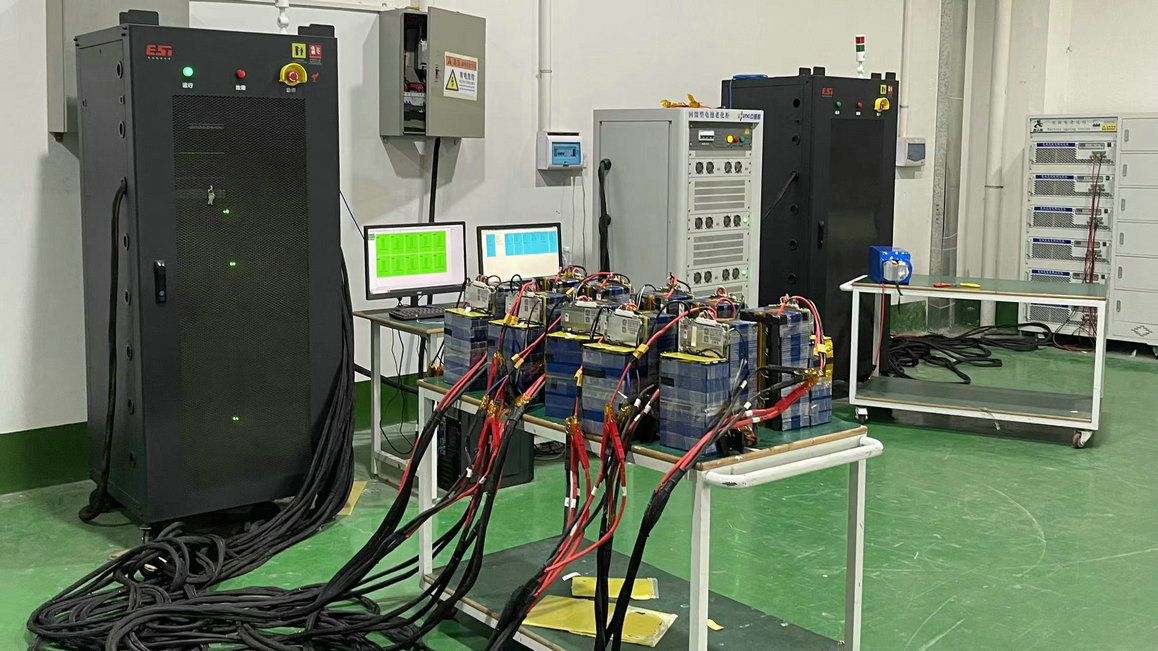
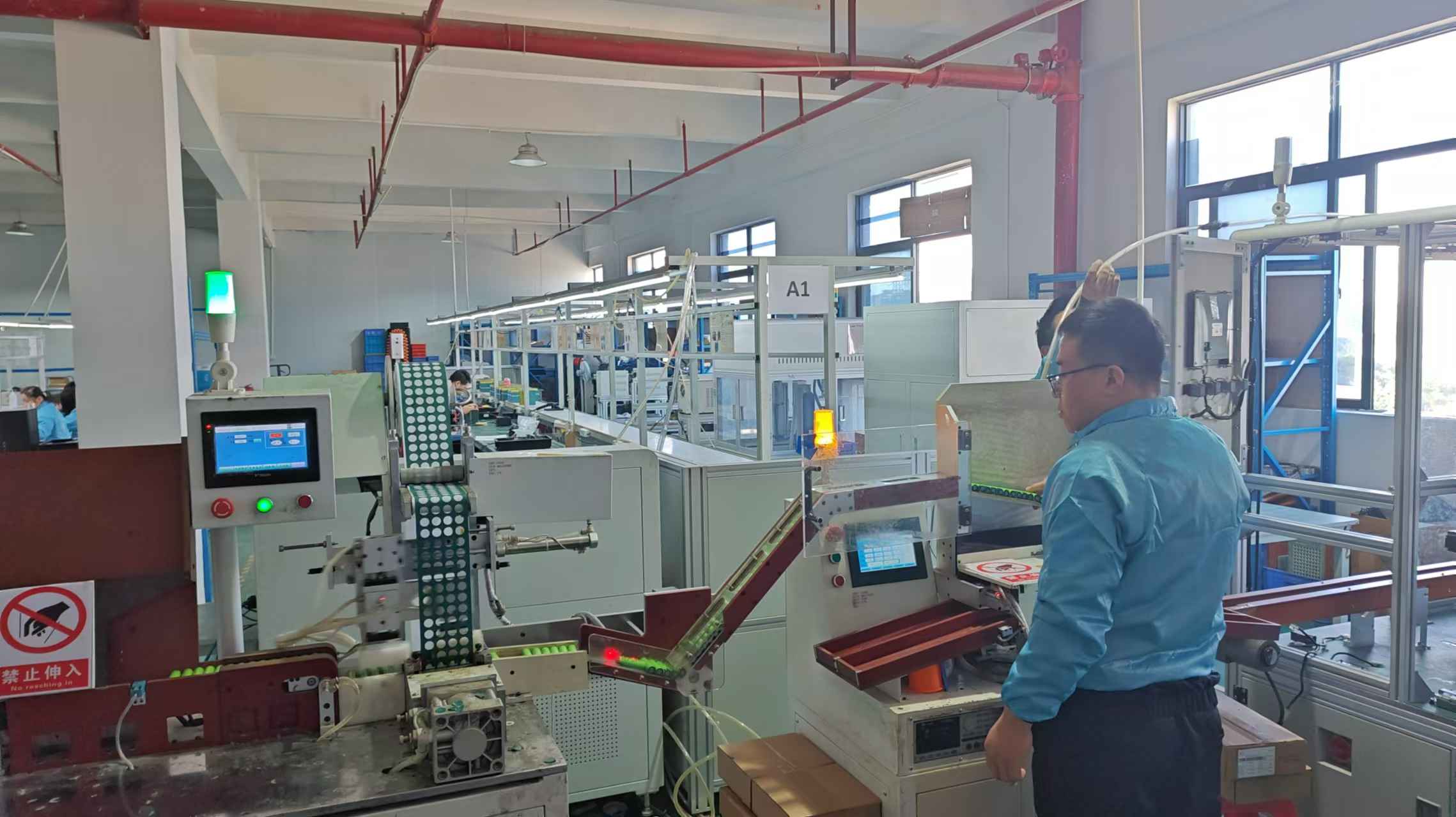
With a strong commitment to innovation, strict quality control, and customer-centric service, Guangdong Nuwon Energy continuously invests in advanced manufacturing capabilities, automated production lines, and rigorous testing systems. This ensures that every product meets international safety standards and delivers exceptional performance in demanding environments.
Driven by a vision to accelerate global electrification and energy efficiency, Guangdong Nuwon Energy Co., Ltd. is dedicated to building long-term partnerships and providing reliable, intelligent, and sustainable energy solutions to customers worldwide.
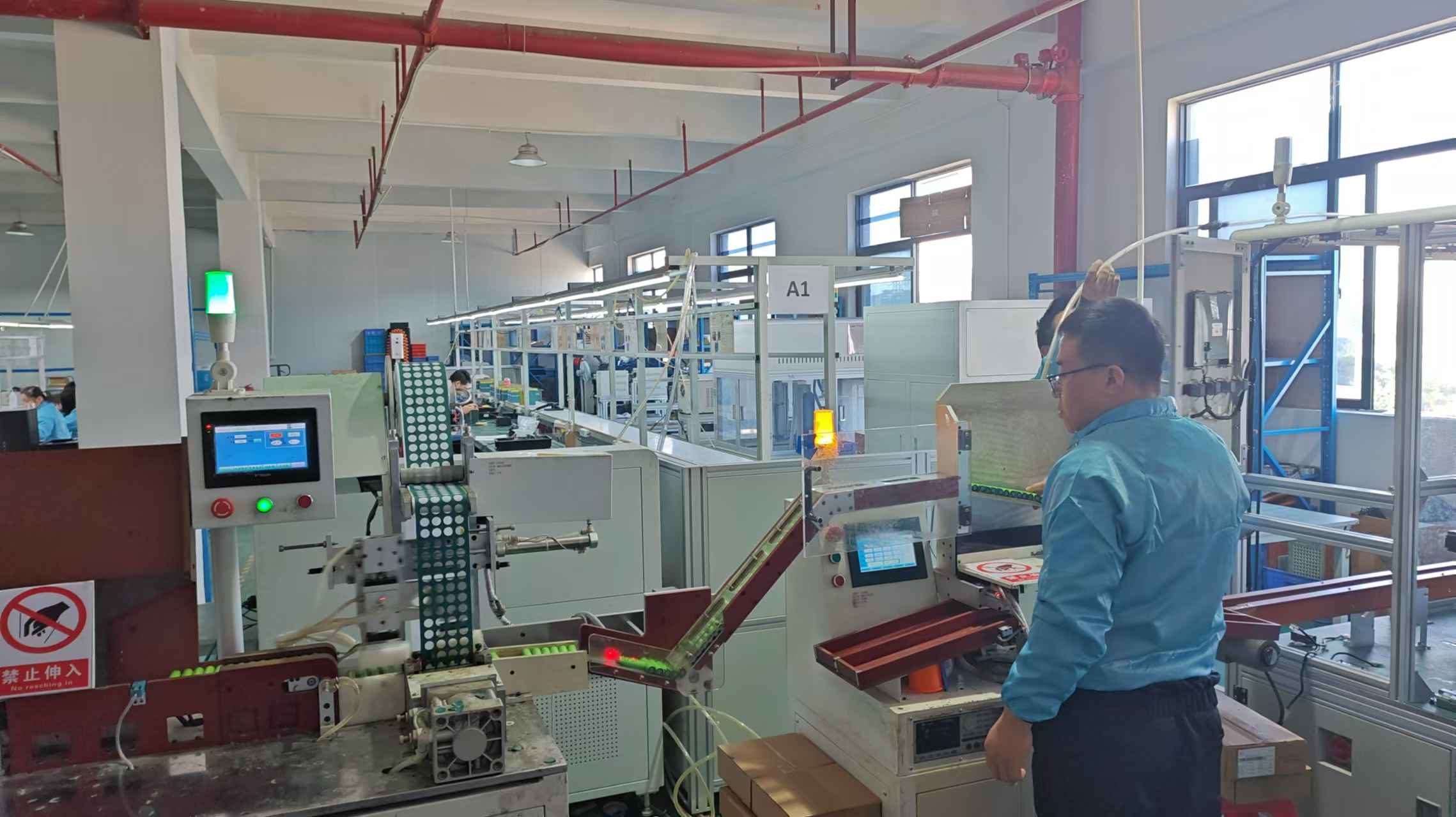
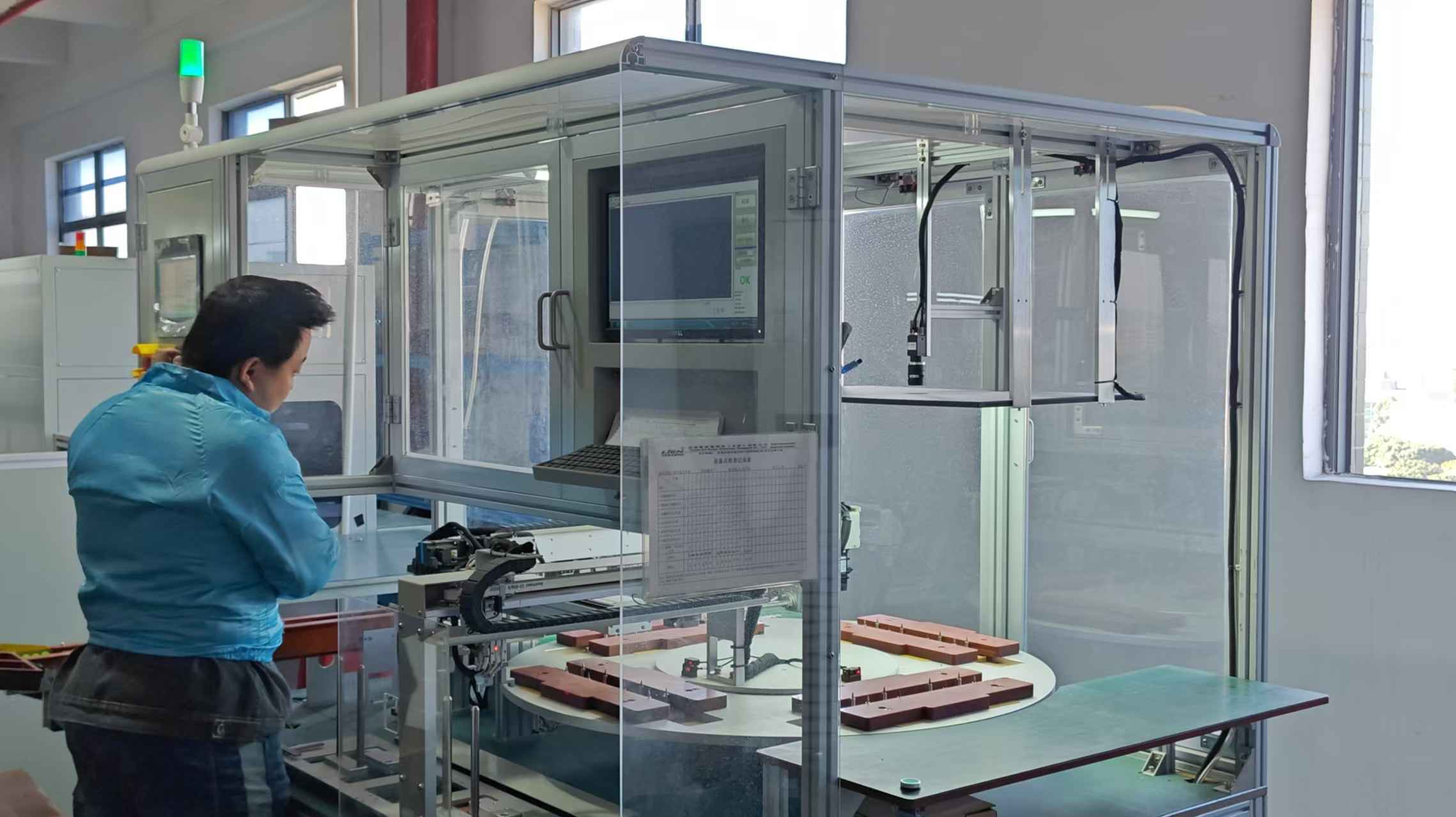
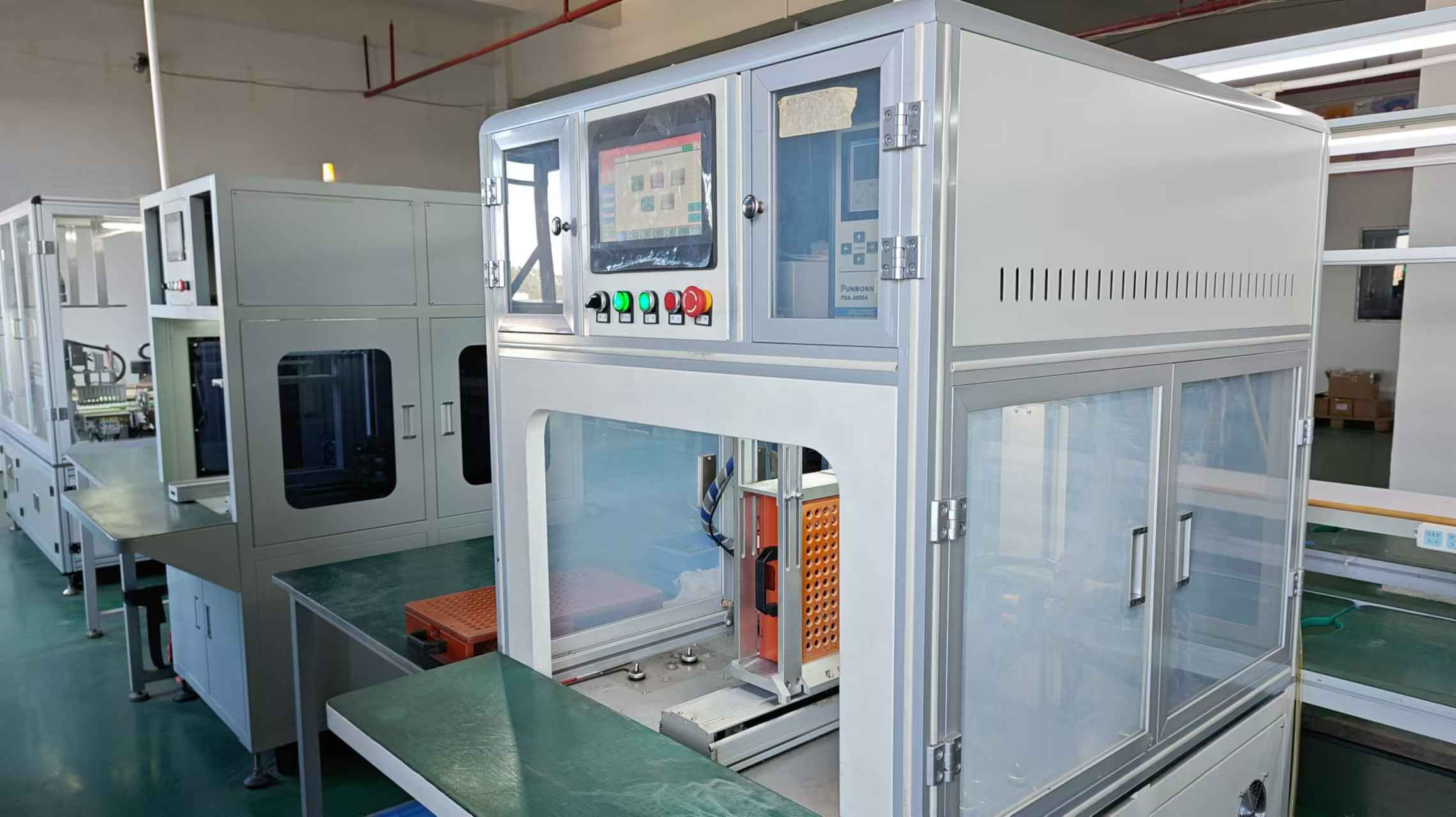
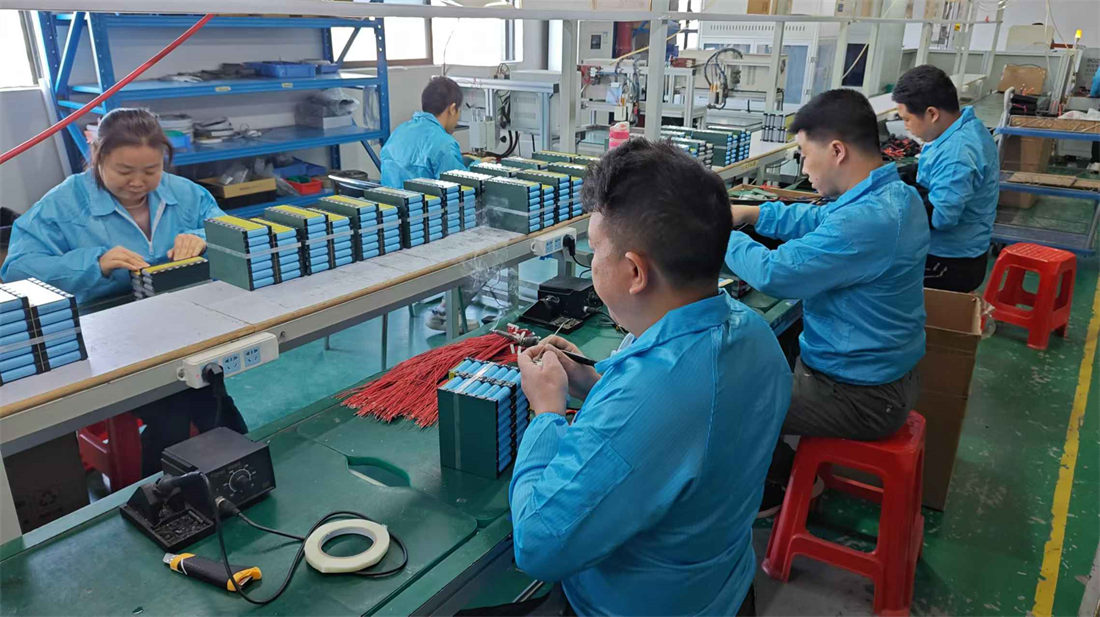
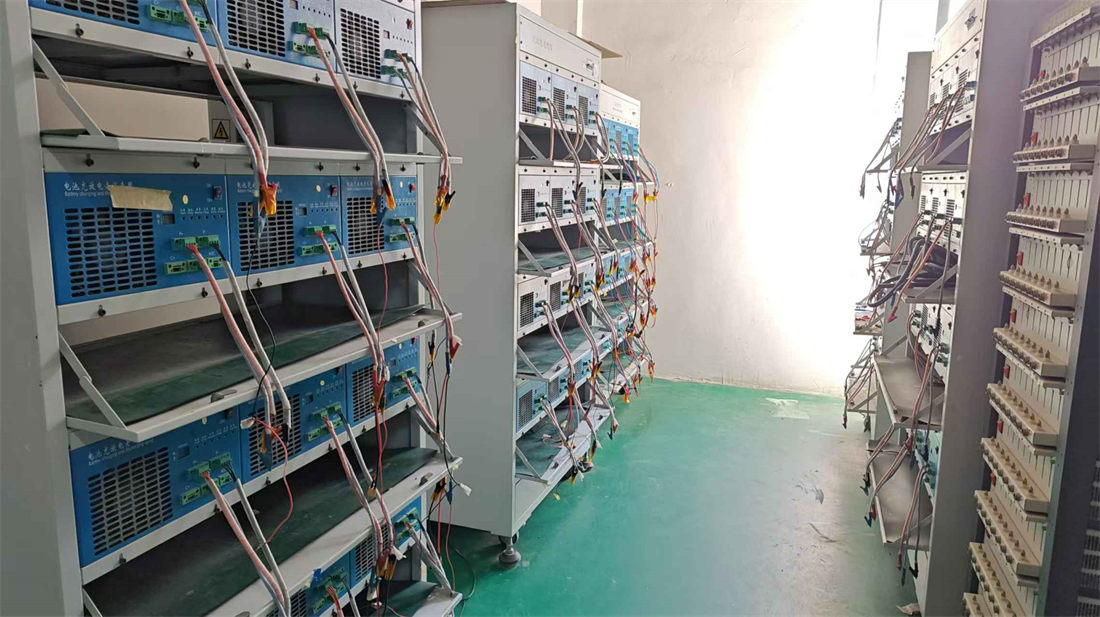
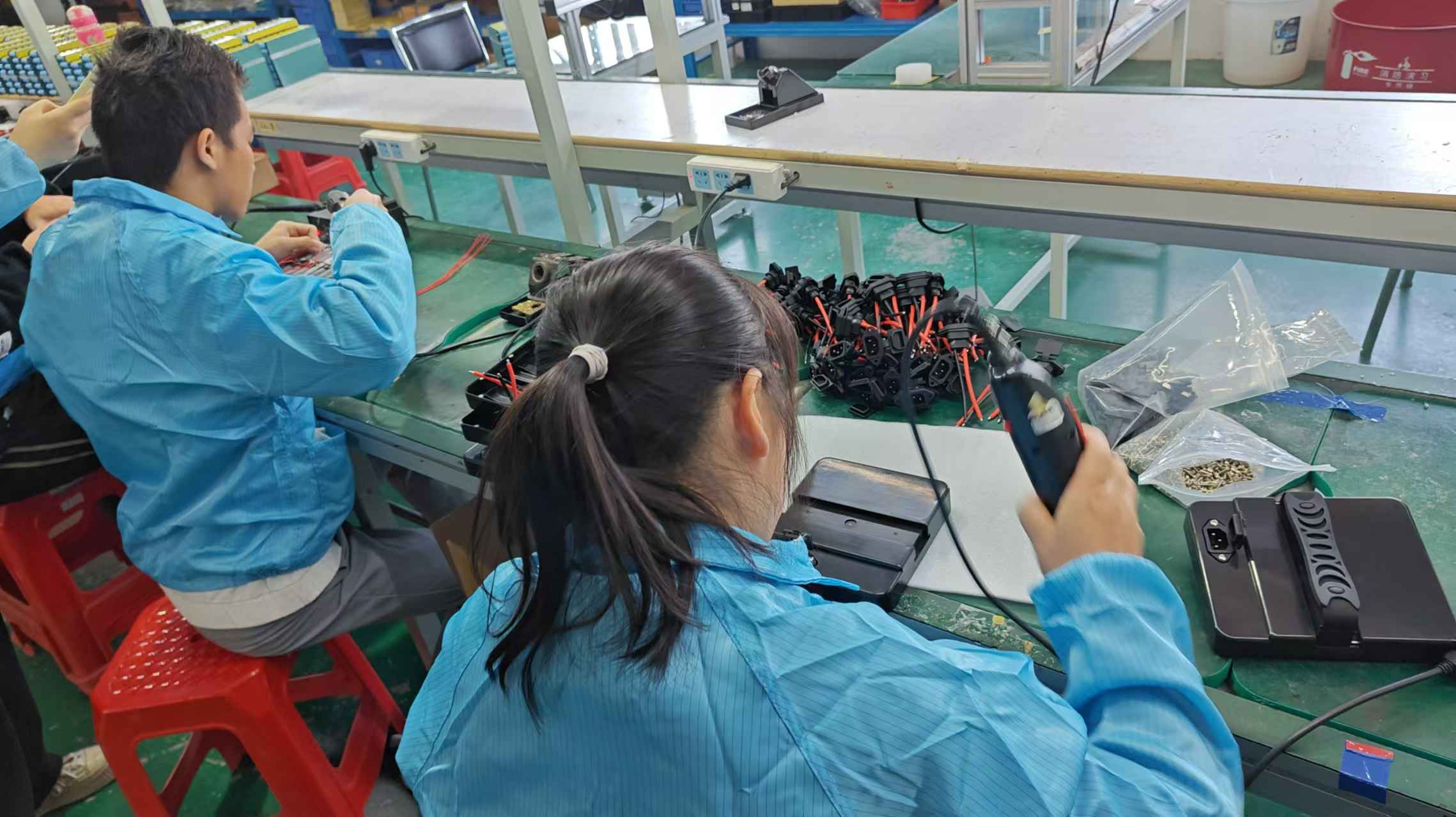
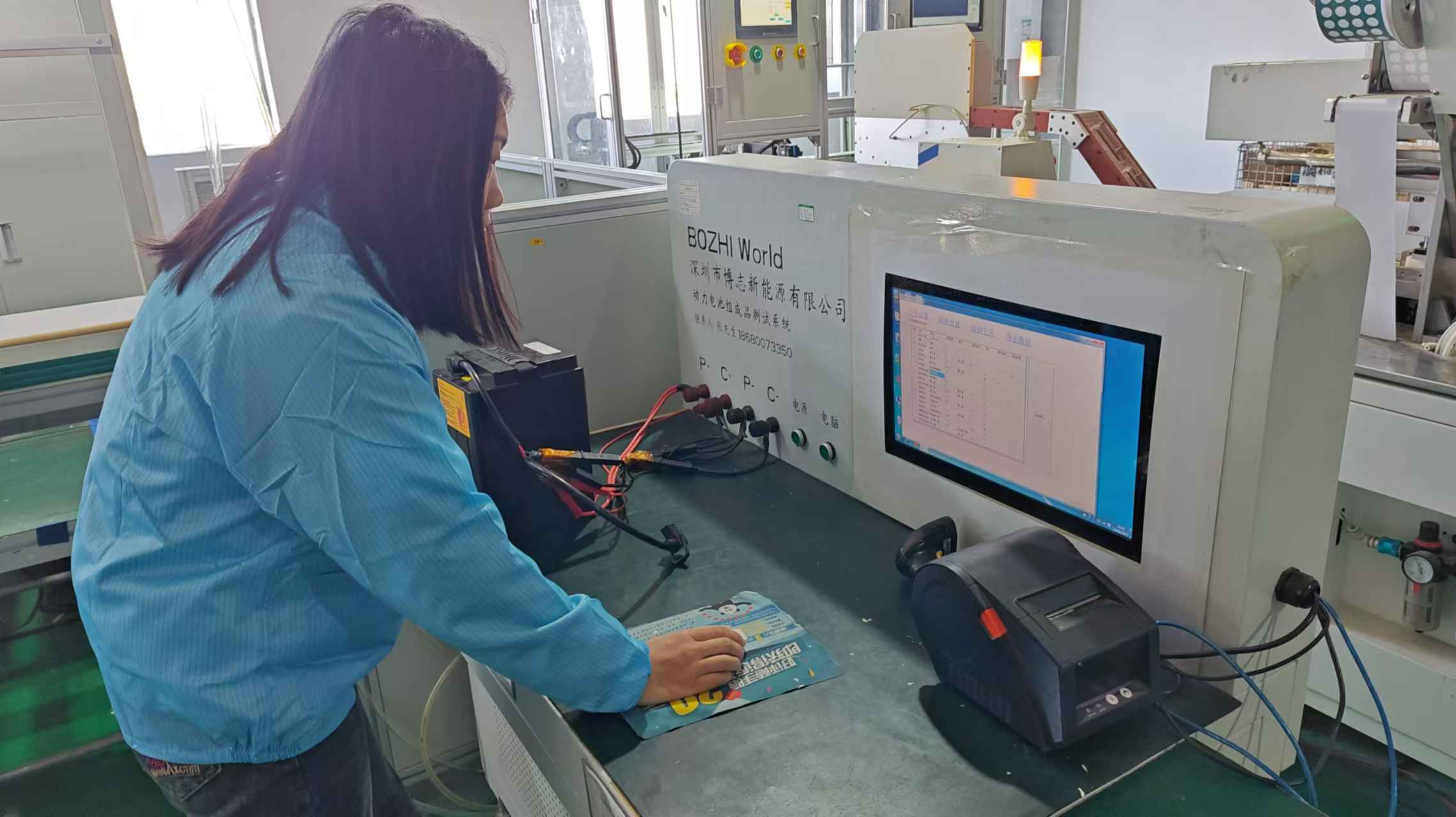
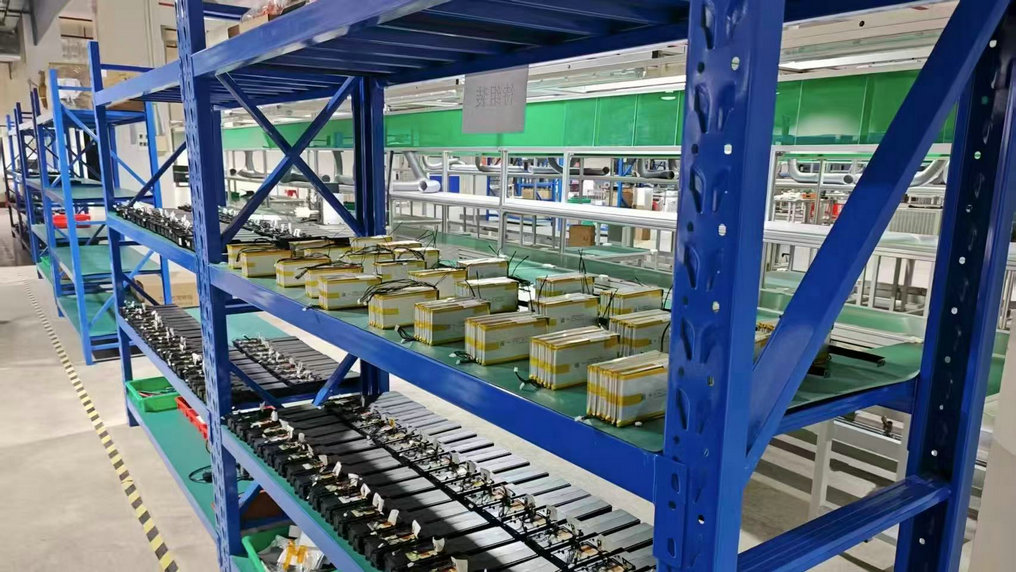
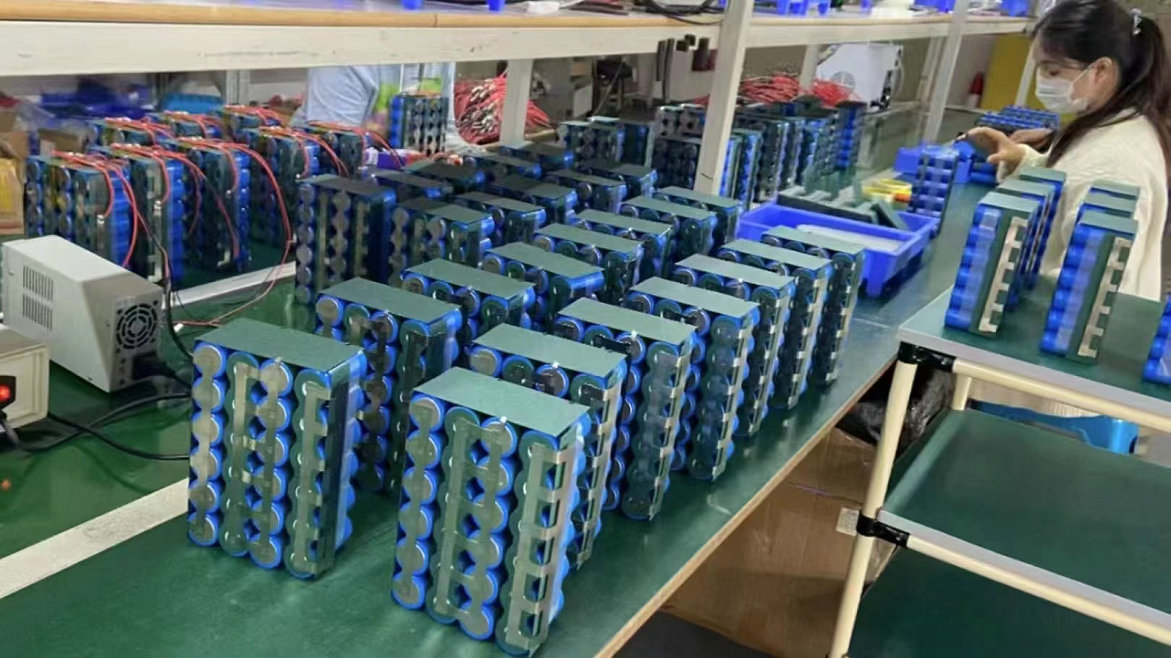
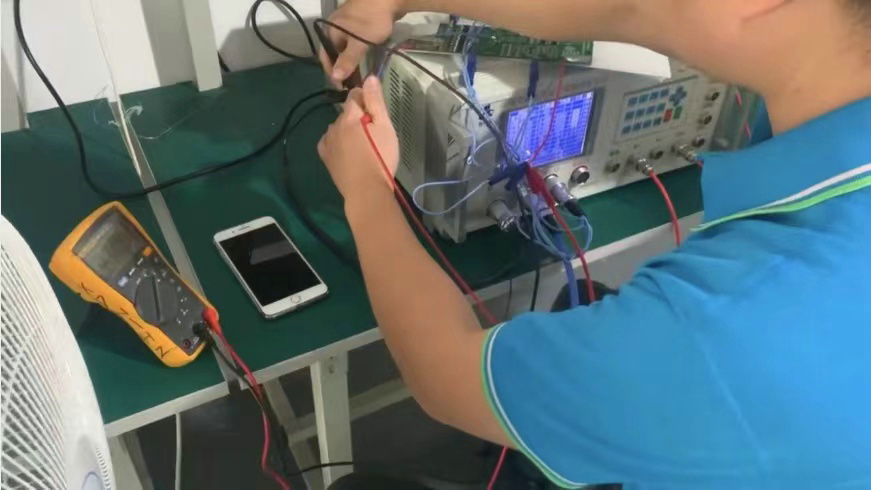
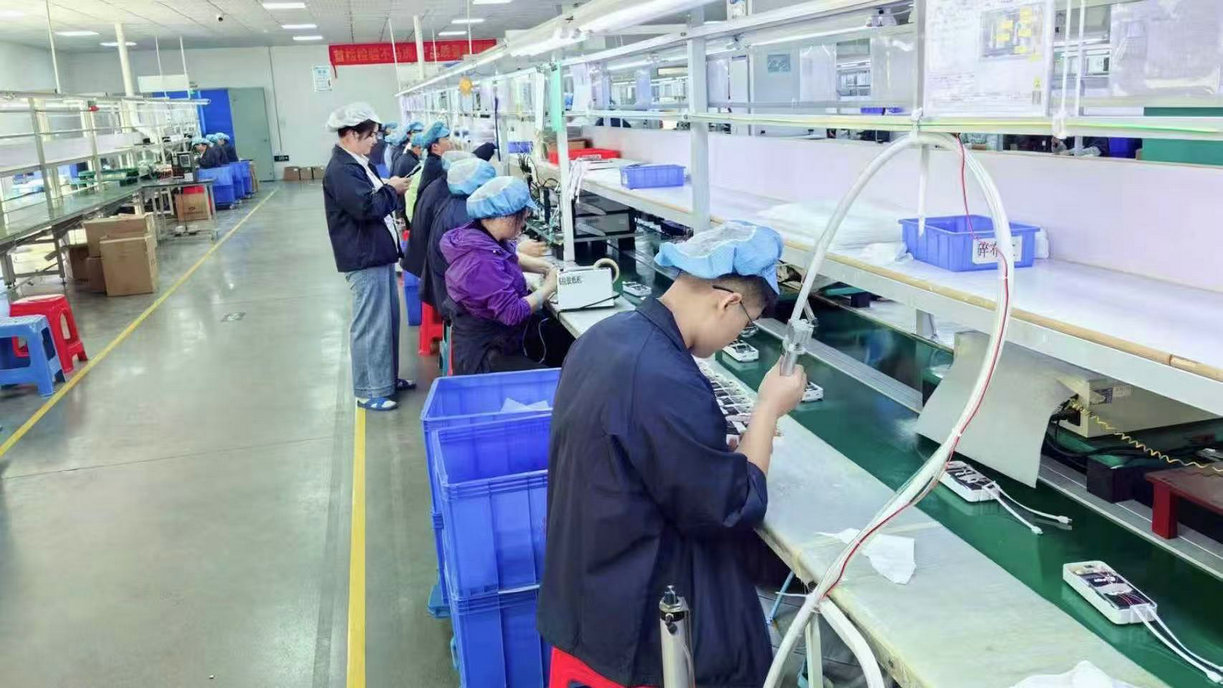
Explore our full line of Lithium Thionyl Chloride solutions, supporting standard cells and customized multi-cell battery packs.
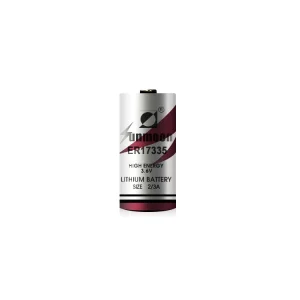

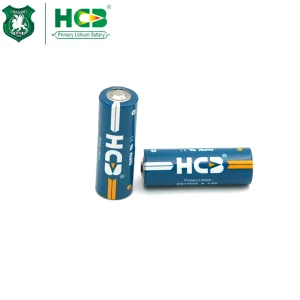
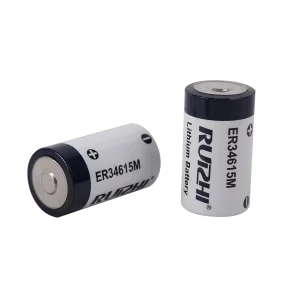
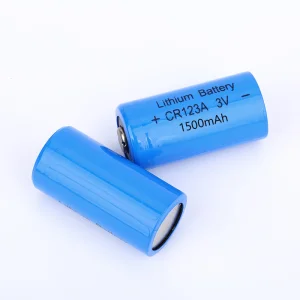
Exporting industrial primary lithium batteries to South Korea requires strict adherence to international and local regulatory frameworks. Primary battery cells must comply with the KC (Korea Certification) standard, ensuring safety against thermal abuse, overpressure, and vibration. Nuwon Energy guarantees that all shipped units possess complete certification files, protecting importers from delays at port terminals like Incheon and Busan.
Nuwon Energy partners with direct dangerous goods (DG) logistics channels. When shipping to South Korea, we provide Class 9 Dangerous Goods documentation, including the Material Safety Data Sheet (MSDS), UN38.3 test summaries, and custom cargo declarations. This direct routing eliminates transit delays, ensuring your production assembly lines remain on schedule.
As South Korea transitions from traditional LTE-M networks to 5G-enabled massive machine-type communications (mMTC), IoT sensors are sending larger data packages at higher frequencies. These transmissions demand high current pulses. Nuwon Energy’s R&D department is focused on two main technological advancements:
By using nanostructured carbon matrices on the cathode, we increase the active electrochemical surface area. This reduces internal impedance and allows the battery to deliver high pulse currents without a significant voltage drop. This design is highly beneficial for smart water and gas meters operating in deep sub-zero temperatures.
Traditional primary batteries offer flat discharge curves, making it difficult for smart systems to accurately estimate remaining capacity. Nuwon Energy works with Korean chipset manufacturers to integrate impedance-track software. This system alerts utility providers months before a battery reaches its end-of-life, enabling proactive maintenance scheduling.
Answers to common technical queries from Korean design engineers and B2B buyers.
Voltage delay is caused by the passivation layer of lithium chloride (LiCl) that forms on the lithium anode. While this layer prevents self-discharge during storage, it temporarily limits ion flow when a high-current load is applied. For applications requiring rapid start-up pulses, we recommend our hybrid Li-SOCl2 + SPC battery configurations, which bypass this delay.
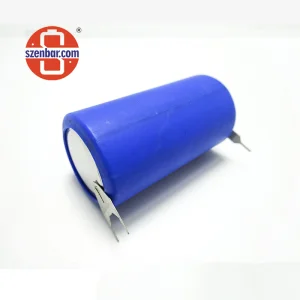
Yes. Through our OEM and ODM services, we design custom battery packs and configurations (such as 1S2P or series-parallel arrangements) complete with tailored connectors, wire leads, and plastic casings to fit your specific device housing.
We supply full UN38.3 test reports, safety data sheets (MSDS), and IEC 60086-4 compliance certificates. We also assist partners in acquiring KC certification for systems that require end-product electrical validation.
When stored at 20°C or below, self-discharge is kept under 1% per year. However, high-temperature storage accelerates passivation. We recommend storing cells in climate-controlled environments prior to deployment.
Yes. Our spiral-wound ER cells (like the ER34615M or hybrid configurations) are designed to support the peak current pulses (100mA to 2A00mA) required by NB-IoT, LTE-M, and LoRaWAN transceivers used by Korean telecom providers.
Looking for a reliable manufacturing partner for your next IoT, metering, or tracking project in South Korea? Contact our engineering team for custom configurations, technical datasheets, and sample evaluations.
Send Inquiry Now Nuwon Energy