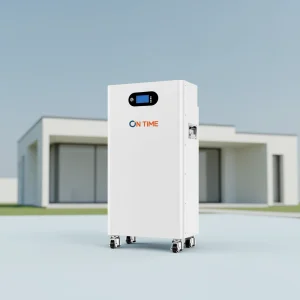
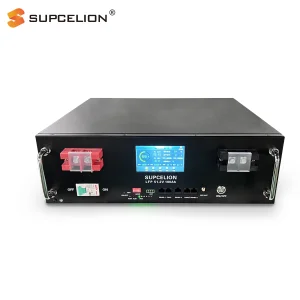
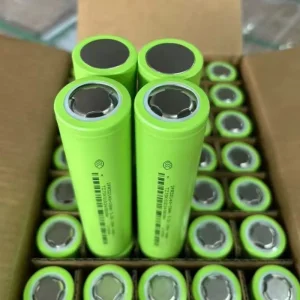
Engineered for high thermal tolerance, longevity, and intelligent management across severe applications.
Vietnam is experiencing a rapid industrial transformation. While known for its tropical climate, certain geographical and vertical markets demand highly specialized battery solutions. In the mountainous northern regions such as Lào Cai (Sa Pa), Lạng Sơn (Mẫu Sơn), and Hà Giang, winter temperatures can fall below 0°C. Heavy telecommunication towers, border monitoring systems, and local rural microgrids require battery packs capable of constant, stable discharge without suffering from sub-zero thermal collapse.
More critically, Vietnam’s agricultural export surge has catalyzed the development of massive cold chain logistics networks in Binh Duong, Long An, and near Hai Phong Port. The indoor environments of these modern blast freezers operate constantly between -18°C and -30°C. Conventional lithium-ion packs experience catastrophic chemical deceleration at these levels, reducing active service time by up to 60%. As a premier low-temperature lithium battery manufacturer, Guangdong Nuwon Energy Co., Ltd. fills this technical gap with specialized electrolyte compositions and integrated thermal management.
Maintaining a stable 80% discharge capacity down to -30°C for automated guided vehicles in cold warehouses.
Reliable backup power supplies in northern border regions during prolonged winter frost periods.
At temperatures below 0°C, typical lithium-ion batteries fail due to two main physical-chemical changes: the sharp increase in electrolyte viscosity (which halts lithium-ion transportation) and the high charge transfer resistance at the anode-electrolyte interface. This induces dangerous lithium plating on the anode, resulting in accelerated capacity loss or short-circuit failures.
To overcome this, Guangdong Nuwon Energy utilizes a multi-solvent low-freezing electrolyte formula. By incorporating low-viscosity carboxylic acid esters (such as methyl acetate or ethyl propionate) and engineered lithium salts like LiFSI (Lithium bis(fluorosulfonyl)imide), our low-temperature cells retain fluid dynamics at -40°C. Coupled with nano-structured silicon-carbon anodes that feature optimized tortuosity, lithium ions intercalate swiftly even during rapid discharge under sub-zero parameters.
A benchmark analysis comparing typical commercial lithium systems with Nuwon's specialized low-temperature chemistry.
| Performance Index | Standard Lithium Battery | Nuwon Low-Temp Li-Ion (RS50) | Nuwon Low-Temp LiFePO4 (Solid-State) |
|---|---|---|---|
| Discharge Cut-off Temp | -15°C to -20°C | -40°C | -30°C |
| Capacity Retention (-30°C) | < 35% (Severe Voltage Sag) | ≥ 82% | ≥ 75% |
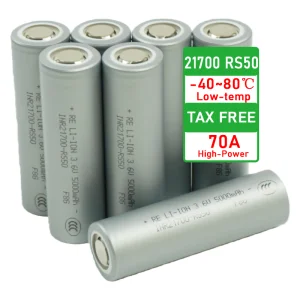
| Max Continuous Discharge | 0.5C - 1C | Up to 14C (70A for 21700) | 1C - 2C |
| Self-Heating Integration | Not Supported (Requires external heaters) | BMS Internal Thermo-film Control | BMS Internal Thermo-film Control |
| Primary Applications | Standard EV, consumer toys | FPV Drones, eVTOL, cold telemetry | Heavy cold storage AGVs, grid energy storage |
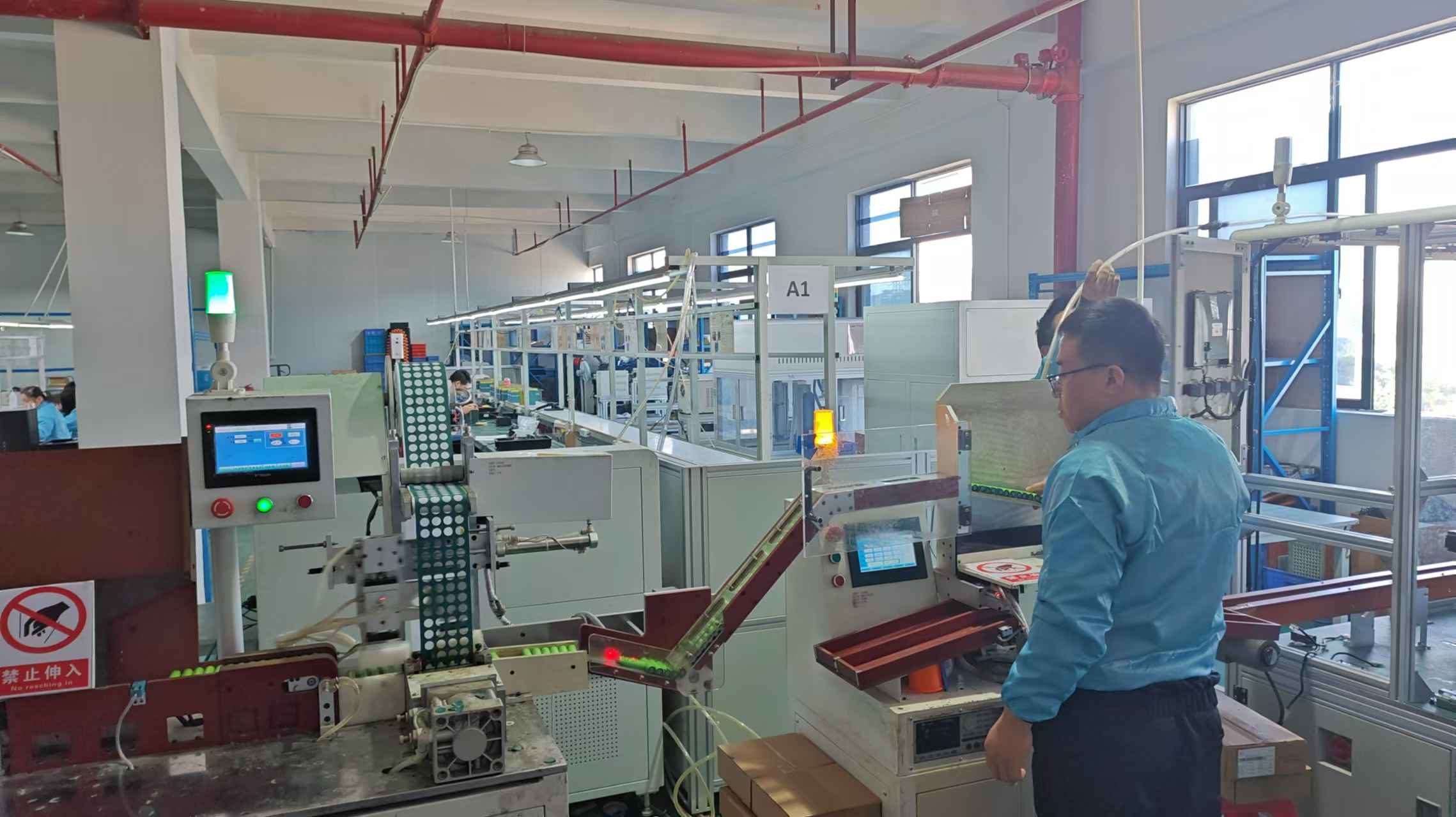
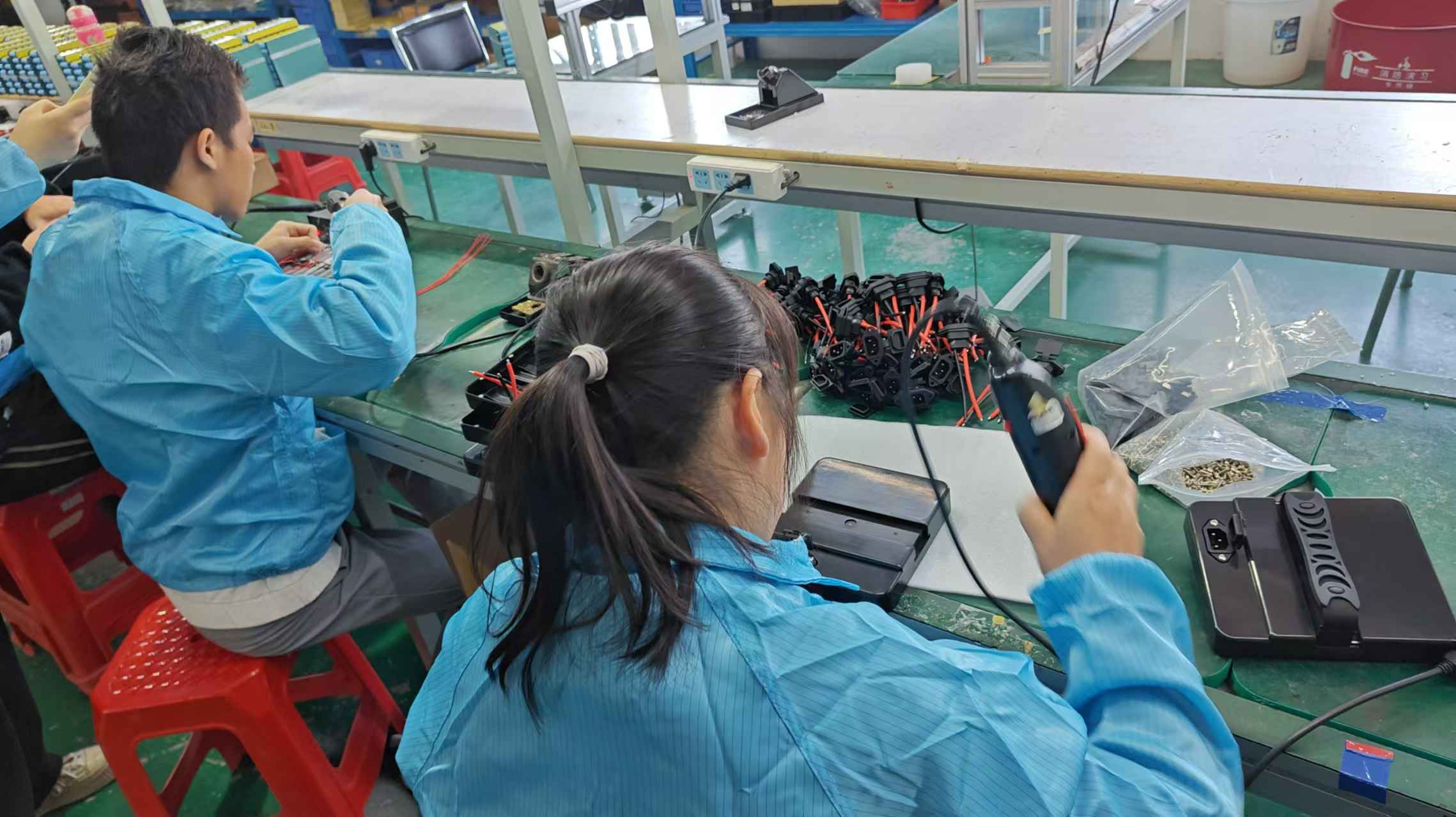
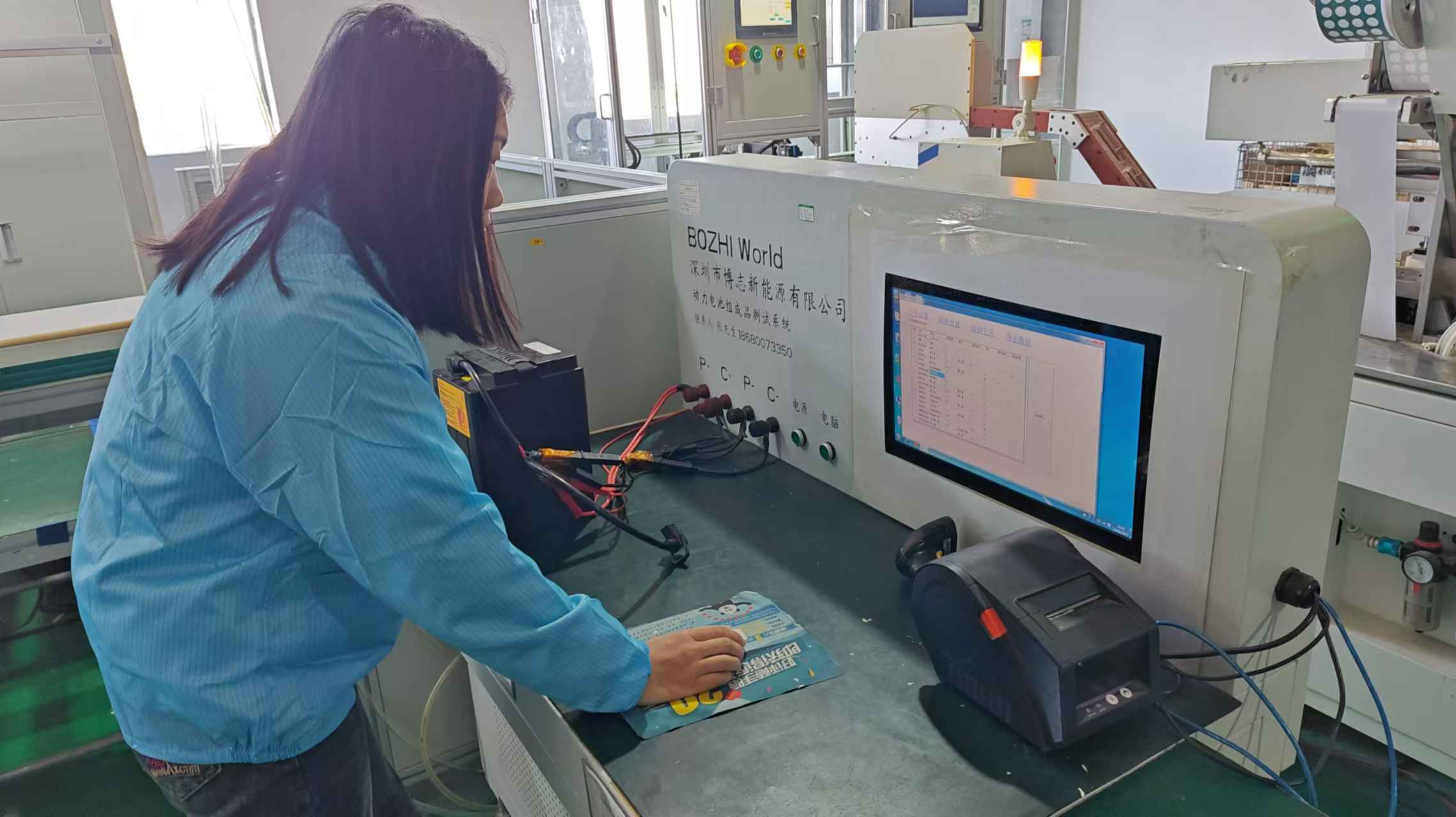
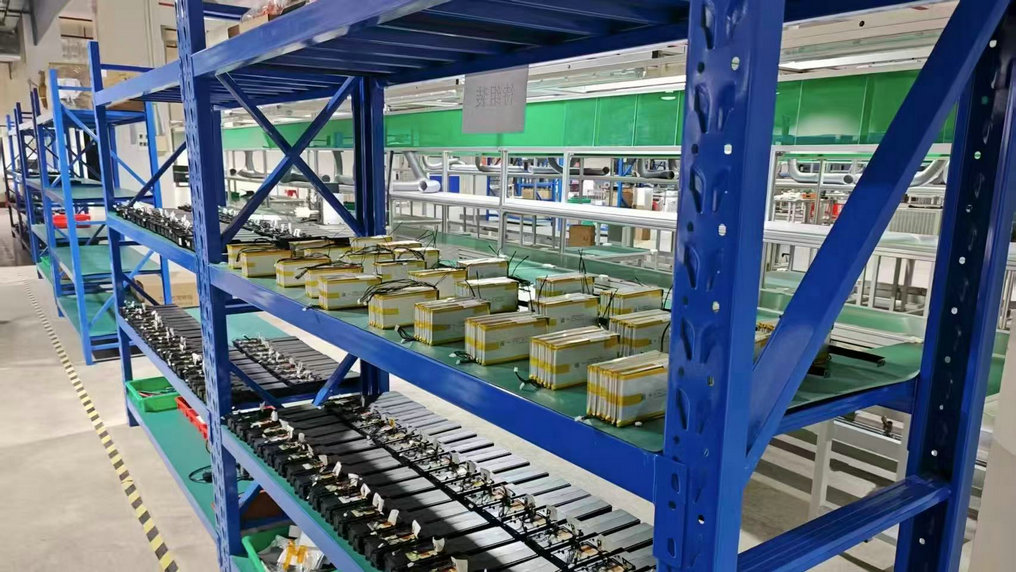
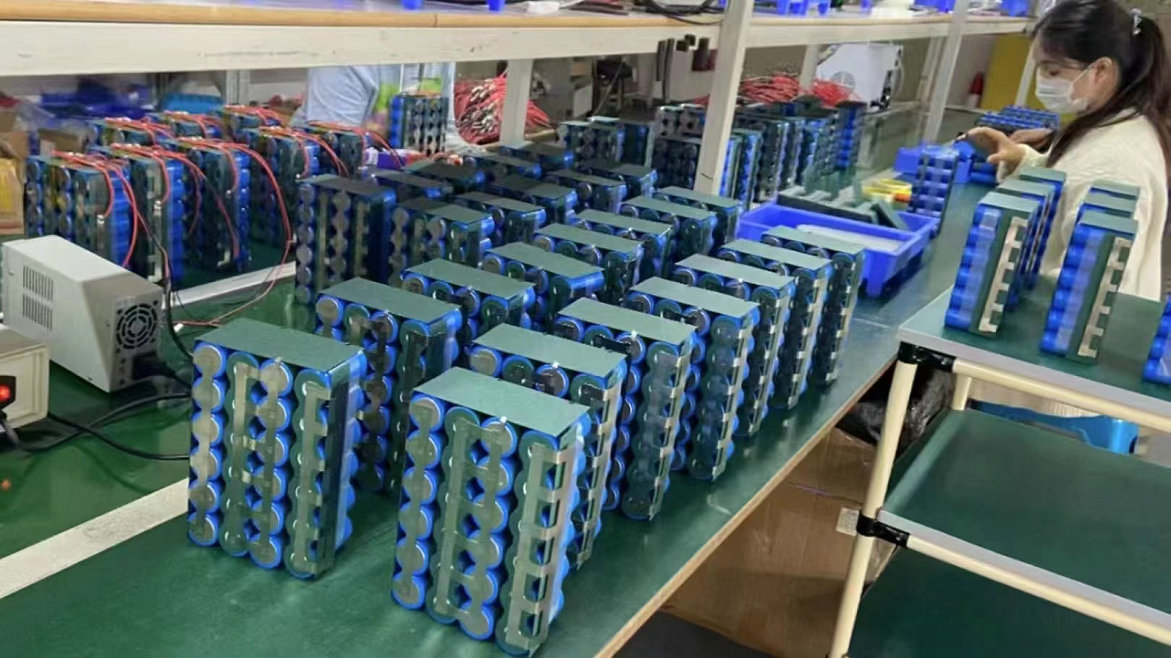
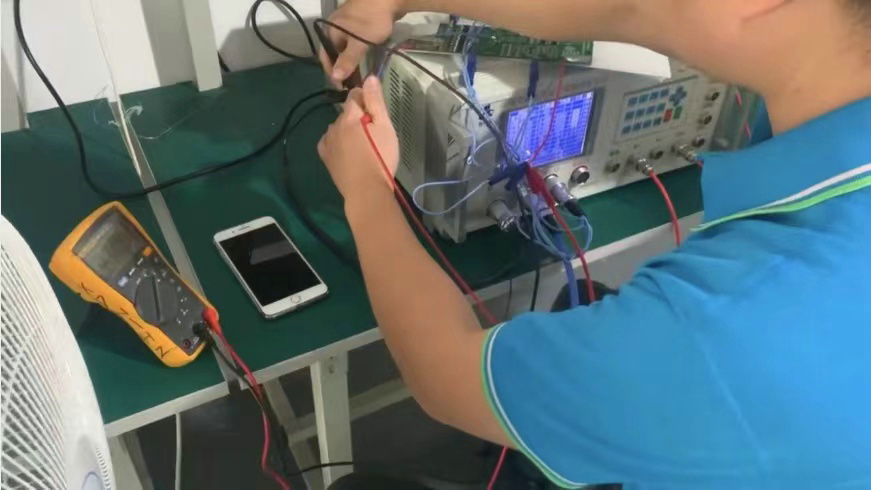
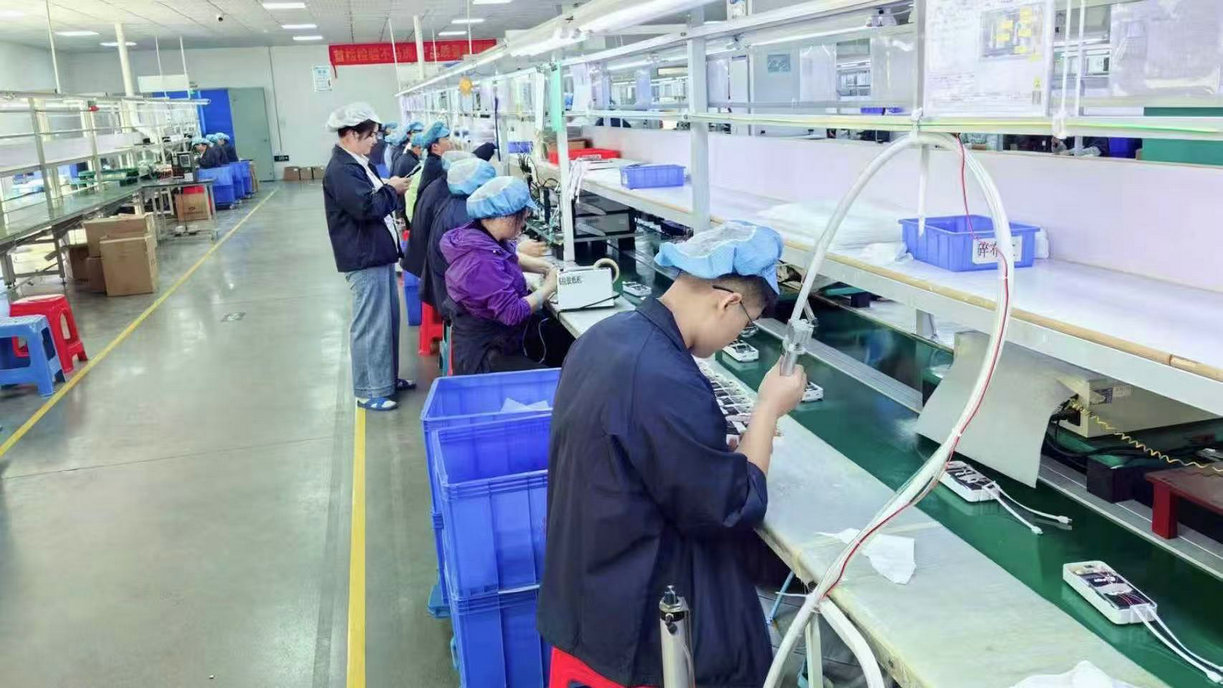
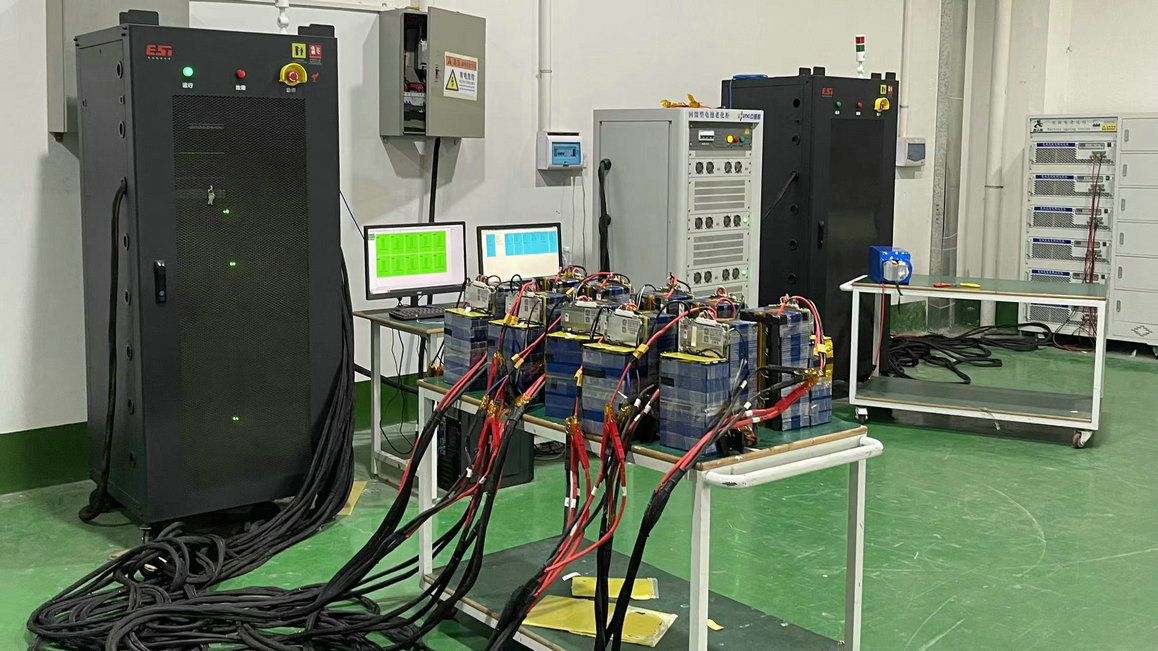
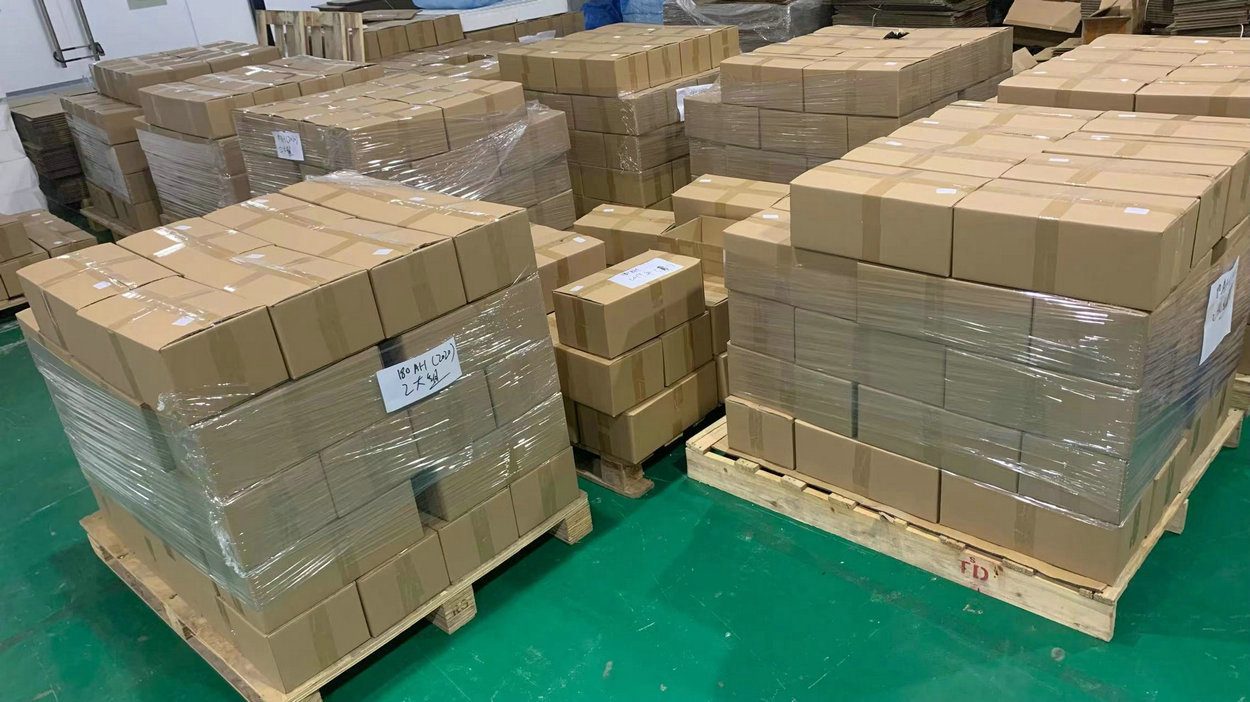
A trusted global supplier backed by cutting-edge automation, comprehensive quality gates, and robust testing mechanisms.
Guangdong Nuwon Energy Co., Ltd. is a leading manufacturer and solution provider in advanced battery systems, specializing in the research, development, manufacturing, and global distribution of high-performance energy storage products. Backed by a highly experienced engineering and R&D team, Nuwon Energy focuses on the design and integration of cylindrical and prismatic lithium battery cells, as well as complete battery packs, modules, and energy storage systems.
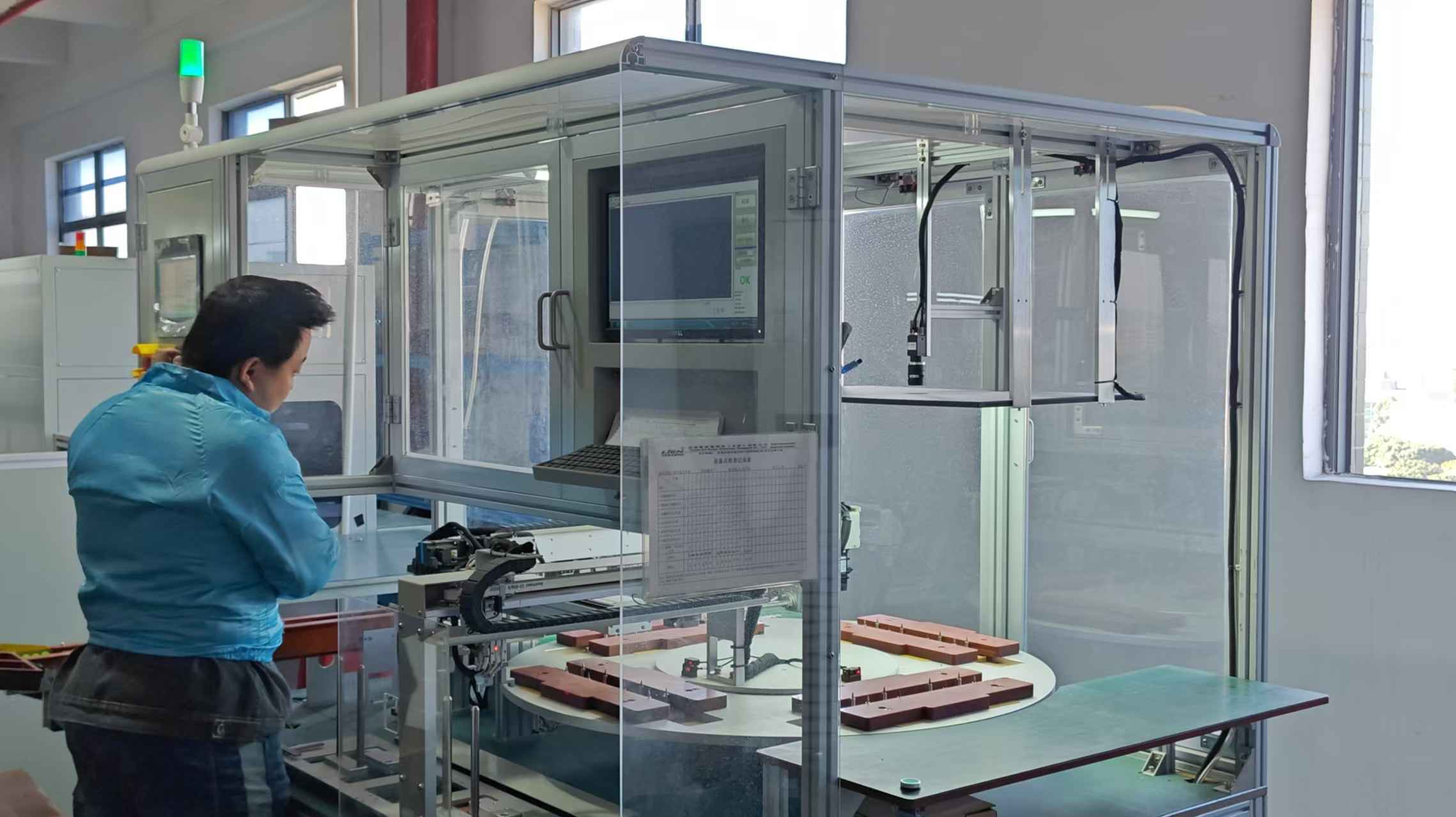
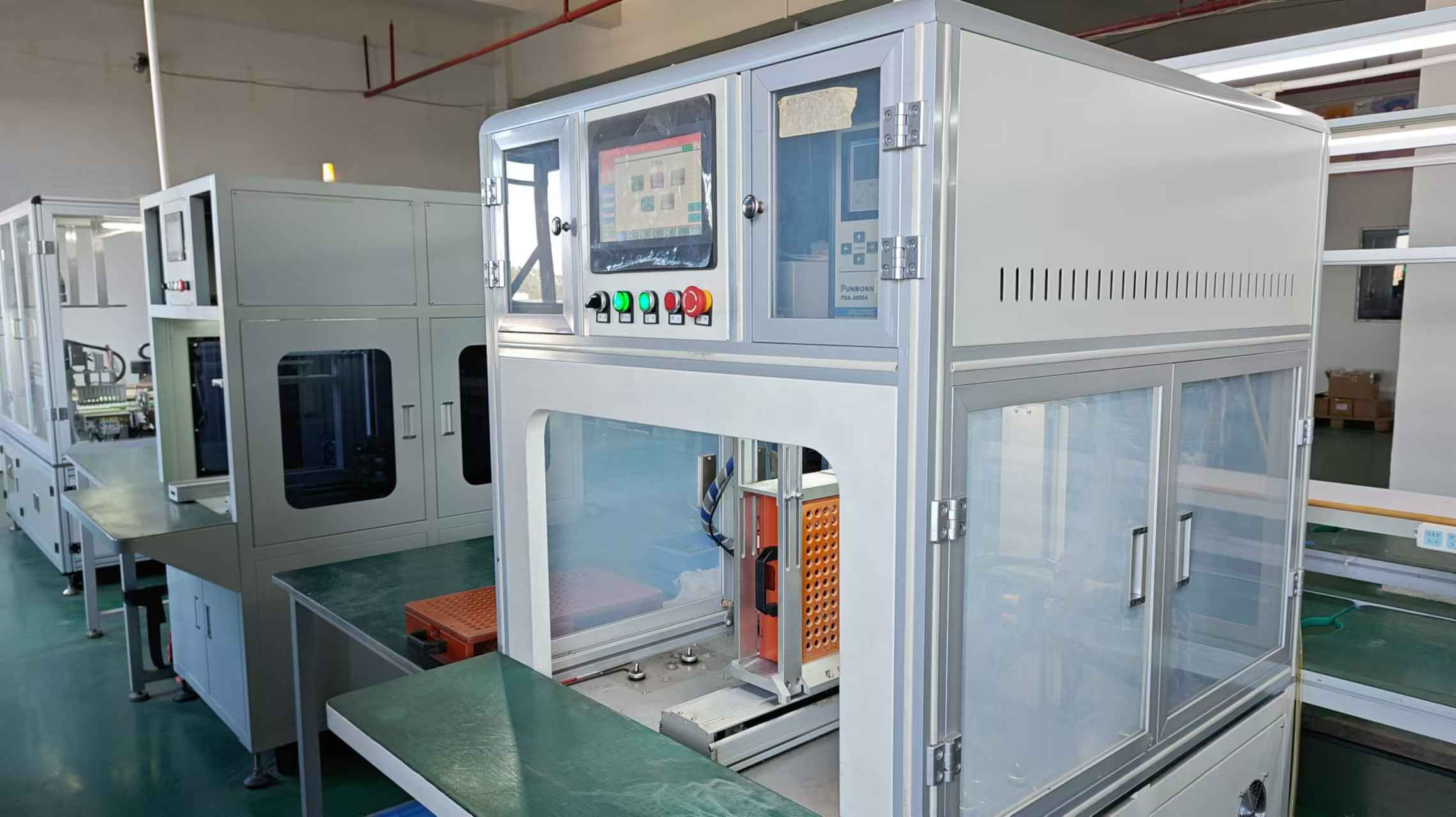
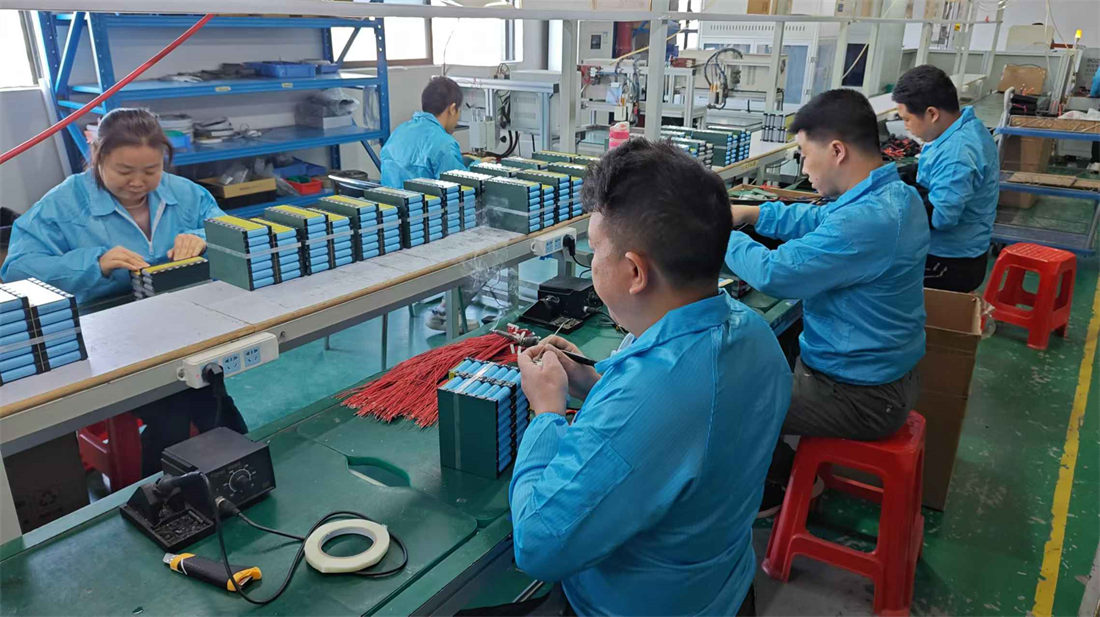
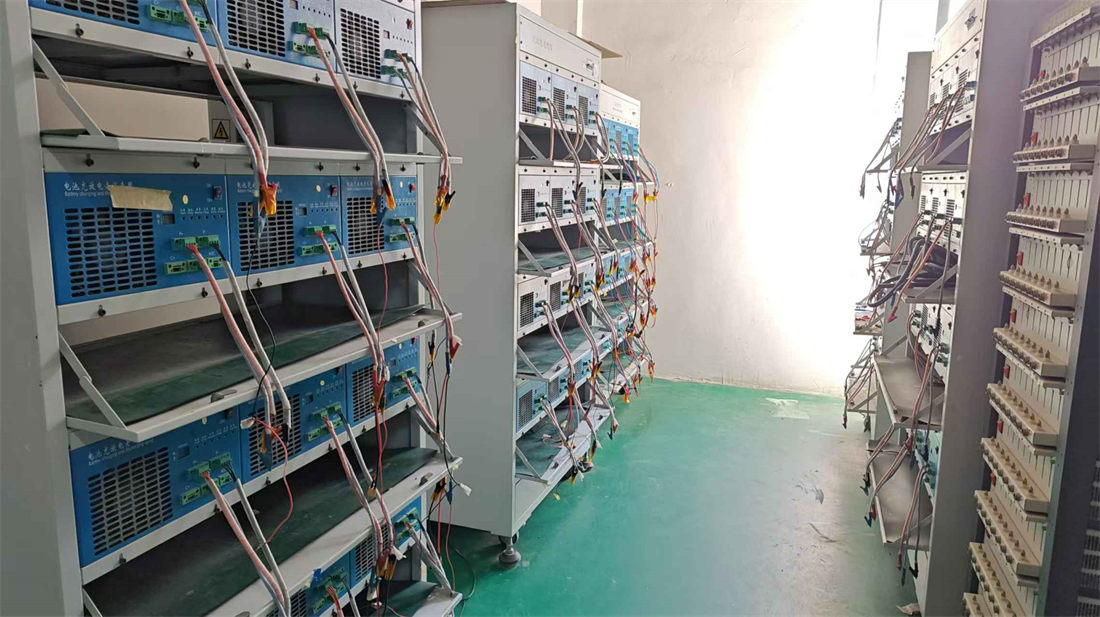
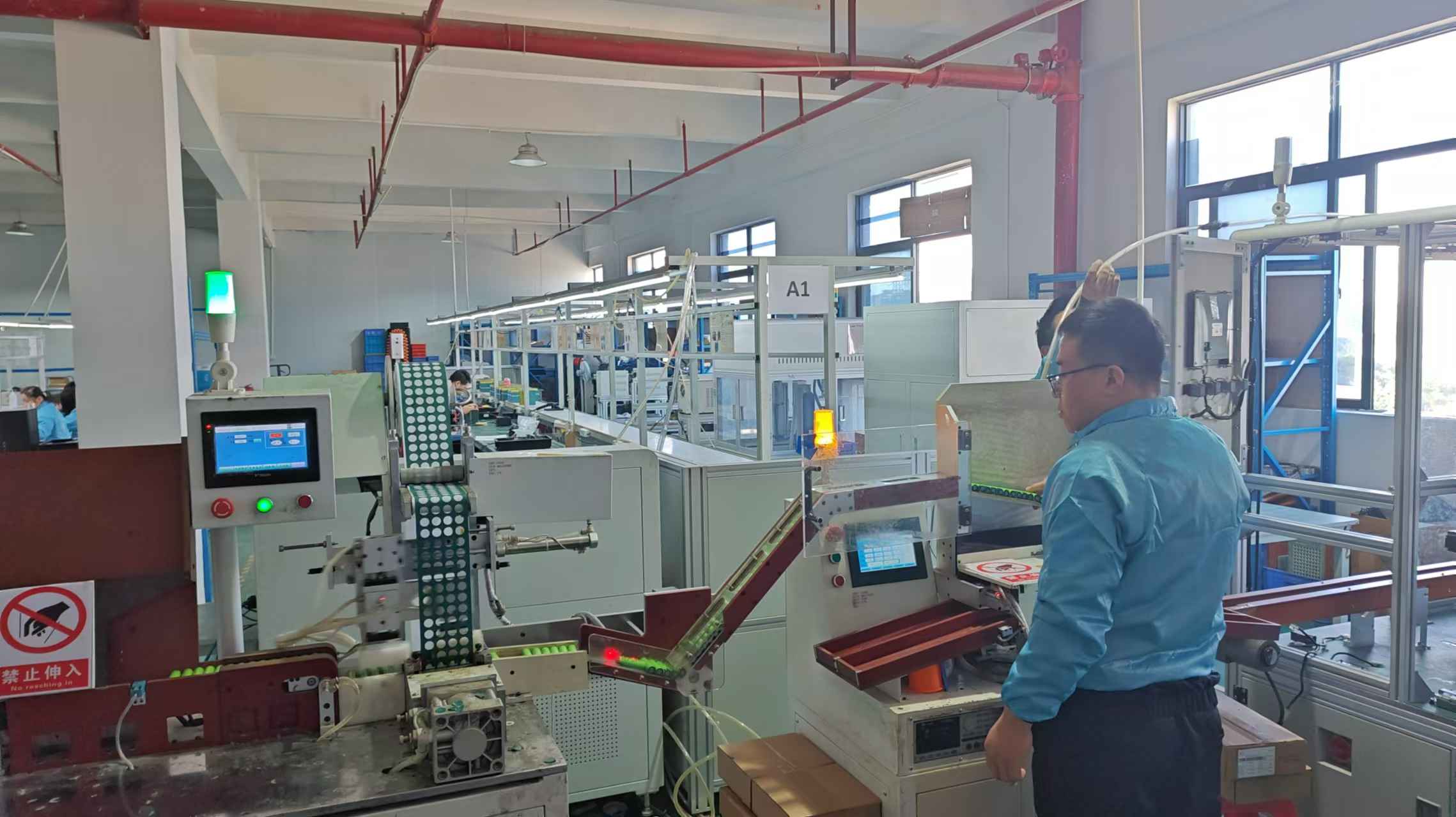
For Vietnamese industrial buyers, sourcing from our manufacturing hubs in Guangdong offers significant logistical and economic benefits. Through the China-ASEAN Free Trade Agreement (ACFTA), our clients in Vietnam can import custom battery systems with reduced or waived import duties using Form E Certificate of Origin documentation.
Logistically, our proximity to critical transport channels allows for dual shipping models: rapid overland trucking via the Hữu Nghị (Lạng Sơn) border gate directly to northern industrial centers like Bac Ninh and Hanoi within 3-4 days, or cost-efficient ocean freight from Shenzhen/Guangzhou ports to Hai Phong Port or Cat Lai Port (Ho Chi Minh City) within 5-7 days. This geographic proximity ensures short lead times, robust component availability, and immediate engineering support for your technical integrations.
Direct routes to Hanoi and neighboring industrial parks via Lang Son in 3 to 4 days.
Full documentation support under ACFTA to secure 0% tariff preferential entry for importers.
Discover our industrial-grade sub-zero batteries, custom drone cells, and heavy-duty battery packs.
Accelerating safety and energy density through next-generation solid-state chemistry and intelligent thermal algorithms.
Moving away from volatile liquid electrolytes entirely. Solid-state configurations block dendrite penetration and extend lower discharge operations down to -50°C safely.
Integrating machine-learning models within our smart BMS. System monitors impedance shifts in real-time, activating pulse-heating elements only when optimal efficiency is compromised.
By restructuring the anode matrix with carbon nanotubes, we allow rapid electron migration at temperatures where normal graphite sheets completely restrict charge movements.
We recognize that industrial projects in Vietnam demand rigorous certification compliance. All Guangdong Nuwon Energy low-temperature modules and cells comply with international guidelines including CE, BIS, UN38.3, MSDS, and IEC 62133. Additionally, our telecom energy systems conform to local technical requirements set by the Ministry of Information and Communications (MIC) of Vietnam.
To support Vietnamese developers, we offer localization assistance including direct engineering translation, bilingual operating manuals (English/Vietnamese), and physical site integration support for large-scale energy projects. Our local distributor partners in Hanoi and Ho Chi Minh City maintain standard spare parts inventories, ensuring prompt local maintenance response.
Ensuring compliance with Vietnam's national standards for battery safety and high-voltage grid connections.
Approved products carrying CE, BIS, UN38.3, UL1642, and IEC 62133 quality assurances.
Clear, direct technical answers addressing design requirements for low-temperature lithium battery deployment.
Typical lithium-ion chemistries rely on liquid electrolytes. When temperatures drop below 0°C, the viscosity of these liquid solvents increases, which restricts lithium-ion mobility. This deceleration causes a rapid voltage drop (sag), triggering early low-voltage cutoff warnings on machinery. Additionally, fast charging in these conditions causes lithium metal plating on the anode, which degrades cycle life and poses a safety risk of internal short circuits.
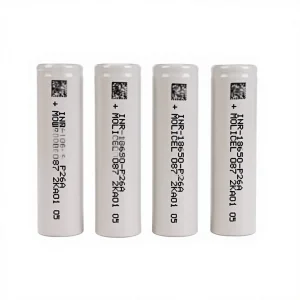
By utilizing a proprietary electrolyte formulation and specialized anode designs, our low-temperature cells (such as our 21700 RS50 and custom LiFePO4 cells) retain over 80% of their rated capacity at -30°C under moderate discharge rates. Standard lithium-ion batteries typically retain less than 40% capacity in similar conditions.
For low-temperature battery packs, our smart BMS monitors the ambient and internal temperature of the cells. When the system detects temperatures below 0°C and a charge command is received, the BMS routes power to integrated thin-film polyimide heating elements located between the cells. Once the temperature reaches a safe operating range (typically 5°C to 10°C), the BMS shuts off the heater and starts the charging process, preventing damage to the cells.
For urgent orders, overland shipping via our logistics networks takes 3-5 days from our factory in Guangdong to locations around Hanoi. For larger volume orders, maritime freight shipping from Guangzhou or Shenzhen ports to Hai Phong or Ho Chi Minh City (Cat Lai) takes approximately 5-7 days.
Consult directly with our engineering team to design or request quotes for low-temperature battery packs, cells, and custom electrical energy configurations.
Send Inquiry Now Nuwon Energy