Specifically balanced electrochemical systems engineered for long-life cycle performance, rapid charging, and severe-environment reliability under Japanese industrial operations.
As the commercial capital of the Chubu region and the focal node of Japan's automotive manufacturing heartland (Aichi Prefecture), Nagoya is spearheading deep industrial electrification. Under Japan's Green Growth Strategy, local manufacturing plants, port operators, and warehouse networks are transiting rapidly to zero-emission infrastructure. This paradigm shift requires highly durable, energy-dense battery architectures that can survive high-duty operating regimes.
In Nagoya's industrial corridors—ranging from heavy machinery assembly lines to logistics hubs at the Port of Nagoya—battery safety, thermodynamic stability, and predictable cycling data are critical procurement factors. Standard consumer-grade power solutions are fundamentally insufficient for these operating profiles. What the region demands is a steady supply chain of Class-A prismatic cells configured with high volumetric energy density, rigorous cell-to-cell consistency, and robust certifications matching the Japanese industrial safety directives (such as the METI and PSE frameworks).
In the field of high-energy storage, selecting the appropriate chemical system defines the performance parameters of the entire equipment line. By utilizing advanced manufacturing facilities, we deliver multiple chemistry avenues designed to balance power demand, thermal safety, and overall cost-efficiency.
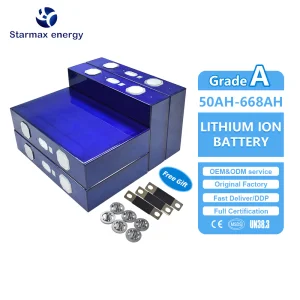
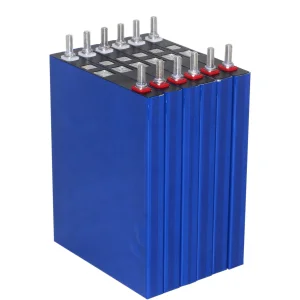
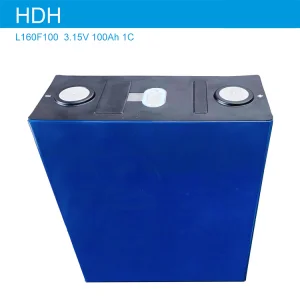
LFP chemistry remains the absolute standard for heavy stationary storage, material handling (AGV/AMR), and commercial backup installations. Possessing a cycle-life reaching upwards of 8,000 to 12,000 cycles at 80% Depth of Discharge (DoD), LFP prismatic cells utilize an inherently stable olivine crystal structure. This configuration resists phase changes during cycling, mitigating the risk of thermal runaway up to temperatures exceeding 270°C. They are highly suitable for high-density metropolitan facilities in Nagoya where strict fire codes govern large energy installations.
For applications where volumetric constraints limit the battery compartment size, ternary NCM cells represent the benchmark for energy density (often exceeding 240 Wh/kg at cell level). These configurations are ideal for commercial electric vehicles, specialized aerial platforms, and aerospace projects, maintaining robust high-rate discharge capabilities under demanding temperature variances.
When operational parameters involve severe temperatures (down to -30°C or up to +55°C) and require continuous fast-charge capabilities (up to 10C rates), LTO represents the ultimate solution. Offering a remarkable lifespan of up to 20,000 cycles, these cells deliver high-power discharge with minimal capacity degradation, serving specialized automation segments at the frontlines of Nagoya's assembly plants.
| Chemistry | Typical Density (Wh/kg) | Cycle Life (80% DoD) | Thermal Safety Temp | Ideal Nagoya Application |
|---|---|---|---|---|
| LiFePO4 (LFP) | 160 - 180 Wh/kg | 6,000 - 12,000 | > 270°C | Port logistics, AGVs, Solar backup, C&I ESS |
| NCM Ternary | 220 - 260 Wh/kg | 2,000 - 3,000 | > 210°C | Electric mobility, passenger transport, light UAVs |
| LTO (Titanate) | 80 - 100 Wh/kg | 15,000 - 25,000 | > 300°C (Non-combustible) | Heavy automation, rapid-charge AGVs, extreme sub-zero sites |
Our prismatic cells are engineered to operate seamlessly as integrated modules inside high-performance systems. We focus on three critical macro-level industrial applications serving Nagoya's key economic drivers:
Forklift fleets, automated guided vehicles (AGVs), and autonomous mobile robots (AMRs) operating in Nagoya's manufacturing plants require continuous 24/7 opportunity charging. Our high-rate LFP and LTO cells are optimized to receive fast charging currents during lunch breaks or line pauses without thermal stress, preventing factory floor downtime.
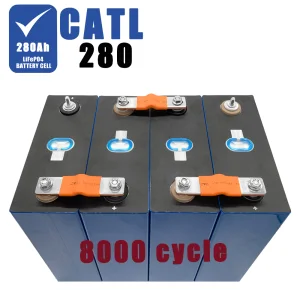
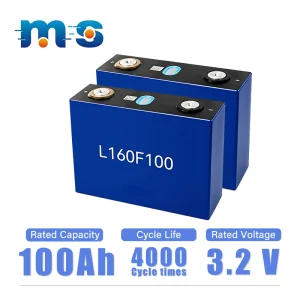
As solar arrays and renewable integration scale across the Chubu region, stabilizing industrial power grids is a major target. Utilizing large-capacity 280Ah and 314Ah LFP prismatic cells, we support system integrators building multi-megawatt battery energy storage systems (BESS) designed for peak shaving, voltage regulation, and emergency backup power supply.
The Port of Nagoya, being one of the largest ports by cargo throughput in Japan, is pushing for hybrid and electric tugboats, auxiliary vessels, and automated yard cranes. Simultaneously, advanced R&D institutes in the Chubu aerospace corridor are testing solid-state polymer and lightweight NCM cells to power next-generation unmanned aerial systems.
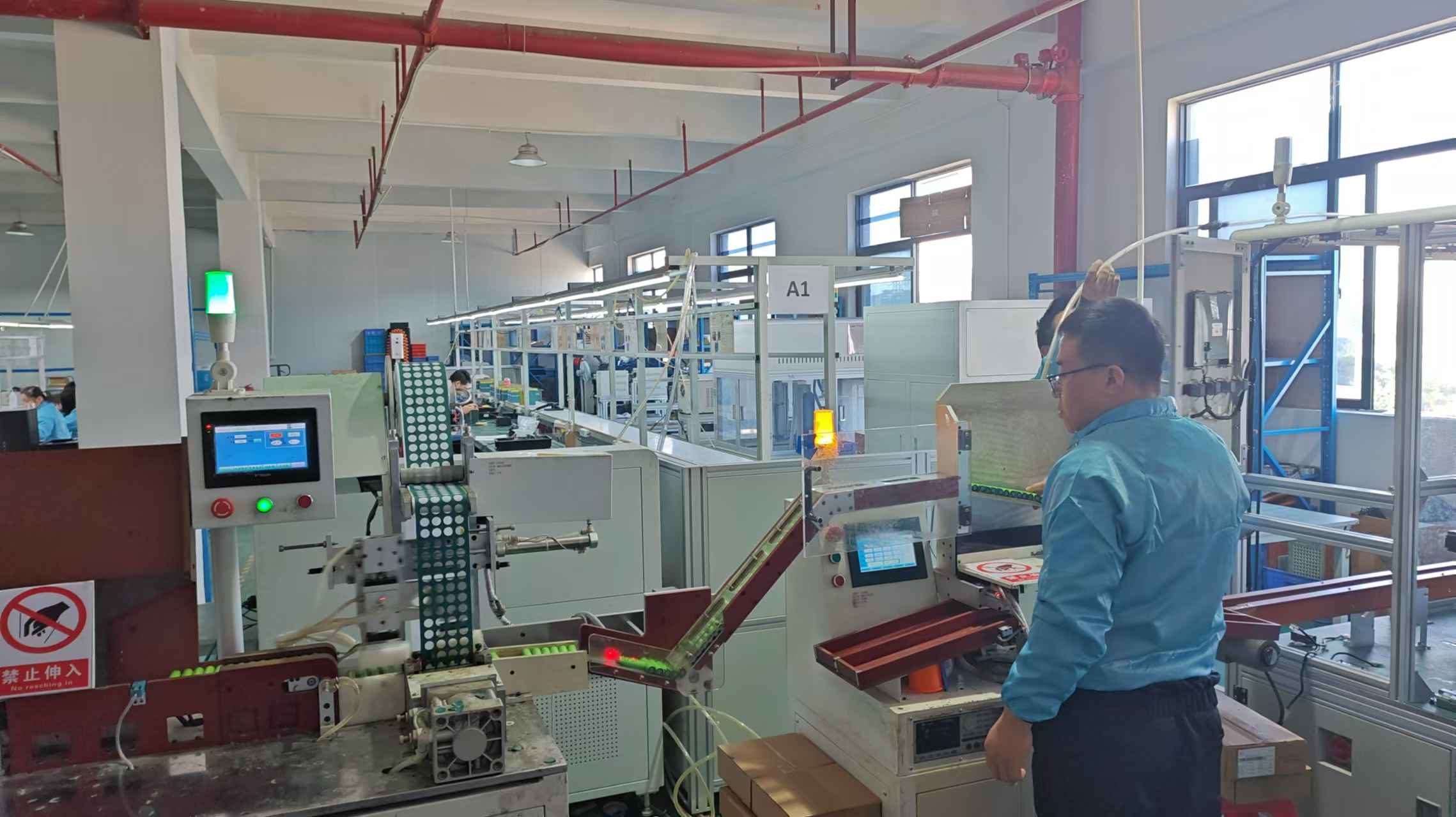
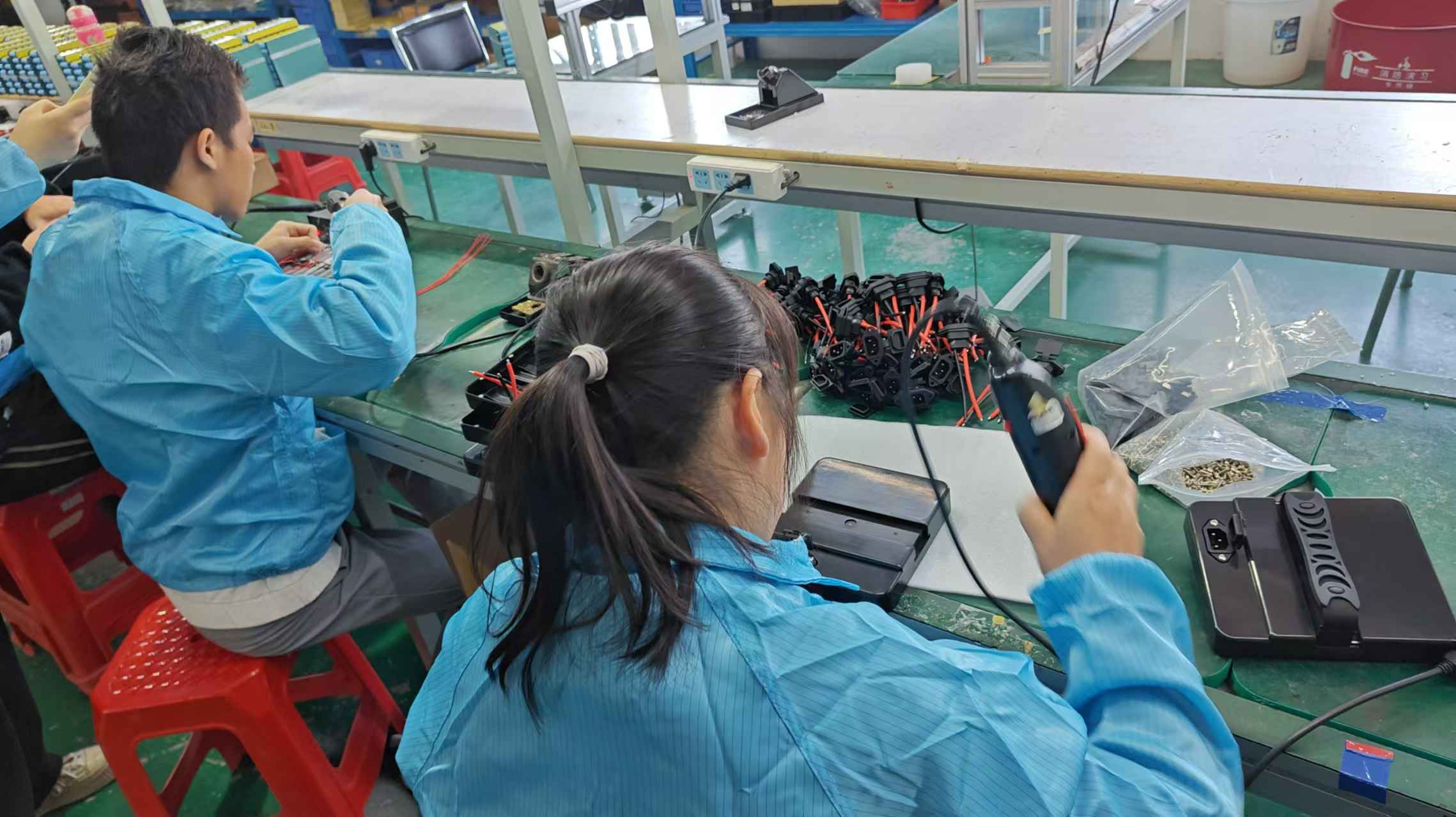
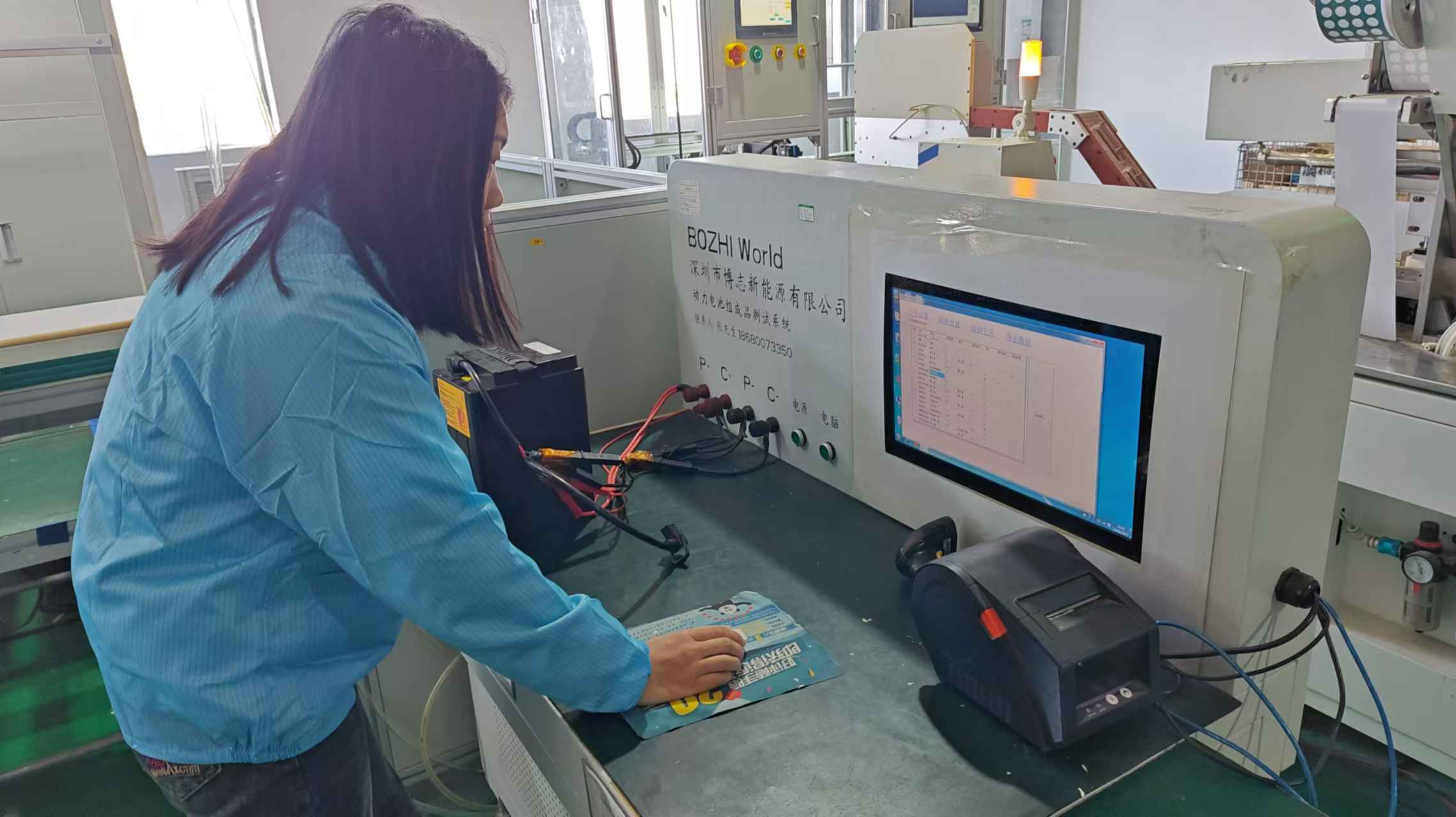
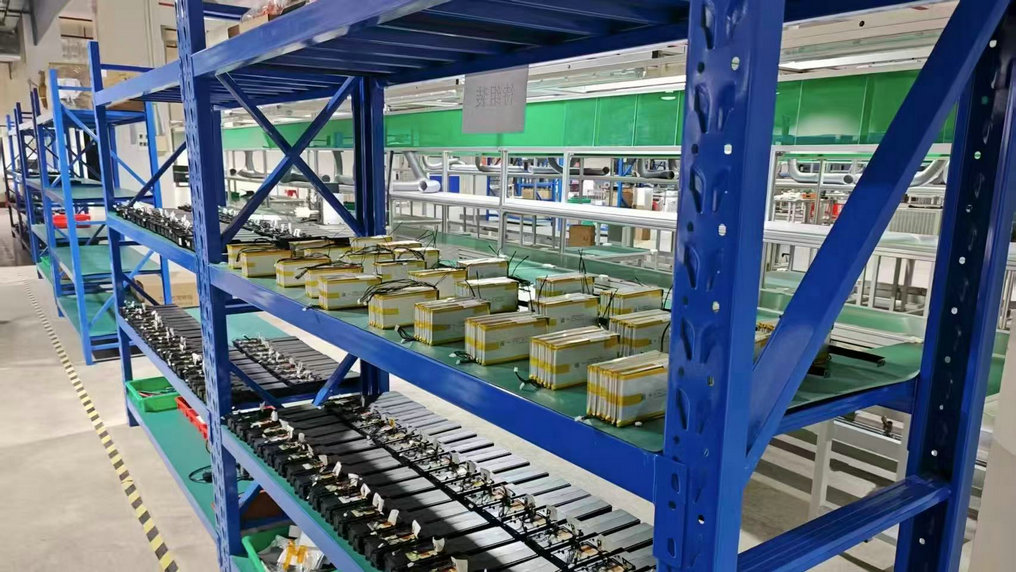
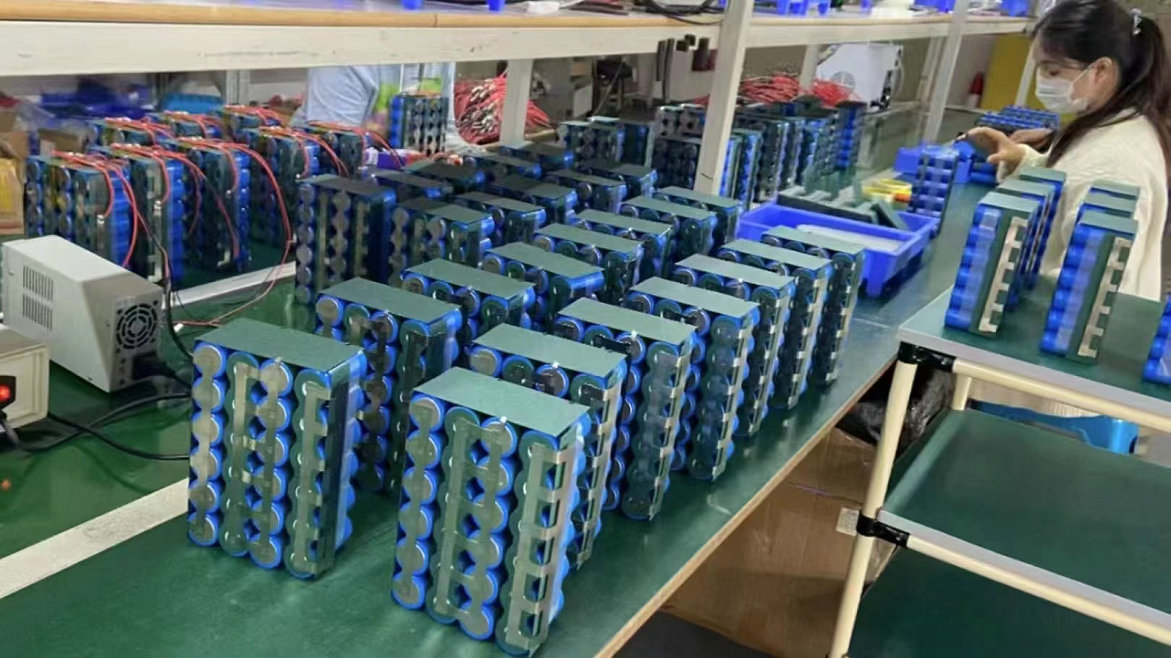
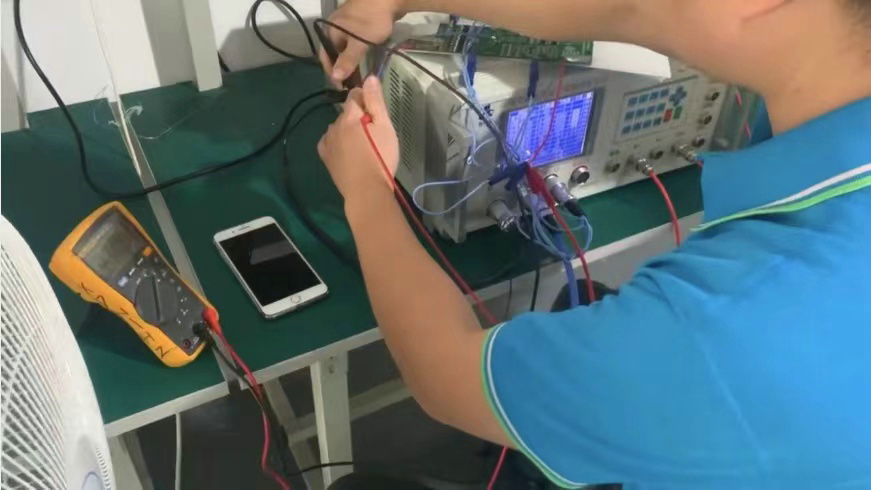
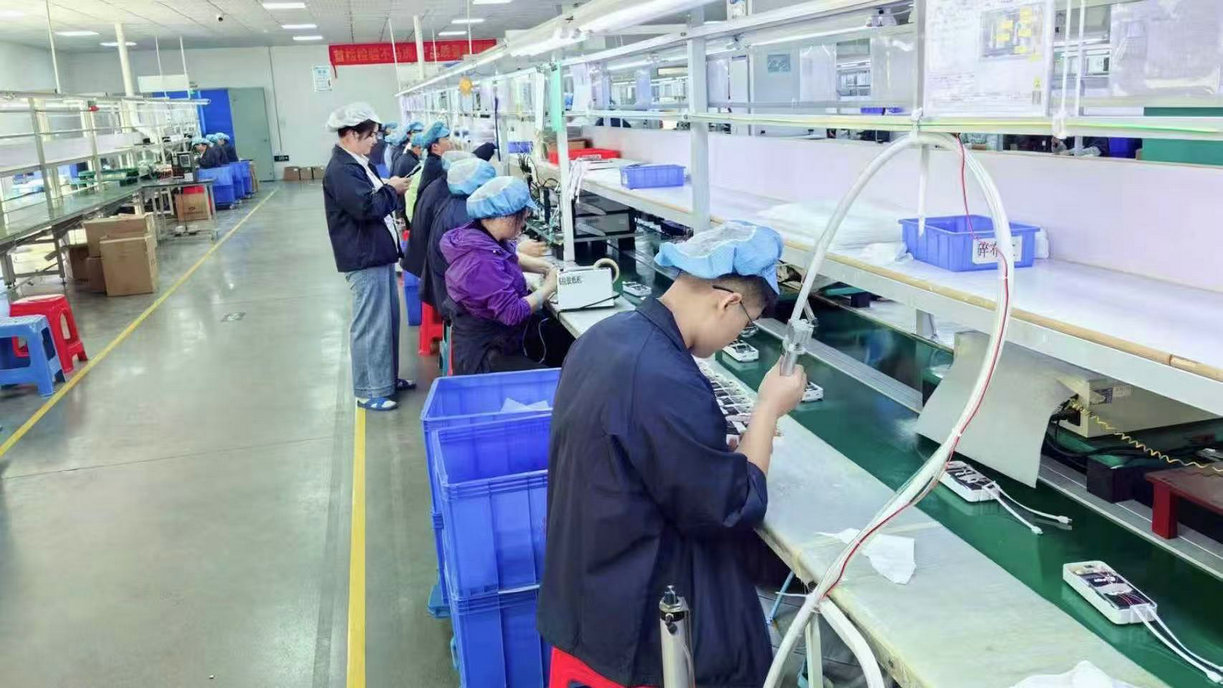
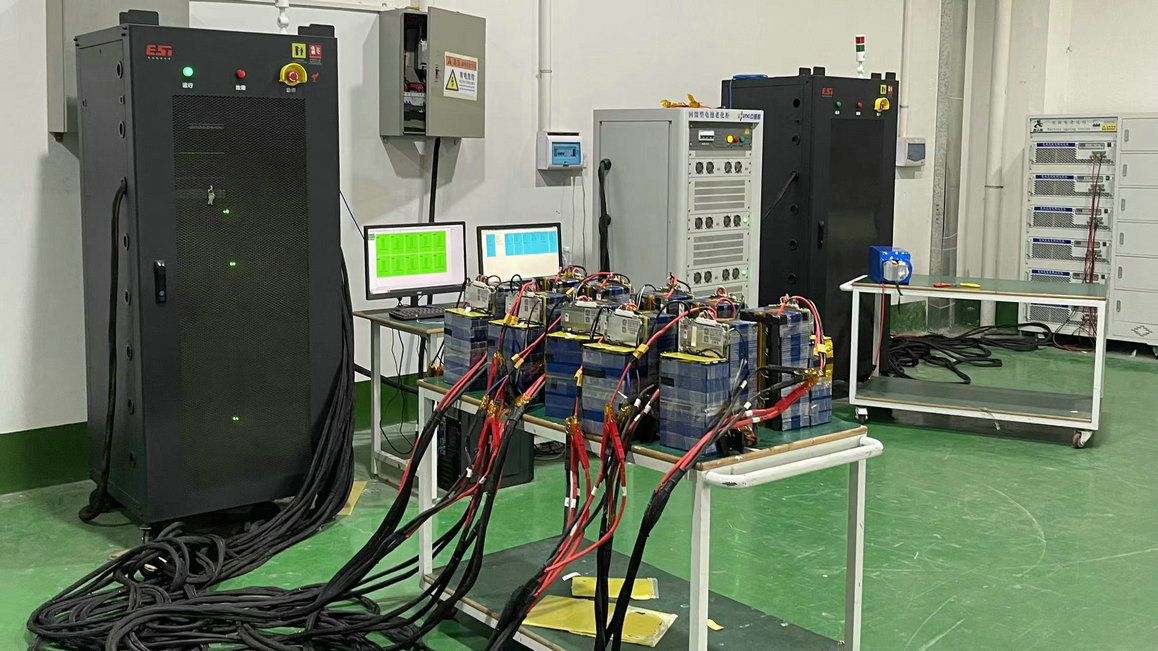
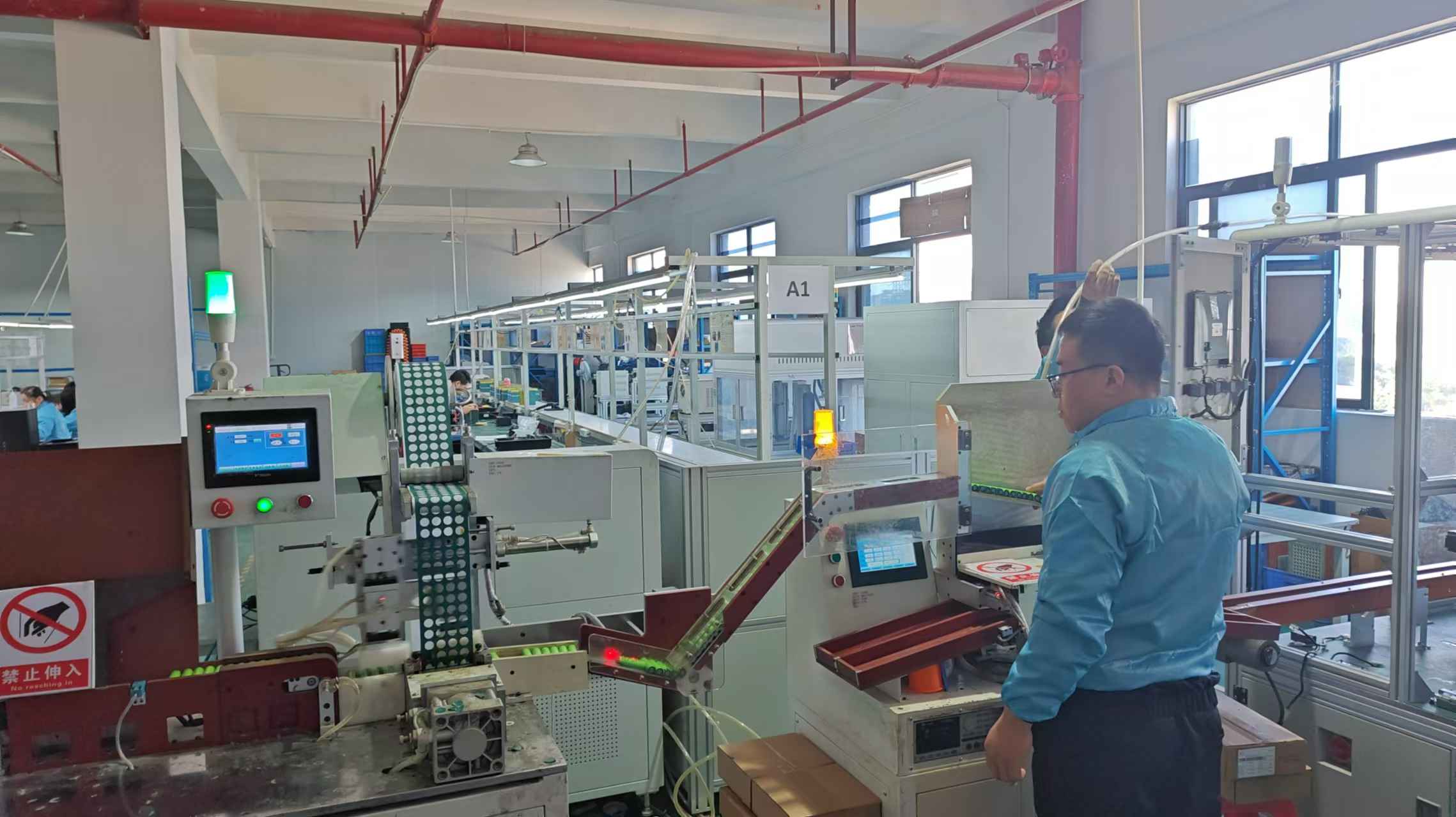
Guangdong Nuwon Energy Co., Ltd. deploys a fully integrated Factory 4.0 infrastructure to produce, test, and package premium lithium battery packs and prismatic cells. Every cell undergoes rigorous testing before shipment to guarantee the chemical uniformity required by precision Japanese machinery.
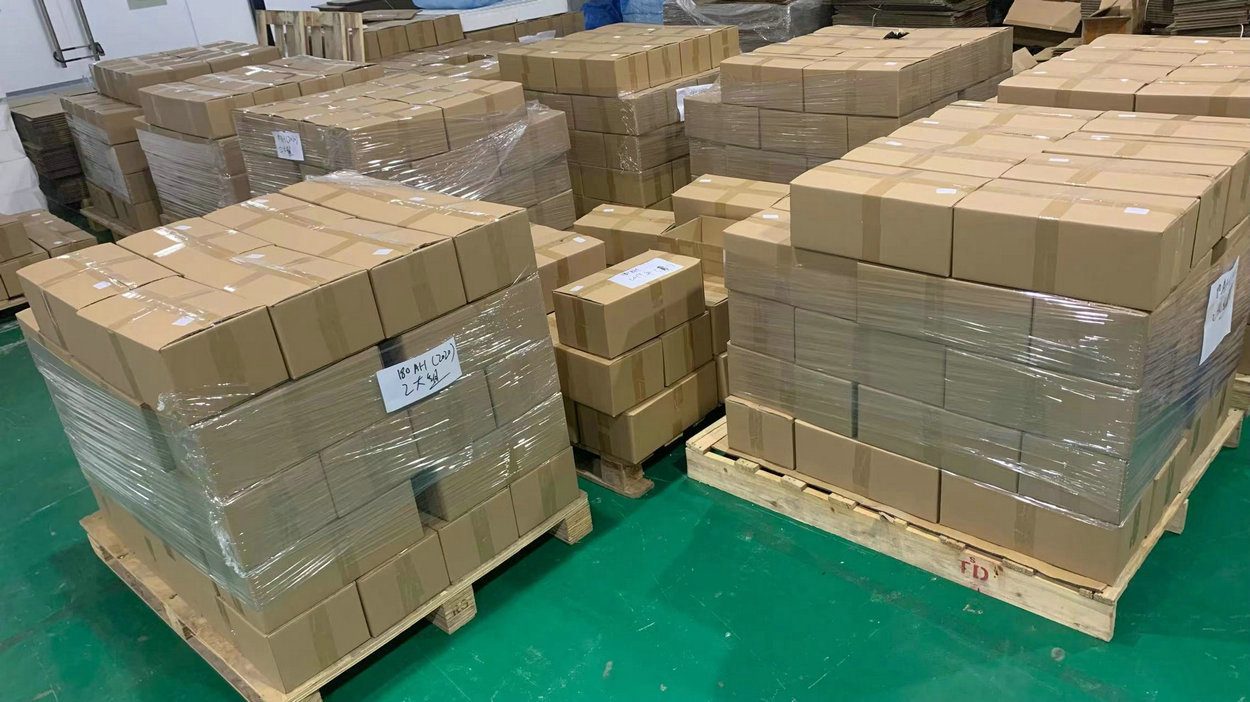
Through our comprehensive OEM/ODM battery system design services, we control every step of the value chain. Here is a look at the precise processing operations executing inside our automated factory:
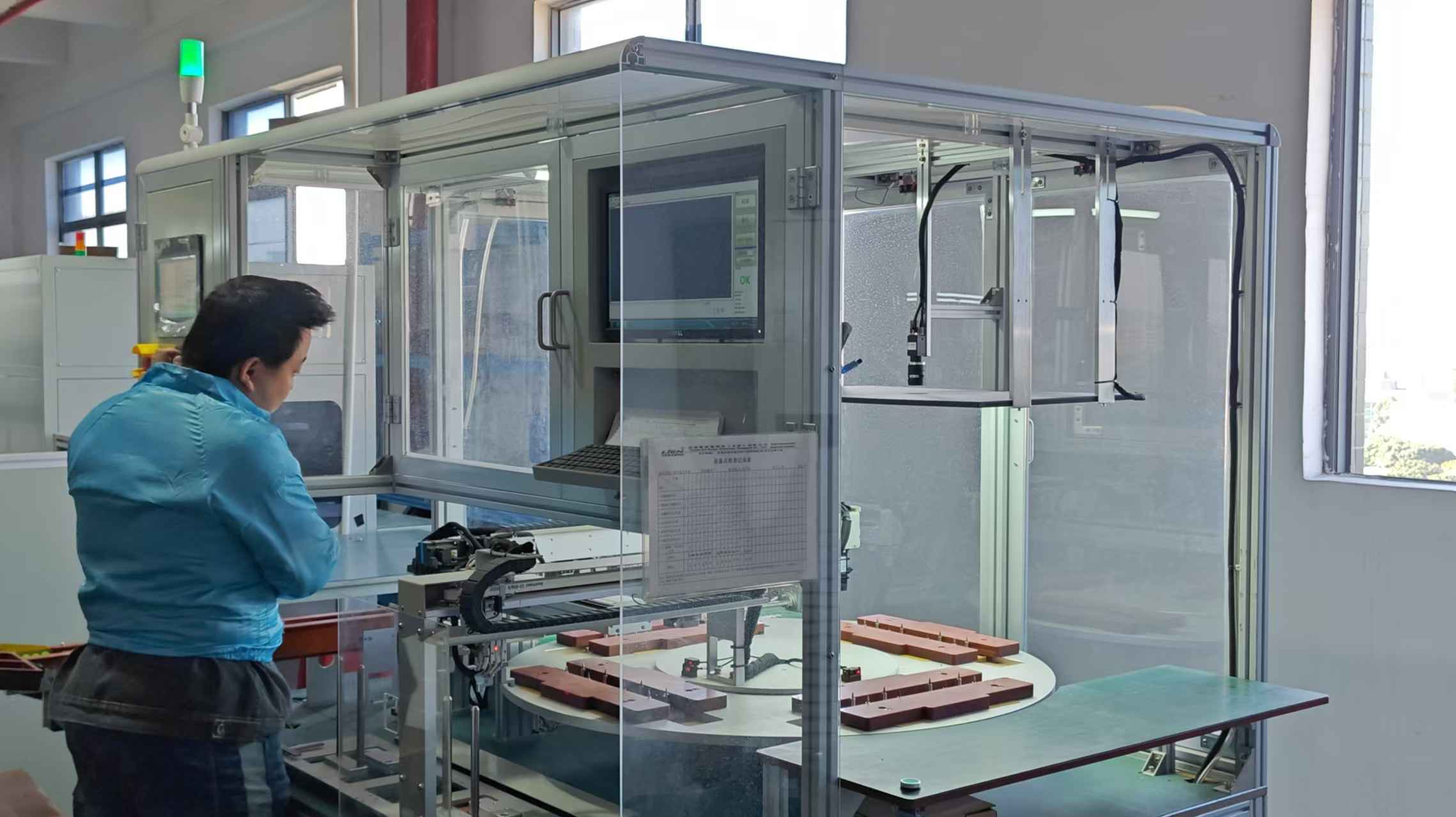
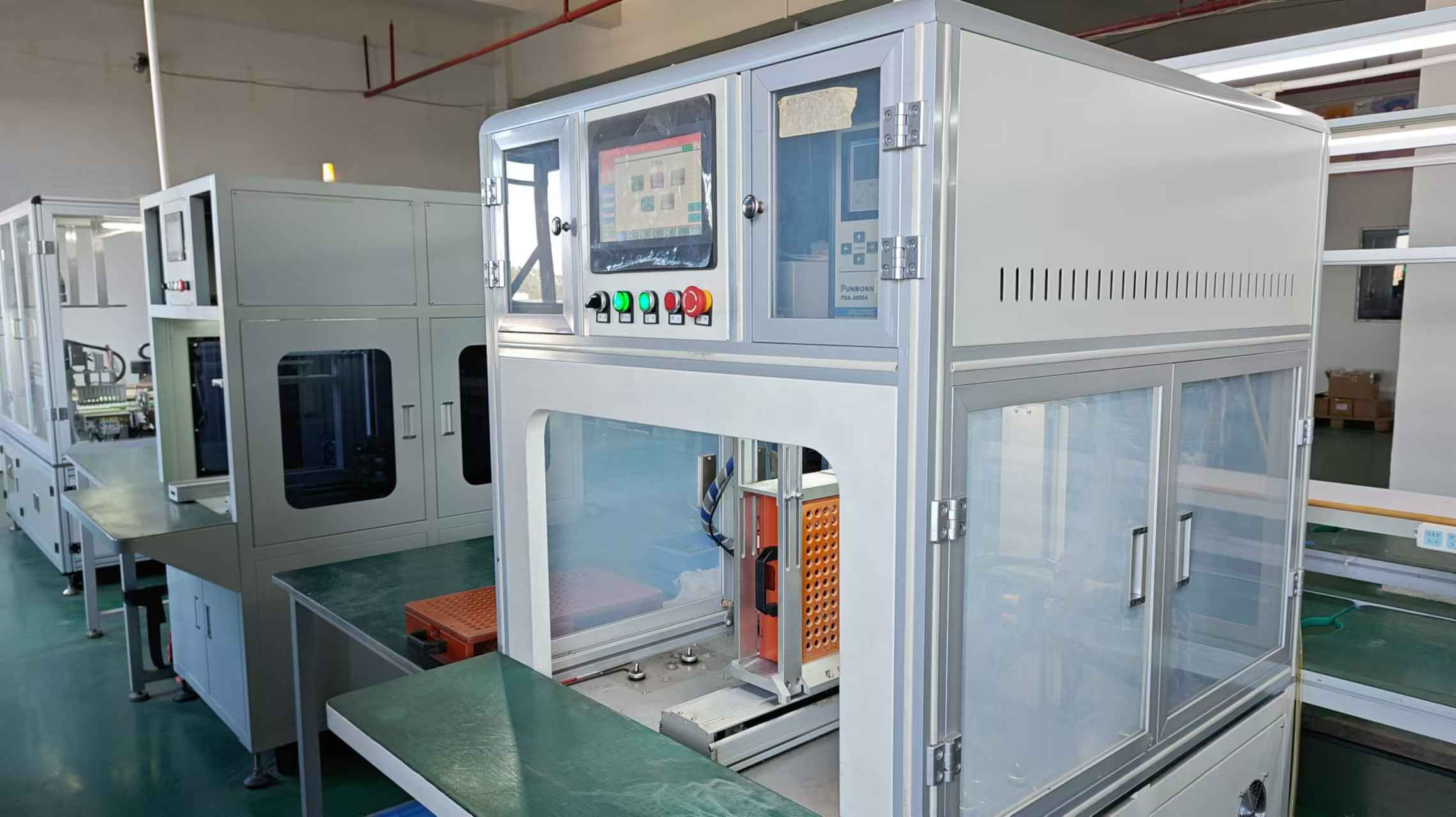
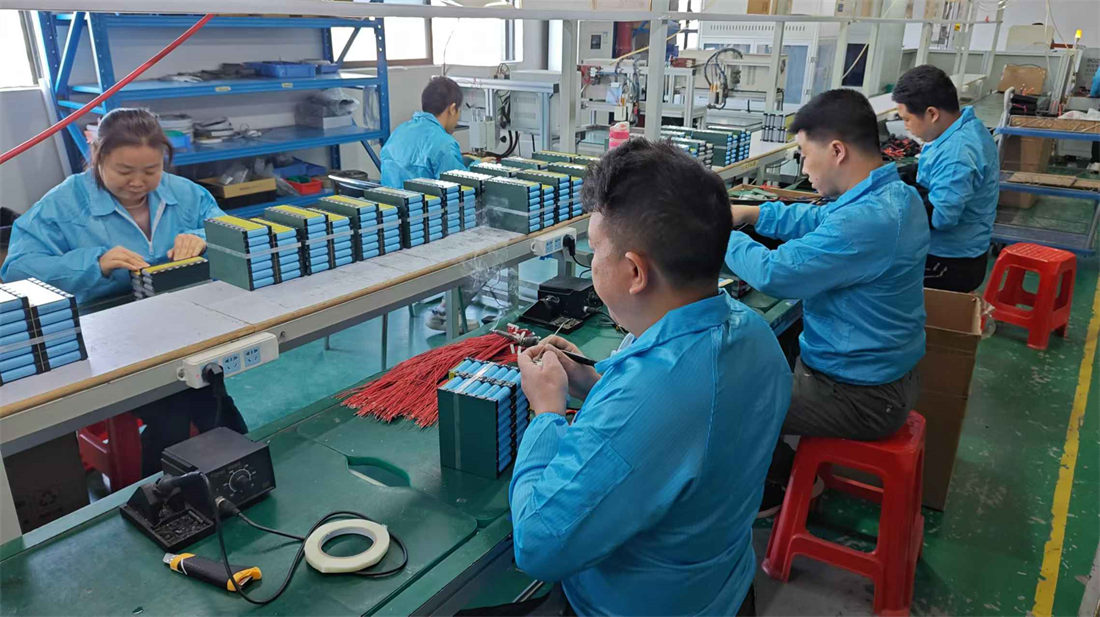
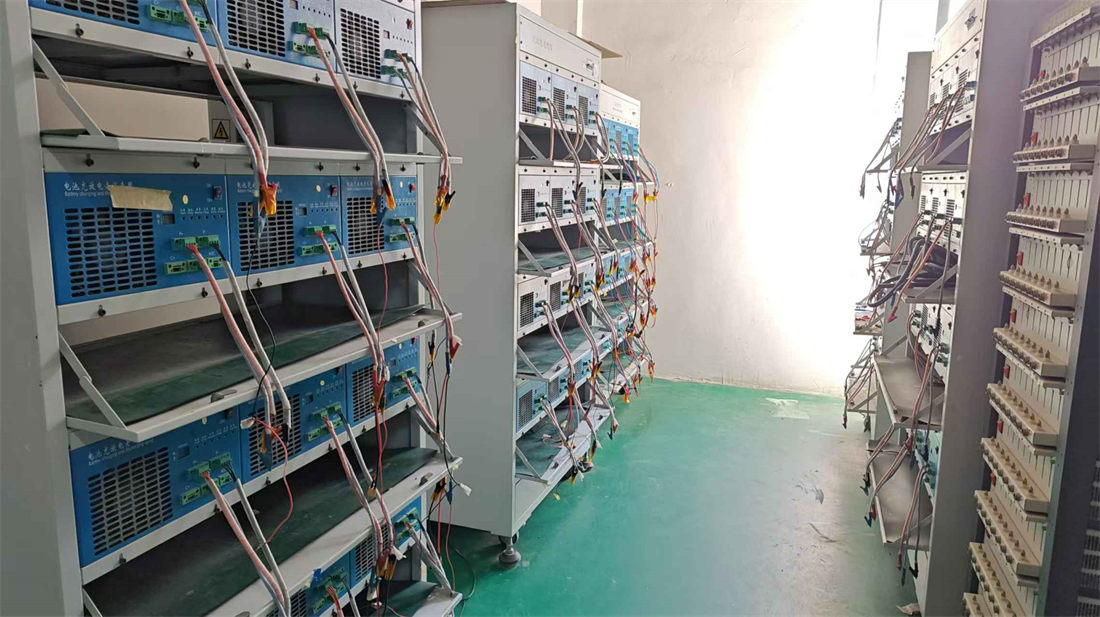
Guangdong Nuwon Energy Co., Ltd. is a leading manufacturer and solution provider in advanced battery systems, specializing in the research, development, manufacturing, and global distribution of high-performance energy storage products. The company offers comprehensive OEM and ODM services, delivering customized battery solutions tailored to diverse industrial and commercial applications.
Backed by a highly experienced engineering and R&D team, Nuwon Energy focuses on the design and integration of cylindrical and prismatic lithium battery cells, as well as complete battery packs, modules, and energy storage systems. The company also develops and produces industrial-grade battery cells engineered for safety, durability, and long cycle life.
Guangdong Nuwon Energy serves a wide range of industries, including consumer electronics, electric mobility (such as golf carts, forklifts, UTVs/ATVs, trucks, and marine systems), medical equipment, unmanned ground vehicles (AGVs/AMRs), and emerging aerospace applications such as eVTOL aircraft. In addition, the company provides reliable residential, commercial, and industrial (C&I) energy storage solutions designed to support the global transition toward clean and sustainable energy.
With a strong commitment to innovation, strict quality control, and customer-centric service, Guangdong Nuwon Energy continuously invests in advanced manufacturing capabilities, automated production lines, and rigorous testing systems. This ensures that every product meets international safety standards and delivers exceptional performance in demanding environments.
Driven by a vision to accelerate global electrification and energy efficiency, Guangdong Nuwon Energy Co., Ltd. is dedicated to building long-term partnerships and providing reliable, intelligent, and sustainable energy solutions to customers worldwide.
Entering the Japanese industrial grid requires deep familiarity with local testing regulations and logistical procedures. Nuwon Energy guarantees that all shipments designated for the Port of Nagoya conform to international transport laws and Japanese industrial specifications:
Our cells are built and tested according to JIS C 8715-2 standards governing industrial lithium secondary cells, ensuring high safety and compliance for integration into Japanese machinery.
We supply complete hazardous material packaging validation certificates, guaranteeing stress-free customs clearance at the Nagoya Customs Bureau for air cargo or ocean containers.
Leveraging established shipping channels, we offer bulk sea freight directly from South China ports to the Port of Nagoya, minimizing transit delays and custom hold ups.
Explore our extensive range of energy storage and high-power cells engineered to match Nagoya’s microgrid and heavy machinery demands.
For system integrators, automated logistics engineers, and purchasing officers located across the Chubu region, purchasing raw cells represents only a portion of the project cycle. The true bottleneck lies in matching precise operational demands with custom battery pack engineering, localized BMS communication integration, and specialized cooling plates.
Whether you require serial configurations like 16S (48V) for warehouse AGVs, or massive 200S high-voltage layouts for MW-scale energy containers, our engineering team supplies complete structural drawings and simulated thermal run sheets. We evaluate vibration damping, aluminum alloy frame profiles, and integrated busbar configurations to guarantee mechanical survival in high-frequency vibratory environments.
Modern automated machinery relies heavily on CAN-bus, RS485, and Modbus communication protocols to feedback real-time state-of-health (SoH) and state-of-charge (SoC) metrics to the primary industrial PLCs. Our engineering team integrates custom BMS solutions compatible with mainstream Japanese inverter and control brands (such as OMRON, Mitsubishi Electric, and Yaskawa), allowing seamless system integration.
Addressing the critical procurement and safety engineering queries raised by Nagoya commercial buyers.
 Nuwon Energy