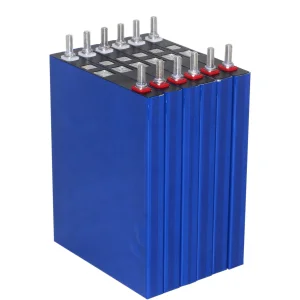
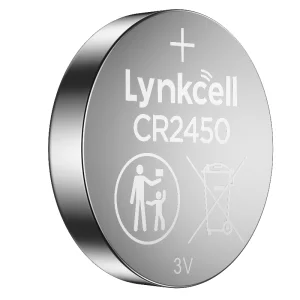
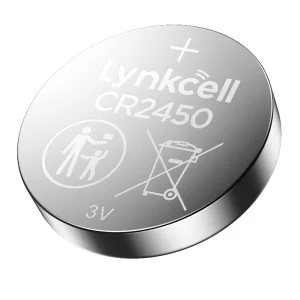
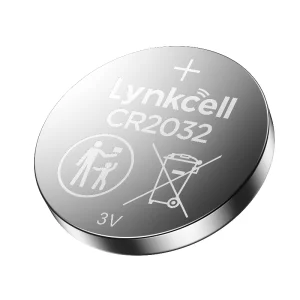
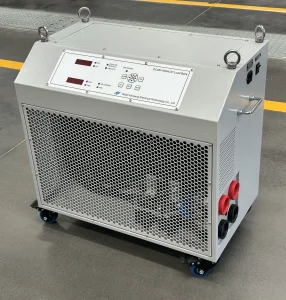
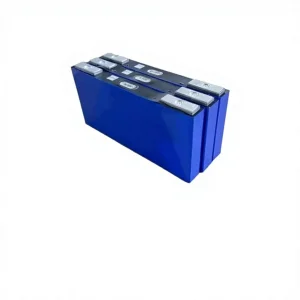
Premium energy storage components and power delivery units engineered for commercial, industrial, and consumer applications.
Guangdong Nuwon Energy Co., Ltd. is a premier manufacturer and solution architect specializing in advanced battery systems. From our advanced manufacturing facilities in China, we operate as a prominent global smart energy solutions exporter. Our core expertise encompasses the entire value chain of battery systems engineering, including the research, development, assembly, and international distribution of high-performance energy storage units, specialized cells, and chemical formulations.
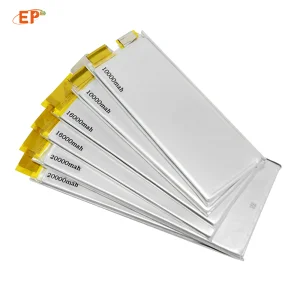
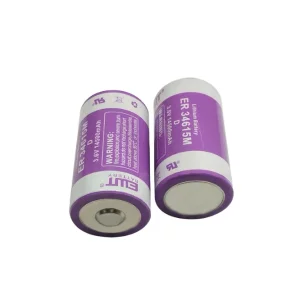
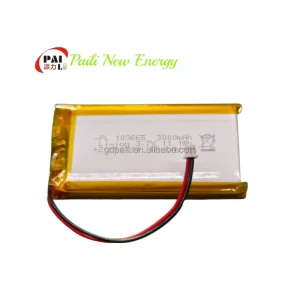
Backed by an elite, multidisciplinary engineering and R&D team, Nuwon Energy focuses on the design, optimization, and integration of cylindrical, prismatic, and pouch-format lithium battery cells. We build custom battery systems, high-rate packs, and complex Battery Energy Storage Systems (BESS) tailored to the stringent safety and thermal dynamics required by industrial, commercial, and utility-scale operations.
Our commitment goes beyond traditional manufacturing. By incorporating automated assembly lines, strict quality control procedures, and comprehensive functional safety protocols, we serve as a trusted OEM and ODM partner for clients across the Americas, Europe, and Asia-Pacific. We help simplify the energy transition with reliable, robust energy storage architectures.
Built on engineering excellence, rigorous validation, and international supply chain security.
Addressing structural challenges across the global energy infrastructure with resilient BESS systems.
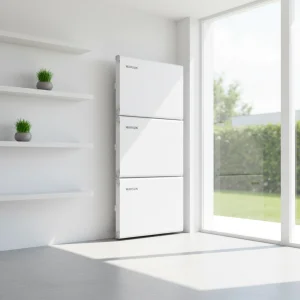
Our commercial and industrial (C&I) energy storage systems support power grids worldwide. By discharging during peak demand and charging during low-load intervals, they mitigate strain on regional substations, optimize electricity tariffs, and prevent costly blackouts.
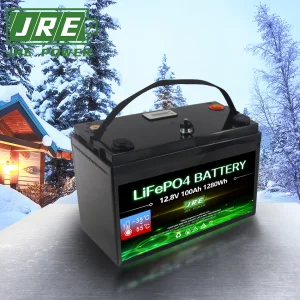
Clean energy sources like wind and solar require buffers due to intermittent generation. Our high-capacity LiFePO4 and solid-state battery arrays store excess green energy, providing steady power output and supporting clean-energy grid targets.
For remote mining operations, agricultural hubs, and isolated manufacturing plants, we design robust microgrid solutions. These systems combine high-discharge batteries with local energy generation to ensure uninterrupted power independent of the main grid.
A comparative look at the chemical systems driving modern energy storage solutions.
Selecting the right chemistry is critical to optimizing cost, cycle life, thermal safety, and energy density. As a leading smart energy solutions exporter, Guangdong Nuwon Energy offers a versatile portfolio, helping clients match performance characteristics to their specific operational requirements.
| Battery Chemistry | Energy Density (Wh/kg) | Cycle Life (80% DoD) | Primary Application Fields | Key Technical Strengths |
|---|---|---|---|---|
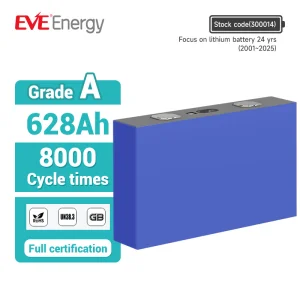
| Lithium Iron Phosphate (LiFePO4) | 160 - 180 Wh/kg | 3,500 - 6,000+ | Home BESS, Electric RVs, C&I Storage | Excellent thermal stability, long cycle life, high safety, cost-effective. |
| Lithium Nickel Manganese Cobalt (NMC) | 200 - 260 Wh/kg | 1,500 - 2,500 | eVTOL, UAVs, High-end EVs | High volumetric & gravimetric density, strong performance in cold weather. |
| Lithium Titanate (LTO) | 70 - 110 Wh/kg | 20,000+ | Rail Transit, Industrial AGVs, Grids | Extreme rapid charge (up to 30C), wide temperature tolerance (-40°C to 60°C). |
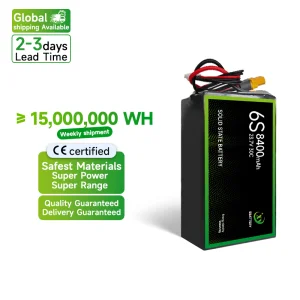
| Solid-State Polymer/Ceramic | 280 - 380 Wh/kg | 800 - 1,500 | Military Drones, Next-gen FPV, eVTOL | No liquid electrolyte, eliminates leakage risks, high energy density. |
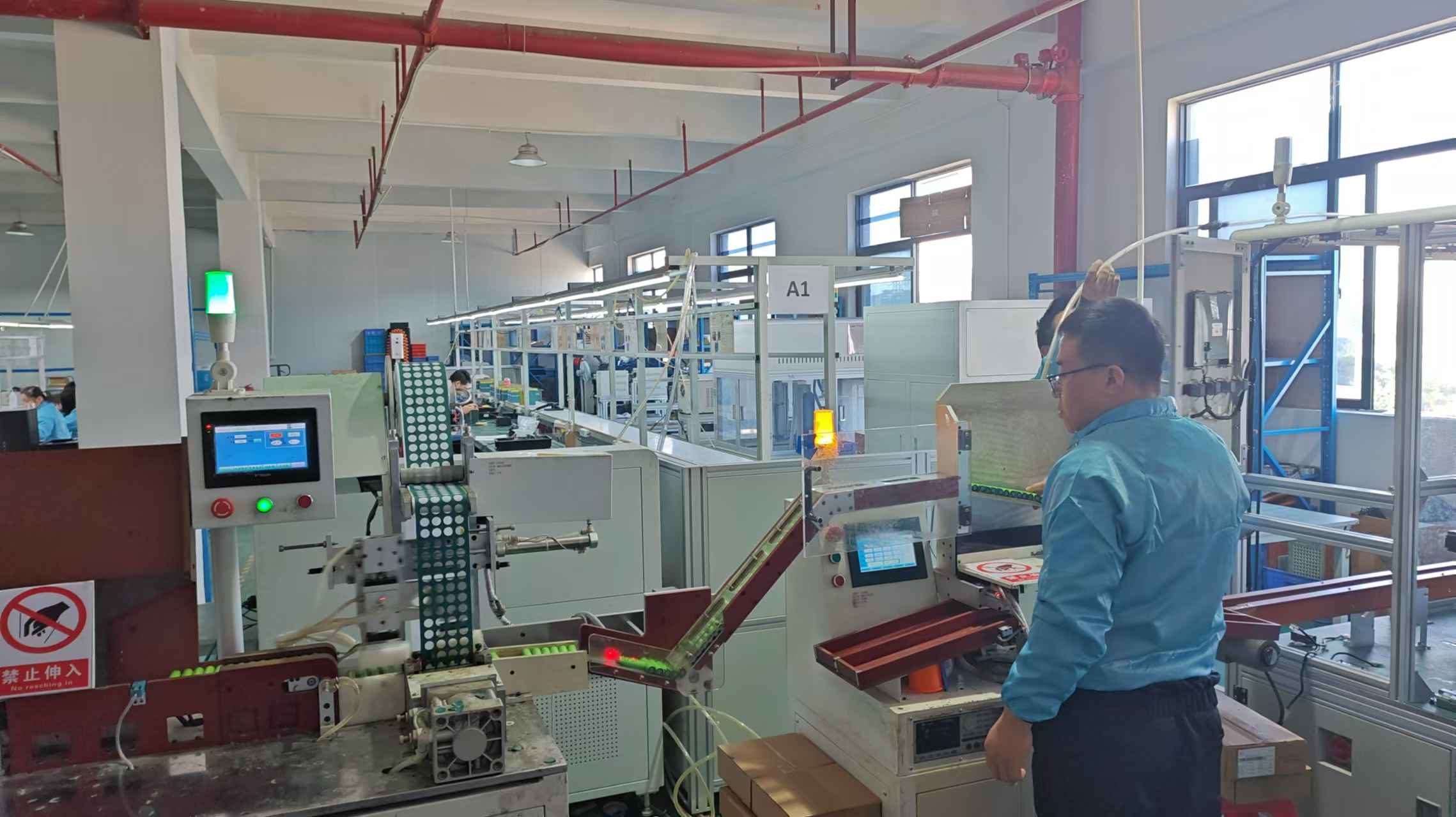
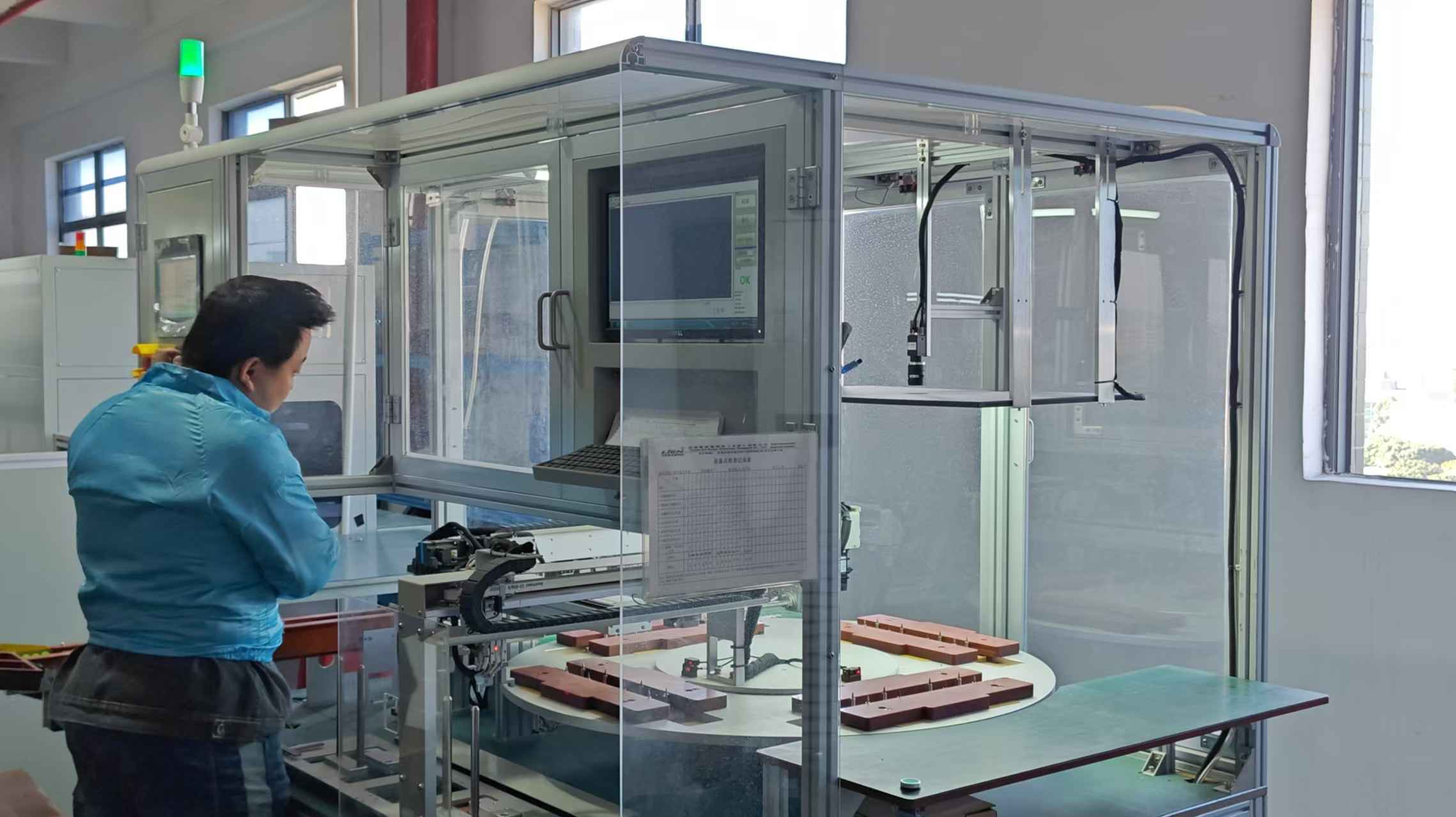
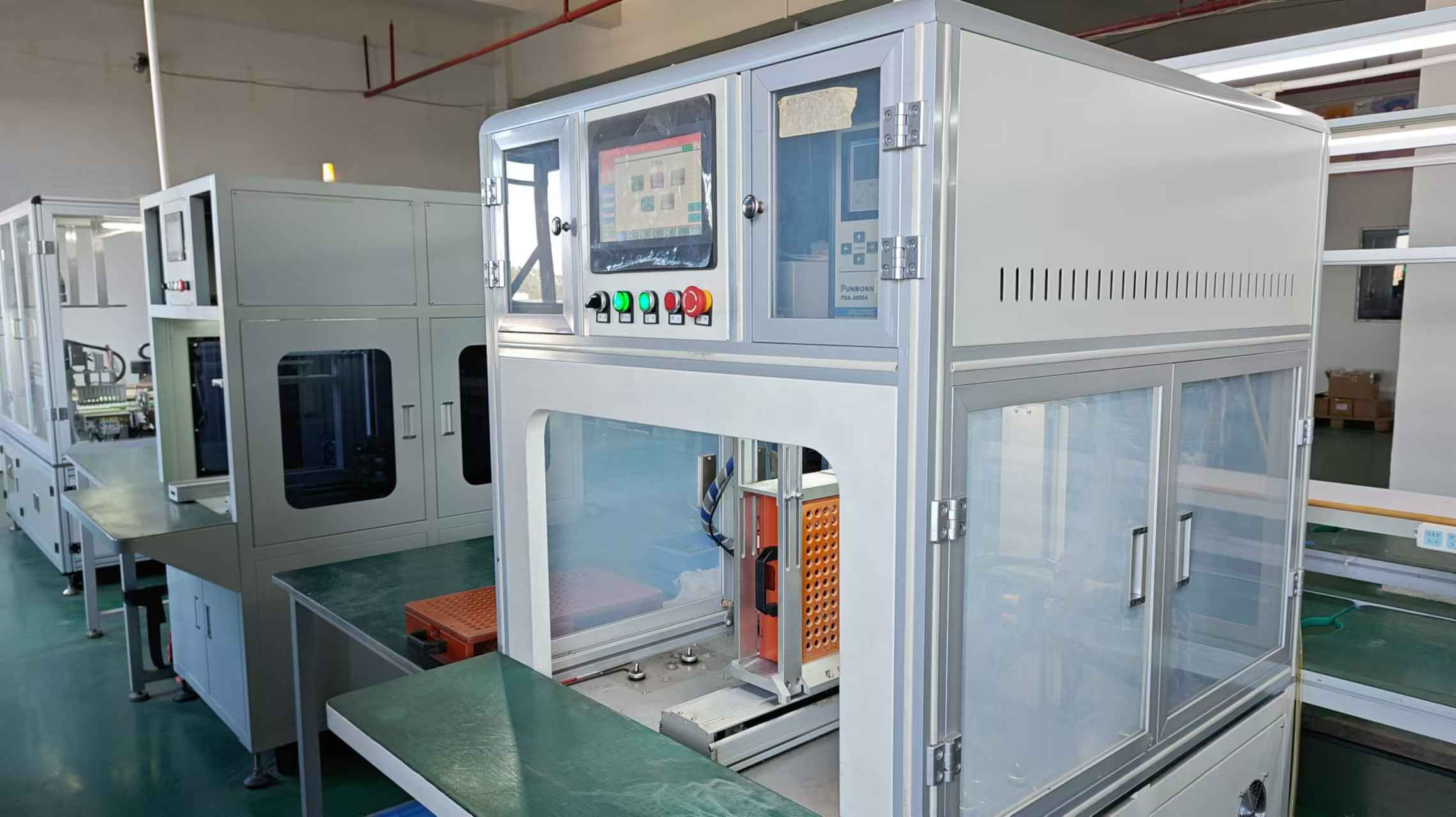
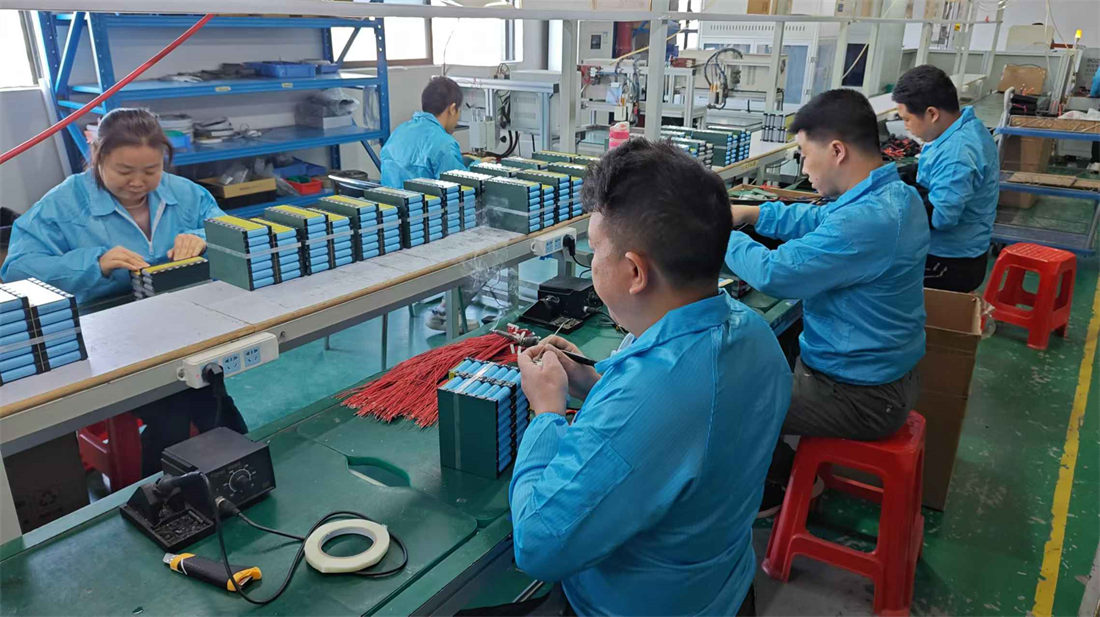
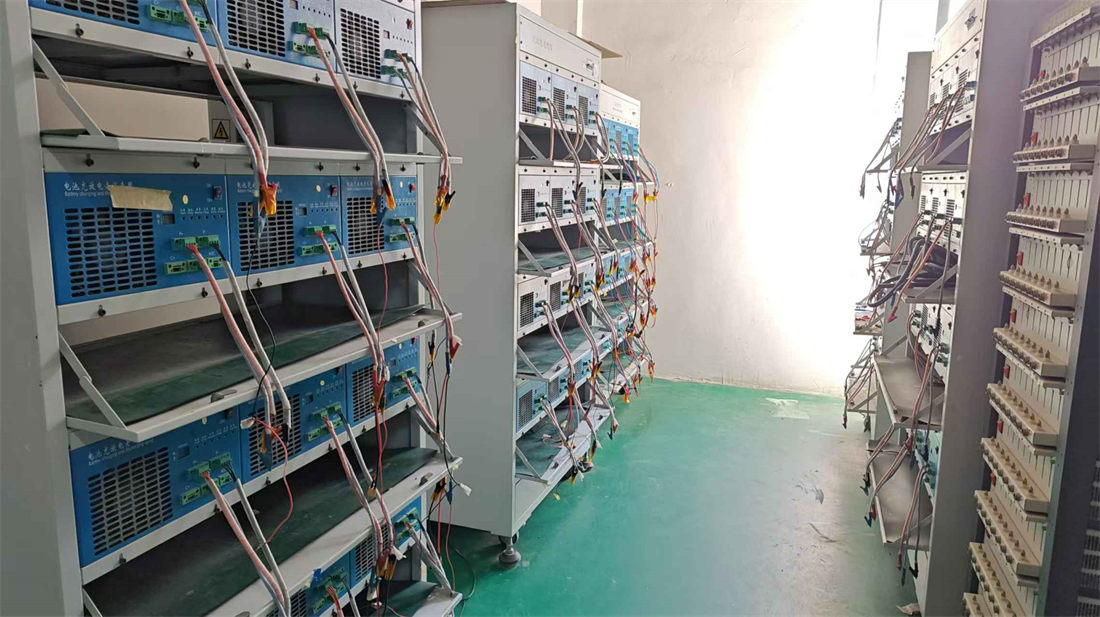
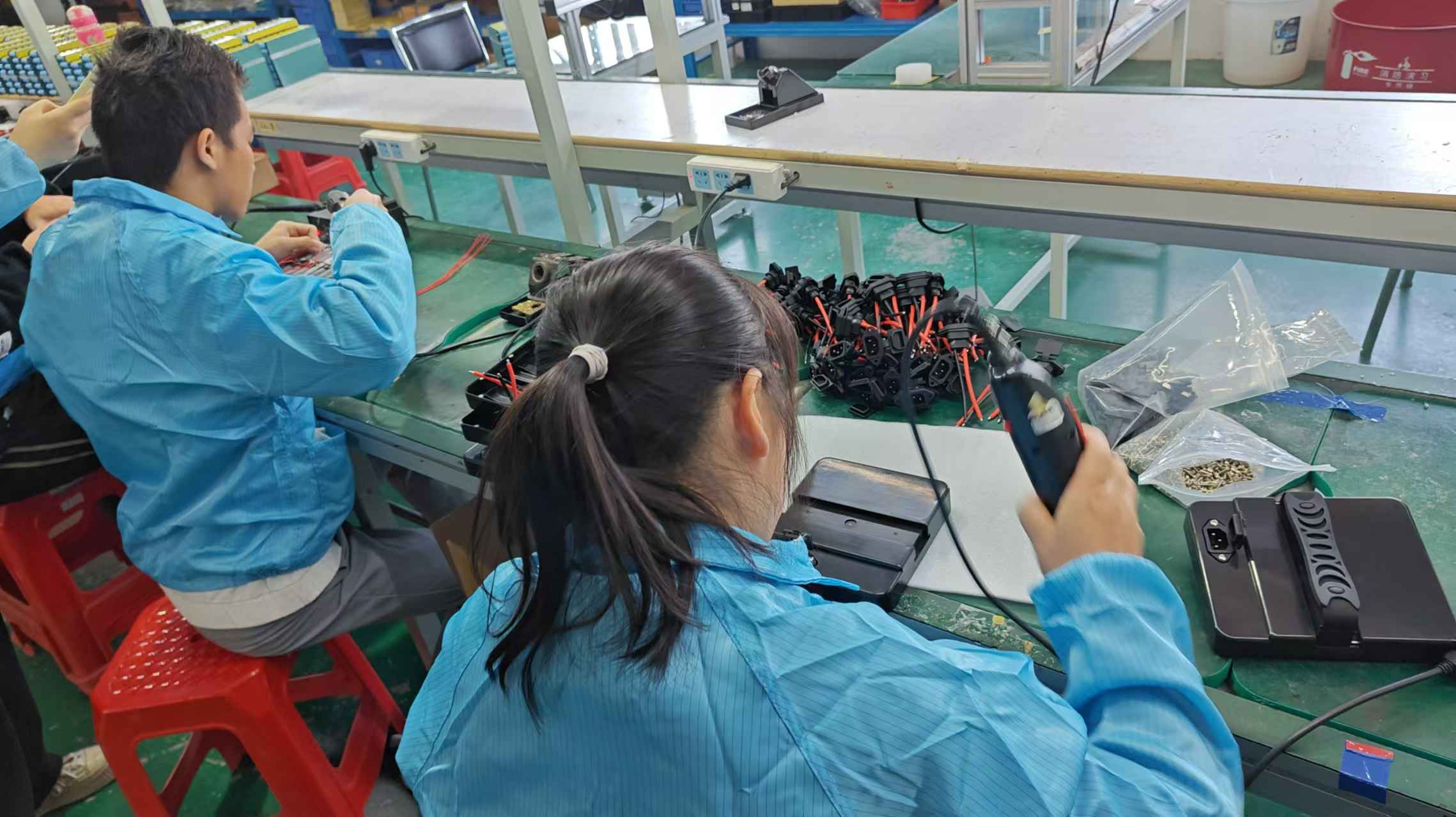
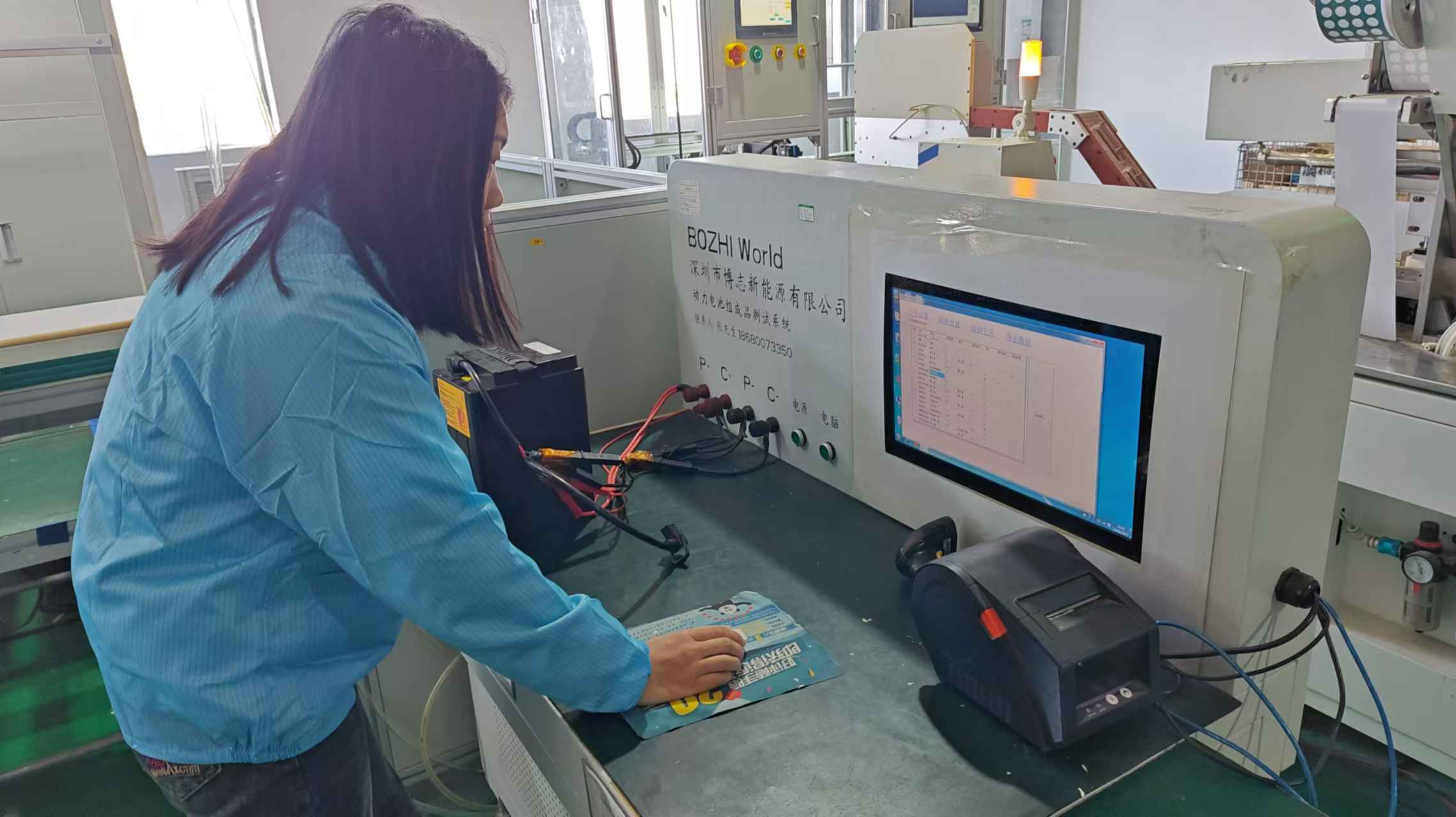
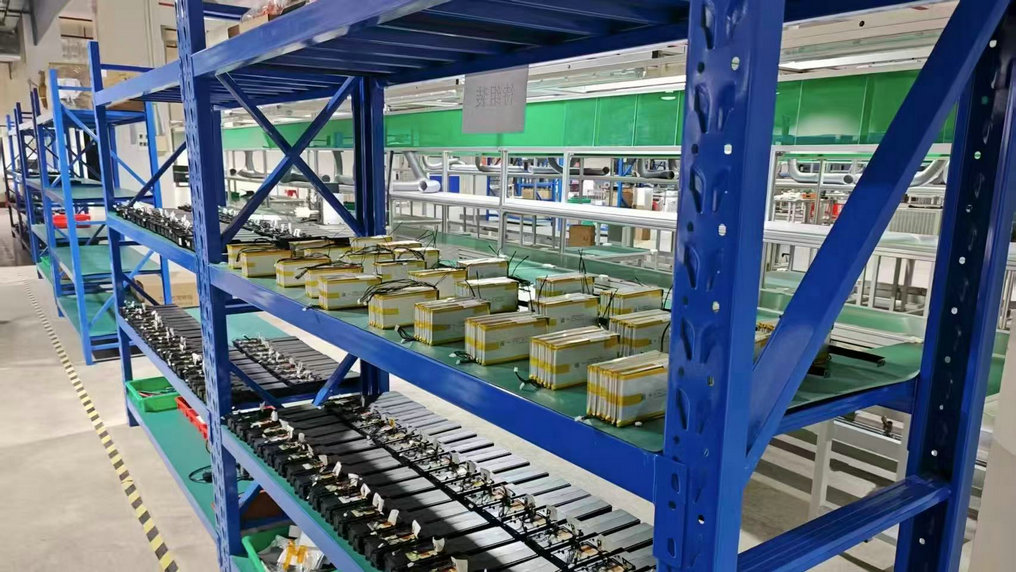
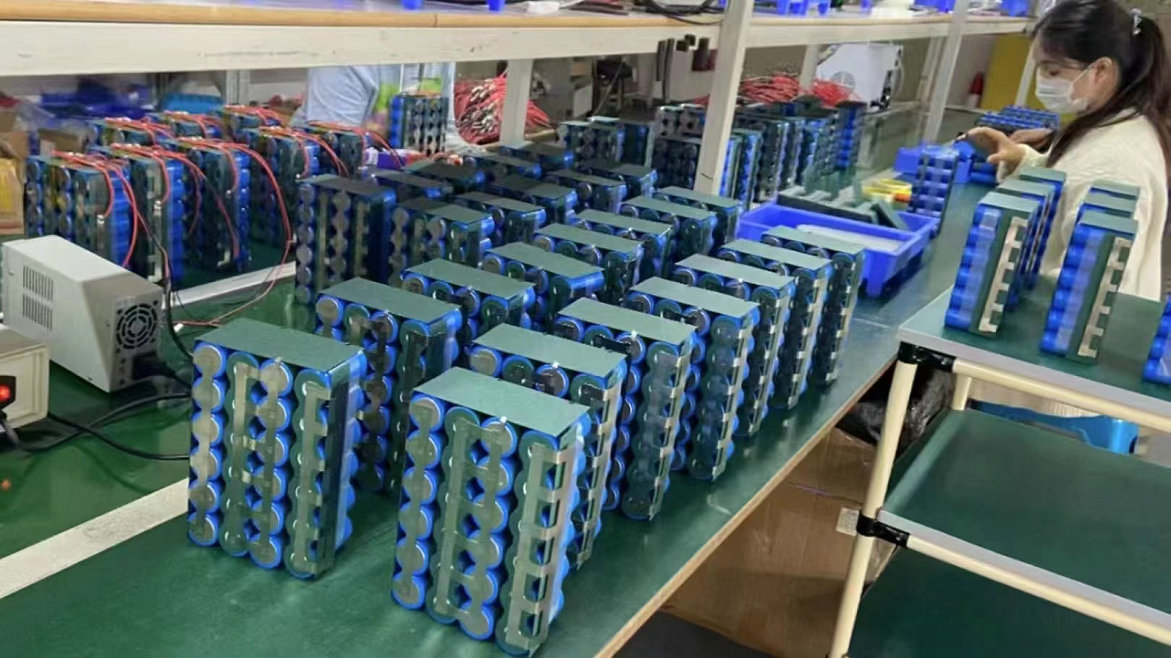
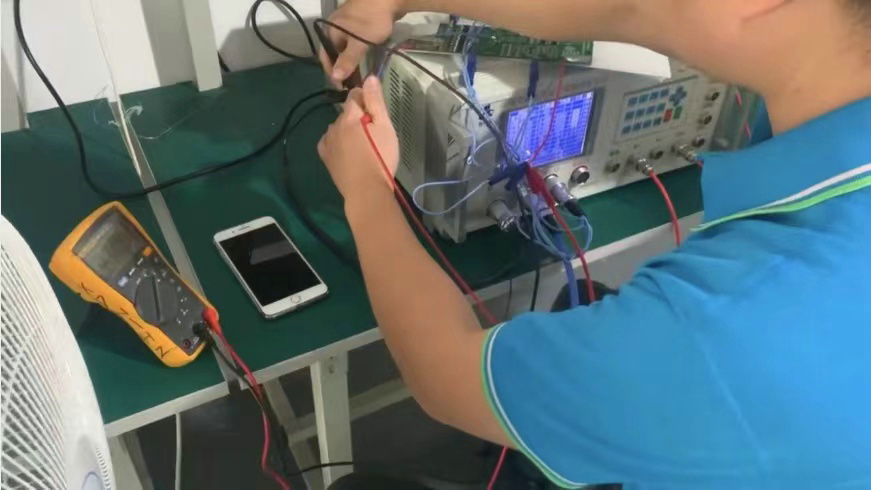
Inside our automated production, cell matching, and rigorous quality assurance workflows.
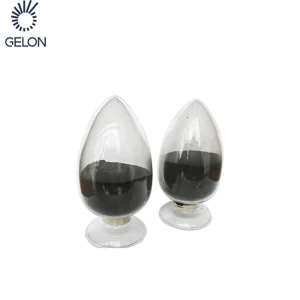
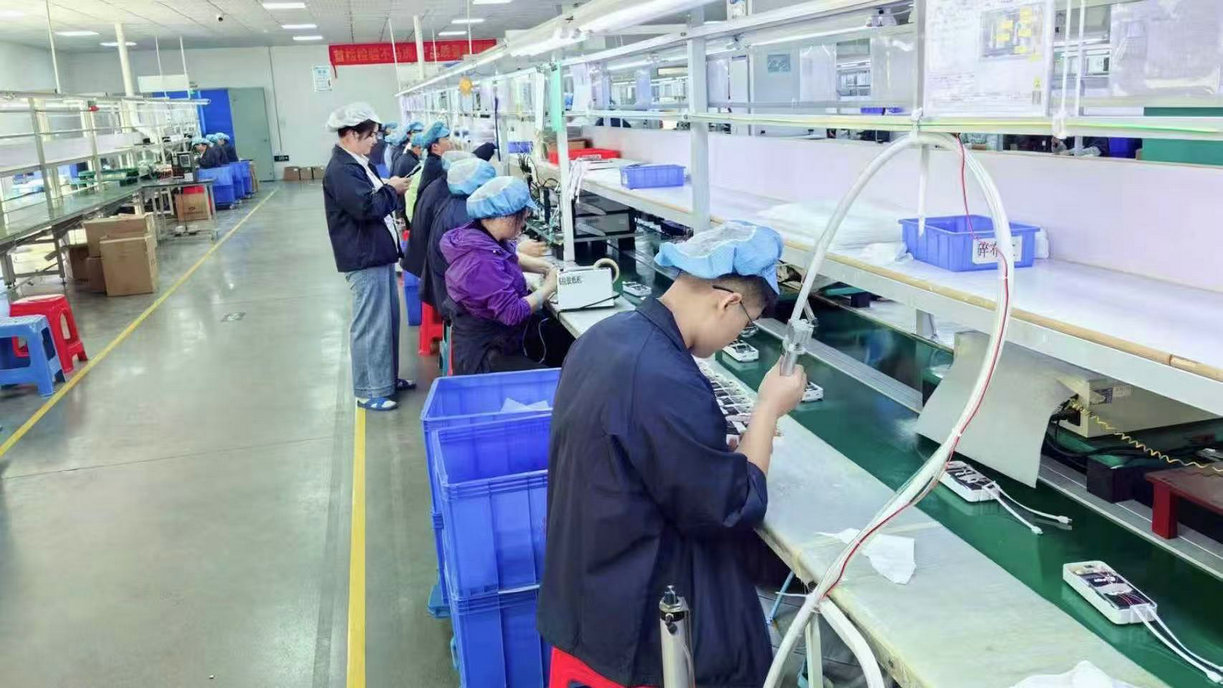
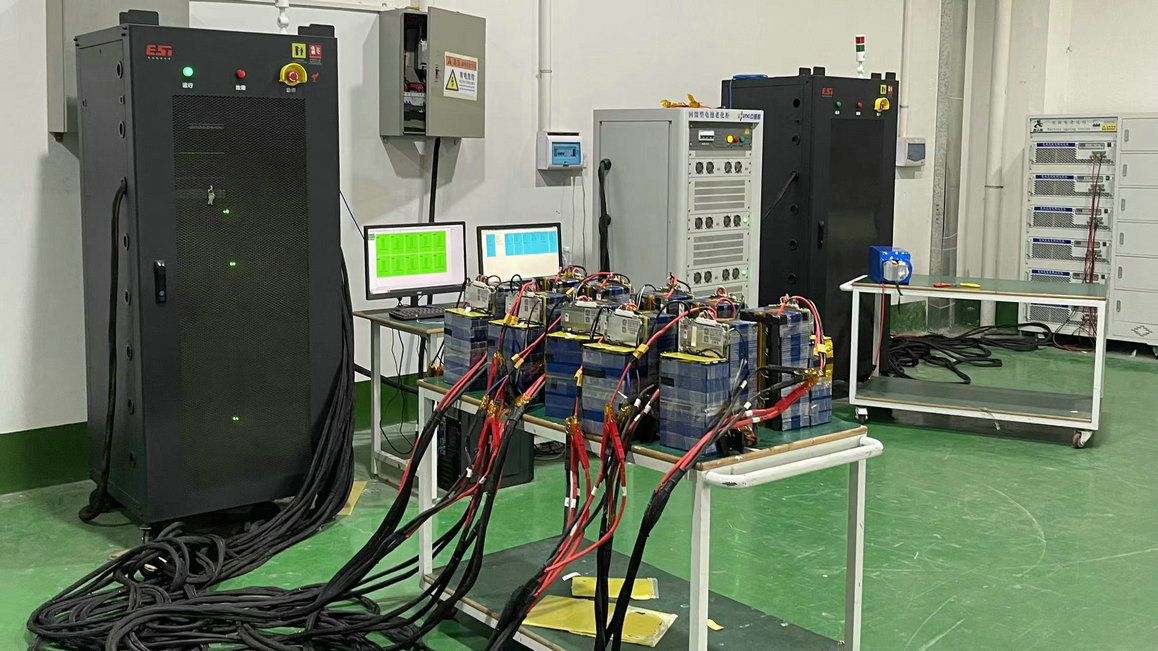
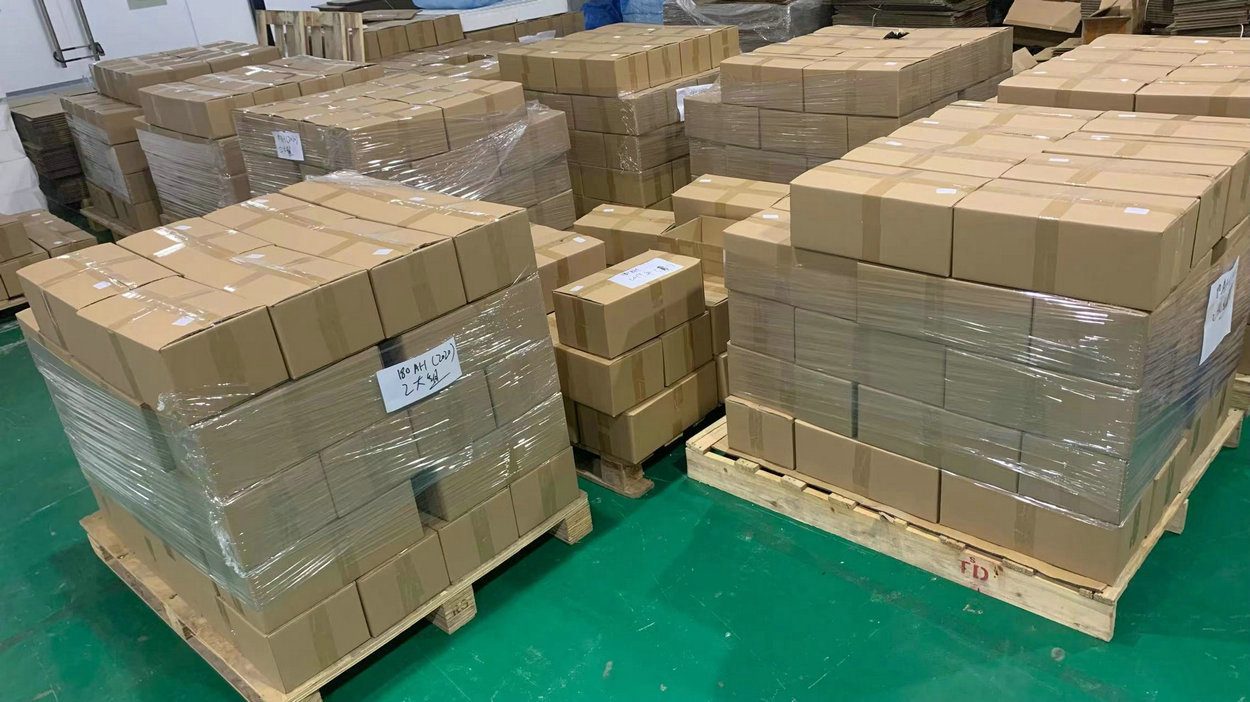
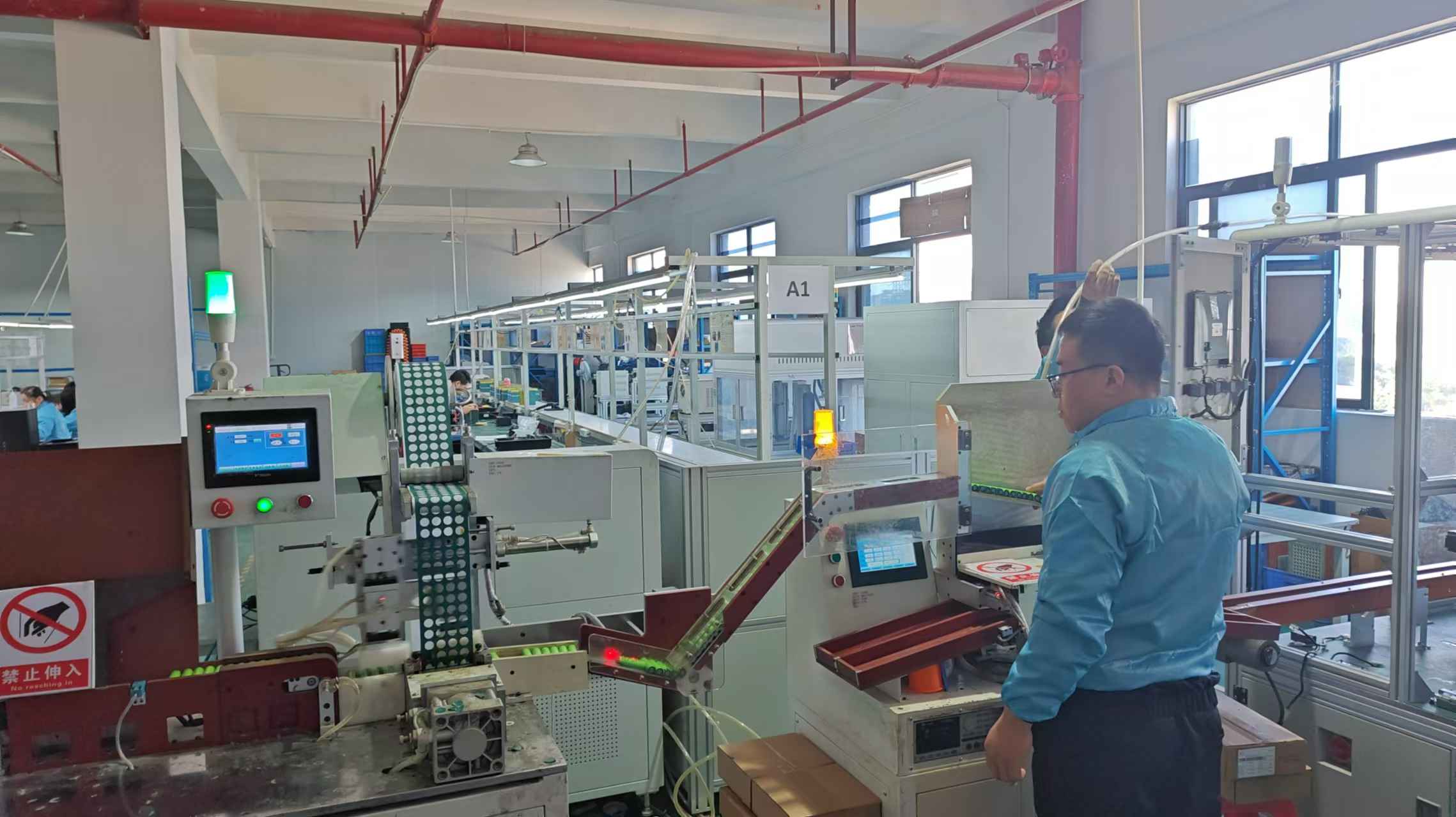
Our manufacturing complex utilizes automated production lines, intelligent material handling, and end-to-end data tracking. This integration helps maintain stable cell matching, minimizes internal resistance variations, and ensures consistent quality. By managing the supply chain—from high-purity raw materials like NMC and LFP cathode powders to custom BMS boards—we optimize cost structures, protect lead times, and maintain reliability for our global clients.
Ensuring cross-border compliance, high safety certifications, and reliable local integration.
Navigating international compliance is essential for clean energy developers and OEMs. All energy storage products exported by Guangdong Nuwon Energy undergo strict testing to meet international market regulations, including:
We offer comprehensive customization capabilities to address specific regional requirements:
Specialized cell designs, high-discharge modules, and heavy-duty load testing systems.
Addressing supply chain risks, total cost of ownership (TCO), and system integration parameters.
When sourcing smart energy components, large-scale buyers must evaluate the Total Cost of Ownership (TCO) alongside upfront capital costs. Our high-cycle-life configurations—such as LTO cells offering up to 20,000 cycles or premium LiFePO4 cells with 6,000+ cycles—help minimize maintenance and replacement costs over the system lifecycle. Combined with comprehensive performance guarantees, our solutions provide reliable financial security for utility-scale investments.
Integrating utility-scale BESS or traction batteries requires precise coordination. Our engineering team assists at every stage: from initial capacity sizing calculations to matching cell impedances (within tight tolerances like 2mΩ), structural container design, and shipping logistics management for hazardous materials. This end-to-end support helps minimize integration issues and keeps projects running on schedule.
Insights from our R&D team on performance optimization, technology selection, and ordering logistics.
The decision is driven by the energy density constraints, weight limits, and required safety profile of the target application. High-density NMC chemistry is highly effective for standard performance systems, offering balancing cost with energy density (up to 250 Wh/kg). Solid-state batteries, utilizing polymer or solid ceramic-based electrolytes, can achieve energy densities beyond 300 Wh/kg. This makes them ideal for weight-sensitive, high-reliability applications like eVTOL aircraft, long-range drones, and specialized military electronics, where eliminating liquid electrolytes also prevents fire risks.
We apply a multi-tier safety architecture. Starting at the cell level, we select high-stability chemistry formulations (such as LiFePO4) and integrate pressure-relief valves. At the module level, we employ flame-retardant structural materials alongside physical barriers. At the system level, our smart Battery Management System (BMS) monitors cell voltage, temperature, and internal resistance in real time. We also implement active liquid cooling or thermal insulation systems, designed and tested to prevent cell-to-cell thermal propagation in accordance with UL 9540A standards.
LTO batteries replace the traditional graphite anode with lithium titanate nanocrystals, creating a stable, three-dimensional structure. This chemistry offers two primary advantages: extreme cycle life (exceeding 20,000 cycles without significant capacity loss) and high charge/discharge rate capabilities (up to 30C continuous). For automated guided vehicles (AGVs), rail transit, and backup power grids that undergo rapid charge-discharge cycles in demanding environments, LTO offers a low long-term operational cost.
For custom battery assemblies, the typical project timeline includes 2 to 3 weeks for engineering design, thermal modeling, and safety validation, followed by 4 to 6 weeks for manufacturing, assembly, cell matching, and aging tests. Bulk orders generally ship within 6 to 8 weeks, depending on materials availability. We provide our global clients with comprehensive design documentation, performance simulation reports, shipping certifications, and direct access to our core engineering team to support system integration.
 Nuwon Energy