Discover our top-tier battery packs, custom cells, and state-of-the-art power supplies engineered for industrial applications.
Analyzing the Chemistry, Material Science, and Engineering Advantages Driving the Future of High-Density Energy
The global battery ecosystem is undergoing a generational shift. As conventional lithium-ion systems reach their theoretical energy density limit of approximately 350 Wh/kg, solid-state battery technology emerges as the definitive solution. By replacing volatile, flammable liquid organic electrolytes with solid-state alternatives such as sulfides, oxides (like Li7La3Zr2O12 or LLZO), and polymers, solid-state batteries redefine thresholds for volumetric efficiency, cycle longevity, and operational safety.
In China's advanced manufacturing clusters, the integration of semi-solid and all-solid-state systems is moving rapidly from pilot scale to gigawatt-hour commercialization. The elimination of thermal runaway hazards simplifies structural layouts (such as cell-to-pack configurations), paving the way for applications across electric vehicles (EVs), eVTOL aviation, defense, and long-duration commercial energy storage systems (C&I ESS).
As strategic partners in this migration, Chinese factories leverage complete control over key raw material supplies—including high-quality NMC 523 precursors, lithium titanate oxide (LTO), and novel LLZO solid-state electrolytes. This comprehensive vertical integration ensures that global OEMs and distributors secure tier-1 quality, rapid manufacturing scalability, and unprecedented cost efficiencies.
How Geopolitical Synergy, Raw Materials Dominance, and Automation Define the Global Sourcing Landscape
China hosts over 70% of the world's processing capacity for active materials like NMC 523, lithium iron phosphate, and oxide electrolytes. Sourcing directly from factories ensures access to raw material consistency and traceablity required for high-yield battery packs.
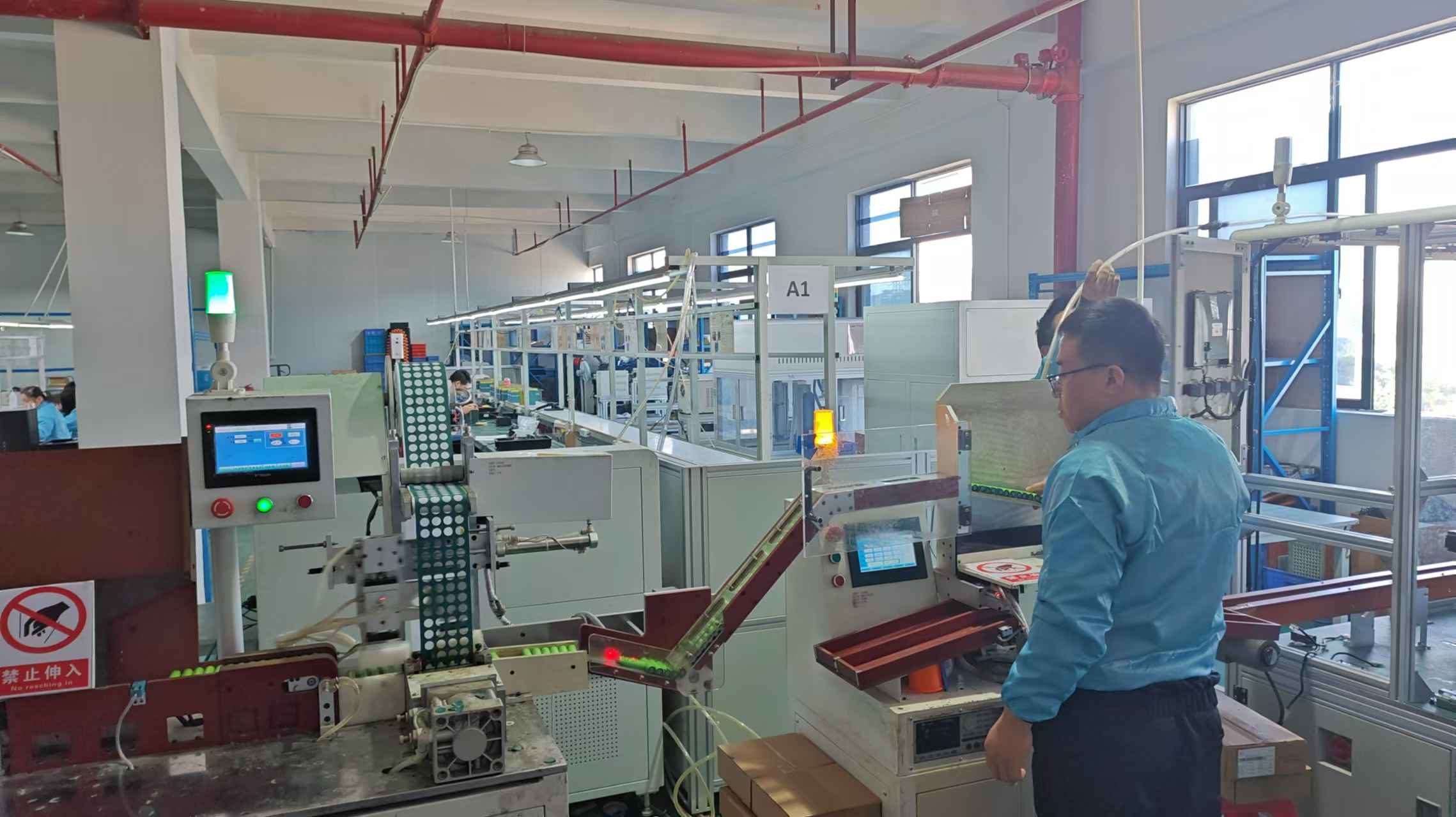
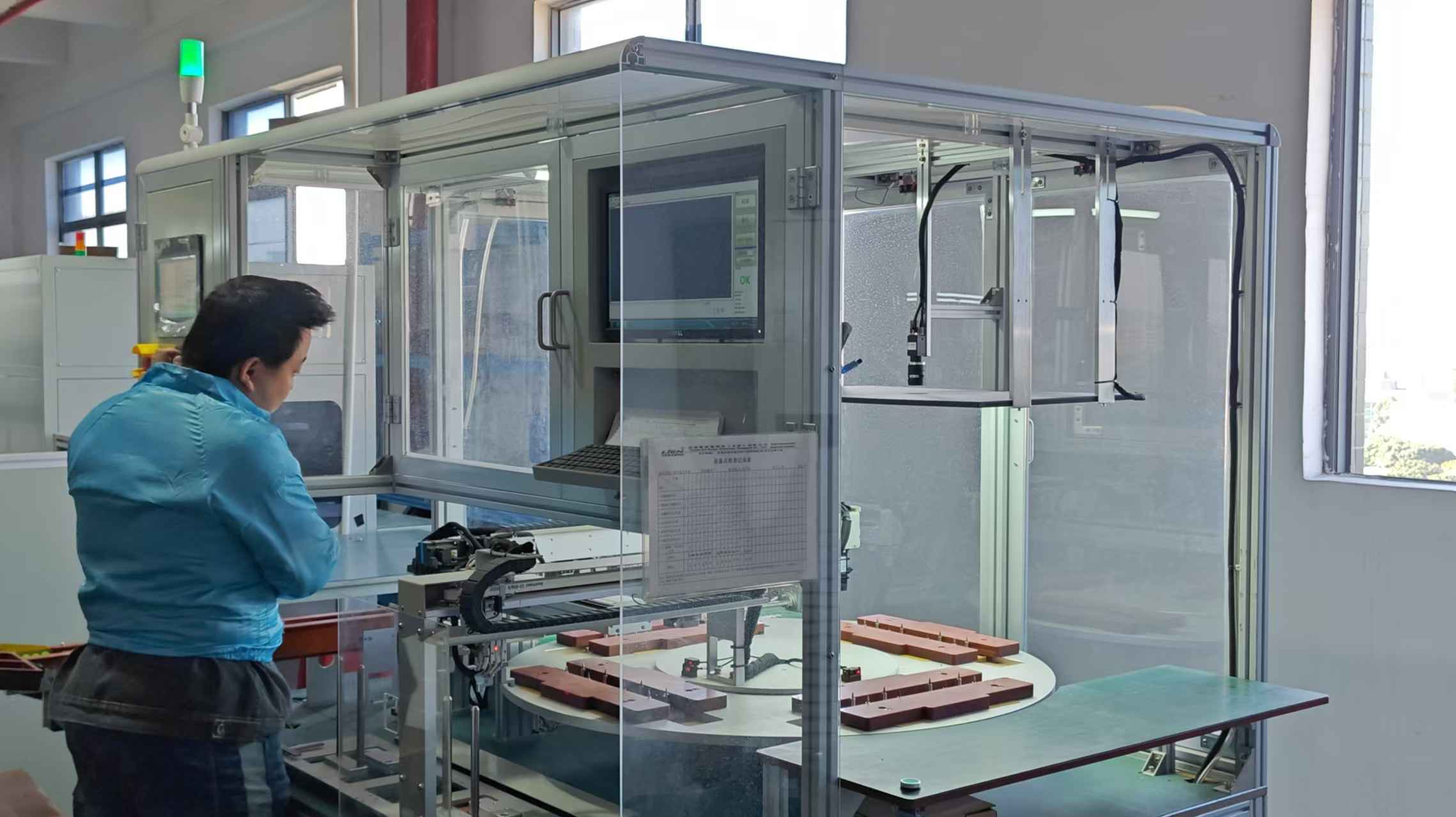
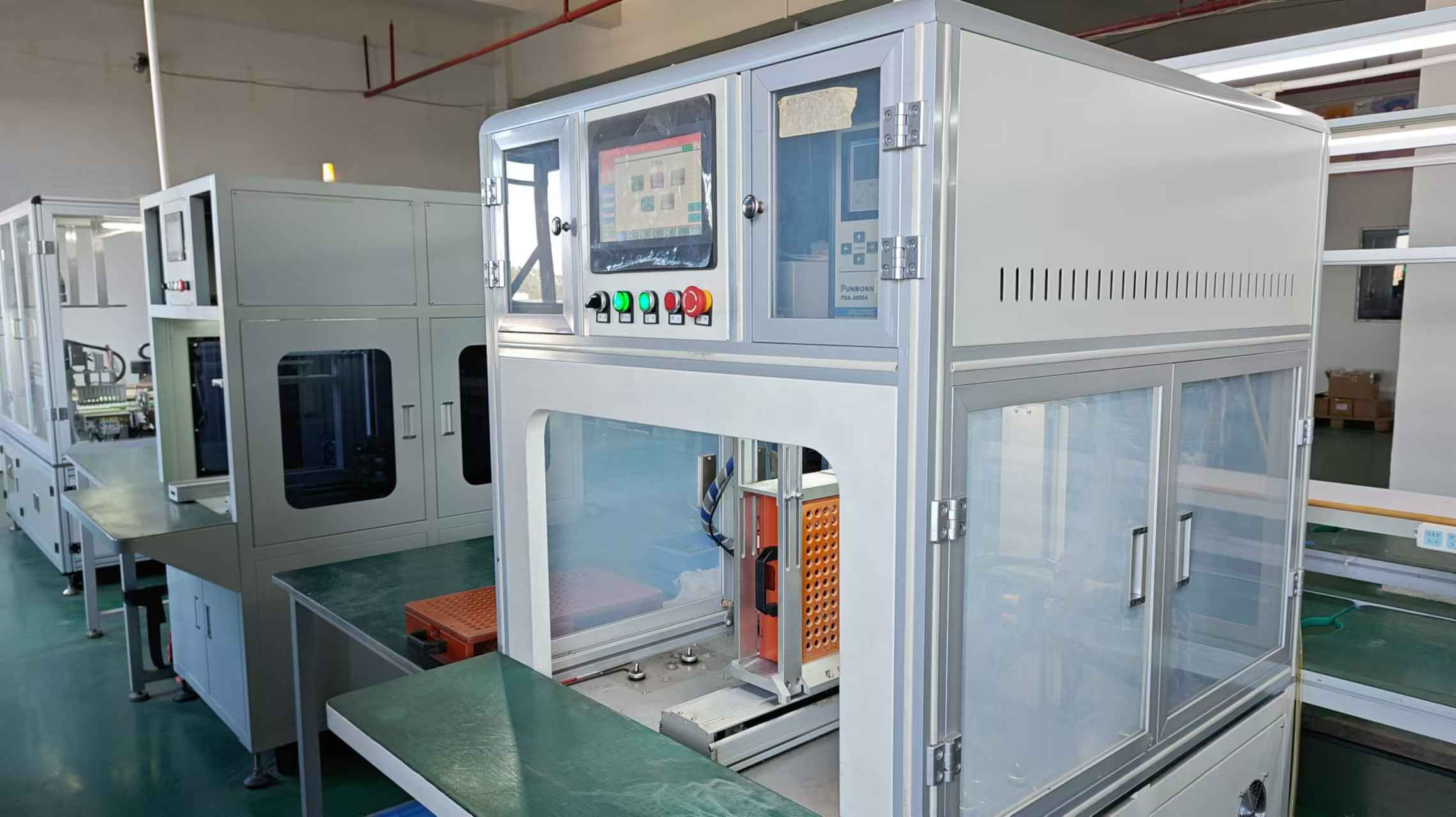
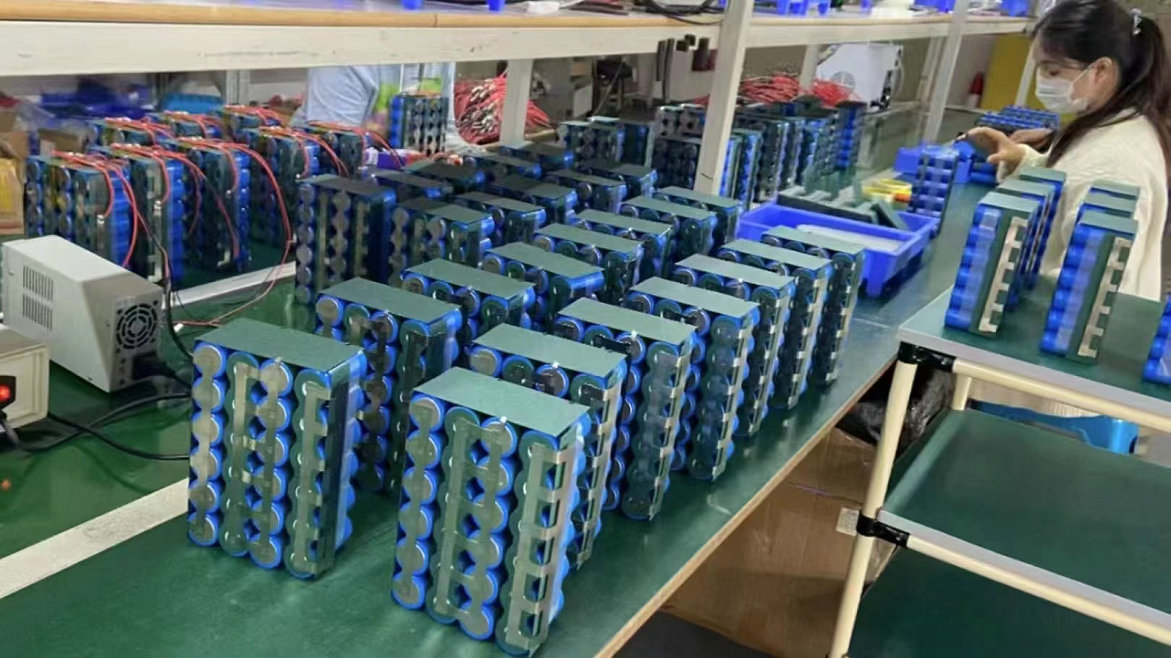
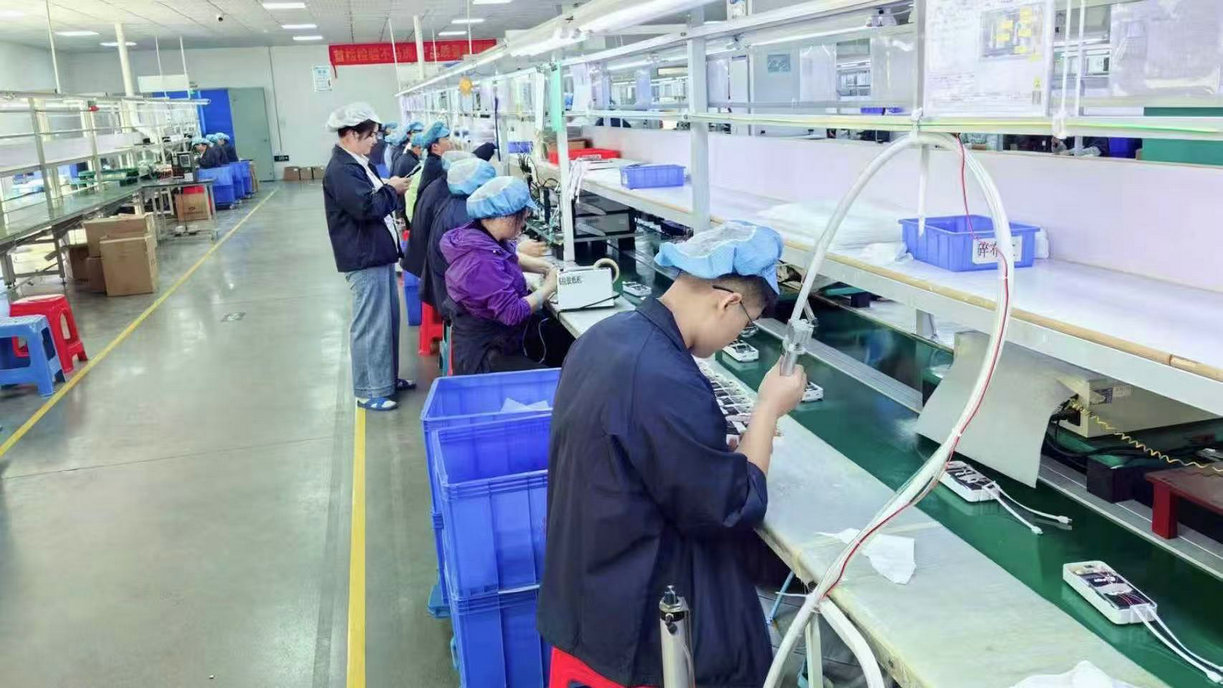
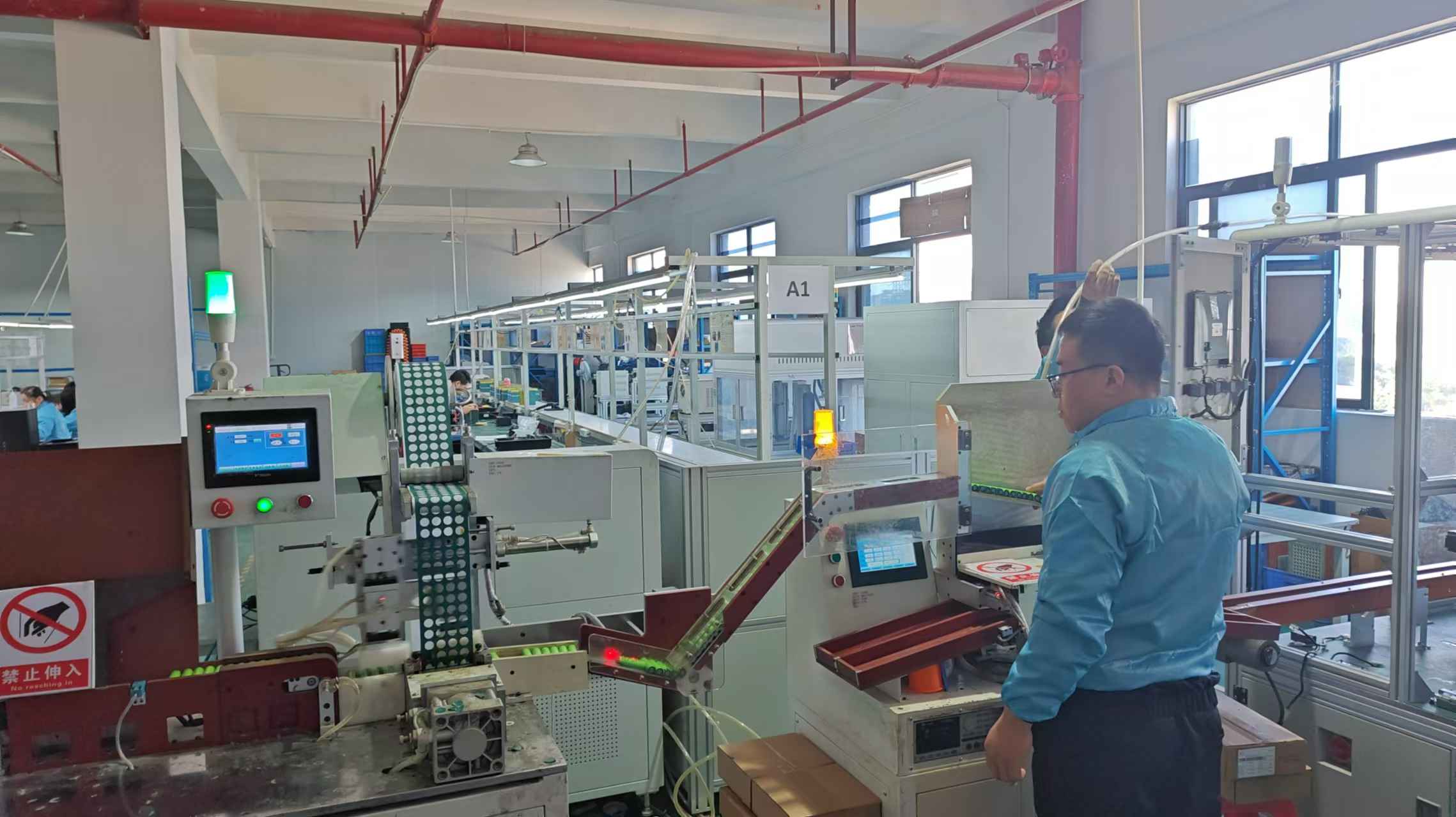
By leveraging smart production sorting systems, ultrasonic high-precision welding, and custom automated module assembly lines, Chinese production bases maintain narrow parameter variance across large volume outputs, leading to enhanced safety performance.
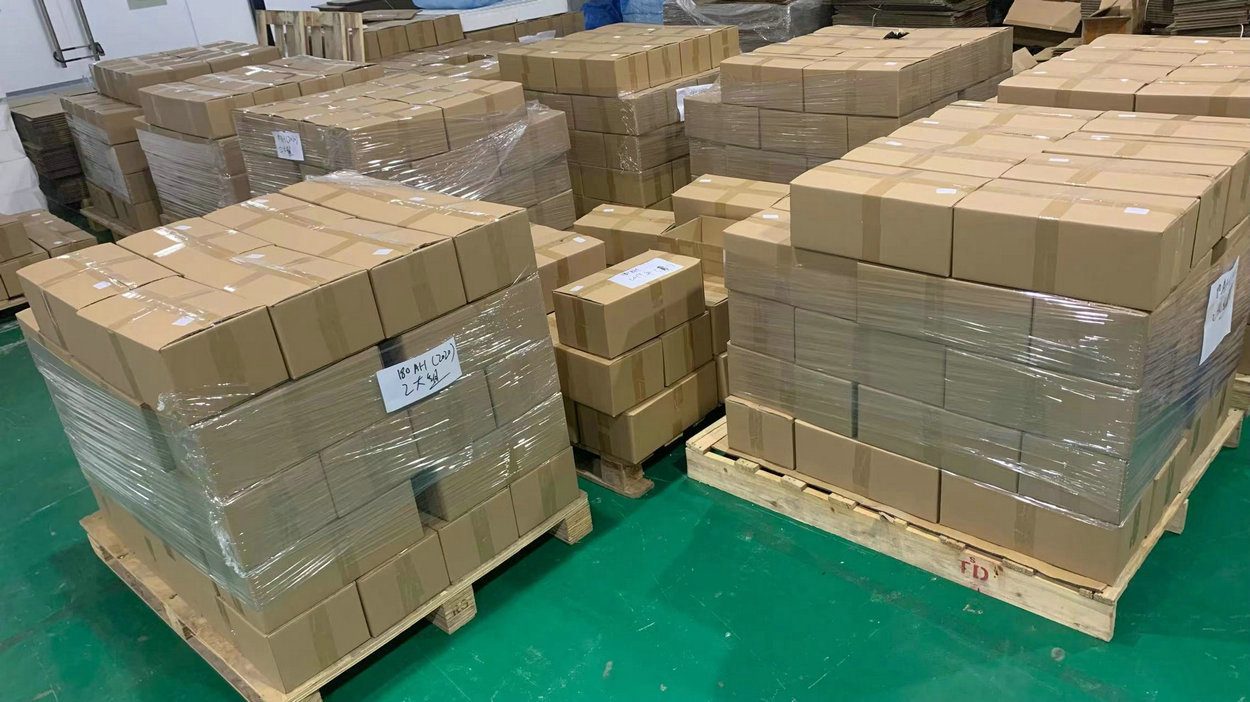
Our exporting facilities utilize professional shipping preparations, meeting rigorous UN38.3, MSDS, and IMDG Class 9 dangerous goods requirements, guaranteeing smooth custom clearance and port passage worldwide.
Integrating Advanced R&D, Standardized Assembly, and Custom OEM/ODM Energy Storage Solutions
Guangdong Nuwon Energy Co., Ltd. is a leading manufacturer and solution provider in advanced battery systems, specializing in the research, development, manufacturing, and global distribution of high-performance energy storage products. The company offers comprehensive OEM and ODM services, delivering customized battery solutions tailored to diverse industrial and commercial applications.
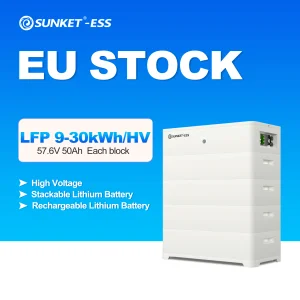
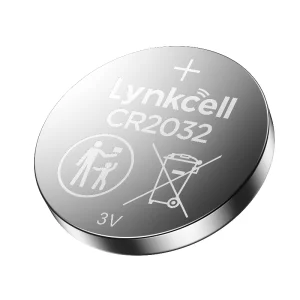
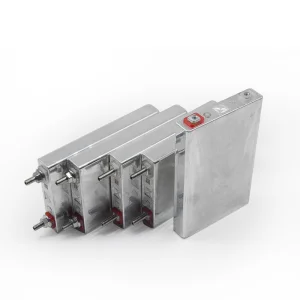
Backed by a highly experienced engineering and R&D team, Nuwon Energy focuses on the design and integration of cylindrical and prismatic lithium battery cells, as well as complete battery packs, modules, and energy storage systems. The company also develops and produces industrial-grade battery cells engineered for safety, durability, and long cycle life.
Guangdong Nuwon Energy serves a wide range of industries, including consumer electronics, electric mobility (such as golf carts, forklifts, UTVs/ATVs, trucks, and marine systems), medical equipment, unmanned ground vehicles (AGVs/AMRs), and emerging aerospace applications such as eVTOL aircraft. In addition, the company provides reliable residential, commercial, and industrial (C&I) energy storage solutions designed to support the global transition toward clean and sustainable energy.
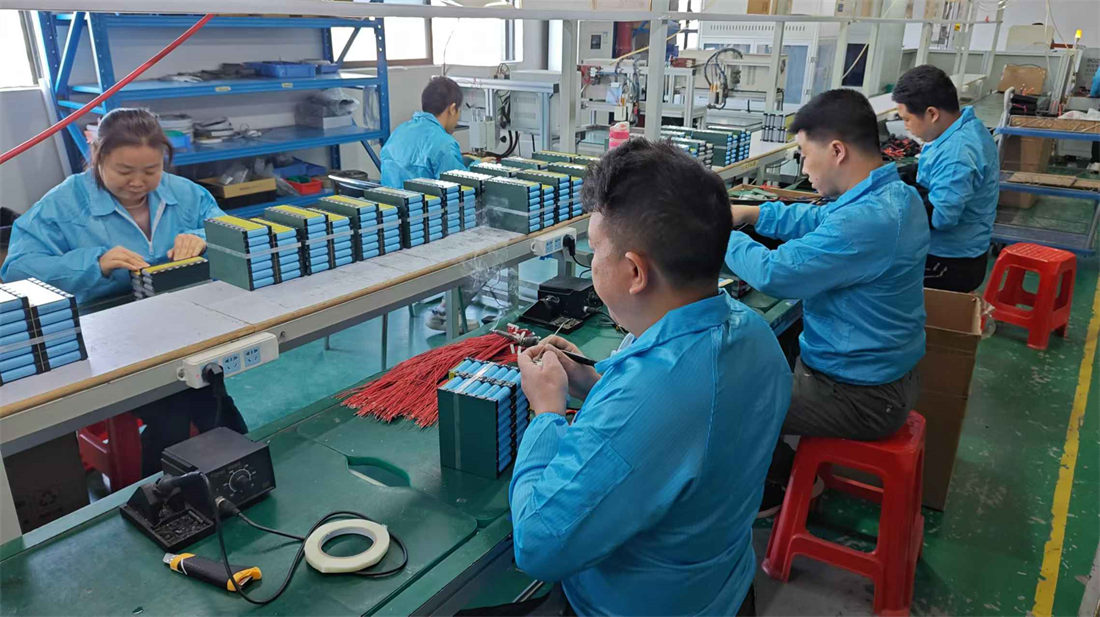
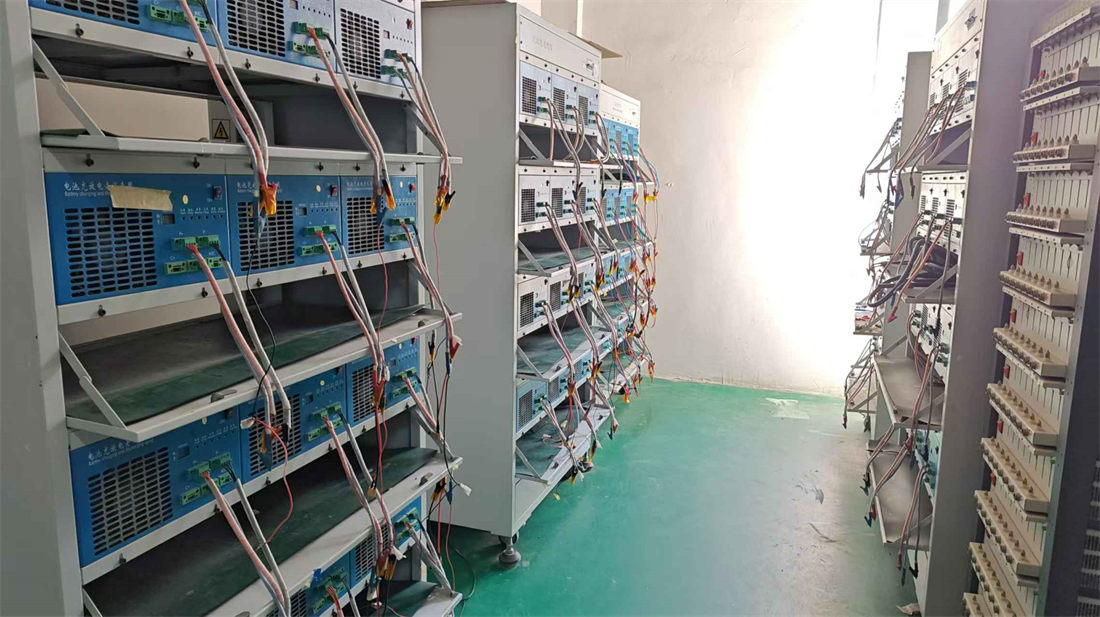
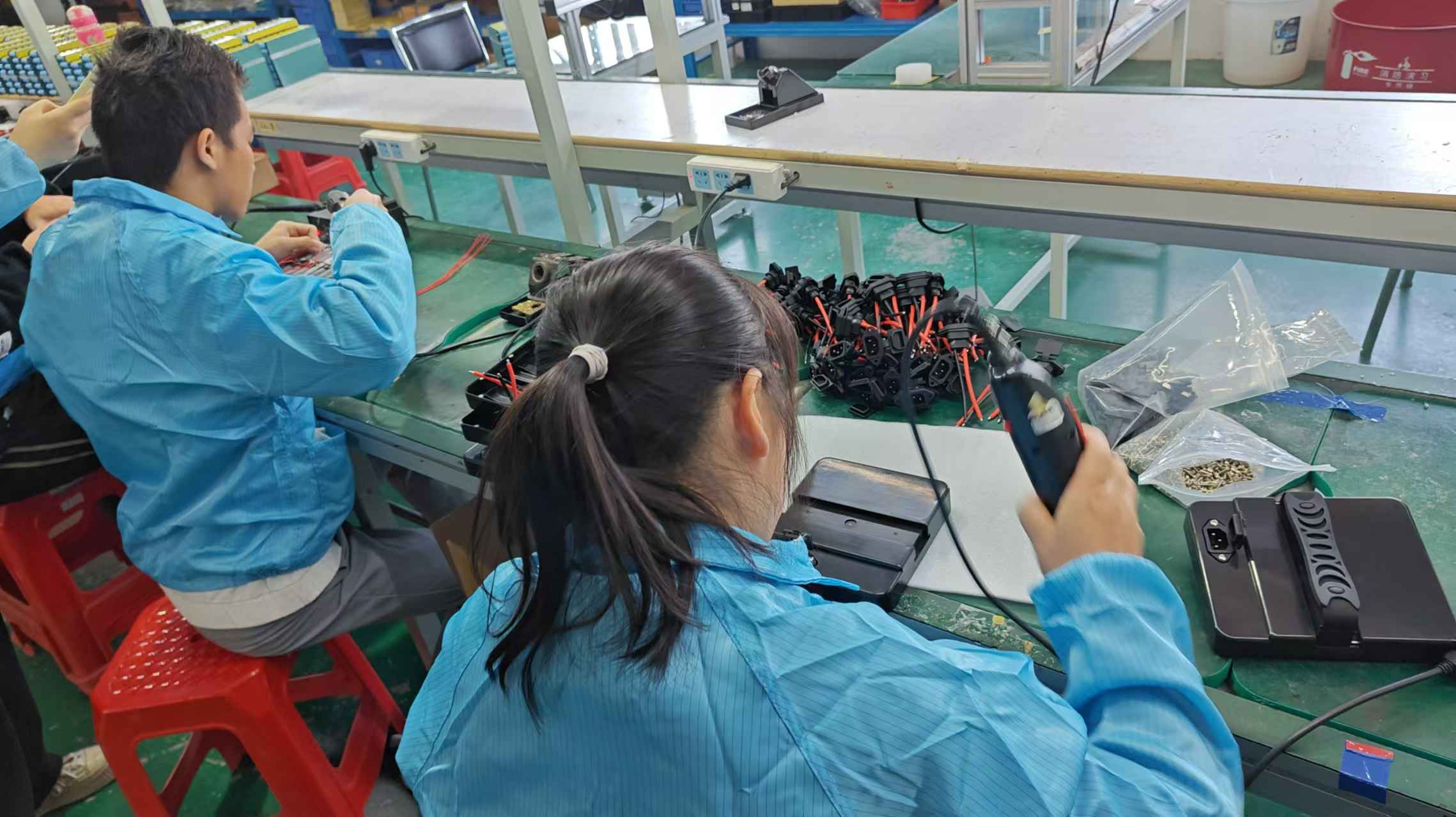
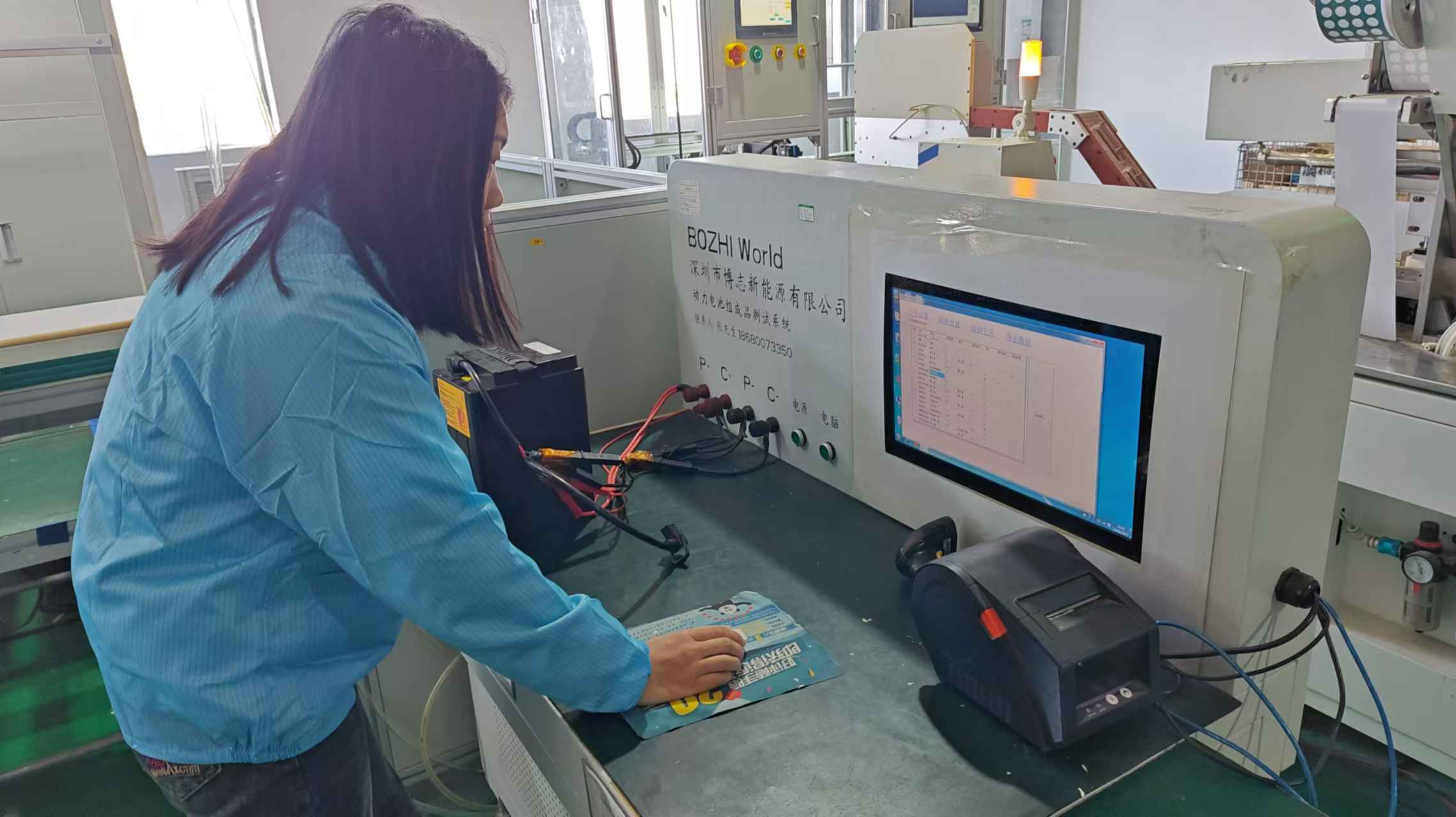
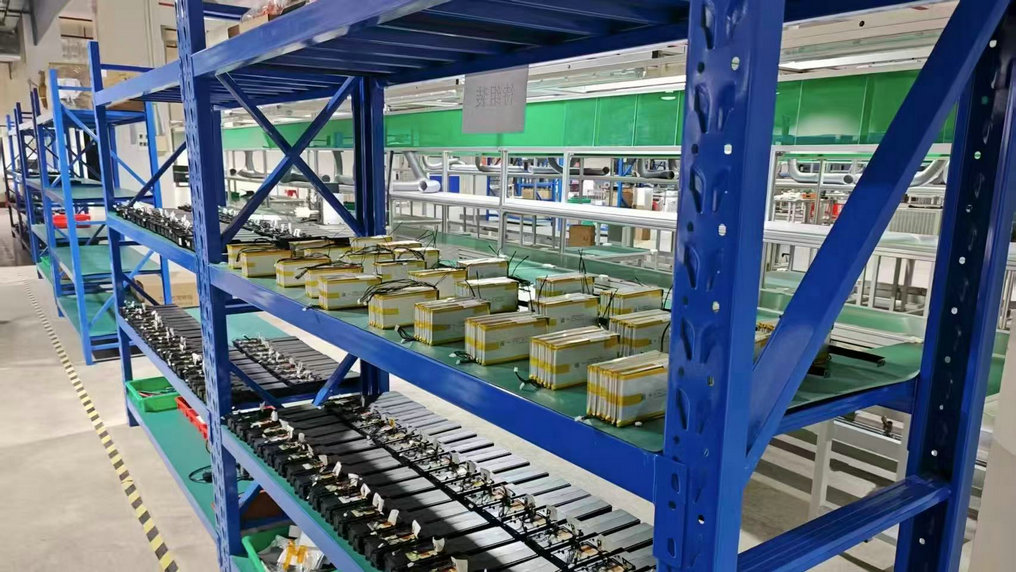
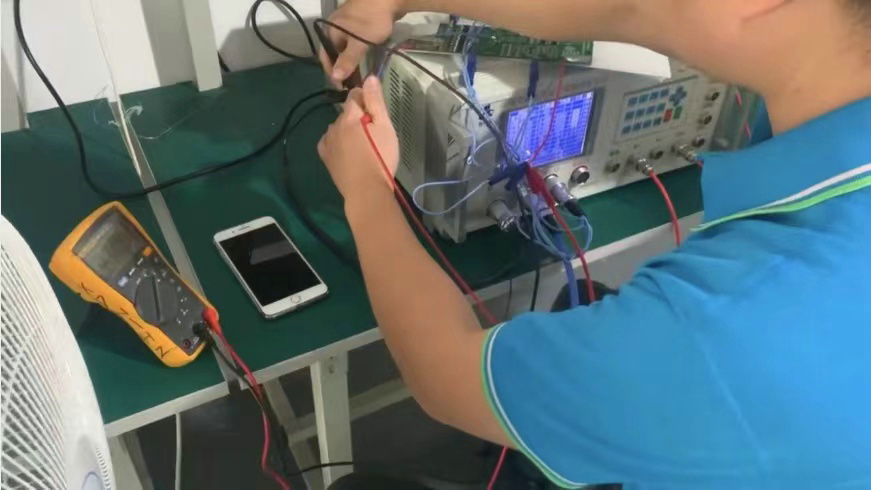
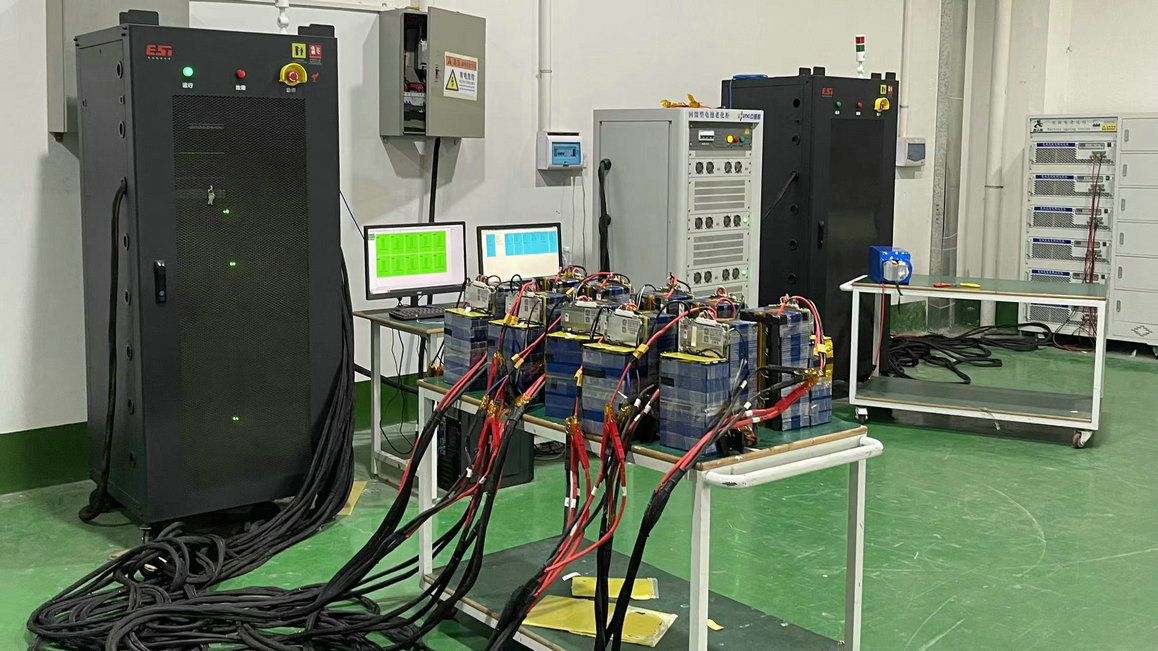
With a strong commitment to innovation, strict quality control, and customer-centric service, Guangdong Nuwon Energy continuously invests in advanced manufacturing capabilities, automated production lines, and rigorous testing systems. This ensures that every product meets international safety standards and delivers exceptional performance in demanding environments.
Driven by a vision to accelerate global electrification and energy efficiency, Guangdong Nuwon Energy Co., Ltd. is dedicated to building long-term partnerships and providing reliable, intelligent, and sustainable energy solutions to customers worldwide.
Understand the performance tradeoffs of Solid-State Electrolytes, LTO, and conventional LiFePO4 prismatic cell architectures
| Battery Chemistry Type | Electrolyte Component | Energy Density (Wh/kg) | Cycle Life (80% DoD) | Operating Temperature Range | Primary Application Areas |
|---|---|---|---|---|---|
| Solid-State LFP | Oxide / LLZO Composite | 200 - 240 | 10,000 - 12,000 | -30°C to 75°C | Residential & Commercial Energy Storage, Solar Off-grid Systems |
| Solid-State NMC | Sulfide / Polymer Matrix | 350 - 480 | 2,500 - 4,000 | -25°C to 65°C | High-Range EVs, eVTOL Aviation, Tactical Drones |
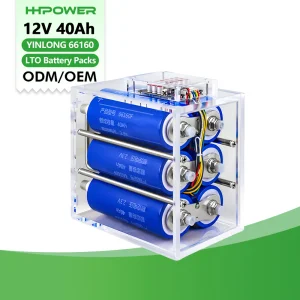
| Lithium Titanate (LTO) | Conventional / Hybrid Solid | 90 - 130 | 20,000 - 30,000 | -40°C to 60°C | UAV Fast-Charging Systems, Heavy Machinery, AGV / AMR Logistics |
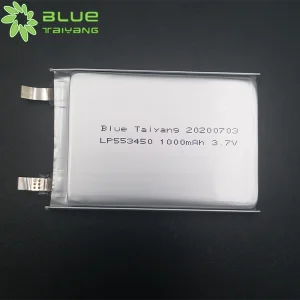
| Pouch Lipo Cells | Gel Polymer | 180 - 260 | 500 - 1,000 | -10°C to 55°C | Consumer Electronics, Wearables, Medical Devices |
Every cell is subjected to stringent physical, electrical, and thermal screening inside our automated plant
Practical insights to assist global engineers and procurement officers in choosing the right energy storage architecture
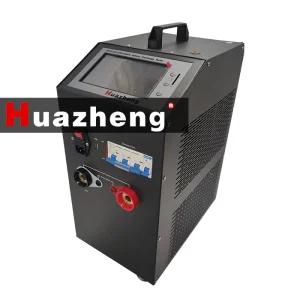
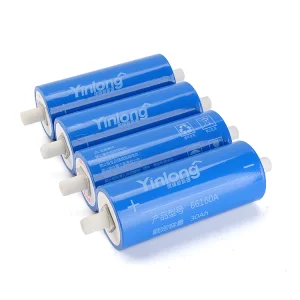
Explore our highly-regarded LTO packs, high-discharge UAV cells, and specialized diagnostic load bank machines

 Nuwon Energy