Direct factory supply chain offering high-performance prismatic cells, scalable energy storage containers, and customized mobility battery packs.

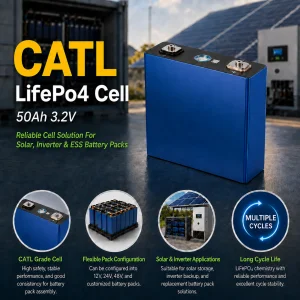
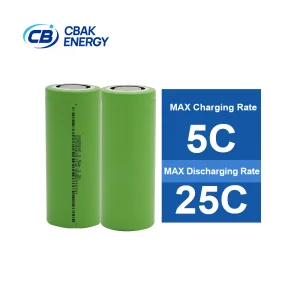
The global energy transition is accelerating, and at its core lies Lithium Iron Phosphate (LiFePO4) chemistry. Previously preferred primarily for utility-scale energy storage due to its exceptional thermal stability and long-duration cycles, LFP has rapidly gained market share in electric mobility, telecom backup systems, and heavy-duty industrial vehicles. Unlike Nickel Manganese Cobalt (NMC) chemistries, LFP contains no cobalt or nickel, eliminating concerns regarding ethical sourcing and raw material cost volatility.
The structural stability of the olivine crystal structure in LiFePO4 ensures that the material does not release oxygen at high temperatures. This minimizes the risk of thermal runaway, making LFP the safest commercially available lithium-ion chemistry today. Additionally, with cycle lives frequently exceeding 6,000 deep discharge cycles at 80% Depth of Discharge (DoD), LFP solutions deliver an unmatched lower total cost of ownership (TCO) compared to traditional lead-acid or high-energy density cobalt-based batteries.
Thermal runaway onset temperatures exceed 270°C, compared to 150°C to 210°C for NMC chemistries, preventing catastrophic fires in heavy-duty commercial applications.
Engineered to support 6,000+ continuous cycles with minimal degradation, providing consistent grid-forming and backup operations over a decade-long lifespan.
Examining the manufacturing efficiency, scale economics, and metallurgical technology that drive China's battery export leadership.
From raw lithium carbonate extraction and chemical refining to automated cathode synthesization and advanced laser-welded structural pack design, China houses the most cost-effective and consolidated value chain.
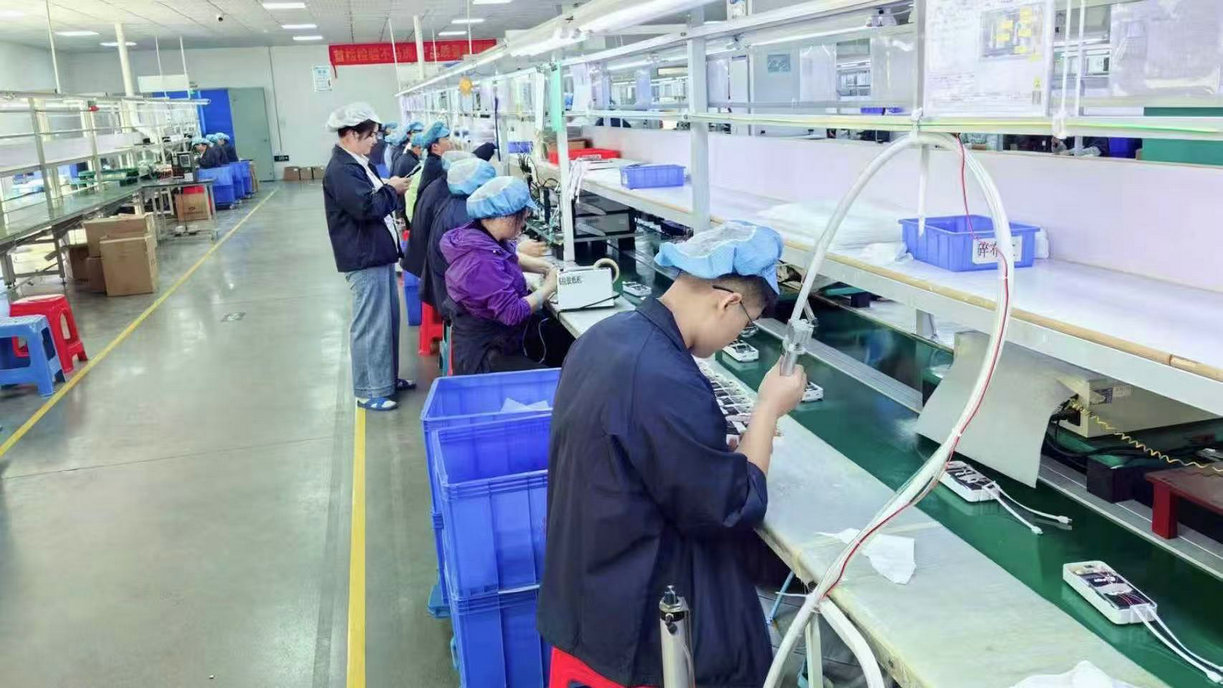
Chinese manufacturing facilities deploy gigafactory-level automation with integrated digital twins, AI optical inspections, and continuous micro-resistance checks, ensuring PPM-level defect rates.
Factories comply strictly with ISO9001/14001 and deliver certifications including UN38.3, UL1973, UL9540A, IEC62619, and CE, guaranteeing international compliance and seamless custom clearances.
Guangdong Nuwon Energy Co., Ltd. is a leading manufacturer and solution provider in advanced battery systems, specializing in the research, development, manufacturing, and global distribution of high-performance energy storage products. The company offers comprehensive OEM and ODM services, delivering customized battery solutions tailored to diverse industrial and commercial applications.
Backed by a highly experienced engineering and R&D team, Nuwon Energy focuses on the design and integration of cylindrical and prismatic lithium battery cells, as well as complete battery packs, modules, and energy storage systems. The company also develops and produces industrial-grade battery cells engineered for safety, durability, and long cycle life.
Guangdong Nuwon Energy serves a wide range of industries, including consumer electronics, electric mobility (such as golf carts, forklifts, UTVs/ATVs, trucks, and marine systems), medical equipment, unmanned ground vehicles (AGVs/AMRs), and emerging aerospace applications such as eVTOL aircraft. In addition, the company provides reliable residential, commercial, and industrial (C&I) energy storage solutions designed to support the global transition toward clean and sustainable energy.
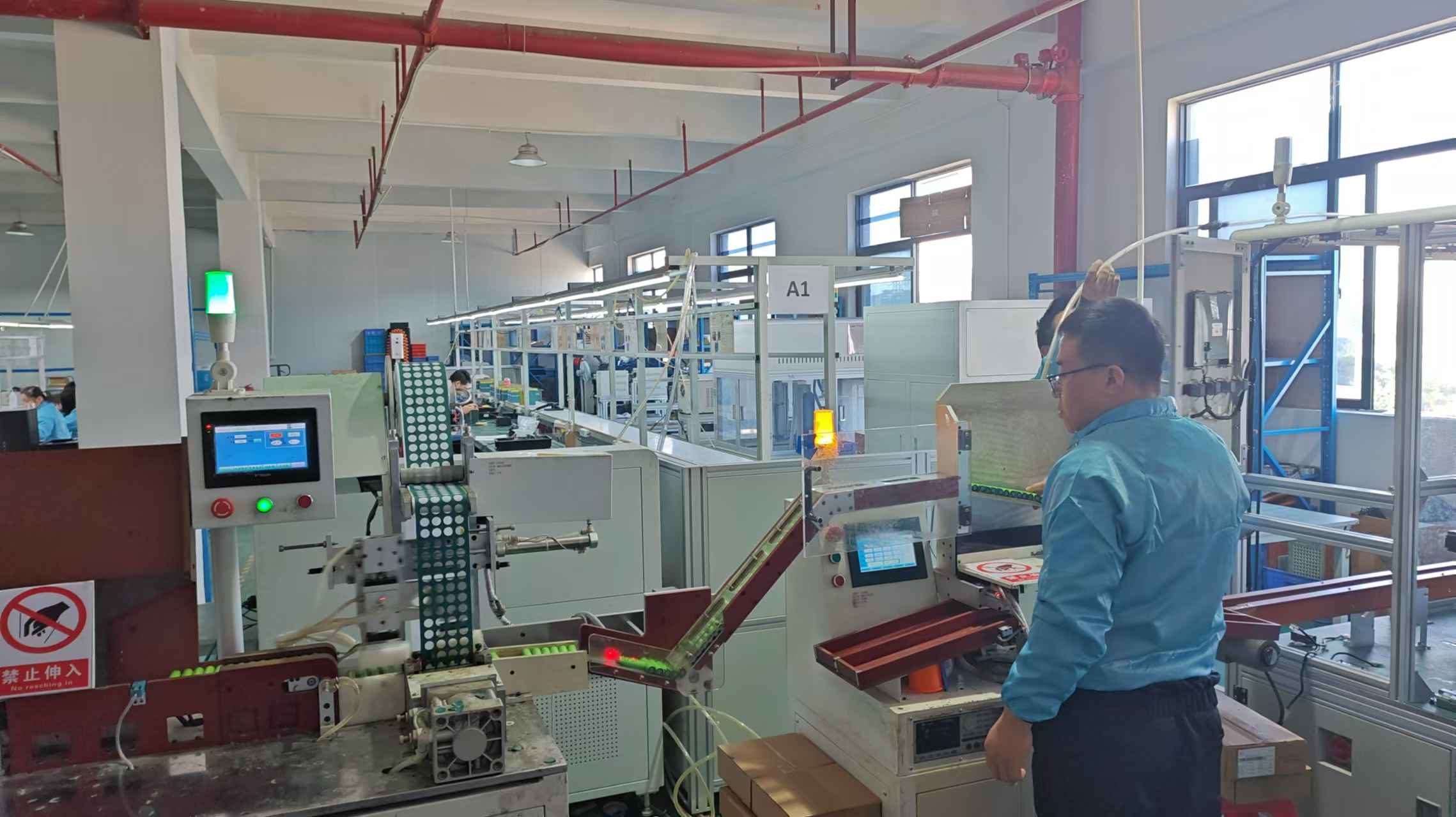
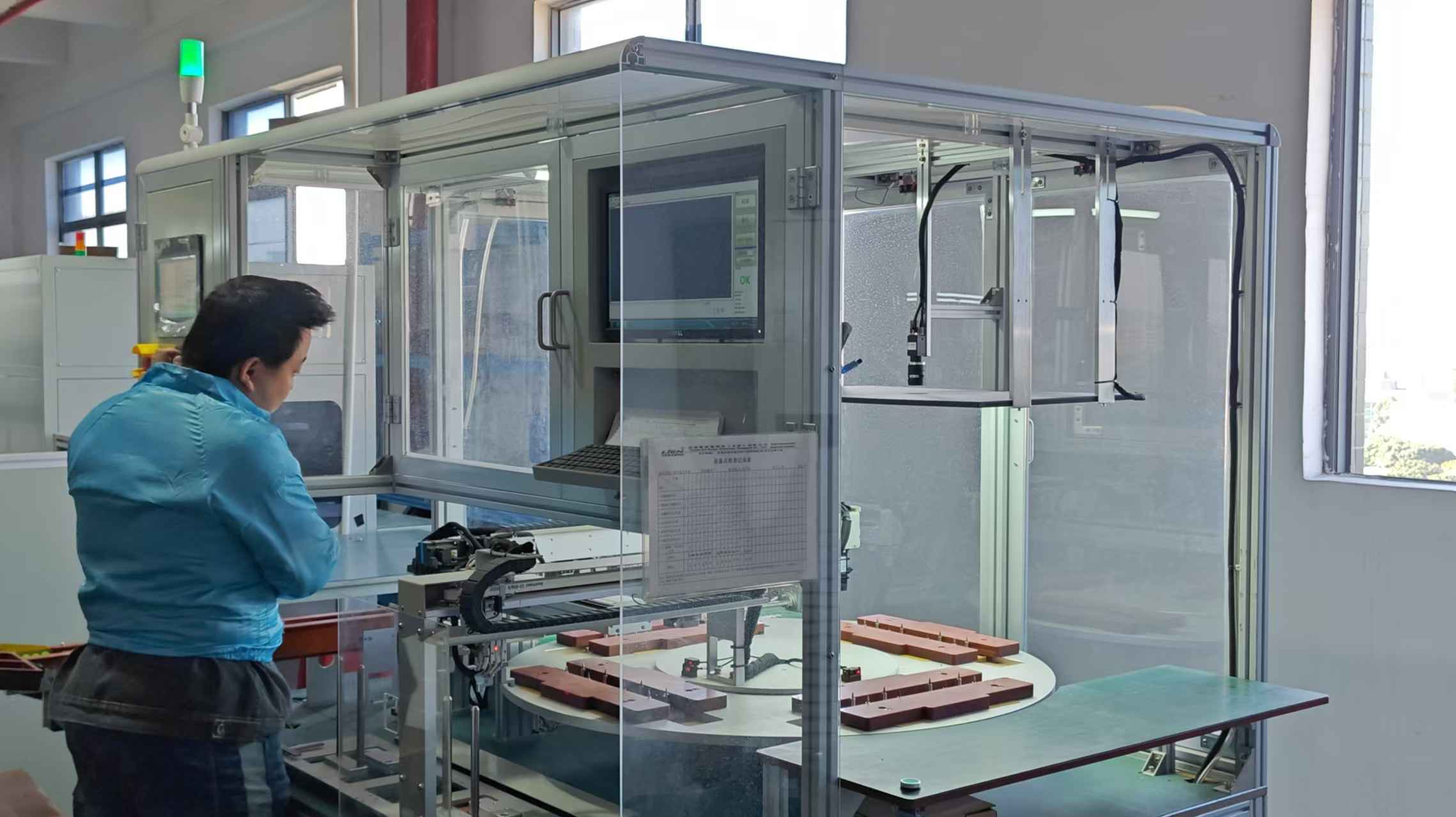
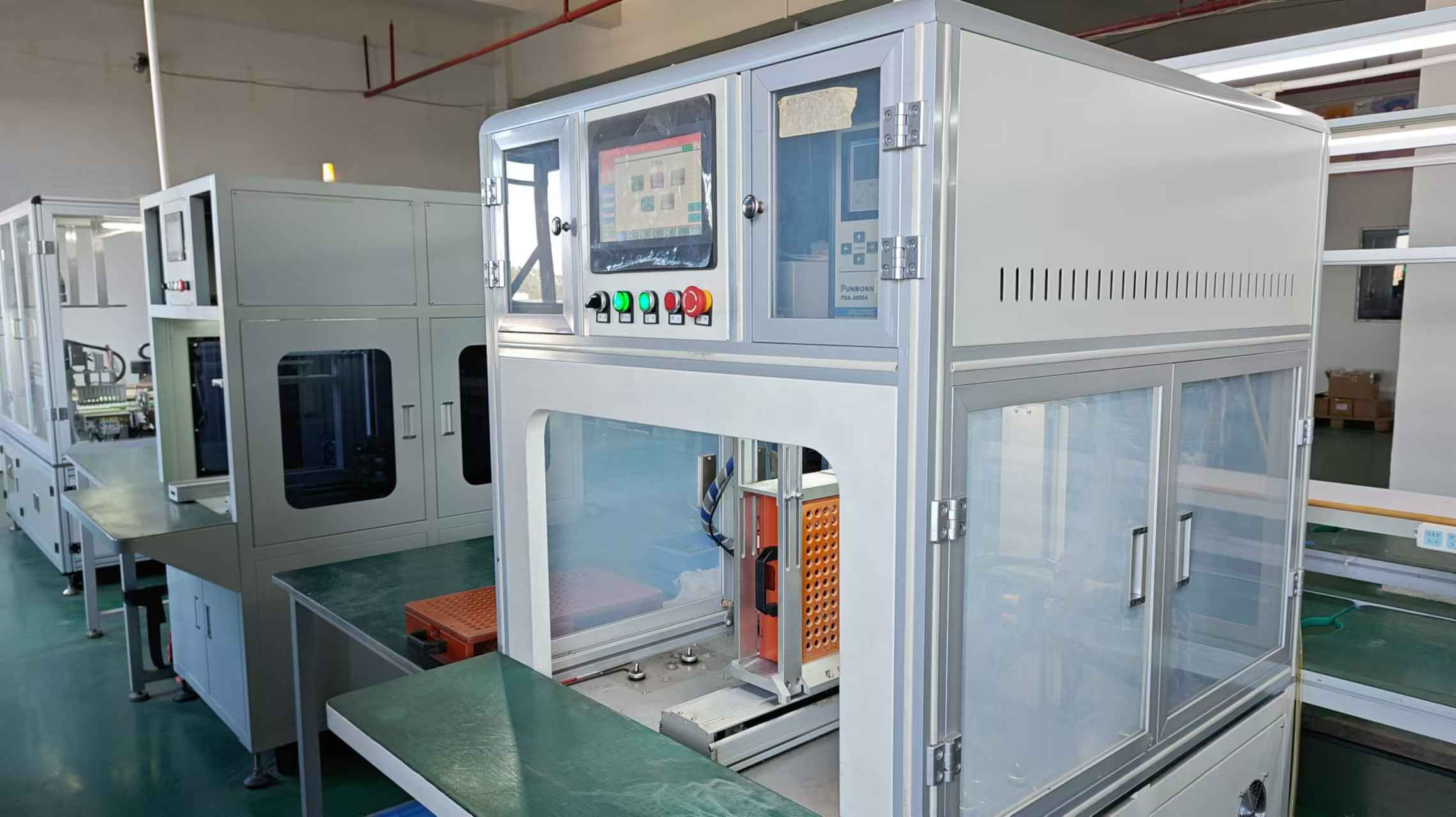
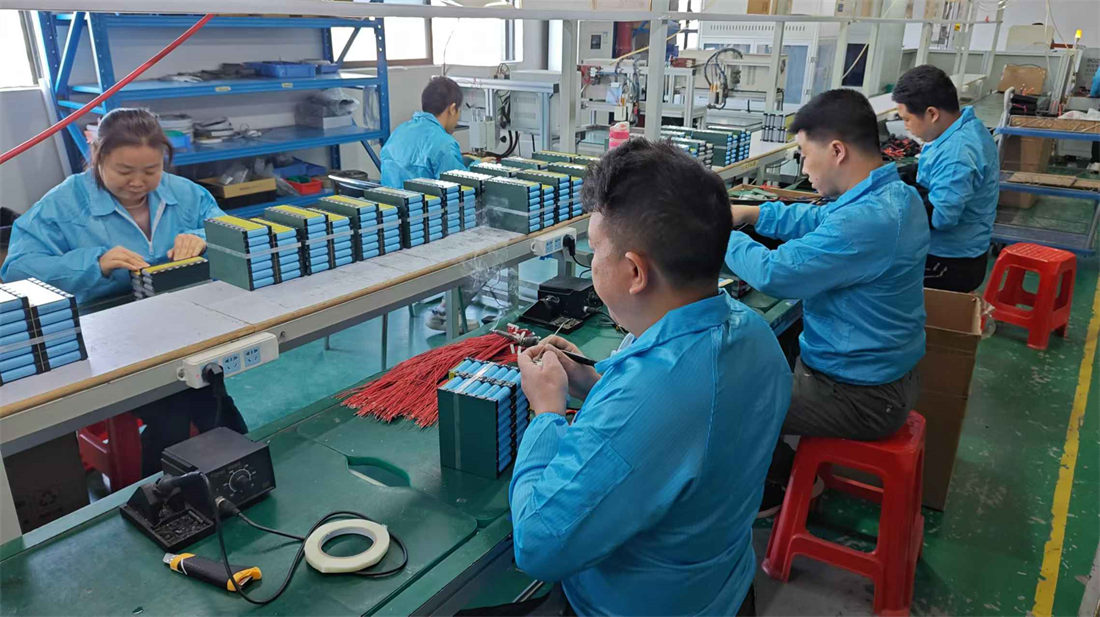
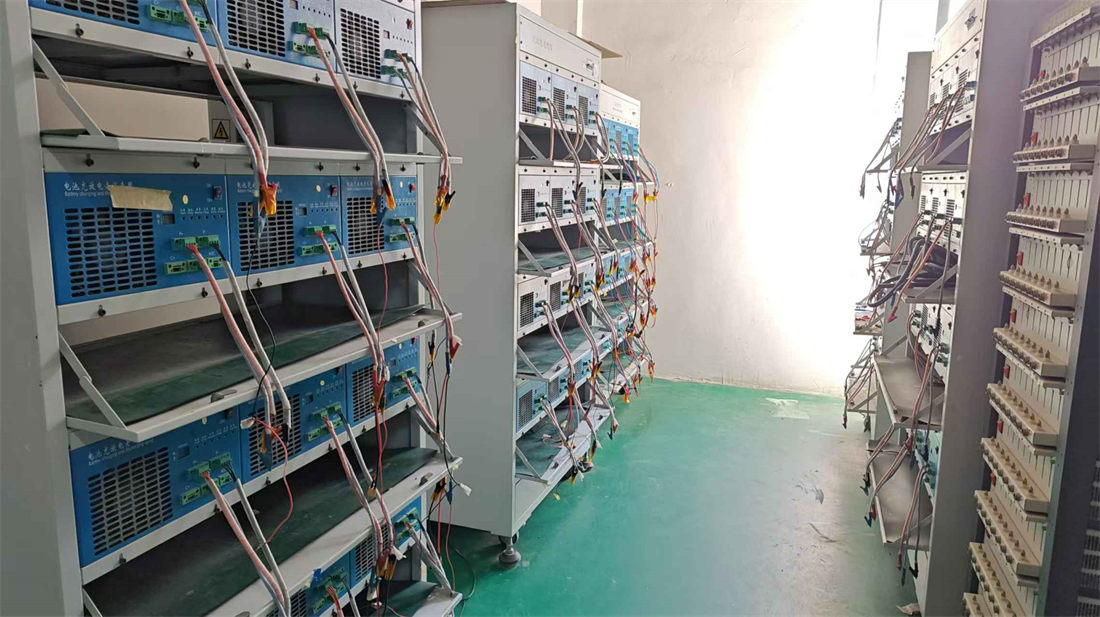
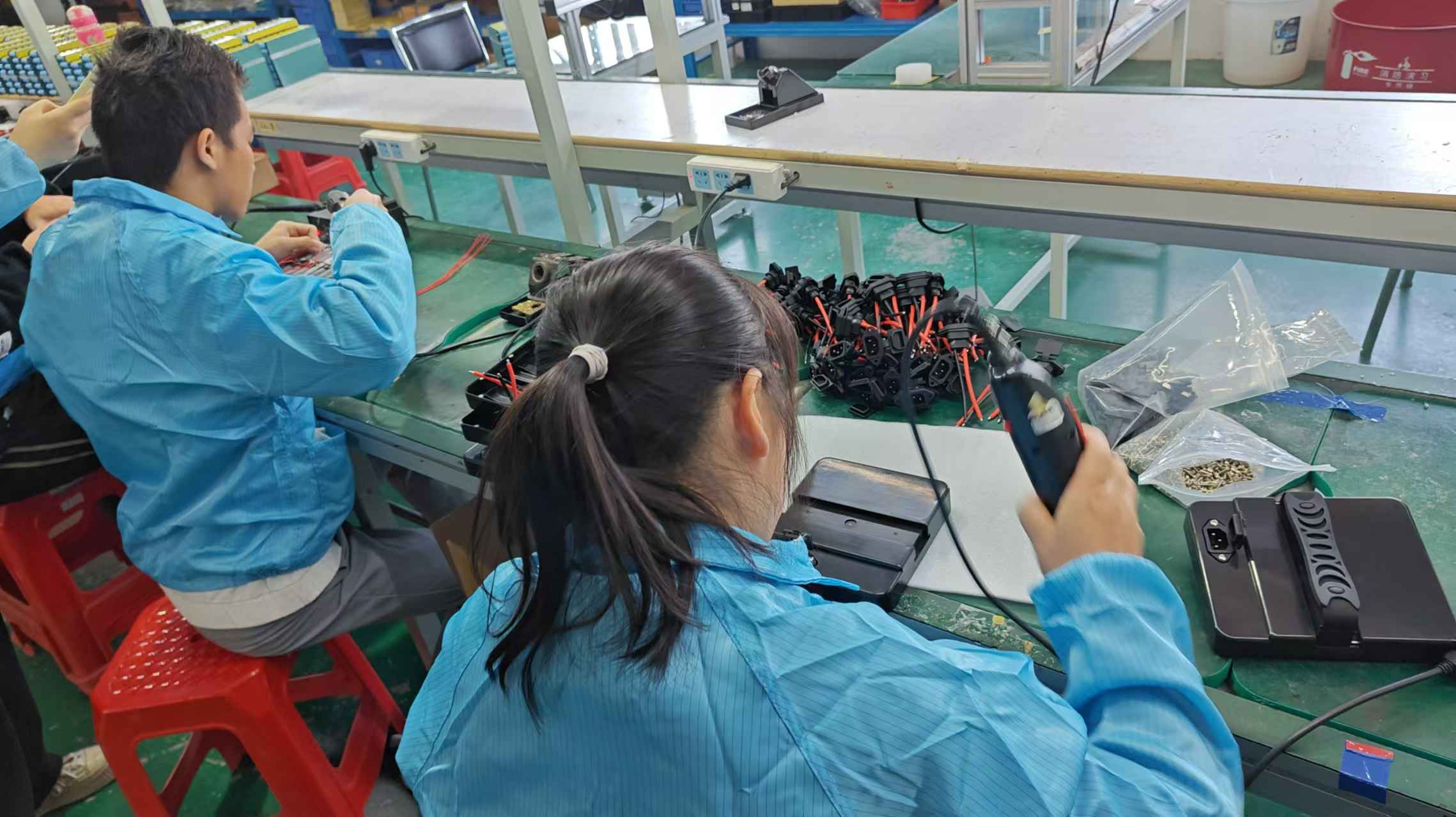
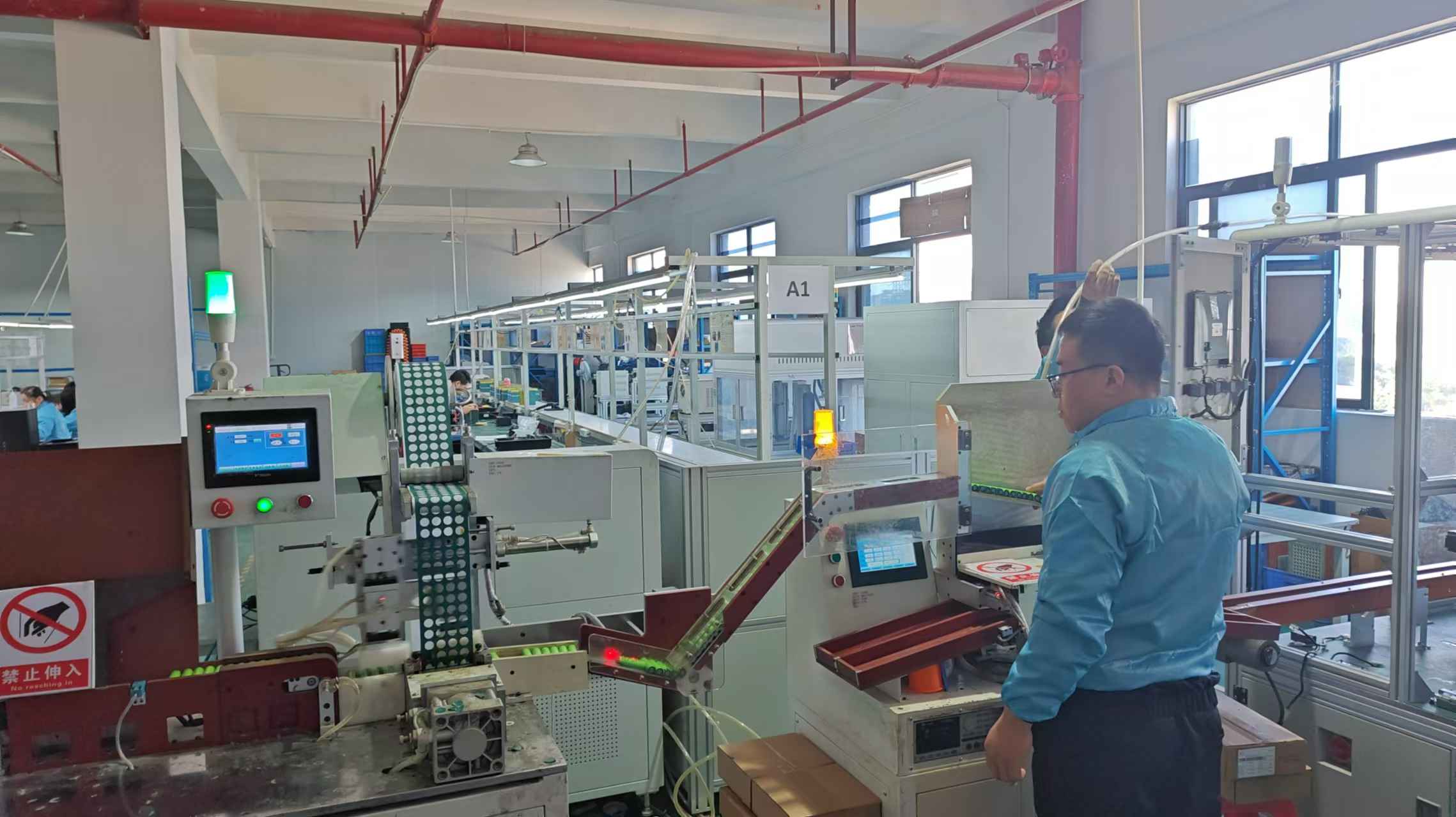
With a strong commitment to innovation, strict quality control, and customer-centric service, Guangdong Nuwon Energy continuously invests in advanced manufacturing capabilities, automated production lines, and rigorous testing systems. This ensures that every product meets international safety standards and delivers exceptional performance in demanding environments.
Driven by a vision to accelerate global electrification and energy efficiency, Guangdong Nuwon Energy Co., Ltd. is dedicated to building long-term partnerships and providing reliable, intelligent, and sustainable energy solutions to customers worldwide.
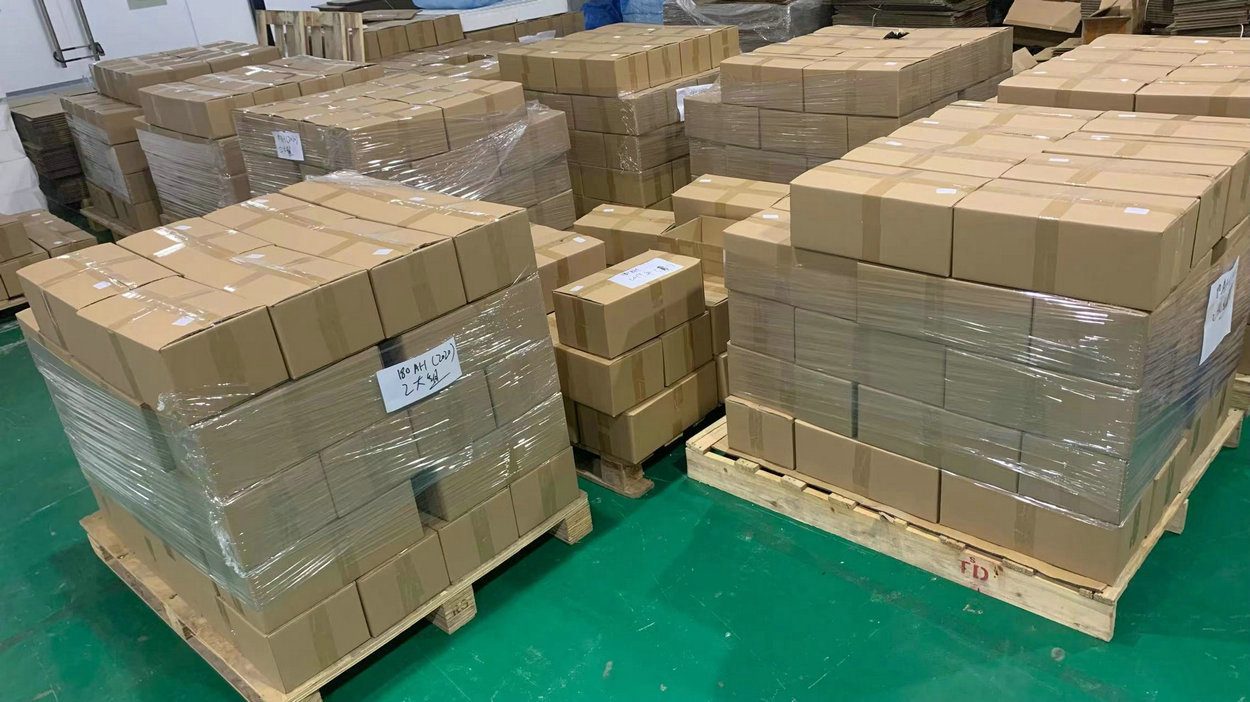
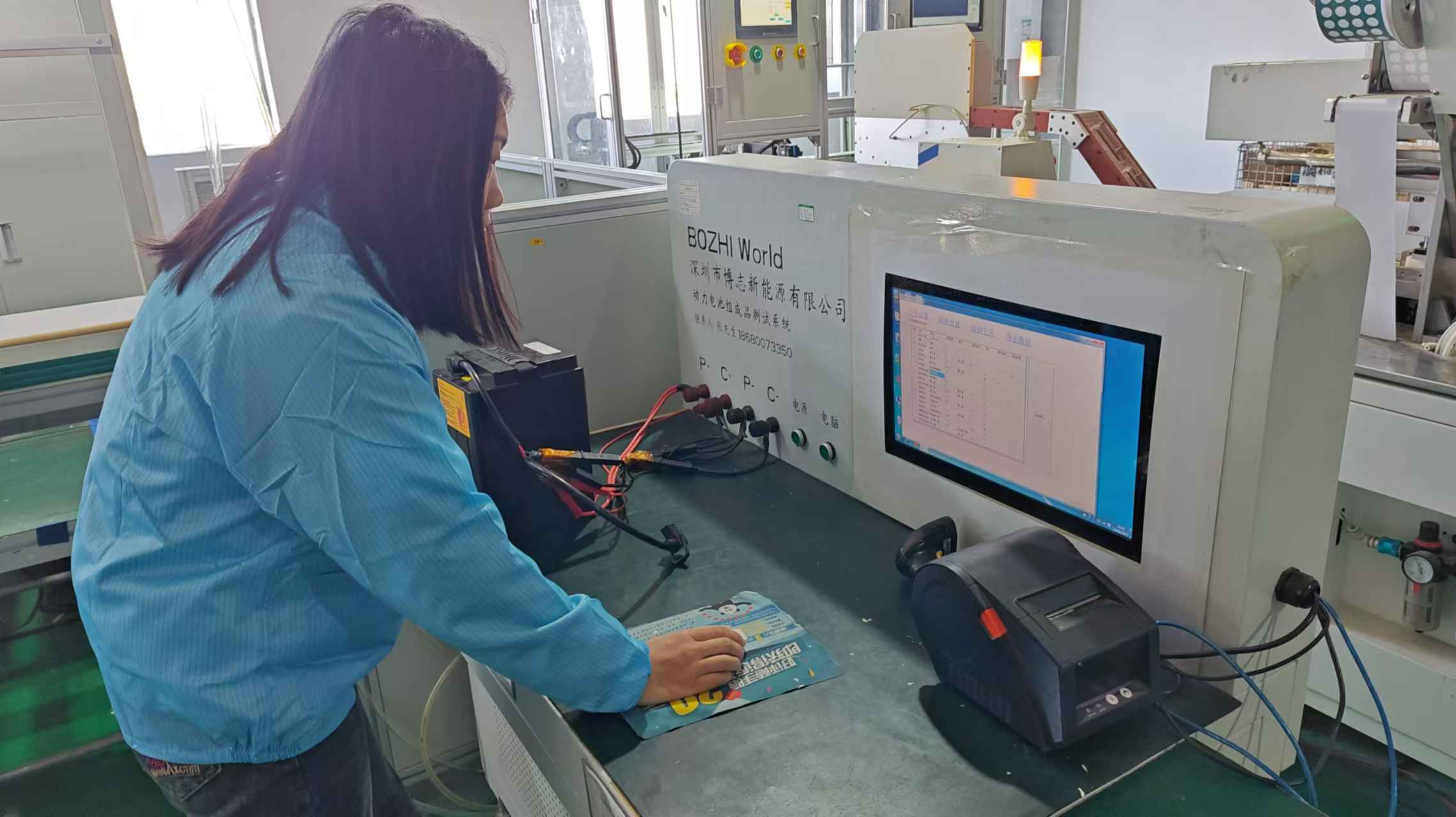
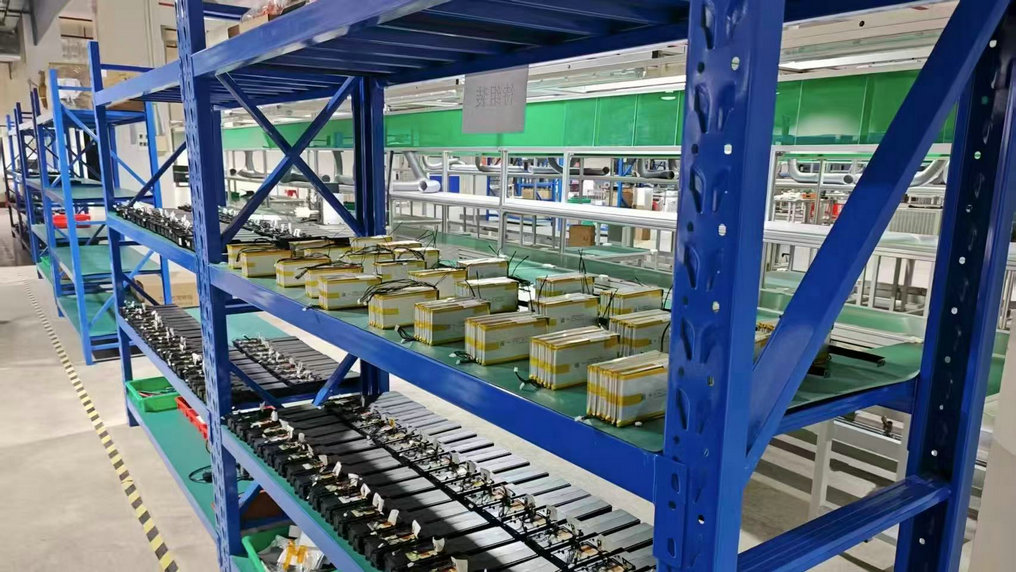
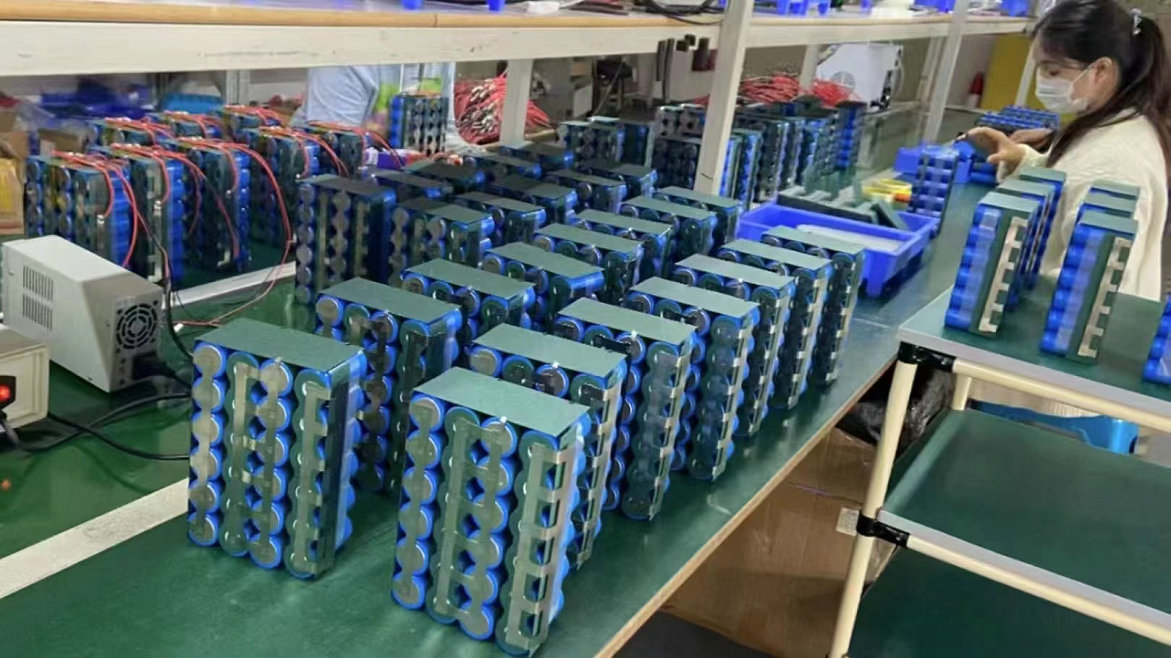
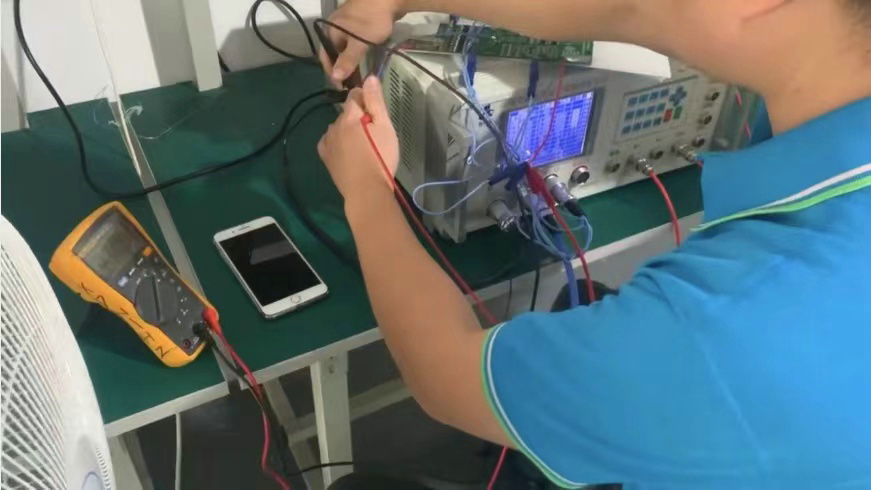
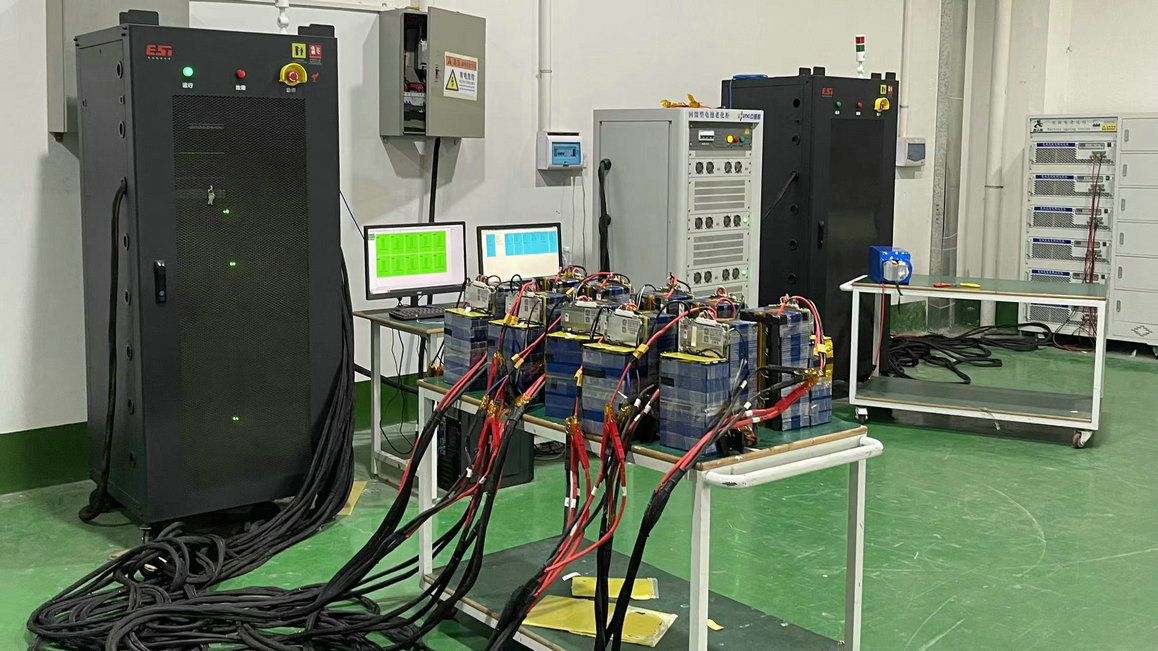
Step inside Guangdong Nuwon Energy's automated production facility and explore the rigorous testing and fabrication workflow.
How specialized battery systems adapt to heavy infrastructure, mobility, and high-performance environments.
Providing seamless load-shifting, grid stabilization, peak shaving, and clean backup storage for factories, retail centers, and residential microgrids.
Powering material handling fleets (forklifts, AGVs, AMRs, airport tugs) with rapid opportunist charging support and robust structural vibration mitigation.
Corrosion-resistant custom configurations matching marine safety certifications, ideal for deep-cycle off-grid hybrid power systems and telecom base stations.
An authoritative comparison detailing cell performance thresholds, storage behavior, and environmental parameters.
| Performance Parameter | Lithium Iron Phosphate (LiFePO4) | Lithium Nickel Manganese Cobalt (NMC) | Lead-Acid (AGM/Gel) |
|---|---|---|---|
| Nominal Cell Voltage | 3.2V (Stable plateau) | 3.6V - 3.7V | 2.0V |
| Volumetric Energy Density | 250 - 350 Wh/L | 450 - 650 Wh/L | 70 - 90 Wh/L |
| Cycle Life (80% DoD) | 4,000 - 8,000 Cycles | 1,500 - 3,000 Cycles | 300 - 600 Cycles |
| Thermal Runaway Limit | 270°C to 300°C | 150°C to 210°C | N/A (Hydrogen release risk) |
| Operating Temperature | -20°C to +60°C (Extended with heating) | -20°C to +55°C | -15°C to +45°C |
| Eco-Friendly Credentials | High (No Cobalt, Nickel, Lead, Acid) | Medium (Cobalt mining impact) | Low (Heavy metal contamination risk) |
As global energy grids decarbonize, high-capacity prismatic cells (specifically 314Ah and 320Ah cells) are replacing traditional 280Ah options. This shift increases modular energy density without raising mechanical pack volumes. Simultaneously, structural innovations such as Cell-to-Pack (CTP) technology have simplified system architecture, removing passive weight and maximizing volume efficiency.
For global volume buyers, negotiating warranties that specify energy capacity retention over time (e.g., 70% capacity after 10 years or 5,000 cycles) is critical. To avoid supply issues, procurement teams should prioritize exporters with direct factory channels and verified raw material supplies. Partners like Guangdong Nuwon Energy, who use advanced testing equipment, ensure cells are matched for voltage and internal resistance, preventing premature pack imbalance and failure.
Modern LFP packs feature IoT-enabled Battery Management Systems (BMS). These systems support CANbus, RS485, and Modbus protocols to monitor cell temperature, balance voltage, and report State of Health (SoH).
LiFePO4 shipments must comply with UN Class 9 Classifications. Our team manages UN38.3 testing, MSDS documentation, and shipping operations to ensure safe transport by sea, rail, or air.
Technical insights and supply chain details to support engineering and procurement decisions.
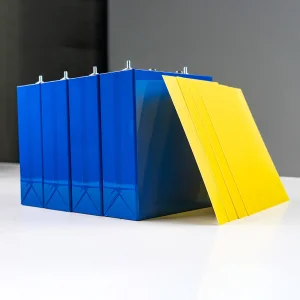
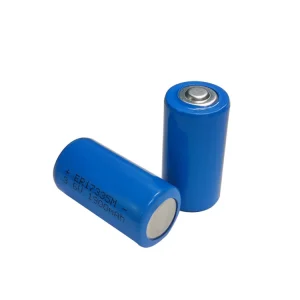
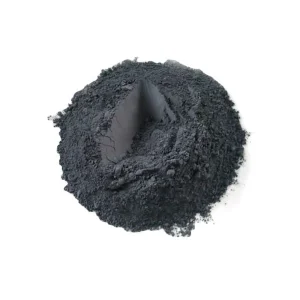
Explore our complete range of specialized chemistry cells, custom mobile power banks, and raw materials for research and production.
 Nuwon Energy