Nuwon Energy


1 / 5


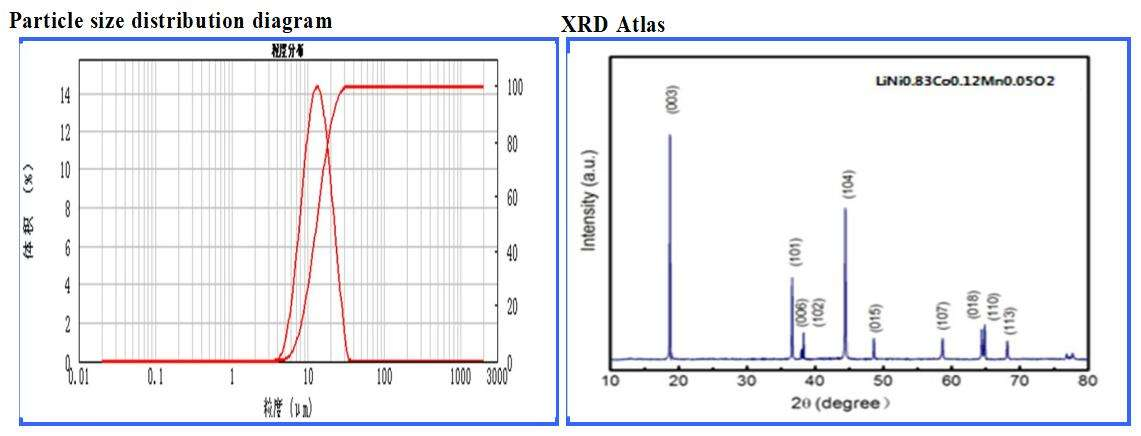
| Item | Unit | Standard | Typical Value |
|---|---|---|---|
| Tap density | g/cm3 | ≥2.20 | 2.35 |
| Bulk Density | g/cm3 | ≥1.30 | 1.55 |
| Specific surface area | m2/g | 0.20-0.80 | 0.50 |
| D10 | μm | ≥5.00 | 6.40 |
| D50 | μm | 10.50-14.00 | 11.40 |
| D90 | μm | ≤35.00 | 19.30 |
| Crystal structure | - | No clutter | OK |
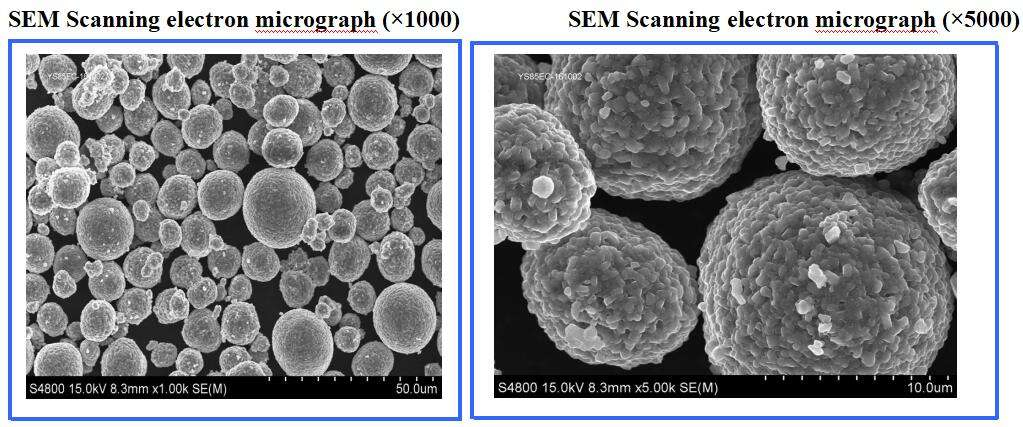
| Micro morphology | - | Spherical | OK |
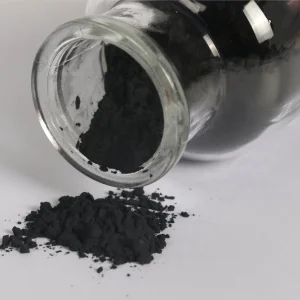
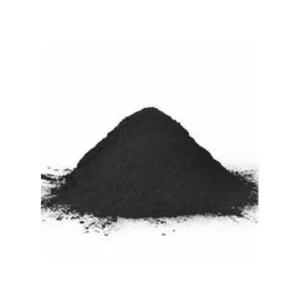
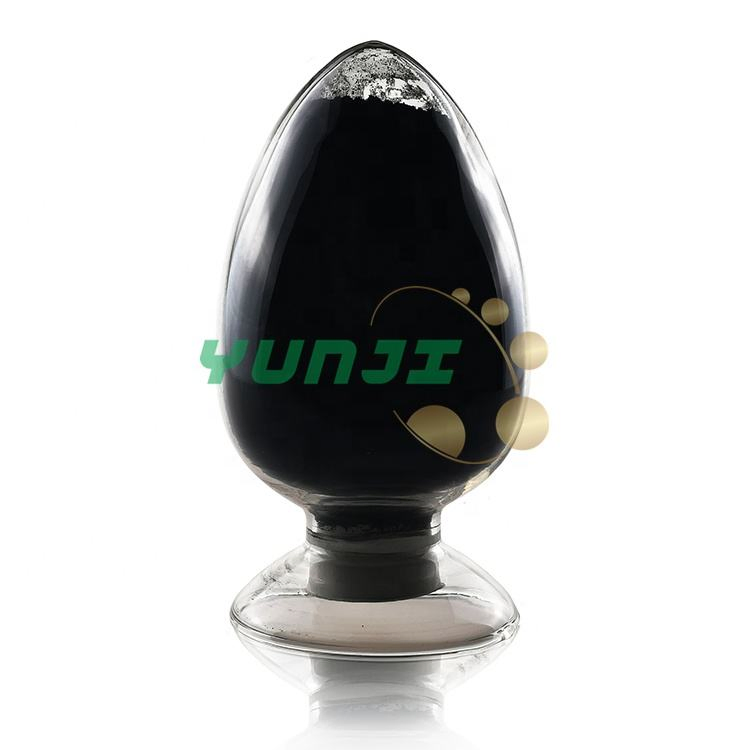
| Appearance | - | Gray-black | OK |

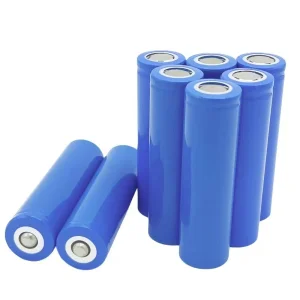
Q1: What are the main benefits of using NMC cathode powder in Li-ion cells?
A1: NMC (Nickel Manganese Cobalt Oxide) cathode materials offer a balanced performance profile, combining the high energy density of nickel, the structural stability of manganese, and the long cycle life of cobalt.
Q2: Why is the Tap Density parameter important for this material?
A2: A higher tap density (e.g., standard ≥2.20 g/cm³) ensures that active material particles pack tightly together. This allows for higher volumetric energy density in the final manufactured lithium-ion battery cells.
Q3: What does the D50 particle size standard represent?
A3: D50 refers to the median particle size of the powder. A well-controlled D50 range (between 10.50 and 14.00 μm) helps optimize electrode coating thickness, electrolyte penetration, and ion transport pathways.
Q4: Why does the powder exhibit a spherical micro-morphology?
A4: The spherical shape of the NMC particles improves flowability during processing, enhances packing density, and minimizes side reactions with the electrolyte, which increases cell reliability and lifetime.
Q5: How should this NMC cathode powder be stored?
A5: It is highly recommended to store the powder in a sealed vacuum container in a dry, cool environment. Keeping it away from moisture and ambient air prevents hydration and degradation of the surface chemistry.