In an era where battery life, security, and power density determine the competitive advantage of tech products, off-the-shelf energy storage solutions are no longer sufficient. Modern industrial ecosystems require cell components configured to withstand highly specific environmental, electrical, and thermal conditions.
As an elite OEM/ODM provider, Guangdong Nuwon Energy Co., Ltd. stands at the forefront of electrochemical engineering. We design, prototype, and manufacture custom lithium-based systems that bridge the gap between chemistry and physical performance. From high-capacity NCM prismatic formats to cutting-edge semi-solid state architectures, we tailor cells to resolve the critical trade-offs of modern engineering.
Guangdong Nuwon Energy Co., Ltd. is a leading manufacturer and solution provider in advanced battery systems. Backed by a highly experienced engineering and R&D team, we focus on the design and integration of cylindrical and prismatic lithium battery cells, modules, and full-scale industrial systems. Our automated production lines and rigorous testing guarantee safety, reliability, and long cycle life for customers worldwide.
Electrochemical Patents
Wh/kg Cell Density (Semi-Solid)
Cycles at 80% DOD (LFP)
Countries Supplied Globally
Our R&D pipeline focuses on maximizing power density, improving thermal stability, and guaranteeing cycle life across multiple chemical baselines.
Energy-Dense Solutions: Utilizing high-nickel formulations (e.g., Ni90, SDI NCM structures) to maximize gravimetric energy density up to 280 Wh/kg. Ideal for electric vehicles, aerospace, and high-capacity portable electronics where space and weight constraints are critical.
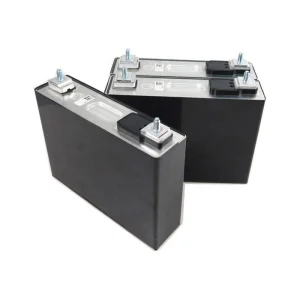
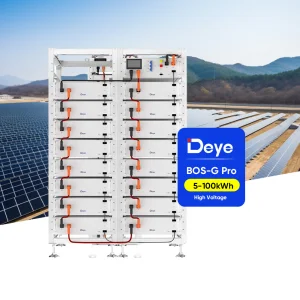
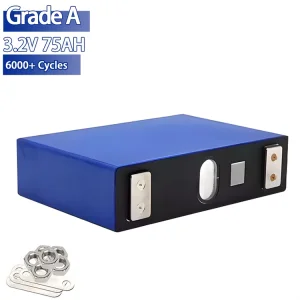
Unmatched Durability & Safety: Featuring structural stability that effectively prevents thermal runaway. LFP offers a cycle life exceeding 3,500-6,000 charge cycles, making it the standard choice for home solar batteries, C&I energy storage systems, and electric utility fleets.
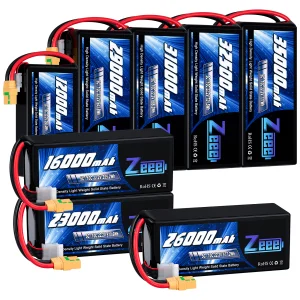
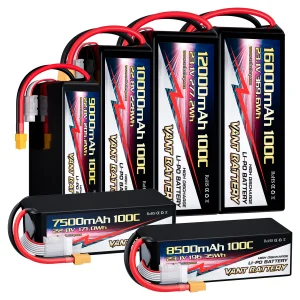
The Next Frontier: By replacing standard liquid organic electrolytes with solid-state polymers, semi-solid state chemistry minimizes dendrite growth and leakage risks. This provides exceptional power density for high-discharge UAV and drone operations.
| Chemistry Subtype | Nominal Voltage | Energy Density (Wh/kg) | Cycle Life (80% DOD) | Thermal Runway Threshold | Primary Industrial Applications |
|---|---|---|---|---|---|
| High-Nickel Ternary NCM | 3.7V - 3.8V | 230 - 270 Wh/kg | 1,500 - 2,500 | ~210°C | Electric Mobility, Consumer Electronics, Drones |
| Lithium Iron Phosphate (LFP) | 3.2V - 3.3V | 140 - 180 Wh/kg | 3,500 - 6,000+ | ~270°C | Commercial Energy Storage (ESS), Telecom, AGVs |
| High-Voltage LiHV (Cobalt-based) | 3.8V - 3.85V | 200 - 240 Wh/kg | 500 - 1,000 | ~180°C | FPV Drones, Aerospace, Remote RC Equipment |
| Semi-Solid State | 3.7V - 3.8V | 260 - 320 Wh/kg | 800 - 1,500 | ~250°C | Industrial Drones, eVTOL, Specialty Military Robotics |
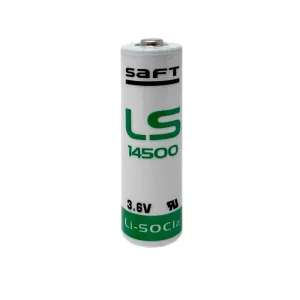
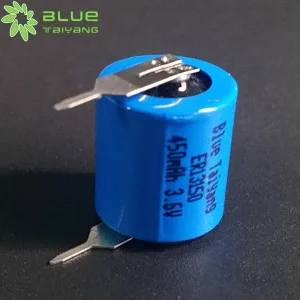
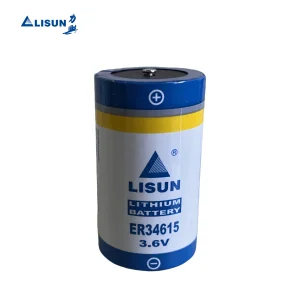
| Lithium Thionyl Chloride (Li-SOCl2) | 3.6V | Up to 400 Wh/kg | Primary (Non-Rechargeable) | ~150°C | Smart Utilities, Water Meters, Oceanography Beacons |
Procuring cells and custom battery packs at scale presents complex challenges. Energy managers, system integrators, and OEM engineers must balance cell chemistry, design safety, shipping compliance, and cost constraints.
Guangdong Nuwon Energy addresses these concerns through a structured design and manufacturing framework, guaranteeing traceability, quality control, and international safety approvals.
Internal resistance (IR) and voltage sorting eliminate drift, ensuring system reliability and maximum pack lifetime.
Custom smart BMS with RS485, CAN bus, and Modbus communication protocols for seamless host integration.
Design and certification to international standards including UN38.3, IEC62619, UL1973, CE, and RoHS.
Our battery systems support diverse global industries, matching cell characteristics to operational demands:
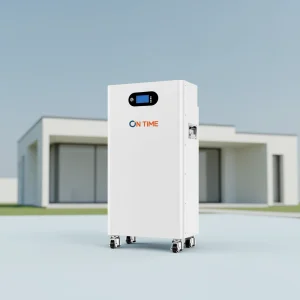
LFP container systems, peak-shaving, microgrids.
AGVs, automated forklifts, harbor systems.
Semi-solid state packs for eVTOL and delivery drones.
Corrosion-resistant casing and thermal containment.
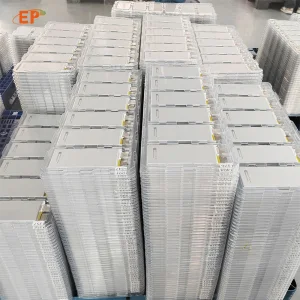
Our production facilities utilize automated assembly, precision cell sorting, laser welding, and thorough aging tests to ensure cell uniformity and reliability.
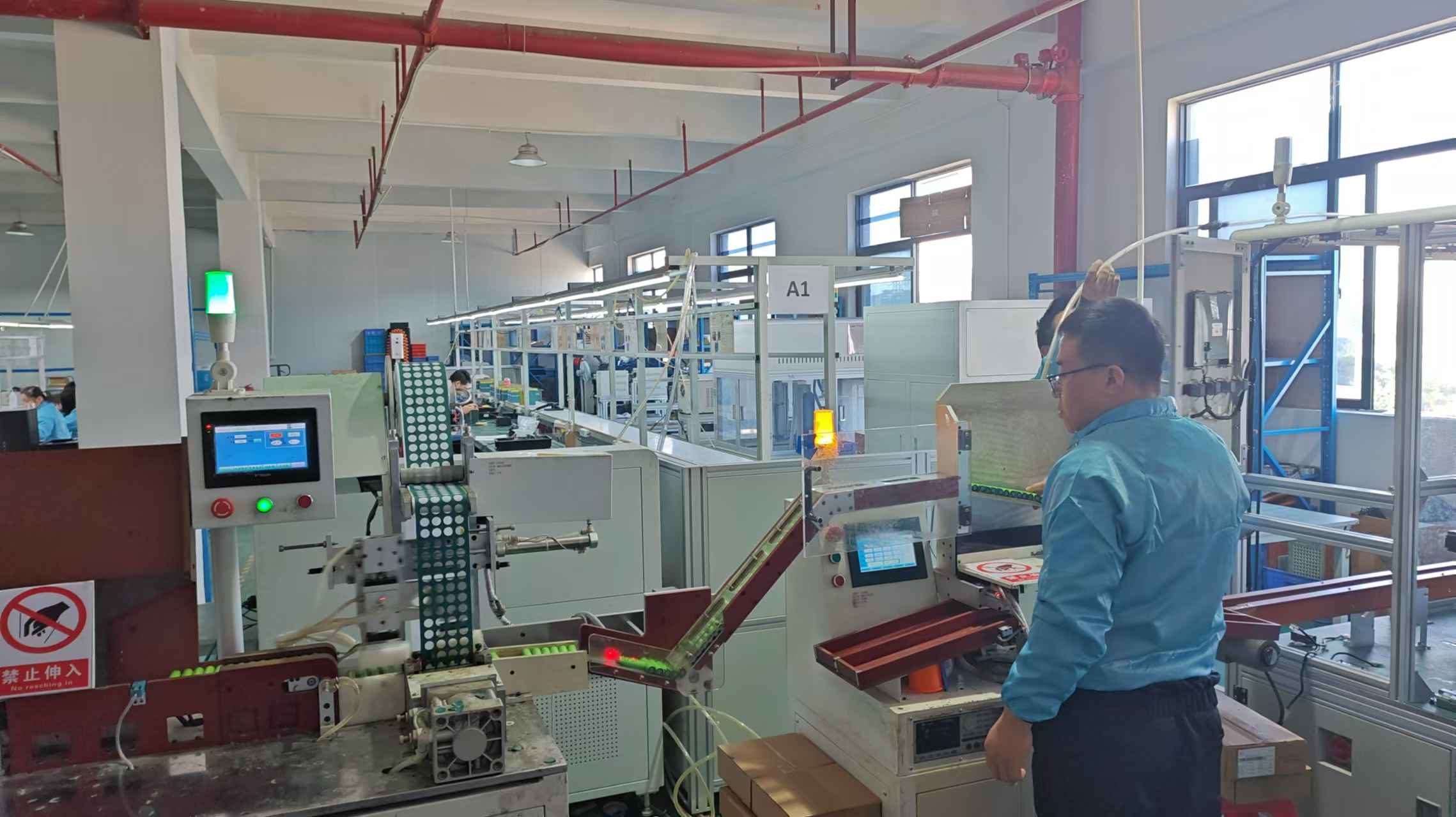
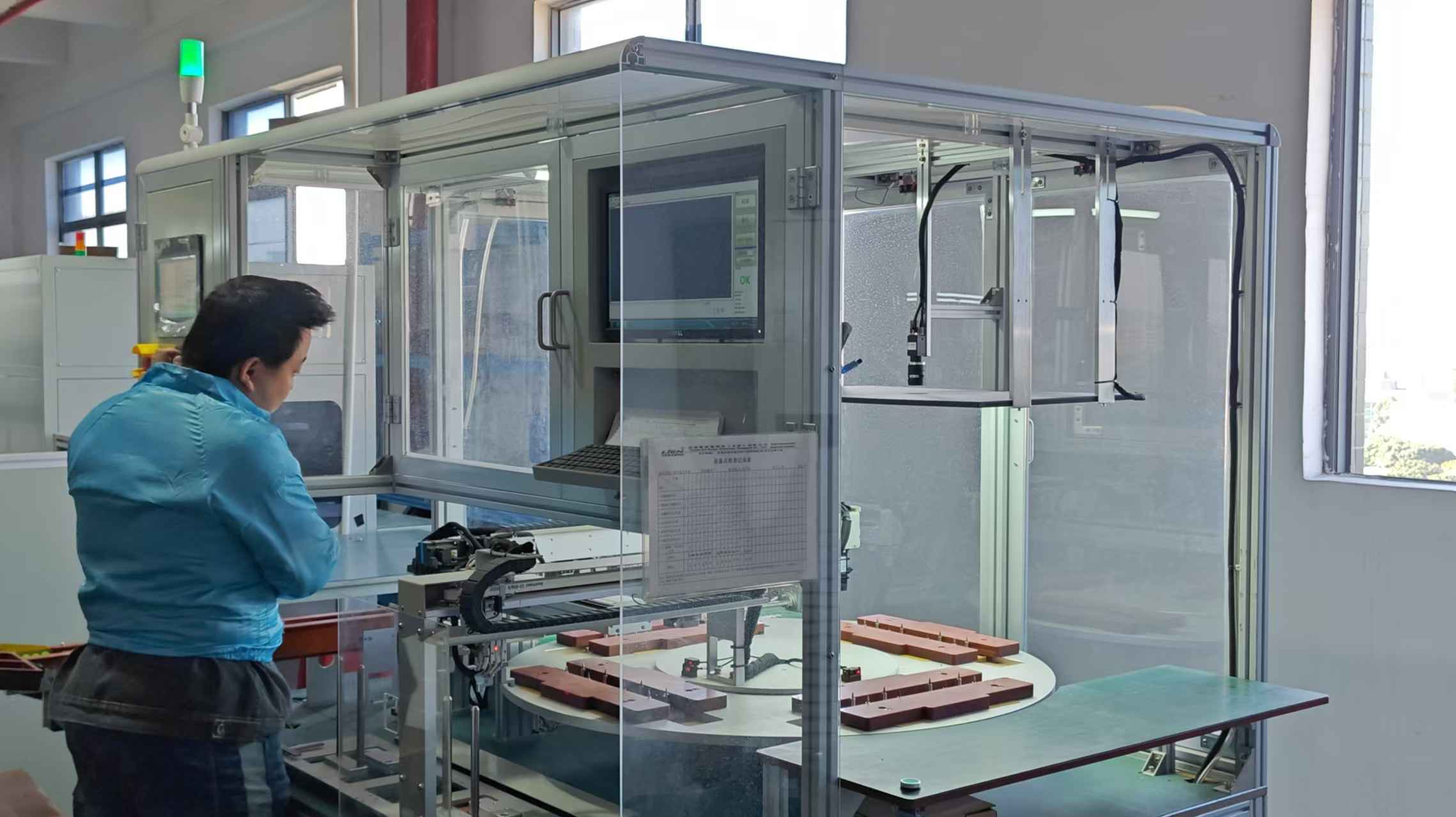
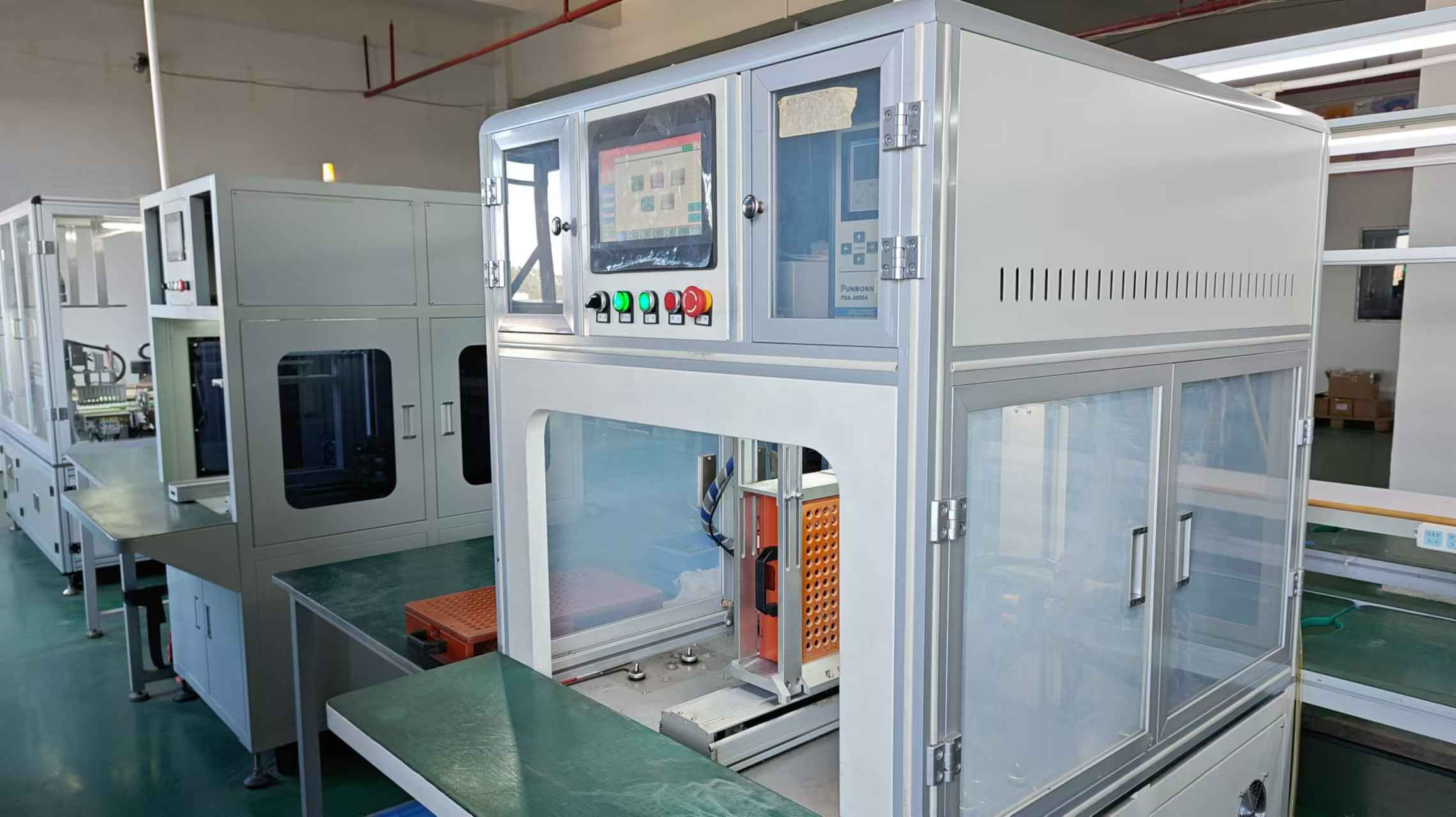
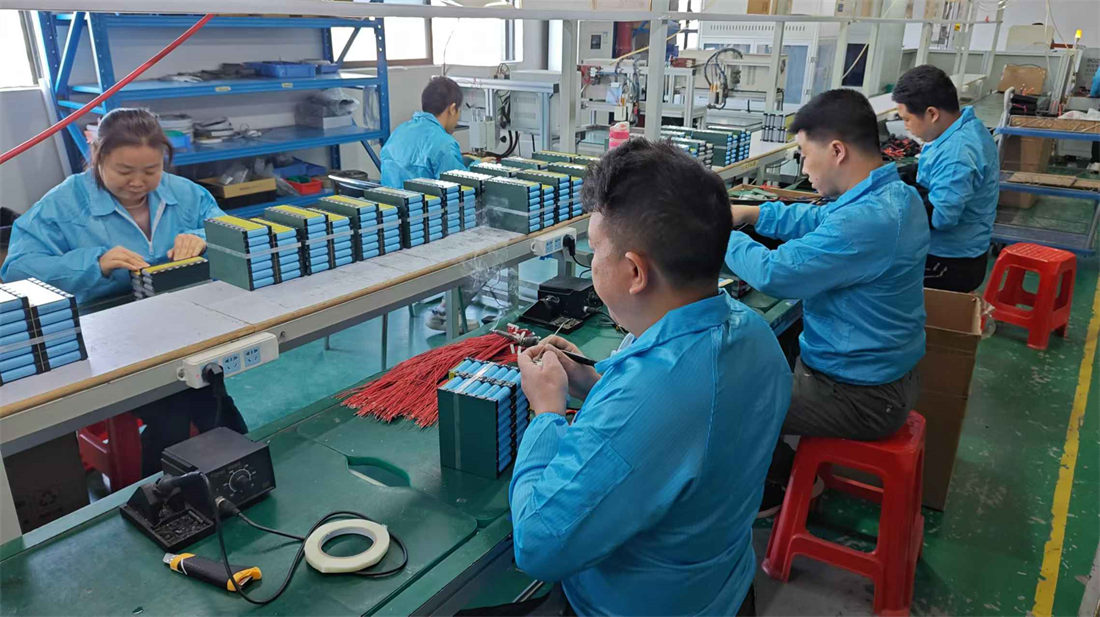
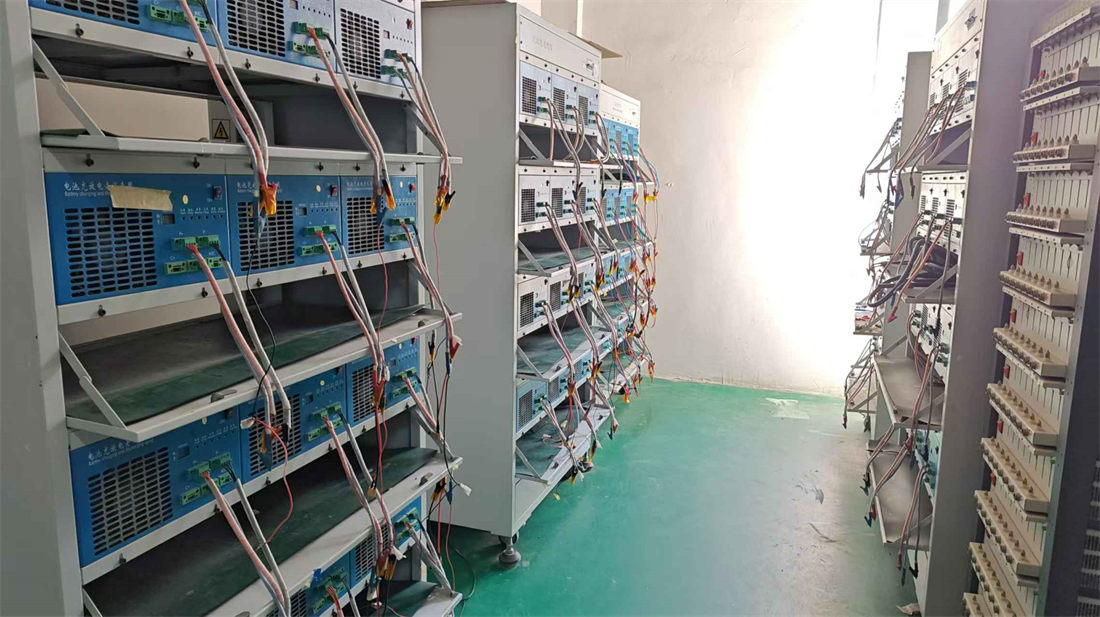
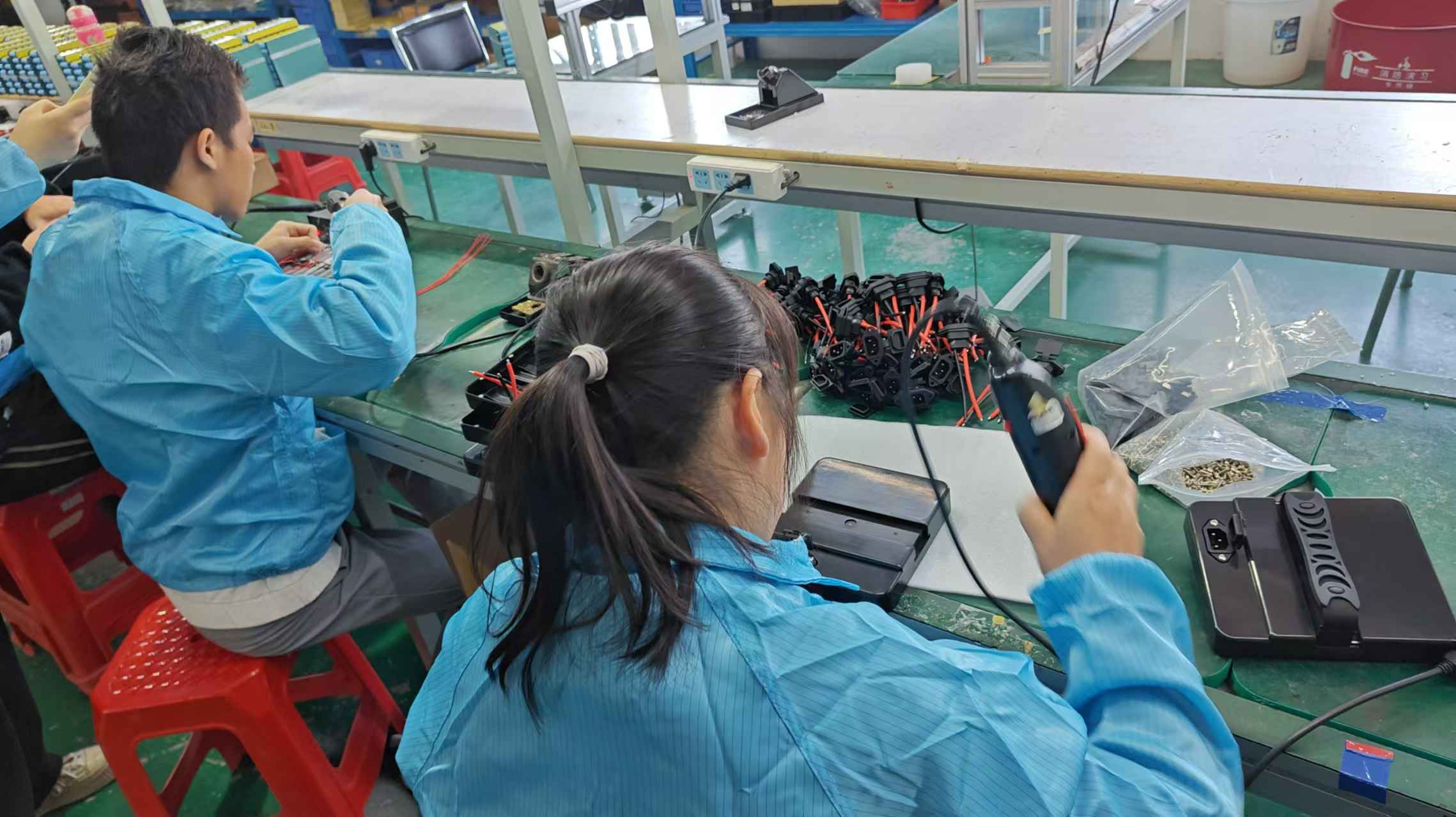
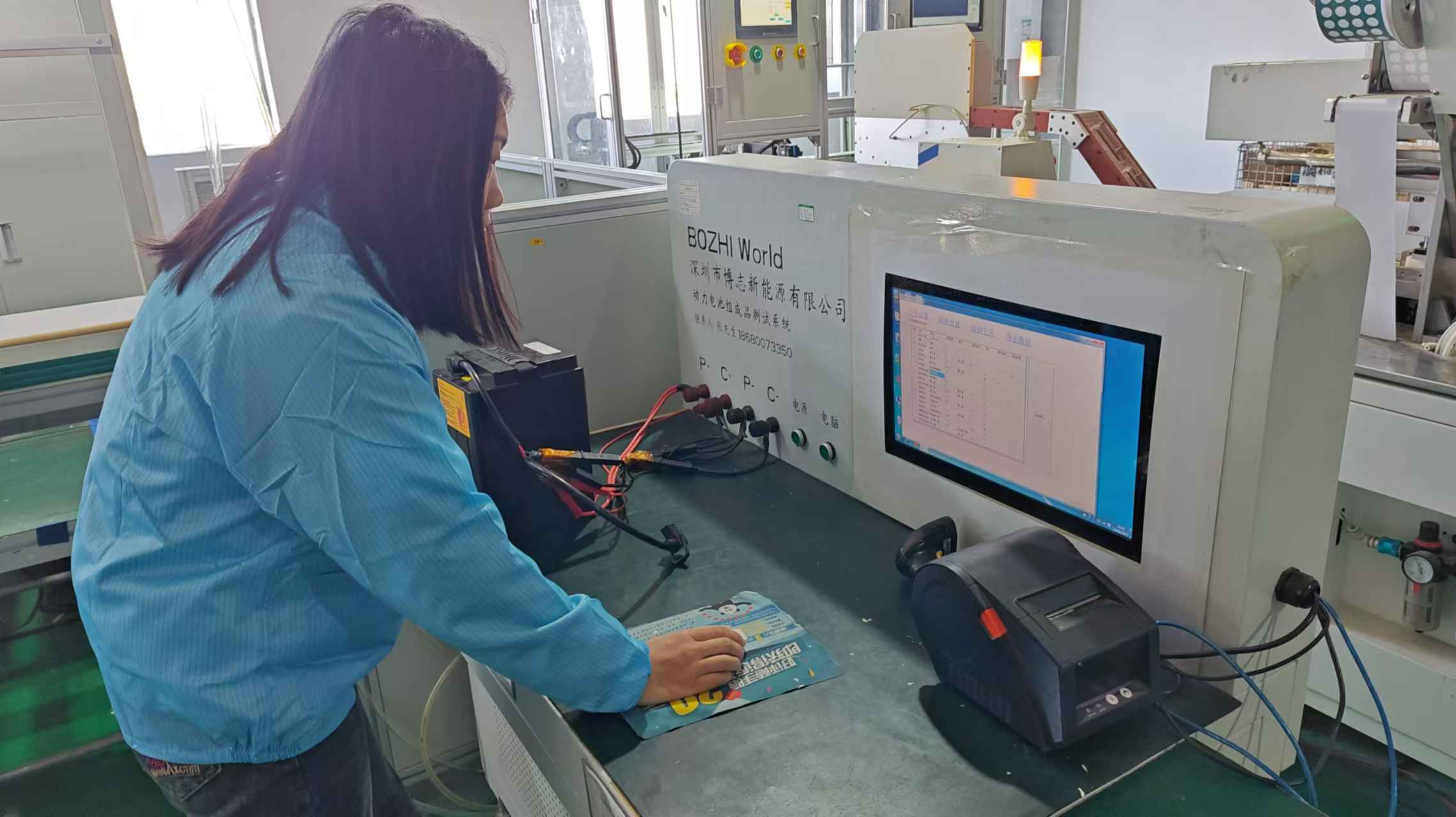
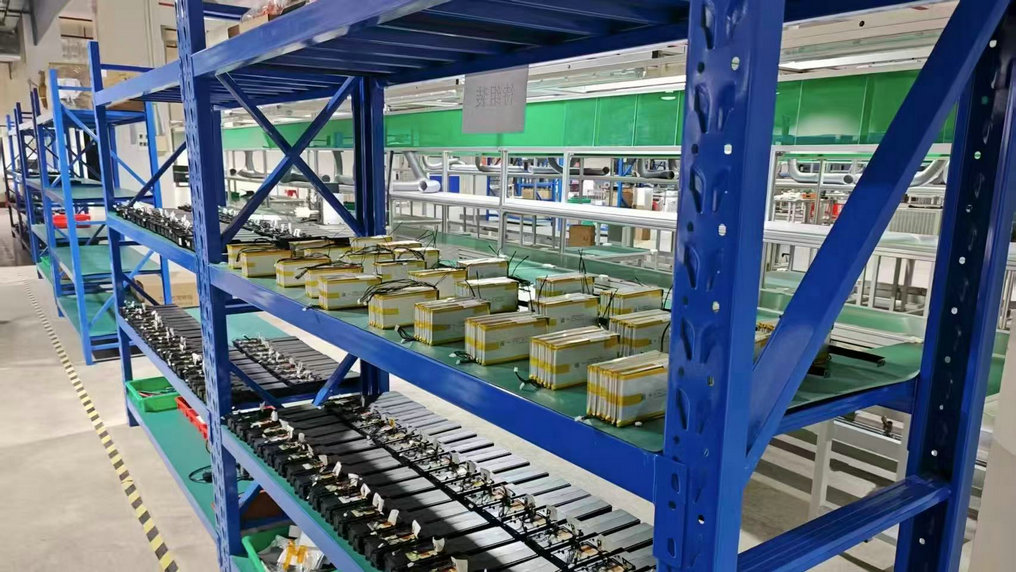
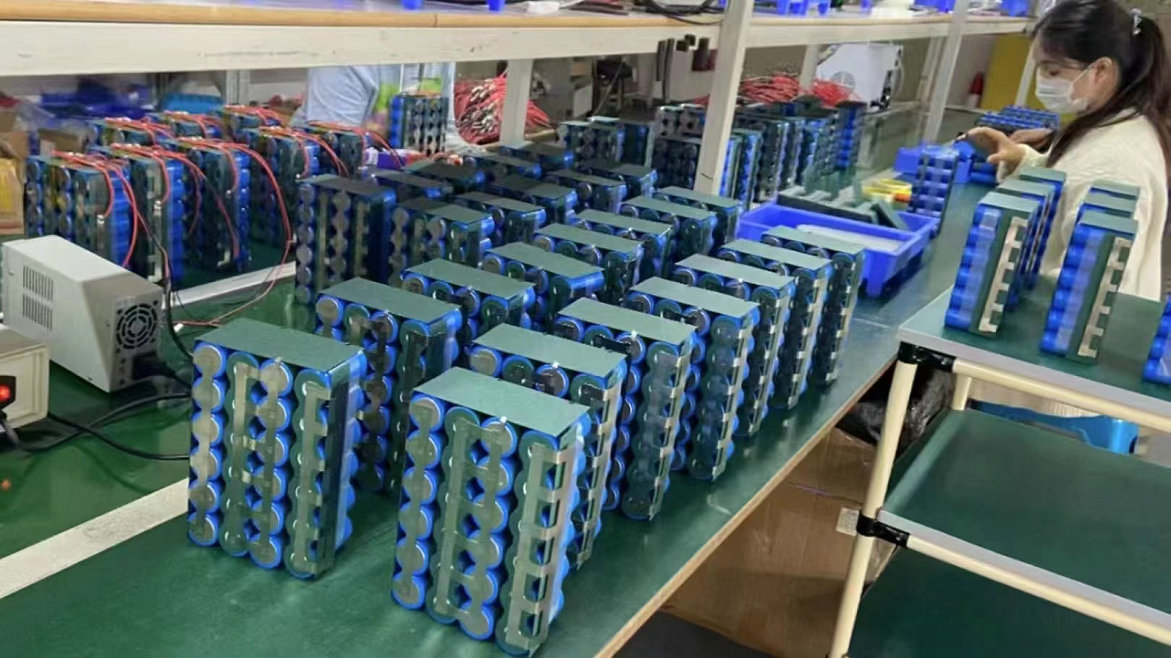
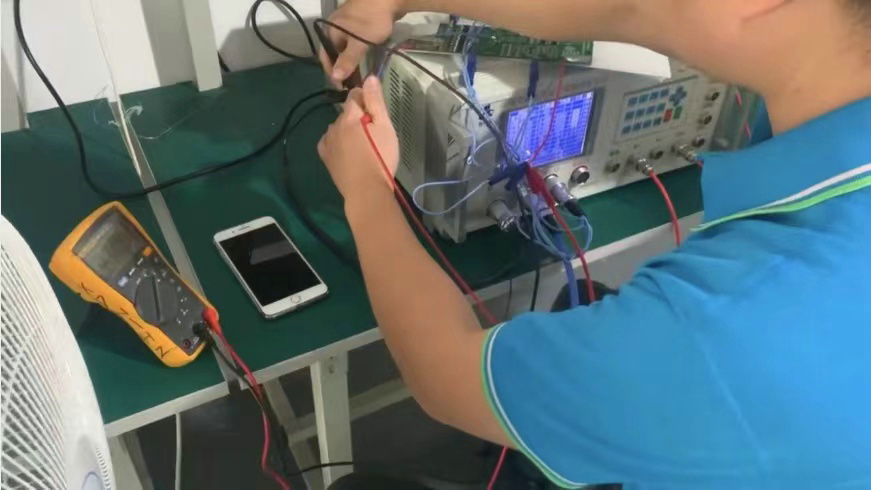
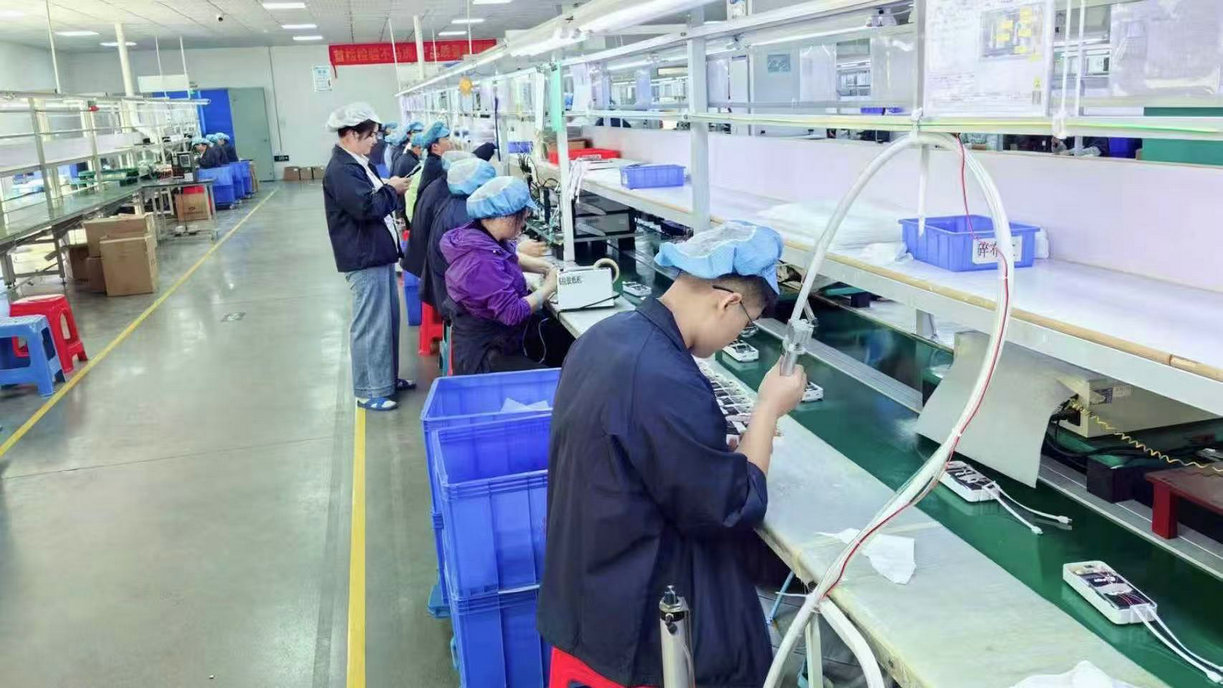
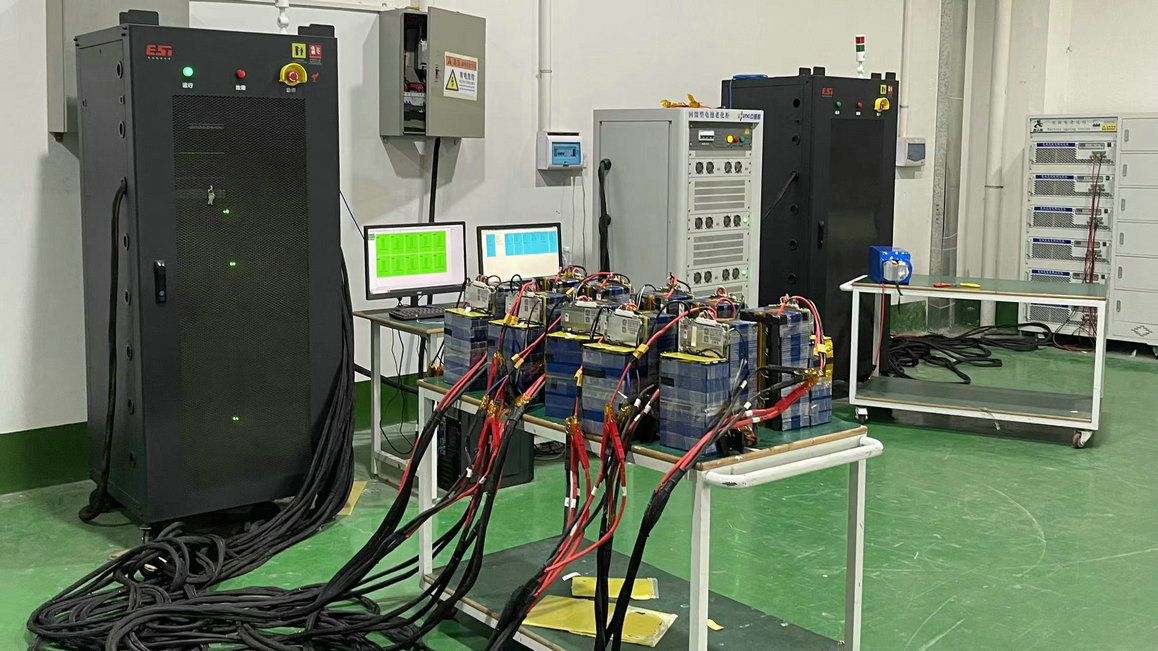
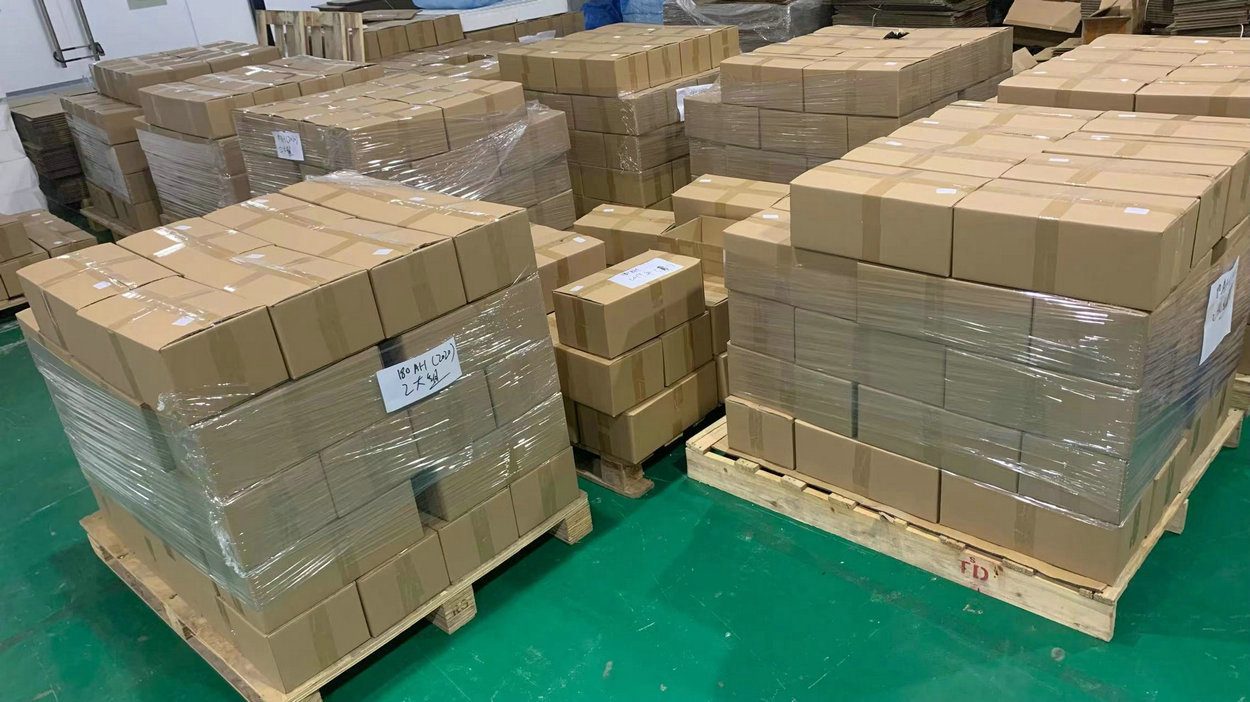
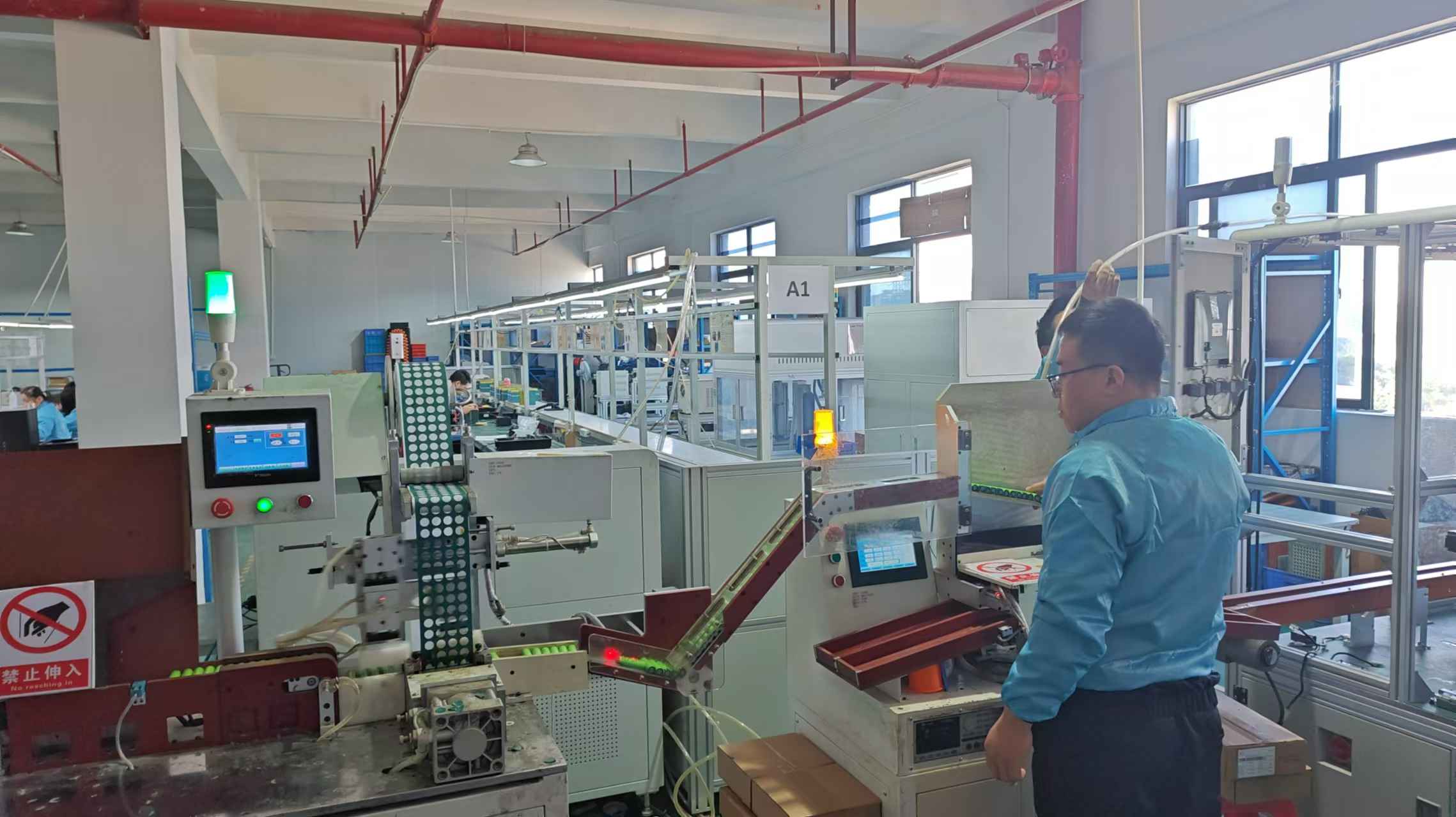
We implement comprehensive quality control checks from raw material sourcing through cell configuration to final module testing.
Exporting and operating battery technology internationally requires strict adherence to global safety and transport guidelines. Lithium batteries are classified as Class 9 Dangerous Goods, meaning compliant packaging, UN38.3 validation, and clear MSDS reporting are mandatory for air, sea, and land logistics.
Guangdong Nuwon Energy supports our clients through the validation, certification, and customs clearance processes:
Expert answers to common questions about custom cell configurations, chemistry selection, and industrial manufacturing constraints.
The choice depends on your project's space, weight, and cycle requirements. LFP (Lithium Iron Phosphate) offers high thermal stability and 3,500+ charge cycles, making it suitable for stationary energy storage systems (ESS). Ternary NCM (Nickel Cobalt Manganese) provides higher energy density (250+ Wh/kg) in a smaller footprint, making it ideal for drones, consumer electronics, and electric mobility.
Our OEM design flow includes: 1) Initial electrical and dimensions specification collection; 2) Mechanical drawing and BMS architecture layout design; 3) Prototype assembly and validation testing; 4) Safety and transport certification (UN38.3, CE, etc.); and 5) Mass production and matching cell sorting.
Semi-solid state cells replace liquid organic electrolytes with solid polymers, reducing weight, increasing safety, and improving energy density (up to 320 Wh/kg). This chemistry is widely used in high-discharge drones and eVTOL aircraft, where weight reduction directly extends flight times.
Consistent cell matching is key to pack longevity. We utilize automated sorting machines to match cells by voltage, internal resistance, and capacity. This prevents cell imbalance during charge/discharge cycles, maximizing system safety and service life.
 Nuwon Energy