Explore our premium high-discharge rate battery cells, packs, and key raw materials optimized for global commercial performance.

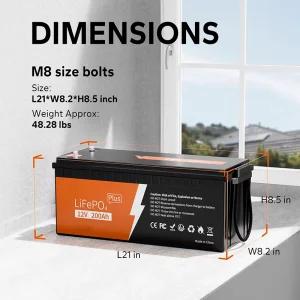
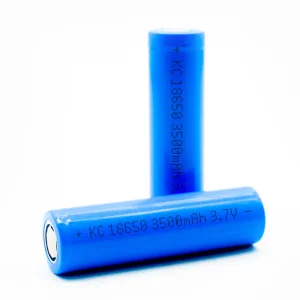
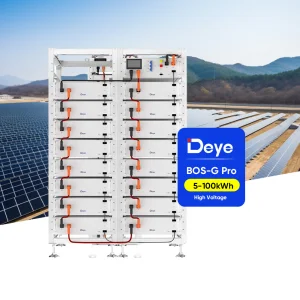
High-rate discharge batteries represent the pinnacle of current electrochemical design, demanding optimization of mass transport, charge transfer kinetics, and thermal pathways. Unlike standard energy-storage cells designed for slow discharge cycles (0.5C to 1C), high-rate batteries must sustain continuous rates of 10C to 100C while minimizing internal resistance (IR) and voltage sag. This capability is vital in domains such as heavy-duty electric mobility, unmanned aerial systems (UAVs), and medical defense equipment, where instantaneous power demands dictate operational viability.
To prevent localized thermal runaway and concentration polarization under high-current loads, we deploy advanced engineering controls at the molecular and structural levels:
The Joule heating effect ($P = I^2R$) accelerates exponentially as discharge rates increase. Managing this heat requires dynamic battery management systems (BMS) integrated with structural thermal barriers. Guangdong Nuwon Energy uses flame-retardant phase-change materials (PCM) along with aerospace-grade aerogel insulators between cells to prevent thermal runaway propagation, ensuring that a single-cell event does not compromise the complete battery pack.
A global leader in research, development, and high-performance custom OEM/ODM battery system integration.
Guangdong Nuwon Energy Co., Ltd. is a leading manufacturer and solution provider in advanced battery systems, specializing in the research, development, manufacturing, and global distribution of high-performance energy storage products. The company offers comprehensive OEM and ODM services, delivering customized battery solutions tailored to diverse industrial and commercial applications.
Backed by a highly experienced engineering and R&D team, Nuwon Energy focuses on the design and integration of cylindrical and prismatic lithium battery cells, as well as complete battery packs, modules, and energy storage systems. The company also develops and produces industrial-grade battery cells engineered for safety, durability, and long cycle life.
Guangdong Nuwon Energy serves a wide range of industries, including consumer electronics, electric mobility (such as golf carts, forklifts, UTVs/ATVs, trucks, and marine systems), medical equipment, unmanned ground vehicles (AGVs/AMRs), and emerging aerospace applications such as eVTOL aircraft. In addition, the company provides reliable residential, commercial, and industrial (C&I) energy storage solutions designed to support the global transition toward clean and sustainable energy.
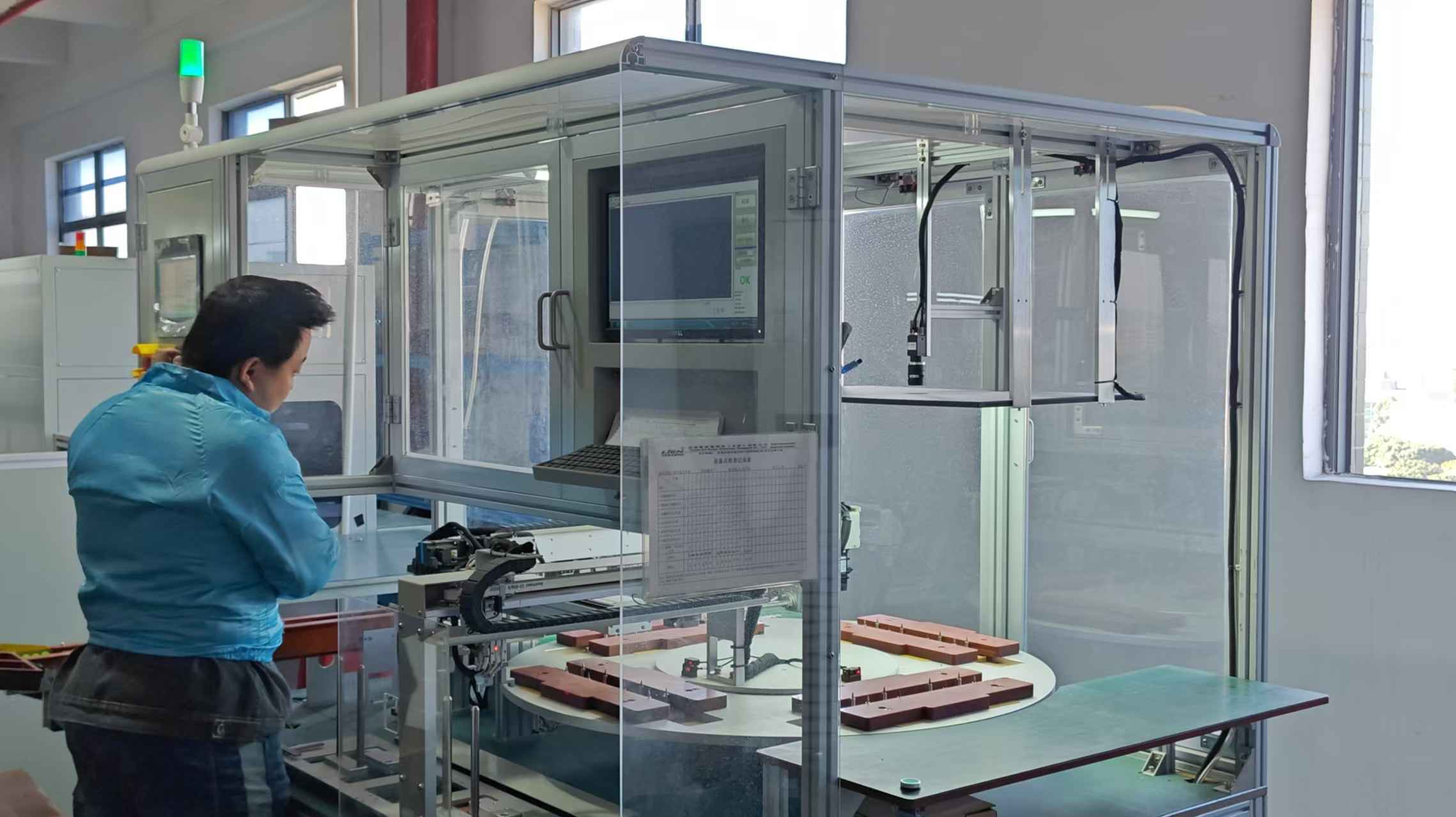
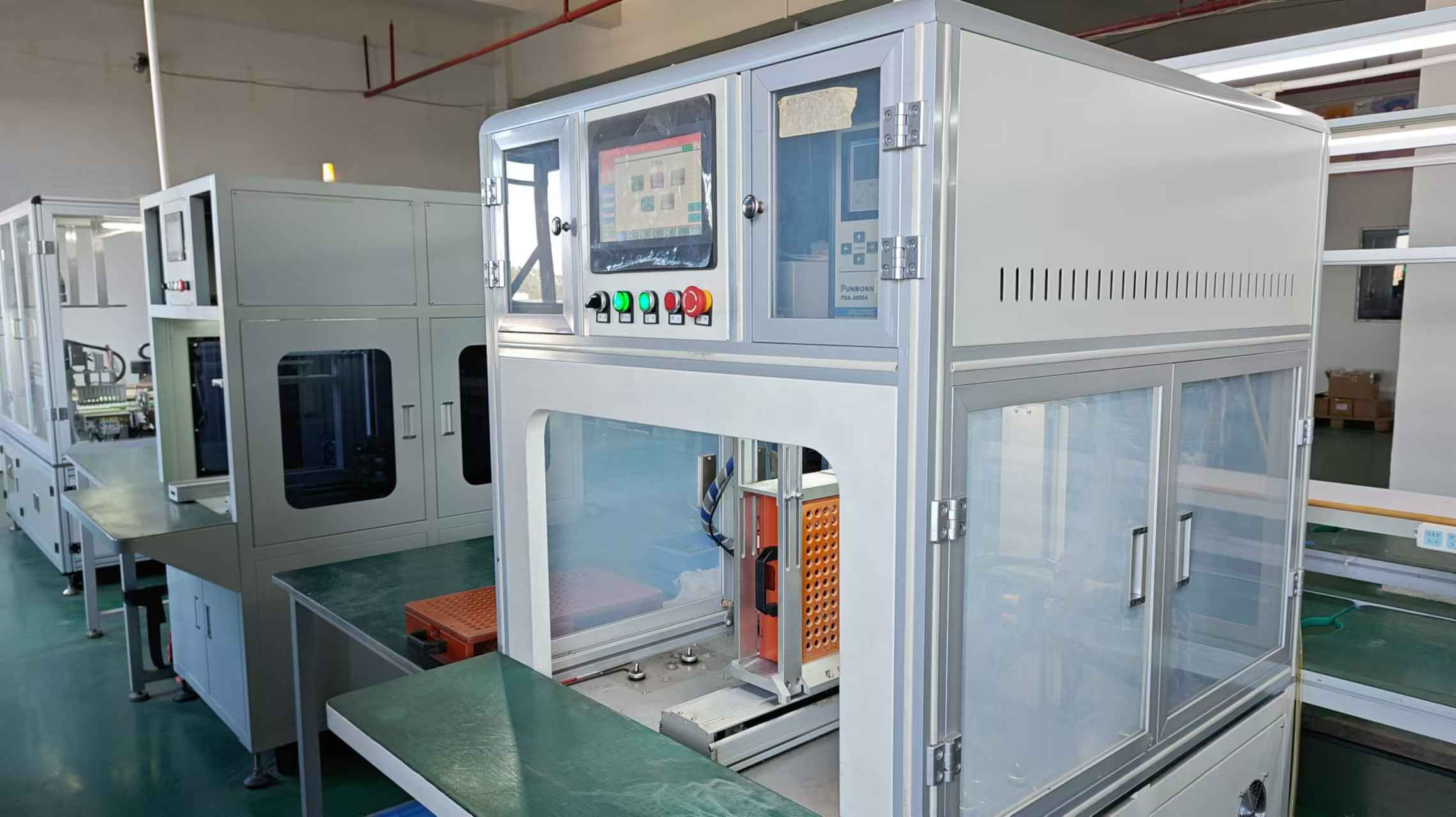
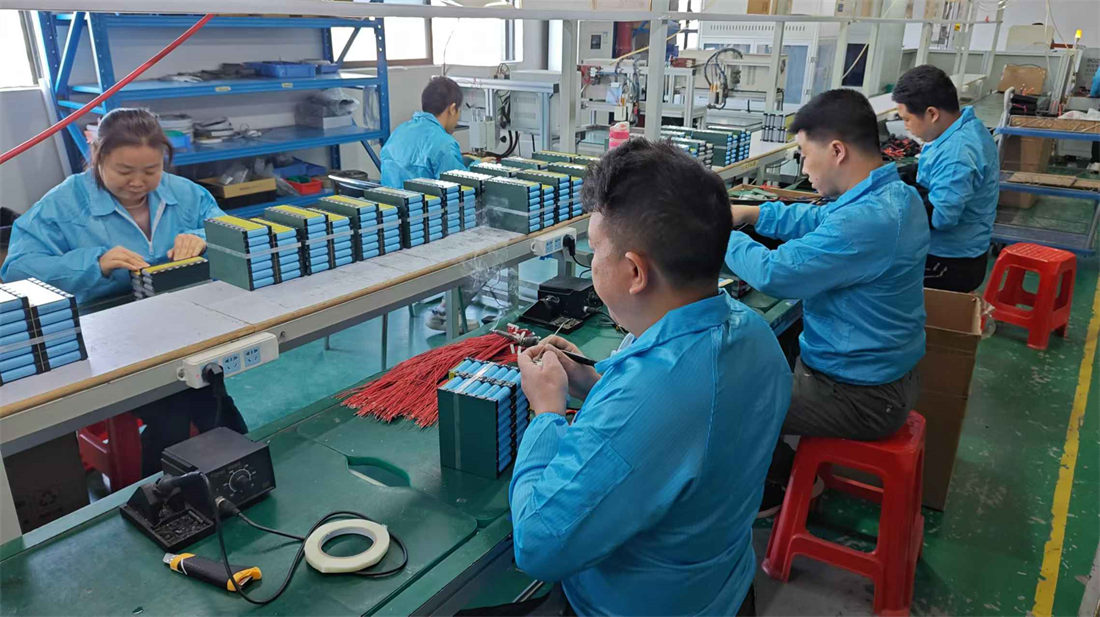
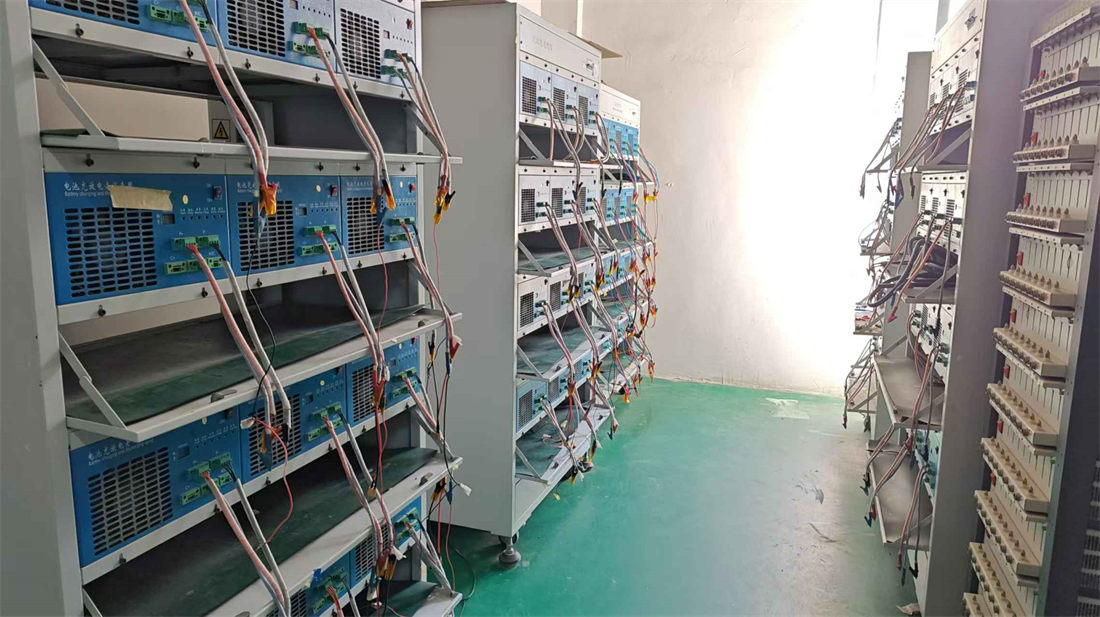
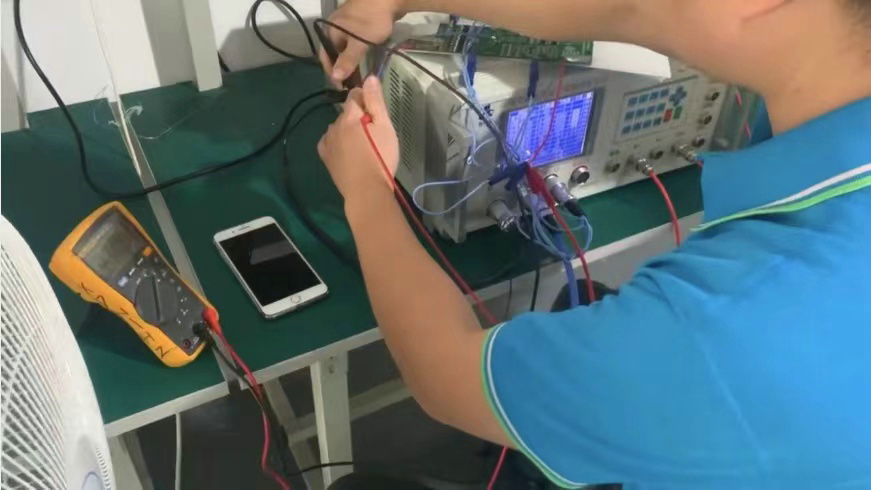
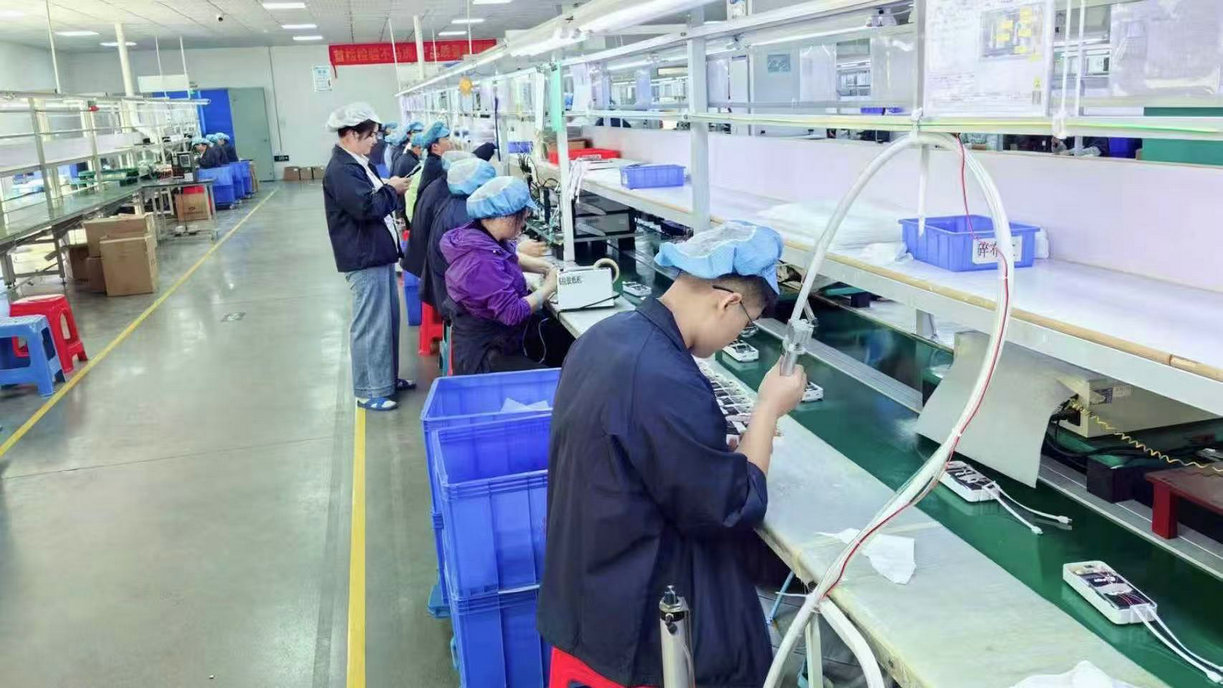
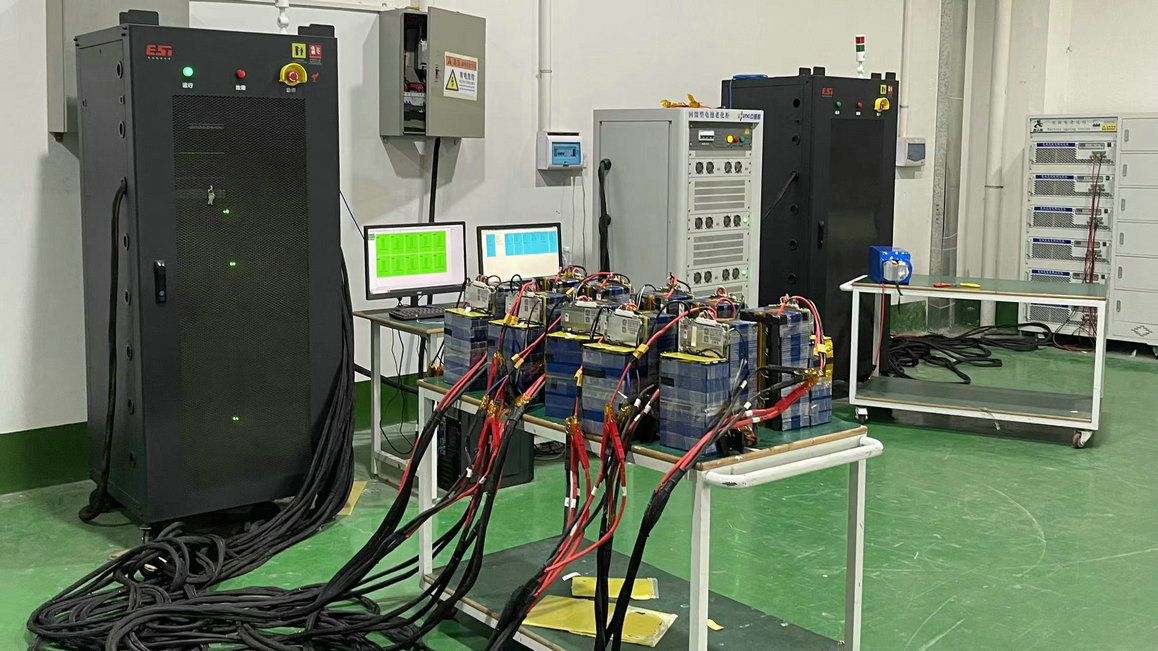
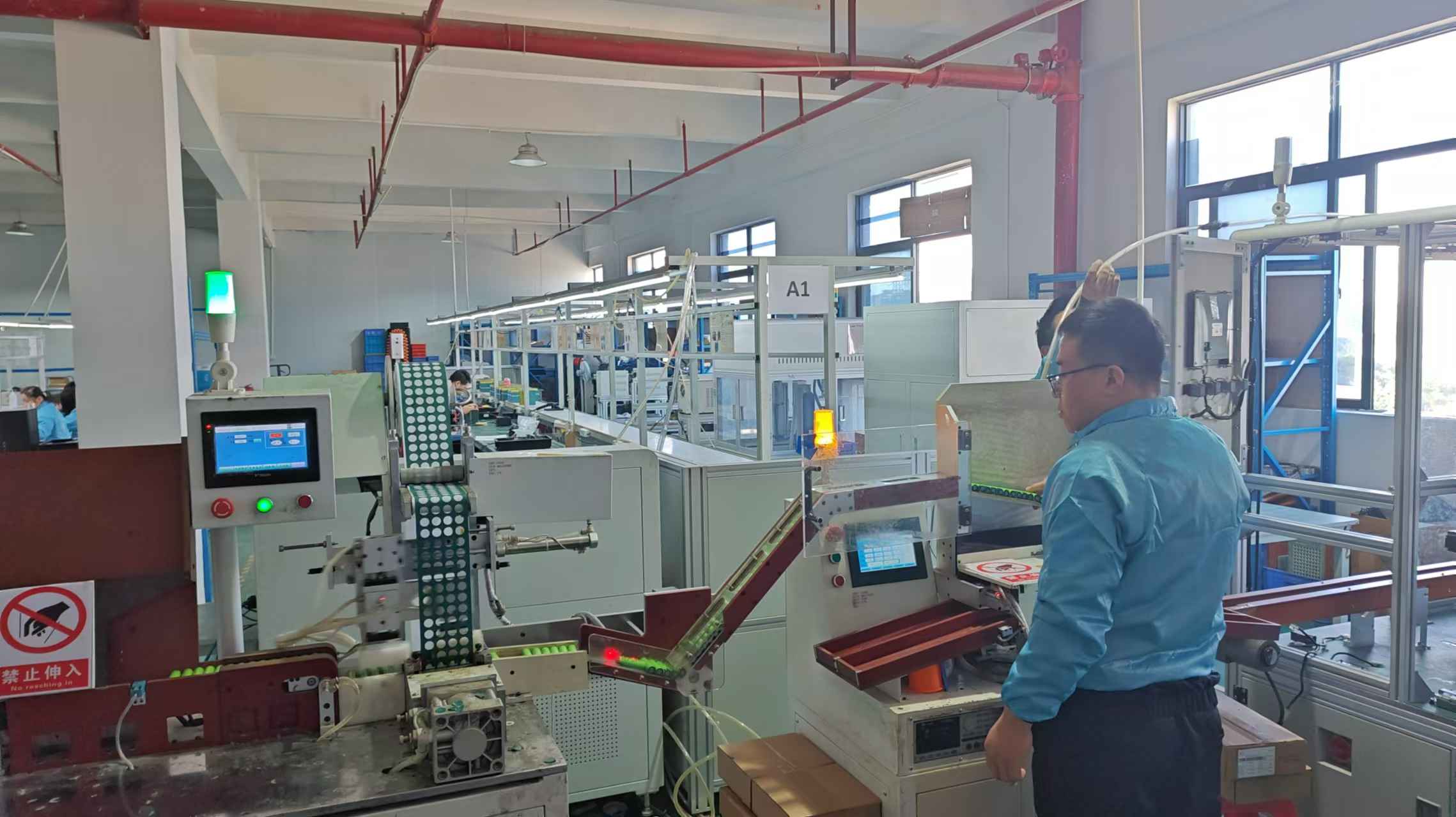
With a strong commitment to innovation, strict quality control, and customer-centric service, Guangdong Nuwon Energy continuously invests in advanced manufacturing capabilities, automated production lines, and rigorous testing systems. This ensures that every product meets international safety standards and delivers exceptional performance in demanding environments.
Driven by a vision to accelerate global electrification and energy efficiency, Guangdong Nuwon Energy Co., Ltd. is dedicated to building long-term partnerships and providing reliable, intelligent, and sustainable energy solutions to customers worldwide.
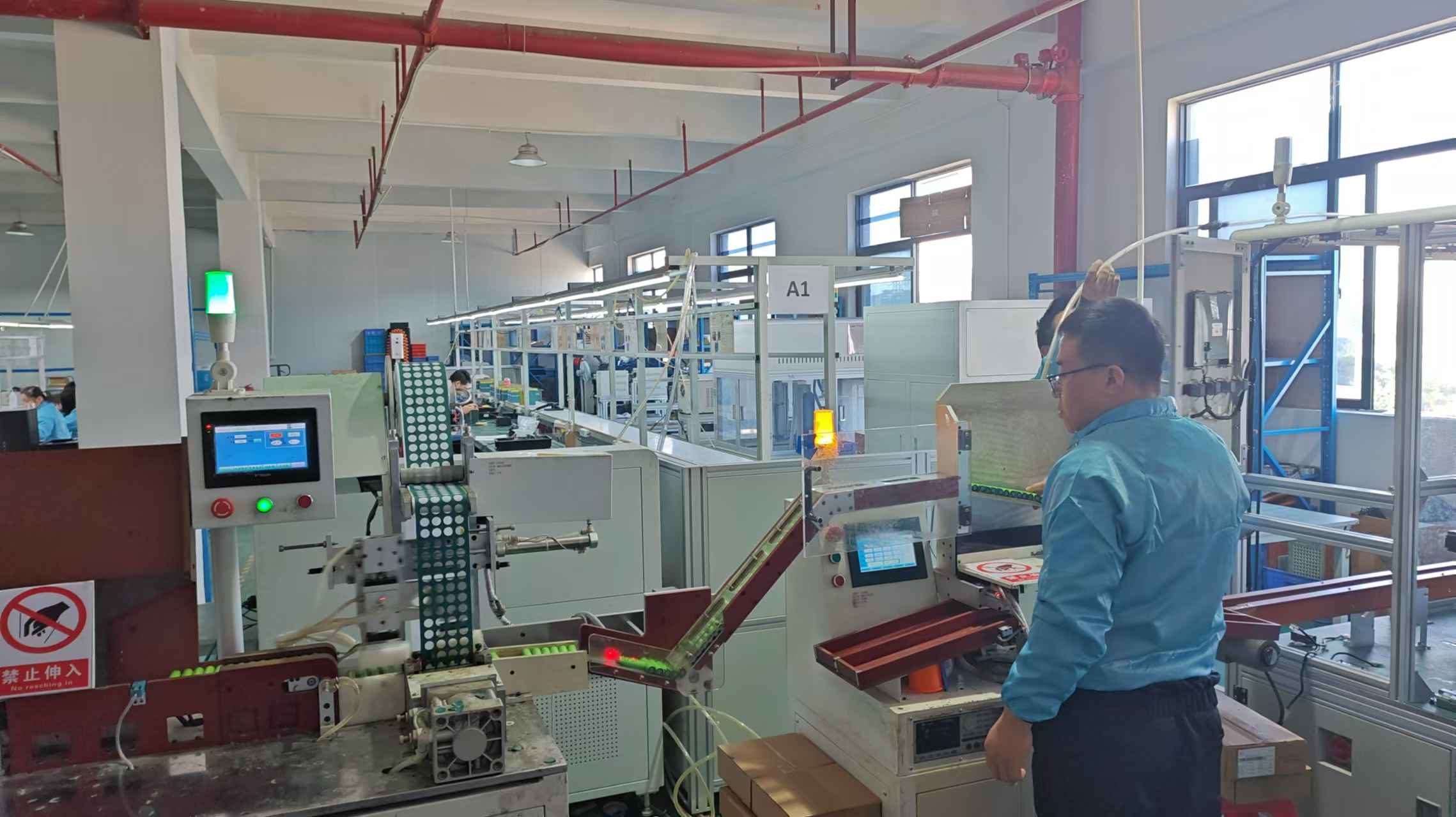
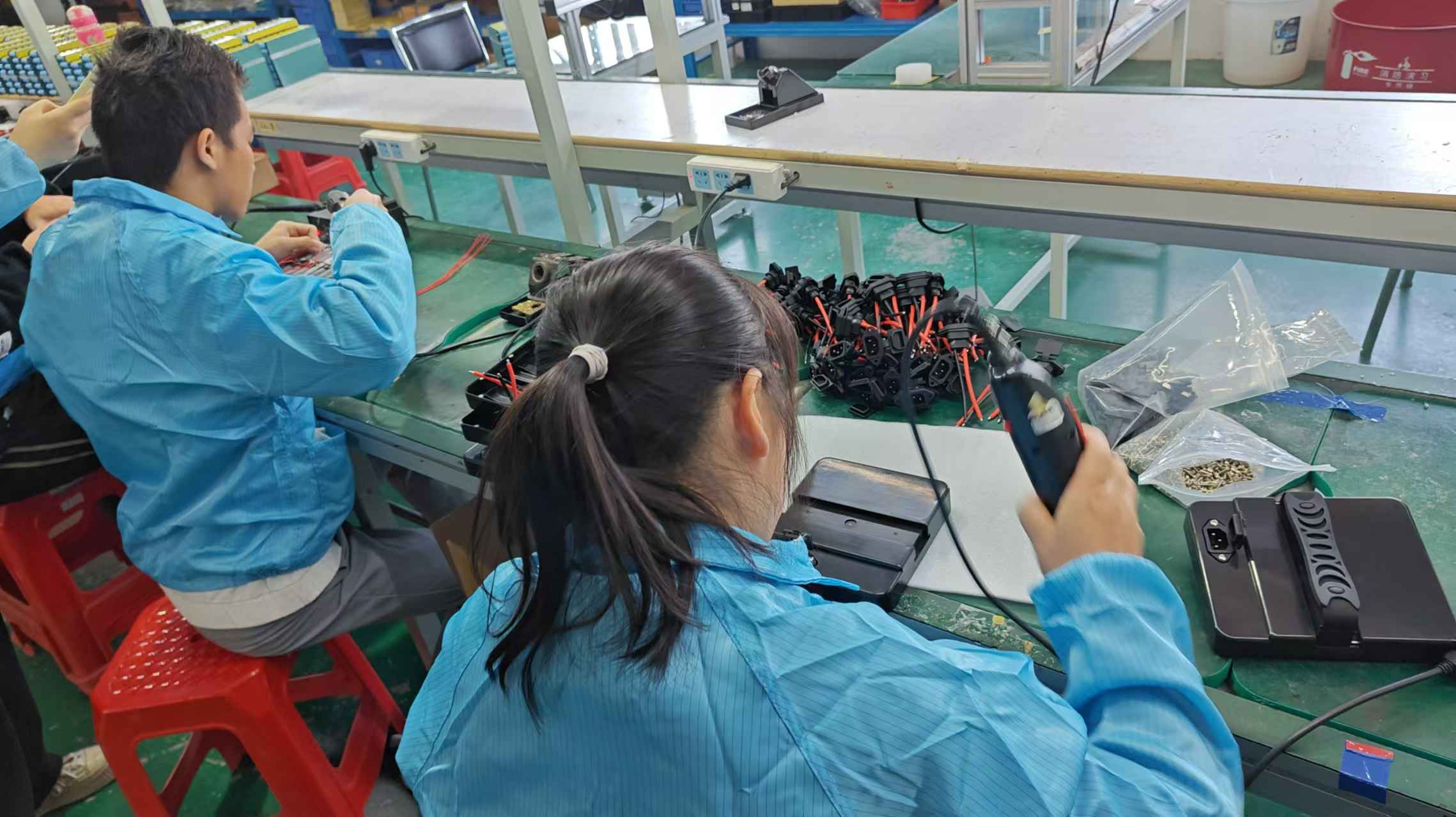
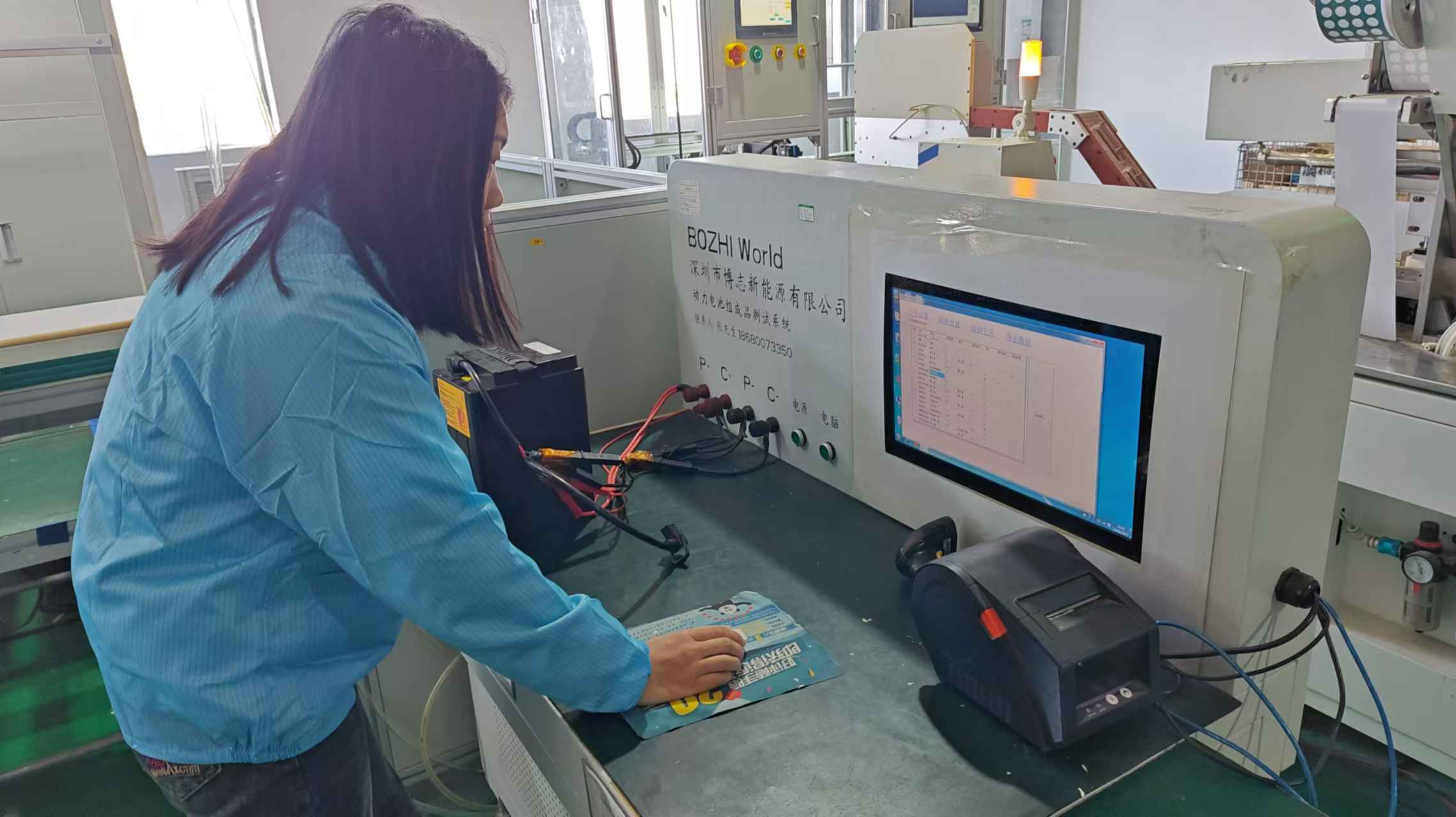
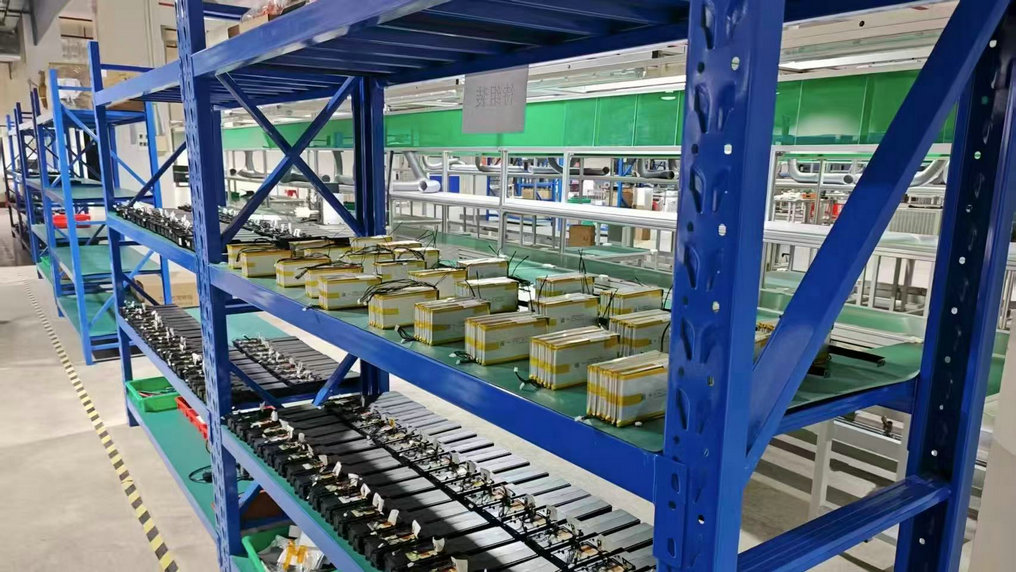
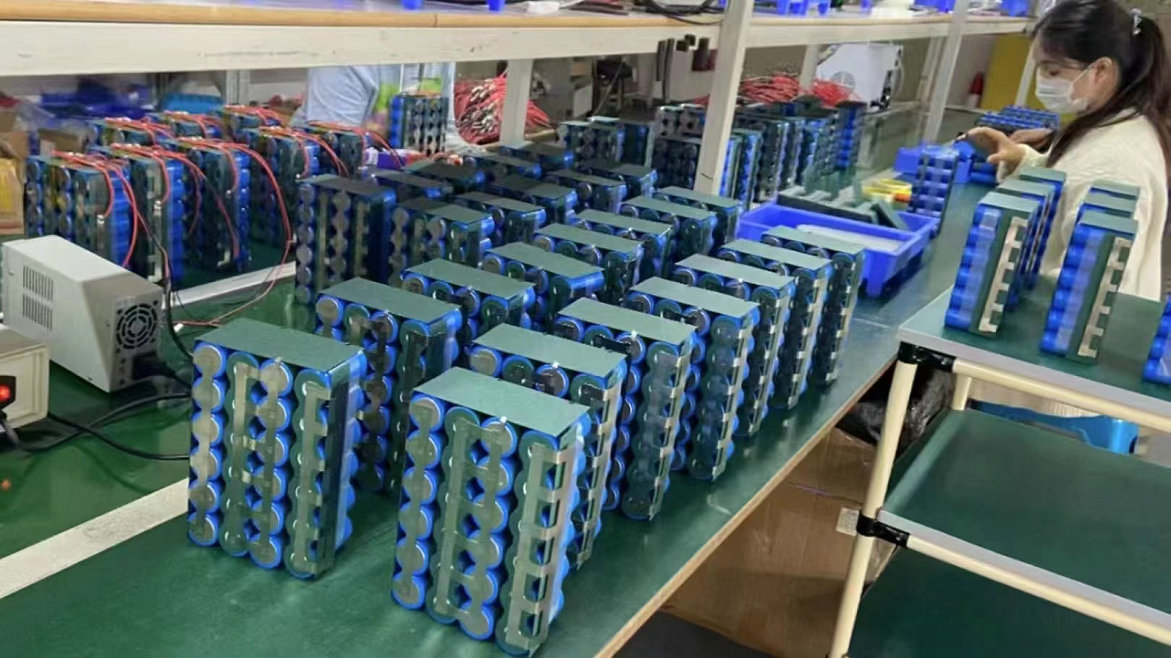
The strategic benefits of sourcing high-rate discharge batteries from Guangdong's advanced supply chain ecosystem.
Southern China hosts the world's most concentrated cluster of precursor materials, cathode active powders (NMC/LCO), electrolytes, separator membranes, and precision structural casings. This proximity reduces logistics costs and carbon footprints, passing substantial cost efficiencies to our global OEM partners.
Our Guangdong facility features high-speed automated coating lines, continuous laser tracking systems, and robotic cell pack matching tools. Real-time machine monitoring matches cells based on inner resistance and voltage stability down to $\Delta IR \leq 0.5m\Omega$ tolerances.
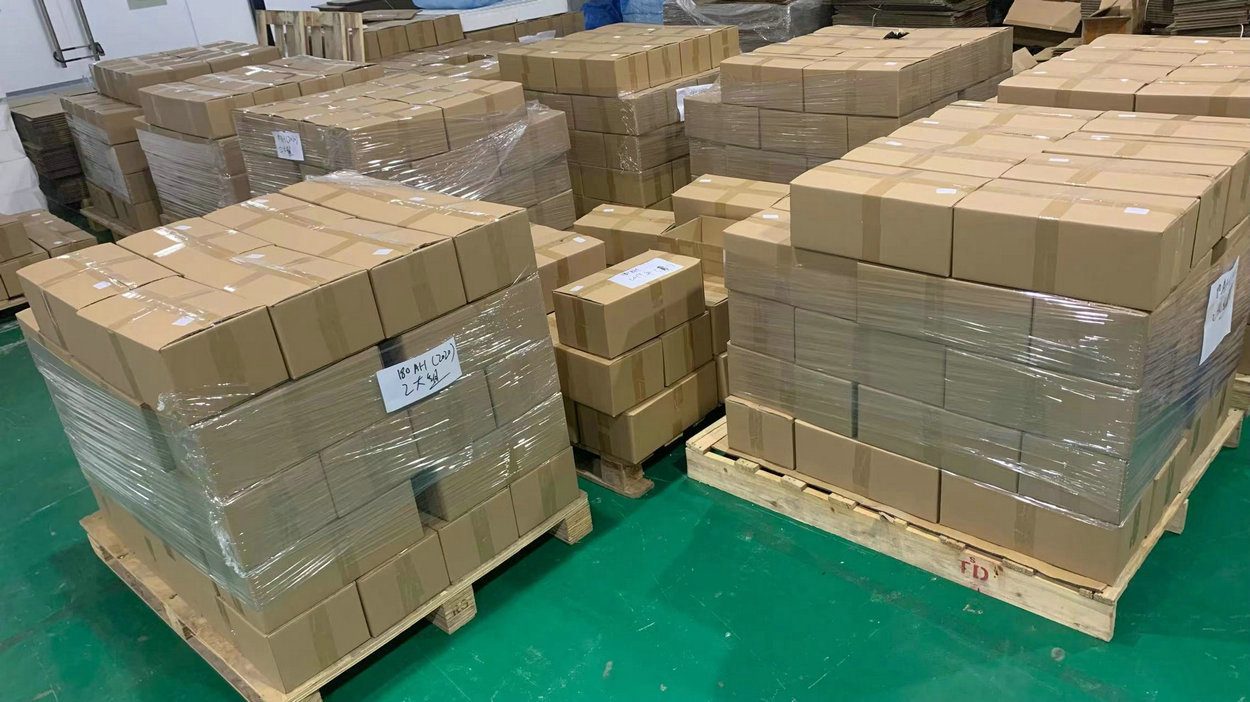
Navigating dangerous goods logistics requires deep expertise. As a fully compliant manufacturer, we handle all international documentation—including UN38.3, UL1973, CE, IEC62619, and MSDS—for safe and legal sea, land, and air shipping globally.
How our high-rate battery chemistries solve operational challenges in key industrial and e-mobility sectors.
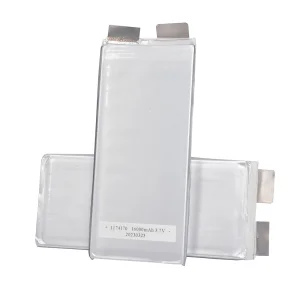
Drones and vertical-takeoff aircraft require high power density for takeoffs and wind compensation. Using high-density LCO pouch chemistry and 20C–50C continuous discharge configurations, we provide the burst current needed for cargo drones and racing FPVs without sacrificing cycle life.
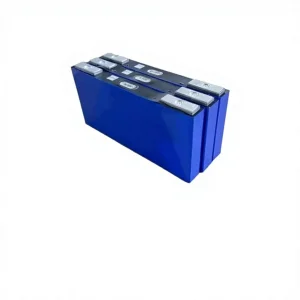
Industrial material handling vehicles require rapid opportunity charging and consistent peak power for heavy lifting. Our LiFePO4 packs, built with robust prismatic cells and 3C continuous / 8C peak discharge capabilities, sustain operations over multi-shift warehouse environments.
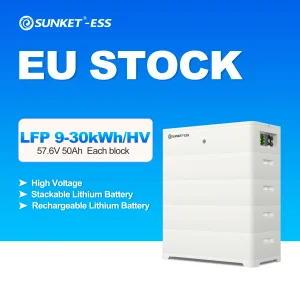
When utility grids fail or power demand spikes, back-up systems must bridge the load instantly. Our high-voltage LFP rack systems deliver megawatts of power in milliseconds, shielding data centers, hospital systems, and automated fabs from outages.
A reference table comparing high-rate discharge chemistries to assist procurement managers and systems engineers.
| Battery Chemistry | Typical Nominal Voltage | Peak Discharge C-Rate | Nominal Cycle Life (80% DoD) | Ideal Application Scenarios | Thermal Stability Profile |
|---|---|---|---|---|---|
| Lithium Titanate (LTO) | 2.3V - 2.4V | 10C - 30C continuous | >15,000 to 25,000 cycles | Forklifts, AGVs, extreme low temperature environments | Excellent (non-flammable anode structure) |
| Lithium Iron Phosphate (LFP) | 3.2V | 3C continuous / 8C peak | 3,500 - 6,000 cycles | C&I energy storage, marine traction, heavy machinery | High (thermal runaway threshold at 270°C) |
| Lithium Cobalt Oxide (LCO) | 3.7V - 3.8V | 50C continuous / 100C peak | 300 - 500 cycles | FPV racing, unmanned aerial vehicles (UAV), military defense | Moderate (requires precise thermal sensors) |
| Nickel Cobalt Manganese (NMC) | 3.6V - 3.7V | 10C continuous / 30C peak | 1,000 - 2,000 cycles | Golf carts, medical devices, high-end power tools | Good (requires active cooling for high rates) |
The high-rate battery sector is transitioning toward safer, denser, and smarter technologies. These primary trends are shaping the future of industrial OEM/ODM custom solutions:
Traditional liquid organic electrolytes pose a fire hazard under extreme high-current thermal conditions. By replacing liquid components with gel-polymer or ceramic-composite solid electrolytes, we can significantly reduce flammable vapor venting. Our Semi-Solid State 12V 200Ah solutions offer both high safety and high energy density, providing a reliable option for critical applications.
Modern commercial battery management systems do more than monitor voltage. By using edge computing on the BMS PCB, we track internal resistance variations and estimate cell degradation in real time. This predictive maintenance prevents field failures, reducing down-time in operations like robotic warehouse fleets.
To deliver high power while keeping current levels manageable, industrial designs are moving toward higher voltages (often exceeding 500V to 800V). Higher system voltage allows for thinner cables and lighter connectors, improving overall vehicle and battery system efficiency.
Expert answers to technical, manufacturing, and procurement questions commonly asked by global industrial clients.
Select from our complete range of specialized chemistry cells and high-current testing equipment.

 Nuwon Energy