Explore our premium industrial-grade battery assemblies optimized for rigorous thermal mitigation, lifecycle longevity, and robust performance under extreme operating criteria.
In the field of high-capacity electrochemistry, the lifetime, safety, and performance of lithium-ion systems are closely connected to thermodynamic control. Operating lithium cells without dynamic thermal mitigation invites issues like accelerated capacity loss, electrolyte breakdown, and localized thermal runaway propagation. As a leading developer, Guangdong Nuwon Energy Co., Ltd. implements advanced engineering principles that keep core cell assemblies within the optimal thermal range of 15°C to 35°C.
When cells operate outside this safe range, the consequences are severe. Below 0°C, internal resistance rises sharply, lithium plating occurs on the anode during charge cycles, and capacity drops. Above 45°C, the Solid Electrolyte Interphase (SEI) layer degrades, accelerating capacity loss. If temperatures exceed critical limits, exothermic reactions can occur within the cathode and anode materials, leading to self-sustaining thermal runaway. Designing robust thermal interfaces, cooling ducts, and electronic management controls is crucial to preventing these risks.
Modern battery architecture relies on three primary methods to manage heat: passive cooling, active cooling, and phase-change materials (PCM). Nuwon Energy matches these methods to the specific needs of each application, balancing cost, weight, complexity, and performance goals.
For high-load applications like electric mobility (heavy-duty forklifts, golf carts, industrial utility vehicles) and commercial energy storage, active liquid cooling remains the industry standard. This design uses dedicated cooling plates with internal microchannels wrapped around or placed beneath the cells. A mixture of ethylene glycol and water absorbs heat and moves it to an external heat exchanger or chiller system. This method offers high heat transfer coefficients and precise temperature regulation during fast charging and heavy discharging.
In aerospace (eVTOL) and high-density portable electronics, weight constraints limit the use of heavy pumps and liquid cooling systems. In these cases, passive systems using PCMs or lightweight insulation layers (like aerogels) offer an effective alternative. PCMs absorb excess thermal energy by changing phase (e.g., from solid to liquid) at a set temperature, keeping the battery pack stable without drawing electrical power. Nuwon Energy integrates flame-retardant composite materials to prevent thermal bridging between cells, confining any failure to a single cell and keeping the rest of the pack safe.
Procuring lithium-ion packs for industrial, medical, and grid-scale applications requires meeting strict safety standards. Standard products often fail to satisfy global regulatory bodies. International projects need systems that are fully tested and certified for safe transport and long-term use.
Our engineering services prioritize compliance from day one. We design, build, and test our packs to meet leading international standards, including:
Nuwon Energy works closely with international procurement teams, providing full engineering documentation, finite element analysis (FEA) models, and thermal performance logs to simplify and speed up local certification processes.
Designing thermal management systems requires access to specialized components, including custom extruded aluminum cooling plates, high-conductivity thermal pads, and complex Battery Management System (BMS) controllers. Nuwon Energy’s manufacturing facility in Guangdong, China, sits at the heart of this supply chain network.
By sourcing raw lithium cells and specialized thermal components locally, we reduce logistics costs, speed up custom prototyping, and lower total production costs. We pass these savings directly to our global OEM partners. This integrated supply chain allows us to quickly scale production from prototype testing to high-volume manufacturing.
To support our global customers, Nuwon Energy provides localized technical assistance. Our overseas sales and engineering teams offer fast support for design validation, on-site troubleshooting, and integration assistance. This helps engineering teams in North America, Europe, and the Asia-Pacific region launch their products quickly and reliably.
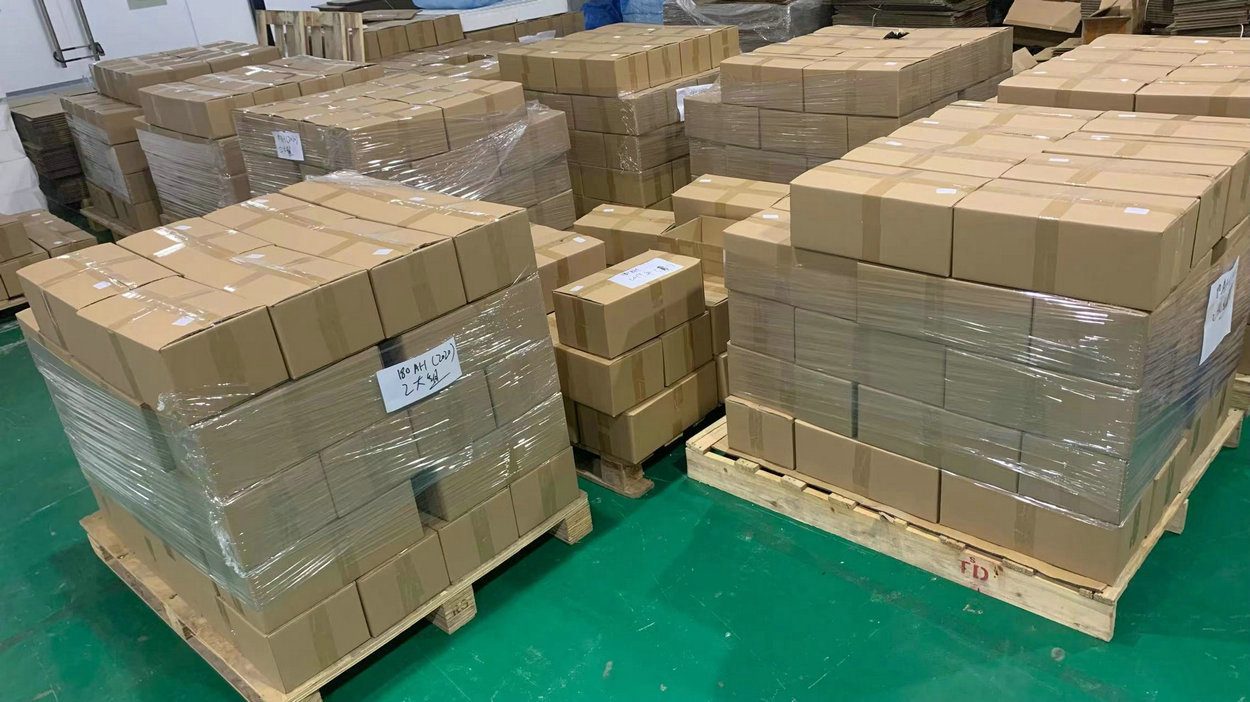
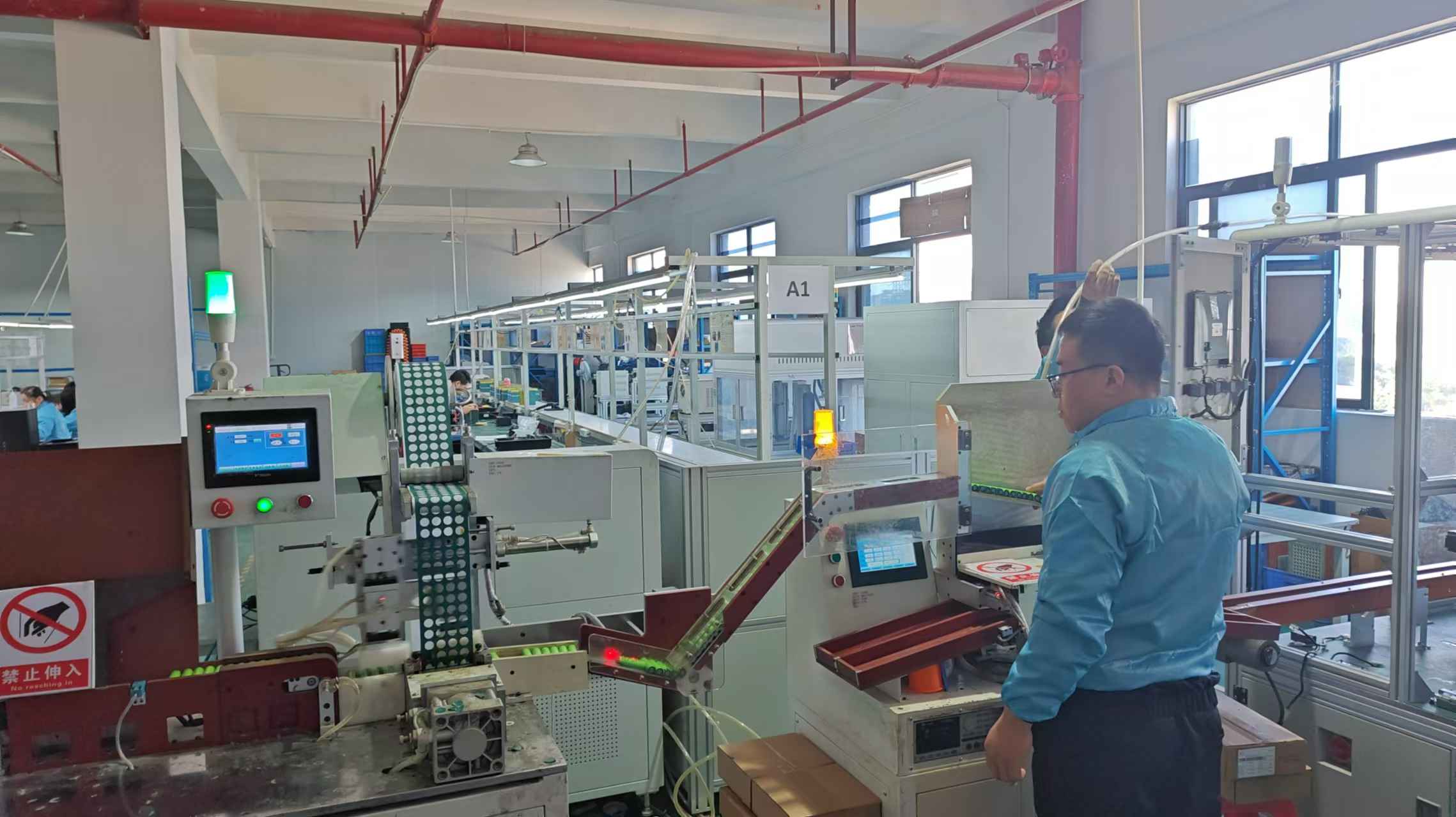
Guangdong Nuwon Energy operates state-of-the-art automated manufacturing lines. From initial cell sorting to high-precision laser welding and multi-day thermal aging, every step of the process is closely monitored to ensure quality and reliability.
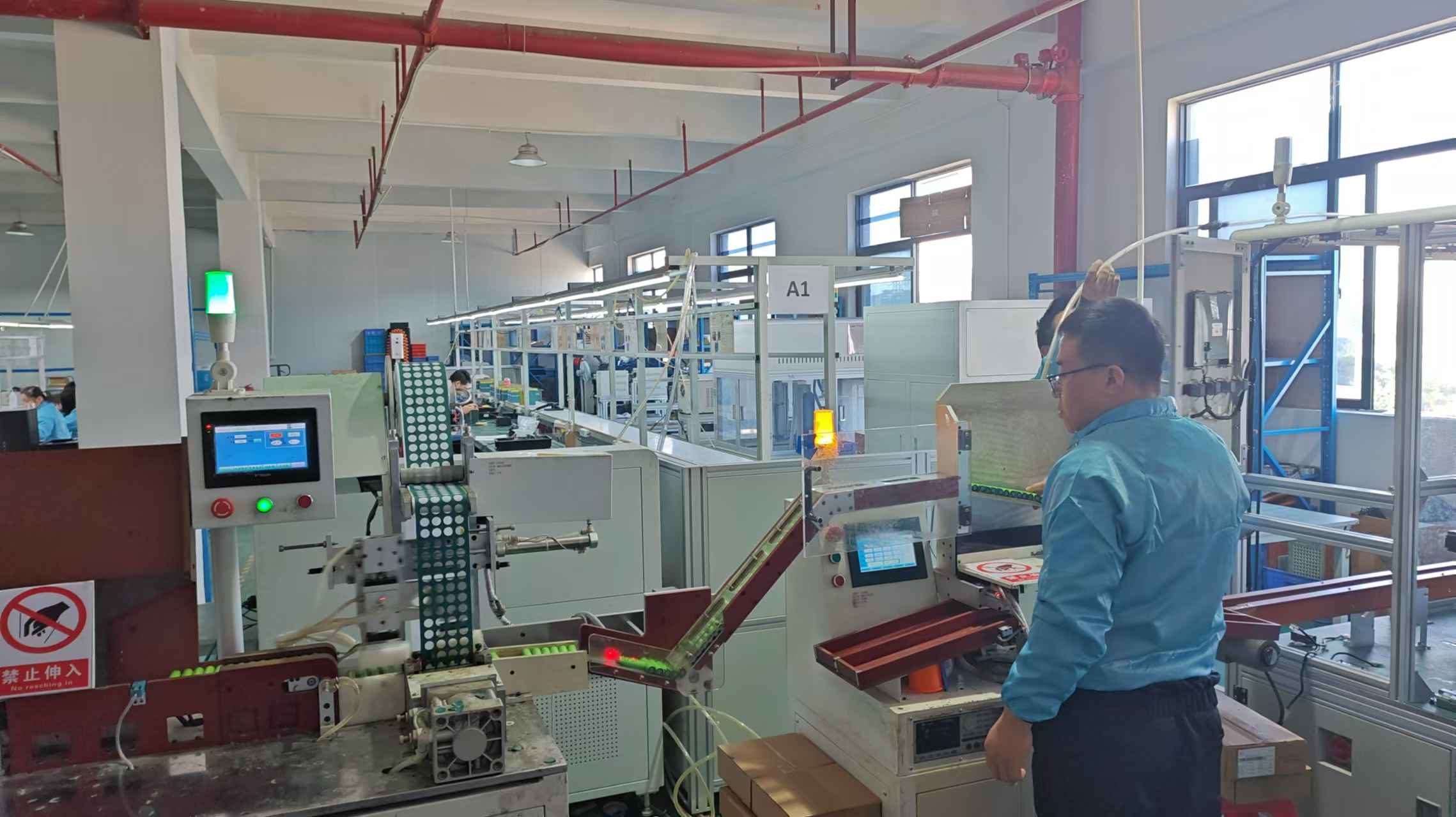
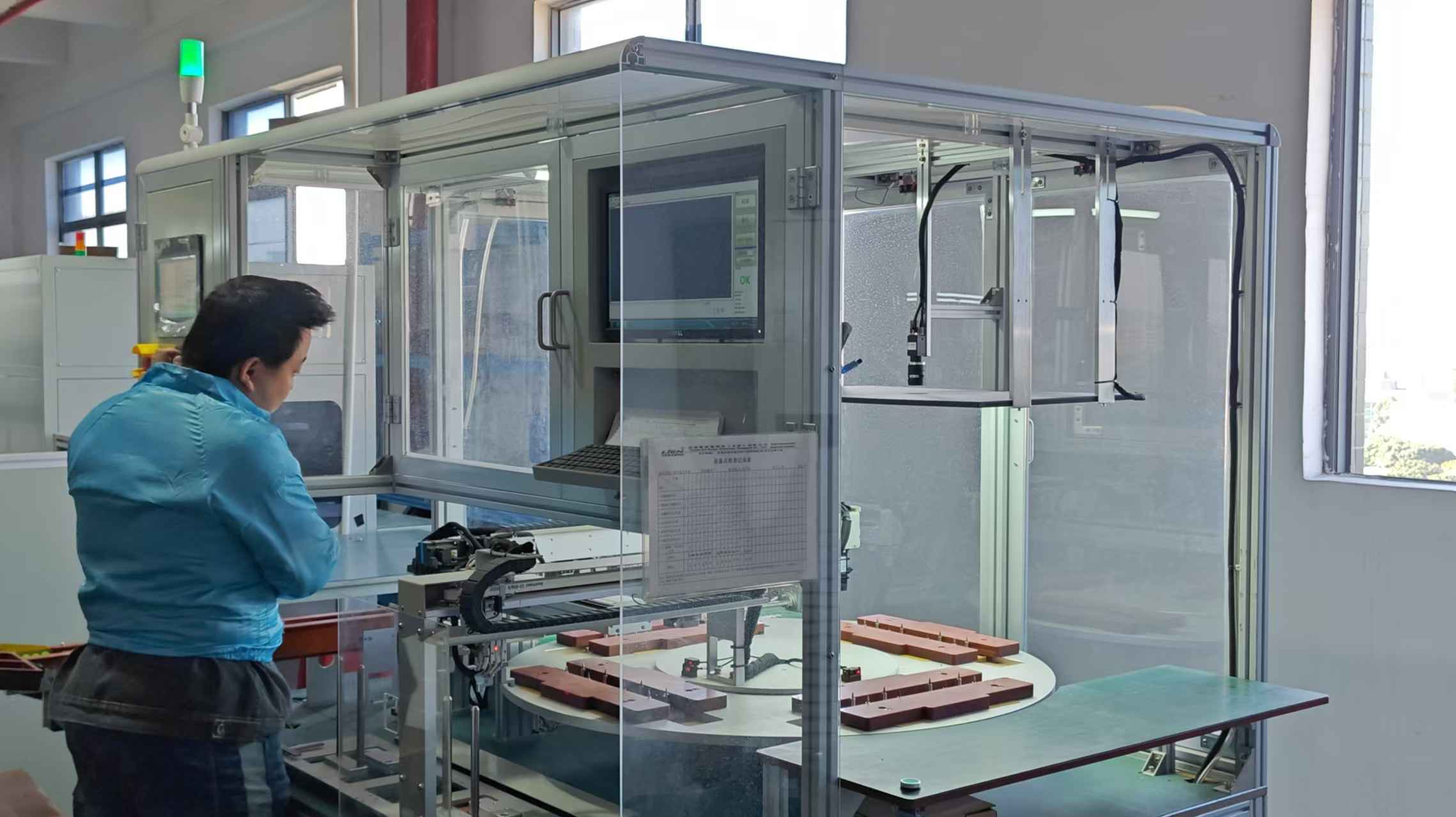
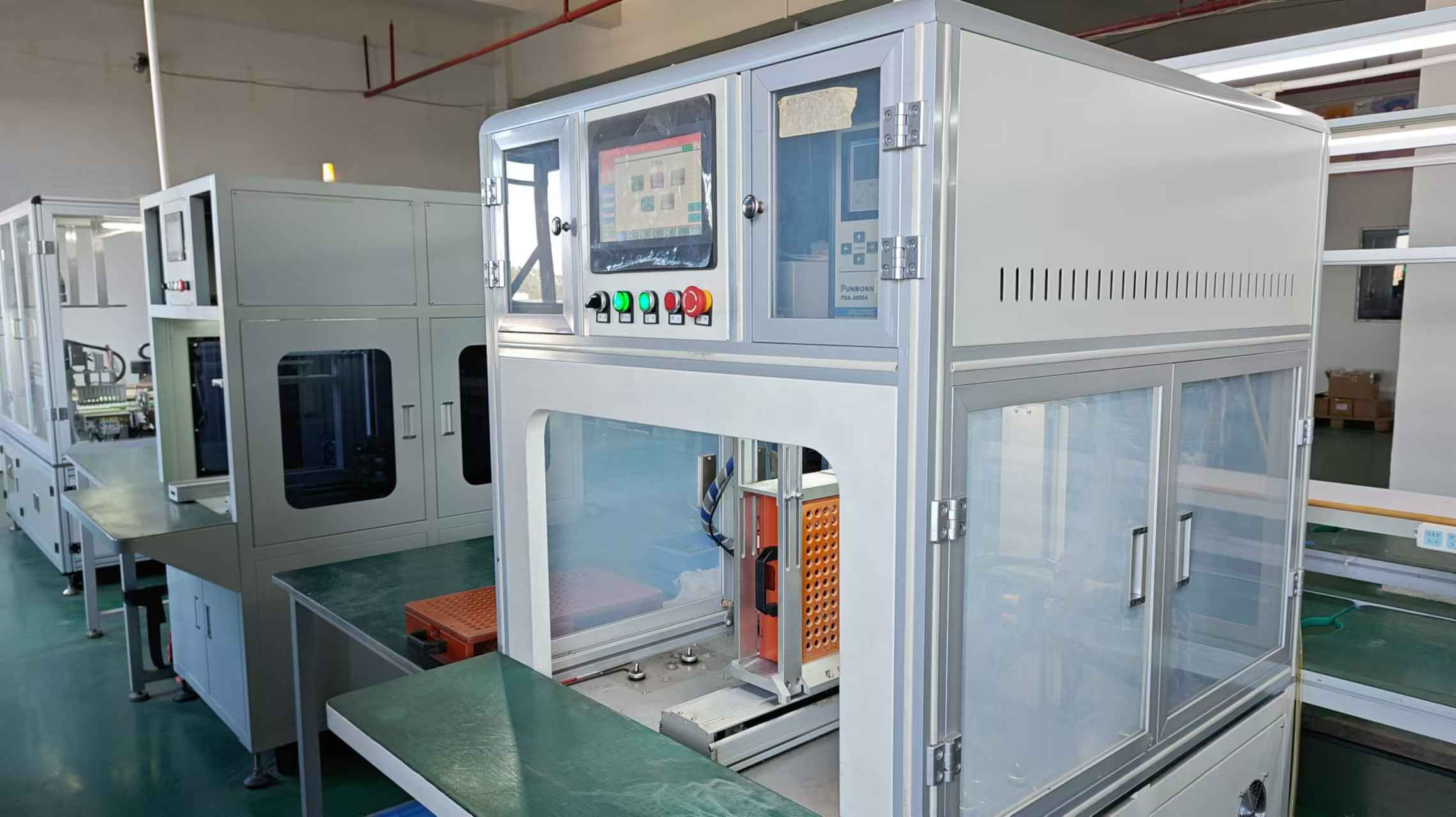
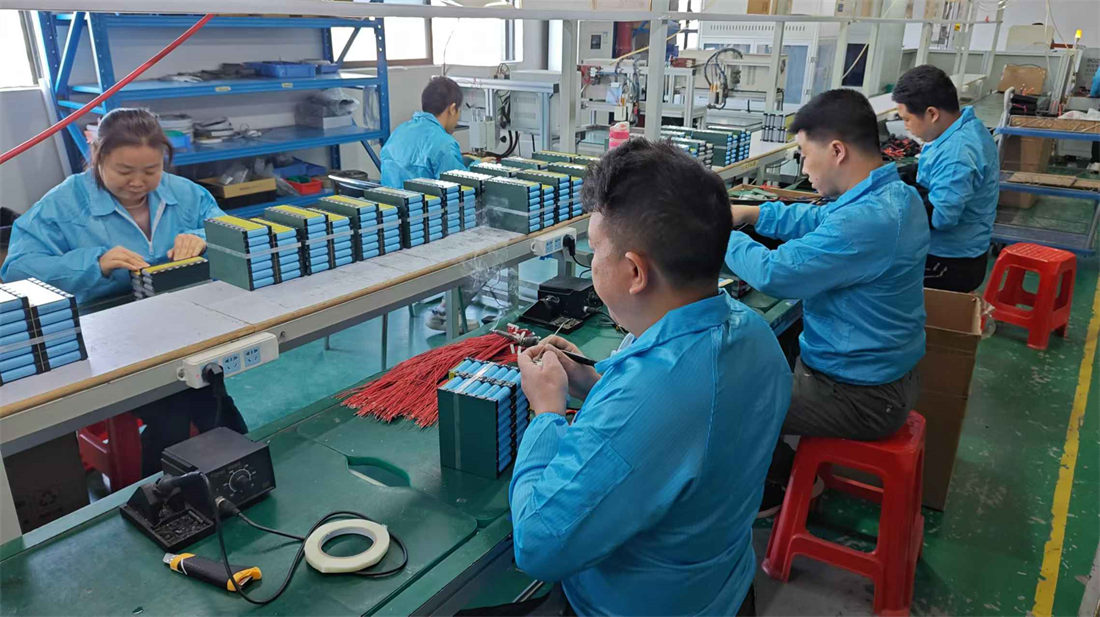
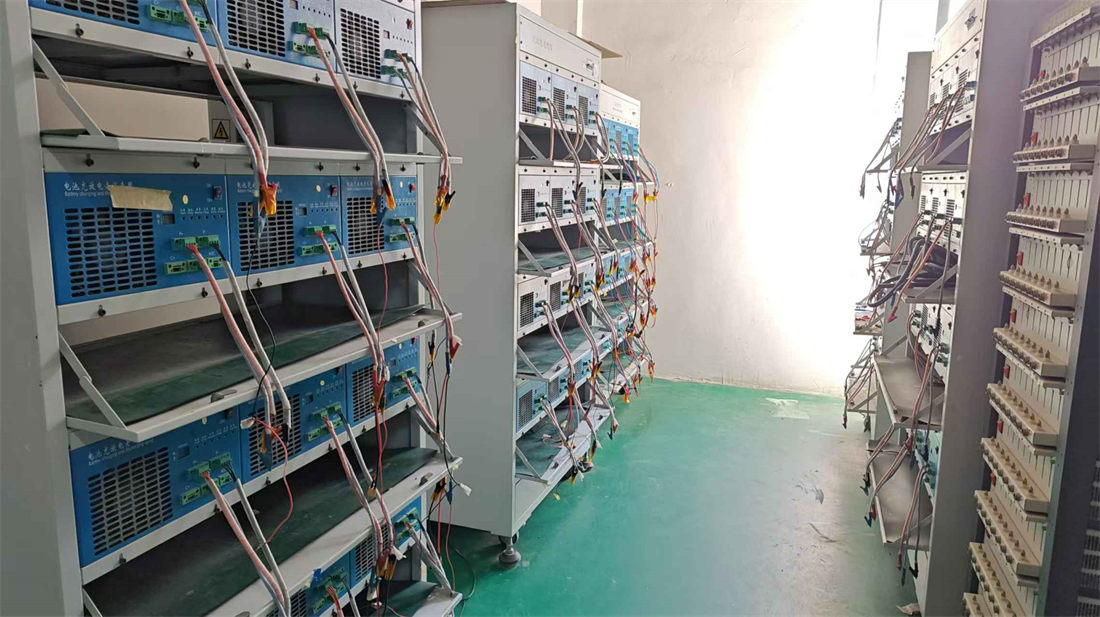
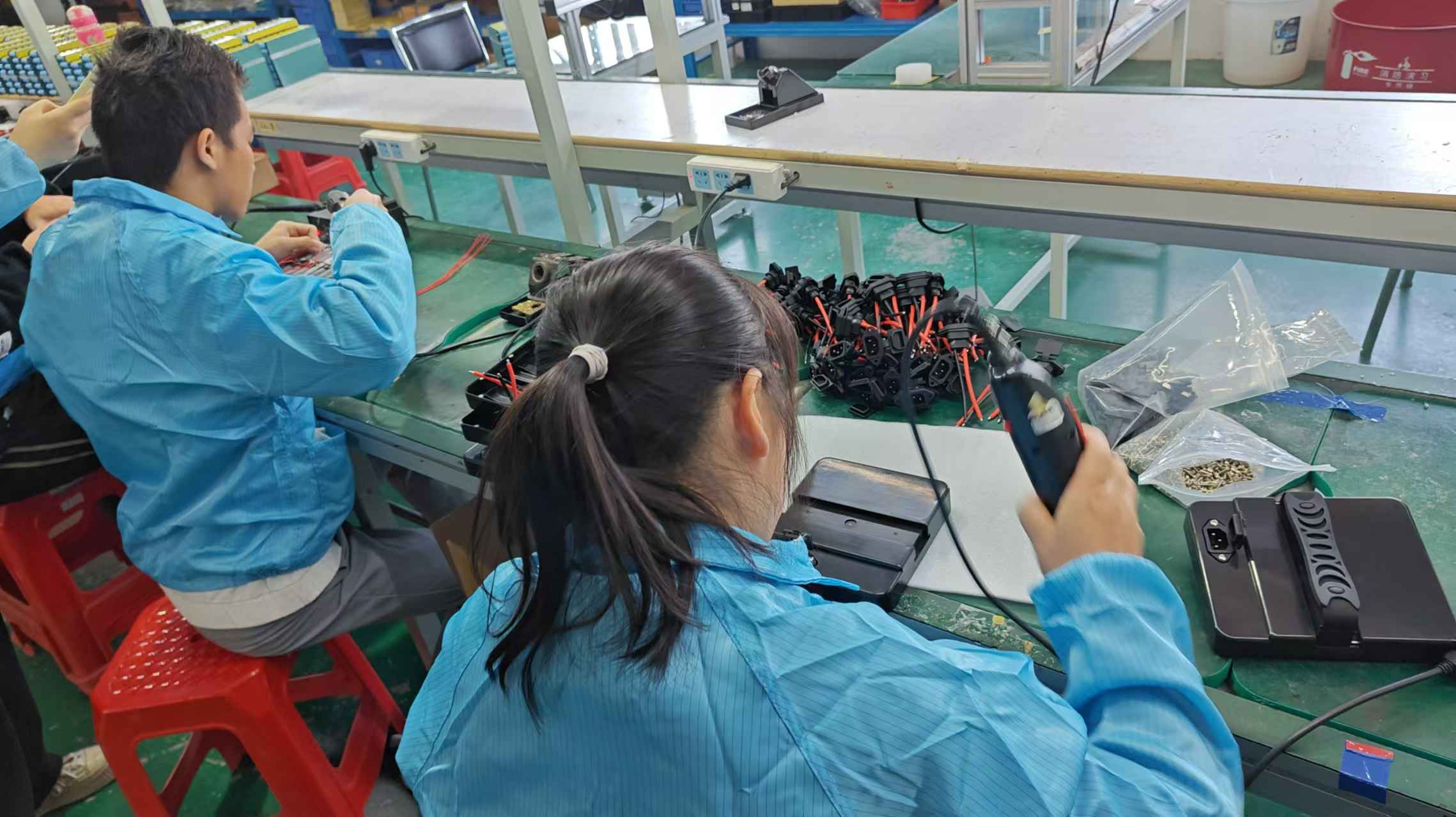
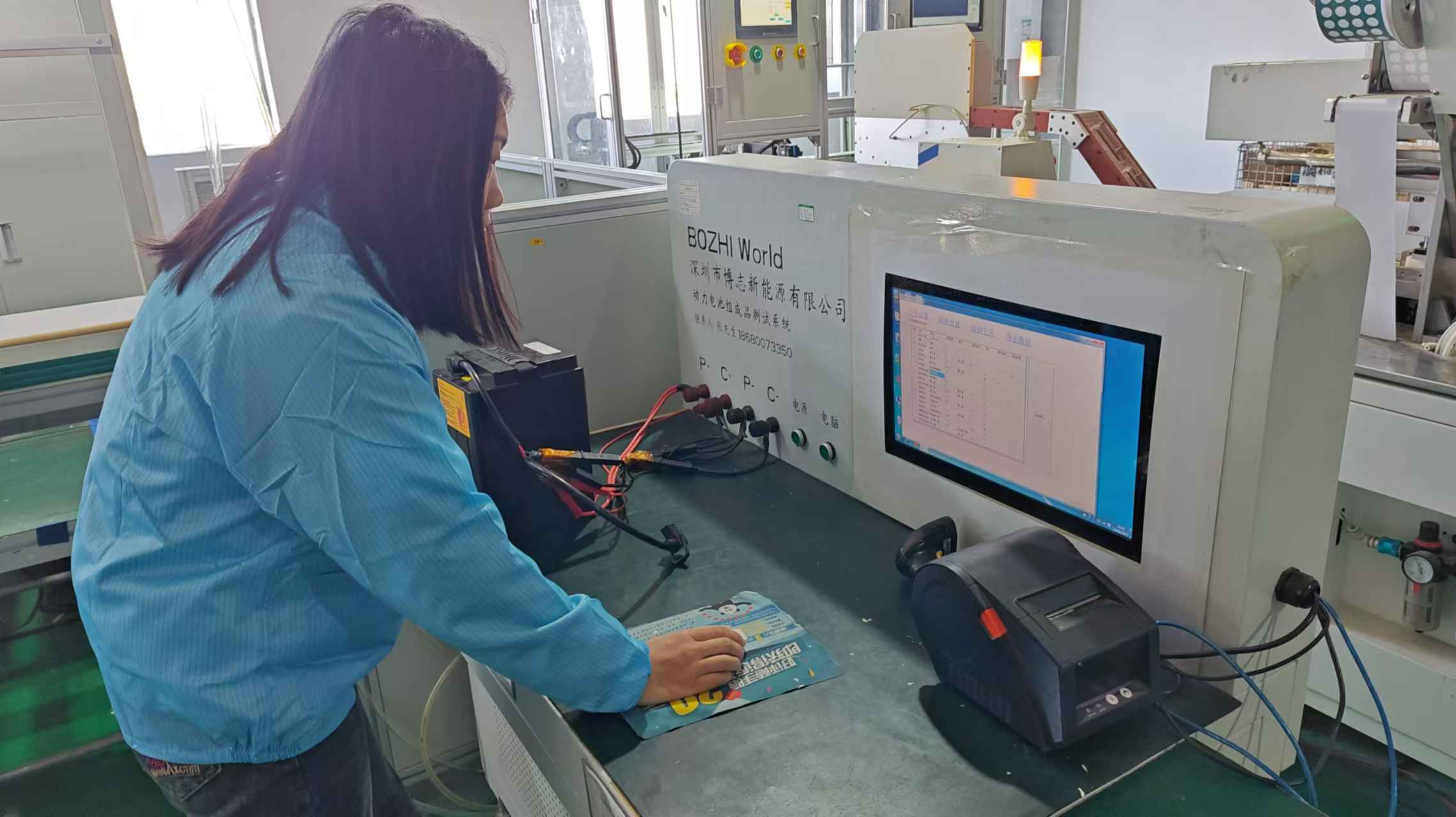
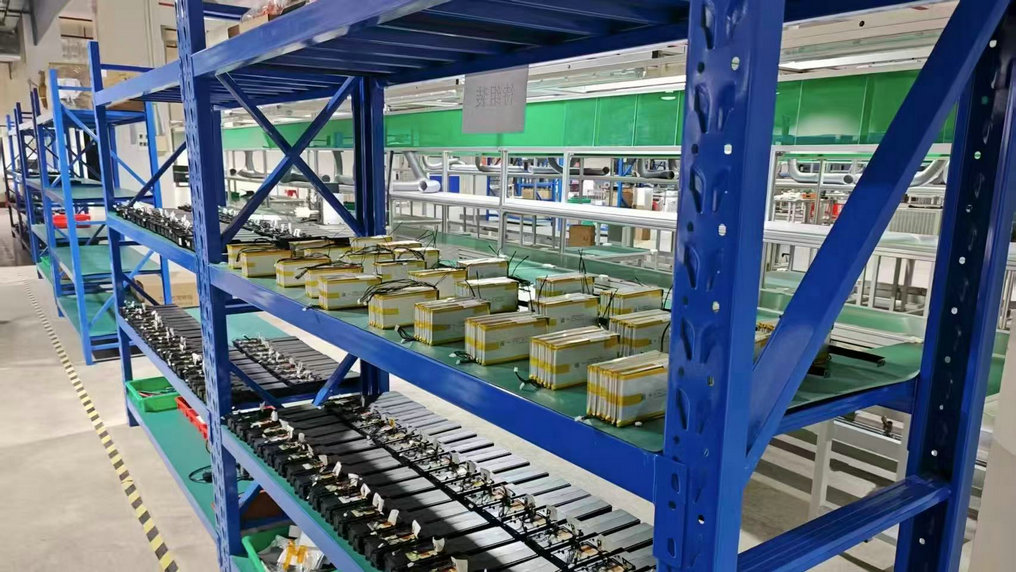
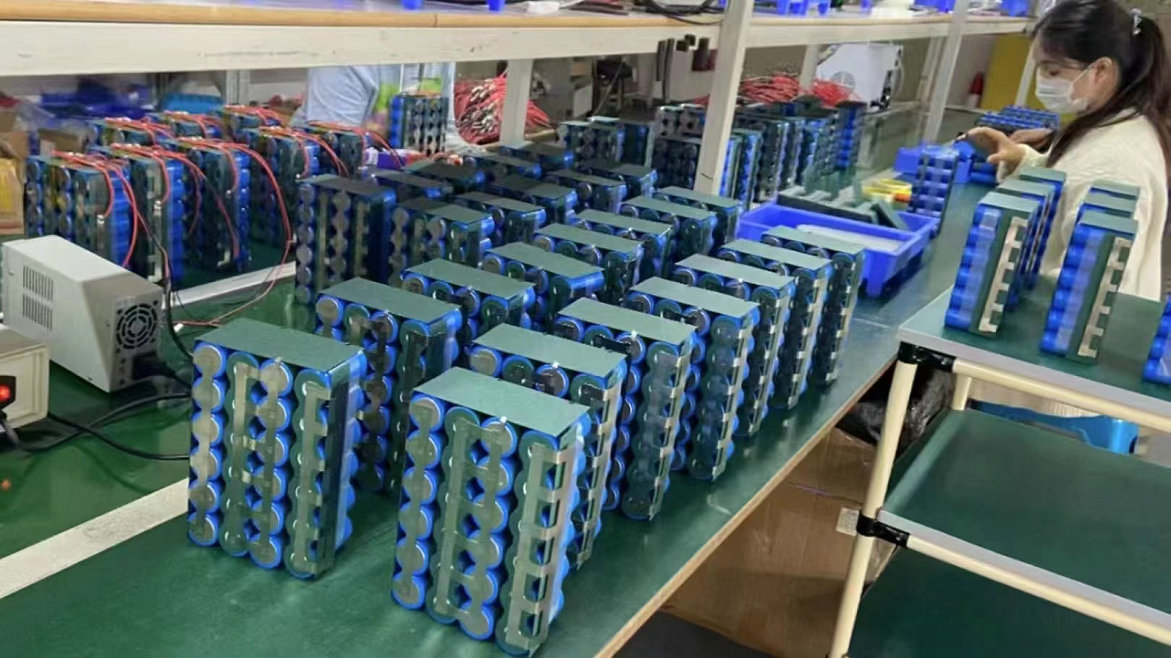
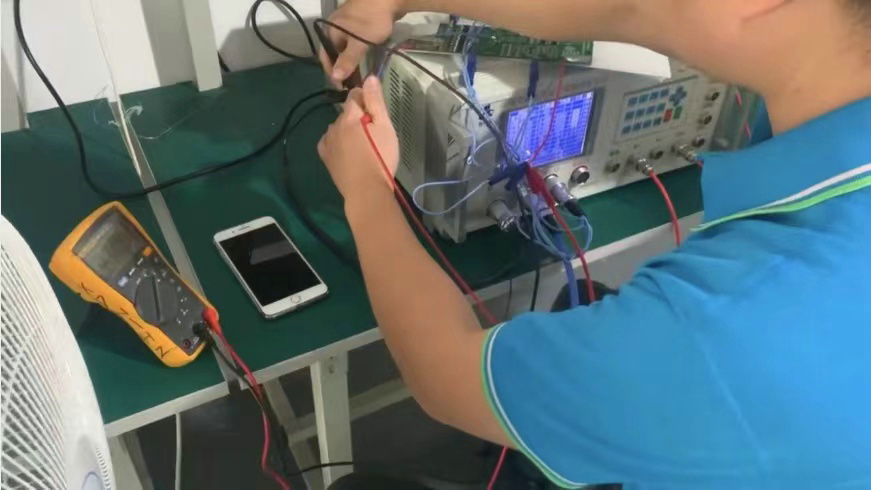
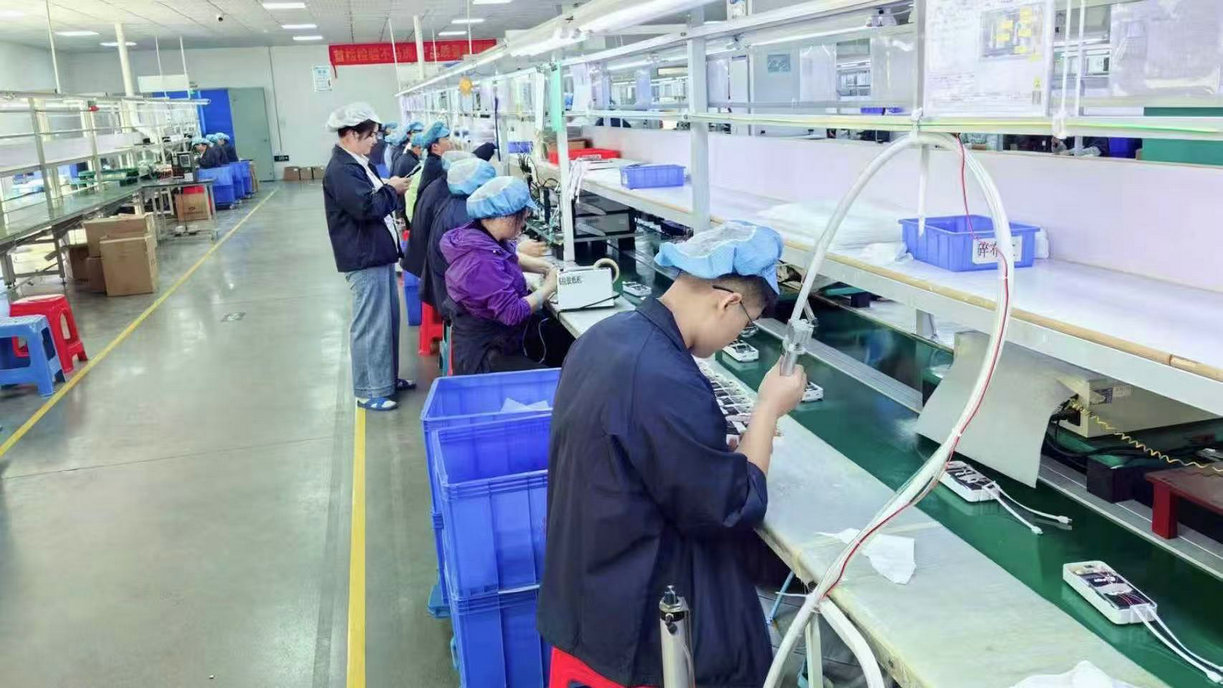
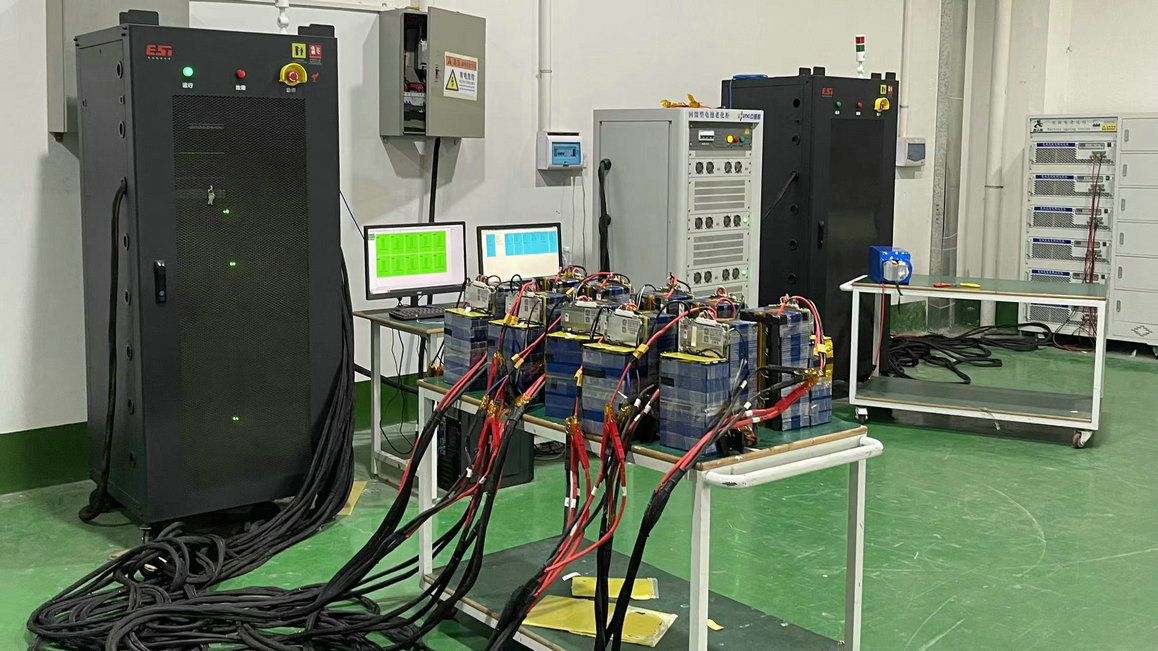
Different applications require different thermal designs. A system that works well for a residential solar battery storage unit may not be suitable for a racing vehicle or an unmanned ground vehicle (AGV) working in a freezing cold-storage warehouse.
Forklifts, golf carts, airport tugs, and agricultural vehicles undergo continuous, high-current discharge cycles. The resulting heat can build up quickly if not managed. For these applications, Nuwon Energy designs active air cooling ducts or direct liquid plate structures that dissipate heat even during high-load operations, preventing performance drops.
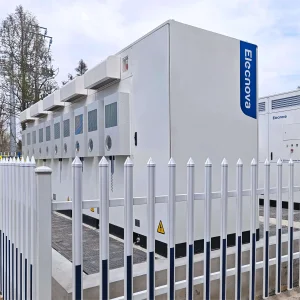
Large battery systems inside containers require robust thermal management to prevent fire hazards. In these applications, air conditioning units and liquid chillers are controlled by a central BMS. The system monitors cell temperatures in real time, balancing the heating and cooling loads across thousands of individual prismatic or cylindrical cells.
For operations in sub-zero environments (like aerospace, cold chain warehouses, or high-altitude equipment), the challenge is keeping the cells warm rather than cool. Our systems use built-in heater pads and insulation layers. The BMS can pre-heat the cells using external power before charging begins, protecting the battery chemistry and extending its operational life.
As energy densities increase and charging speeds get faster, traditional cooling methods face limits. The industry is moving toward new technologies, including:
Get answers to common technical questions about battery thermal management, safety standards, and custom design processes.
LFP (Lithium Iron Phosphate) and NMC (Nickel Manganese Cobalt) chemistries behave differently under thermal load. LFP is more stable and has a higher thermal runaway threshold (around 270°C), but it loses capacity quickly in cold conditions, making heating systems important. NMC has a higher energy density but a lower runaway threshold (around 210°C), requiring efficient active cooling to prevent thermal issues during fast charging or discharging.
Active cooling systems use power to run pumps, fans, or compressors (such as in liquid cooling plates or forced-air systems) to manage heat. Passive cooling relies on natural heat dissipation, phase change materials (PCM), or heat sinks. Active systems offer better temperature control for high-load applications, while passive systems are lighter, less complex, and require no extra power, making them ideal for smaller or weight-sensitive devices.
We use a multi-layered safety design. This includes high-performance thermal insulation sheets (like aerogels or ceramic papers) between cells, structural fire barriers, and smart BMS monitoring. If a cell fails, the insulation prevents heat from transferring to adjacent cells, containing the issue and protecting the rest of the battery pack.
Standard lithium-ion batteries should not be charged at temperatures below 0°C. Doing so can cause lithium plating on the anode, which reduces capacity and increases the risk of short circuits. To prevent this, our cold-weather battery packs include integrated heating pads. The BMS uses these pads to warm the cells to a safe temperature before allowing charging to begin.
For international transport, battery packs must pass UN38.3 testing, which evaluates safety under conditions like vibration, shock, and pressure. Depending on the region and application, certifications like UL9540A (for energy storage systems), IEC62619 (for industrial use), CE, and RoHS are also required. Nuwon Energy handles this testing to ensure compliance with global shipping regulations.
We start by gathering details about your application, such as charge/discharge profiles, space limits, and ambient operating conditions. Our engineers use computational fluid dynamics (CFD) and thermal analysis software to model heat distribution. We then design and test custom prototypes to verify performance under load, ensuring the system meets your operating requirements.
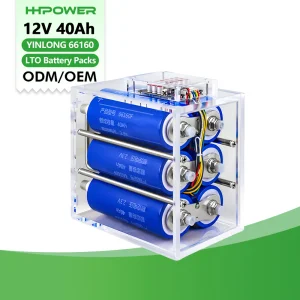
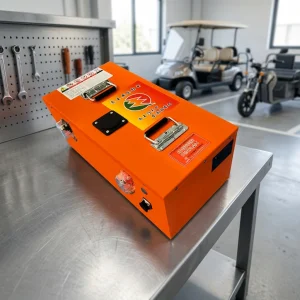
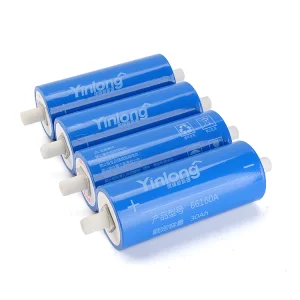
Explore our full range of advanced power solutions, including long-life LTO battery systems and high-capacity industrial packs designed for demanding conditions.
 Nuwon Energy