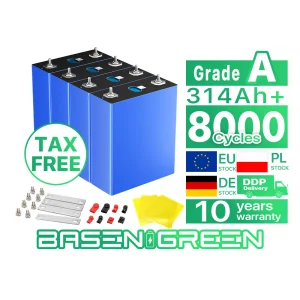
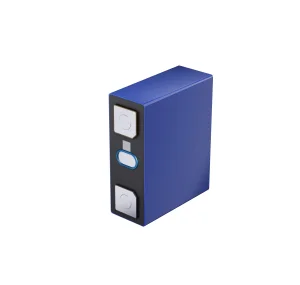
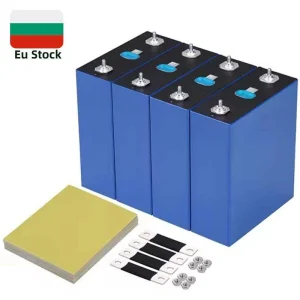
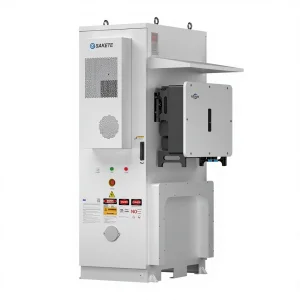
Explore our flagship Grade A LiFePO4 cells and integrated systems engineered for the South Korean commercial energy sector.
As South Korea executes its aggressive Carbon Neutrality 2050 Roadmap, the Seoul Metropolitan Area has emerged as a high-density testbed for clean energy transition. The demand for industrial and residential battery systems in Seoul is driven by strict domestic regulations, safety requirements, and the integration of smart grids. While traditional Nickel Manganese Cobalt (NCM) chemistries dominated the historical South Korean domestic EV space, Lithium Iron Phosphate (LiFePO4) has captured major market share in critical infrastructure, Telecom base stations, Automated Guided Vehicles (AGVs) in urban logistics centers, and large-scale Commercial and Industrial (C&I) Energy Storage Systems (ESS).
The core motivation for Seoul-based procurement managers migrating to LiFePO4 is simple: uncompromising safety and long-term cost amortization. In urban hubs like Mapo-gu, Gangnam-gu, and Guro Digital Complex, municipal safety regulations strictly monitor indoor battery installations. LiFePO4 chemistry possesses high thermal runaway thresholds (typically above 270°C compared to NCM’s lower runaway temperature of around 200°C), making it the primary technology approved for dense commercial high-rises and public subways.
Our battery designs comply with South Korea's strict KC (Korea Certification) standard and electrical safety protocols (KS C IEC 62619) for energy storage systems.
Built-in structural thermal defenses ensure that our battery modules prevent propagation, satisfying Seoul's local municipal fire protection rules.
Delivering up to 6,000+ deep cycles at 80% Depth of Discharge (DoD), drastically minimizing the total cost of ownership (TCO) for local telecom grids.
When engineering firms and telecom providers in Seoul source LiFePO4 batteries, they face a classic bottleneck: domestic South Korean cell manufacturers focus heavily on NCM pouch cells for major automotive exports. Consequently, high-performance LFP prismatic cells must be imported. However, sourcing directly from global supply chains requires navigating strict performance validation, logistics clearing at the Port of Incheon, and specialized engineering custom integrations (such as CANbus/Modbus BMS communications compatible with Korean PCS manufacturers like Hyosung, LS Electric, and Samsung SDI systems).
This is where Guangdong Nuwon Energy Co., Ltd. serves as a reliable global supply partner. By combining direct access to China’s Tier 1 cell manufacturers (CATL, Hithium, REPT, CALB) with in-house custom engineering and automated assembly, we bridge the gap. We deliver fully-customized, high-capacity, KC-compliant LFP battery solutions straight to Seoul’s industrial hubs.
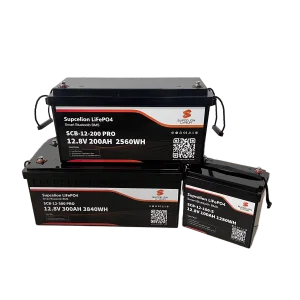
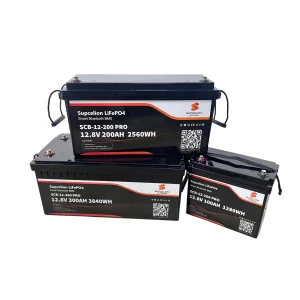
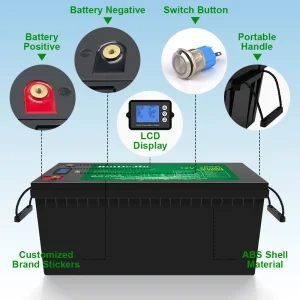
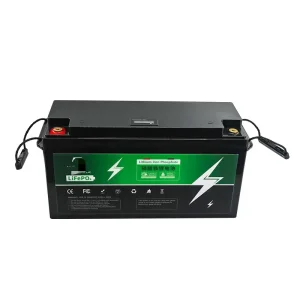
Advanced battery packs featuring smart telemetry, high cycle counts, and deep-cycle performance suited for local Han River marine and logistics applications.
Guangdong Nuwon Energy Co., Ltd. is a leading manufacturer and solution provider in advanced battery systems, specializing in the research, development, manufacturing, and global distribution of high-performance energy storage products. The company offers comprehensive OEM and ODM services, delivering customized battery solutions tailored to diverse industrial and commercial applications.
Backed by a highly experienced engineering and R&D team, Nuwon Energy focuses on the design and integration of cylindrical and prismatic lithium battery cells, as well as complete battery packs, modules, and energy storage systems. The company also develops and produces industrial-grade battery cells engineered for safety, durability, and long cycle life.
Guangdong Nuwon Energy serves a wide range of industries, including consumer electronics, electric mobility (such as golf carts, forklifts, UTVs/ATVs, trucks, and marine systems), medical equipment, unmanned ground vehicles (AGVs/AMRs), and emerging aerospace applications such as eVTOL aircraft. In addition, the company provides reliable residential, commercial, and industrial (C&I) energy storage solutions designed to support the global transition toward clean and sustainable energy.
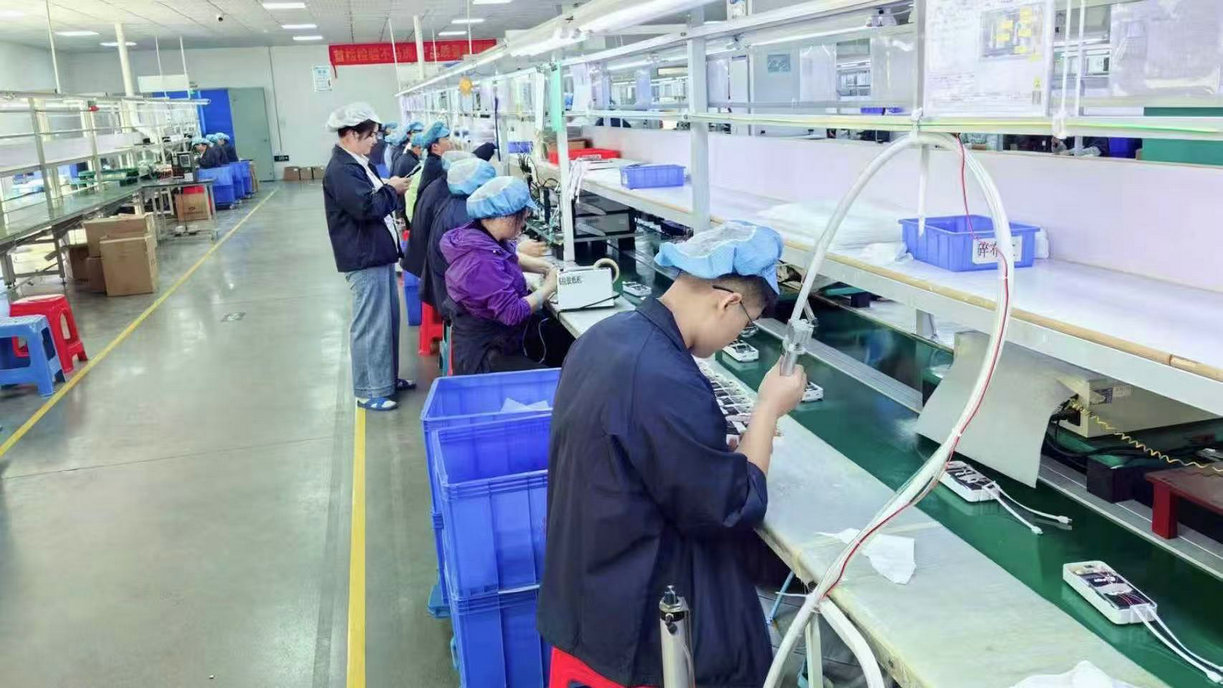
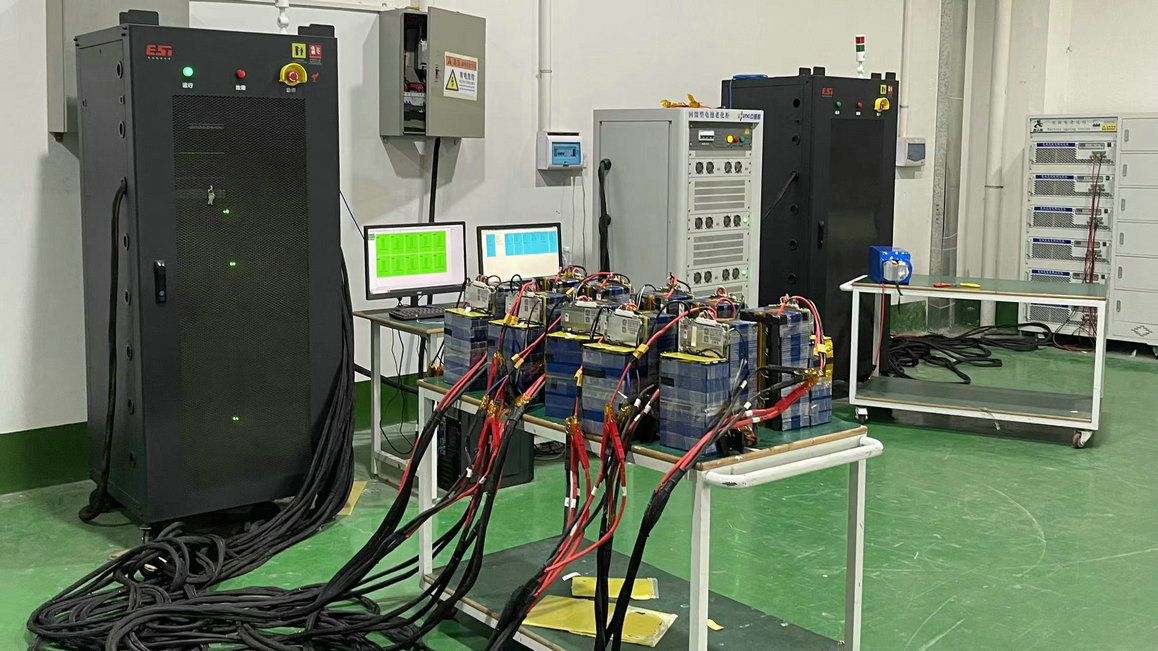
With a strong commitment to innovation, strict quality control, and customer-centric service, Guangdong Nuwon Energy continuously invests in advanced manufacturing capabilities, automated production lines, and rigorous testing systems. This ensures that every product meets international safety standards and delivers exceptional performance in demanding environments.
Driven by a vision to accelerate global electrification and energy efficiency, Guangdong Nuwon Energy Co., Ltd. is dedicated to building long-term partnerships and providing reliable, intelligent, and sustainable energy solutions to customers worldwide.
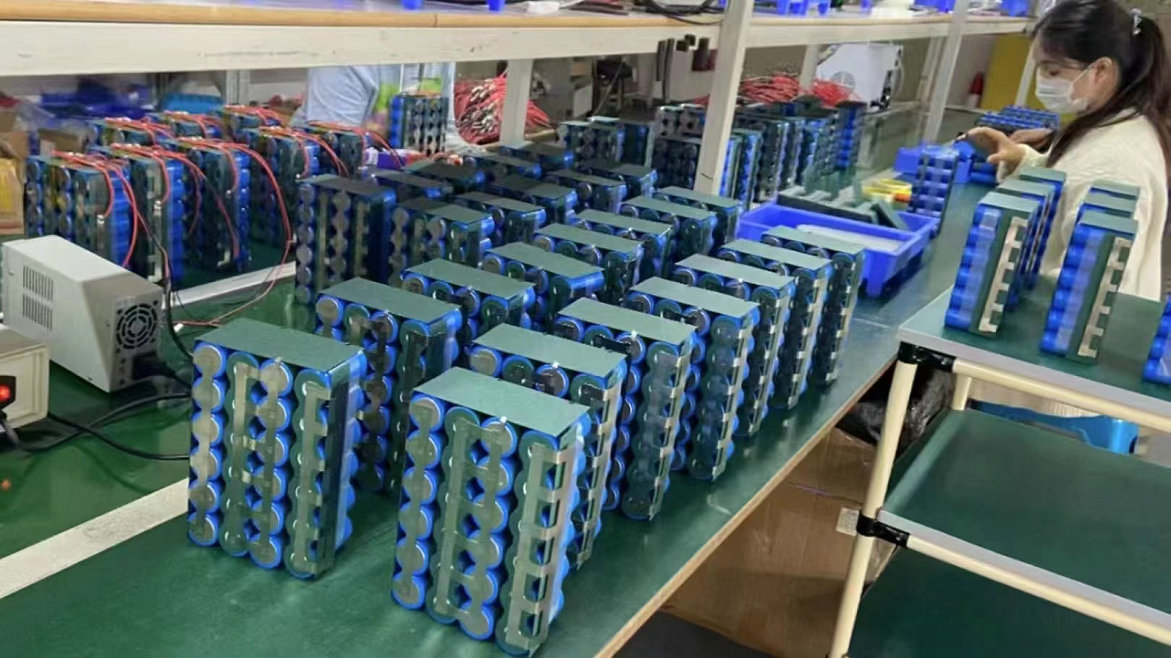
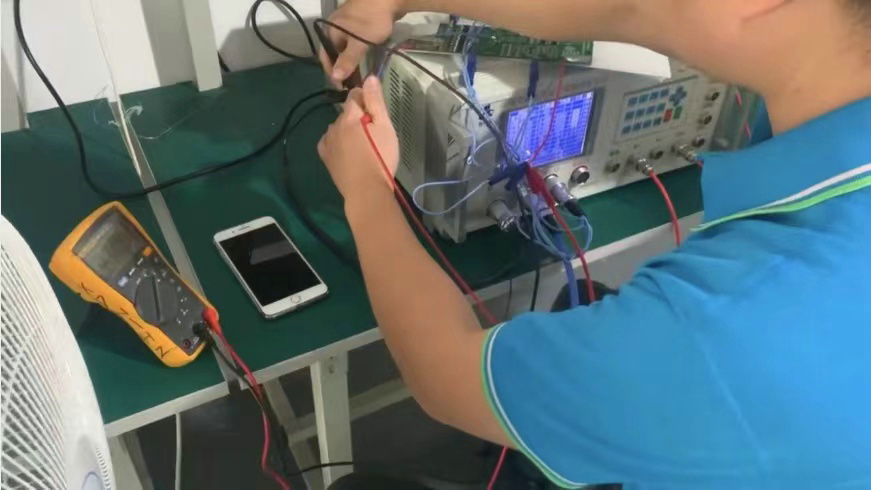
For South Korean buyers, quality is non-negotiable. Guangdong Nuwon Energy operates on a modern Factory 4.0 framework. We don't just assemble battery packs; we execute a strict quality assurance protocol that controls every phase of cell life from raw material verification to advanced cell matching. Below is the breakdown of our key automated production stages that guarantee the longevity and reliability of our battery systems.
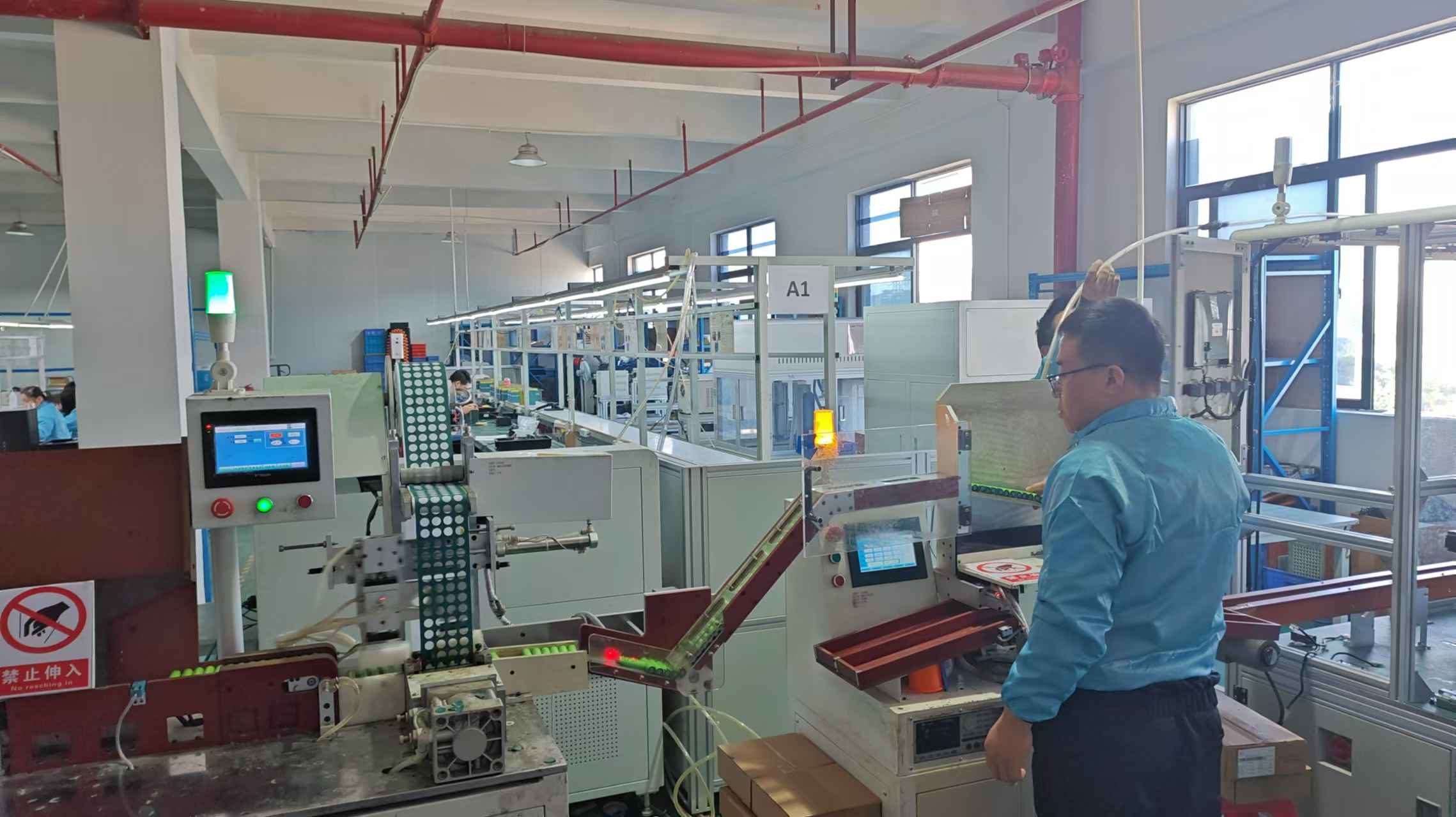
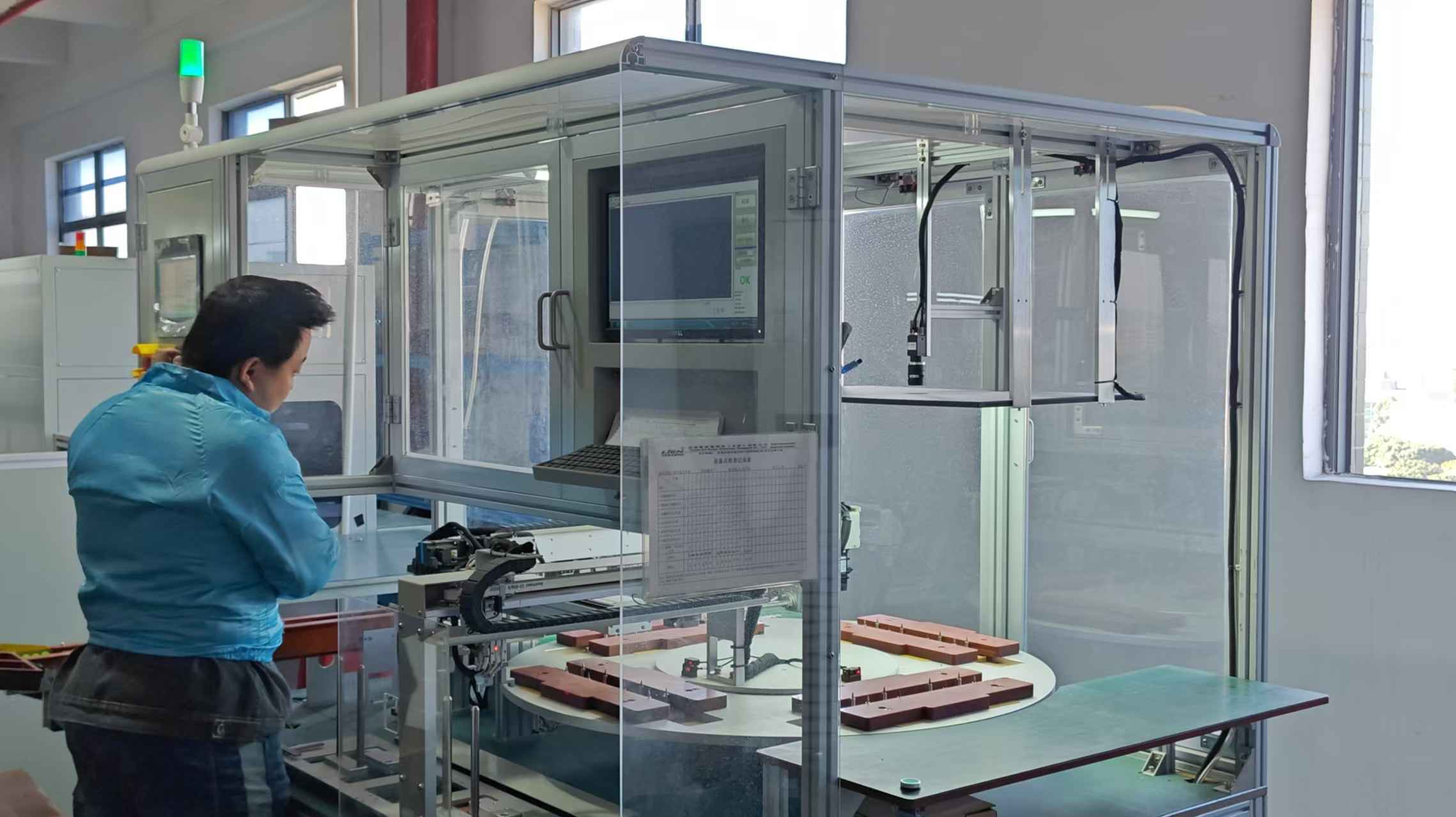
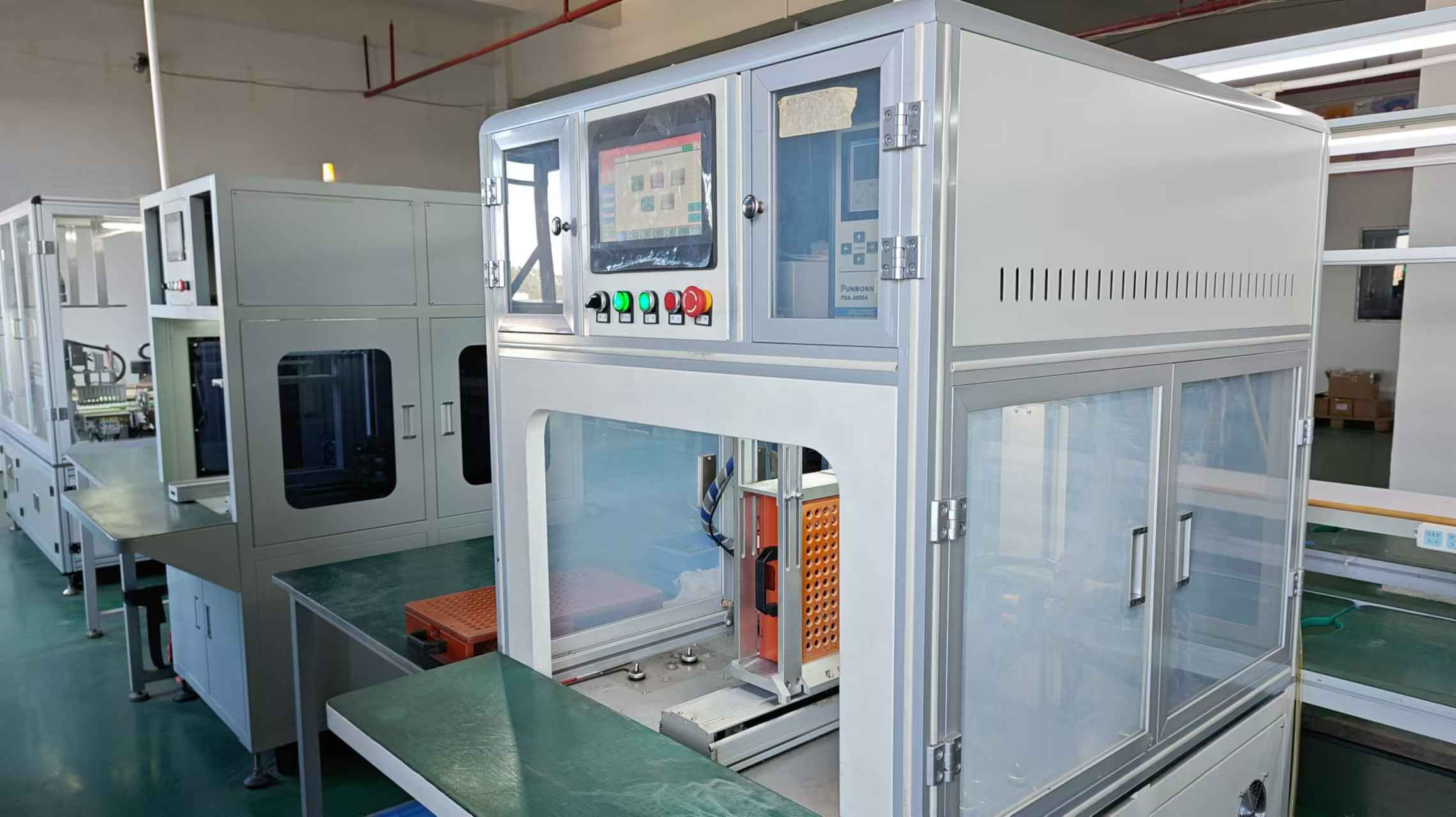
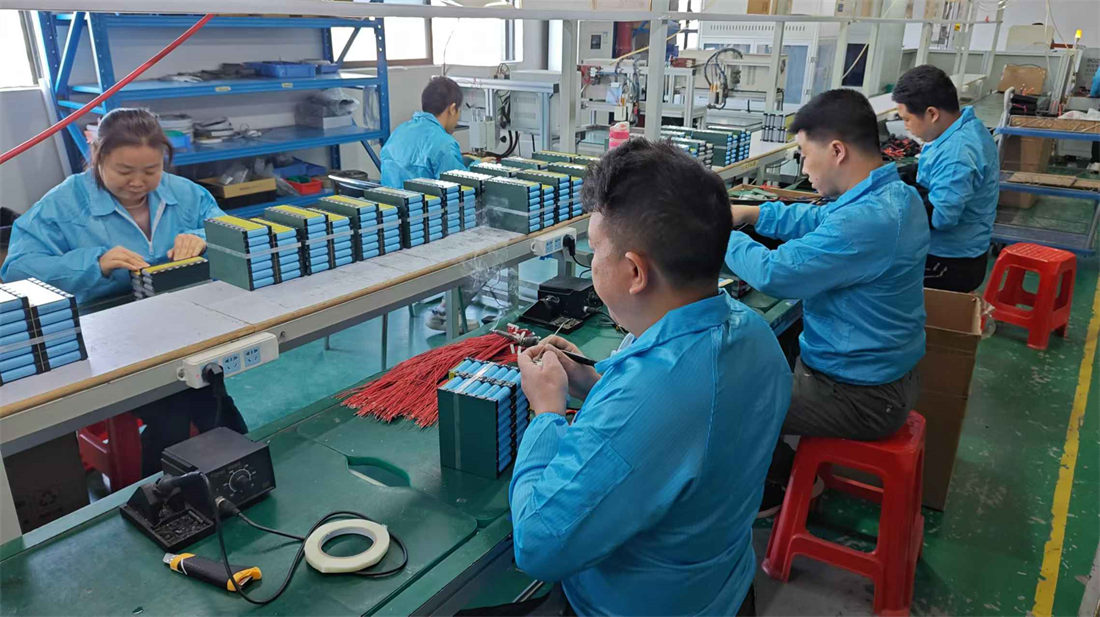
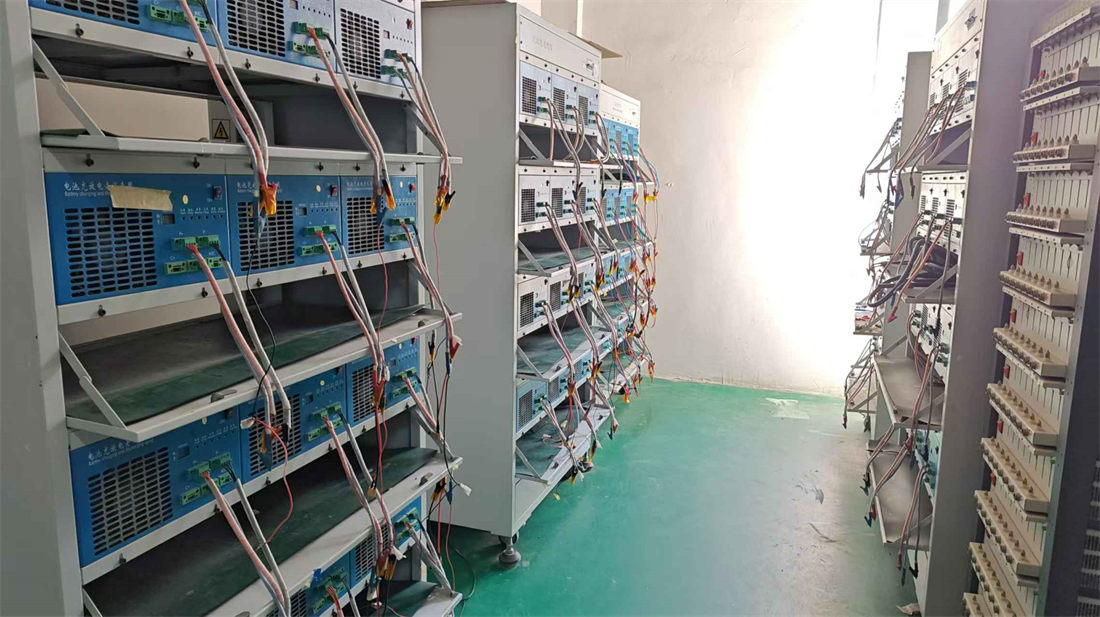
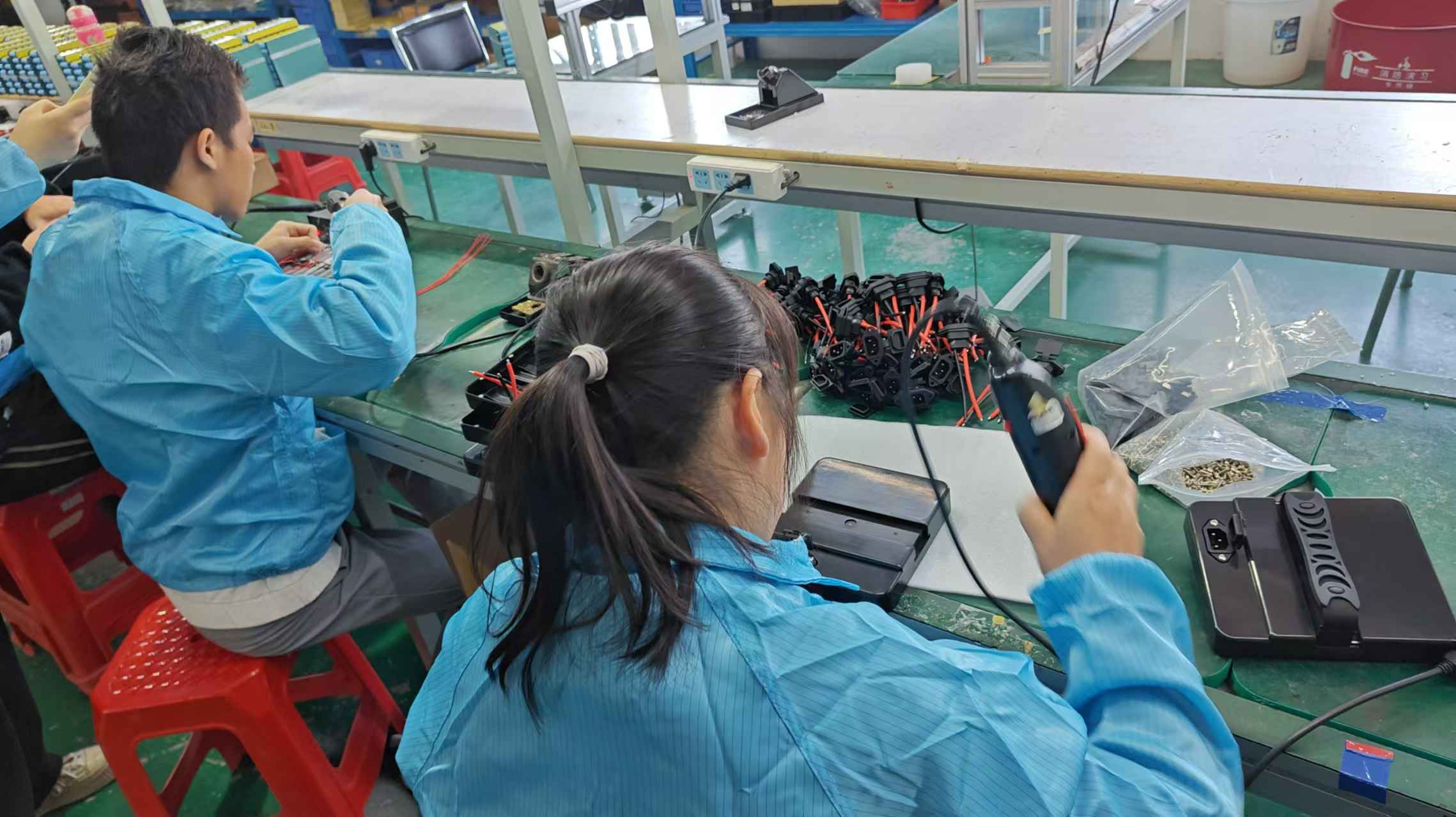
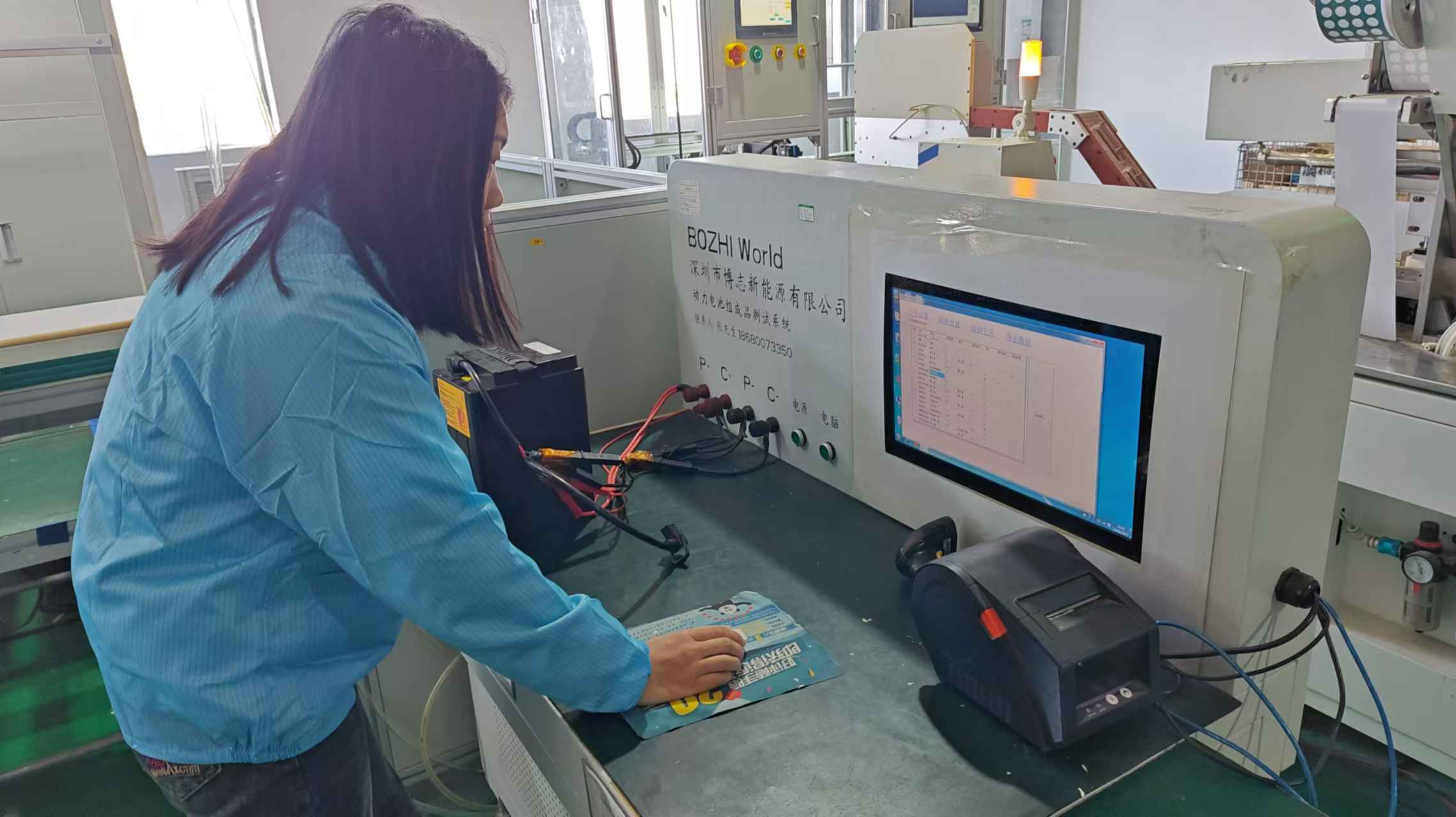
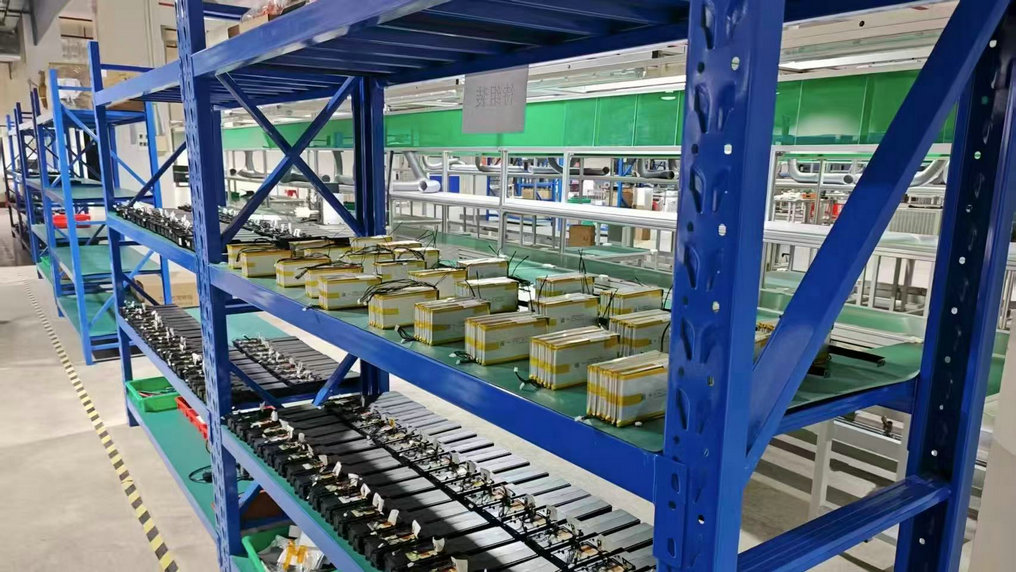
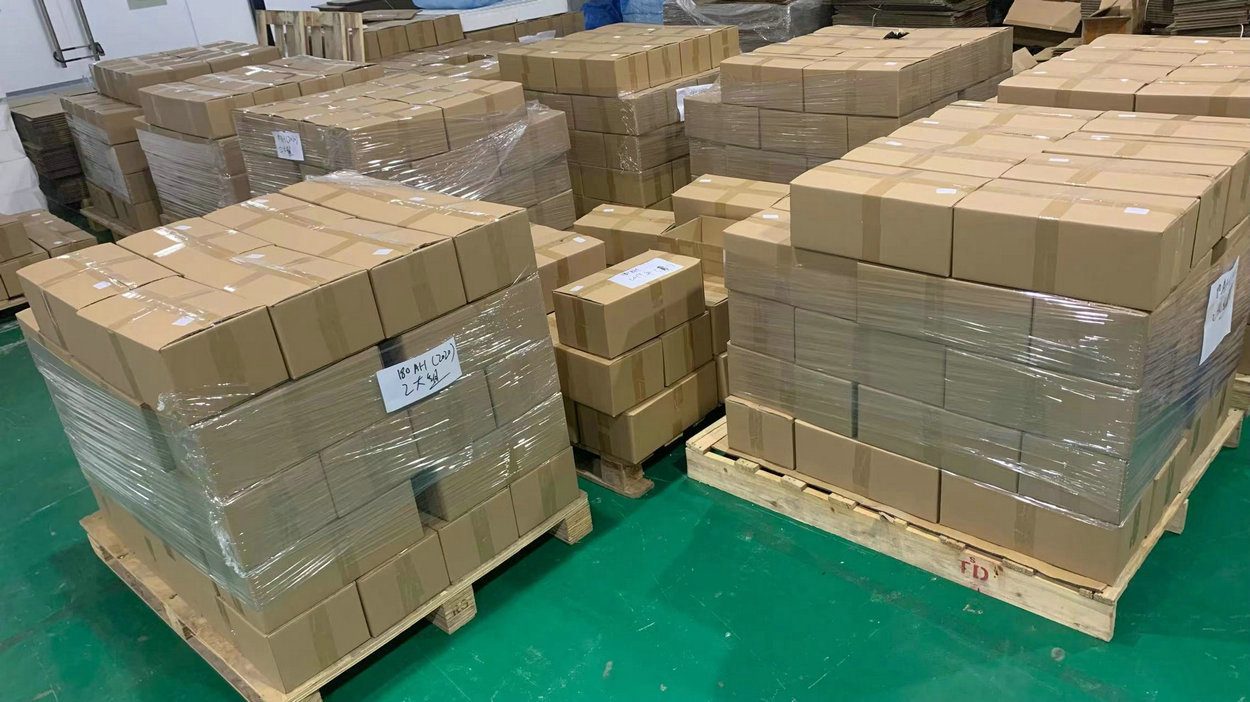
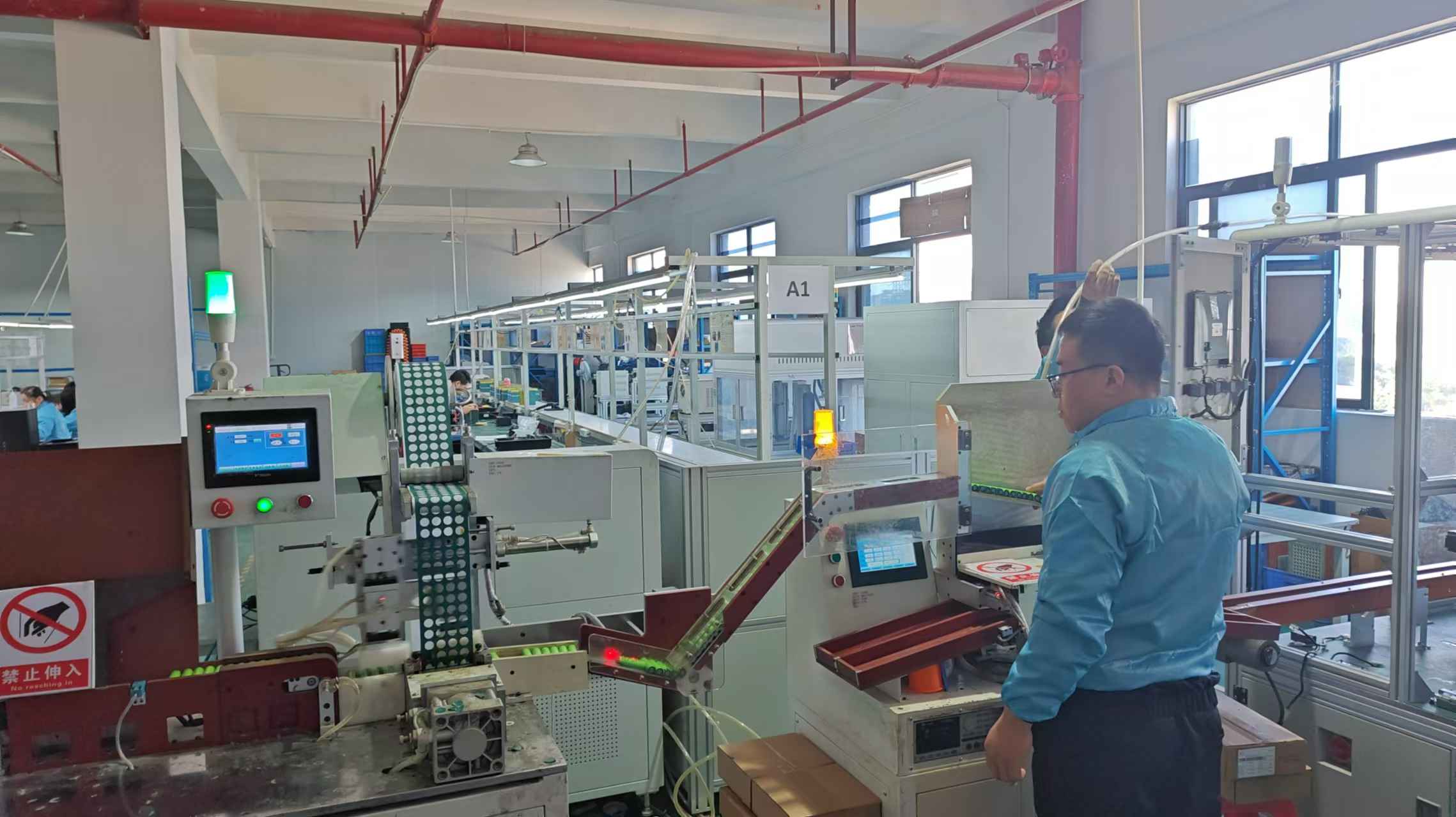
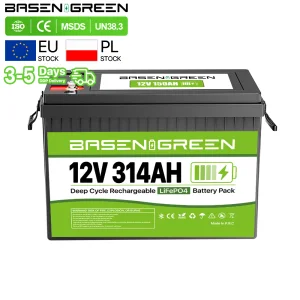
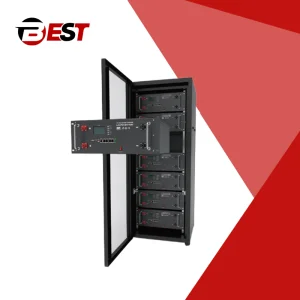
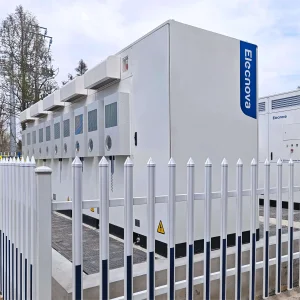
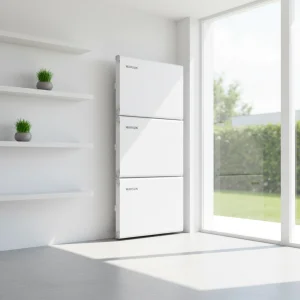
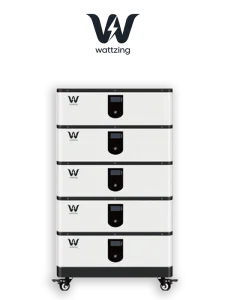
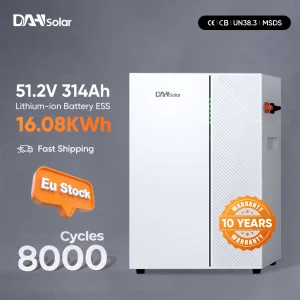
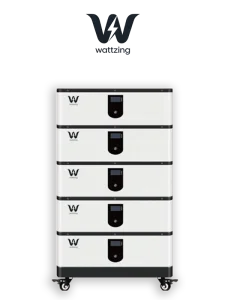
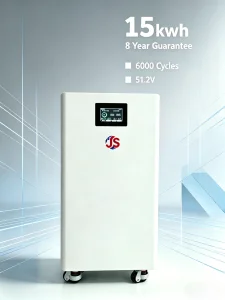
Premium energy storage solutions, wall-mounted packs, and high-capacity battery systems engineered for reliable performance in Seoul.
To successfully integrate foreign-manufactured LiFePO4 solutions into the South Korean grid and commercial systems, system integrators must understand specific technical parameters. Below is a professional procurement matrix detailing essential metrics:
In Seoul’s smart buildings and industrial facilities, batteries do not operate in isolation. They must communicate directly with the local Building Management Systems (BMS) or local Power Conversion Systems (PCS). When choosing custom LFP battery packs from Guangdong Nuwon Energy, our engineers integrate advanced BMS architectures that support multiple protocols:
Seoul experiences severe seasonal temperature drops, sometimes reaching below -10°C in winter. Traditional lithium batteries degrade quickly under cold conditions. Guangdong Nuwon Energy addresses this by offering integrated automatic heating elements within the battery casing. The built-in heating pad draws power from the charger to warm the cells above 0°C before initiating charging, preventing lithium plating and ensuring safe operation even in freezing winter conditions.
Deploying lithium batteries in South Korea requires compliance with the KC 62619 safety standard for Energy Storage Systems. This certification evaluates battery performance under extreme physical and electrical stress, including thermal abuse, over-charging, dropped cell testing, and short circuits. Nuwon Energy works with Tier 1 cell brands that carry these safety certificates, enabling a smooth approval process for local engineering projects.
Key technical and logistics inquiries compiled from our regular B2B partners in the South Korean energy sector.
Yes. We source our base prismatic and cylindrical cells from major manufacturers (CATL, REPT, Hithium, CALB) whose cells are pre-certified with KC 62619. For specialized custom battery modules, our technical team works with you to prepare the documents needed for testing and import approvals in South Korea.
LiFePO4 chemistry naturally experiences reduced charging efficiency below 0°C. For industrial environments in South Korea, we supply custom packs built with internal BMS-controlled heating systems. The heater automatically keeps cell temperatures at optimal ranges, preventing cell degradation in winter.
Thanks to our factory's location in Guangdong, we have streamlined logistics routes to South Korea. Once manufacturing is complete, transit from Shenzhen/Guangzhou ports to the Port of Incheon or Port of Busan typically takes between 7 to 12 days, depending on sea freight schedules.
Yes. Our custom BMS systems can be flashed with communication protocols that match leading global and South Korean inverters and PCS brands. We configure CANbus and RS485 settings to integrate with your existing power conversion systems.
Safety is the primary advantage. LFP cells do not release oxygen during high-temperature structural breakdown, minimizing the risk of fire propagation in indoor spaces. Additionally, LFP batteries offer up to 6,000 charge cycles compared to typical NCM packs, which yield between 1,000 and 2,000 cycles, providing a lower total cost of ownership.
Connect with our expert engineering team to discuss custom sizing, smart BMS configurations, and logistics support to Seoul.
Send Inquiry Now Nuwon Energy