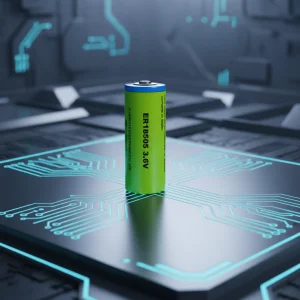
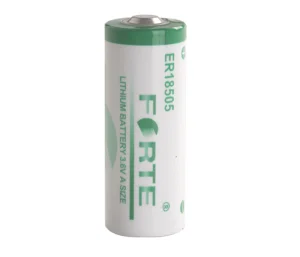
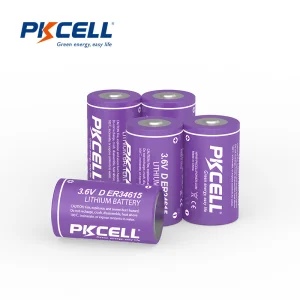
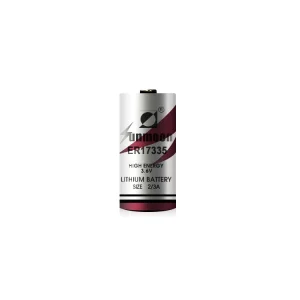
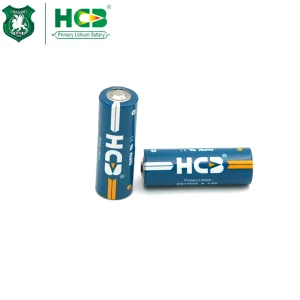
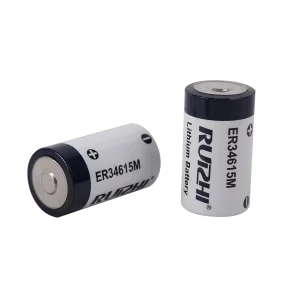
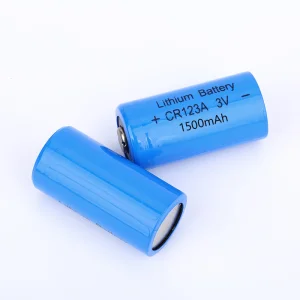
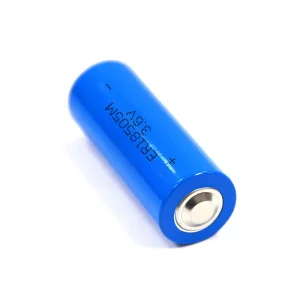
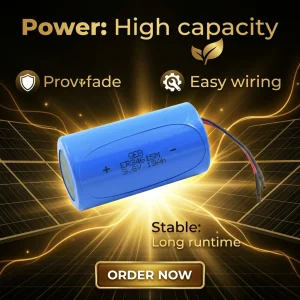
Specifically curated high-capacity cells tailored for rugged operational environments in Dublin, Cork, Galway, and regional Irish infrastructure setups.
Lithium Thionyl Chloride (Li-SOCl2) battery chemistry represents the pinnacle of primary (non-rechargeable) battery technologies, boasting the highest energy density (up to 700 Wh/kg) and operating voltage stability of 3.6V. For industrial operators and utility managers in Ireland, these cells are crucial for long-term deployments where frequent maintenance or cell replacement is financially or logistically prohibitive.
In Ireland, where temperature fluctuations can range from freezing coastal winds to mild damp conditions, stability is key. Systems like municipal water telemetry, offshore marine trackers, agricultural monitoring, and gas pipe flow-meters require power sources that do not fail at -20°C and maintain a minimal self-discharge rate (typically less than 1% per year at room temperature). This reliability is achieved through a dynamic electrochemical process that forms a microscopic protective passivation layer on the lithium anode, preserving internal chemical reserves for up to 15 to 20 years.
| Parameter | Li-SOCl2 Wafer / Cylindrical | Li-MnO2 (Lithium Manganese) | Alkaline Industrial Cells |
|---|---|---|---|
| Nominal Voltage | 3.6 V (highly stable discharge curve) | 3.0 V (gradual voltage drop) | 1.5 V (rapid discharge drop) |
| Energy Density | Up to 700 Wh/kg | Approx. 330 Wh/kg | Approx. 120 Wh/kg |
| Self-Discharge Rate | < 1% per annum at 20°C | Approx. 1-2% per annum | > 5-10% per annum |
| Operating Temperature | -55°C to +85°C (specialized up to +150°C) | -40°C to +60°C | -10°C to +50°C |
| Expected Service Life | 10 to 20 Years | 5 to 10 Years | 1 to 3 Years |
Ireland has established itself as one of the world's leading high-tech hubs, hosting major European operations for global pharmaceutical firms, medical device manufacturers, and software giants. This concentration of advanced industries driving towards automated operations requires specialized energy solutions.
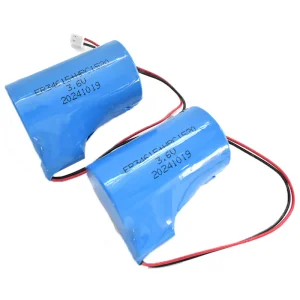
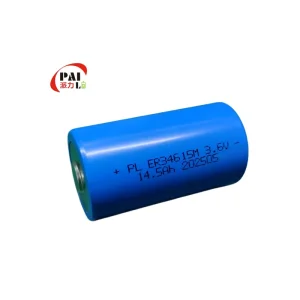
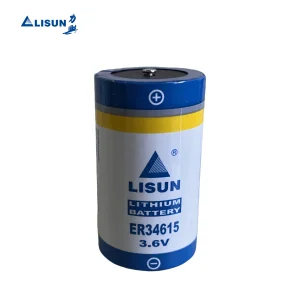
Ireland’s utility agencies, including Irish Water, are continuously updating metering technology to monitor and control resource usage remotely. Because these smart meters are often placed in subterranean pits or outdoor casings, they rely heavily on high-capacity D-size cells, such as the ER34615 19Ah battery, to handle daily telemetry transmissions over LPWAN networks without battery maintenance for 15+ years.
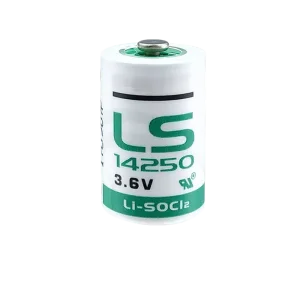
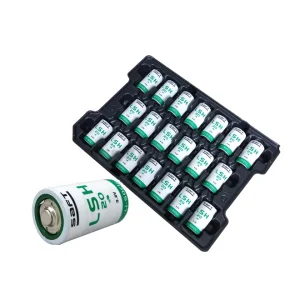
The extensive pharmaceutical cluster in regions like Cork and Galway requires automated temperature logging throughout shipping and storage phases. Small wafer-style or 1/2 AA Li-SOCl2 batteries (like the LS14250) power these smart loggers, ensuring critical temperature data is recorded even under deep sub-zero vaccine storage conditions.
With Ireland's strong agricultural sector, the deployment of smart pasture sensors, soil trackers, and automated feeding systems has increased. Environmental agencies also utilize remote river level sensors to monitor flooding. These devices are exposed to variable weather conditions, making long-lasting Li-SOCl2 batteries a key component for continuous operation.
From monitoring cargo integrity along national transport routes (M50, M8) to marine asset tracking off the Atlantic coast, Irish logistics companies implement high-durability tracking devices that utilize Li-SOCl2 cells to maintain GPS and GPRS connectivity over years of remote operation.
Guangdong Nuwon Energy Co., Ltd. is an established manufacturer and solution provider specializing in advanced battery systems. Our operations focus on the research, development, manufacturing, and global distribution of high-performance energy storage products. The company offers comprehensive OEM and ODM services, delivering customized battery solutions tailored to diverse industrial and commercial applications.
Backed by a highly experienced engineering and R&D team, Nuwon Energy designs and integrates cylindrical and prismatic lithium battery cells, as well as complete battery packs, modules, and energy storage systems. The company also develops and produces industrial-grade battery cells engineered for safety, durability, and long cycle life.
Guangdong Nuwon Energy serves a wide range of industries, including consumer electronics, electric mobility (such as golf carts, forklifts, UTVs/ATVs, trucks, and marine systems), medical equipment, unmanned ground vehicles (AGVs/AMRs), and emerging aerospace applications. In addition, the company provides reliable residential, commercial, and industrial (C&I) energy storage solutions designed to support the global transition toward clean and sustainable energy.
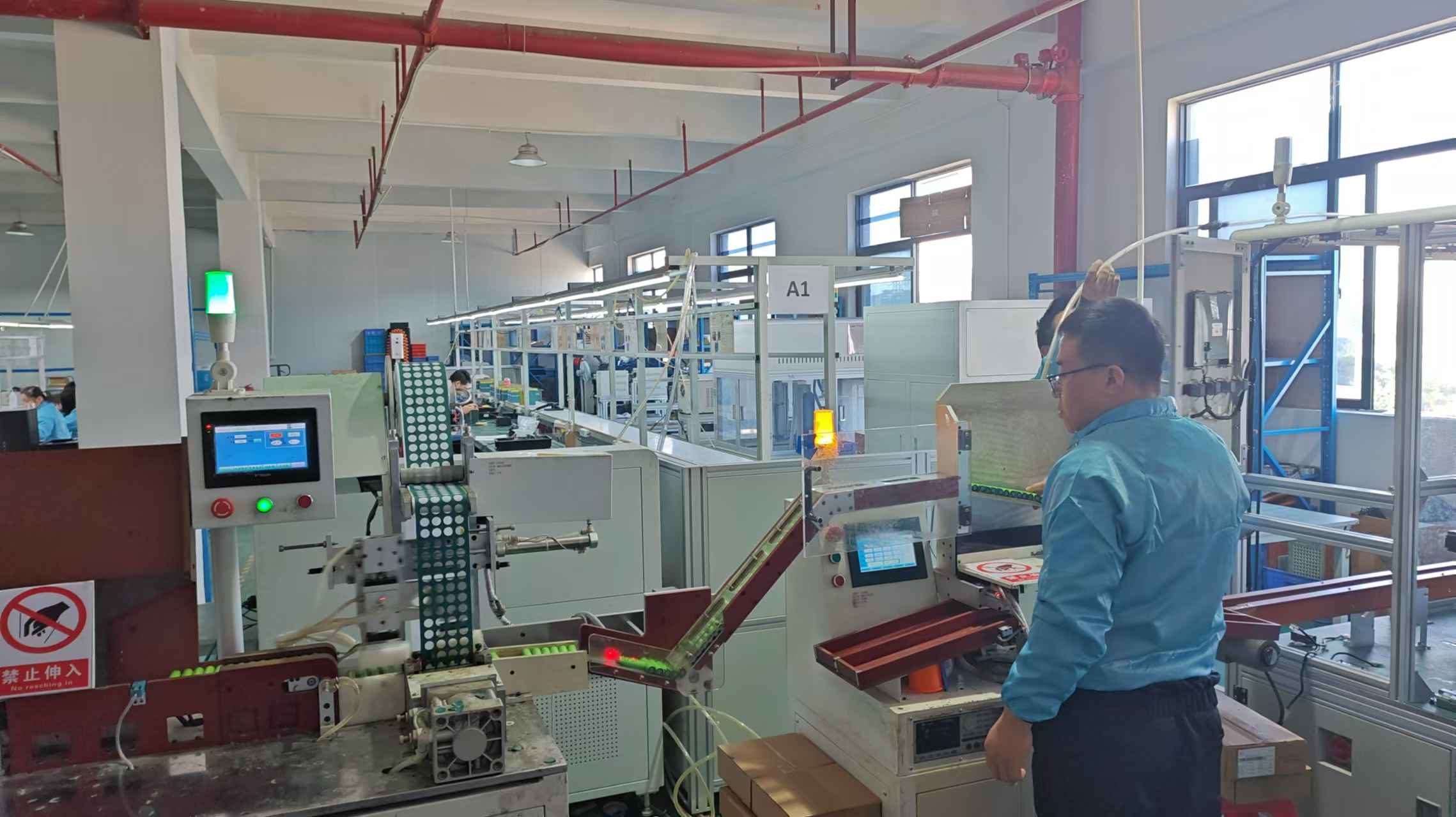
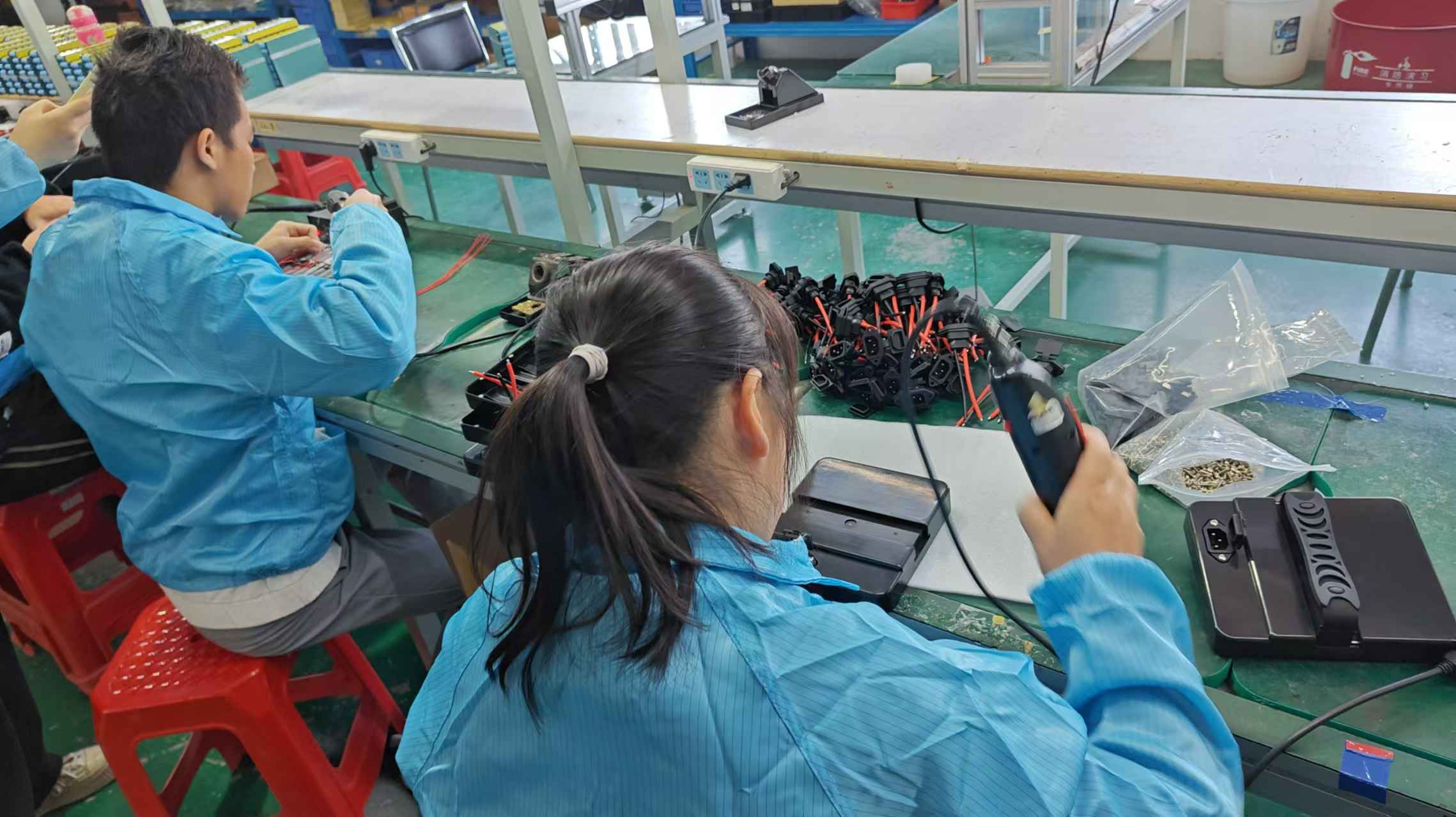
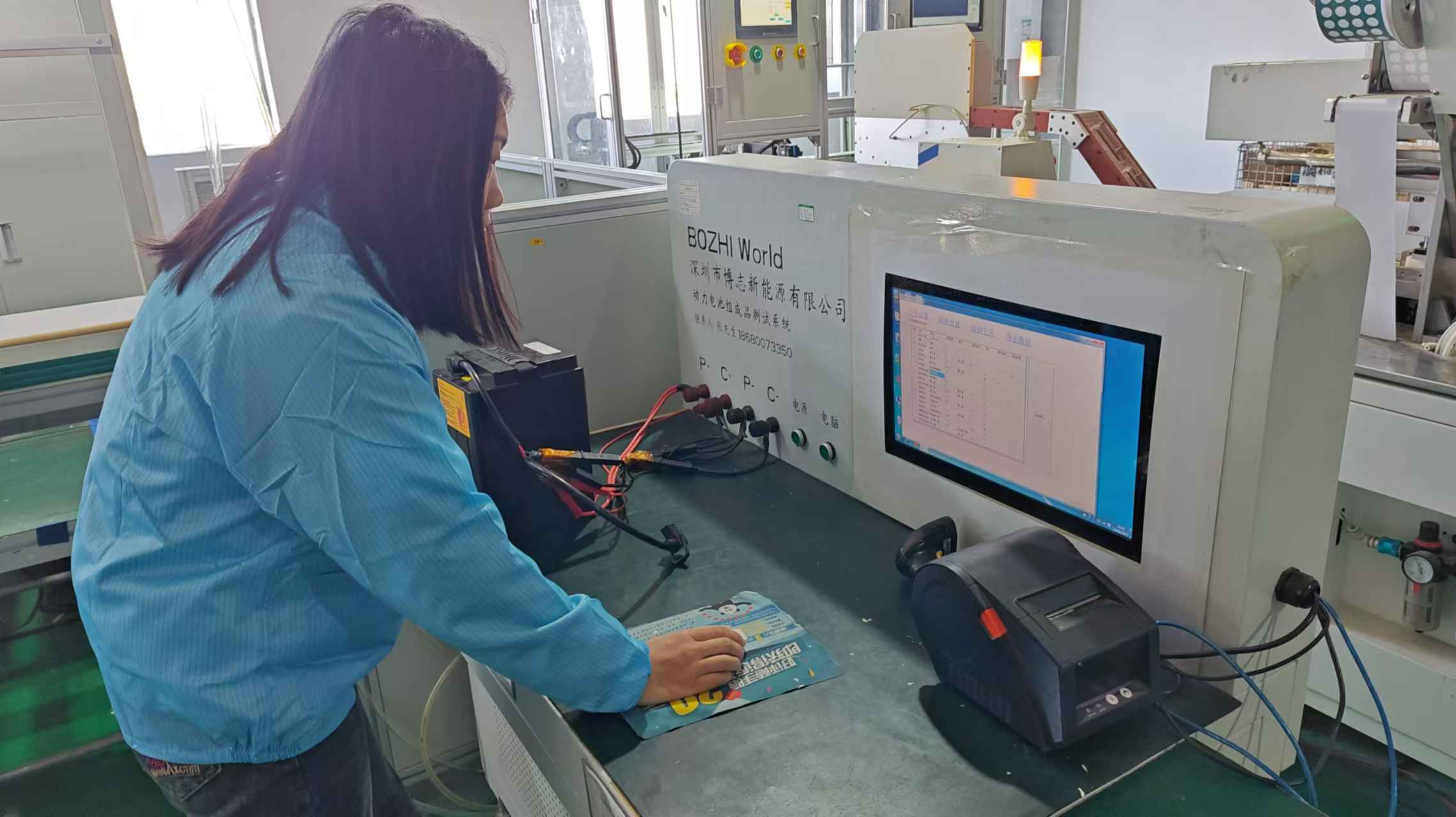
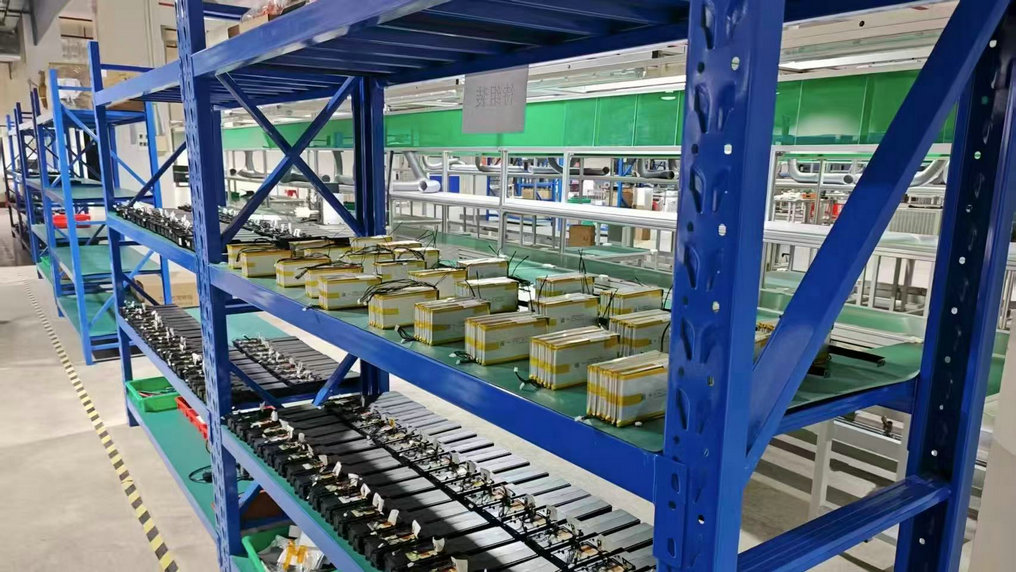
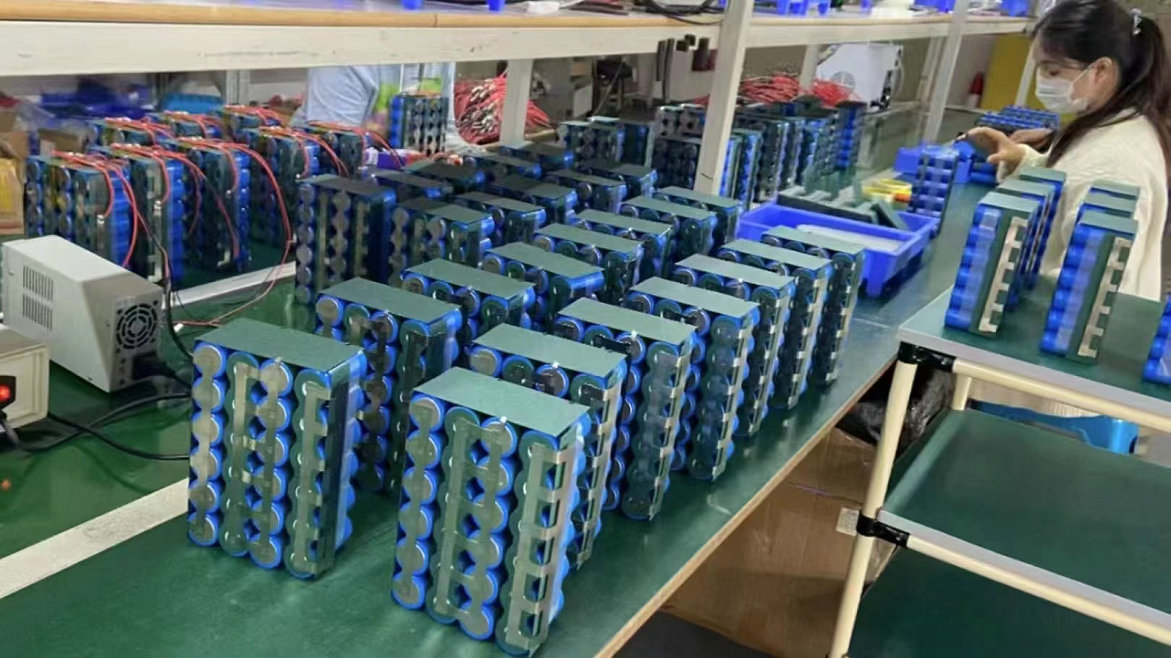
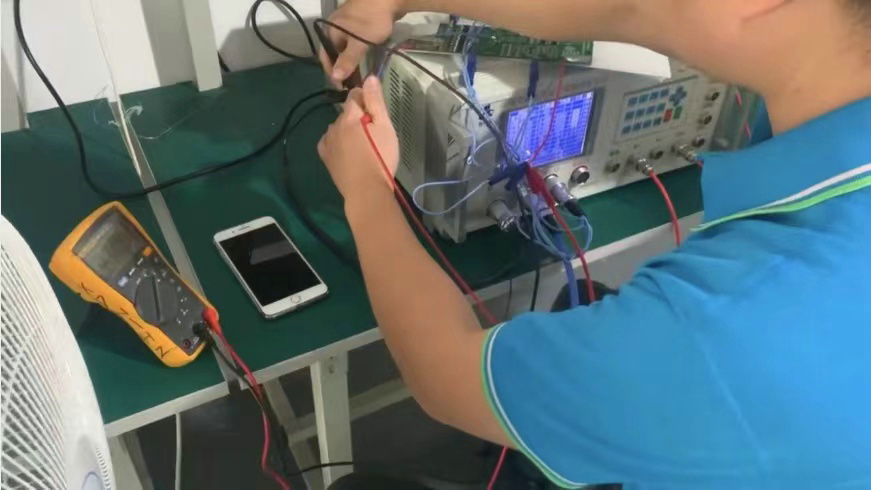
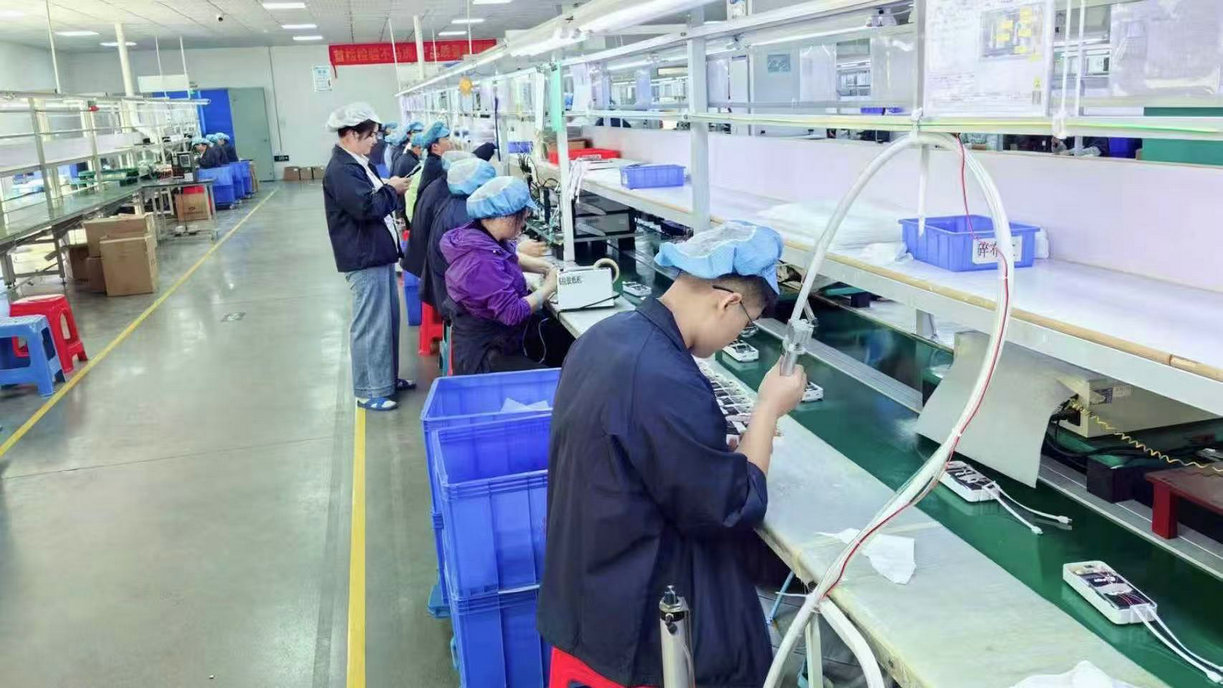
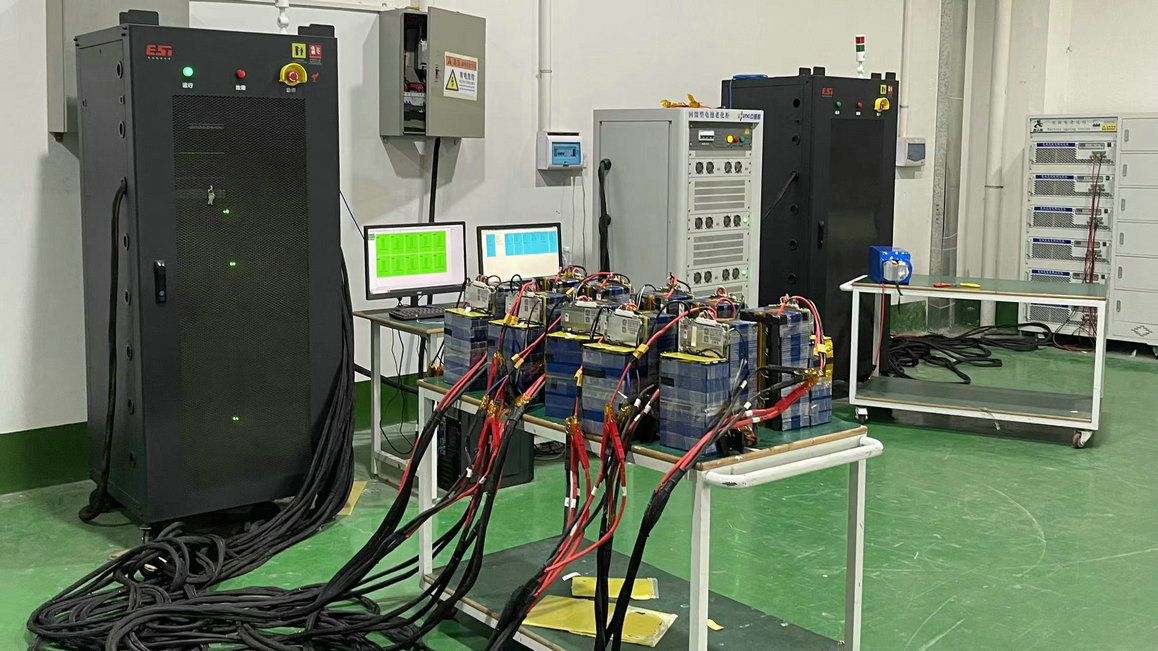
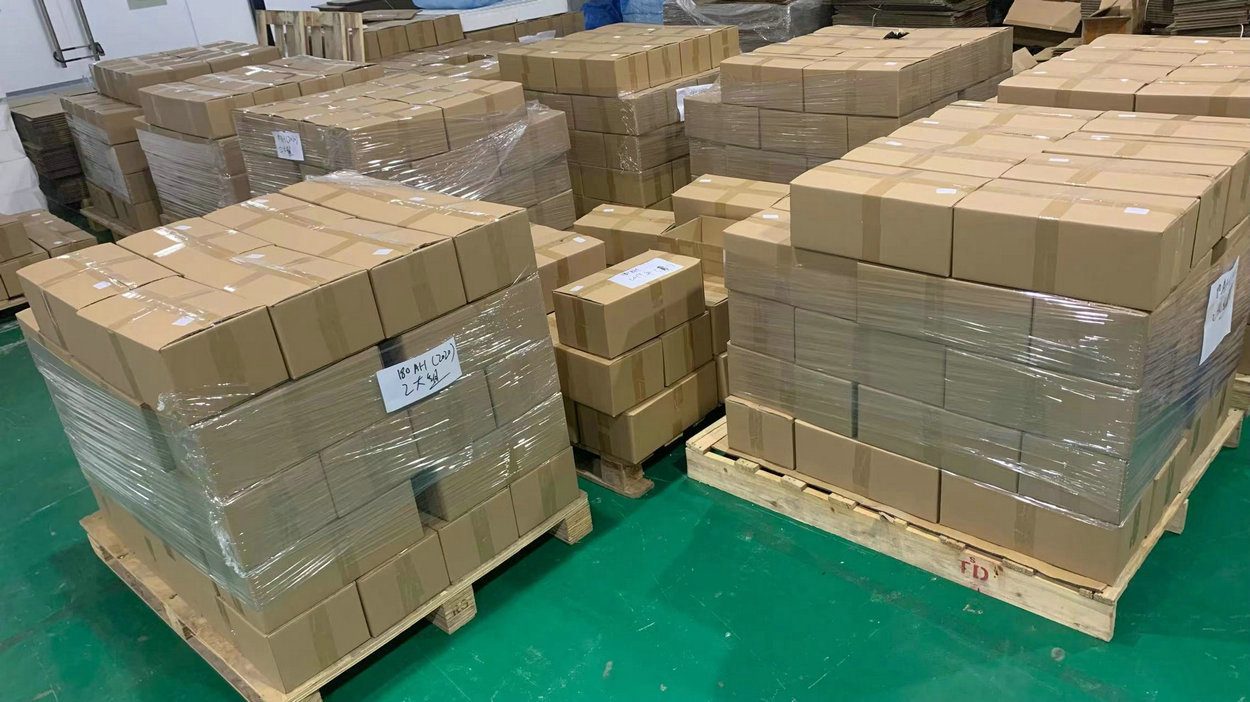
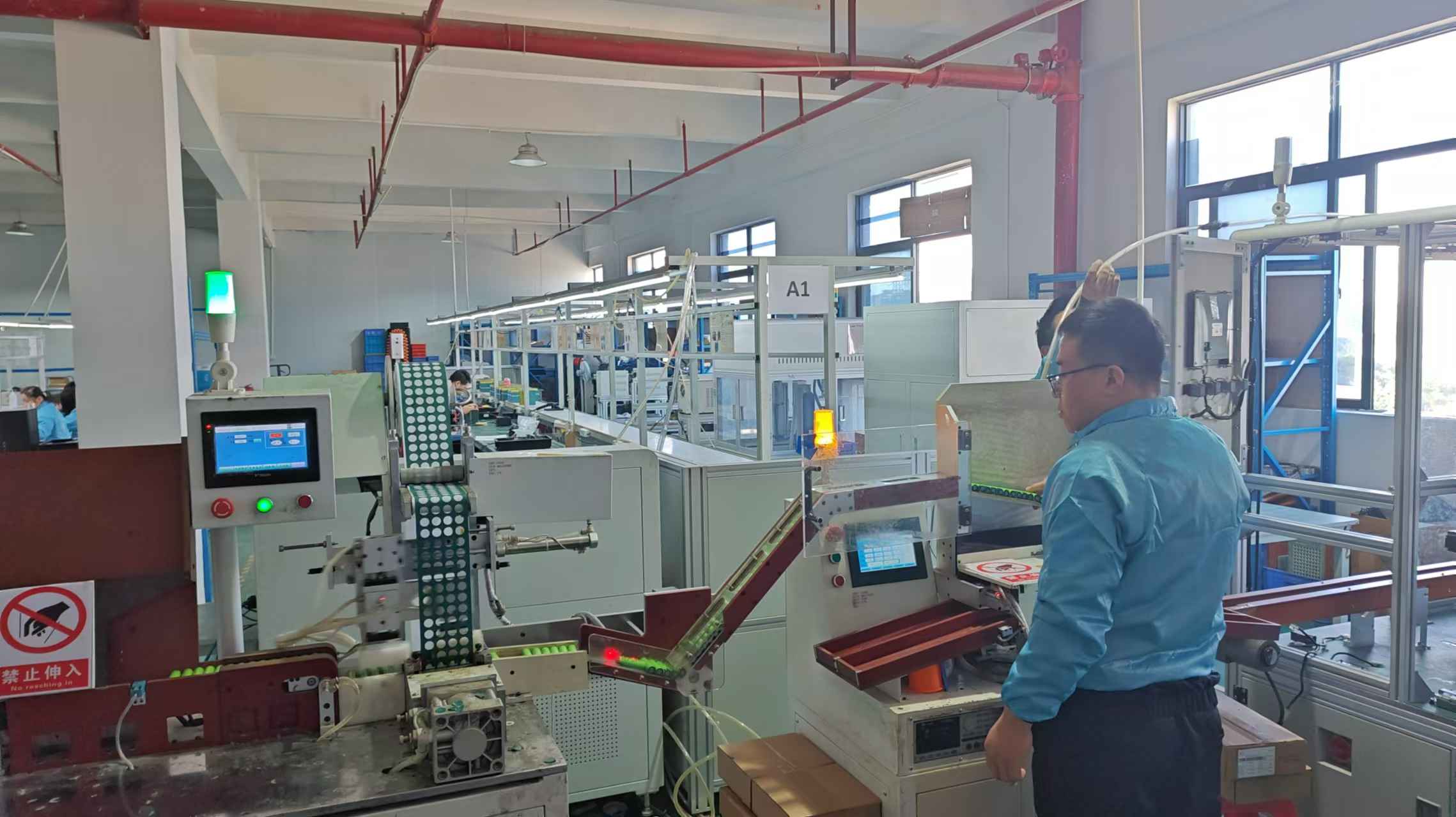
To ensure reliability for our Irish and international partners, Guangdong Nuwon Energy adheres to strict quality management standards. From raw materials testing to final aging verification, our workflow is designed to prevent performance degradation and maximize cell lifetime.
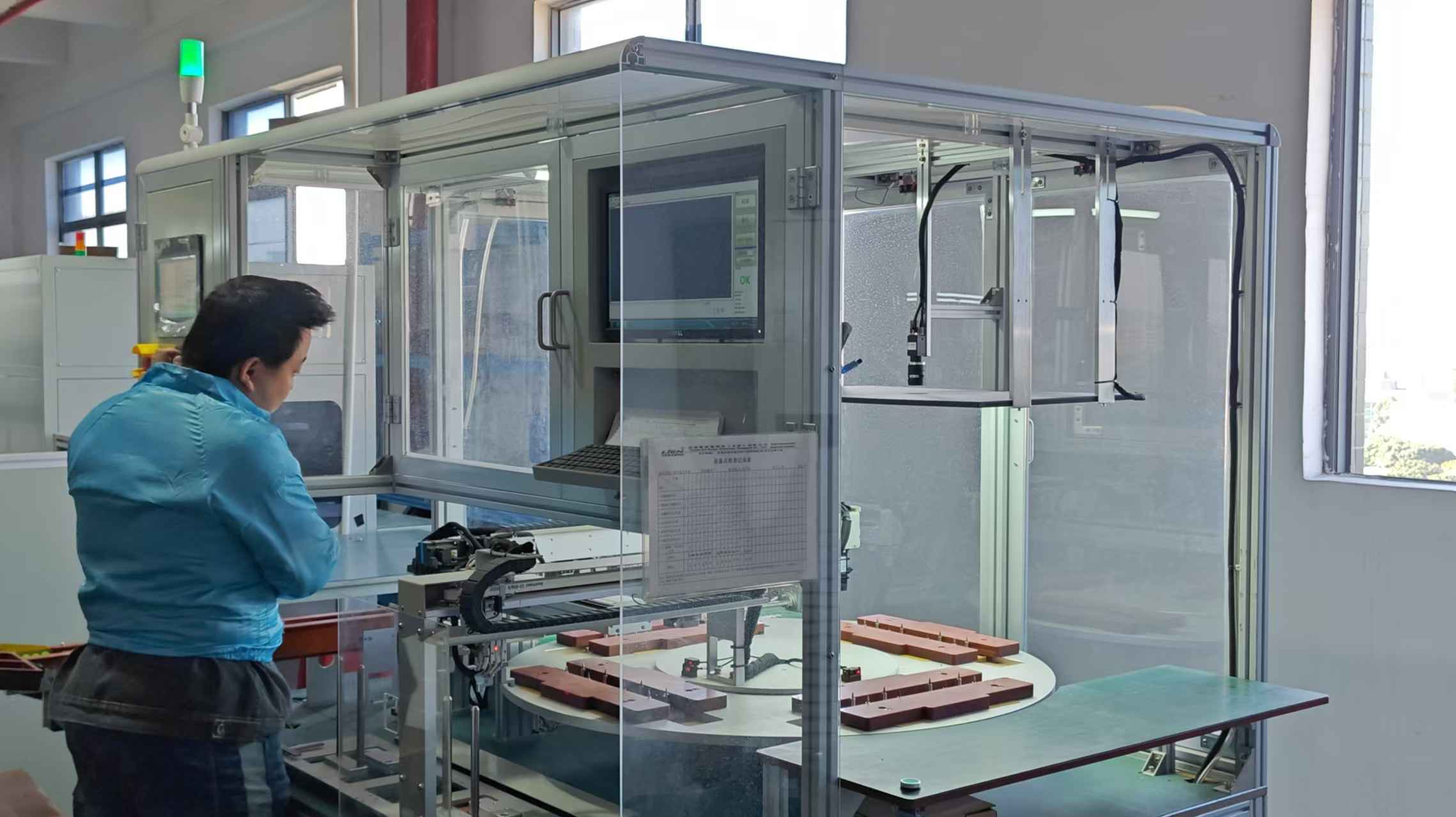
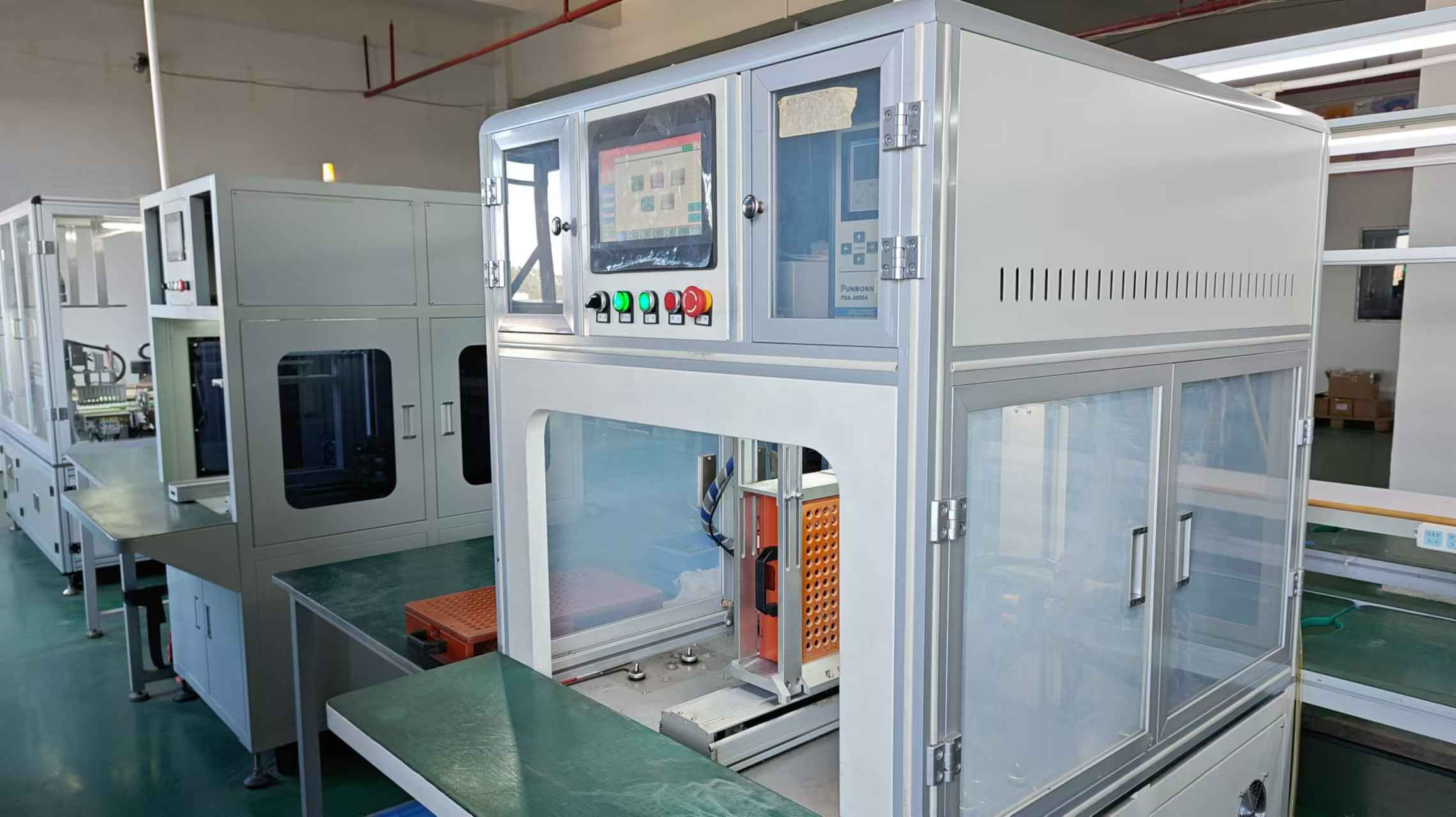
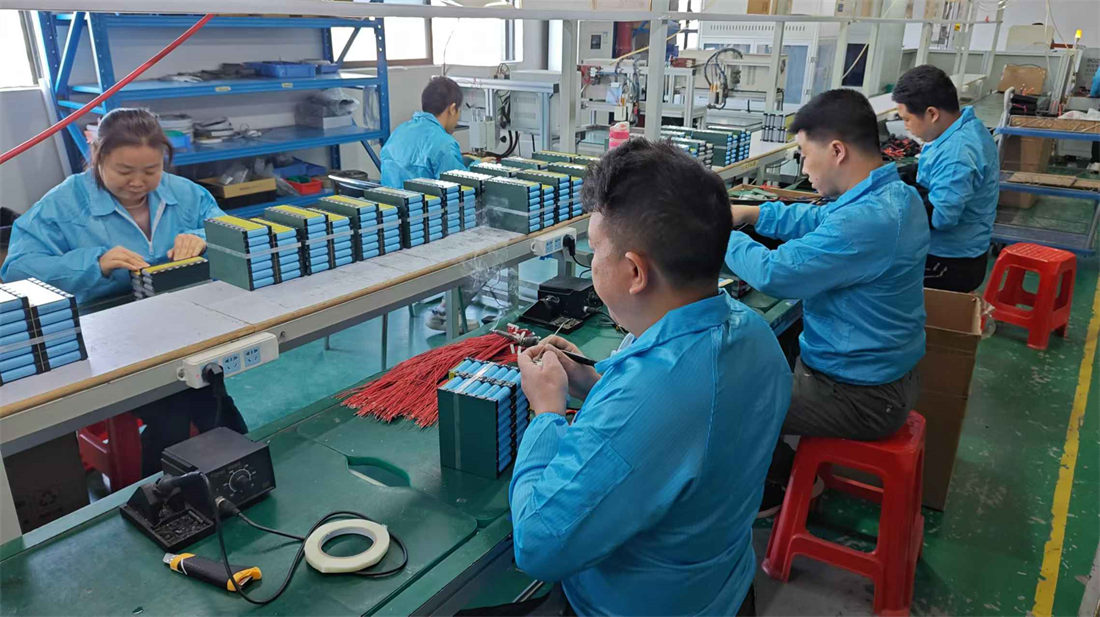
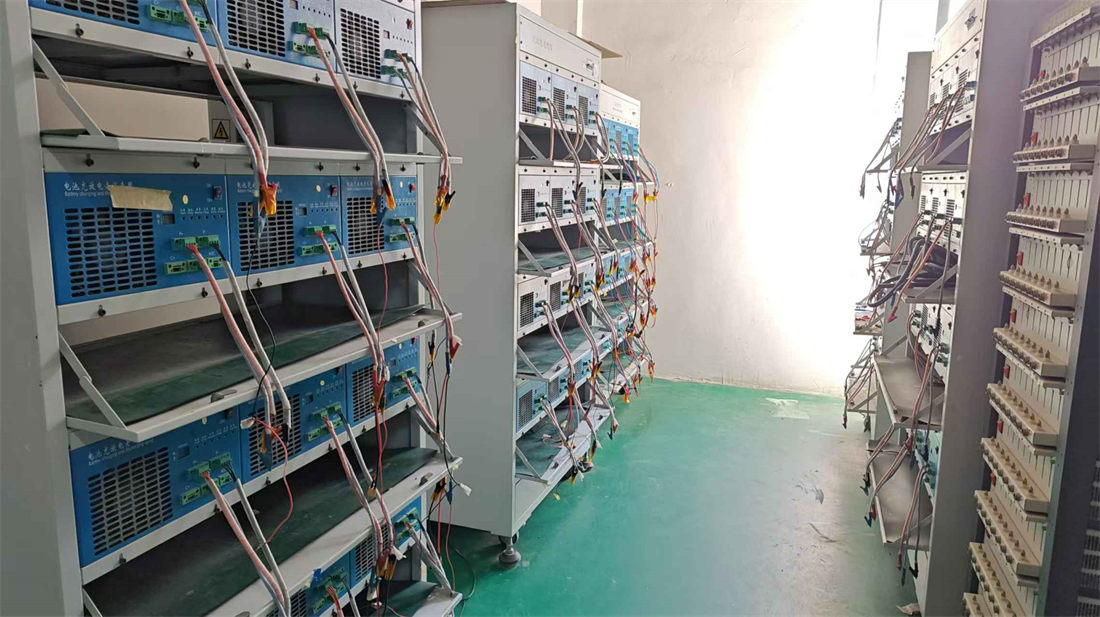
Importing high-capacity lithium primary batteries into the European Union and specifically Ireland (via ports in Dublin or Shannon) requires compliance with strict safety and environmental standards. Nuwon Energy is structured to manage these compliance requirements seamlessly for our Irish customers.
Lithium Thionyl Chloride batteries are classified as Class 9 Dangerous Goods. We provide complete UN38.3 test summaries, Material Safety Data Sheets (MSDS), and secure transport packaging. We coordinate shipping via major global carriers directly to Irish warehouses.
All our battery products conform strictly to the EU RoHS (Restriction of Hazardous Substances) Directive and the REACH chemical framework, ensuring they are approved for deployment in European industrial environments and smart grid devices.
We support Irish importers in complying with the WEEE (Waste Electrical and Electronic Equipment) and European Battery Directives, providing technical documentation to facilitate end-of-life recycling paths.
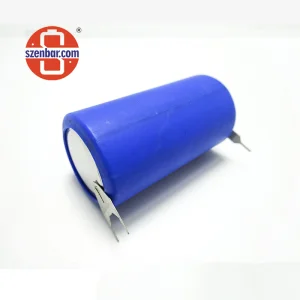
Browse our range of standard and specialized Lithium Thionyl Chloride batteries. Custom terminal configurations, wire leads, and pulse capacitor (SPC/HLC) integrations are available for OEM projects in Ireland.
Passivation is a natural chemical reaction in Lithium Thionyl Chloride batteries that forms a thin film of lithium chloride (LiCl) on the surface of the lithium anode. While this layer prevents self-discharge and extends shelf life to over a decade, it can cause transient voltage drops when a device first draws a heavy load.
When a smart water meter wakes up to transmit data, it demands a pulse current (typically 100mA to 200mA). If the passivation layer is thick, the voltage may drop below the device’s cutoff limit before recovering. This can cause the device to reset or display a false battery low alert.
To manage this, we can integrate high-rate pulse capacitors (like Super Pulse Capacitors or Hybrid Layer Capacitors) in parallel with standard bobbin-type cells. The battery continuously charges the capacitor at a low current, and the capacitor supplies the high pulse current required for wireless transmission, bypassing the passivation delay.
Common technical questions regarding the sourcing, operation, and logistics of Lithium Thionyl Chloride batteries for Irish industrial environments.
 Nuwon Energy