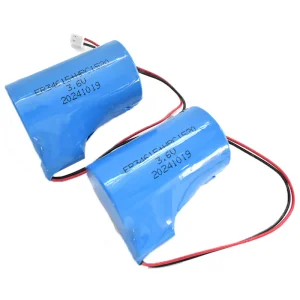
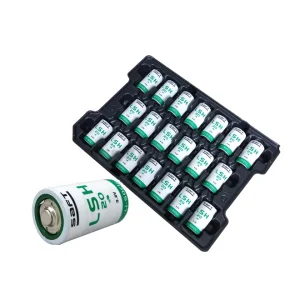
Engineered for high-humidity smart metering deployments, featuring optimal voltage response, low self-discharge rates, and decadal durability.
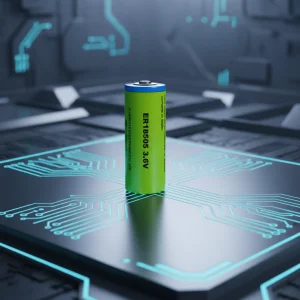
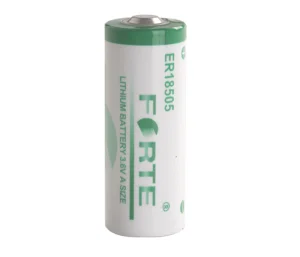
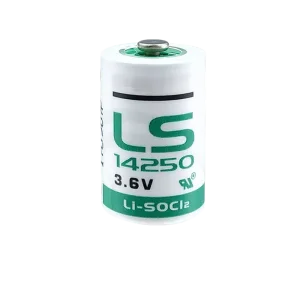
Analyzing the performance profile of Lithium Thionyl Chloride wafer and cylindrical cells for long-term utility deployments.
Maintains a flat discharge curve of 3.6V throughout 90% of its operating life cycle, essential for sensor calibration accuracy.
Hermetic glass-to-metal sealing limits moisture ingress, keeping the self-discharge rate below 1% per annum at room temperature.
Performs consistently from arctic conditions (-55°C) to high-temperature industrial environments (+85°C) common in heavy machinery.
Lithium Thionyl Chloride (Li-SOCl2) chemistry provides the highest energy density among primary (non-rechargeable) lithium battery formulations. Featuring a liquid cathode composed of thionyl chloride and a solid lithium anode, these cells achieve a high open-circuit voltage of 3.6V to 3.67V. Their high energy density results from the high oxidation state of the reactants and the compact, lightweight structure of the lithium active material.
The system's longevity is enabled by a process known as passivation. A thin, protective film of lithium chloride (LiCl) forms on the surface of the lithium anode immediately upon contact with the electrolyte. This layer acts as a physical barrier that prevents direct chemical reactions between the anode and cathode, reducing the cell's self-discharge rate. However, when a load is applied, this passivation layer can cause a transient voltage dip—commonly referred to as "voltage delay." In pulse-heavy applications like NB-IoT, LoRaWAN, and cellular telemetry, balancing this passivation layer through advanced electrolyte formulation and structure design (bobbin vs. spiral vs. wafer) is critical for system operation.
Engineering Distinction (Bobbin vs. Wafer vs. Spiral Structure): Bobbin construction features a single block of active material, maximizing capacity for long-term low-drain operations. Spiral-wound cells utilize rolled electrodes to maximize surface area, facilitating high pulse currents. Wafer cells offer a balance, providing high energy density in a compact form factor for space-constrained electronics.
Explores how regional energy distribution, utility updates, and commercial hubs drive the demand for high-capacity Li-SOCl2 solutions.
As India’s financial center and a major industrial hub, the Mumbai Metropolitan Region (MMR) is undergoing a significant digital transformation. Leading power distribution companies like BEST (Brihanmumbai Electric Supply and Transport), Tata Power, Adani Electricity, and MSEDCL are upgrading municipal networks to Advanced Metering Infrastructure (AMI). Under the national Revamped Distribution Sector Scheme (RDSS), millions of conventional meters in Thane, Belapur, Navi Mumbai, and South Mumbai are being replaced with smart, prepaid meters.
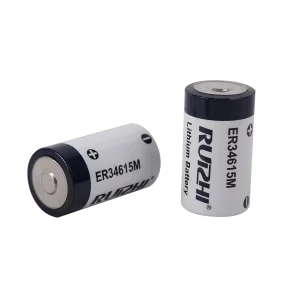
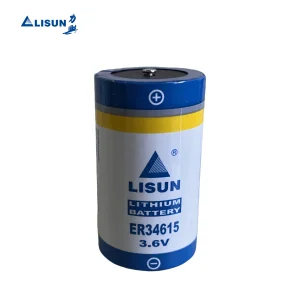
This massive utility upgrade relies on stable long-term power sources. Smart water, gas, and electricity meters are typically designed for field lifespans of 10 to 15 years without battery replacement, helping utility companies reduce operational overhead. Lithium Thionyl Chloride batteries, including wafer and cylindrical styles like the ER14250, ER18505, and ER34615, provide the high energy density and low self-discharge rates required to support these systems.
Additionally, the humid coastal climate of Mumbai and adjacent industrial areas like the Taloja and Kalyan-Dombivli zones introduces environmental challenges. High humidity and seasonal temperature changes can accelerate battery self-discharge and degrade materials. Industrial-grade Li-SOCl2 cells with hermetic laser welding and robust glass-to-metal sealing help protect internal components from moisture, ensuring consistent operation and minimal capacity loss over extended periods.
How our automated manufacturing infrastructure ensures quality, traceability, and prompt delivery from China to Mumbai (JNPT / Mumbai Port).
Guangdong Nuwon Energy Co., Ltd. is an advanced battery manufacturer specializing in the development, assembly, and global distribution of high-performance energy storage solutions. We offer comprehensive OEM and ODM services, supplying customized primary lithium battery configurations and multi-cell packs to meet the needs of diverse industrial projects.
Our engineering and R&D teams focus on integrating cylindrical, prismatic, and wafer lithium battery cells into highly reliable configurations. Our automated manufacturing facility utilizes advanced production lines and testing protocols to ensure cell uniformity, minimize self-discharge, and prevent leakage. Below is an overview of our key assembly, quality control, and testing procedures:
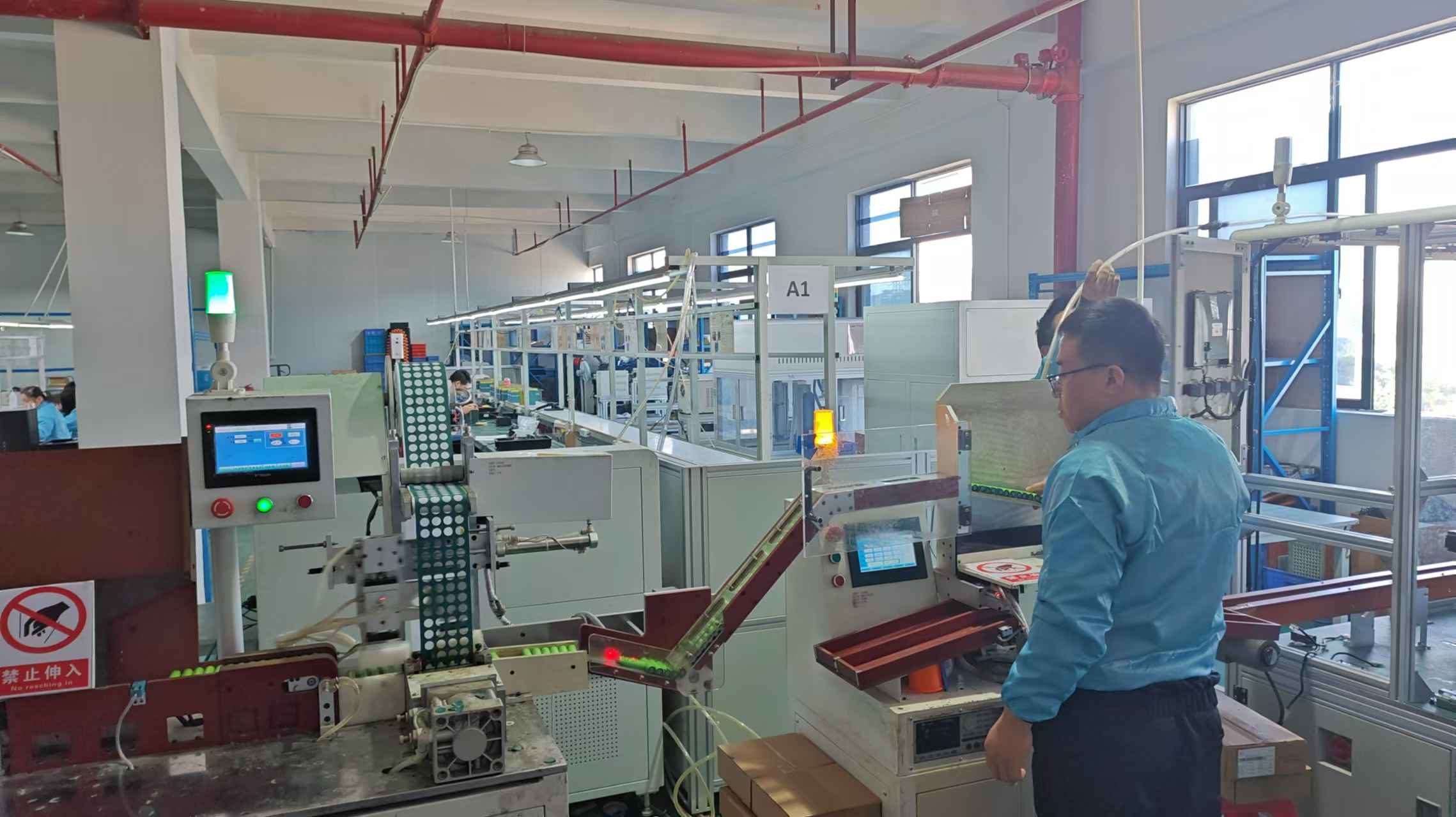
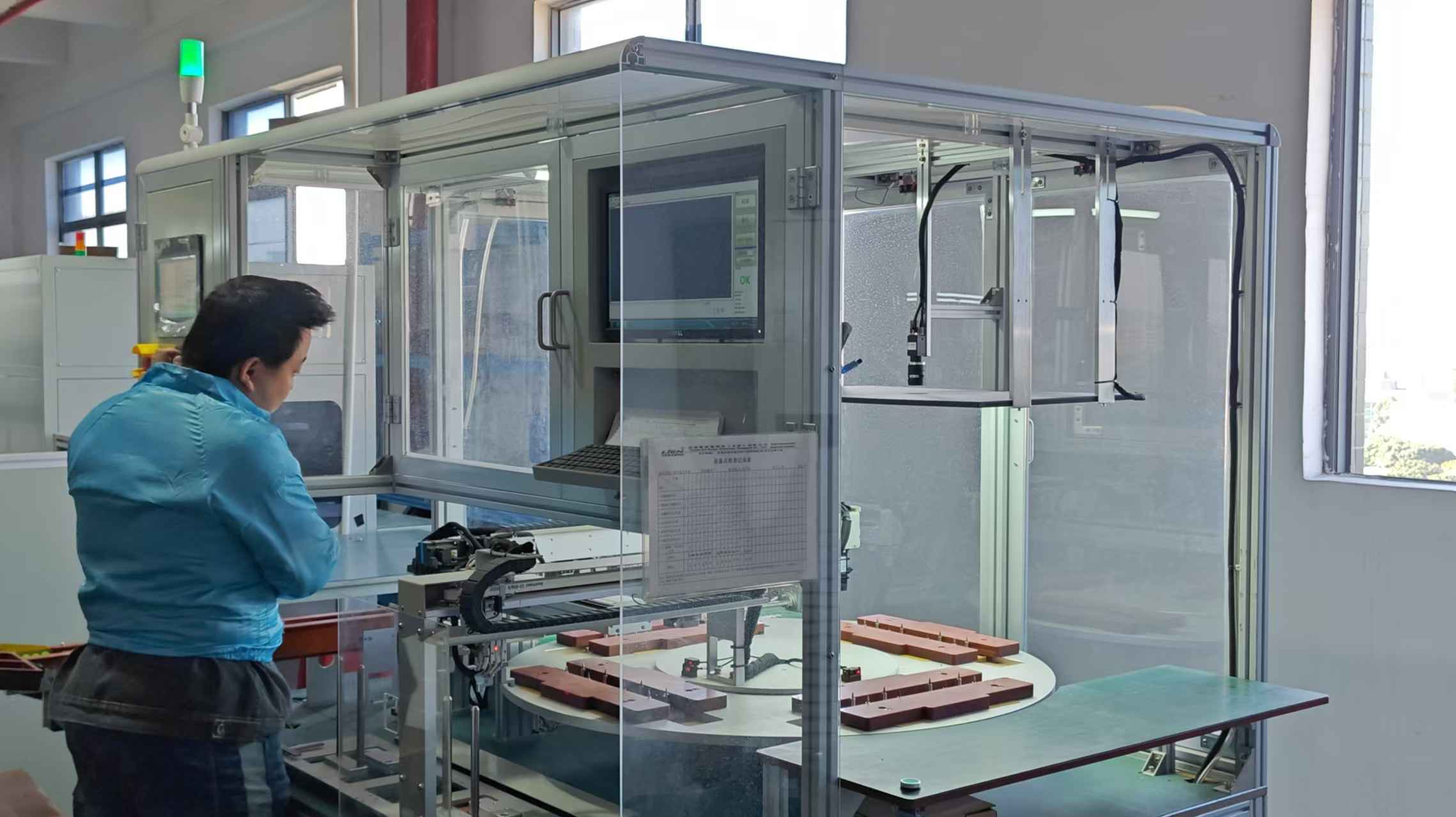
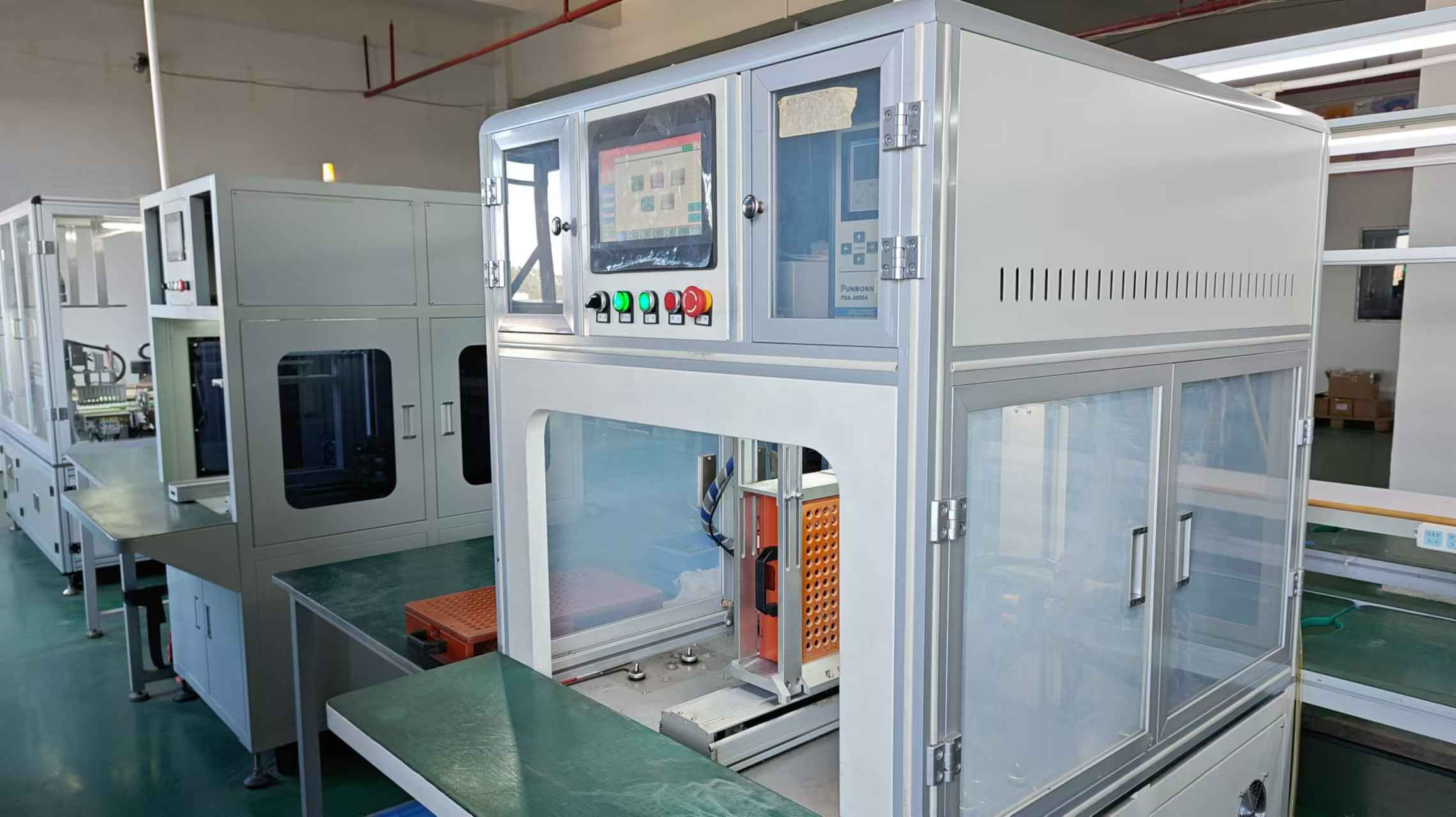
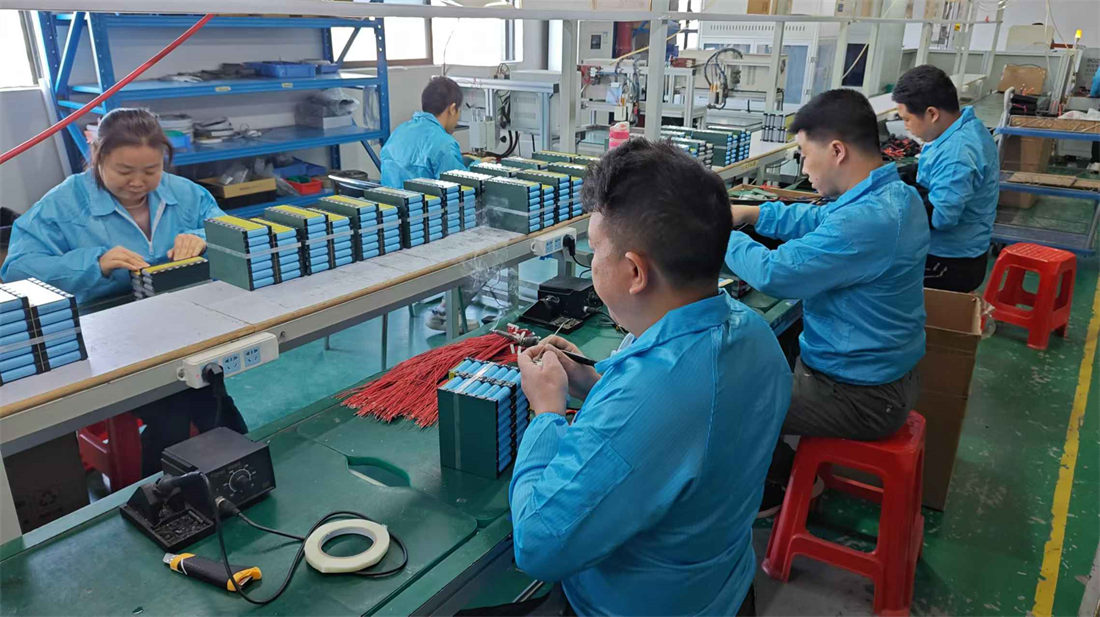
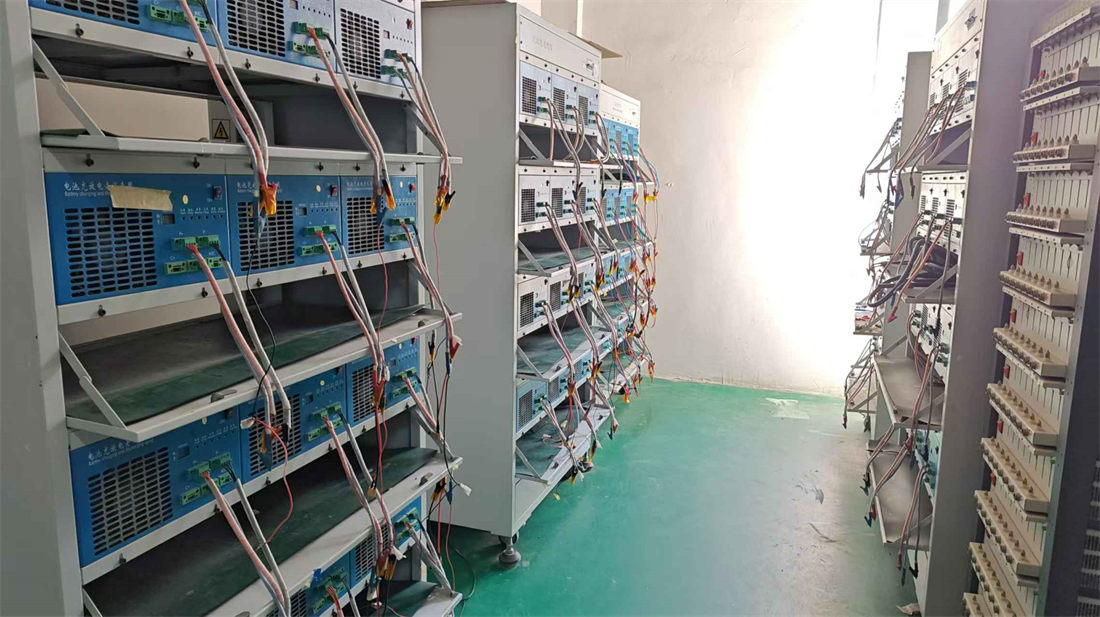
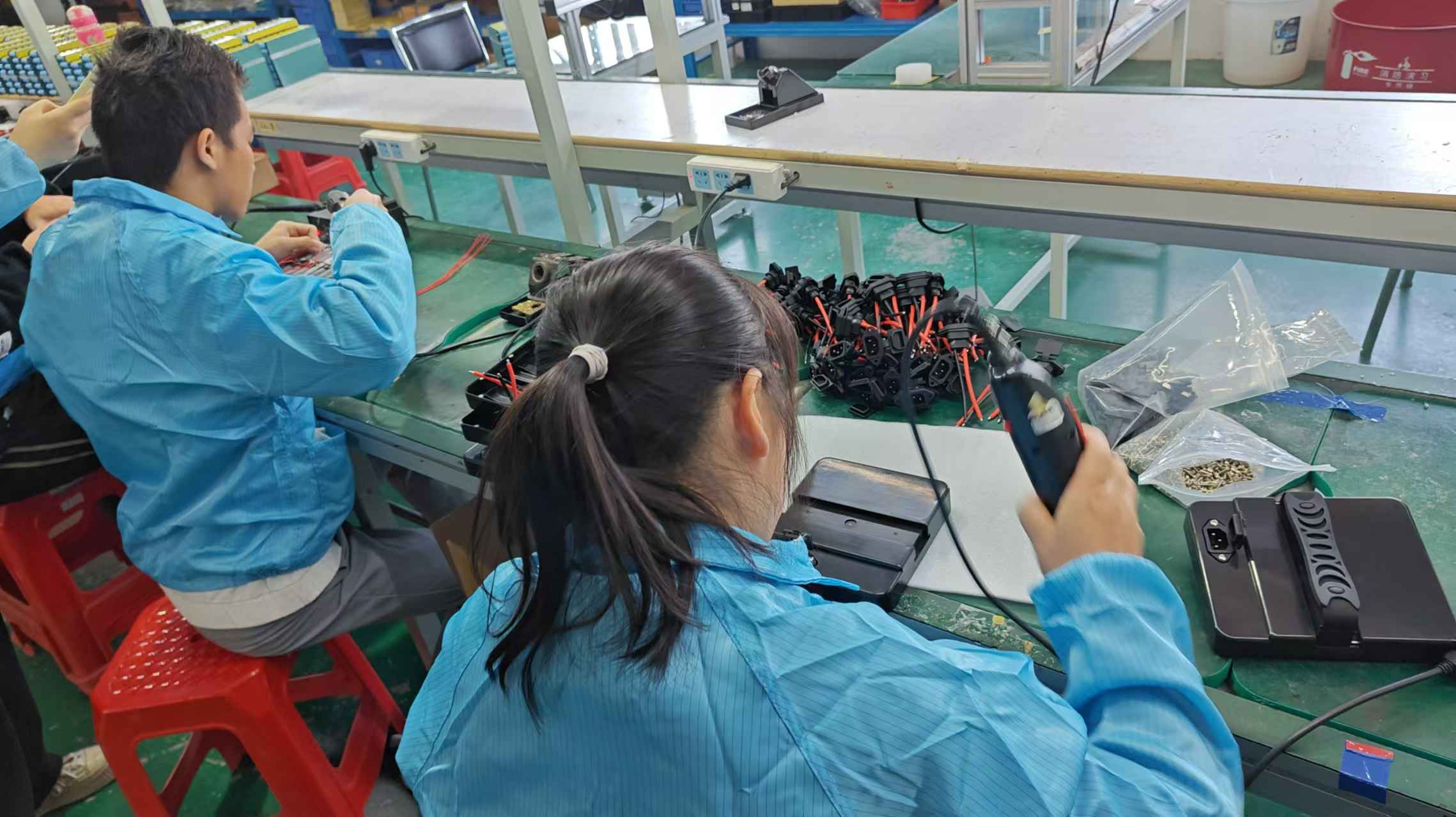
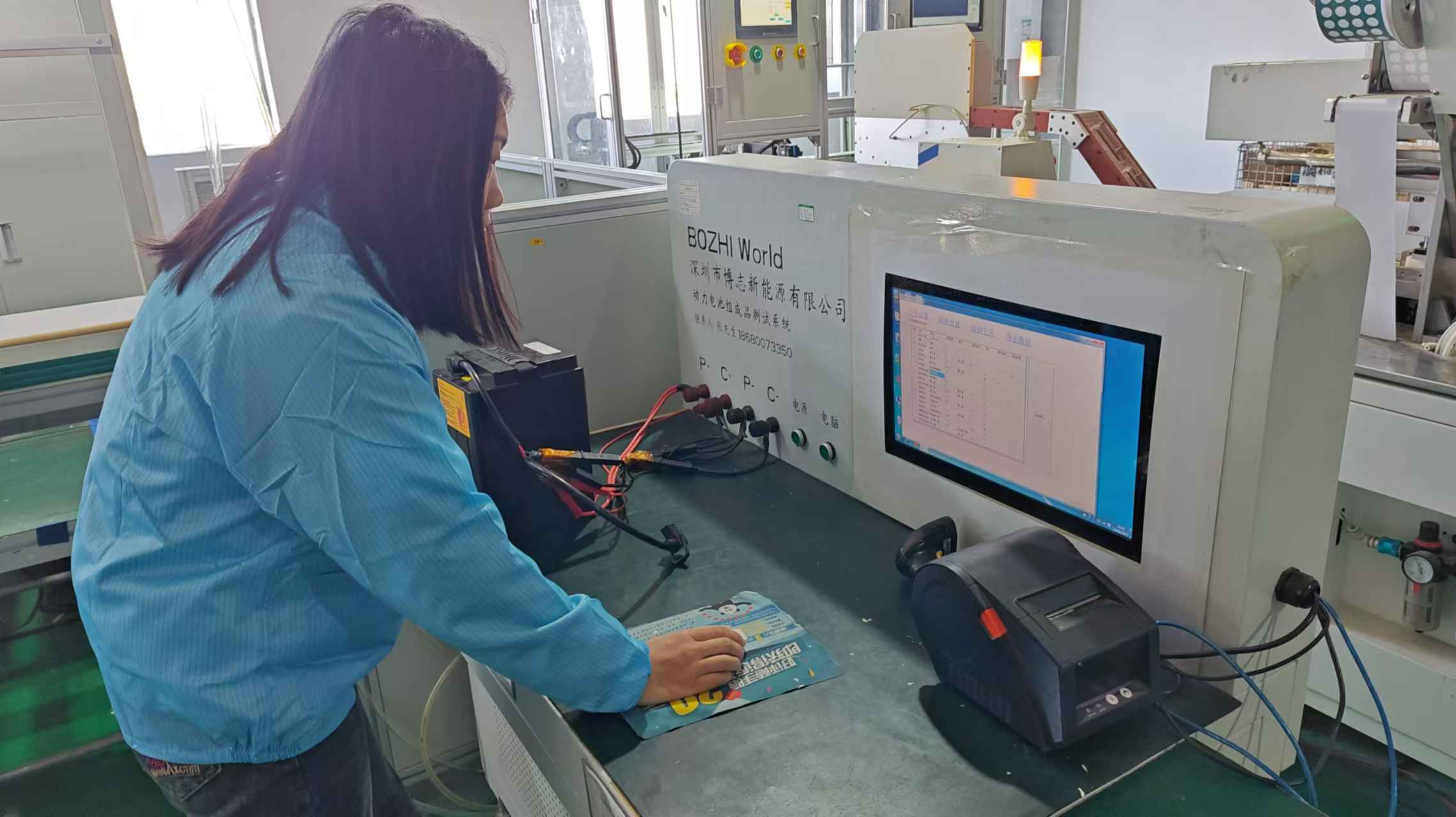
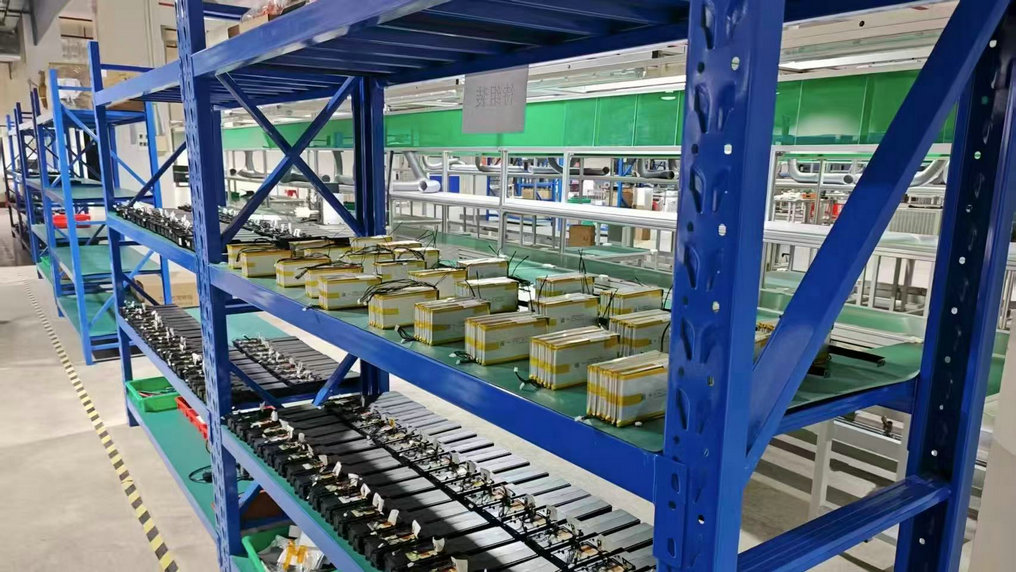
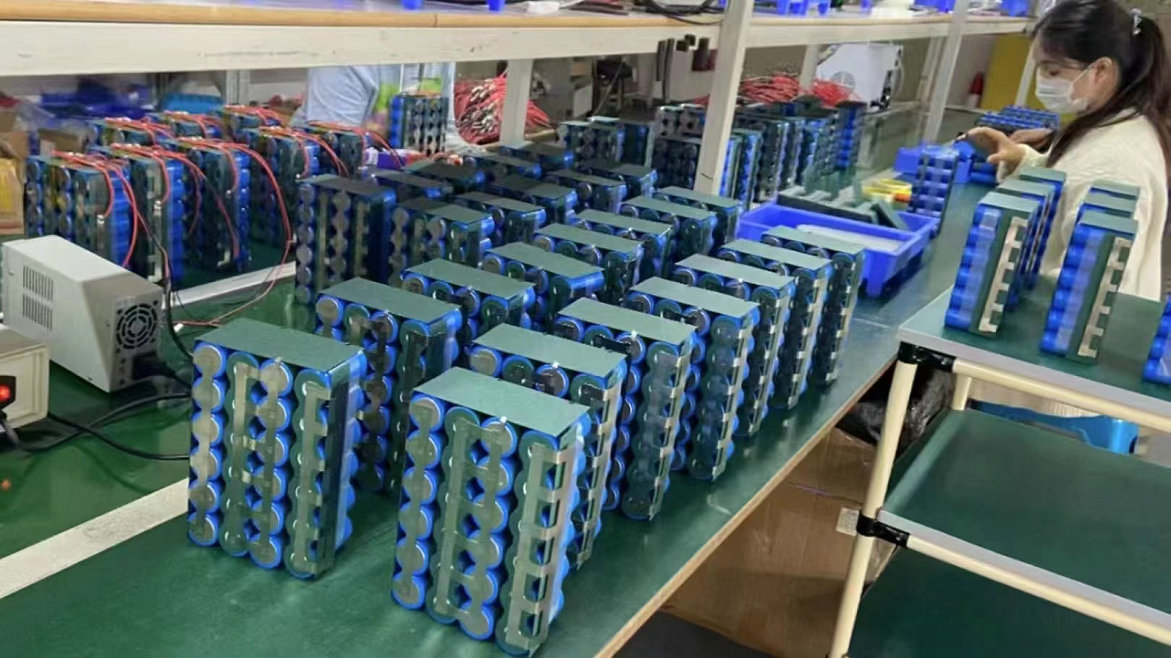
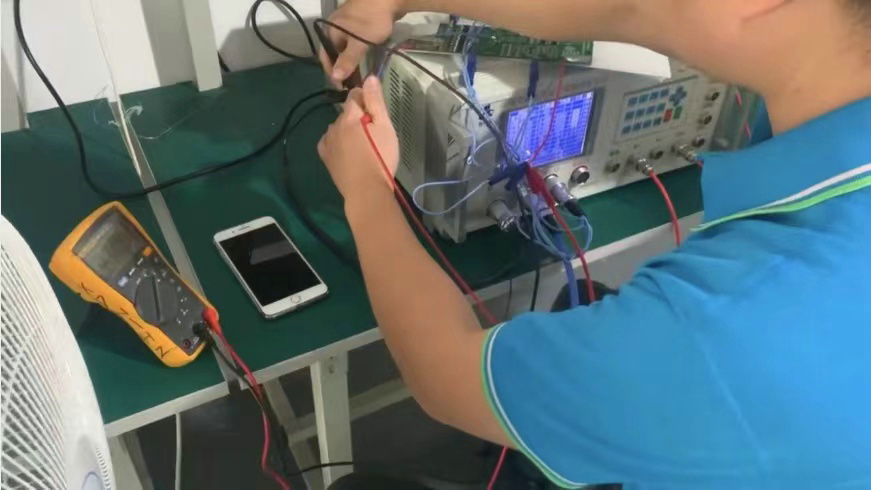
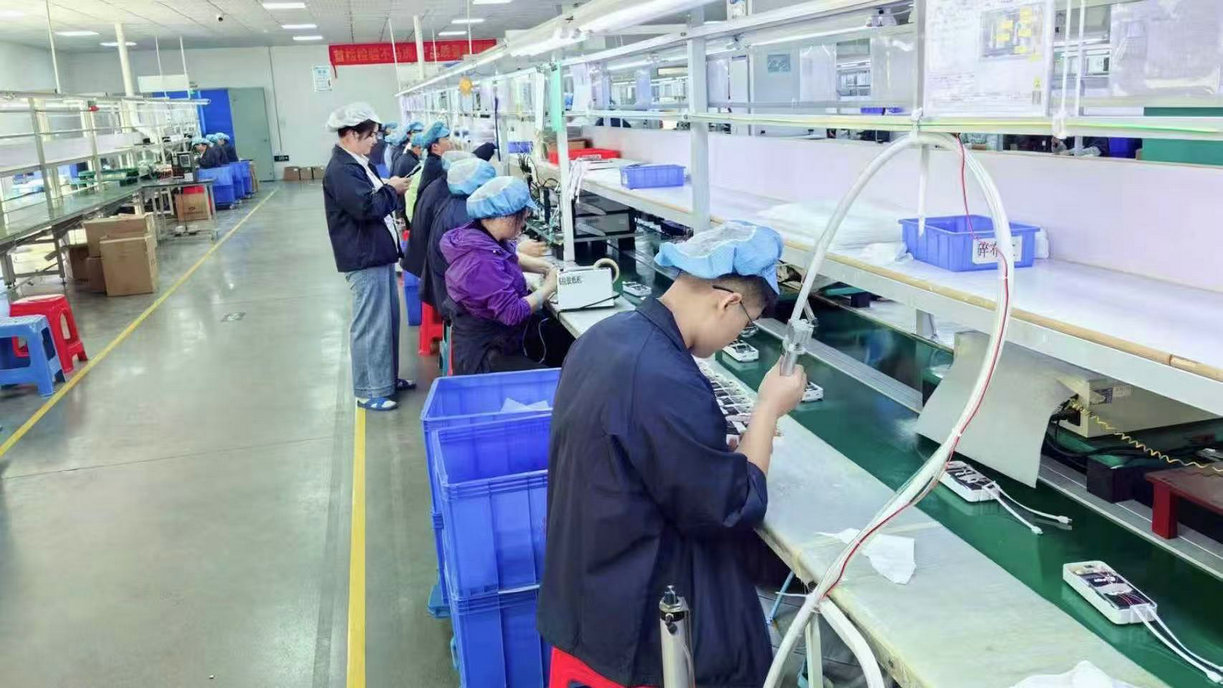
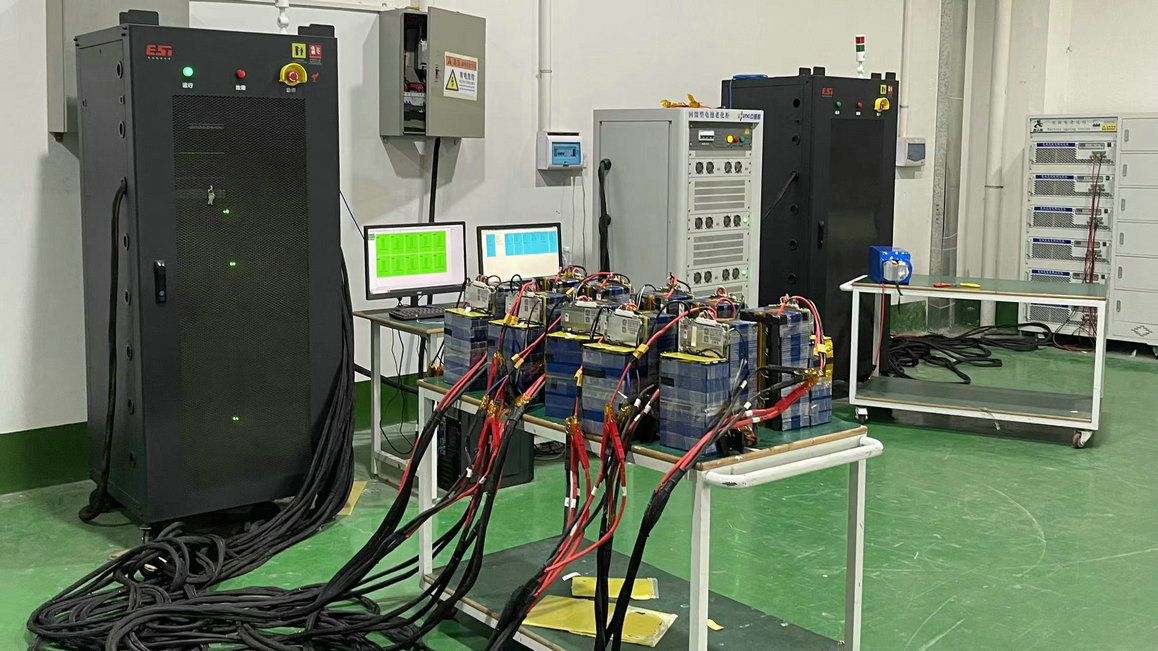
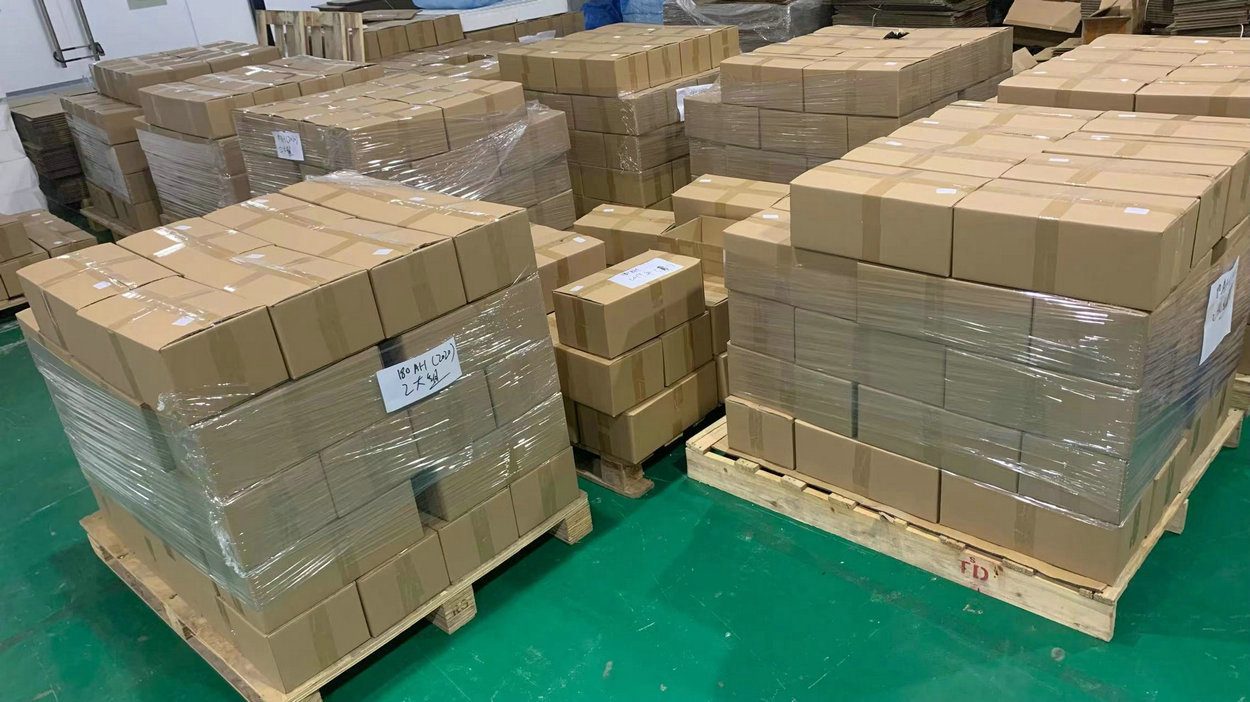
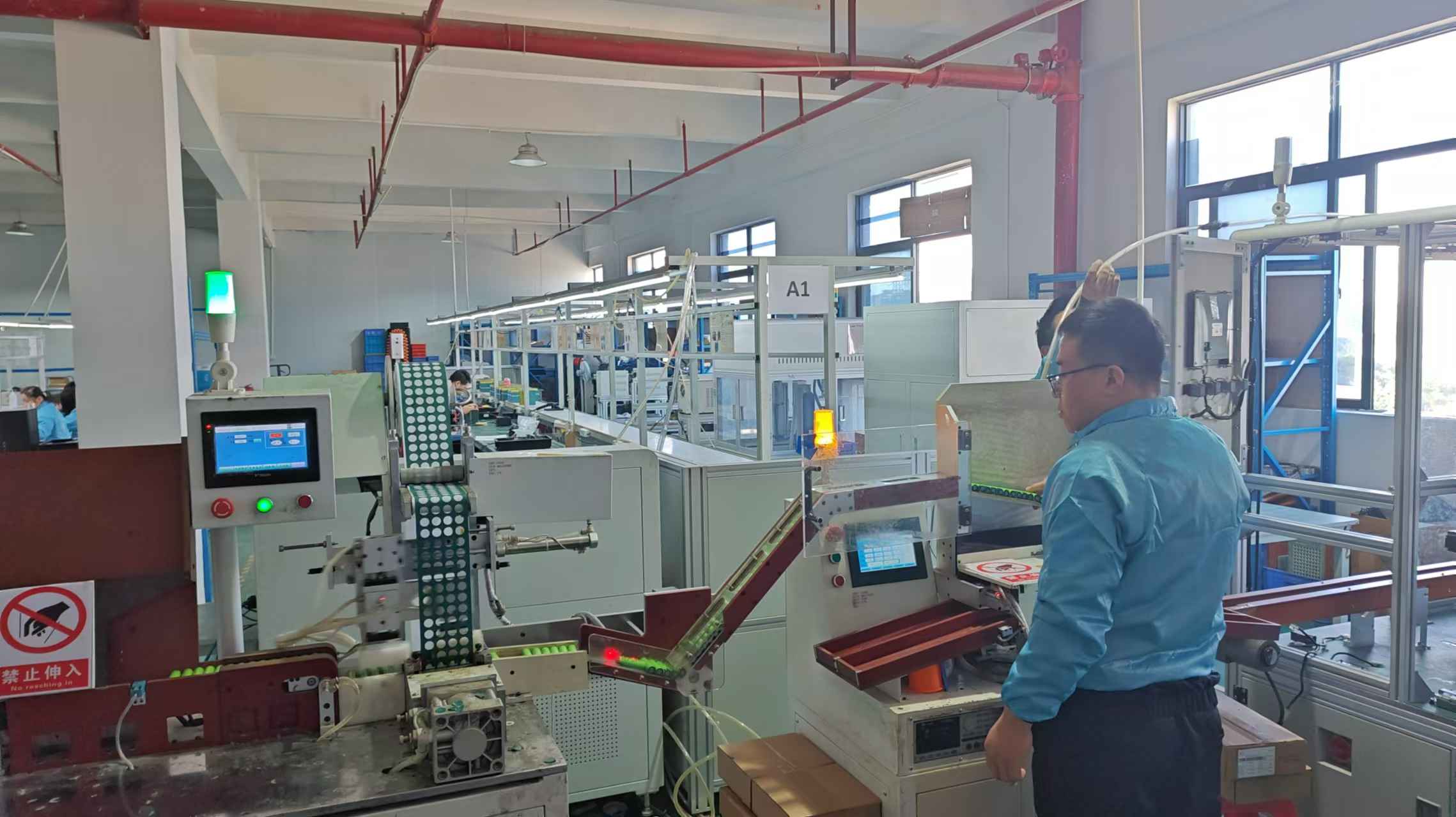
Nuwon Energy supports global clients through optimized supply chain pathways. For customers in India, we ship directly from our production hubs via nearby ports to Jawaharlal Nehru Port Trust (JNPT / Nhava Sheva) in Navi Mumbai. This structured logistics route enables efficient transport, clearance, and delivery to industrial sites throughout Maharashtra.
Practical strategies for hardware designers, IoT procurement managers, and municipal contractors in Mumbai.
Procuring primary batteries for long-life industrial devices requires careful evaluation of technical specifications. Field failures in smart meters or remote environmental sensors can lead to high maintenance costs. When sourcing Li-SOCl2 batteries, procurement departments should prioritize the following parameters:
Expert Tip for Mumbai Engineers: For applications operating in humid coastal regions, specify hermetically sealed cells (bobbin or wafer) rather than crimped seals. Crimped seals are more vulnerable to moisture ingress, which can lead to premature passivation and accelerated self-discharge.
How Lithium Thionyl Chloride cells support key municipal, chemical, and transportation infrastructures in Mumbai.
Powering smart electricity meters, municipal gas grid nodes, and smart water meters operated by MSEDCL and BEST. Provides up to 15 years of maintenance-free service life.
Used in automated gas detectors, toxic vapor sensors, and pressure transmitters within petrochemical hubs in Trombay and Mahul, providing reliable operation in hazardous areas.
Powers tracking beacons and sensor tags on shipping containers moving through the JNPT hub, ensuring continuous localization under challenging marine transit conditions.
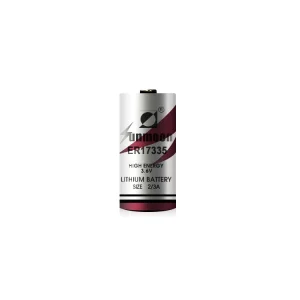
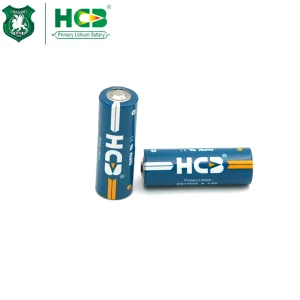
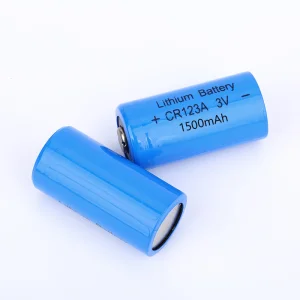
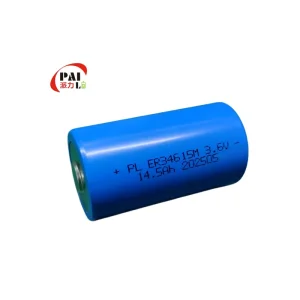
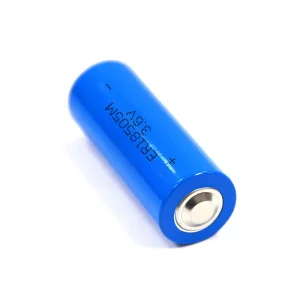
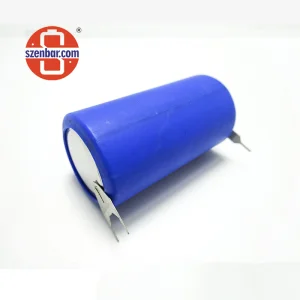
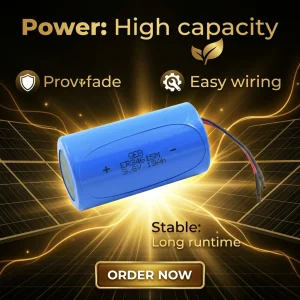
Select from our complete range of primary lithium cells, customized packs, and high-temperature configurations.
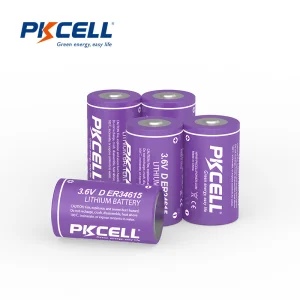

Addressing common technical inquiries from hardware designers, procurement specialists, and municipal contractors.
Partner with Guangdong Nuwon Energy Co., Ltd. to secure reliable, long-life primary lithium batteries for smart metering, industrial IIoT, and utility systems in the Mumbai Metropolitan Region.
Send Inquiry Now Nuwon Energy