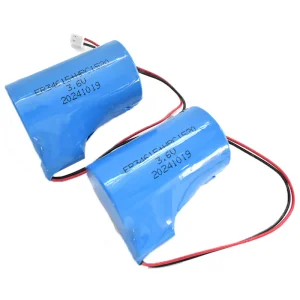
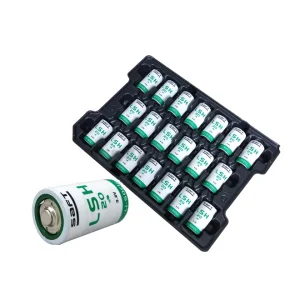
These selected high-performance Li-SOCl2 primary batteries are highly demanded by our engineering partners in Budapest, Debrecen, and throughout Hungary for extreme environments and long lifetime profiles.
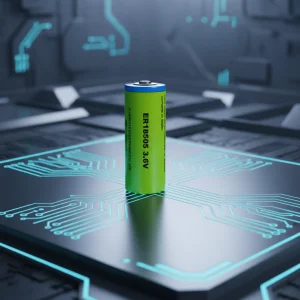
Hungary has rapidly emerged as a dominant powerhouse in Central and Eastern Europe (CEE) for electronics manufacturing, smart grid deployments, and automotive tier-1 production hubs. Driven by intensive foreign direct investments (FDI) in regions like Budapest, Debrecen, Győr, and Miskolc, the demands for rugged, reliable primary lithium power sources have grown exponentially. Specifically, Lithium Thionyl Chloride (Li-SOCl2) Wafer and Cylindrical batteries are critical for deployments where replacement costs are prohibitively high and operational lifespans must exceed 10 to 20 years.
As Hungarian cities scale their utility infrastructures to comply with European energy policies, the roll-out of smart water, gas, and heat meters depends deeply on the unique discharge parameters of Li-SOCl2 cells. In addition, Hungary's strategic position along key European transport corridors has accelerated the development of localized tracking, asset monitoring, and industrial IoT (IIoT) sensors that must operate continuously in severe continental winter temperatures.
With winter temperatures in Hungary frequently dipping below -10°C, typical alkaline or standard lithium chemistries fail due to rapid voltage drops. Our customized Lithium Thionyl Chloride cells are specifically engineered to mitigate passivation, offering stable 3.6V operating profiles even down to -55°C, ensuring continuous data telemetry for smart grids and security systems.
Lithium Thionyl Chloride (Li-SOCl2) chemistry is widely acknowledged as the optimal choice for ultra-low self-discharge and long-term storage energy requirements. This is achieved via a liquid cathode system where a passivation layer of Lithium Chloride (LiCl) forms on the lithium anode immediately when the battery is assembled, protecting the cells from self-discharge (< 1% per year at room temperature).
Understanding the internal construction of Li-SOCl2 batteries is crucial for engineering teams specifying power supplies for Hungarian industrial hardware:
| Nominal Voltage | 3.6 V |
| Operating Temp. Range | -55°C to +85°C / +150°C |
| Self-Discharge Rate | < 1% per Year |
| Design Life | 15 to 20 Years |
| Energy Density | Up to 700 Wh/kg |
| Li-SOCl2 Cell Type | Ideal Application Profile | Discharge Rate Characteristics | Hermeticity & Safety |
|---|---|---|---|
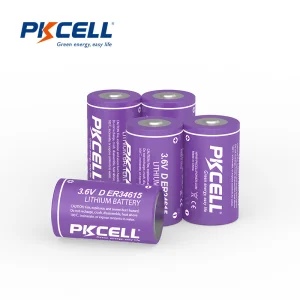
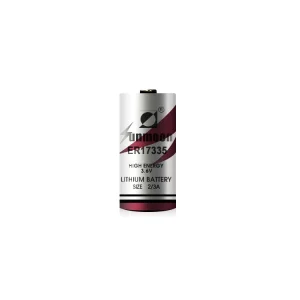
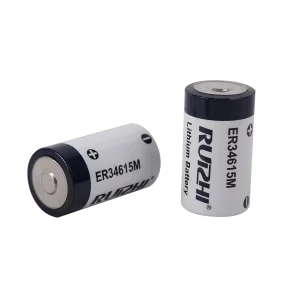
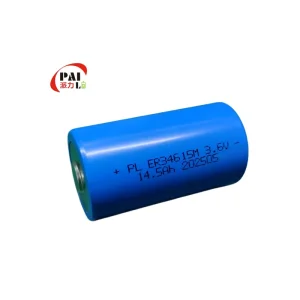
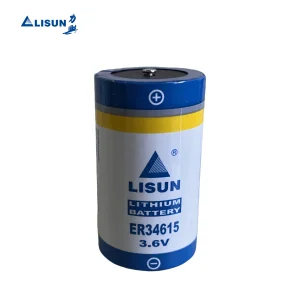
| ER34615 (D Size) | Centralized gas & water flow meters, offshore telemetry | Low continuous current, high pulse backup options available | Glass-to-metal sealing, laser welding, built-in safety vent |
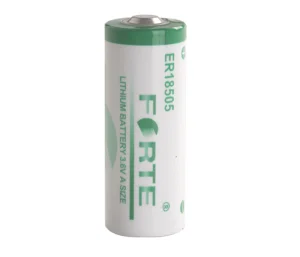
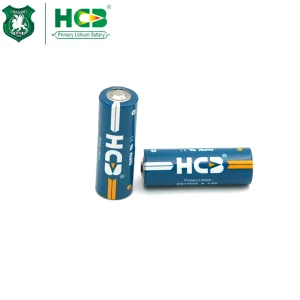
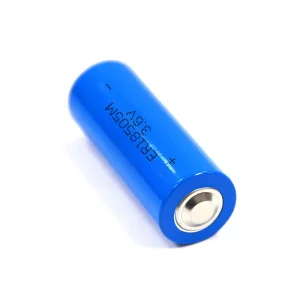
| ER18505 (A Size) | Distributed sensors, toll collection transponders | Balanced capacity and moderate pulse discharge capability | Hermetically sealed steel container, corrosion-resistant |
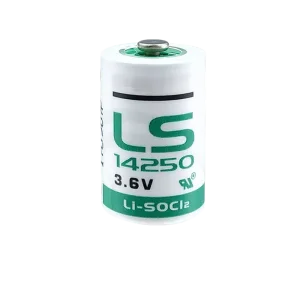
| LS14250 (1/2 AA) | Industrial PLC backups, backup memory, security nodes | Stable low drain with superb long-term storage reliability | Stainless steel housing, compliant with UL1642 standards |
| Wafer Cells (ER14250 / Specialized) | Compact electronic instrumentation, tracking devices | Engineered for ultra-thin space footprints, low current profiles | High safety design preventing hazardous leakage risks |
Guangdong Nuwon Energy offers systematic, tailor-made primary battery solutions designed to directly align with the core purchasing specifications of Hungarian procurers, municipalities, and smart infrastructure integrators.
Fully compliant with EU Measuring Instruments Directive (MID) requirements, our ER34615 and ER18505 cells are designed to power residential gas and water smart meters for up to 15 years, eliminating high-frequency battery replacement labor costs across Hungary.
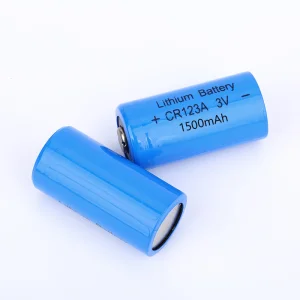
Meeting stringent European automotive supply chain safety norms, our custom high-temp Li-SOCl2 and Lithium Manganese (CR123A) packs support backup emergency power for onboard eCall modules and logistics telematics devices.
Powering LoRaWAN and Sigfox sensors deployed in urban development projects in Budapest, offering low-passivation properties to ensure instant pulse responses during signal packet transmission.
Guangdong Nuwon Energy Co., Ltd. is a leading manufacturer and solution provider in advanced battery systems, specializing in the research, development, manufacturing, and global distribution of high-performance energy storage products. The company offers comprehensive OEM and ODM services, delivering customized battery solutions tailored to diverse industrial and commercial applications.
Backed by a highly experienced engineering and R&D team, Nuwon Energy focuses on the design and integration of cylindrical and prismatic lithium battery cells, as well as complete battery packs, modules, and energy storage systems. The company also develops and produces industrial-grade battery cells engineered for safety, durability, and long cycle life.
Serving a wide range of industries, including consumer electronics, electric mobility (such as golf carts, forklifts, UTVs/ATVs, trucks, and marine systems), medical equipment, unmanned ground vehicles (AGVs/AMRs), and emerging aerospace applications such as eVTOL aircraft, the company provides reliable residential, commercial, and industrial (C&I) energy storage solutions designed to support the global transition toward clean and sustainable energy.
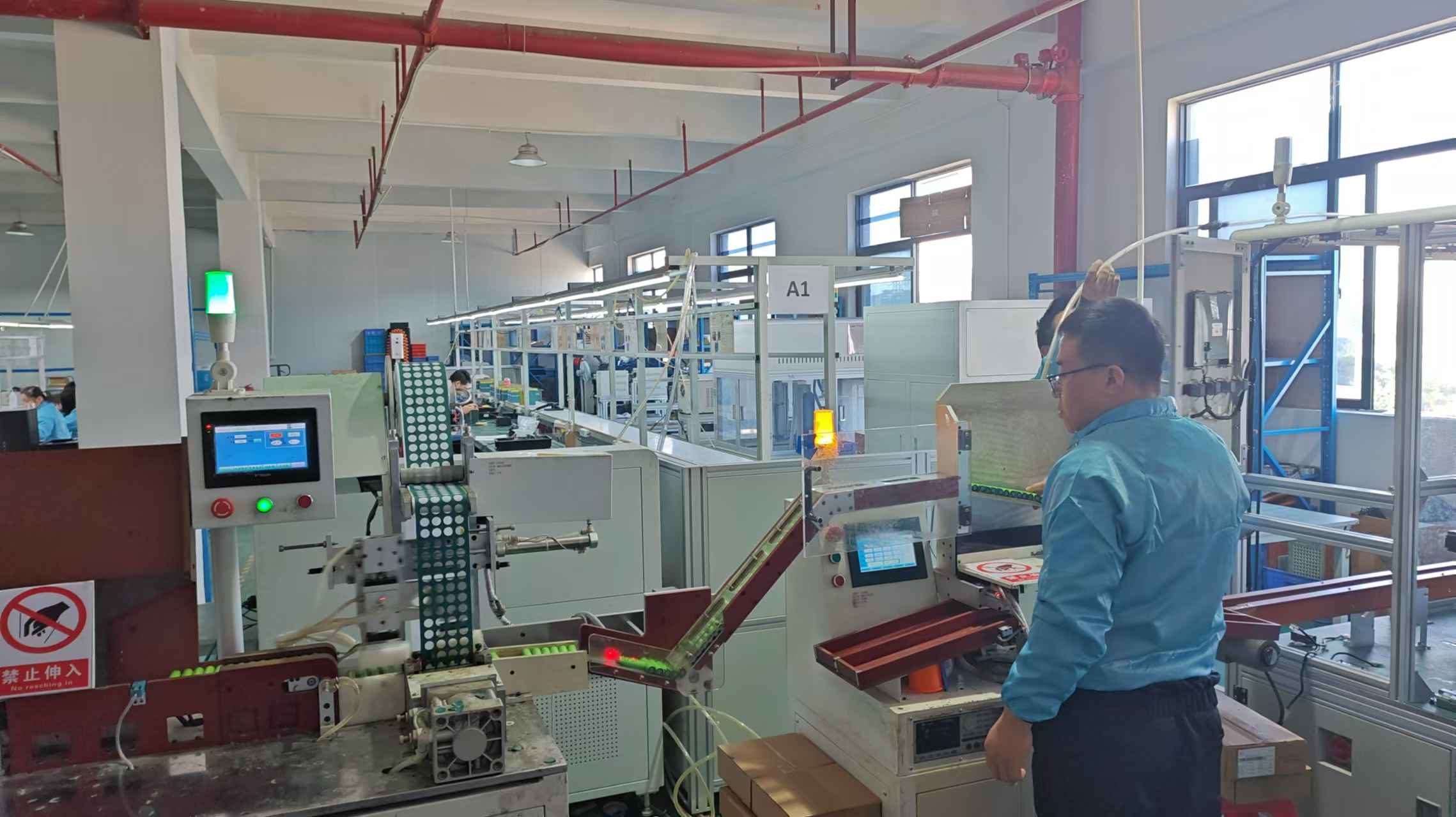
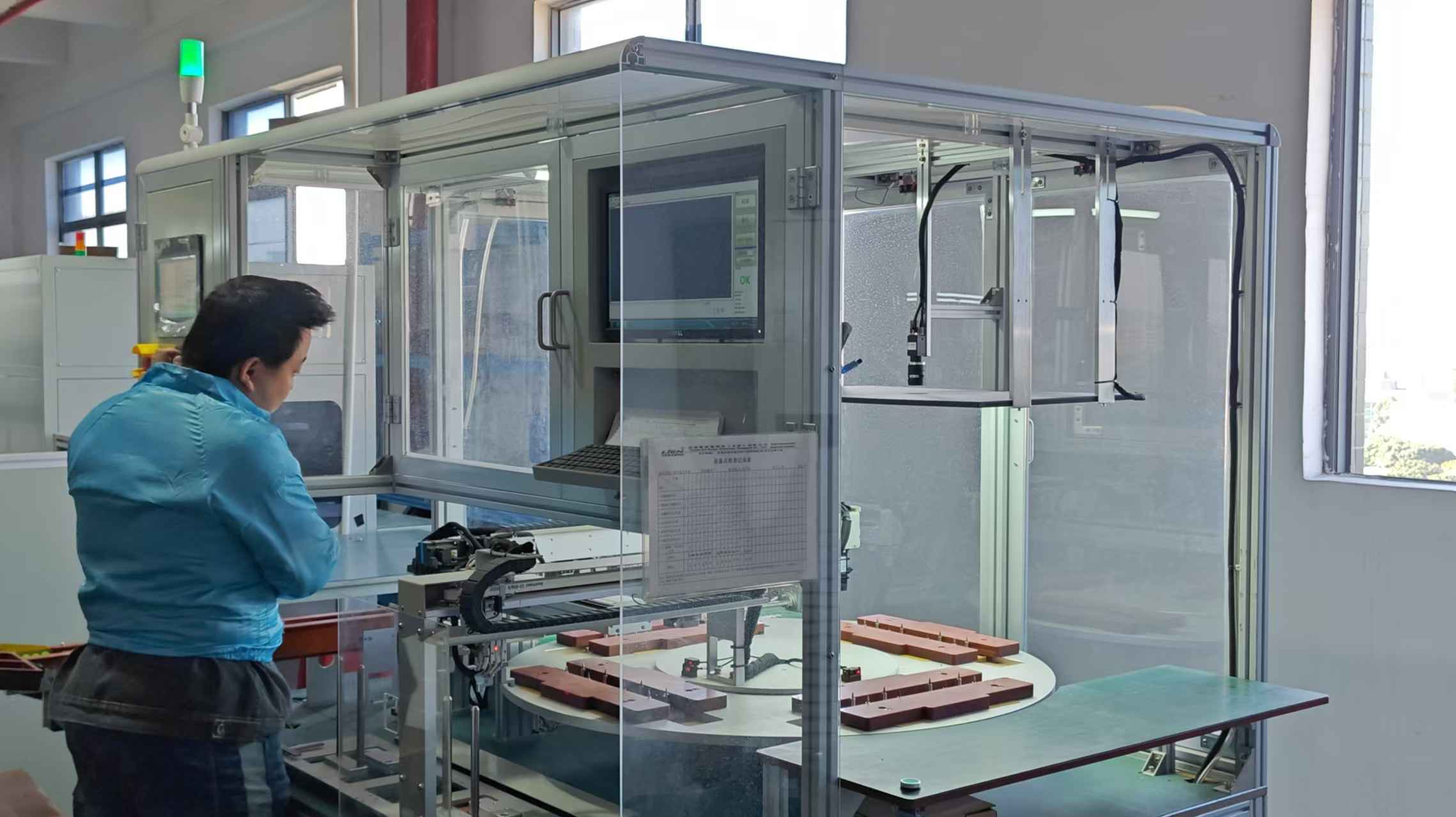
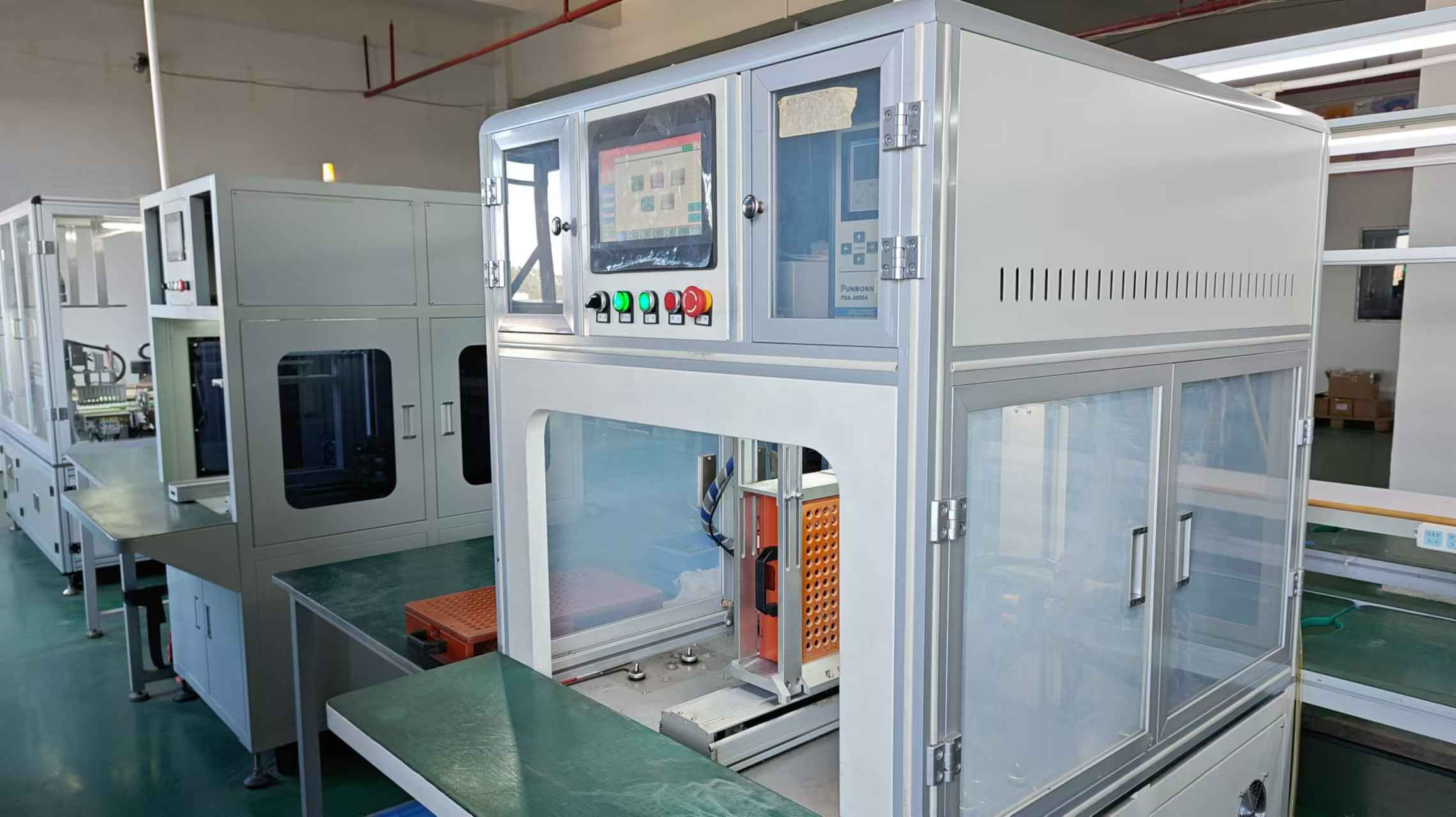
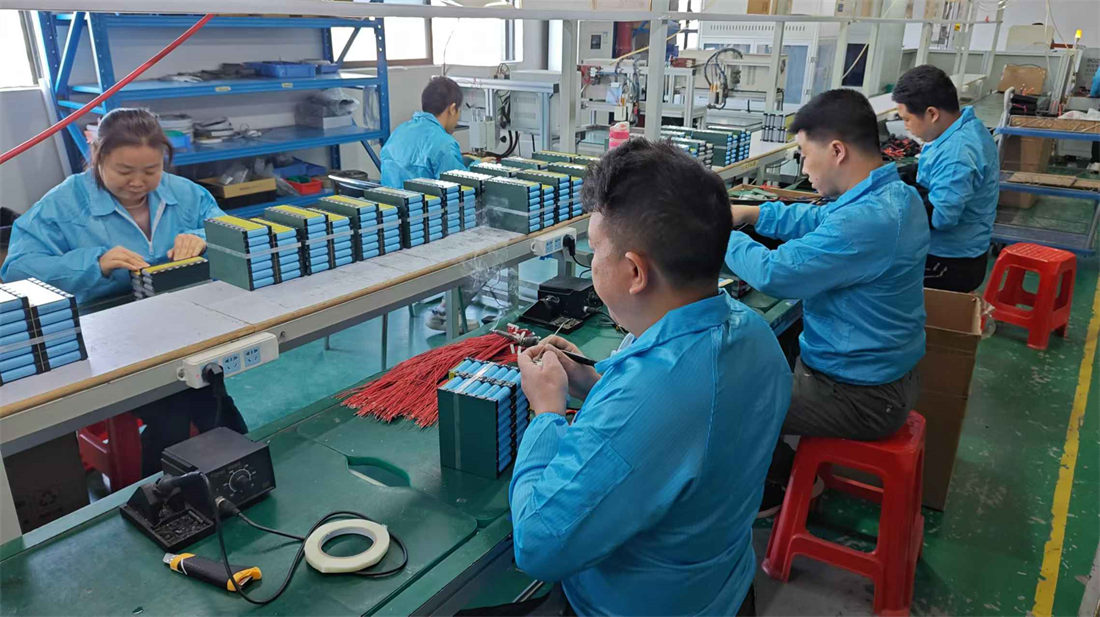
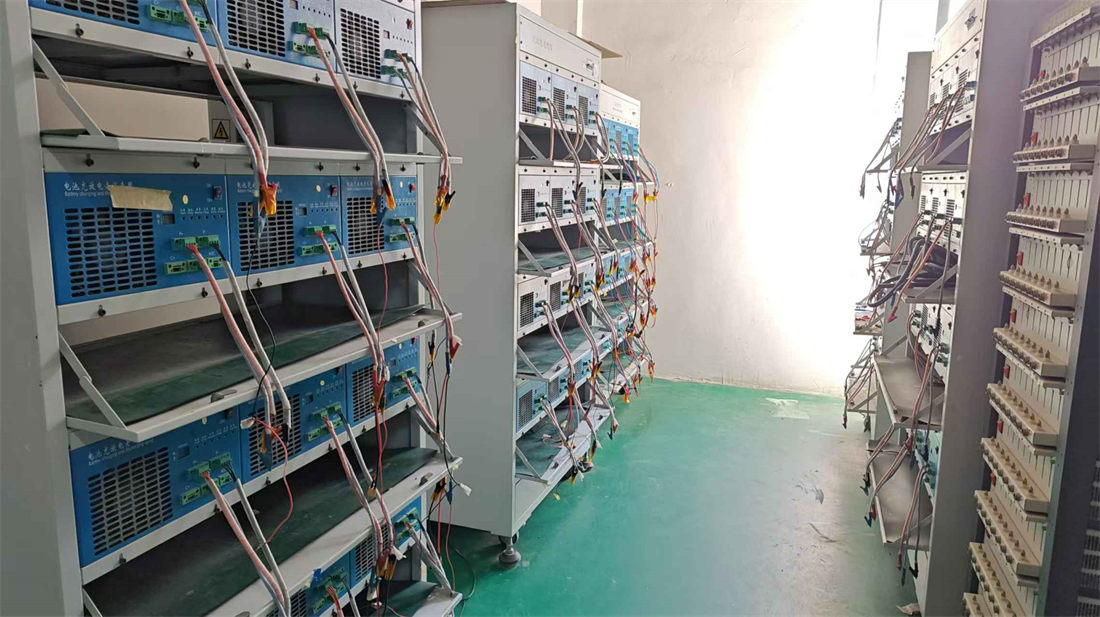
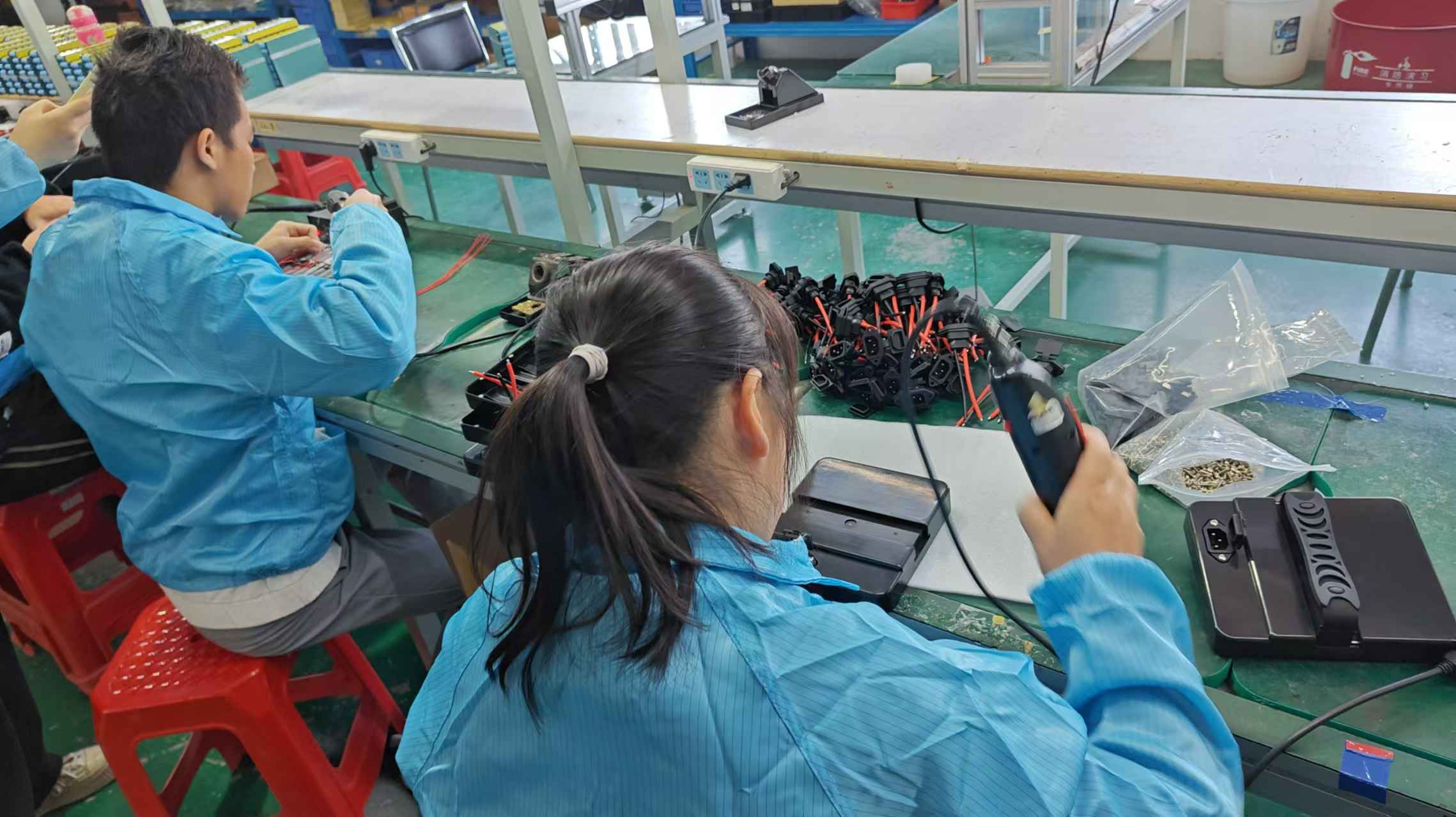
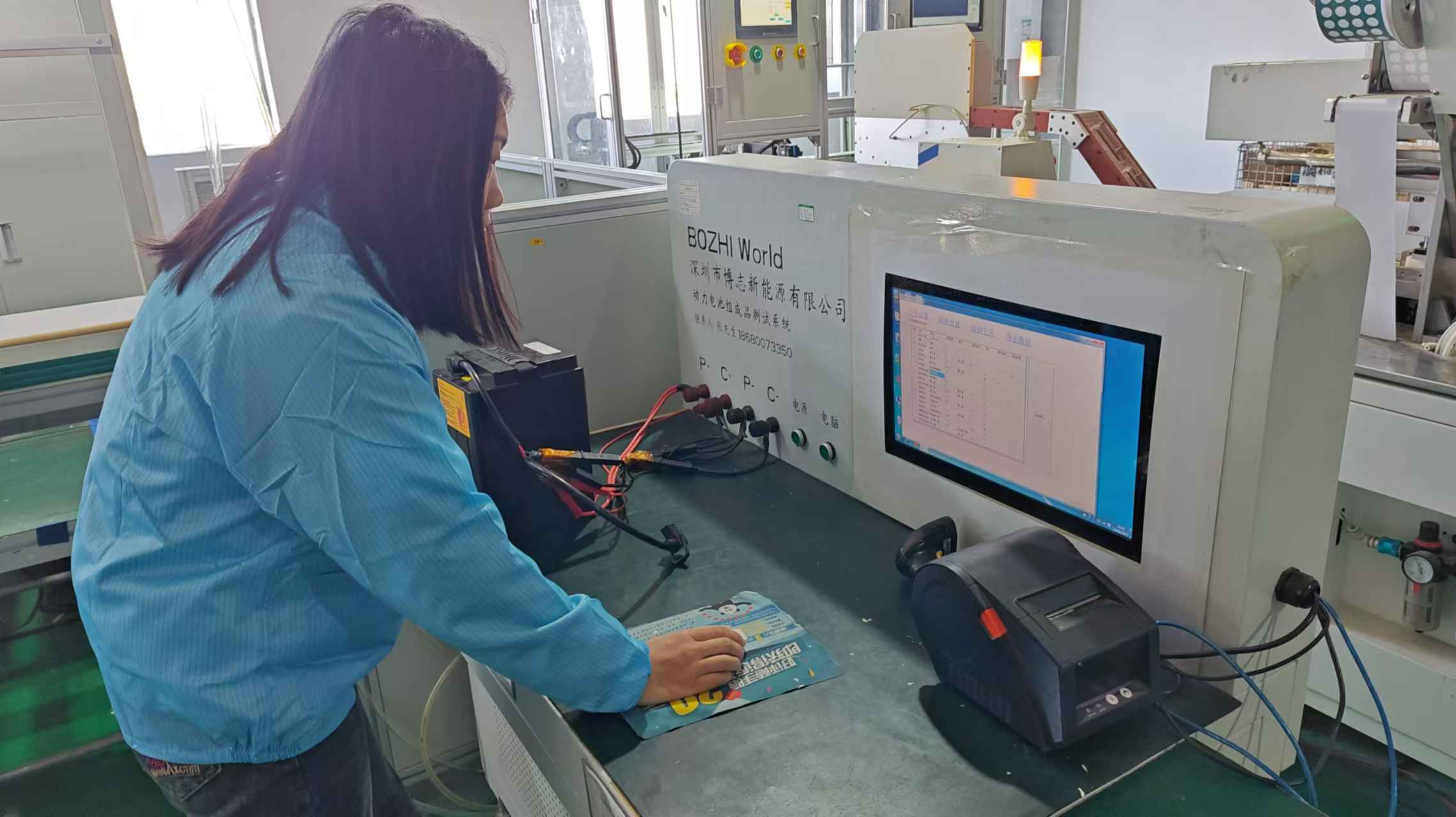
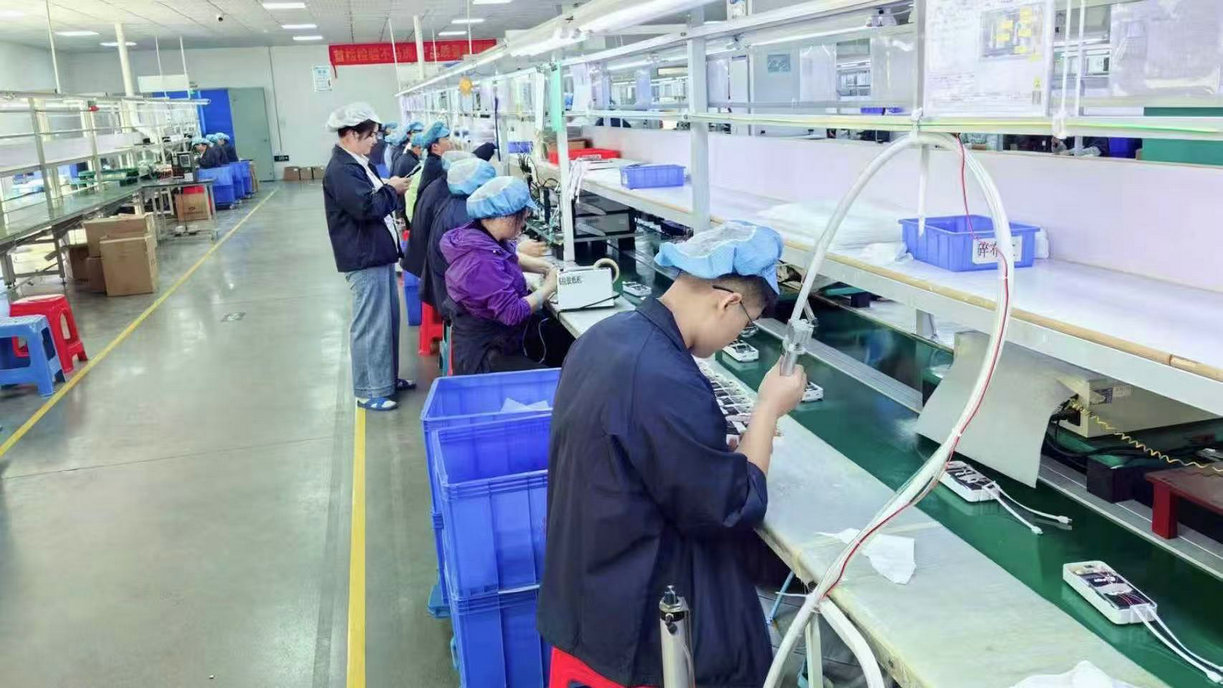
With a strong commitment to innovation, strict quality control, and customer-centric service, Guangdong Nuwon Energy continuously invests in advanced manufacturing capabilities, automated production lines, and rigorous testing systems. This ensures that every product meets international safety standards and delivers exceptional performance in demanding environments.
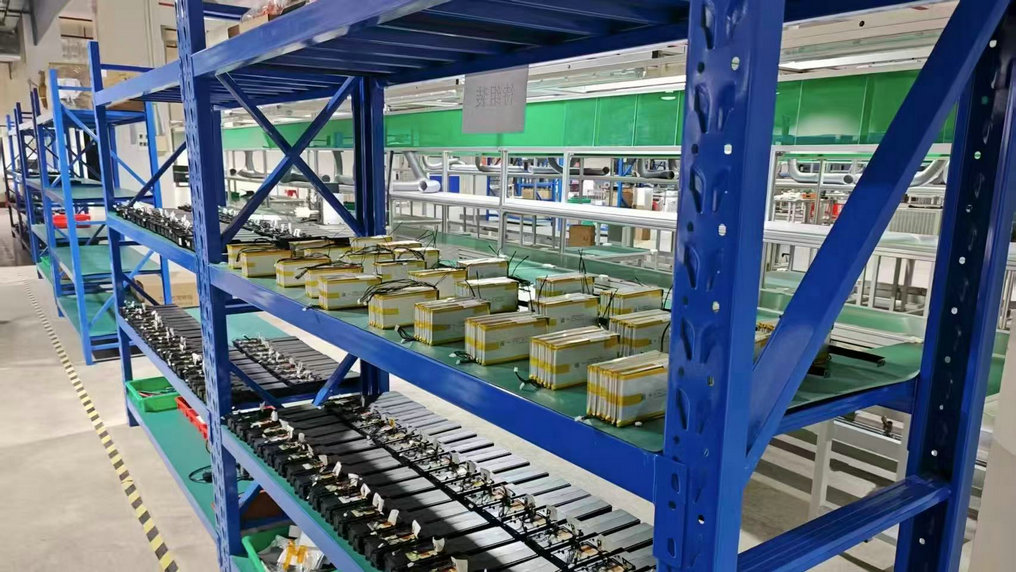
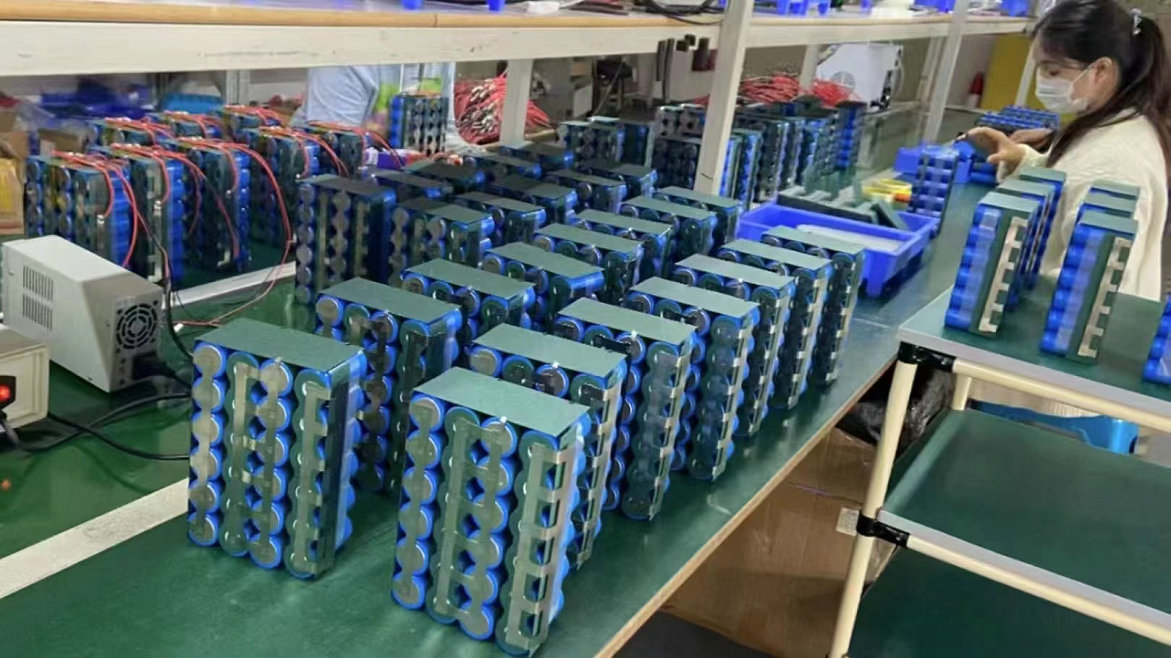
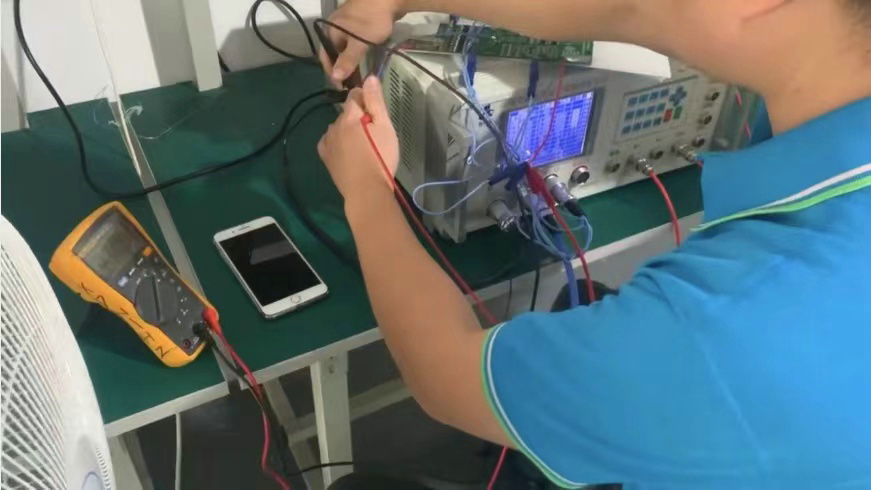
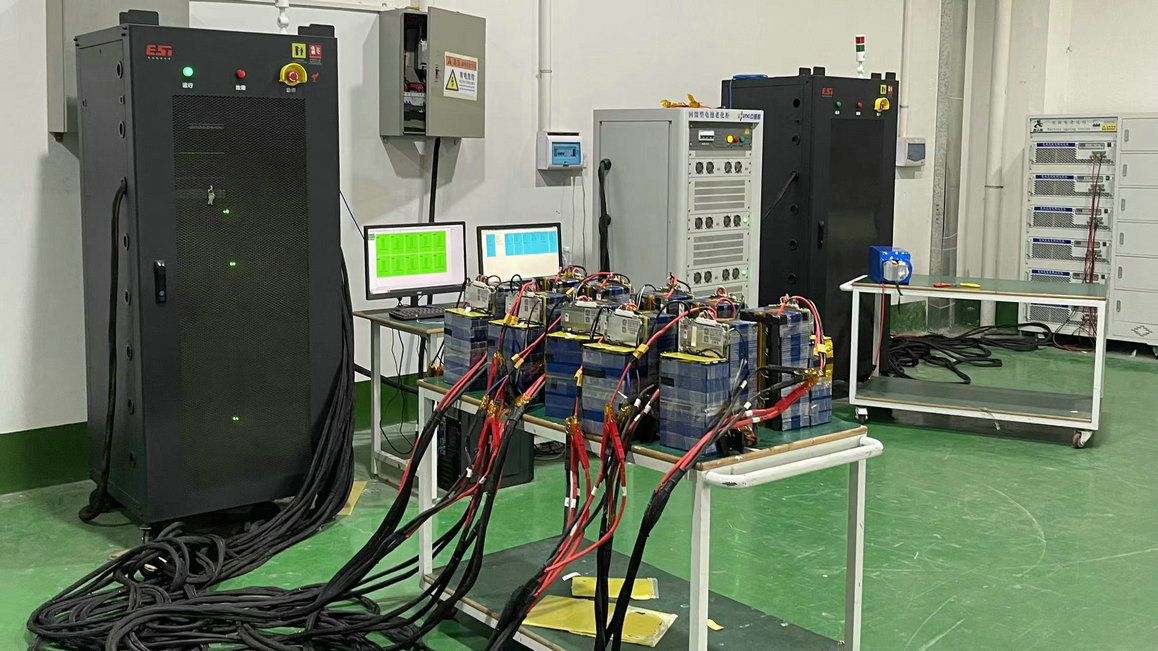
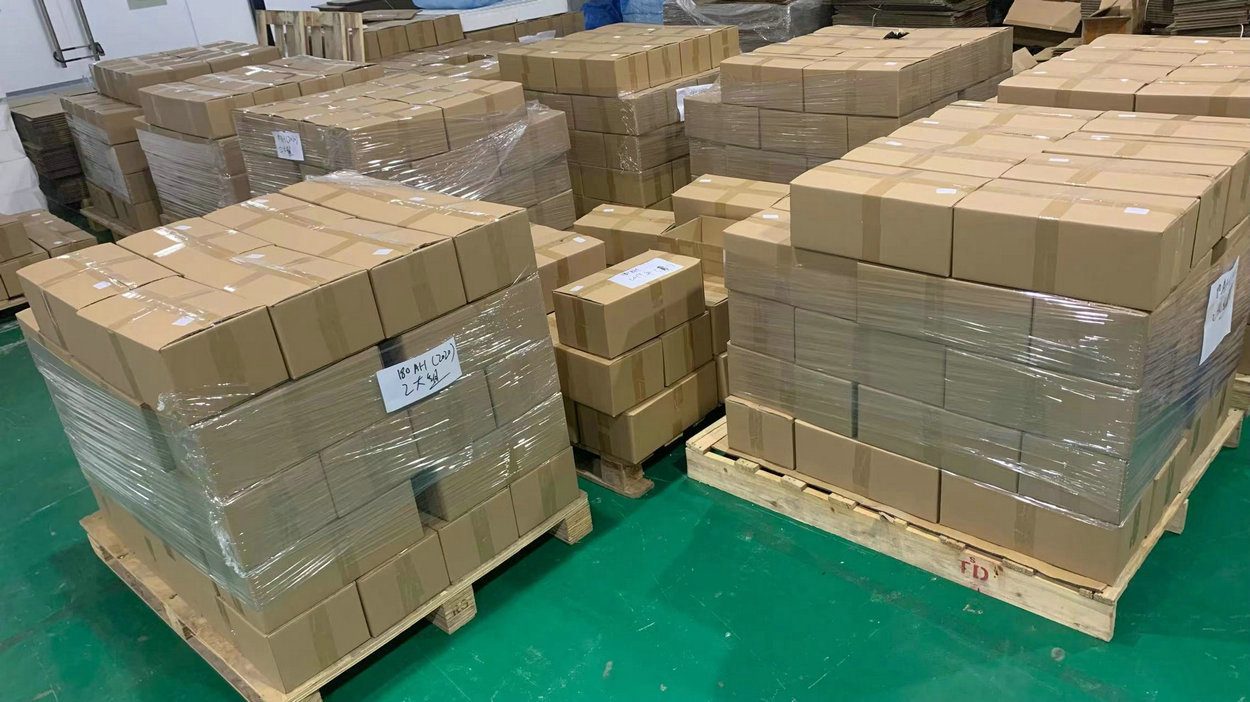
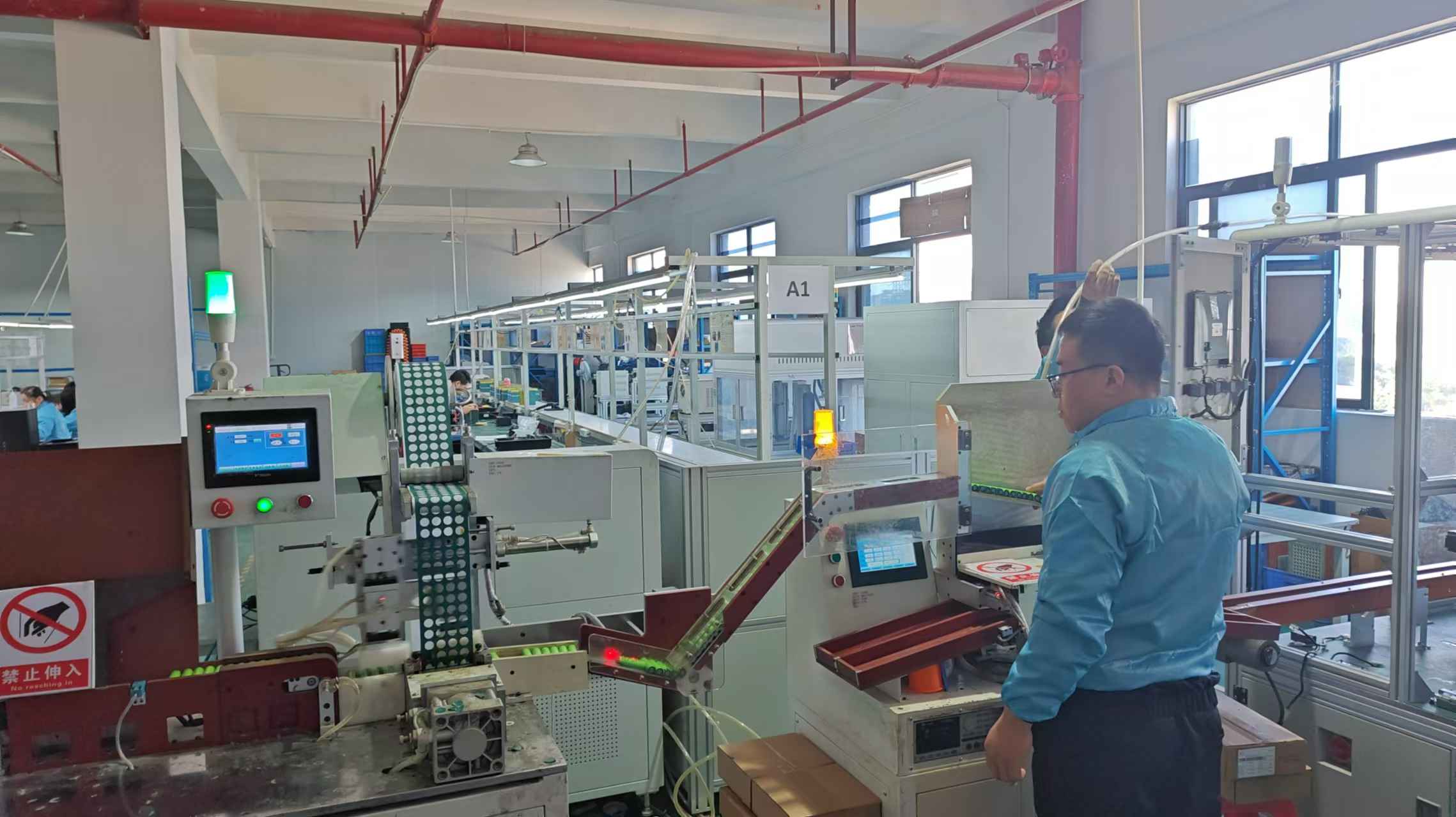
Our state-of-the-art facility utilizes automated assembly and testing lines to achieve maximum repeatability and zero defect rates. Below are the core steps of our QA manufacturing flow:
When sourcing primary lithium batteries from China to the EU, compliance and logistical safety are of absolute importance. Guangdong Nuwon Energy is deeply committed to offering seamless trade pathways directly to Hungarian industrial zones.
Our manufacturing systems adhere strictly to ISO9001:2015 standards, and all lithium primary batteries exported to Hungary conform fully with relevant European directives:
We provide versatile logistics channels for our clients in Budapest, Debrecen, and major manufacturing hubs across Hungary. Offering sea, air, and train-based multimodal transportation (such as the China-Europe Railway Express directly reaching Central European distribution points), we manage complex customs processes, safety certificates, and EU import procedures, delivering directly to your warehouses or facility gates (DDP/FOB terms).
Browse our complete list of primary Li-SOCl2 and related high-density cell models, engineered to supply years of autonomous power to industrial applications across the European Union.

Find deep, authoritative technical answers to common challenges faced by engineers deploying primary lithium power solutions in Europe's demanding smart infrastructures.
Voltage delay is caused by the passivation layer (Lithium Chloride crystal structure) that forms on the lithium anode. This layer is highly beneficial as it prevents self-discharge during storage, allowing a 15-year shelf-life. However, upon load application, this layer temporarily resists current flow, leading to a brief voltage drop. For high-pulse wireless networks (e.g. NB-IoT in Budapest smart grid deployments), we recommend integrating a Hybrid Pulse Capacitor (HPC) in parallel or performing a pre-depassivation process prior to final installation.
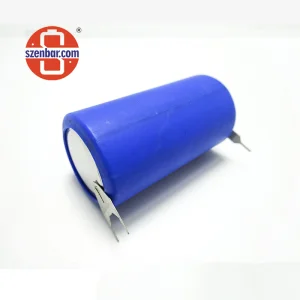
Yes, we regularly design and assemble custom series-parallel battery packs (such as 1S2P or 2S2P) at our advanced assembly plant. When constructing multi-cell configurations, we integrate protective diodes, fuses, and custom terminal options (axial leads, radial pins, wire leads with JST/Molex connectors) to prevent reverse-charging risks and satisfy European safety guidelines.
Unlike rechargeable lithium-ion cells which experience severe capacity degradation at sub-zero levels, our primary Lithium Thionyl Chloride batteries retain over 80% to 90% of their nominal capacity at -30°C. The chemistry operates effectively from -55°C to +85°C. For extreme temperature profiles, our factory applies specific electrolyte adjustments to maintain nominal voltage stability above 3.0V.
Primary lithium batteries are categorized as Class 9 Dangerous Goods. Sourcing from Guangdong Nuwon Energy guarantees that every shipment is backed by a valid UN38.3 test report and MSDS (Material Safety Data Sheet). We offer full compliance checks and transport solutions via dedicated hazardous materials shipping lines, ensuring easy clearance at Budapest Ferenc Liszt International Airport or direct railway logistics hubs.
 Nuwon Energy