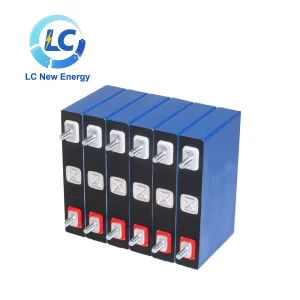
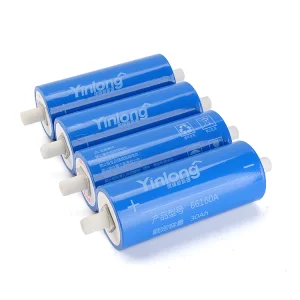
Engineered for extreme sub-zero operation, rapid charge cycles, and unmatched safety profiles compliant with Japan's technical regulations.

Endurance Cycle Life
Rapid Charge Capability
Extreme Cold Performance
Thermal Runaway Hazard
Japan’s rigorous carbon neutrality initiatives and advanced manufacturing infrastructure demand battery solutions that transcend standard performance parameters. While conventional Lithium Iron Phosphate (LFP) and Nickel Manganese Cobalt (NMC) batteries are common, Lithium Titanate Oxide (LTO) batteries represent the peak of absolute safety, extreme thermal tolerance, and lifespan endurance.
In critical Japanese sectors, including Automated Guided Vehicles (AGVs) operating in Tokyo's logistic hubs, sub-zero refrigeration storage systems in Hokkaido, and emergency backup power for high-speed rail systems (Shinkansen), LTO has emerged as the default chemistry. The ability to function reliably down to -40°C and maintain up to 80% capacity after 20,000 charge cycles offers Japanese enterprises a massive reduction in Total Cost of Ownership (TCO).
As a seasoned exporter, we understand the stringent quality and engineering compliance required by Japanese corporations. Through robust R&D and supply chain integration, we offer a steady source of Japanese-grade equivalent LTO packs and cells designed to seamlessly interface with local industrial machinery, AGV controllers, and commercial power networks.
Leading global OEM/ODM manufacturer in advanced battery systems, supplying highly stable power solutions to industrial projects worldwide.
Guangdong Nuwon Energy Co., Ltd. is a leading manufacturer and solution provider in advanced battery systems, specializing in the research, development, manufacturing, and global distribution of high-performance energy storage products. The company offers comprehensive OEM and ODM services, delivering customized battery solutions tailored to diverse industrial and commercial applications.
Backed by a highly experienced engineering and R&D team, Nuwon Energy focuses on the design and integration of cylindrical and prismatic lithium battery cells, as well as complete battery packs, modules, and energy storage systems. The company also develops and produces industrial-grade battery cells engineered for safety, durability, and long cycle life.
Guangdong Nuwon Energy serves a wide range of industries, including consumer electronics, electric mobility (such as golf carts, forklifts, UTVs/ATVs, trucks, and marine systems), medical equipment, unmanned ground vehicles (AGVs/AMRs), and emerging aerospace applications such as eVTOL aircraft. In addition, the company provides reliable residential, commercial, and industrial (C&I) energy storage solutions designed to support the global transition toward clean and sustainable energy.
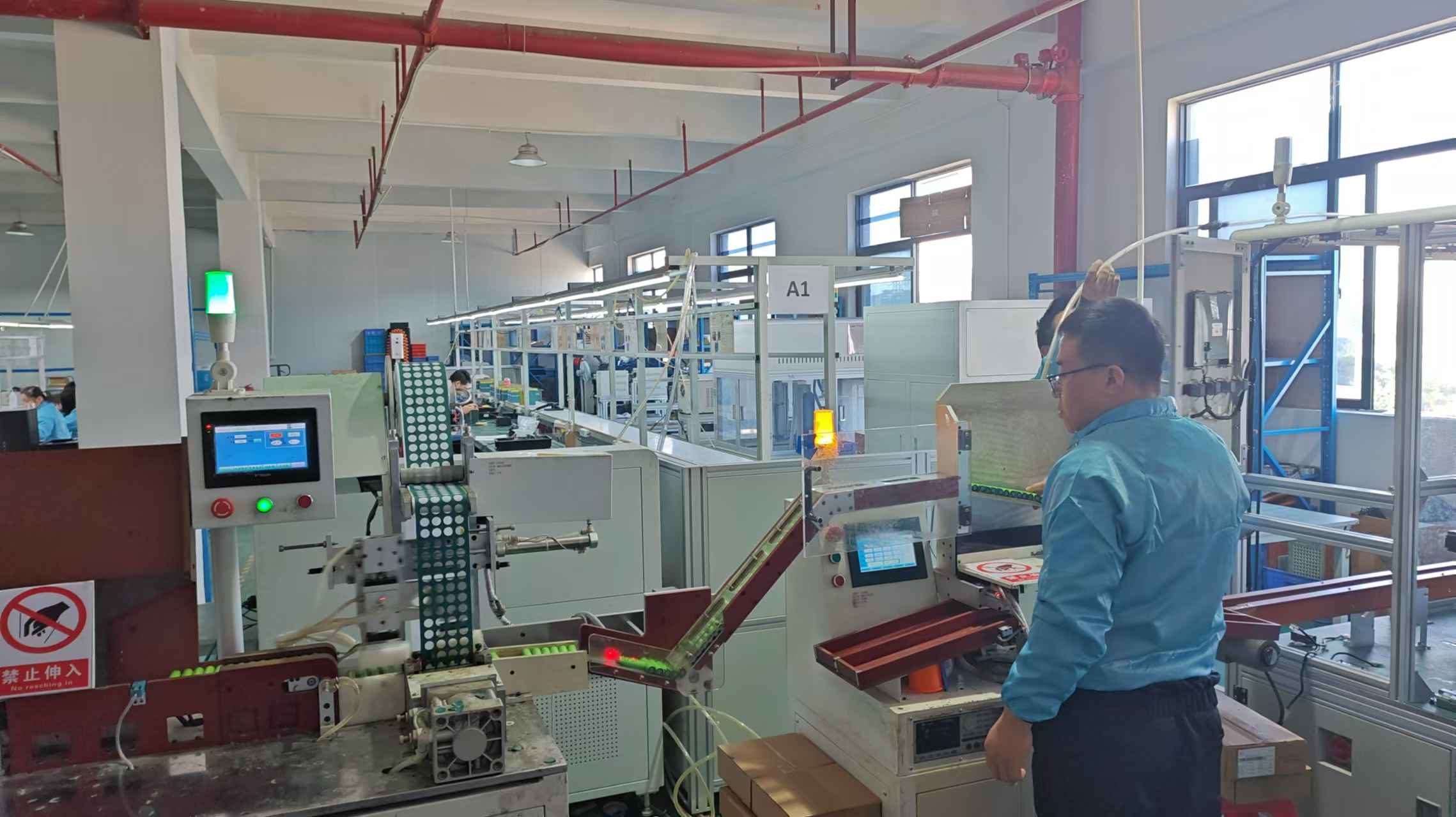
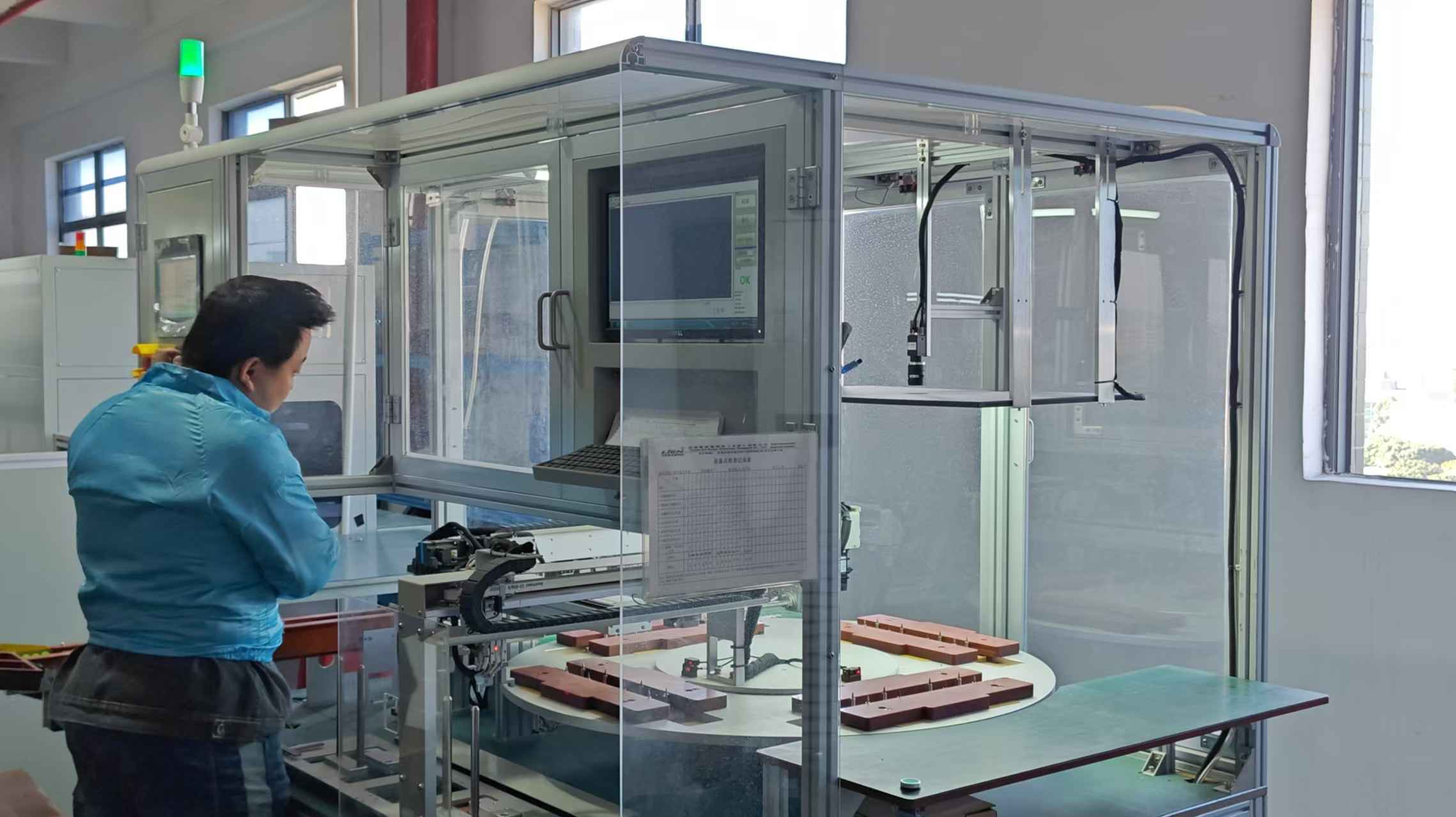
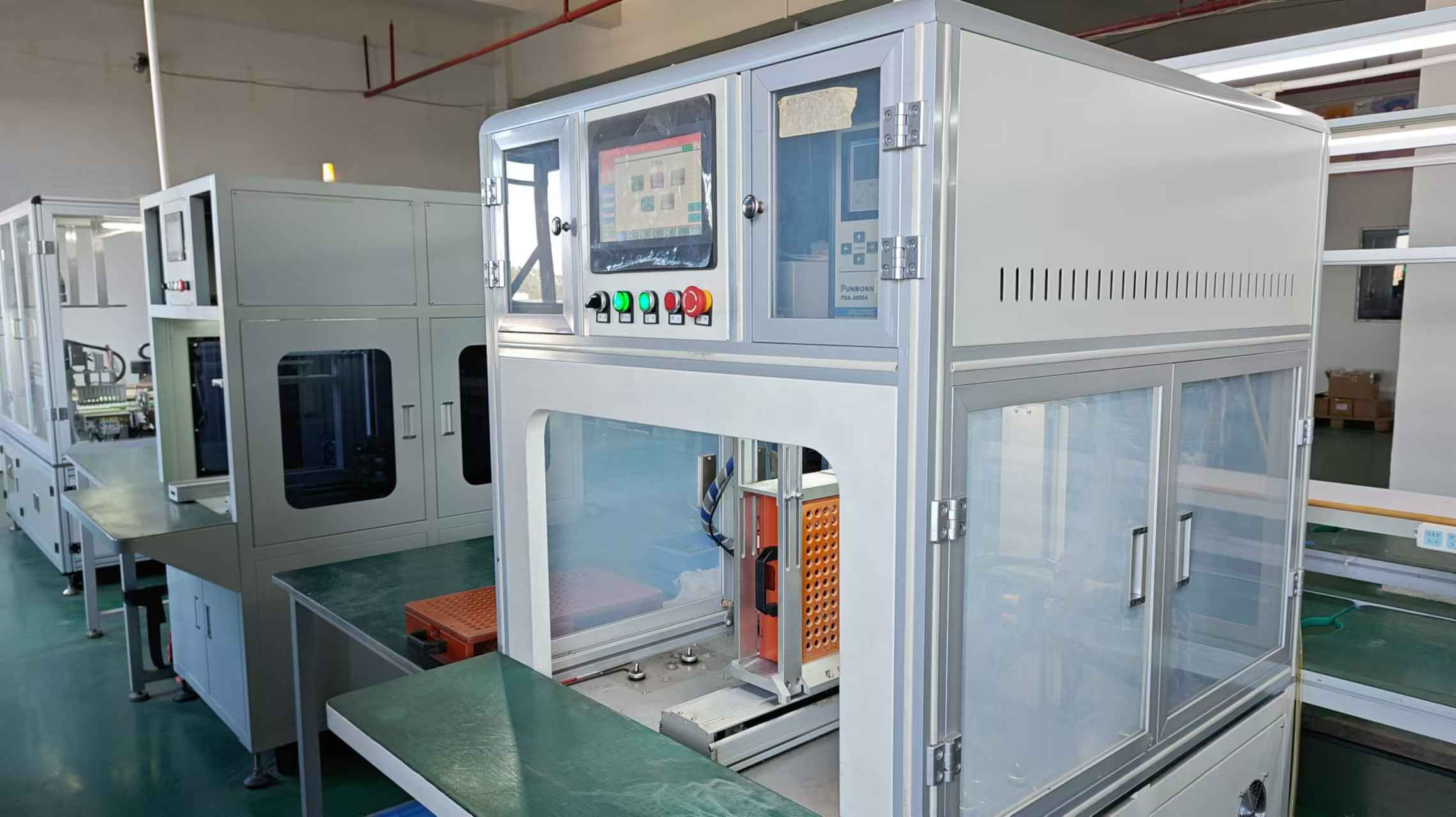
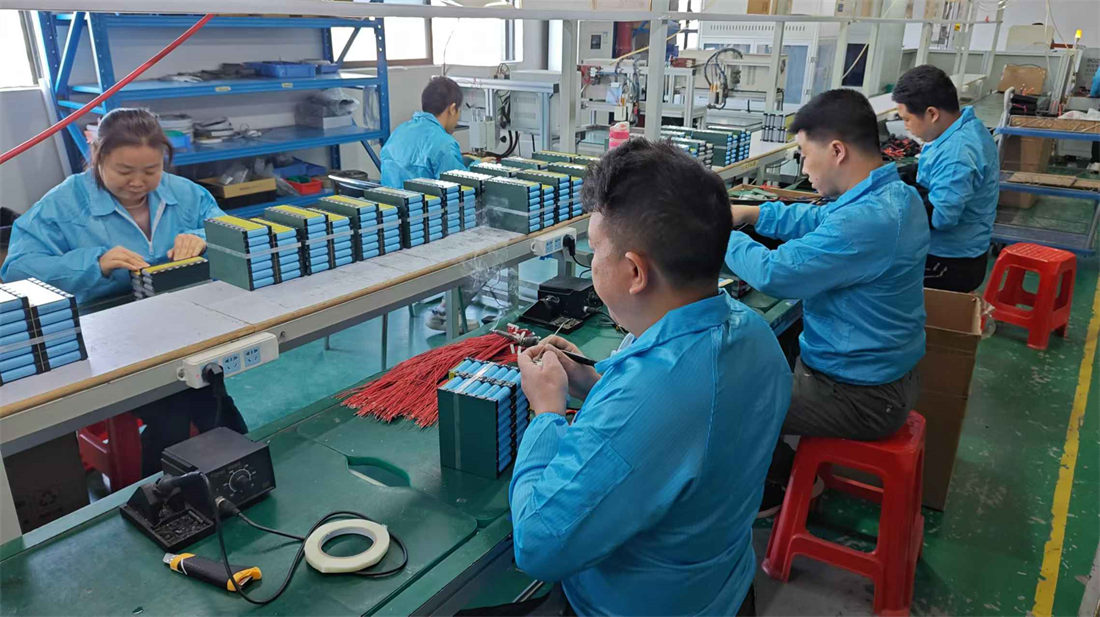
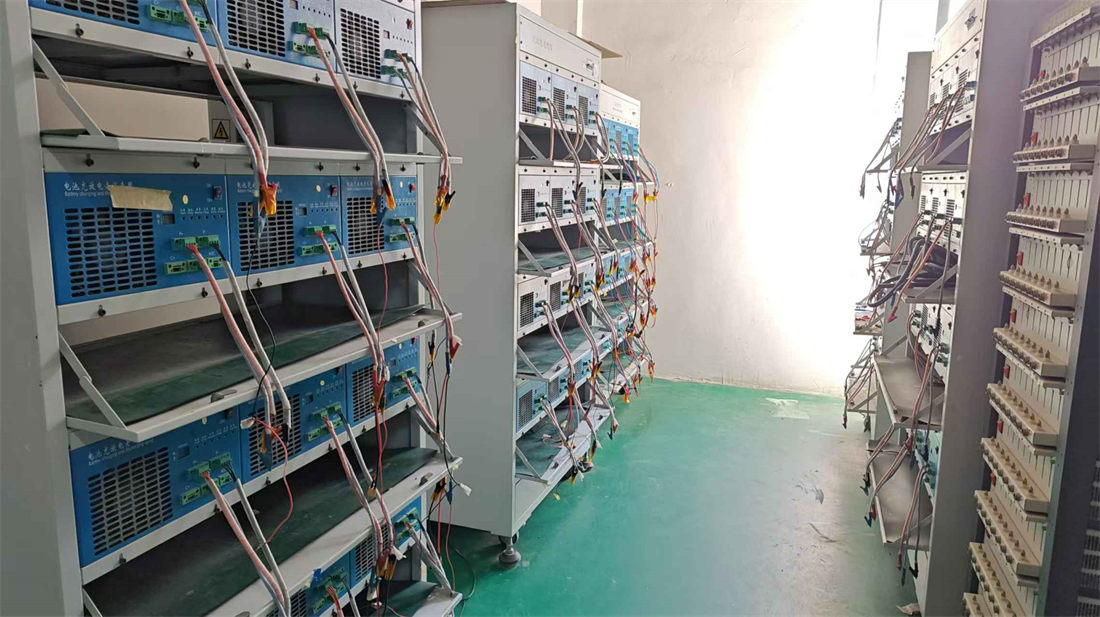
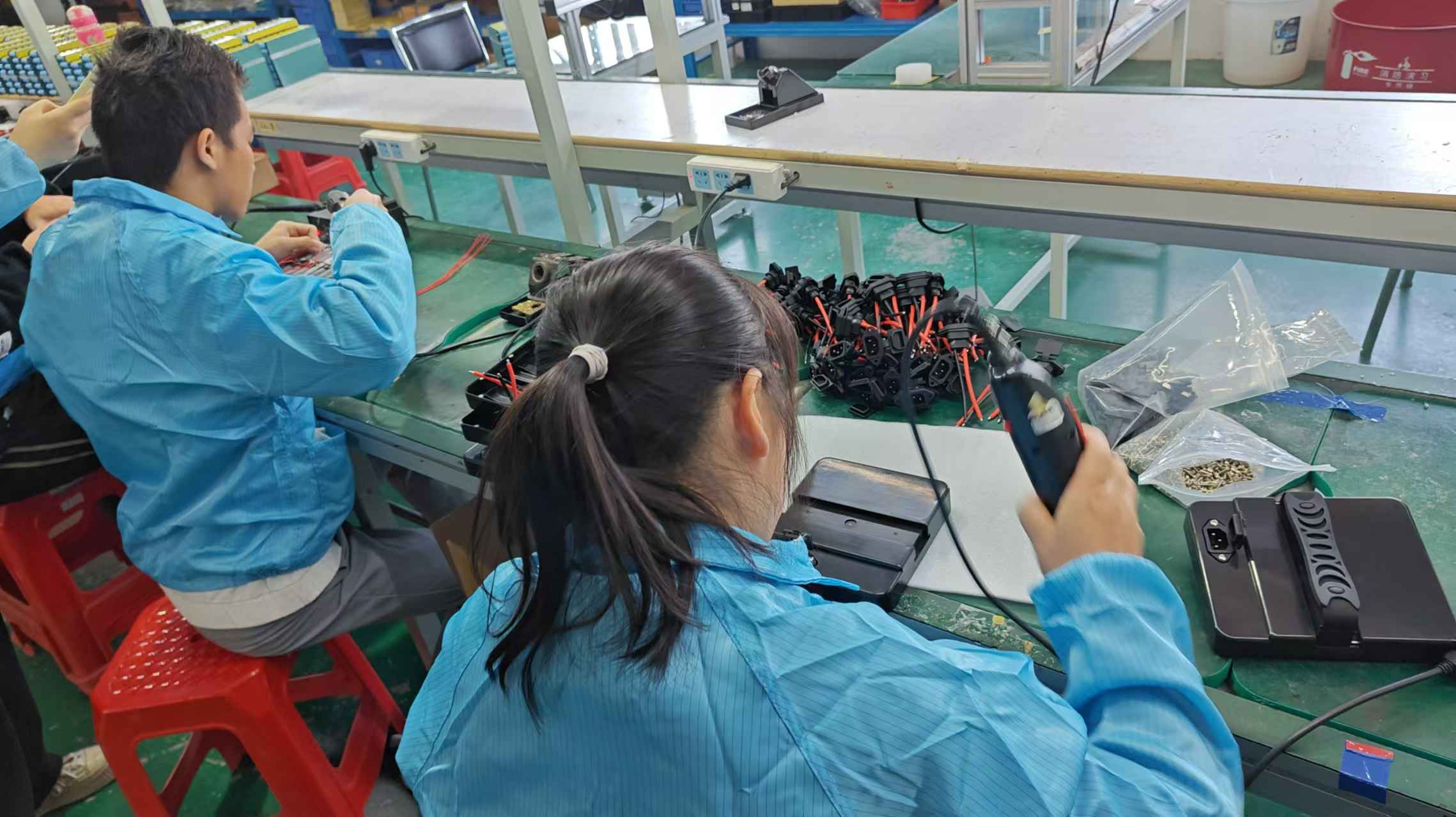
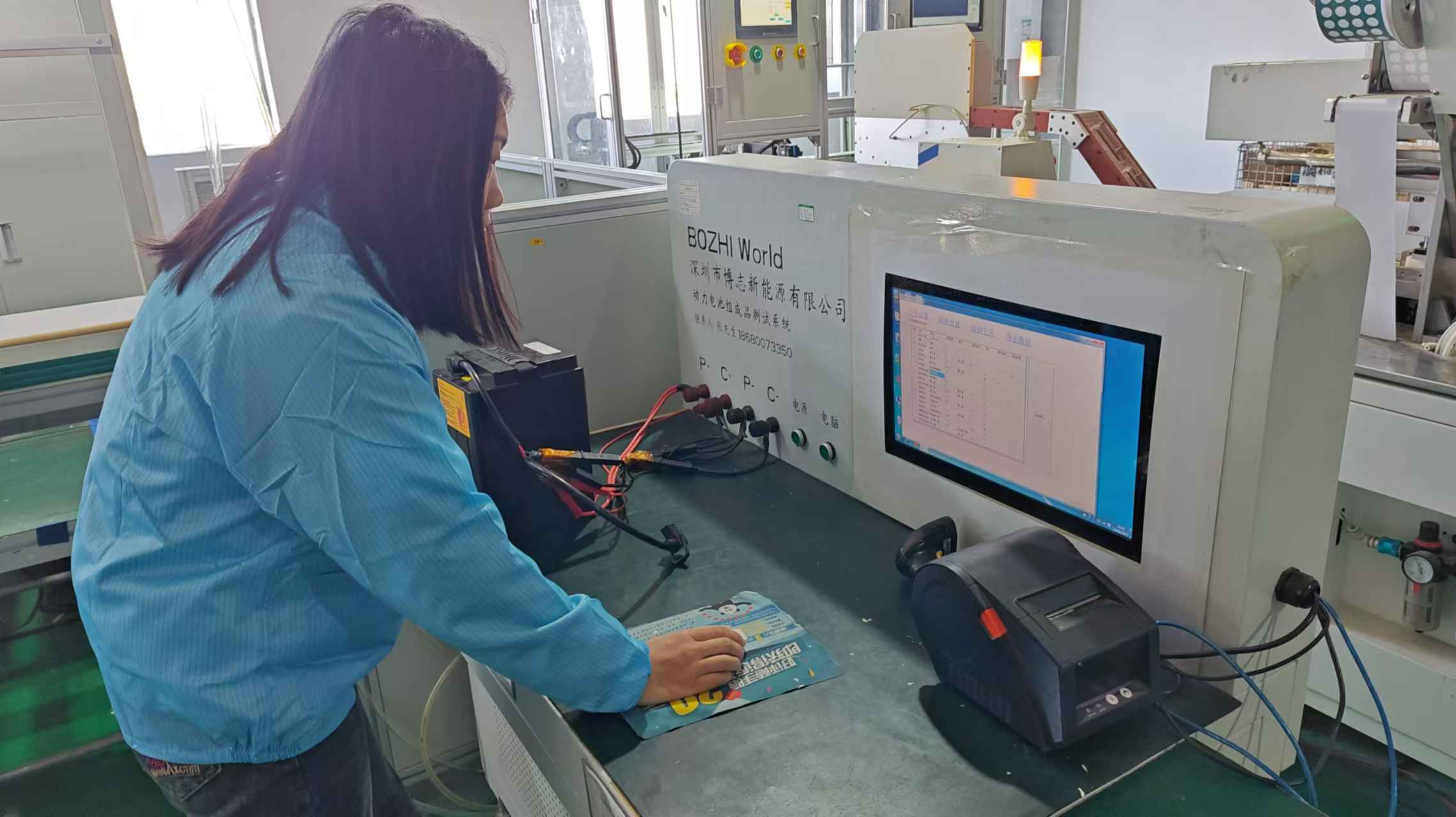
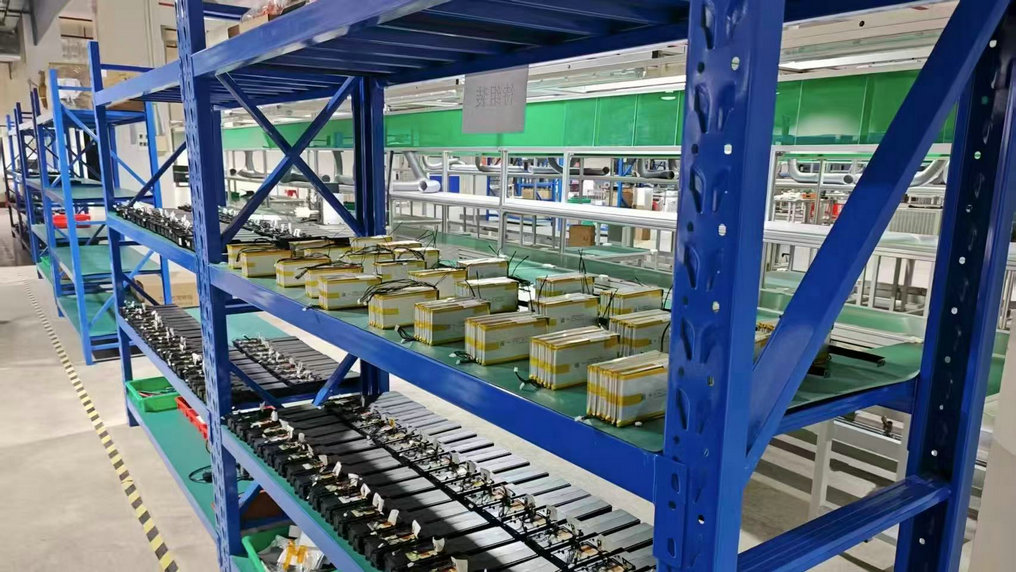
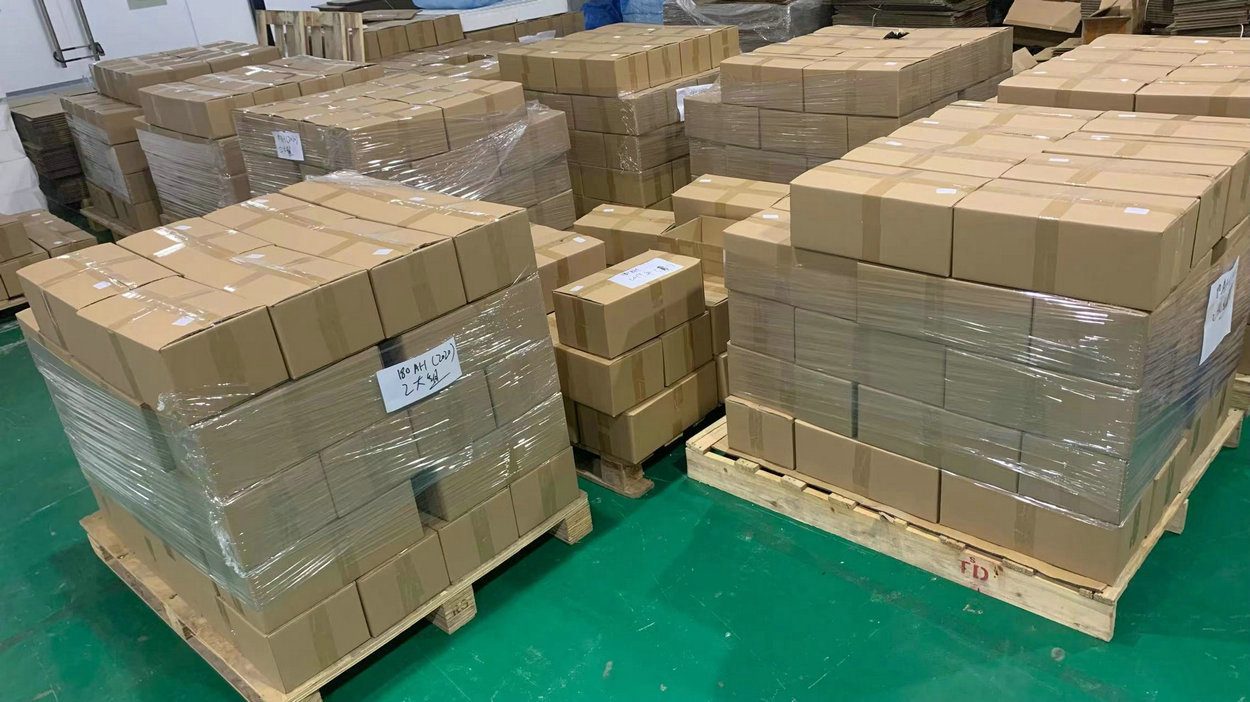
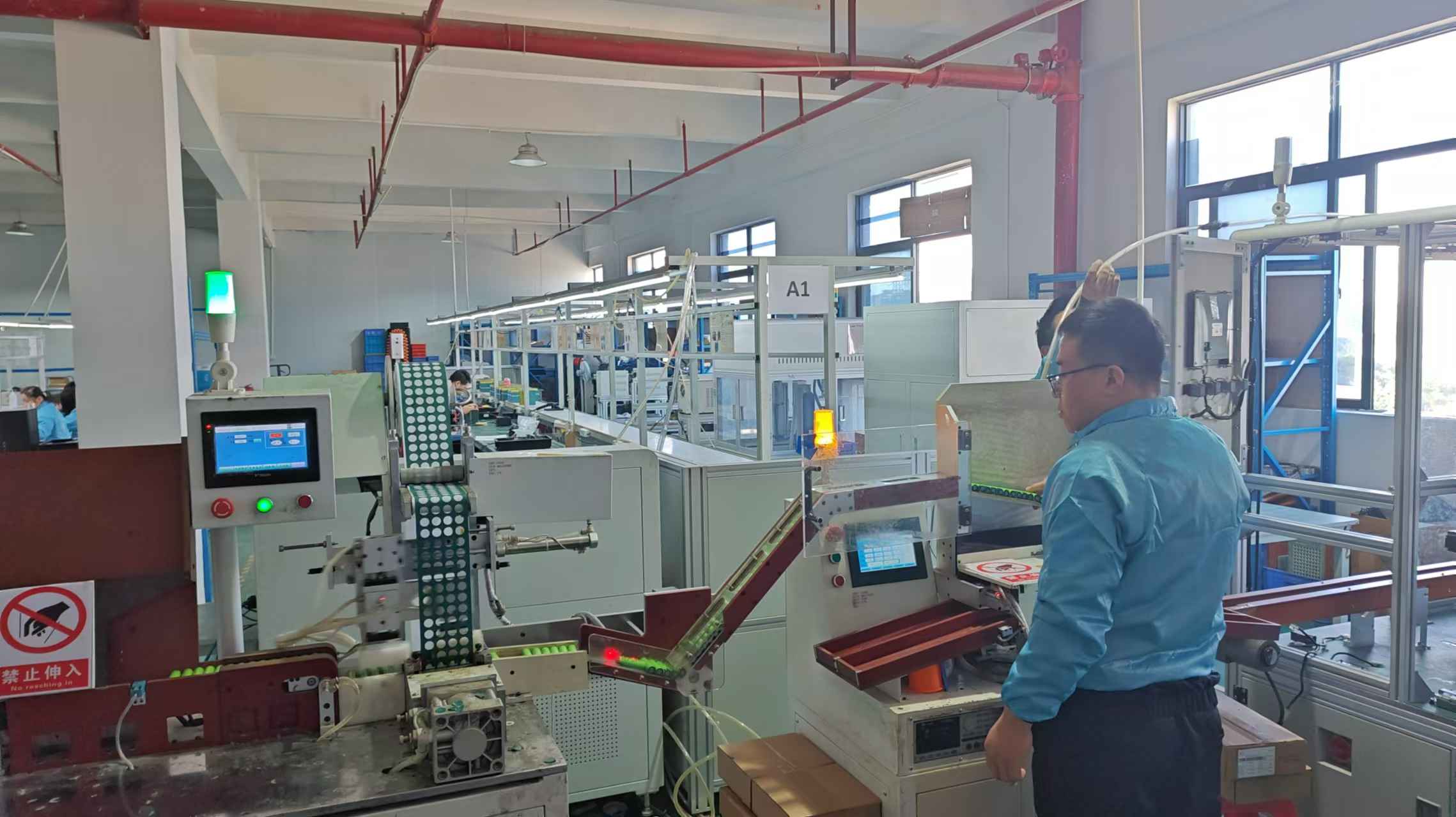
With a strong commitment to innovation, strict quality control, and customer-centric service, Guangdong Nuwon Energy continuously invests in advanced manufacturing capabilities, automated production lines, and rigorous testing systems. This ensures that every product meets international safety standards and delivers exceptional performance in demanding environments.
Driven by a vision to accelerate global electrification and energy efficiency, Guangdong Nuwon Energy Co., Ltd. is dedicated to building long-term partnerships and providing reliable, intelligent, and sustainable energy solutions to customers worldwide.
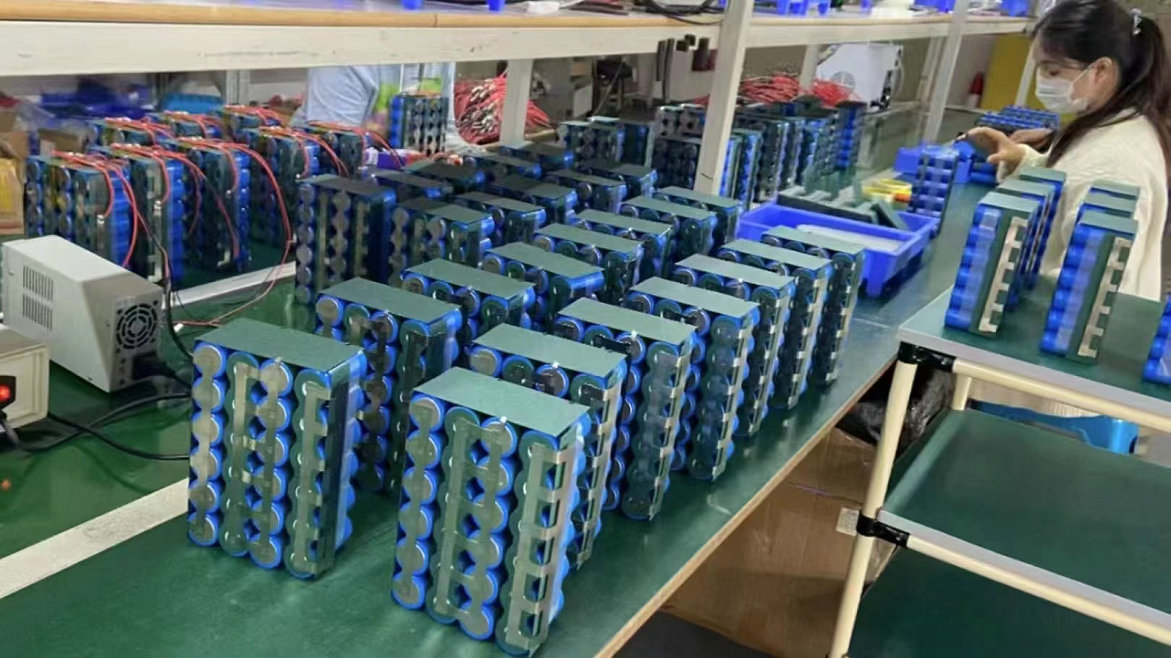
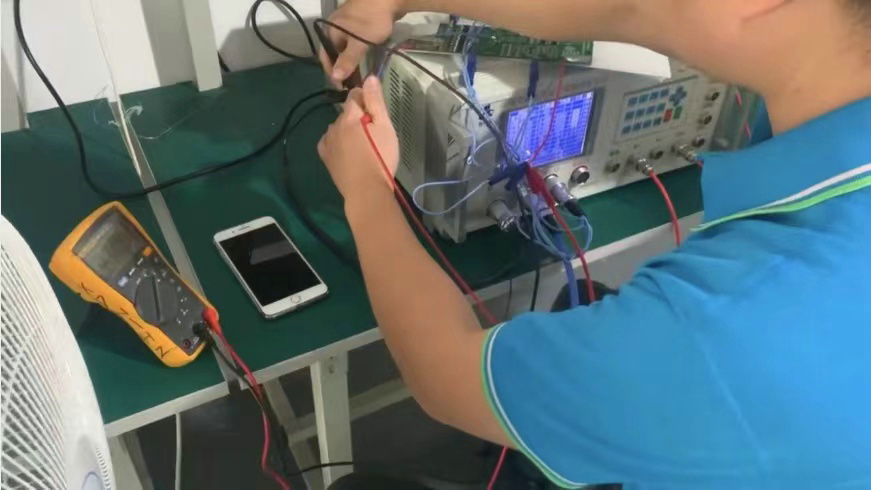
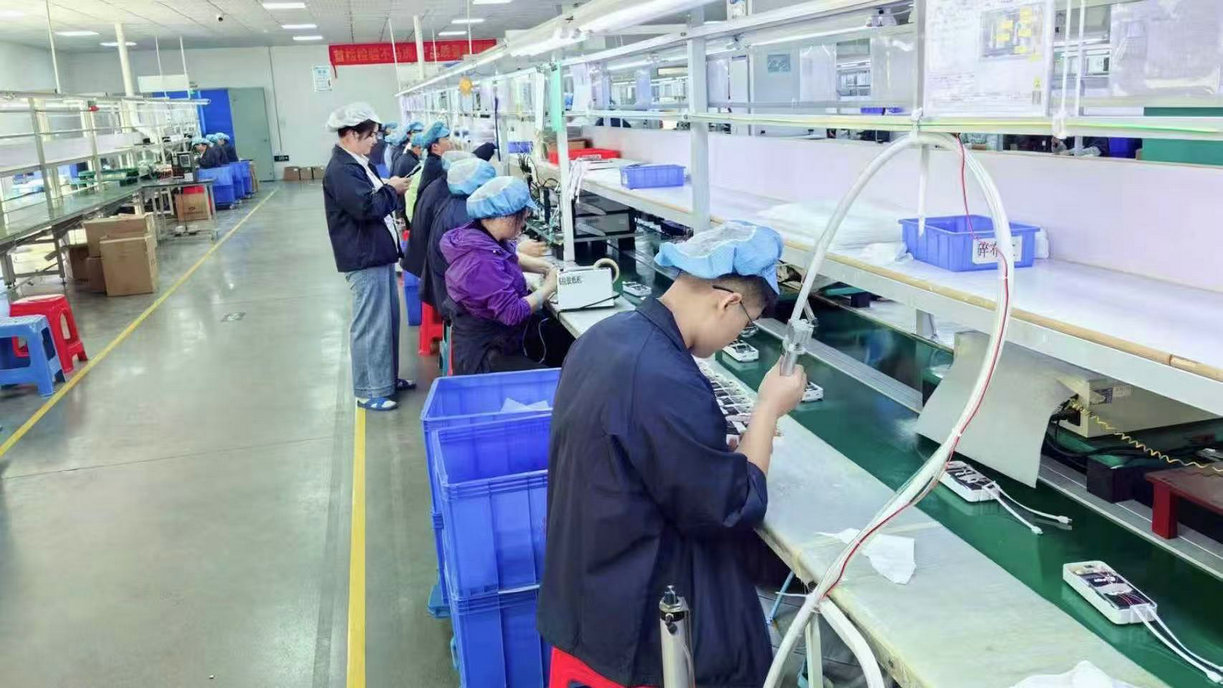
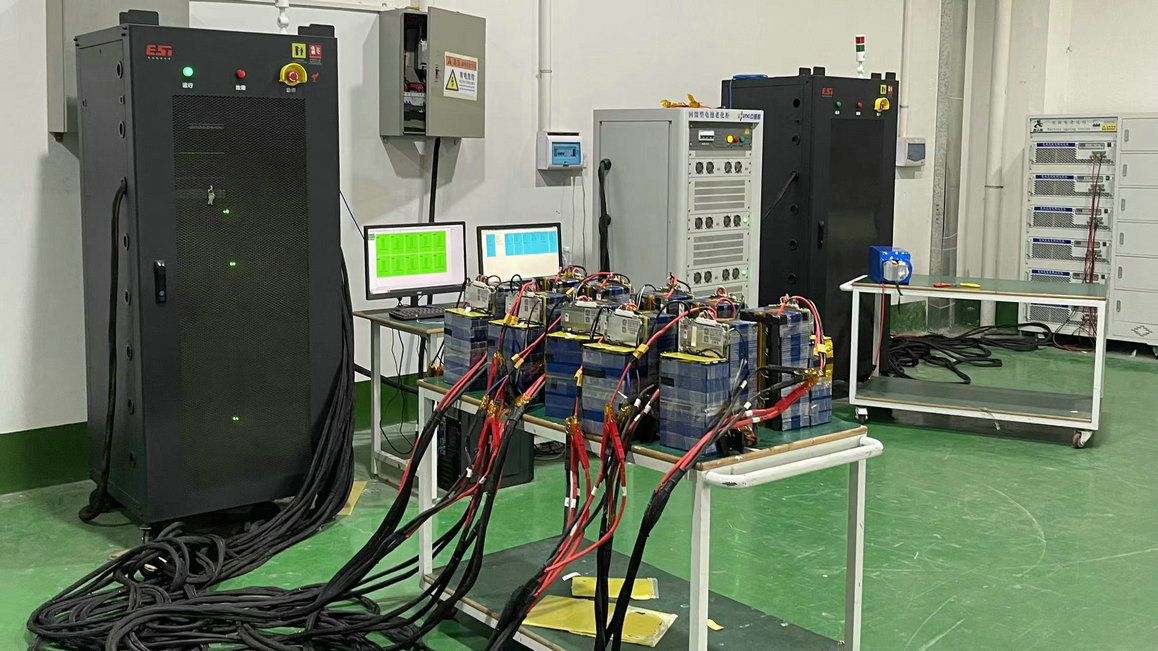
An objective engineering evaluation detailing why LTO is the optimal long-term investment for Japanese heavy industries.
| Performance Metrics | Lithium Titanate (LTO) | Lithium Iron Phosphate (LFP) | Nickel Manganese Cobalt (NMC) |
|---|---|---|---|
| Nominal Voltage | 2.3V - 2.4V | 3.2V | 3.6V - 3.7V |
| Cycle Life (100% DoD) | 20,000 - 30,000 cycles | 3,000 - 5,000 cycles | 1,000 - 2,000 cycles |
| Operating Temperature | -40°C to +65°C | -20°C to +60°C | -20°C to +55°C |
| Max Charge Rate (Continuous) | 10C (Fully charged in 6 mins) | 1C - 2C | 1C |
| Thermal Runaway Temp | > 250°C (Extremely Safe) | ~ 270°C | ~ 210°C |
| Total Lifespan (B2B TCO) | 15 to 25 Years | 5 to 8 Years | 3 to 5 Years |
LTO replaces the graphite anode of a conventional lithium-ion battery with lithium titanate nanocrystals. The resulting "zero-strain" lattice structure experiences virtually no volume change during charging and discharging, preventing the structural degradation common in LFP or NMC options. This technological leap allows Japanese industrial companies operating AGVs, heavy machinery, and backup telecommunication centers to install a battery system once, without the need for replacements for up to 25 years.
Exporting industrial machinery and battery cells to Japan requires navigating strict regulatory standards. We ensure all custom packs and cells comply with local electrical safety regulations and guidelines.
PSE Certification & JIS Compliance: Our manufacturing systems align with JIS C 8715-2 (safety requirements for industrial lithium cells and batteries). For relevant commercial applications, we support our clients in obtaining necessary PSE mark assessments and METI notifications.
BMS Integration & Telemetry: Our customized LTO packs come standard with advanced Battery Management Systems (BMS) supporting CAN bus, RS485, and Modbus protocols. This allows seamless integration with proprietary Japanese PLC systems, AGV navigation computers, and factory automation software.
Streamlined Logistics: We maintain strong partnerships with major dangerous goods carriers, offering reliable shipping routes to major Japanese container terminals, including Yokohama, Tokyo, Kobe, Osaka, and Nagoya. All export documentation, UN38.3 testing, and MSDS logs are provided for smooth customs clearance.
Replacing old Lead-Acid or LFP systems? We modify brackets, terminals, and sheet metal casing dimensions to fit your existing configuration.
Programmed to interface with localized inverter brands and Japanese factory controller networks.
Every LTO cell undergoes comprehensive impedance match testing, safety diagnostics, and physical cycle aging before packing.
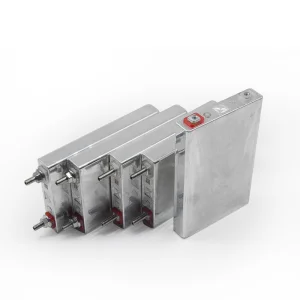
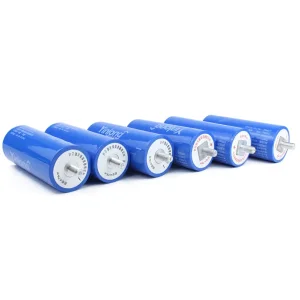
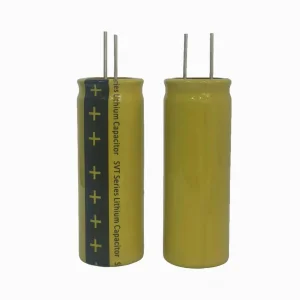
Explore our complete product lineup, featuring standard cylindrical cells, prismatic modules, and high-discharge automotive starter banks.
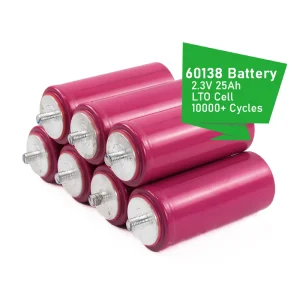
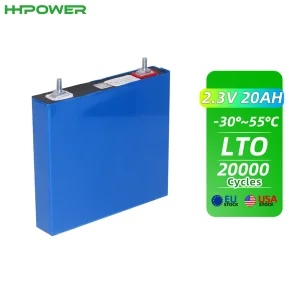
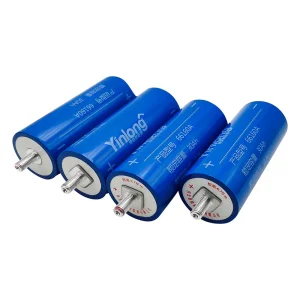
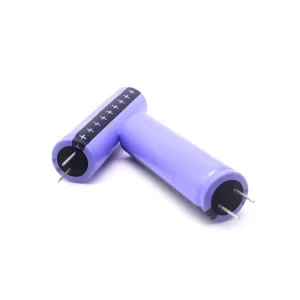
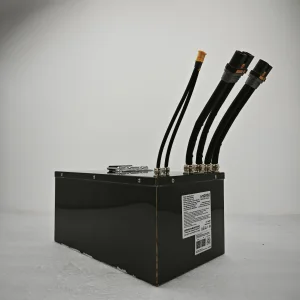
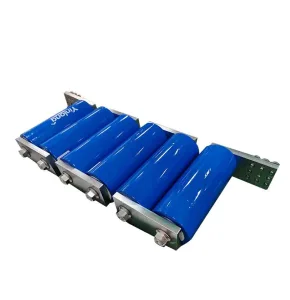
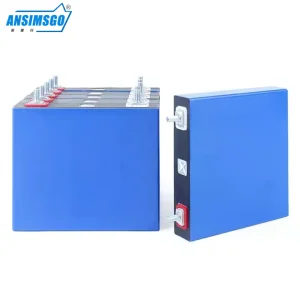
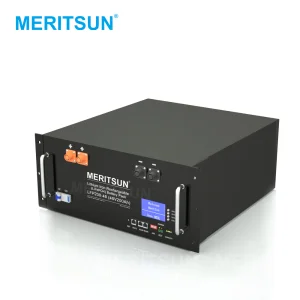
Adapting cell engineering to meet tomorrow's industrial electrification goals.
The development of LTO technology is driven by two main goals: increasing energy density and lowering production costs, while maintaining the safety parameters that make LTO popular. Current R&D efforts focus on optimizing electrode designs and using advanced coating technologies to enhance conductivity.
Our engineering team works on integration solutions that combine LTO cells with hybrid battery systems. By coupling LTO cells (for high-power bursts and fast charging) with high-density LFP or solid-state systems, we help clients build hybrid power solutions for heavy equipment. These systems handle peak transient currents without stressing secondary energy sources, helping prevent premature cell aging.
Providing clear answers on procurement, custom manufacturing, and technical implementation for Japanese engineers.
Need equivalent cells for Toshiba SCiB or Yinlong? Or looking to develop a custom LTO pack for automated guided vehicles or backup systems? Contact our engineering team today for technical support.
Get in Touch With Our Engineers Nuwon Energy