Direct from China's leading factory. Designed with wide thermal operational tolerance and active thermal management profiles for GCC conditions.

In the Arabian Gulf, and specifically within the State of Kuwait, industrial operations are subjected to some of the most unforgiving environmental conditions on Earth. Ambient summer temperatures frequently breach 50°C (122°F), with ground temperatures in desert oilfields soaring even higher. Under these conditions, conventional lithium iron phosphate (LiFePO4) and nickel manganese cobalt (NCM) battery chemistries degrade rapidly, suffering from shortened lifespans, drastically reduced charging efficiencies, and an elevated risk of thermal runaway.
As Kuwait executes its ambitious Vision 2035 (New Kuwait), which aims to diversify the economy and ramp up renewable energy capacity, the need for resilient energy storage systems (ESS) is paramount. Traditional batteries require energy-intensive active HVAC cooling systems to survive, which drains overall system efficiency. Lithium Titanate Oxide (LTO) battery technology offers a direct, physics-based solution to these challenges, functioning seamlessly up to 65°C without thermal hazard.
How our specialized LTO chemistries solve engineering and operational pain points across key GCC commercial and industrial segments.
Kuwait's upstream oil wells in fields like Burgan, Wafra, and Sabriya require continuous monitoring and control via SCADA units. Located in remote desert terrains, these installations rely on off-grid solar energy systems. During peak summer hours, typical lead-acid or LiFePO4 batteries fail due to excessive heat. LTO cells operate without degradation, safeguarding communication links and preventing costly unscheduled shutdowns.
Telecommunications companies in Kuwait (such as Zain, Ooredoo, and stc) are deploying extensive 5G network towers across remote desert regions. The cooling of these telecom cabinets represents a major operational expense. Incorporating LTO batteries allows operators to raise cabinet operating temperatures, saving massive air conditioning energy costs while guaranteeing stable battery backup.
At the busy ports of Shuwaikh and Shuaiba, electric material handling equipment, automated guided vehicles (AGVs), and port cranes operate 24/7. LTO's 10C fast-charging capability allows these vehicles to charge fully in under 15 minutes during shift changes. Furthermore, LTO batteries exhibit no degradation under the intense vibrations and constant high-power demand characteristic of heavy machinery.
With heavy air conditioning loads driving peak electricity demand to the limit during Kuwaiti summer afternoons, LTO-based commercial grid storage can absorb and discharge enormous amounts of energy instantly. They support peak shaving, grid voltage stabilization, and frequency response without the risk of degradation associated with fast cycling.
A comparative technical overview of Lithium Titanate ($Li_4Ti_5O_{12}$) versus mainstream battery chemistries for critical engineering applications.
The fundamental difference of the Lithium Titanate battery lies in its anode. While conventional lithium-ion batteries utilize carbon-based graphite anodes, LTO batteries replace carbon with lithium titanate nanocrystals. This structural change alters the electrochemical dynamics of the cell in three critical ways:
For engineering procurement departments in Kuwait, this technology translates to an extremely low Total Cost of Ownership (TCO). While the initial capital expenditure of LTO cells is higher than LFP or Lead-Acid, when calculating the lifecycle costs—factoring in zero cooling requirements, minimal replacement cycles, and zero maintenance overhead—LTO represents the most cost-effective battery storage option for industrial applications.
Furthermore, Guangdong Nuwon Energy Co., Ltd. incorporates high-precision BMS (Battery Management System) modules specifically programmed to interface with major industrial power inverters used throughout the Middle East, such as SMA, Deye, Victron Energy, and Growatt, assuring seamless plug-and-play integration.
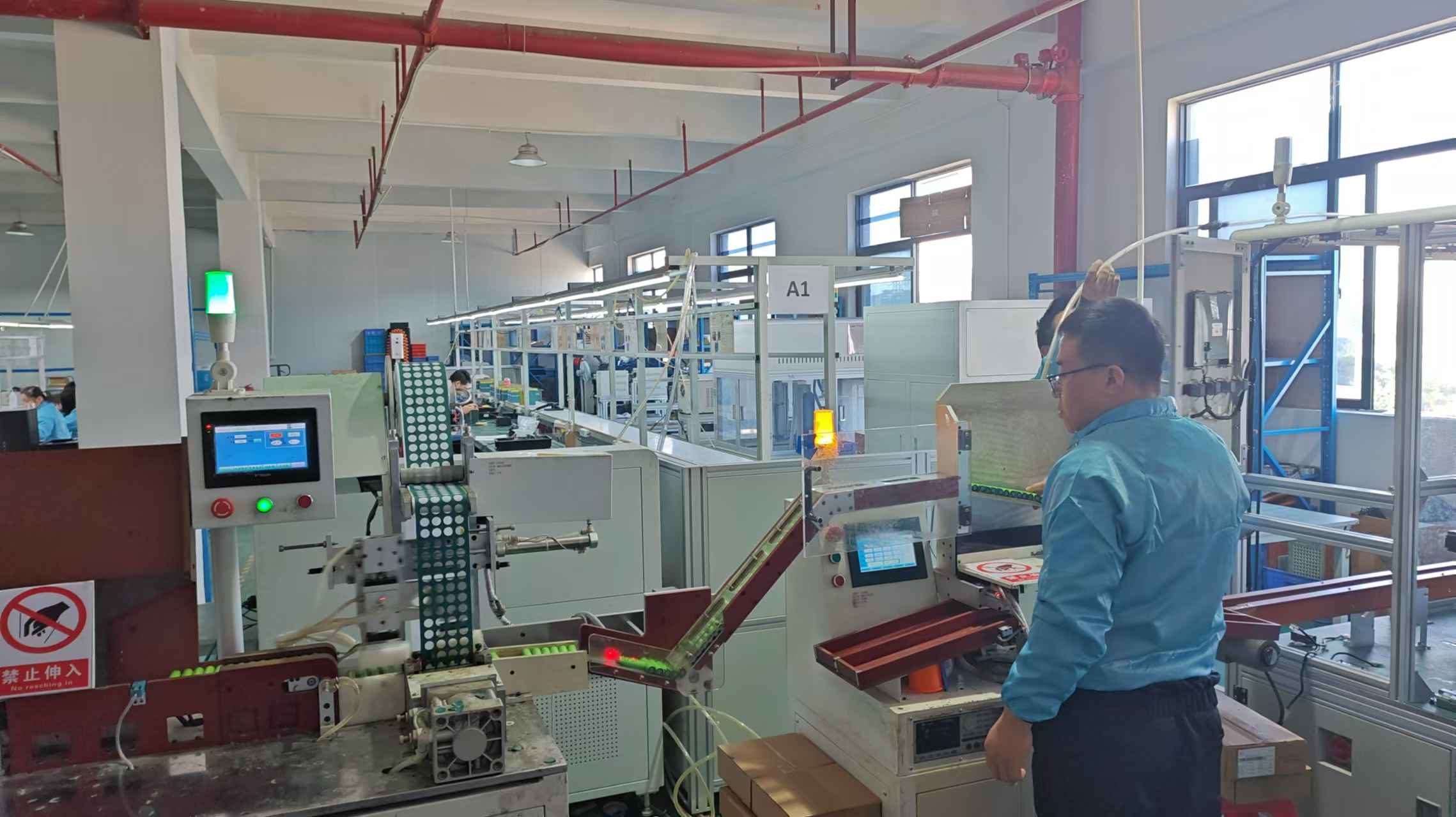
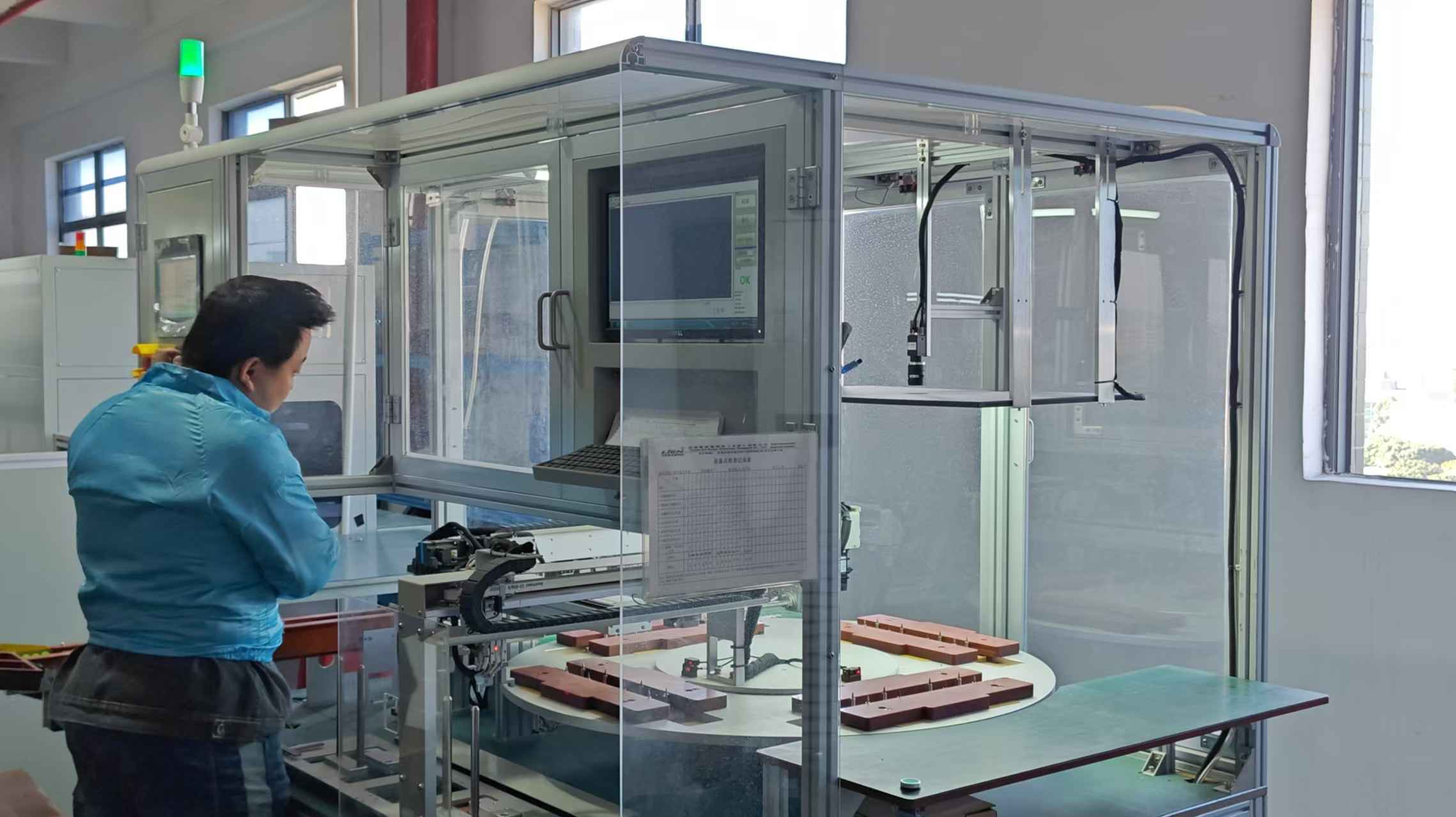
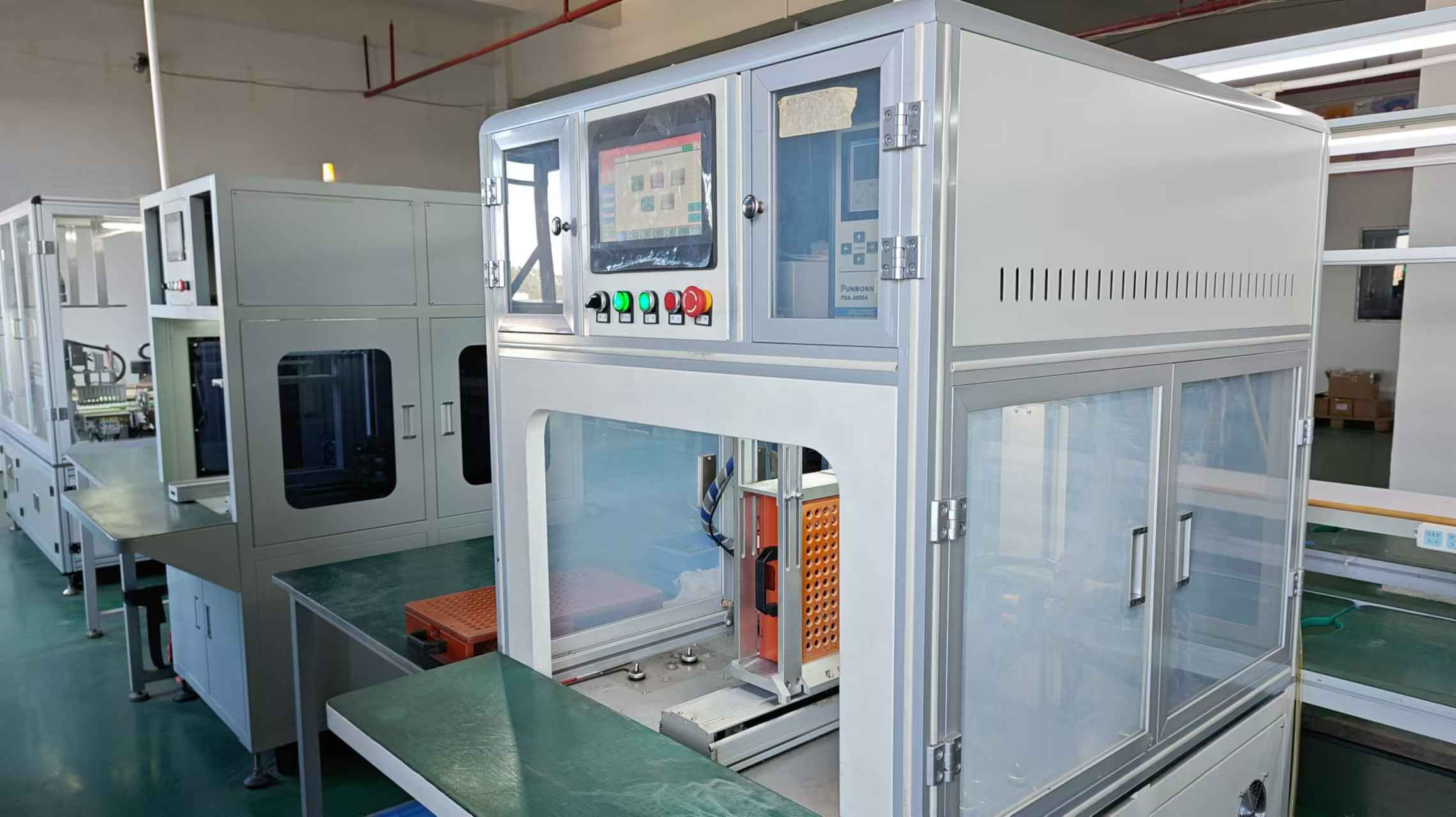
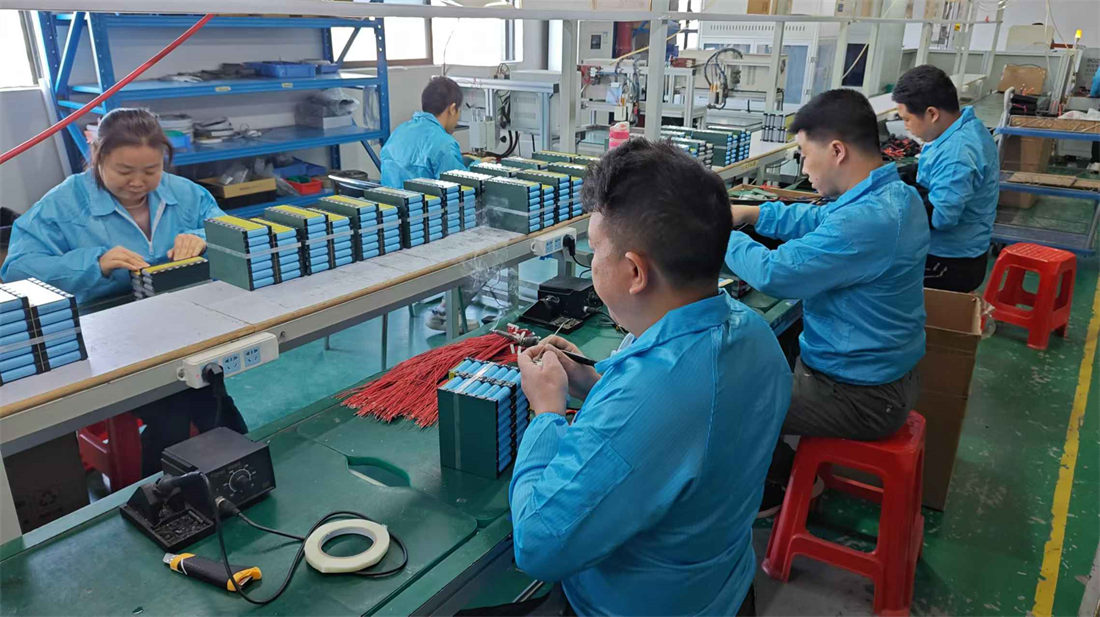
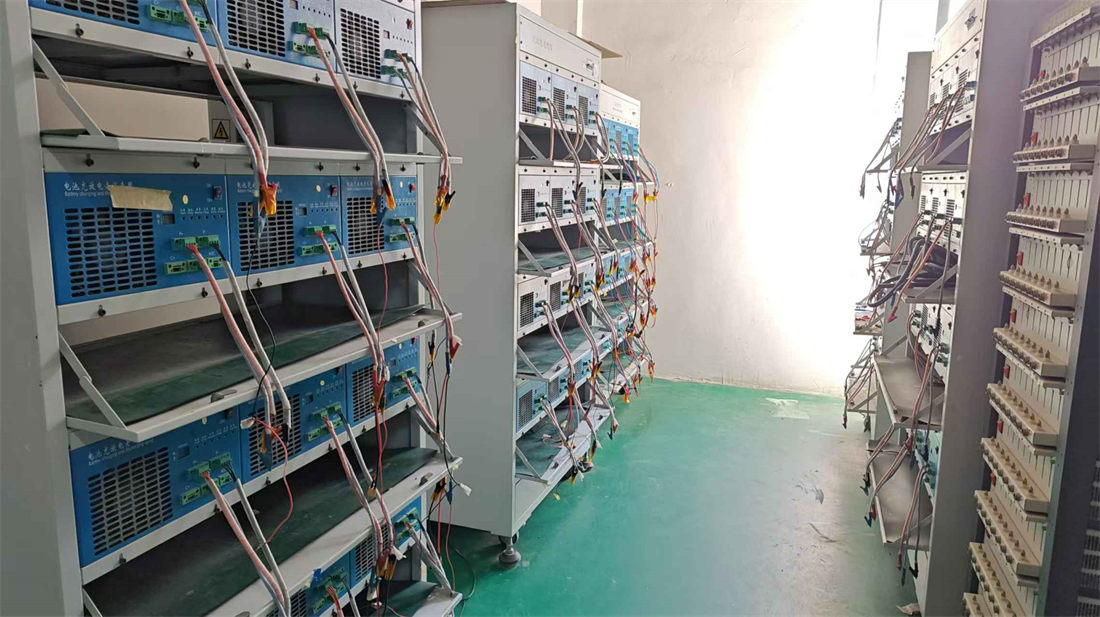
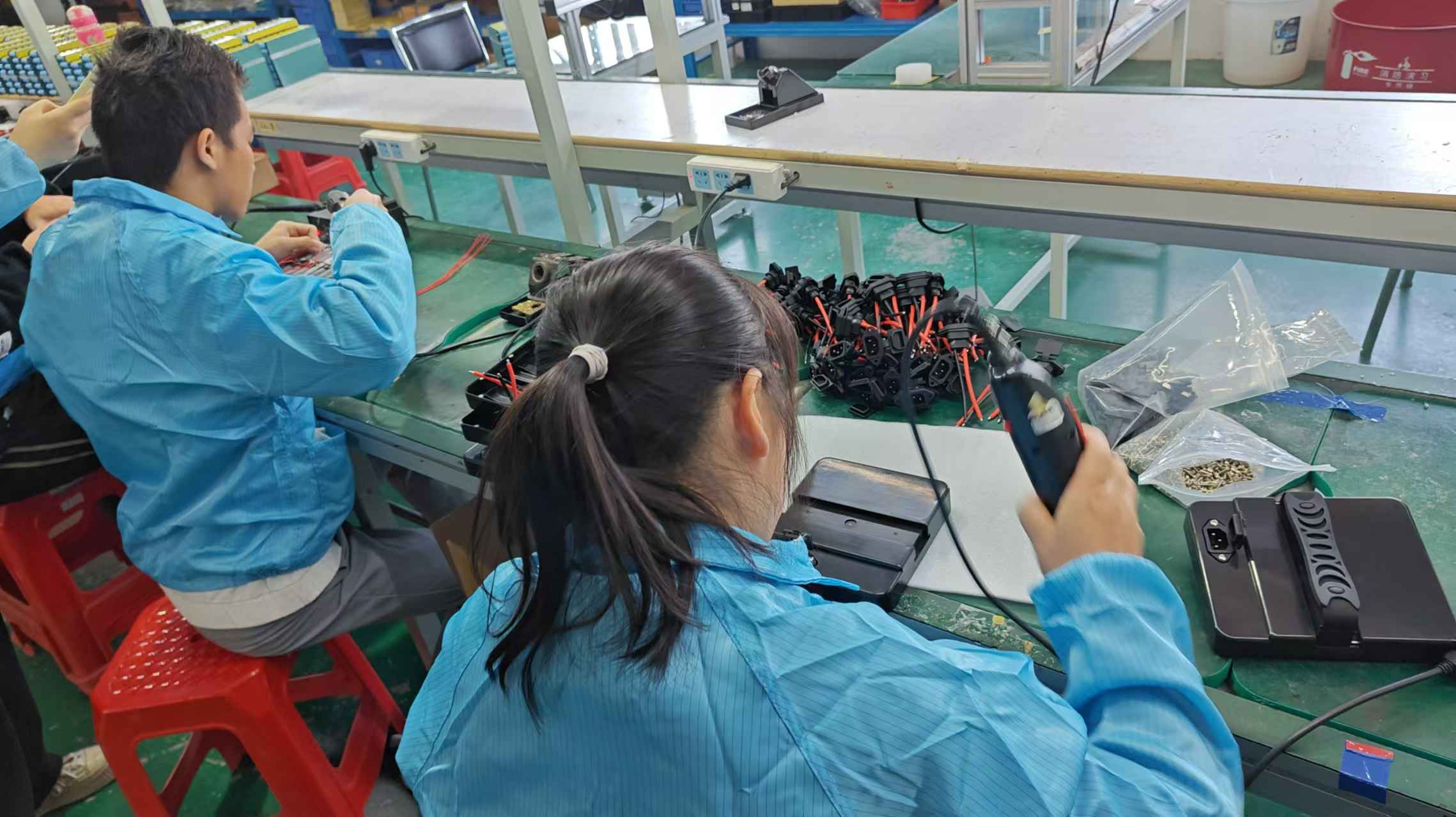
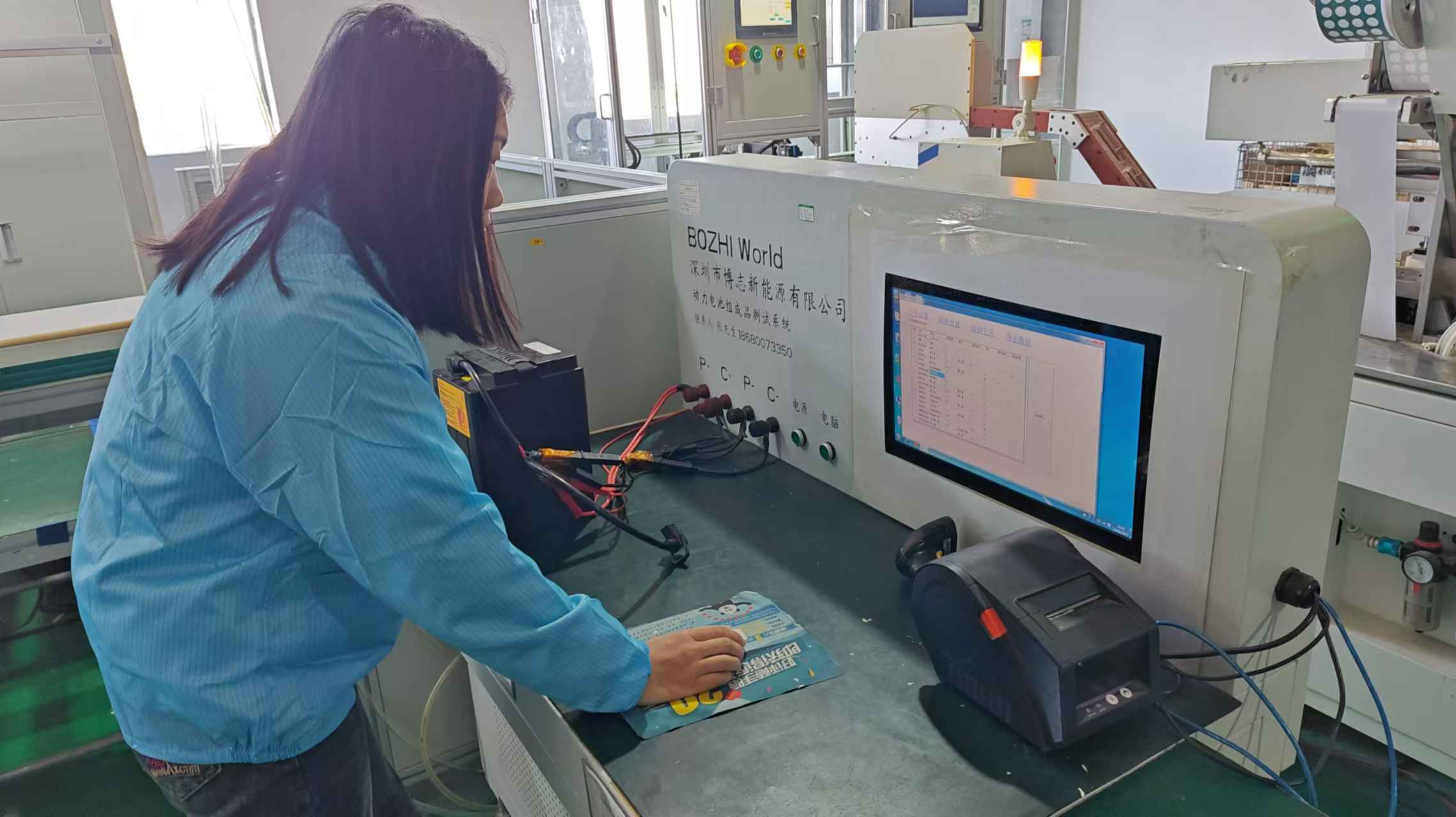
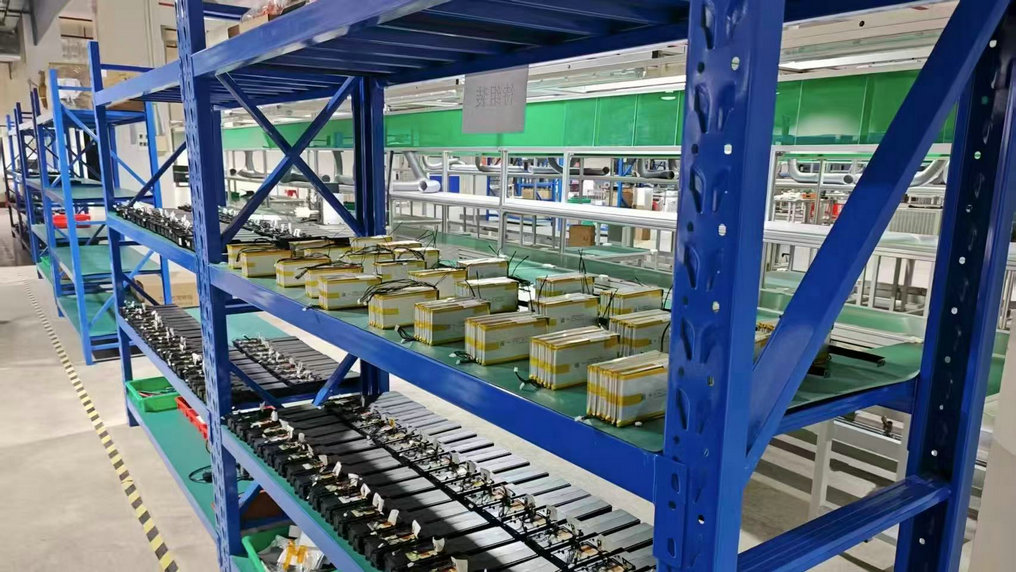
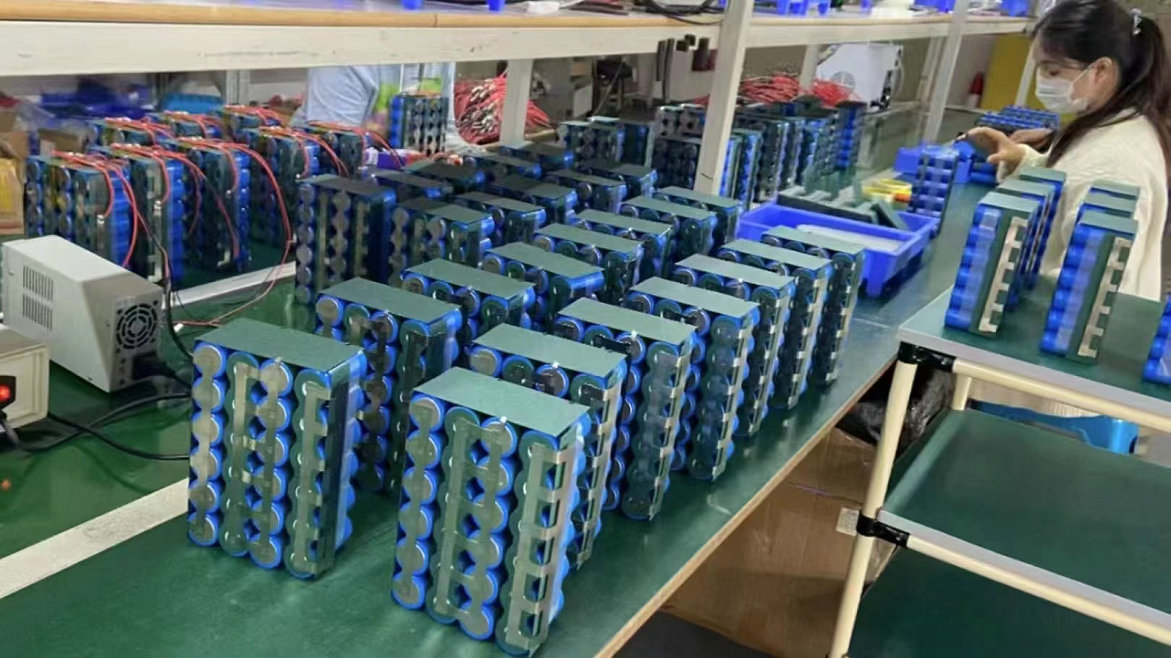
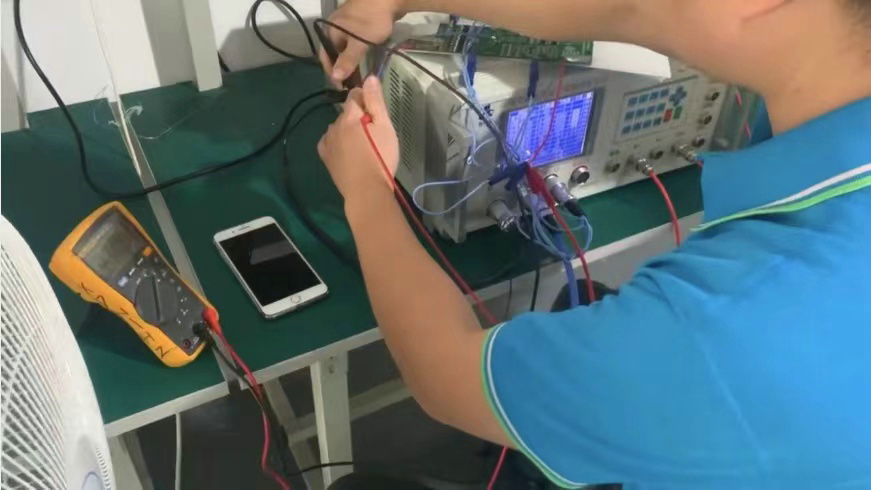
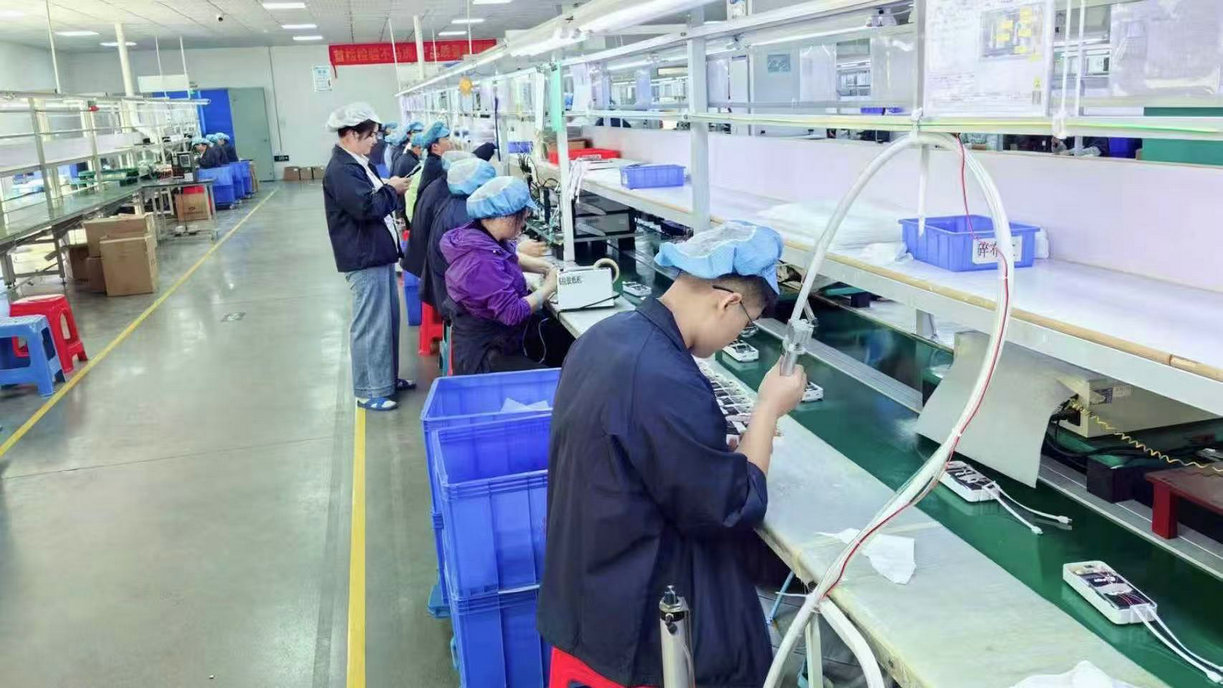
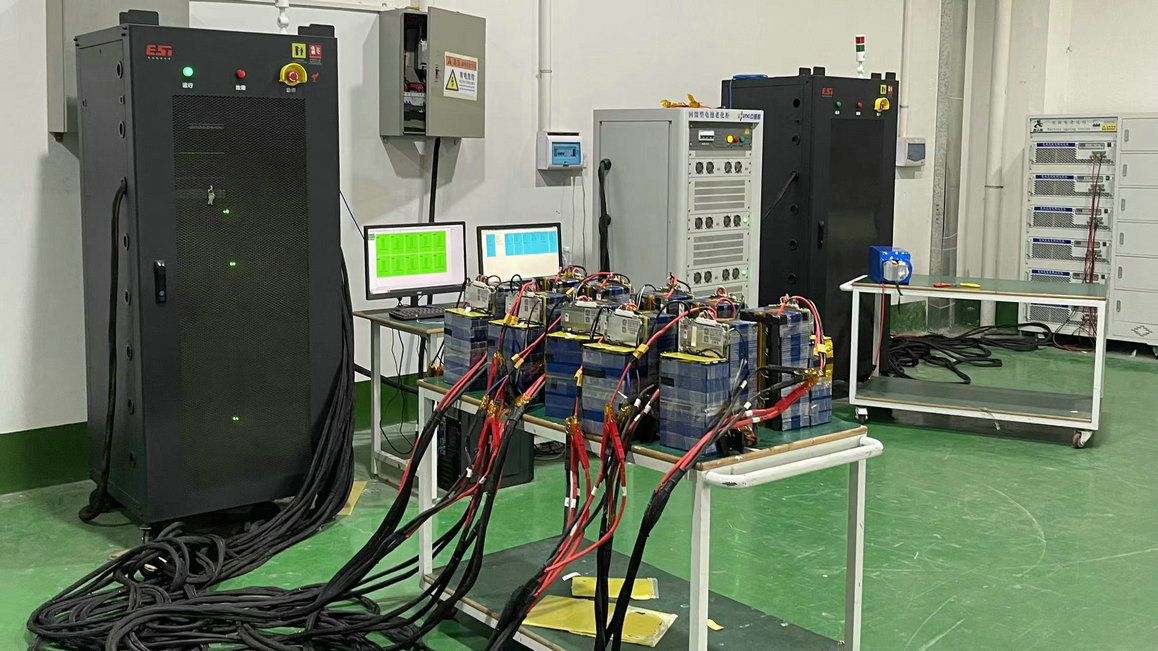
Company Profile of Guangdong Nuwon Energy Co., Ltd. and a visual walk-through of our industrial assembly and quality testing lines.
Company Profile – Guangdong Nuwon Energy Co., Ltd.
Guangdong Nuwon Energy Co., Ltd. is a leading manufacturer and solution provider in advanced battery systems, specializing in the research, development, manufacturing, and global distribution of high-performance energy storage products. The company offers comprehensive OEM and ODM services, delivering customized battery solutions tailored to diverse industrial and commercial applications.
Backed by a highly experienced engineering and R&D team, Nuwon Energy focuses on the design and integration of cylindrical and prismatic lithium battery cells, as well as complete battery packs, modules, and energy storage systems. The company also develops and produces industrial-grade battery cells engineered for safety, durability, and long cycle life.
Guangdong Nuwon Energy serves a wide range of industries, including consumer electronics, electric mobility (such as golf carts, forklifts, UTVs/ATVs, trucks, and marine systems), medical equipment, unmanned ground vehicles (AGVs/AMRs), and emerging aerospace applications such as eVTOL aircraft. In addition, the company provides reliable residential, commercial, and industrial (C&I) energy storage solutions designed to support the global transition toward clean and sustainable energy.
With a strong commitment to innovation, strict quality control, and customer-centric service, Guangdong Nuwon Energy continuously invests in advanced manufacturing capabilities, automated production lines, and rigorous testing systems. This ensures that every product meets international safety standards and delivers exceptional performance in demanding environments.
Driven by a vision to accelerate global electrification and energy efficiency, Guangdong Nuwon Energy Co., Ltd. is dedicated to building long-term partnerships and providing reliable, intelligent, and sustainable energy solutions to customers worldwide.
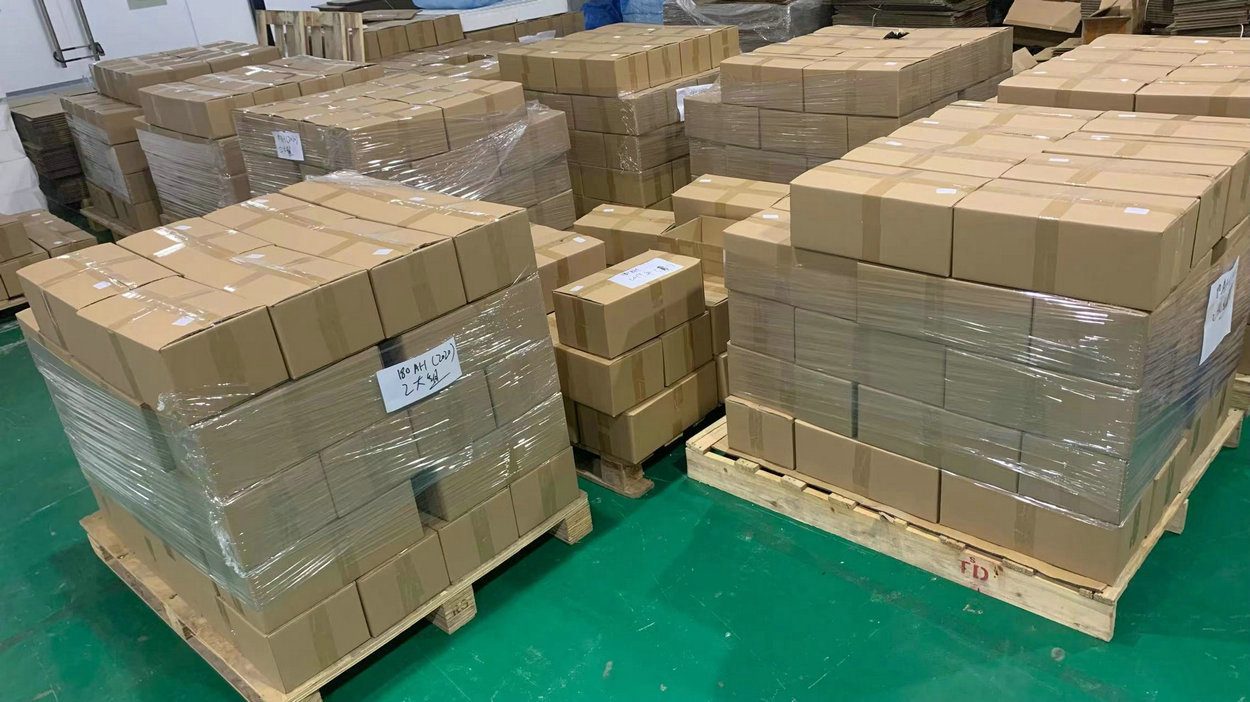
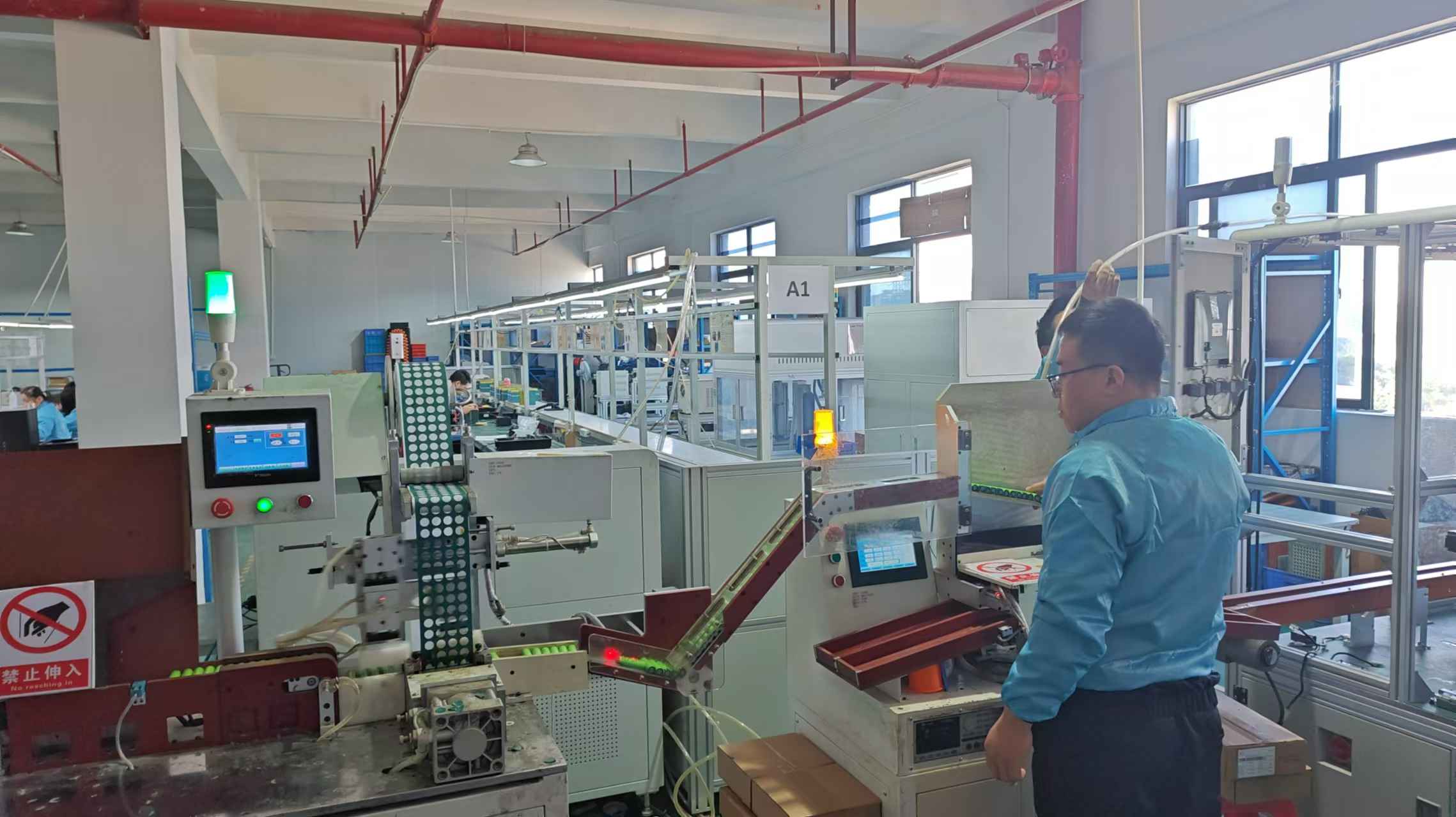
As an established manufacturing partner exporting to GCC countries, Guangdong Nuwon Energy Co., Ltd. coordinates complete customs compliance. We ensure that our battery shipments adhere to the KUCAS (Kuwait Conformity Assurance Scheme) guidelines. Every export batch is accompanied by necessary certification dossiers, including:
From our production lines in Guangdong, we leverage Shenzhen and Guangzhou maritime shipping hubs to offer containerized freight direct to Kuwait. Our engineering team provides complete remote installation advisory support, schematics, and direct configuration details to local contracting agencies in Kuwait, guaranteeing zero integration friction.
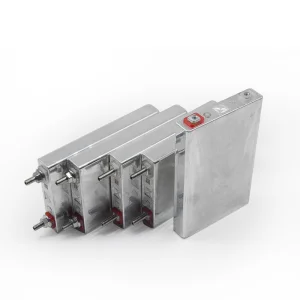
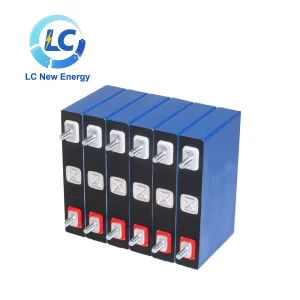
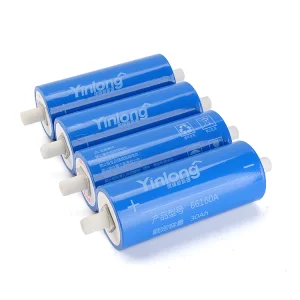
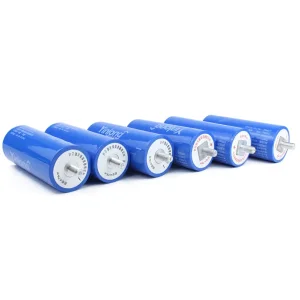
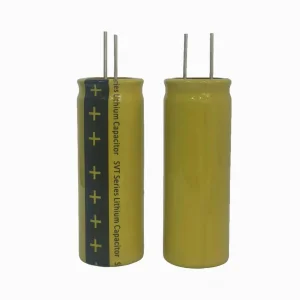
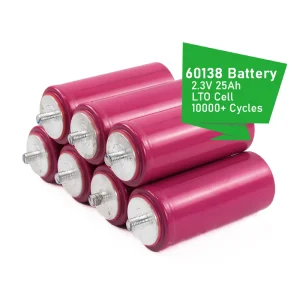
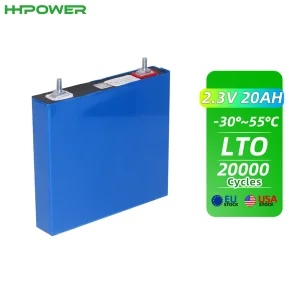
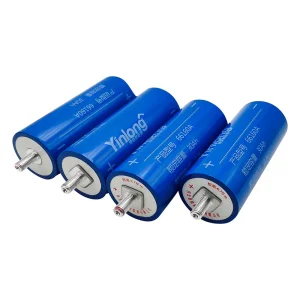
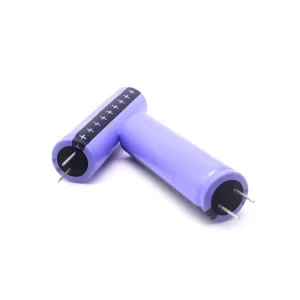
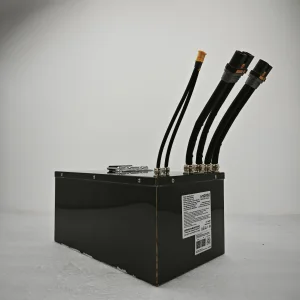
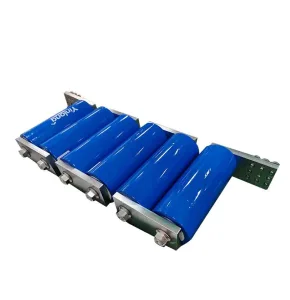
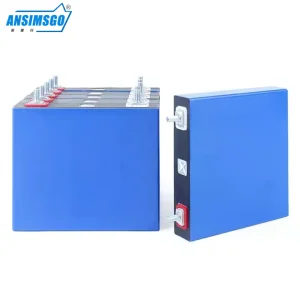
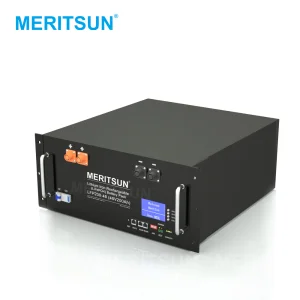
Explore our comprehensive array of customized and cell-level Lithium Titanate batteries. We support bulk custom OEM/ODM packaging tailored to client specifications.
Professional engineering answers regarding LTO battery design, thermal tolerances, and deployment in Kuwait and the GCC region.
Get in touch with our expert technical sales and engineering departments at Guangdong Nuwon Energy Co., Ltd. We provide bespoke OEM/ODM design, full custom configurations, and comprehensive export logistics to Kuwait and the GCC region.
 Nuwon Energy