High-reliability rechargeable cells and battery components engineered for professional energy storage, custom power packs, and electric vehicle applications.
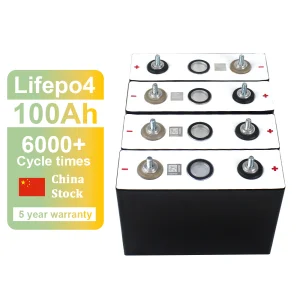
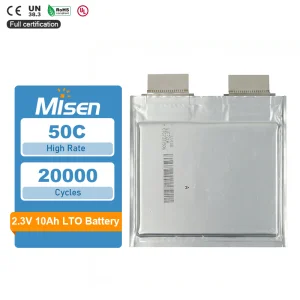
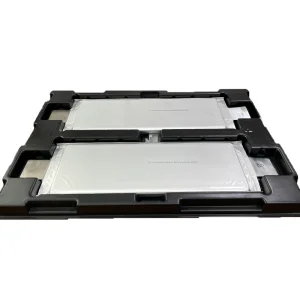
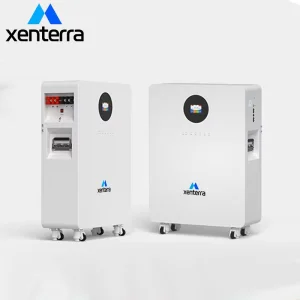
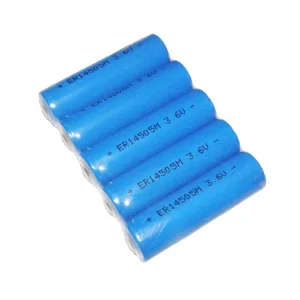
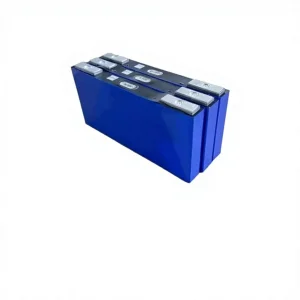
In modern electro-chemical packs, plastic battery spacers represent far more than a physical grid; they are the primary mechanical barrier ensuring electrical isolation, preventing heat propagation, and mitigating expansion stresses.
Lithium-ion cells operating under heavy load or fast-charging phases generate significant heat. Standard industry spacers establish engineered air gaps between cells. These physical offsets prevent adjacent cells from transferring localized heat, which is the primary cause of system-wide thermal runaway. High-quality plastic polymers act as effective barriers, localizing any cell anomaly.
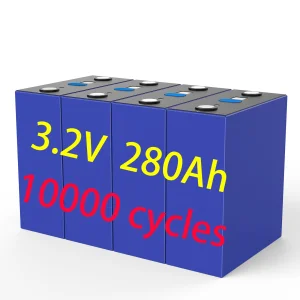
Prismatic LiFePO4 cells naturally expand and contract during charge and discharge cycles (commonly referred to as breathing). Rigidly configured plastic spacer brackets, integrated with flexible compression pads, provide the precise counter-pressure needed. This maintains electrical contact, preserves mechanical integrity, and dramatically extends cell lifetime.
High-voltage battery packs (such as 400V or 800V EV drivetrains and commercial ESS units) require flawless dielectric separation. Premium ABS/PC injection-molded spacers deliver excellent tracking resistance (Comparative Tracking Index, CTI) and high breakdown voltages. This ensures complete galvanic separation, preventing electrical arcs and structural breakdown.
For applications in light electric vehicles, marine vessels, and industrial forklifts, vibration is a constant hazard. Engineered battery spacer grids lock individual cells (cylindrical 18650, 21700, 32700, or prismatic cells) in place, isolating them from vibration. This design prevents mechanical wear on busbars and weld spots.
Guangdong Nuwon Energy Co., Ltd. is a leading manufacturer and solution provider in advanced battery systems, specializing in the research, development, manufacturing, and global distribution of high-performance energy storage products. The company offers comprehensive OEM and ODM services, delivering customized battery solutions tailored to diverse industrial and commercial applications.
Backed by a highly experienced engineering and R&D team, Nuwon Energy focuses on the design and integration of cylindrical and prismatic lithium battery cells, as well as complete battery packs, modules, and energy storage systems. The company also develops and produces industrial-grade battery cells engineered for safety, durability, and long cycle life.
Guangdong Nuwon Energy serves a wide range of industries, including:
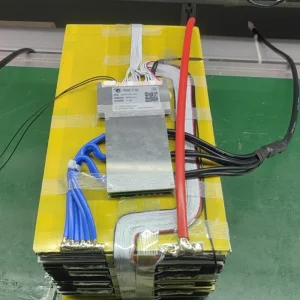
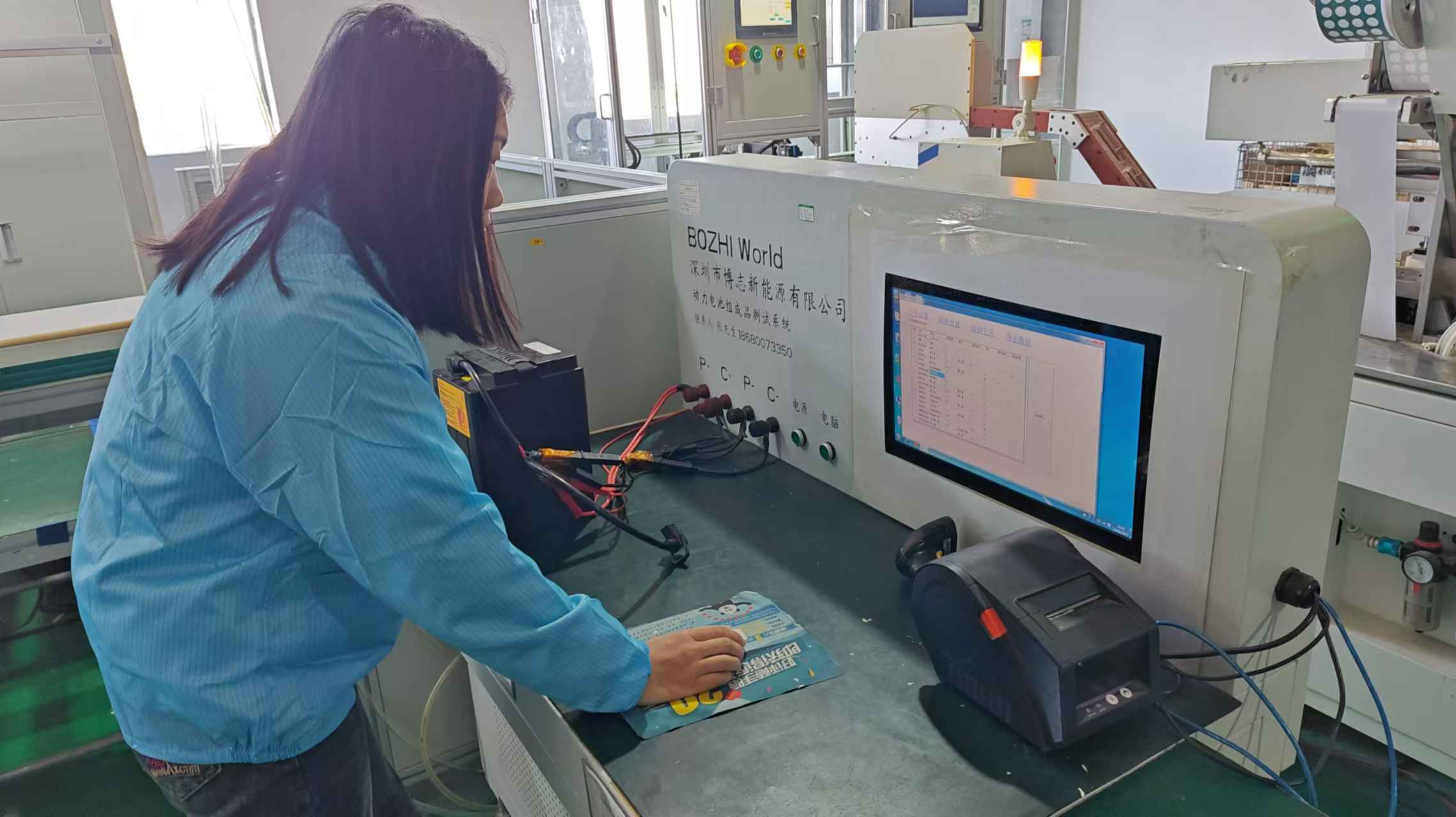
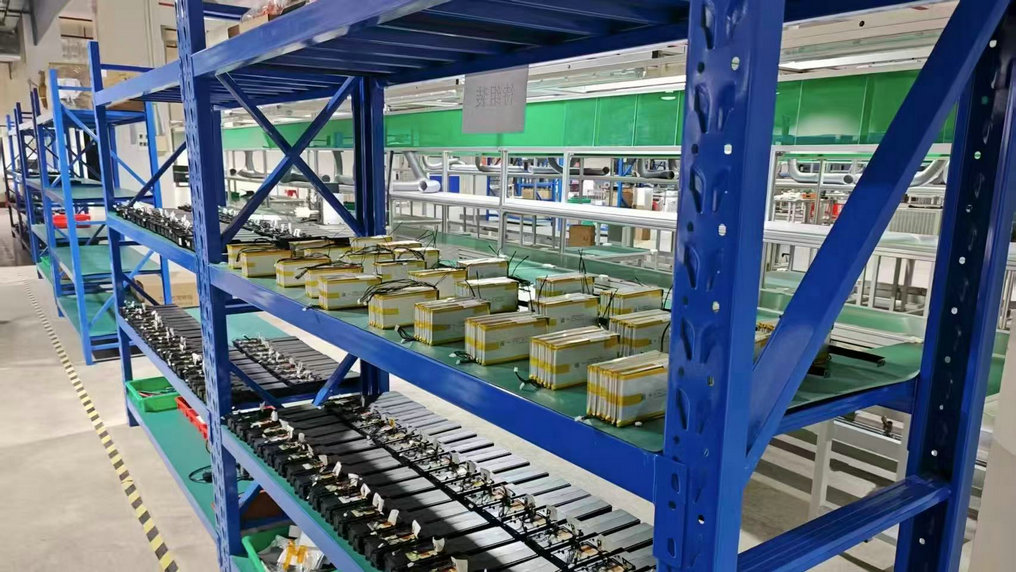
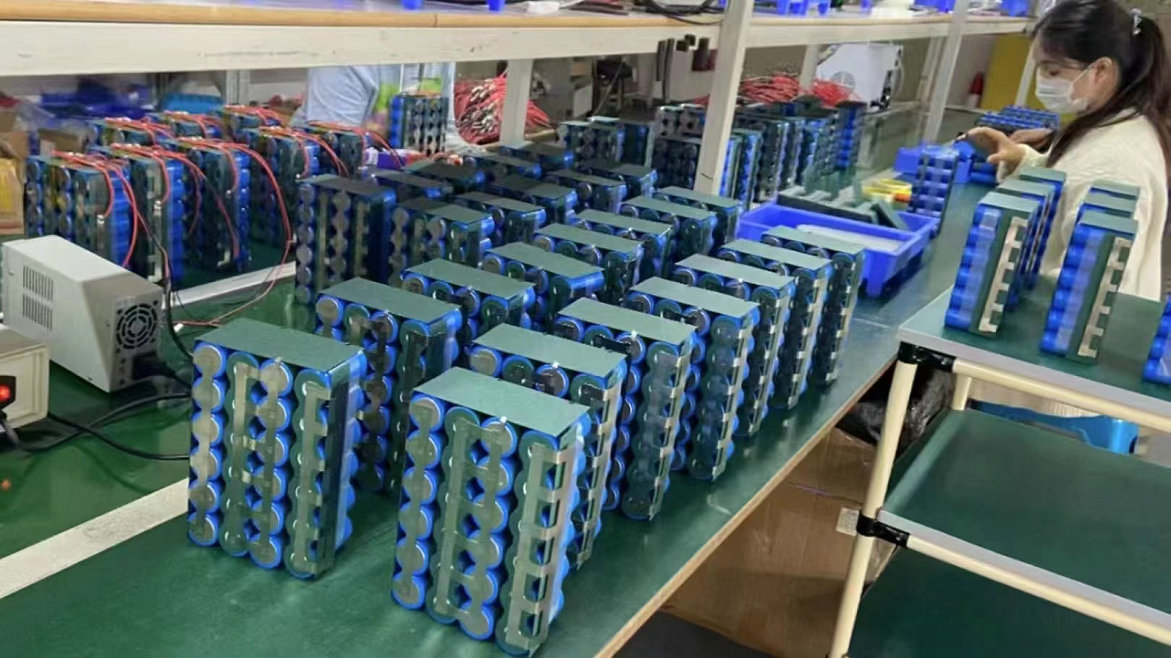
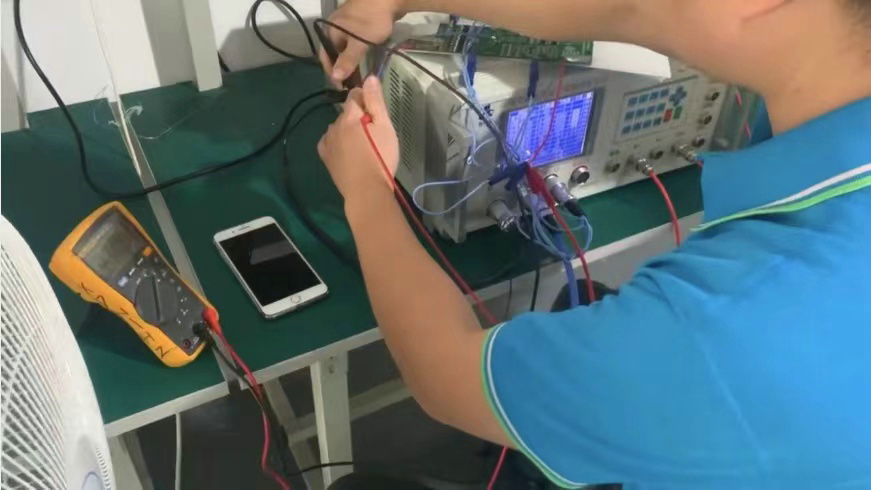
Every step in our automated production line—from cell sorting and precision laser welding to insulation testing—is strictly controlled to guarantee structural reliability and electrical safety.
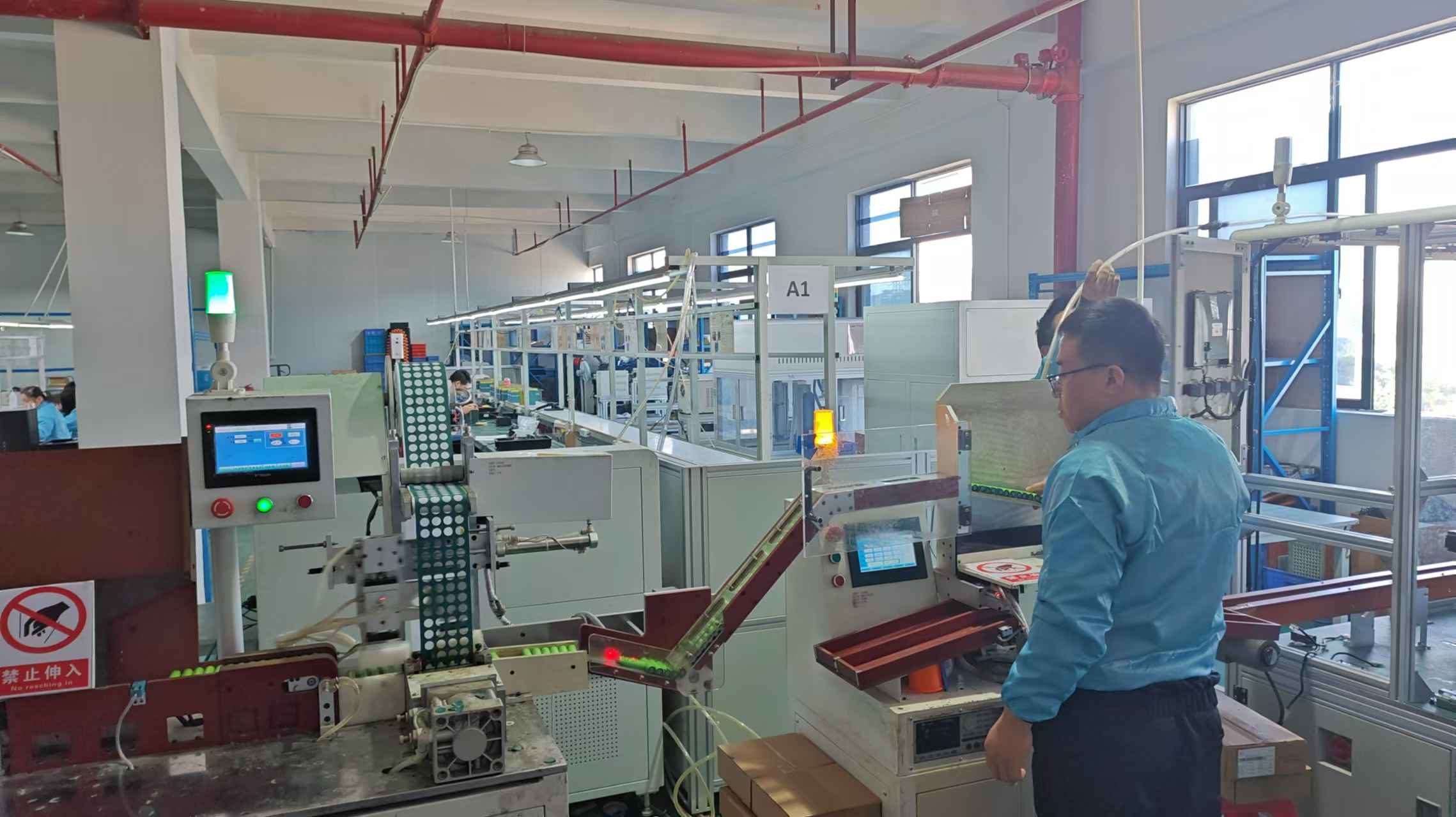
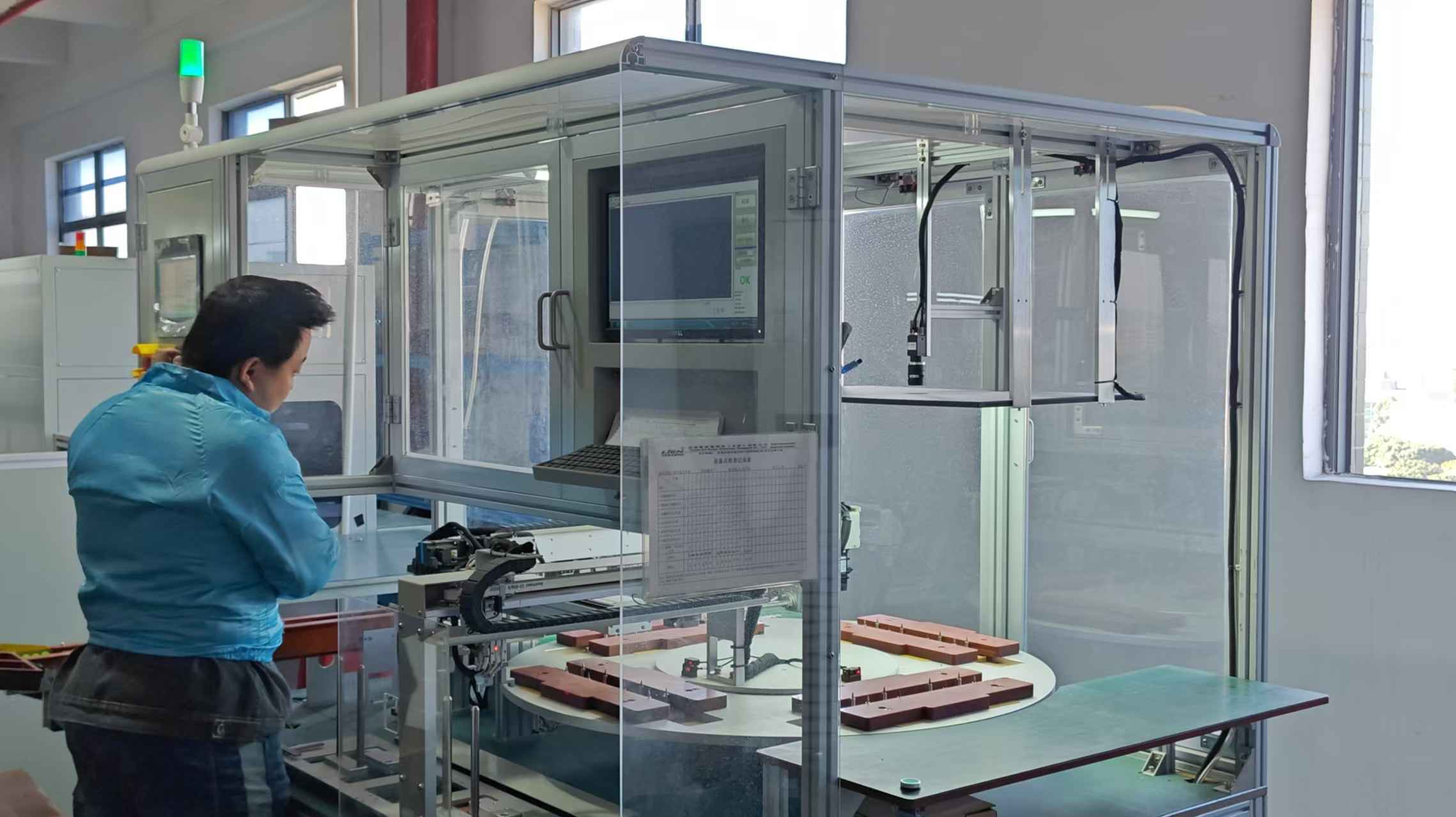
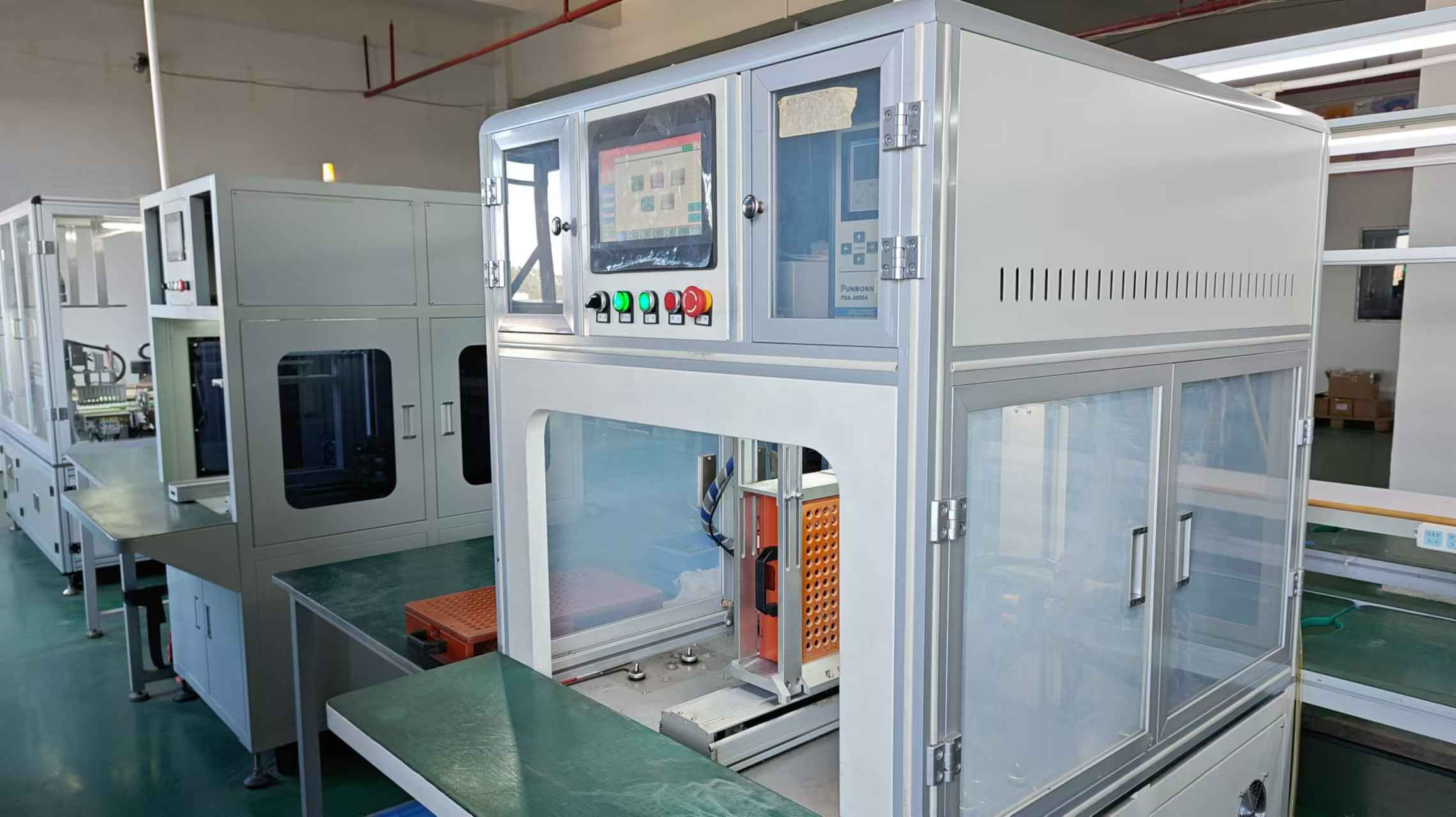
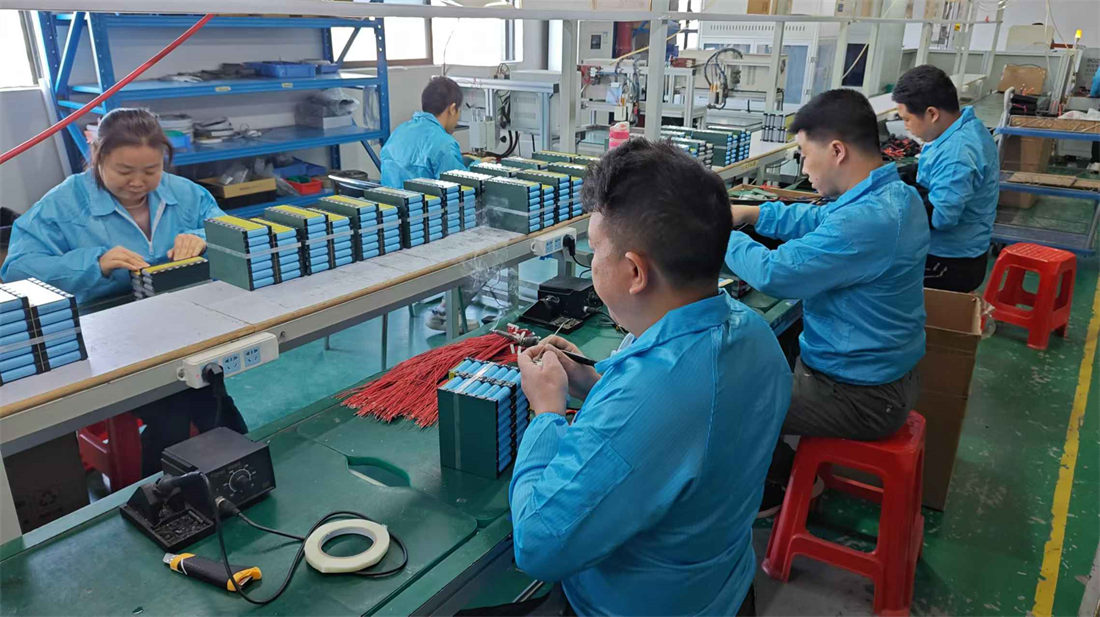
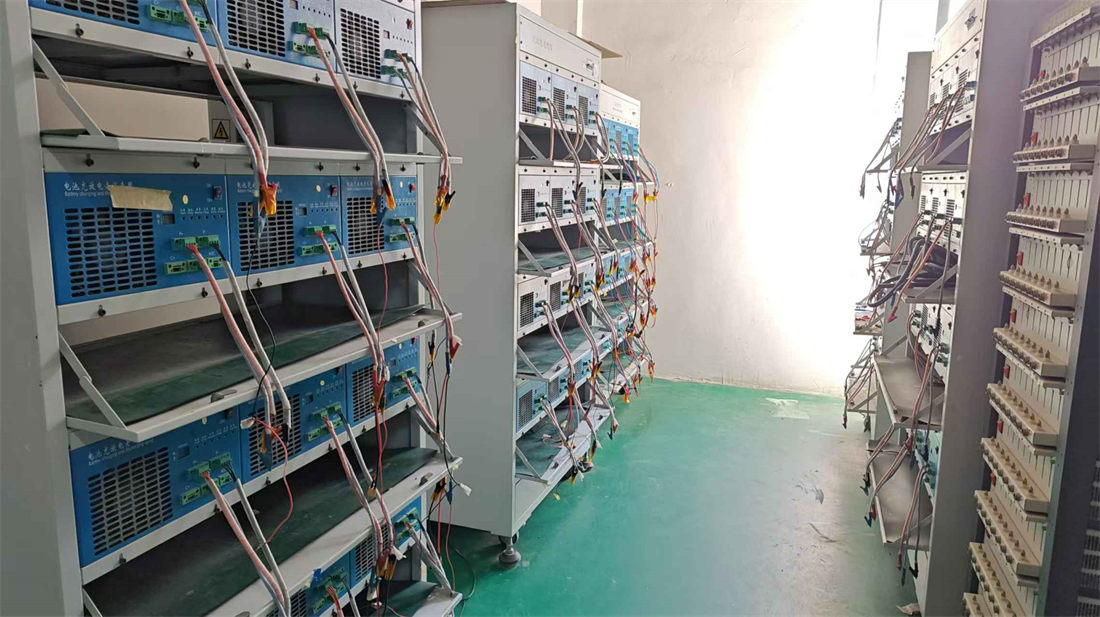
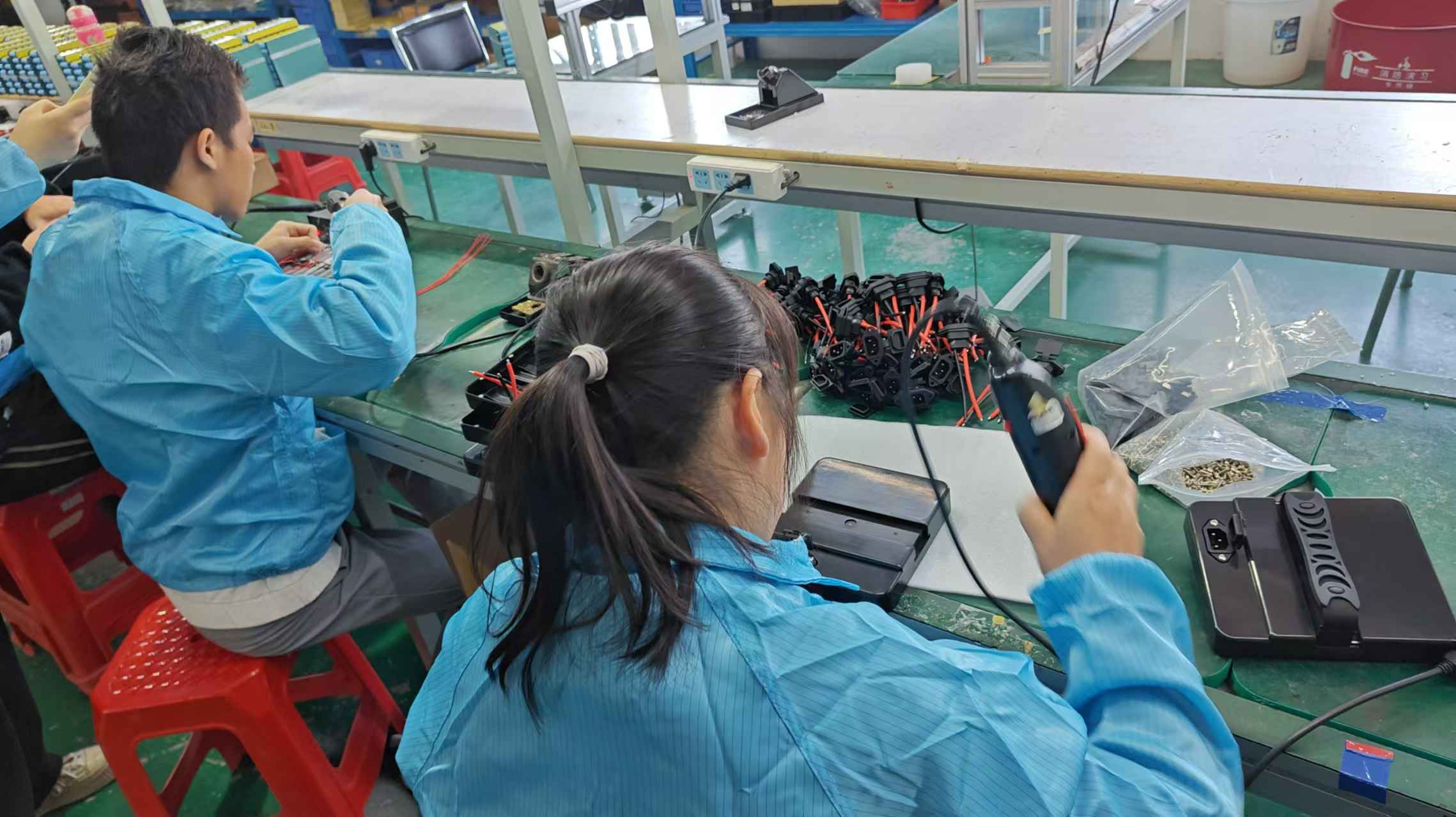
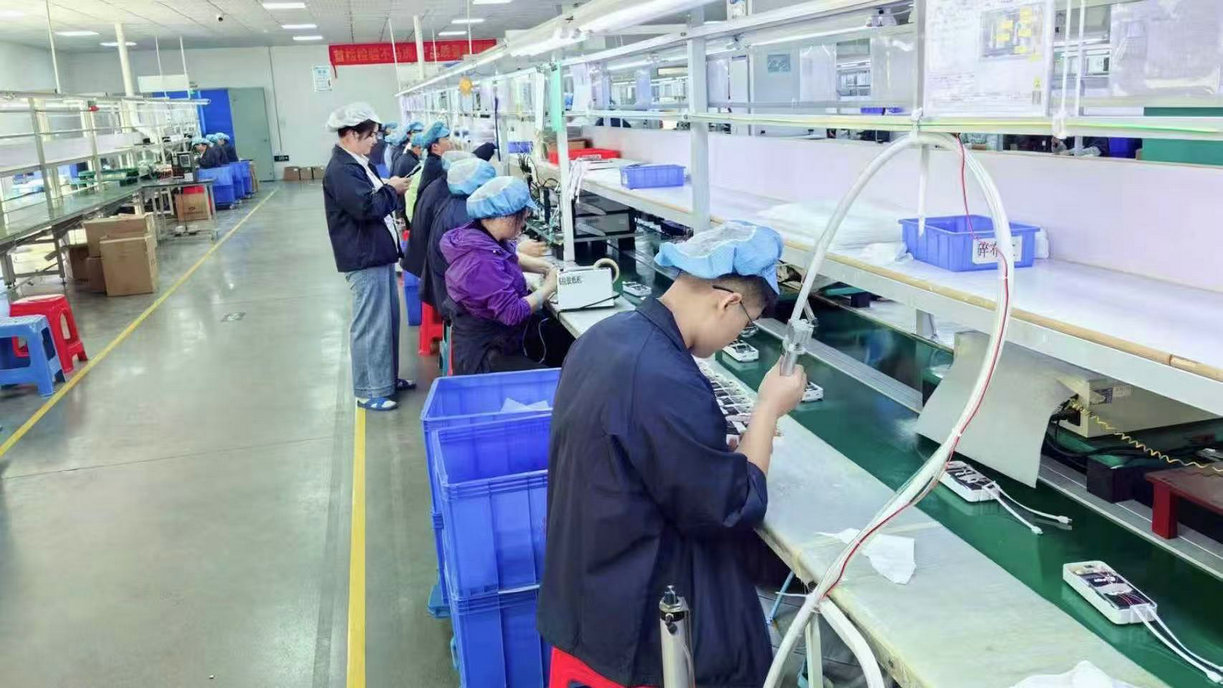
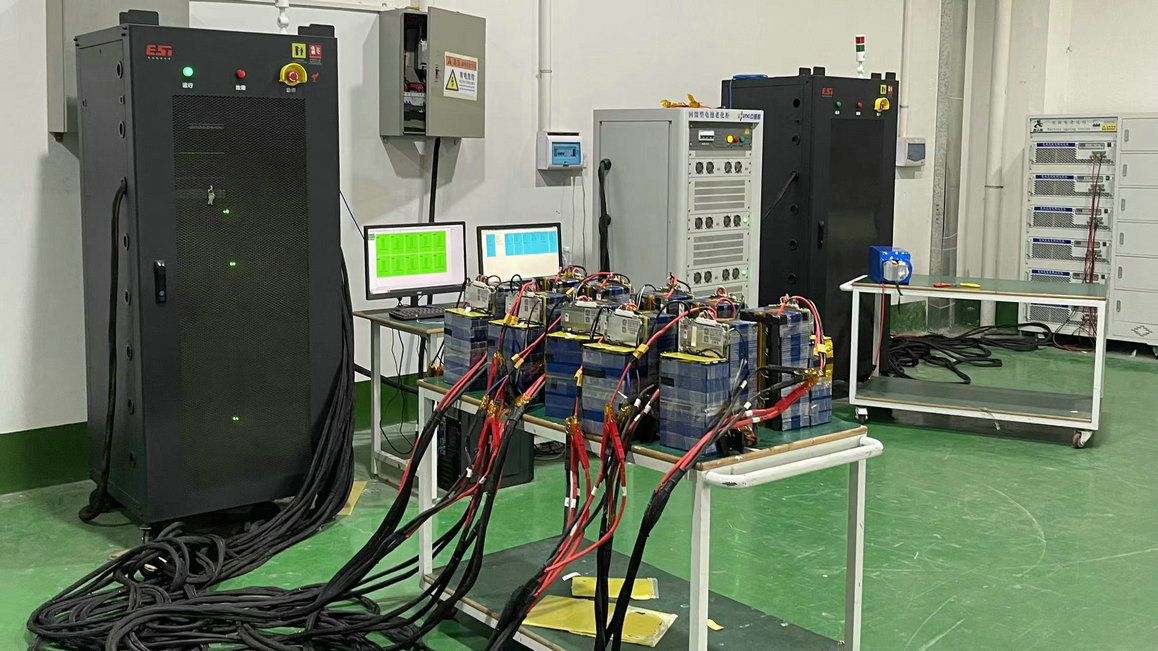
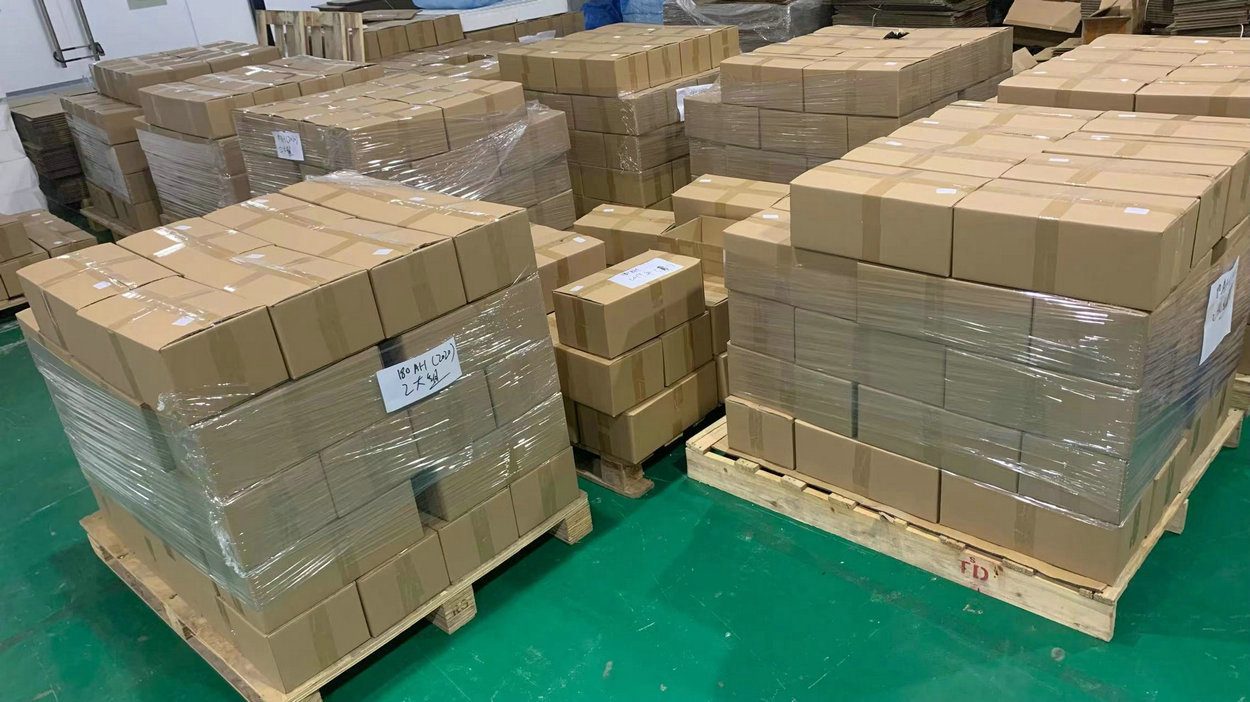
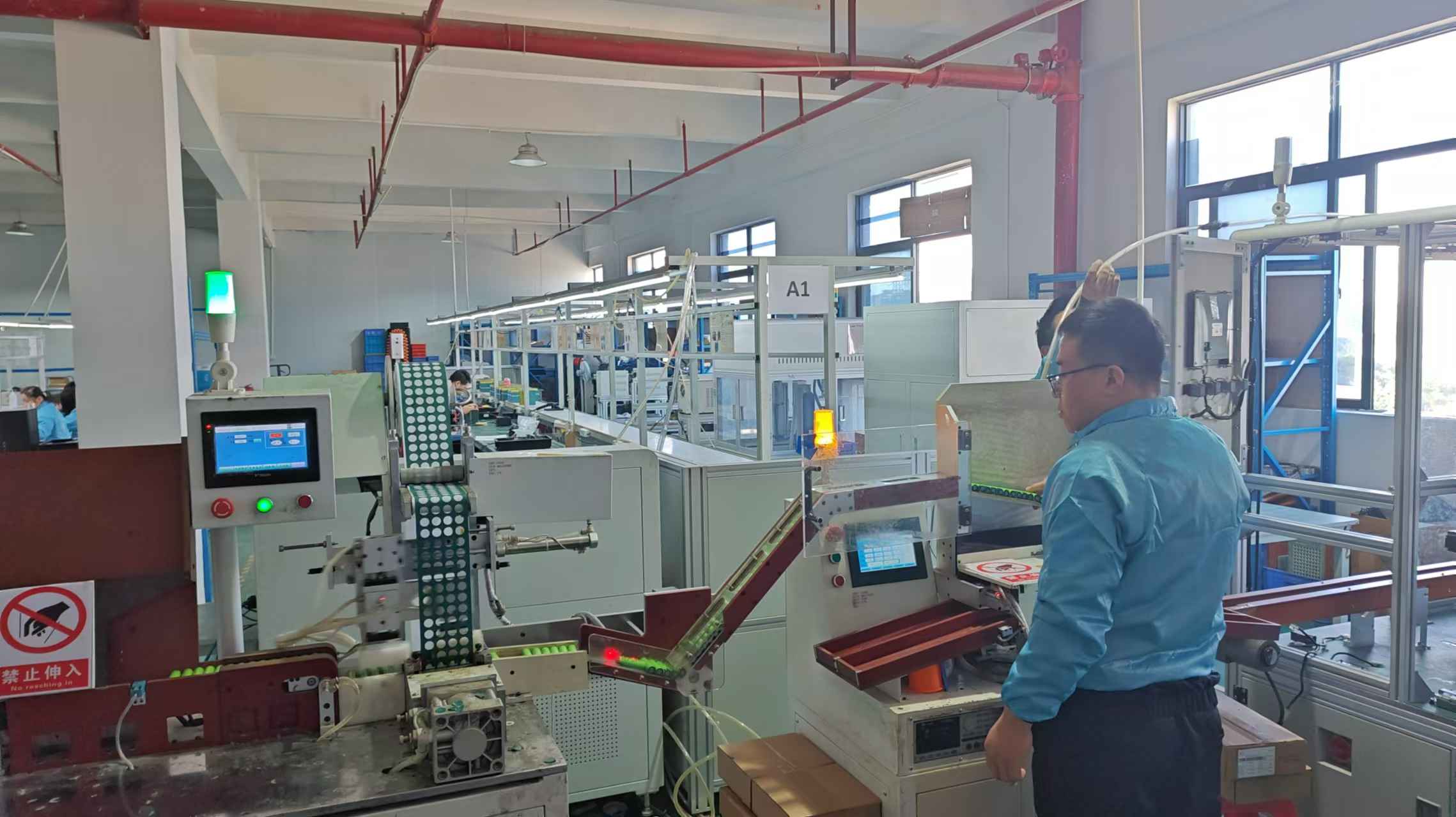
Navigating global supply chain volatility requires sourcing partners that combine advanced manufacturing tooling, standardized materials control, and reliable logistical connections.
For custom lithium-ion packs, standard holders are often insufficient. Guangdong Nuwon Energy uses high-precision CNC tool-making and advanced plastic injection molding. We optimize the physical geometry of battery spacers using mechanical stress simulations to handle complex module shapes.
We source raw plastics (Polycarbonate, ABS, PA66, and PBT) with trace engineering certifications. Every batch of our battery spacers undergoes testing for heat deflection under load, tensile strength, and chemical resistance to battery electrolyte leakage.
Located in Guangdong's industrial manufacturing heartland, Nuwon Energy streamlines logistics from design through custom cell procurement and final pack delivery. This enables shorter lead times for volume manufacturing and offers flexible options for ocean, air, and express delivery.
Key information for battery design engineers, global procurement officers, and battery pack assemblers regarding plastics safety, design choices, and logistics.
The selection depends on your thermal, mechanical, and budget requirements:
The UL94-V0 standard specifies that plastic specimens must stop burning within 10 seconds of exposure to a flame, with no flaming drips allowed. In lithium-ion packs, this properties prevents the plastic spacer from becoming a fuel source. If a cell fails, V0-rated plastics help contain the thermal event, protecting the rest of the pack from catching fire.
Our custom development pipeline consists of four main phases:
Cell spacing determines the performance of passive air cooling, forced-air cooling, and liquid-cooling plates. An optimized spacer design maintains air gaps (typically between 1mm and 3.5mm) to distribute heat evenly across all cells. This prevents hot spots, ensuring uniform cell degradation and maximizing the pack's operational lifetime.
We implement a strict quality control protocol at our factory:
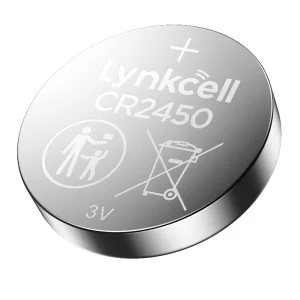
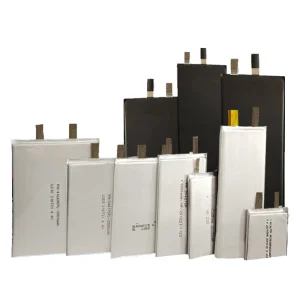
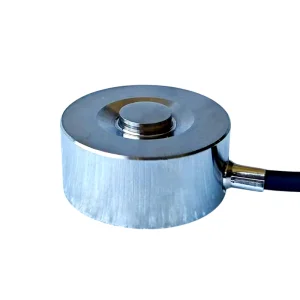
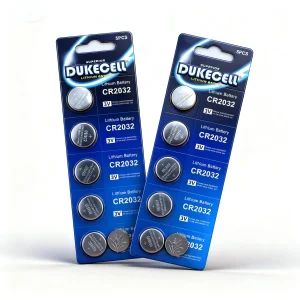
Explore our selection of commercial power supply components, pouch cell packs, and precision load monitoring elements.
 Nuwon Energy