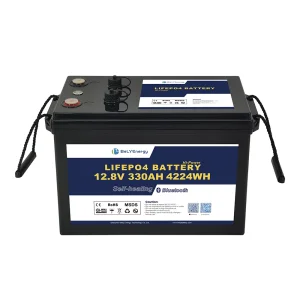
Engineered for high thermal thresholds, continuous discharge rates, and extended lifespan cycles. Explore our wholesale and customizable solutions.
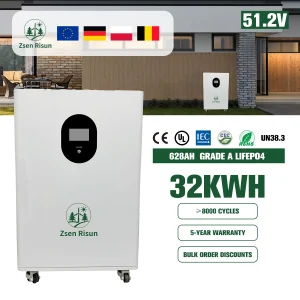
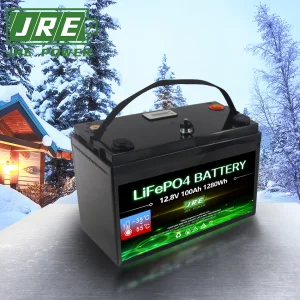

Exploring the unique industrial clusters, resource integrations, and structural cost efficiencies that drive global energy technology.
Direct processing of active cathode/anode raw materials down to automated module assembly lines drastically reduces transportation overheads and lead times.
Immediate translation of theoretical cell design improvements (like cobalt-free NMA cathodes or solid-state gel configurations) into localized prototype runs.
Rigorous, systematic testing in accordance with UN38.3, IEC62619, CE, and UL certifications guarantees long-term product safety and zero-fault operation.
For global enterprises looking to secure container-level battery inventory, China offers unparalleled manufacturing ecosystems. Sourcing from specialized clusters, particularly in Guangdong, grants direct access to components, localized BMS (Battery Management System) design teams, and state-of-the-art diagnostic machinery. The close proximity to major logistics ports (such as Shenzhen and Hong Kong) allows streamlined custom battery configurations to go from the assembly floor to global dispatch lanes in optimized shipping cycles.
However, scaling production is not just about raw output volume. The true capability of a modern gigafactory lies in its ability to adapt manufacturing lines. Whether your requirement calls for high-rate prismatic cells for commercial forklift fleets, specialized low-temperature self-heating LiFePO4 packs for Arctic caravans, or ultra-dense chemistry (like semi-solid-state systems) for drone aerospace applications, Chinese factories configure custom packaging, integrated active cooling corridors, and communication protocols (RS485/CANbus/Modbus) seamlessly.
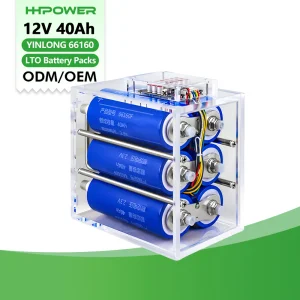
Choosing the right cell chemistry involves balancing specific density, life cycles, safety, and price parameters. While Lithium Iron Phosphate (LiFePO4) remains the global gold standard for stationary energy storage systems (ESS) due to its high thermal runaway threshold (60°C+) and 6,000+ lifecycle span, it suffers from a lower energy density (~160 Wh/kg). In contrast, Lithium Titanate (LTO) systems deliver unparalleled lifecycles (exceeding 20,000 cycles) and safely operate in extreme environments down to -30°C, making them ideal for heavy machinery and car audio configurations despite a higher initial capital expense.
Proof of reliability lies in rigorous, traceable manufacturing steps. Trace the exact pathway of our rechargeable lithium systems from cell sorting to final functional aging.
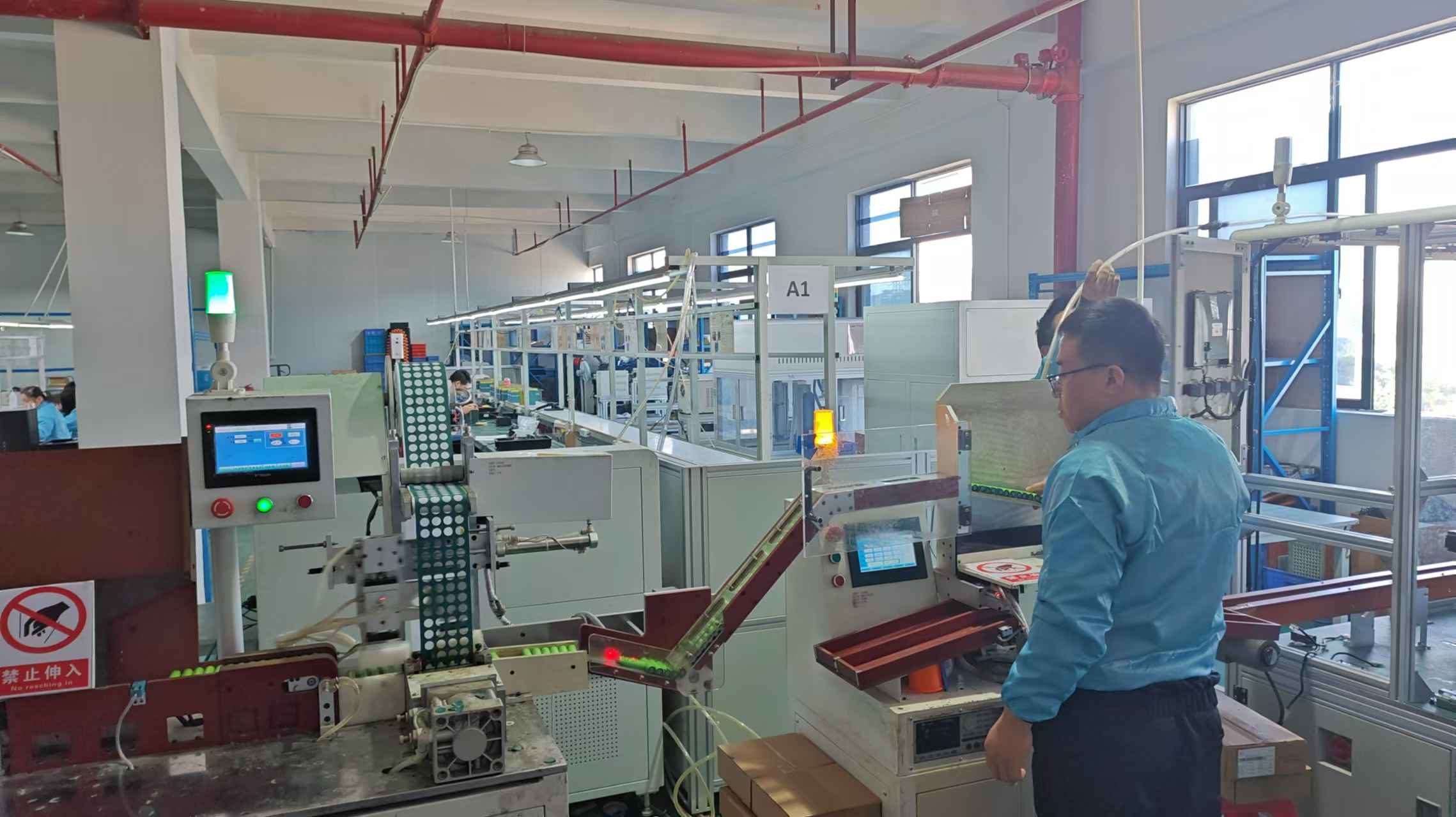
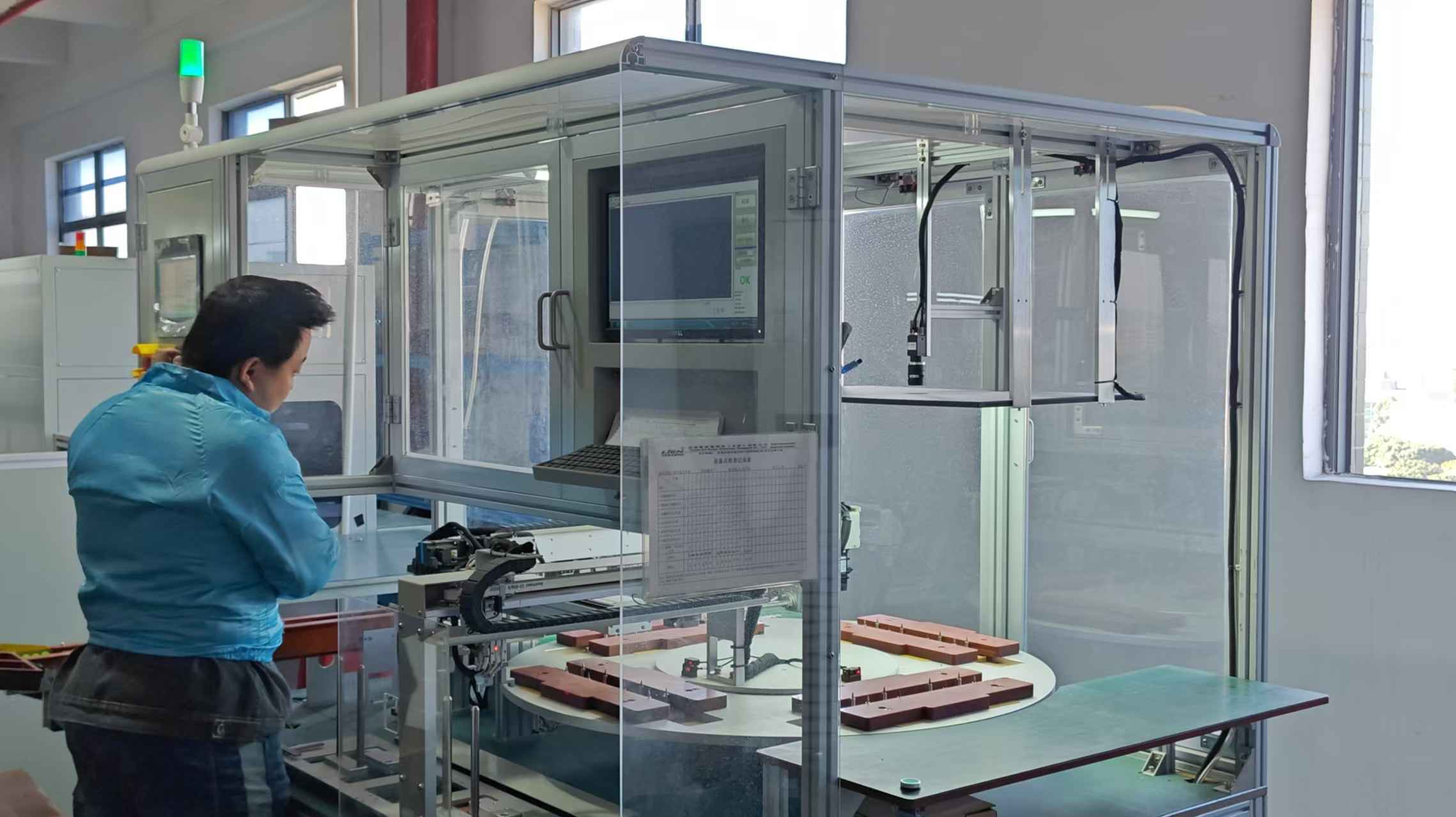
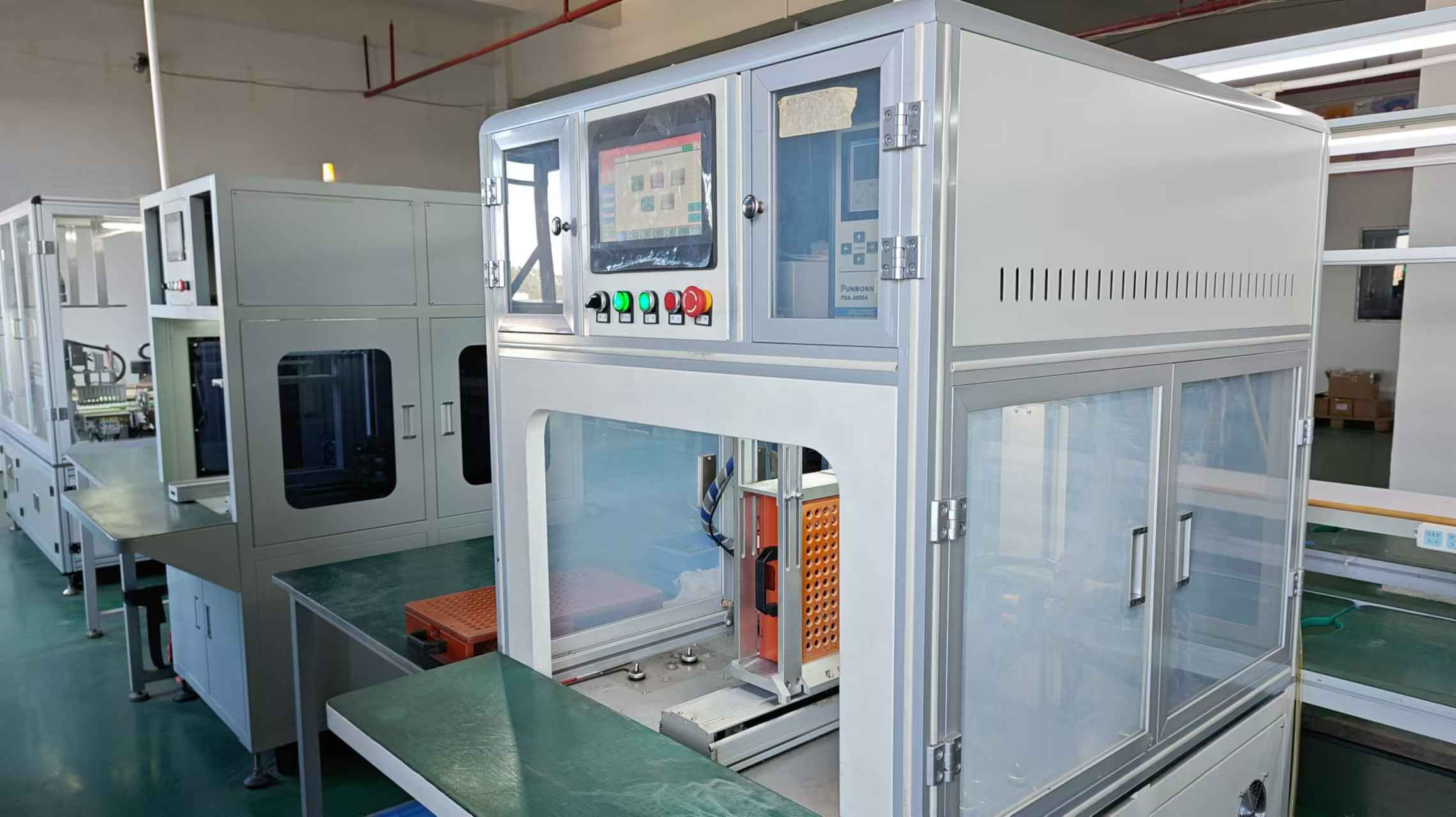
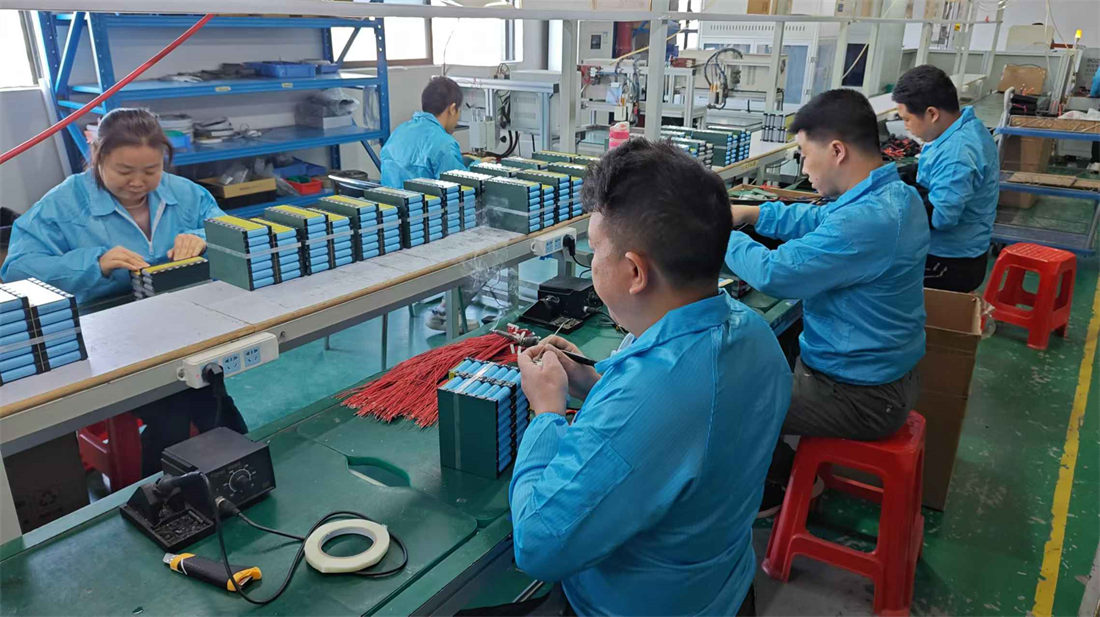
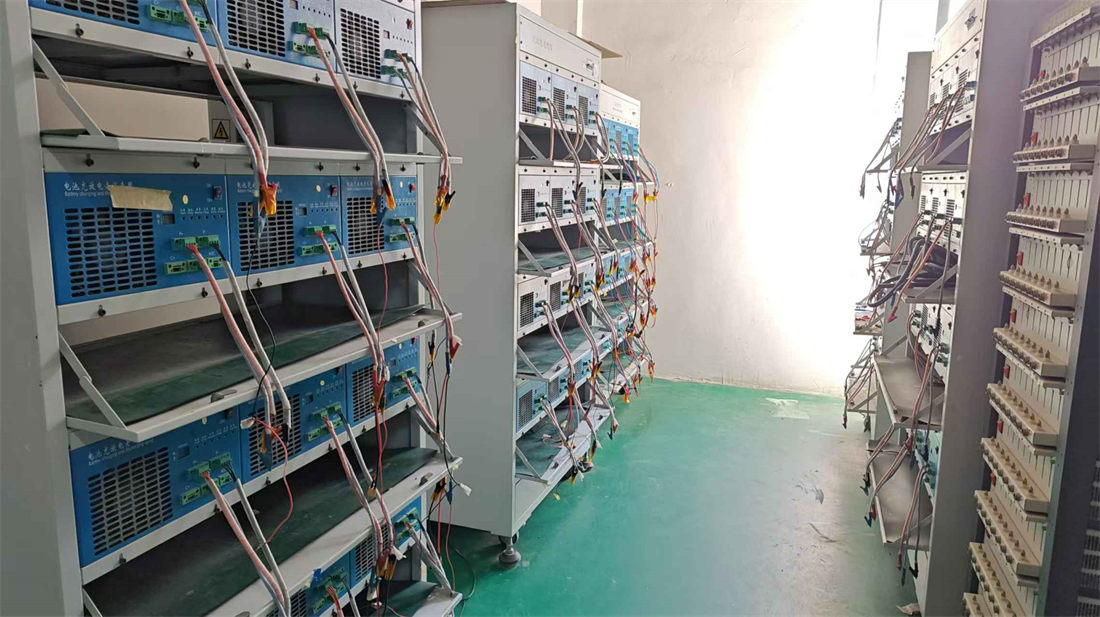
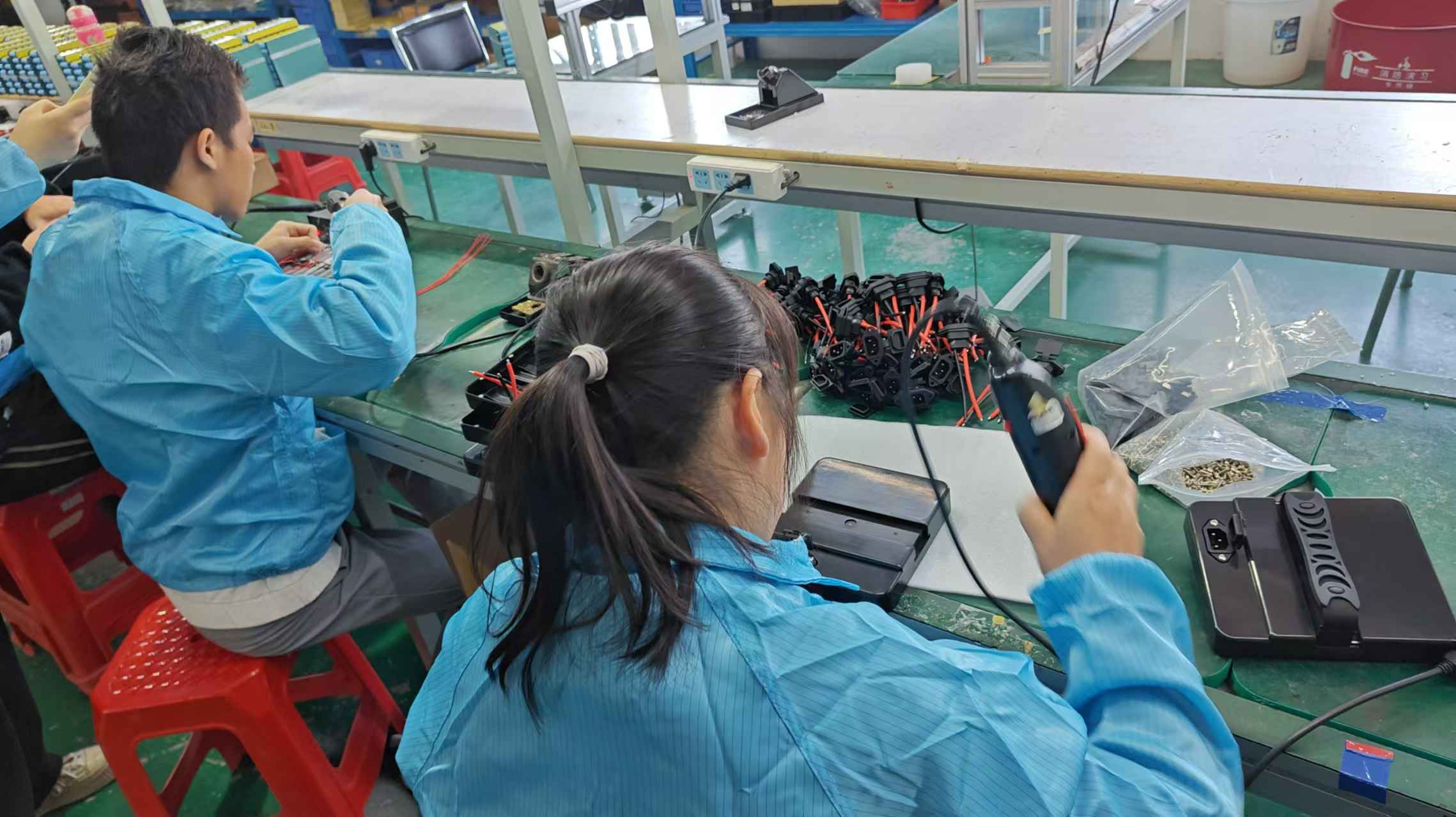
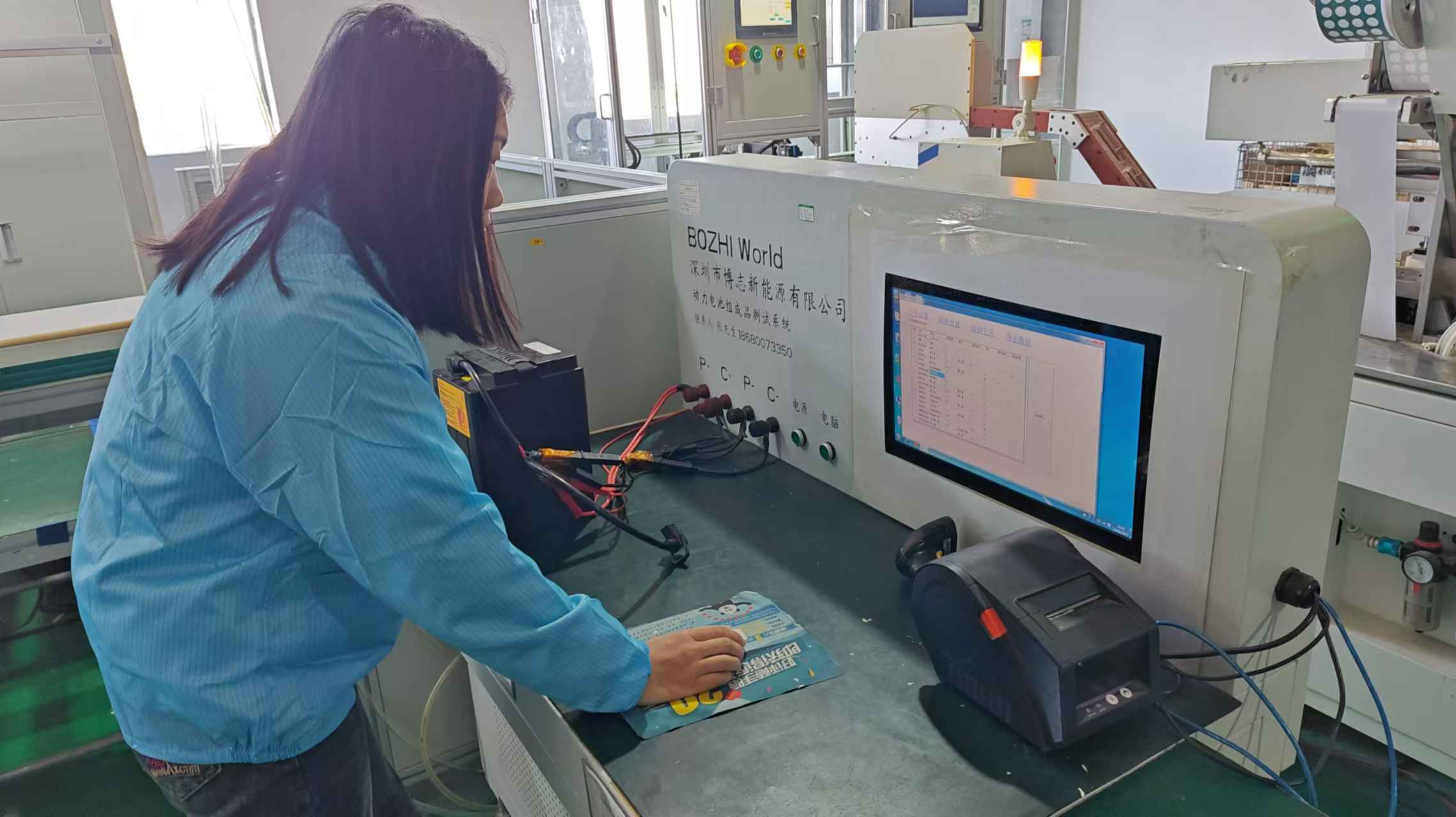
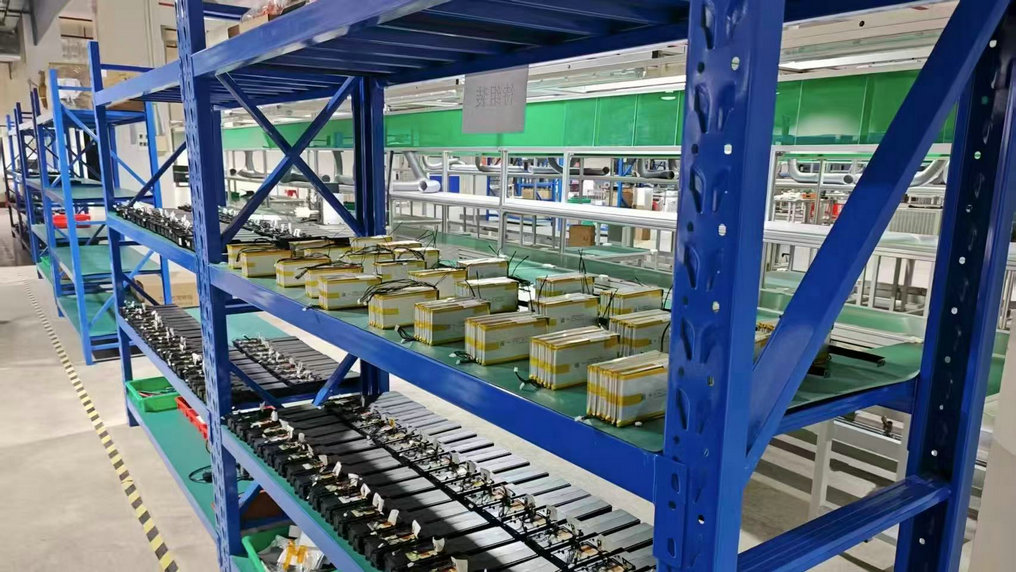
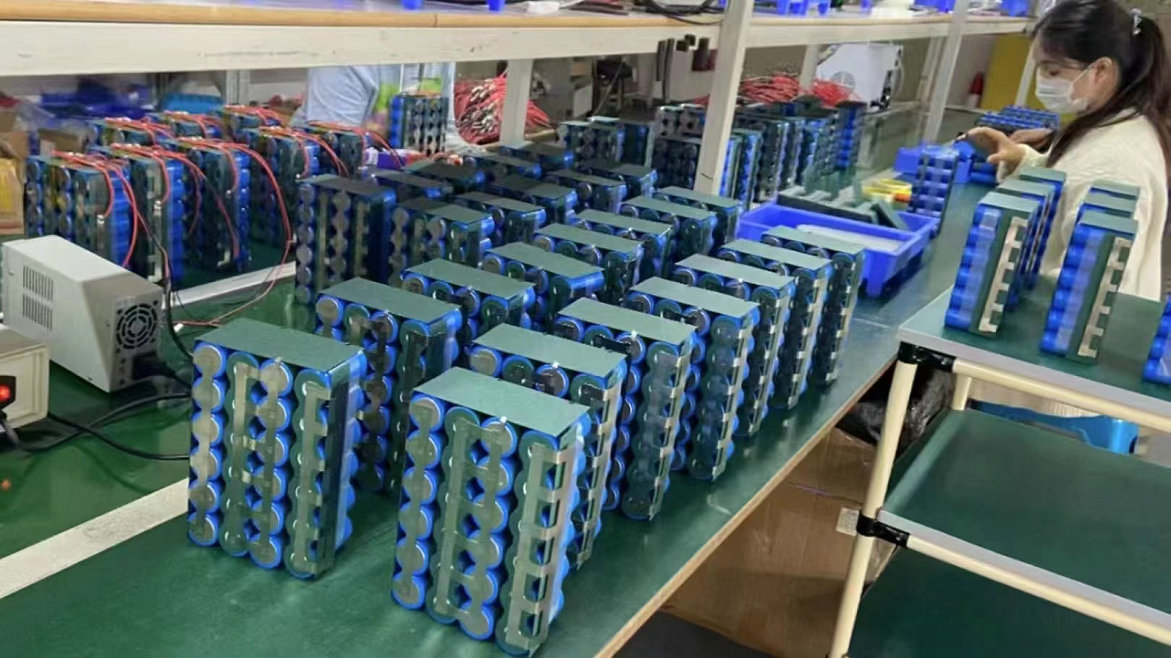
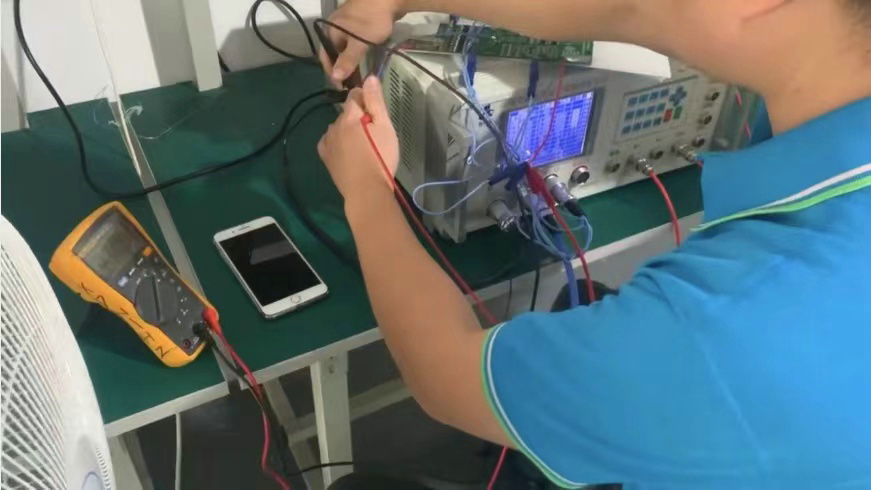
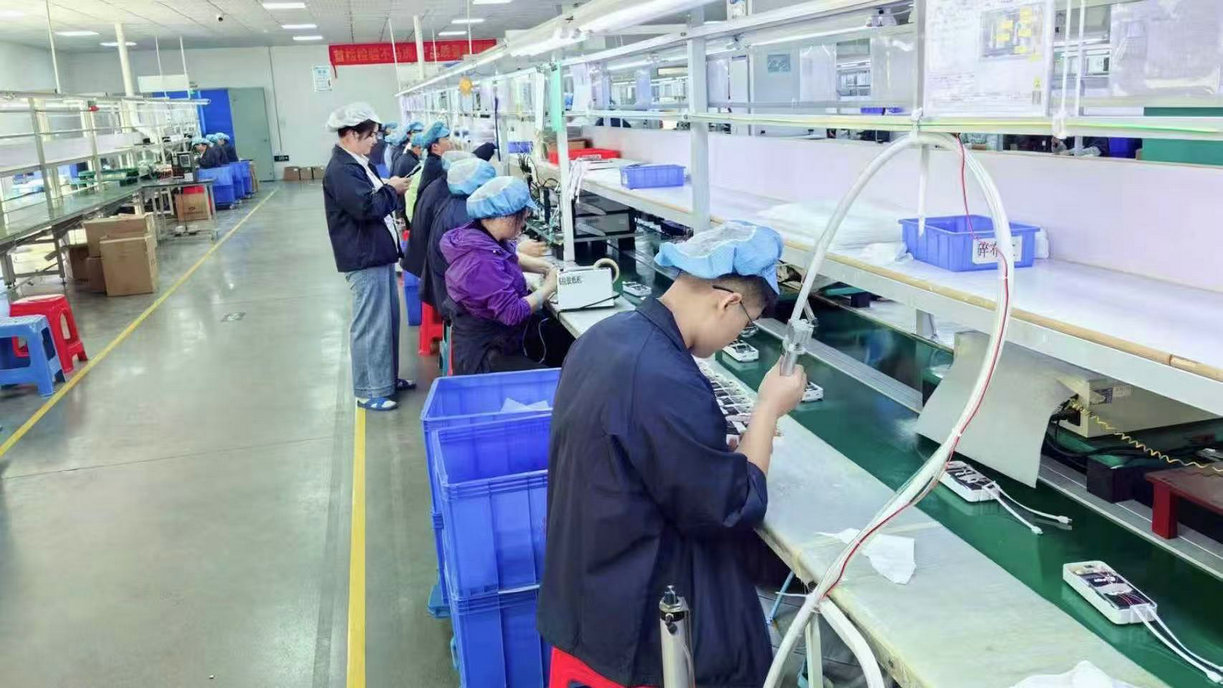
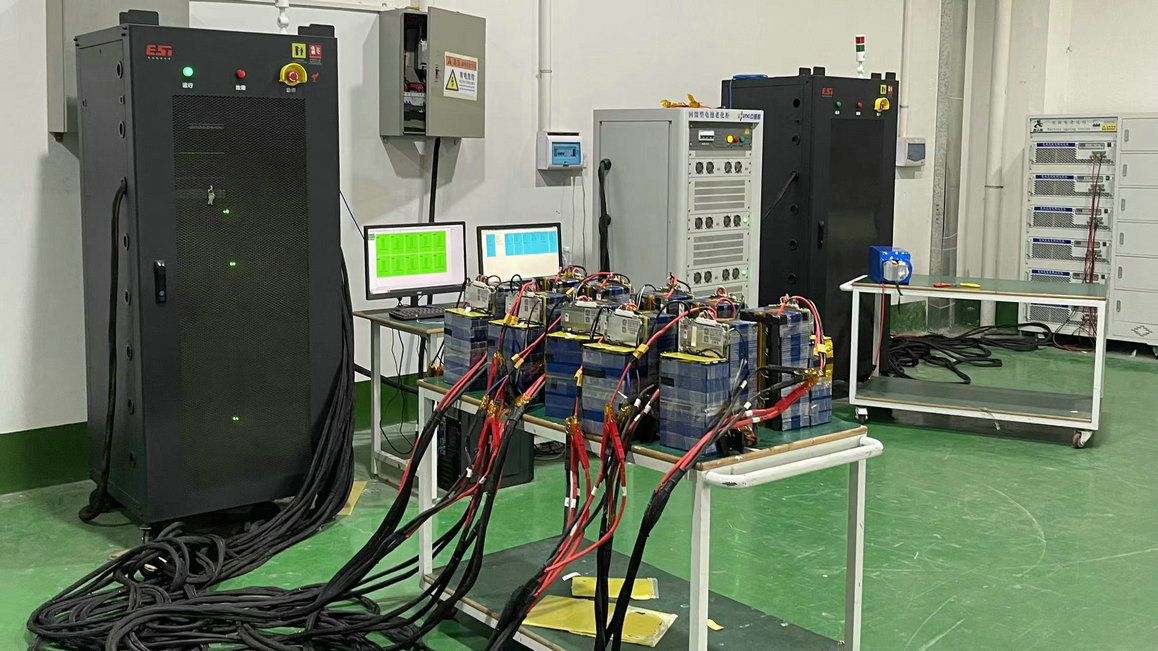
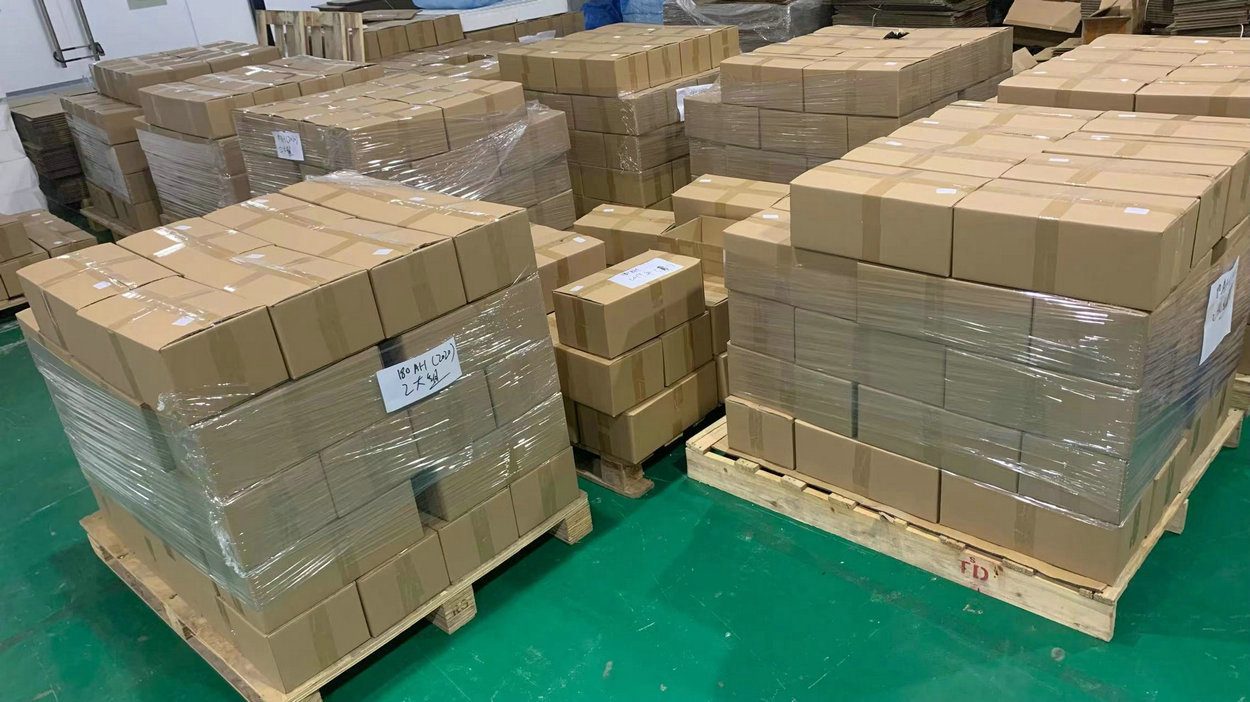
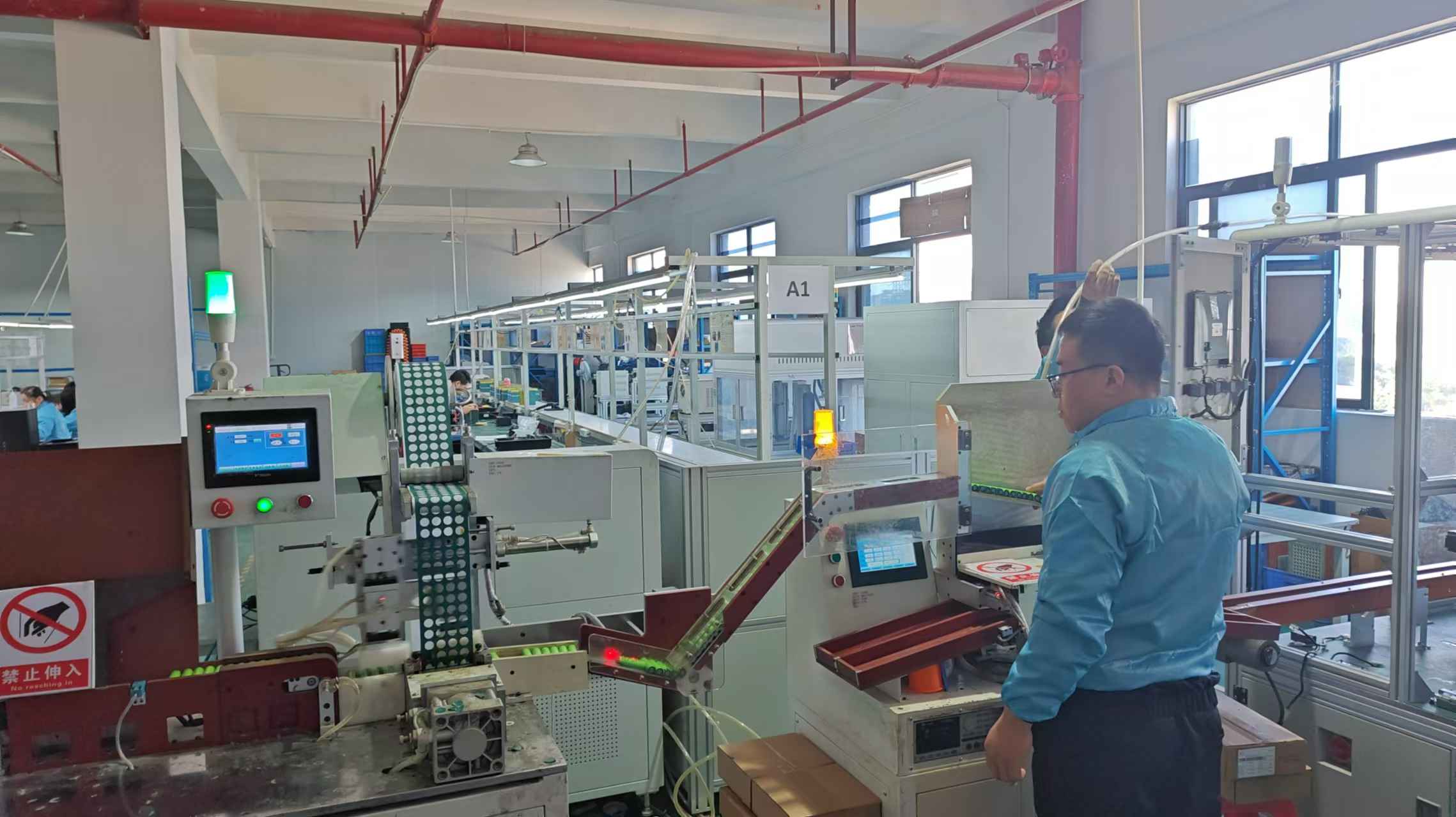
Modern commercial deployment of rechargeable systems requires robust environmental resilience. In Northern European, Canadian, and high-altitude installation vectors, sub-zero conditions present major challenges to conventional battery chemistries. Standard lithium-ion batteries risk dendrite growth when charged below freezing temperatures, which can damage the internal structure and trigger failures.
To mitigate this, advanced manufacturers integrate automated internal self-heating systems. When temperature sensors detect sub-zero temperatures, the charging current is routed to internal heating elements rather than the cell core. Once the pack temperature reaches a safe operating threshold, the BMS restores normal charging. This preserves the cycle life and safety profile of systems deployed in critical outdoor infrastructure.
A high-performance lithium pack is only as reliable as its BMS. Sourcing partners must ensure that the integrated BMS is optimized for their specific application. Industrial-grade applications (such as automated guided vehicles, backup power systems, or telecom towers) require real-time telemetry. Key metrics like State of Charge (SoC), State of Health (SoH), cell temperatures, and individual branch voltages must be continuously tracked.
Leading engineering standards require the use of high-speed CANbus, RS485, and Modbus networks to communicate directly with external inverters or vehicle motor controllers. This allows smart energy storage systems to adjust charging parameters dynamically, balancing cell voltages in real time to prevent overcharging, deep discharge, and thermal runaway.
Whether engineering battery packs for marine hulls, heavy industrial forklifts, or specialized aerospace systems, standard structural housing is rarely sufficient. Enclosures must feature IP67/IP68 ingress protection rating metrics, integrated anti-vibration damping pads, and structural pressure release valves. For high-voltage systems (like 512V container configurations), liquid cooling loops or active cooling air pathways are vital for maintaining optimal cell temperatures.
A trusted global leader in electrochemical system manufacturing, structural design, and large-scale manufacturing integration.
Guangdong Nuwon Energy Co., Ltd. is a leading manufacturer and solution provider in advanced battery systems, specializing in the research, development, manufacturing, and global distribution of high-performance energy storage products. The company offers comprehensive OEM and ODM services, delivering customized battery solutions tailored to diverse industrial and commercial applications.
Backed by a highly experienced engineering and R&D team, Nuwon Energy focuses on the design and integration of cylindrical and prismatic lithium battery cells, as well as complete battery packs, modules, and energy storage systems. The company also develops and produces industrial-grade battery cells engineered for safety, durability, and long cycle life.
Guangdong Nuwon Energy serves a wide range of industries, including consumer electronics, electric mobility (such as golf carts, forklifts, UTVs/ATVs, trucks, and marine systems), medical equipment, unmanned ground vehicles (AGVs/AMRs), and emerging aerospace applications such as eVTOL aircraft. In addition, the company provides reliable residential, commercial, and industrial (C&I) energy storage solutions designed to support the global transition toward clean and sustainable energy.
With a strong commitment to innovation, strict quality control, and customer-centric service, Guangdong Nuwon Energy continuously invests in advanced manufacturing capabilities, automated production lines, and rigorous testing systems. This ensures that every product meets international safety standards and delivers exceptional performance in demanding environments.
Driven by a vision to accelerate global electrification and energy efficiency, Guangdong Nuwon Energy Co., Ltd. is dedicated to building long-term partnerships and providing reliable, intelligent, and sustainable energy solutions to customers worldwide.
Critical engineering considerations, shipping guidelines, and technical support details for global procurement directors.
Under standard conditions (0.5C charge/discharge rate, 25°C ambient temperature, 80% Depth of Discharge), our Grade-A LiFePO4 cells maintain over 80% of their initial capacity after 6,000 cycles. We use matching cells and advanced BMS balancing to maintain consistency and maximize overall pack lifespan.
Our complete systems are fully certified under UN38.3 standards, which include rigorous thermal shock, vibration, short circuit, and impact tests. We provide all necessary MSDS documentation for Class 9 hazardous shipping, working with specialized freight partners to coordinate safe transport by sea or air.
Yes, our intelligent BMS modules support multiple communication protocols (RS485, CANbus, Modbus). We customize communication protocols to integrate with leading international inverter systems, including SMA, Growatt, Victron, and Deye.
Our high-voltage systems feature multi-tier safety protections. This includes hardware-level overcurrent and overvoltage triggers, active cell-balancing systems, insulation monitoring, and integrated temperature sensors. We also use built-in gas release vents and safety contactors to isolate the pack in the event of an electrical fault.
We perform strict automated cell sorting before assembly. Cells are grouped based on tight tolerances for internal resistance (within ±0.5mΩ), open circuit voltage (within ±2mV), and total capacity (within ±1%). This high consistency minimizes internal imbalances and helps prevent premature aging of individual cell strings.
For extreme environments, we offer customized battery packs with integrated self-heating elements. When the system detects sub-zero conditions, the heating system warms the cells using the incoming charging energy. Once the temperature reaches a safe level, the system automatically redirects the current to charge the battery cells.
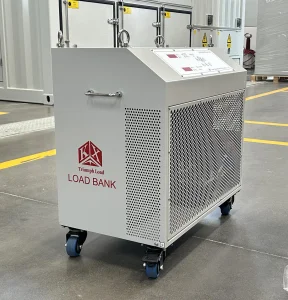
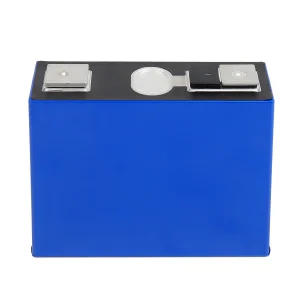
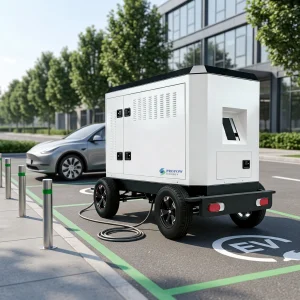
From advanced high-capacity solid-state systems to industrial dischargers and LTO modules. Explore our specialized solutions.
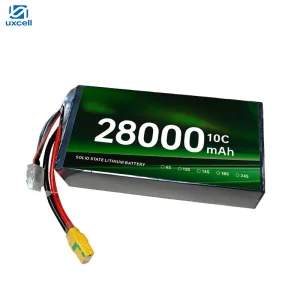
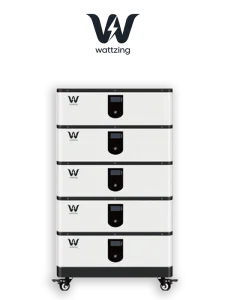
 Nuwon Energy