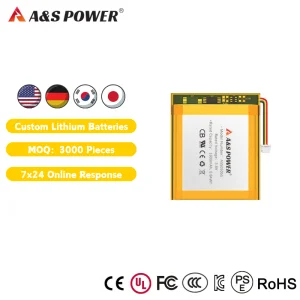
High-capacity lithium chemistry cells, low-temperature systems, LTO banks, and robust energy materials powering modern wireless transmission systems.
Wireless Energy Transfer (WET) has evolved from a futuristic concept into a core infrastructural technology driving automation, IoT, and high-reliability industrial ecosystems. Inductive coupling, magnetic resonance, and radiofrequency (RF) power harvesting have broken the physical constraints of traditional copper-conductive cabling. By eliminating mechanical plugs and exposed contacts, modern industries are achieving unparalleled sealing levels, eliminating corrosion hazards, and securing uninterrupted energy links in explosive, marine, or highly dynamic environments.
The deployment of WET system designs requires a dynamic synergy with high-efficiency energy storage media. The erratic nature of wireless fields, coupling alignment fluctuations, and transient efficiency drops during distance variances demand robust internal battery topologies. These batteries act as local buffers, converting loosely coupled wireless magnetic energy into stable, highly regulated electrical power. The selection of specific chemistries—such as Lithium Titanate (LTO) for high-frequency rapid cycling, or Solid-State lithium packs for extreme safety and thermal profiles—remains the single most critical factor in maximizing the overall system round-trip efficiency.
Resonant inductive transfer relies on fine-tuned impedance matching. Load variations at the receiver terminate in impedance mismatch, cascading efficiency losses back to the transmitter. Implementing a specialized buffer battery module with low Internal Resistance (IR) stabilizes the apparent load, maintaining peak efficiency of the coupling coils.
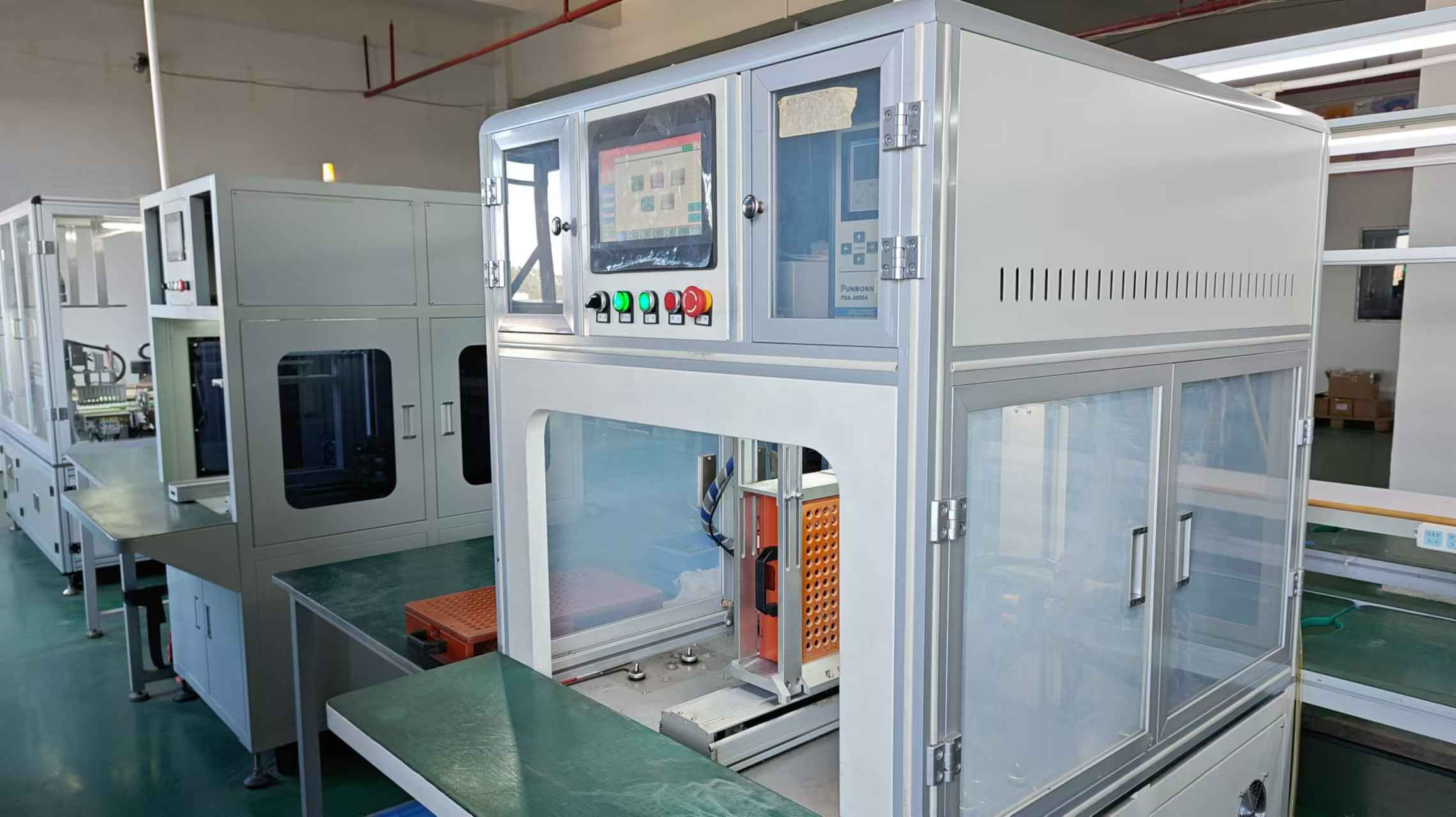
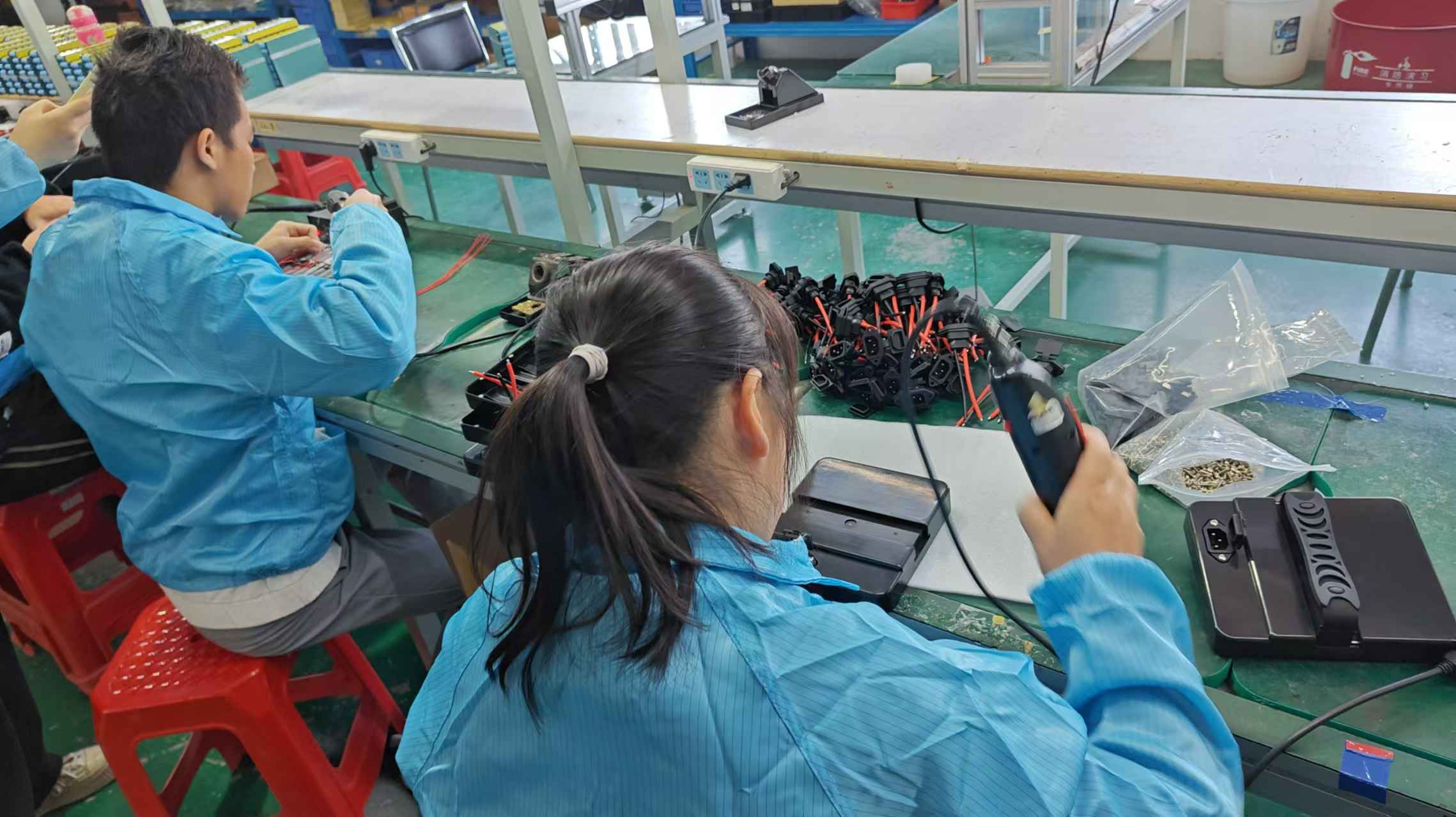
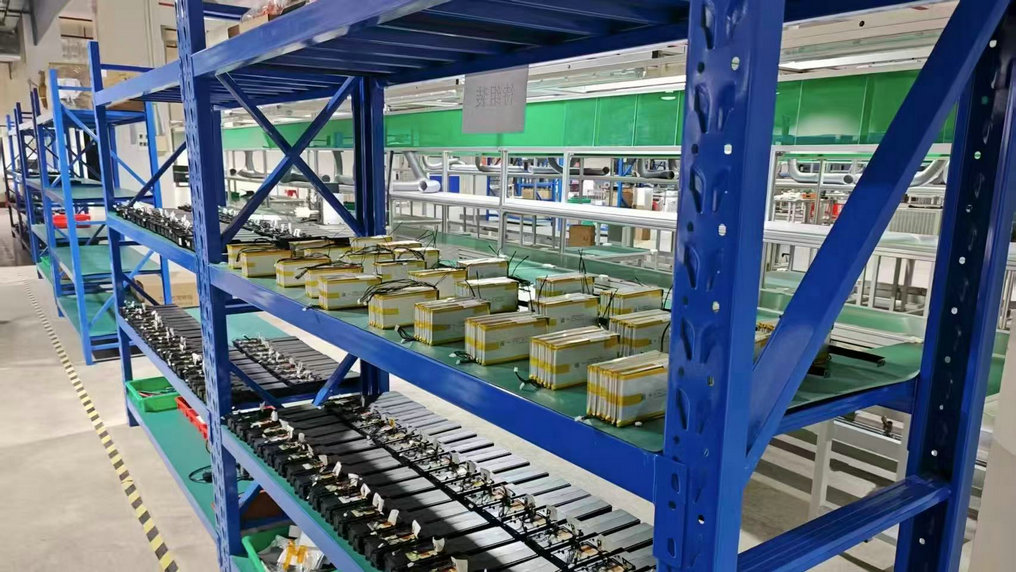
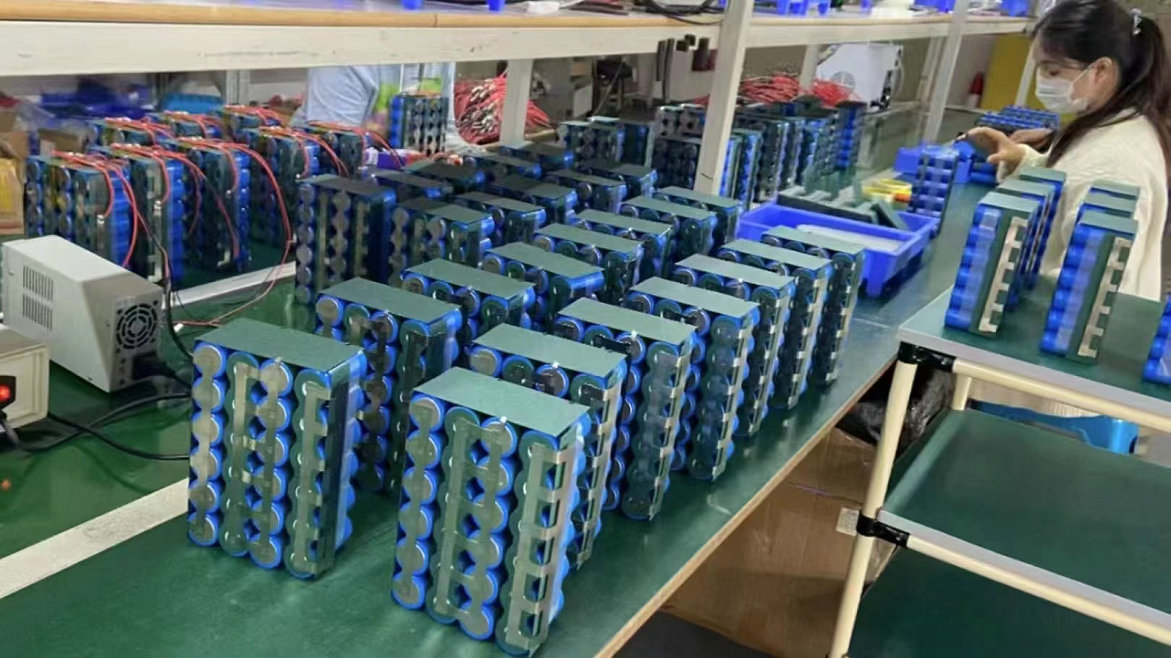
China’s leadership in the wireless energy transfer and advanced battery manufacturing sectors is backed by a highly integrated supply chain ecosystem. Unlike fragmented regional production hubs, Chinese manufacturing clusters, particularly in the Guangdong province, gather raw chemical precursors, active cathode powders (such as LCO and NMC), automated cell-winding machinery, high-precision laser welding facilities, and advanced Battery Management System (BMS) design houses within a tight geographical footprint.
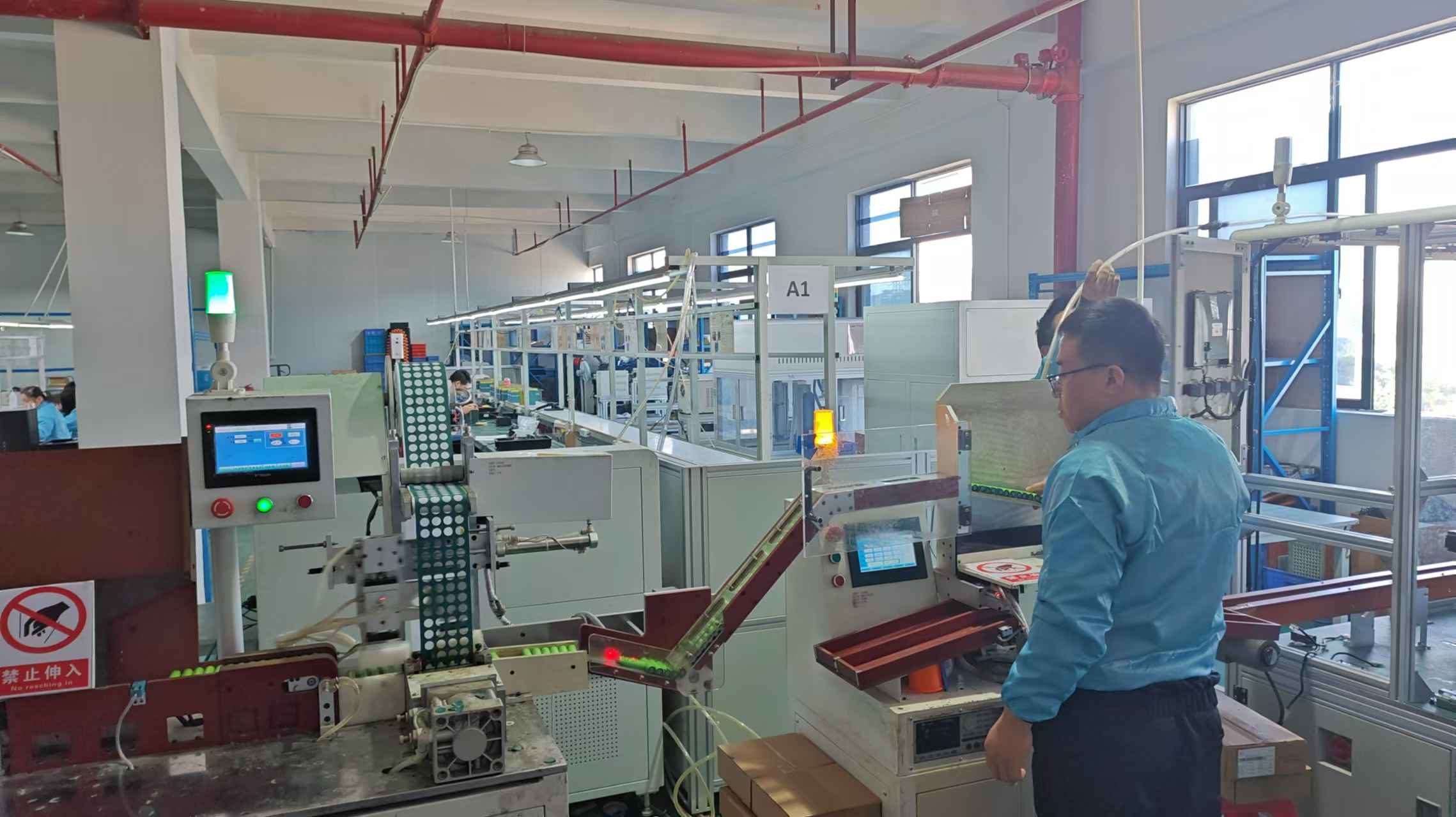
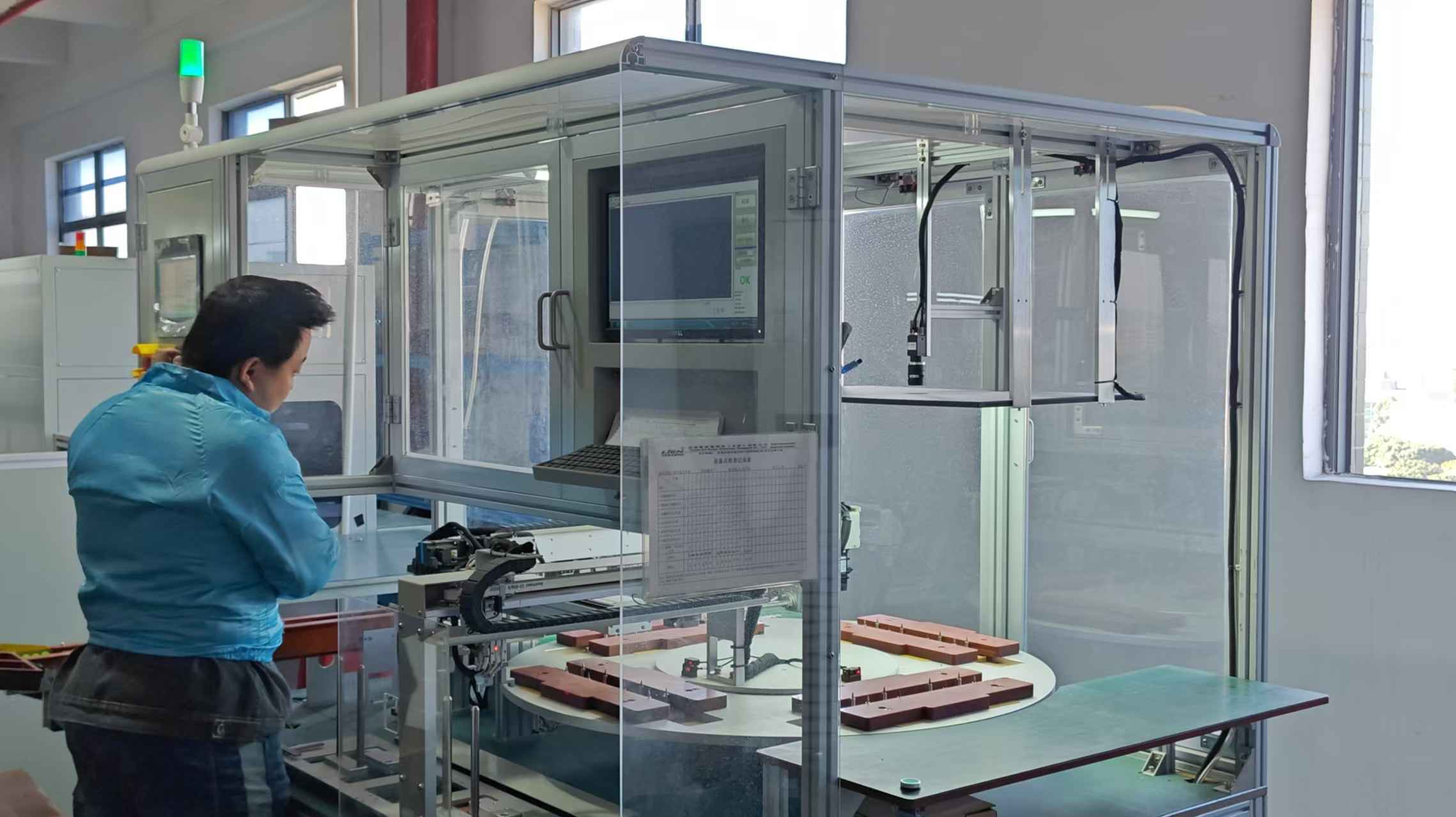
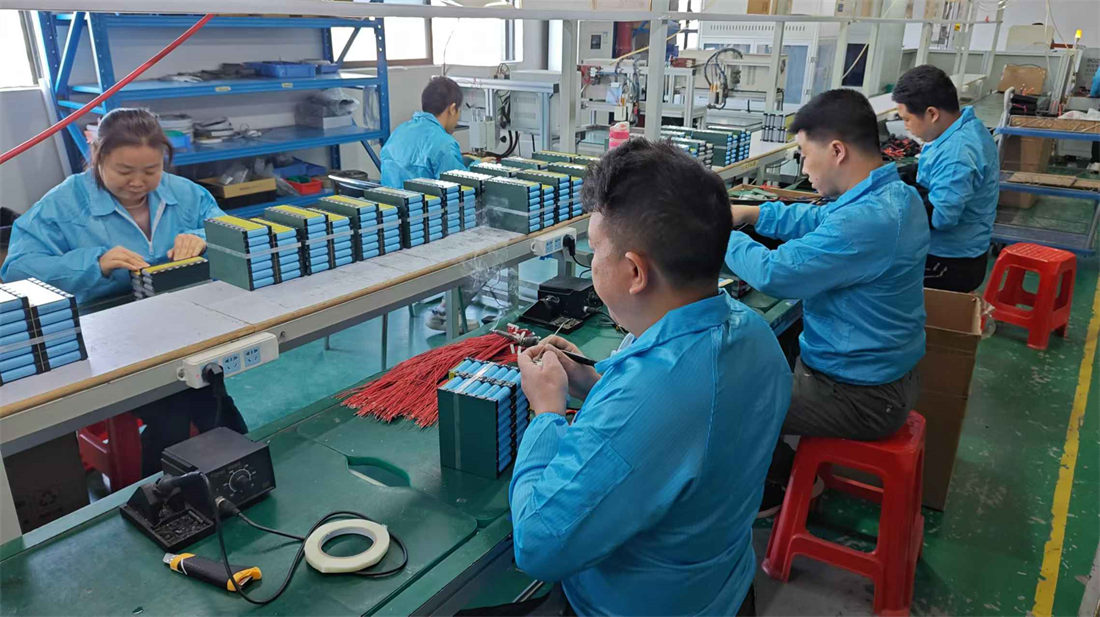
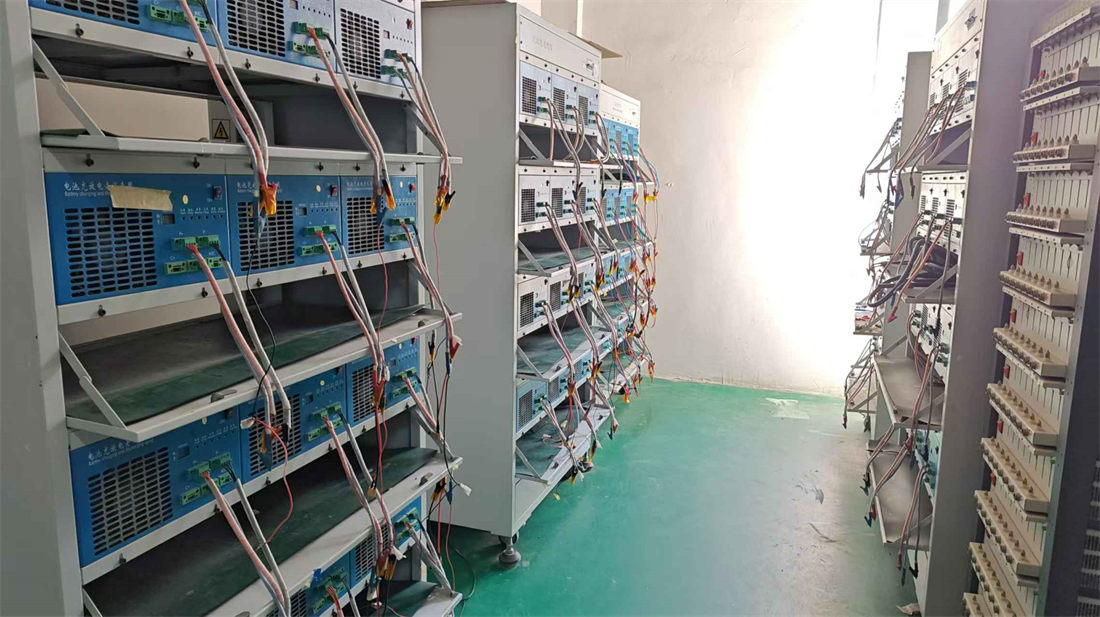
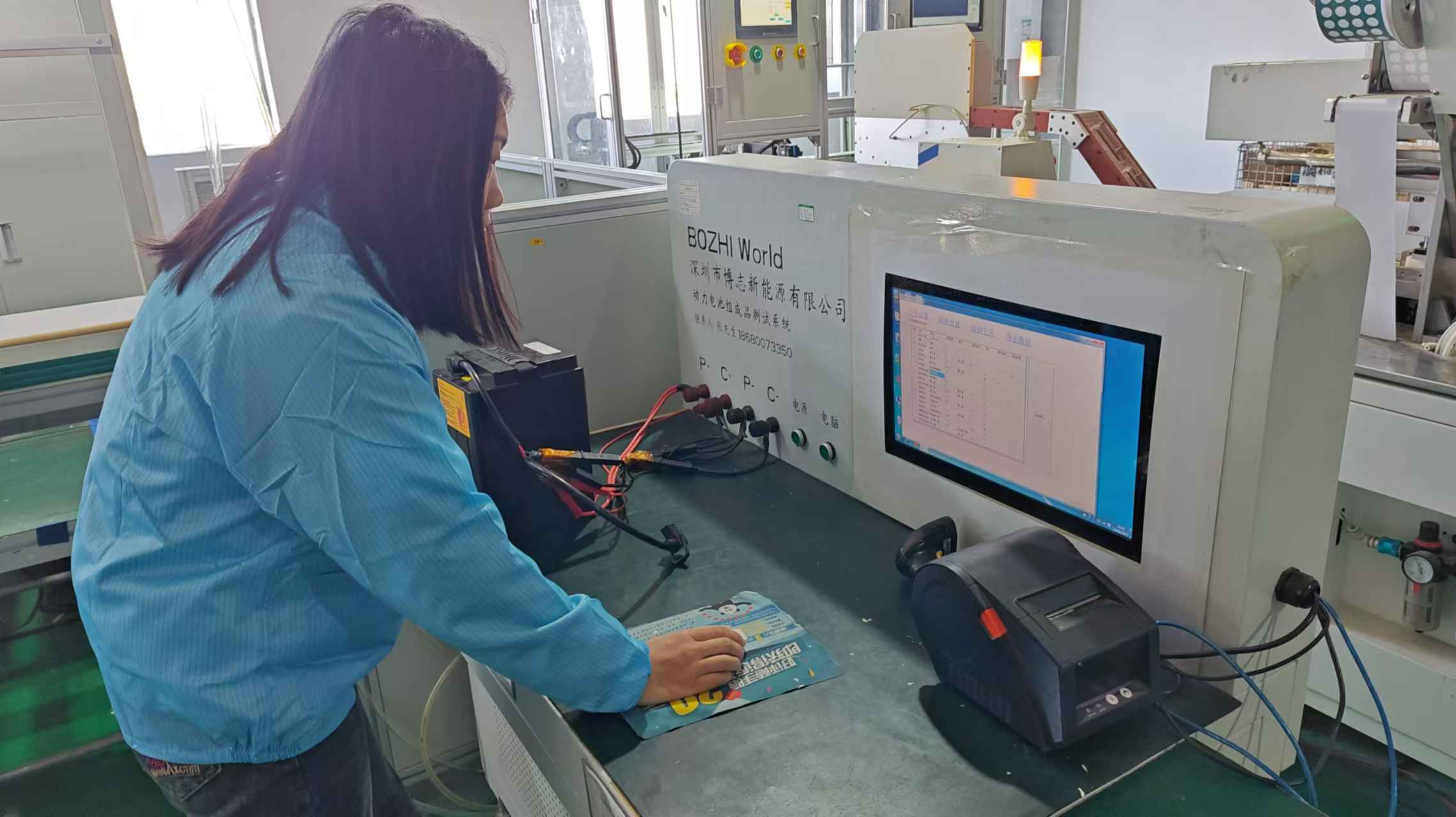
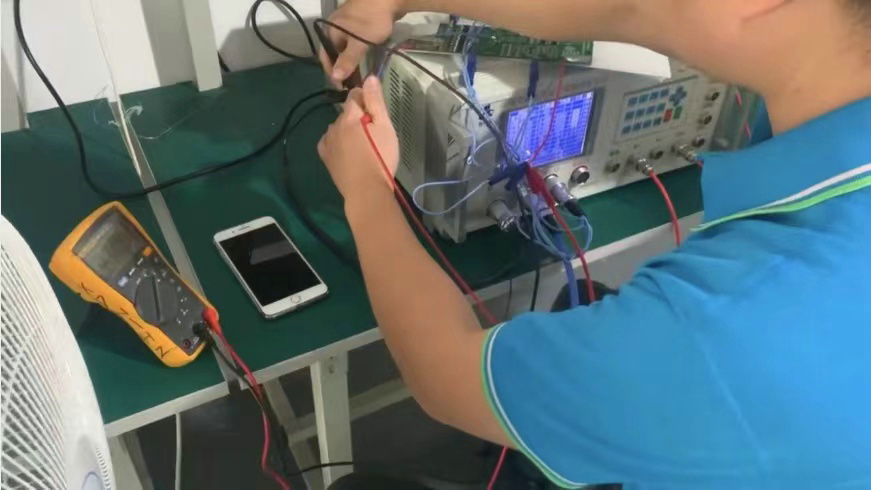
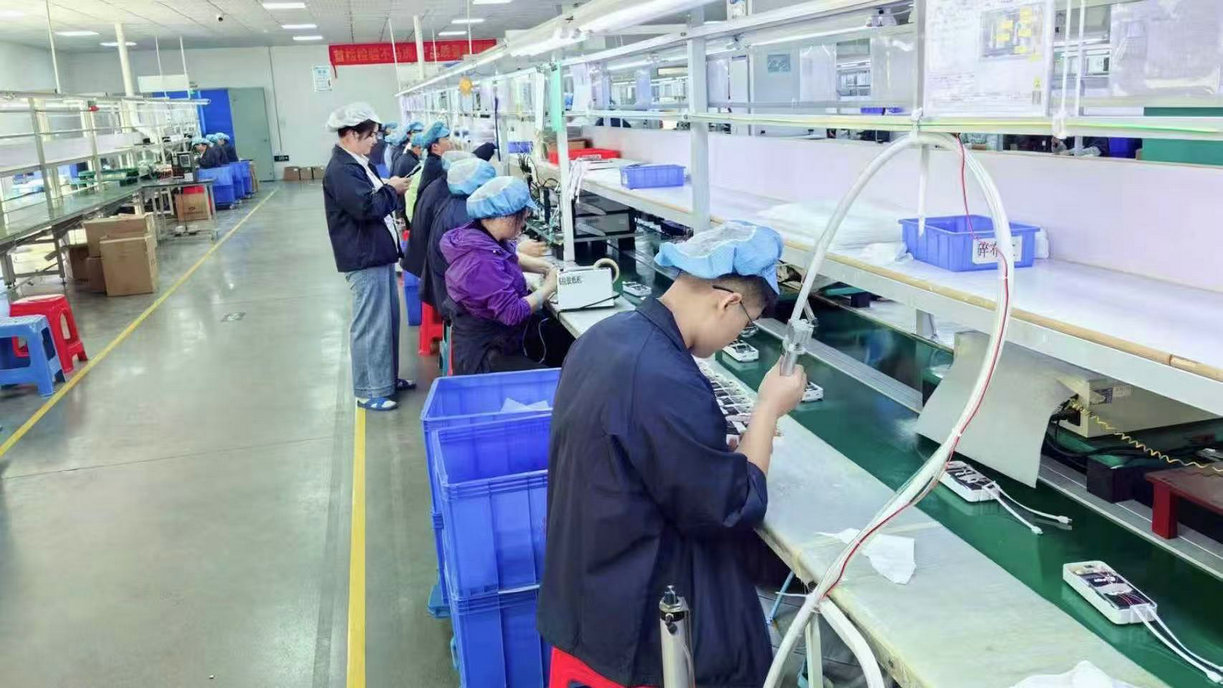
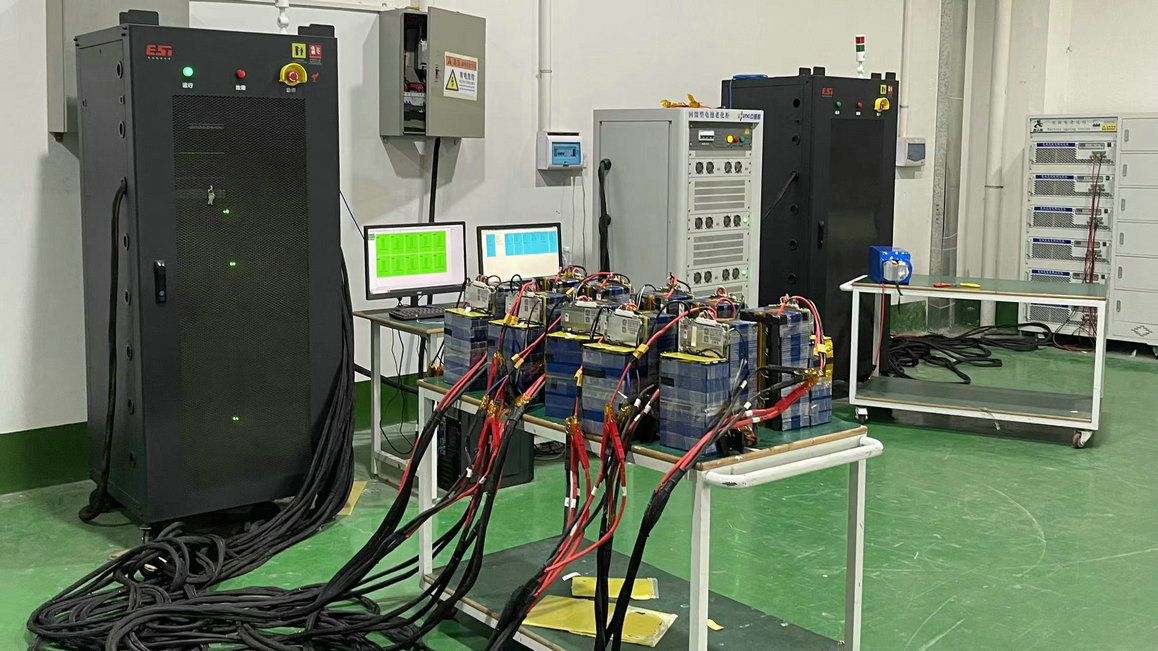
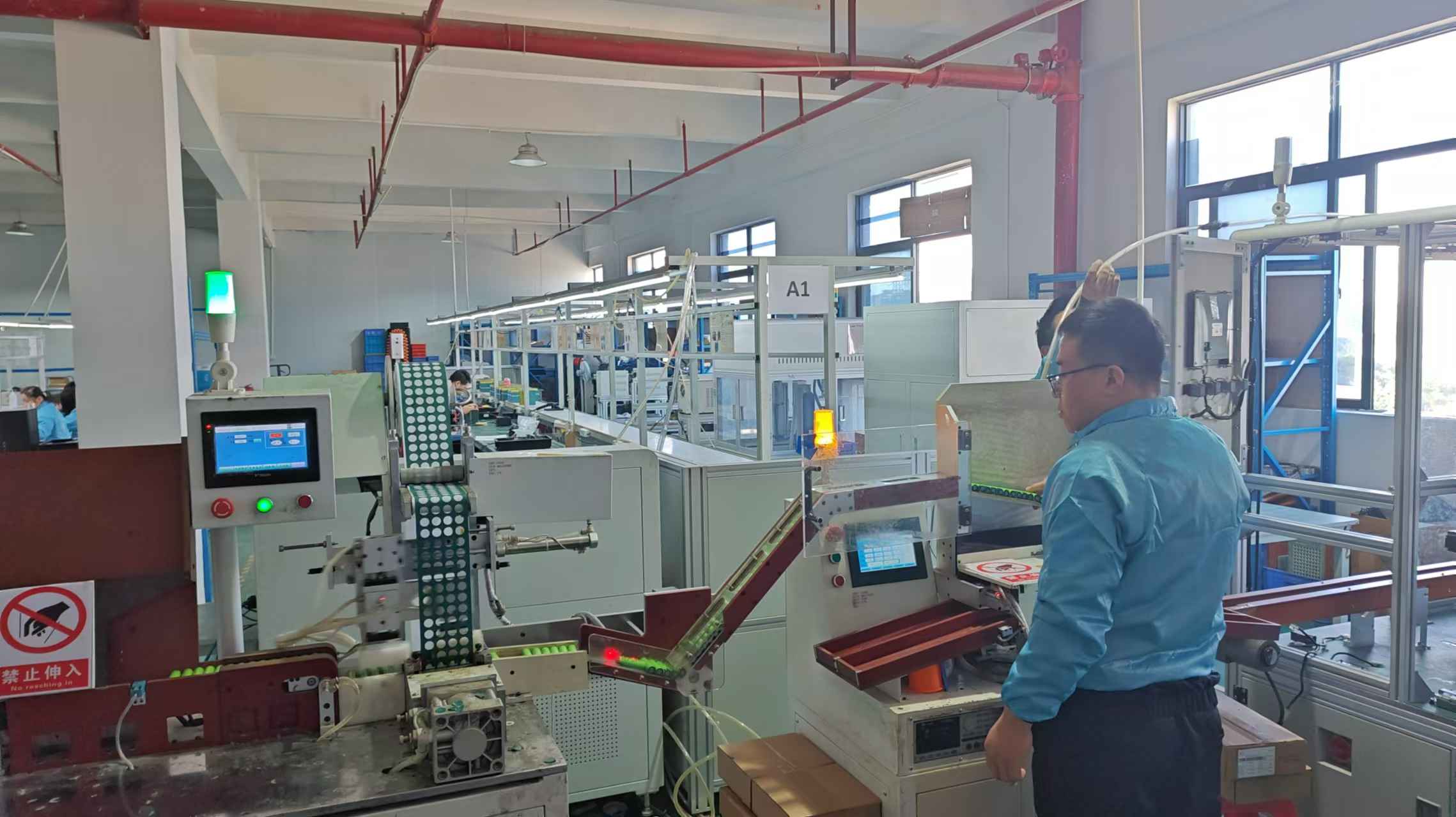
This logistical concentration reduces lead times and structural costs while maximizing quality consistency. Modern factories utilize high-throughput automated sorting, multi-step insulation testers, and specialized aging chambers. These processes ensure that cell characteristics (capacitance, internal resistance, thermal profiles) match closely across bulk batches. Consistent battery cell matching is crucial to prevent early cell-balancing failure in multi-cell assemblies, directly extending pack lifetimes in wireless industrial applications.
Automated Guided Vehicles (AGVs) and Autonomous Mobile Robots (AMRs) in modern smart factories utilize dynamic, contactless in-floor wireless pads.
Underwater ROVs and marine sensors operate in high-pressure, conductive saltwater environments where physical pins are prone to electrochemical corrosion.
Flow meters, gas nodes, and deep geological monitoring systems require decades of operation without active physical maintenance.
The future of wireless energy transmission is shifting toward higher frequencies and spatial flexibility. As dynamic magnetic resonance systems mature, multi-device, over-the-air charging is becoming feasible for industrial cleanrooms and consumer spaces. Achieving this milestone requires energy storage systems with high transient charge acceptance.
On the chemistry side, semi-solid-state and solid-state lithium architectures are replacing traditional liquid-electrolyte configurations. These solid cells deliver higher energy density and eliminate risks of thermal runaway or leakage, making them ideal for integration directly into structure panels, medical implants, or aerospace eVTOL wings that charge wirelessly. Combined with smart, AI-driven BMS systems that communicate battery status in real-time over low-latency RF, modern battery packs can optimize the incoming wireless power stream, preventing overcharging and maximizing energy efficiency.
Global industrial OEMs and enterprise purchasers must navigate a complex regulatory environment when procuring bulk cells and battery packs. Safety is paramount; failure to meet compliance can halt international shipping, void product warranties, or lead to liability concerns. Enterprise procurement demands rigorous verification of standard testing frameworks, including:
In addition to certifications, enterprise buyers seek manufacturing transparency. This includes traceability reports, automated cell-matching logs, and rigorous quality gatekeeping at every assembly stage. Working with an OEM/ODM provider that controls these metrics is key to securing high-reliability components for long-term project lifespans.
Guangdong Nuwon Energy Co., Ltd.
Answers to complex engineering and logistical questions regarding industrial energy cells and power transfer architectures.
Solid-state battery cells, high-cycle LTO banks, precision testing systems, and high-voltage packs engineered for extreme environments.
 Nuwon Energy