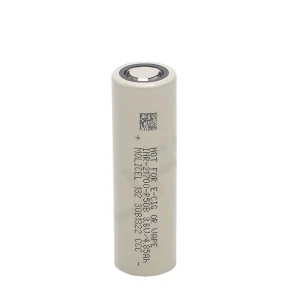
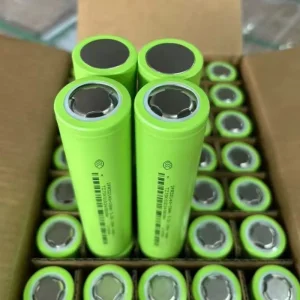
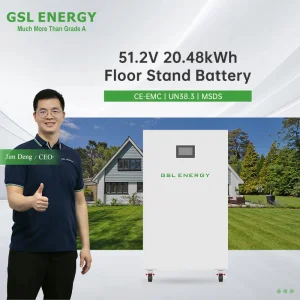
Custom OEM Transportation Battery Solutions Supplier & Exporters

Guangdong Nuwon Energy Co., Ltd. delivers bespoke, high-performance battery systems engineered for electric mobility, defense, aerospace, and commercial grid energy storage. Scale your industrial applications with our advanced E-E-A-T-certified cell configurations and smart BMS architectures.

Company Profile – Guangdong Nuwon Energy Co., Ltd.

Guangdong Nuwon Energy Co., Ltd. is a leading manufacturer and solution provider in advanced battery systems, specializing in the research, development, manufacturing, and global distribution of high-performance energy storage products. The company offers comprehensive OEM and ODM services, delivering customized battery solutions tailored to diverse industrial and commercial applications.

Backed by a highly experienced engineering and R&D team, Nuwon Energy focuses on the design and integration of cylindrical and prismatic lithium battery cells, as well as complete battery packs, modules, and energy storage systems. The company also develops and produces industrial-grade battery cells engineered for safety, durability, and long cycle life.

Guangdong Nuwon Energy serves a wide range of industries, including consumer electronics, electric mobility (such as golf carts, forklifts, UTVs/ATVs, trucks, and marine systems), medical equipment, unmanned ground vehicles (AGVs/AMRs), and emerging aerospace applications such as eVTOL aircraft. In addition, the company provides reliable residential, commercial, and industrial (C&I) energy storage solutions designed to support the global transition toward clean and sustainable energy.

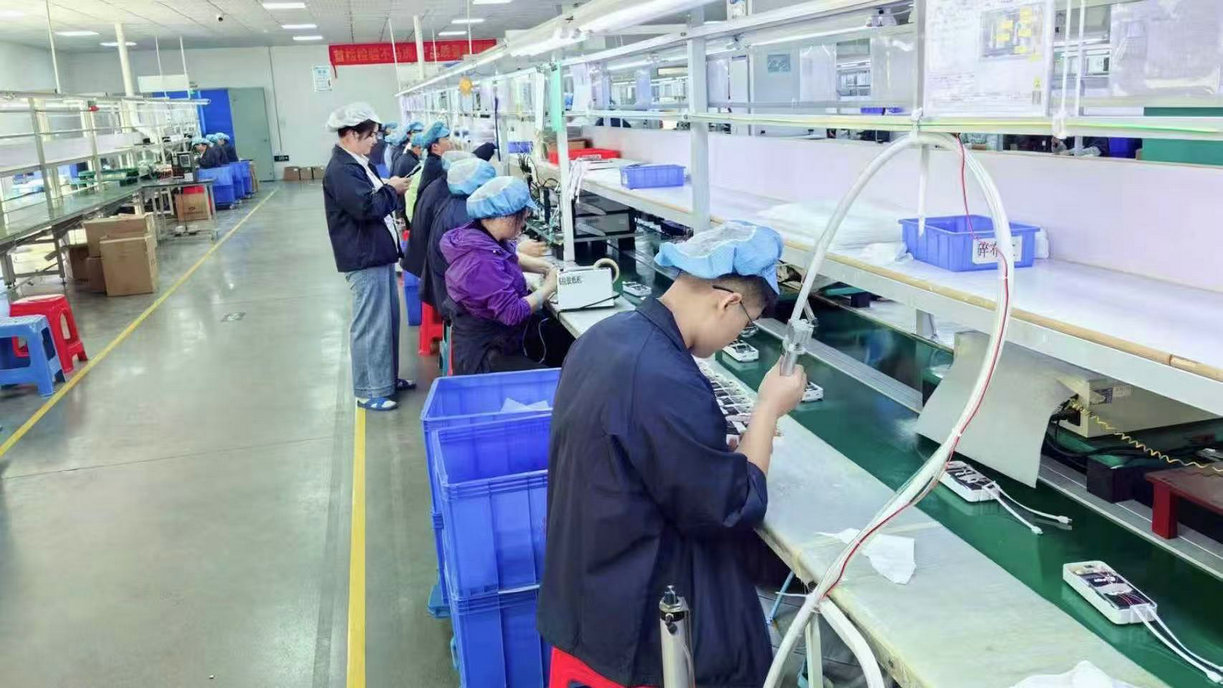
With a strong commitment to innovation, strict quality control, and customer-centric service, Guangdong Nuwon Energy continuously invests in advanced manufacturing capabilities, automated production lines, and rigorous testing systems. This ensures that every product meets international safety standards and delivers exceptional performance in demanding environments. Driven by a vision to accelerate global electrification and energy efficiency, Guangdong Nuwon Energy Co., Ltd. is dedicated to building long-term partnerships and providing reliable, intelligent, and sustainable energy solutions to customers worldwide.

Industrial Capabilities at a Glance

Empowering global infrastructure through unmatched technological adaptation and integration depth.

  • Custom Cell Sorting & Matching: Precision resistance and voltage binning to ensure cell pack parity.
  • Smart BMS Integration: Proprietary hardware supports CANbus, RS485, and Modbus protocols.
  • Thermal Management Systems: Passive, liquid, and phase-change material cooling options.
  • Global Compliance: UL1642, UL1973, CE, UN38.3, and IEC 62619 standards verification.

Global Trends in Custom OEM Transportation Battery Systems

The shift toward electrification across terrestrial, maritime, and aerospace vectors demands battery packs with higher gravimetric energy densities, faster charging protocols, and robust safety mitigations. Nuwon Energy stands at the forefront of these transitions.

1. Transition to Solid-State & Semi-Solid Electrolytes
Standard liquid electrolytes present flammability challenges under high discharge configurations. The industry is aggressively adopting semi-solid and solid-state chemistries to double thermal runway threshold thresholds while boosting energy density to >350 Wh/kg, crucial for drone payload capacities and eVTOL ranges.
2. High-Voltage Operations (800V+ Architecture)
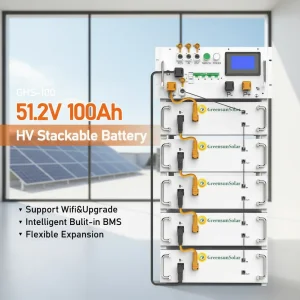
By elevating system voltage, transit operators reduce current requirements, leading to lighter wiring harnesses and minimized thermal losses. Our stacked series architectures accommodate up to 800V layouts to enable ultra-fast megawatt-level charging for heavy machinery.
3. Traceable ESG Lifecycle Auditing
As regulatory frameworks like the EU Battery Passport take effect, raw material origin tracking and clean-energy assembly pipelines have transitioned from optional metrics to hard compliance standards. Nuwon implements full carbon auditing from raw cell procurement to final system assembly.

Factory Workflows & Quality Control Systems

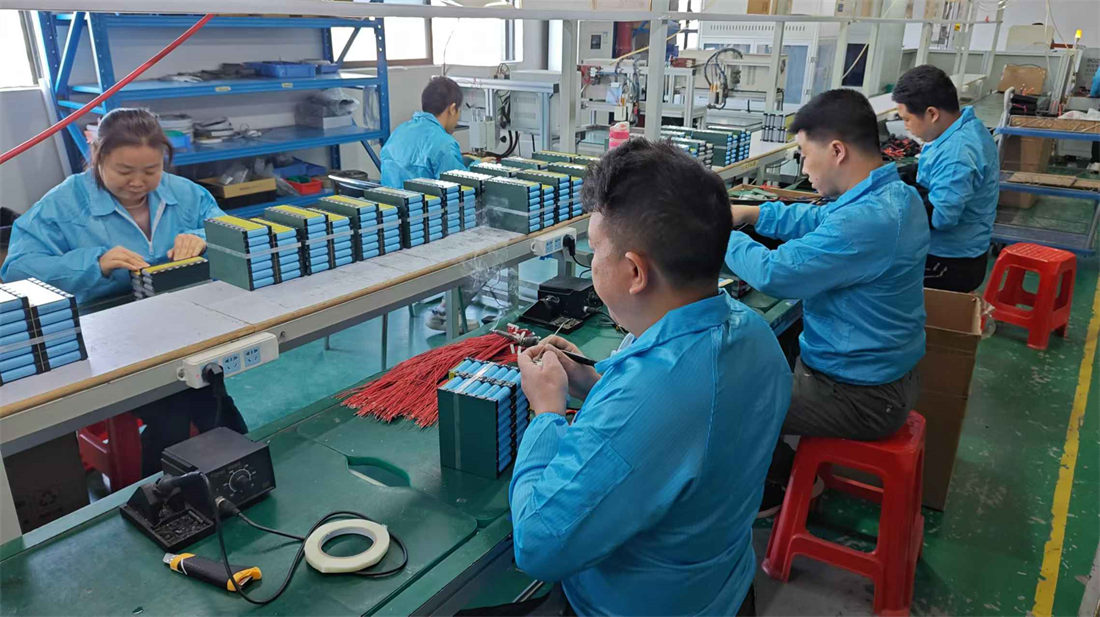
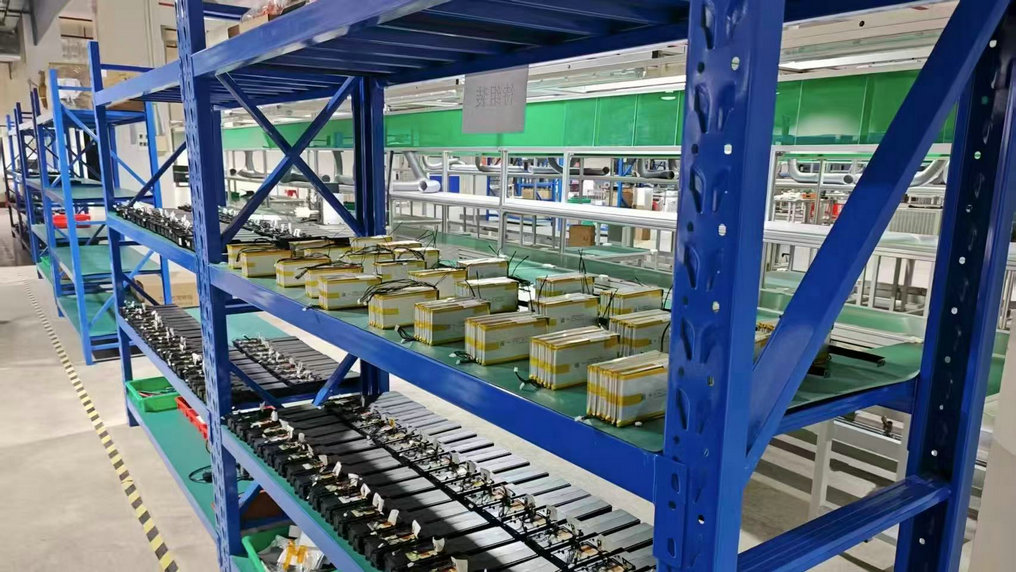
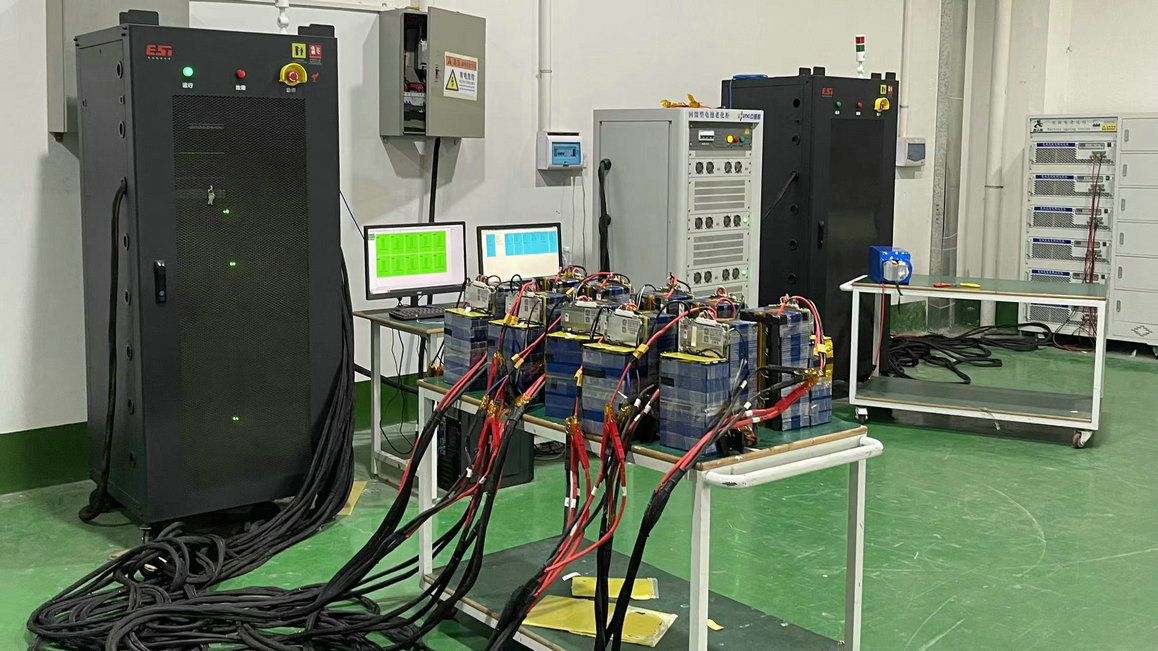
Every pack engineered by Guangdong Nuwon Energy undergoes a rigorous, multi-stage testing sequence. This workflow preserves cell structural integrity, limits internal resistance variation, and eliminates defect propagation before global export.
Sorting Cell Voltage and Resistance
Sorting
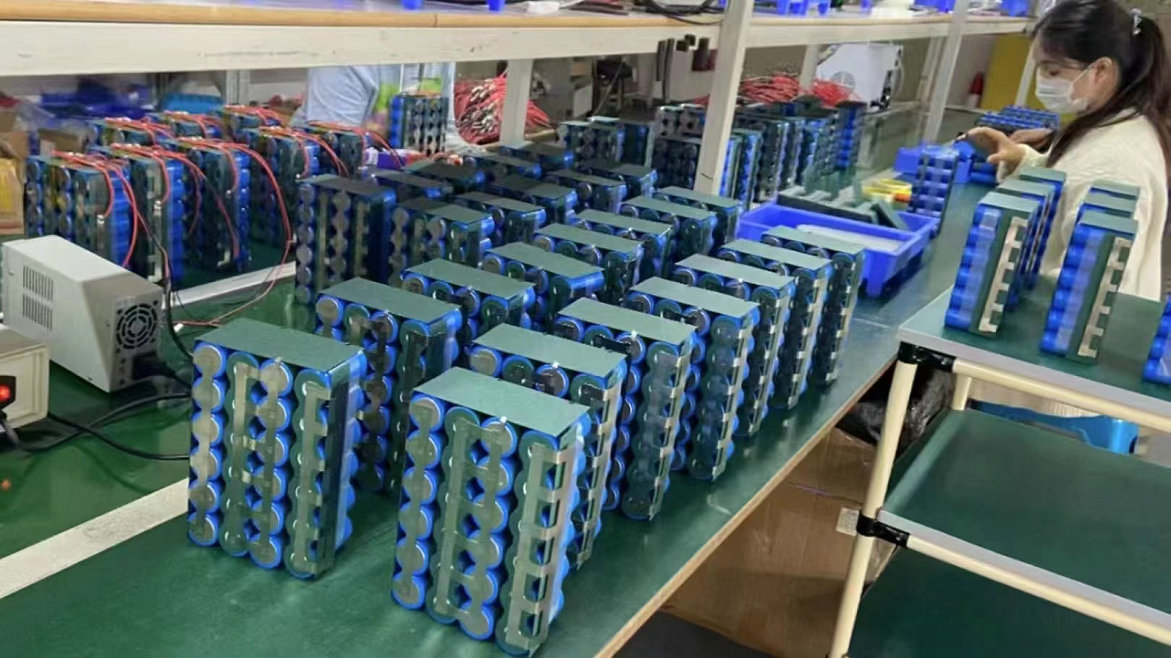
Battery Modular Assembly Phase 1
Assembling
Laser Welding of Battery Interconnects
Welding
Module Assembling and Structure Check
Assembling
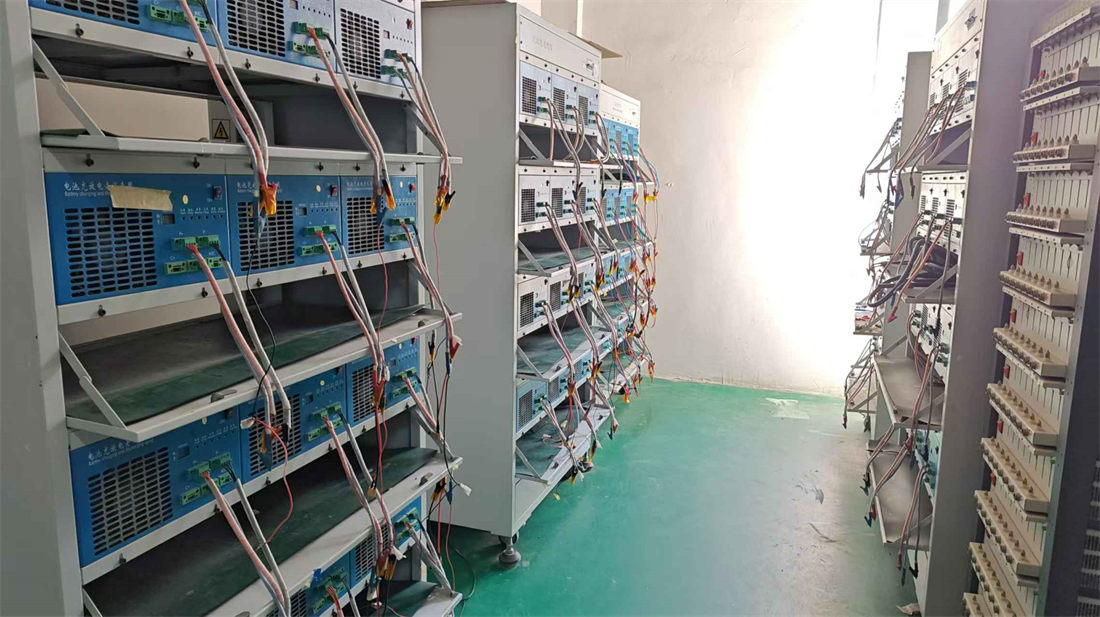
Thermal and Electric Aging Tests
Aging
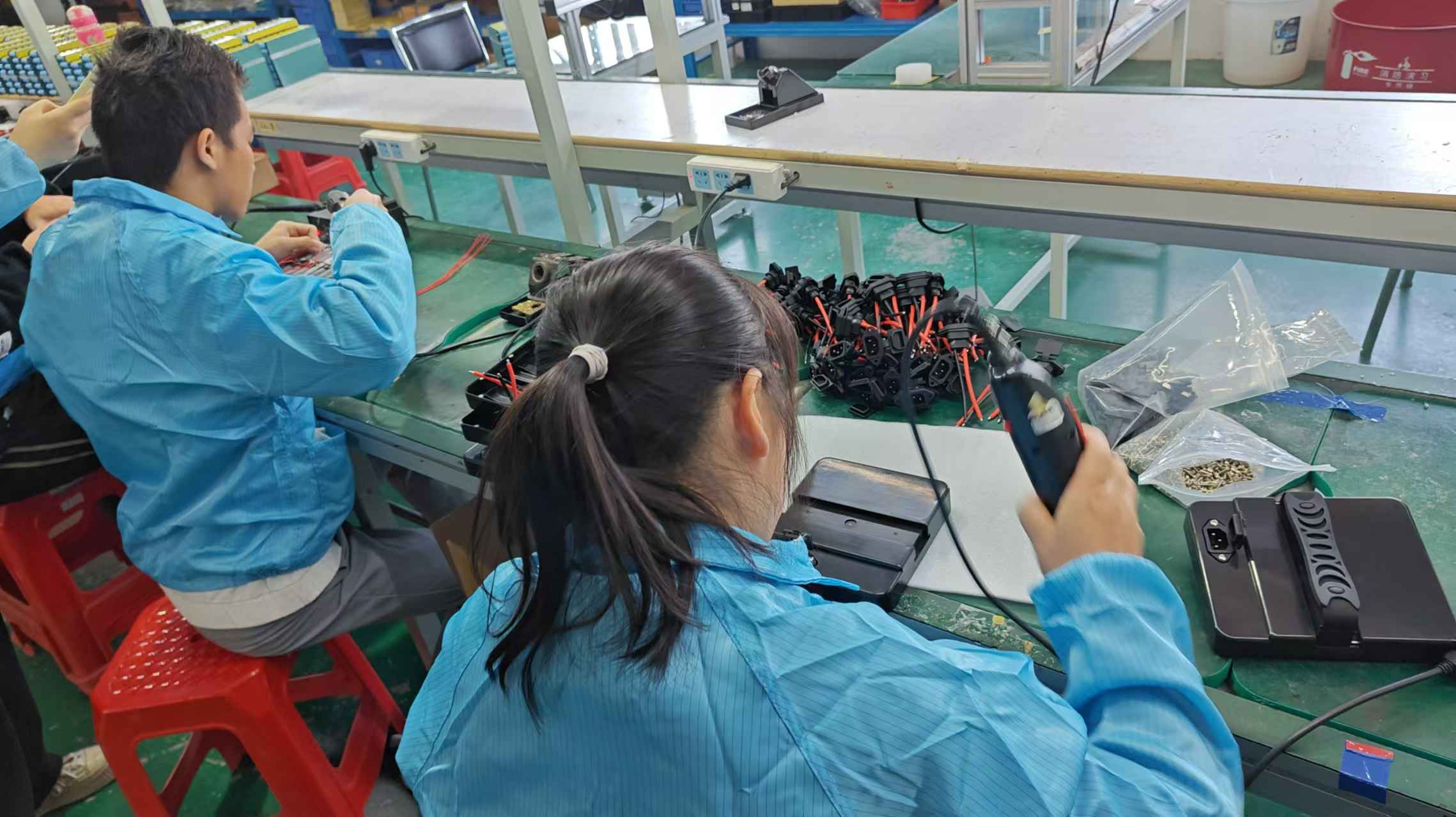
Secondary Level Harness Assembling
Assembling
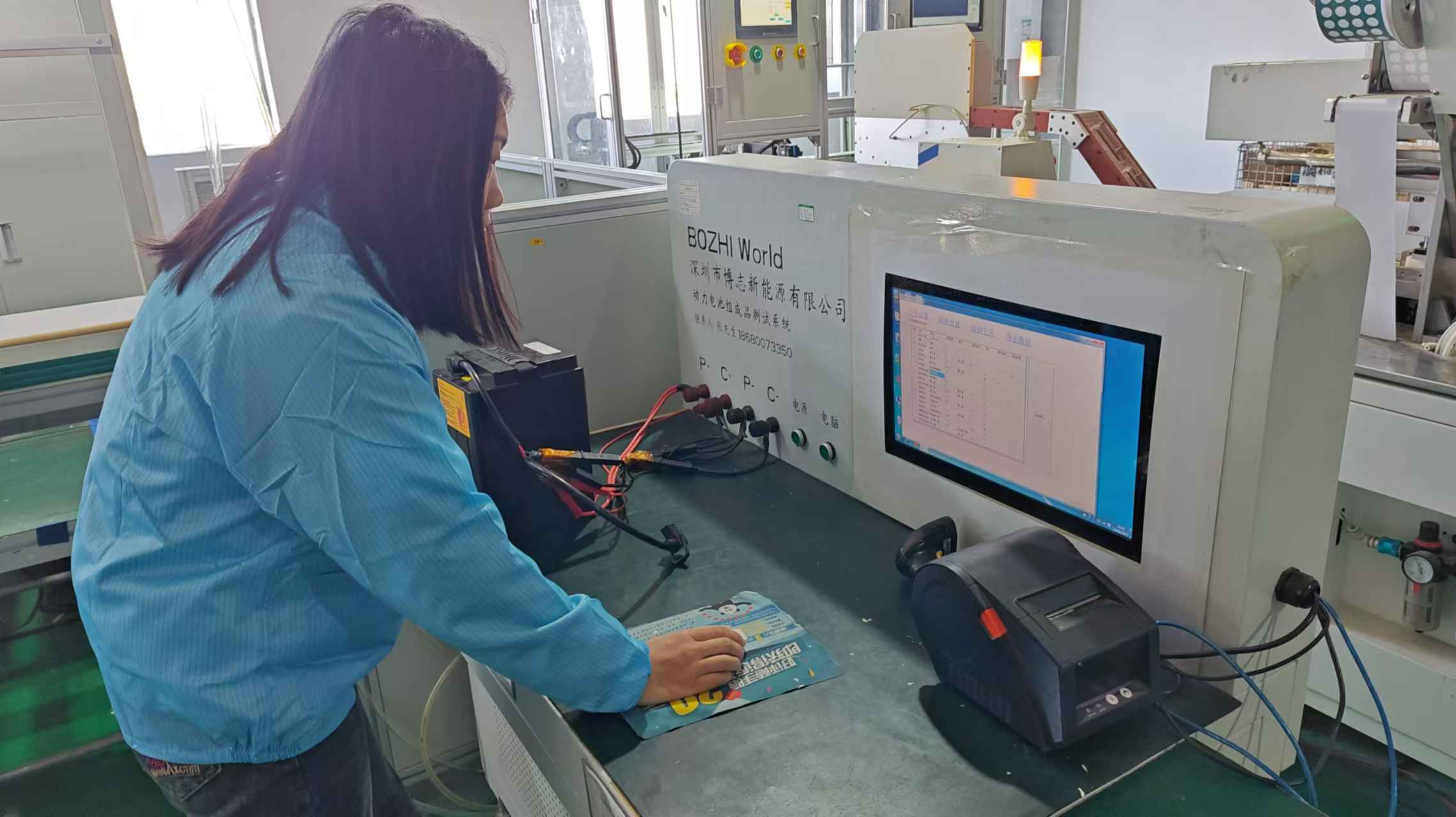
Final Calibration and Testing
Test
Industrial Finished Battery Assembly
Battery
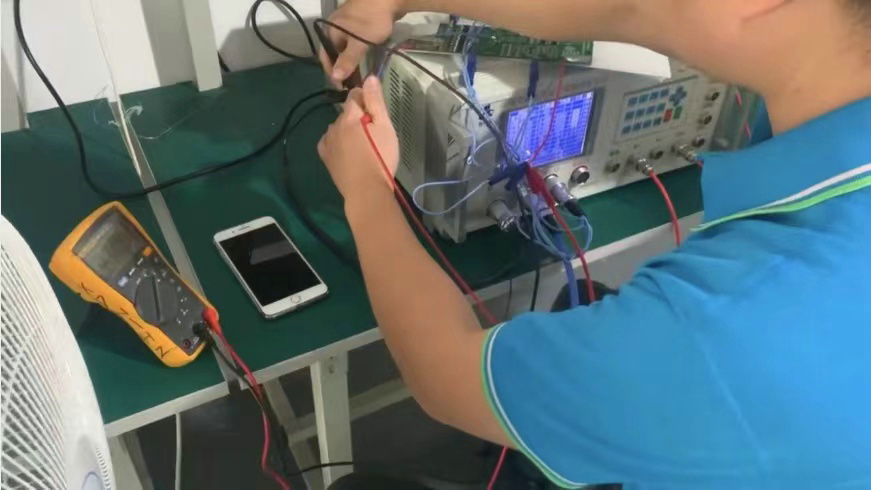
Insulation Resistance High-Pot Test
Insulation Testing
Smart BMS PCB Calibration Test
PCB Testing
Advanced Module Connection Laser Welding
Welding
Extended Duration Aging Chambers
Aging
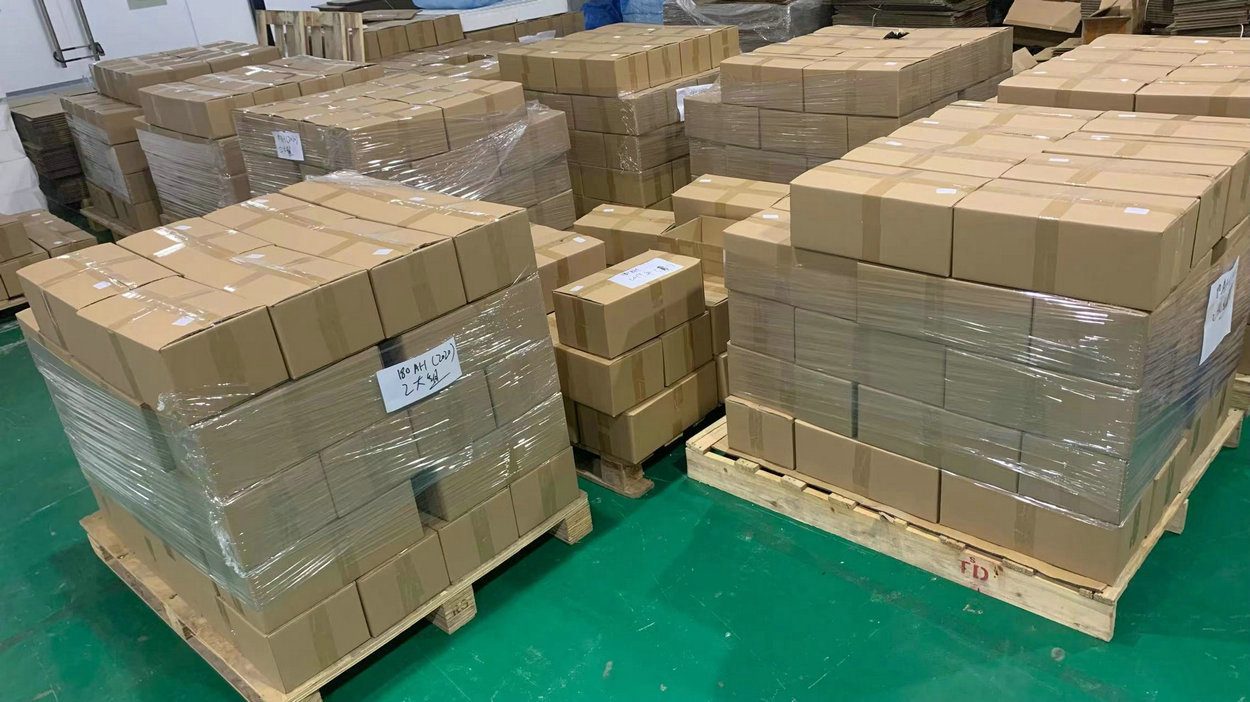
Finished Commercial Battery Ready for Dispatch
Products
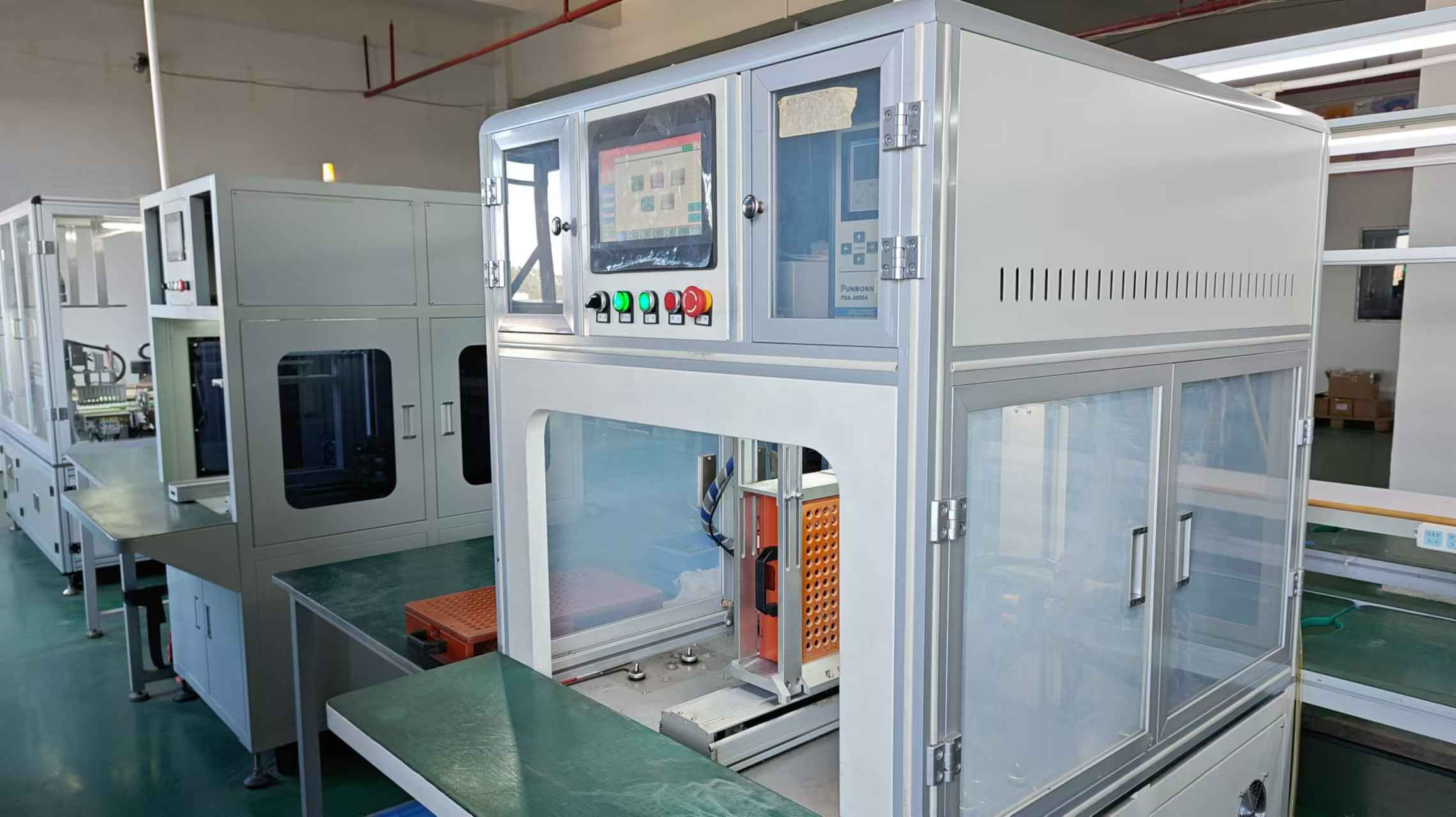
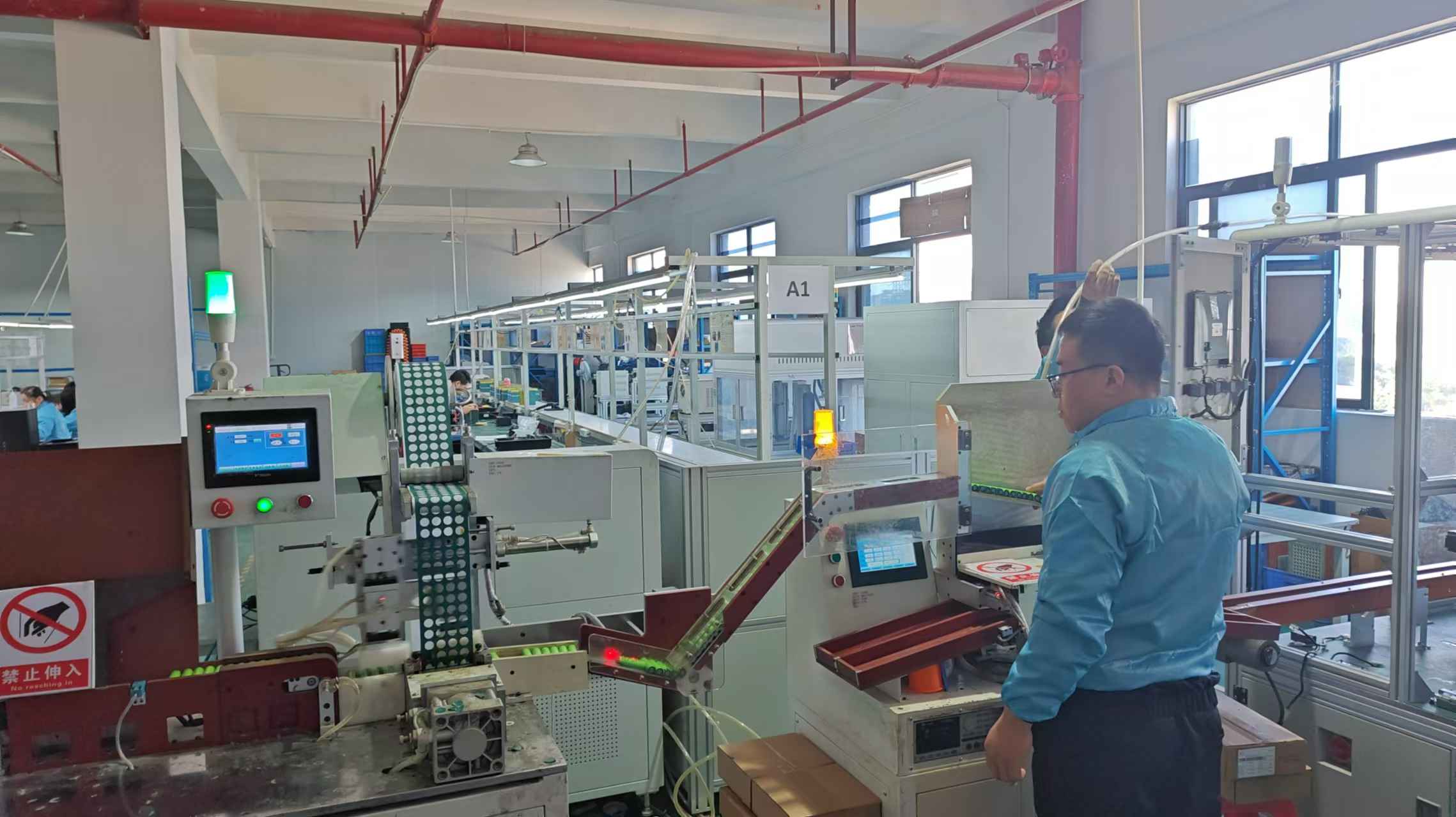
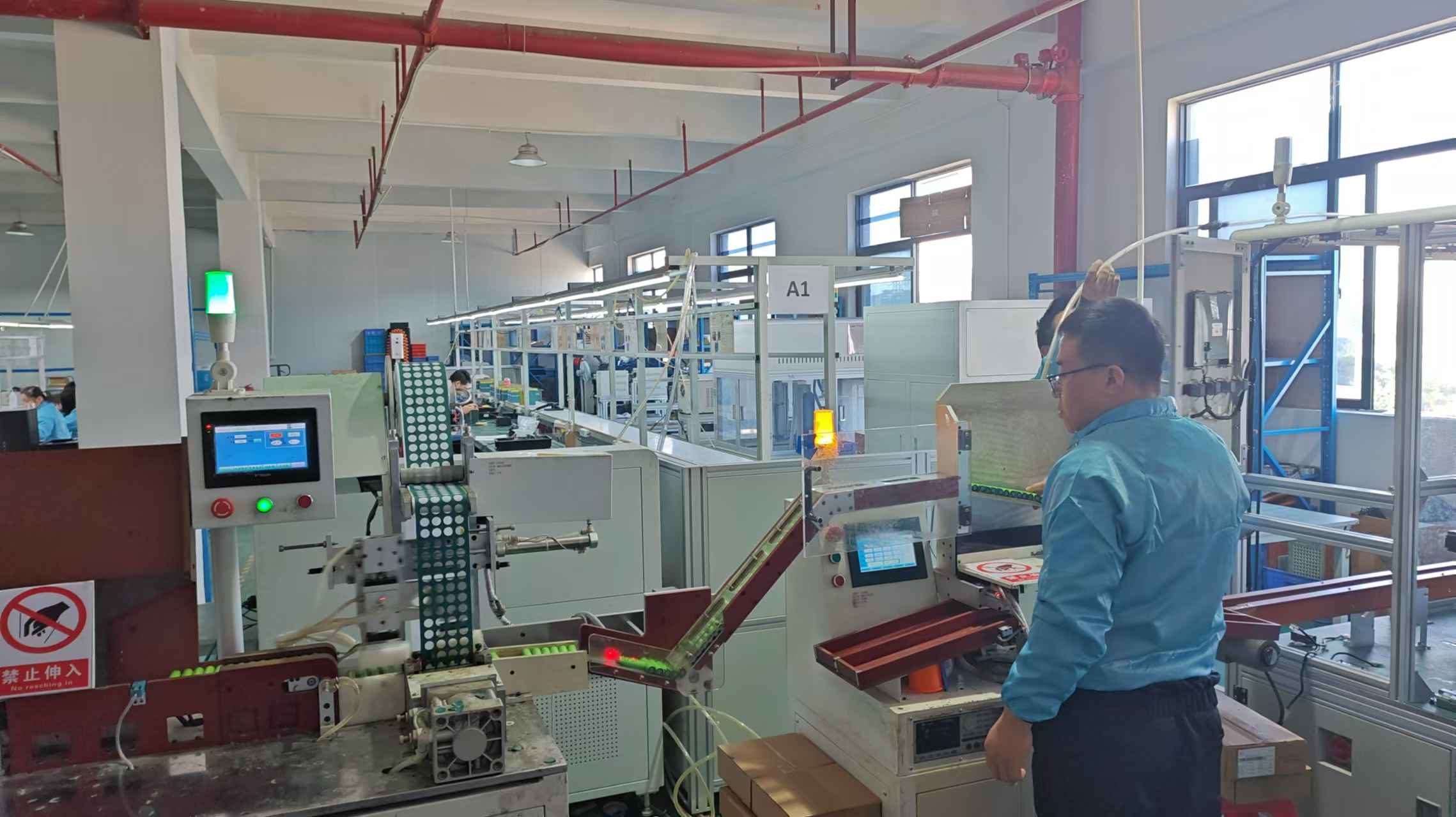
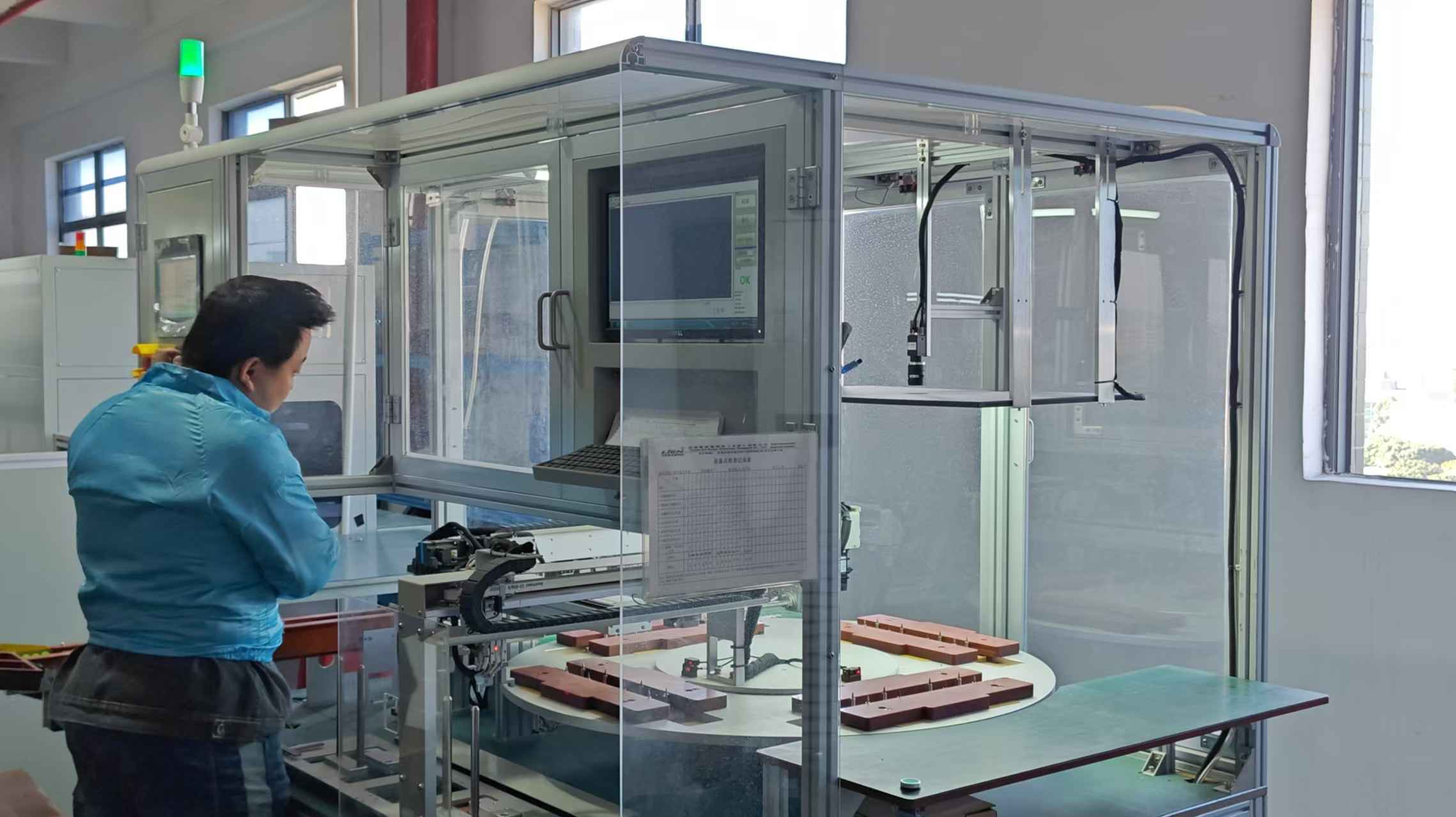
Automatic Sorting Machine in Action

Battery Sorting Machine

Automated resistance & voltage matching algorithms verify cell uniformity before pack synthesis. This limits system degradation rates and prevents localized thermal hot-spots in heavy-duty commercial operations.

Macro-Level Solutions for Transportation Segments

Every vehicle profile has distinct voltage, current, and environmental tolerances. We develop bespoke configurations to target each application's performance vectors.

Heavy-Duty Logistics (Forklifts & Electric Trucks)
Designed with highly robust LFP prismatic cells to withstand severe vibration profiles and continuous multi-shift rapid-charge requirements. Integrated CANbus monitors allow real-time fleet diagnostic telemetry reporting.
Marine Power Solutions (E-Yachts & Workboats)
Our marine assemblies feature high-grade anti-corrosive IP67 structures, insulation monitoring circuitry, and integrated gas venting lines. The cells are certified against marine saline exposure to prevent salt-fog induced electrical leakage.
Defense, Drones, & eVTOL Aviation
Engineered around semi-solid state chemistries to satisfy strict weight limits. These units provide stable, high-C-rate discharge output profiles in extremely cold high-altitude environments (-40°C down to low-pressure limits).

Why Partner with a Chinese Battery OEM Manufacturer?

Guangdong Nuwon Energy leverages China's unmatched lithium supply chain, advanced cell-chemistry processing hubs, and automated production technologies.

China is home to over 75% of the world's battery raw material refining capacity. By operating directly from Guangdong, the heart of advanced manufacturing, Nuwon Energy secures early access to next-generation chemistries (such as high-nickel NMC and solid-state matrices) at a fraction of the cost of Western suppliers.

Furthermore, our highly integrated supplier eco-system allows us to execute rapid prototype iterations. From the initial 3D CAD enclosure blueprint to dynamic thermal test validation, our turnaround times are up to 60% faster than traditional overseas facilities. This efficiency translates to a reduced Time-to-Market for your heavy machinery, commercial grid installations, or electric vehicle platforms.

75%+
Global Supply Dominance
>60%
Faster Prototype Turns
6000+
LFP Cycle Lifespans
Zero
Defect Tolerance Policy

Key Procurement Parameters for Transportation Battery Systems

Global engineering procurement teams must evaluate battery platforms across several operational dimensions. Ensure your system meets these target parameters before commissioning large-scale exports:

1. Discharge Profiling & C-Rating

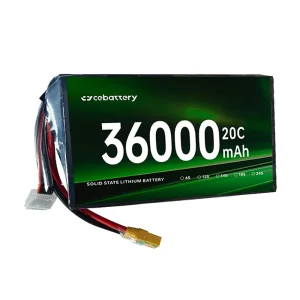
Verify the peak discharge current capacity against transient load demands. For FPV systems and specialized logistics platforms, batteries must maintain continuous high-C discharge outputs (ranging from 5C to 20C) without dropping voltage levels below safe operational limits.

2. DoD (Depth of Discharge) & Cycle Lifespan

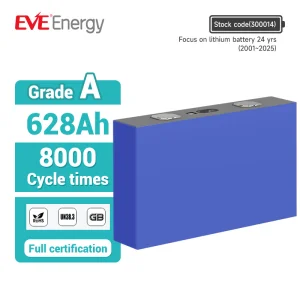
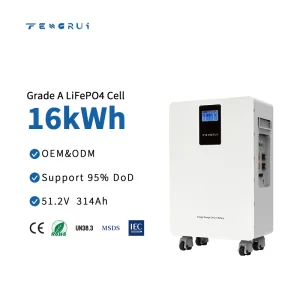
Evaluate structural cell deterioration models across cycle lifespans. LFP prismatic solutions (such as our 280Ah and 314Ah platforms) provide up to 6000–8000 charging cycles at 80% Depth of Discharge, offering a low Levelized Cost of Storage (LCOS).

3. Environmental Tolerances

Operating in cold conditions (like high-altitude drone tracking or northern climates) requires specialized battery chemistry. Solid-state and low-temperature electrolyte systems can maintain stable power delivery even down to -40°C.

Frequently Asked Questions — Custom OEM Transportation Batteries

Technical clarifications on customized cell designs, chemistry comparisons, safety standards, and global shipping compliance.

Why is LiFePO4 preferred over NMC for heavy-duty industrial vehicles?
LiFePO4 (Lithium Iron Phosphate) displays high thermal stability, meaning its thermal runaway point is significantly higher (~270°C) compared to NMC (~210°C). LFP also offers up to 6000 cycles at 80% DOD, making it more cost-effective for forklifts, golf carts, and static commercial storage. While NMC provides superior gravimetric density (useful for passenger cars and aerospace), LFP delivers longer lifetimes and safer operation under high vibrations.
How does Guangdong Nuwon Energy control cell matching within high-voltage battery packs?
Before pack assembly, we run all cells through automated sorting machines to check voltage, internal resistance, and capacity. We pair cells within tight tolerances (ΔIR ≤ 0.5mΩ, ΔV ≤ 2mV) to prevent premature aging and unbalanced charging. Our smart BMS also uses active and passive balancing to maintain uniform cell voltages during operation.
What specific certifications do your transportation batteries carry for EU/US customs clearance?
Our batteries carry all certifications required for global export: UN38.3 (safely transport lithium batteries), IEC 62619 (safety for industrial applications), CE (European conformity), and UL1973/UL2580 (compliance for EV and stationary use). We also provide full Material Safety Data Sheets (MSDS) and test reports for custom clearance.
How does a semi-solid state battery compare to a standard Li-ion cell?
Semi-solid state batteries replace part of the liquid electrolyte with a solid polymer or ceramic gel. This design increases safety by reducing the risk of leakage and thermal runaway. It also supports higher energy densities (above 300 Wh/kg) and improves low-temperature performance, making it ideal for drones and aerospace equipment.