Industrial grade, semi-solid state, and LFP chemistries optimized for next-generation integration
The global industrial and commercial landscapes are undergoing a profound transformation. As automated systems replace traditional human operations in logistics, aerospace, marine, and medical environments, the weak link remains physical connectivity. High-voltage connections, micro-USB pins, and heavy-duty plugs pose substantial risks: mechanical wear, spark hazards in volatile environments, localized corrosion, and sanitation challenges in medical facilities. This is where contactless wireless power transfer (WPT) becomes a crucial technological catalyst.
At Guangdong Nuwon Energy Co., Ltd., we develop systems that integrate advanced wireless charging receivers directly with custom lithium-ion and solid-state battery packs. By combining high-frequency electromagnetic resonance with custom-engineered Battery Management Systems (BMS), we enable automation architectures to achieve continuous 24/7 runtimes. Instead of docking for long periods, vehicles like AGVs, AMRs, and industrial forklifts utilize opportunistic charging (charging during brief halts) without manual intervention.
Traditional wireless charging relies on basic electromagnetic induction, which requires precise physical alignment. For industrial applications, Nuwon Energy focuses on magnetic resonance coupling. This approach leverages high-quality factor (Q) resonant circuits on both transmitter and receiver ends. By matching the resonant frequencies, energy is transferred efficiently over larger distances (up to 150mm air gaps) with high tolerance for lateral or angular misalignment.
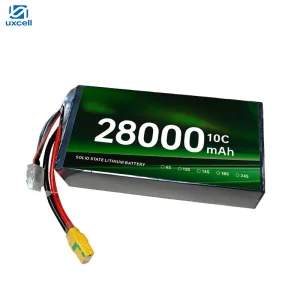
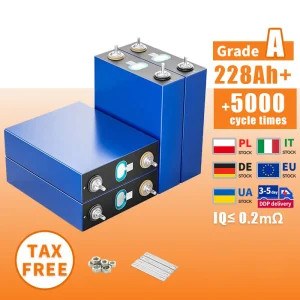
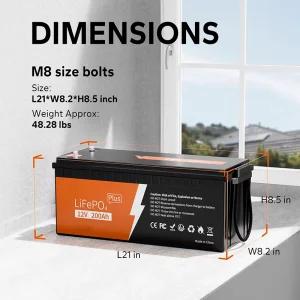
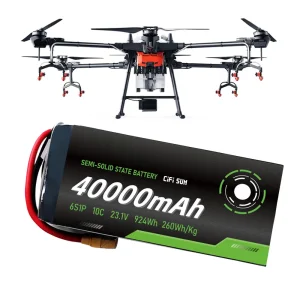
Successfully integrating a wireless charging receiver into high-capacity battery packs—such as our high-rate semi-solid-state drone packs or prismatic LiFePO4 cells—requires resolving three primary engineering conflicts: thermal accumulation, electromagnetic interference (EMI) shielding, and communication synchronization between the transmitter (TX) and receiver (RX).
Eddy currents in nearby metal structures can generate significant heat. We use customized graphite heat spreaders and phase-change materials (PCM) to isolate the lithium cells from the receiver coil's heat zone, keeping operating temperatures under 45°C.
To shield the internal lithium chemistry from high-frequency magnetic fields, we deploy thin, high-permeability nanocrystalline ferrite sheets. These sheets guide the magnetic flux safely around the battery pack, preventing internal eddy currents and stabilizing cell impedance.
Our custom BMS interfaces directly with the wireless receiver using CAN-bus or RS485. This ensures real-time control of the charging profile, matching the cell’s dynamic voltage curves and preventing overcurrent conditions during high-frequency energy coupling.
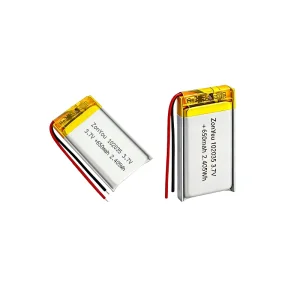
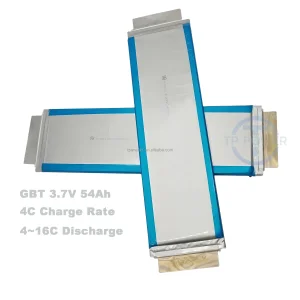
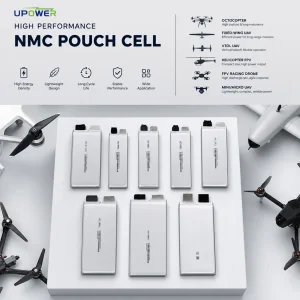
Wireless charging systems must handle varying current profiles depending on coil alignment. Our advanced battery options—including premium CATL LiFePO4 cells, high-density NMC811 pouch cells, and high-rate semi-solid-state packs—are selected for their high charge-acceptance rates and structural stability. This combination handles the rapid, intermittent current cycles typical of automated wireless charging systems without degrading the battery structure.
Nuwon Energy's customized battery systems with wireless charging support are deployed across various industries worldwide. The requirements vary significantly depending on the operating environment and region:
The transition to wireless infrastructure involves balancing initial investment with long-term operational savings. Below is an engineering comparison of the systems:
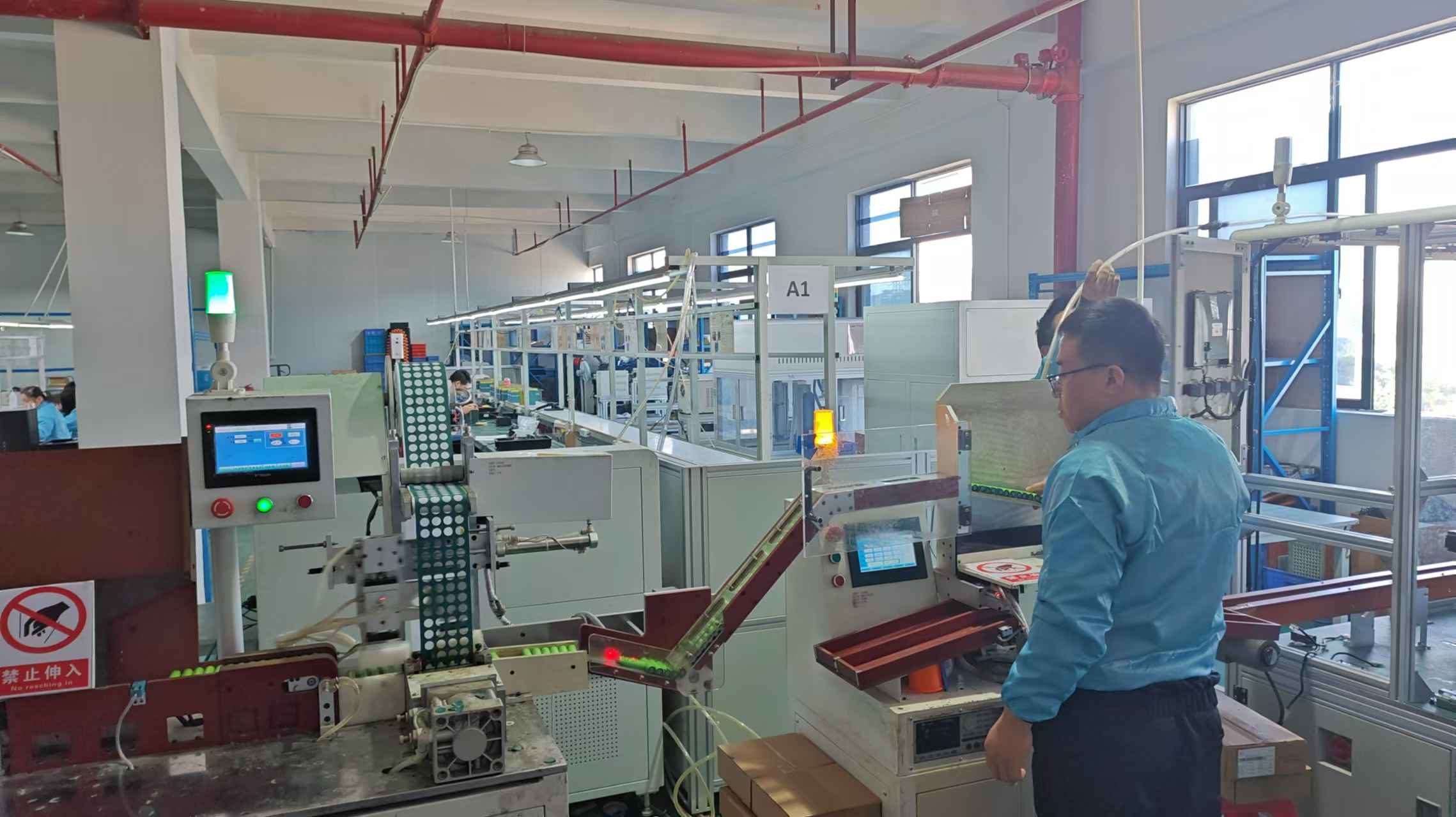
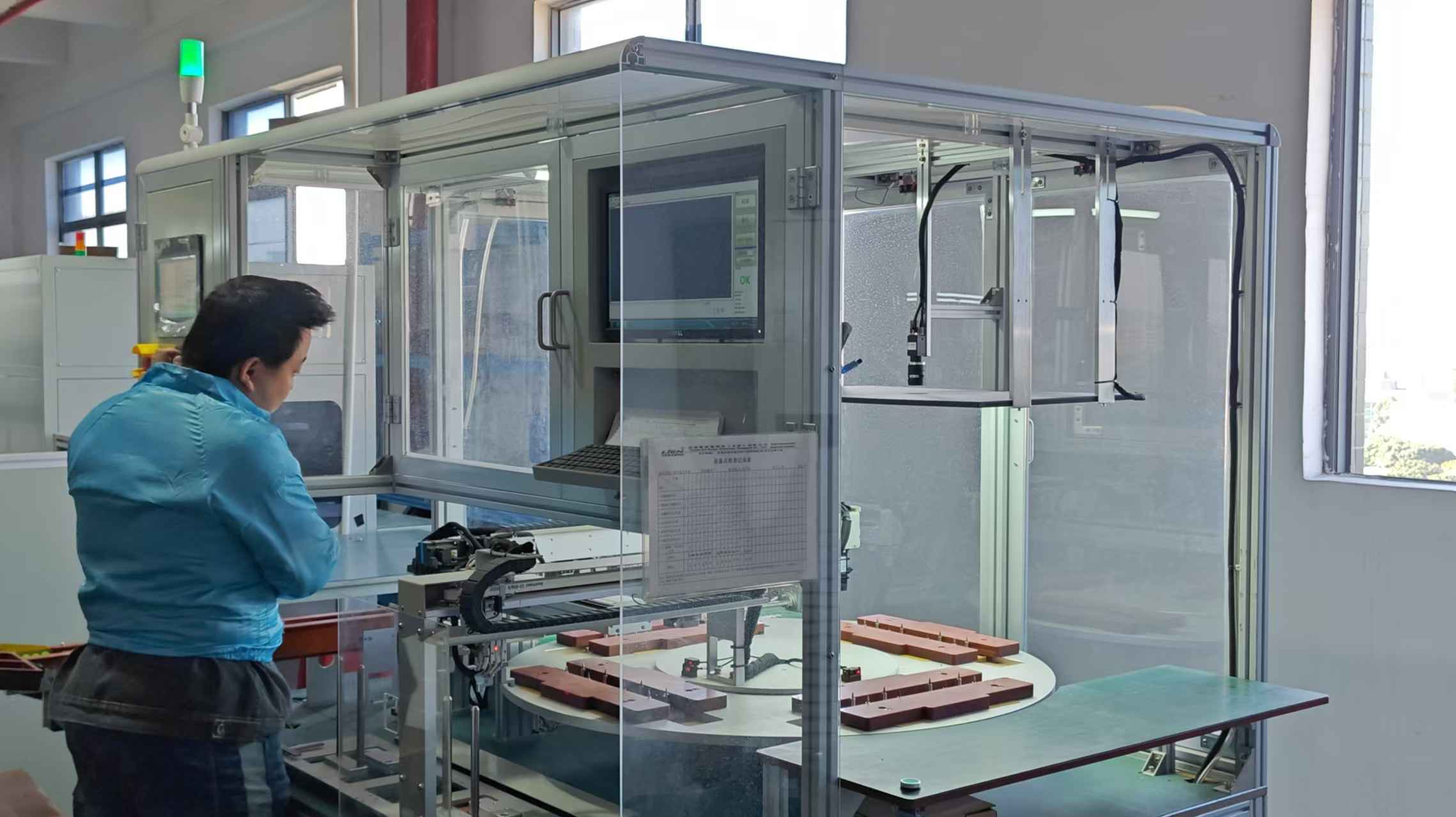
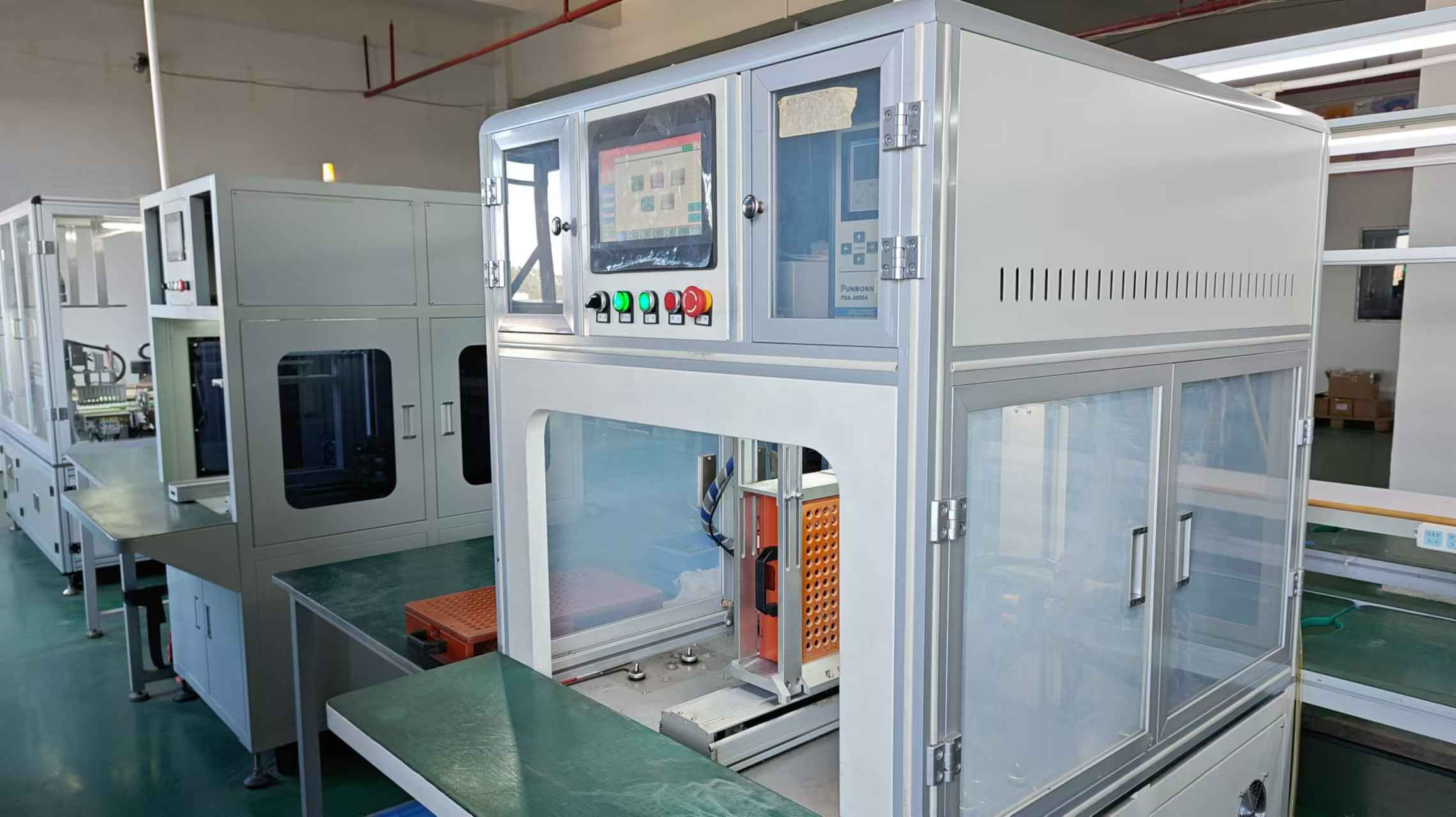
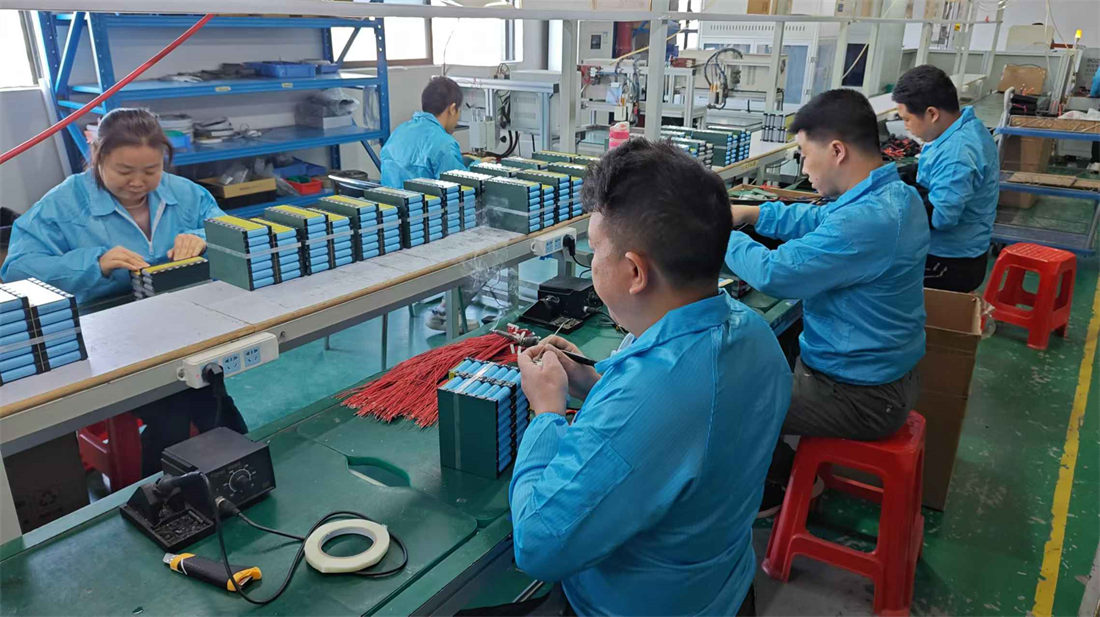
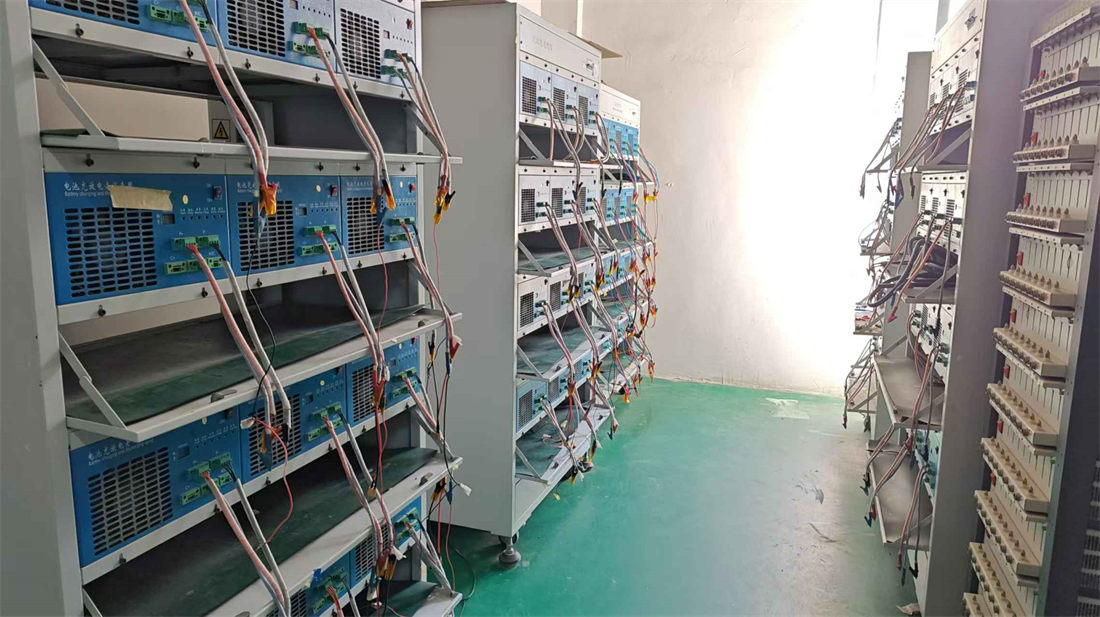
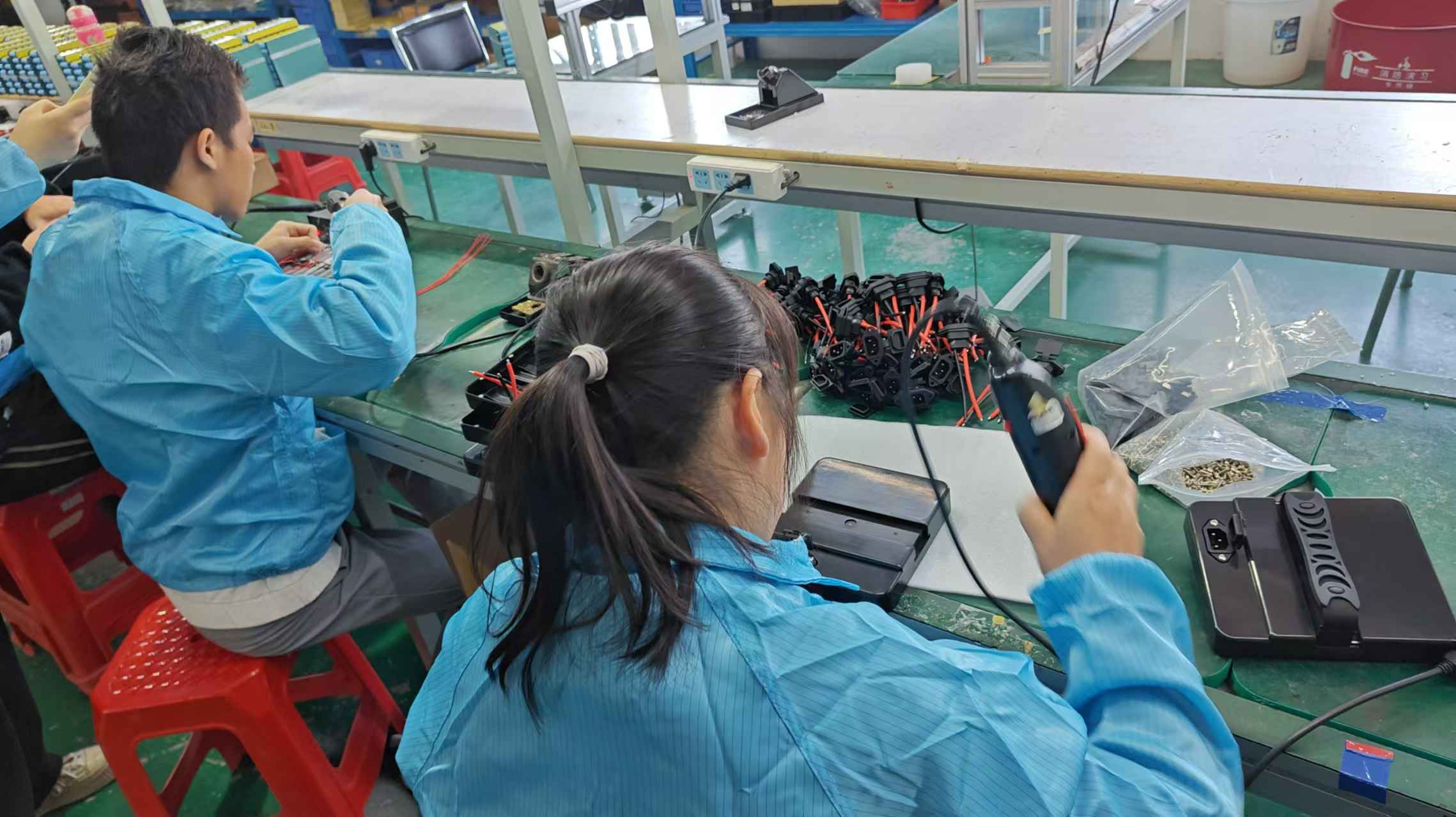
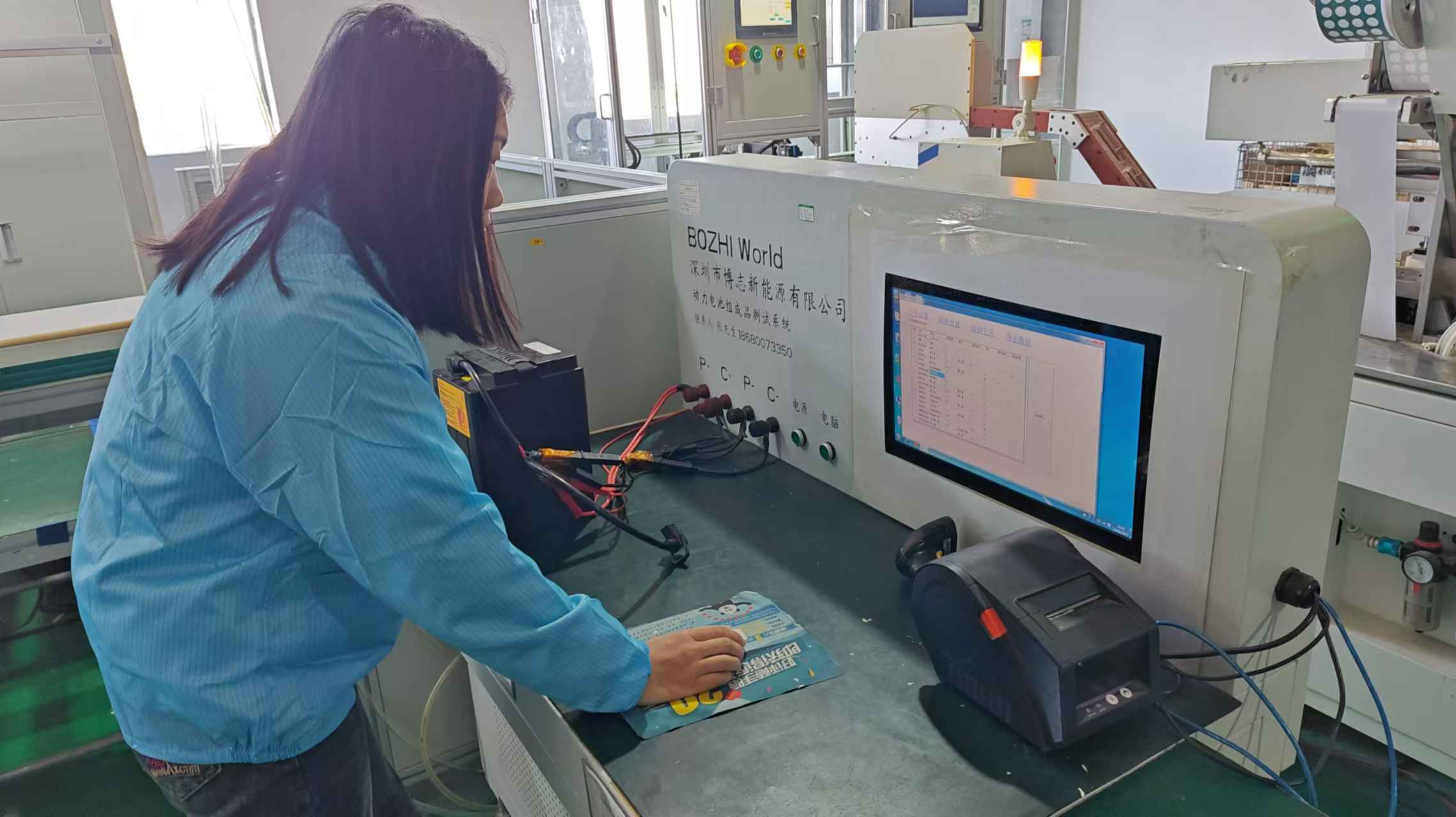
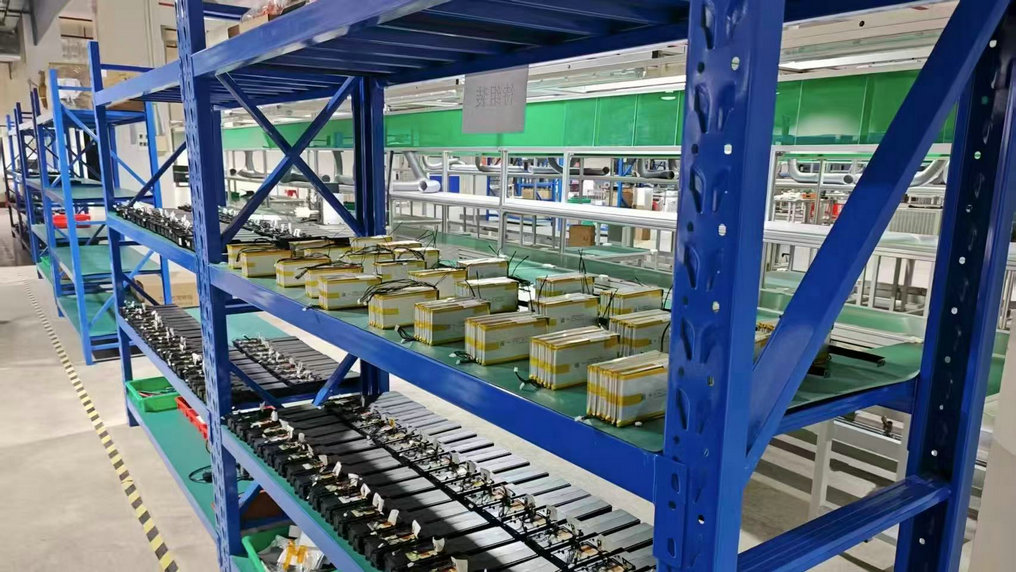
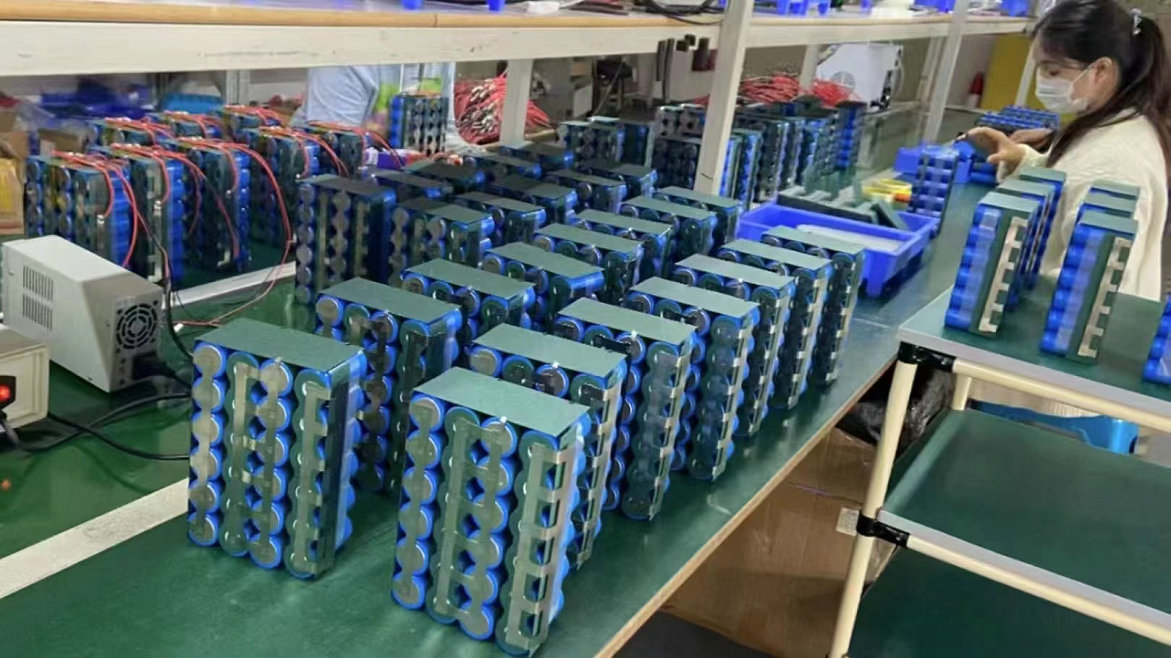
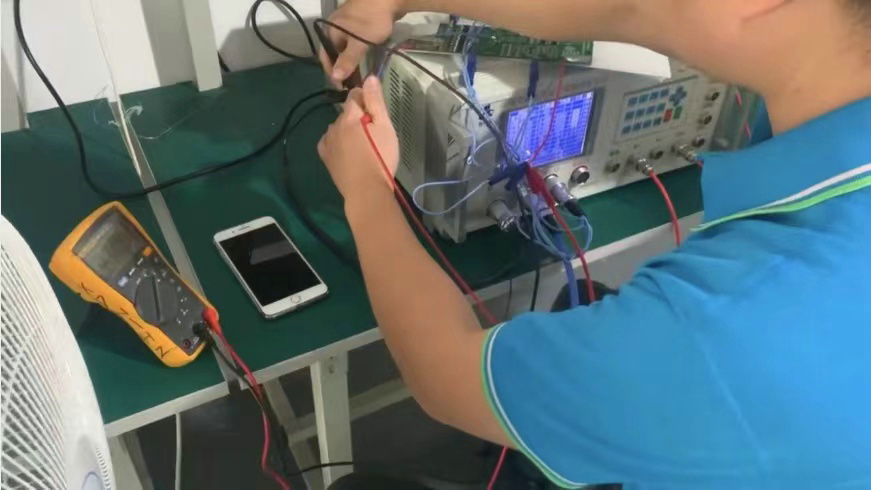
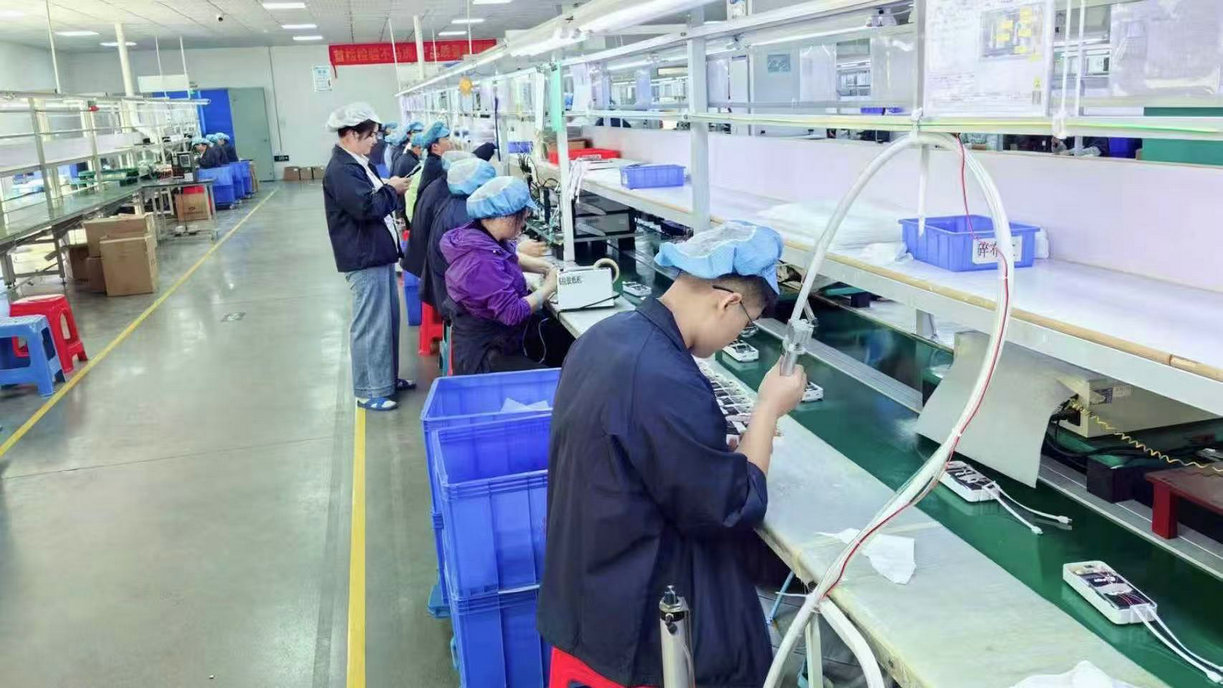
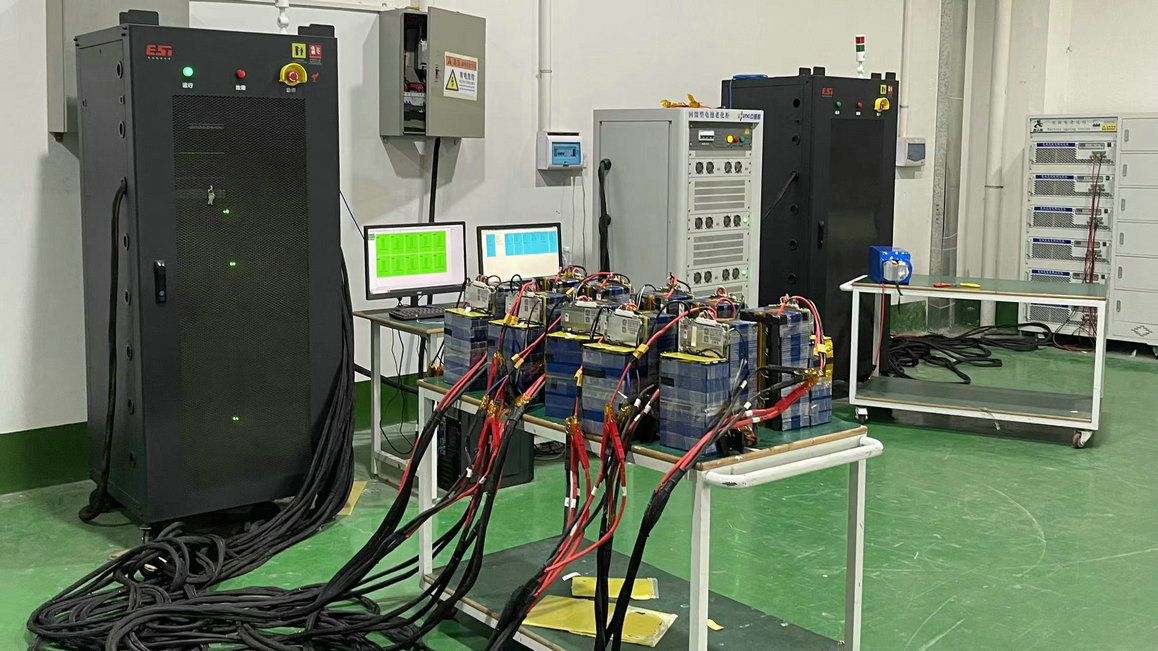
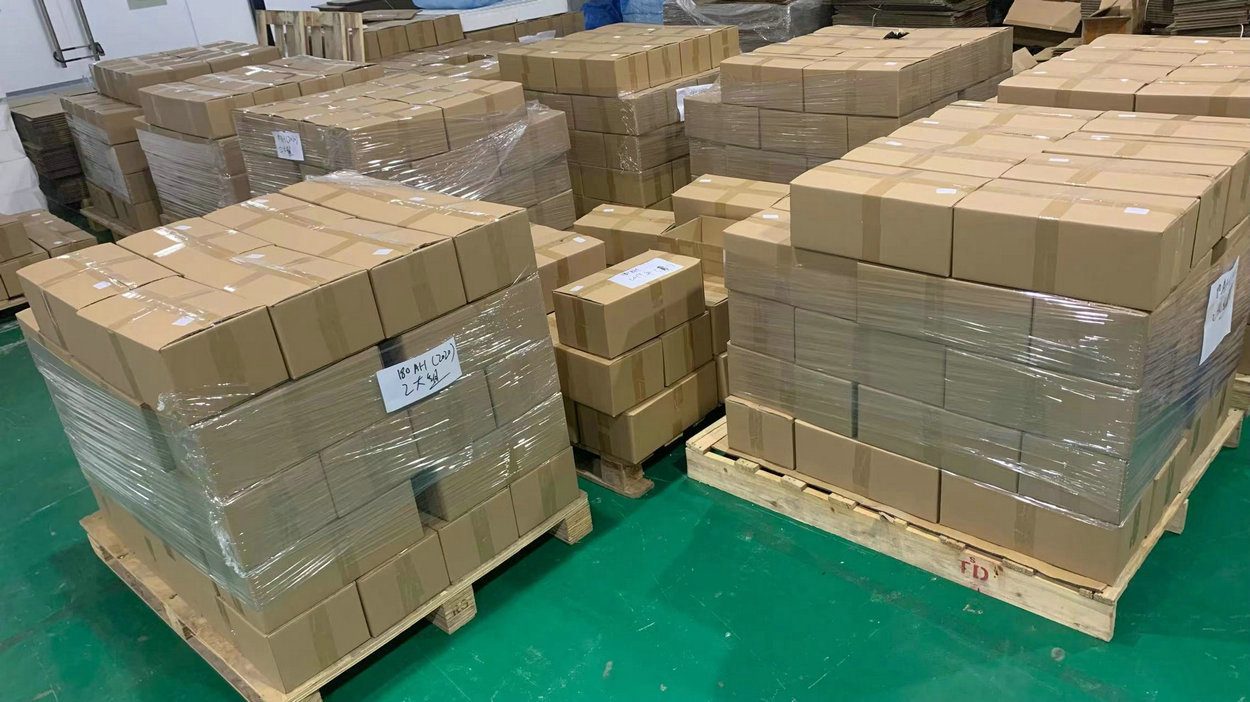
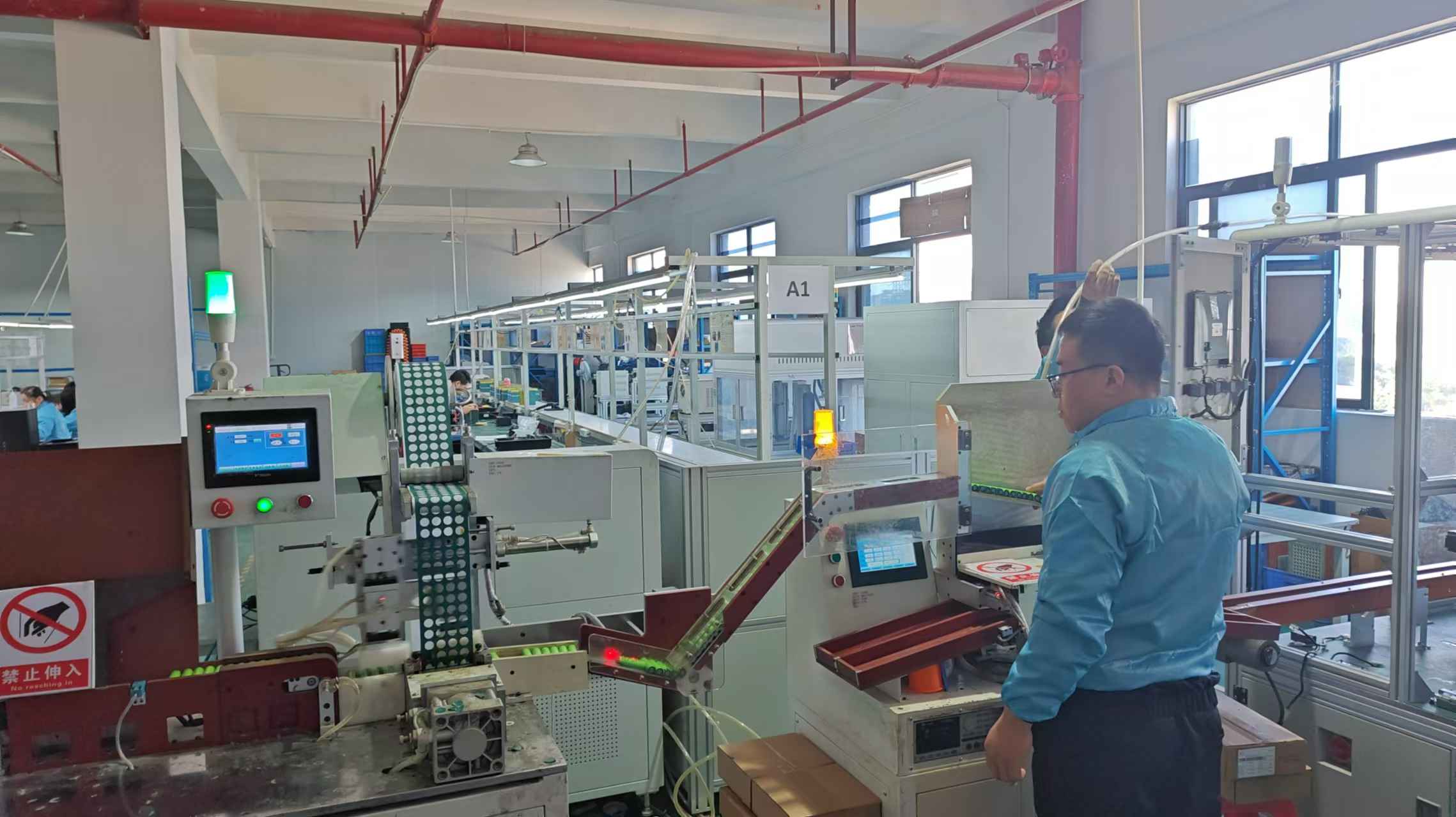
Guangdong Nuwon Energy Co., Ltd. operates a modern manufacturing facility focused on producing advanced battery systems. To ensure reliability in wireless charging battery packs, we utilize automated cell sorting, high-precision laser welding, and rigorous insulation testing. Every phase of production is designed to ensure consistent cell performance and long cycle life.
Exporting high-power density battery packs with built-in wireless charging receivers requires strict adherence to international electrical, safety, and electromagnetic regulations. As a globally verified exporter, Guangdong Nuwon Energy Co., Ltd. ensures all customized assemblies comply with the target region's requirements:
We provide full engineering documentation, custom labeling, and local regulatory filing support for customers in Europe, North America, and the Asia-Pacific region, streamlining the import and certification process.
The future of wireless energy transfer points toward higher power densities and greater operating flexibility. Nuwon Energy’s R&D is focused on three key areas:
1. Wide-Bandgap Semiconductor Integration: We are transitioning from traditional silicon MOSFETs to Gallium Nitride (GaN) and Silicon Carbide (SiC) switches. This allows our wireless systems to run at higher switching frequencies (up to 6.78 MHz), reducing coil sizes by up to 40% while maintaining high efficiency.
2. Bidirectional Wireless Charging (V2G/W2G): Supporting bidirectional energy flow allows battery-powered systems, such as stationary units or automated vehicle fleets, to send energy back to the grid when idle, providing peak-shaving capabilities.
3. Solid-State Integration: Solid-state battery chemistry features higher thermal tolerance, simplifying the cooling systems needed for fast wireless charging. This pairing will allow wireless systems to handle higher charge rates while remaining compact.
High-voltage battery packs, button cells, and critical raw materials for modern energy infrastructure
Addressing the critical engineering, procurement, and design challenges for global buyers.
 Nuwon Energy