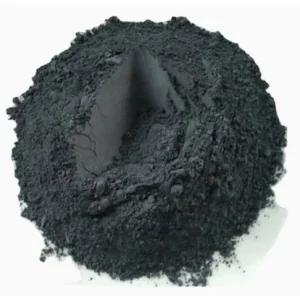
Premium raw materials, high-energy-density cells, and advanced power systems engineered to meet international safety and durability thresholds.
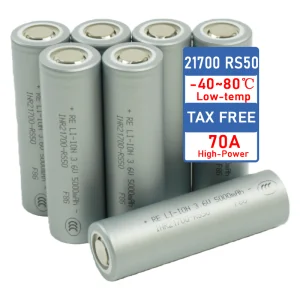
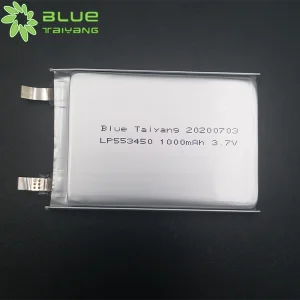
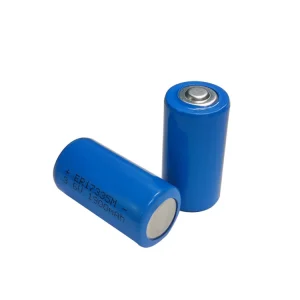
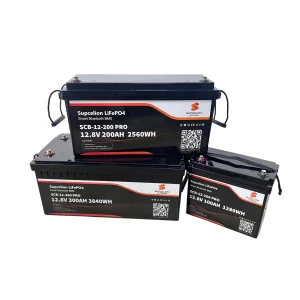

The massive shift toward decarbonized transit and industrial grids has created an unprecedented demand for high-capacity electrochemical storage. At the heart of this transition lies the science of battery reliability, validation, and safety. Current estimation shows that by 2030, global battery production capacity will surpass 3.5 TWh. This immense manufacturing volume presents a critical challenge: how can developers guarantee safety, longevity, and efficiency?
Modern battery testing equipment has evolved from simple voltage-current monitoring benches into highly integrated, software-driven diagnostic systems. Utilizing advanced technologies like Electrochemical Impedance Spectroscopy (EIS), rapid thermal-cycling chambers, and automated sorting algorithms, current testing paradigms can predict micro-defects at the chemical precursor level long before cell assembly.
Information Gain Highlight: Legacy testing cycles used to require weeks of continuous charge-discharge logging to detect capacity fade. Modern systems employ machine learning models to map initial coulombic efficiency during the first few formation cycles, predicting cycle life with over 96% accuracy in less than 24 hours.
The industry is witnessing three macro trends that dictate capital expenditures (CAPEX) for gigafactories and testing laboratories worldwide:
For enterprise procurement officers, purchasing battery testing instrumentation is a complex, long-term capital decision. The primary selection metrics focus on reliability, modularity, software flexibility, and thermal management safety.
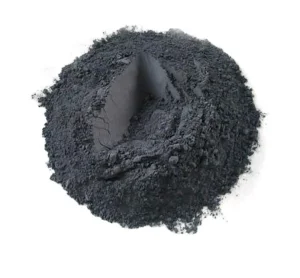
Particularly, matching test equipment characteristics with the chemical systems under test is critical. Whether analyzing high-nickel NMC chemistry (like NMC 811 powder applications), low-temperature resilient cells, or LTO (Lithium Titanate) chemistries, the test setups must handle the precise operational limits of each chemistry. Low-temperature cells, for instance, require validation inside specialized environmental chambers down to -40°C to verify discharge curve profiles. In contrast, LTO cells require high charge/discharge rate testing profiles to validate their rapid charging capabilities.
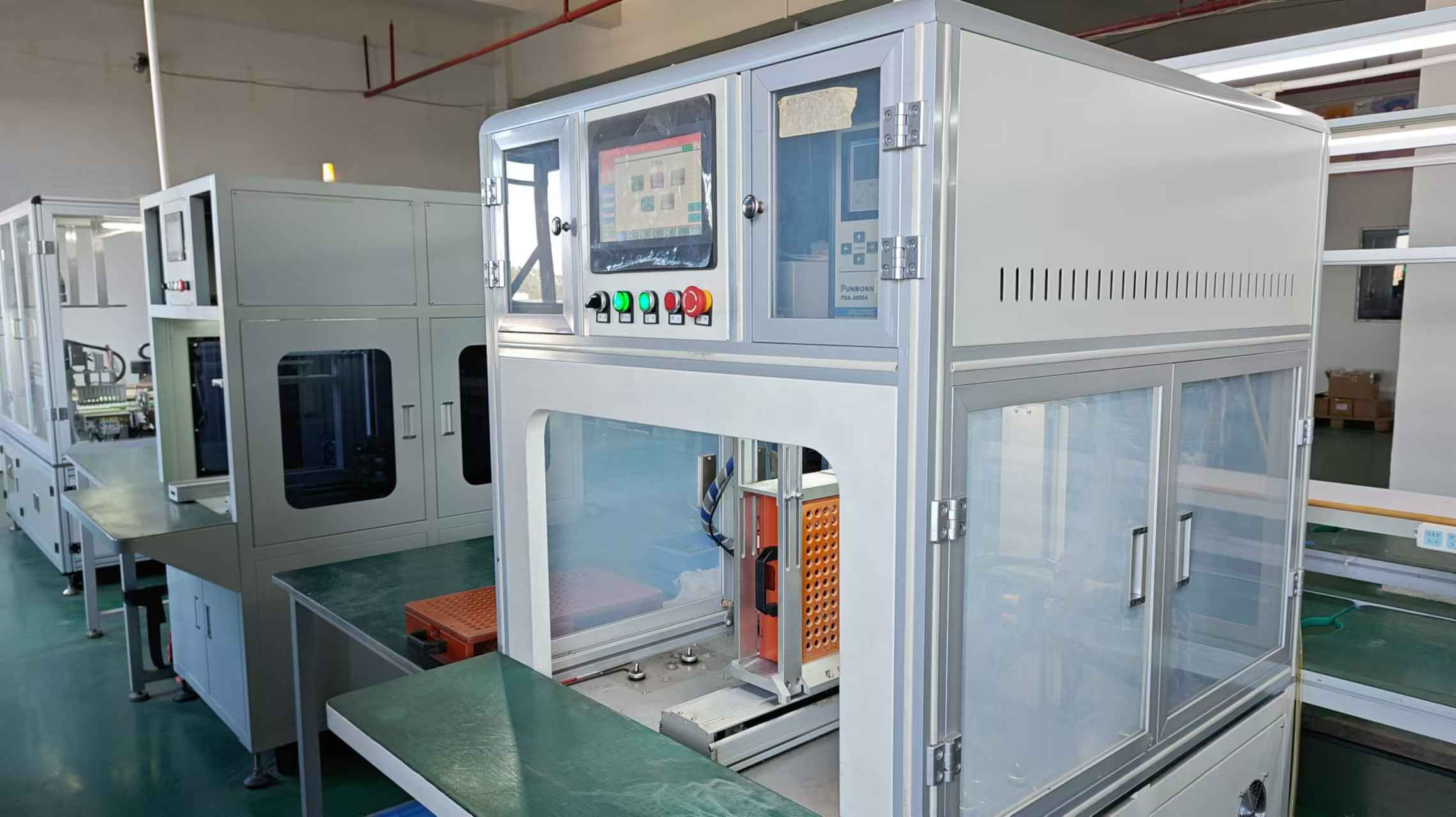
Guangdong Nuwon Energy Co., Ltd. represents the cutting-edge of Chinese Battery Factory 4.0 standards. Nuwon's integration of automated material handling, laser welding, and inline cell characterization illustrates how supply chain control guarantees premium end-product quality.
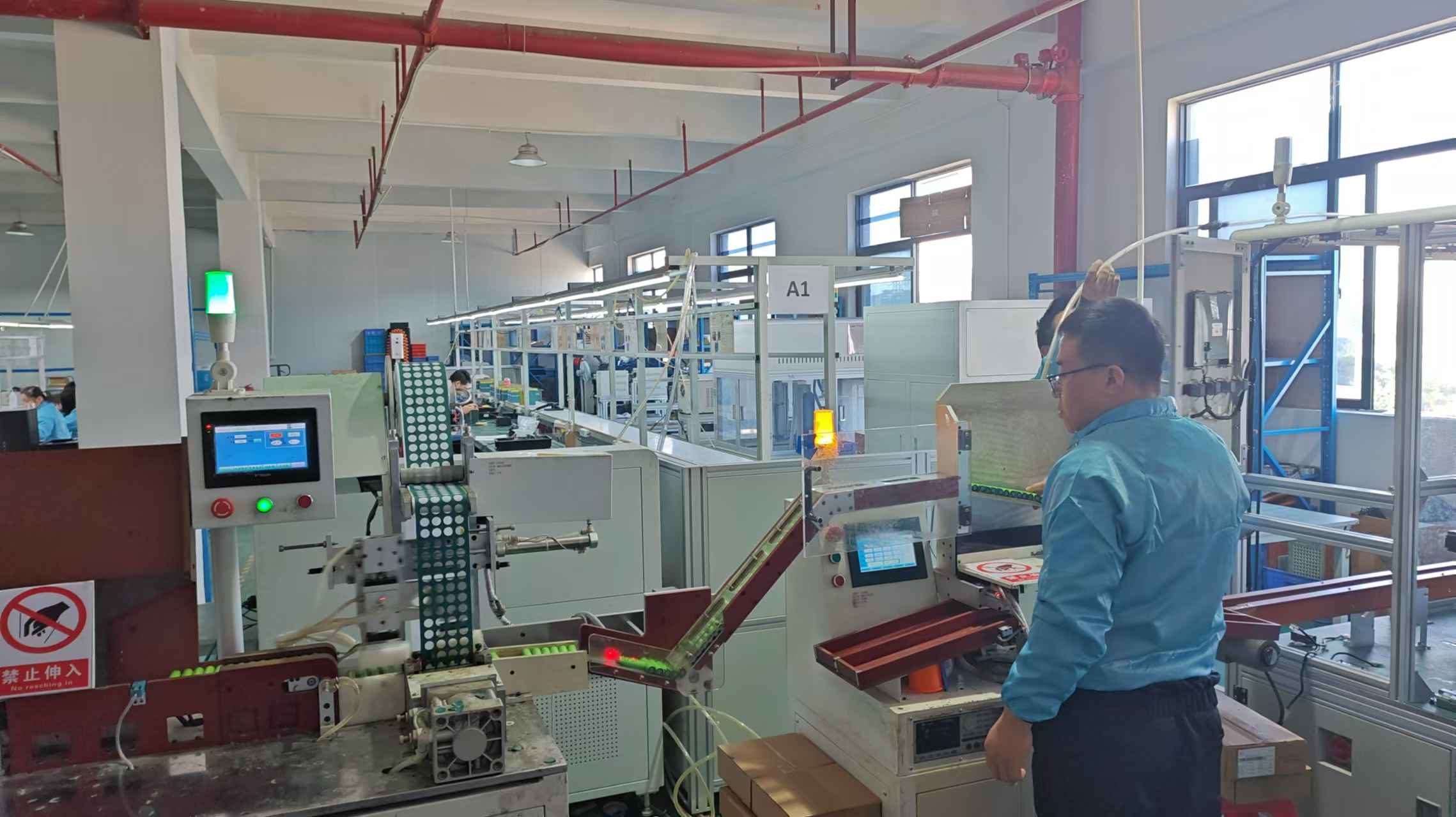
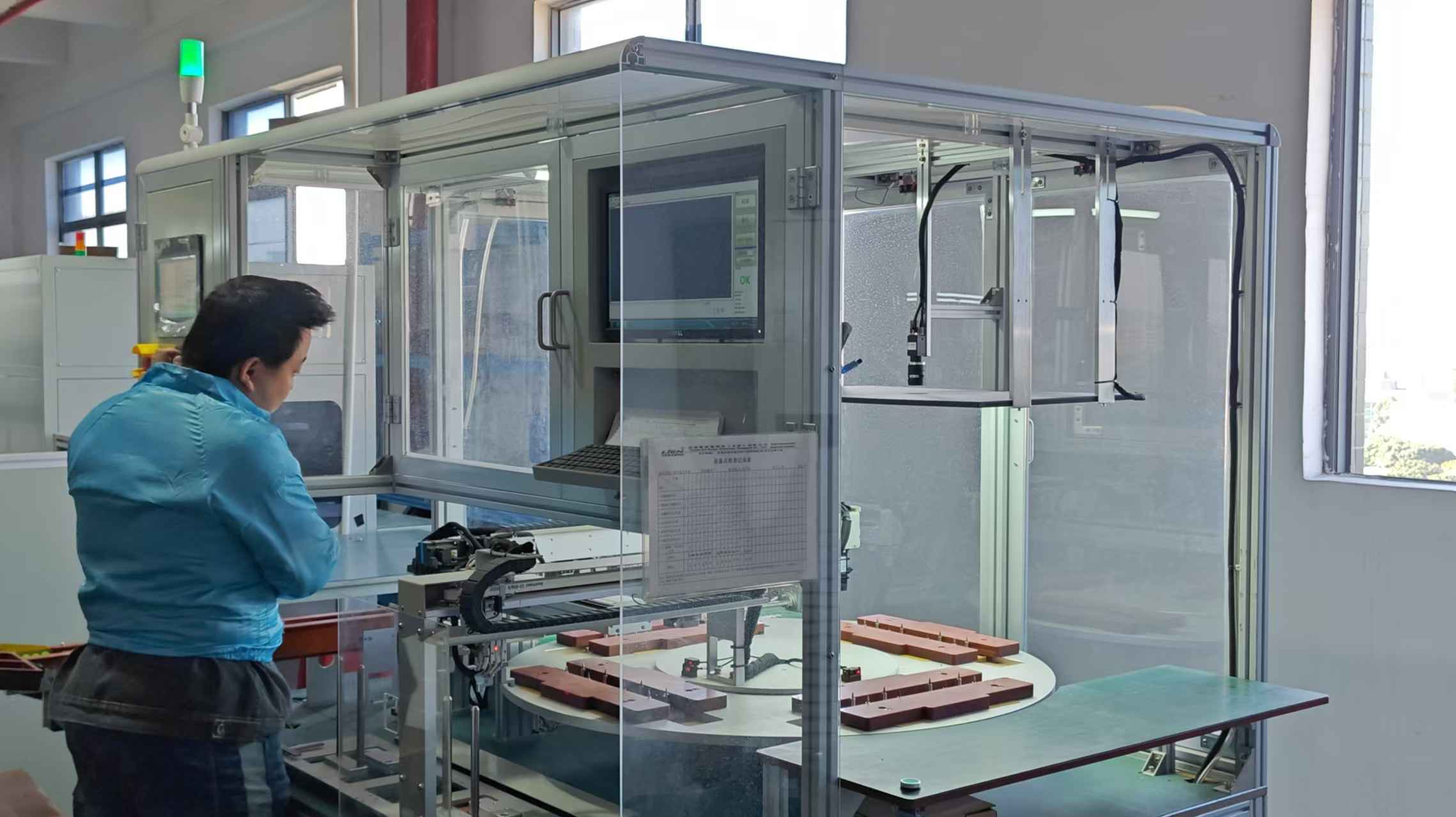
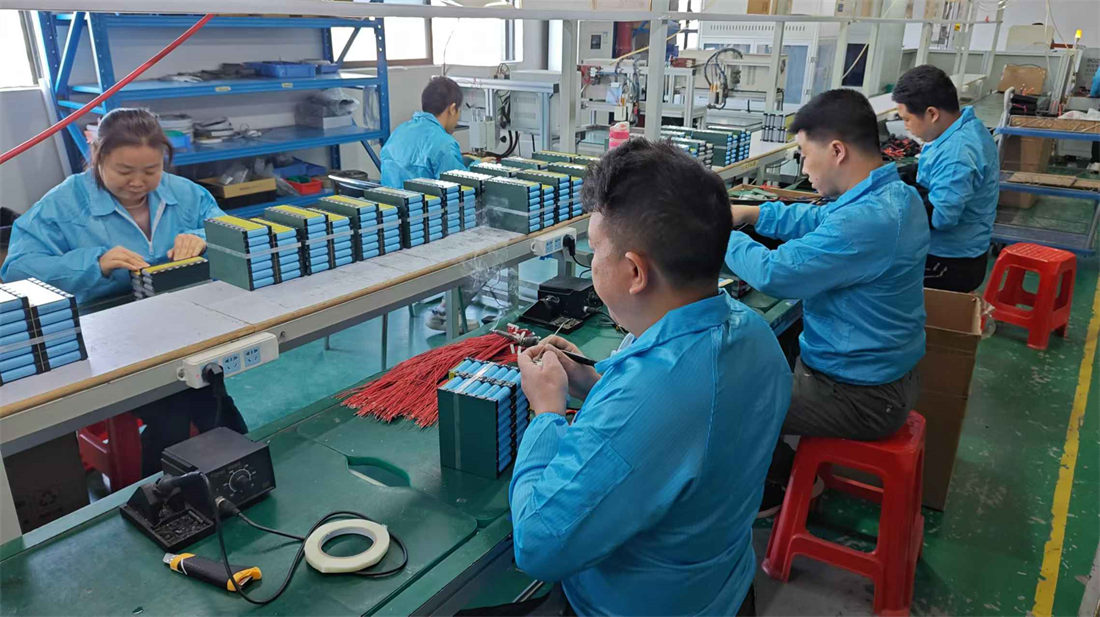
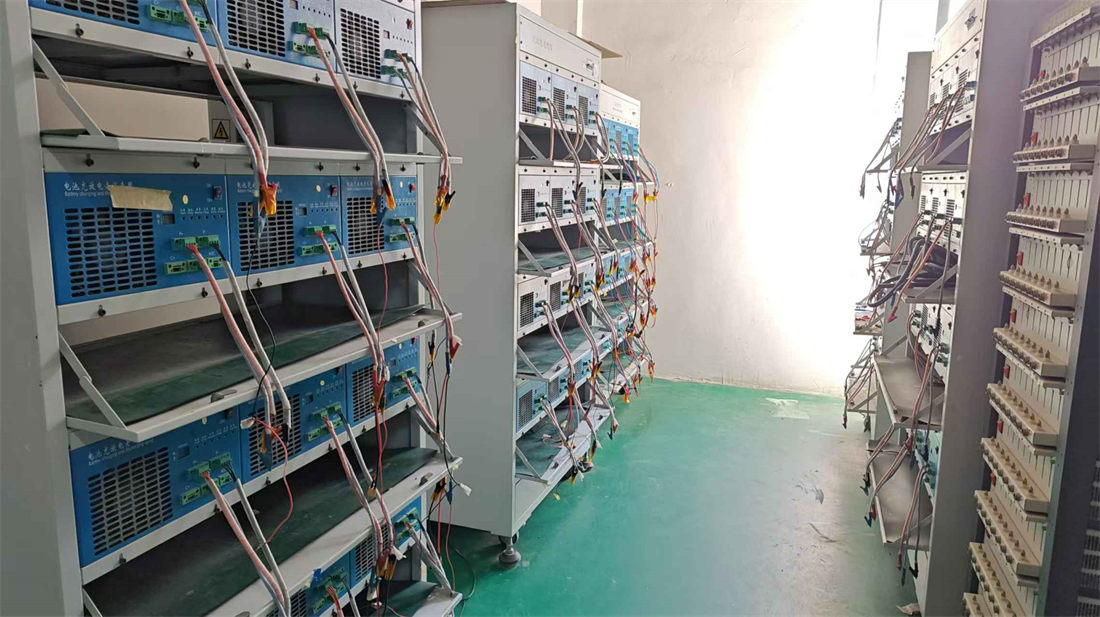
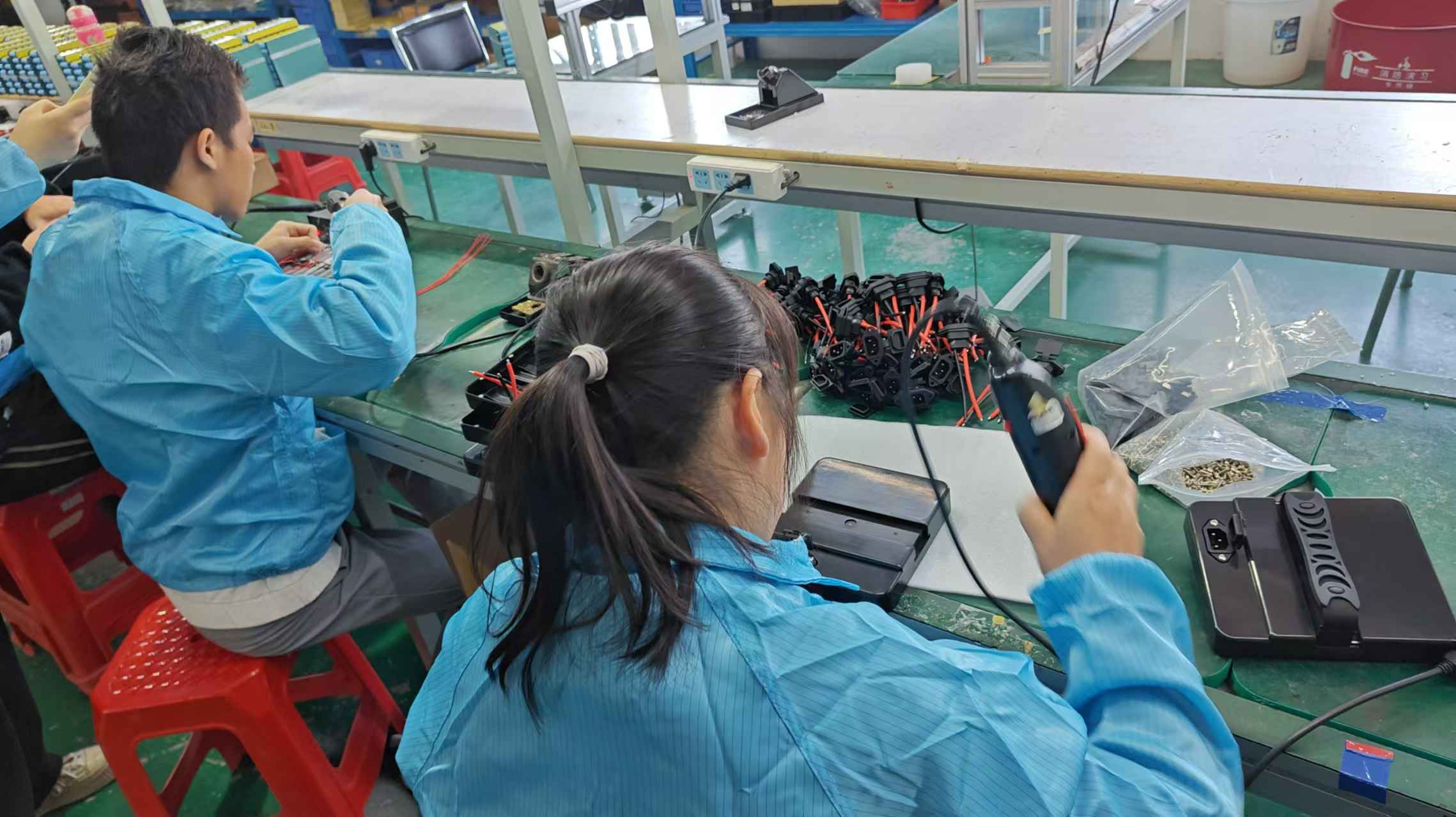
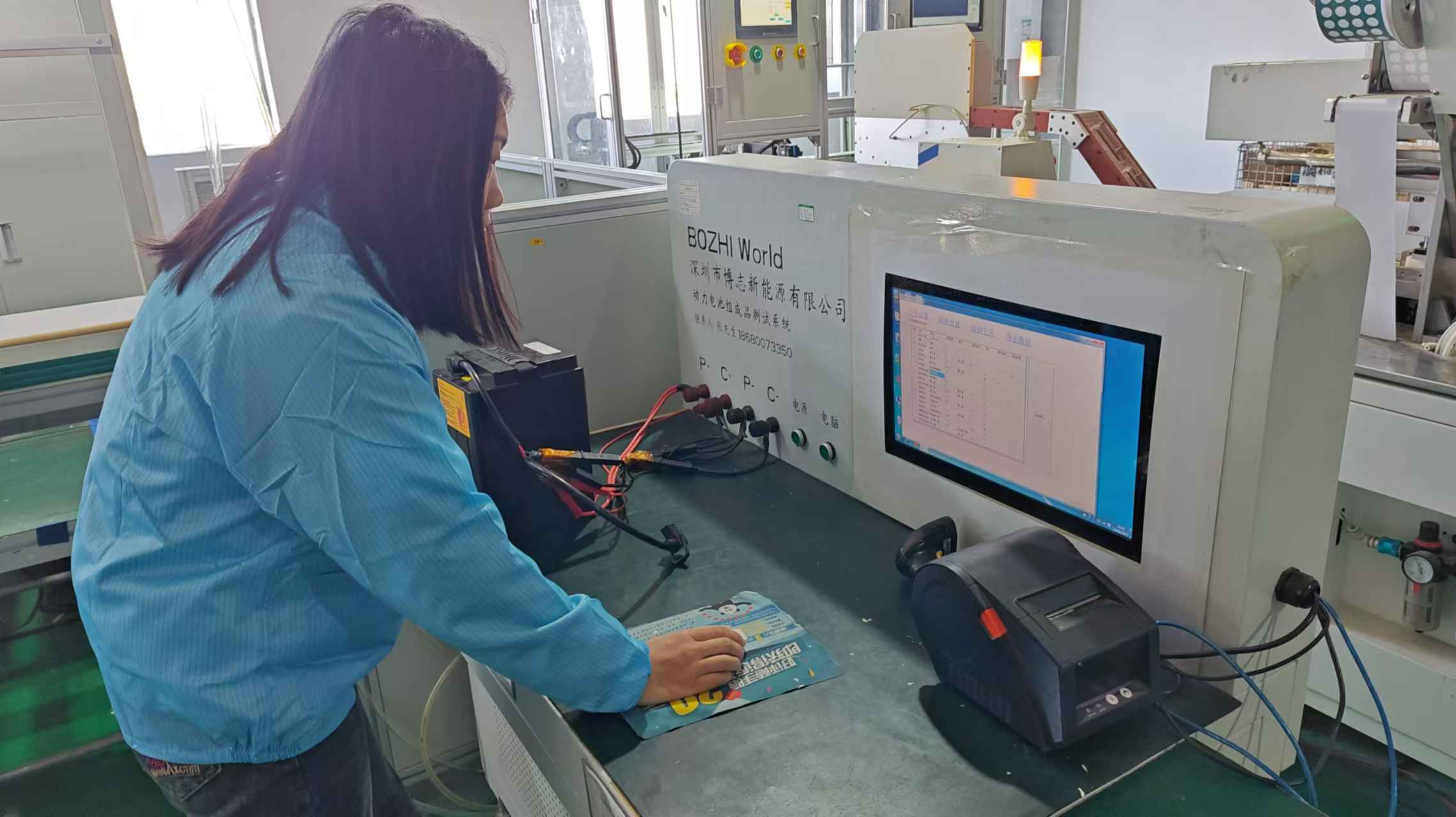
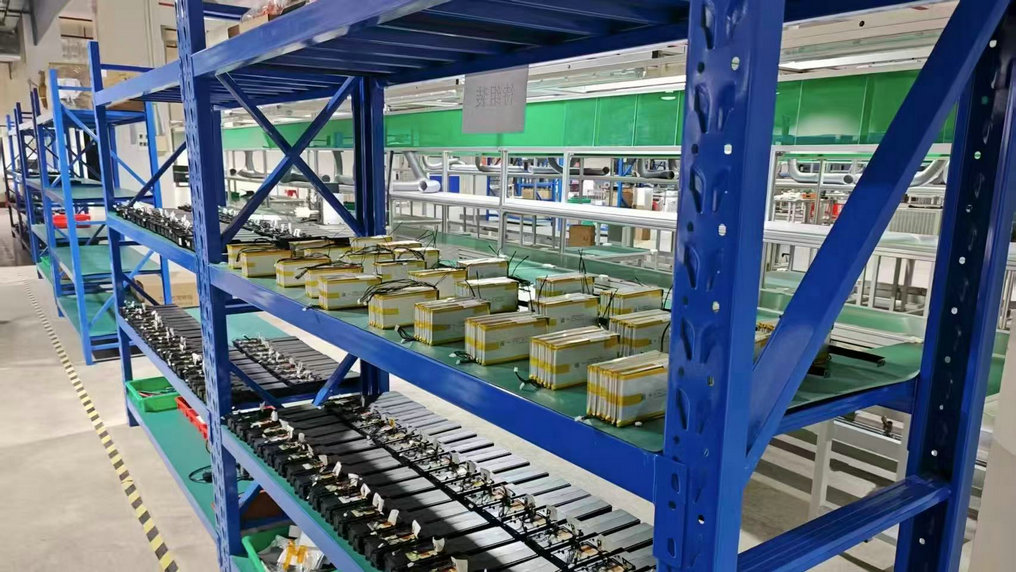
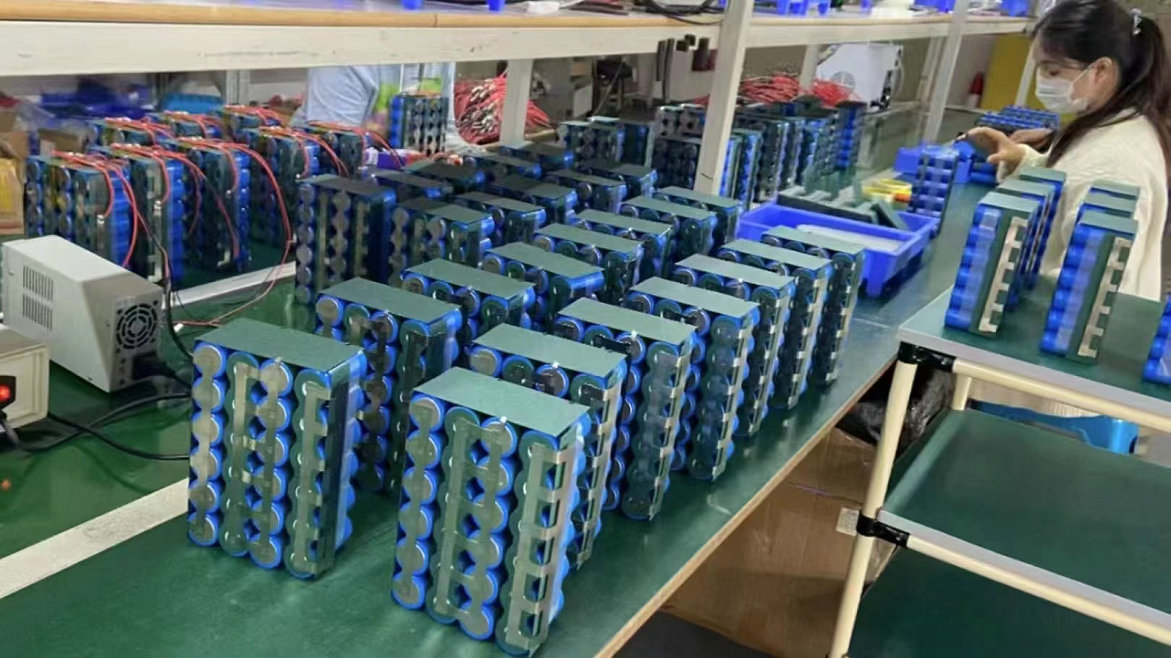
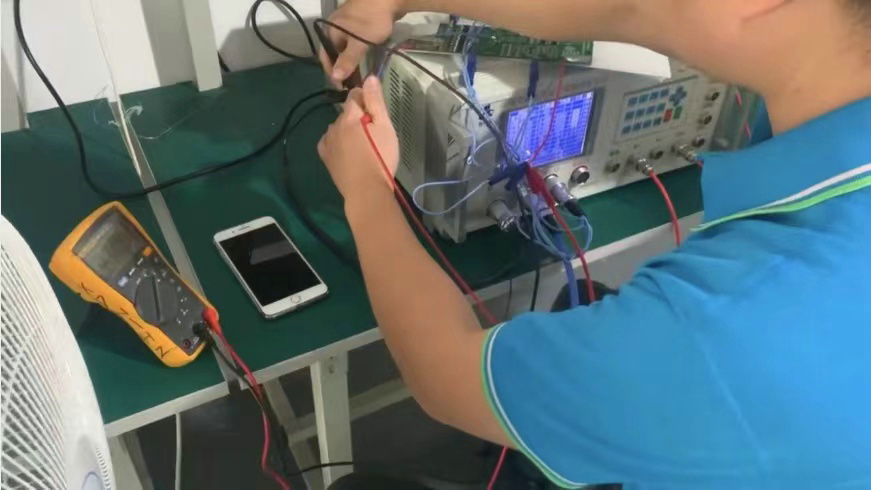
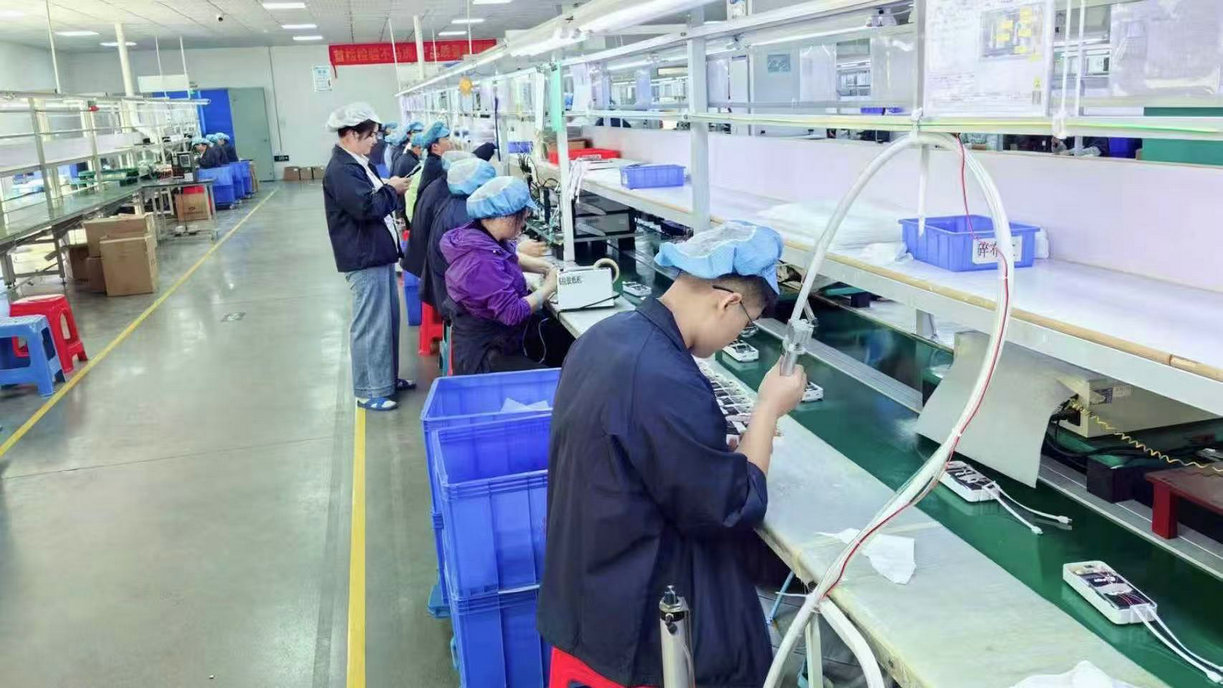
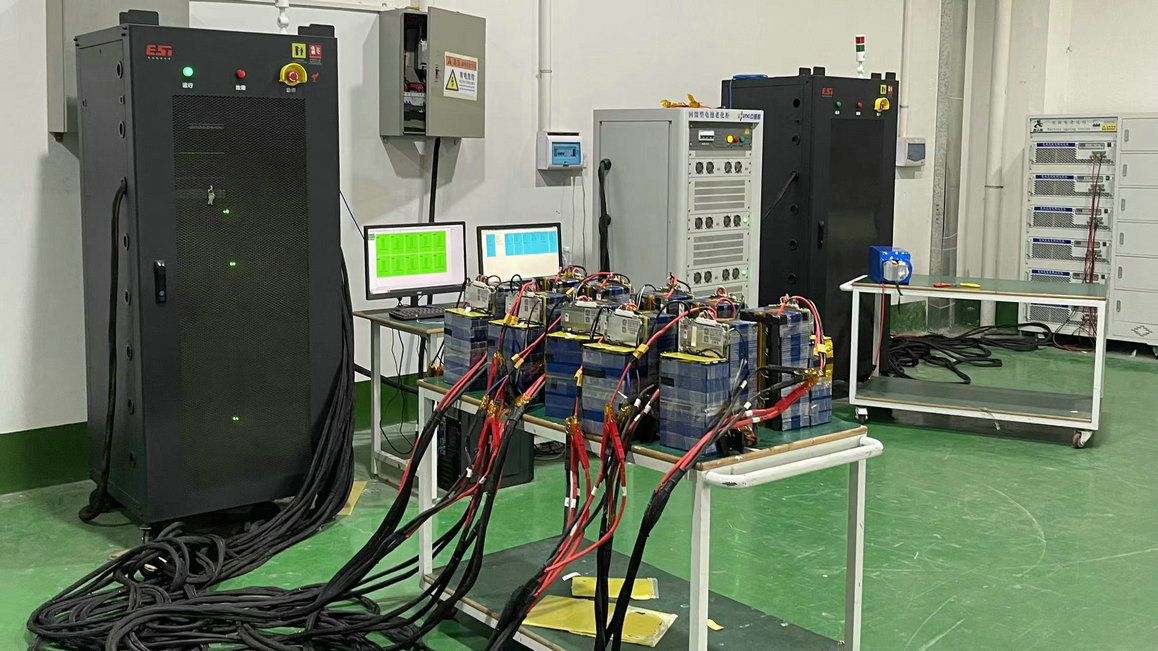
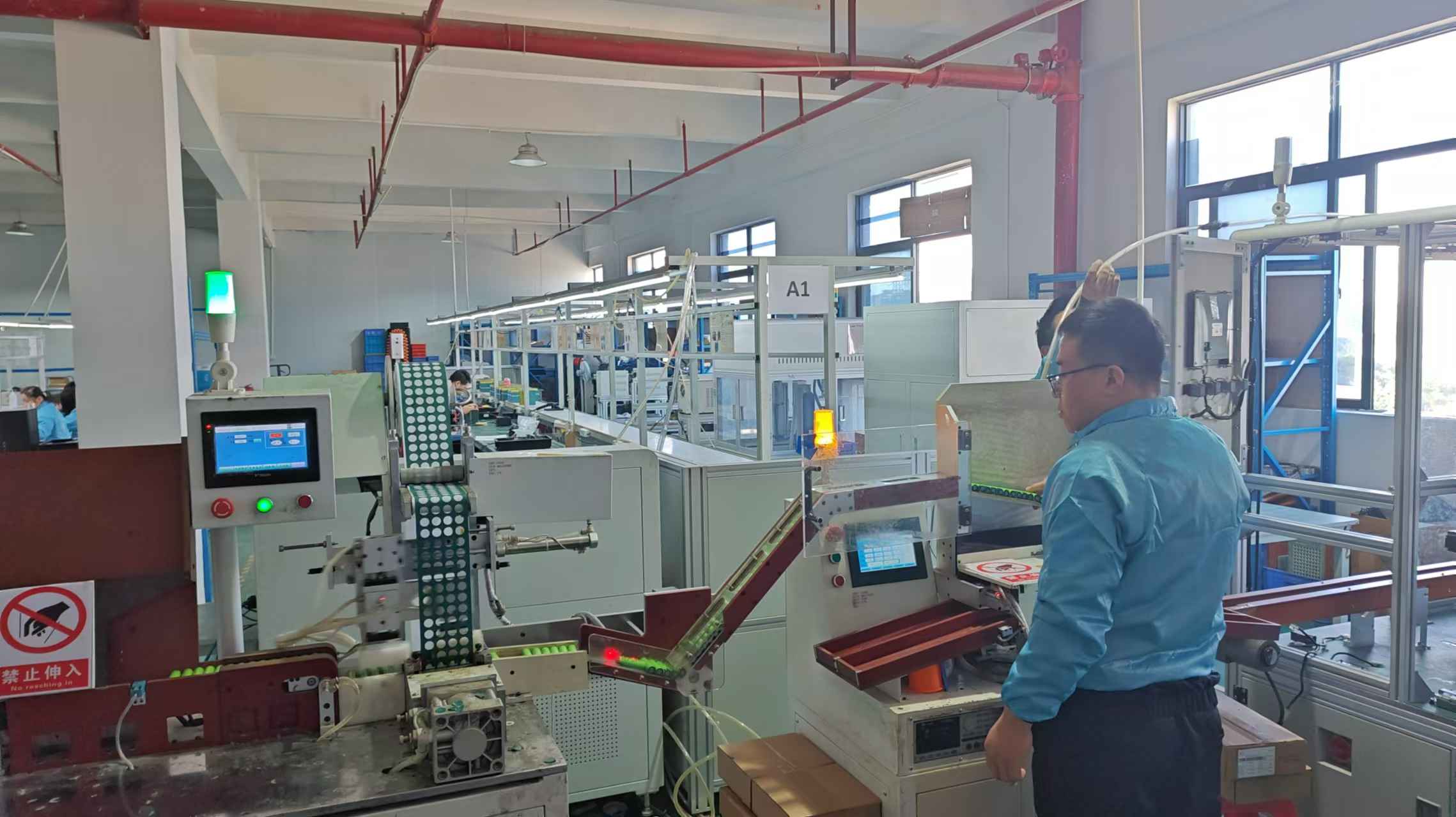
By designing and utilizing automated sorting systems, insulation testing, and multi-stage aging chambers, Nuwon maintains strict consistency across cell batches. For advanced applications—such as drones using semi-solid state batteries or high-capacity home storage systems—this precision is crucial. A single weak cell in a 100S pack can limit the entire system's usable capacity and degrade its lifespan. Nuwon's automated testing workflows prevent this by ensuring that every integrated cell matches strict capacitance, internal resistance, and self-discharge criteria.
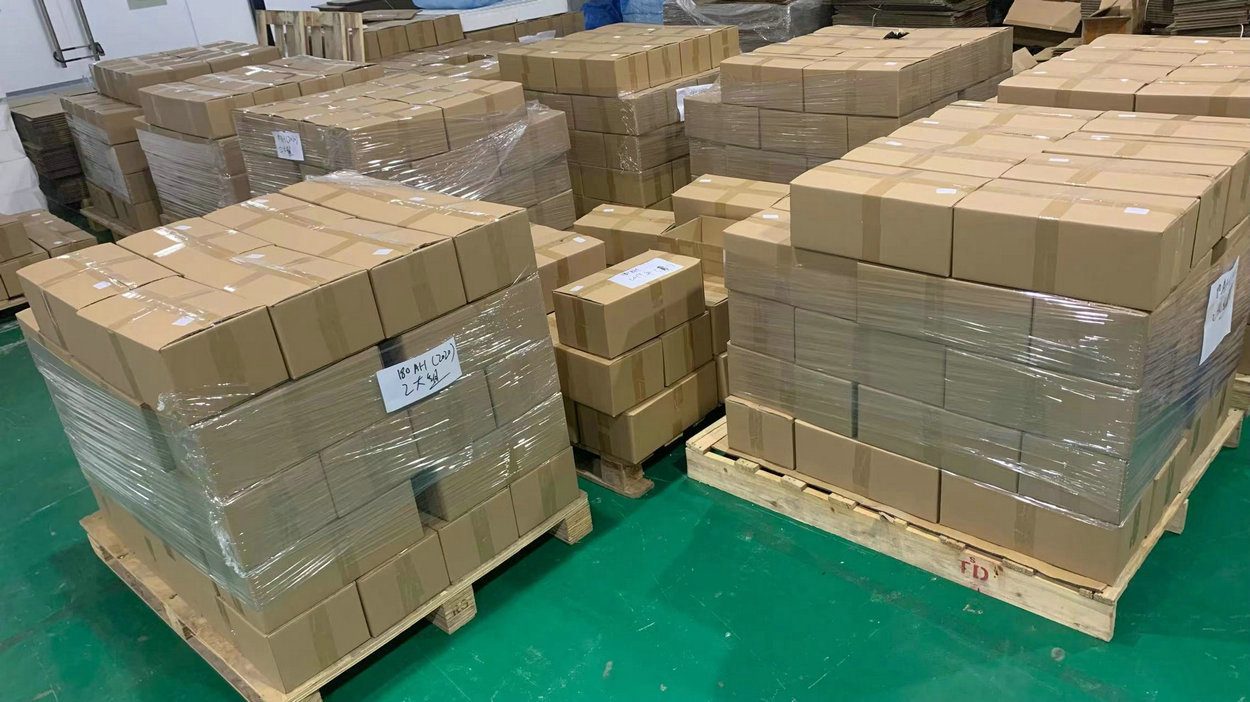
Visualizing our physical inspection, cell grading, micro-welding, precision aging, and insulation validation procedures under the strict Nuwon quality management protocol.
The required specifications for battery test hardware differ significantly depending on the target application:
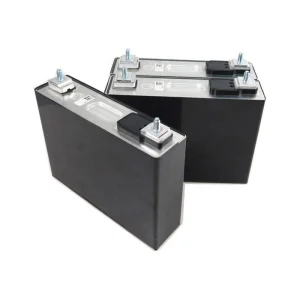
Grid-tied installations utilize heavy prismatic LFP battery systems. Testing equipment for this sector must be capable of continuous high-power cycling (often at megawatt scale), microsecond pulse testing for grid stabilization, and comprehensive insulation verification to prevent catastrophic high-voltage system ground faults.
Unmanned aerial systems demand ultra-lightweight power systems with exceptional discharge ratings. Validation systems must perform rapid dynamic profile testing to mimic taking off, hovering, and landing wind resistances. The rise of semi-solid state batteries has pushed requirements for specialized thermal runaway tests to establish exact safe flight operational windows.
Heavy material handling systems operate in demanding shifts with minimal downtime. Fast charging capabilities require robust cycle-life validation under varying mechanical stresses and extreme temperatures. Test equipment must verify BMS logic controls under heavy vibration and simulated electrical noise.
When mapping the global testing landscape, players are typically segmented by technology depth, hardware density, and software flexibility. Below is an analytical review of the dominant solutions in the global validation market:
| Manufacturer Type / Brand Focus | Core Strength | Typical Application Fields | Target Chemistries |
|---|---|---|---|
| High-Precision Laboratory Cyclers | Sub-milliamp accuracy, rapid dynamic sweeps, EIS integration. | R&D Centers, Cell Development, Chemical Validation. | NMC (811/523), Solid-State, Advanced Silicon. |
| Automated Inline Grading Systems | High throughput, automatic resistance sorting, robotic conveyor feeding. | Gigafactories, Cell Assembly Plants, Pack Assemblers. | Prismatic LFP, Cylindrical (21700/4680). |
| Grid / High-Voltage Pack Testers | Megawatt scaling, regenerative discharge, modular cabinet structures. | C&I Storage Systems, EV Pack Validation, Fleet Testing. | High-voltage Pack Systems (LFP/NCM). |
| Climatic & Abuse Chambers | Explosion containment, thermal shock loops, gas detection integration. | UN38.3 Safety Validation, Mechanical Stress Profiling. | All Lithium Chemistry Formats. |
Leading global brands focus heavily on software flexibility. Systems must allow test profiles to adjust on-the-fly depending on temperature feedback. This level of dynamic test path control is critical for safety testing, where thermal sensors must shut down charge lines within microseconds of detecting anomalous temperature slopes.
Expert answers addressing the most common technical questions regarding cell sorting, impedance testing, and safety certifications.
Internal resistance discrepancies cause uneven current distribution during cell operation. Cells with higher resistance experience greater localized heating and faster degradation. In large series-parallel configurations, this leads to system imbalance, triggering the BMS to limit total pack performance to protect the weakest cell.
ACIR (AC Internal Resistance) typically injects a 1 kHz current signal, measuring the immediate ohmic response. It is faster and ideal for high-throughput inline sorting. DCIR (DC Internal Resistance) applies a high-current load pulse over several seconds, capturing both the ohmic and polarization resistance. DCIR is more representative of real-world load response.
Test hardware must align with international standards including UN38.3 (transportation testing), UL 1973 (stationary applications), IEC 62619 (industrial storage safety), and ISO 26262 (automotive functional safety), ensuring that test runs are performed under controlled, safe parameters.
Premium energy systems configured for high capacity, severe environmental limits, and industrial-grade reliability.
 Nuwon Energy