High-performance cells, engineering assemblies, and chemical raw materials for industrial applications.
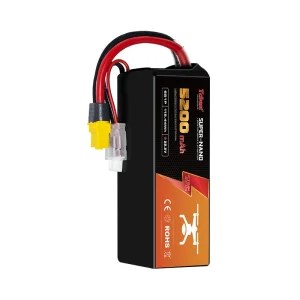
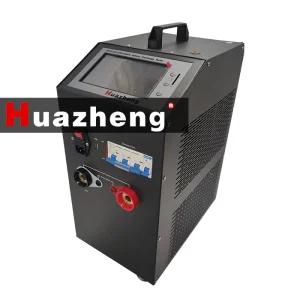
The foundation of structural safety, environmental resilience, and optimized thermal performance in modern energy storage system designs.
In the rapidly transforming landscape of global electrification, the battery casing has evolved from a simple protective wrapper into a critical engineering sub-system. Durable battery enclosures serve as the primary defensive barrier against mechanical shock, vibration, puncture, and extreme thermal conditions. Whether integrated into electric vehicles (EVs), unmanned ground vehicles (AGVs), marine applications, or massive grid energy storage networks, high-integrity casings directly impact the reliability, safety, and lifespan of modern battery chemistries.
Designing and manufacturing these enclosures demands deep knowledge of materials science, structural mechanics, and thermal management. A minor structural failure or thermal boundary compromise can lead to catastrophic consequences, such as thermal runaway propagation. Consequently, Tier-1 manufacturing factories focus heavily on optimizing raw materials and structural configuration using advanced engineering workflows.
Exploring supply chain shifts, regulatory forces, and structural material applications across markets.
The supply chain for battery casings has relocated close to major lithium cell production centers, particularly in the Asia-Pacific region, Central Europe, and the emerging North American Gigafactory belts. This centralization minimizes transportation risks of fragile, bulky metal boxes and allows tight optimization loops between mechanical casing design and electrochemical cell integration.
Global regulatory bodies require compliance with stringent testing regimens. Casings must ensure cells can withstand rigorous vibration, crush, and impact forces as detailed in standards such as UN38.3, UL 9540A, ECE R100, and regional automotive crashworthiness requirements. These frameworks drive factories to use higher tensile materials and finite element analysis (FEA).
The industry is transitioning from structural heavy steel structures toward extruded high-strength aluminum alloys (6000 series, e.g., 6061 and 6063) and composite polymers. Composite materials like Sheet Molding Compounds (SMC) and continuous fiber thermoplastics are gaining traction due to their high strength-to-weight ratios and built-in electrical insulation properties.
Guangdong Nuwon Energy Co., Ltd. — Innovating Advanced Battery Pack and Casing Systems.
Guangdong Nuwon Energy Co., Ltd. is a leading manufacturer and solution provider in advanced battery systems, specializing in the research, development, manufacturing, and global distribution of high-performance energy storage products. The company offers comprehensive OEM and ODM services, delivering customized battery solutions tailored to diverse industrial and commercial applications.
Backed by a highly experienced engineering and R&D team, Nuwon Energy focuses on the design and integration of cylindrical and prismatic lithium battery cells, as well as complete battery packs, modules, and energy storage systems. The company also develops and produces industrial-grade battery cells engineered for safety, durability, and long cycle life.
Guangdong Nuwon Energy serves a wide range of industries, including consumer electronics, electric mobility (such as golf carts, forklifts, UTVs/ATVs, trucks, and marine systems), medical equipment, unmanned ground vehicles (AGVs/AMRs), and emerging aerospace applications such as eVTOL aircraft. In addition, the company provides reliable residential, commercial, and industrial (C&I) energy storage solutions designed to support the global transition toward clean and sustainable energy.
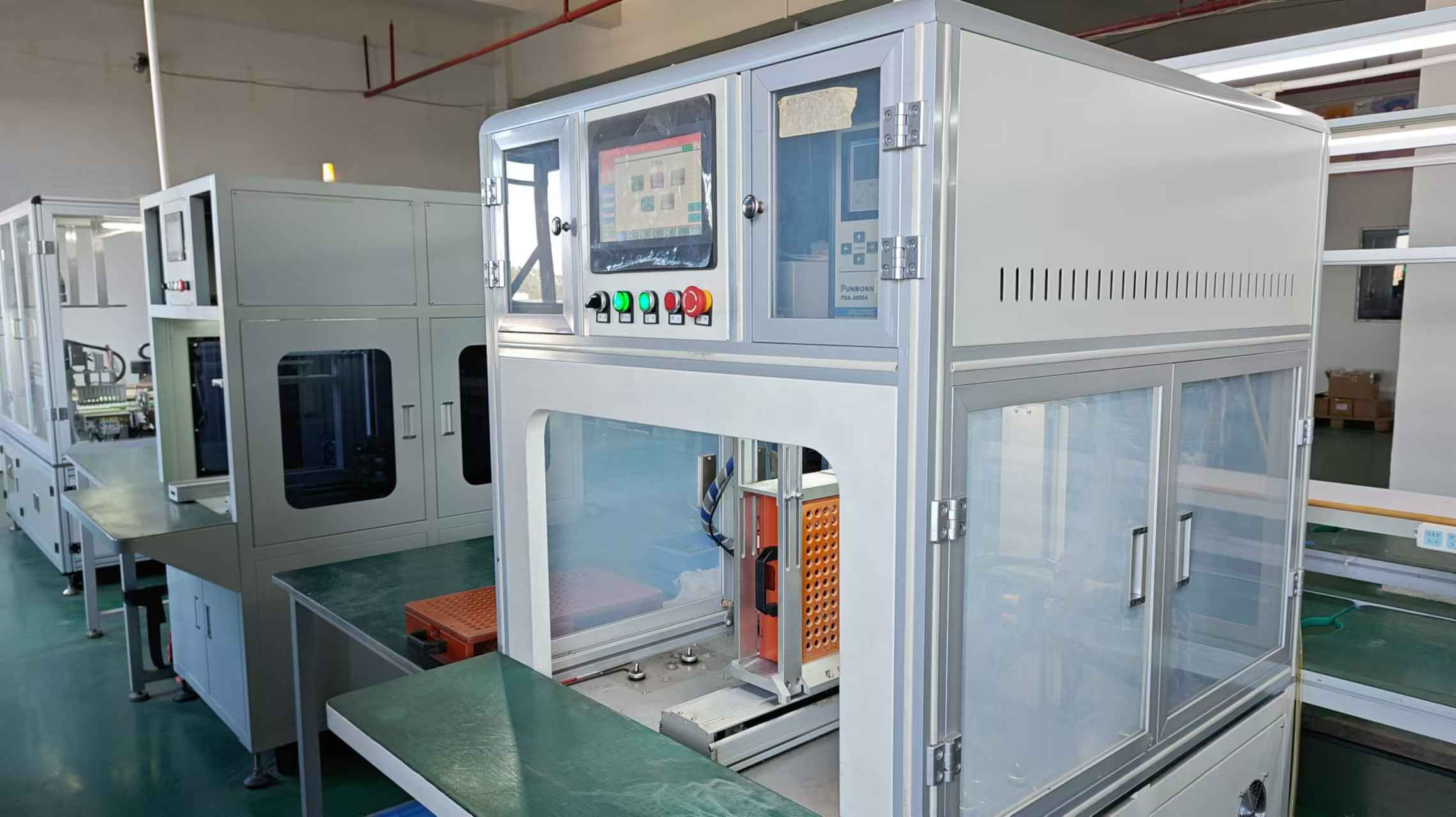
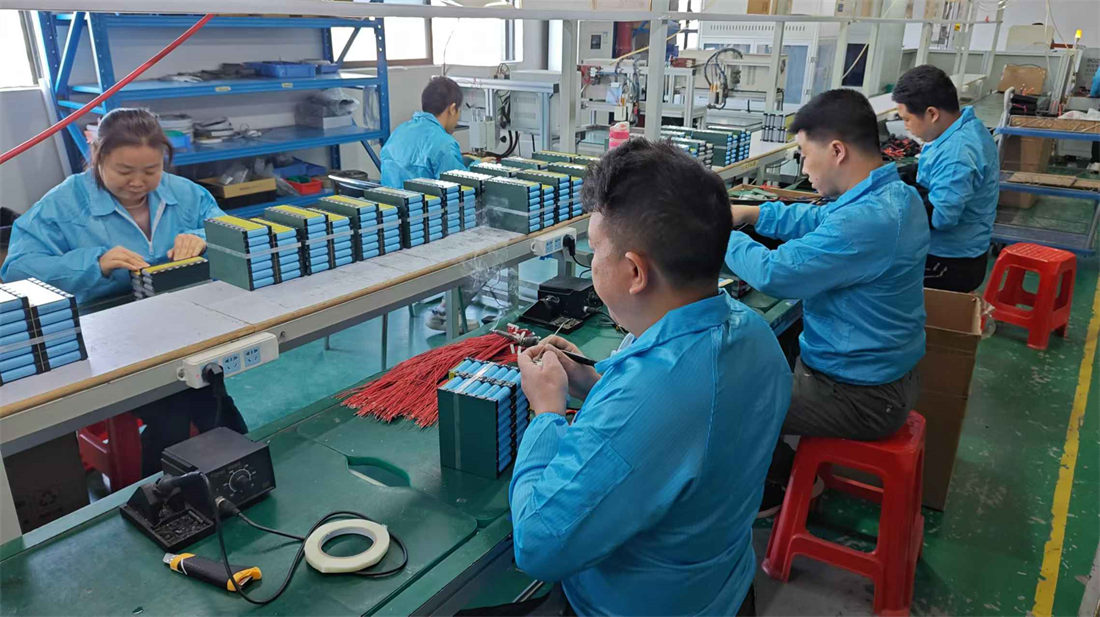
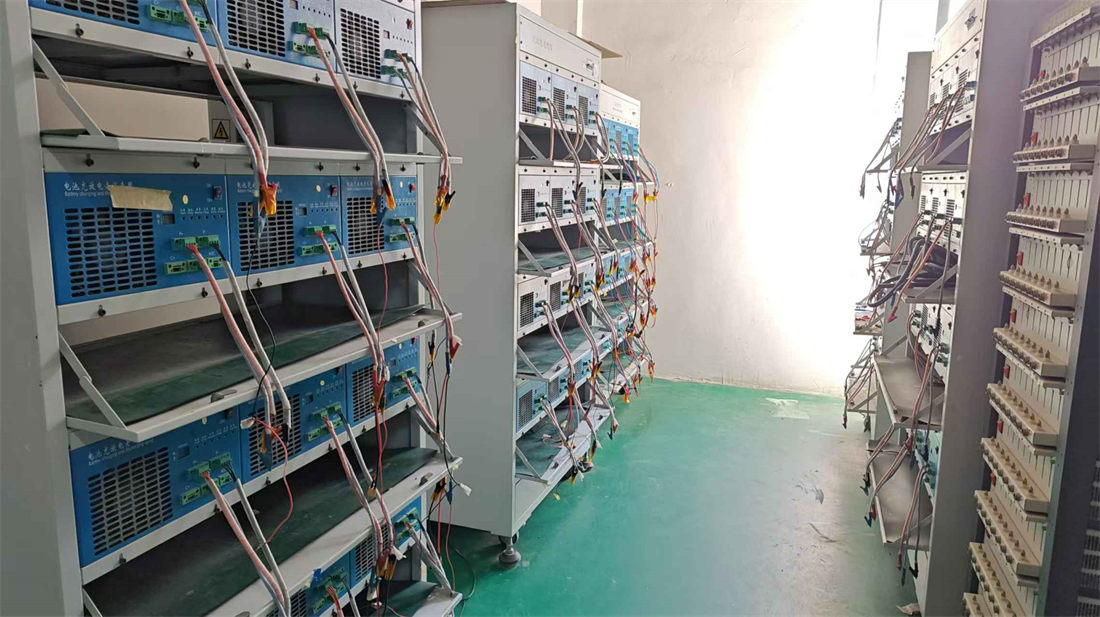
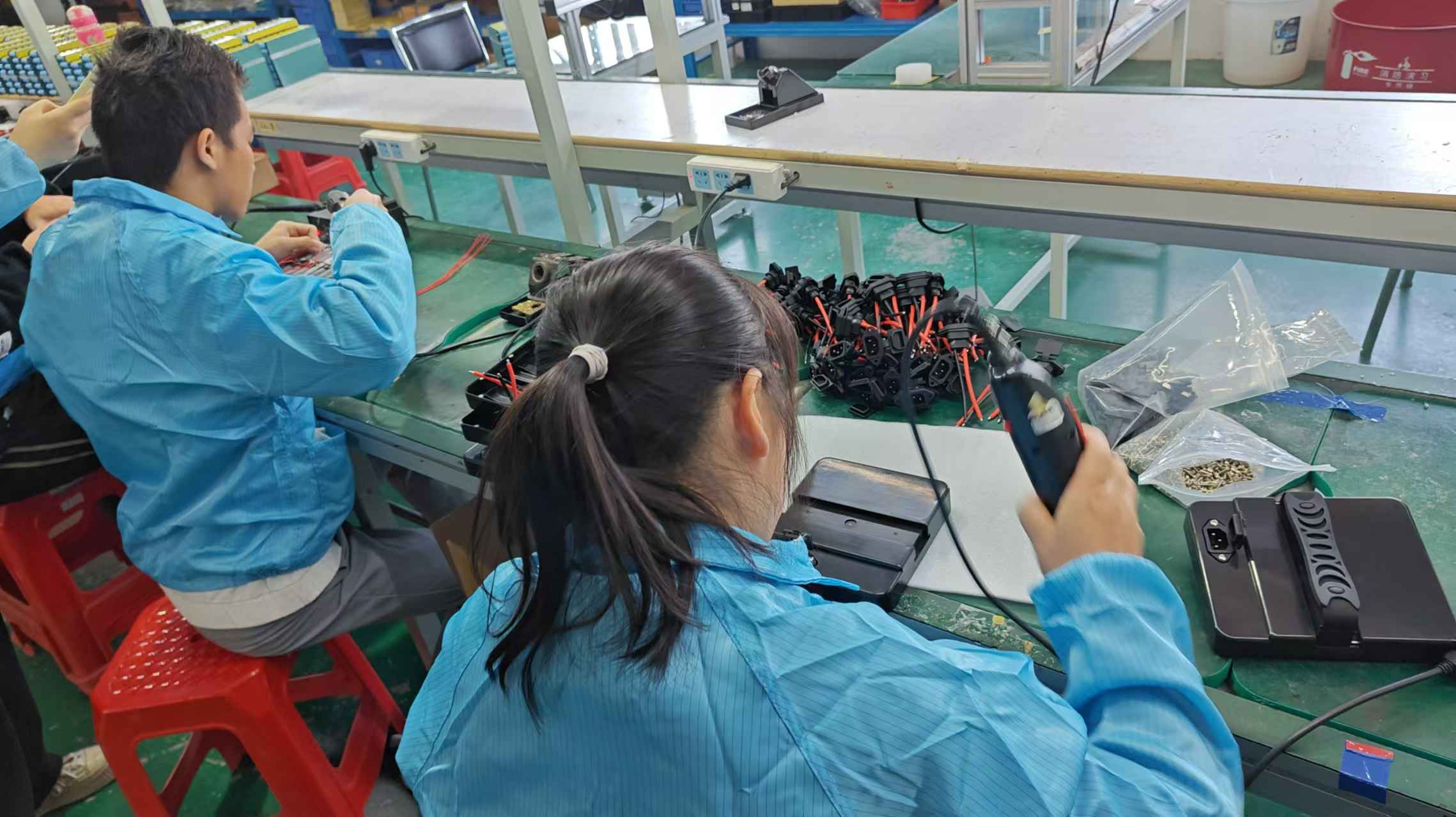
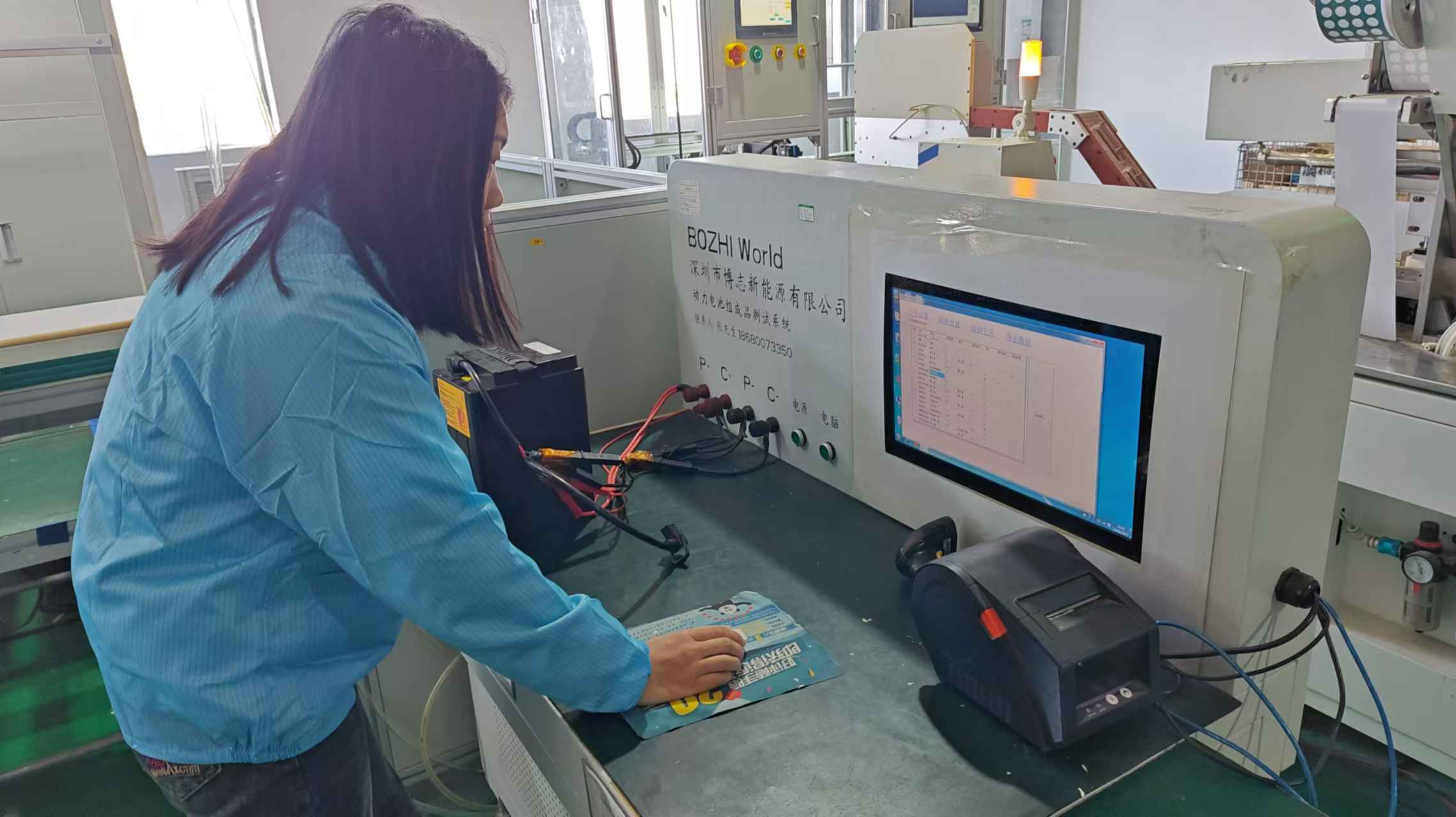
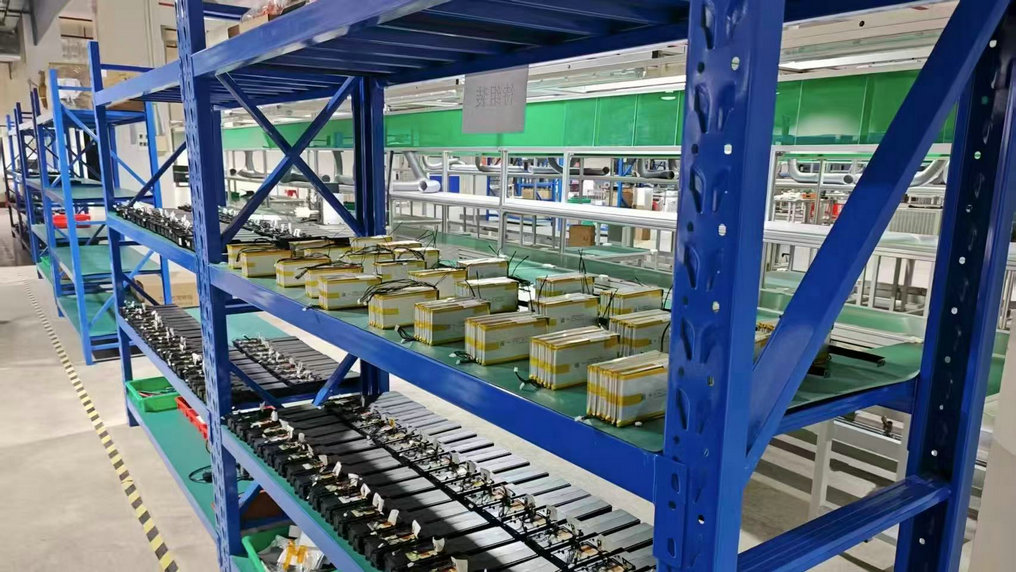
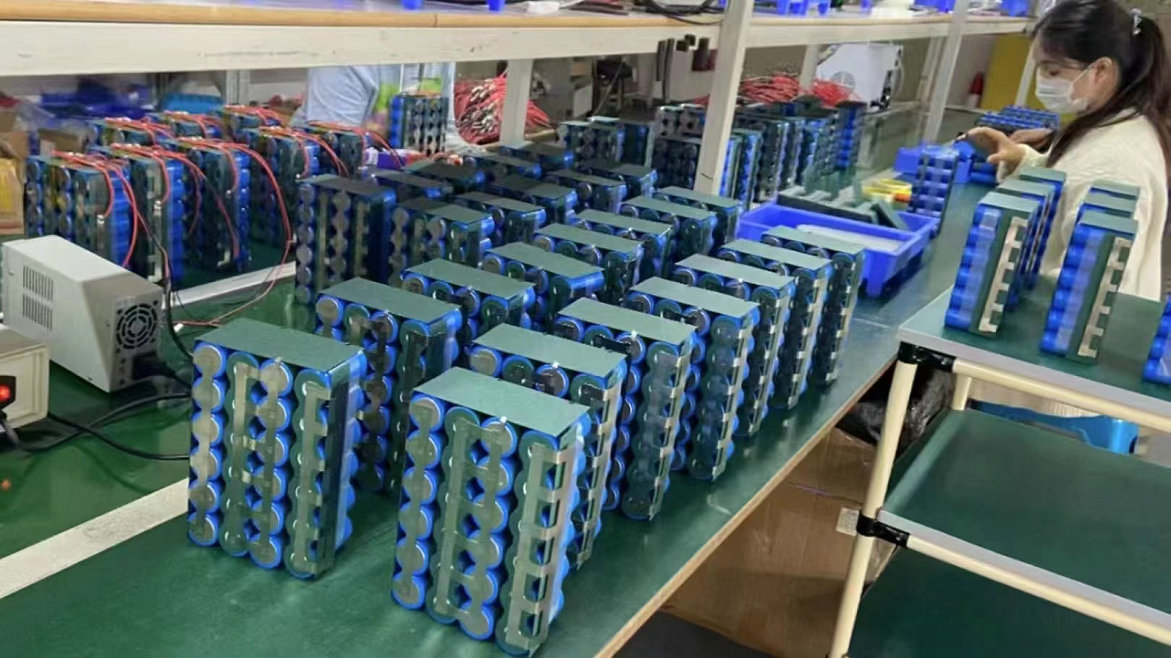
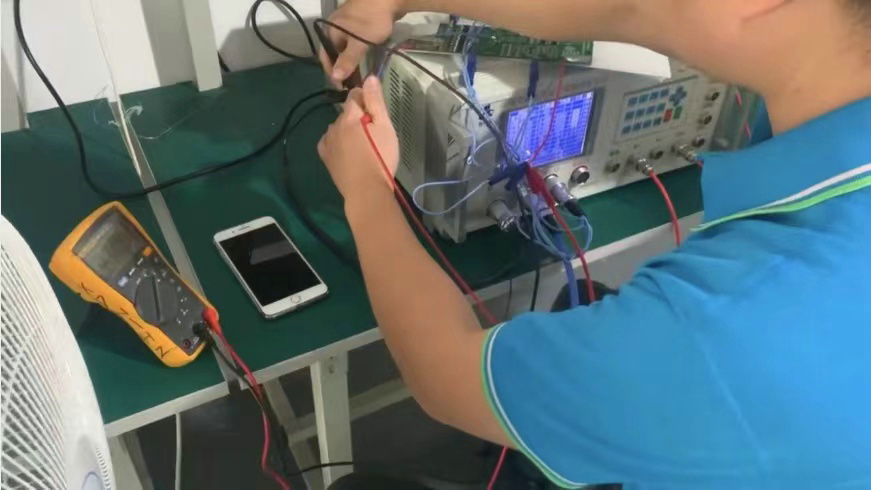
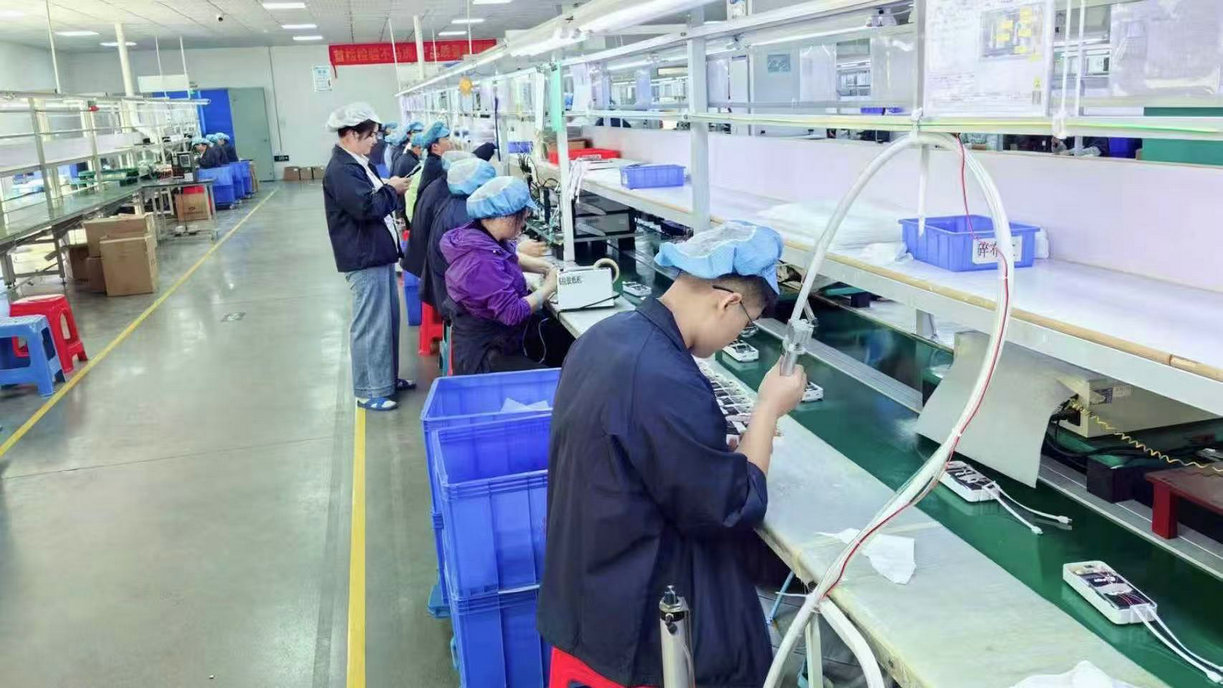
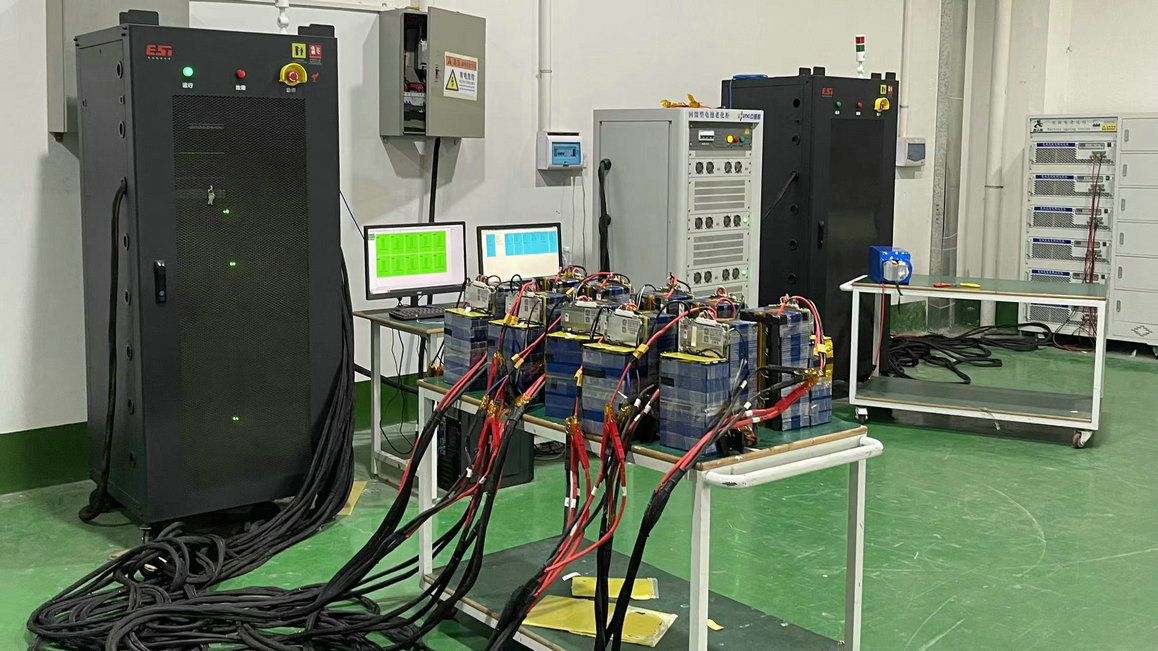
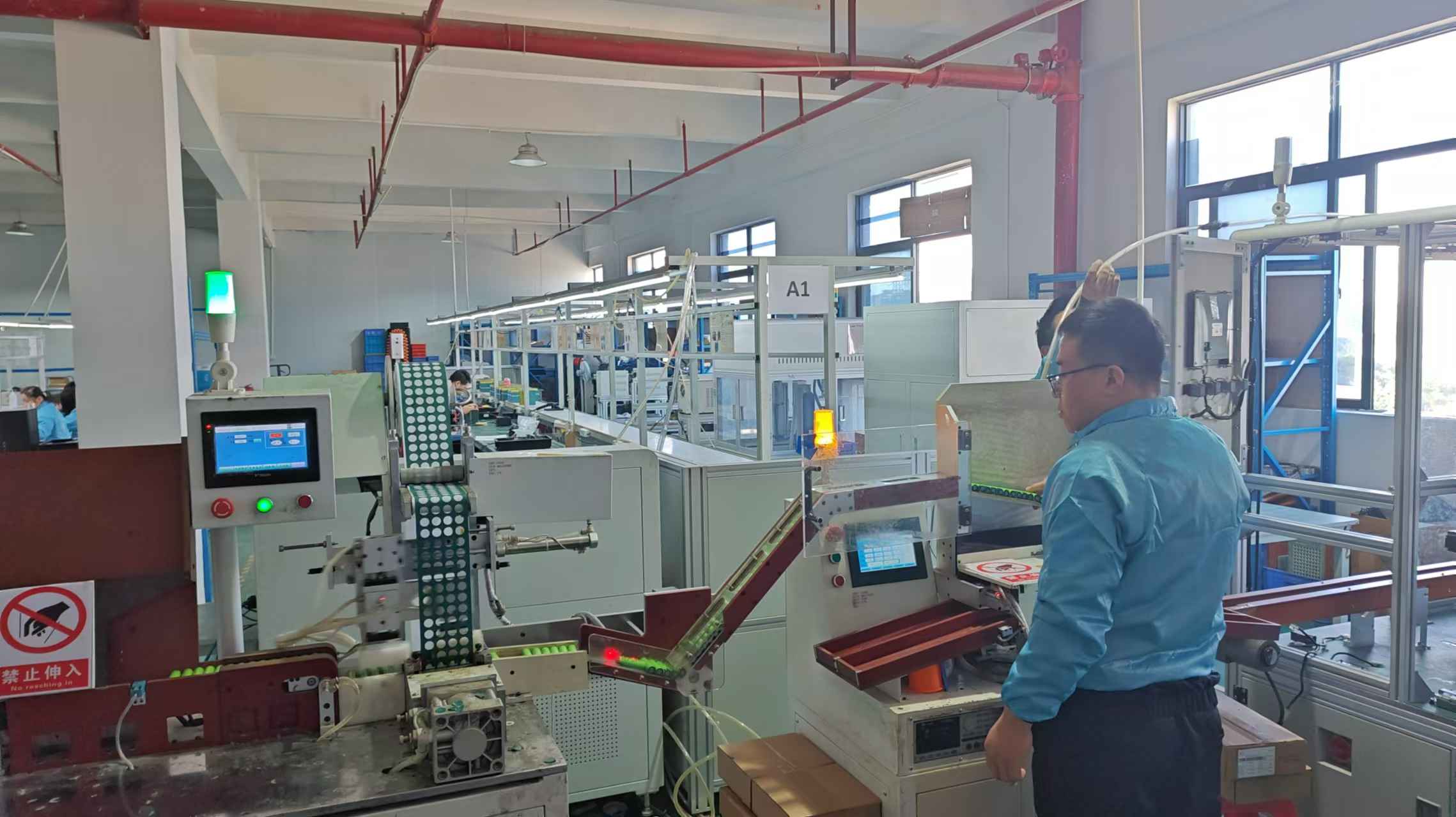
With a strong commitment to innovation, strict quality control, and customer-centric service, Guangdong Nuwon Energy continuously invests in advanced manufacturing capabilities, automated production lines, and rigorous testing systems. This ensures that every product meets international safety standards and delivers exceptional performance in demanding environments. Driven by a vision to accelerate global electrification and energy efficiency, Guangdong Nuwon Energy Co., Ltd. is dedicated to building long-term partnerships and providing reliable, intelligent, and sustainable energy solutions to customers worldwide.
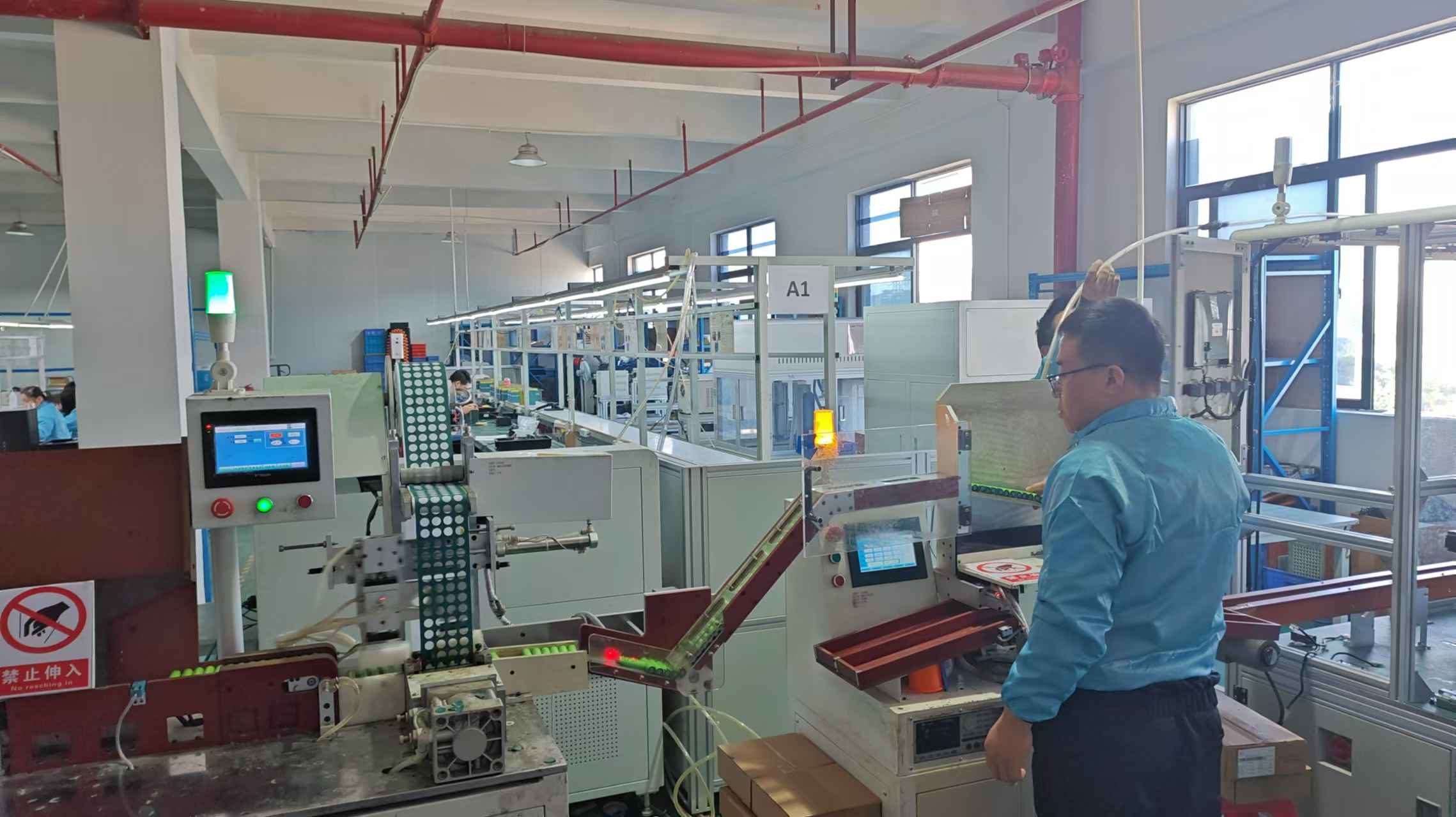
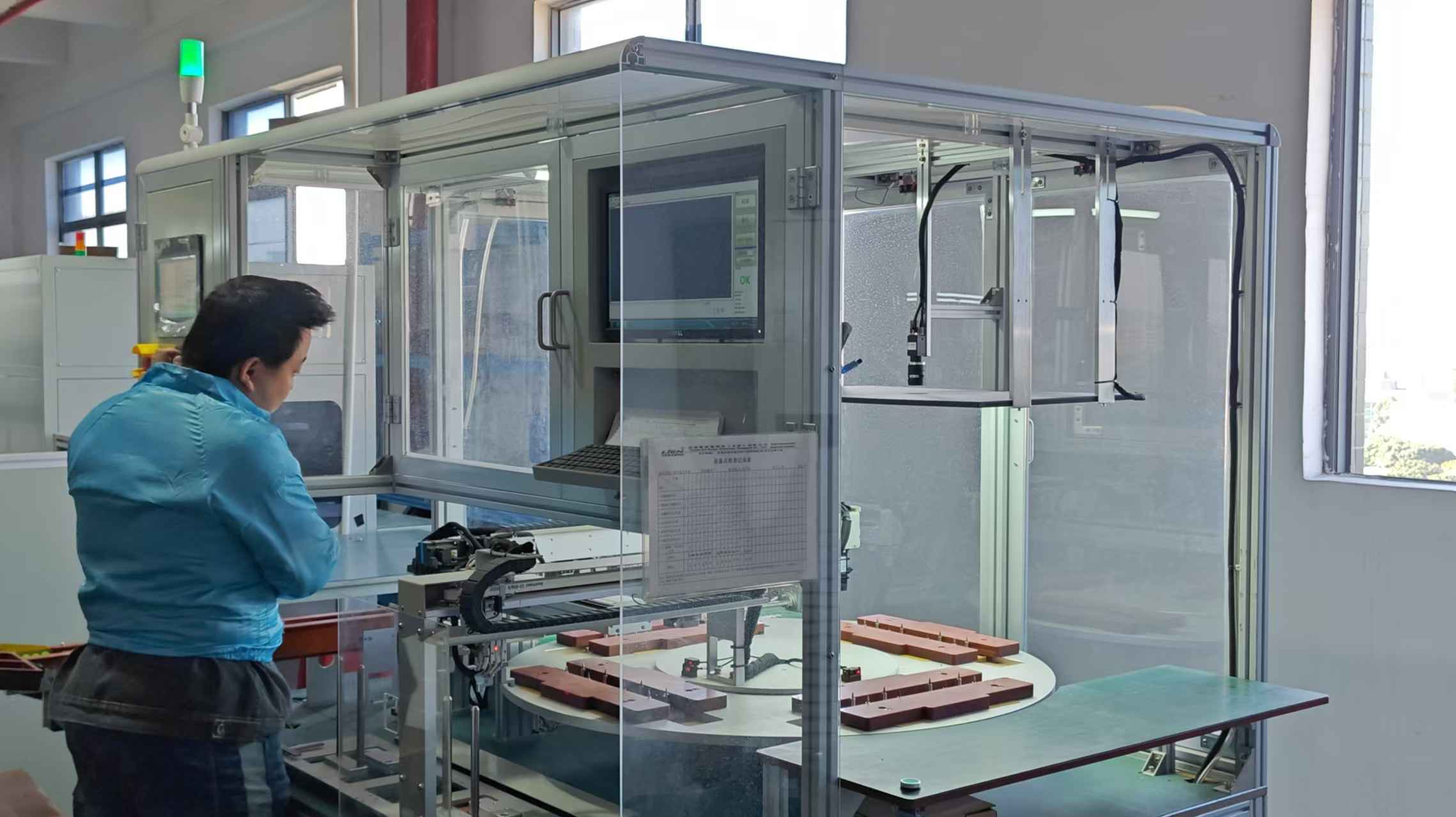
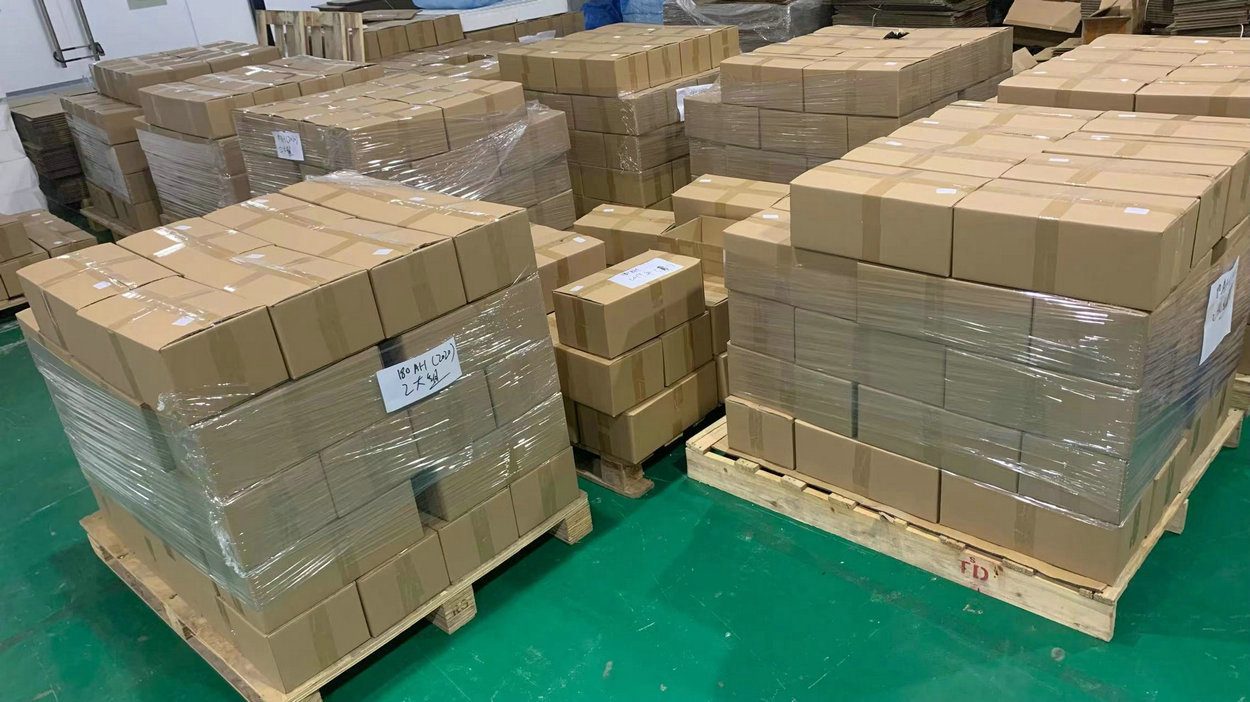
Each step in our manufacturing workflow is precision-managed to guarantee structural tolerance, seal integrity, and longevity of the battery casing.
How engineering constraints and next-generation battery architectures are redefining structural design.
Traditional setups use modules inside a pack. Emerging trends focus on Cell-to-Pack (CTP) and Cell-to-Chassis (CTC) designs, where the casing also acts as a structural floorboard. This shift requires materials with higher yield strength and complex crash-absorption structures built directly into the housing walls.
Solid-state batteries require continuous external pressure during operation to prevent delamination of solid electrolyte interfaces. Next-generation casings are engineered to maintain high internal tension, combining thick, low-shrinkage structural composite caps with mechanical compression springs or tension bolts.
Regulatory frameworks such as the EU Battery Regulation mandate high recyclability rates and carbon footprint disclosures. Modern casing factories design enclosures for easy disassembly, using mechanical fasteners instead of structural adhesives to simplify pack recycling at end-of-life.
Adapting casing designs to meet unique environmental and operational conditions.
Requires extreme resistance to saline spray, humidity, and water submersion. Casings are constructed using passivated stainless steel or marine-grade 5000-series aluminum alloys. Special seals must guarantee IP67 or IP68 protection, with built-in venting valves to prevent moisture accumulation.
Every gram impacts flight efficiency. Casings for electric vertical takeoff and landing aircraft rely heavily on carbon fiber reinforced polymers (CFRP) with electromagnetic shielding (EMI) liners. These enclosures must absorb high impact forces without rupture to prevent fires in cabin structures.
Constant operation creates persistent mechanical vibration. Heavy-duty structural steel or thick-wall cast aluminum casings protect against side-impacts from heavy warehouse traffic. Integrated elastomer mounts reduce shock loads on cell connections.
Outdoor energy storage units must endure extreme temperature fluctuations. Enclosures incorporate double-wall vacuum insulation panels or mineral wool insulation layers combined with liquid cooling loops. Designs focus on containing internal thermal events to protect adjacent cabinets.
A comparative overview of industry leaders, specialized material profiles, and core target markets.
| Rank | Manufacturer Name | Primary Material Specialization | Certifications (Standard Audits) | Target Industrial Market Segment |
|---|---|---|---|---|
| 1 | Guangdong Nuwon Energy Co., Ltd. | Extruded Aluminum Alloys (6000 Series), Custom Composite Casings | ISO9001, ISO14001, CE, RoHS, UN38.3 | Commercial Vehicles, Forklifts, AGVs, Aerospace, Residential BESS |
| 2 | Novelis Inc. | High-Formability Sheet Aluminum Alloys | IATF 16949, ISO 9001 | Automotive EVs, Large-scale Battery Packs |
| 3 | Constellium SE | Extruded Structural Aluminum Profiles | ISO 14001, IATF 16949 | High-Performance Passenger EVs, eVTOL Systems |
| 4 | SGL Carbon SE | Carbon Fiber Composites, Graphitic Thermal Shields | ISO 9001, EN 9100 (Aerospace) | Motorsports, eVTOL, Specialized Defense Systems |
| 5 | Kautex Textron GmbH | Thermoplastic Composite Materials (PBT / Glass-Fiber) | IATF 16949, ISO 50001 | Mass-market Hybrid & Plug-in EV Battery Systems |
| 6 | Benteler Automotive | Multi-Material Assemblies (Steel / Aluminum Hybrid) | IATF 16949, ISO 14001 | Commercial Heavy-Duty Trucks, Off-road EV Machinery |
| 7 | Minth Group | Precision Extruded and Anodized Aluminum Enclosures | ISO 9001, IATF 16949 | Passenger Electric Vehicles, Autonomous Delivery Shuttles |
| 8 | Nemak, S.A.B. de C.V. | High-Pressure Cast Aluminum Alloys | ISO 9001, IATF 16949 | Automotive Propulsion and Structural Sub-frames |
| 9 | GF Linamar LLC | Die-Cast Magnesium and Aluminum Components | IATF 16949, ISO 14001 | Lightweight EV Battery Tubs and Lower Shield Protectors |
| 10 | Teijin Limited | Carbon Fiber Prepregs and Sheet Molding Compounds (SMC) | ISO 9001, ISO 14001 | High-performance Sports Cars, Industrial Drones, BESS Systems |
How top factories co-develop optimized casing architectures with system integrators.
Developing a custom, durable battery casing requires a multi-step engineering loop that aligns material properties with mechanical performance. Tier-1 manufacturers like Guangdong Nuwon Energy Co., Ltd. use systematic workflows to ensure safety and code compliance:
Technical answers regarding materials, structural design, and standards for durable battery enclosures.
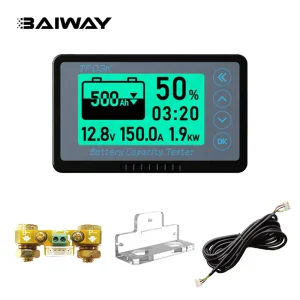
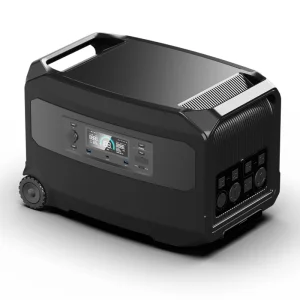
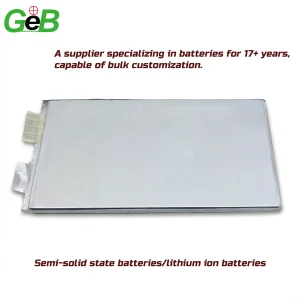
Exploring solid-state polymers, primary cells, capacity testers, and bulk material components.
 Nuwon Energy