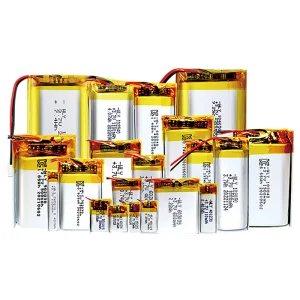
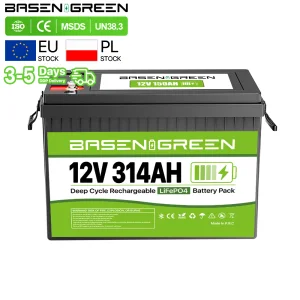
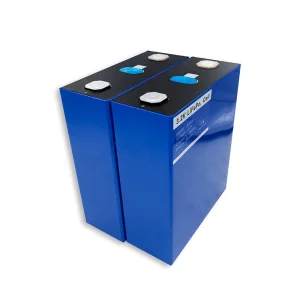
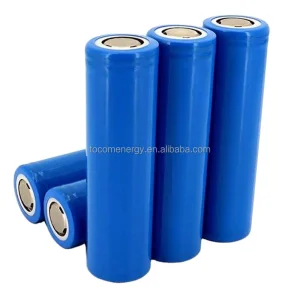
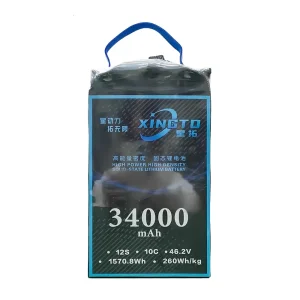
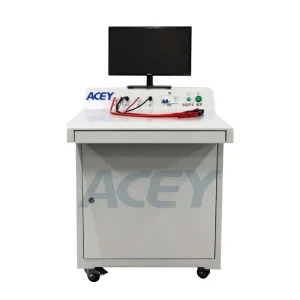
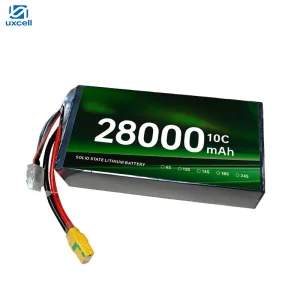
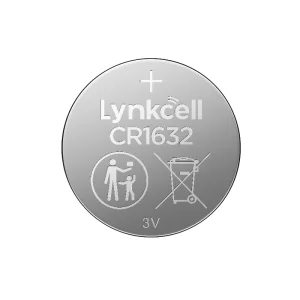
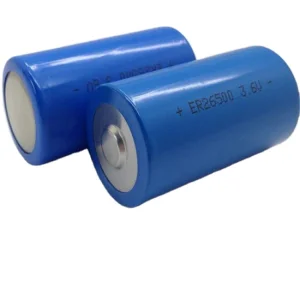
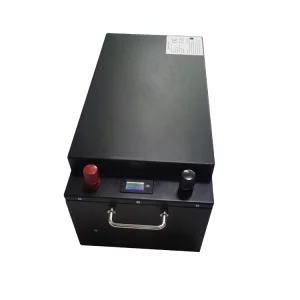
Discover high-capacity lithium cells, ultra-low temperature batteries, and robust LFP packs configured for next-generation Energy Management Systems (EMS).
As global power networks transition from centralized fossil power to decentralized renewable generation, the demand for sophisticated Energy Management Systems (EMS) combined with high-density battery energy storage (BESS) has surged exponentially.
Modern Energy Management Systems are no longer just basic passive monitors of power flow. Today's commercial and industrial enterprises face volatile utility tariffs, peak demand charges, carbon reduction mandates, and localized grid instability. To overcome these pressures, a modern EMS leverages advanced telemetry, predictive machine learning models, and local edge-computing controls to intelligently orchestrate energy generation, storage, and consumption.
The real differentiator for leading global manufacturers is the vertical integration of hardware and software: combining high-precision battery monitoring cells, responsive state-of-health algorithm engines, and deep-cycle lithium storage arrays into one cohesive ecosystem.
This integration ensures high-efficiency energy conversion, optimizes peak-shaving maneuvers, coordinates microgrid transitions during outages, and maximizes the operational lifespan of the core lithium-ion cells. By pairing high-capacity lithium iron phosphate (LiFePO4) or lithium titanate (LTO) storage units with intelligent cloud-edge EMS controllers, enterprises achieve maximum system Levelized Cost of Storage (LCOS) reduction.
Procurement executives seeking tier-1 EMS and battery cell suppliers must evaluate safety certifications, cell consistency, scalable configurations, and long-term cost of ownership.
| Procurement Criteria | Critical Metrics & Standards | Nuwon Energy Technical Solution Alignment |
|---|---|---|
| Uncompromised Operational Safety | UL 1973, UL 9540A, IEC 62619, CE, UN38.3 | Triple-tier structural safety design, thermal propagation barriers, and integrated microsecond-response BMS. |
| Extended Cell Lifespan | > 6,000 cycles at 80% DoD for LFP; > 20,000 cycles for LTO | Advanced chemistry formulations (e.g., LTO, Prismatic LiFePO4 cells) maximizing investment longevity. |
| Extreme Temperature Resilience | Stable operation from -50°C to +60°C | Sub-zero electrolyte formulations, advanced thermal insulation, and integrated thermal management grids. |
| Traceability & QA Compliance | ISO 9001, ISO 14001, MES real-time traceability | End-to-end cloud-tracked cell testing, laser-marked barcoding, and automated production records. |
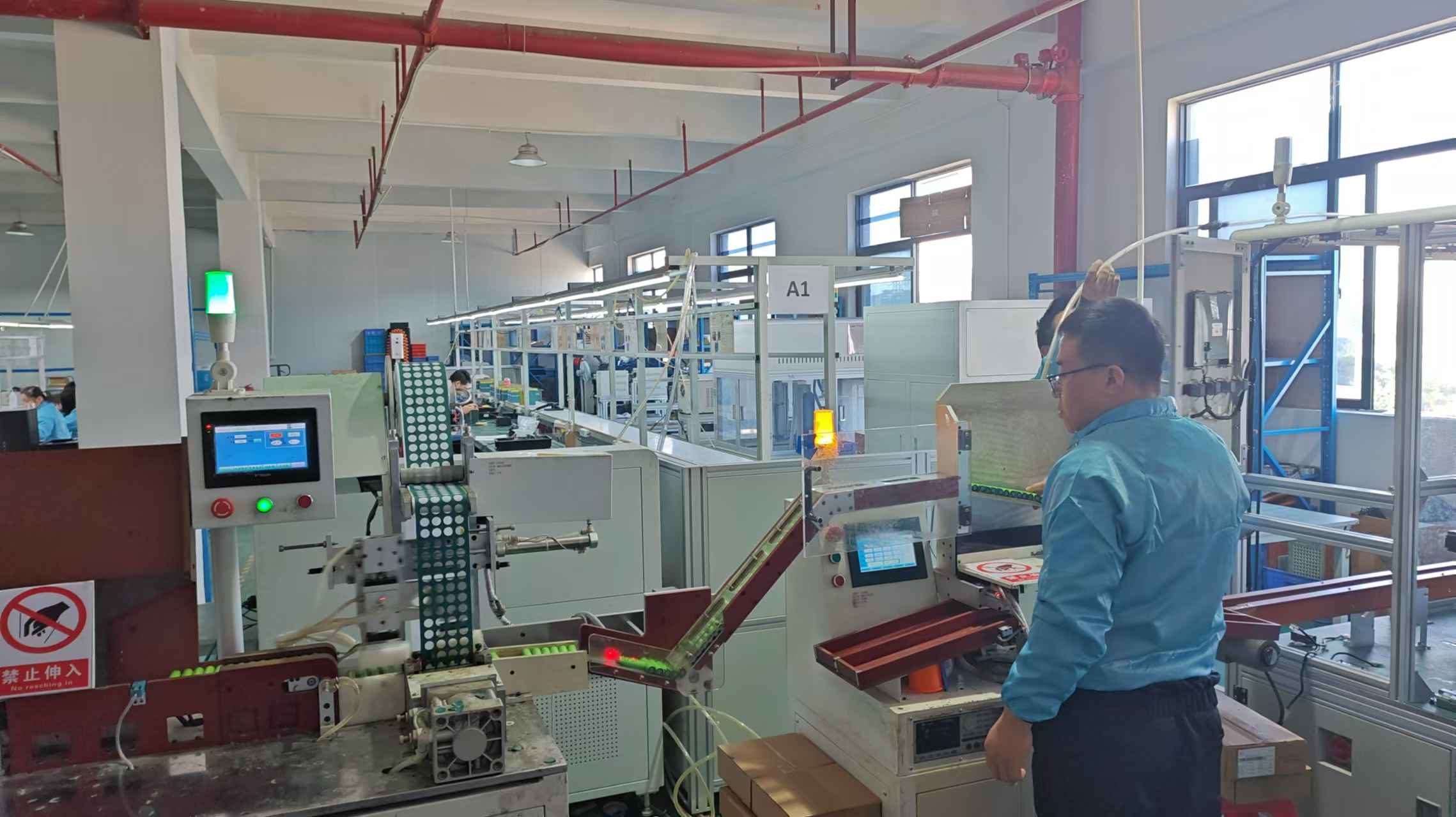
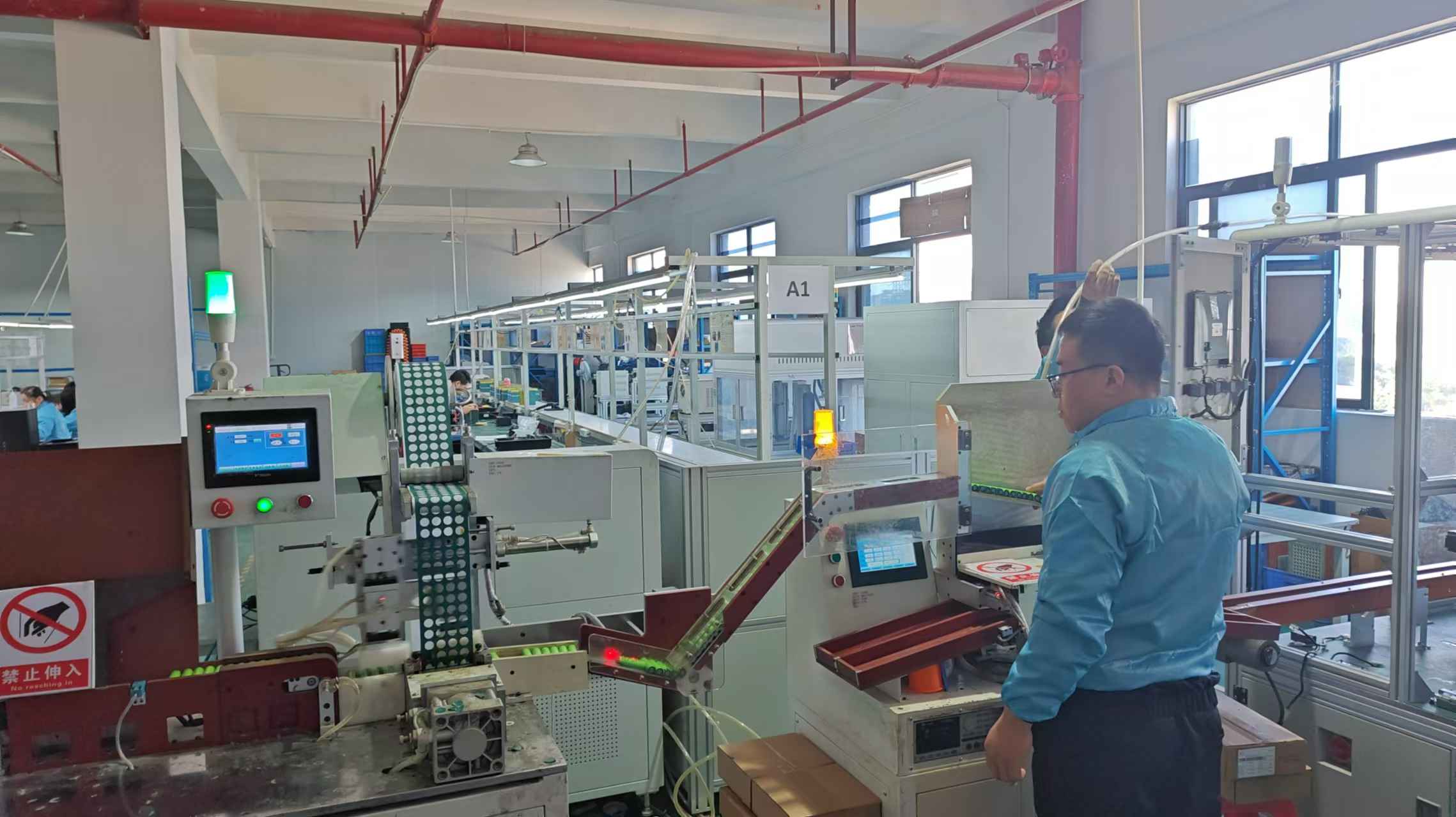
Guangdong Nuwon Energy Co., Ltd. sits at the heart of the world's most robust lithium manufacturing supply chain. Our state-of-the-art facility integrates Industry 4.0 concepts to achieve high yield rates and cell-to-cell consistency, which is crucial when clustering hundreds of cells into an EMS battery module.
Through automatic cell grading, laser welding, and rigorous testing, we ensure that every lithium polymer cell, prismatic cell, and solid-state battery pack performs flawlessly under heavy cycles. Let's look at the key steps inside our manufacturing lines:
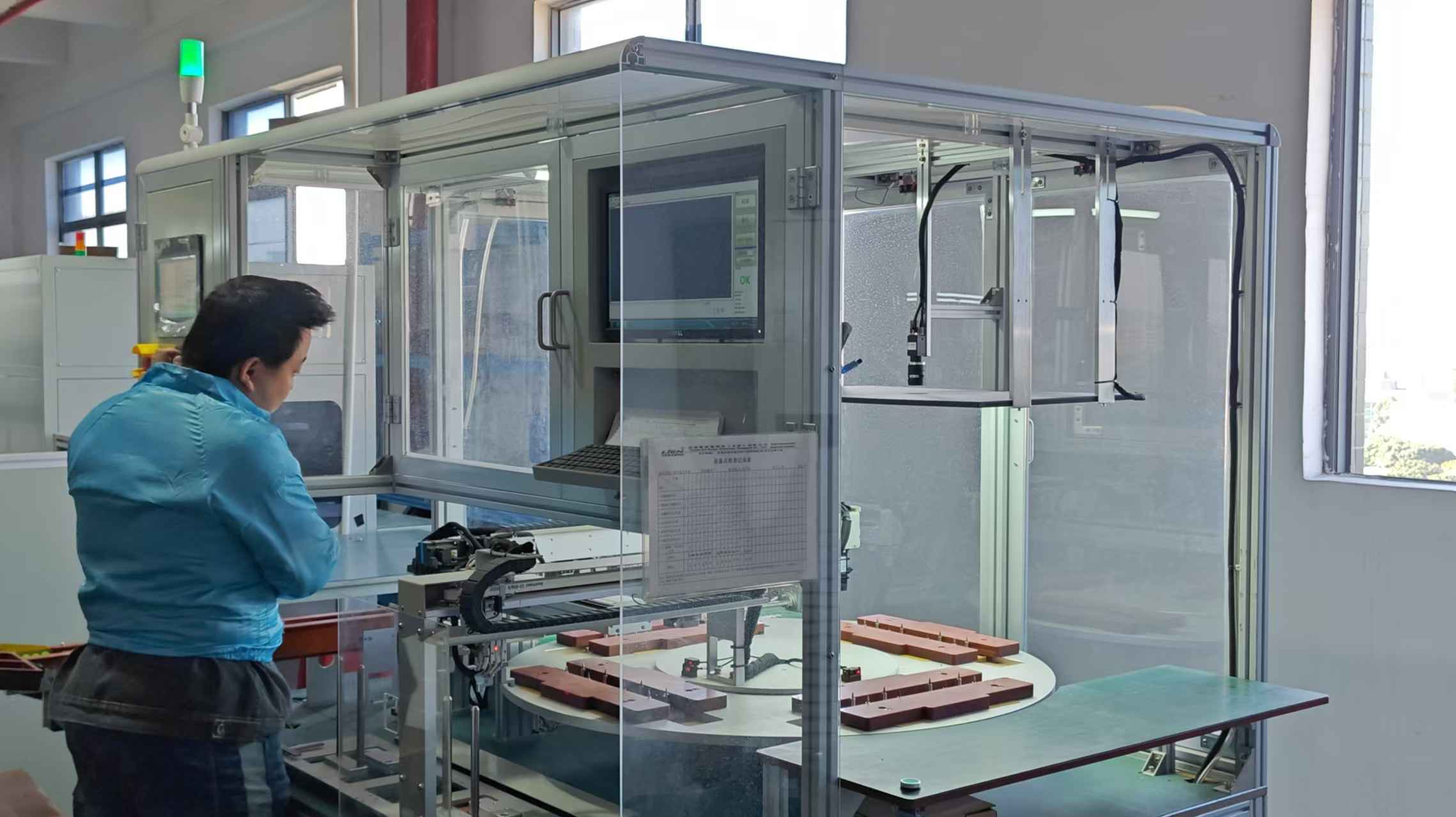
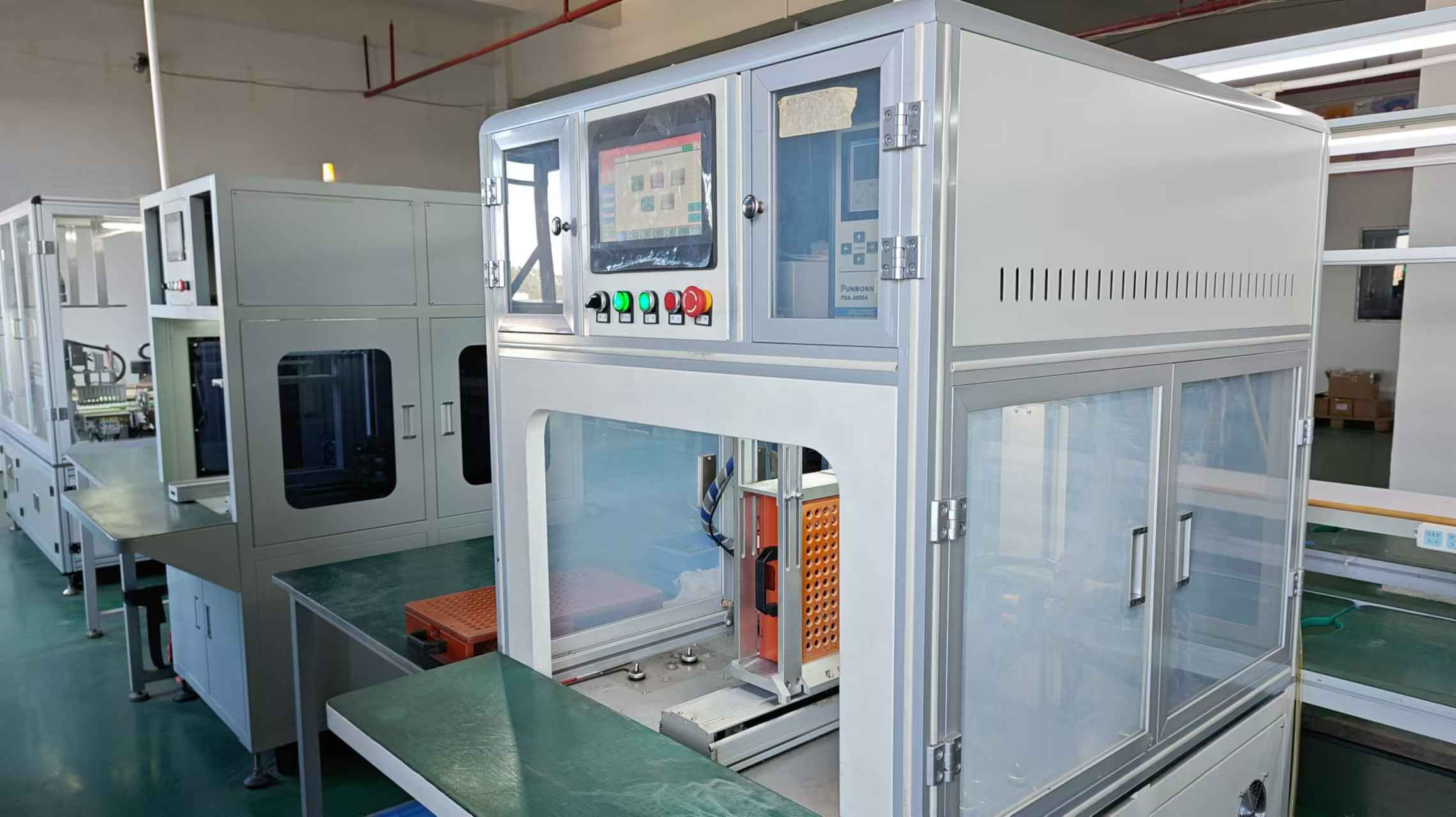
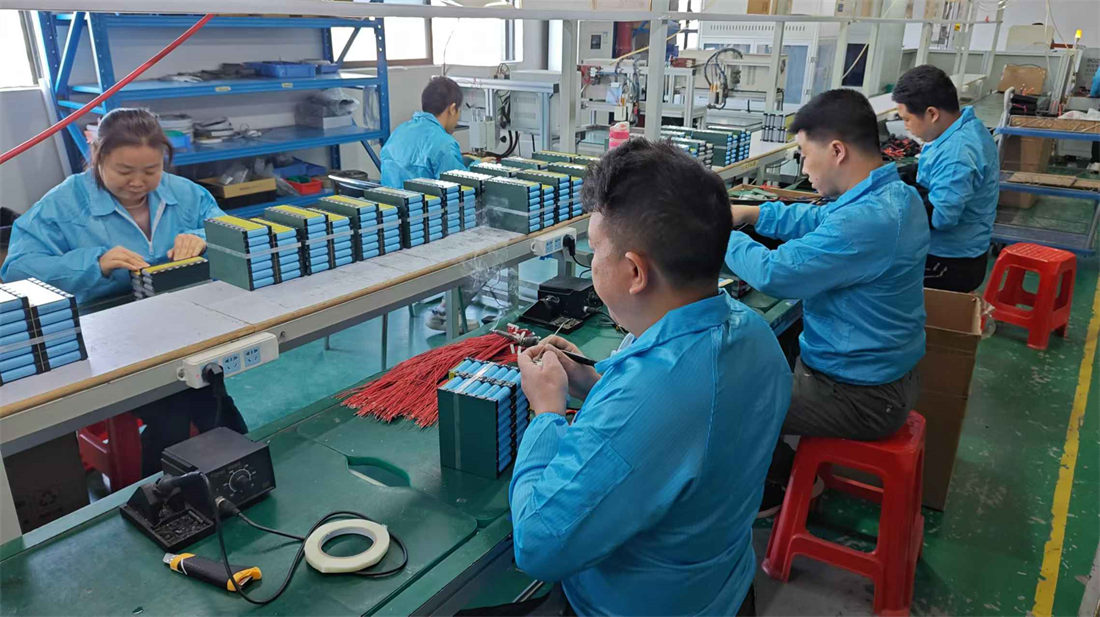
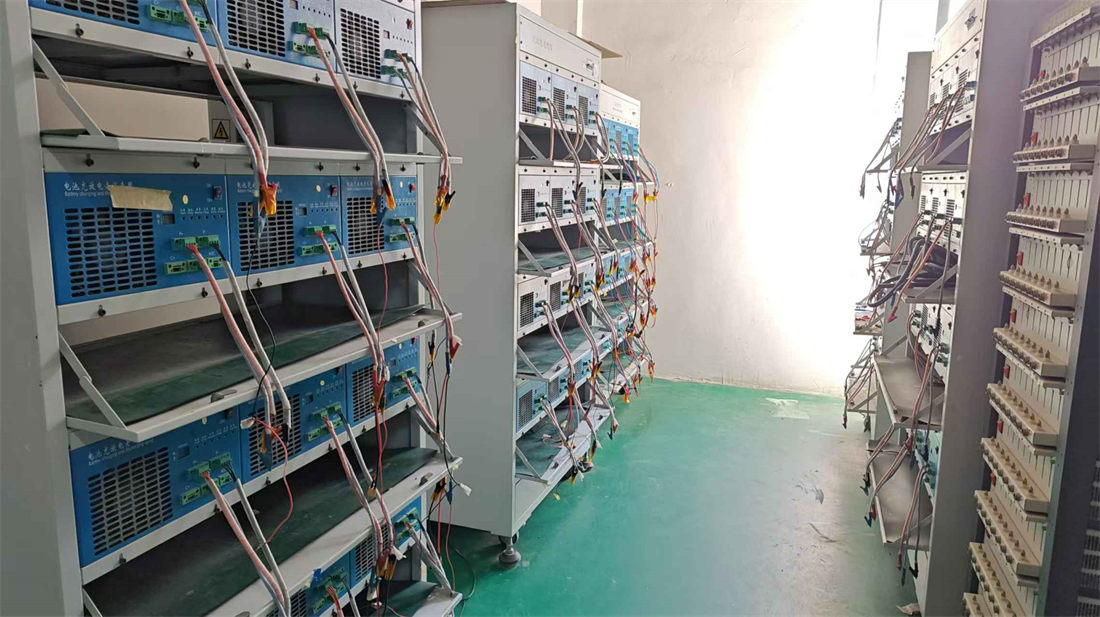
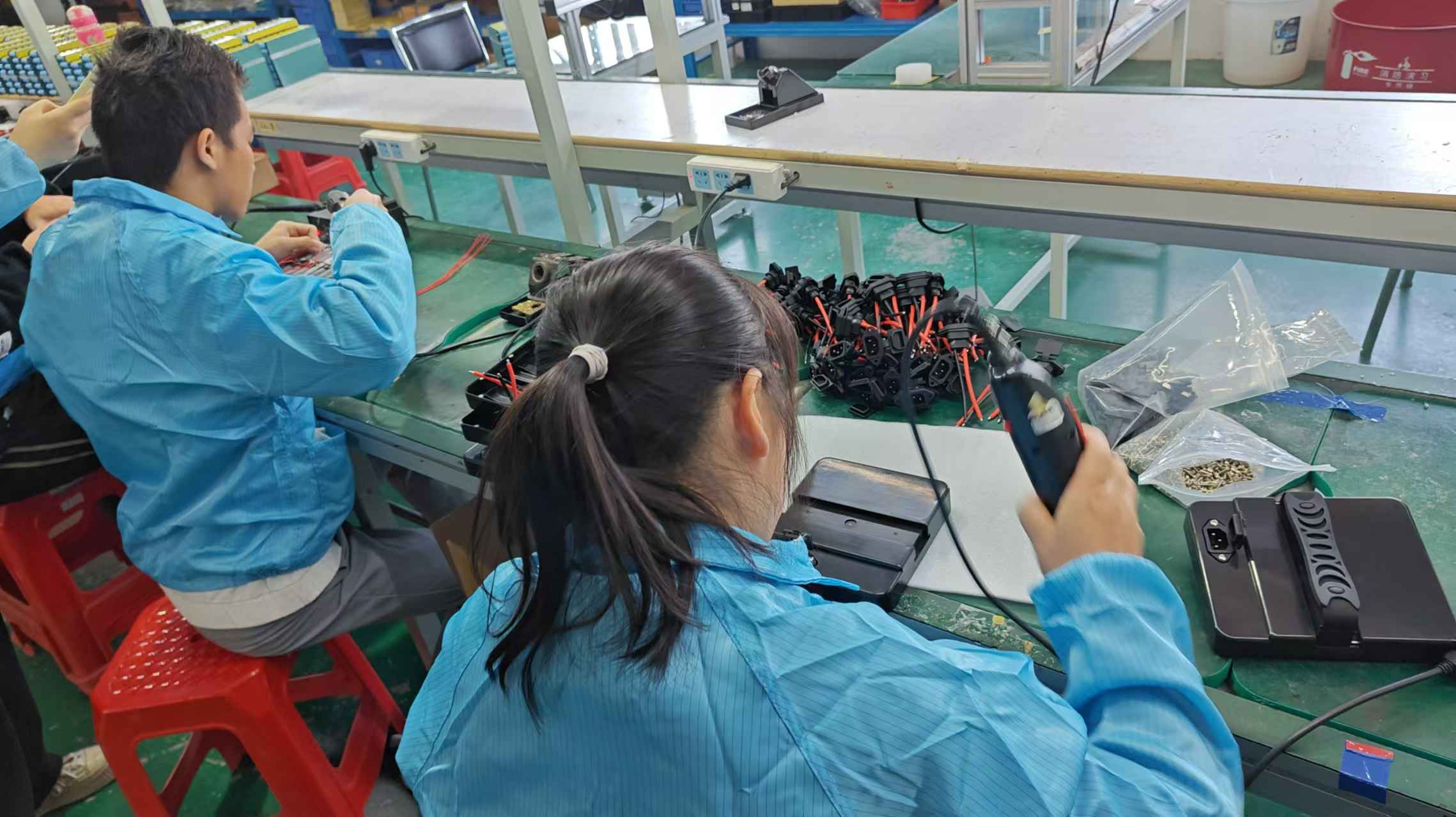
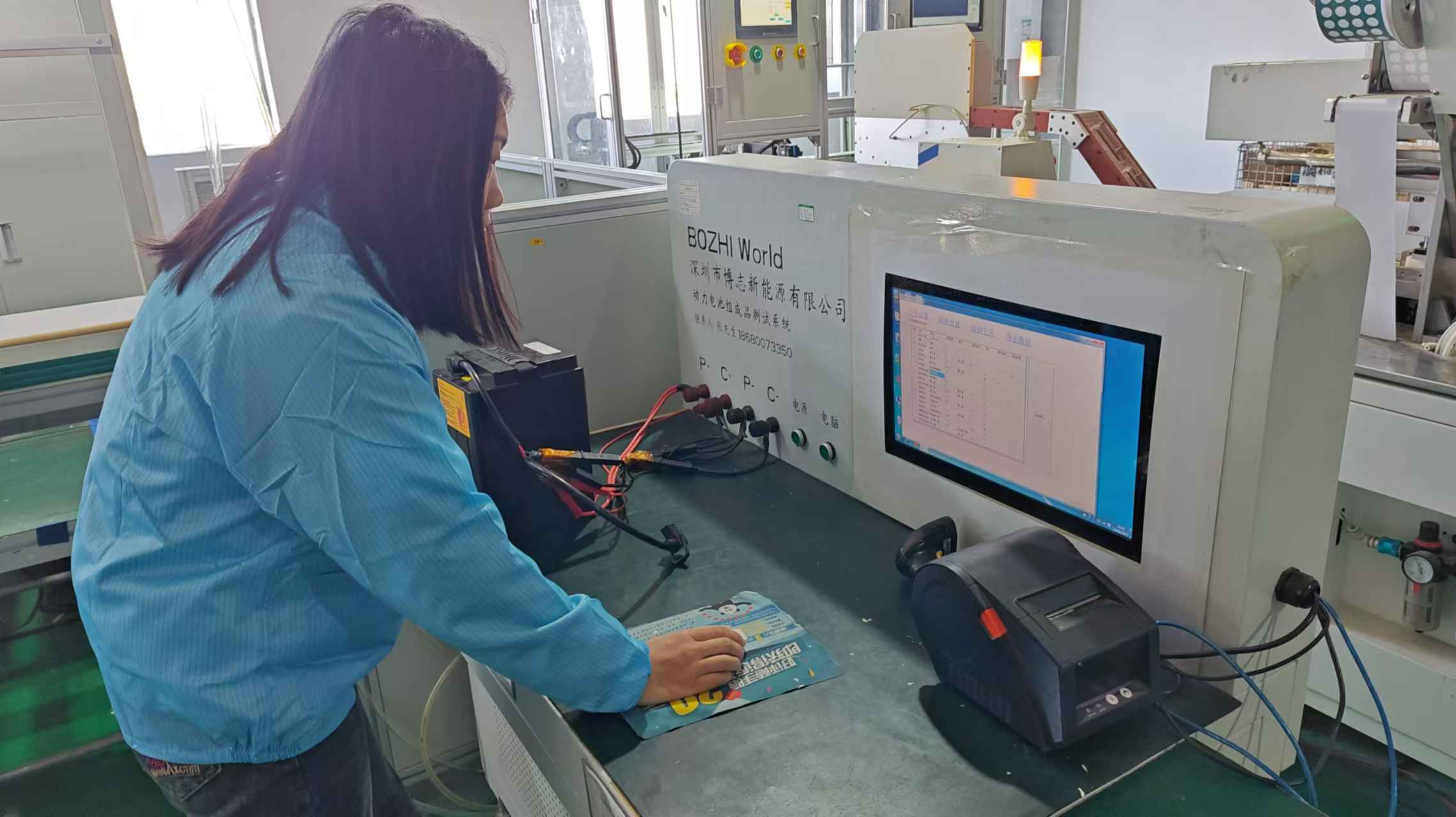
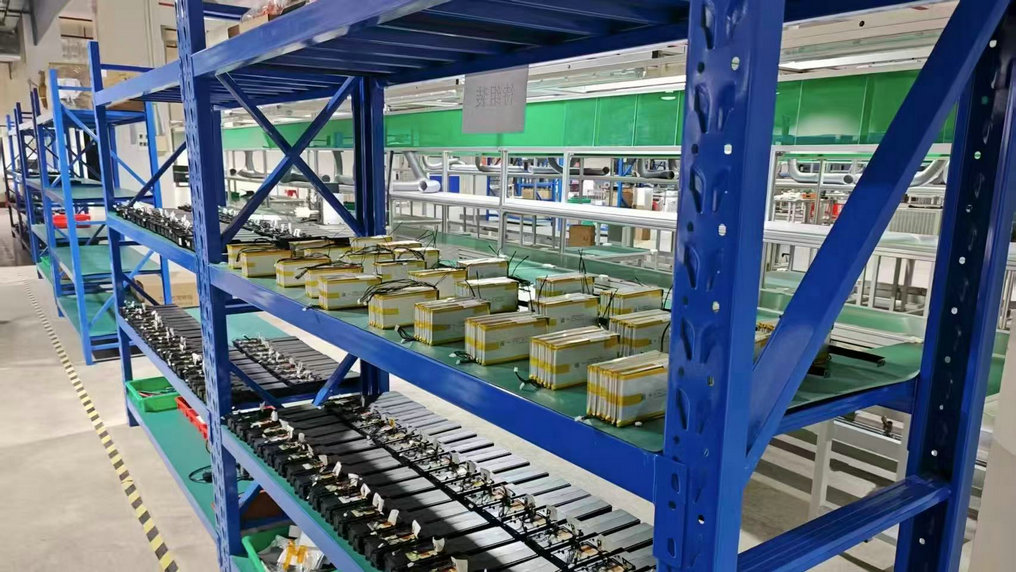
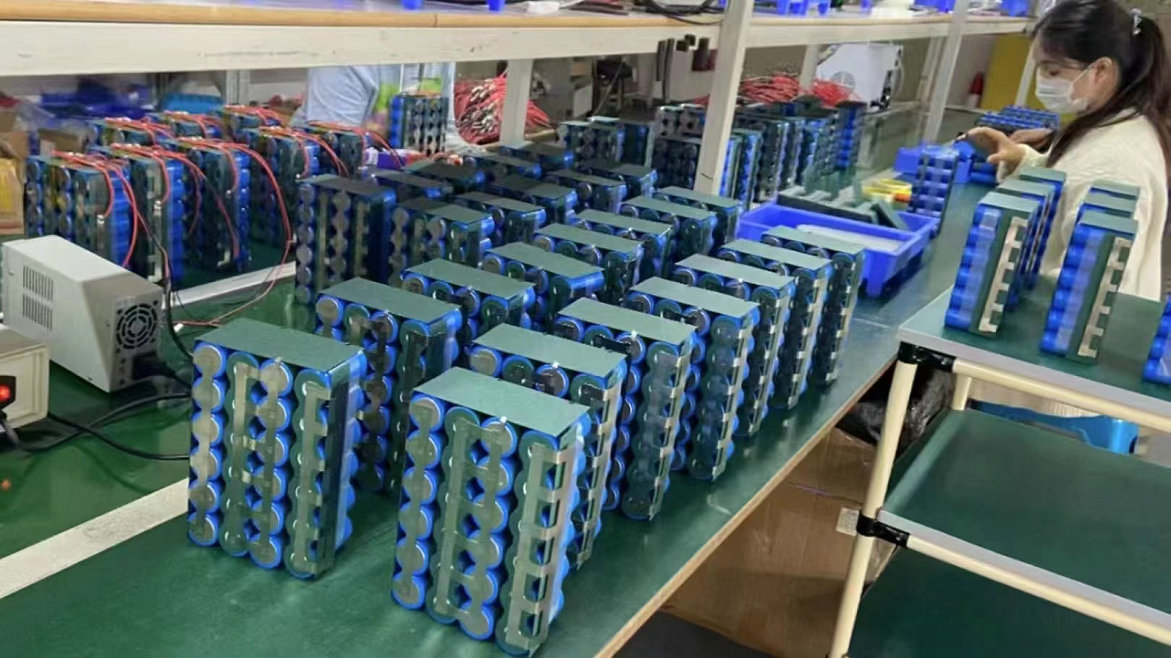
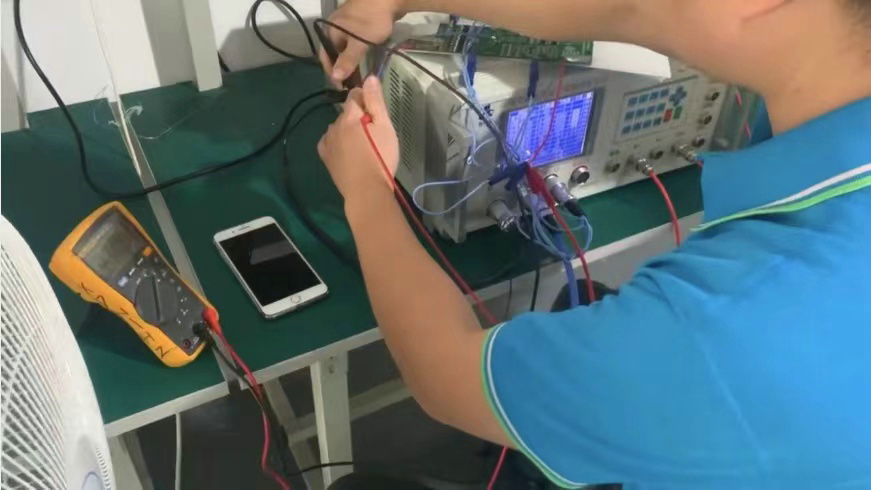
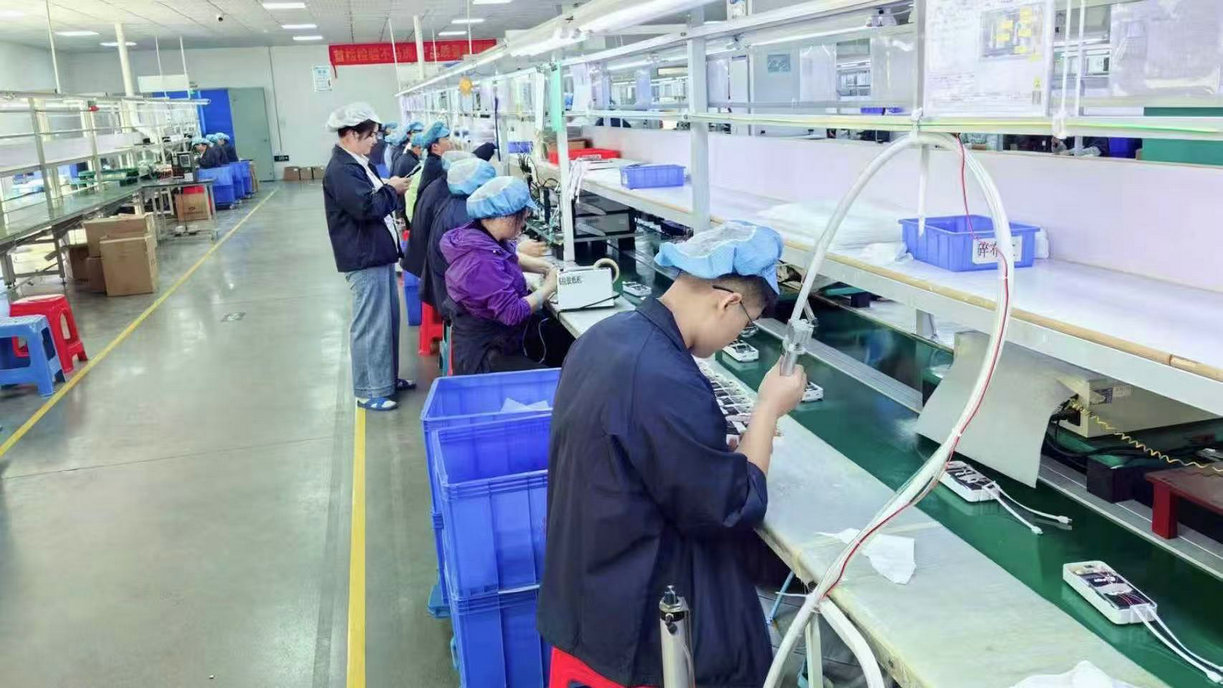
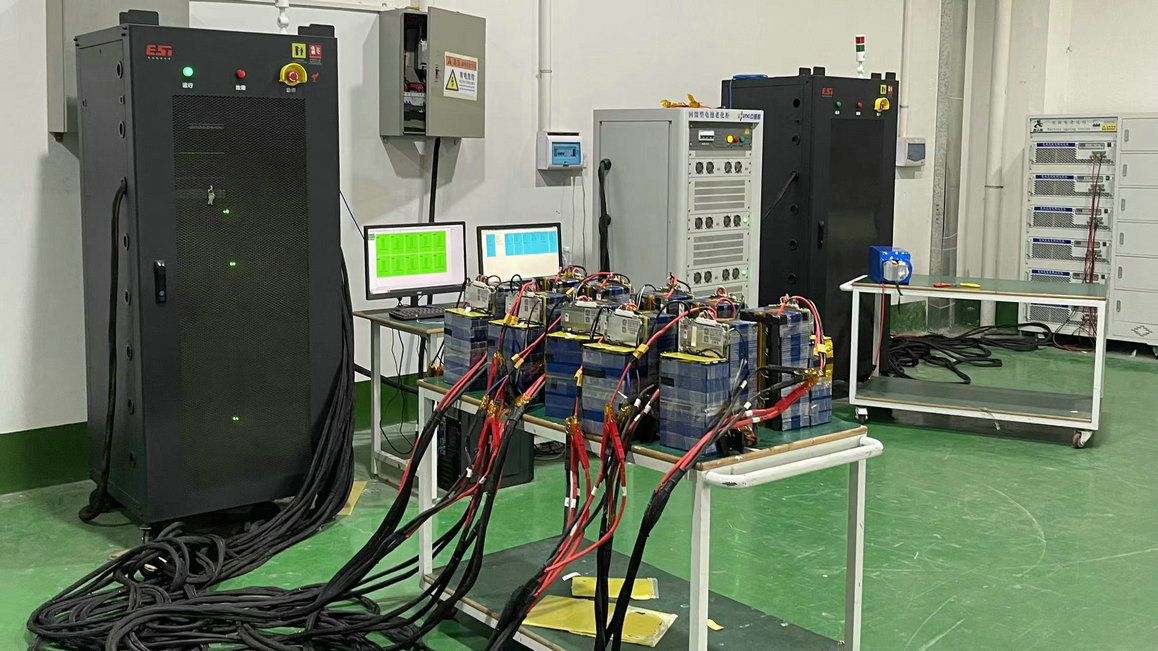
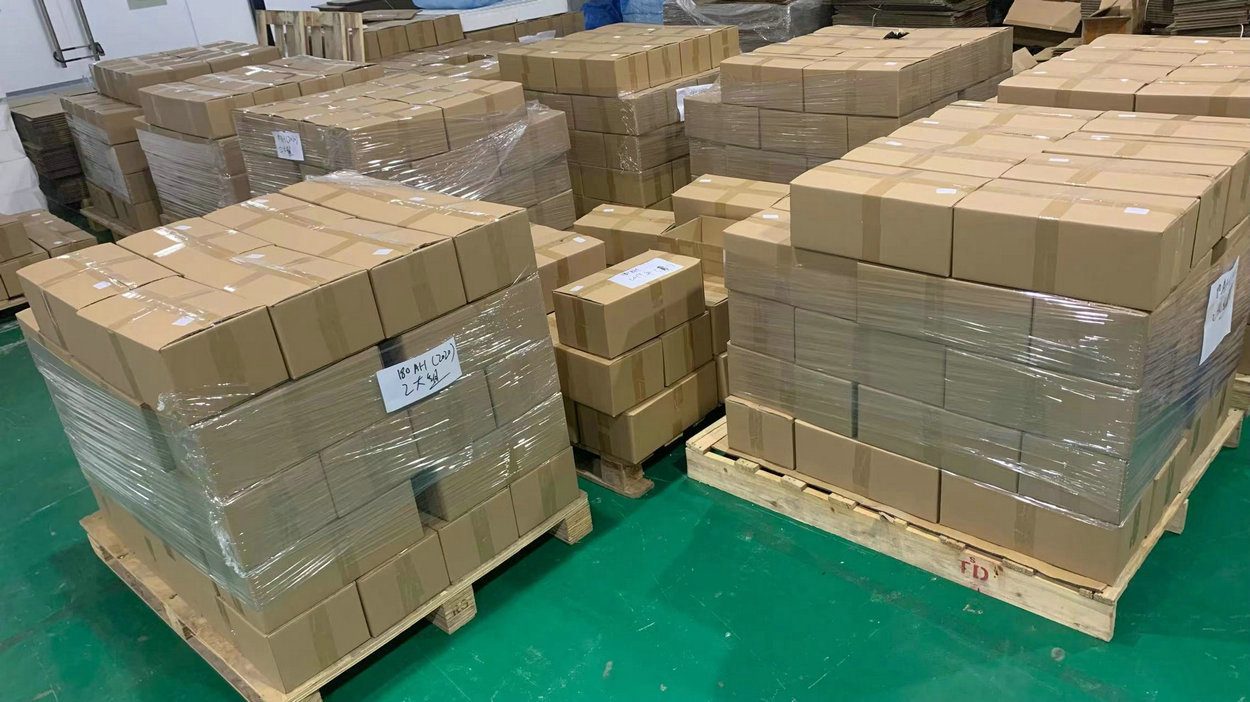
Tailoring specific battery chemistries to critical industrial use cases is essential to optimizing overall system performance.
By leveraging deep cycle 3.2V 628Ah LiFePO4 cells, C&I microgrids store excess solar/wind energy during low-tariff hours and discharge during peak demand, reducing operational expenditures. For remote telecom towers, LiFePO4 packs offer high energy density and zero maintenance compared to legacy lead-acid systems.
Standard lithium batteries lose significant efficiency in cold environments. Our specialized low-temperature cylindrical 26650 cells can operate down to -50°C, making them suitable for sub-zero environments, cold chains, high-altitude monitoring systems, and northern logistics networks. In contrast, LTO (Lithium Titanate) packs provide extreme cycling stability, lasting over 20,000 cycles, and handle ultra-fast charge and discharge requirements.
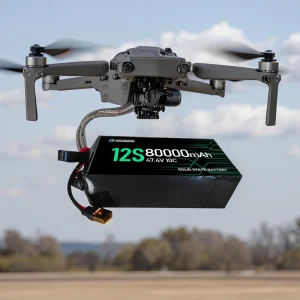
High-energy aviation applications require extreme gravimetric energy density. The integration of NMC 811 chemistries and semi-solid-state battery packs (yielding up to 307 Wh/kg) gives eVTOL craft and heavy-payload drones the necessary flight times, thermal safety margins, and high C-rate output needed for takeoff and climbing maneuvers.
Guangdong Nuwon Energy Co., Ltd. is a leading manufacturer and solution provider in advanced battery systems, specializing in the research, development, manufacturing, and global distribution of high-performance energy storage products. The company offers comprehensive OEM and ODM services, delivering customized battery solutions tailored to diverse industrial and commercial applications.
Backed by a highly experienced engineering and R&D team, Nuwon Energy focuses on the design and integration of cylindrical and prismatic lithium battery cells, as well as complete battery packs, modules, and energy storage systems. The company also develops and produces industrial-grade battery cells engineered for safety, durability, and long cycle life.
Guangdong Nuwon Energy serves a wide range of industries, including consumer electronics, electric mobility (such as golf carts, forklifts, UTVs/ATVs, trucks, and marine systems), medical equipment, unmanned ground vehicles (AGVs/AMRs), and emerging aerospace applications such as eVTOL aircraft. In addition, the company provides reliable residential, commercial, and industrial (C&I) energy storage solutions designed to support the global transition toward clean and sustainable energy.
With a strong commitment to innovation, strict quality control, and customer-centric service, Guangdong Nuwon Energy continuously invests in advanced manufacturing capabilities, automated production lines, and rigorous testing systems. This ensures that every product meets international safety standards and delivers exceptional performance in demanding environments.
Driven by a vision to accelerate global electrification and energy efficiency, Guangdong Nuwon Energy Co., Ltd. is dedicated to building long-term partnerships and providing reliable, intelligent, and sustainable energy solutions to customers worldwide.
Common technical questions regarding selection, deployment, safety, and integration of industrial battery energy storage systems.
Safety is the primary metric in battery energy storage systems (BESS). Key factors include selecting cells certified under IEC 62619 and UL 1973 standards, deploying microsecond-responsive Battery Management Systems (BMS) for overcurrent protection, and incorporating physical barriers between cells. These safety systems prevent localized thermal runaway from spreading through the entire module.
If cells in a series-parallel pack have varying internal resistance or capacity, the pack's overall capacity is limited by the weakest cell. Unbalanced cells also experience accelerated degradation and run a higher risk of localized over-discharging or overcharging, which compromises safety. Nuwon uses high-precision automated sorting and testing equipment to ensure matched electrochemical parameters across all assembled cells.
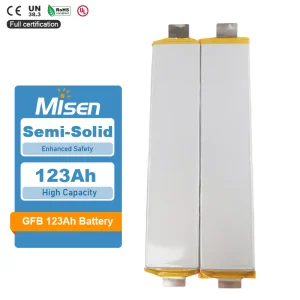
Semi-solid-state cells replace a portion of the liquid electrolyte with a solid-state conductive gel or polymer structure. This design increases the gravimetric energy density (up to 307 Wh/kg in our custom drone battery packs) while reducing the risk of fire or leakage if the cell is punctured, making them suitable for aerospace and eVTOL applications.
Standard lithium cells suffer from lithium plating and high internal resistance in freezing temperatures. Our low-temperature cells use proprietary electrolyte additives and optimized anode surface treatment to allow stable lithium-ion transport even at -50°C, maintaining consistent performance for arctic field sensors, aerospace tracking, and cold-chain monitoring.
Explore high-capacity solid-state options, micro-energy cells, and specialized cycle testing systems for battery maintenance.
 Nuwon Energy