Engineered to deliver unmatched cycling stability and runtime efficiency in ambient environments ranging from -40°C to +85°C and beyond.
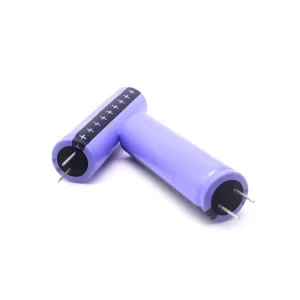
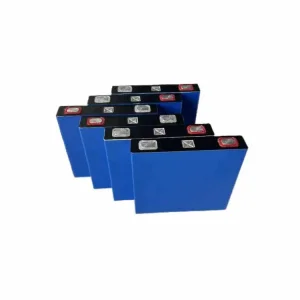
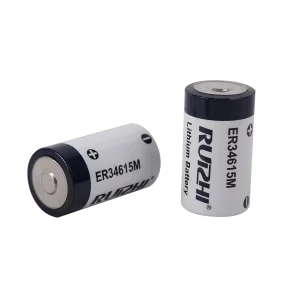
The global demand for high-temperature batteries has experienced an unprecedented surge, driven by structural shifts in the energy sector, deep-well extraction technologies, aerospace advancements, and the critical need for robust defense components. High-temperature batteries are defined by their ability to operate consistently under extreme thermal stresses (typically +60°C to +150°C and even up to +200°C for sub-surface drilling applications) without suffering from the compounding effects of rapid capacity fade, internal dendrite growth, or thermal runaway events.
Currently, the global high-temperature battery ecosystem is split into three primary geographic manufacturing nodes: East Asia (focusing heavily on industrial LTO and specialized LiFePO4 cells), Western Europe (focusing on space, marine, and defense energy systems), and North America (specialized in oil & gas logging-while-drilling (LWD) and measurement-while-drilling (MWD) primary lithium systems). As carbon-neutral initiatives dictate the deployment of distributed energy resources in arid climates, such as the Middle East and Northern Africa (MENA) region, the development of high-temperature chemistry is shifting away from passive external HVAC solutions to intrinsically resilient electrochemical systems. This change vastly reduces overall operational expenditures (OPEX) and maximizes system safety profiles.
A comparative structural overview of modern high-temperature battery chemistries utilized in industrial projects today.
Achieving thermodynamic stability under high-temperature regimes requires modifying the internal components of cells—anodes, cathodes, liquid or solid electrolytes, and separators. Standard lithium-ion batteries fail because their solid electrolyte interphase (SEI) layer dissolves at elevated temperatures (typically starting around 60°C). This dissolution leads to continuous parasitic reactions, active lithium consumption, and risk of fire.
| Battery Chemistry | Optimal Temp. Range | Nominal Voltage | Key Performance Strengths | Common Applications |
|---|---|---|---|---|
| Lithium Thionyl Chloride (Li-SOCl2) | -55°C to +150°C / +200°C | 3.6V | Extreme energy density, low self-discharge, incredible stability at high temperatures. | Oil & Gas Downhole Drilling, Military telemetry, Smart Utility Meters. |
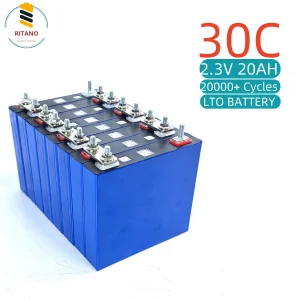
| Lithium Titanate (LTO) | -40°C to +75°C / +85°C | 2.3V / 2.4V | Extreme rate discharge (up to 30C-60C), zero volume expansion during cycling, 20,000+ cycle life. | Heavy Machinery, Electric Vehicles, High-stress UPS, Military, Rail. |
| Solid-State Lithium-Ion | -20°C to +100°C+ | 3.7V - 3.85V | No liquid electrolyte leakage, eliminated dendrite growth risk, exceptionally high energy densities. | Unmanned Ground Vehicles (AMRs), eVTOL aircraft, Defense UAVs. |
| Specialized High-Temp LFP (LiFePO4) | -20°C to +65°C / +80°C | 3.2V | Thermally stable olivine crystal structure, cost-effective, high cycle life, robust safety profile. | Telecommunication Base Stations, Remote Desert Microgrids, Mining Vehicles. |
As detailed above, LTO and Li-SOCl2 represent the two pillars of high-temperature resilience. While Li-SOCl2 is the premier choice for primary (non-rechargeable) ultra-long-life industrial applications, LTO remains the industry standard for secondary (rechargeable) systems that demand rapid high-rate discharges and reliable thermal behavior under cyclical stresses.
Expert profiling of the leading global suppliers dominating the high-temperature electrochemical technology landscape.
Headquarters: France
Primary Chemistries: Li-SOCl2, Li-MnO2, Custom Lithium-Ion
Strategic Focus: Downhole exploration, military electronics, marine systems, and aerospace applications. Saft is highly regarded for its ultra-reliable primary lithium systems that function flawlessly at +150°C.
Headquarters: China
Primary Chemistries: LiFePO4, LTO, Solid-State Li-Ion, Custom Packs
Strategic Focus: Specialized OEM/ODM high-temperature engineering, industrial energy storage (C&I), AGVs/AMRs, and thermal-resilient traction batteries. Known for delivering high cycle life at elevated temperatures.
Headquarters: Israel / Germany
Primary Chemistries: Lithium Thionyl Chloride (Li-SOCl2)
Strategic Focus: Tadiran is the global leader in long-life primary batteries, specializing in high-temperature utility metering and asset tracking tags that operate under severe thermal regimes up to +125°C.
Headquarters: Japan
Primary Chemistries: Lithium Titanate (LTO)
Strategic Focus: Industrial machinery, heavy transit, and electric vehicle applications. Toshiba's SCiB cells utilize an extremely stable chemical architecture that mitigates safety hazards at elevated operations.
Headquarters: USA
Primary Chemistries: Li-SOCl2, Li-BCX, High-Temp Oxyhalide
Strategic Focus: Integer specializes in producing ultra-ruggedized Greatbatch cells for downhole logging-while-drilling (LWD) and medical applications, with operating capabilities peaking at +150°C and +200°C.
Headquarters: Japan
Primary Chemistries: Lithium Coin Cells, Automotive Nickel-Cobalt-Aluminum (NCA)
Strategic Focus: Industrial electronics, smart tracking devices, and automotive components. Panasonic offers highly reliable high-temperature primary lithium coin cells rated for industrial use.
Headquarters: China
Primary Chemistries: LFP, Sodium-Ion, Solid-State
Strategic Focus: Utility-scale energy storage and automotive powertrains. CATL develops liquid-cooling and thermal management integration to keep large battery arrays safe in extreme ambient heat.
Headquarters: China
Primary Chemistries: Lithium Iron Phosphate (Blade Battery LFP)
Strategic Focus: High-performance passenger EVs, electric buses, and commercial ESS. BYD’s Blade Battery utilizes a needle-puncture-resistant LFP design that demonstrates superior safety at high operating temperatures.
Headquarters: Japan
Primary Chemistries: High-temperature Lithium-Ion, coin cells
Strategic Focus: IoT, industrial factory automation, and specialized tracking devices. Murata's heat-resistant primary and secondary batteries support operations up to +85°C.
Headquarters: Germany
Primary Chemistries: Nickel-Metal Hydride (NiMH), CoinPower Li-Ion
Strategic Focus: Smart home devices, automotive backup applications, and high-performance wearable technology. VARTA provides robust solutions engineered for high ambient temperatures.
Guangdong Nuwon Energy Co., Ltd. is a leading manufacturer and solution provider in advanced battery systems, specializing in the research, development, manufacturing, and global distribution of high-performance energy storage products. The company offers comprehensive OEM and ODM services, delivering customized battery solutions tailored to diverse industrial and commercial applications.
Backed by a highly experienced engineering and R&D team, Nuwon Energy focuses on the design and integration of cylindrical and prismatic lithium battery cells, as well as complete battery packs, modules, and energy storage systems. The company also develops and produces industrial-grade battery cells engineered for safety, durability, and long cycle life.
Guangdong Nuwon Energy serves a wide range of industries, including consumer electronics, electric mobility (such as golf carts, forklifts, UTVs/ATVs, trucks, and marine systems), medical equipment, unmanned ground vehicles (AGVs/AMRs), and emerging aerospace applications such as eVTOL aircraft. In addition, the company provides reliable residential, commercial, and industrial (C&I) energy storage solutions designed to support the global transition toward clean and sustainable energy.
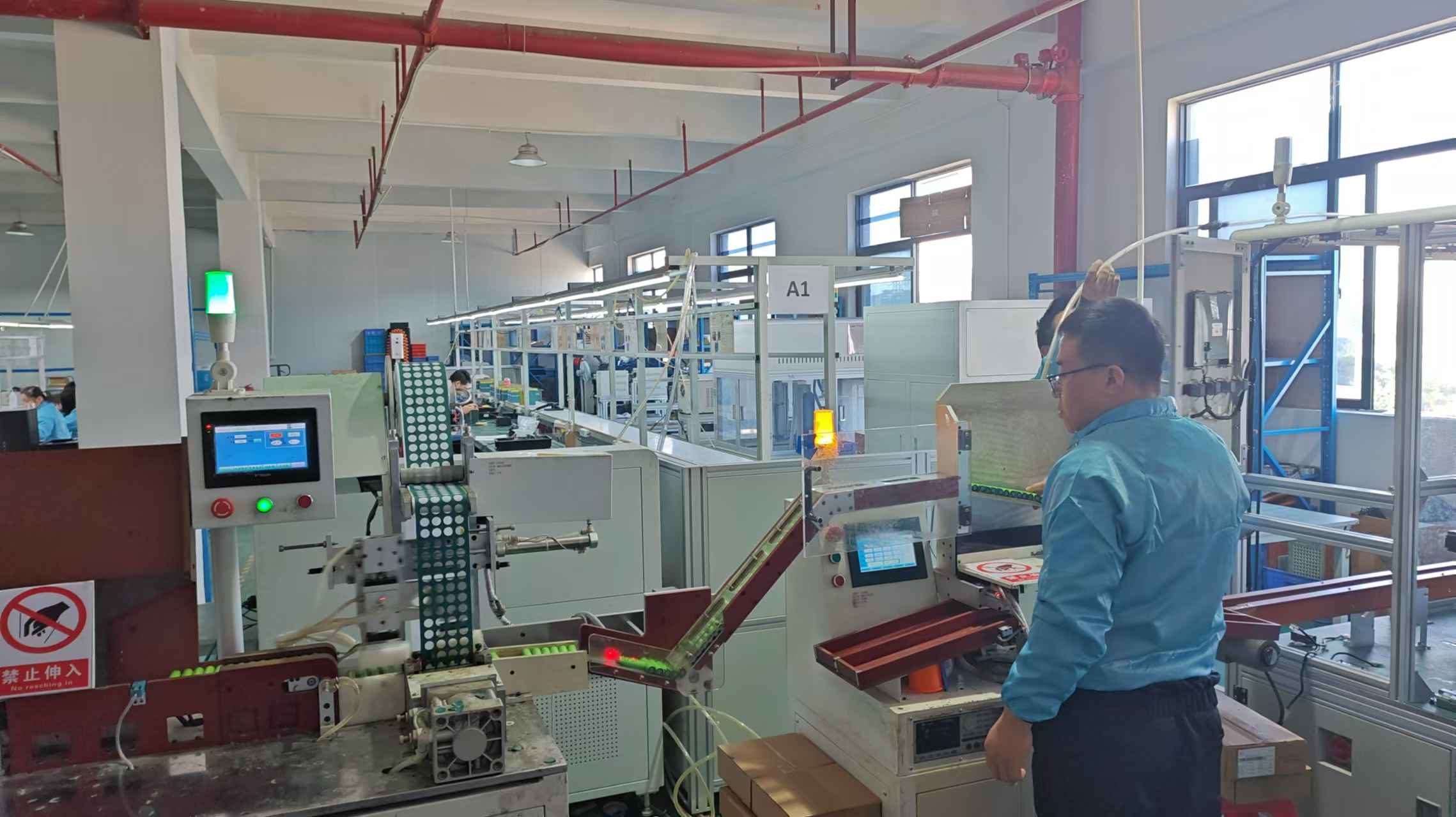
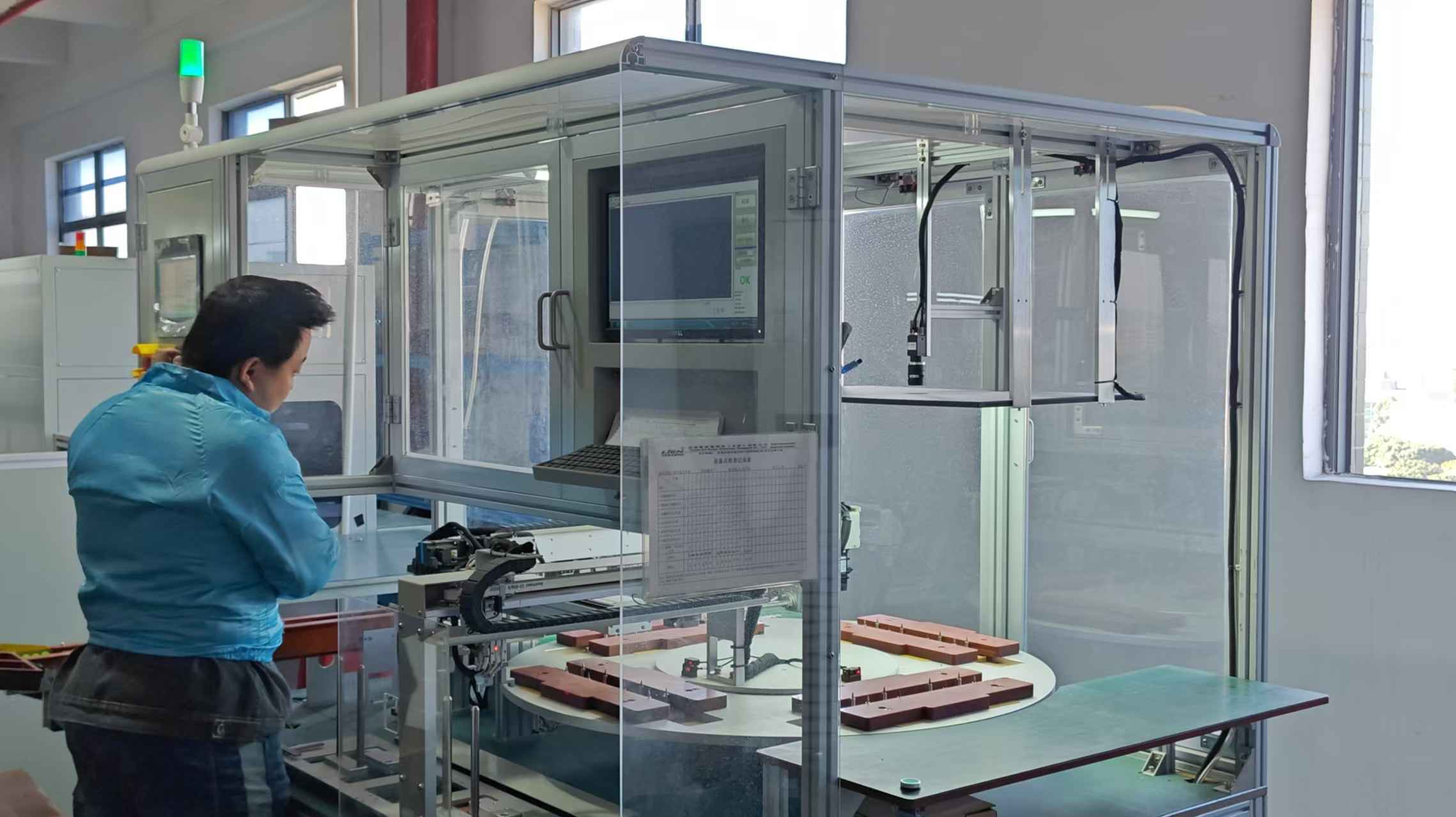
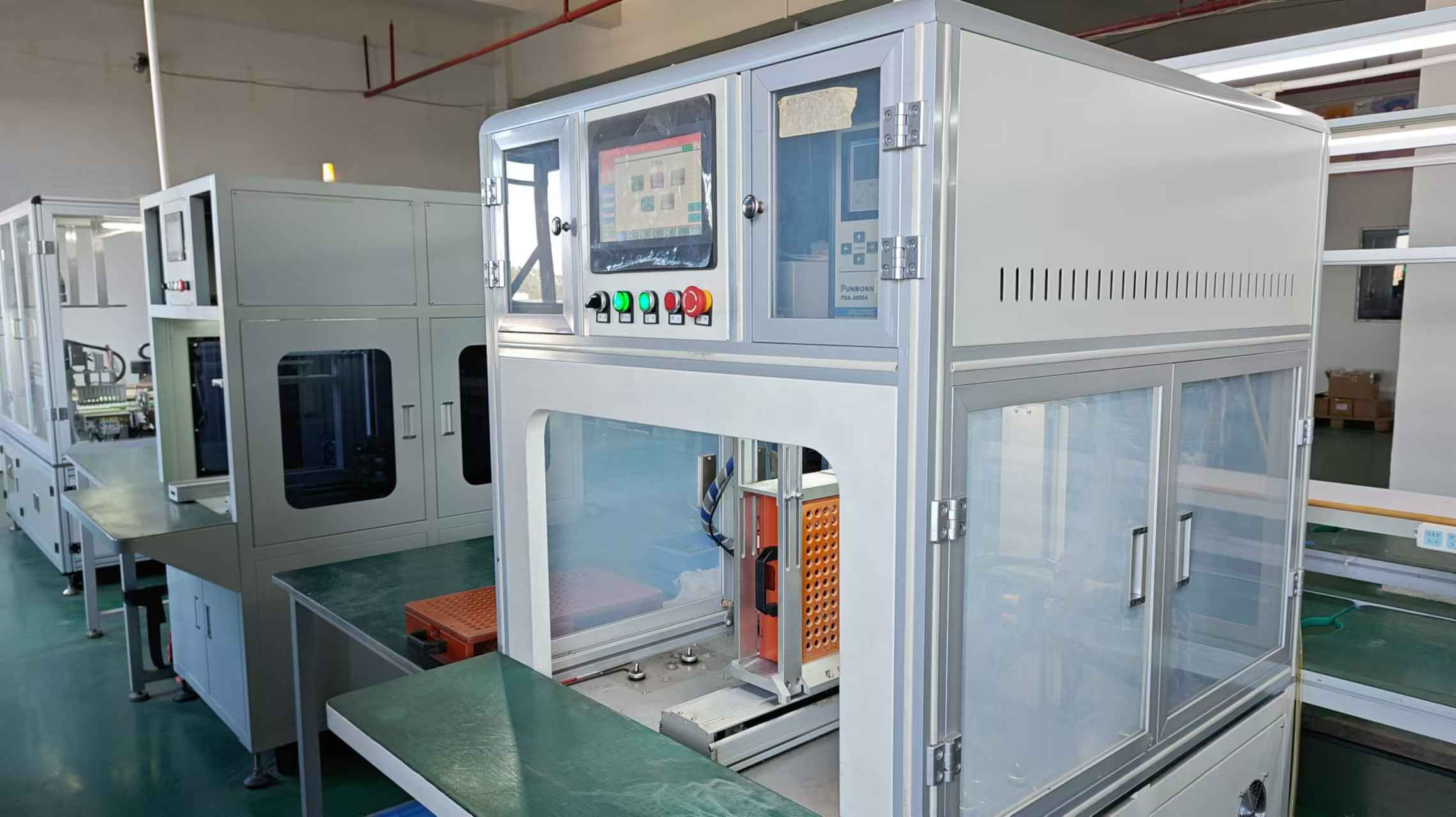
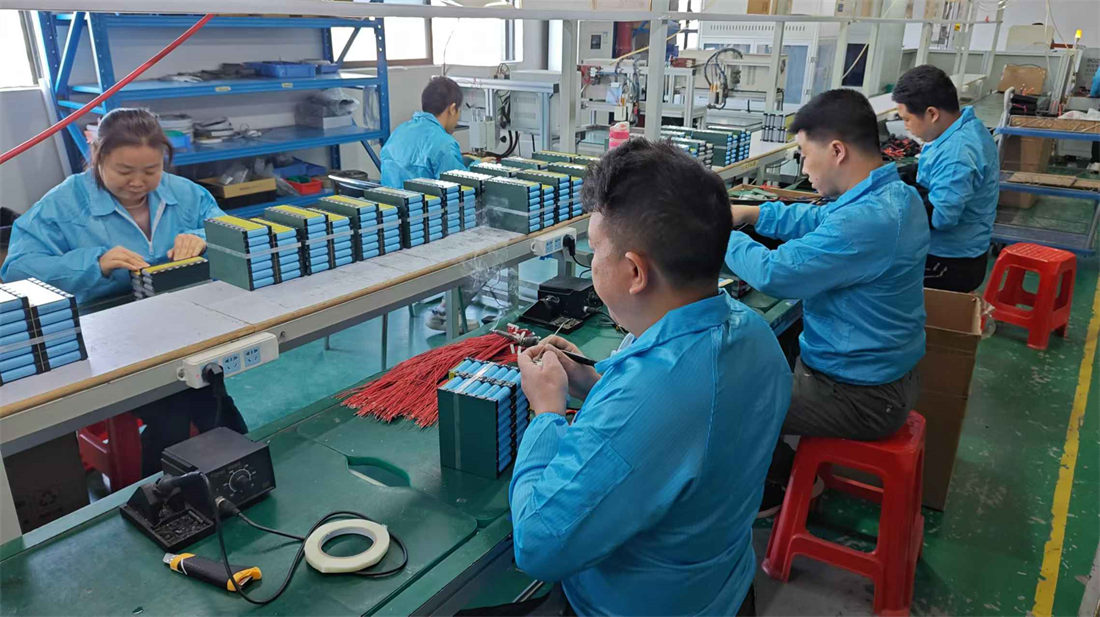
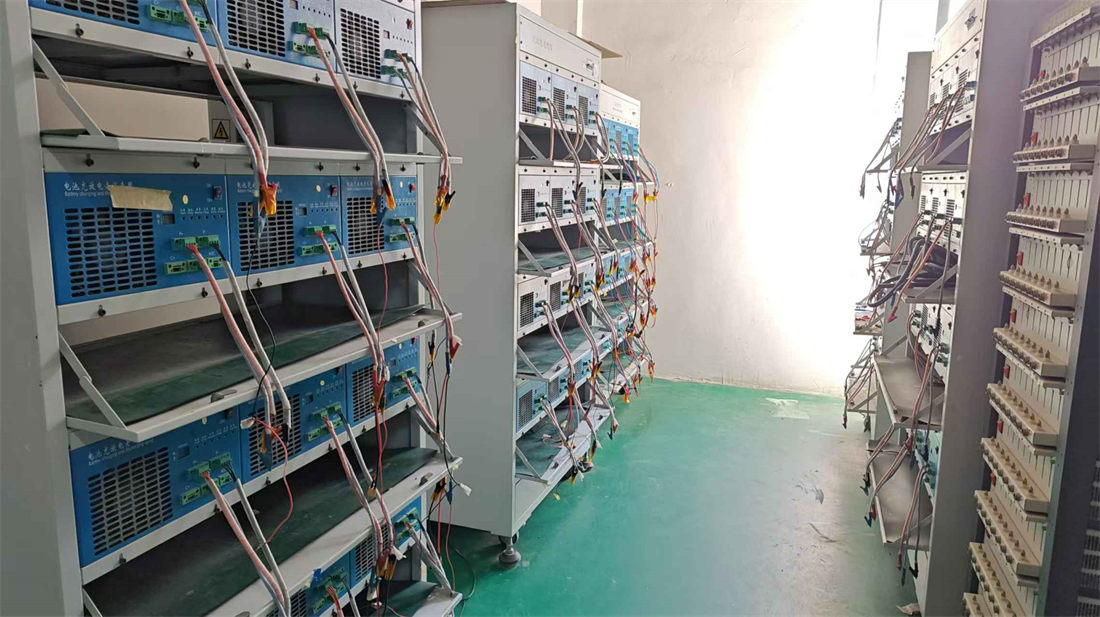
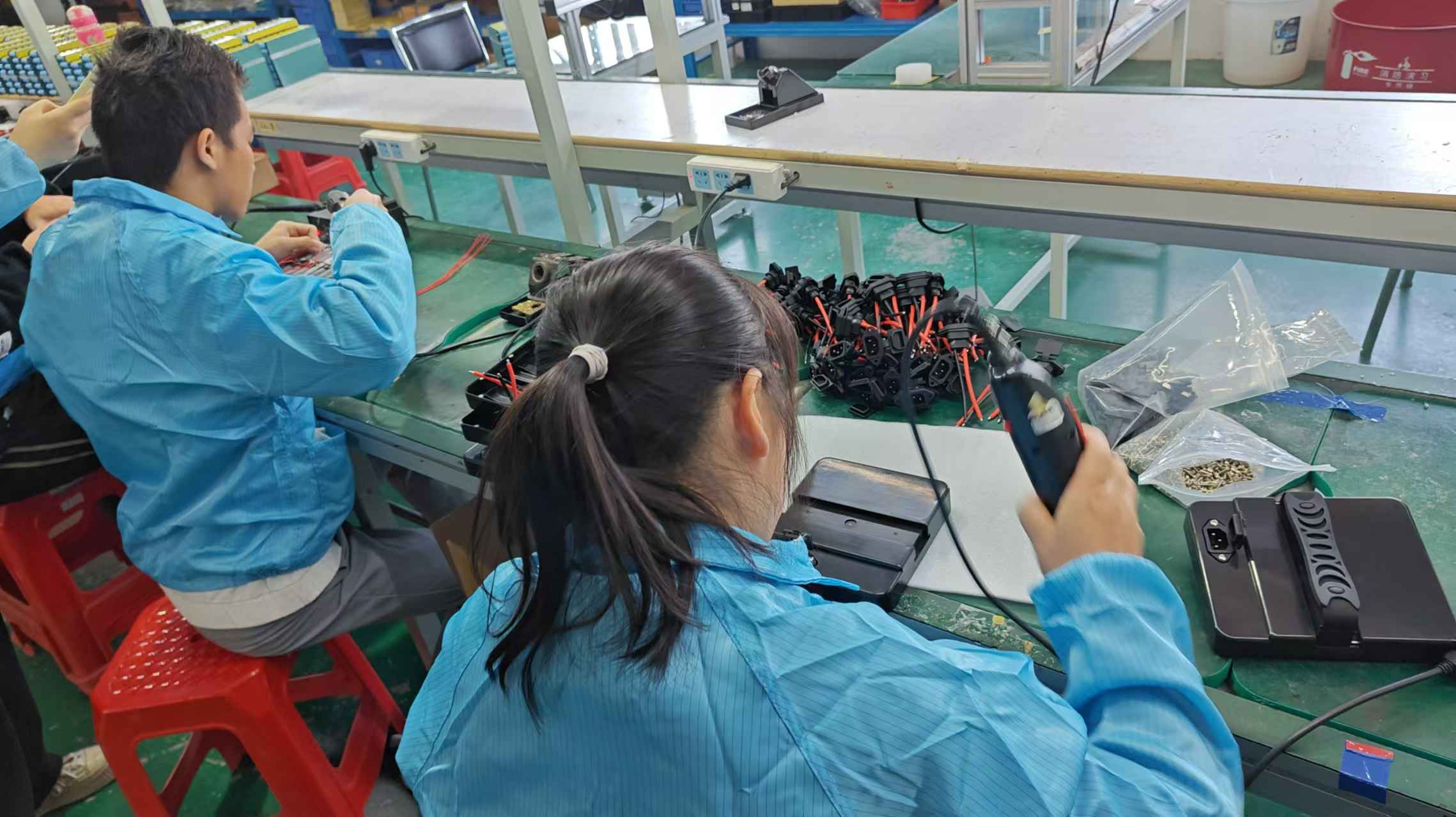
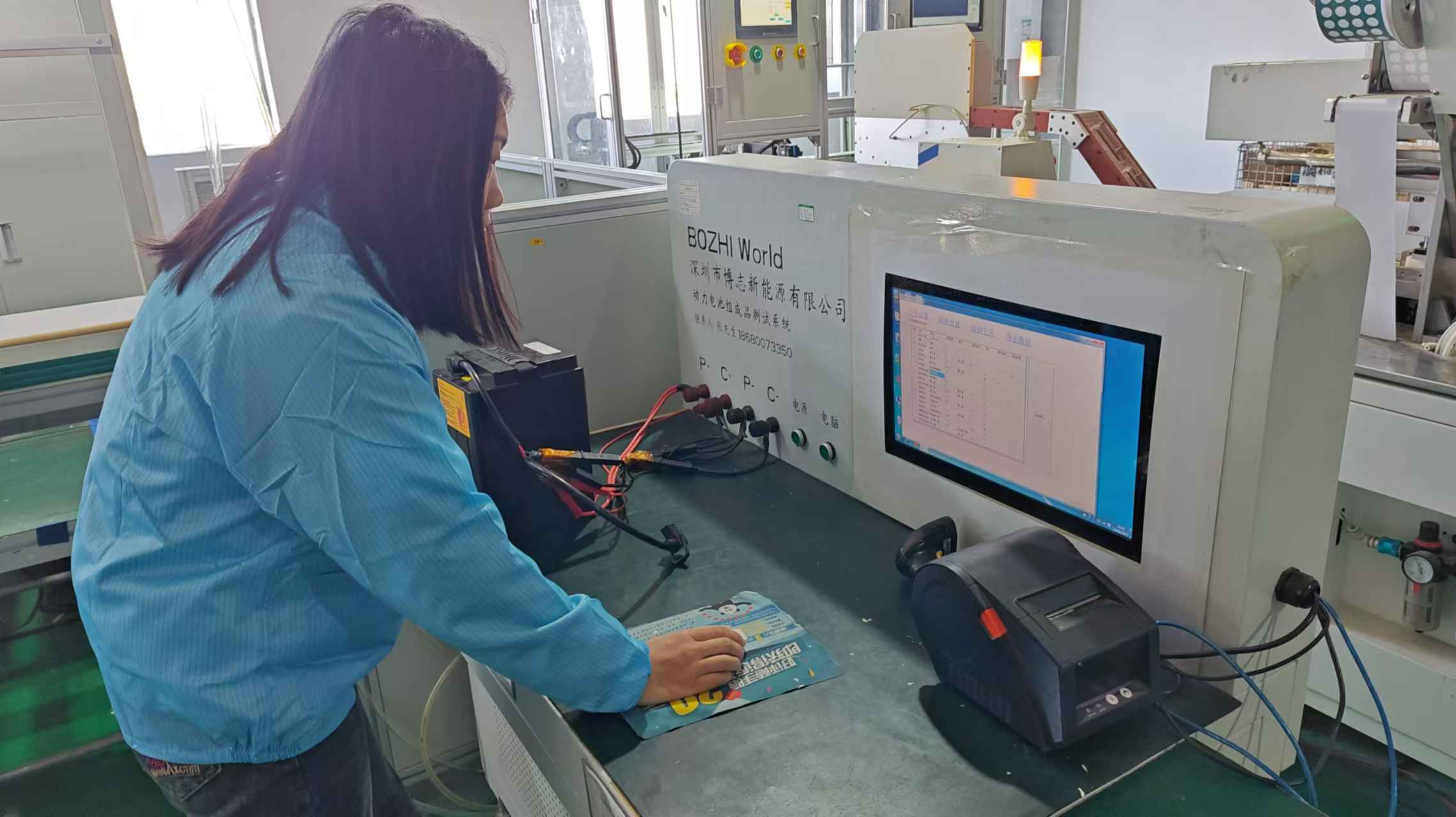
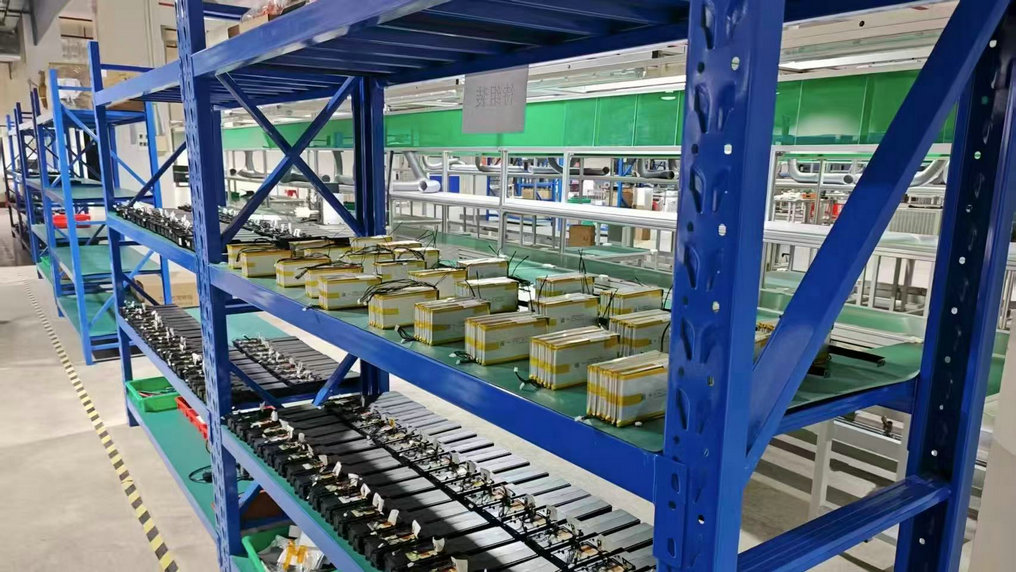
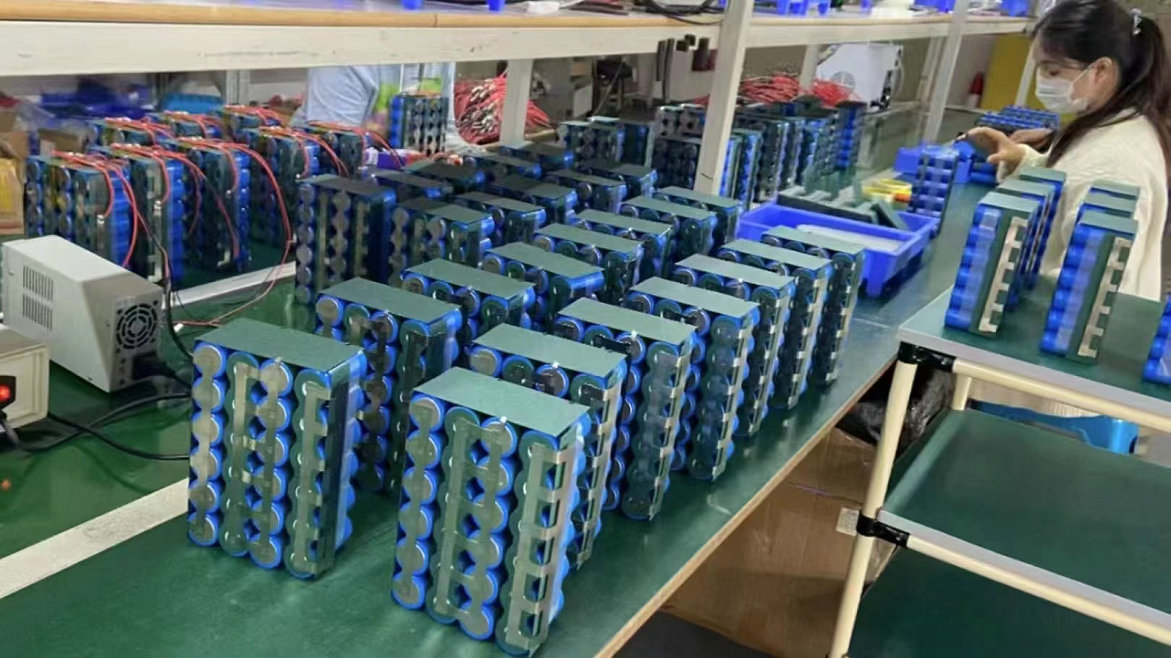
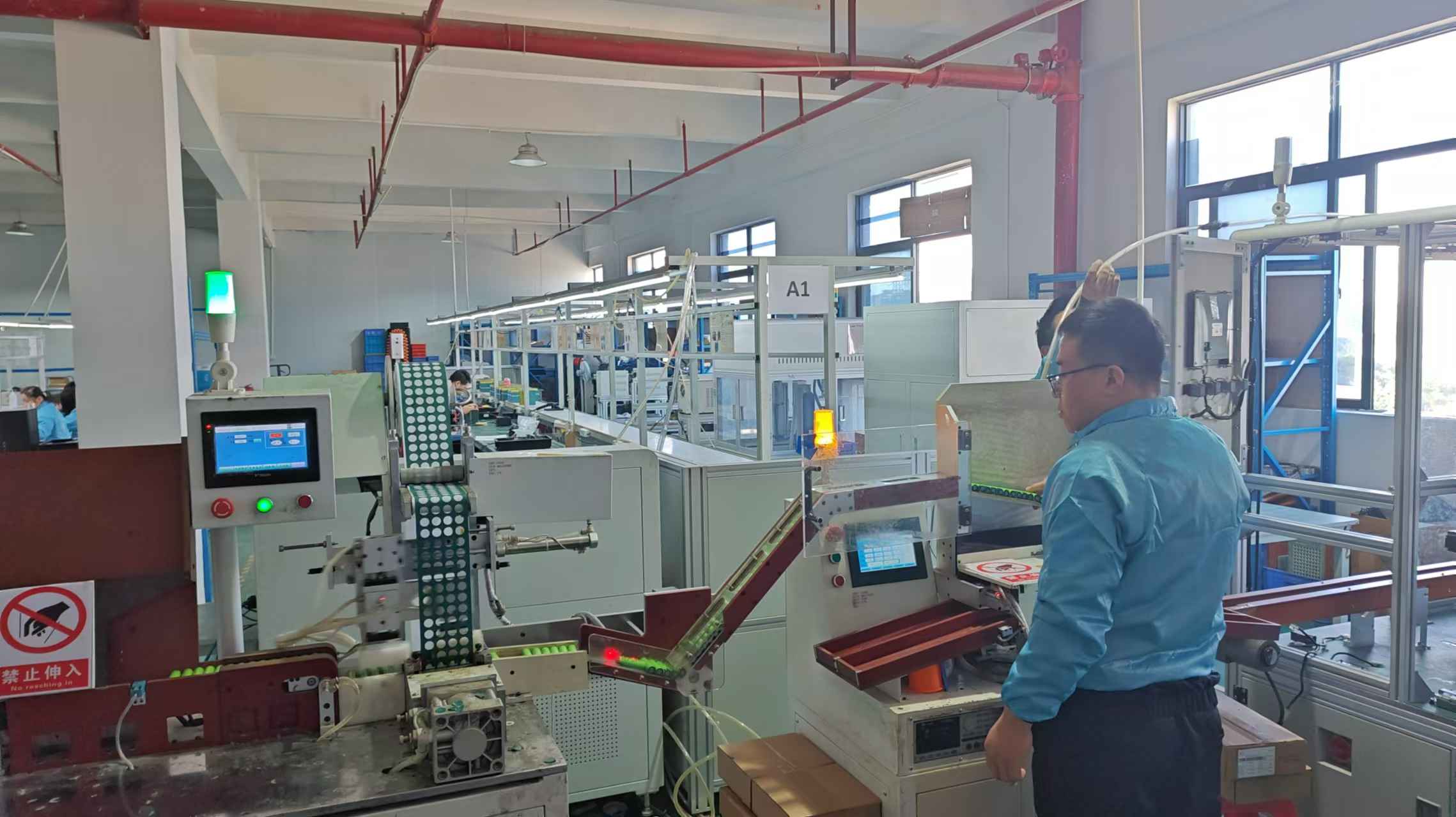
With a strong commitment to innovation, strict quality control, and customer-centric service, Guangdong Nuwon Energy continuously invests in advanced manufacturing capabilities, automated production lines, and rigorous testing systems. This ensures that every product meets international safety standards and delivers exceptional performance in demanding environments.
Driven by a vision to accelerate global electrification and energy efficiency, Guangdong Nuwon Energy Co., Ltd. is dedicated to building long-term partnerships and providing reliable, intelligent, and sustainable energy solutions to customers worldwide.
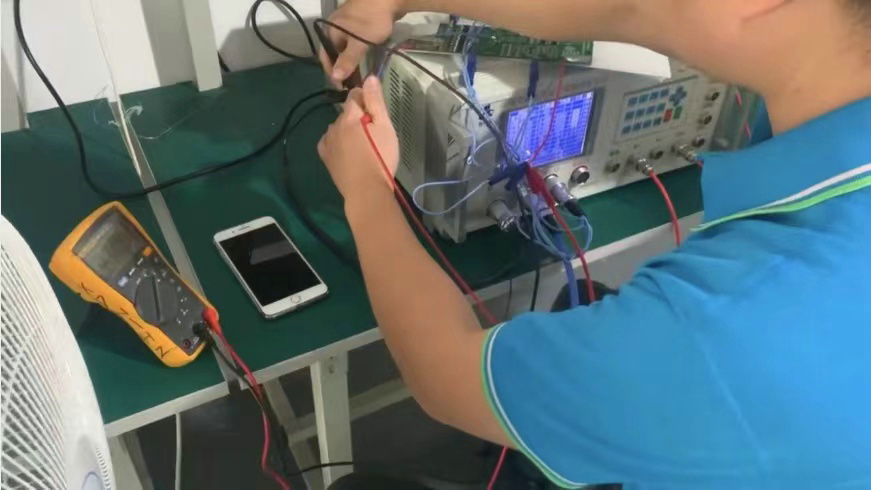
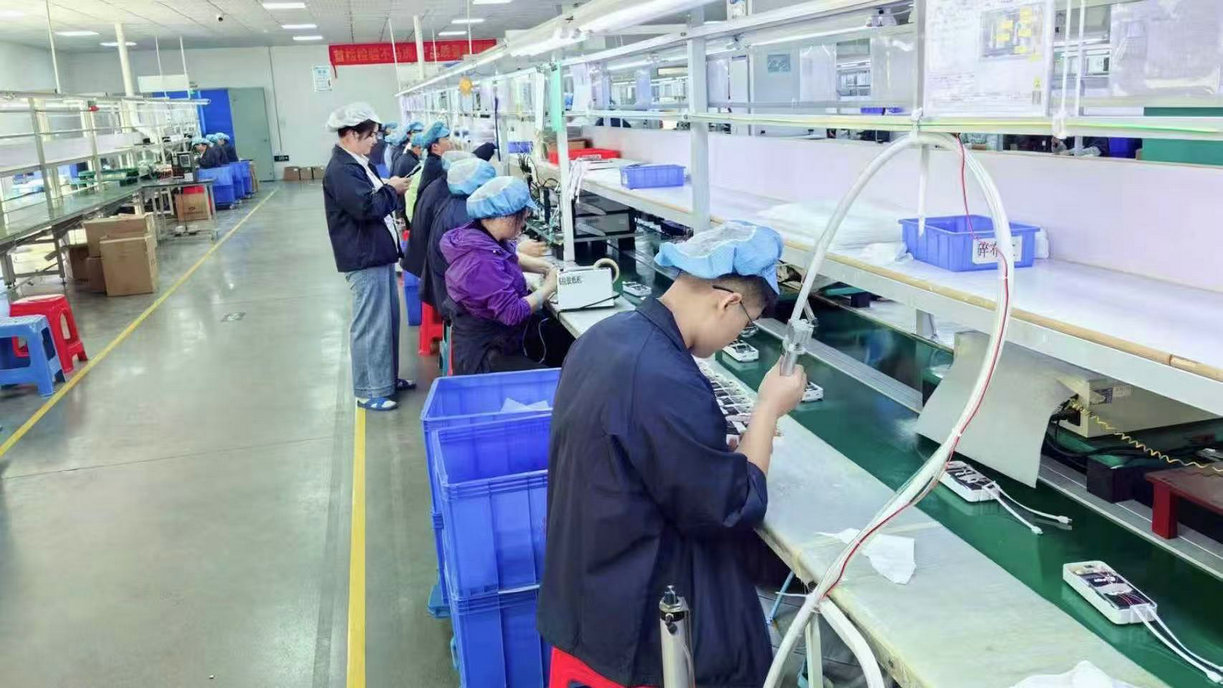
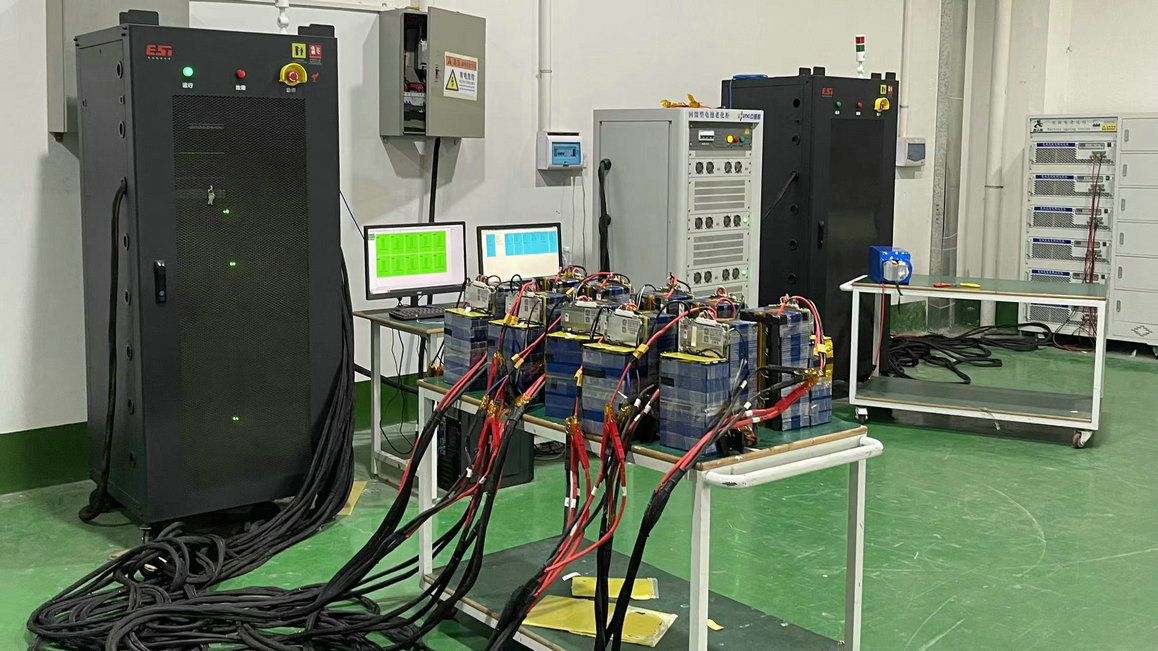
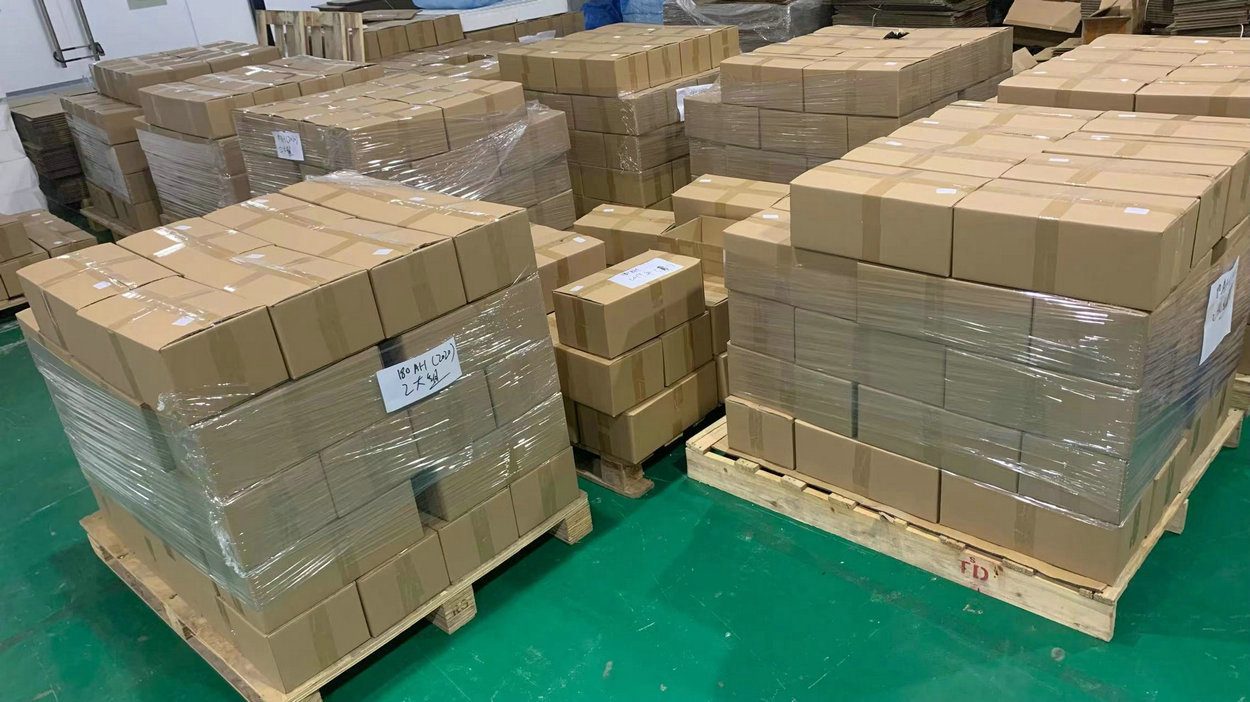
Unlocking high-performance efficiency under extreme environments across four mission-critical industries.
Distributed energy systems in arid zones experience ambient temperatures exceeding +50°C. Standard batteries rapidly degrade or require energy-intensive liquid chillers. Specialized high-temperature LFP and LTO cells perform reliably without HVAC intervention, reducing power self-consumption and risk of system failure.
Geothermal drilling and petroleum extraction operate thousands of meters beneath the Earth's crust, where temperatures routinely exceed +150°C. High-reliability Li-SOCl2 (Lithium Thionyl Chloride) cell configurations power telemetry instruments and downhole logging tools under extreme vibrational loads.
Electric vehicles utilizing 10C–30C rapid-charging profiles generate substantial internal heat. Standard chemistry risk thermal runaway if charged at high speed without adequate cooling. Lithium Titanate (LTO) cells, with zero-strain crystalline structures, handle high-current cycles without overheating.
The trajectory of high-temperature electrochemical storage systems points toward solid state and artificial intelligence integration.
The future of high-temperature battery systems lies in the transition from liquid to solid-state electrolytes. Polymer-based, ceramic, and sulfide solid-state technologies inherently eliminate the volatile organic solvents present in liquid lithium-ion cells. Without the threat of volatile solvents, solid-state cells can easily withstand +100°C temperatures without risk of fire or pressure build-up.
In parallel, manufacturers are focusing on intelligent thermal management optimization through smart Battery Management Systems (BMS). By incorporating real-time fiber-optic sensor arrays and AI models that predict localized thermal degradation, modern systems adjust discharge profiles dynamically. This innovation extends the lifespan of battery systems operating in harsh conditions like space exploration, smart grids, and mining operations.
Critical engineering considerations, performance parameters, and safety questions answered by our advanced R&D department.
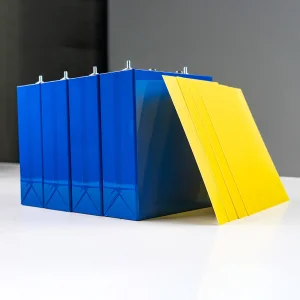
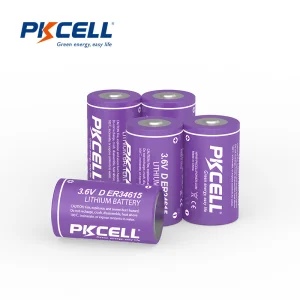
From high-performance LTO cells to custom solid-state and cathode chemistries, these components represent the vanguard of thermal resilience.


 Nuwon Energy
