Nuwon Energy
Azerbaijan Energy Transition: Navigating the Demand for Battery Energy Storage Systems (BESS)
Azerbaijan is positioned at a pivotal geographical and economic junction. As a traditional powerhouse in hydrocarbon extraction within the Caspian Basin, the state is decisively pivoting toward sustainable energy paradigms. Aligned with the national strategic program to increase renewable energy installation capacity to 30% by 2030, and further accelerated by the COP29 climate targets hosting framework, the integration of advanced battery storage has transitioned from an optional asset to a critical grid stability requirement.
The national utility infrastructure managed by Azerenerji OJSC is undergoing a massive modernization campaign. Integrating high-capacity solar plants, such as the Garadagh Solar PV Project, and large wind arrays across the Absheron peninsula introduces significant intermittency challenges. Industrial zones in Baku, Sumqayit, and the Ganja-Dashkasan region are deploying battery energy storage systems (BESS) to buffer critical operations against voltage fluctuations, execute load shifting, and participate in frequency containment reserves (FCR).
"For international project developers and EPC contractors operating in Azerbaijan, establishing supply corridors with reliable LiFePO4 battery pack factories in China is essential to secure grid compliance, guarantee long-term system longevity, and maximize the Return on Investment (ROI) of microgrid installations."
Global BESS Market Outlook & Technological Innovations
The global energy storage ecosystem is experiencing a profound transition from Nickel Manganese Cobalt (NMC) formulations to Lithium Iron Phosphate (LiFePO4 / LFP) chemistry. LFP has captured the market owing to its superior safety features, high thermal runaway thresholds, and excellent lifecycle profiles. High-density prismatic cells (particularly 280Ah and the newly emerging 314Ah platforms) are now the standard building block for modular energy storage systems worldwide.
Simultaneously, the industry is transitioning from Low-Voltage (LV) 48V topologies to High-Voltage (HV) DC platforms ranging from 300V to over 1000V. HV setups dramatically minimize copper losses, lower internal conversion stress, and interface directly with utility-scale central inverters, ensuring total round-trip efficiency (RTE) exceeds 88% at system level.
Intelligent Battery Management Systems (BMS)
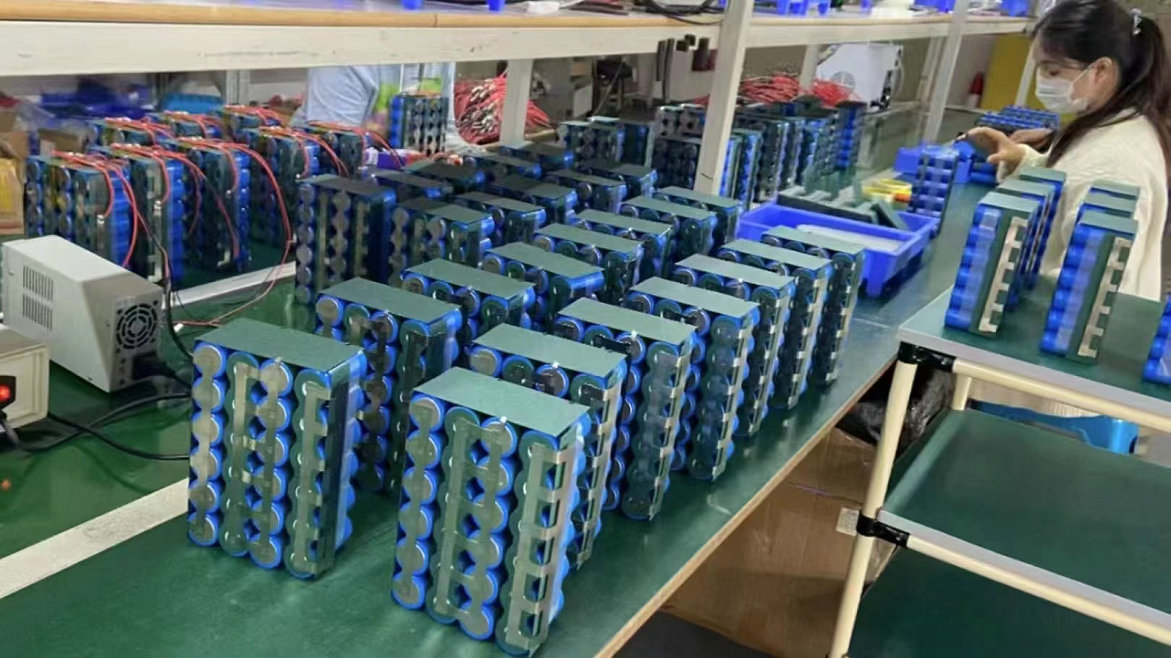
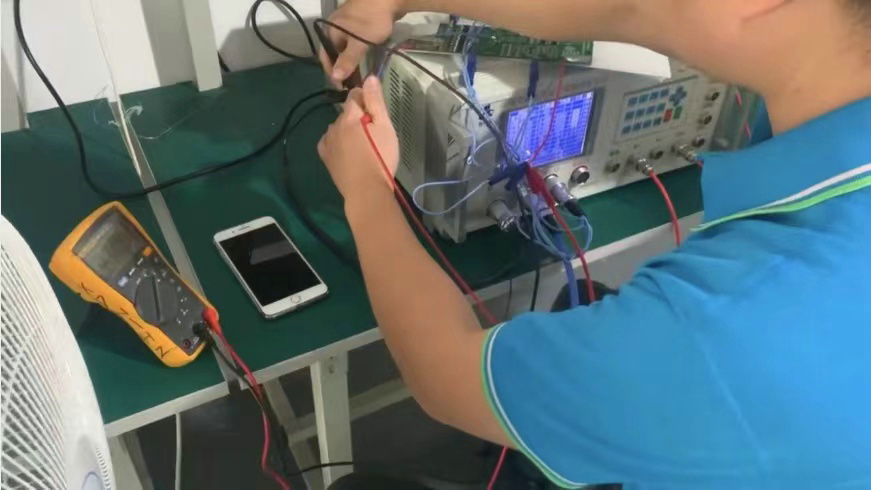
Our battery packs integrate high-speed dual-MCU active balancing BMS, ensuring microsecond-level detection of cellular over-voltage, under-voltage, temperature deviations, and over-current. This guarantees reliable integration with hybrid and off-grid inverters (such as Deye, Growatt, Victron, and Sungrow).
Advanced Thermal Management
To endure the intense ambient heat of the Azerbaijani summer (especially in semi-desert Absheron and Kur-Araz regions), our containerized BESS solutions feature active liquid cooling or HVAC systems designed to sustain internal cell operating ranges between 15°C and 30°C, preventing accelerated degradation.
Localized Energy Storage Application Scenarios in Azerbaijan
- Karabakh Green Energy Zone: Establishing localized microgrid ecosystems utilizing containerized BESS to ensure 24/7 power autonomy for newly constructed smart cities, agricultural sites, and transportation hubs.
- Caspian Sea Offshore Platform Peak-Shaving: Minimizing fuel consumption of gas turbines on offshore drilling platforms by using LiFePO4 systems to handle peak loads.
- Sumqayit Industrial Zone Backup Power: Safeguarding precision metallurgy, chemical production, and automation systems from instantaneous voltage drops using millisecond-level UPS response schemes.
- Remote Telecom Base Stations: Replacing traditional lead-acid or diesel generation setups across remote mountainous regions in the Greater Caucasus with 48V modular LiFePO4 rack batteries combined with solar chargers.
Technology Roadmap: The Future of Energy Storage
Guangdong Nuwon Energy is continually developing innovations to maintain market leadership. Our technology roadmap focuses on moving beyond liquid electrolytes into semi-solid-state lithium batteries, which will boost energy densities to over 260 Wh/kg while virtually eliminating the risk of cell-to-cell propagation during thermal events. Additionally, we are integrating AI-driven predictive maintenance (Cloud-BMS) that monitors State of Health (SoH) via cloud algorithms, warning local operators in Baku of prospective cell issues days before they manifest physically.