Premium energy storage components optimized for immediate deployment in local London residential and commercial solar installations.
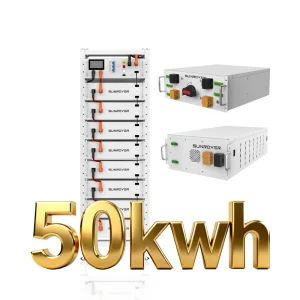
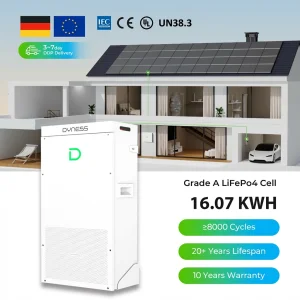
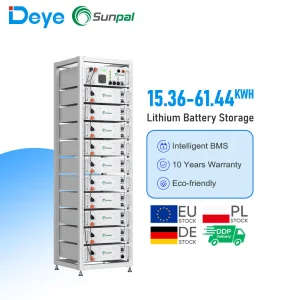
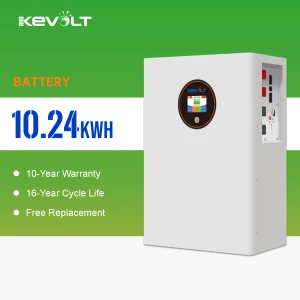
Understanding the micro-grid economics, regulatory frameworks, and technological roadmaps driving battery adoption in the Greater London Area.
As London advances toward its ambitious target of achieving net-zero carbon emissions by 2030, the metropolitan area faces an unprecedented strain on its distribution network. The electrification of the city’s heating systems, massive fleet charging requirements, and the expansion of data centers along the M4 corridor have created localized grid capacity constraints. Grid reinforcement projects by Distribution Network Operators (DNOs) like UK Power Networks are capital-intensive and subject to significant queue times.
Consequently, Commercial & Industrial (C&I) entities, data hub operators, and residential developers are turning to localized Battery Energy Storage Systems (BESS). Integrated battery systems provide load balancing, peak shaving, and solar self-consumption strategies, bypassing network constraints and enabling businesses to operate independently of distribution line limits during peak tariff blocks.
SEO Insight & Information Gain: Under the London Plan, new developments are strictly evaluated on their operational carbon footprint. Integrating active battery storage with onsite PV is no longer just a financial arbitrage play—it is a critical compliance path to securing planning permissions under GLA rules.
Sourcing high-performance battery packs from tier-one manufacturers requires absolute clarity on cellular supply chains, material traceability, and safety design. For procurement managers and system integrators in the UK, evaluating battery exporters involves looking past simple capacity ratings to scrutinize cell degradation rates, structural battery pack design, and Battery Management System (BMS) logic.
As a leading supplier, Guangdong Nuwon Energy Co., Ltd. addresses this gap by utilizing high-integrity prismatic and cylindrical Lithium Iron Phosphate (LiFePO4) chemistry. Prismatic cells offer higher mechanical stability and thermal limits compared to standard pouch alternatives, making them ideal for long-life industrial storage arrays.
In high-density environments like London, industrial battery applications are expanding beyond simple solar backup:
EV Fleet Charging Depots: London's red buses and last-mile courier delivery fleets are rapidly electrifying. Charging dozens of vehicles simultaneously requires megawatts of peak power. Battery packs buffer the grid, charging slowly during off-peak hours and discharging rapidly during high-density fleet turnaround cycles.
Critical Power & UPS Integration: London's financial institutions and medical centers cannot afford grid micro-interruptions. Modern battery storage acts as a hybrid UPS, delivering seamless sub-millisecond response times while doubling as active grid-balancing assets.
Virtual Power Plants (VPP): By aggregating distributed battery systems across London commercial locations, operators can participate in UK National Grid frequency response markets (such as Dynamic Containment or Firm Frequency Response), generating new revenue streams while stabilizing the local grid.
Global leader in advanced battery manufacturing, automated pack assembly, and custom OEM/ODM solutions.
Guangdong Nuwon Energy Co., Ltd. is a leading manufacturer and solution provider in advanced battery systems, specializing in the research, development, manufacturing, and global distribution of high-performance energy storage products. The company offers comprehensive OEM and ODM services, delivering customized battery solutions tailored to diverse industrial and commercial applications.
Backed by a highly experienced engineering and R&D team, Nuwon Energy focuses on the design and integration of cylindrical and prismatic lithium battery cells, as well as complete battery packs, modules, and energy storage systems. The company also develops and produces industrial-grade battery cells engineered for safety, durability, and long cycle life.
Guangdong Nuwon Energy serves a wide range of industries, including consumer electronics, electric mobility (such as golf carts, forklifts, UTVs/ATVs, trucks, and marine systems), medical equipment, unmanned ground vehicles (AGVs/AMRs), and emerging aerospace applications such as eVTOL aircraft. In addition, the company provides reliable residential, commercial, and industrial (C&I) energy storage solutions designed to support the global transition toward clean and sustainable energy.
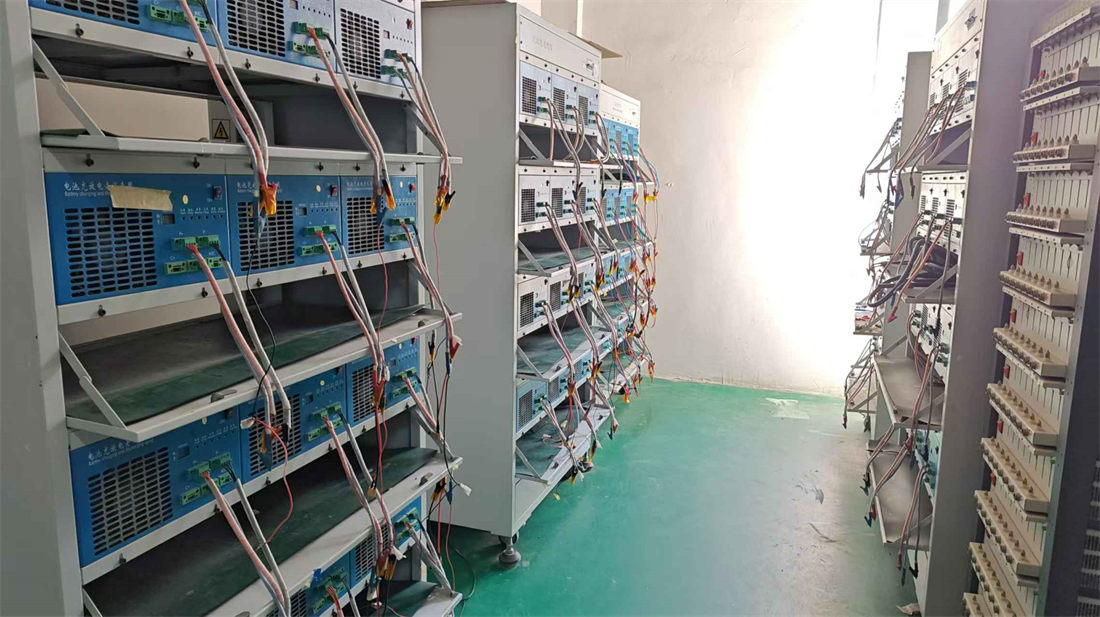
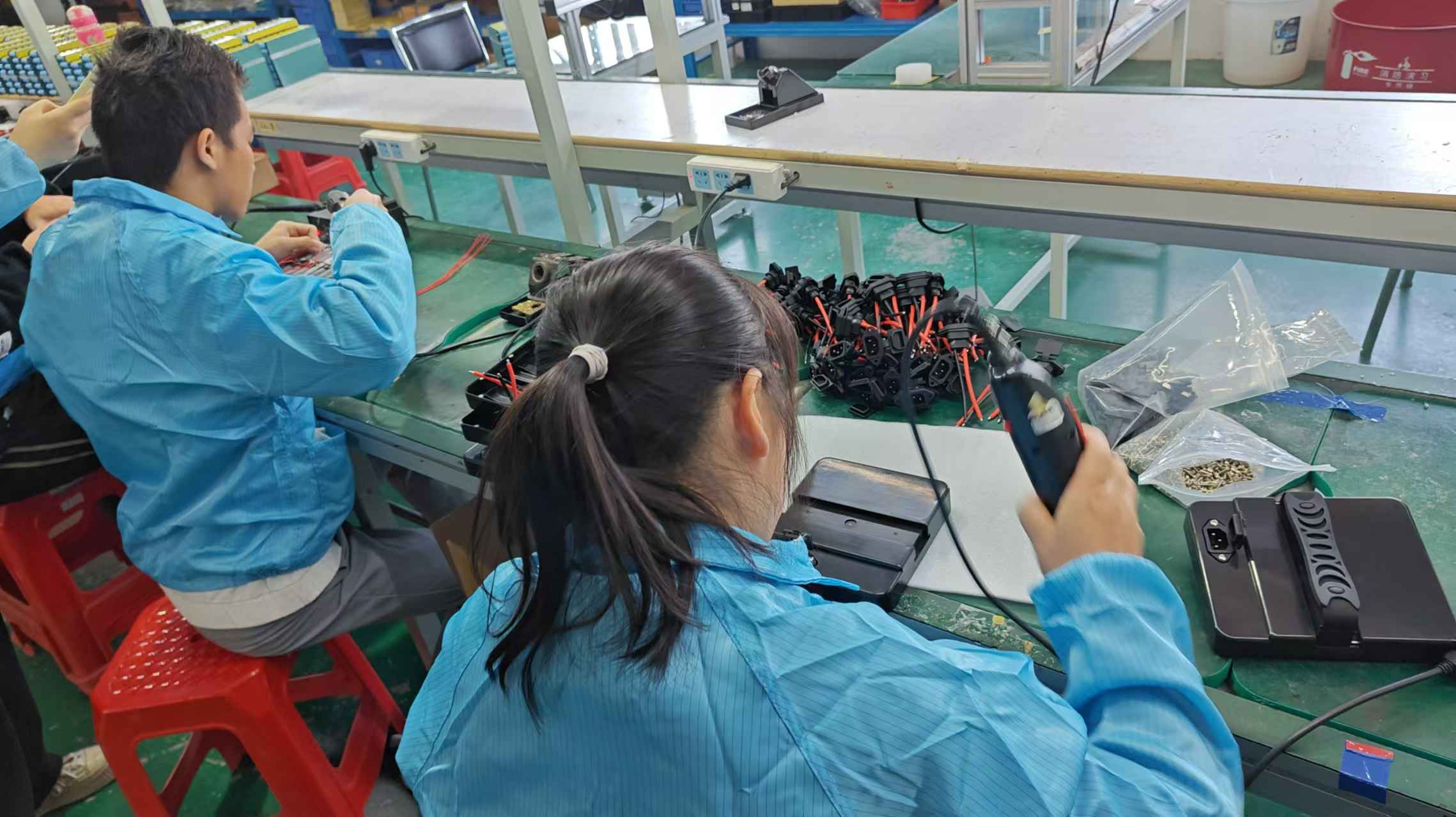
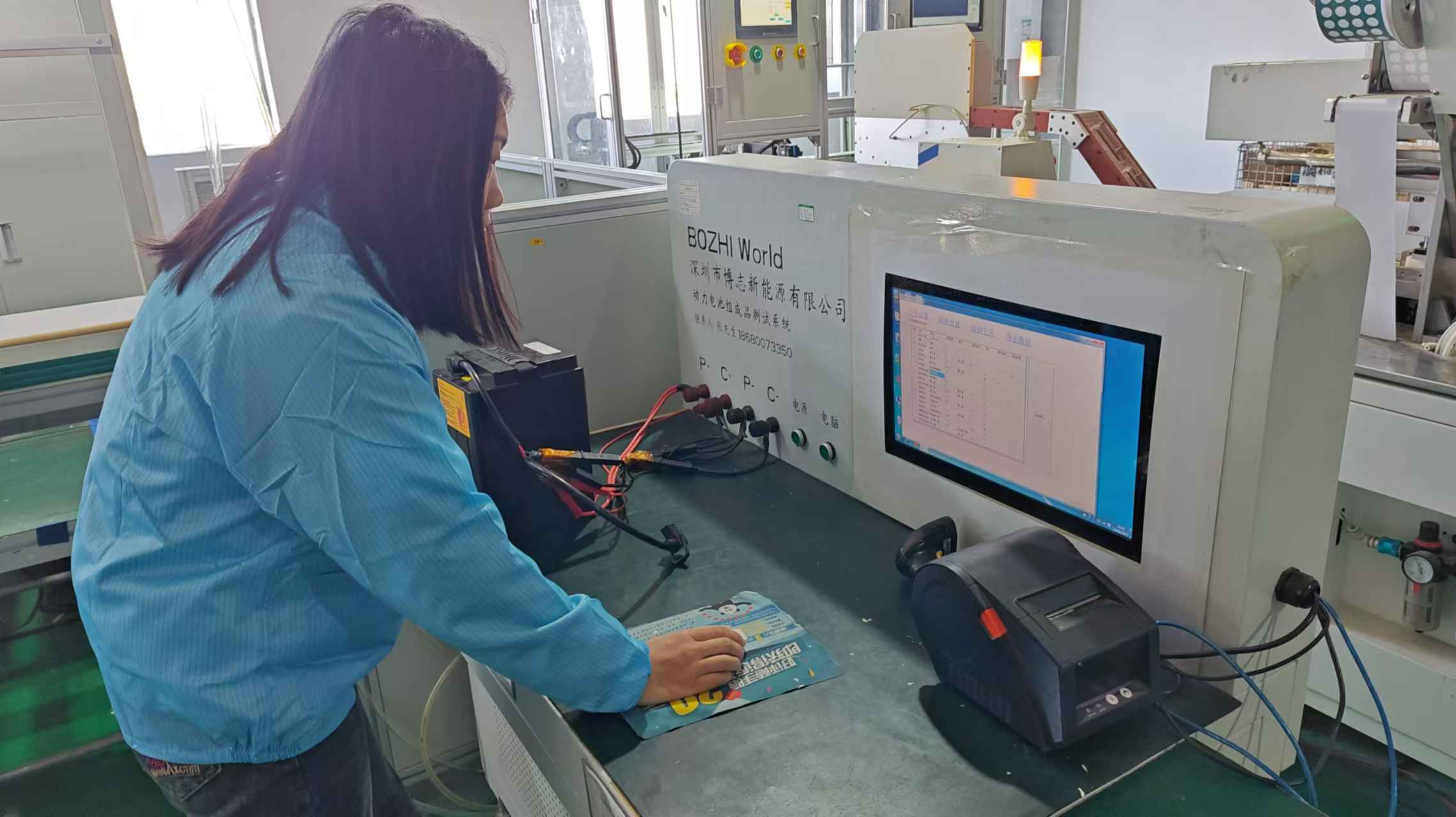
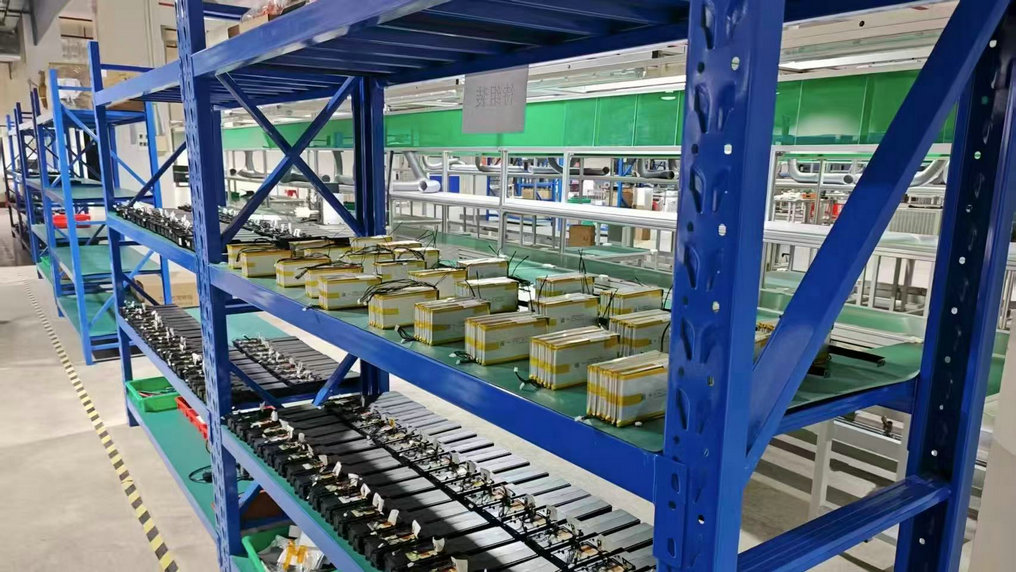
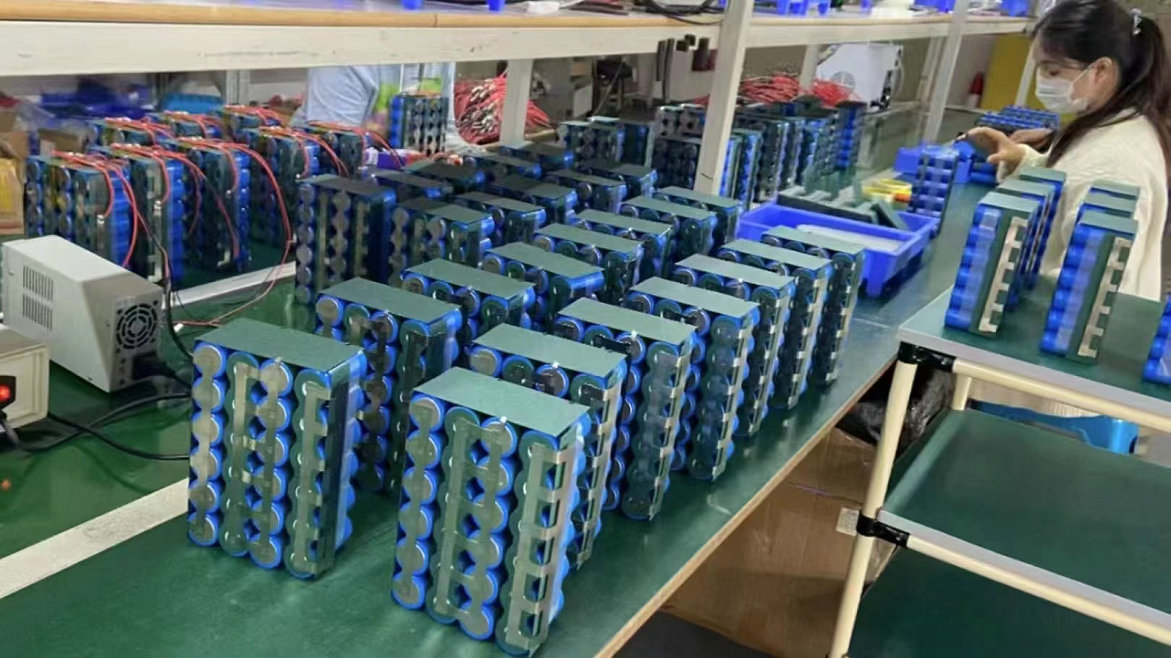
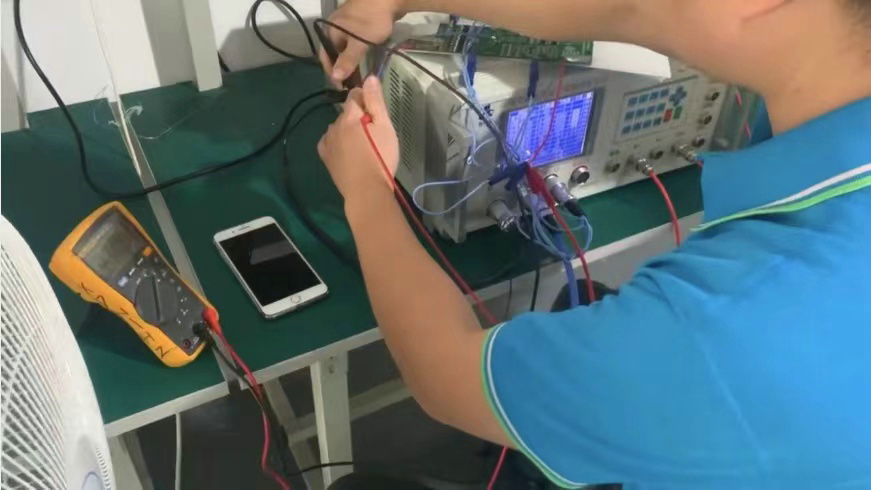
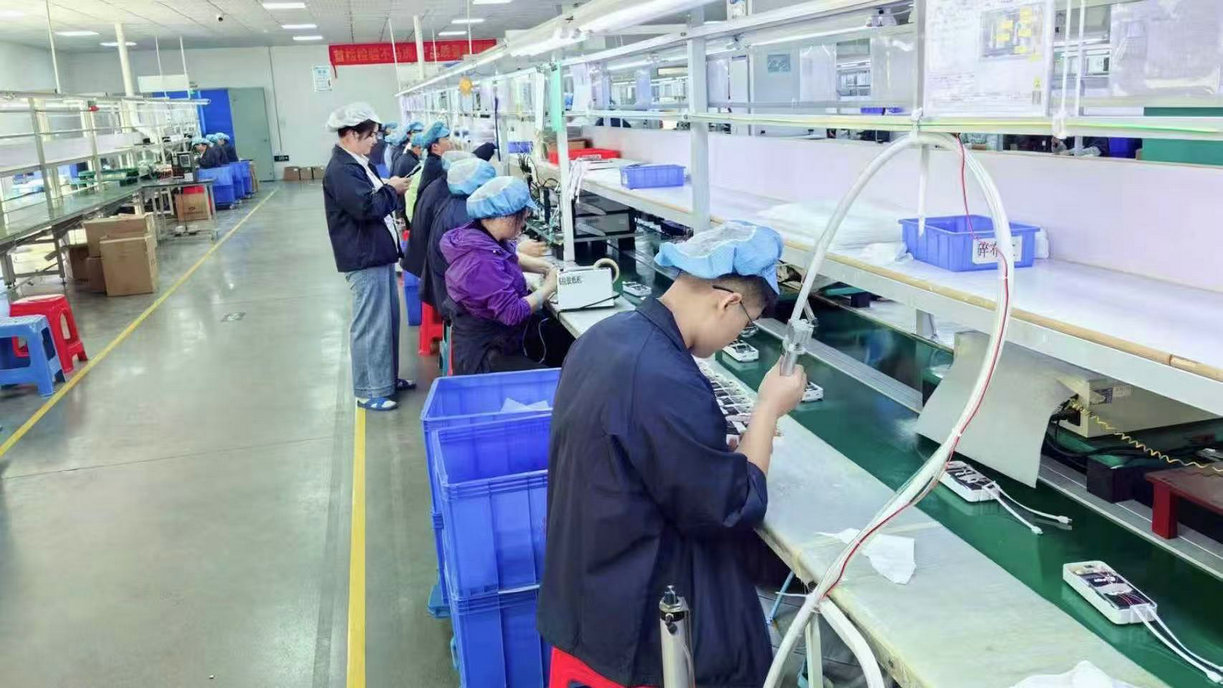
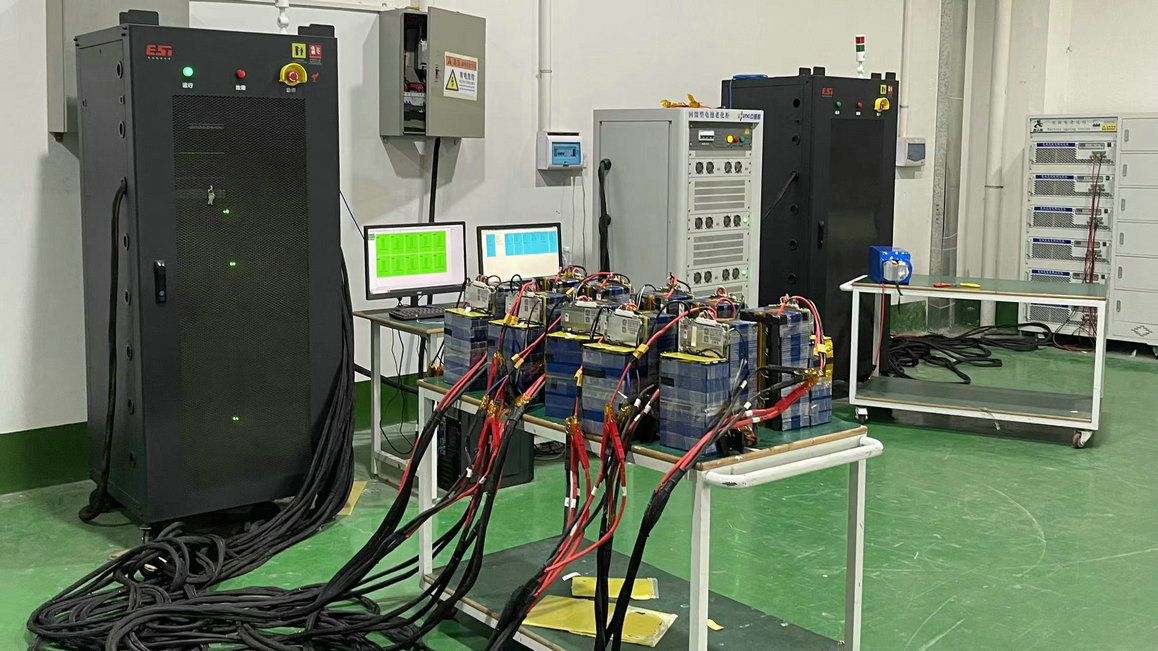
With a strong commitment to innovation, strict quality control, and customer-centric service, Guangdong Nuwon Energy continuously invests in advanced manufacturing capabilities, automated production lines, and rigorous testing systems. This ensures that every product meets international safety standards and delivers exceptional performance in demanding environments.
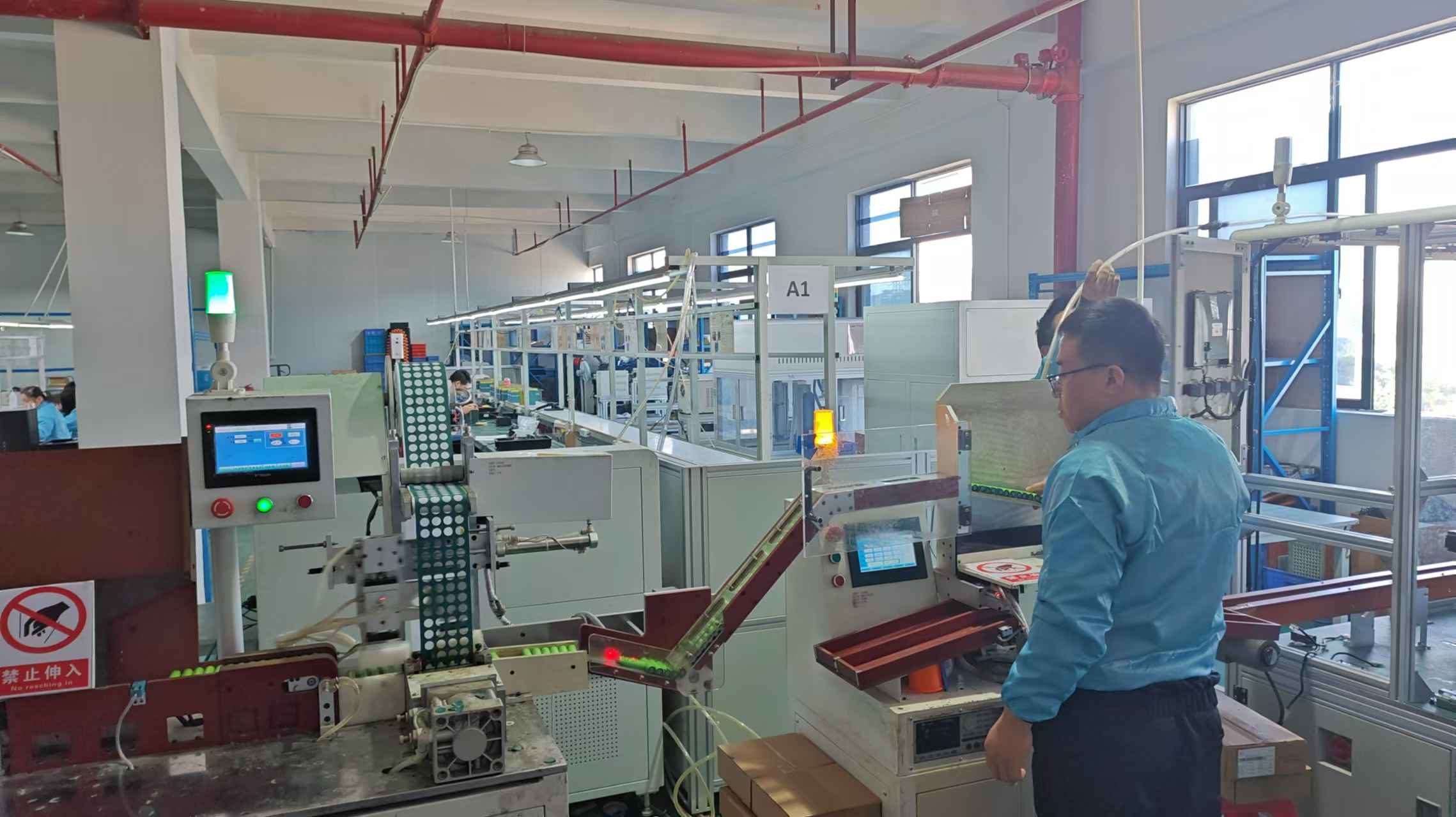
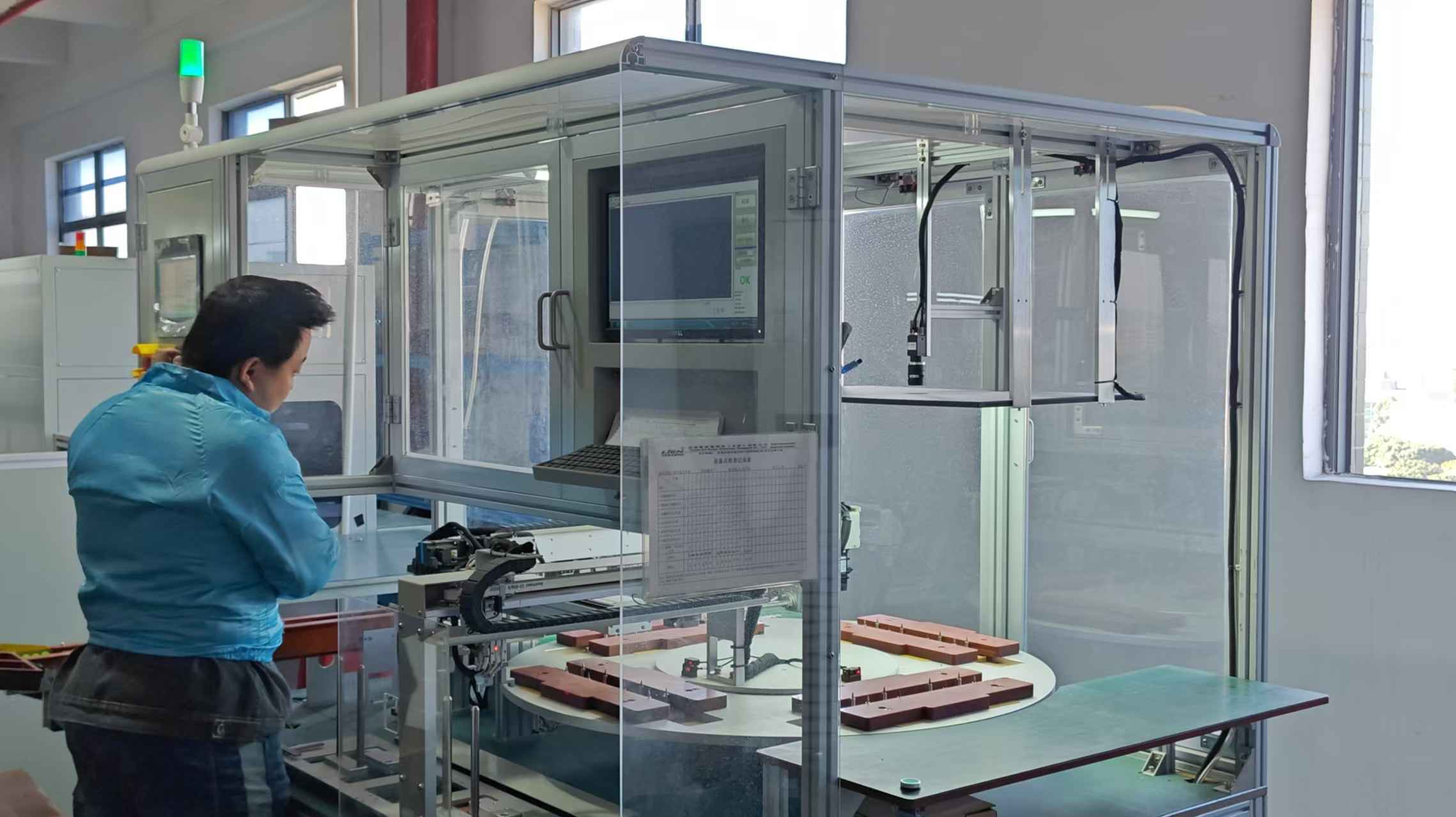
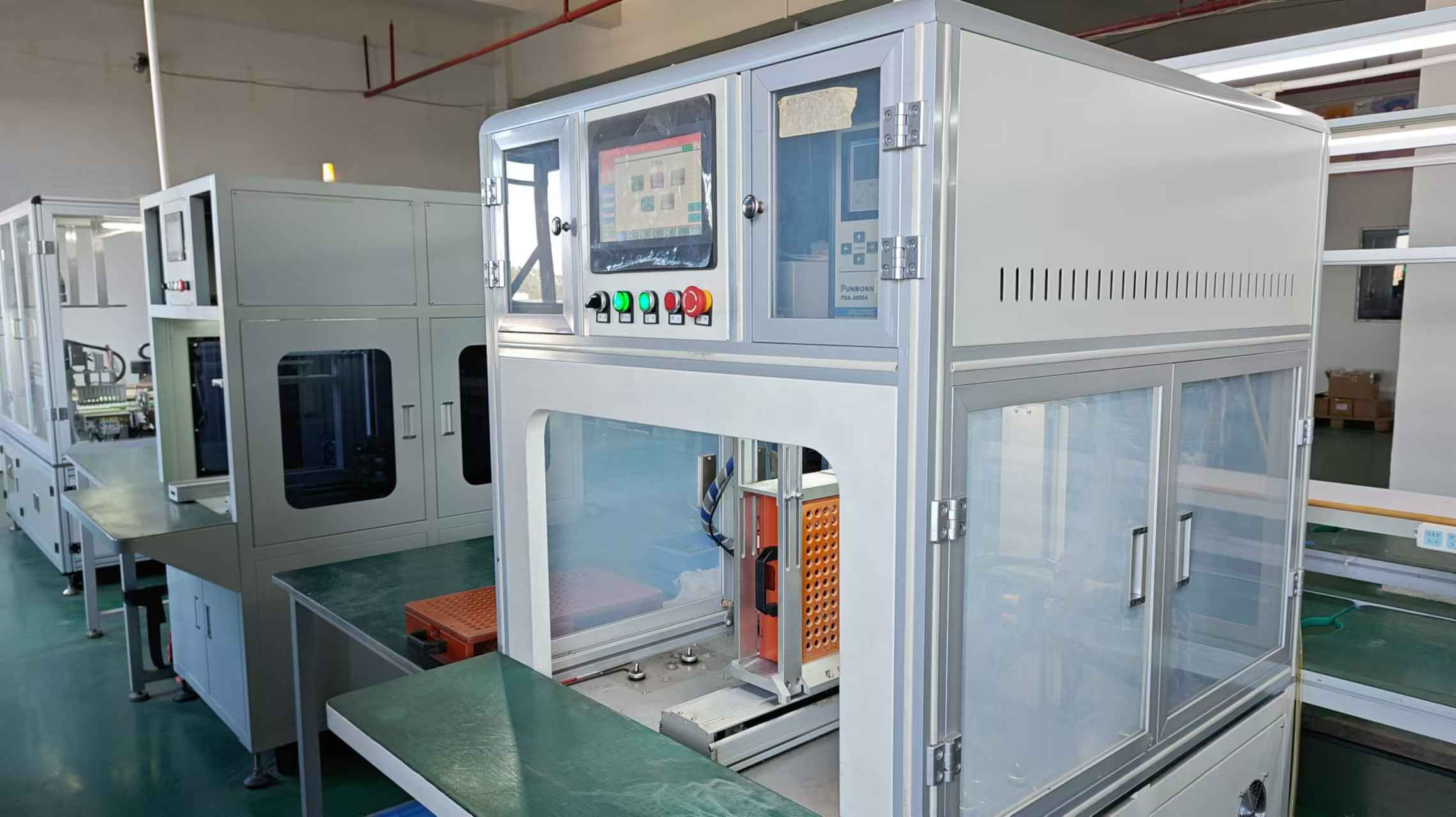
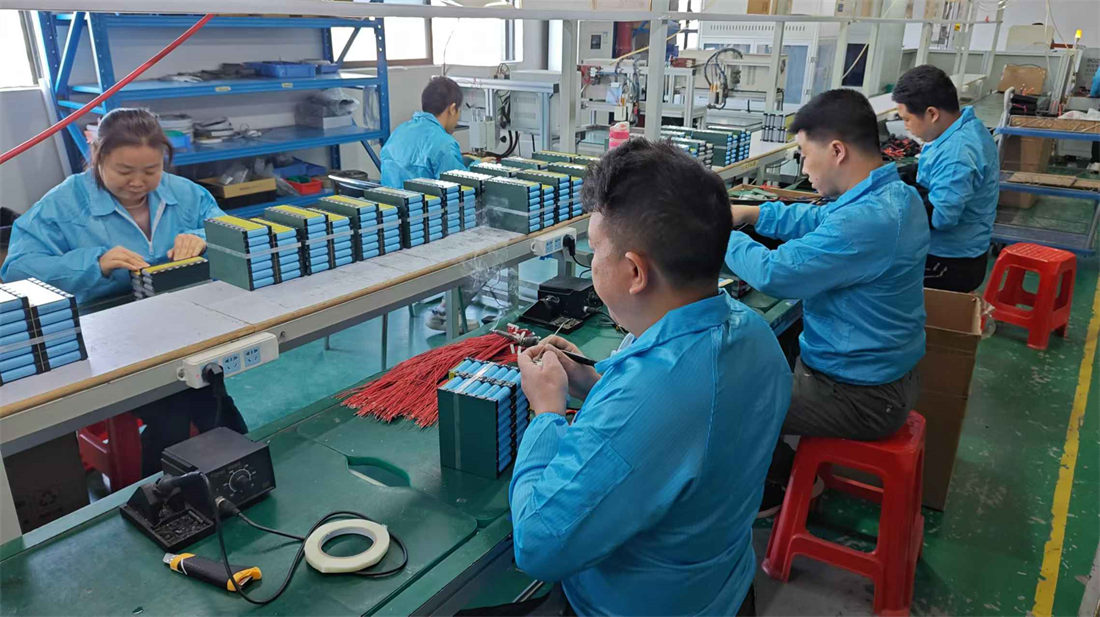
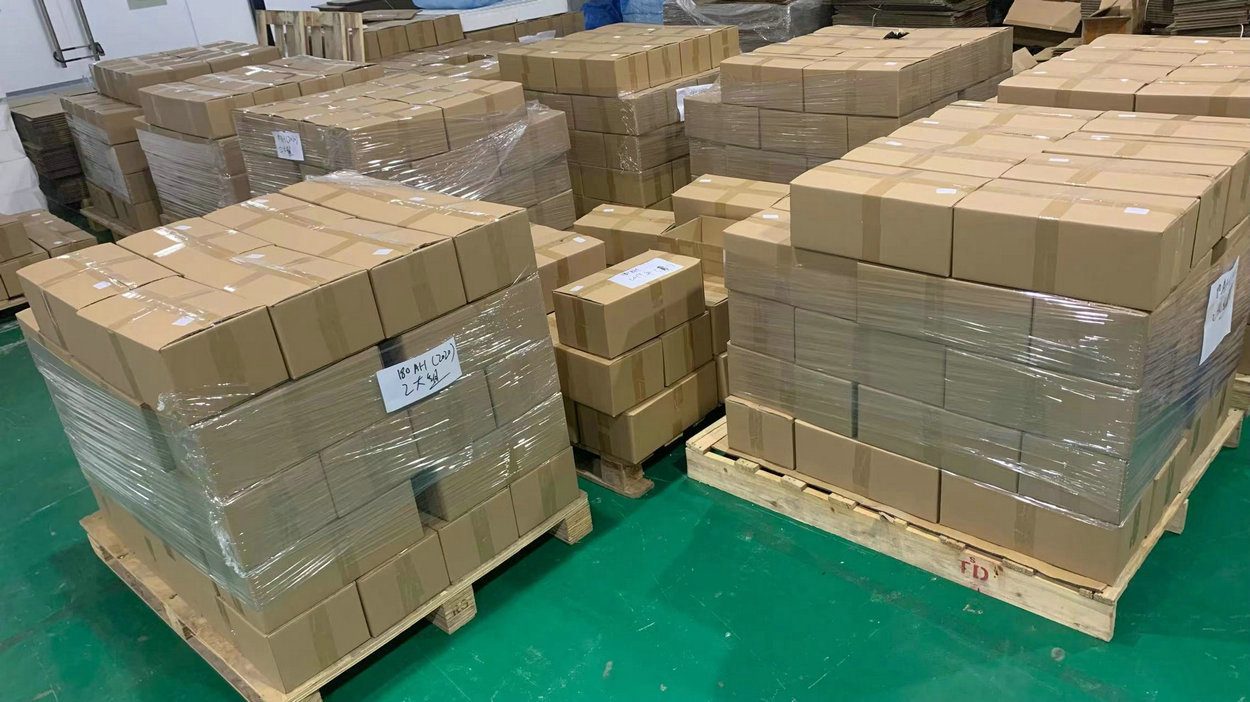
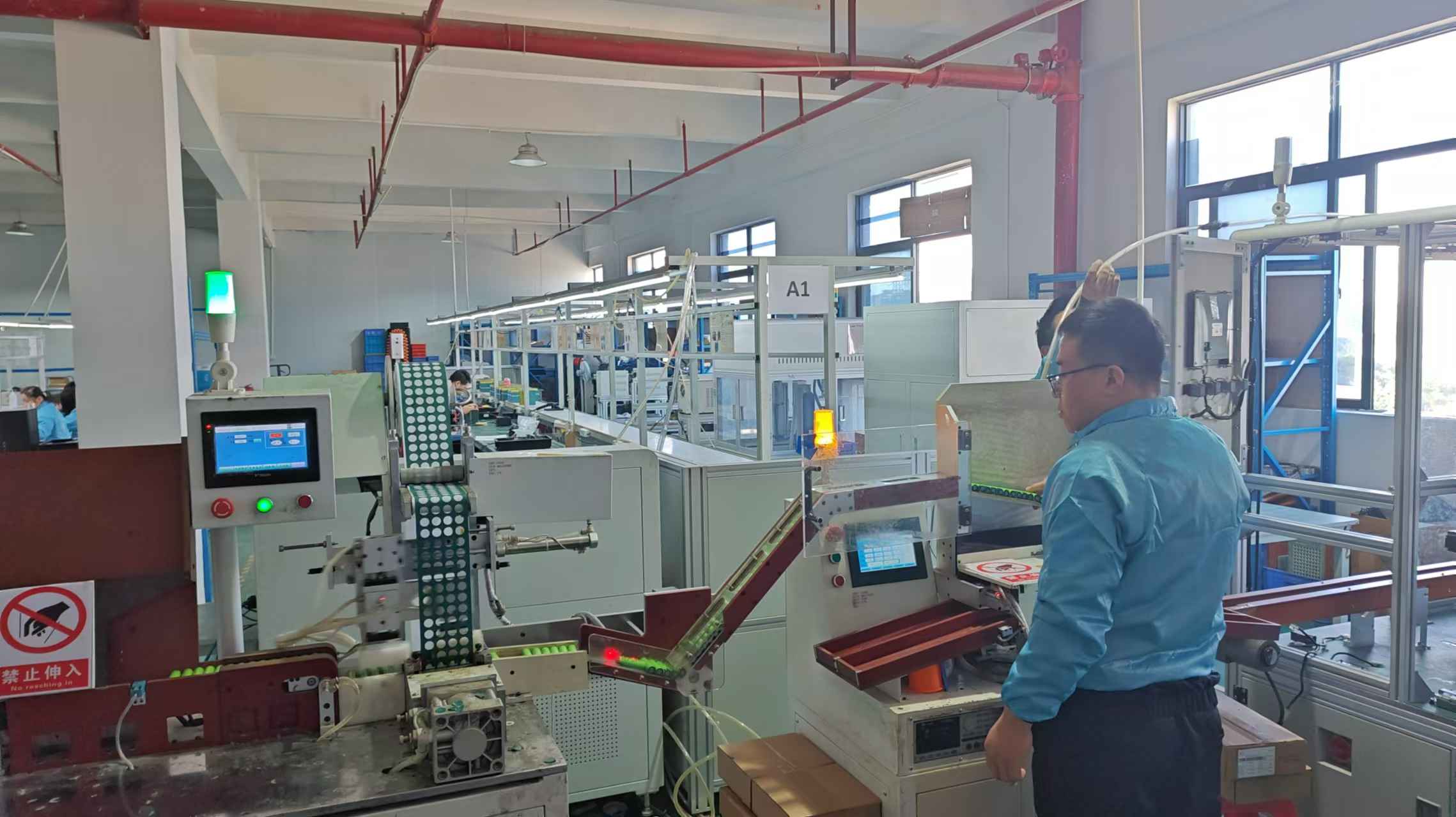
Exporting complex lithium energy storage packs to the United Kingdom requires strict adherence to localized safety frameworks and electrical code systems.
Any energy storage system connected to the UK grid must comply with EREC G98 (for installations up to 16A per phase) or G99 (for systems exceeding 16A). These standards dictate how the battery responds to grid frequency fluctuations, voltage drops, and islanding conditions to safeguard utility personnel.
Essential certifications ensuring safe operations of lithium-ion cells and battery packs. These tests verify the safety of systems under conditions of extreme heating, structural crush, electrical overcharge, and simulated short-circuit scenarios.
Post-Brexit regulations require the UKCA (UK Conformity Assessed) marking for electrical items sold in England, Wales, and Scotland. Our entire industrial portfolio complies with EMC directives, Low Voltage directives, and RoHS hazardous materials limits.
Explore our heavy-duty and containerized battery solutions engineered for utility backup and commercial grid integration.

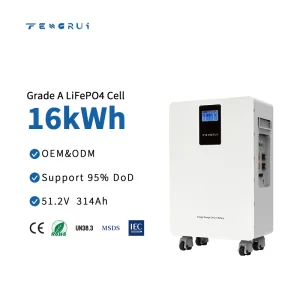
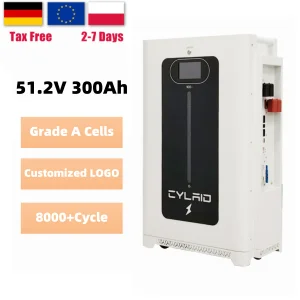
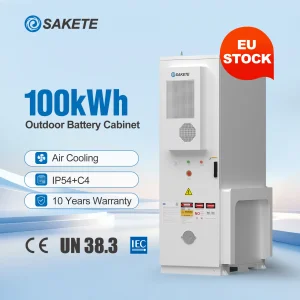
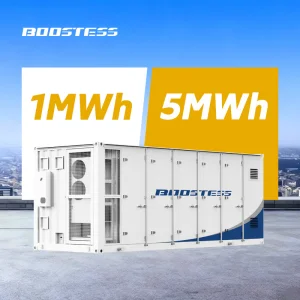
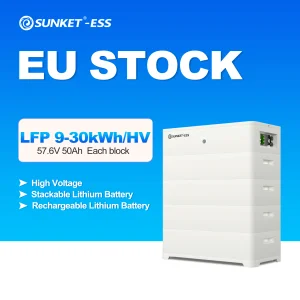


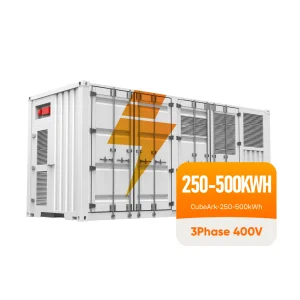
High capacity containerized energy storage arrays designed to support utility grid services and clean backup energy across industrial hubs.
Analyzing next-generation storage developments, chemistry evolution, and intelligent BMS structures.
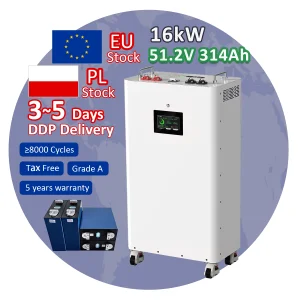
The global battery sector is currently shifting from 280Ah cells to the next-generation 314Ah form-factor. This transition delivers a substantial volumetric energy density increase without altering the footprint of standard cabinets. By increasing raw density, commercial installations in constrained urban sites like downtown London can install up to 12% more capacity within the same physical dimensions, minimizing civil engineering costs.
While LiFePO4 remains the absolute gold standard for safety and cycle life (averaging 6000–8000 cycles at 80% Depth of Discharge), semi-solid state and all-solid-state systems are rapidly developing. In the next decade, solid-state batteries are projected to enter the commercial stationary storage markets, offering non-flammable solid electrolytes and virtually eliminating the need for complex localized fire suppression systems.
Standard passive balancing wastes excess energy as heat. Modern tier-1 systems deploy active balancing, transferring charge dynamically from high-SoC cells to weaker cells. Integrating cloud-based predictive AI algorithms enables system operators to detect microscopic voltage anomalies, thermal outliers, and capacity degradation patterns before they translate into system failures. This predictive capability increases long-term ROI and reduces operation and maintenance (O&M) cost indices.
Expert answers regarding G99 compliance, delivery logistics, cell life, and project planning in the UK market.
Connect with our technical engineers to design your bespoke energy storage system or arrange bulk procurement contracts.
Send Inquiry Now Nuwon Energy