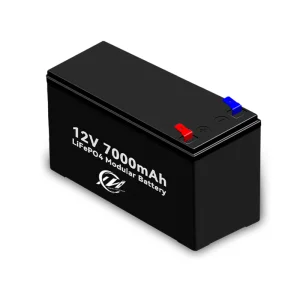
Deploy high-energy-density cells configured specifically for the tropical ambient demands and long-range logistics corridors of the East African island trade routes.

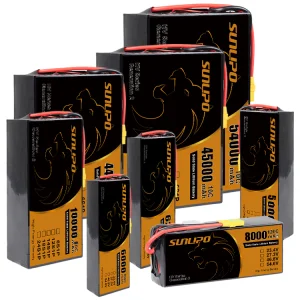
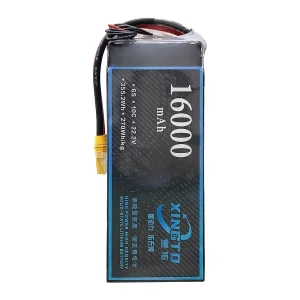
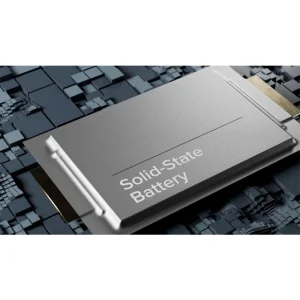
The global energy landscape is undergoing a critical transition from conventional liquid electrolyte lithium-ion batteries to next-generation solid-state batteries (SSBs). Traditional lithium-ion systems, utilizing volatile organic solvents, are bounded by thermal stability limits (~60°C) and the threat of catastrophic dendrite growth. Solid-state energy storage addresses these constraints by substituting the liquid matrix with solid electrolytes—including Sulfide (e.g., Argyrodite-type Li6PS5Cl), Oxide (e.g., LLZO), and Polymer compounds.
This structural change elevates energy density targets beyond the 350-400 Wh/kg threshold, while suppressing the fundamental mechanics of thermal runaway. Global Gigafactories are currently pivoting to semi-solid and full solid-state assembly lines to meet the strict volumetric constraints of aerospace (eVTOL, UAV) and high-load marine platforms.
Unlike organic liquid formulations, solid-state electrolytes are inherently non-flammable and exhibit zero volumetric outgassing under deep thermal cycle loads, ensuring stability in extreme microclimates.
The Republic of Seychelles, comprised of 115 islands across the Western Indian Ocean, operates under unique geographic constraints. The localized power architectures rely extensively on imported fuel oil for heavy diesel generator networks. This dynamic results in heightened levelized costs of energy (LCOE) and exposes the domestic grid to price volatility in petroleum transport logistics.
In parallel, the marine and aerial ecosystem of the Seychelles demands strict ecological safeguards. The deployment of standard liquid-electrolyte batteries in marine boundary layer zones poses risks, including saltwater ingress corrosion, high humidity cell swelling, and localized acid leaks. Solid-state systems mitigate these concerns through robust, sealed solid-electrolyte structures that prevent the ingress of humid air and highly corrosive salt-spray aerosol matrices.
The technical evolution of solid-state systems centers on optimizing interfacial resistance between the solid electrolyte and the active electrode material. By introducing lithium-indium alloy sheets and specialized coatings, current systems achieve stable cycles at high charge and discharge rates. The integration of silicon-dominant anodes and eventually pure lithium metal foil will push cell energy density toward the 500 Wh/kg limit, changing the cost dynamics of remote-island microgrids.
| Parameter | Conventional Lithium-Ion | Semi-Solid-State | All-Solid-State (Future Roadmap) |
|---|---|---|---|
| Energy Density (Wh/kg) | 200 - 250 | 280 - 360 | 400 - 500+ |
| Operating Temp Range | -10°C to +55°C | -20°C to +60°C | -40°C to +100°C |
| Thermal Runaway Risk | High (Flammable Liquid) | Minimal / Self-Extinguishing | Zero (Solid Ceramic/Polymer) |
| Cycle Life (80% DoD) | 500 - 1,000 | 2,000 - 3,000 | 5,000+ |
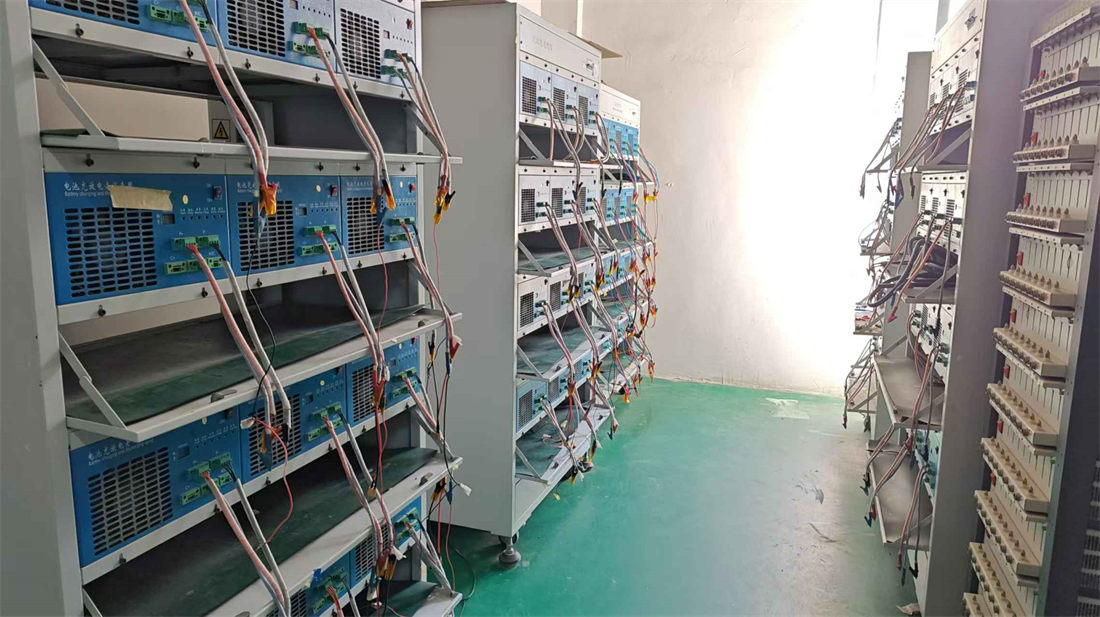
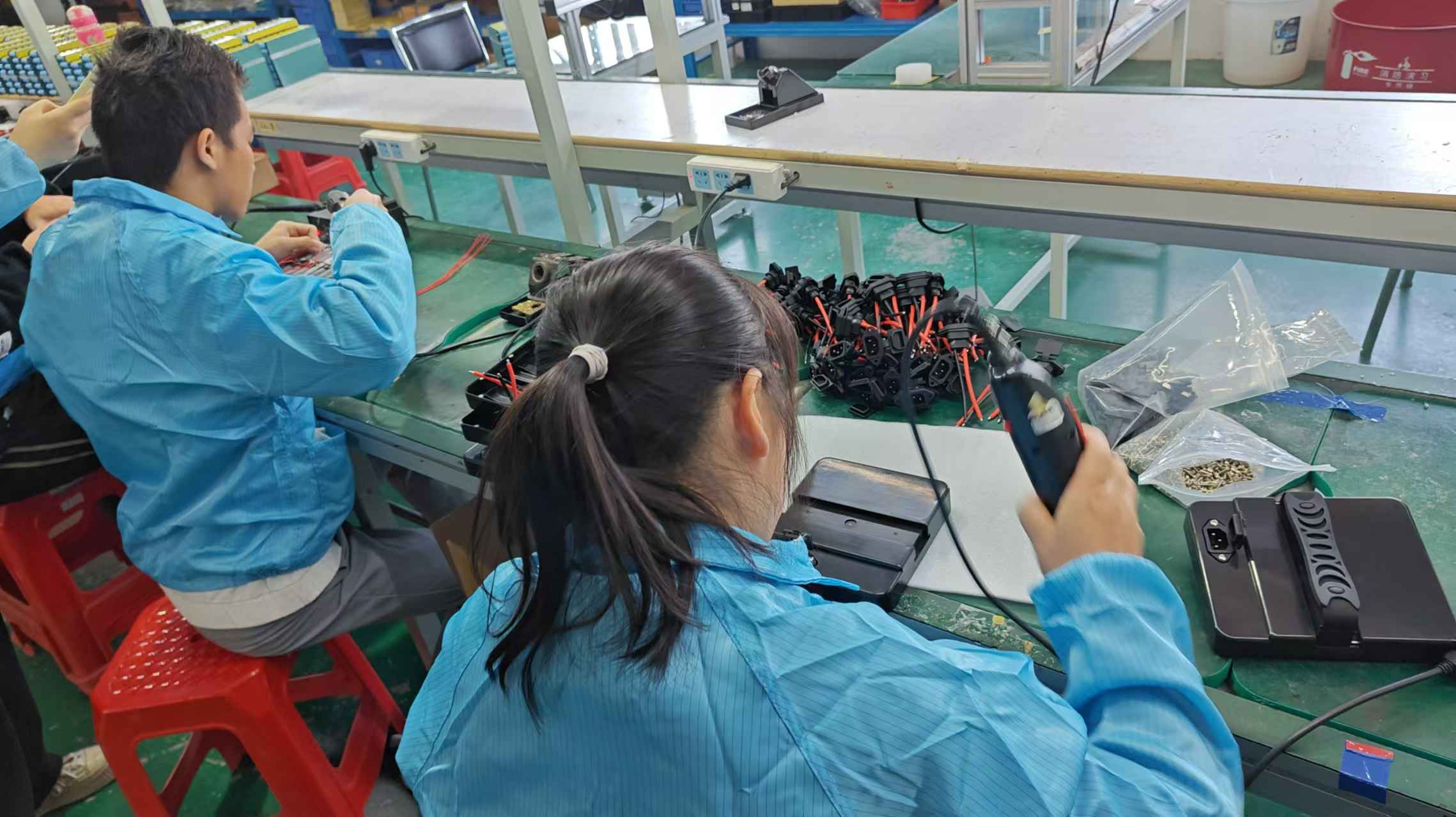
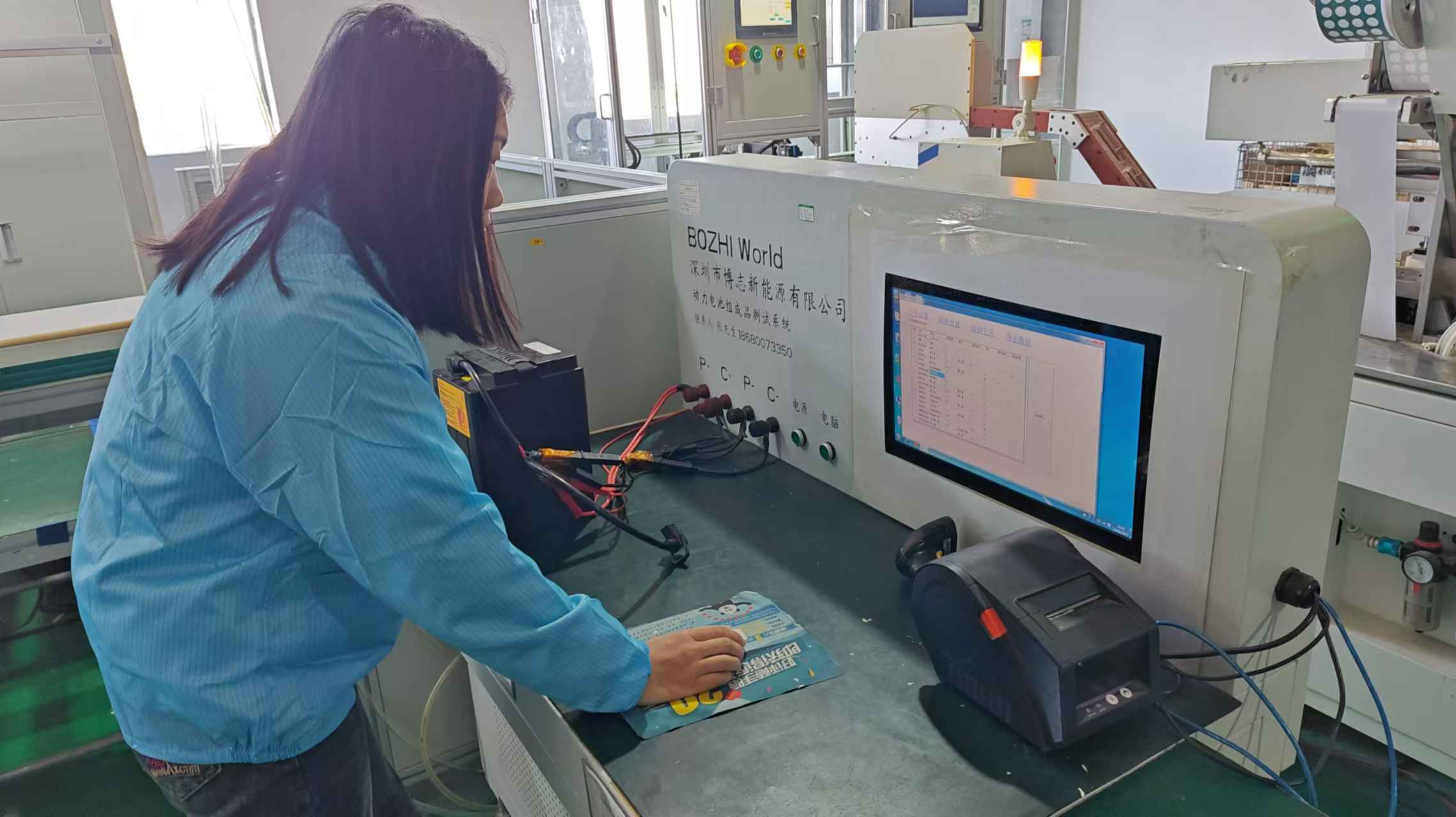
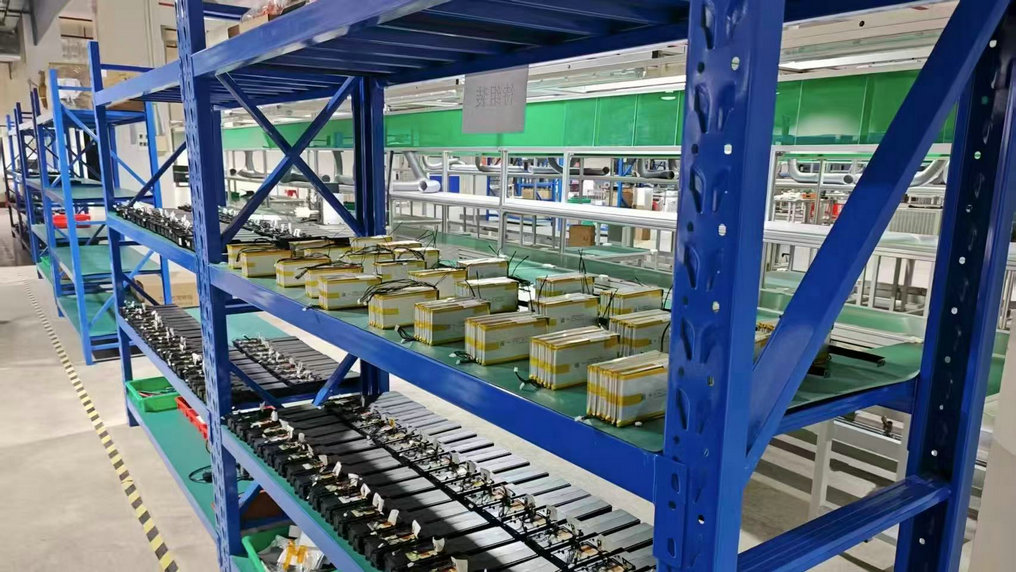
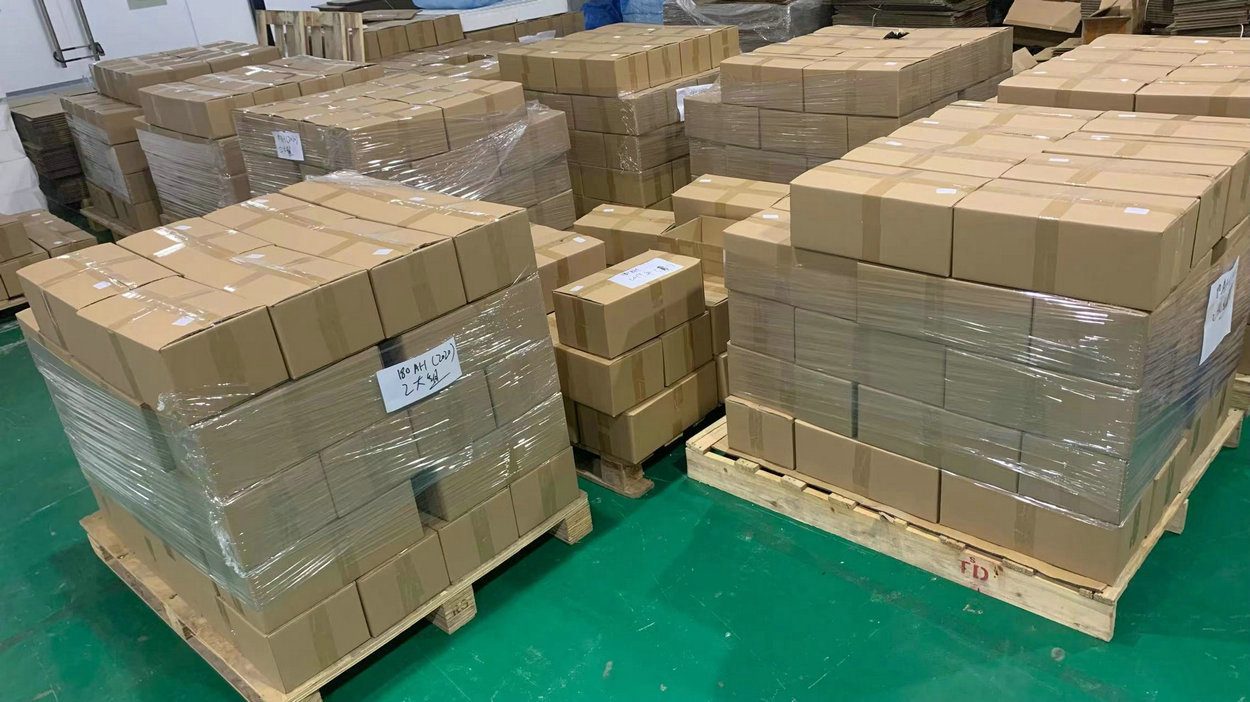
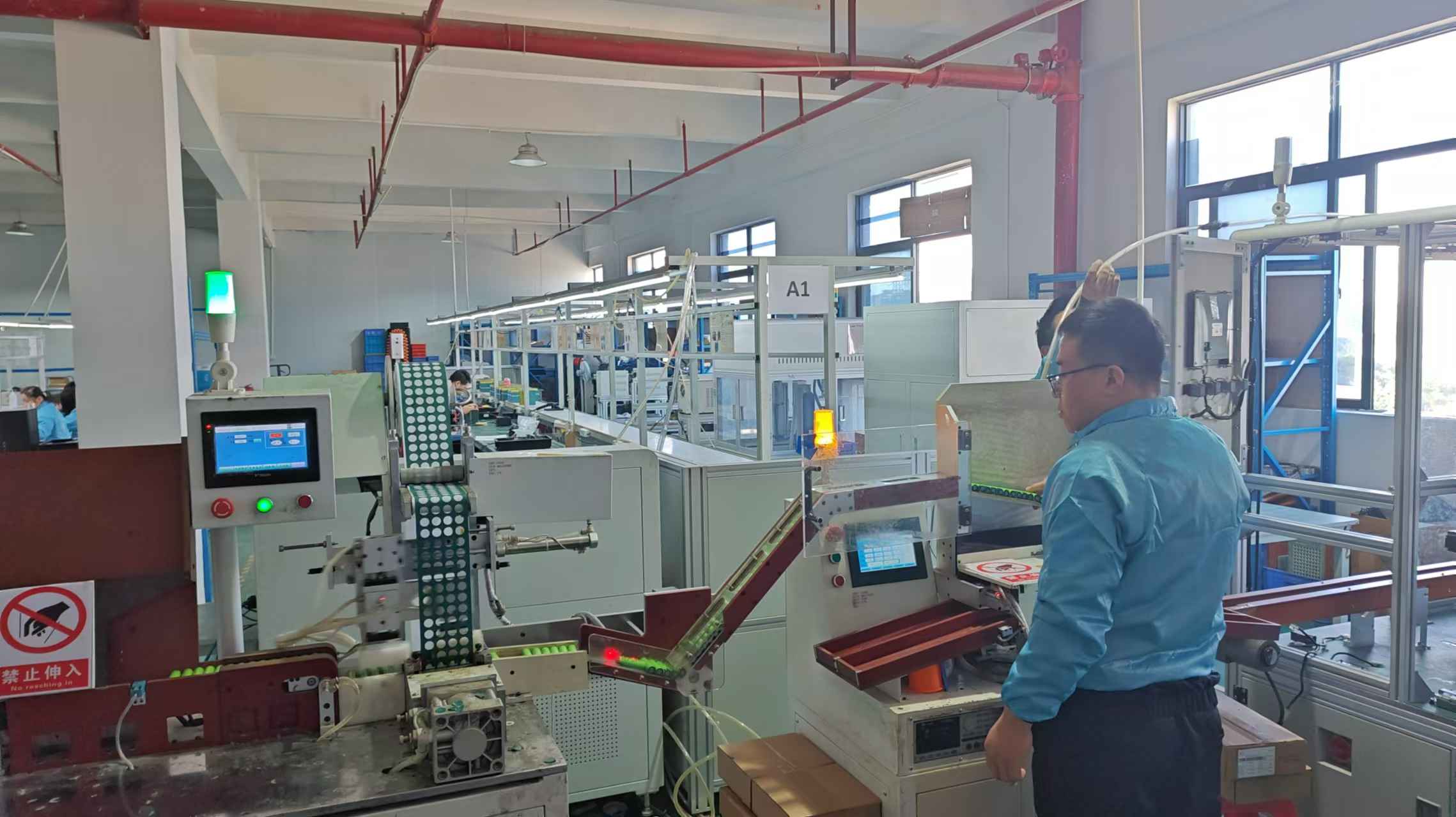
Guangdong Nuwon Energy Co., Ltd. operates a high-precision, automated manufacturing facility specialized in solid-state and advanced lithium-ion cells. Our quality control architecture spans raw material validation to structural vibration testing.
Guangdong Nuwon Energy Co., Ltd. is a leading manufacturer and solution provider in advanced battery systems, specializing in the research, development, manufacturing, and global distribution of high-performance energy storage products. The company offers comprehensive OEM and ODM services, delivering customized battery solutions tailored to diverse industrial and commercial applications. Backed by a highly experienced engineering and R&D team, Nuwon Energy focuses on the design and integration of cylindrical and prismatic lithium battery cells, as well as complete battery packs, modules, and energy storage systems. The company also develops and produces industrial-grade battery cells engineered for safety, durability, and long cycle life.
Guangdong Nuwon Energy serves a wide range of industries, including consumer electronics, electric mobility (such as golf carts, forklifts, UTVs/ATVs, trucks, and marine systems), medical equipment, unmanned ground vehicles (AGVs/AMRs), and emerging aerospace applications such as eVTOL aircraft. In addition, the company provides reliable residential, commercial, and industrial (C&I) energy storage solutions designed to support the global transition toward clean and sustainable energy. With a strong commitment to innovation, strict quality control, and customer-centric service, Guangdong Nuwon Energy continuously invests in advanced manufacturing capabilities, automated production lines, and rigorous testing systems. This ensures that every product meets international safety standards and delivers exceptional performance in demanding environments.
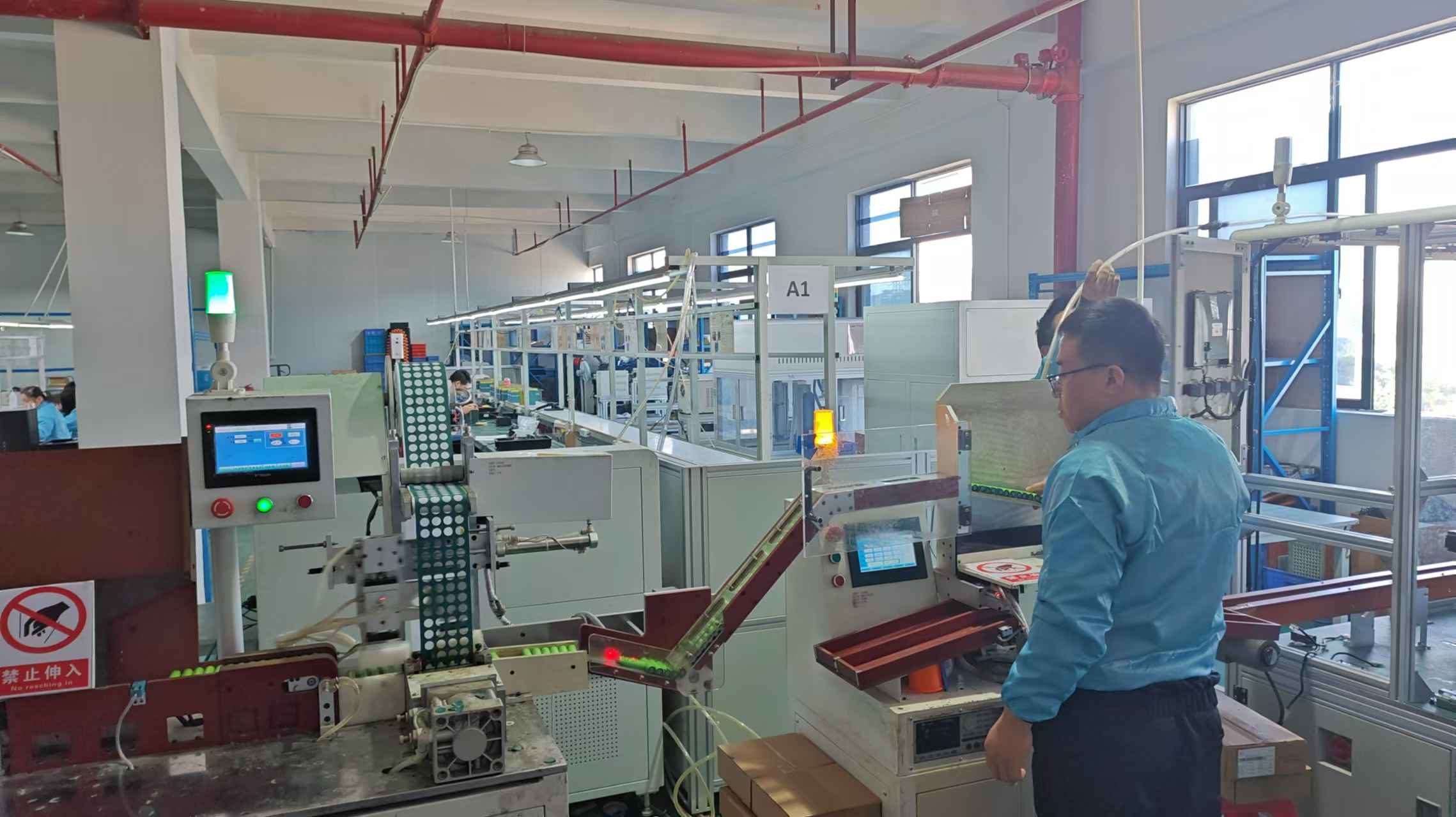
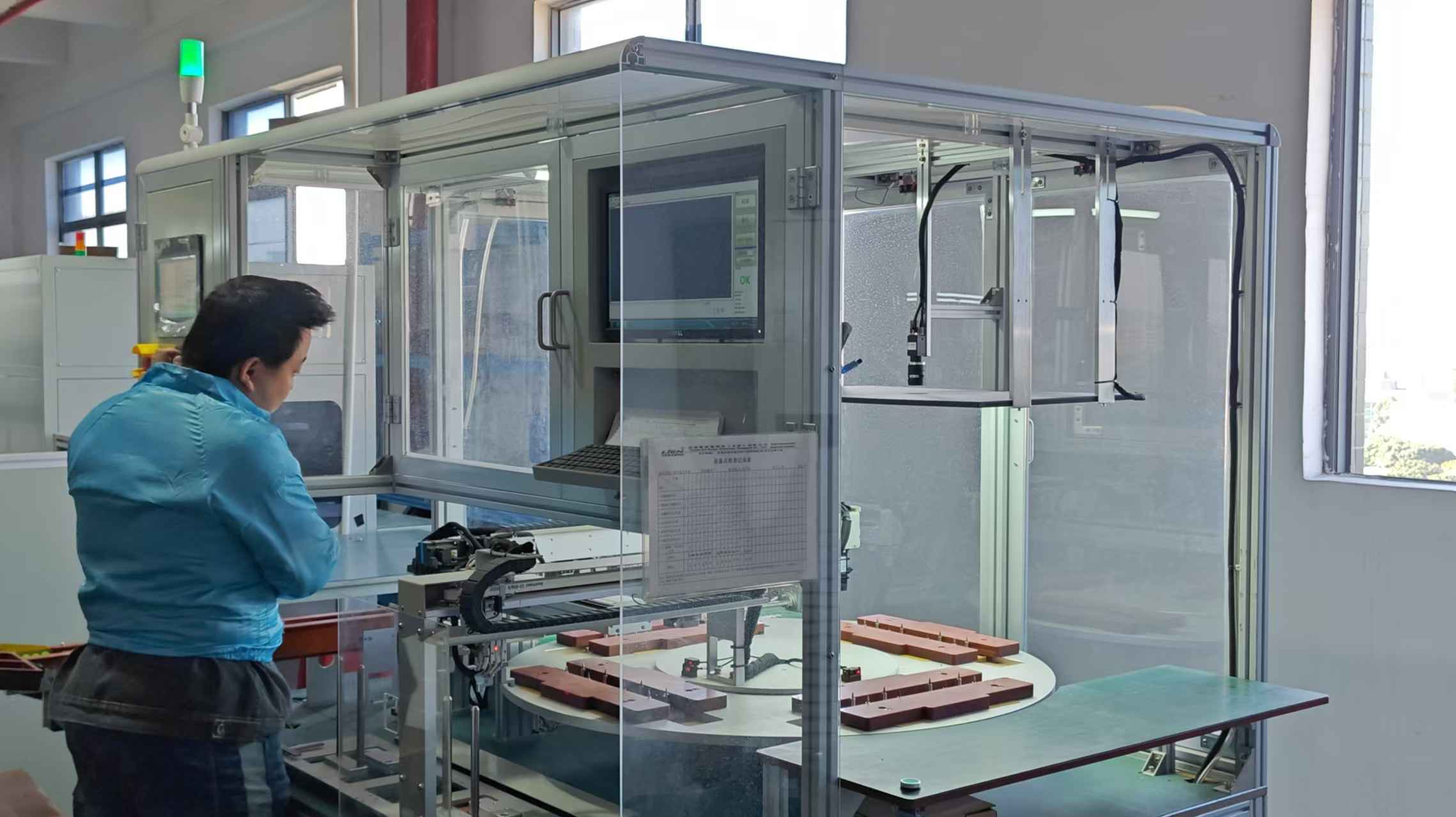
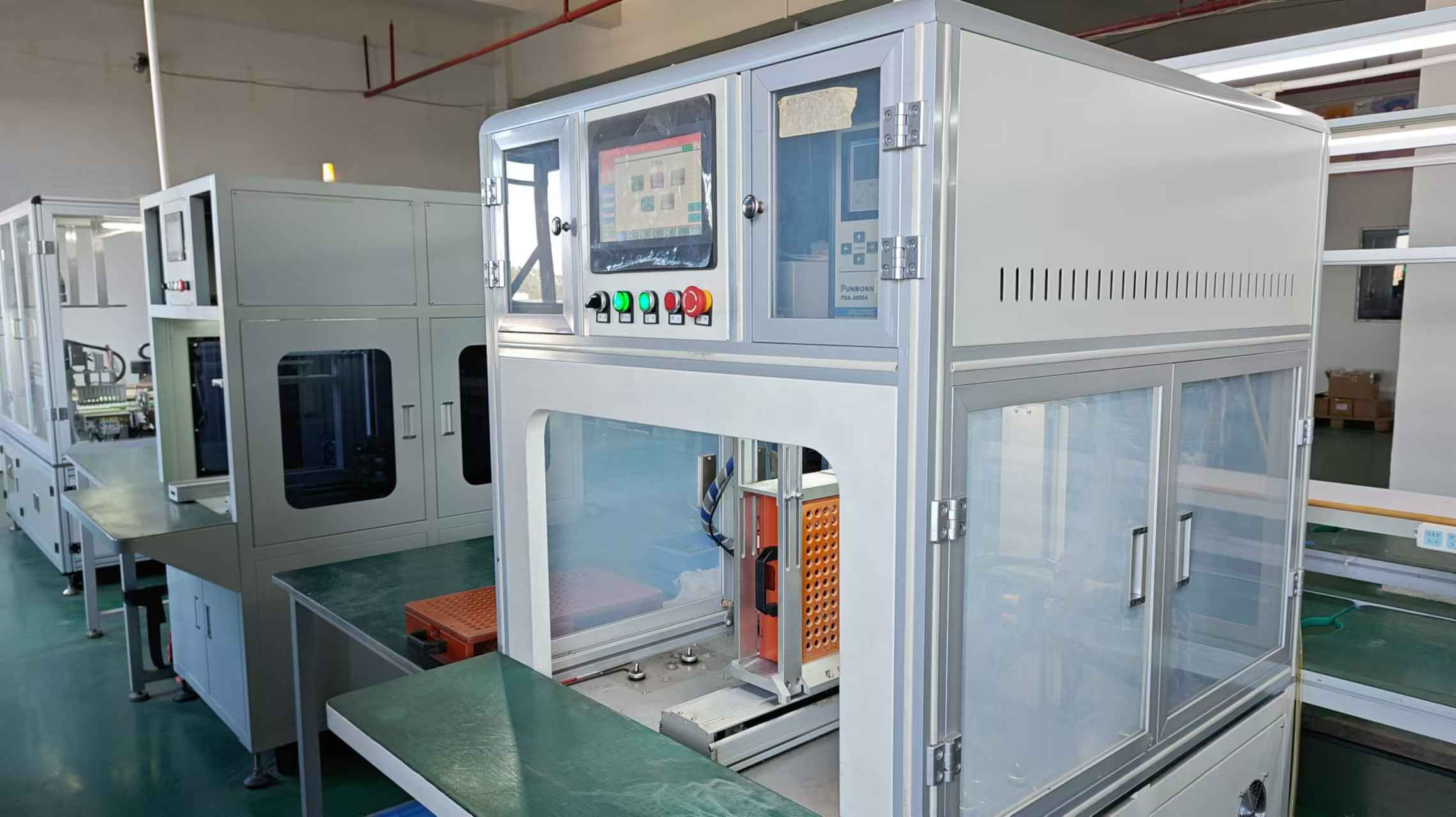
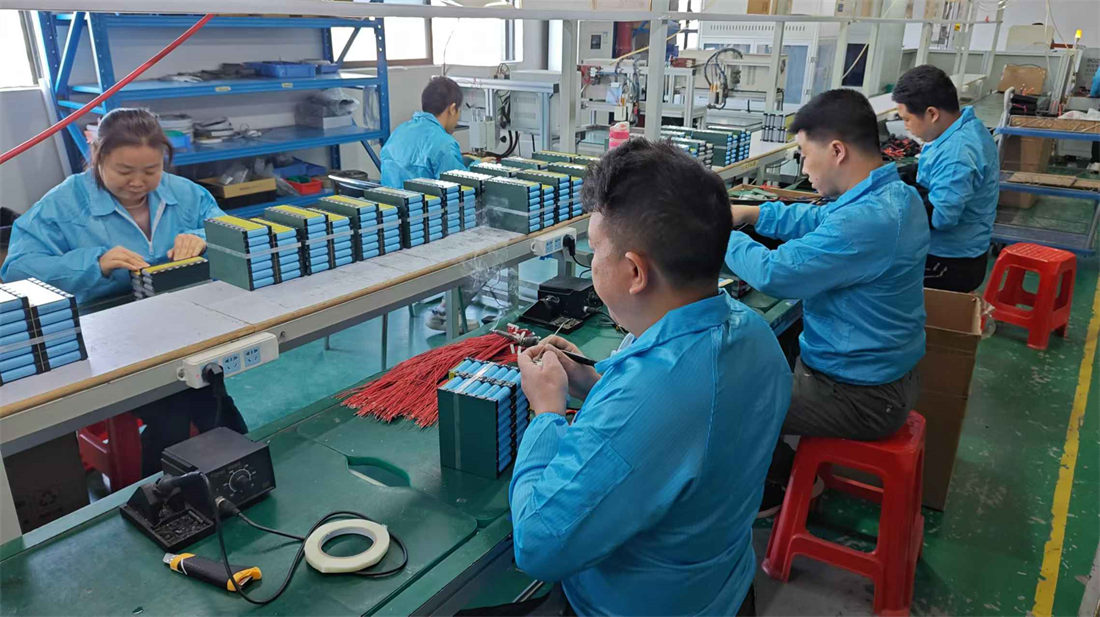
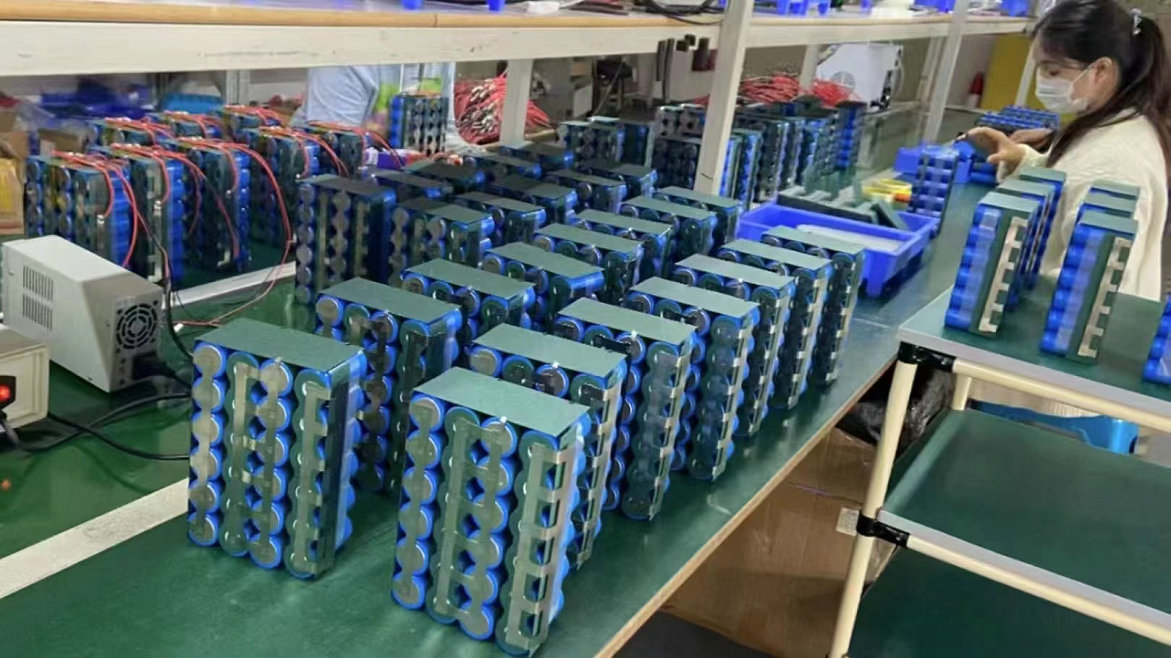
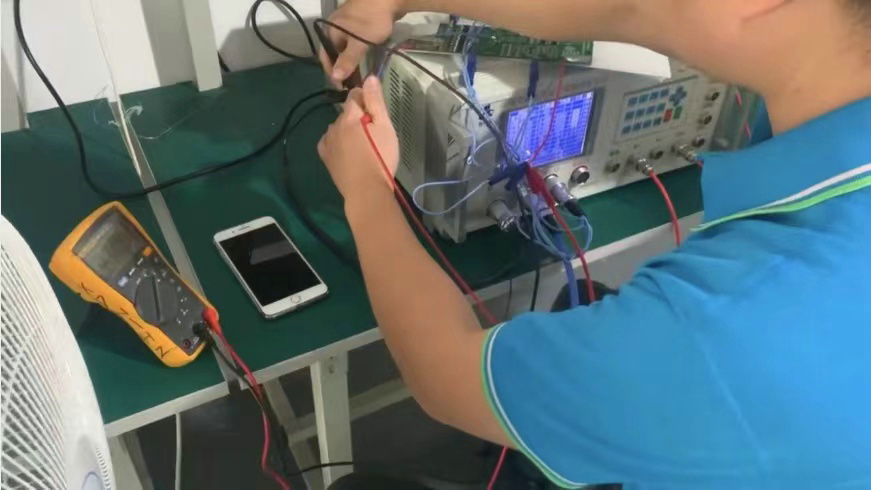
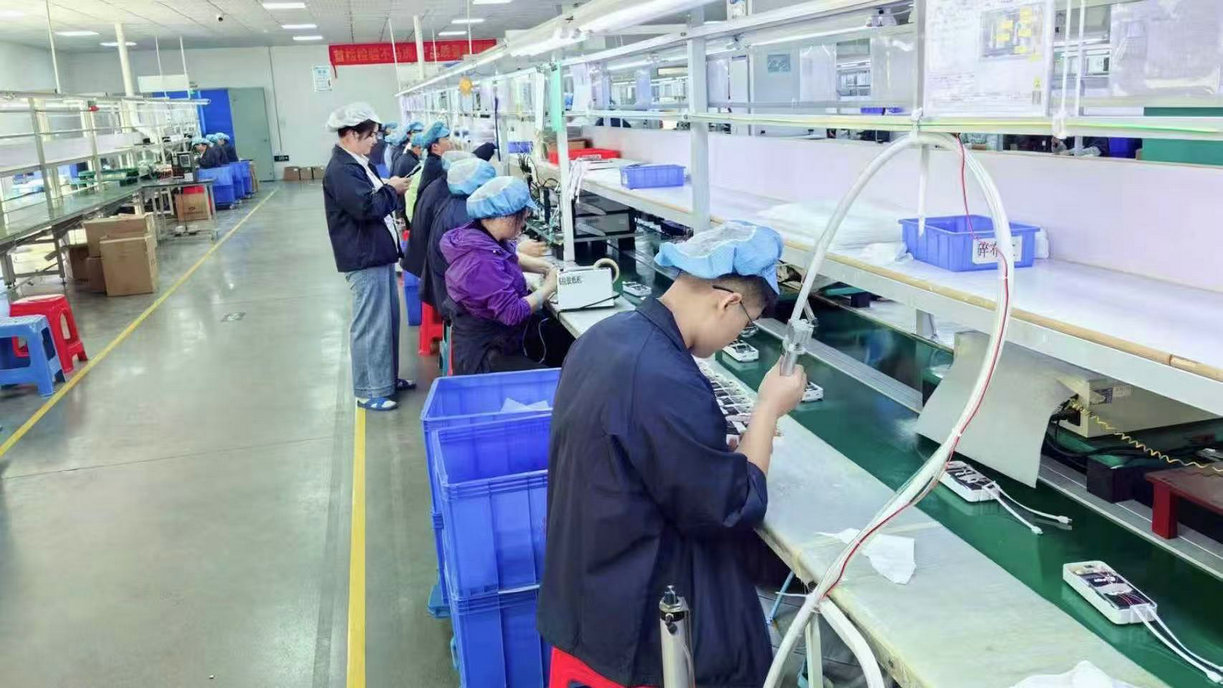
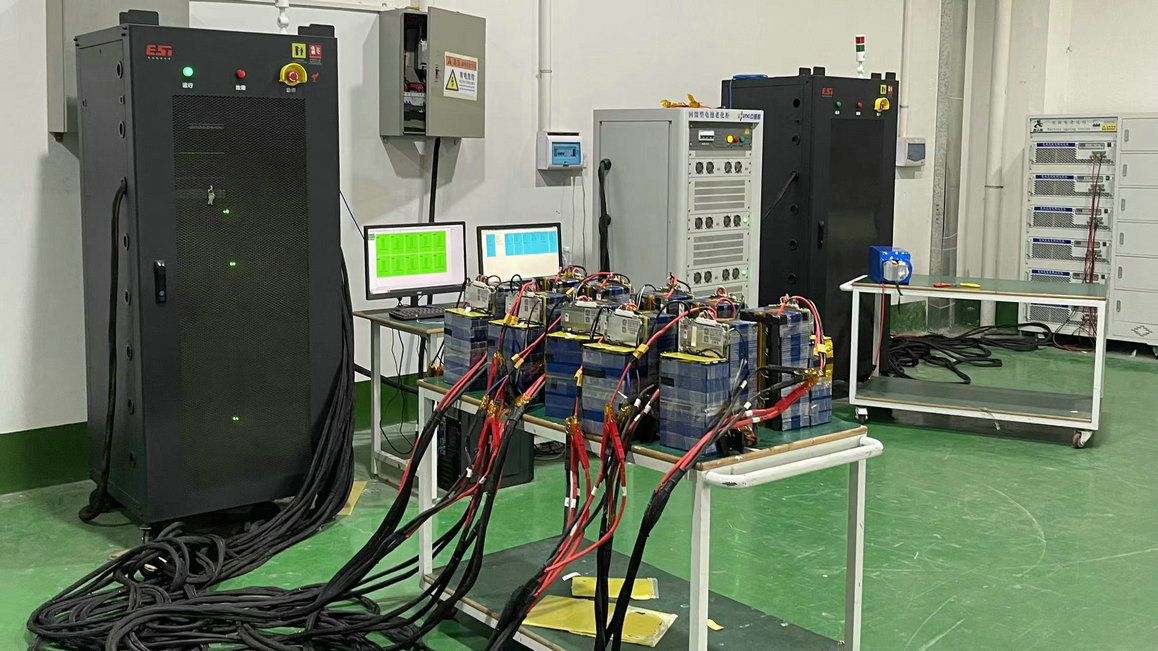
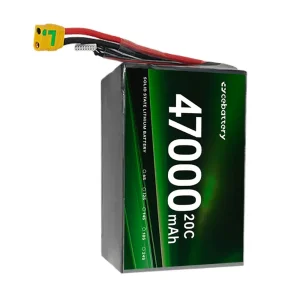
Engineered to support heavy payloads, critical industrial safety configurations, and long-life duty cycles for off-grid operations in the Seychelles.
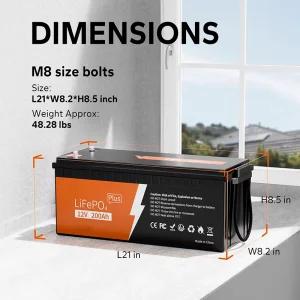
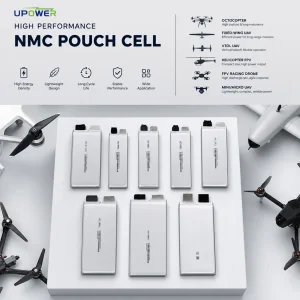
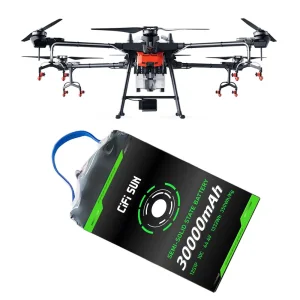
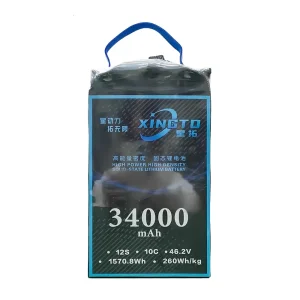
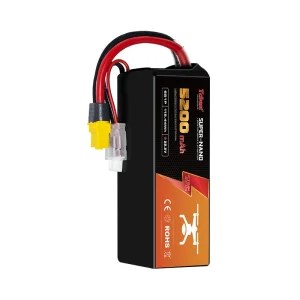
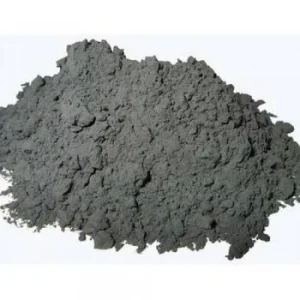
High-capacity storage systems and metallurgical raw materials configured for solar microgrid networks and cell manufacturing processes.
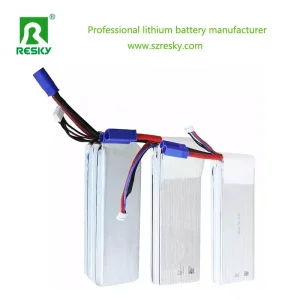
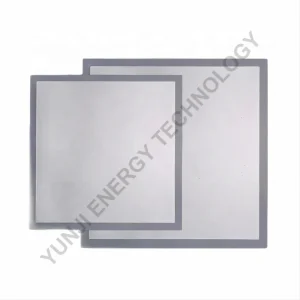

Detailed answers to critical engineering, logistics, and deployment queries for solid-state installations within marine equatorial microgrids.
Request pricing, custom cell shapes, configurations, or shipping logistics directly from our industrial factory team for your project in the Seychelles.
 Nuwon Energy