Engineered for absolute dependability in commercial, industrial, and consumer applications
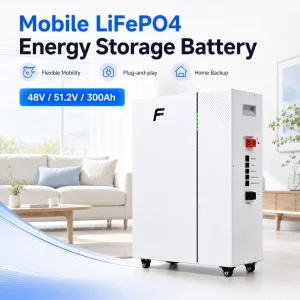
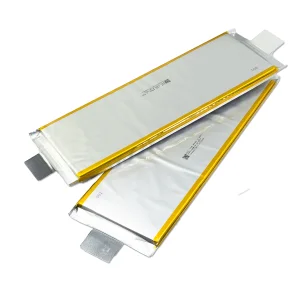
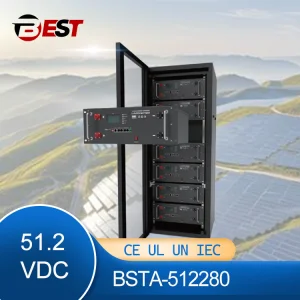
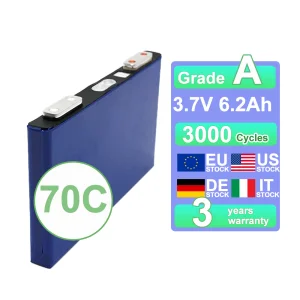
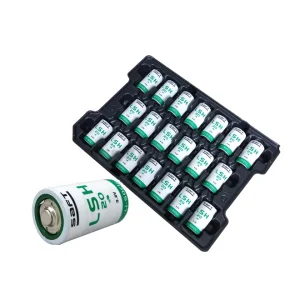
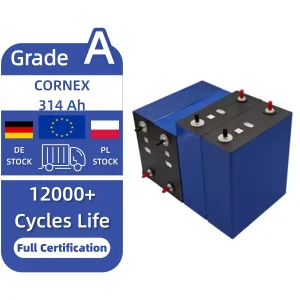
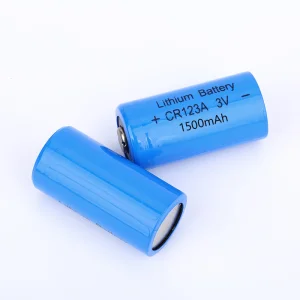
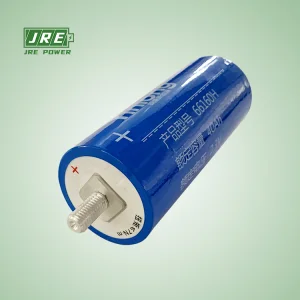
Guangdong Nuwon Energy Co., Ltd. stands as a premier manufacturer and integrated solutions provider in advanced energy storage architectures. Specializing in the engineering, synthesis, verification, and global distribution of high-performance energy storage platforms, Nuwon caters to dynamic industrial, commercial, and mobility applications. Through our fully tailored OEM and ODM frameworks, we supply advanced custom power solutions configured to withstand critical operating parameters.
Our dedicated engineering and R&D divisions operate at the intersection of electrochemical science and electrical integration. We specialize in the optimization, design, and systematic integration of prismatic and cylindrical lithium battery cells, complex modular battery packs, and commercial/industrial energy storage solutions. Engineered to maximize cycle-life, thermal mitigation, and safety thresholds, our battery packs deliver unparalleled volumetric and gravimetric energy density.
With market-leading manufacturing frameworks, automated assembly interfaces, and real-time Quality Assurance loops, Nuwon supports the absolute electrification of transport systems and zero-emission grid transitions worldwide. Every system leaving our manufacturing lines complies with international regulatory metrics, serving fields from consumer electronics to aerospace technology.
Our high-density cells and smart BMS solutions drive high-performance applications across critical verticals:
Cell Lifecycle Cycles (3.2V 314Ah)
Automated Cell Sorting & Aging
Extended Warranty on Energy Storage
Operating Temperature Performance Limit
Understanding the technical rigor required to assure battery safety, stability, and longevity in global trade
In the contemporary energy paradigm, Battery Quality Assurance (QA) is no longer just a regulatory checkpoint. It represents the foundation of operational security, commercial viability, and product lifetime value. As the world shifts from fossil-dependent engines to high-capacity electrochemical storage, global regulations have tightened. Systems must meet stringent standards including UL 1642, UL 1973, UL 9540A, IEC 62619, UN 38.3, and CE/FCC requirements.
True quality control must address the fundamental physics of electrochemical degradation. Issues like structural deformation of electrodes, thermal runaway risks, dendritic growth in lithium cells, and capacity fading demand rigorous mitigation strategies. Without high-end test regimens, micro-defects in separator membranes or internal impedance variations can lead to field failures, system shutdowns, and catastrophic thermal incidents.
At Guangdong Nuwon Energy, we leverage state-of-the-art QA infrastructure to audit every step of the battery life cycle. We implement multi-layered inspection systems from raw material chemical assay profiling to cell-level matching, dynamic impedance characterization, and high-frequency structural inspections. This ensures our global distribution network recieves cells and packs that perform consistently under demanding real-world conditions.
Visualizing the manufacturing precision and rigorous inspection protocols inside our advanced facilities
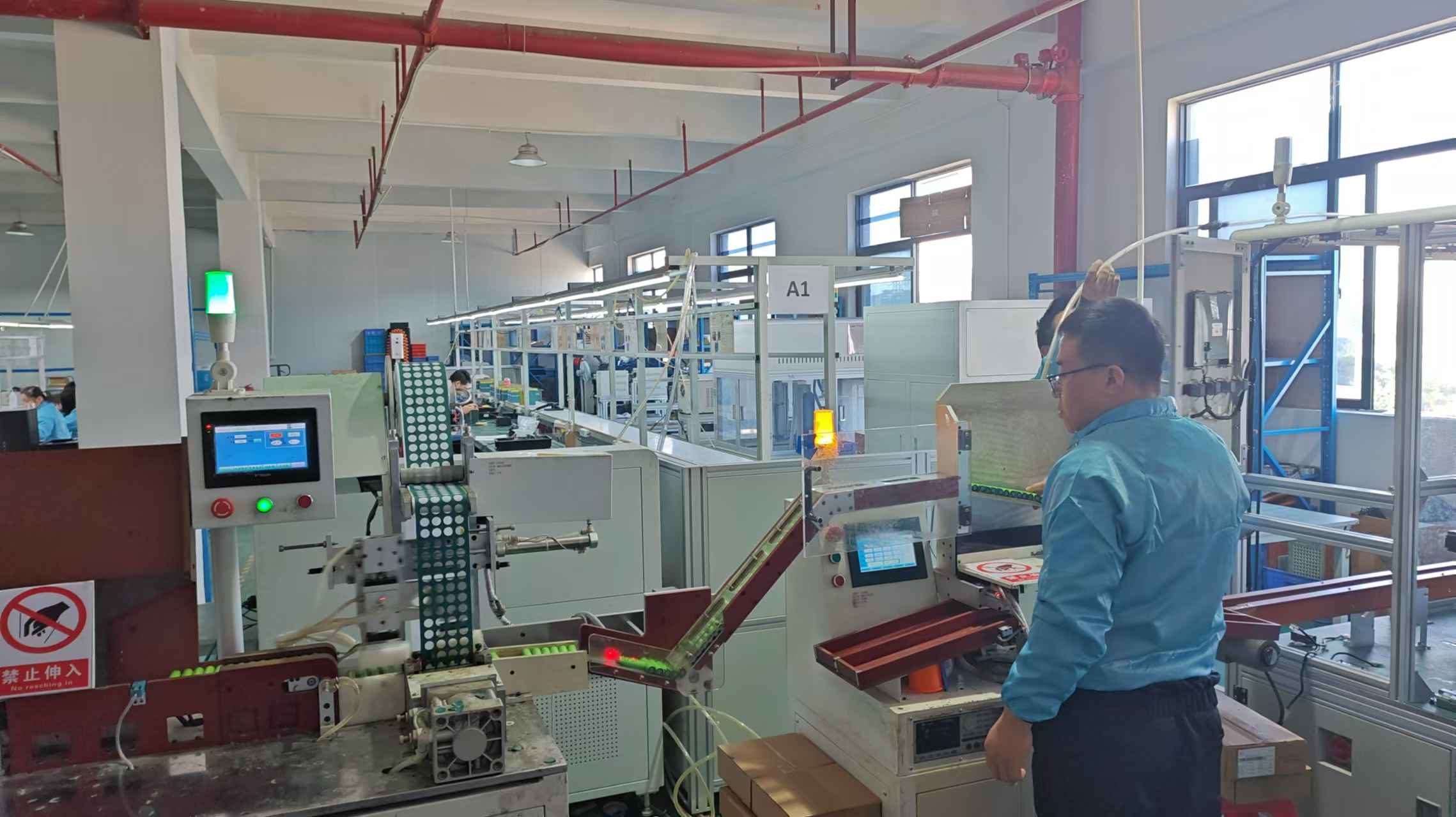
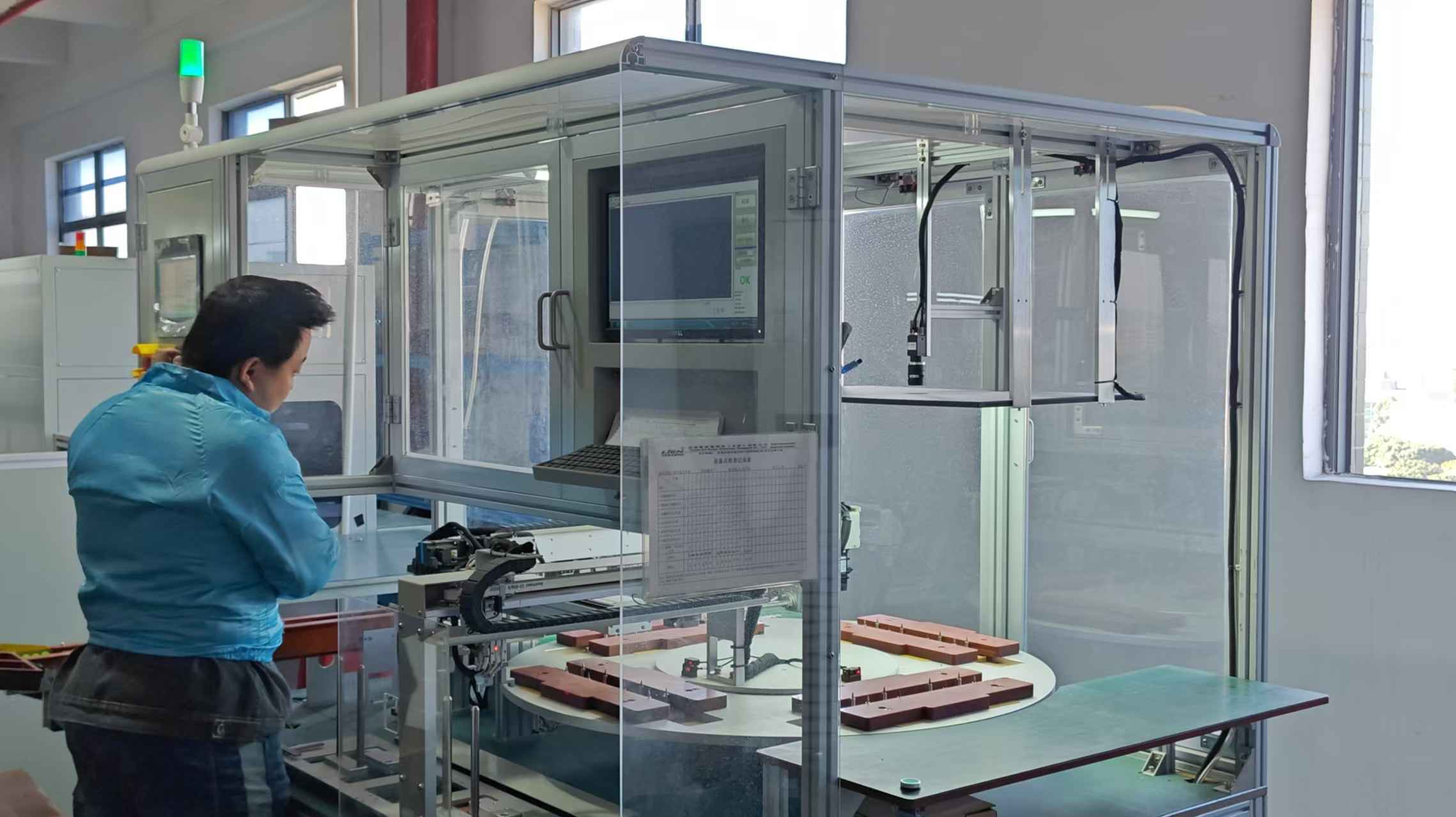
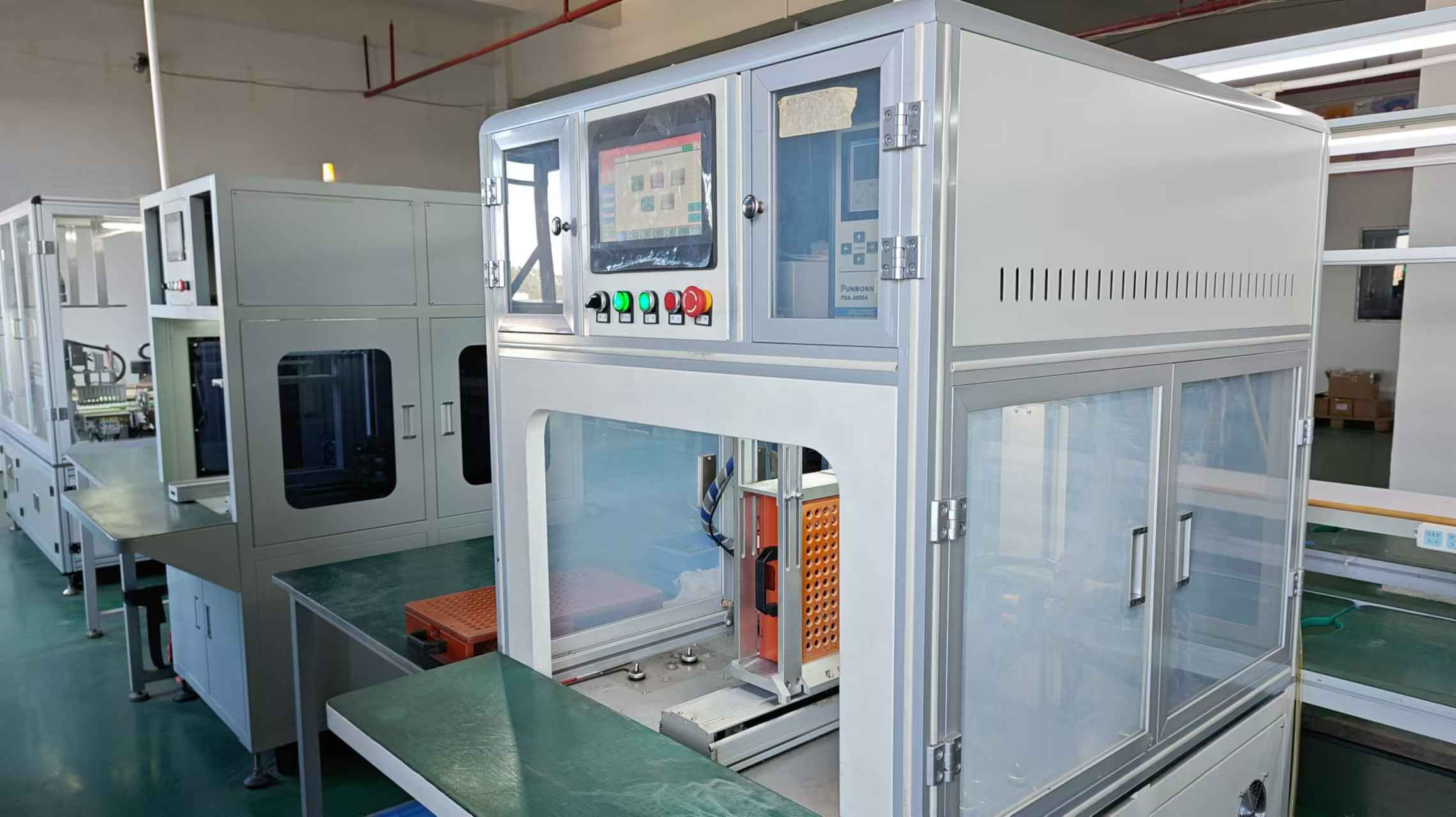
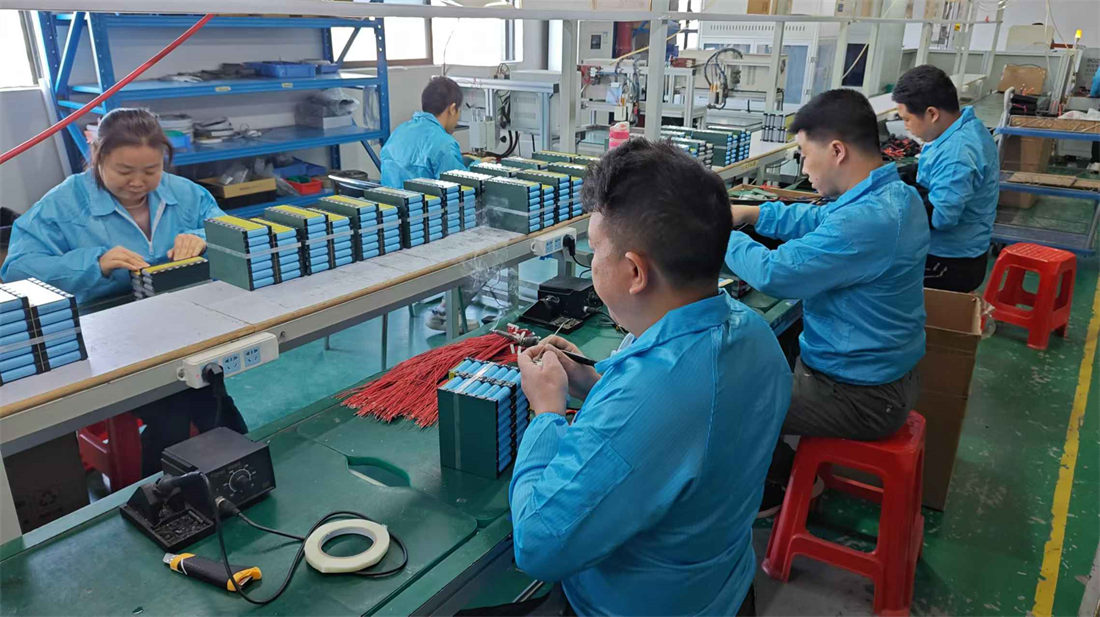
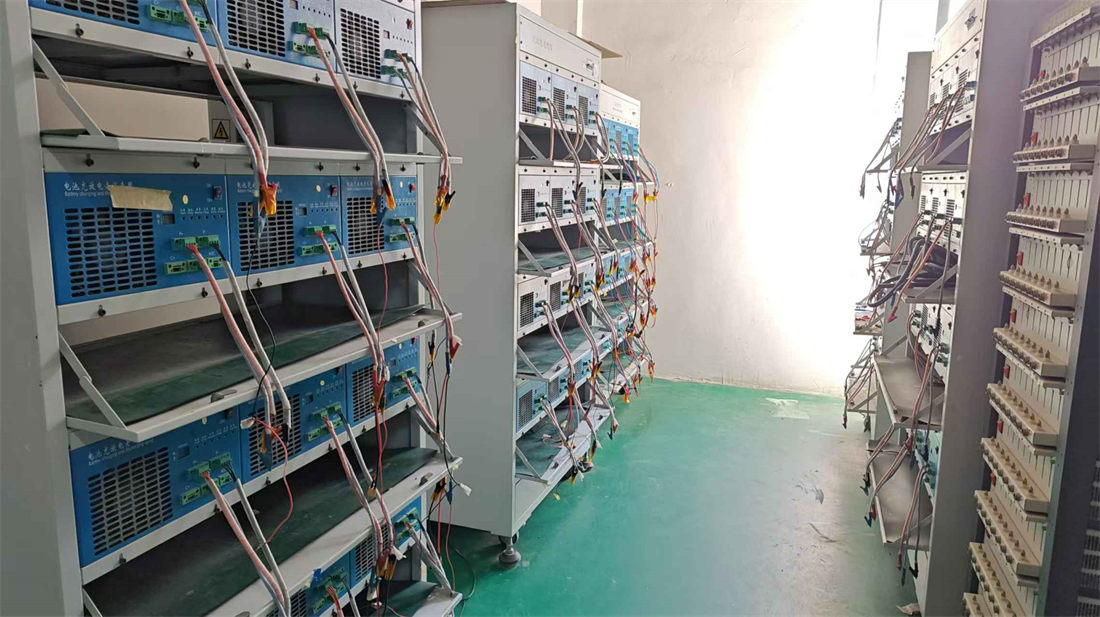
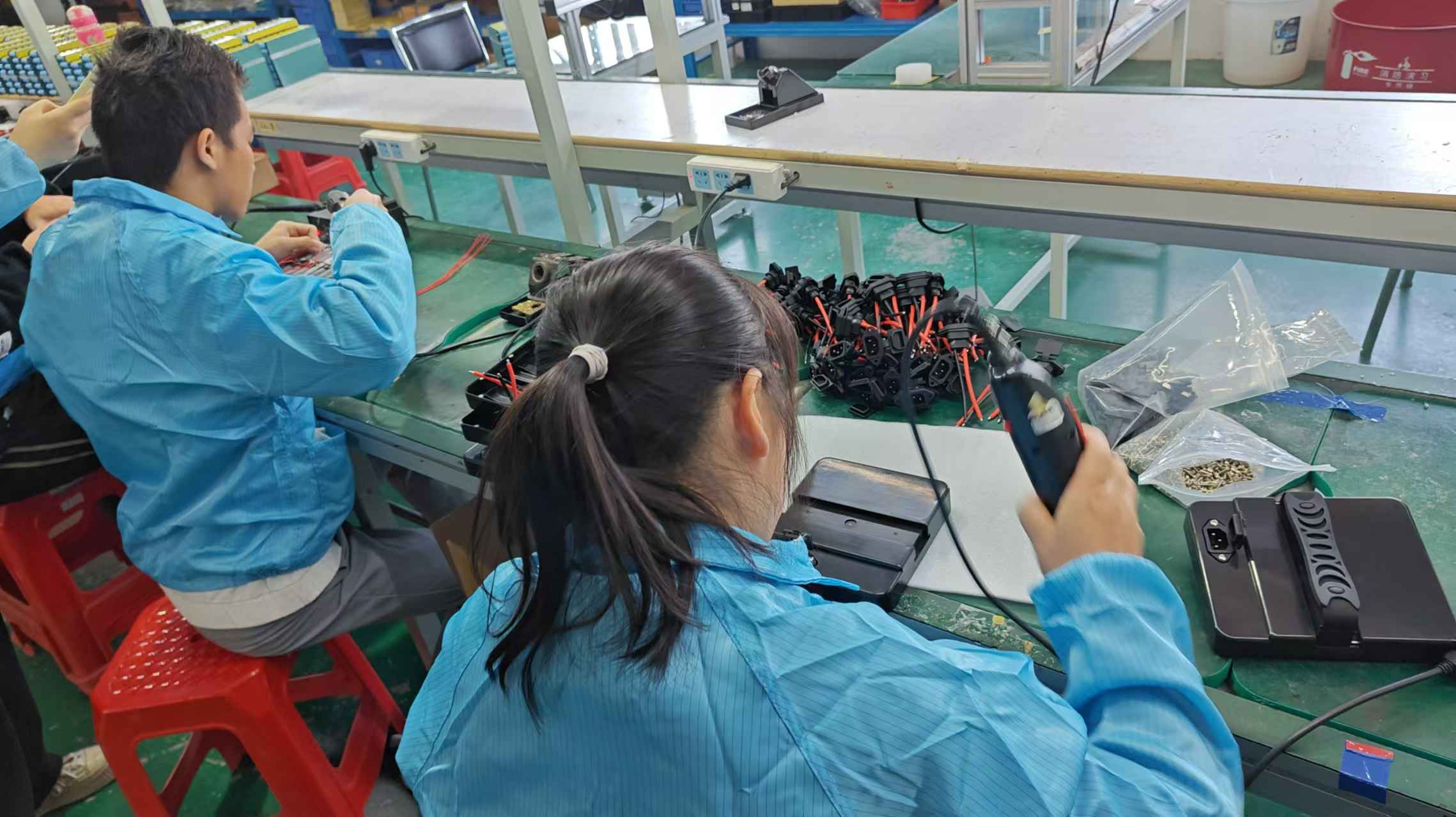
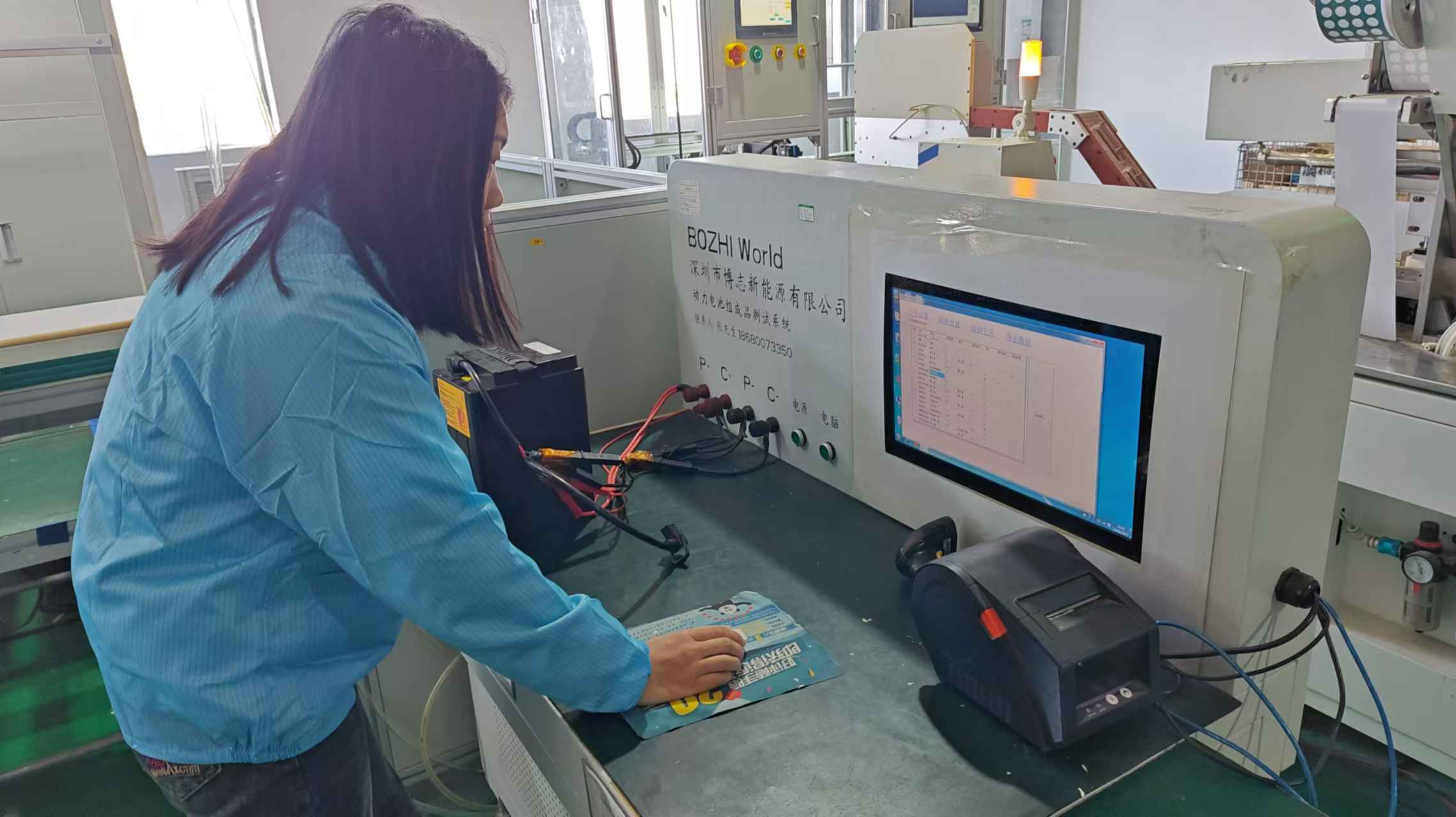
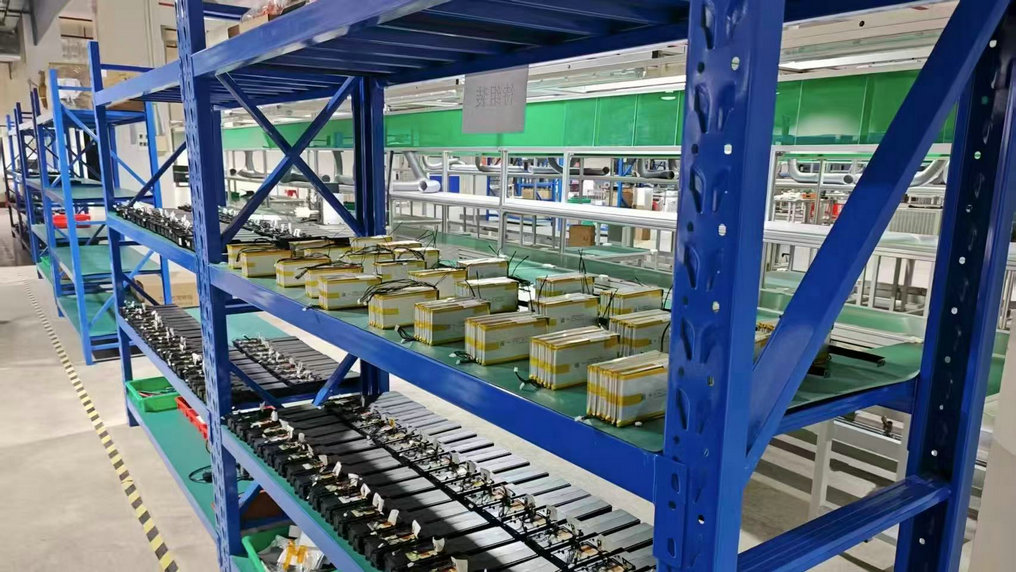
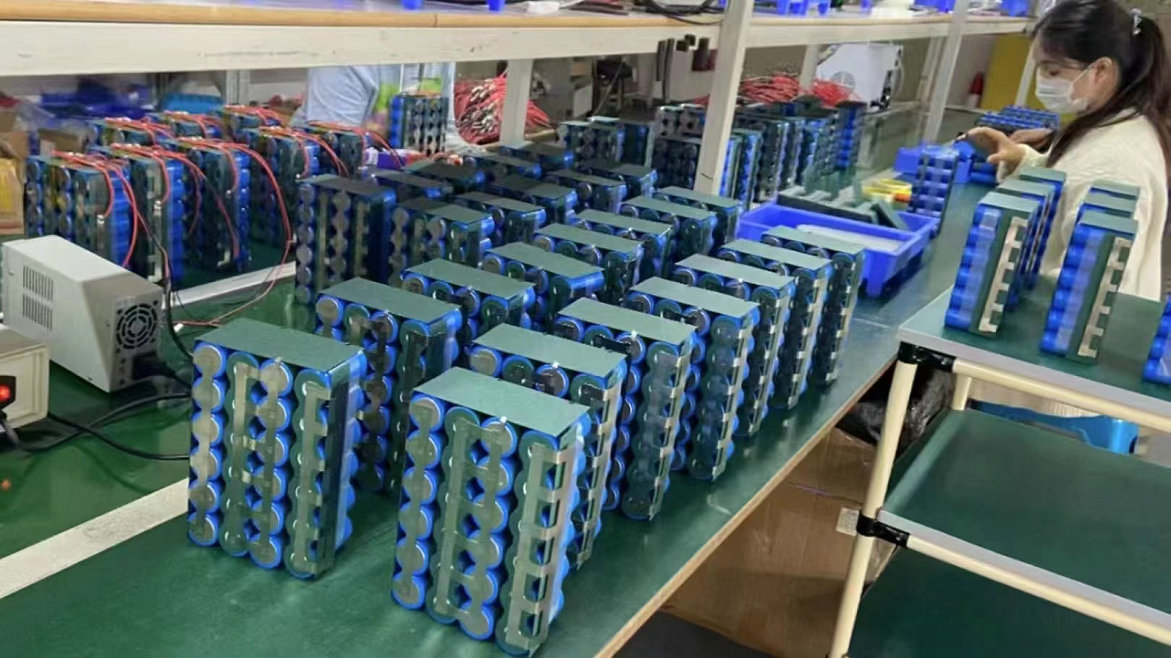
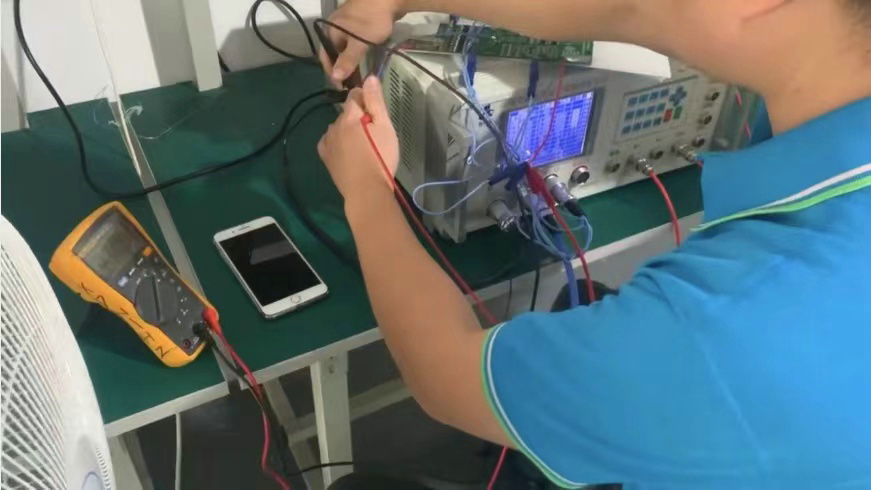
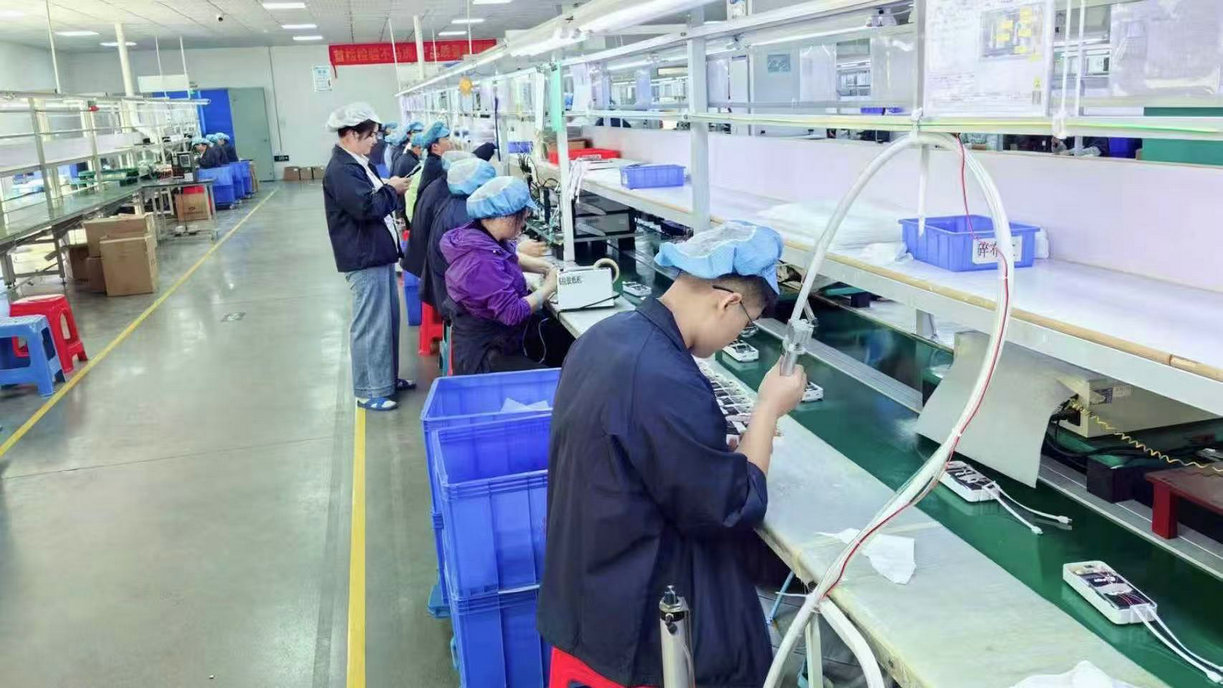
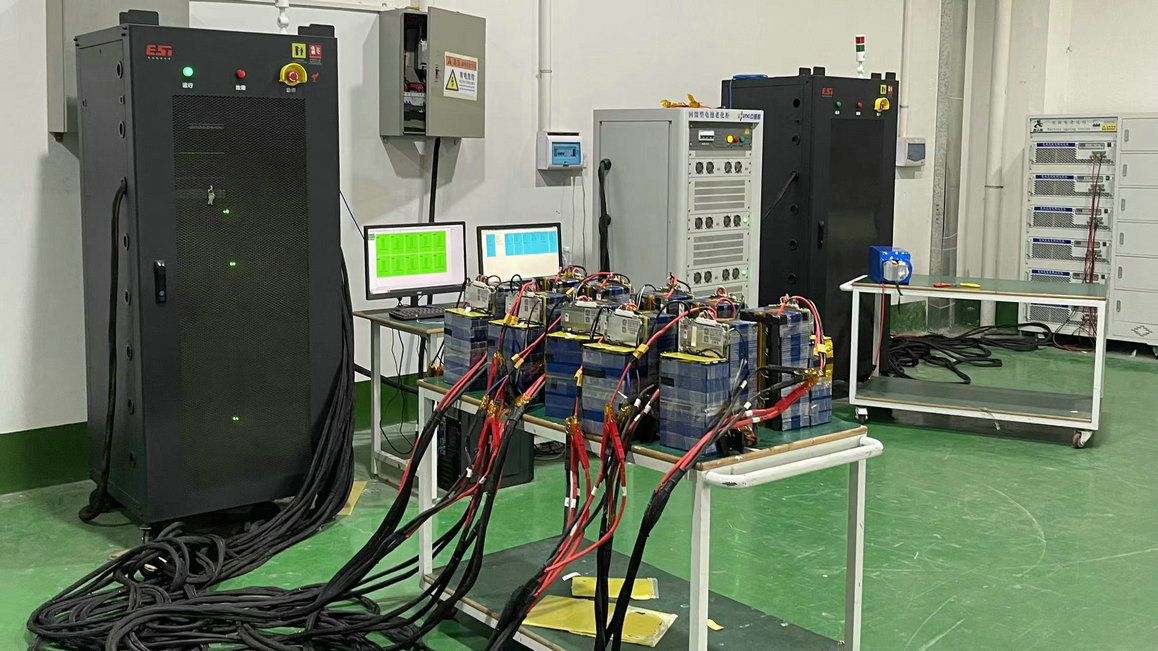
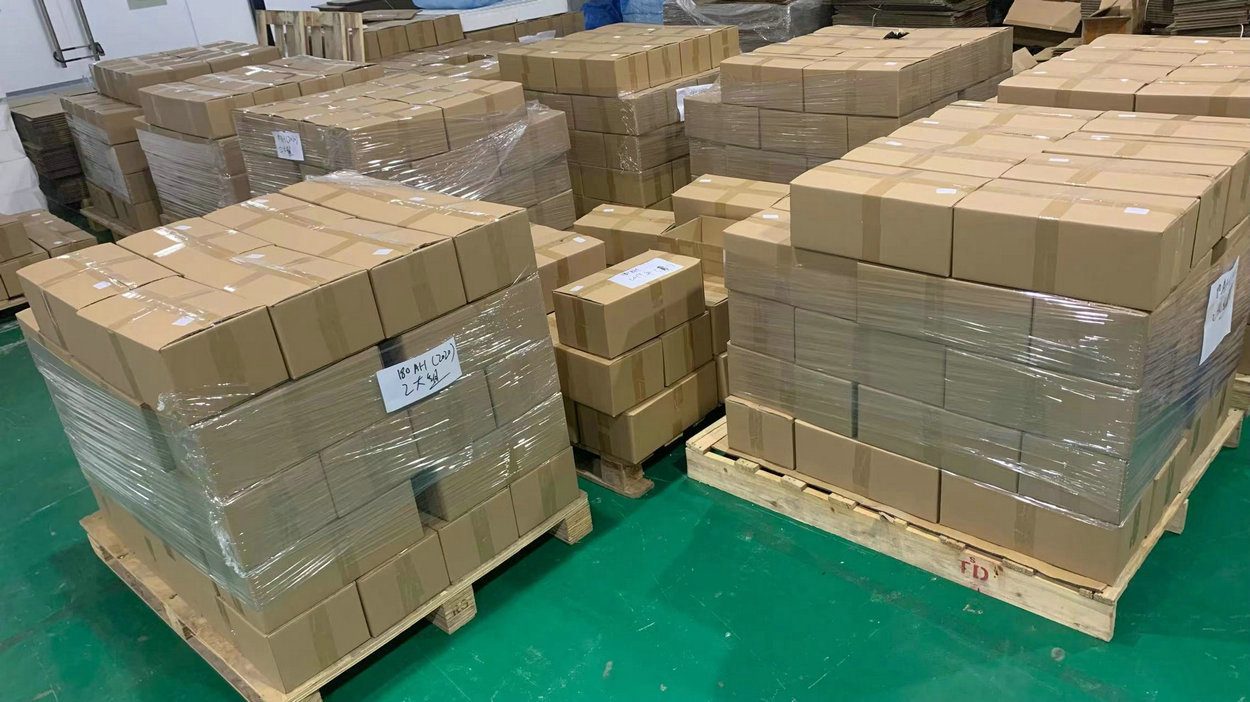
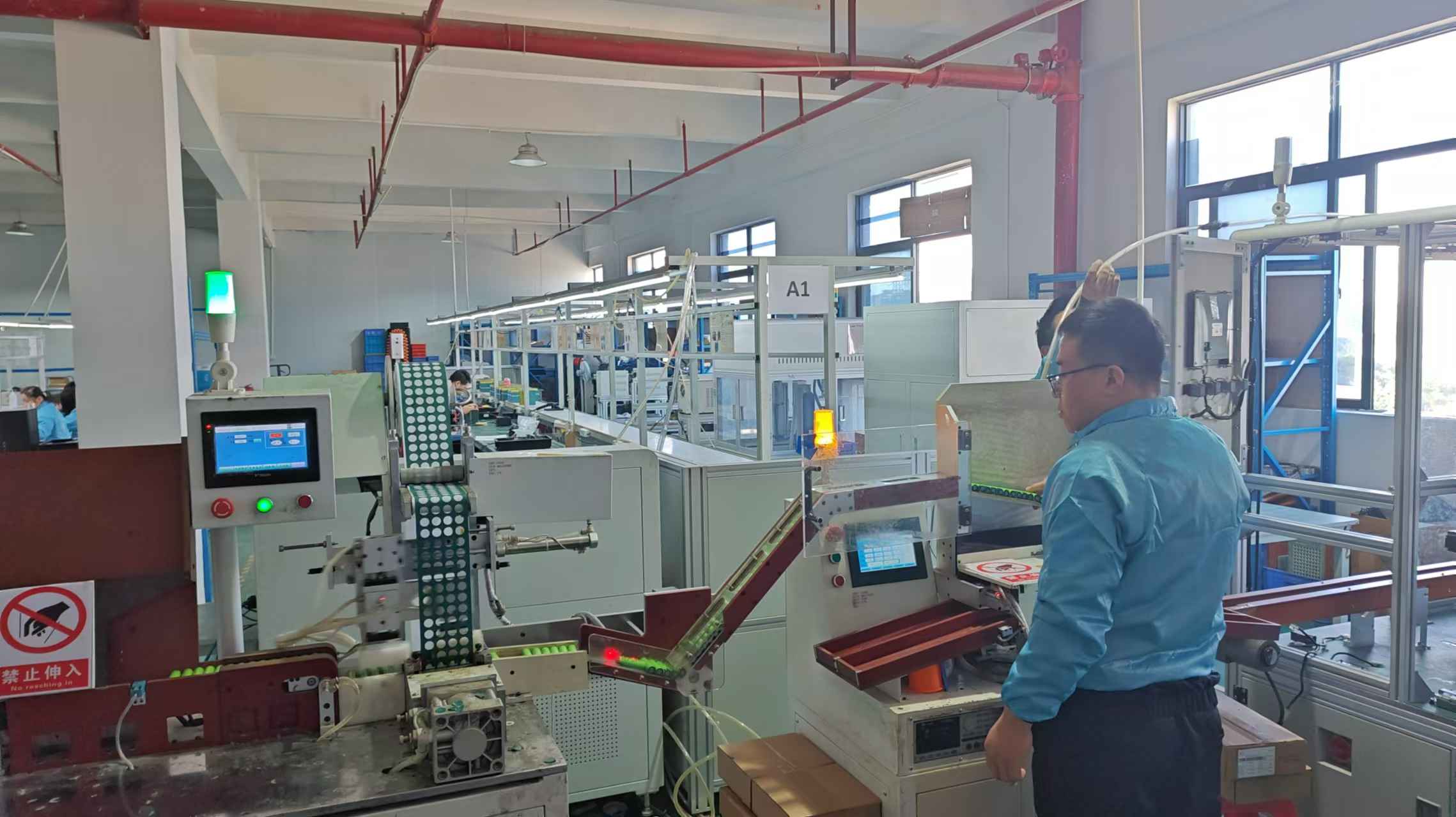
Comparative analysis of present and emerging electrochemical pathways for battery integration
To successfully execute clean energy transistions, OEMs must select chemistry based on practical applications. The following technology comparison matrix displays the parameters tested inside our Quality Assurance labs:
| Chemistry System | Energy Density (Wh/kg) | Cycle Life (80% DoD) | Thermal Stability | Primary Application Fields |
|---|---|---|---|---|
| Lithium Iron Phosphate (LiFePO4) | 160 - 180 Wh/kg | 4,000 - 8,000 Cycles | Very High (T_runaway >270°C) | ESS, Powerwall, Telecom backup, AGVs, Utility and Cargo vehicles. |
| Lithium Nickel Cobalt Manganese (NCM) | 220 - 280 Wh/kg | 1,500 - 3,000 Cycles | Moderate (T_runaway ~210°C) | Electric passenger vehicles, electric motorcycles, high-payload drones. |
| Sodium-Ion (Na-Ion) | 100 - 140 Wh/kg | 2,000 - 4,000 Cycles | Excellent safety profile | Low-speed EVs, industrial standby power, extreme-cold operations. |
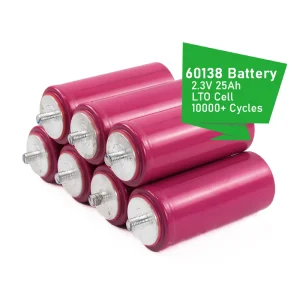
| Lithium Titanate (LTO) | 70 - 100 Wh/kg | 15,000 - 25,000 Cycles | Exceptional (Non-flammable anode) | Heavy locomotives, dynamic mining haulers, fast-charging buses. |
| Solid-State (Li-Metal/Polymer) | 350 - 450 Wh/kg | Targeting > 1,000 Cycles | Inherently Safe (Solid electrolyte) | Next-Gen UAVs, eVTOL systems, high-altitude research vehicles. |
Our production of Solid-State LiFePO4 household storage systems provides a major safety upgrade by reducing volatile organic solvent content, limiting fire propagation risks even under severe physical deformation or electrical faults.
How quality-assured power platforms perform in challenging industrial environments
Designed to stabilize micro-grids and reduce peak demand costs. Our systems deliver thermal monitoring and reliable energy discharge over long operating lives. Ideal for high-stress manufacturing plants, hyperscale data centers, and remote telecom hubs.
Traction systems for forklifts, mining equipment, and terminal tractors require vibration-resistant connections and smart BMS balancing. Our robust packs handle high mechanical shock and deliver consistent peak power output.
Unmanned Aerial Vehicles (UAVs) and eVTOL platforms demand high energy density combined with high continuous discharge rates. Our custom solid-state and high-rate NCM pouch systems deliver the required capacity while saving crucial weight.
Technical answers to help buyers evaluate quality and performance standards when sourcing from China
Batch consistency is critical to avoid premature pack failure. We route all incoming cells through automated grading stations that filter by Open Circuit Voltage (OCV-1/OCV-2) and AC Internal Resistance (ACIR). Cells with anomalous self-discharge profiles are automatically sorted out. Finally, cells are grouped using narrow capacity and impedance thresholds before battery pack assembly.
We combine active and passive thermal protection systems. This includes high-efficiency thermal pads and phase-change materials (PCM) to absorb excess heat. Our smart Battery Management Systems (BMS) monitor temp sensors placed throughout the pack. If a cell reaches safety thresholds, the BMS isolates the affected module to prevent thermal propagation.
All exported products include comprehensive UN38.3 test documentation, Material Safety Data Sheets (MSDS), and drop-test packaging declarations. Depending on application requirements, we supply cells certified under IEC 62619, UL 1973, and UL 9540A to streamline local building code inspections and customs clearance processes.
Sodium-ion batteries offer excellent low-temperature performance (retaining over 80% capacity at -20°C) and rely on readily available raw materials, making them cost-effective. However, they have lower energy density than LiFePO4. For space-constrained projects, LiFePO4 remains the industry standard, while Sodium-ion is ideal for utility-scale storage in cold climates.
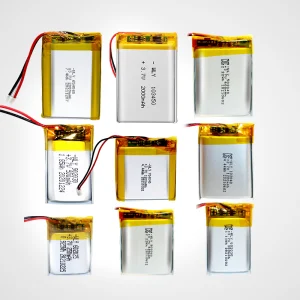
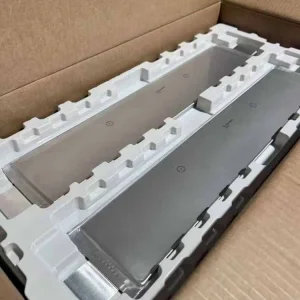
High-precision cell designs and battery raw materials optimized for extreme performance
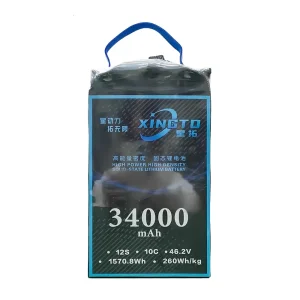
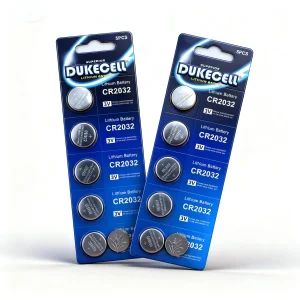



 Nuwon Energy