In the ecosystem of smart infrastructure, sub-metering, and Remote Internet of Things (IIoT), powering electronic systems for extended lifespans is a major design bottleneck. The selection of a primary battery chemistry directly impacts maintenance costs and performance. Lithium Thionyl Chloride (Li-SOCl2) Wafer Batteries stand at the forefront of long-term autonomy solutions.
Traditional cylindrical cells, while packing high raw nominal capacity, exhibit larger spatial volume profiles and lower structural efficiency for thin sensor enclosures. Wafer cells, specifically optimized with flat bobbin structures, deliver maximum surface footprint utilization with extremely low height margins. When paired with high energy density (up to 650 Wh/kg) and low self-discharge rates (less than 1% annually at 20°C), they represent the premium industrial standard for utility metering, smart tracking devices, and automated industrial interfaces.
Crucial to this chemistry is the dynamic passivation layer of lithium chloride (LiCl) that grows naturally on the surface of the lithium anode. This microscopic crystalline layer blocks direct chemical interaction, arresting self-discharge during passive storage. However, upon active load demands, this layer must dynamically dissipate. Our engineering teams at Guangdong Nuwon Energy Co., Ltd. continuously optimize the structural geometry and electrolyte formulations to minimize voltage delay while maximizing sustained pulse capability.
Guangdong Nuwon Energy Co., Ltd. is a leading manufacturer and solution provider in advanced battery systems, specializing in the research, development, manufacturing, and global distribution of high-performance energy storage products. The company offers comprehensive OEM and ODM services, delivering customized battery solutions tailored to diverse industrial and commercial applications.
Backed by a highly experienced engineering and R&D team, Nuwon Energy focuses on the design and integration of cylindrical and prismatic lithium battery cells, as well as complete battery packs, modules, and energy storage systems. The company also develops and produces industrial-grade battery cells engineered for safety, durability, and long cycle life.
Guangdong Nuwon Energy serves a wide range of industries, including consumer electronics, electric mobility (such as golf carts, forklifts, UTVs/ATVs, trucks, and marine systems), medical equipment, unmanned ground vehicles (AGVs/AMRs), and emerging aerospace applications such as eVTOL aircraft. In addition, the company provides reliable residential, commercial, and industrial (C&I) energy storage solutions designed to support the global transition toward clean and sustainable energy.
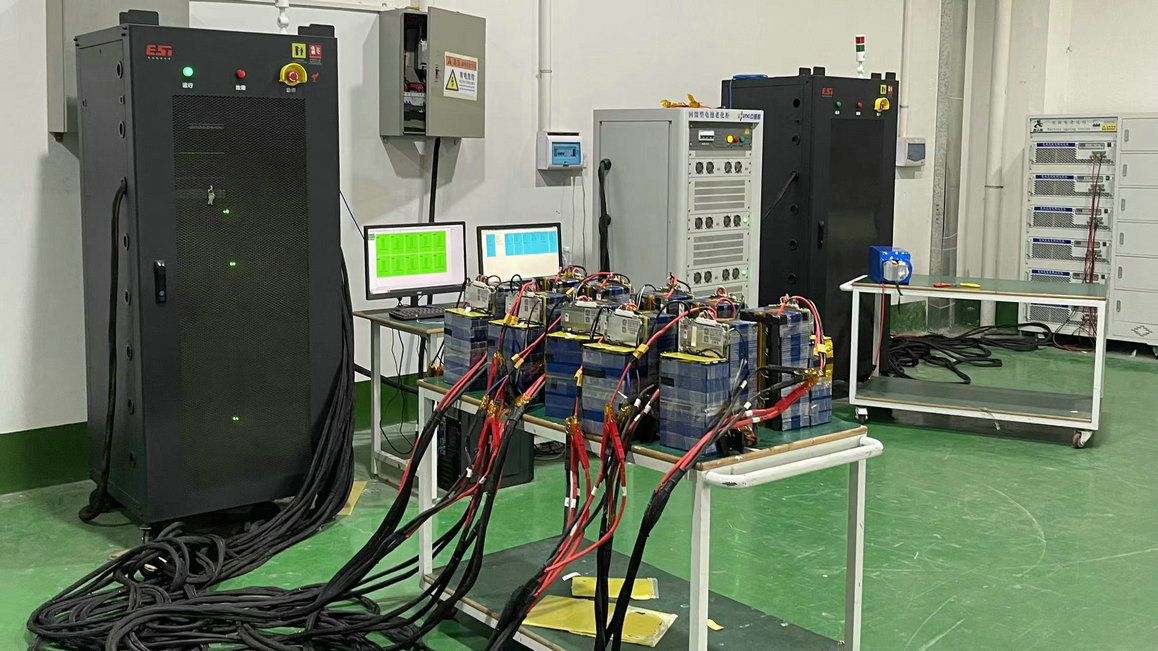
With a strong commitment to innovation, strict quality control, and customer-centric service, Guangdong Nuwon Energy continuously invests in advanced manufacturing capabilities, automated production lines, and rigorous testing systems. This ensures that every product meets international safety standards and delivers exceptional performance in demanding environments.
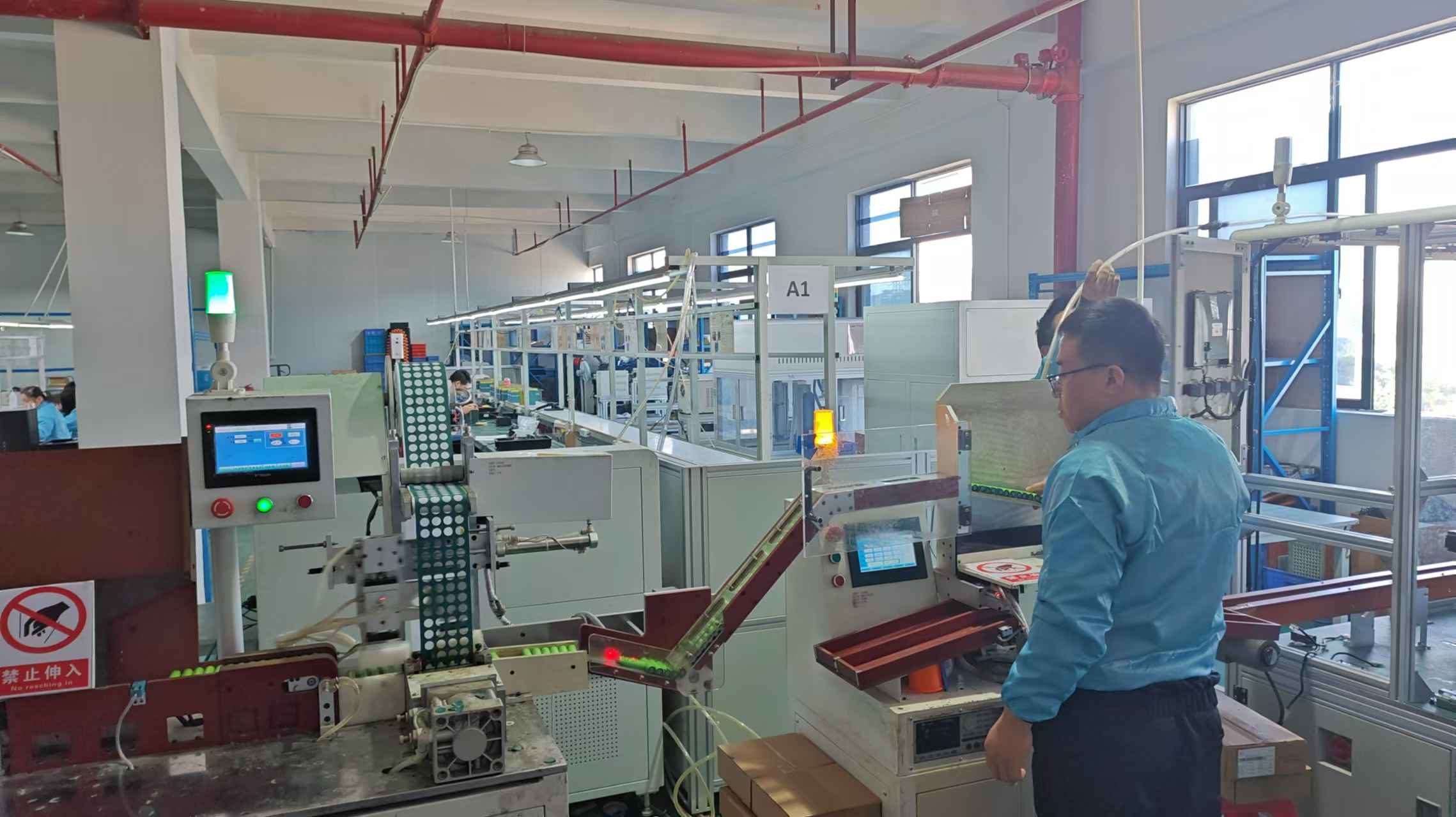
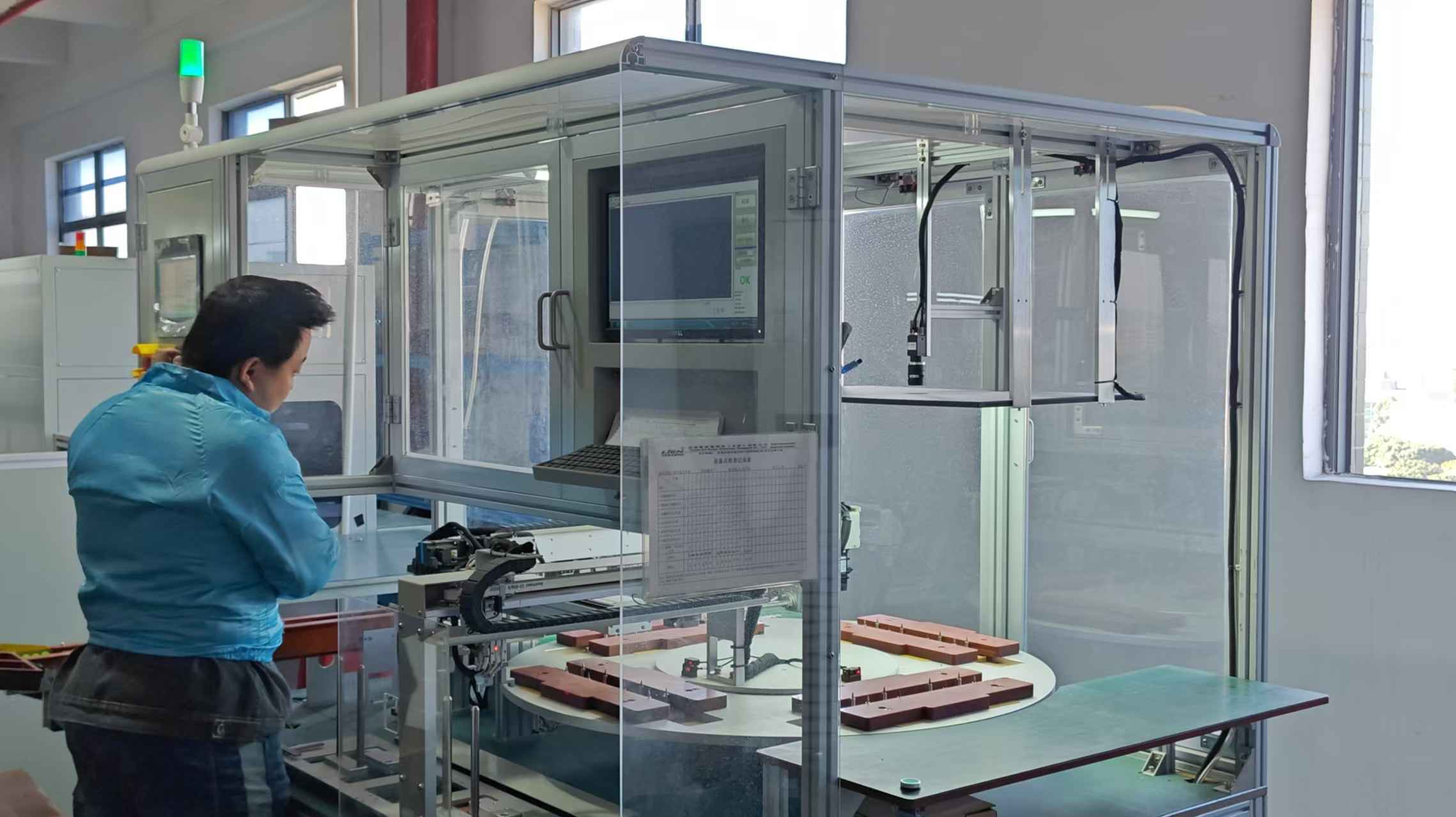
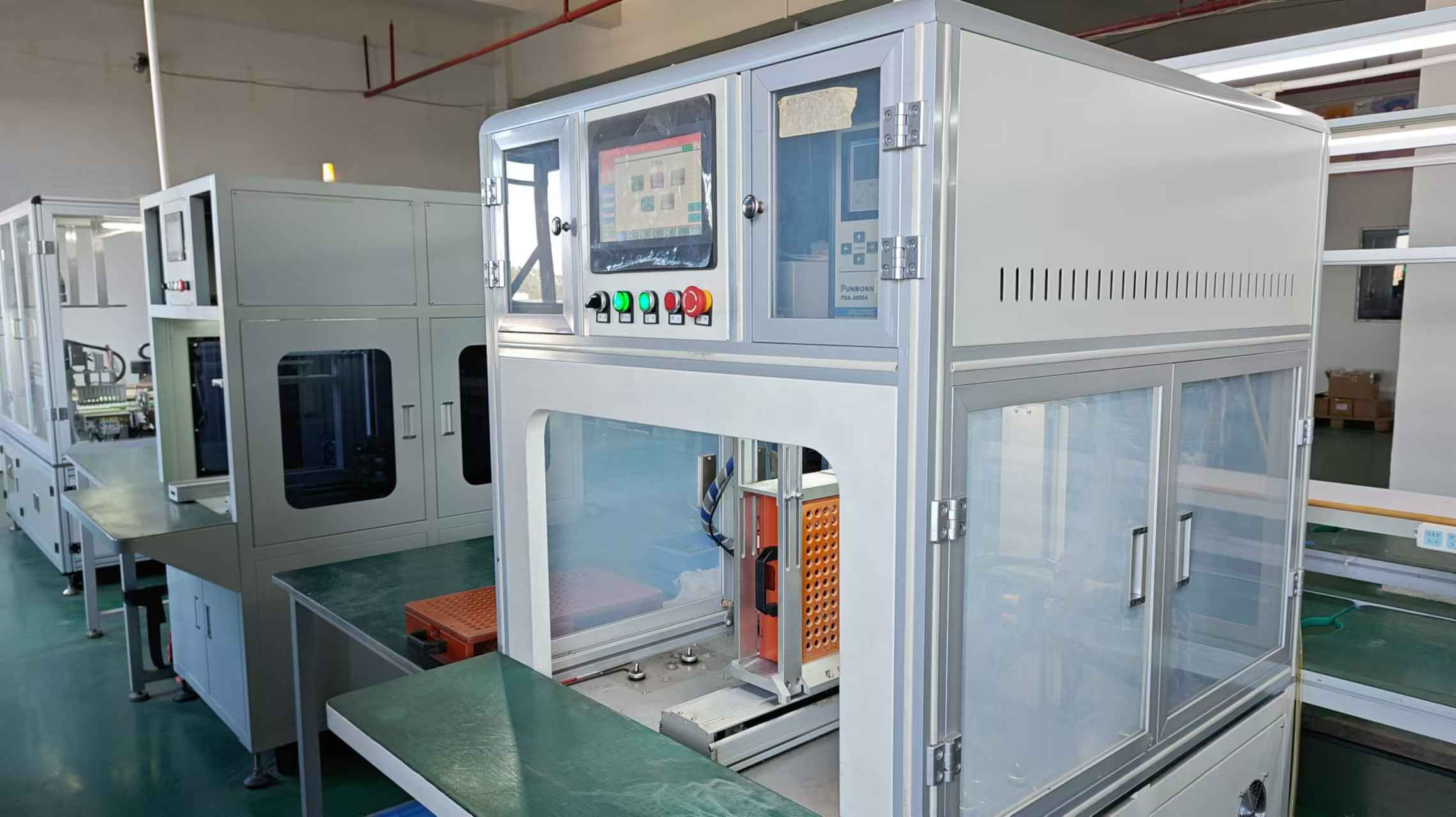
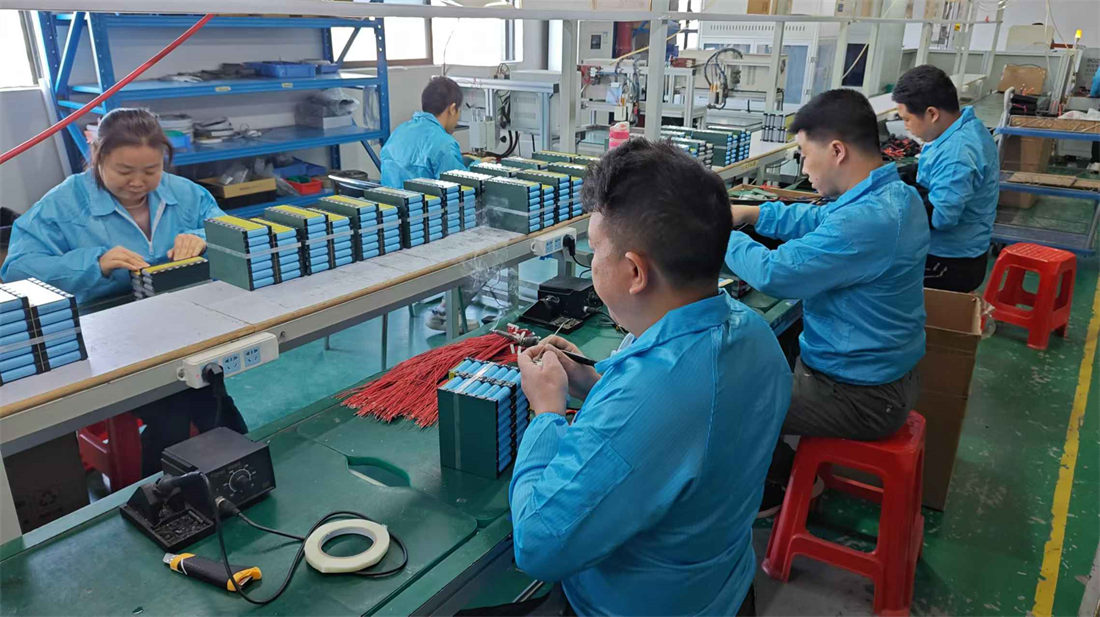
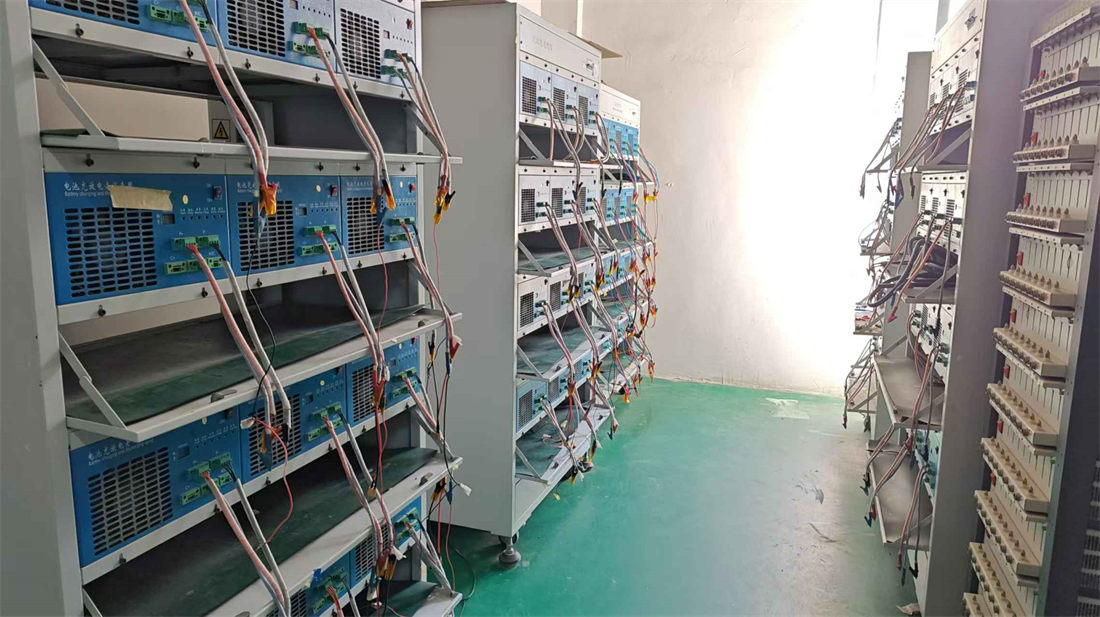
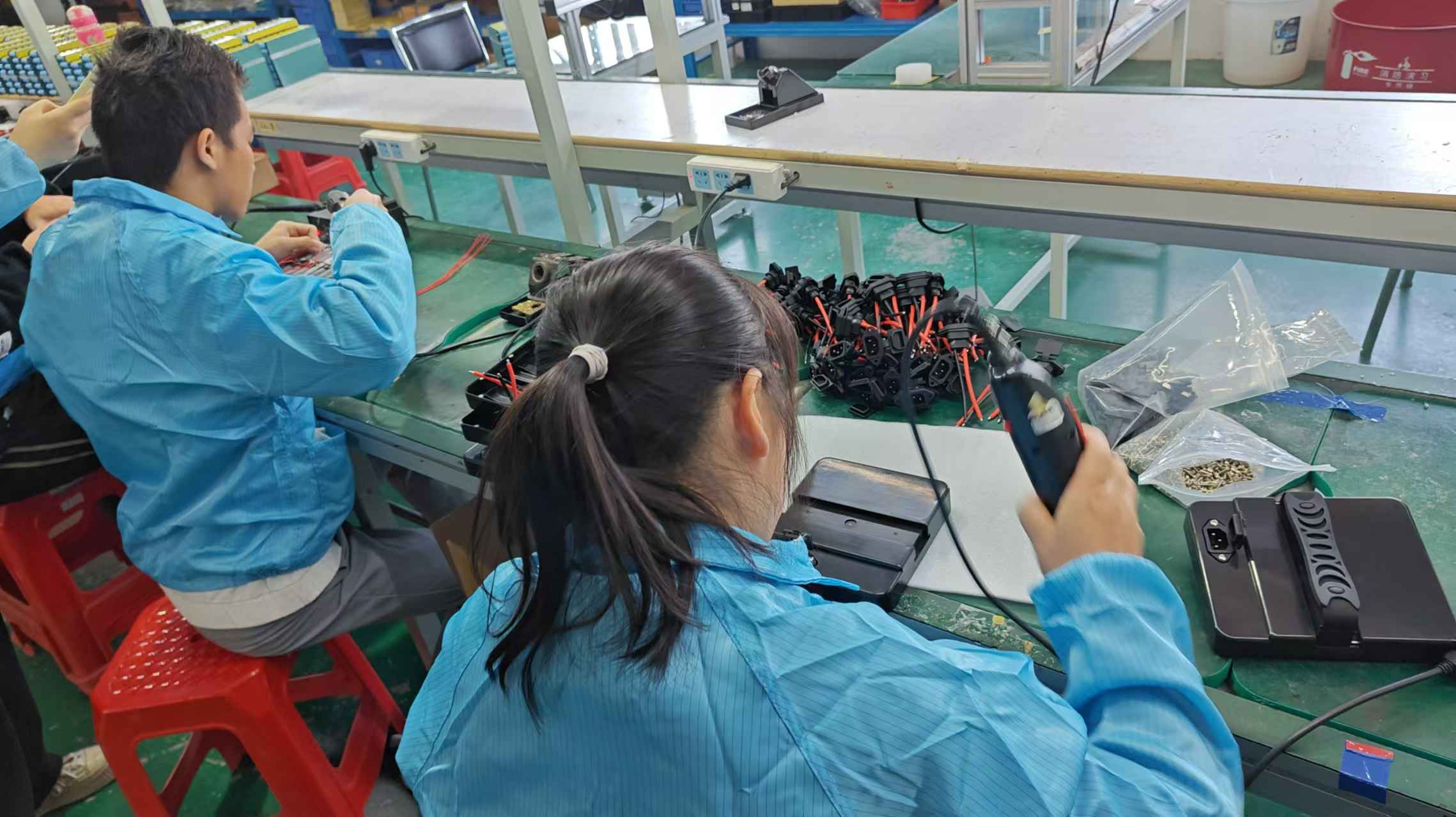
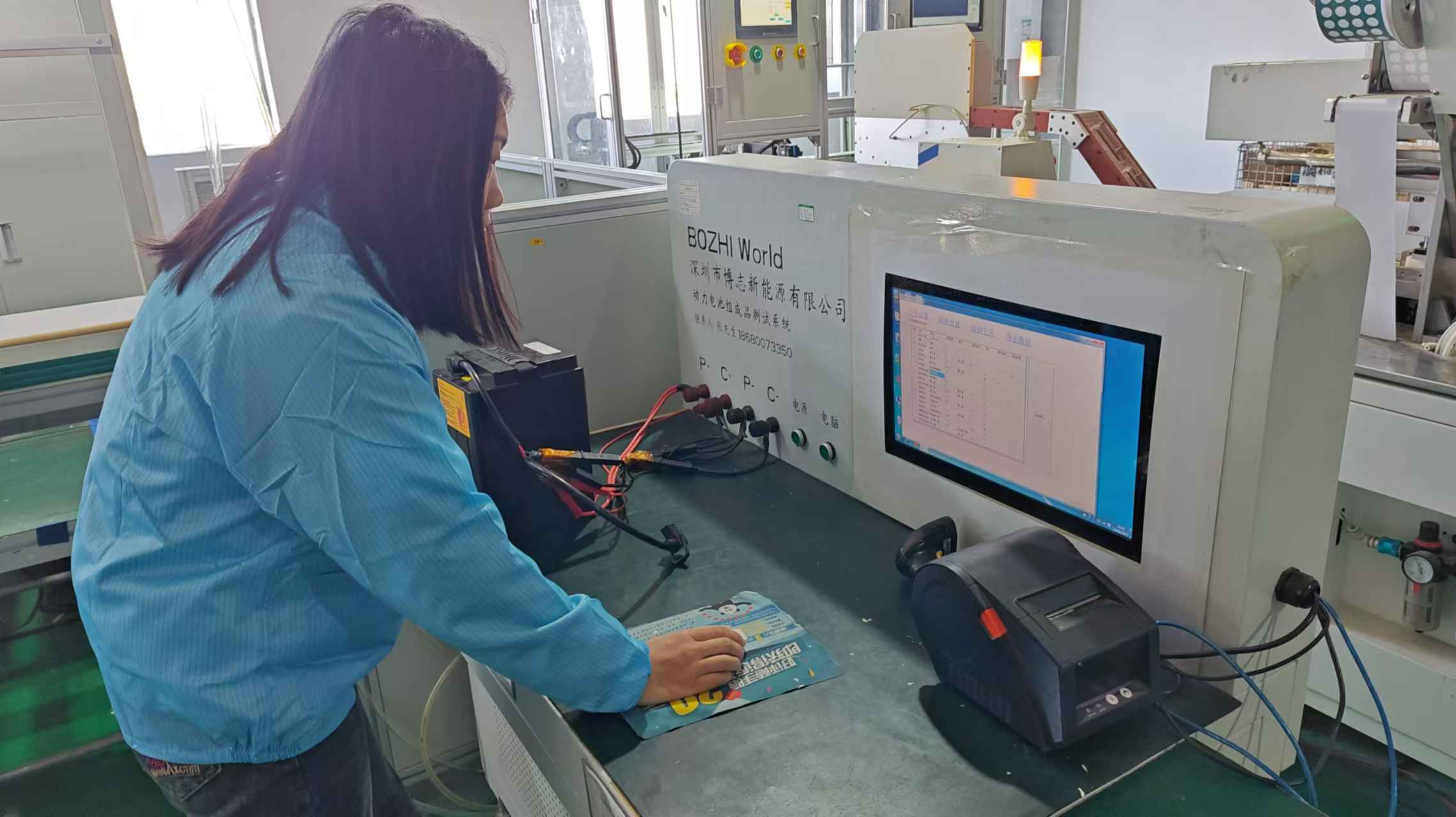
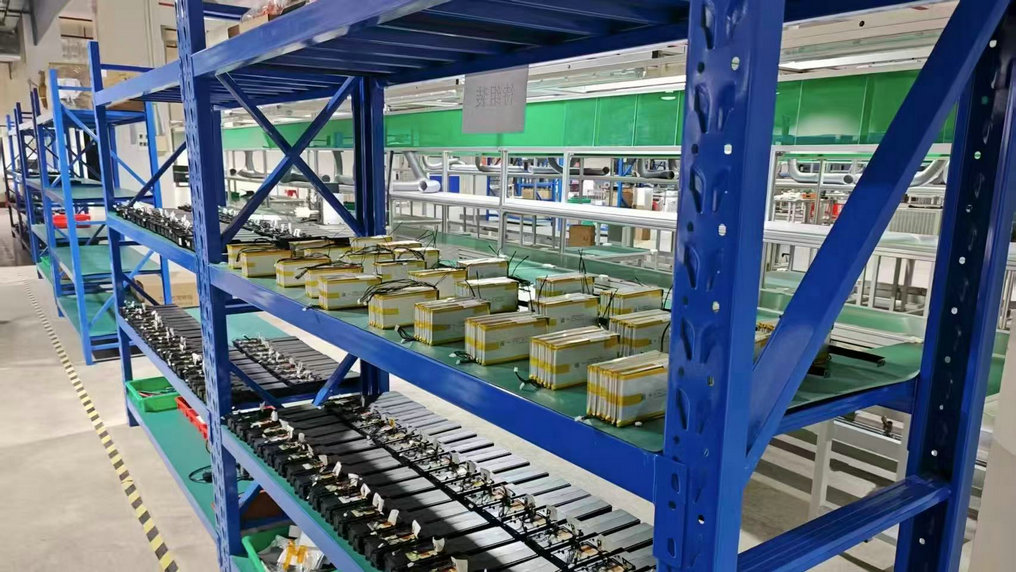
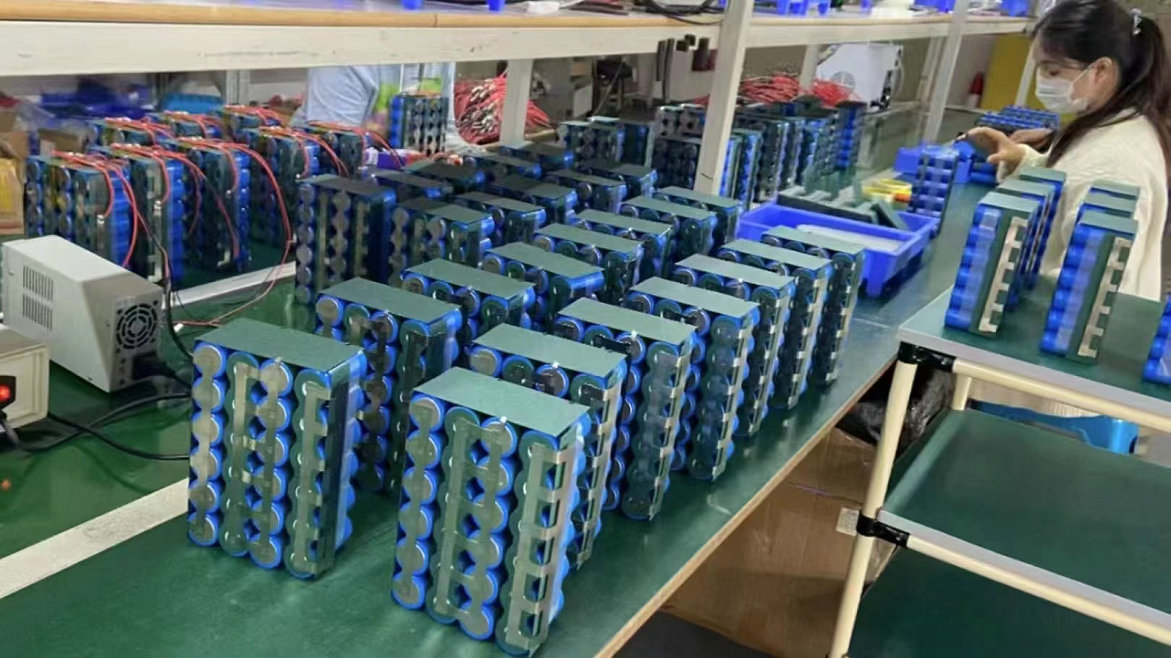
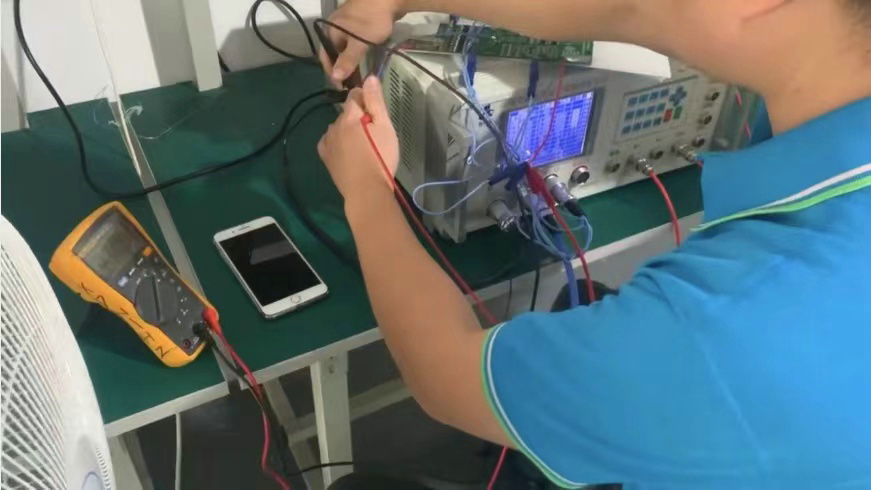
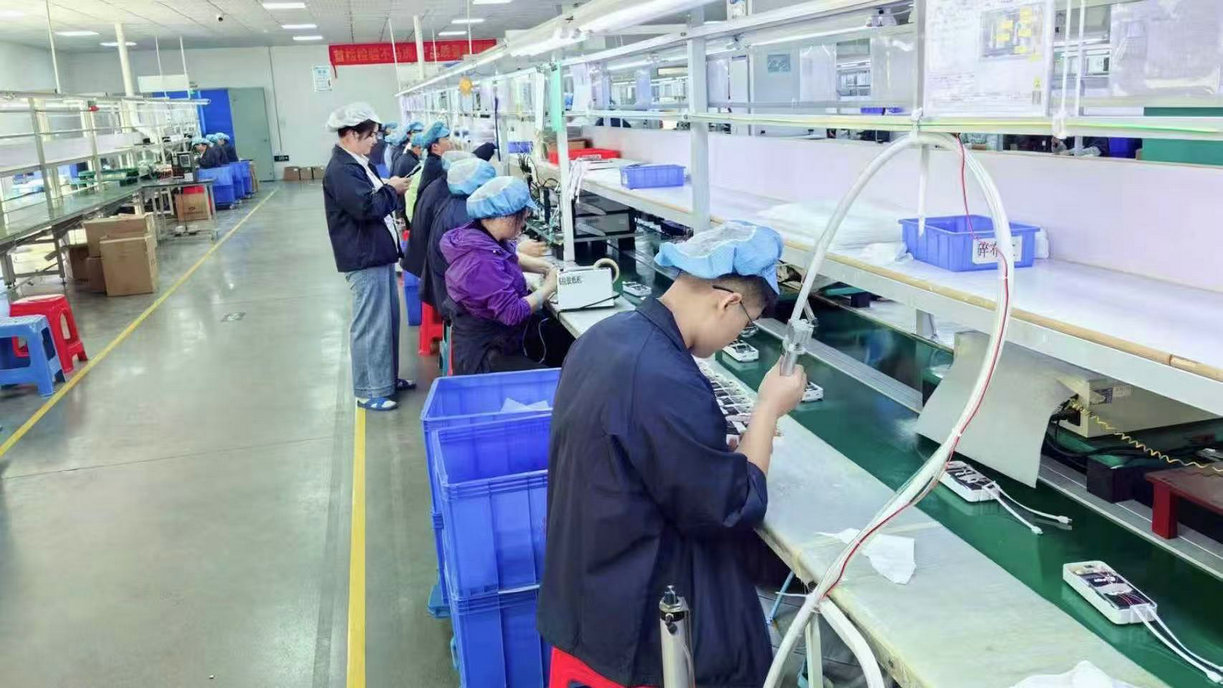
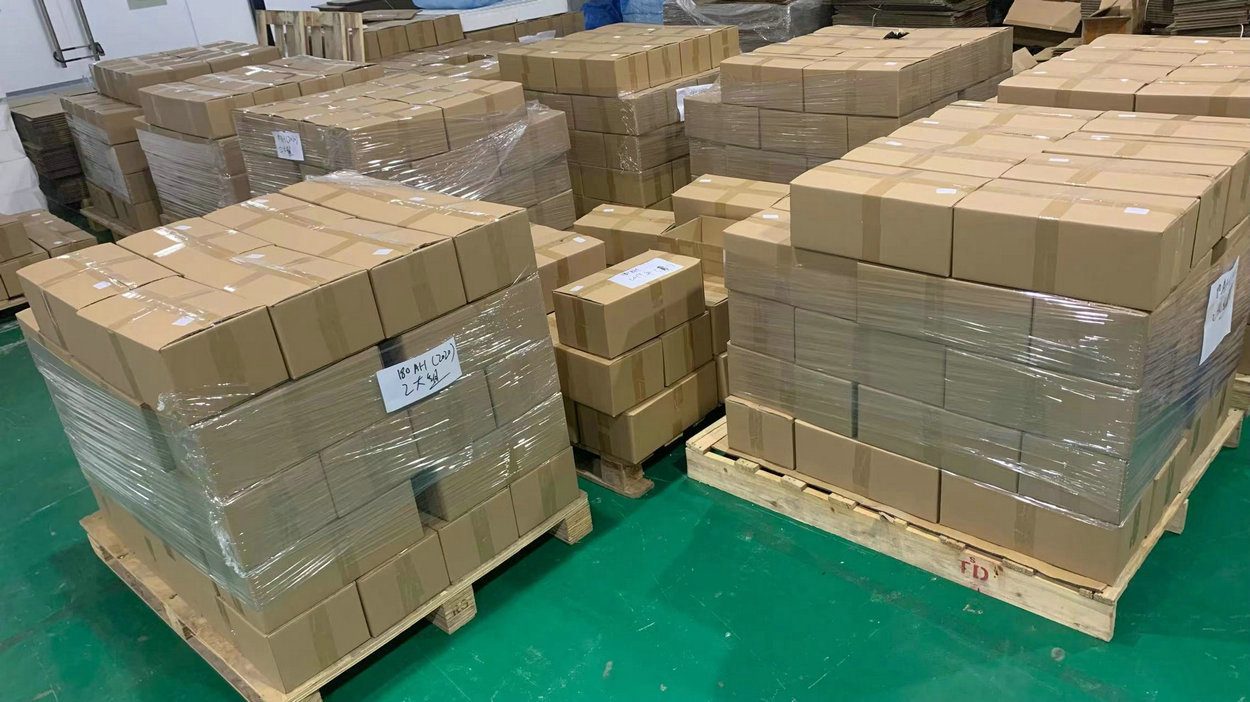
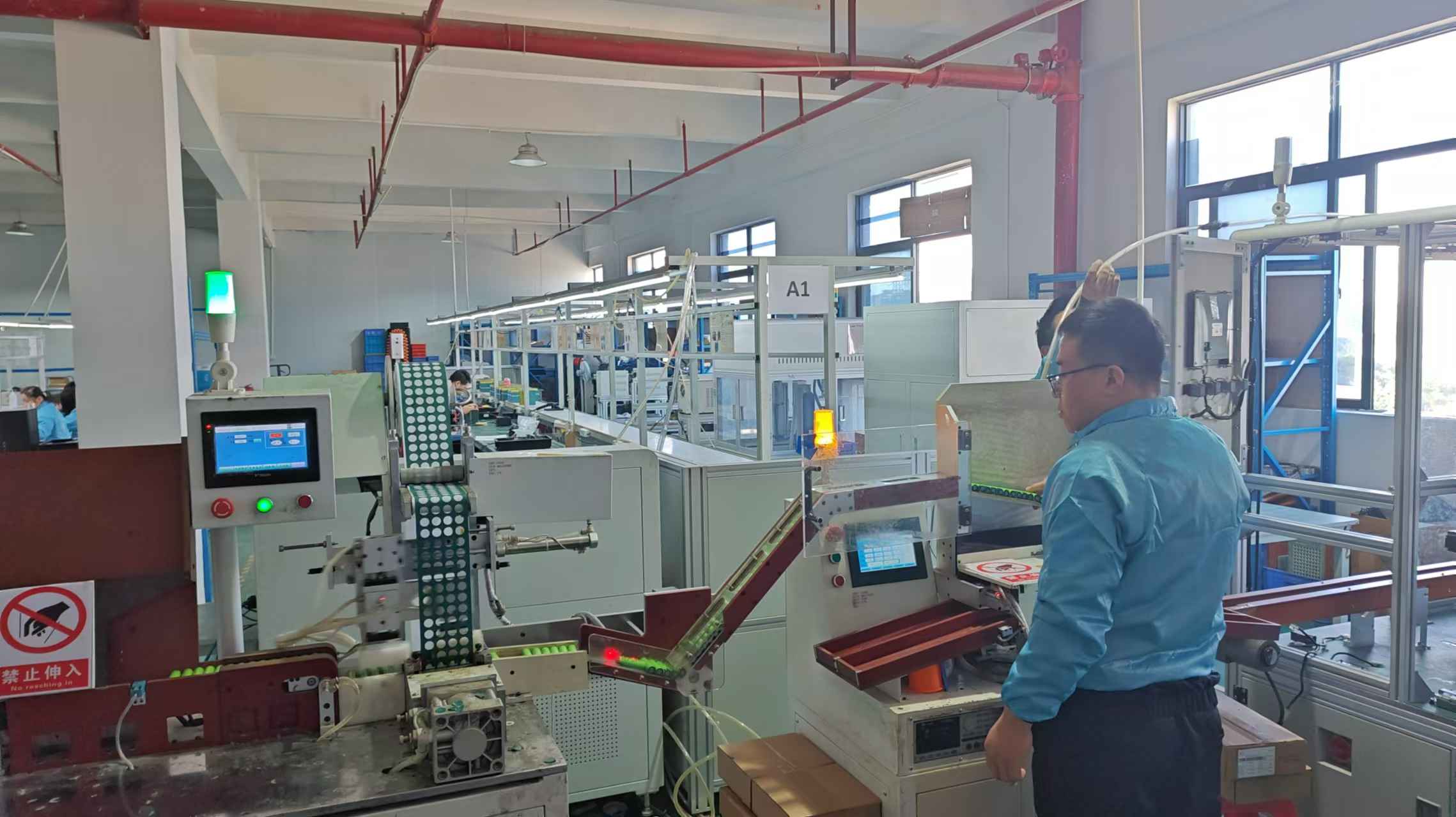
Our wafer cell production line combines dynamic automated assemblies, high-accuracy laser-spot welding, and high-frequency parameter sorting to guarantee physical consistency. Below is an overview of our state-of-the-art battery assembly line in our manufacturing facility:
The global demand for high-reliability primary lithium cells is accelerating due to the expansion of smart cities, global asset tracking systems, and decentralized utility networks. Regions with extreme weather variations, such as North America, Northern Europe, and Australia, face challenging conditions that render standard battery chemistries (like alkaline or Li-MnO2) ineffective. These standard batteries fail either due to high self-discharge in heat or frozen electrolytes in sub-zero winters.
In contrast, Lithium Thionyl Chloride wafer cell systems are engineered for operation across a wide range of temperatures (-55°C to +85°C). Industrial customers seek customized primary cells with optimized current output characteristics. These configurations must maintain a steady voltage plateaus above 3.0V throughout their lifetime, while supporting transient pulse demands of up to several hundred milliamperes for wireless modules (such as NB-IoT, LoRa, or Sigfox).
Our strategic manufacturing approach addresses these requirements by integrating state-of-the-art materials directly into the anode and electrolyte formulations. We cater to global supply chains by stabilizing lead times, offering scalable OEM production, and providing secure shipping compliance across international logistics networks.
Procuring industrial-grade primary cells requires a comprehensive understanding of long-term operational challenges. When purchasing wholesale Li-SOCl2 wafer batteries, sourcing managers must look beyond unit price to evaluate total cost of ownership (TCO) and long-term reliability. Below are key technical factors we address for our procurement partners:
By operating modern production facilities in China under strict ISO 9001, ISO 14001, and ISO 45001 frameworks, we offer a steady supply chain and robust cost management. This combination provides global buyers with high-performance, cost-effective industrial power options.
Our research and development program focuses on addressing performance limits in long-life primary batteries. The diagram below illustrates the technology roadmap for our Li-SOCl2 battery development:
We are testing chemical additives for our thionyl chloride electrolyte. These compounds slow down the initial growth rate of the LiCl passivation crystals, reducing voltage delays without accelerating self-discharge rates.
We are integrating primary wafer cells with Super Pulse Capacitors (SPC) or Hybrid Lithium Capacitors (HLC) in parallel. This design allows the wafer cell to continuously trickle-charge the capacitor, while the capacitor delivers the high pulse currents required for modern cellular communication.
We are developing modified electrolyte salts and ceramic separators to extend the upper operating limit of our wafer batteries to +125°C. This advancement is targeted at downhole oil drilling, heavy industrial machinery, and automotive engine sensors.
Primary lithium batteries are classified as Class 9 Dangerous Goods under international transportation regulations. Navigating compliance is a critical step for global procurement. Our products undergo extensive testing to meet these international safety standards:
UN38.3 Transportation Testing: Ensures our cells can be safely transported by air, sea, and land by passing extreme vibration, thermal cycling, drop, crash, and external short-circuit evaluations.
UL1642 & IEC 60086-4 Safety Standards: Guarantees structural integrity under conditions of abnormal electrical charge, over-discharge, drop, crush, and thermal shock.
RoHS and REACH Directives: Verifies that all cell assemblies are free from restricted heavy metals and hazardous substances, facilitating smooth distribution in the European Union and other strictly regulated markets.
Full Logistics Tracking: We work alongside international freight forwarders to provide detailed MSDS documentation, UN cartons, and customized labeling. This ensures safe transport and efficient customs clearance for international shipments.
Passivation is a natural chemical reaction that occurs when the thionyl chloride electrolyte contacts the lithium anode. This reaction forms a protective lithium chloride (LiCl) crystal layer. While this layer extends the battery's shelf life to over 15 years by reducing self-discharge, it also increases internal resistance. When a device wakes up from a low-power sleep state and demands a high pulse current, this resistance can cause an initial drop in voltage (known as voltage delay). In severe cases, this drop can trigger system resets. We mitigate this by customizing electrolyte formulations and utilizing hybrid capacitor systems to manage transient voltage requirements.
Wafer geometry is designed for space-constrained electronics that require a low-profile, flat footprint. It provides a compact power source for applications such as utility smart cards, active RFID tags, memory backup systems, and low-profile industrial sensors. Wafer cells deliver high energy density and stable voltage plateaus, making them an efficient alternative to cylindrical cells in designs where height is restricted.
We recommend storing these cells in cool, dry, and well-ventilated conditions, ideally at temperatures below +30°C and relative humidity below 60%. Avoid storing them in direct sunlight or near heat sources. Storing the batteries at elevated temperatures can accelerate self-discharge and lead to thicker passivation layers, which may increase the severity of voltage delay when the cells are put into service.
No. Lithium Thionyl Chloride cells are primary batteries and are not rechargeable. Attempting to charge these cells can damage the internal structure, lead to electrolyte leakage, generate excessive heat, or cause case rupture. For applications requiring rechargeable solutions, we offer LiFePO4 and Lithium-ion chemistries.
We provide a range of customizable connection options to meet different PCB layout requirements. These include radial pins (2-pin or 3-pin layouts), axial wire leads, polarization solder tabs, and connector wire harnesses. We can customize the terminal configuration based on your engineering drawings.
 Nuwon Energy