Engineered for extreme reliability, rapid charge capabilities, and unmatched lifecycle performance across demanding industrial environments.
Unlocking system-level longevity, structural security, and chemical stability under extreme environmental stress.
In modern industrial applications, battery failure is not merely an inconvenience; it represents operational downtime, severe economic loss, and potential safety risks. The concept of Robust Battery Design goes far beyond standard chemical packaging. It integrates comprehensive chemical balance, advanced thermal management, high-integrity mechanical structures, and intelligent monitoring systems to ensure continuous power delivery under extreme mechanical shocks, rapid thermal fluctuations, and high-rate current demands.
Historically, commercial battery manufacturing focused primarily on energy density and cost-per-kilowatt-hour. However, the diversification of modern electrification—stretching from automated guided vehicles (AGVs) operating in freezing distribution centers to high-rate aviation platforms like electric vertical takeoff and landing (eVTOL) aircraft—demands a shift. A robust design mandates the utilization of highly stable electrode materials, structurally reinforced cell cases, and highly customized battery management systems (BMS) with high-density monitoring capabilities to preemptively mitigate failures such as thermal runaway, dendrite growth, and internal short-circuiting.
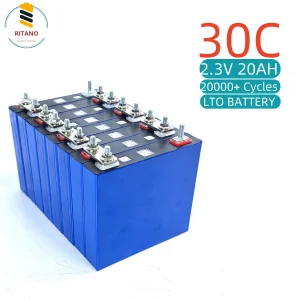
By shifting design priorities toward structural durability, deep-cycle life retention, and absolute thermal threshold stability, engineering teams can build platforms capable of surviving over 20,000 cycles, as seen in advanced Lithium Titanate (LTO) cell structures. Our technical whitepaper outlines how systematic manufacturing processes and precise material selection converge to define the next generation of robust energy architecture.
Guangdong Nuwon Energy Co., Ltd. is a leading manufacturer and solution provider in advanced battery systems, specializing in the research, development, manufacturing, and global distribution of high-performance energy storage products. The company offers comprehensive OEM and ODM services, delivering customized battery solutions tailored to diverse industrial and commercial applications.
Backed by a highly experienced engineering and R&D team, Nuwon Energy focuses on the design and integration of cylindrical and prismatic lithium battery cells, as well as complete battery packs, modules, and energy storage systems. The company also develops and produces industrial-grade battery cells engineered for safety, durability, and long cycle life.
Guangdong Nuwon Energy serves a wide range of industries, including consumer electronics, electric mobility (such as golf carts, forklifts, UTVs/ATVs, trucks, and marine systems), medical equipment, unmanned ground vehicles (AGVs/AMRs), and emerging aerospace applications such as eVTOL aircraft. In addition, the company provides reliable residential, commercial, and industrial (C&I) energy storage solutions designed to support the global transition toward clean and sustainable energy.
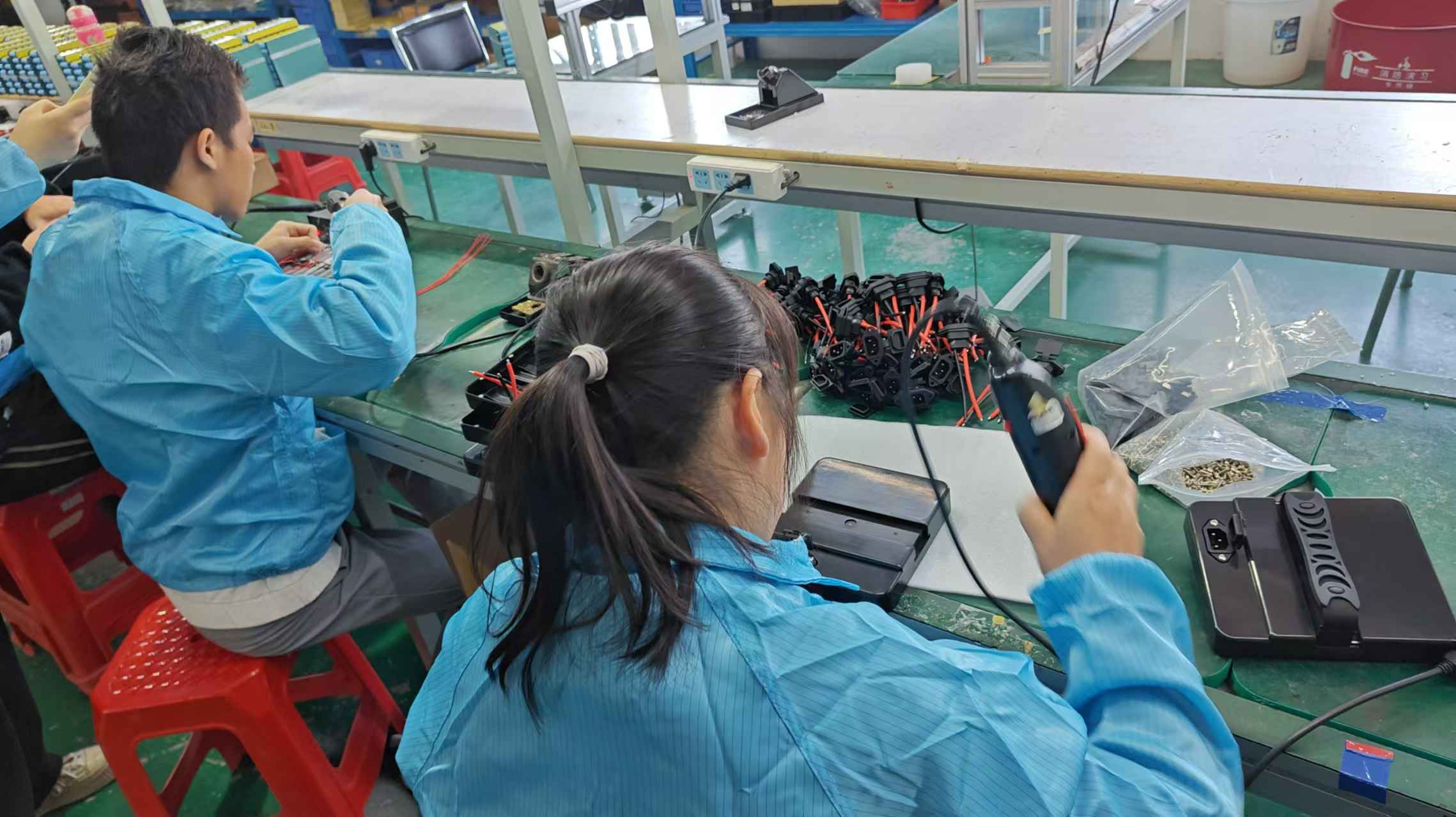
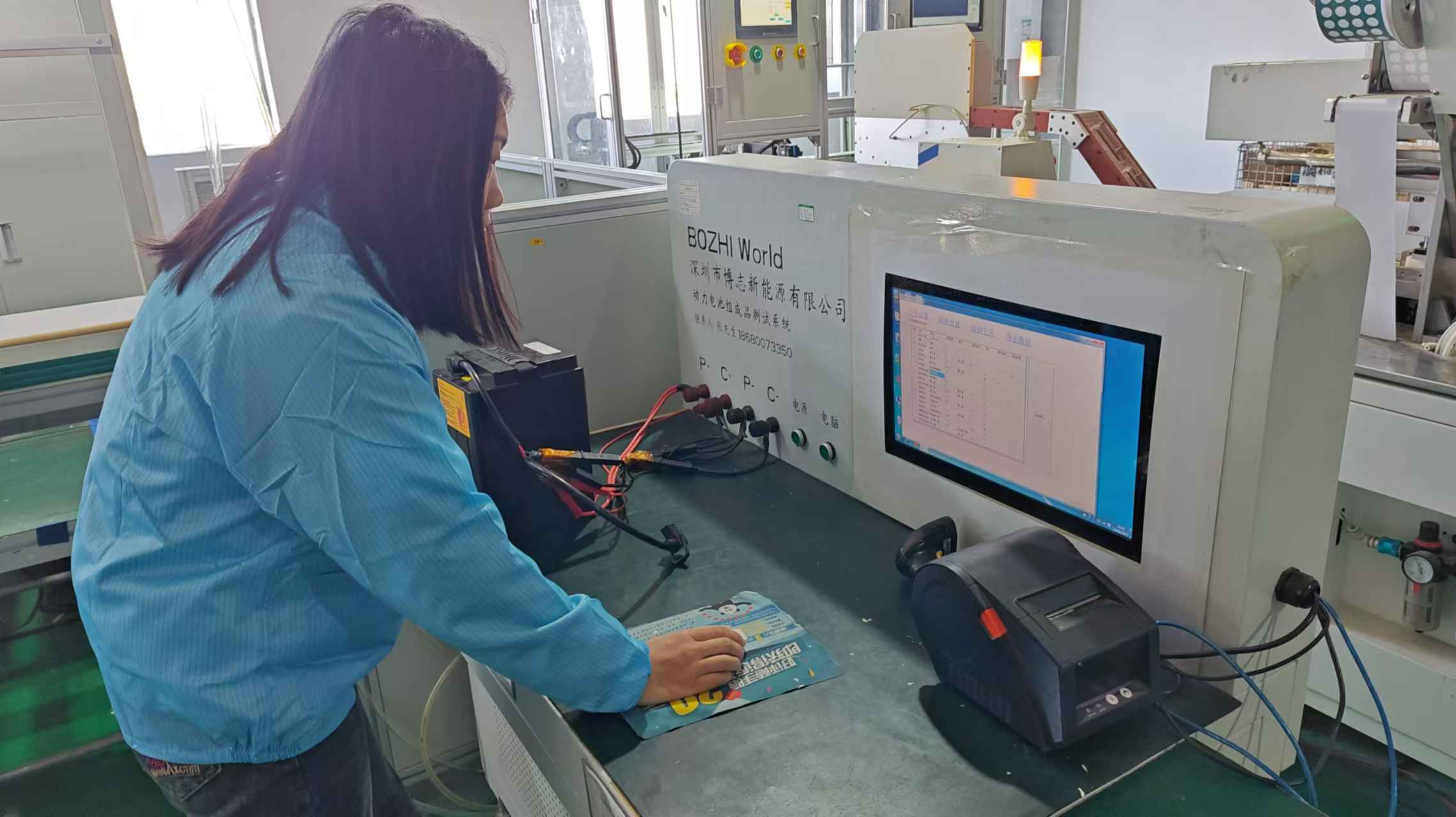
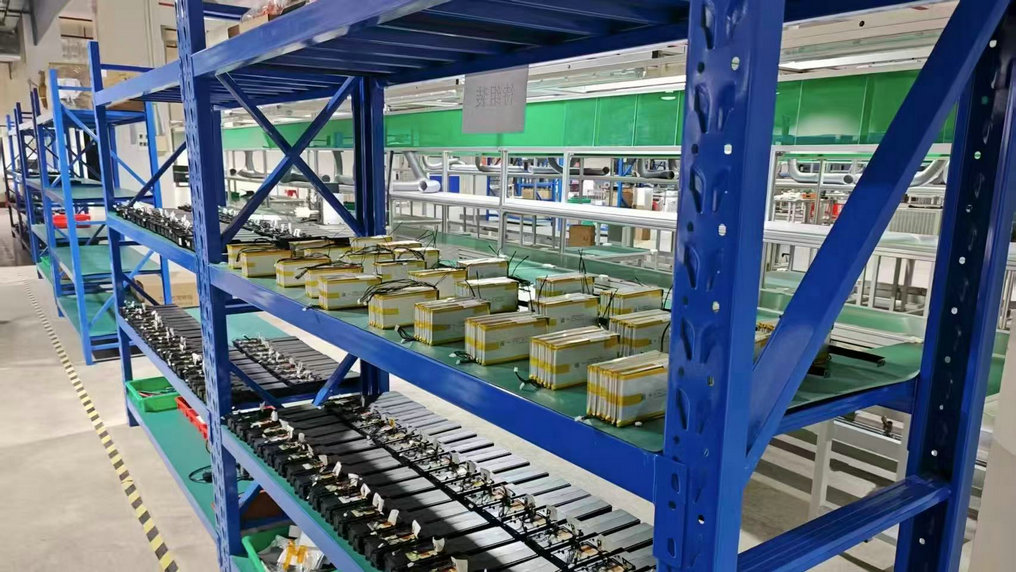
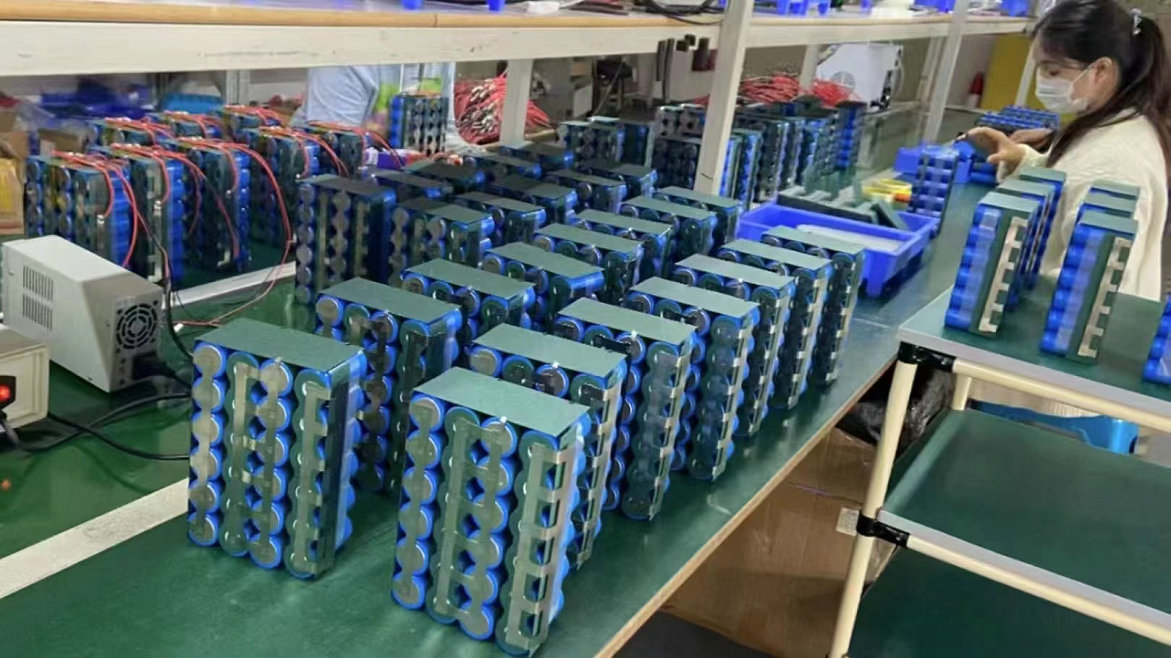
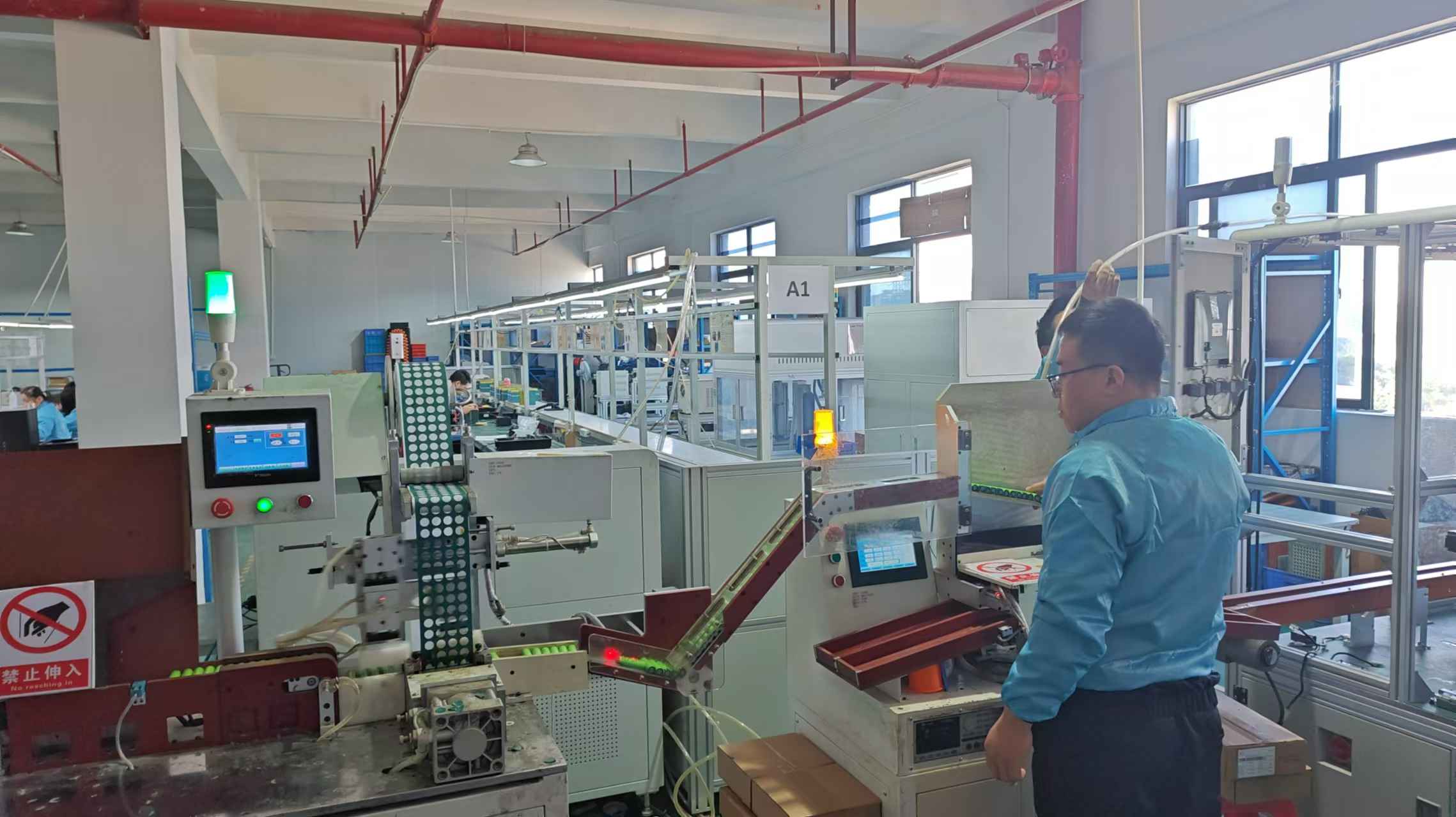
With a strong commitment to innovation, strict quality control, and customer-centric service, Guangdong Nuwon Energy continuously invests in advanced manufacturing capabilities, automated production lines, and rigorous testing systems. This ensures that every product meets international safety standards and delivers exceptional performance in demanding environments.
LTO Cycle Life
Safety Certified
Full Integration
Analyzing key global commercial sectors transitioning to robust lithium chemistry.
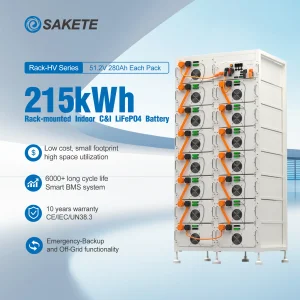
Unstable global power grids and shifting peak-demand pricing structures have driven massive demand for Commercial & Industrial (C&I) containerized and rack-mounted storage units (e.g., 215kWh and 241kWh LiFePO4 packs). These modular designs offer dynamic peak-shaving, emergency backup power, and seamless integration with localized photovoltaic arrays, creating a self-sustaining microgrid topology.
Warehouse logistics and material handling operations are heavily reliant on industrial forklifts, UTVs, and automated guided vehicles (AGVs) that run continuously. Using robust LTO and high-cycle LiFePO4 batteries enables rapid opportunity charging (often within 10–15 minutes) and safe operations under sub-zero or high-temperature warehousing environments without compromising runtime.
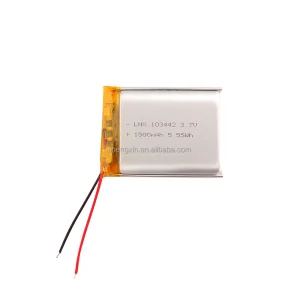
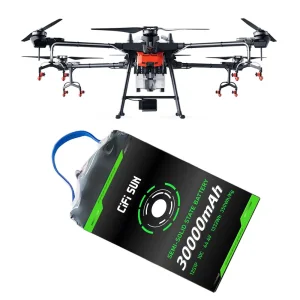
Unmanned aerial vehicles (drones) and electric vertical takeoff and landing (eVTOL) systems face strict weight constraints and intense high-current demand peaks. High-density, semi-solid-state and lithium-polymer pouch systems deliver the necessary discharge C-rates (10C to 20C continuous) while reducing weight, extending flight time, and preserving mechanical integrity.
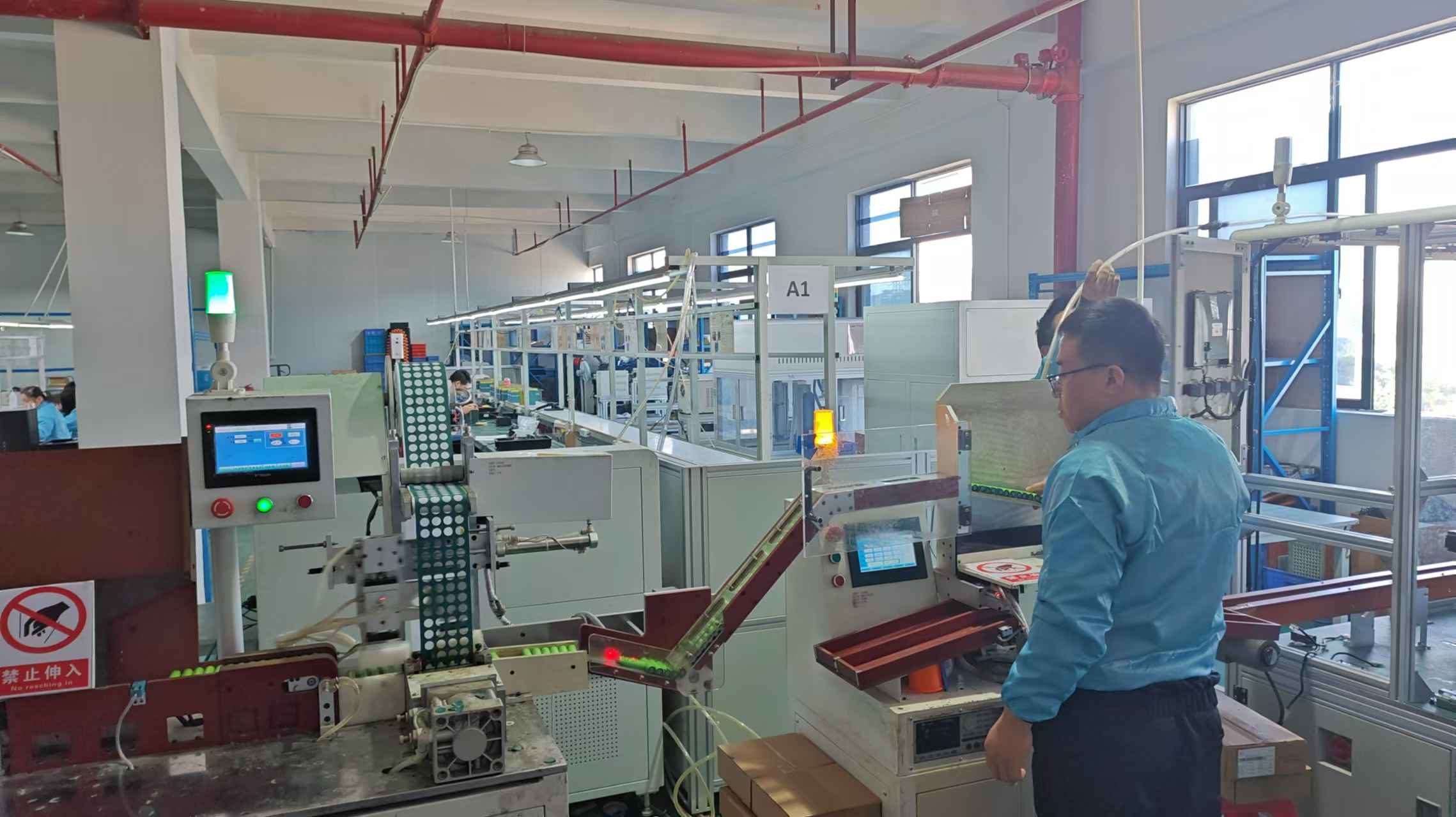
Step-by-step visual documentation of our automated assembly and testing lines in Guangdong, China.
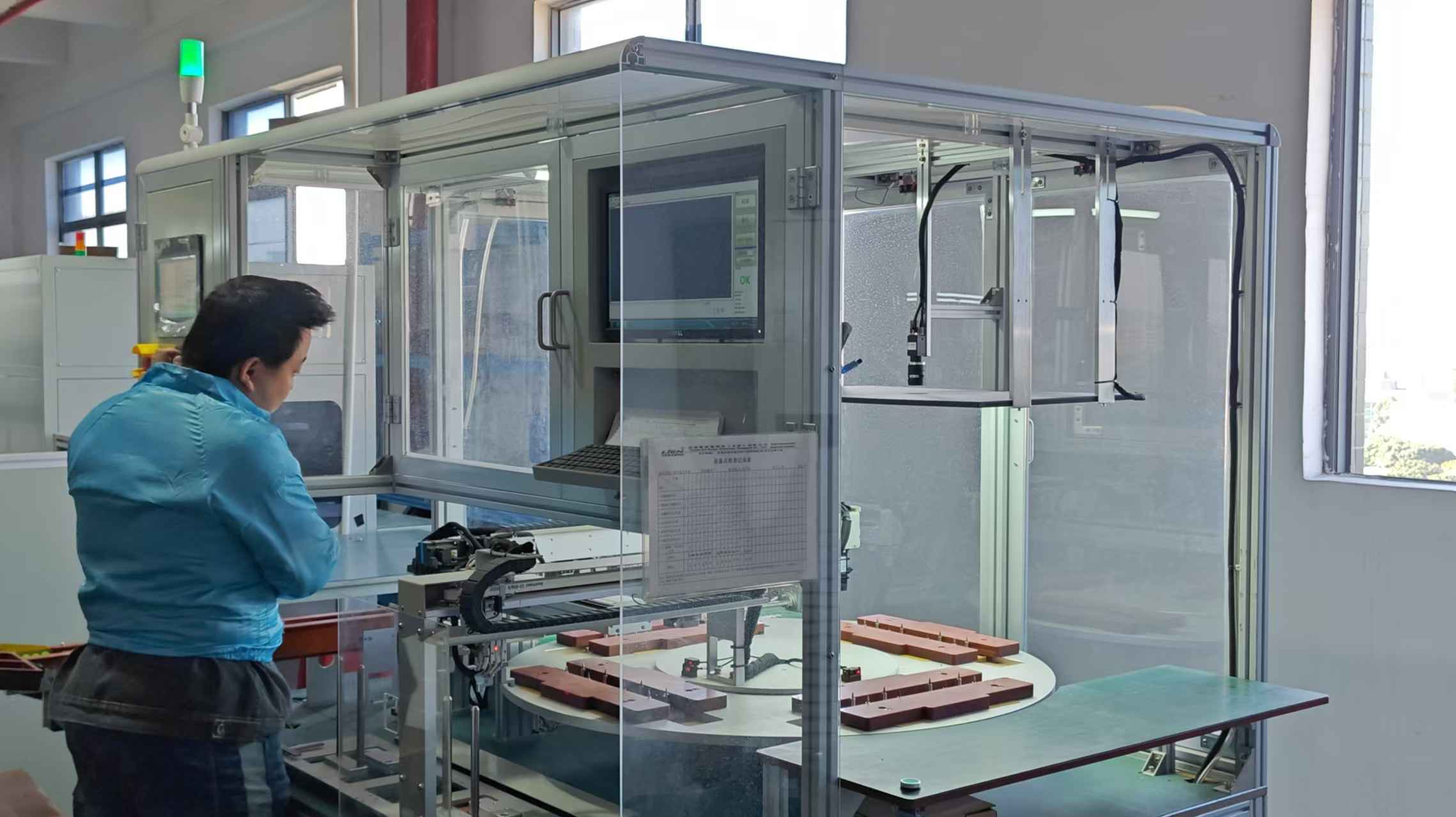
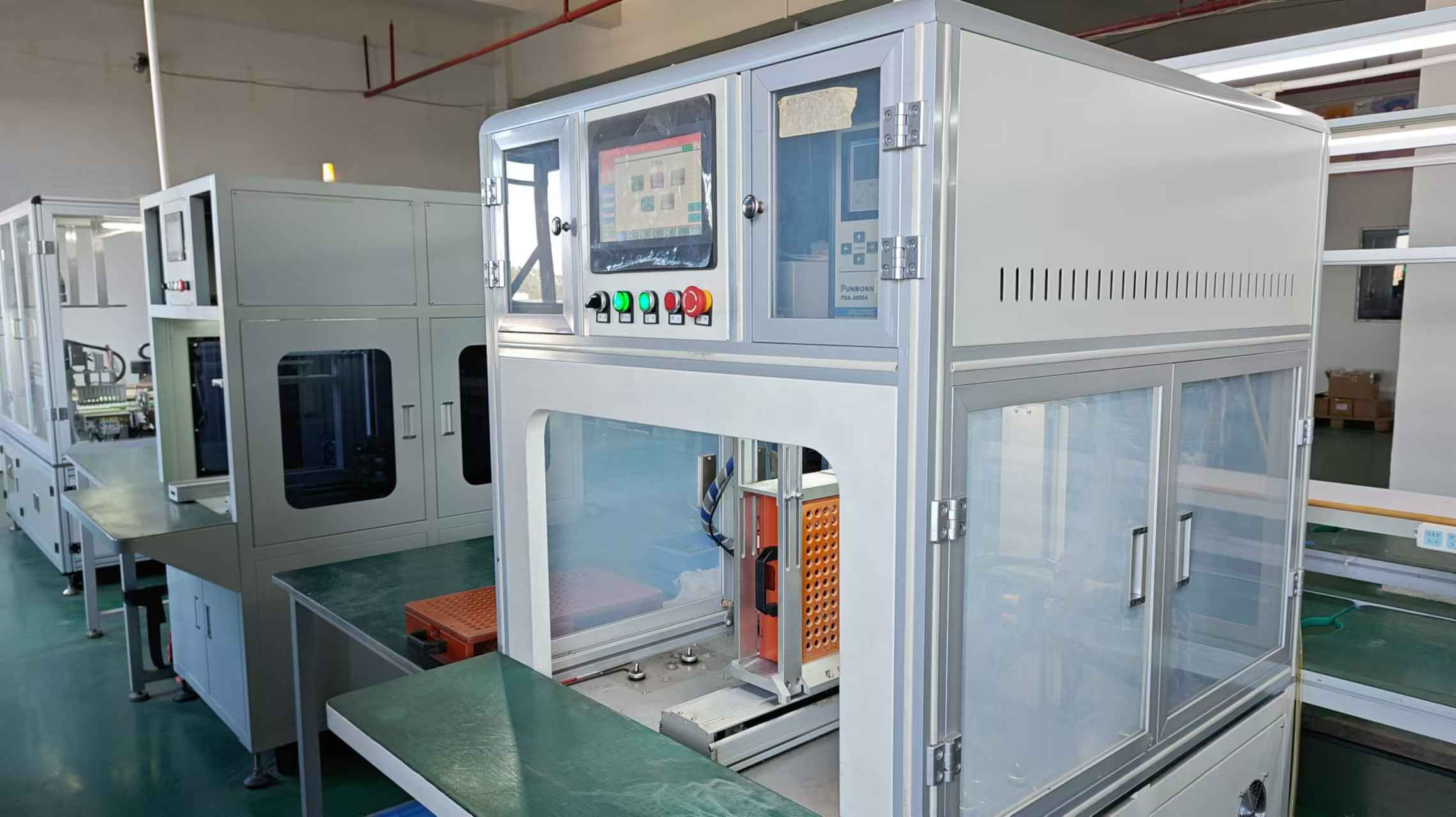
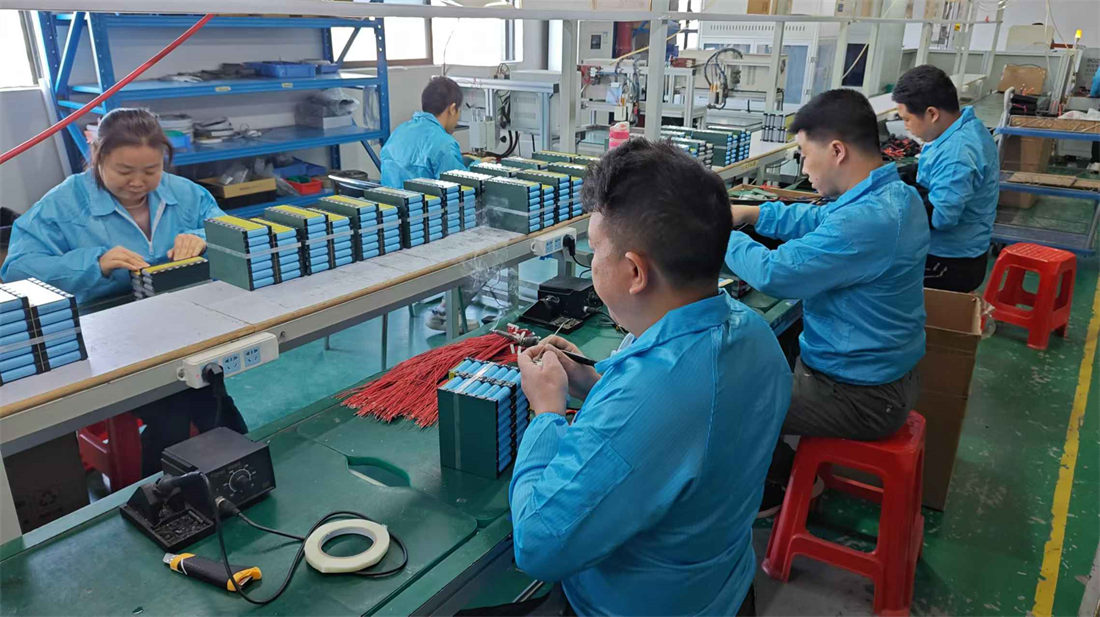
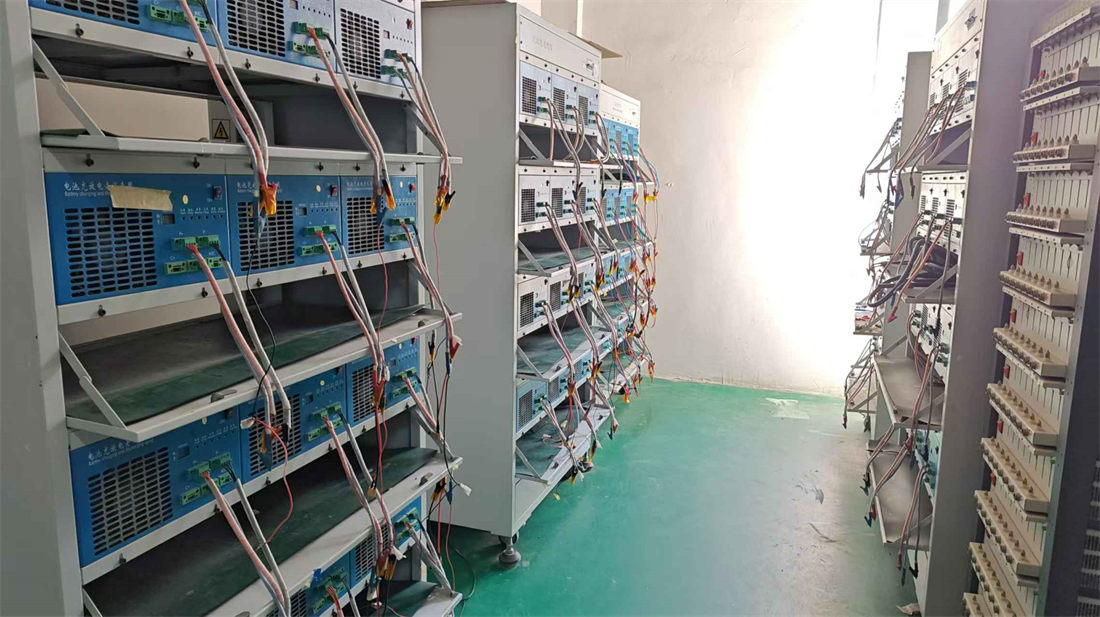
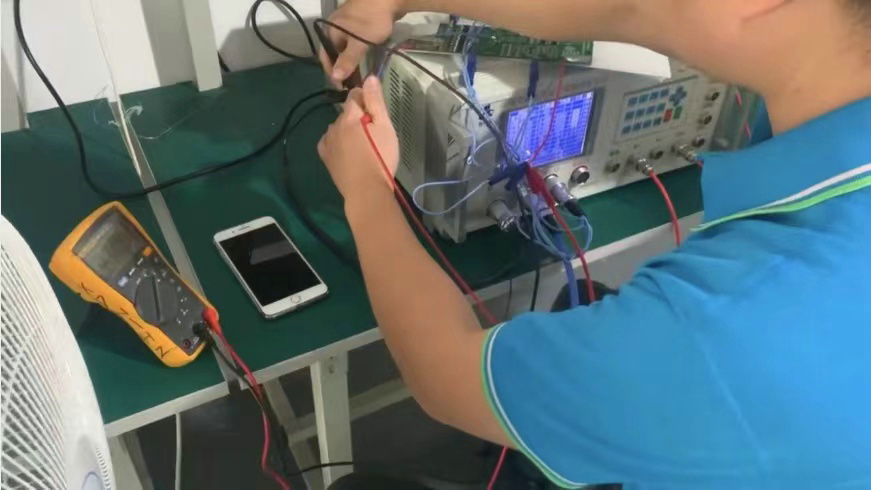
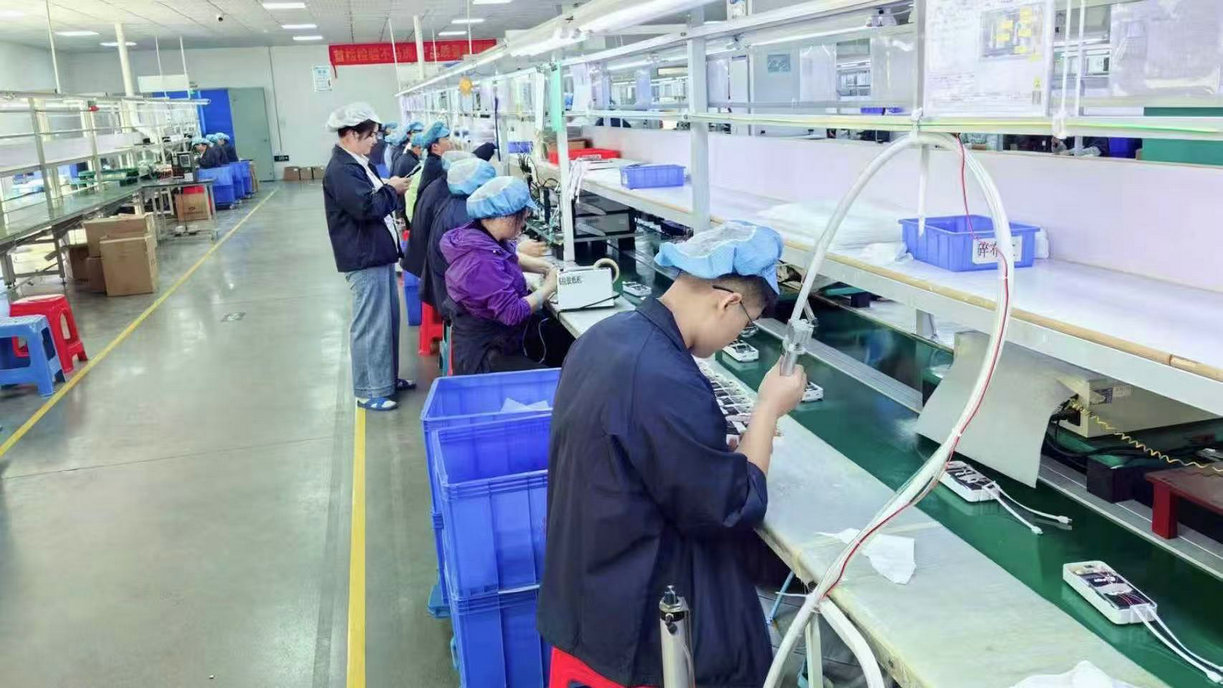
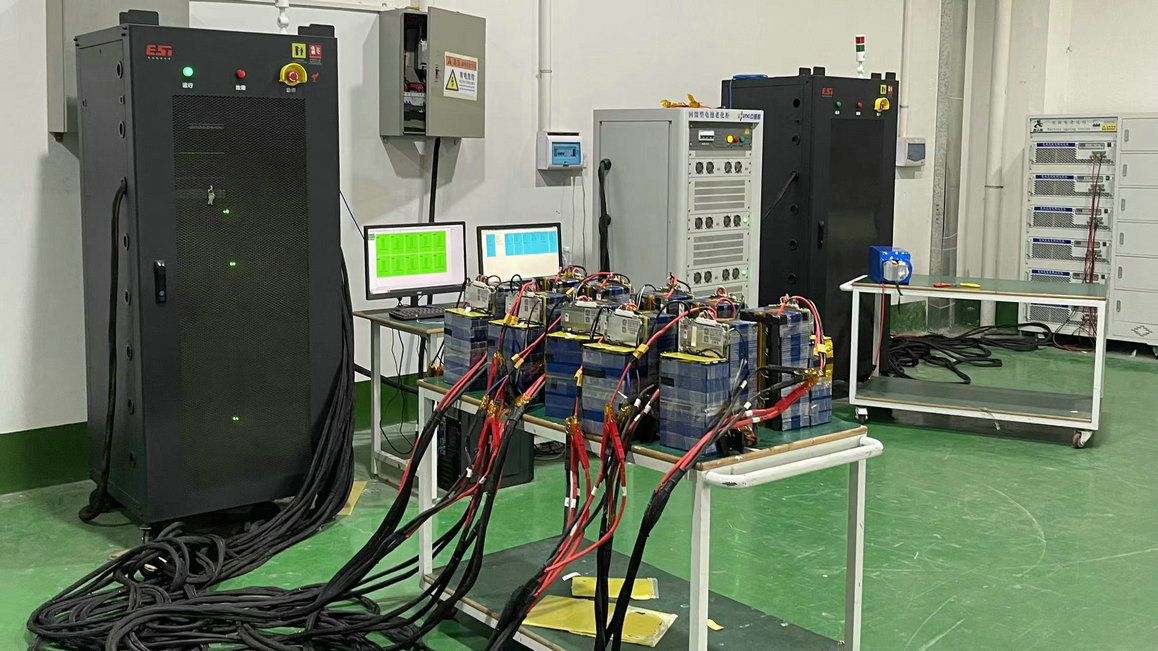
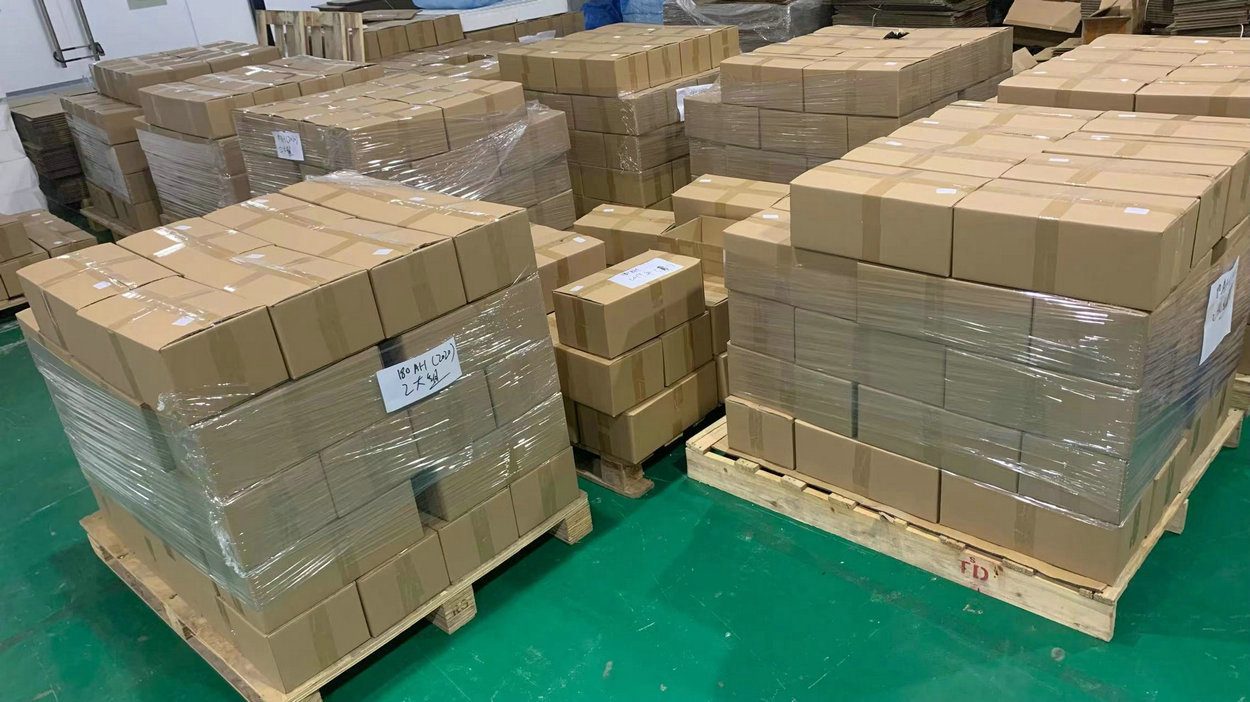
Matching dynamic industrial operating environments with the optimal cell and package chemistry.
Best for: Heavy industrial vehicles, rapid-charge AGVs, extreme sub-zero operation (-40°C to 65°C).
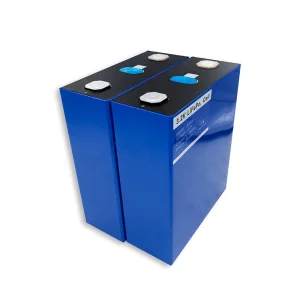
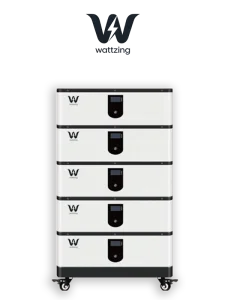
Best for: Residential, commercial, and utility energy storage (ESS), low-speed electric vehicles.
Best for: eVTOL, advanced flight platforms, high-end consumer hardware, custom drones.
Ensuring compliance with international safety testing requirements while maintaining local supply chains.
Every step of the battery design and assembly process at Guangdong Nuwon Energy is governed by international quality protocols. Our products undergo third-party test verification to meet safety and transport compliance parameters:
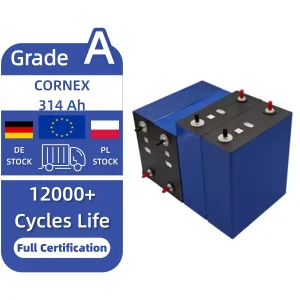
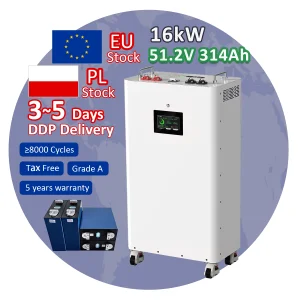
Recognizing the volatile nature of global logistics and lead times, we maintain dedicated local stock reserves in Europe, including strategic hubs in Poland and Ukraine. This enables local commercial partners to bypass standard shipping lead times:
Discover our research trajectory toward solid-state chemistry, smart BMS algorithms, and sustainable recycling.
Integrating silicon-carbon composite anodes to surpass conventional energy limits while optimizing volumetric design. Expanding semi-solid-state lines for eVTOL clients to achieve 350 Wh/kg.
Developing next-gen battery management systems utilizing cloud-linked machine learning models to forecast internal cell degradation patterns and dynamically balance thermal thresholds.
Phasing out liquid electrolytes entirely in favor of sulfide/oxide-based solid-state batteries, achieving extreme safety limits and operating ranges from -50°C to 100°C.
Answering high-level engineering and procurement queries regarding chemistry, cycle life, and custom design.
Explore our heavy-duty industrial cells, wide-temperature systems, and raw battery materials.


 Nuwon Energy