Explore our core selection of high-energy cells, advanced battery packs, and power systems engineered for industrial reliability.
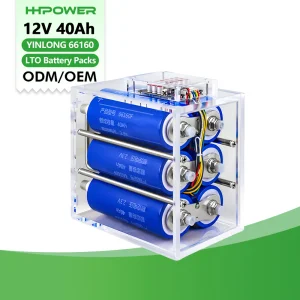
Guangdong Nuwon Energy Co., Ltd. is a leading manufacturer and solution provider in advanced battery systems, specializing in the research, development, manufacturing, and global distribution of high-performance energy storage products. The company offers comprehensive OEM and ODM services, delivering customized battery solutions tailored to diverse industrial and commercial applications.
Backed by a highly experienced engineering and R&D team, Nuwon Energy focuses on the design and integration of cylindrical and prismatic lithium battery cells, as well as complete battery packs, modules, and energy storage systems. The company also develops and produces industrial-grade battery cells engineered for safety, durability, and long cycle life.
Guangdong Nuwon Energy serves a wide range of industries, including consumer electronics, electric mobility (such as golf carts, forklifts, UTVs/ATVs, trucks, and marine systems), medical equipment, unmanned ground vehicles (AGVs/AMRs), and emerging aerospace applications such as eVTOL aircraft.
Cycle Life on LTO Cells
Wh/kg Solid-State Potential
Automated Cell Sorting
Global Export Markets
Driving efficiency, high energy density, and extreme thermal resilience across next-generation chemistries.
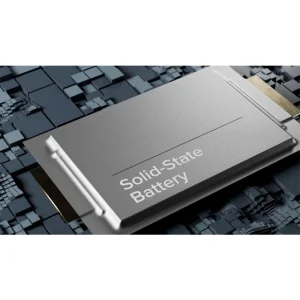
The paradigm shift in rechargeable energy systems is anchored on replacing volatile liquid electrolytes with solid or semi-solid matrices. Our research pipelines are delivering:
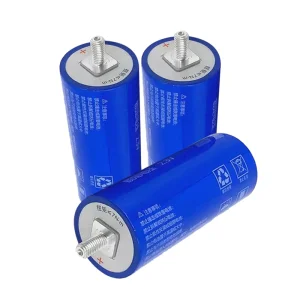
For applications where operational downtime is not an option, LTO chemistry provides unprecedented mechanical stability and rapid recharge capabilities:
Custom-engineered battery architectures optimized for high-vibration, high-current, and continuous-service environments.
Heavy-duty, high-vibration power configurations for electric forklifts, golf carts, UTVs, agricultural machinery, and commercial municipal trucks. Built with shock-resistant modular frameworks and custom CAN-bus telemetry.
Continuous-uptime fleets require ultra-fast charging systems. Our customized LTO and LiFePO4 battery options ensure that AGVs, AMRs, and automated warehouse robots operate 24/7 with zero battery swaps.
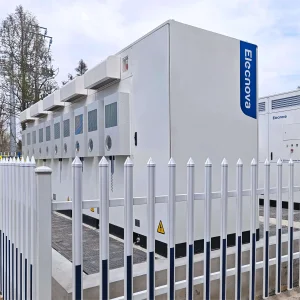
Robust, scalable containerized and rack-mounted battery systems (BESS) designed for peak shaving, solar-hybrid energy arbitrage, microgrids, and critical infrastructure backup.
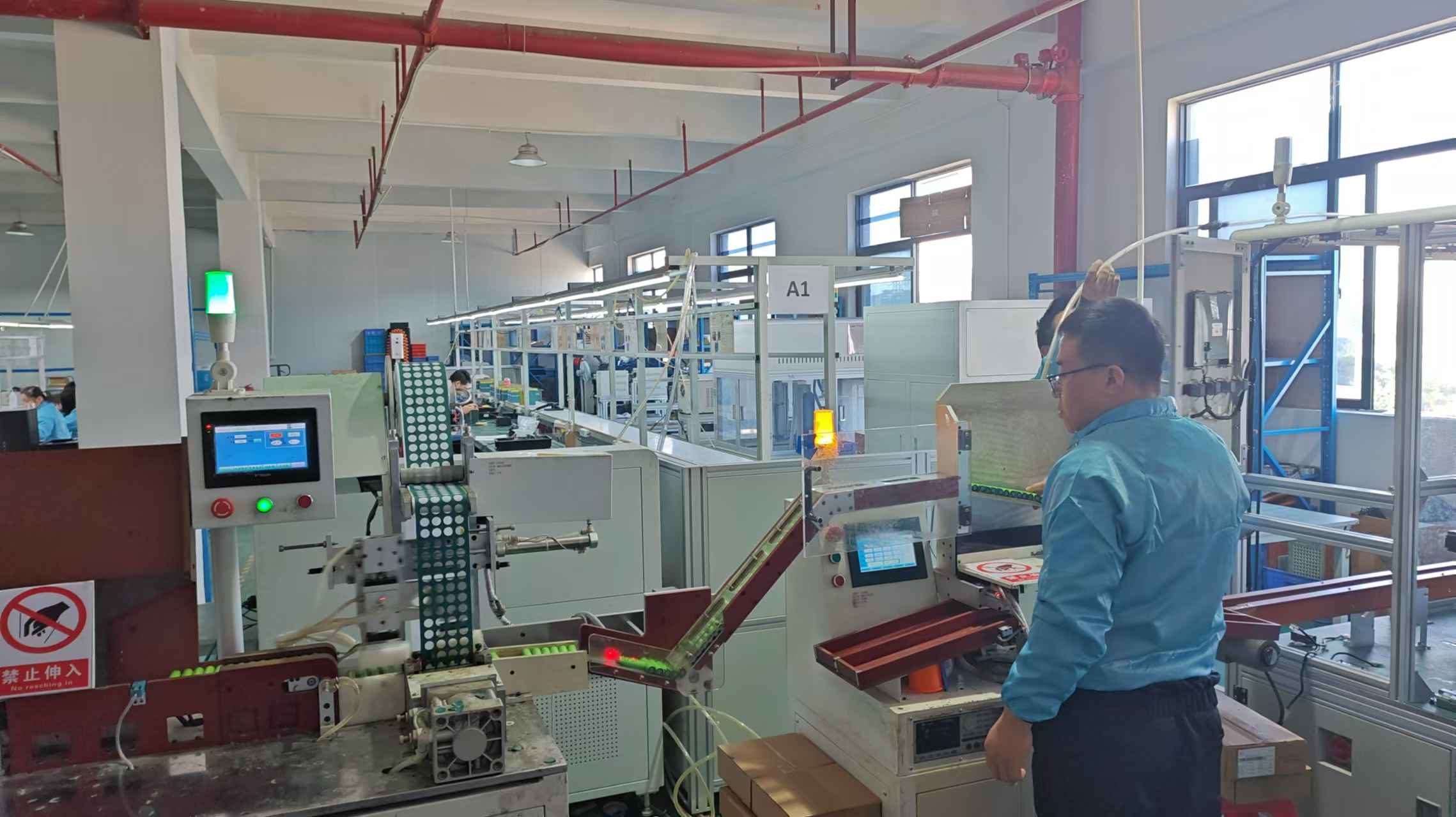
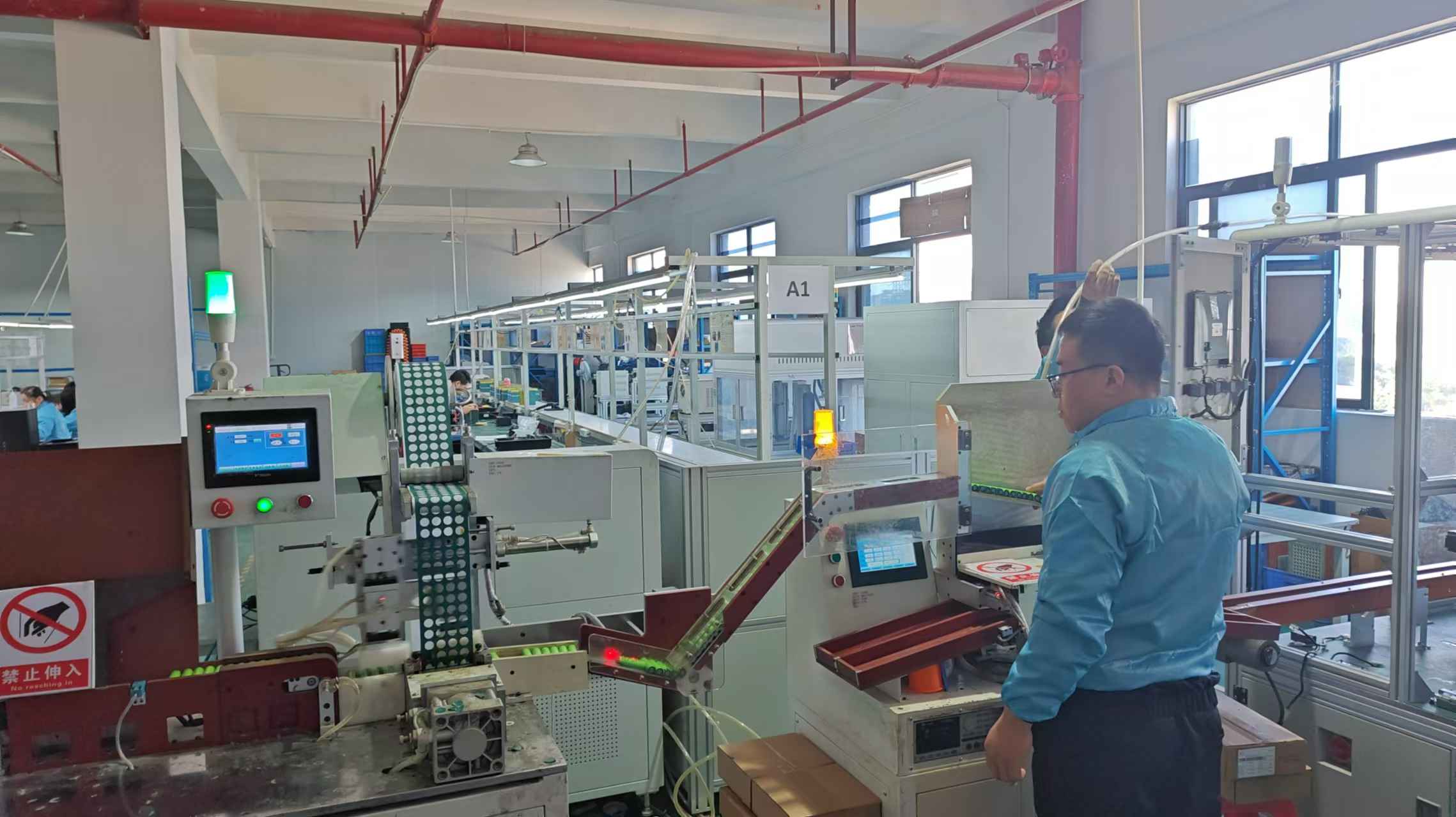
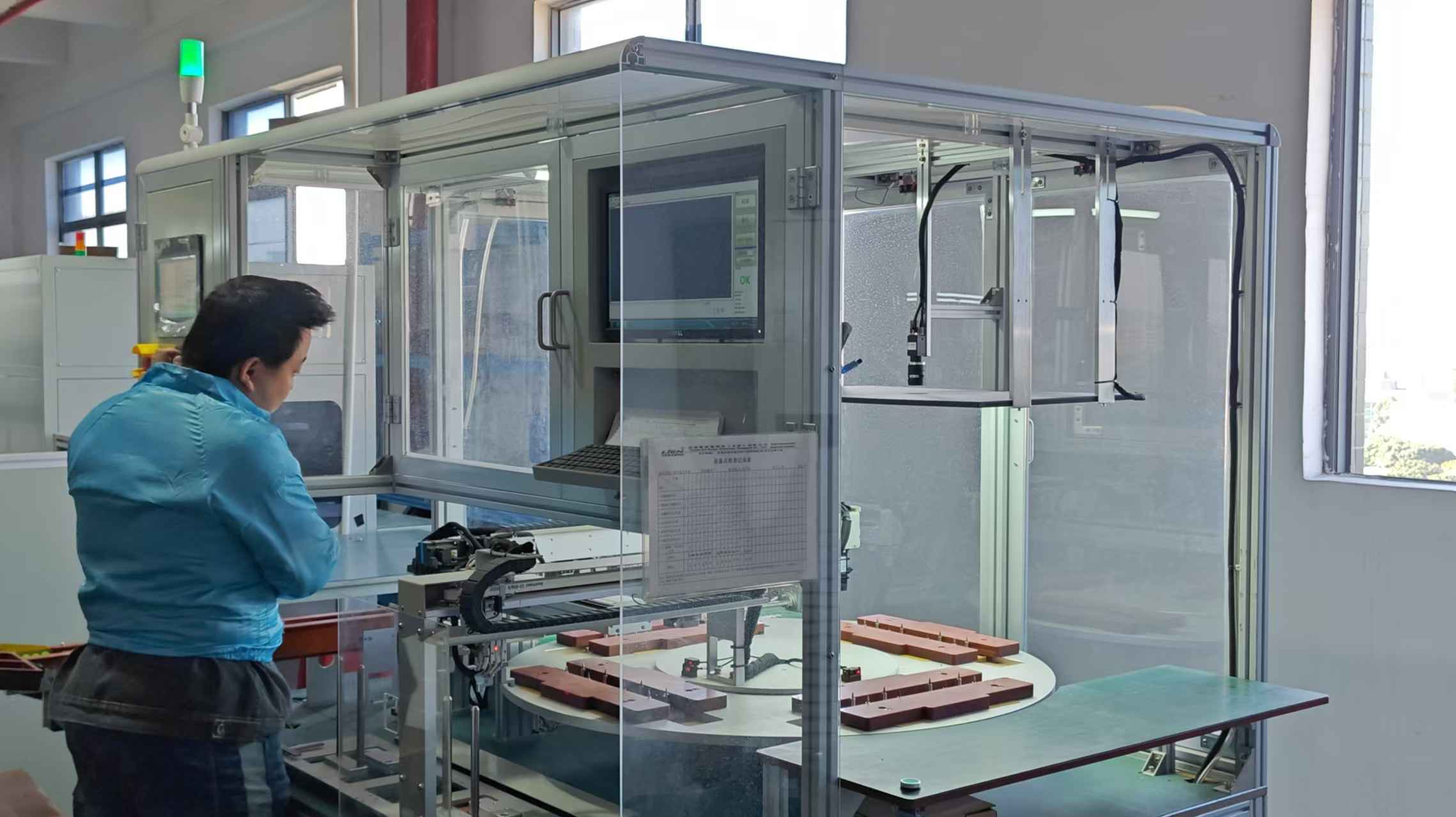
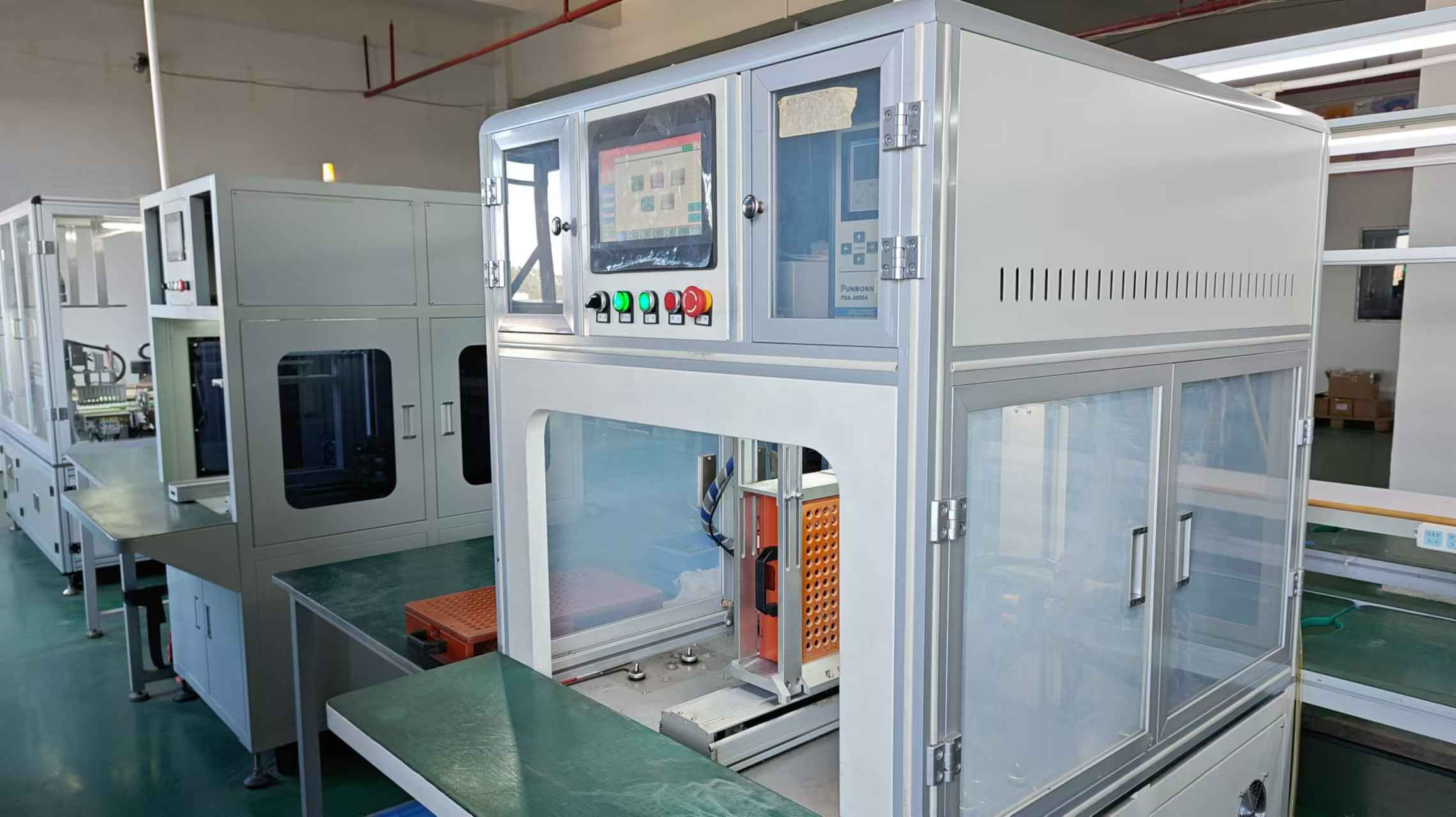
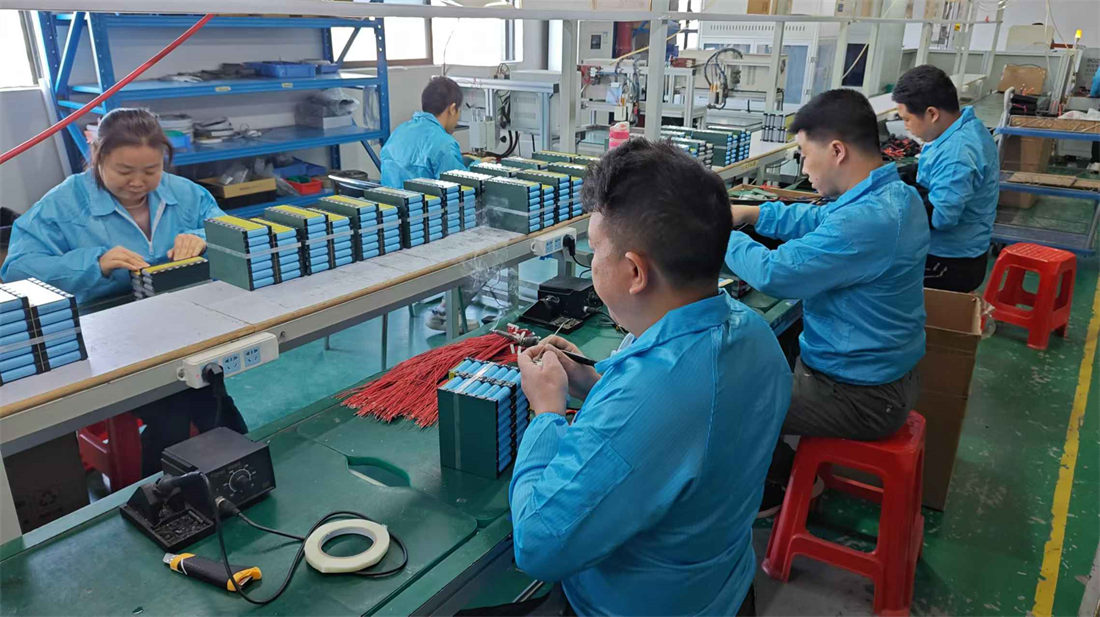
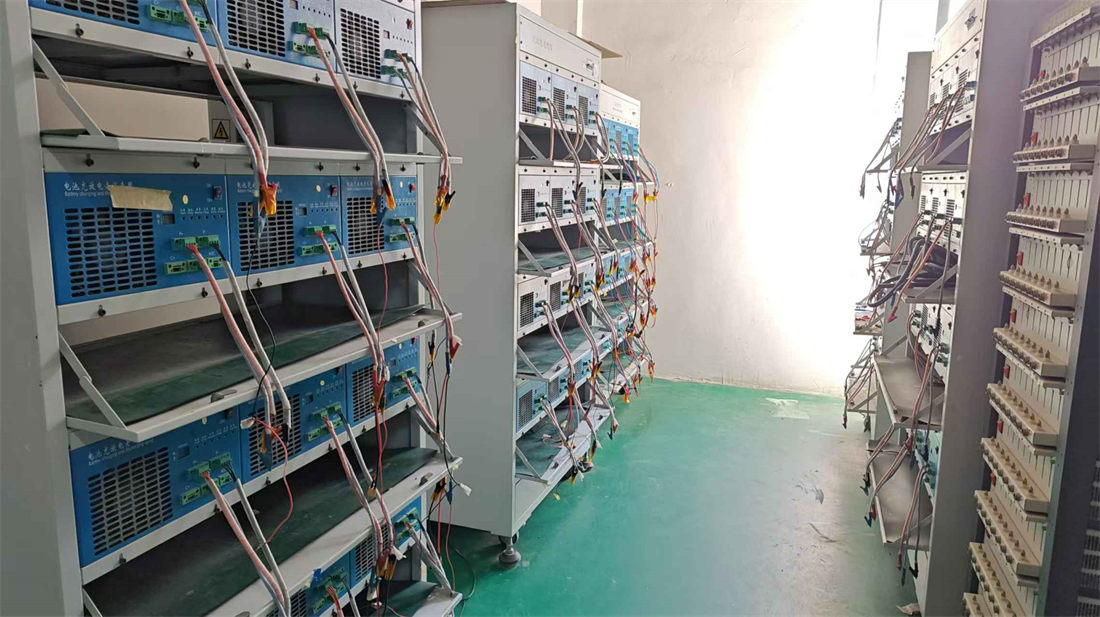
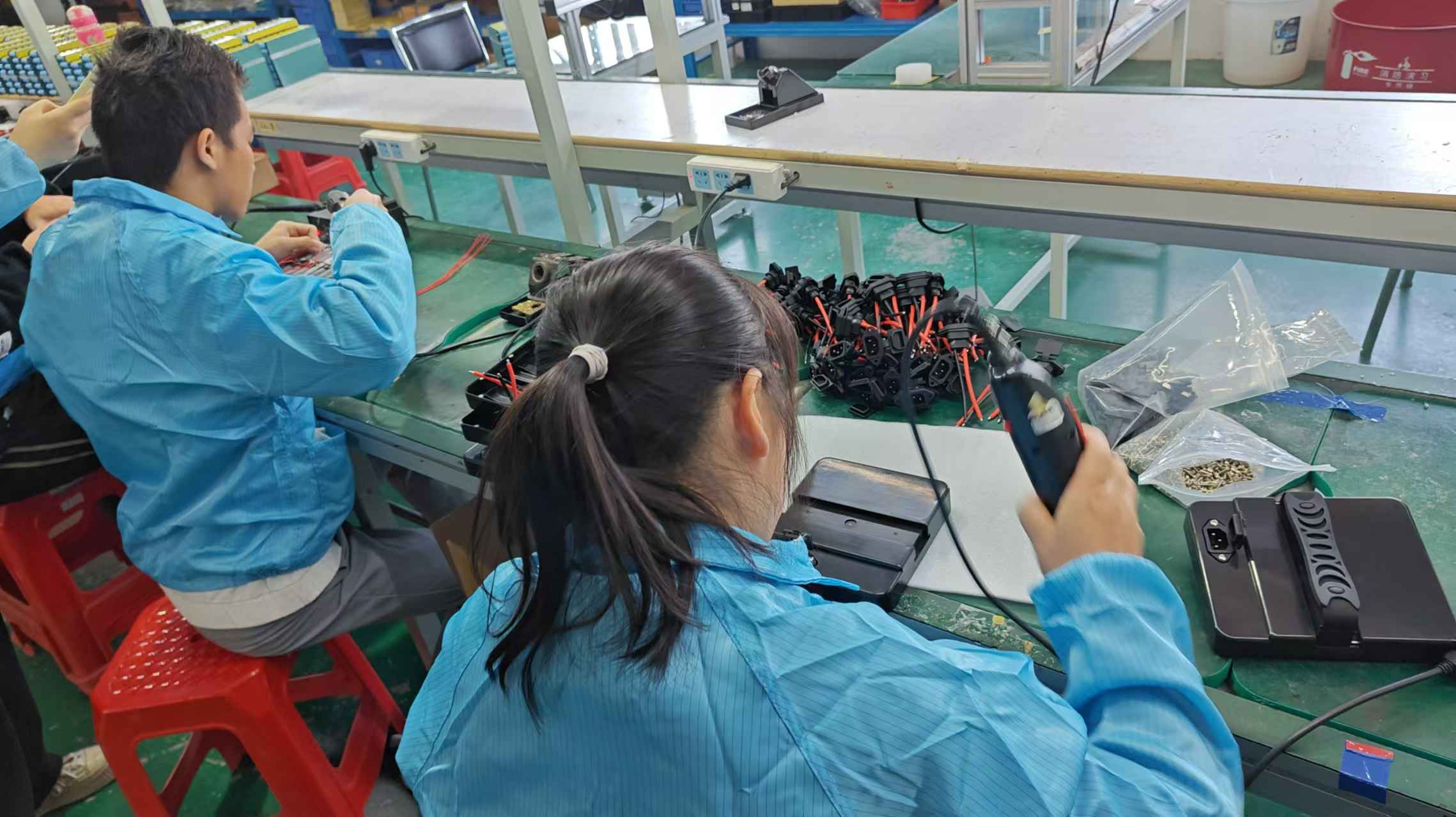
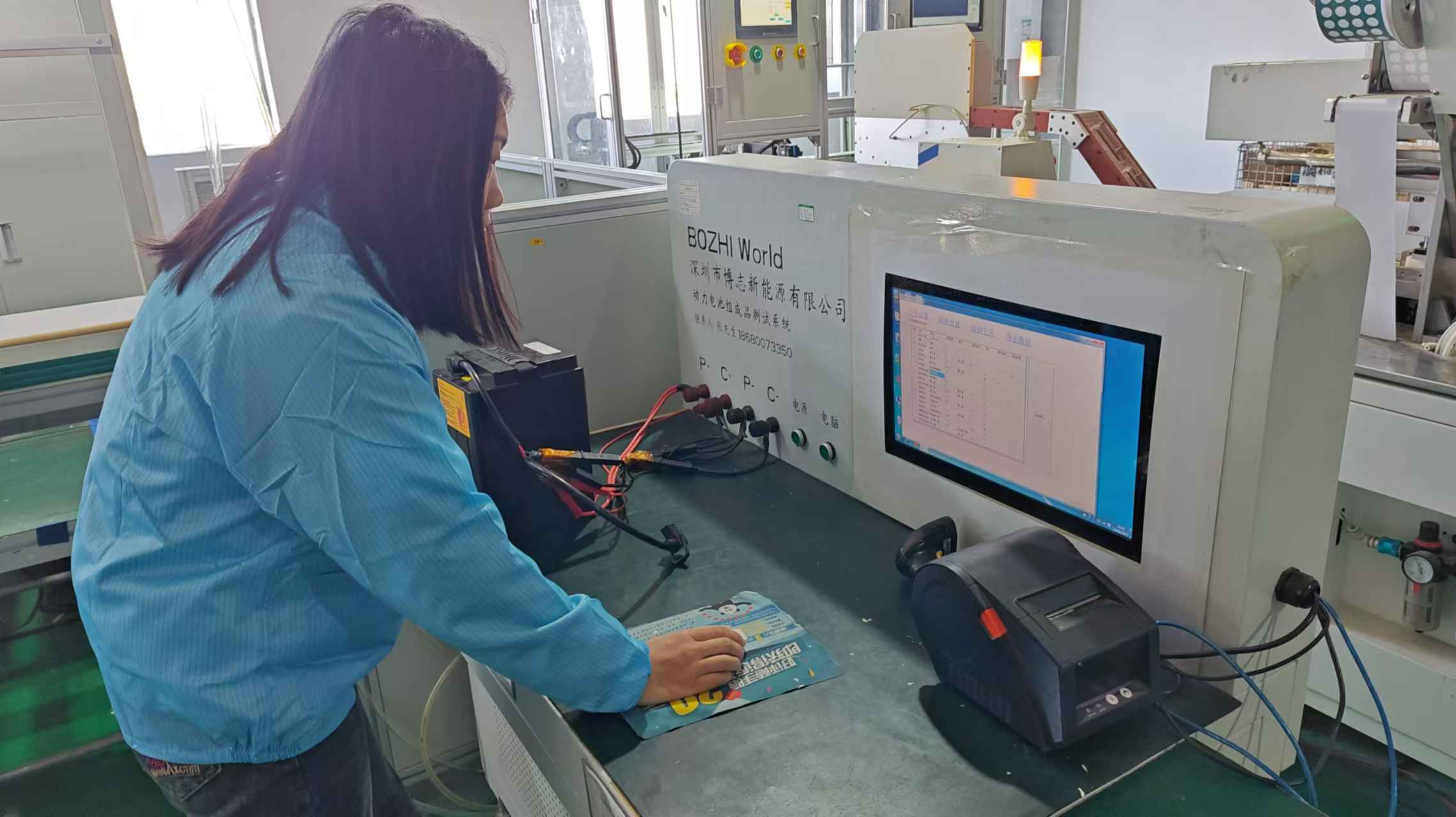
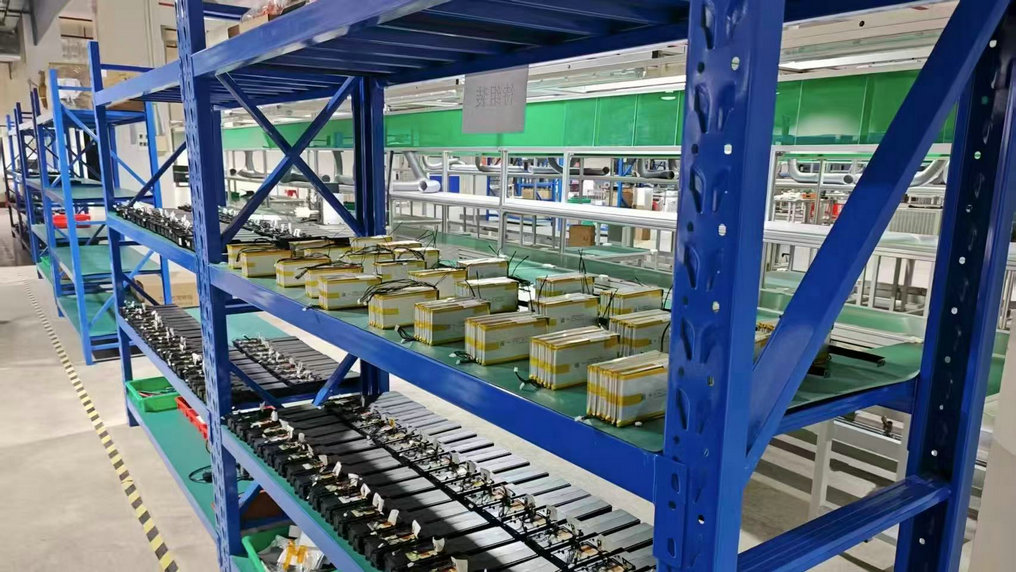
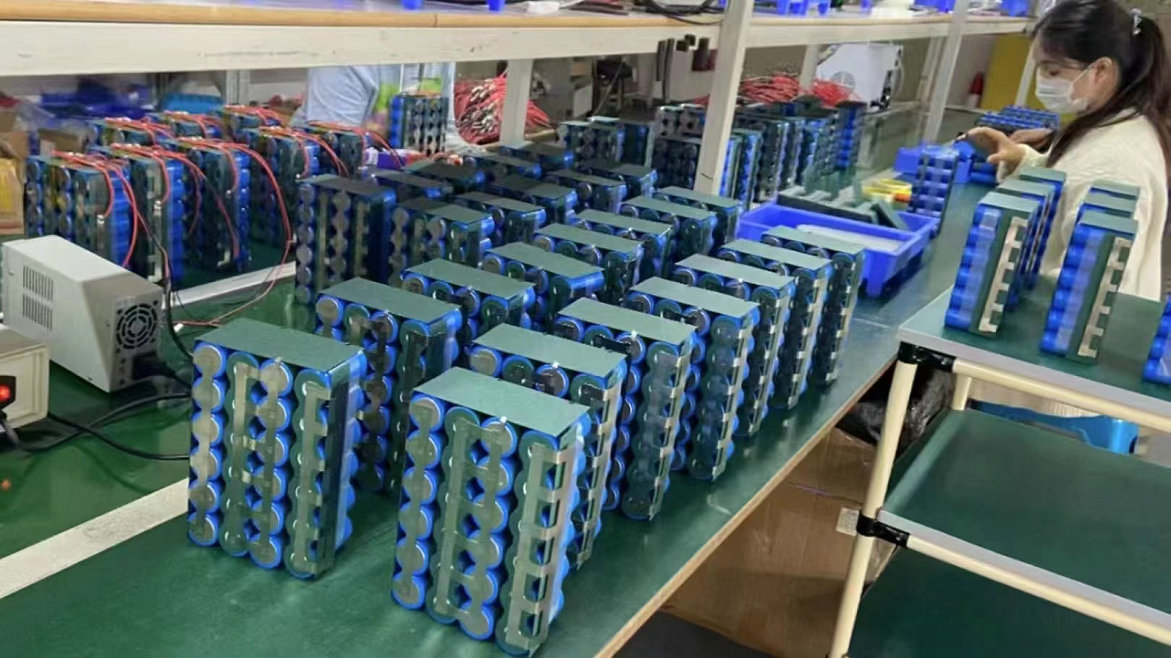
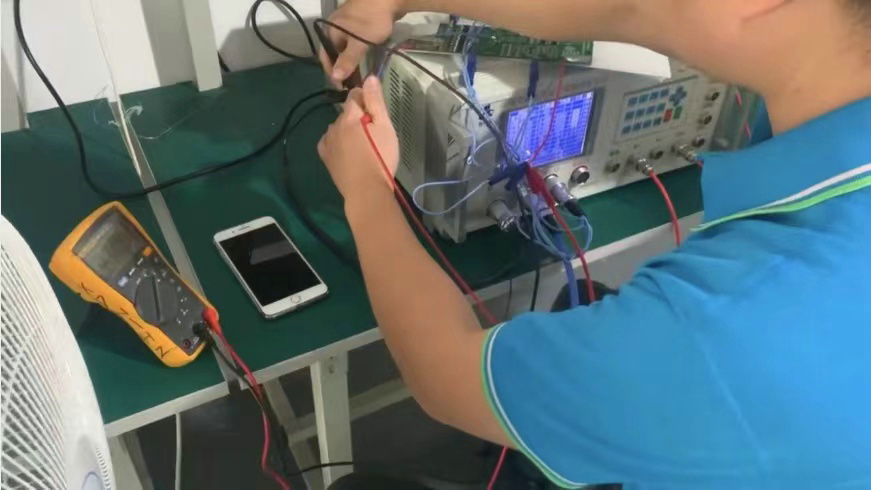
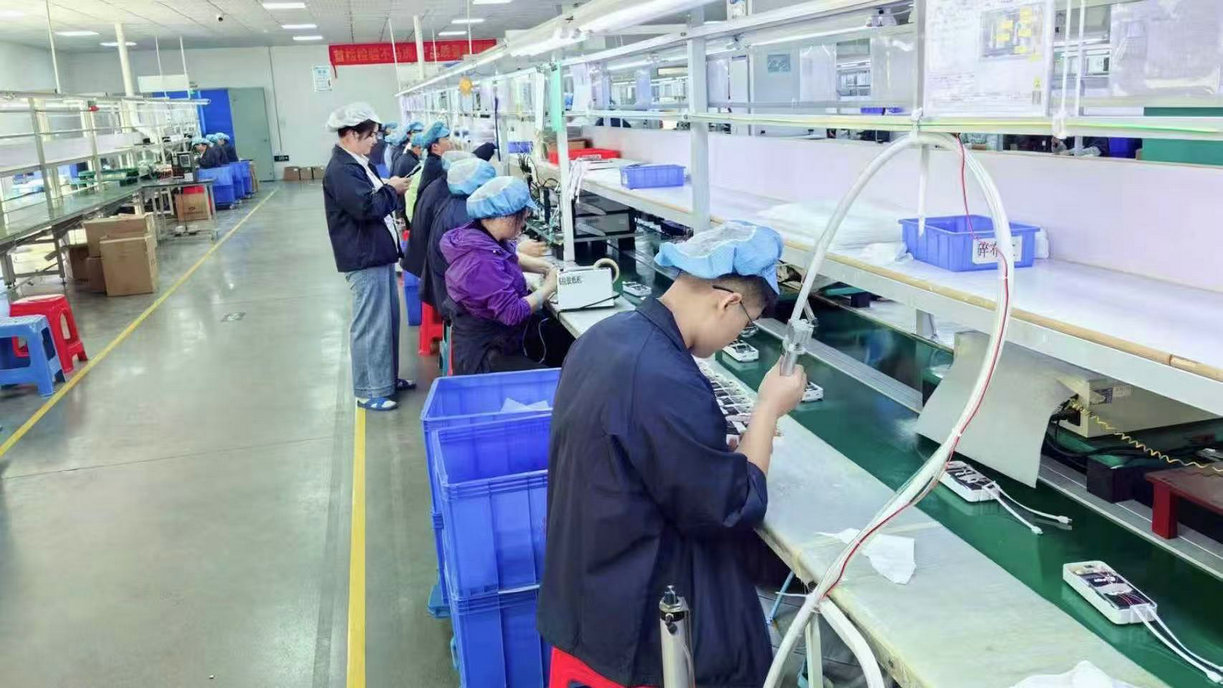
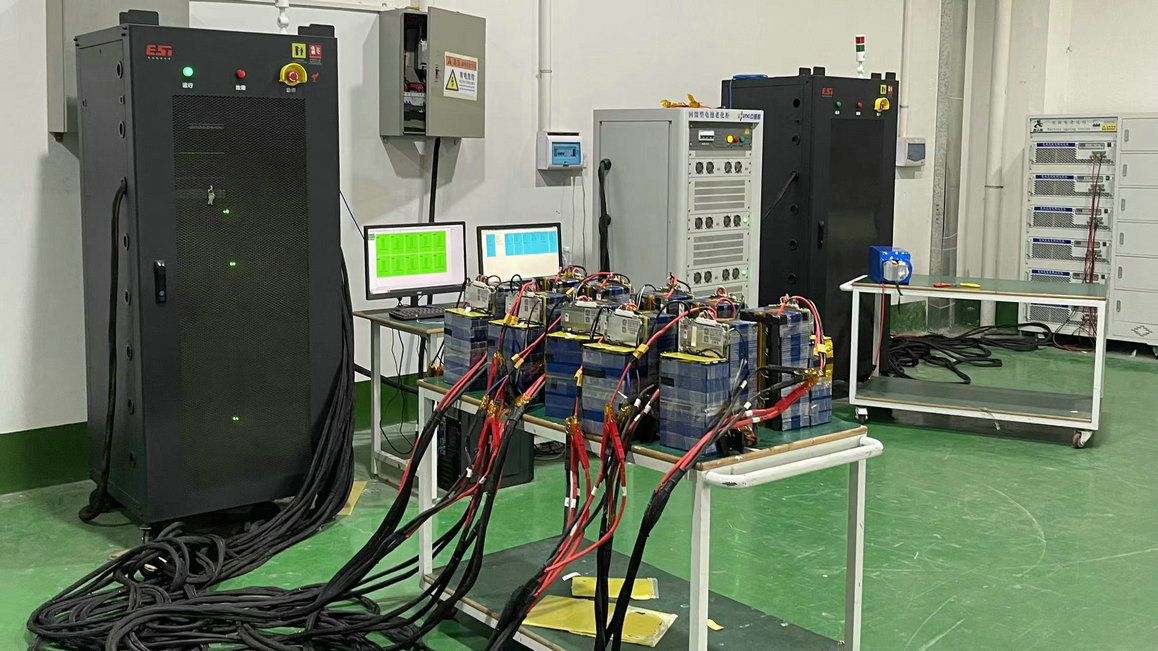
A granular look inside Guangdong Nuwon Energy's fully automated production lines, ensuring raw-cell consistency and packing security.
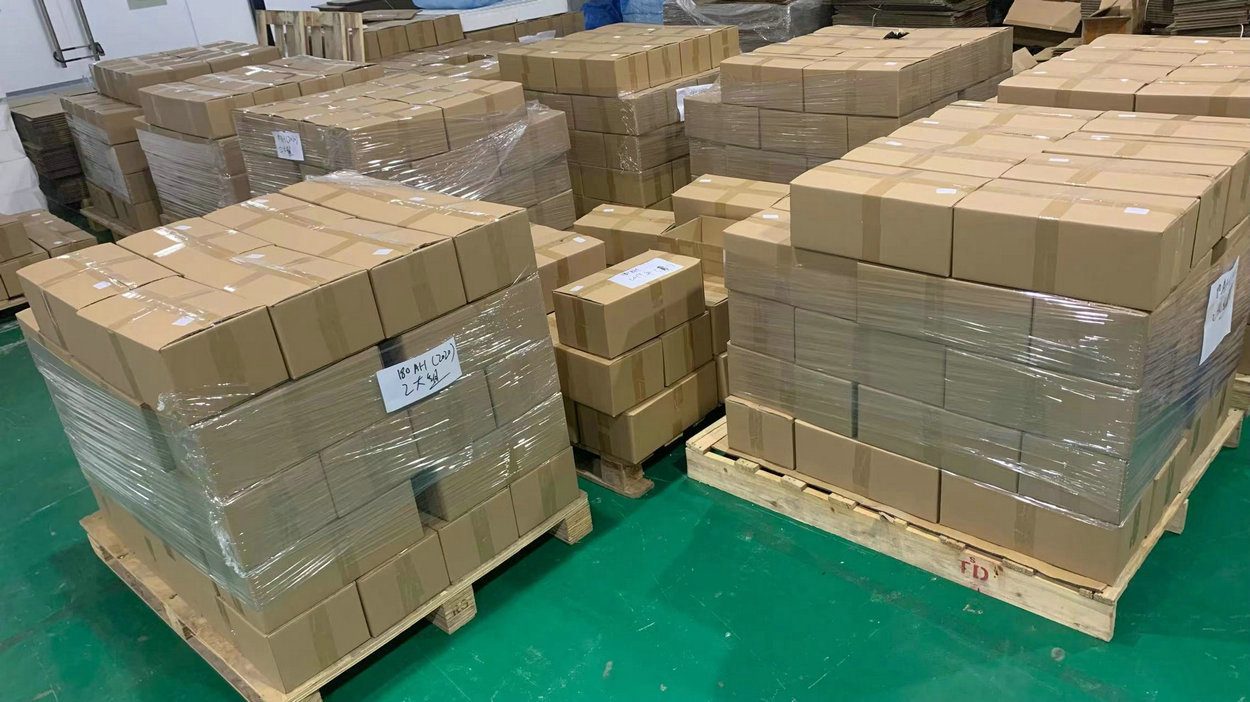
Mitigating cross-border risks through strict quality control, verified certifications, and localized logistics protection.
By using automated grading equipment, we sort cells based on voltage, internal resistance, and capacity deviations of less than 1%. This prevents thermal imbalances and extends the service life of assembled battery packs.
Our in-house electrical engineers write firmware for customized Battery Management Systems (BMS). Features include active balancing, high-resolution thermal monitoring, and CAN/RS485/Modbus communication protocols for system monitoring.
Lithium chemistry transport requires strict adherence to international regulations. We provide complete documentation including UN38.3, MSDS, and drop-test certificates, ensuring seamless customs clearance at global ports.
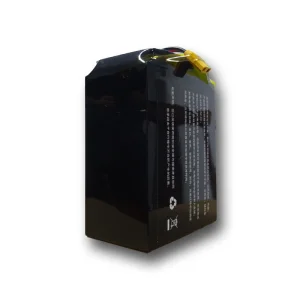
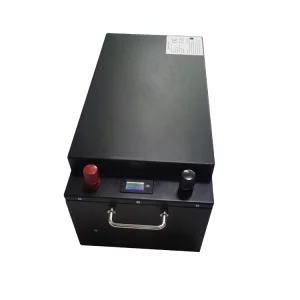
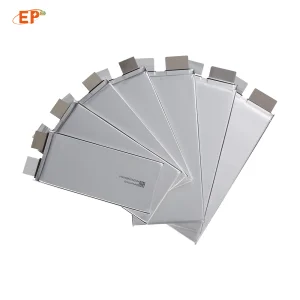
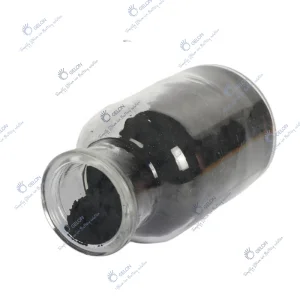
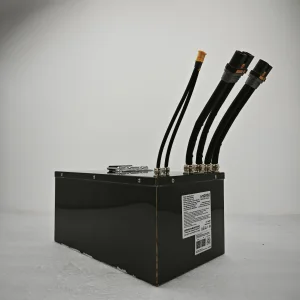
High-grade active materials, high-density cells, testing hardware, and fully customized power modules.
Expert answers addressing the key design parameters and custom considerations of advanced battery systems.
Semi-solid-state lithium batteries replace a portion of the liquid electrolyte with solid state conductive materials. This modification allows the use of thinner separators and active materials with high specific capacity. The resulting cells can achieve densities between 300 Wh/kg and 380 Wh/kg. This increase in energy density translates directly to longer runtime and reduced weight, which is critical for UAV, drone, and aerospace applications.
LTO chemistry replaces carbon/graphite anodes with lithium titanate. Because it does not form a traditional solid electrolyte interface (SEI) layer, it maintains high performance in sub-zero temperatures. Even at -30°C to -40°C, these cells can safely charge and discharge, avoiding the lithium plating issues that affect standard LFP or NMC chemistry.
Custom Battery Management Systems (BMS) monitor each series group in a pack. They track parameters like cell voltages, temperature points, and current levels. If a cell approaches overvoltage, undervoltage, or an over-temperature state, the BMS acts to isolate the pack, preventing thermal runaway and protecting the connected system.
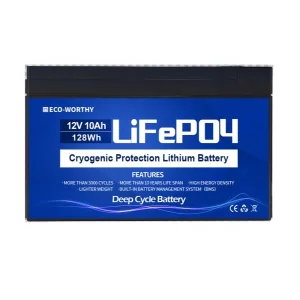
LiFePO4 (LFP) offers an ideal balance of chemical stability, cycle life, and cost efficiency. It has a high thermal runaway threshold (around 270°C) and can deliver 6,000 to 10,000 charge cycles before reaching 80% capacity retention. This long service life makes LFP the preferred choice for commercial, industrial, and residential energy storage systems.
In our factory, all cells pass through automated sorting machines. Cells are matched by capacity, open-circuit voltage, and internal resistance. This matching ensures even distribution of electrical and thermal loads throughout the pack, which helps maximize performance and extend the lifetime of the battery system.
Large-scale industrial battery packs require UN38.3 certification for transport, which covers safety tests like vibration, shock, altitude, and thermal cycles. Depending on the target region, certifications like IEC 62133, UL 1973, CE, and RoHS are also required to comply with local safety and environmental standards.
 Nuwon Energy