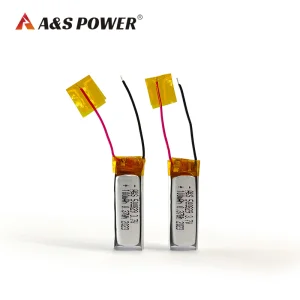
Engineered for extreme performance, certified safety standards, and long operational cycles. Explore our featured customizable products.
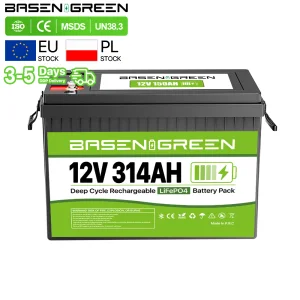
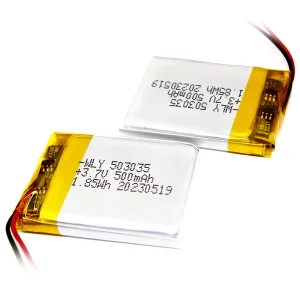
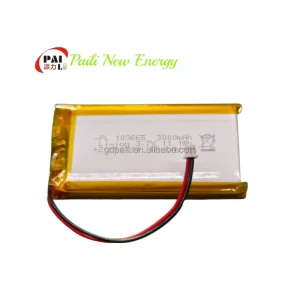
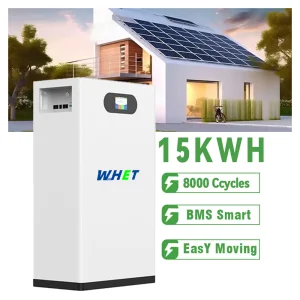

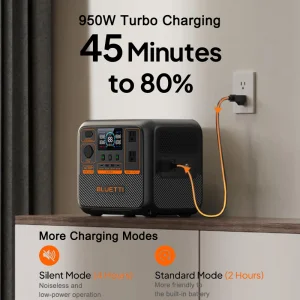
How advanced chemical design, smart BMS tracking, and compliance architecture are revolutionizing battery custom services globally.
The global battery industry is rapidly moving beyond traditional lithium-ion. Next-generation requirements demand solid-state electrolyte structures (such as LLZO) and sodium-ion formulations to alleviate lithium raw material shortages. Solid-state architectures offer unprecedented safety margins, eliminating flammable liquid organic solvents, while sodium-ion offers exceptional low-temperature discharge capabilities.
Industrial applications now require communication networks embedded directly within the battery pack. Modern BMS boards feature CAN bus, RS485, and Bluetooth architectures to facilitate real-time SOC (State of Charge) and SOH (State of Health) diagnostics, tracking voltages at the individual cell series level to avoid overcharge, deep discharge, or thermal anomalies.
Exporters face strict global mandates like the EU Battery Regulation, requiring digital battery passports. Manufacturers must offer comprehensive raw material traceability (e.g., Ternary Precursor Cobalt Manganese NCM 622 testing) and ensure every customized batch complies with UN38.3, CE, IEC62133, and UL1973 safety certifications.
Evaluating diverse battery chemistries to match specific commercial and industrial application requirements.
| Battery Chemistry | Energy Density (Wh/kg) | Cycle Life (80% DOD) | Primary Application Fields | Key Advantage |
|---|---|---|---|---|
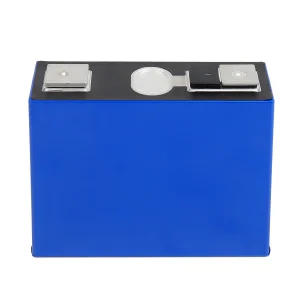
| Lithium Iron Phosphate (LiFePO4) | 140 - 180 Wh/kg | 3,500 - 10,000+ Cycles | Solar Energy Storage, RVs, Telecom, Electric Forklifts | Exceptional thermal stability, extremely long cycle life, cost-effective |
| Lithium Nickel Manganese Cobalt (NMC) | 200 - 350 Wh/kg | 1,000 - 2,500 Cycles | AGVs/AMRs, Drones, eVTOL Aircraft, Portable Power Stations | High gravimetric energy density, compact footprint, high discharge rates |
| Sodium-Ion (Na-Ion) | 100 - 150 Wh/kg | 2,000 - 4,000 Cycles | Low-temperature storage, micro-mobility, grid backup | Abundant raw materials, superior safety, operation down to -40°C |
| Solid State (SSB) | 350 - 500 Wh/kg | 500 - 1,000+ Cycles | Wearable electronics, medical implants, high-end EV propulsion | Non-flammable electrolyte, ultra-thin profiles, zero risk of leakage |
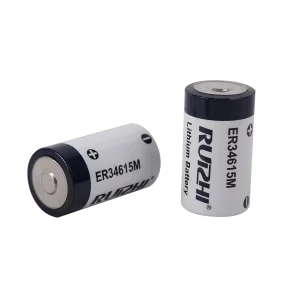
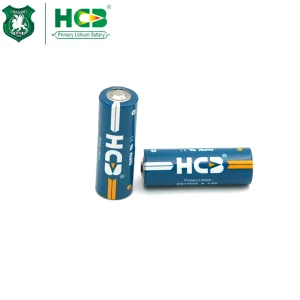
| Lithium Thionyl Chloride (Li-SOCl2) | 300 - 400 Wh/kg | Primary (Non-rechargeable) | Utility Meters, GPS Trackers, Marine Buoys, IoT Sensors | Extremely low self-discharge (1% per year), 15+ years service life |
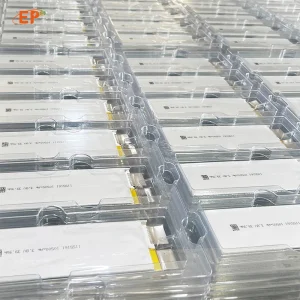
Inside Guangdong Nuwon Energy's production line. We showcase how high automation guarantees chemical uniformity and electrical integrity.
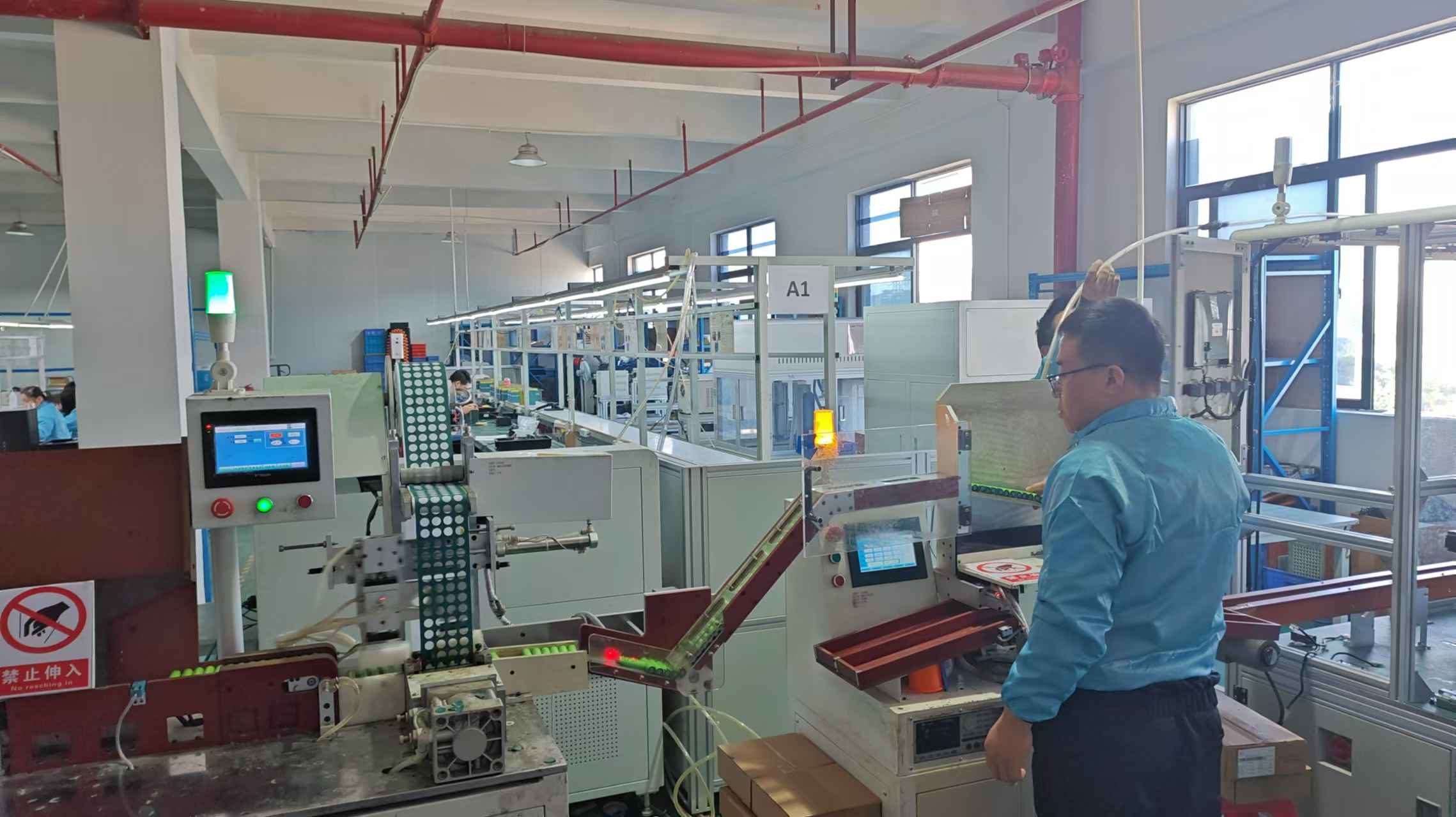
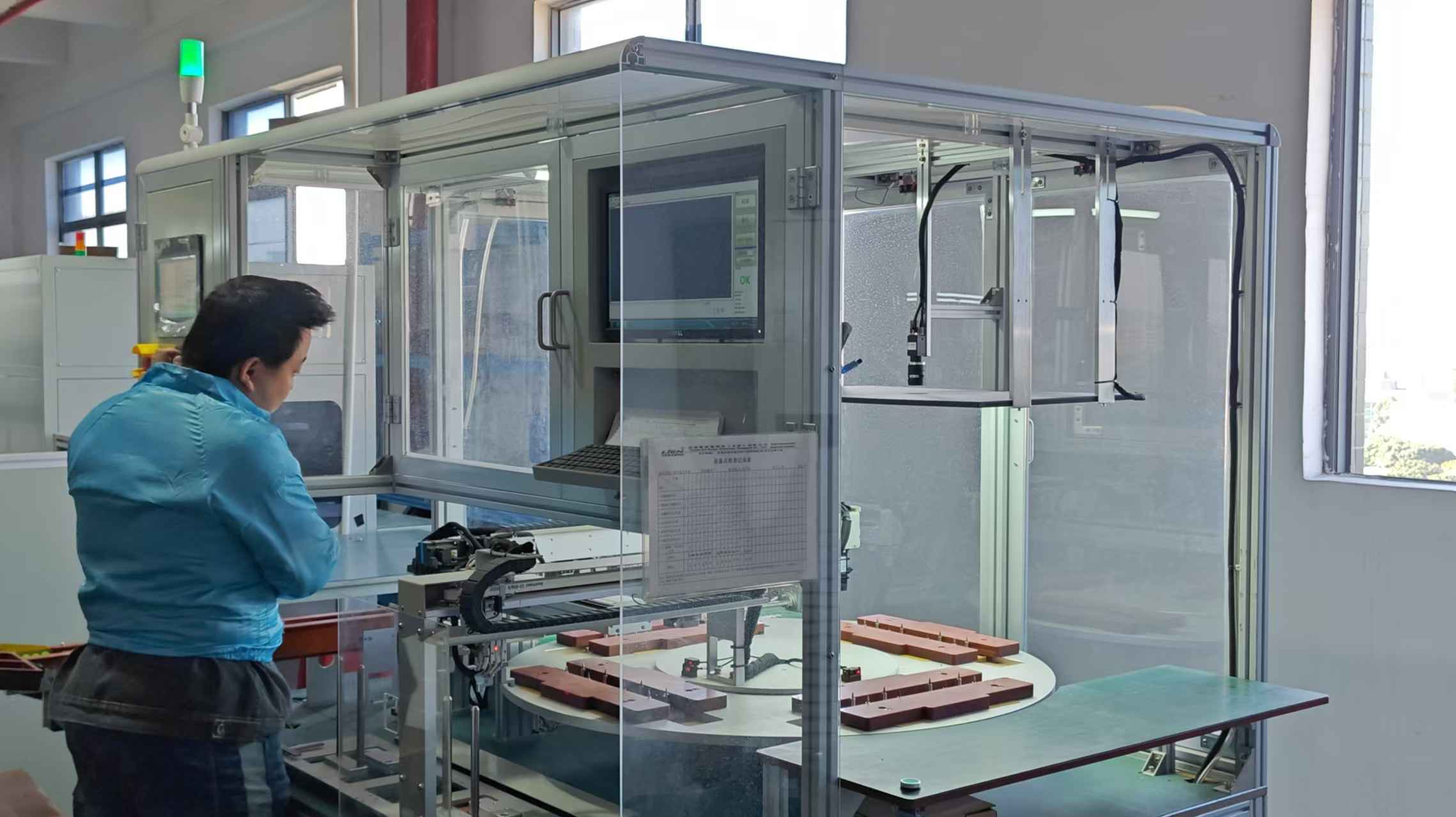
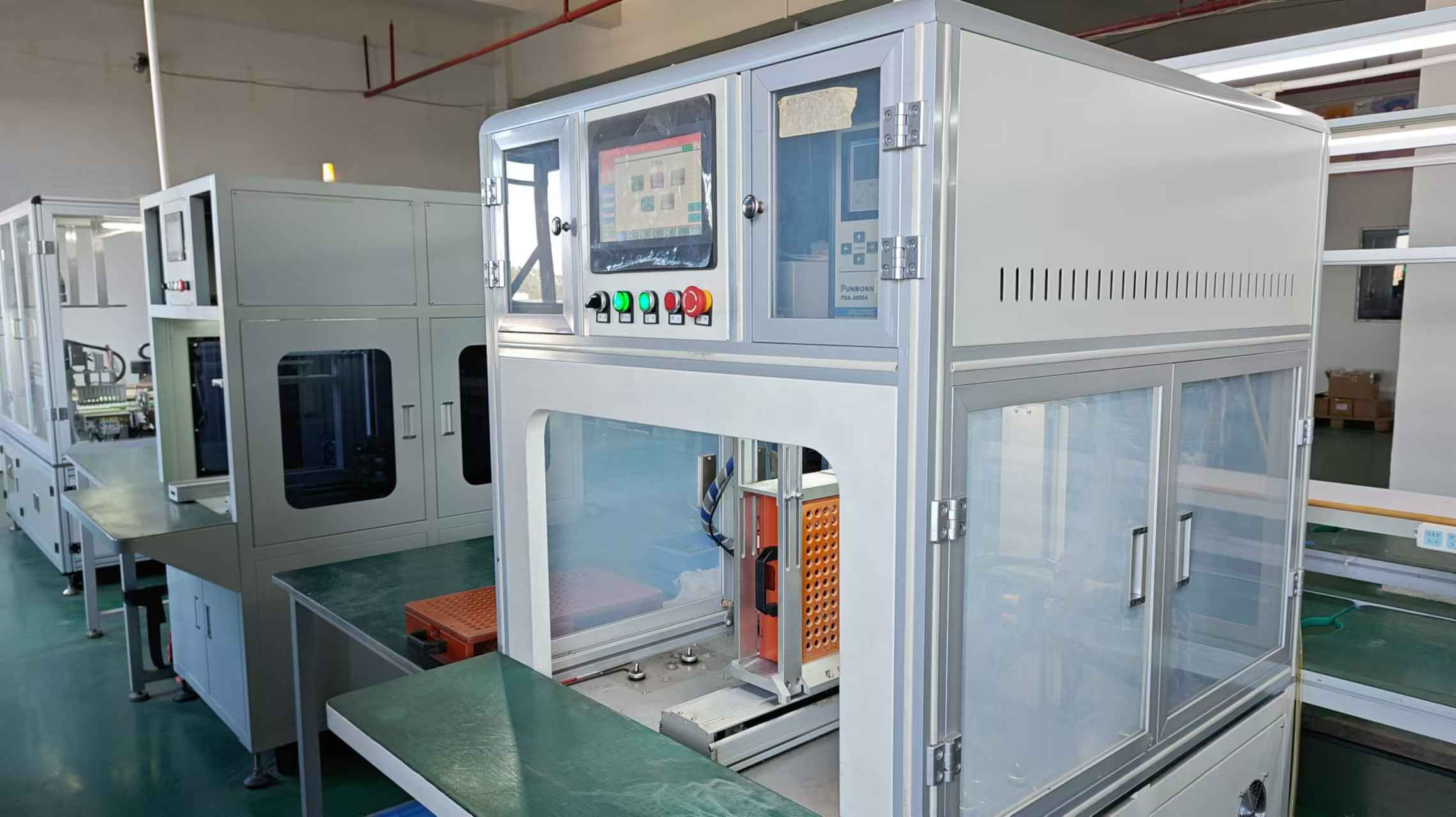
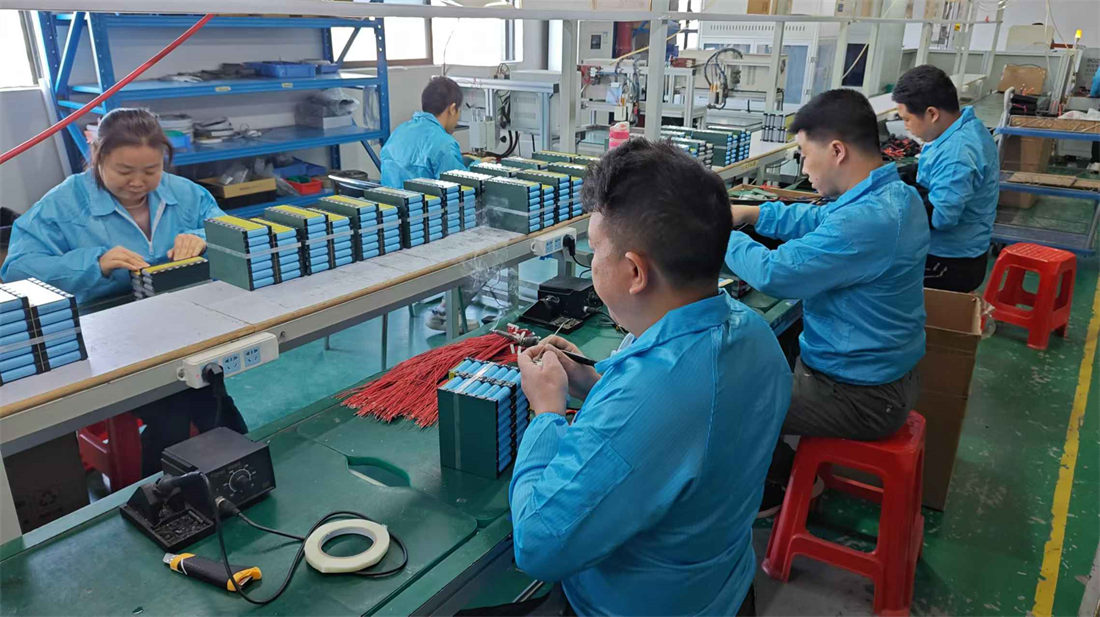
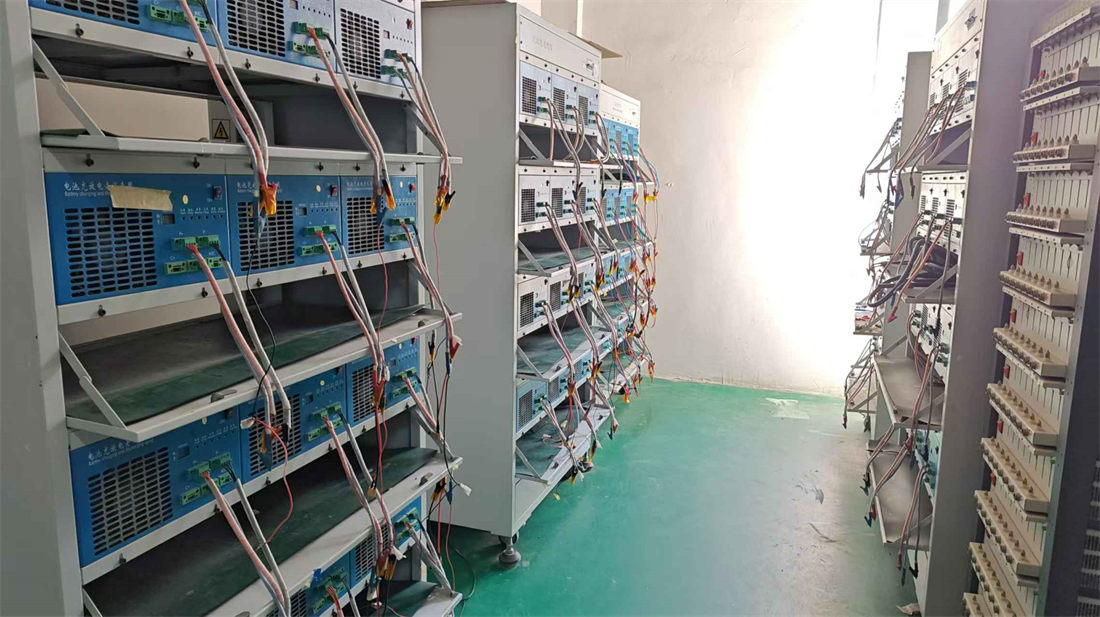
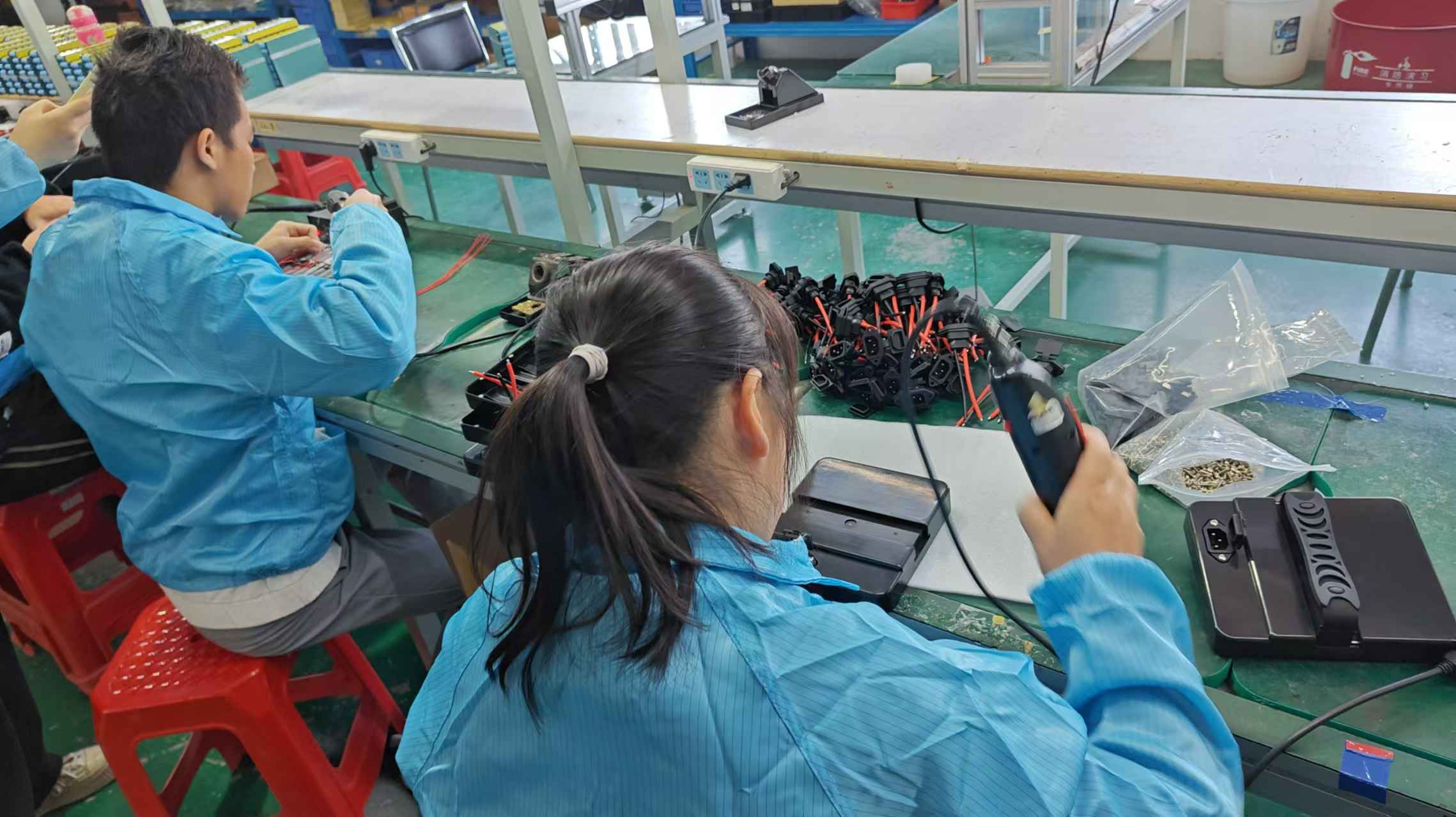
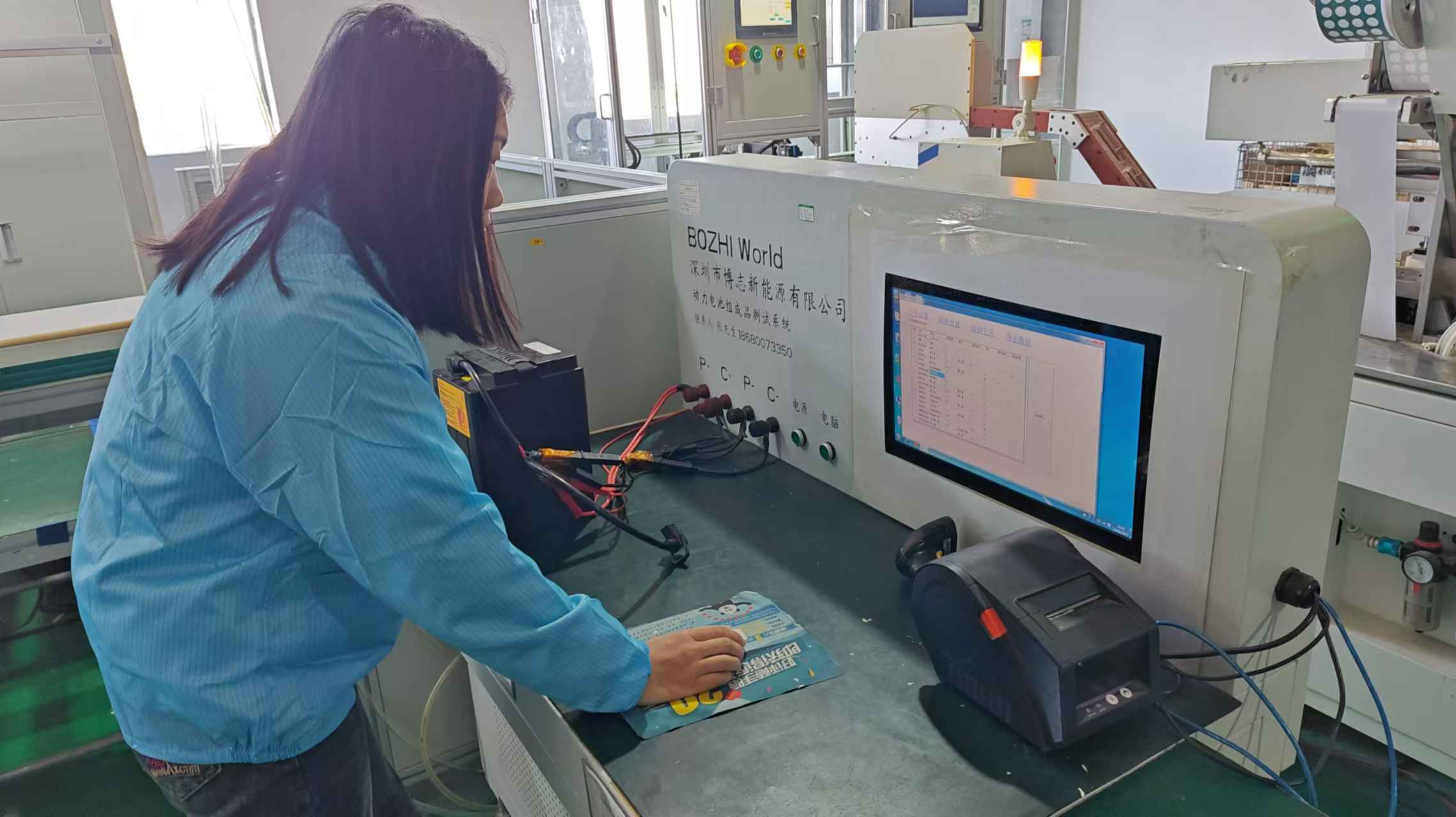
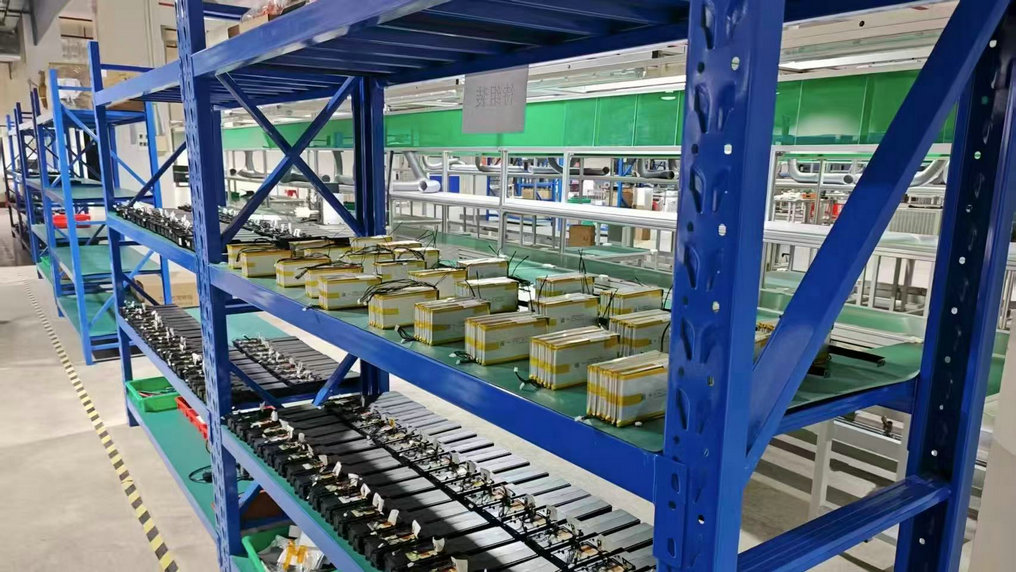
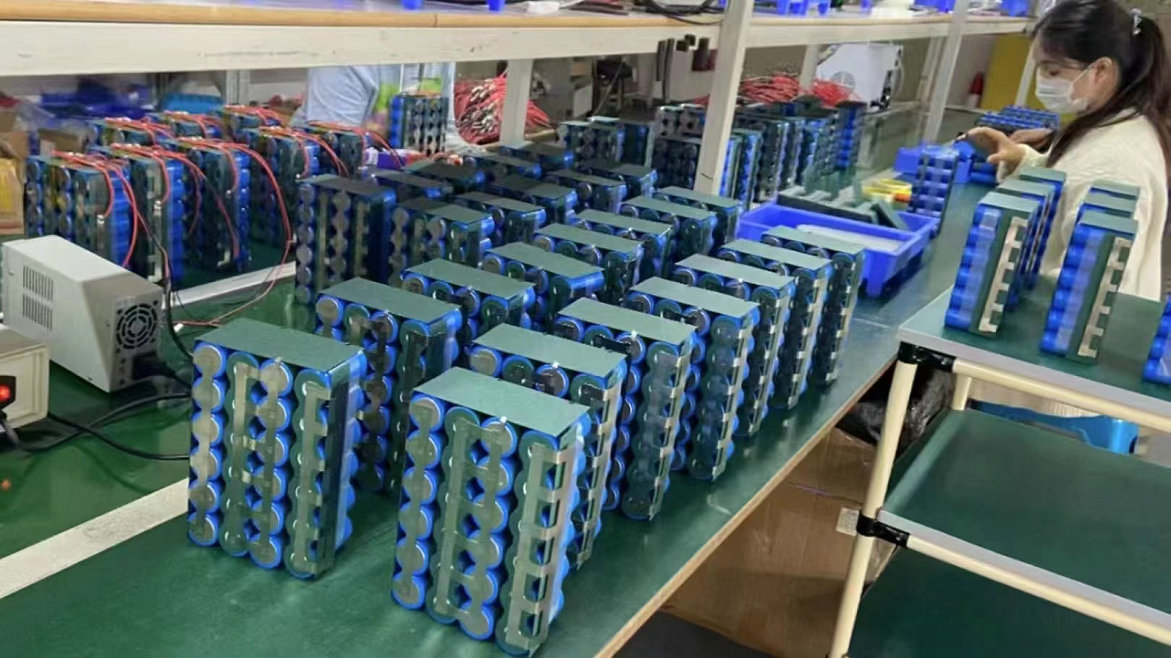
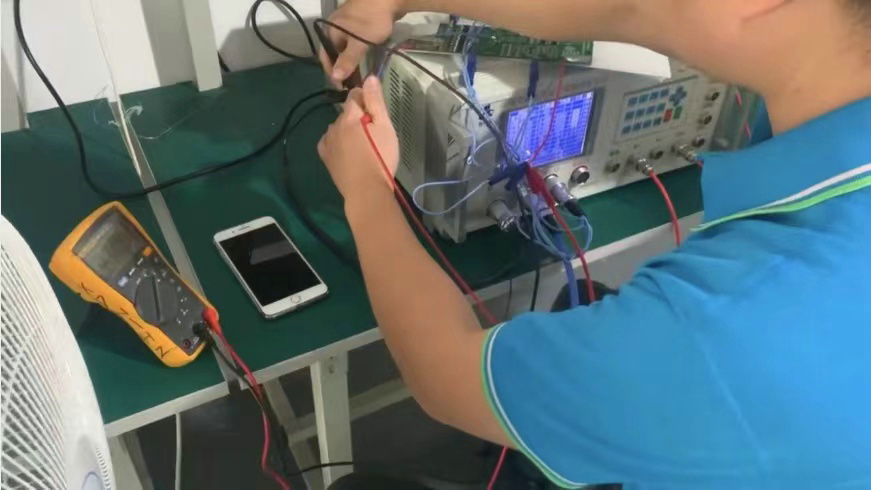
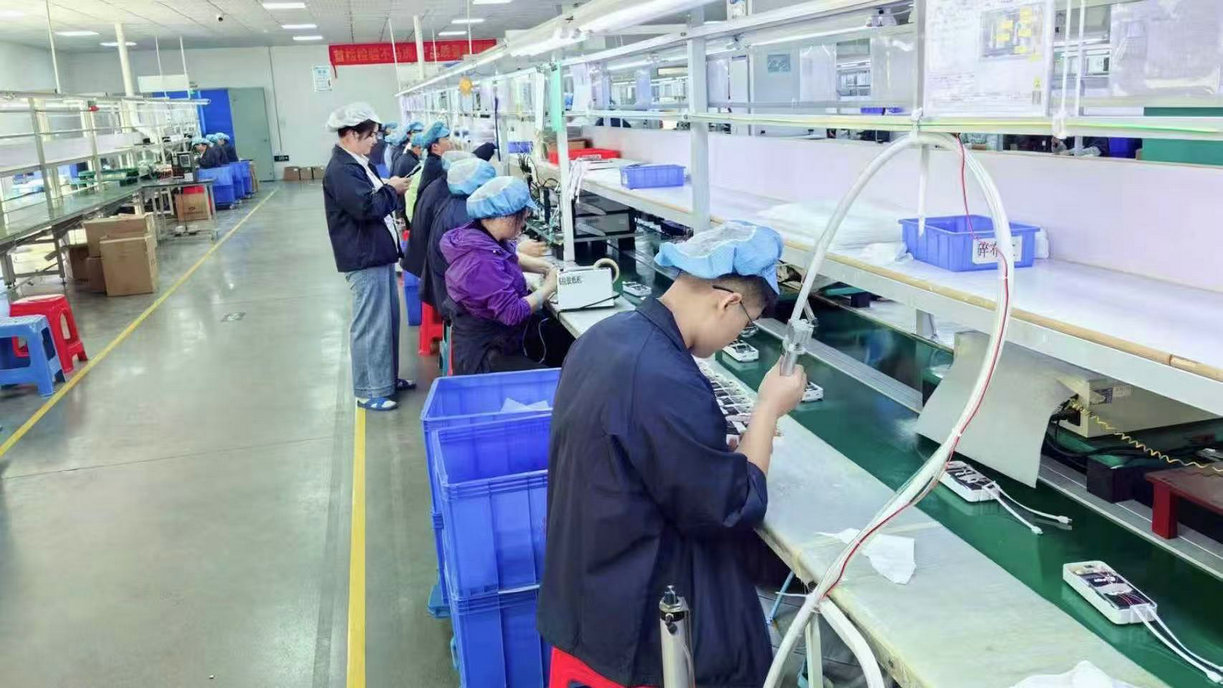
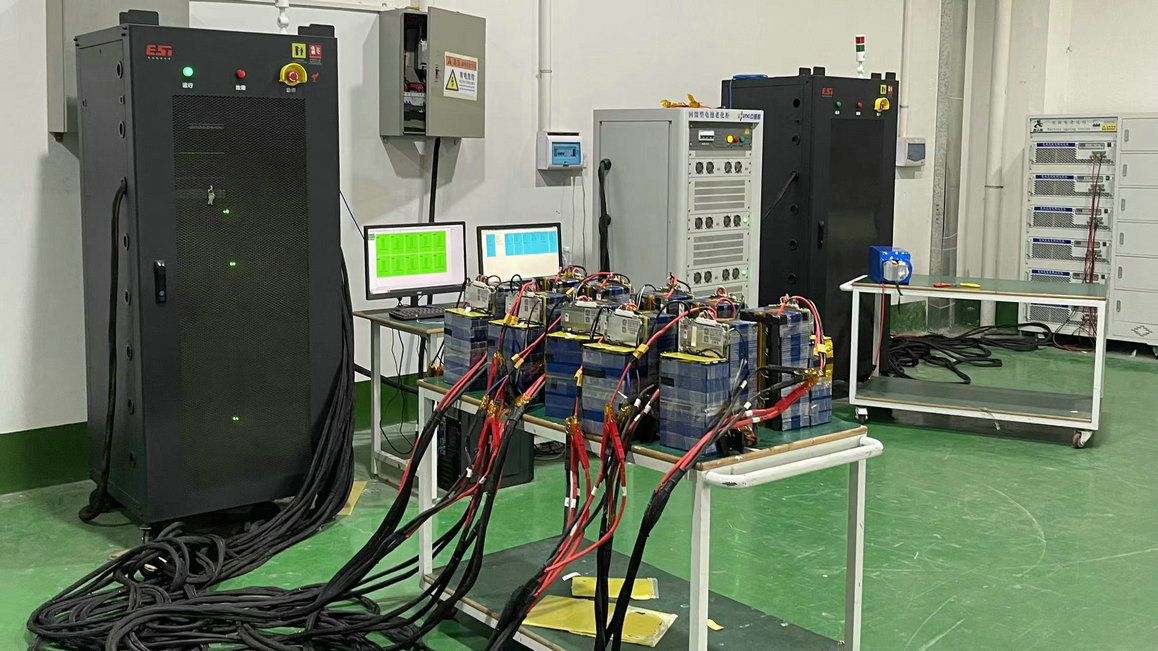
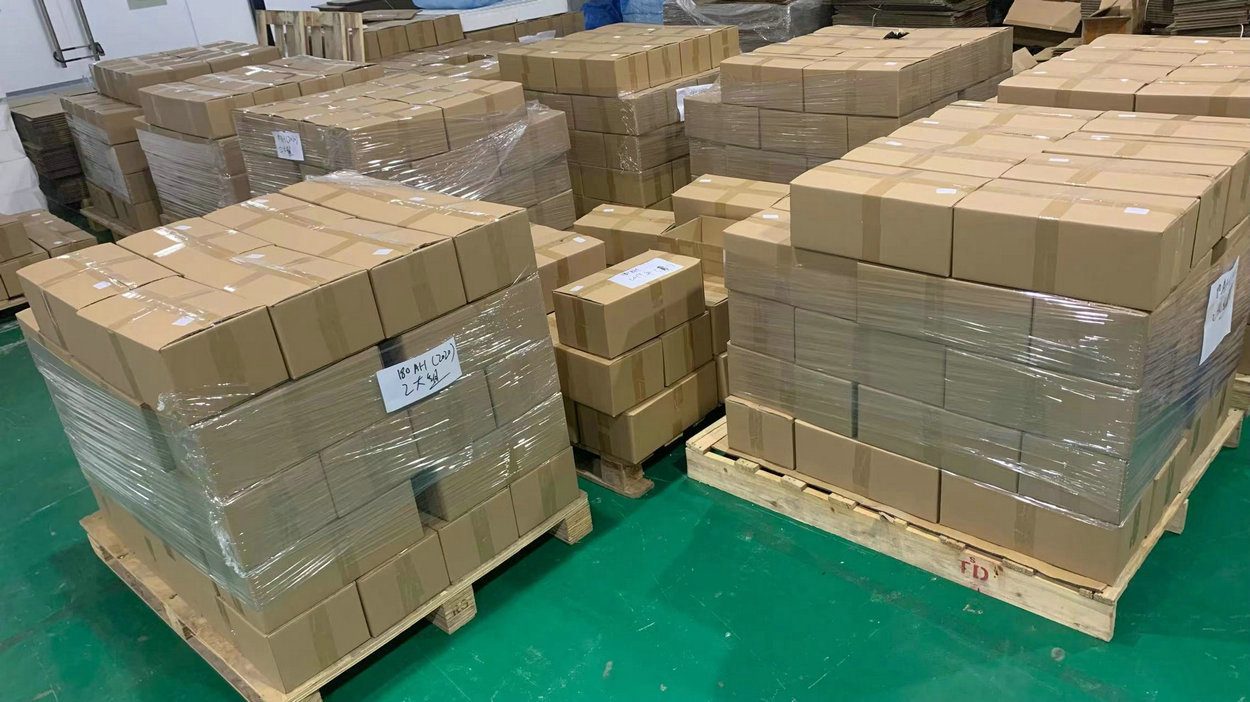
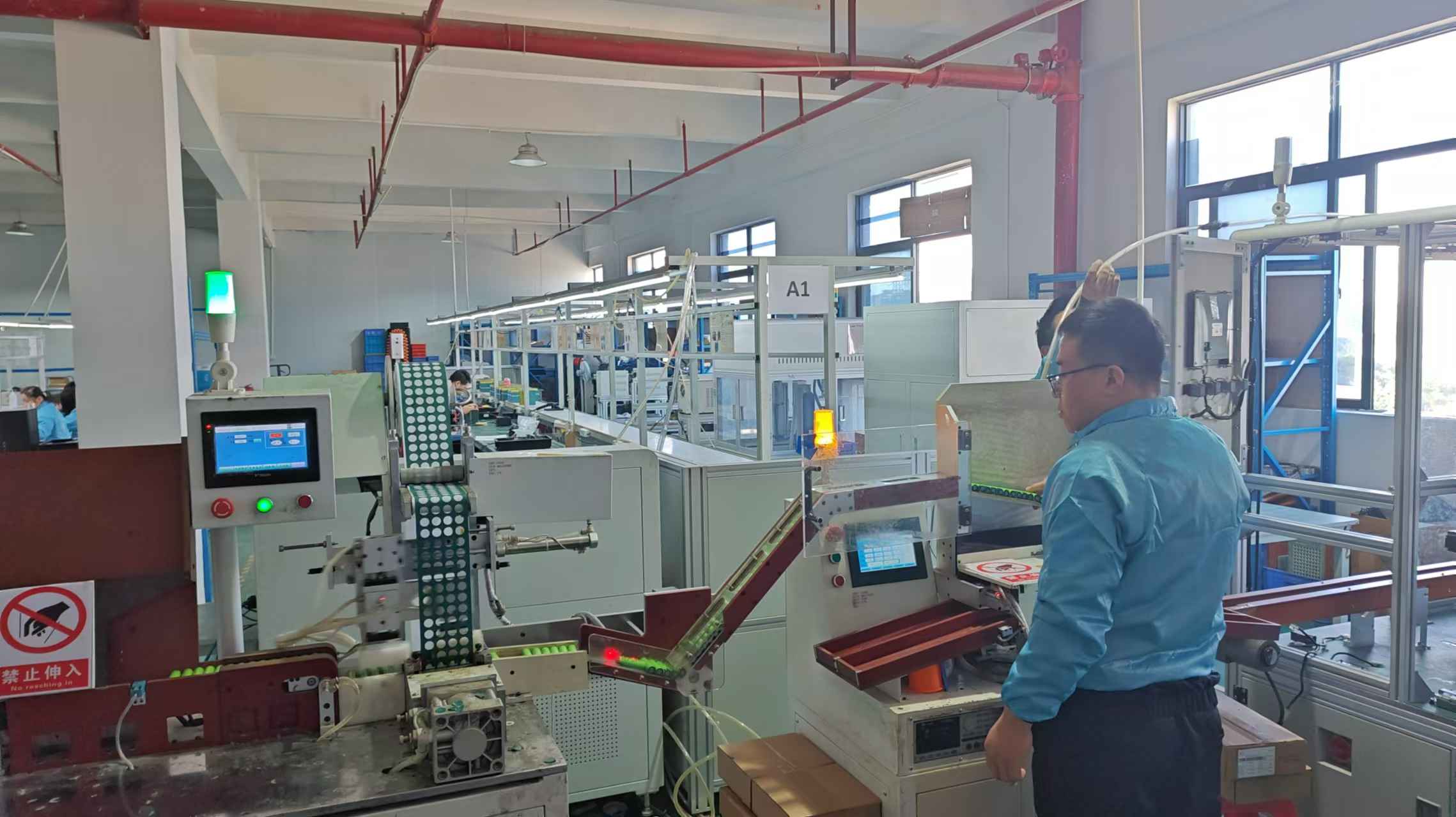
Deep manufacturing knowledge combined with engineering validation protocols.
Guangdong Nuwon Energy Co., Ltd. is a leading manufacturer and solution provider in advanced battery systems, specializing in the research, development, manufacturing, and global distribution of high-performance energy storage products. The company offers comprehensive OEM and ODM services, delivering customized battery solutions tailored to diverse industrial and commercial applications.
Backed by a highly experienced engineering and R&D team, Nuwon Energy focuses on the design and integration of cylindrical and prismatic lithium battery cells, as well as complete battery packs, modules, and energy storage systems. The company also develops and produces industrial-grade battery cells engineered for safety, durability, and long cycle life.
Guangdong Nuwon Energy serves a wide range of industries, including consumer electronics, electric mobility (such as golf carts, forklifts, UTVs/ATVs, trucks, and marine systems), medical equipment, unmanned ground vehicles (AGVs/AMRs), and emerging aerospace applications such as eVTOL aircraft. In addition, the company provides reliable residential, commercial, and industrial (C&I) energy storage solutions designed to support the global transition toward clean and sustainable energy.
With a strong commitment to innovation, strict quality control, and customer-centric service, Guangdong Nuwon Energy continuously invests in advanced manufacturing capabilities, automated production lines, and rigorous testing systems. This ensures that every product meets international safety standards and delivers exceptional performance in demanding environments.
Driven by a vision to accelerate global electrification and energy efficiency, Guangdong Nuwon Energy Co., Ltd. is dedicated to building long-term partnerships and providing reliable, intelligent, and sustainable energy solutions to customers worldwide.
Verified Manufacturer & Engineering Exporter
How localized support and optimized manufacturing address challenges in custom battery projects.
By establishing long-term supply agreements for key battery precursors (such as NCM Ternary precursors and battery-grade lithium carbonate), we shelter overseas buyers from rapid market price swings, stabilizing BOM (Bill of Materials) costs for multi-year industrial programs.
Lithium batteries are classified as Class 9 Dangerous Goods. Our team handles the regulatory overhead, providing valid UN38.3 test summaries, MSDS certificates, and specialized packaging designs to secure hassle-free customs clearance in the EU, Americas, and APAC regions.
To reduce delivery lead times from weeks to days, we maintain regional stock of standard LiFePO4 replacement modules (like 12V 100Ah/200Ah/300Ah packs) in European and North American warehouses, enabling quick dispatch for urgent installations.
Detailed answers to the most common engineering and procurement questions regarding custom battery specification services.
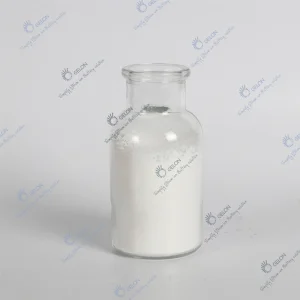
Browse raw precursors, solid-state electrolyte formulations, and specialty primary cells for industrial applications.
 Nuwon Energy