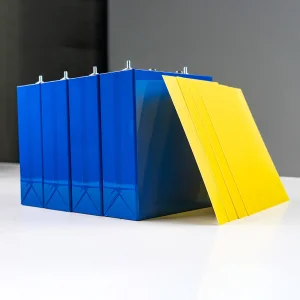
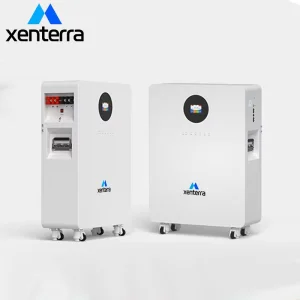
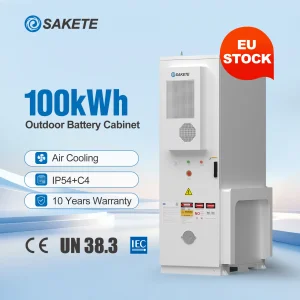
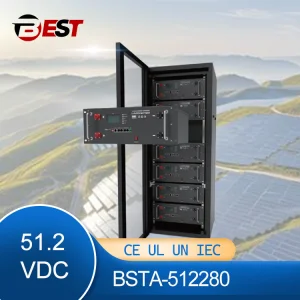
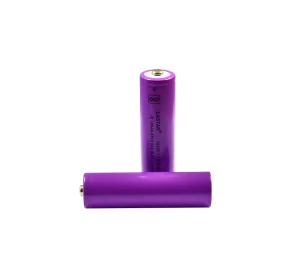
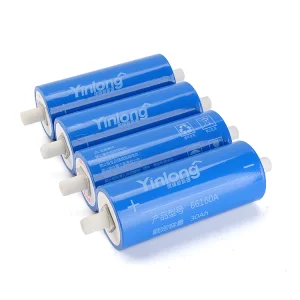
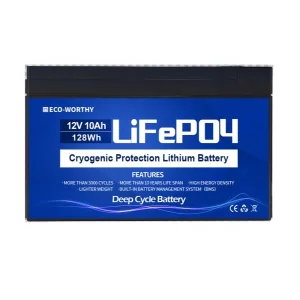
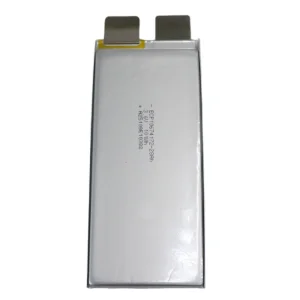
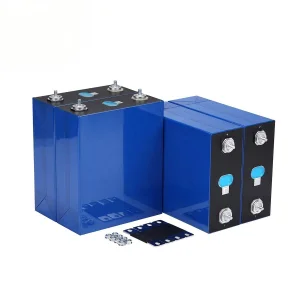
Direct supply of high-voltage ESS containers, grade-A prismatic cells, and smart Bluetooth-integrated battery packs from our advanced manufacturing base.
An in-depth look at energy materials science, shifting purchasing parameters, and key manufacturing indicators driving global B2B procurement.
The global transition to renewable grid-tied energy networks, electric logistics systems, and off-grid utility infrastructure has triggered a paradigm shift in industrial deep cycle battery requirements. While lead-acid structures historically dominated deep-discharge configurations, chemical material transitions to Lithium Iron Phosphate (LiFePO4) and Lithium Titanate (LTO) have revolutionized industrial longevity standards. Operating life expectancy has increased from a mere 500–1,000 cycles (typical lead-acid) to a robust 6,000–8,000+ cycles at 80% Depth of Discharge (DOD) for advanced LFP chemistries.
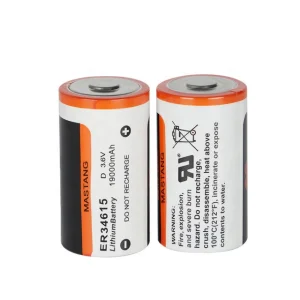
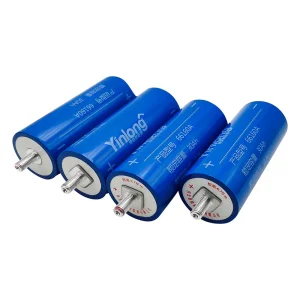
Guangdong Nuwon Energy Co., Ltd. sits at the heart of this technical transition. As a specialized engineering and custom design manufacturer, Nuwon integrates deep cycle technologies utilizing cylindrical cells, prismatic LFP architectures, LTO systems, and next-generation semi-solid-state chemistries. These engineering pathways address unique industry stress points: extreme sub-zero operation, rapid thermal mitigation, high discharge current stability, and localized control through smart Battery Management Systems (BMS).
Choosing the correct cell chemistry profile directly influences capital expenditure amortization. Prismatic LiFePO4 cells yield the highest safety-to-cost ratio, while LTO excels in peak power environments.
Thermal runway and accelerated aging profiles occur due to cell voltage and internal resistance deviation. Guangdong Nuwon prevents this through automated dual-sorting protocols.
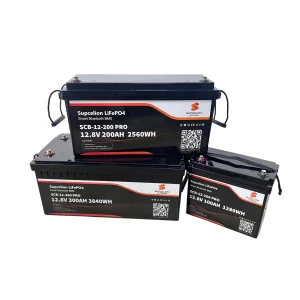
Modern commercial setups require dynamic protocol support. Embedded CANbus, RS485, and Bluetooth capabilities allow remote telemetry, state-of-health tracking, and preventive system management.
A data-backed look at cell characteristics to optimize system selection for commercial and industrial scenarios.
| Performance Parameters | Prismatic LiFePO4 (LFP) | Lithium Titanate (LTO) | Semi-Solid-State Lithium |
|---|---|---|---|
| Nominal Cell Voltage | 3.2 V | 2.3 V / 2.4 V | 3.6 V |
| Cycle Life (80% DOD) | 6,000 - 8,000 Cycles | 20,000 - 30,000 Cycles | 1,500 - 3,000 Cycles |
| Gravimetric Energy Density | 160 - 185 Wh/kg | 70 - 110 Wh/kg | 260 - 320 Wh/kg |
| Operating Temp (Charge) | 0°C to 55°C (Low-temp options available) | -40°C to 60°C | -20°C to 60°C |
| Thermal Runaway Temp | 270°C | Exceeds 400°C (Extremely Safe) | 350°C |
| Optimal Application Fields | Telecom, Solar ESS, RV, C&I Projects | Rapid-charging AGVs, Heavy Rail, Extreme Climates | eVTOL, Portable Med-Tech, High-Energy Robotics |
Nuwon Energy addresses compliance challenges, shipping protocols, and localized market integration for tier-1 distributors.
Procuring deep-cycle systems requires compliance with strict safety directives. Guangdong Nuwon Energy aligns all cell production and custom assemblies with international benchmarks, including UN38.3, UL1973, IEC62619, CE, and RoHS. Each cell batch passes strict high-voltage insulation tests, ensuring hassle-free customs clearance and reduced site liability.
Shipping delays and hazardous material transport restrictions present major supply challenges. Nuwon establishes a reliable supply chain by utilizing localized inventory stocks, particularly in European logistics hubs. EU warehouse stocking of Grade A 3.2V 100Ah, 280Ah, and 314Ah cells ensures rapid distribution across regional markets, lowering ocean transit risks and reducing capital cycle times.
A trusted manufacturer and solution provider in advanced battery systems, specializing in research, development, and global distribution.
Guangdong Nuwon Energy Co., Ltd. is a leading manufacturer and solution provider in advanced battery systems, specializing in the research, development, manufacturing, and global distribution of high-performance energy storage products. The company offers comprehensive OEM and ODM services, delivering customized battery solutions tailored to diverse industrial and commercial applications.
Backed by a highly experienced engineering and R&D team, Nuwon Energy focuses on the design and integration of cylindrical and prismatic lithium battery cells, as well as complete battery packs, modules, and energy storage systems. The company also develops and produces industrial-grade battery cells engineered for safety, durability, and long cycle life.
Guangdong Nuwon Energy serves a wide range of industries, including consumer electronics, electric mobility (such as golf carts, forklifts, UTVs/ATVs, trucks, and marine systems), medical equipment, unmanned ground vehicles (AGVs/AMRs), and emerging aerospace applications such as eVTOL aircraft. In addition, the company provides reliable residential, commercial, and industrial (C&I) energy storage solutions designed to support the global transition toward clean and sustainable energy.
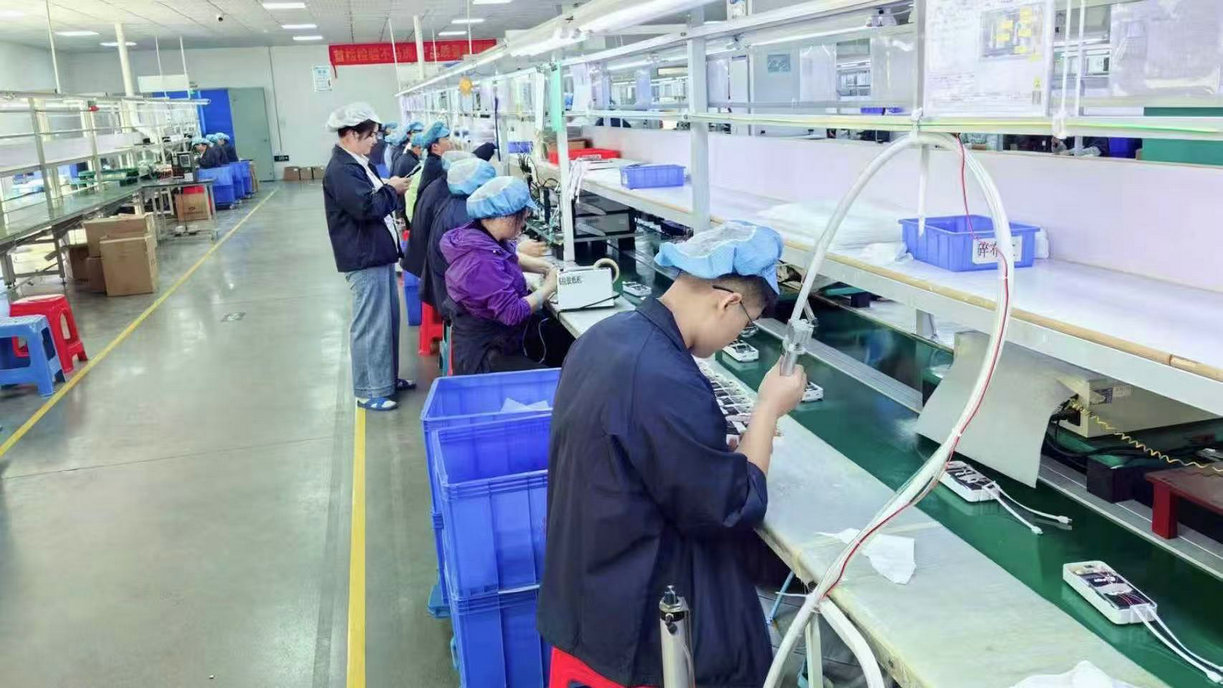
With a strong commitment to innovation, strict quality control, and customer-centric service, Guangdong Nuwon Energy continuously invests in advanced manufacturing capabilities, automated production lines, and rigorous testing systems. This ensures that every product meets international safety standards and delivers exceptional performance in demanding environments.
Driven by a vision to accelerate global electrification and energy efficiency, Guangdong Nuwon Energy Co., Ltd. is dedicated to building long-term partnerships and providing reliable, intelligent, and sustainable energy solutions to customers worldwide.
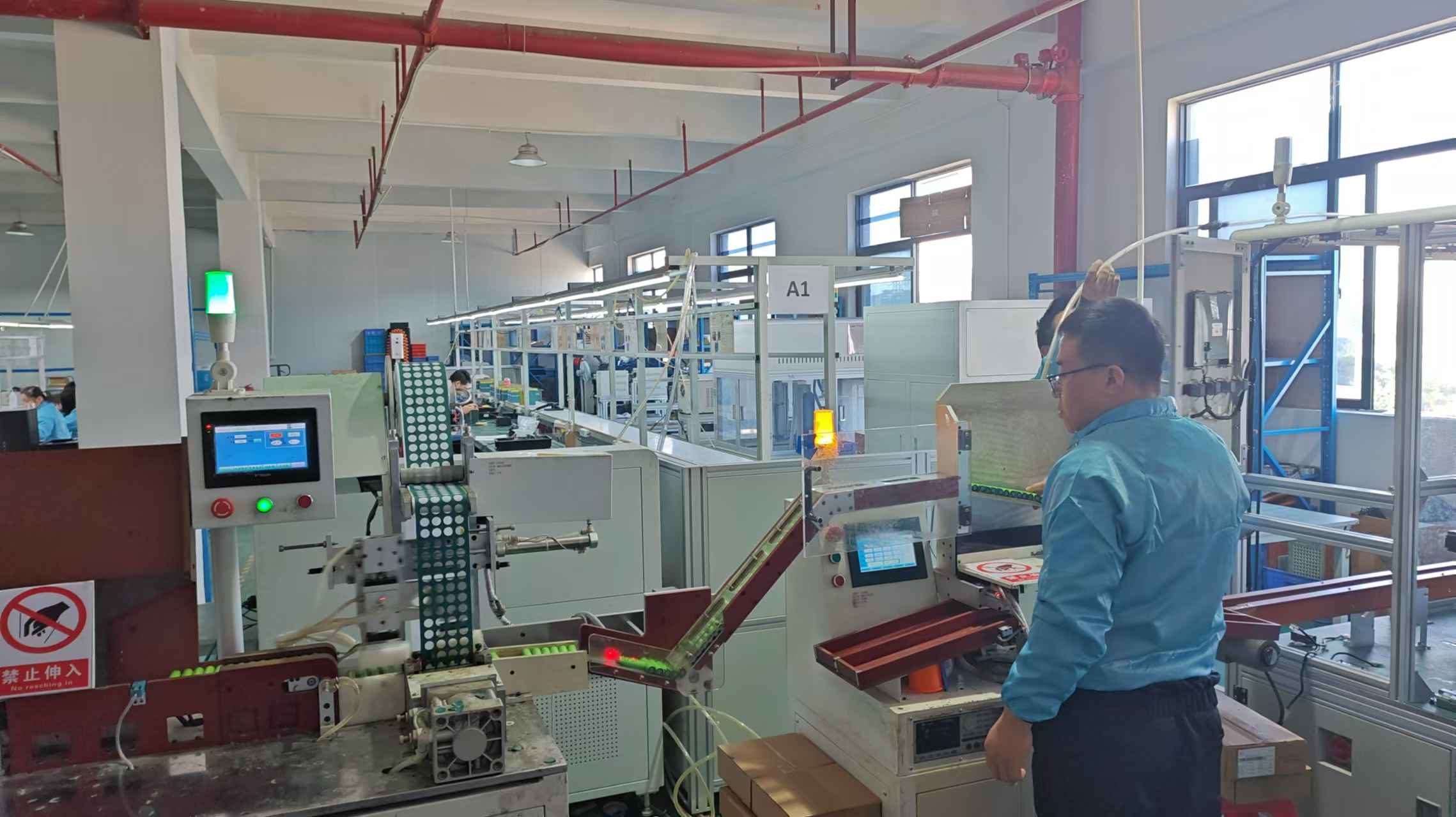
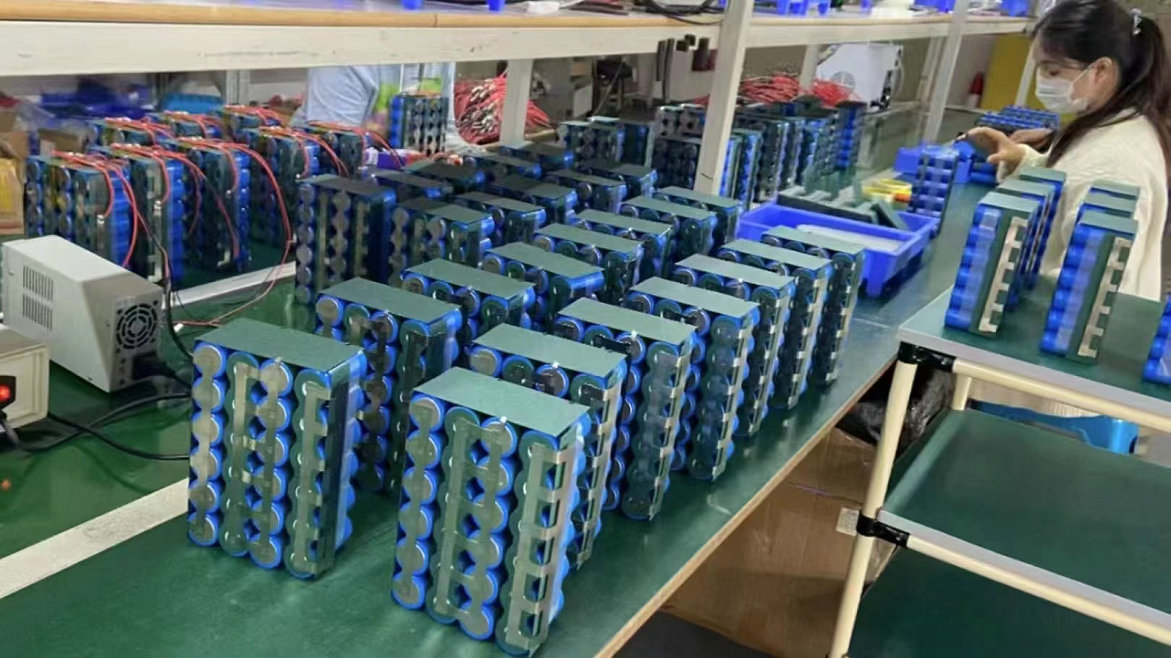
Cell Sorting
Module Assembling
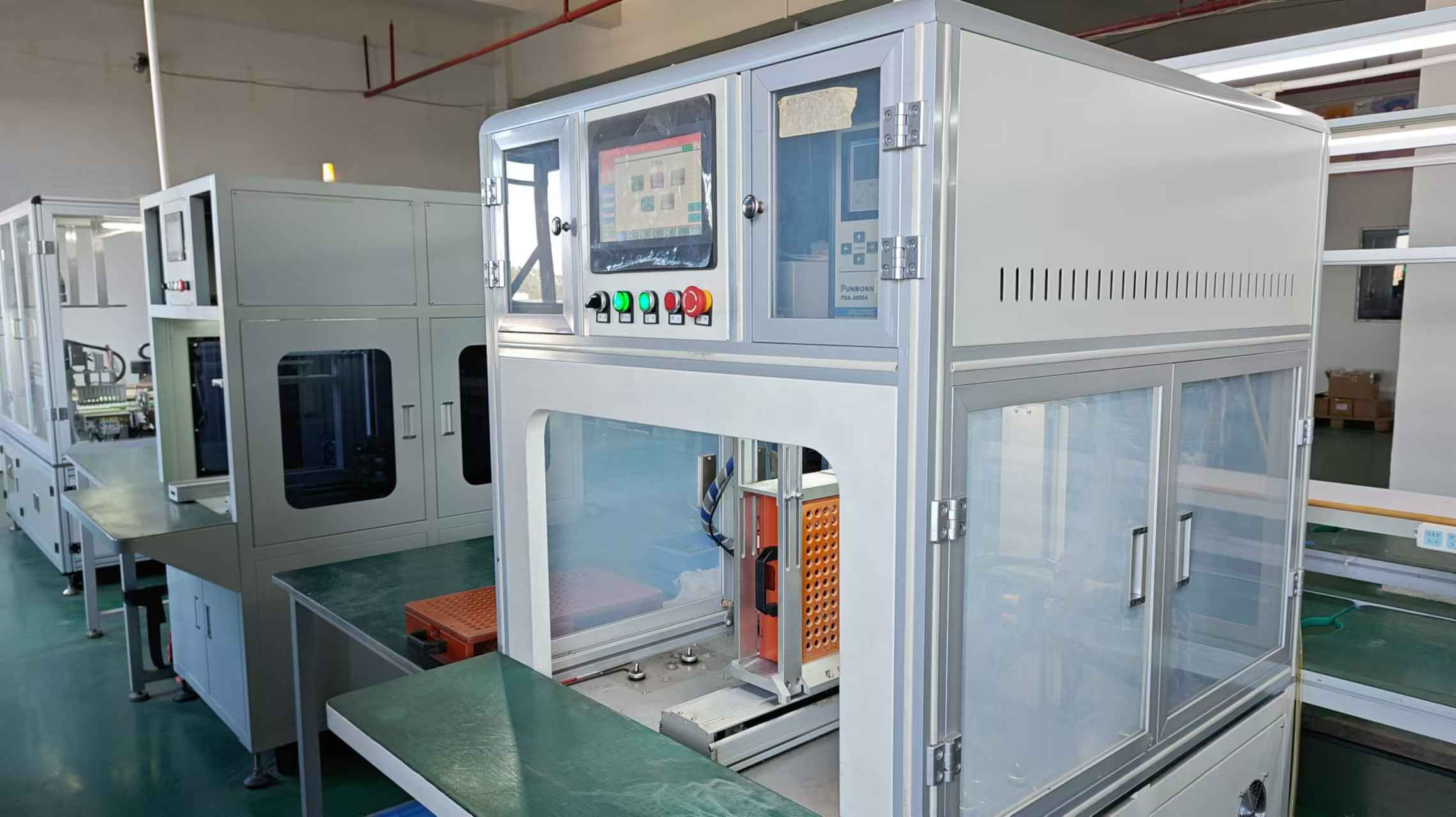
Precision Laser Welding
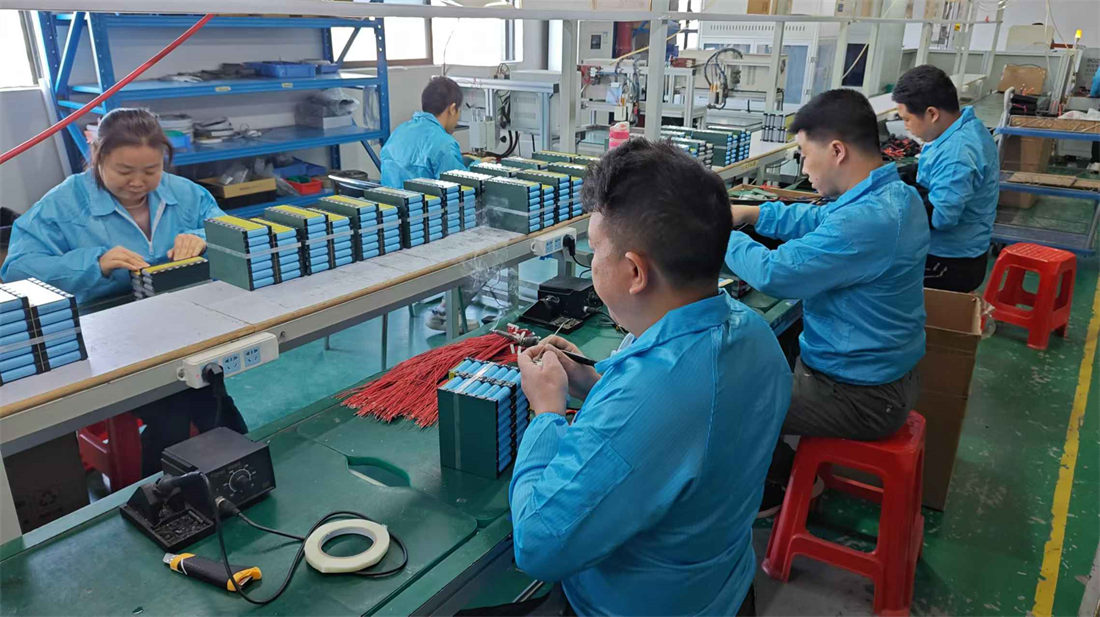
Pack Assembly & Integration
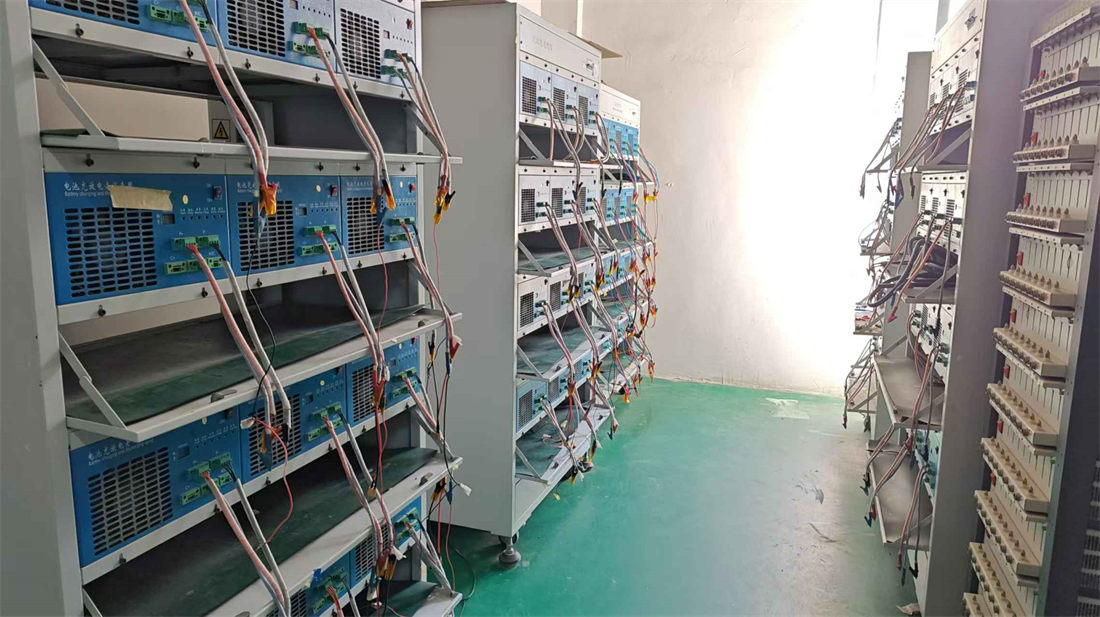
High-Temp Aging Cycle
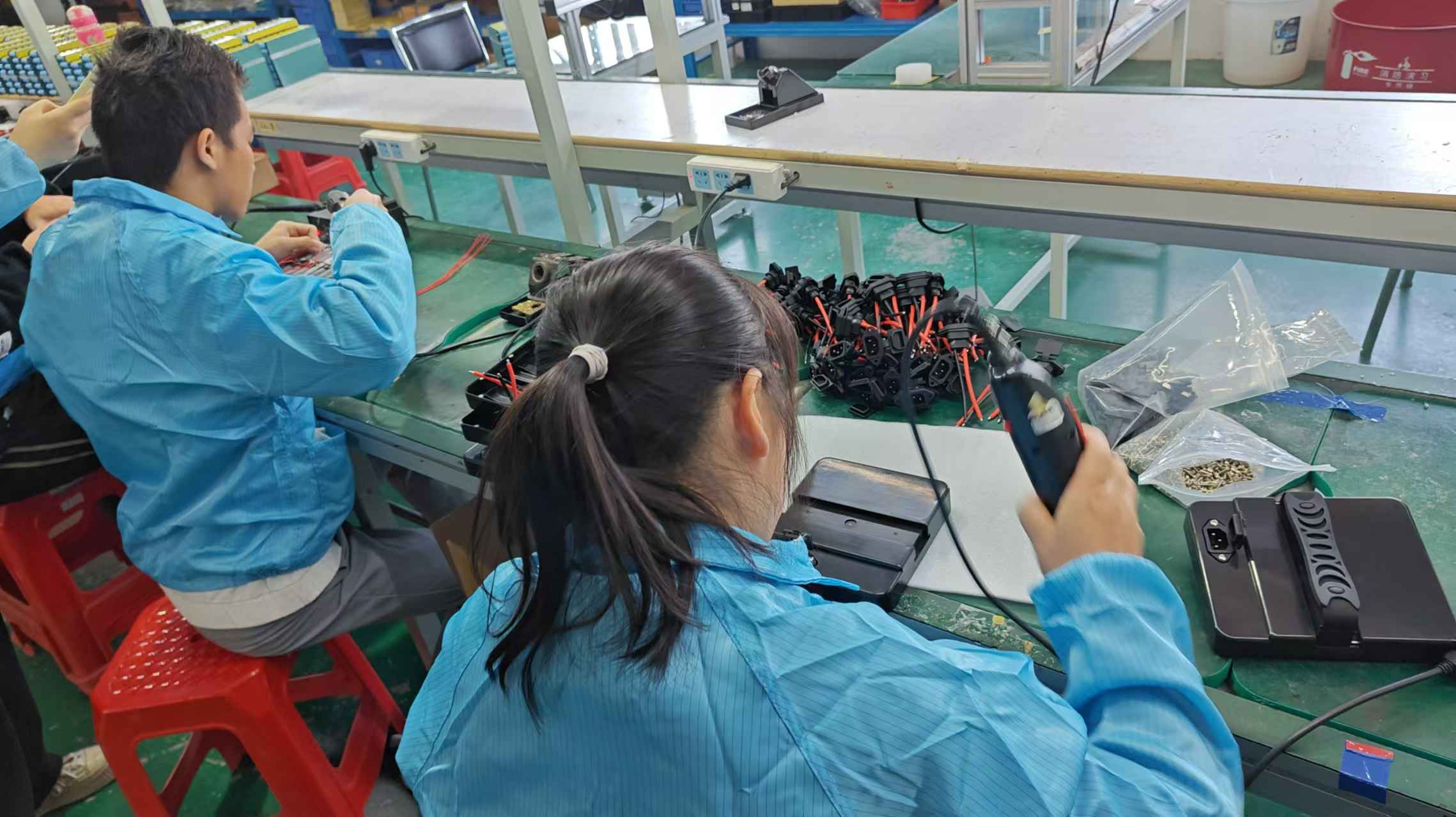
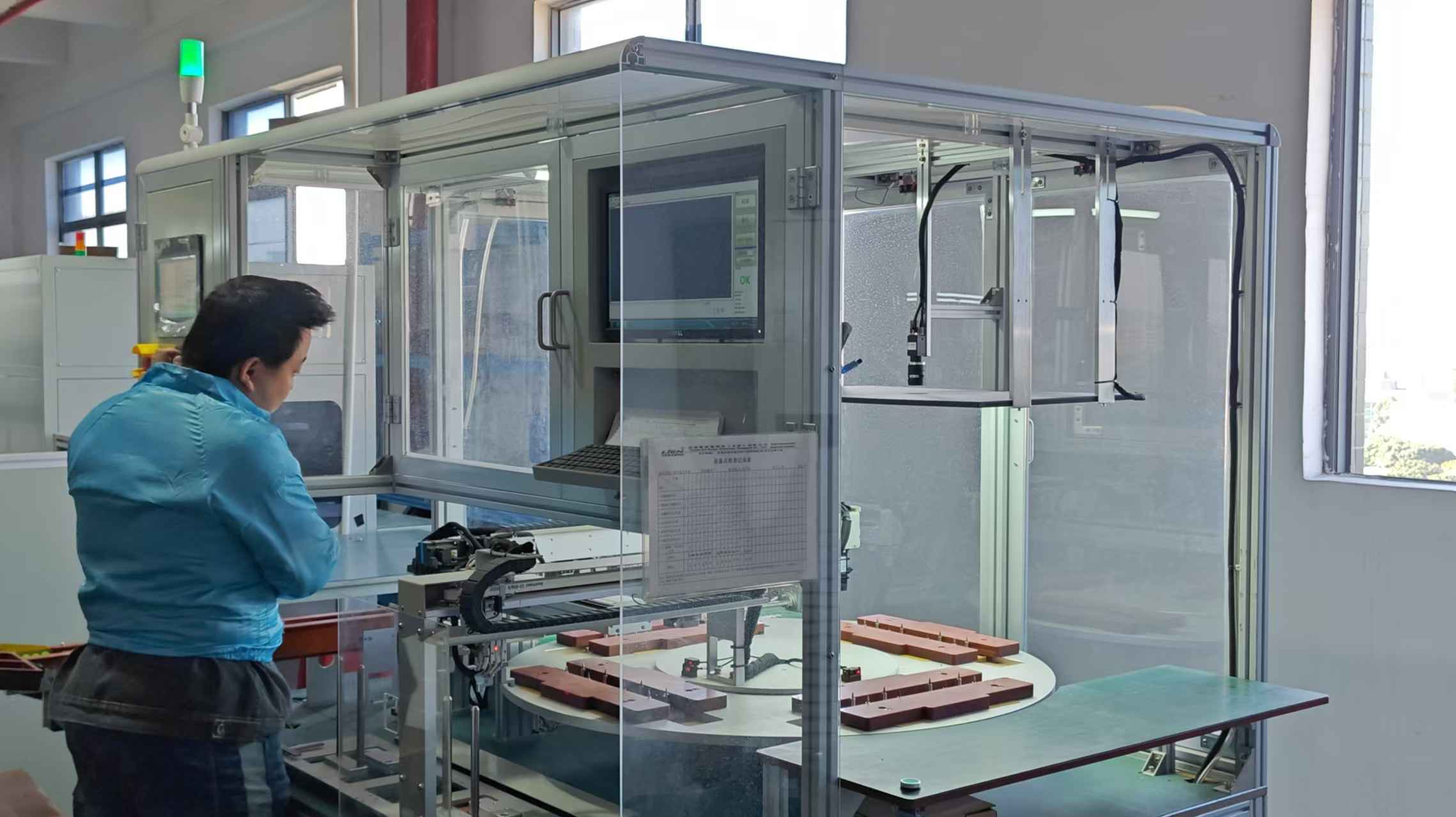
Structural Enclosure Fitting
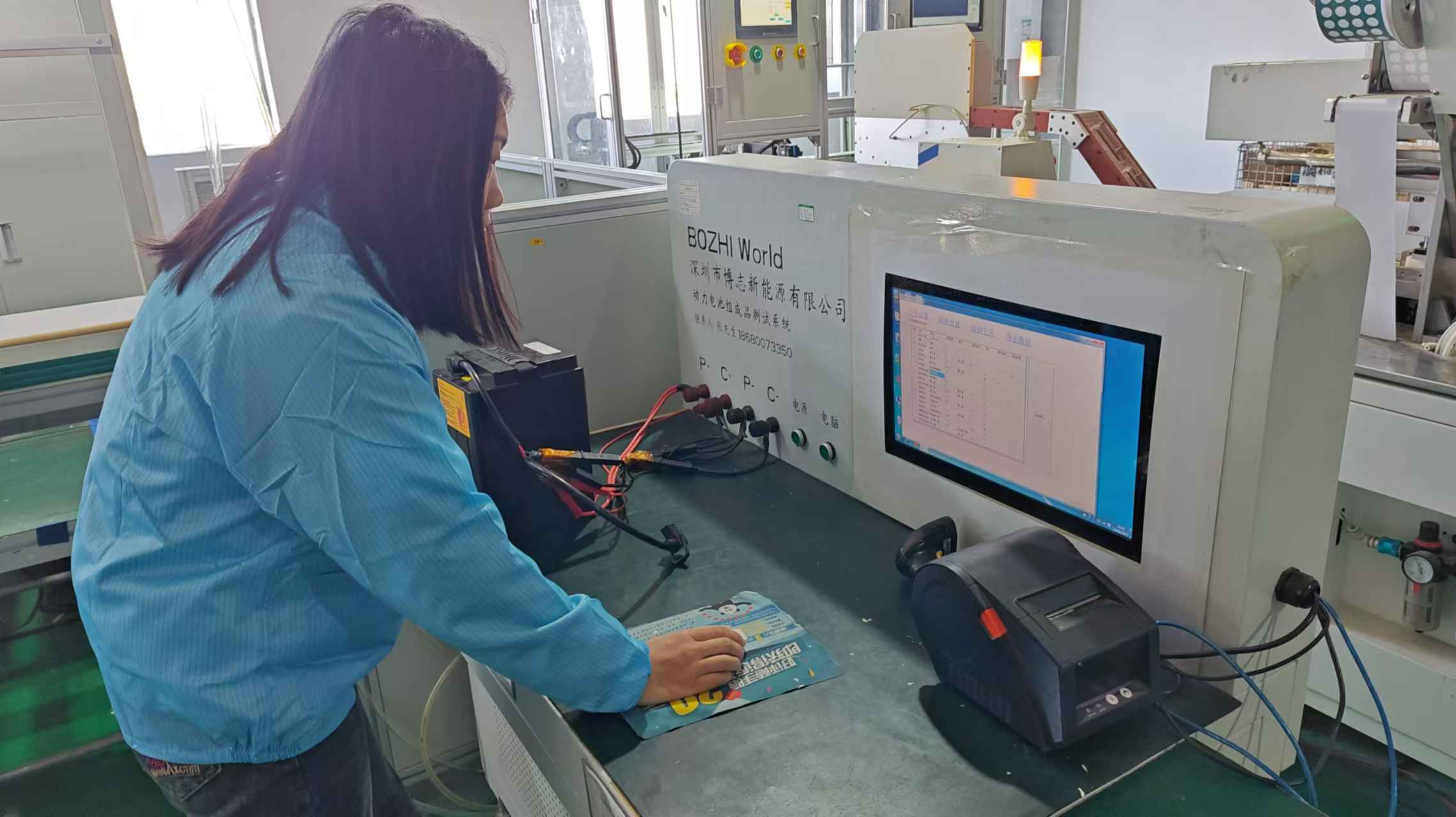
BMS Functional Testing
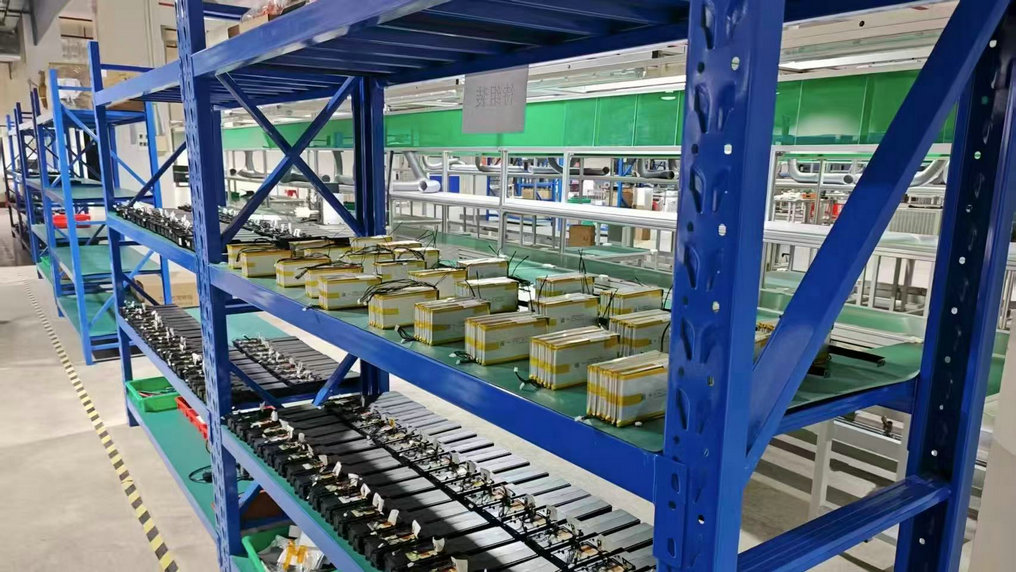
Battery Pack QC Verification
Insulation & Dielectric Testing
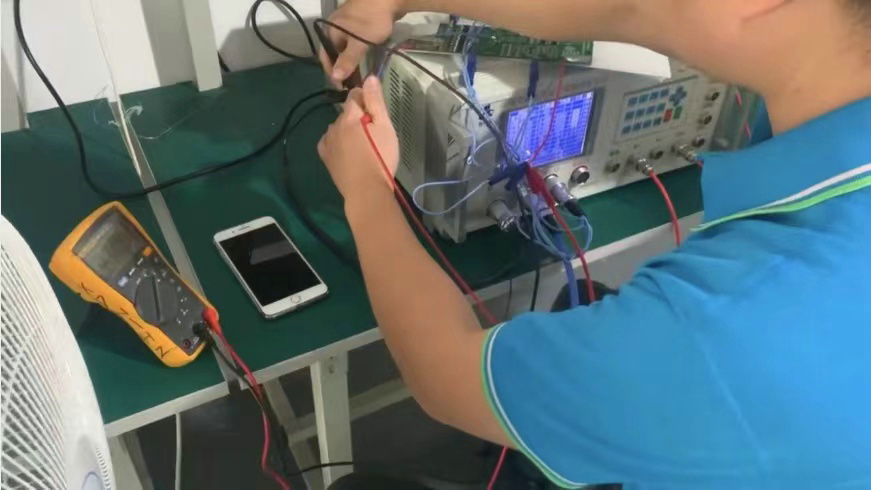
Smart PCB Inspection
Parallel Busbar Welding
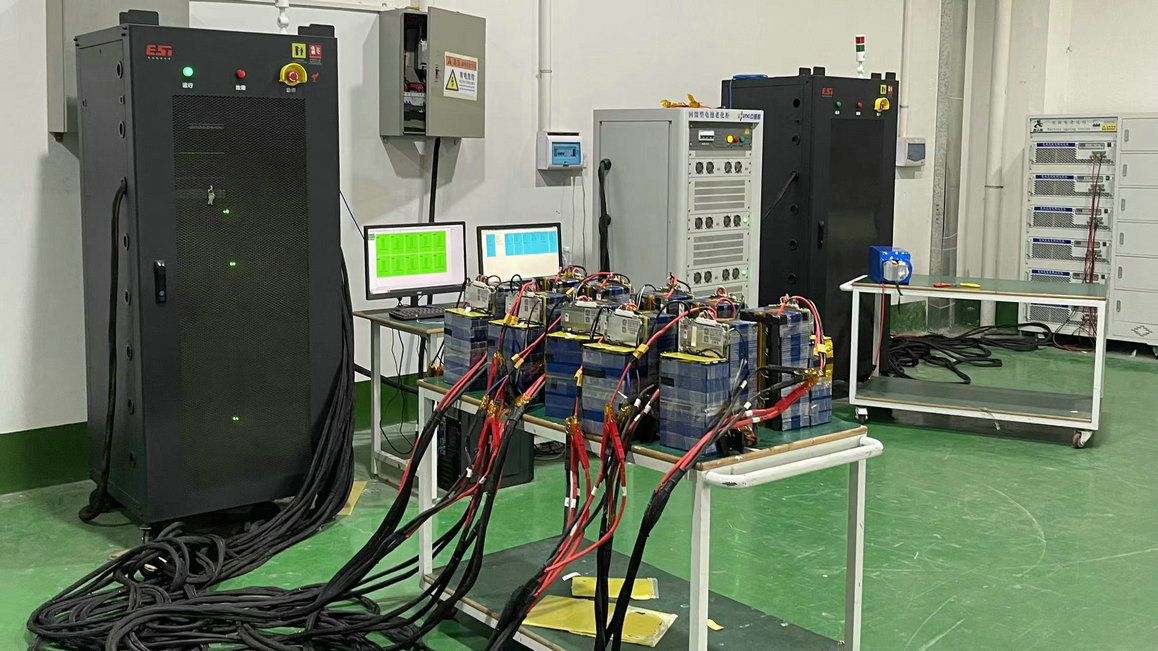
Extended Voltage Stabilization
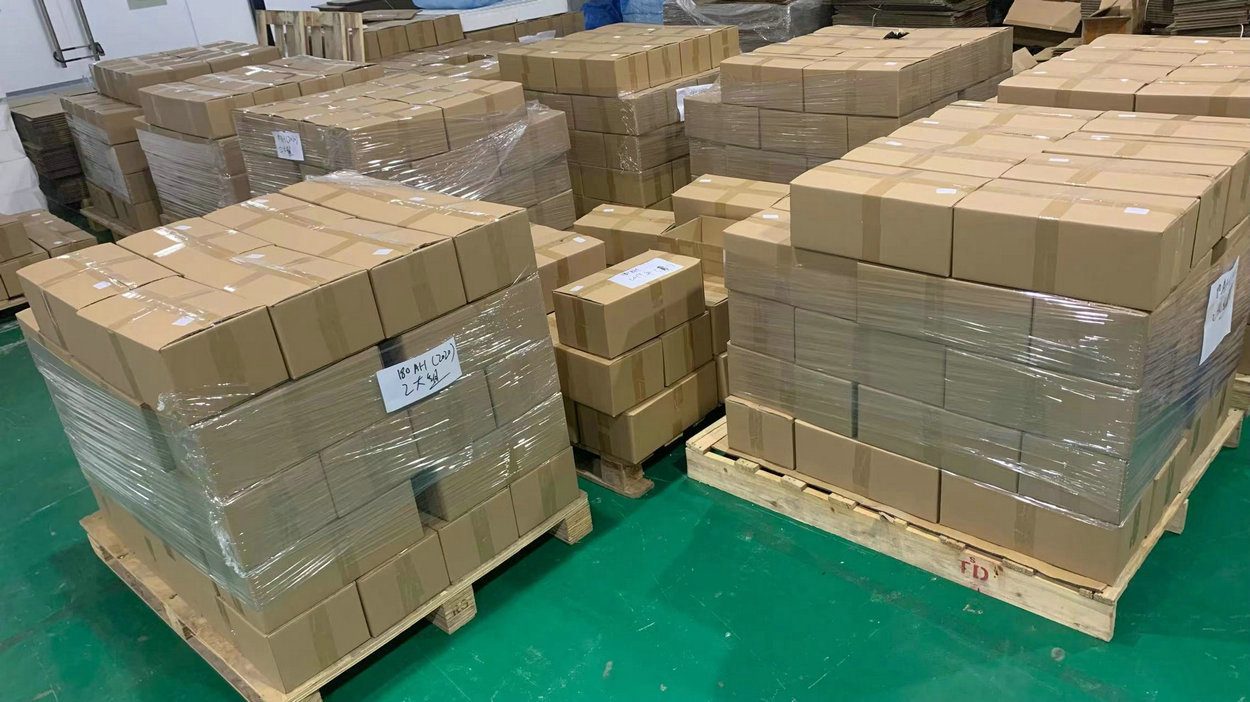
Finished Deep Cycle Products
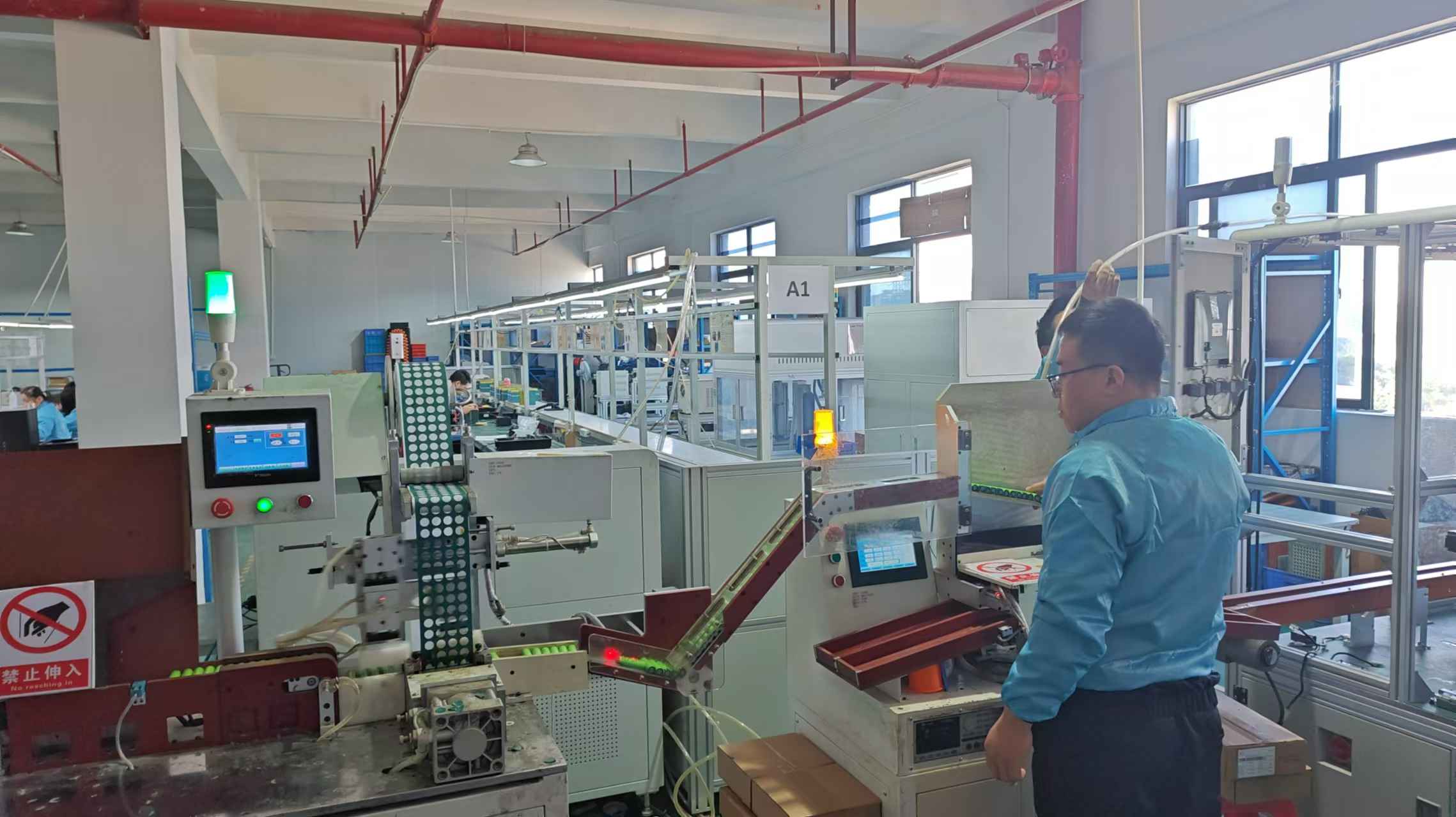
High-Throughput Cell Sorter
How our research team is preparing for the solid-state revolution and shifting limits of energy density.
Integrating dynamic cloud-based SOH monitoring platforms directly within commercial LFP containers to boost field longevity by up to 15% through active cellular thermal management.
Commercializing high-density semi-solid cells (reaching 28Ah at 3.6V per cell) for weight-sensitive applications like AGVs, drones, eVTOL, and medical devices.
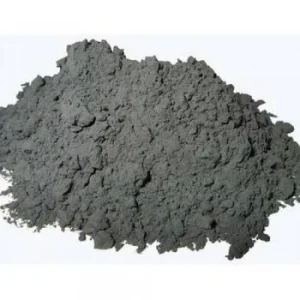
Developing solid-state battery electrolytes (Li6PS5Cl LPSC) to eliminate liquid components, providing improved safety, higher energy density, and resistance to thermal runaway.
Expert answers addressing chemistry selections, quality control standards, and customization capabilities.
LiFePO4 offers exceptional thermal safety, boasting a thermal runaway temperature of 270°C compared to NCM's 210°C. Additionally, LFP delivers over 6,000–8,000 charge cycles, whereas standard NCM typically ranges from 1,000 to 2,000 cycles. This makes LFP more cost-effective for long-term stationary and commercial installations.
Charging lithium cells below 0°C can trigger lithium plating, causing dendrites that damage the separator and cause internal short circuits. Our low-temperature protection systems use integrated heating pads or BMS sensors to pause charging when ambient temperatures drop below freezing, protecting cell chemistry.
Grade A cells meet exact specification parameters for capacity, internal resistance (IR), and self-discharge rates. They exhibit no physical swelling and possess uniform impedance profiles. Nuwon ensures Grade A matching through automated cell sorting systems, minimizing cycle divergence across pack assemblies.
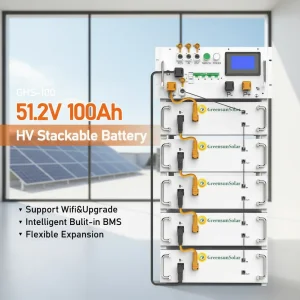
Yes, our cells and stacked battery packs support high-voltage scaling (up to 400V–800V DC) for commercial and industrial energy storage systems. High-voltage configurations reduce transmission losses and system installation footprint.
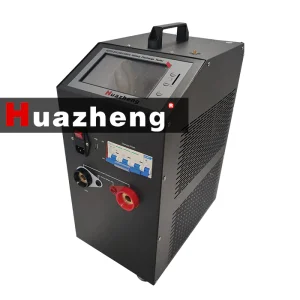
Explore our solid-state electrolyte raw materials, specialized LTO packs, high-discharge cylindrical cells, and multi-voltage load testers.
 Nuwon Energy